
There are forms that survive the times because they are not dependent on them. The cabochon is one of them. Smooth, polished, facetless, it catches the light without fragmenting it. At Maison Lalique, this motif becomes more than a detail: it becomes architecture.
With Cabochon, the question is not one of perfume alone. It’s about its container – and what this tells us about a glassmaking heritage.
Founded by René Lalique at the turn of the twentieth century, the House is part of a tradition in which glass is never neutral. It is worked as an expressive material: molded, satin-finished, engraved. The cabochon is in keeping with this logic. It is directly reminiscent of Art Deco jewelry, where polished stone replaces intricate cutting to emphasize surface and depth.
Transposed to the bottle, this principle becomes legible. The cabochon cap acts as a point of visual tension. It doesn’t overhang the object: it balances it.
This formal choice is in line with another Lalique constant: the mastery of contrast between transparency and opacity. Glass can be clear, frosted or even lightly tinted. This alternation creates a tactile as well as a visual reading. We don’t just look at the bottle – we anticipate its contact.
In the case of Cabochon, this approach extends a simple idea: slow down the gesture. Where many contemporary bottles seek immediate impact – angular lines, shiny effects – Lalique favors a restrained form. The cabochon absorbs light rather than reflecting it.
This positioning is not insignificant in today’s perfumery landscape. It reflects our loyalty to a certain idea of French luxury: one that is rooted in the continuity of know-how rather than in permanent rupture.
Because behind the form, there’s a process. Working with molded, then polished glass demands a precision that tolerates no approximation. Every surface must be even, every transition mastered. The cabochon, seemingly simple, is in fact demanding: the slightest irregularity becomes visible.
This type of object escapes the logic of pure decoration. It’s more a question of construction.
At a time when the perfume industry is launching more and more new products, Cabochon is a reminder of another kind of temporality. That of an object designed to last – not by its fragrance, but by its presence.
The bottle becomes a memory. And form, language.

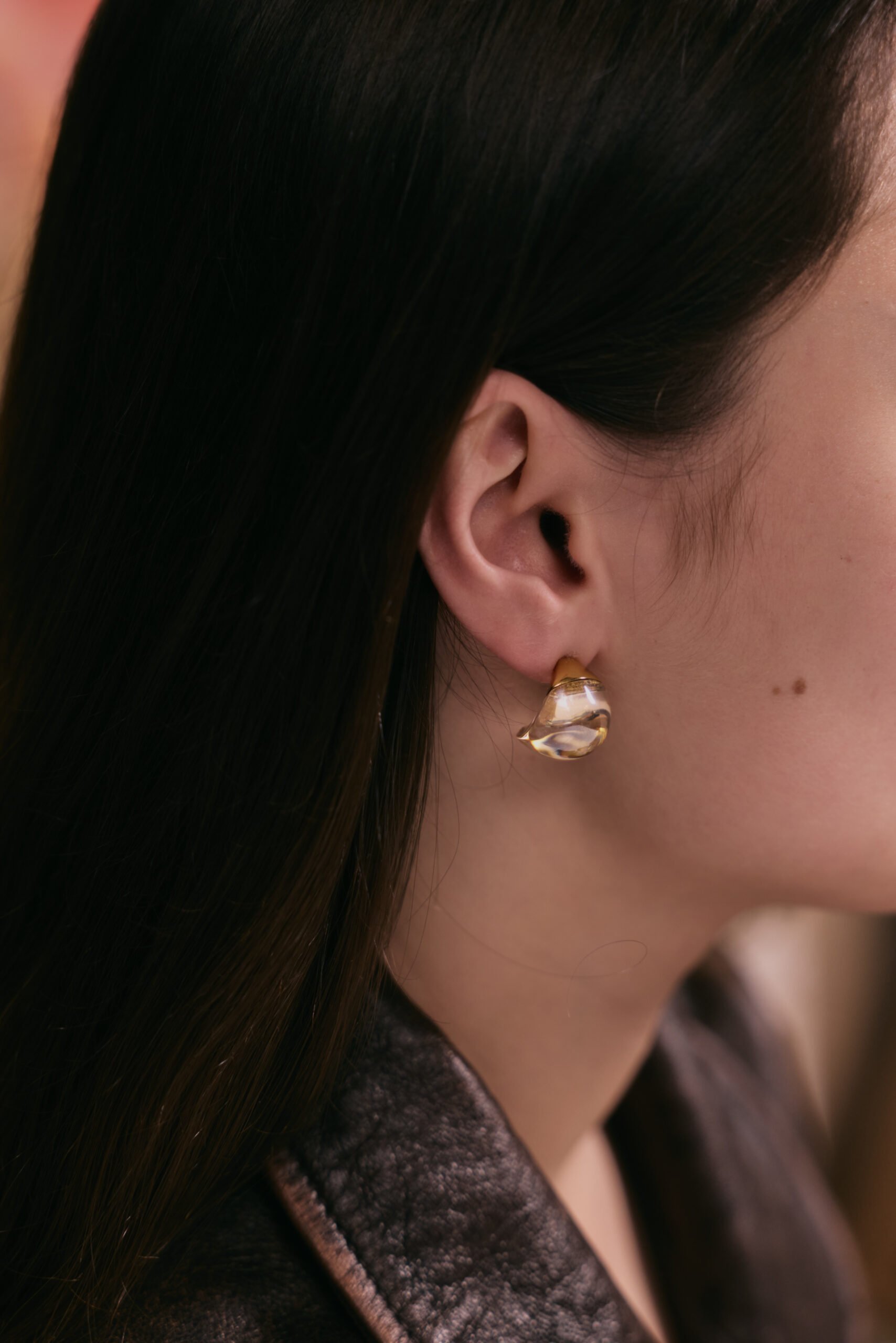
Right of use: Print, digital, advertising
Term of use: unlimited
Credits: ©AnneMarie Sterian
Boucle d’oreille Cabochon Lustré Or
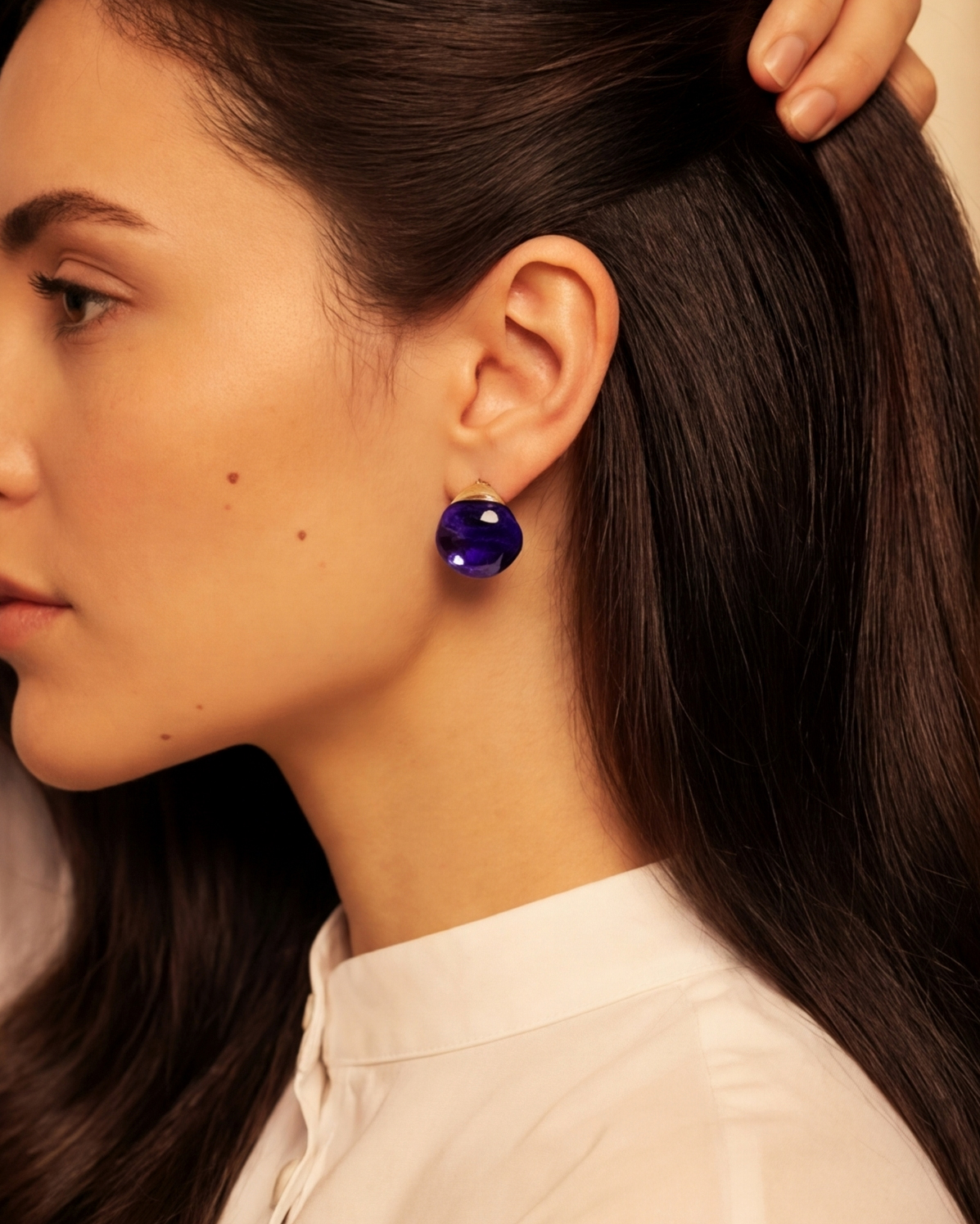
Right of use: Print, digital, advertising
Term of use: unlimited
Credits: ©AnneMarie Sterian
Boucle d’oreille Cabochon Bleu Cap Ferrat
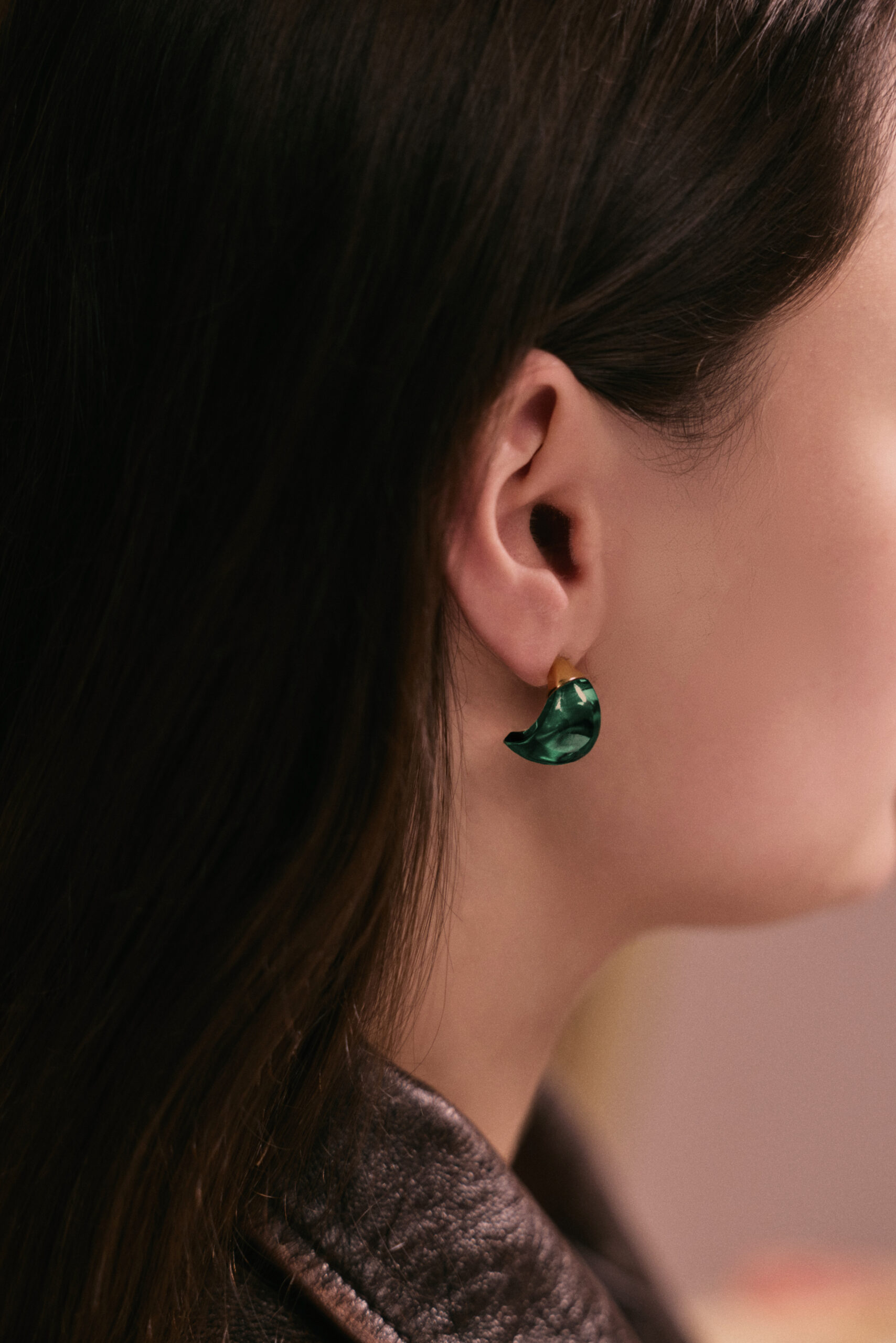
Right of use: Print, digital, advertising
Term of use: unlimited
Credits: ©AnneMarie Sterian
Boucle d’oreille Cabochon Vert Profond
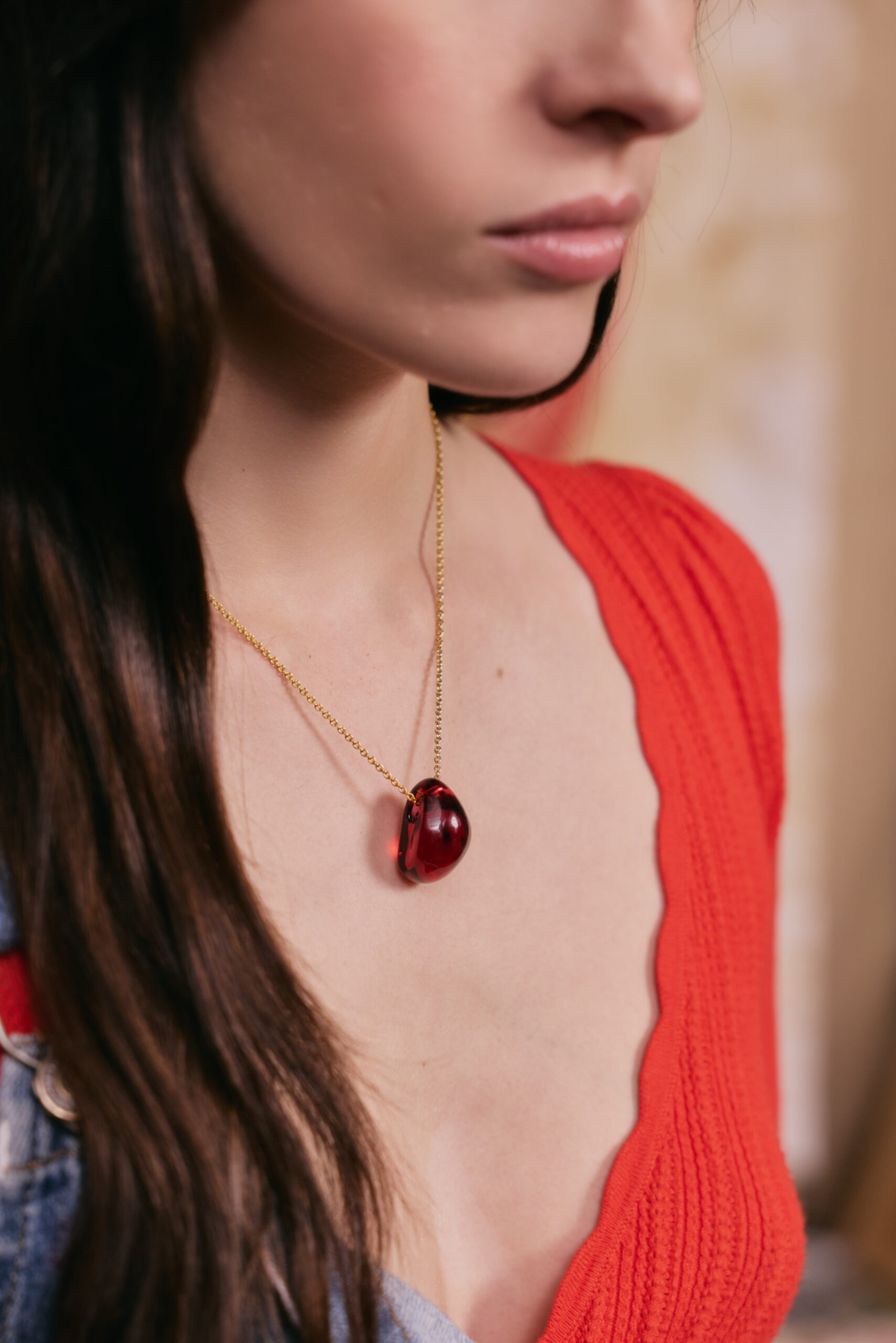
Right of use: Print advertising , digital (paid media 40,000 GBP.)
Term of use: From 08/04/2026 to 01/05/2028
Credits: ©AnneMarie Sterian
Pendentif Cabochon Rouge

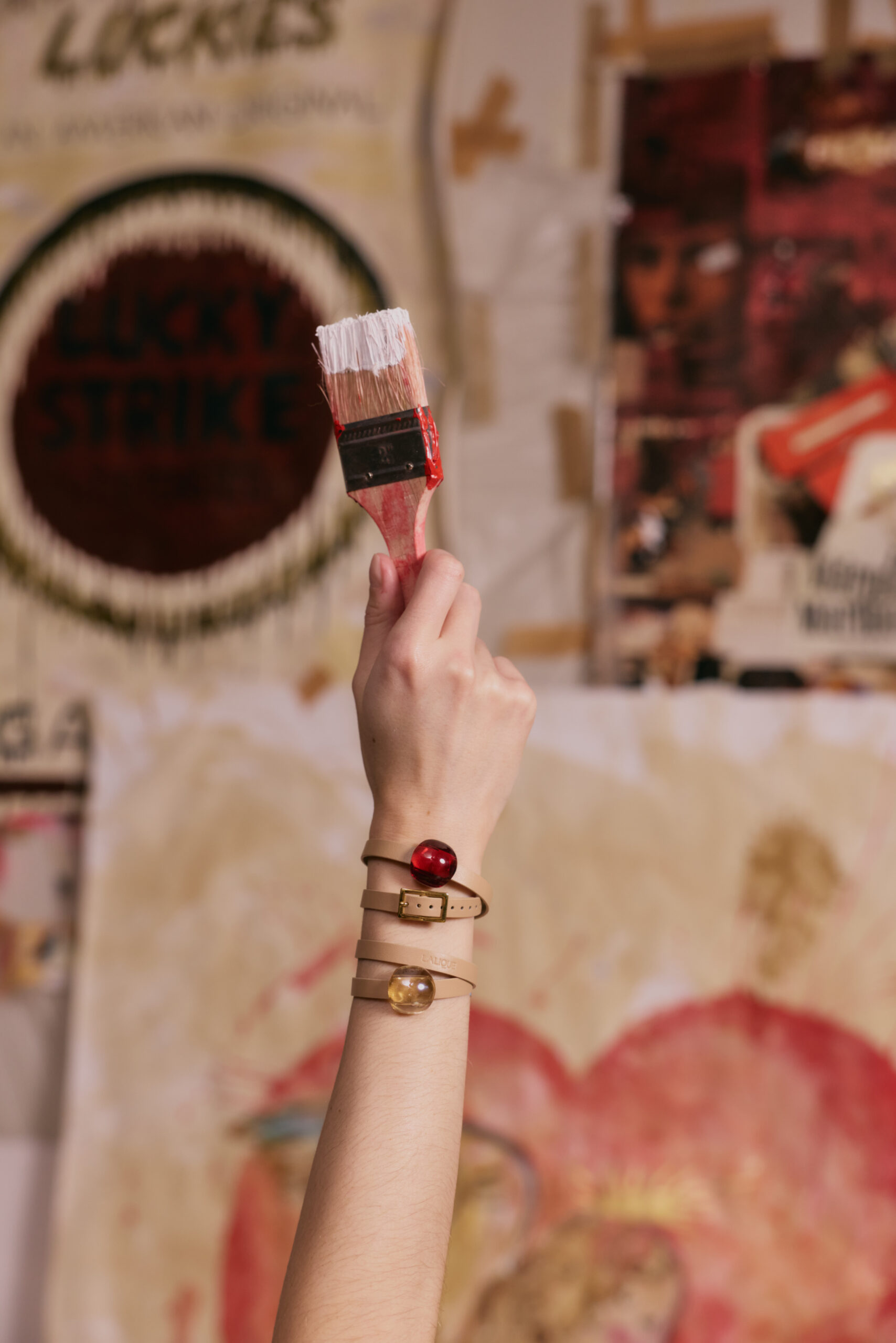
Right of use: Print advertising , digital (paid media 40,000 GBP.)
Term of use: From 08/04/2026 to 01/05/2028
Credits: ©AnneMarie Sterian
Pendentif Cabochon Rouge
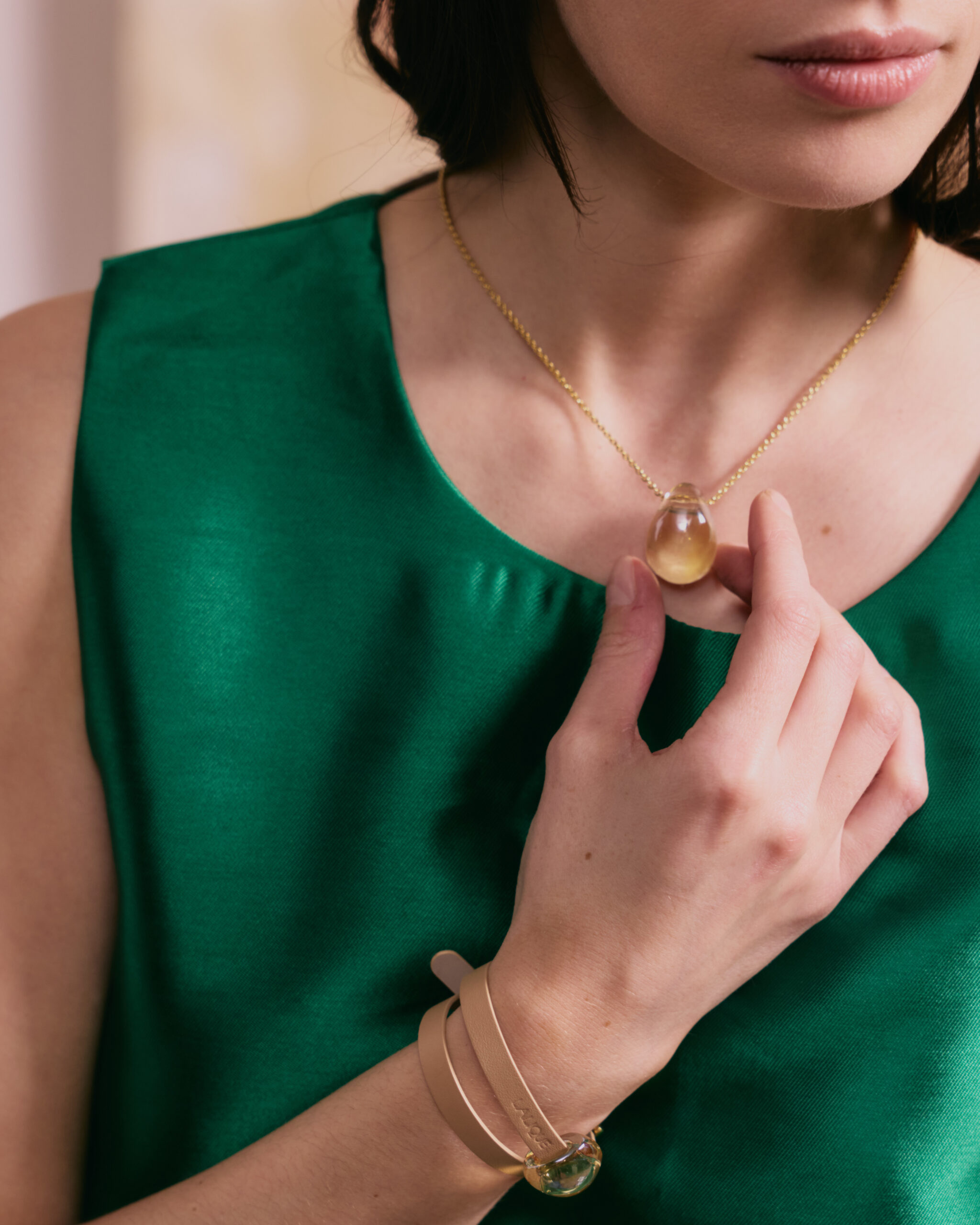
Right of use: Print advertising , digital (no paid media)
Term of use: From 08/04/2026 to 01/05/2028
Credits: ©AnneMarie Sterian
Pendentif Cabochon Lustré or & Bracelet Cuir Cabochon Lustré Or
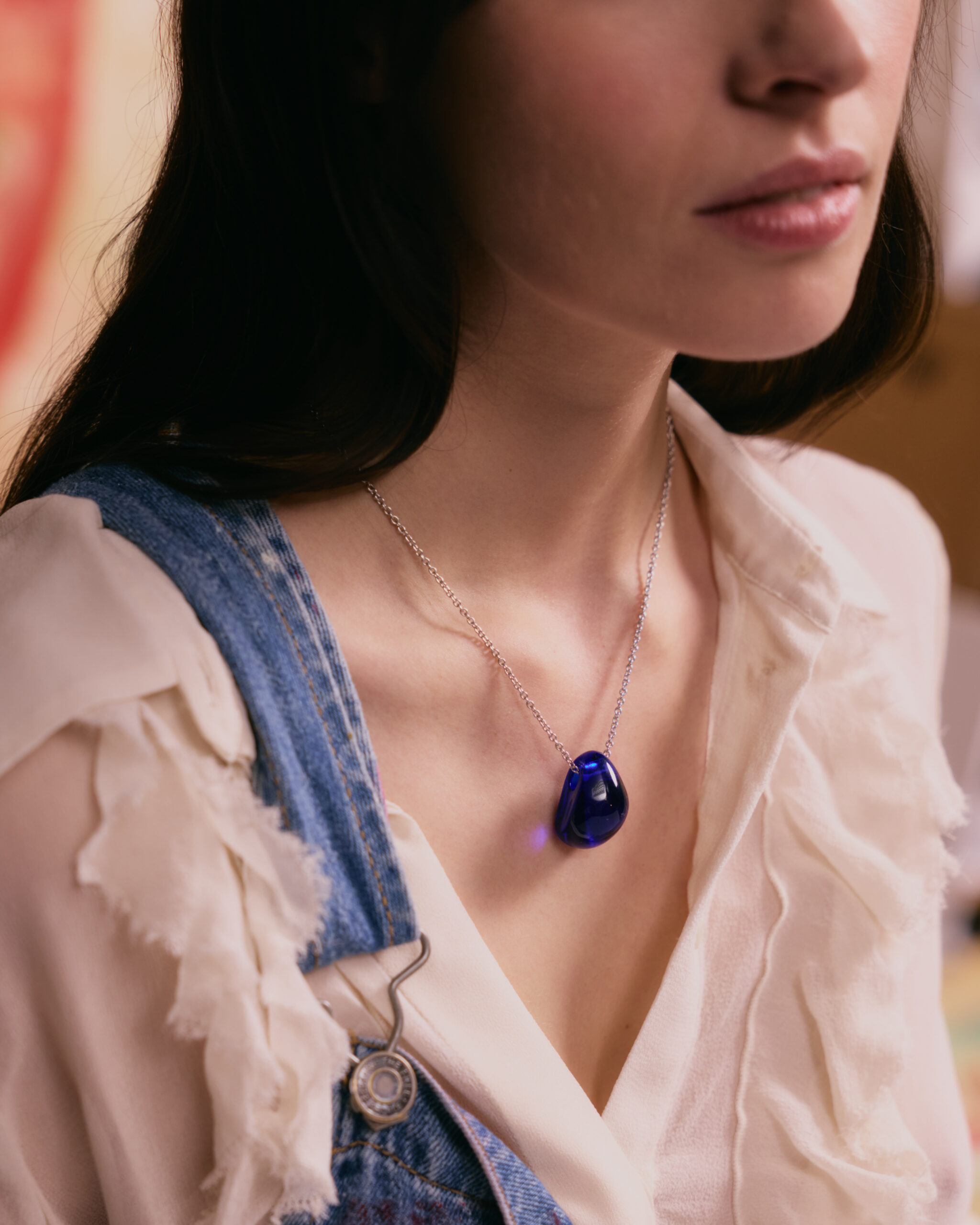
Right of use: Print advertising , digital (no paid media)
Term of use: From 08/04/2026 to 01/05/2028
Credits: ©AnneMarie Sterian
Pendentif Cabochon Bleu Cap Ferrat

Right of use: Print advertising , digital (no paid media)
Term of use: From 08/04/2026 to 01/05/2028
Credits: ©AnneMarie Sterian
Bagues Cabochon

Right of use: Print advertising , digital (paid media 40,000 GBP.)
Term of use: From 08/04/2026 to 01/05/2028
Credits: ©AnneMarie Sterian
Restriction for recognizable visual: only for Lalique SA wholly owned subsidiaries.
Portrait of Charlotte Rose

Right of use: Print advertising , digital (no paid media)
Term of use: From 08/04/2026 to 01/05/2028
Credits: ©AnneMarie Sterian
Restriction for recognizable visual: only for Lalique SA wholly owned subsidiaries.
Portrait of Charlotte Rose
Cette publication est également disponible en :

