
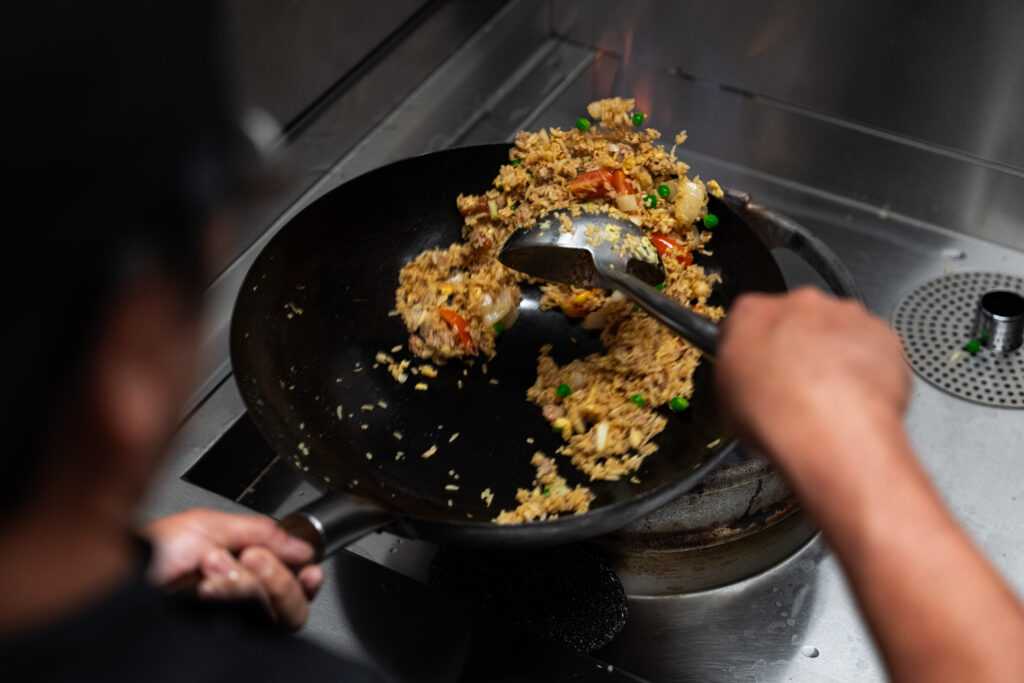
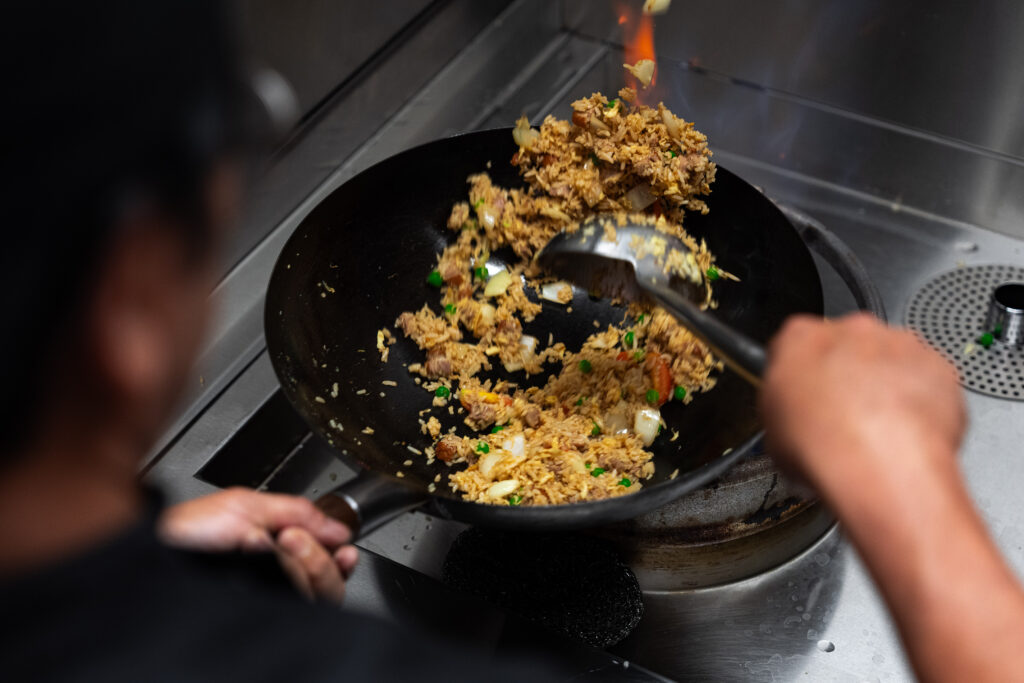
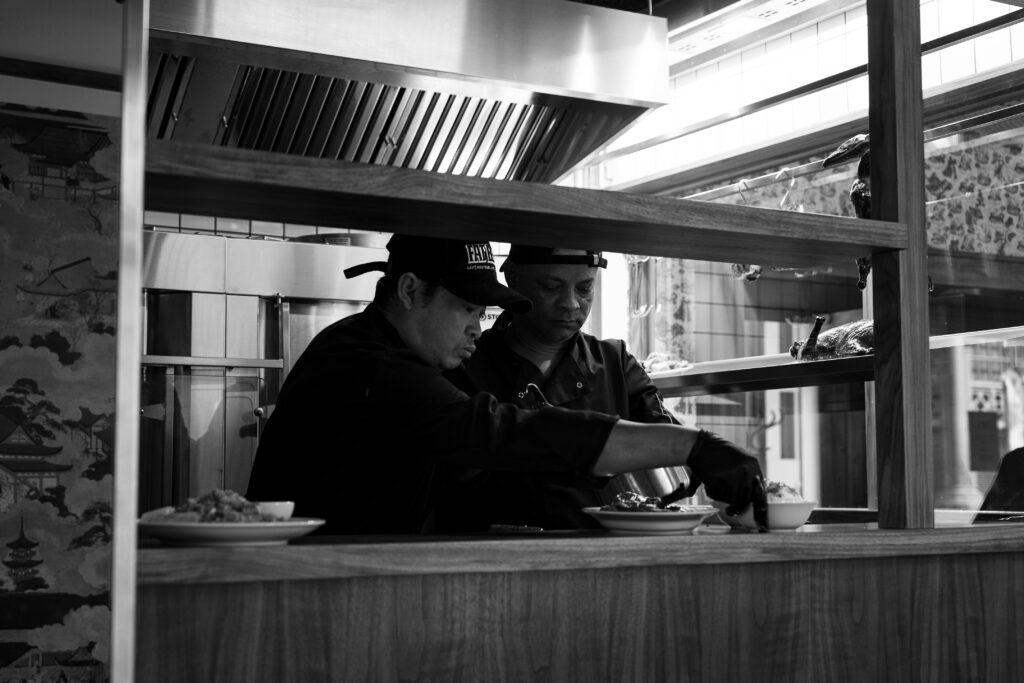
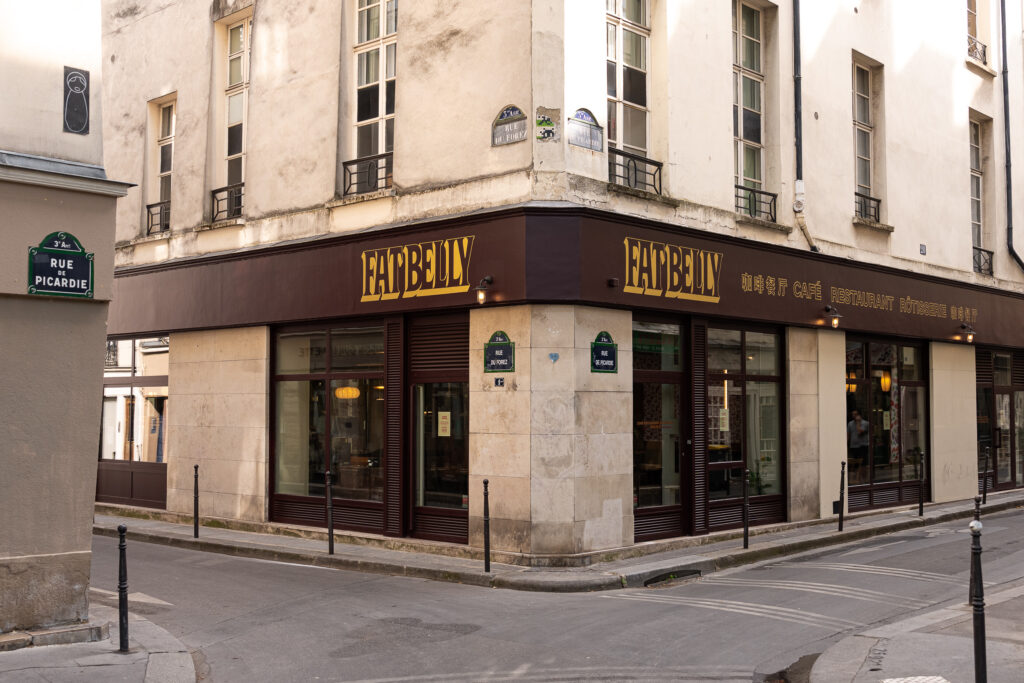
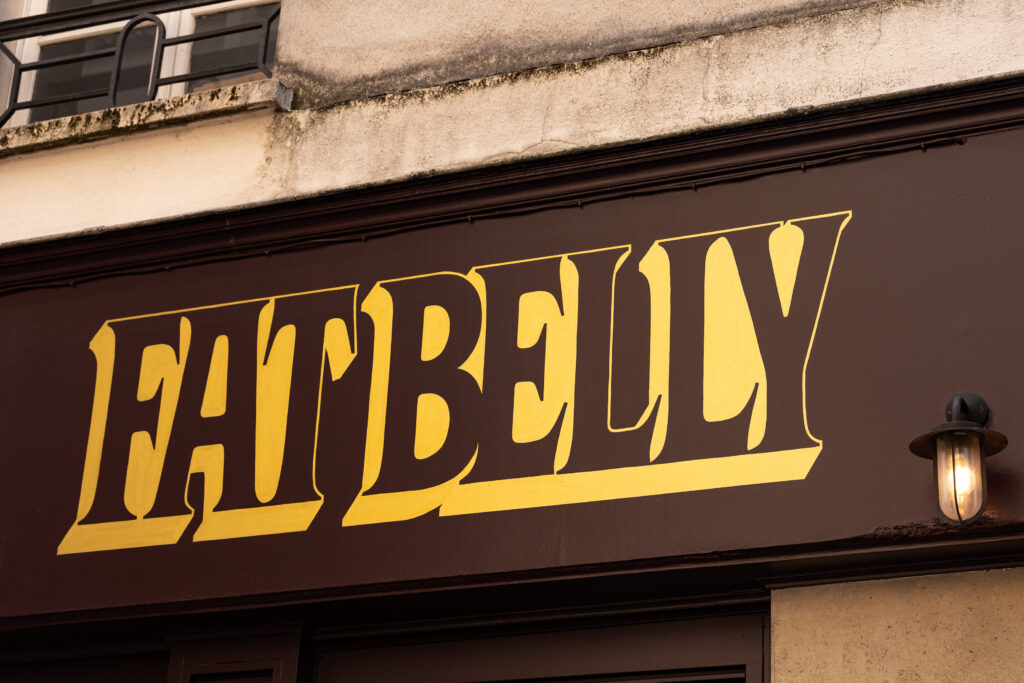
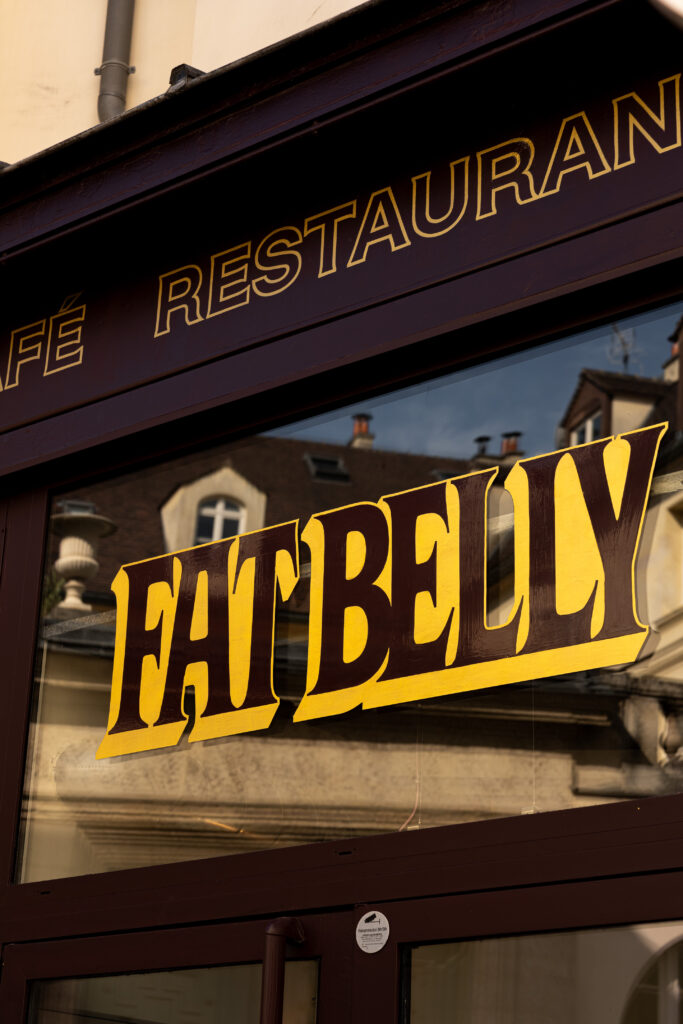
At 57 Rue Charlot, Fat Belly is setting up shop in the Marais with a concept that takes the opposite approach to Asian cuisine that’s all about speed. Noodles, broths, buns, and roasted meats are prepared on-site, based on a simple idea: to highlight the time required to create a gourmet experience.
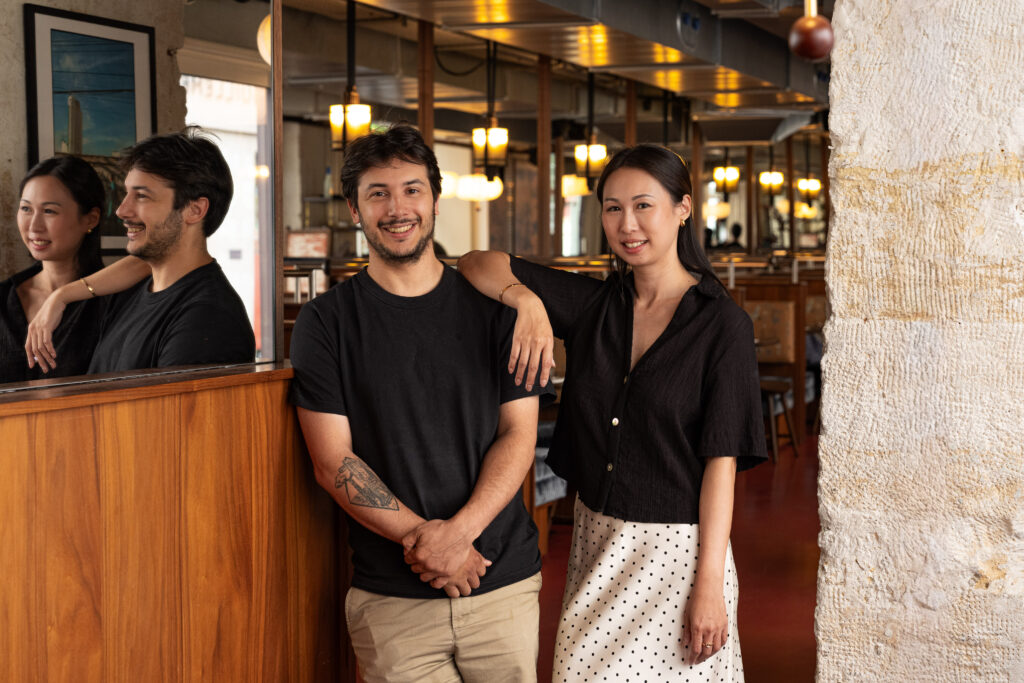
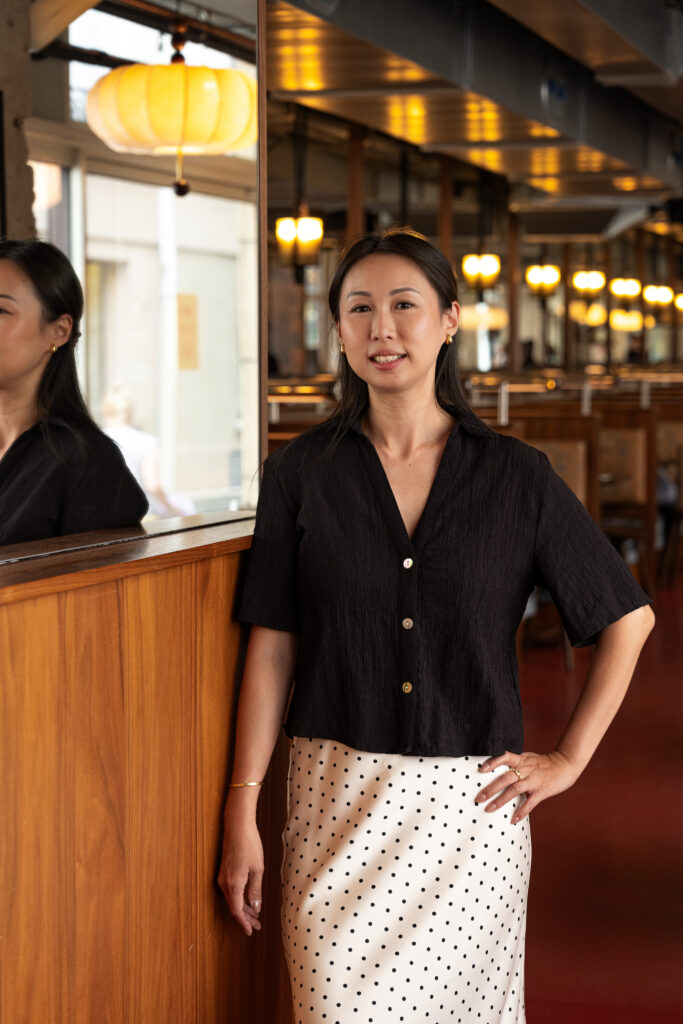
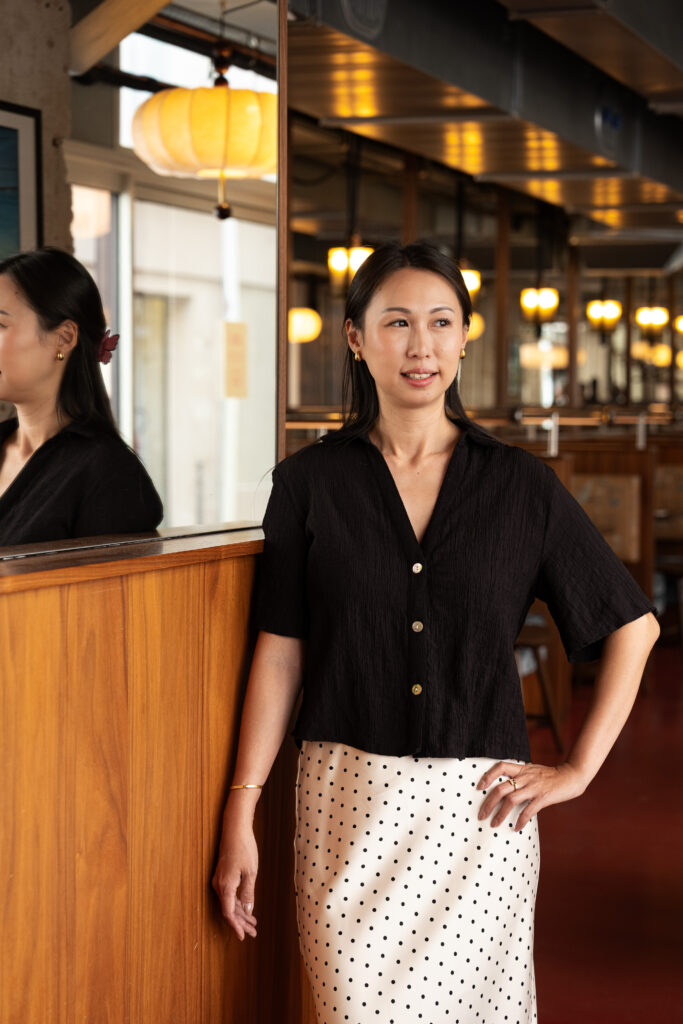
The project brings together Norman Kolton, founder of Street Bangkok, and Sandra Tcheng, a restaurateur who runs three establishments. Their complementary strengths shape the venue. The former brings expertise in Asian street food and its cooking techniques; the latter anchors the project in a tradition of Chinese family-run businesses and in the management of a sit-down restaurant.
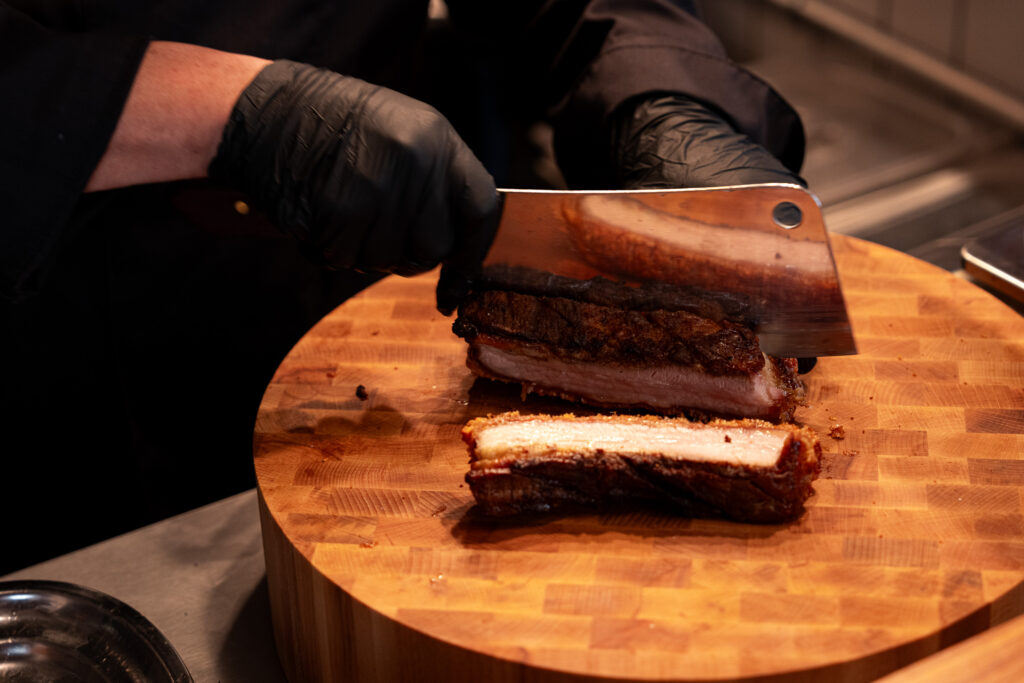
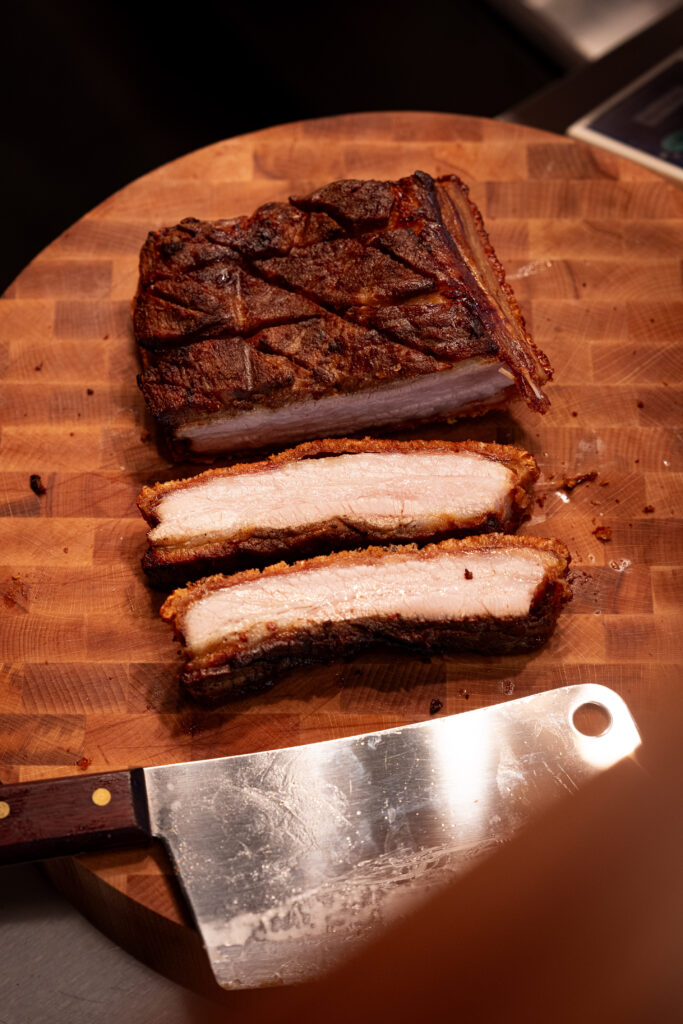
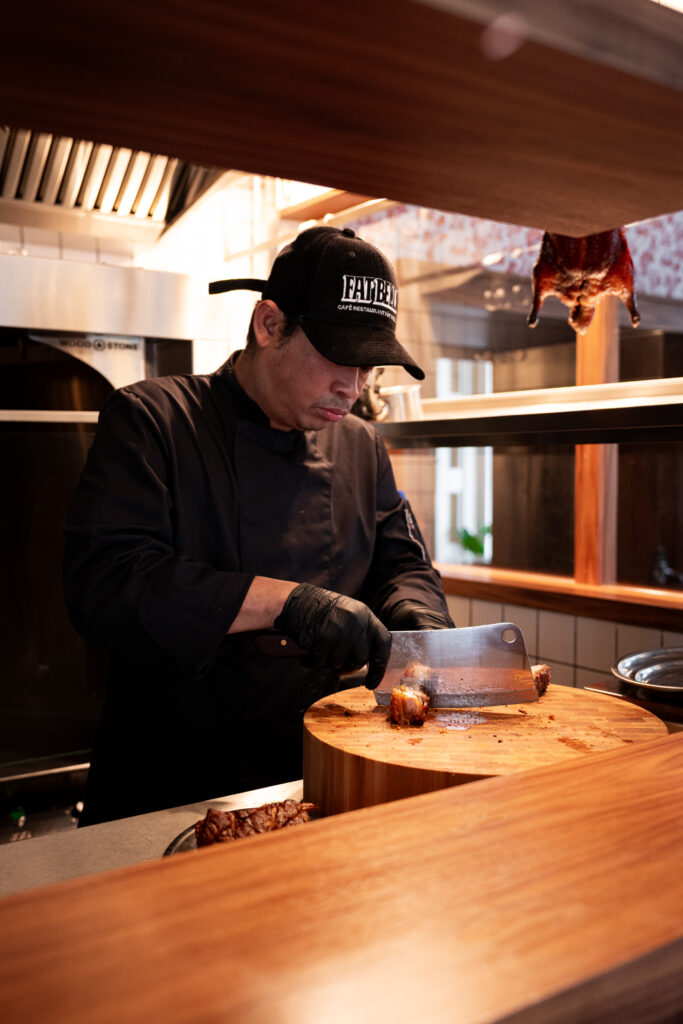
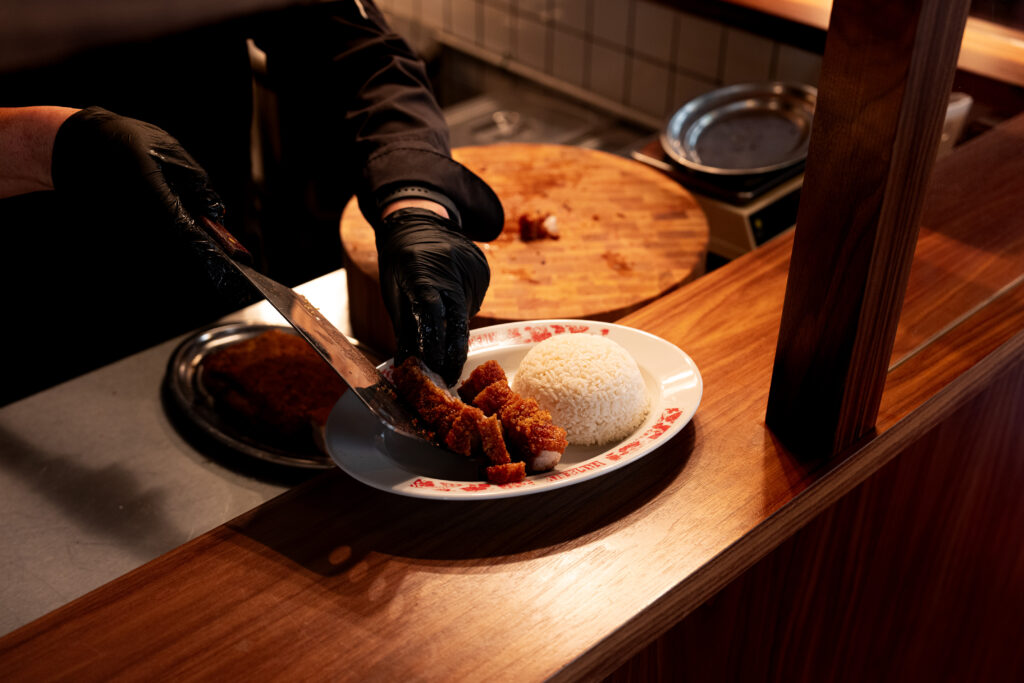
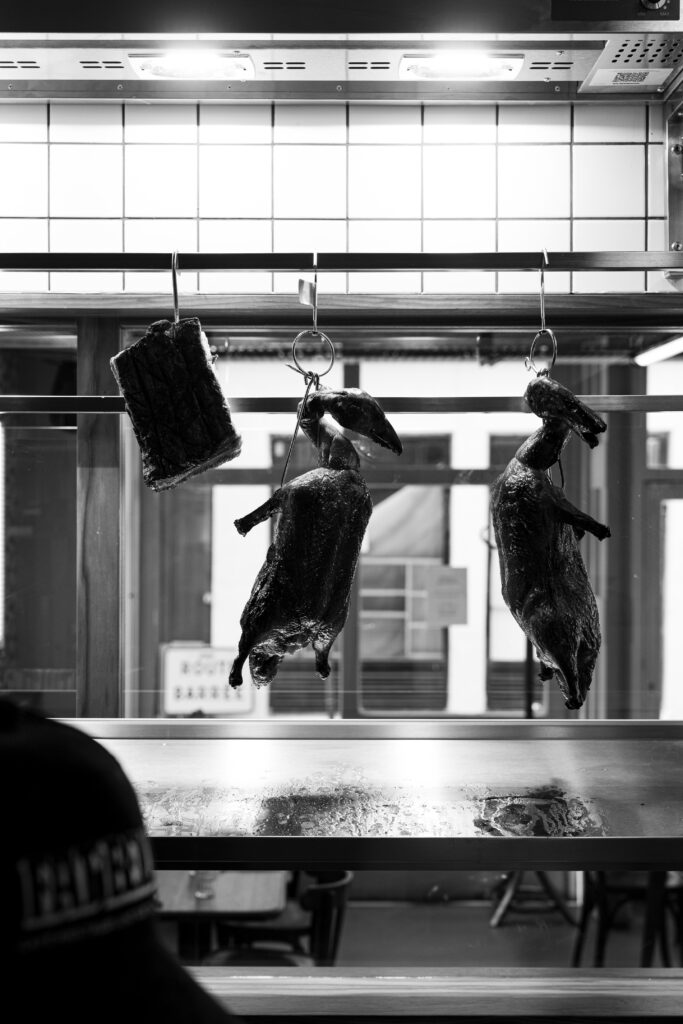
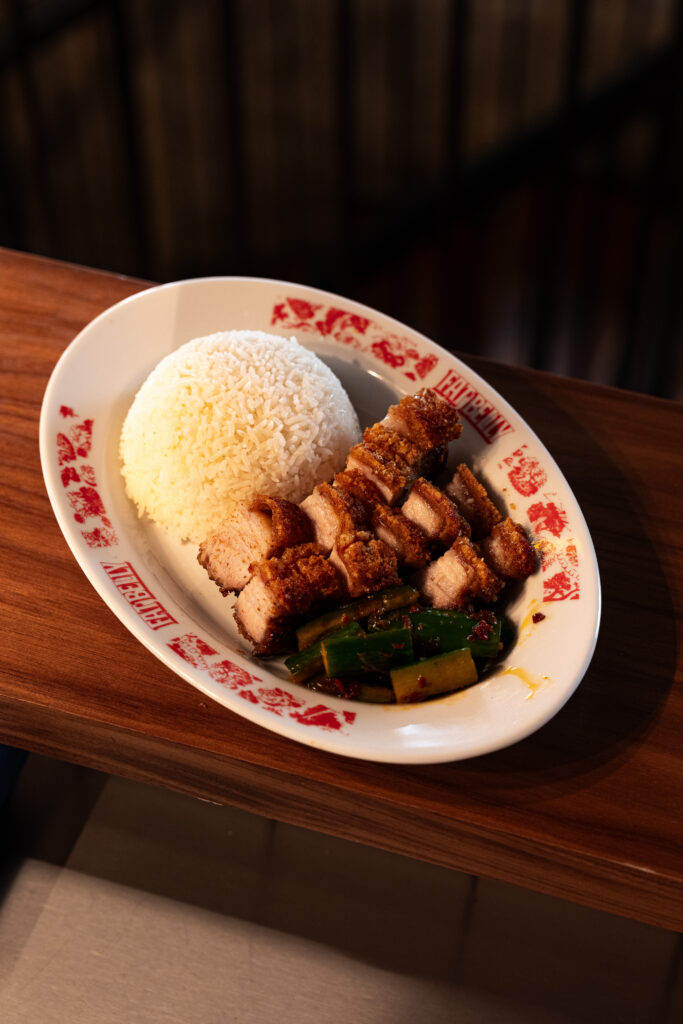
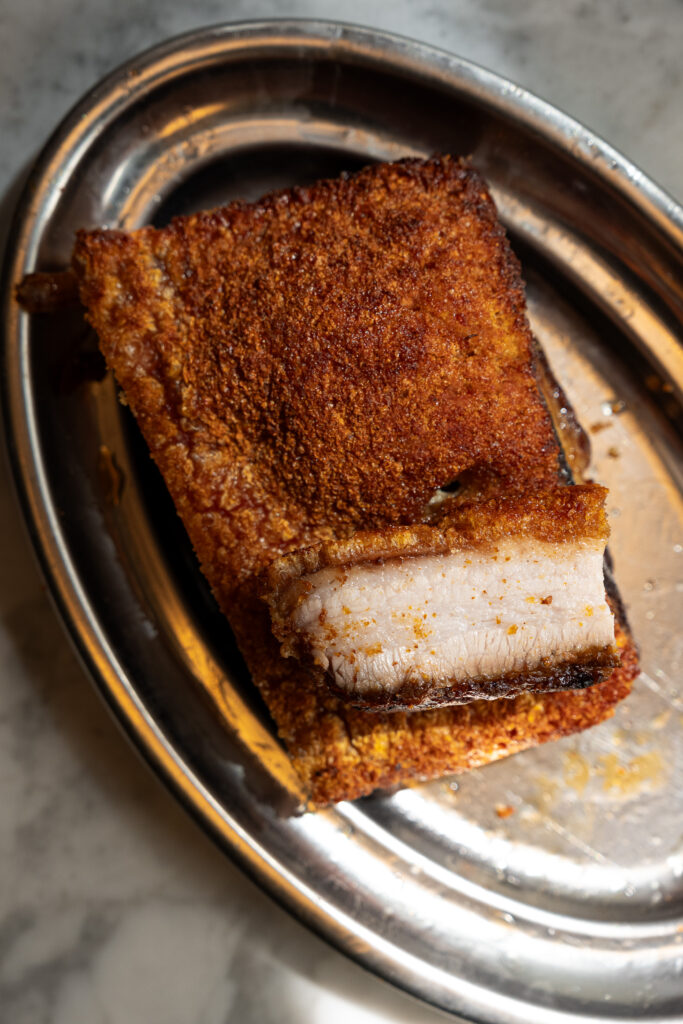
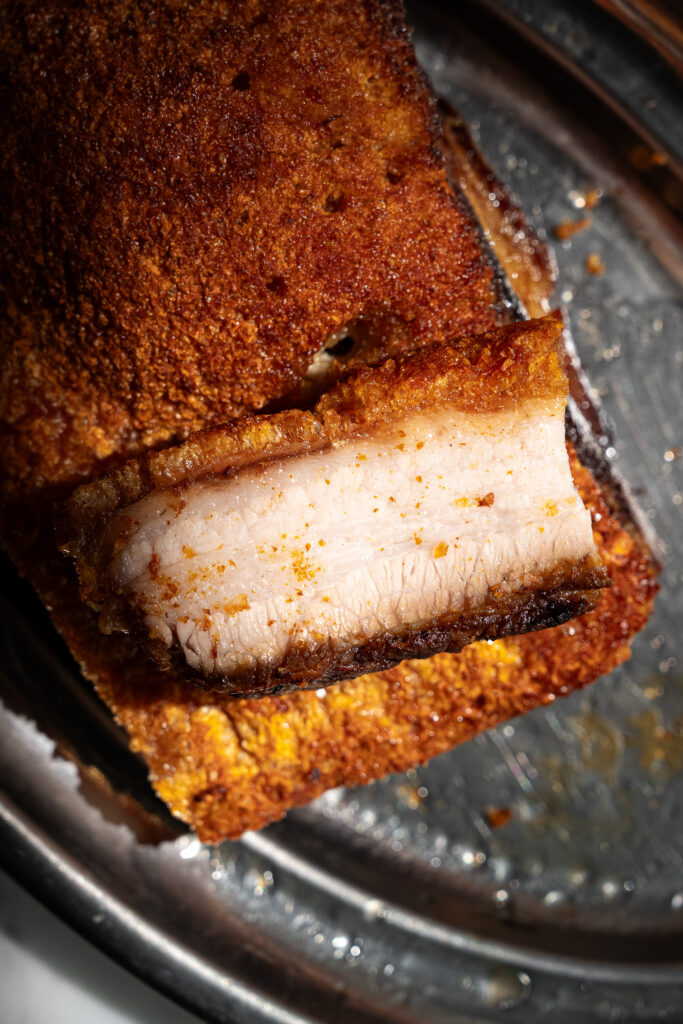
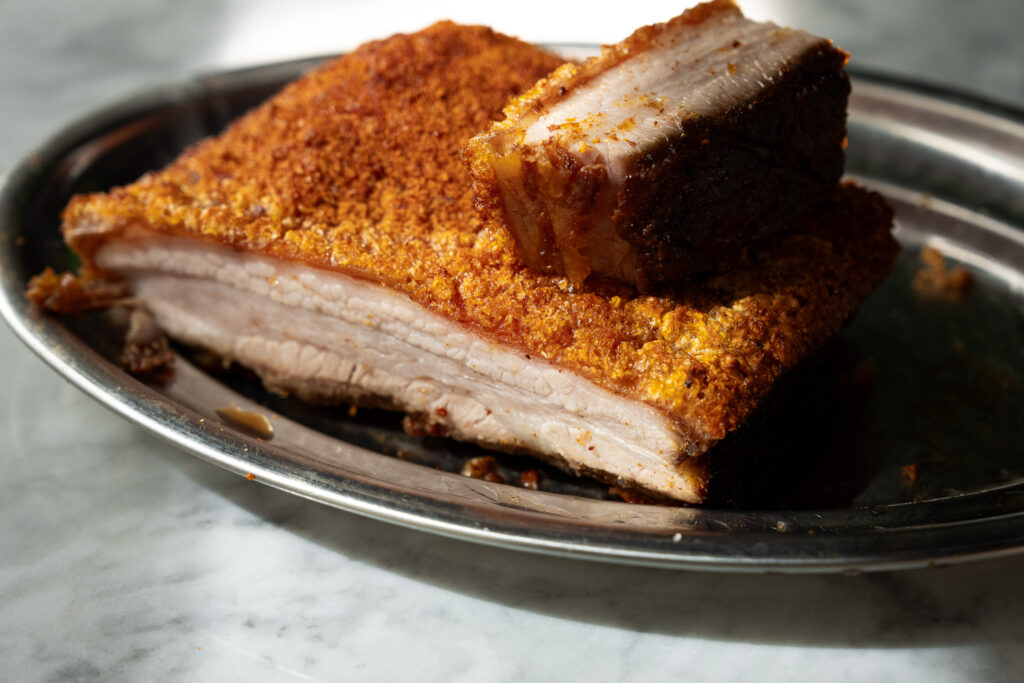
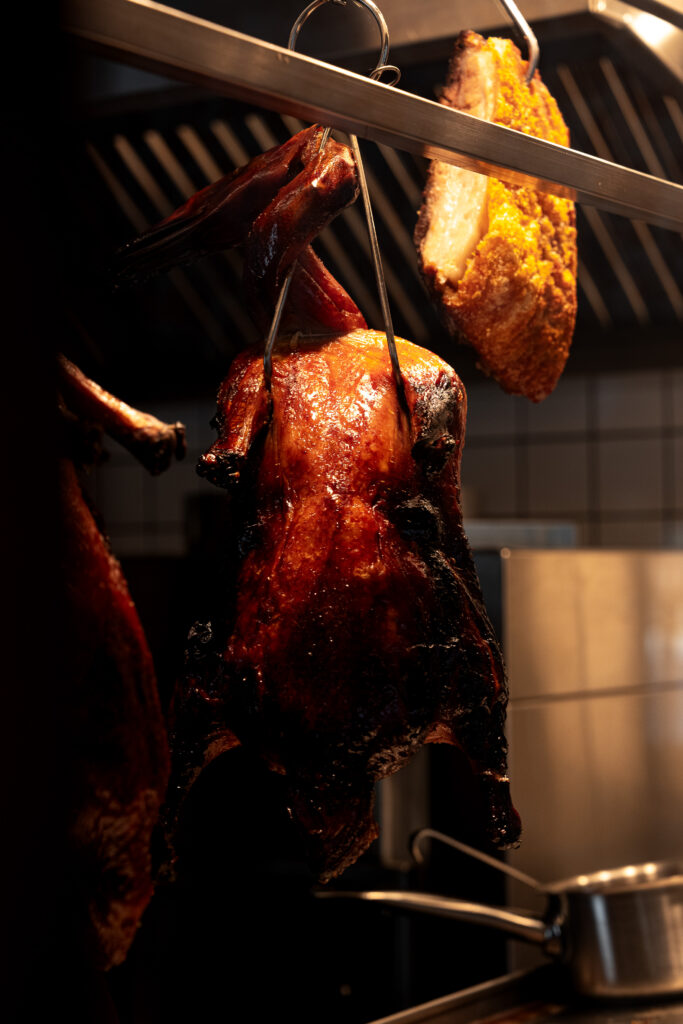
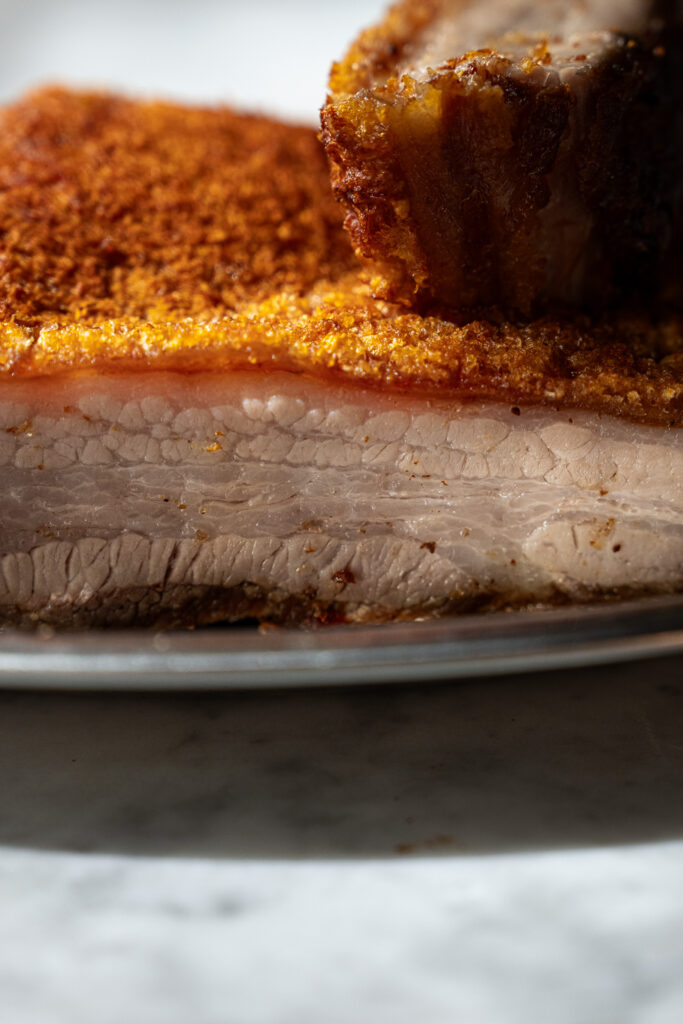
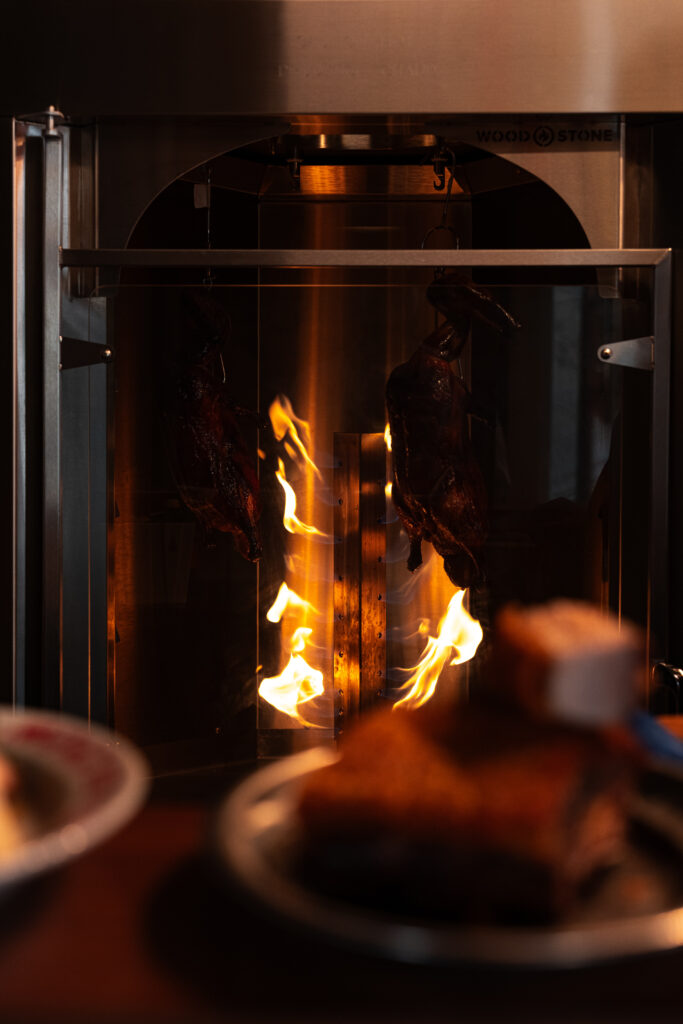
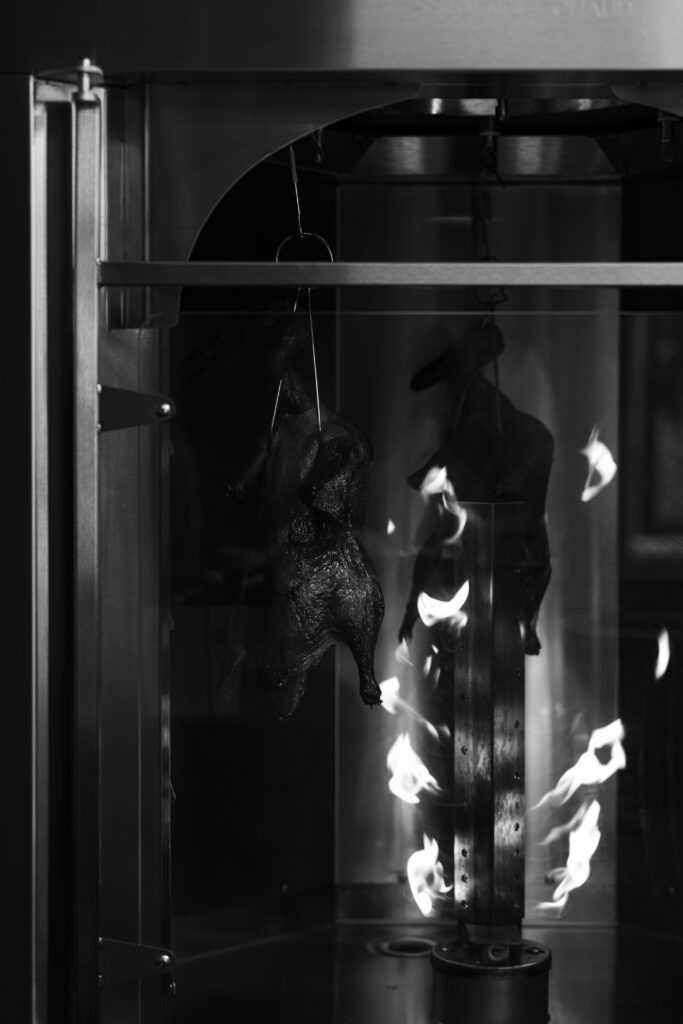
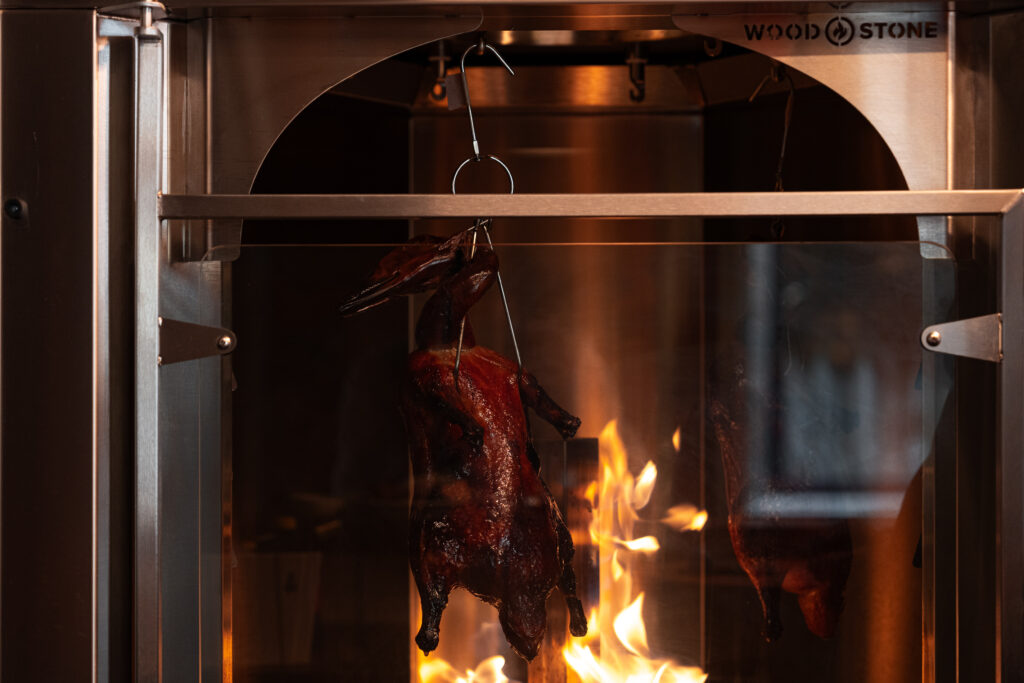
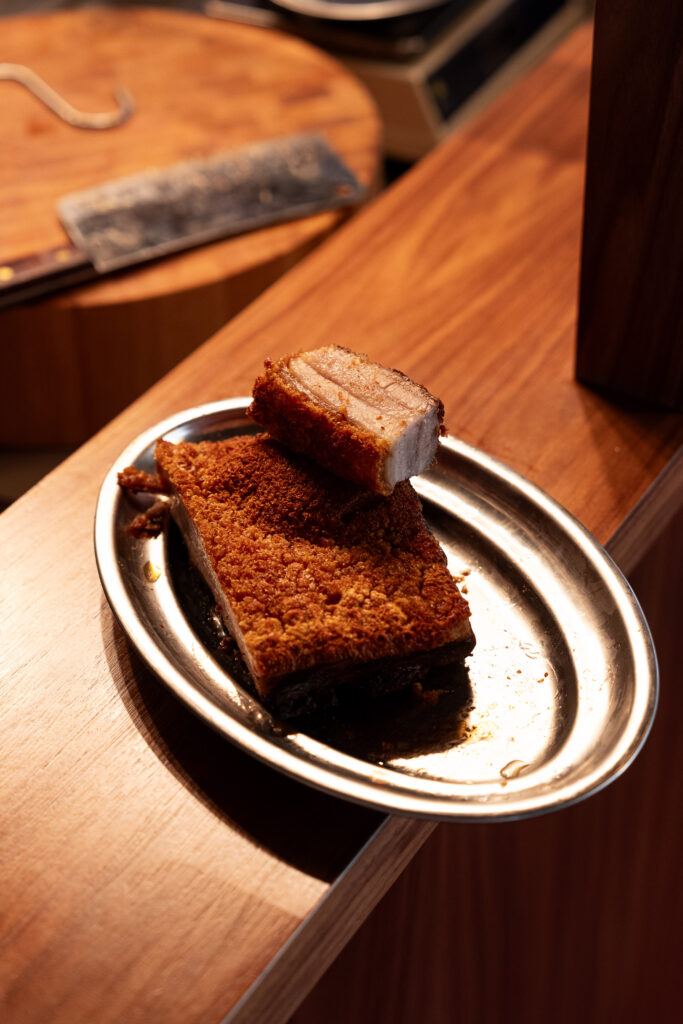
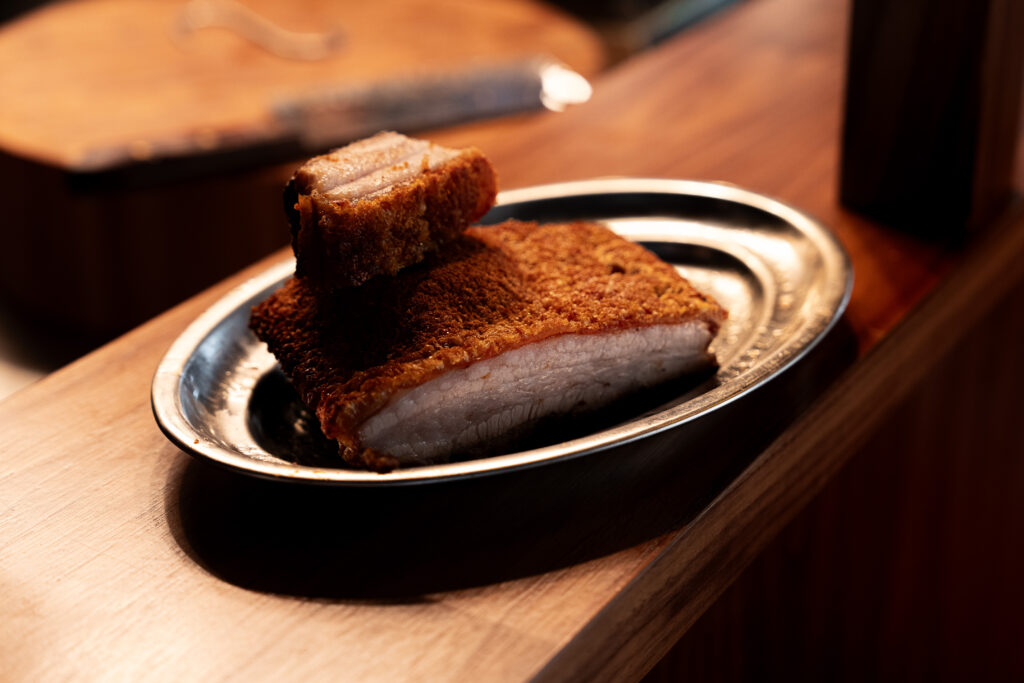
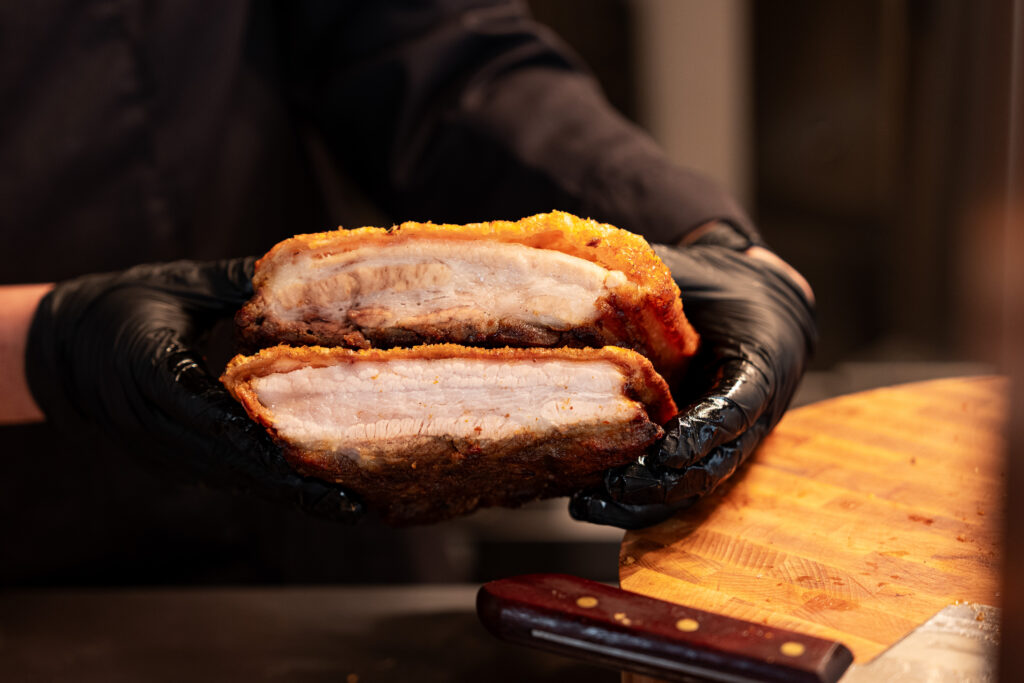
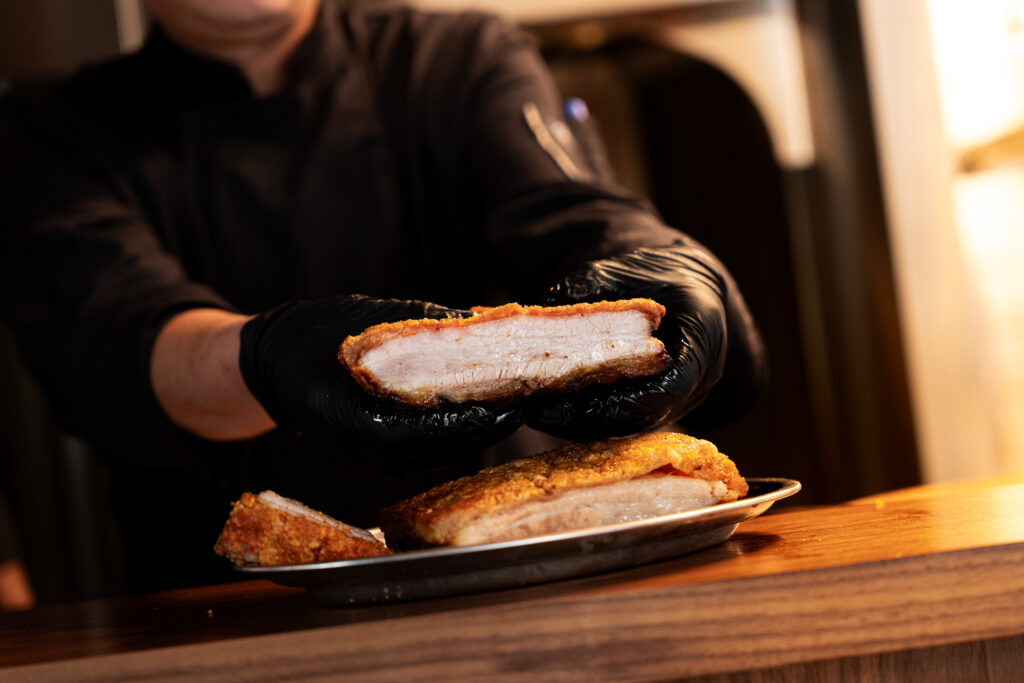
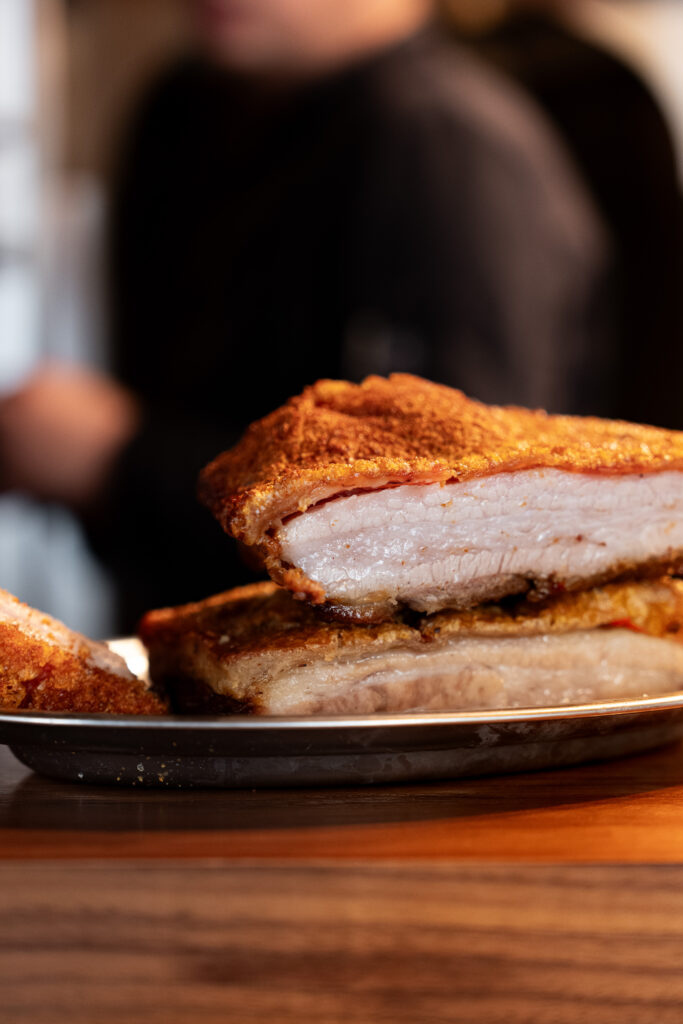
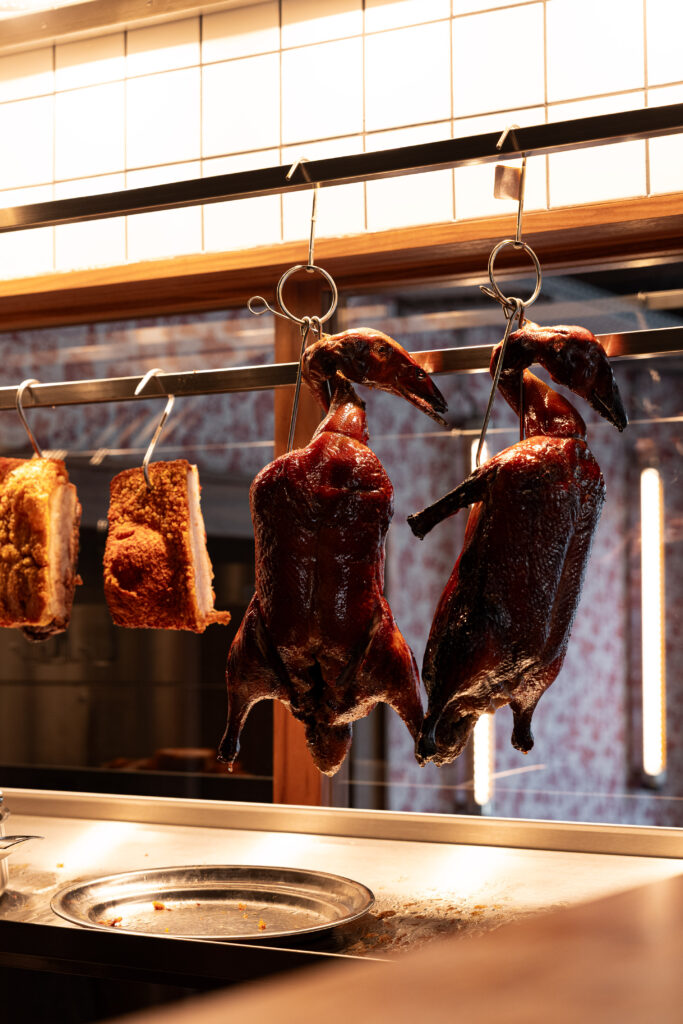
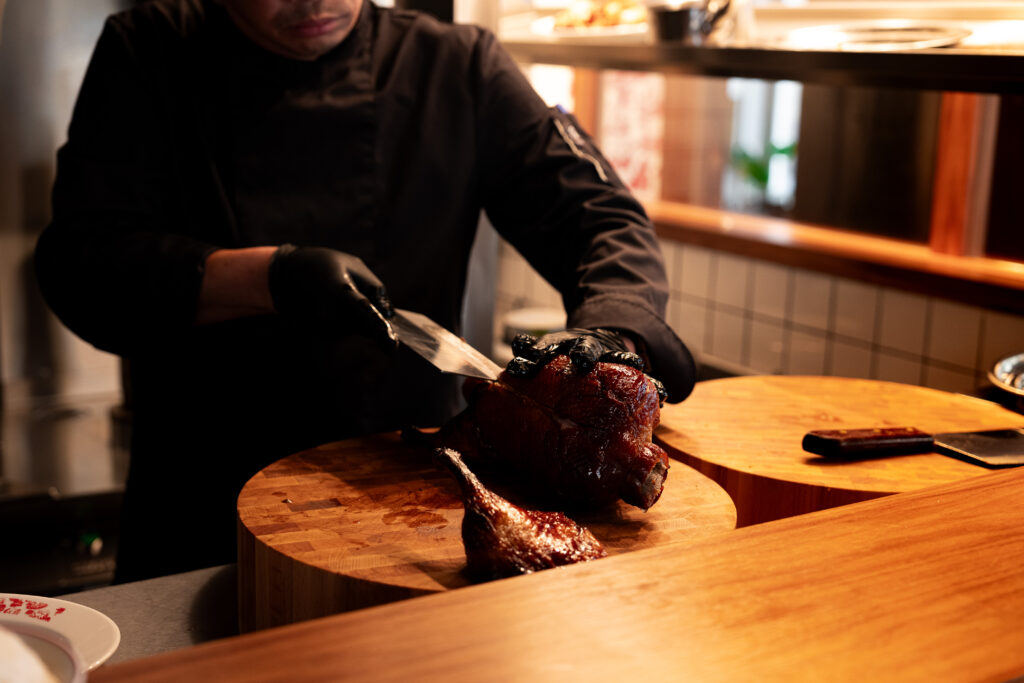
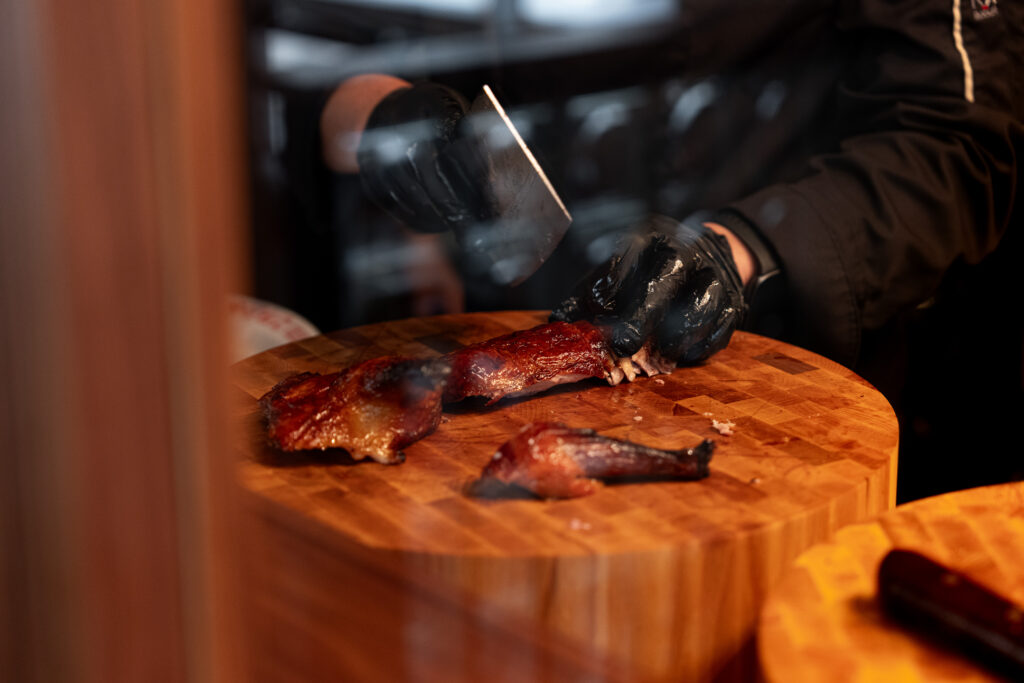
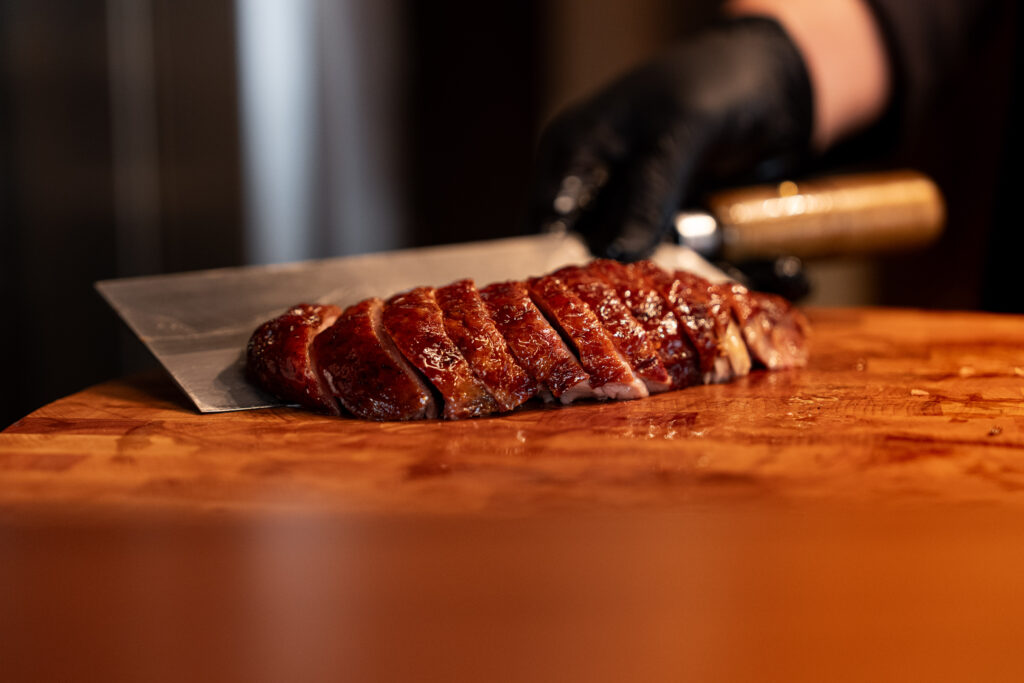
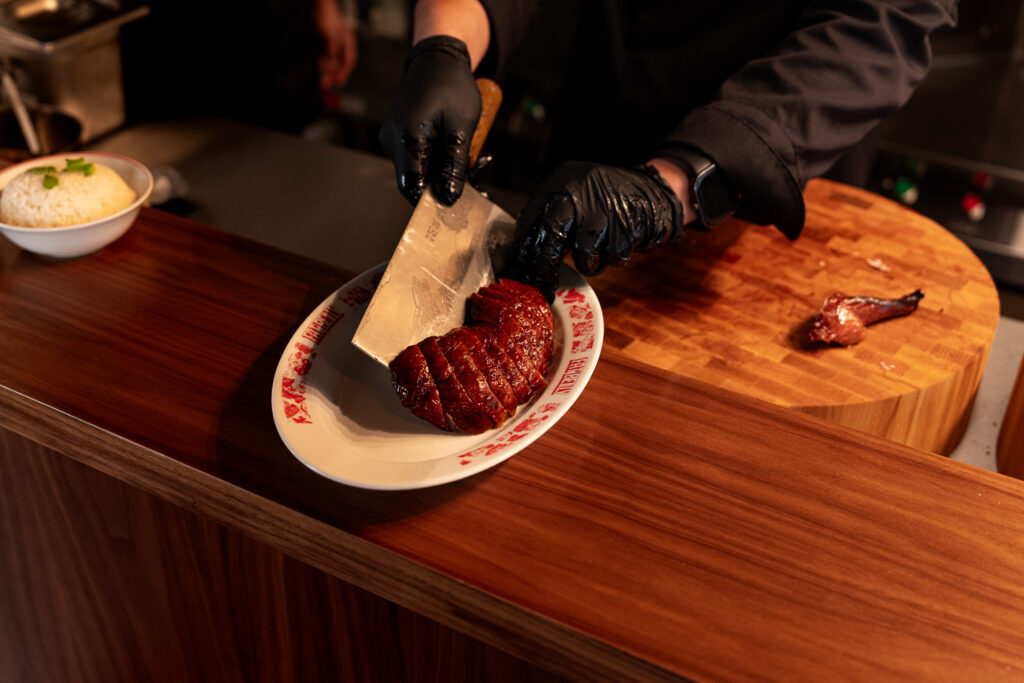
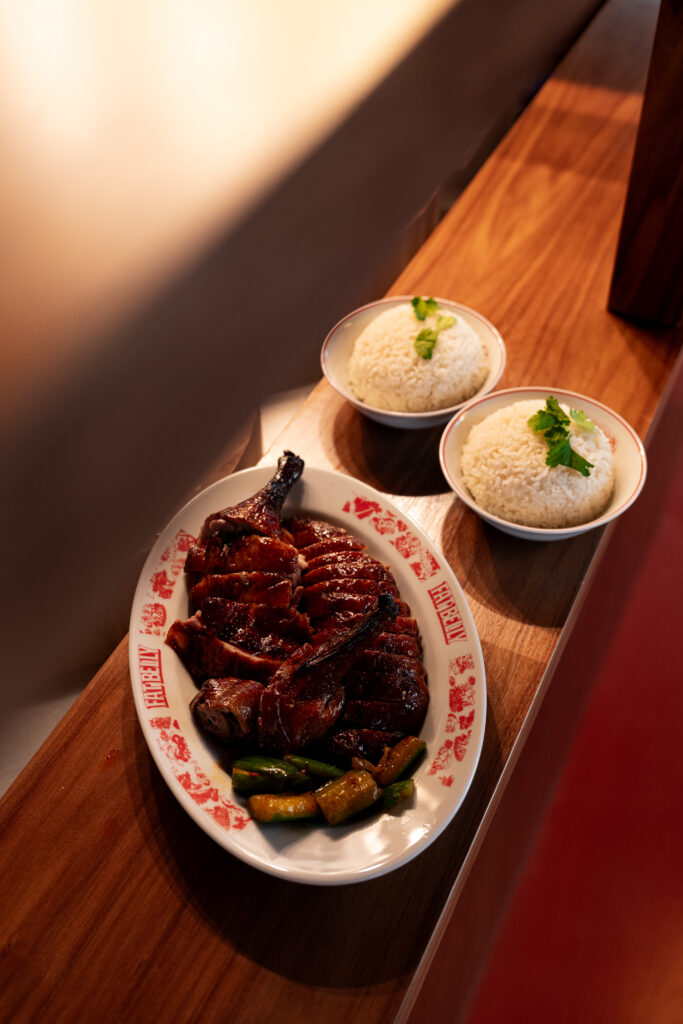
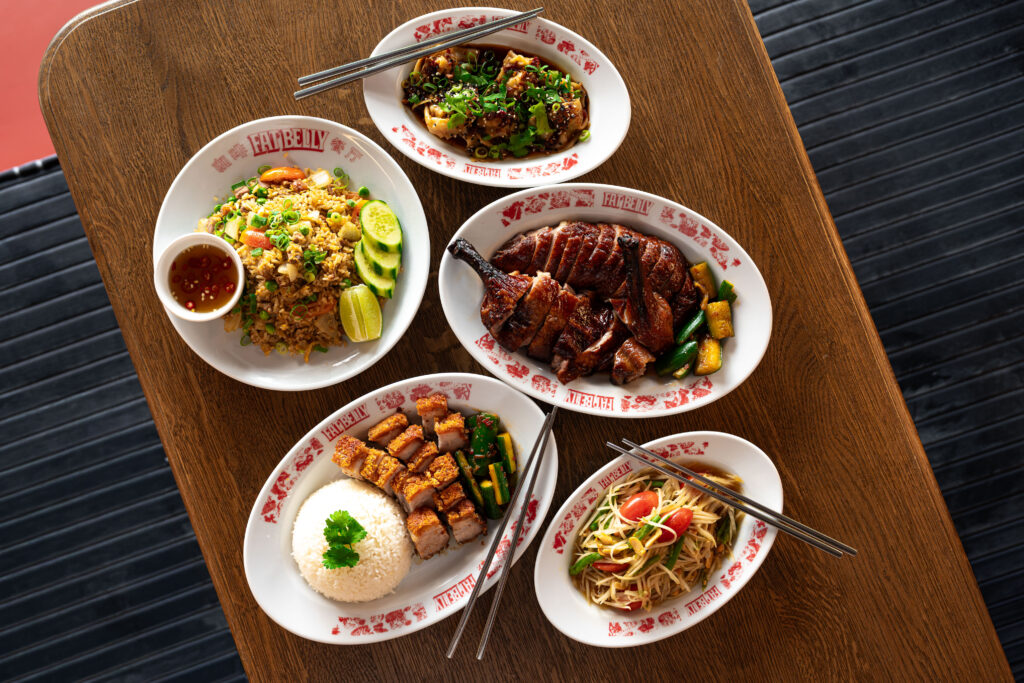
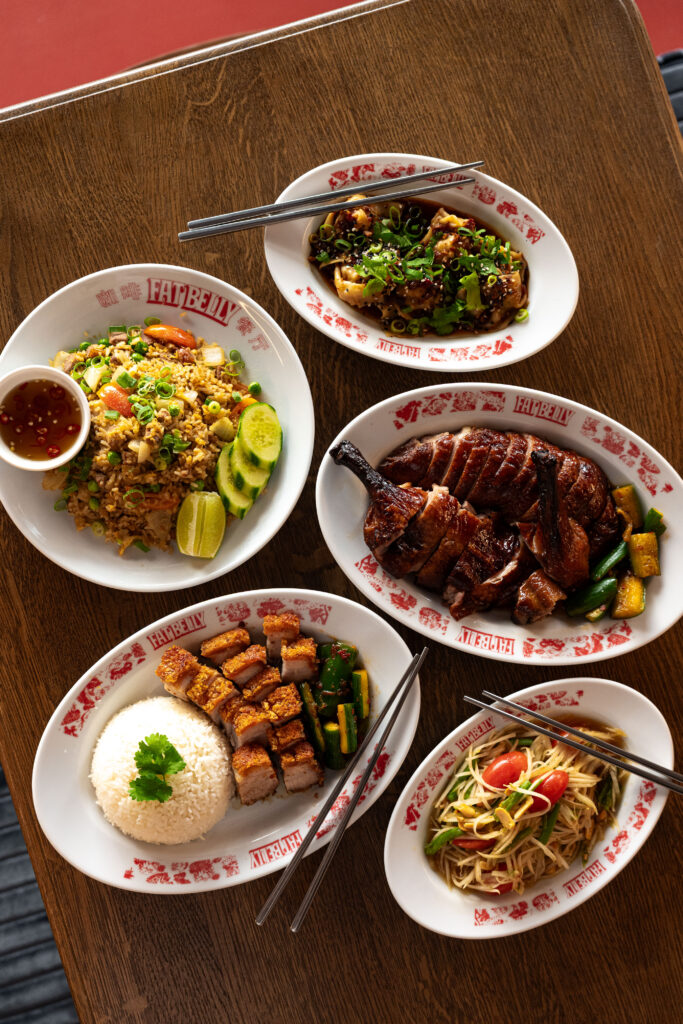
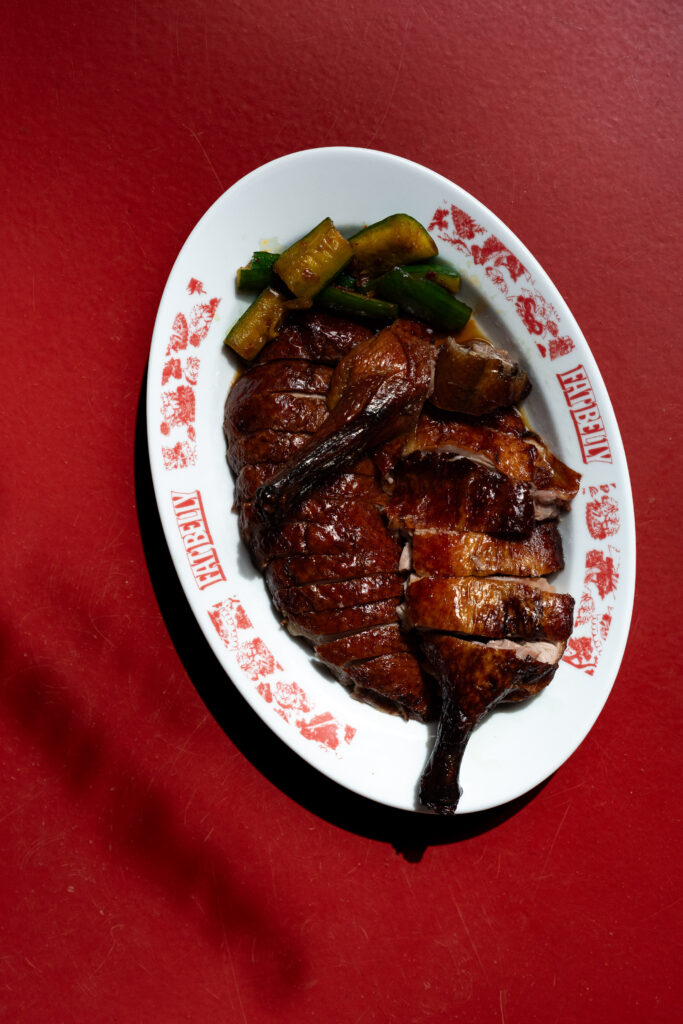
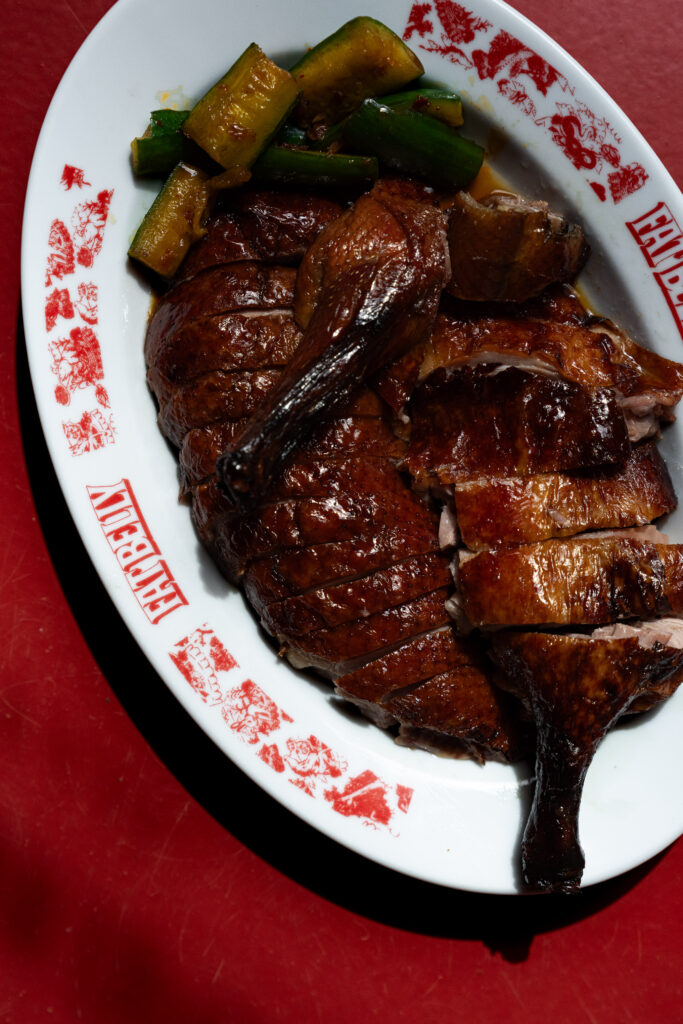
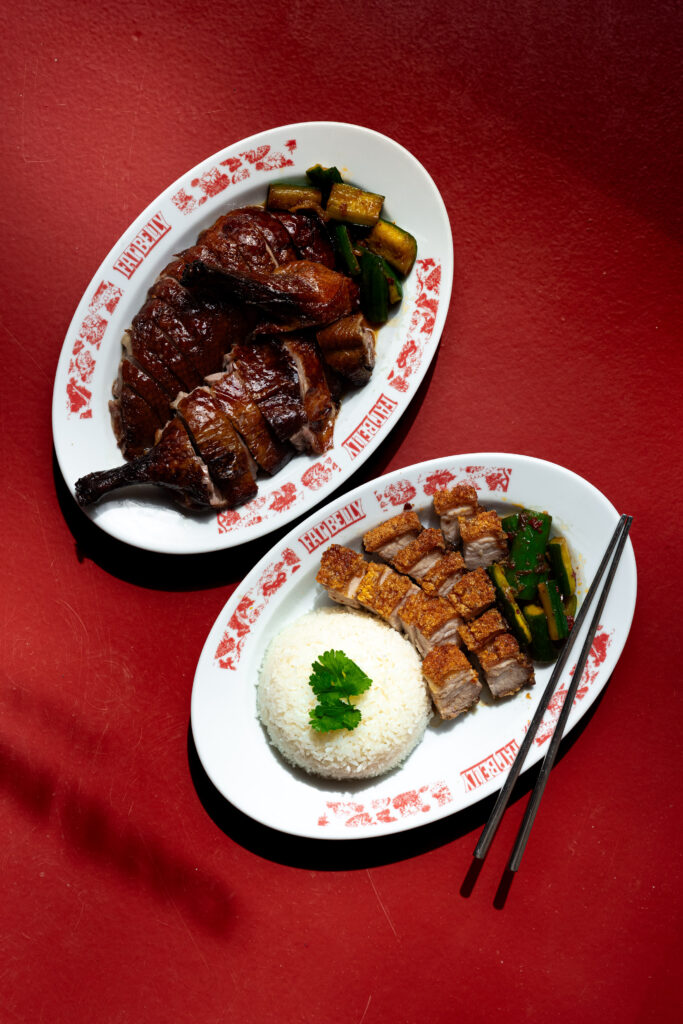
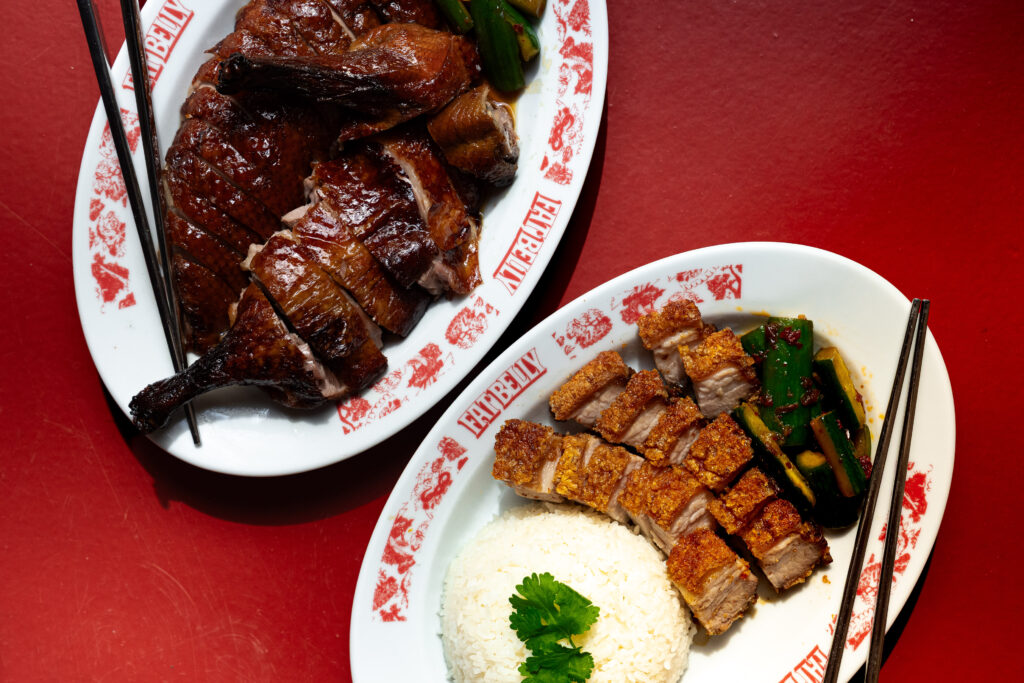
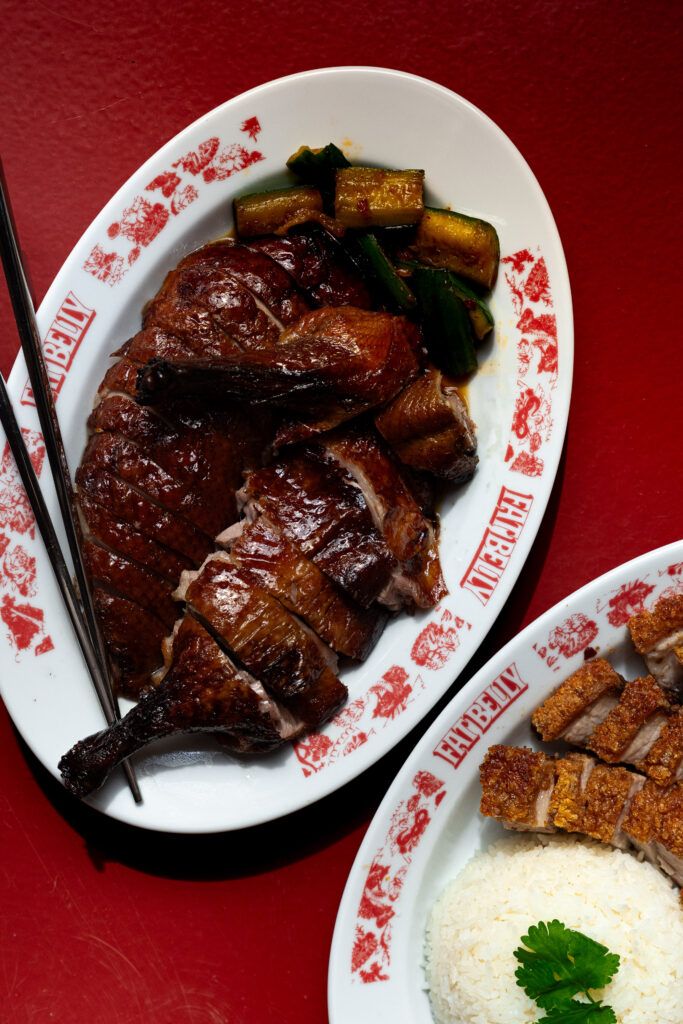
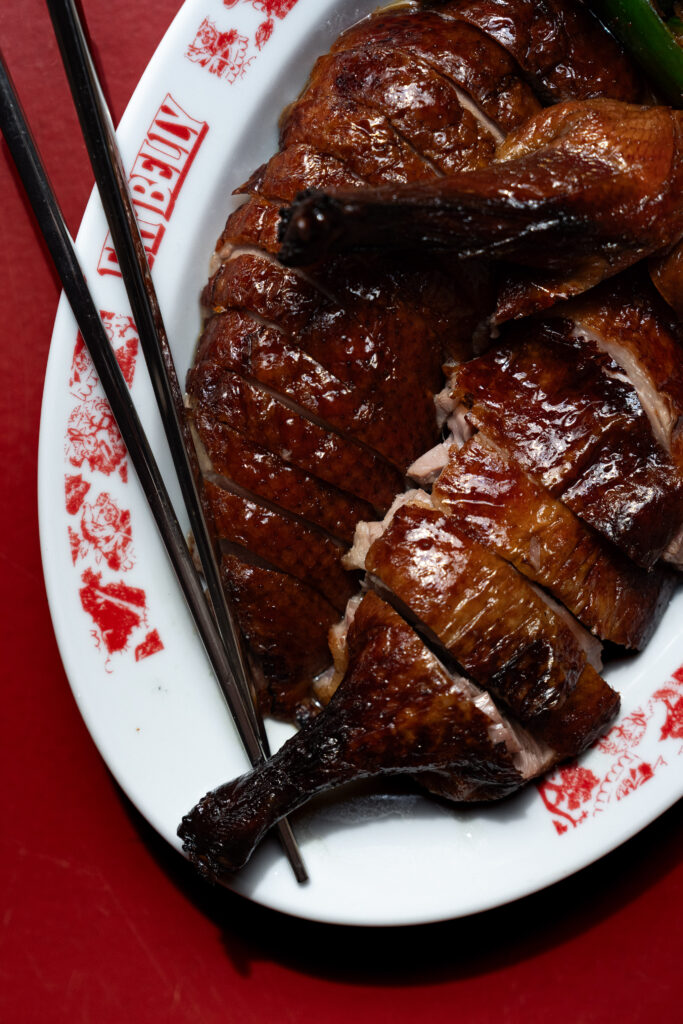
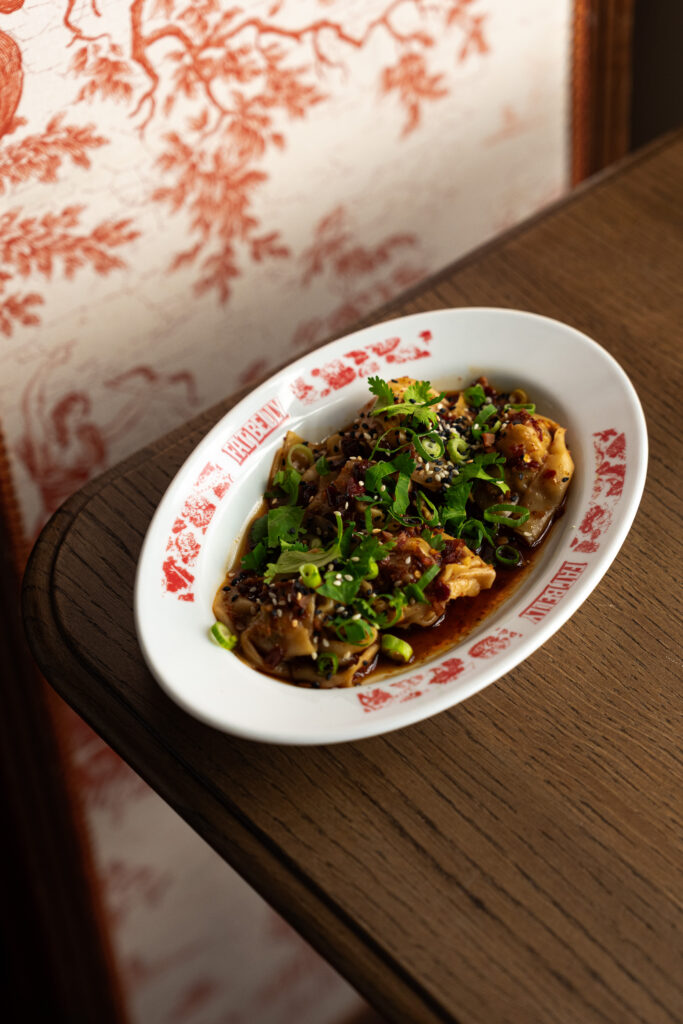
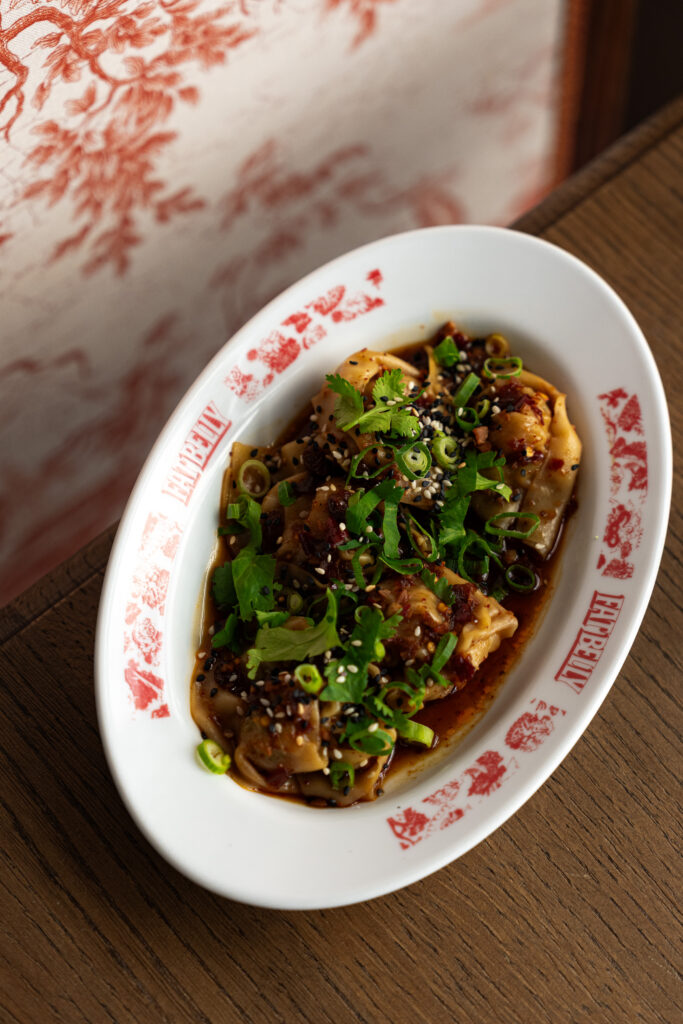
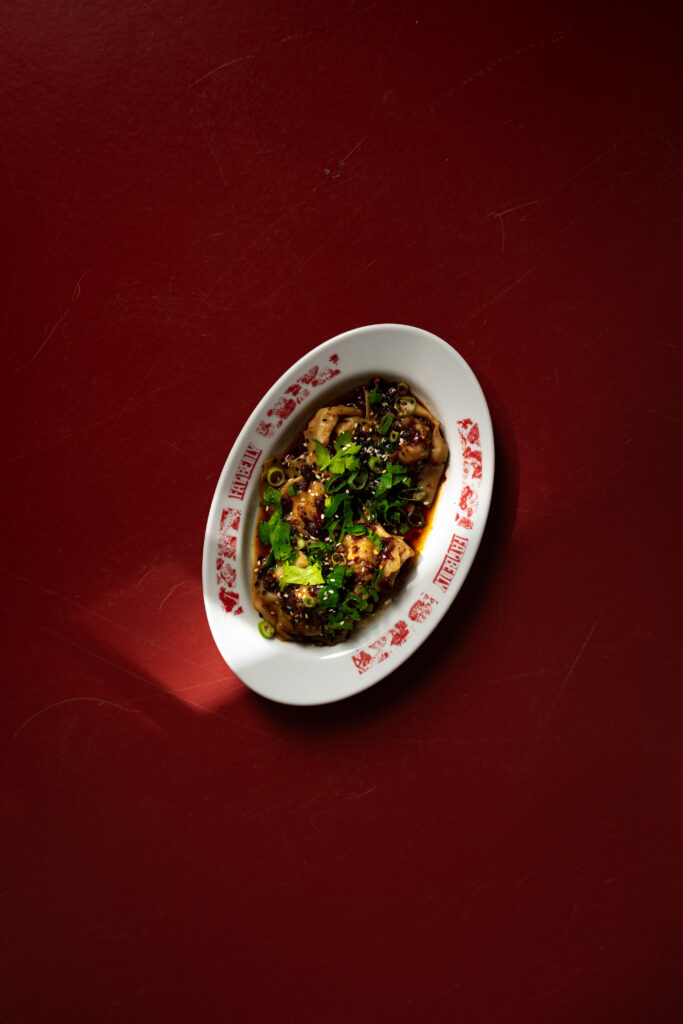
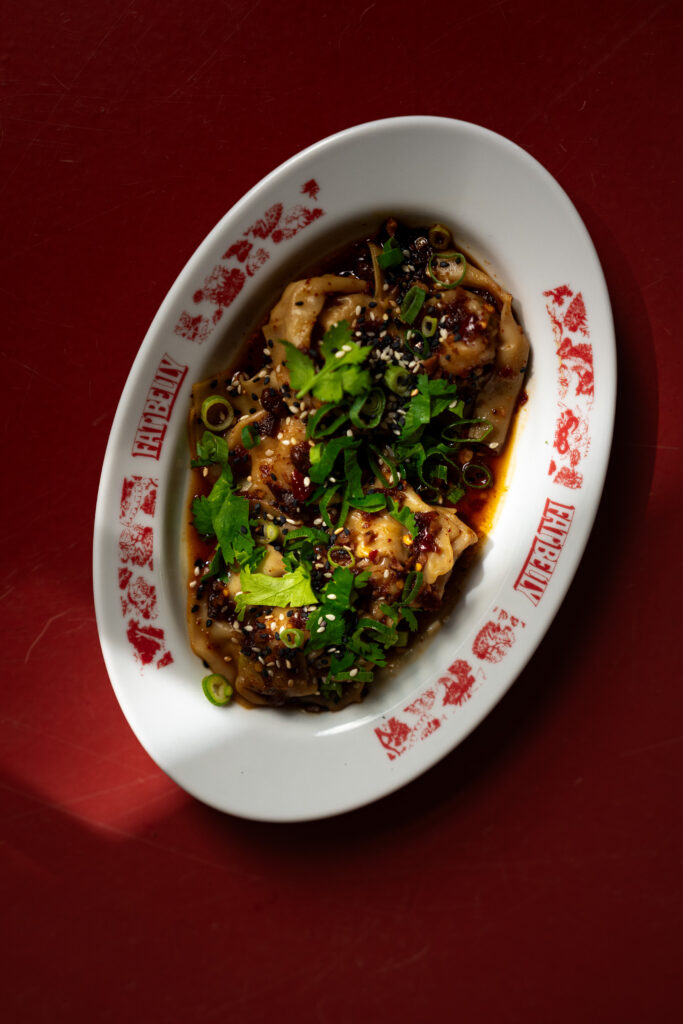
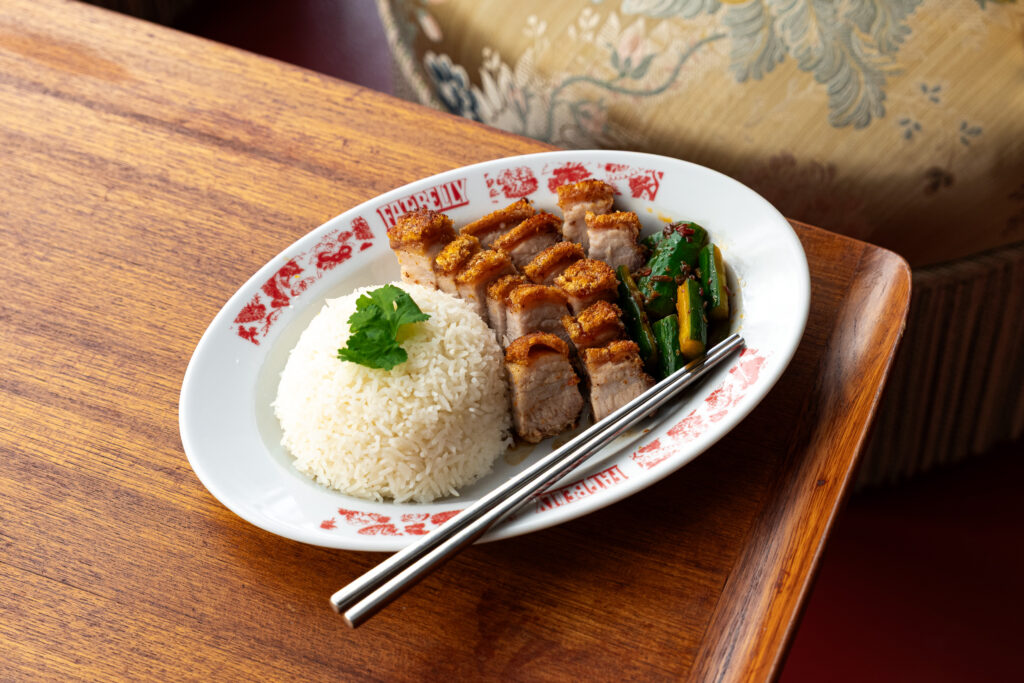
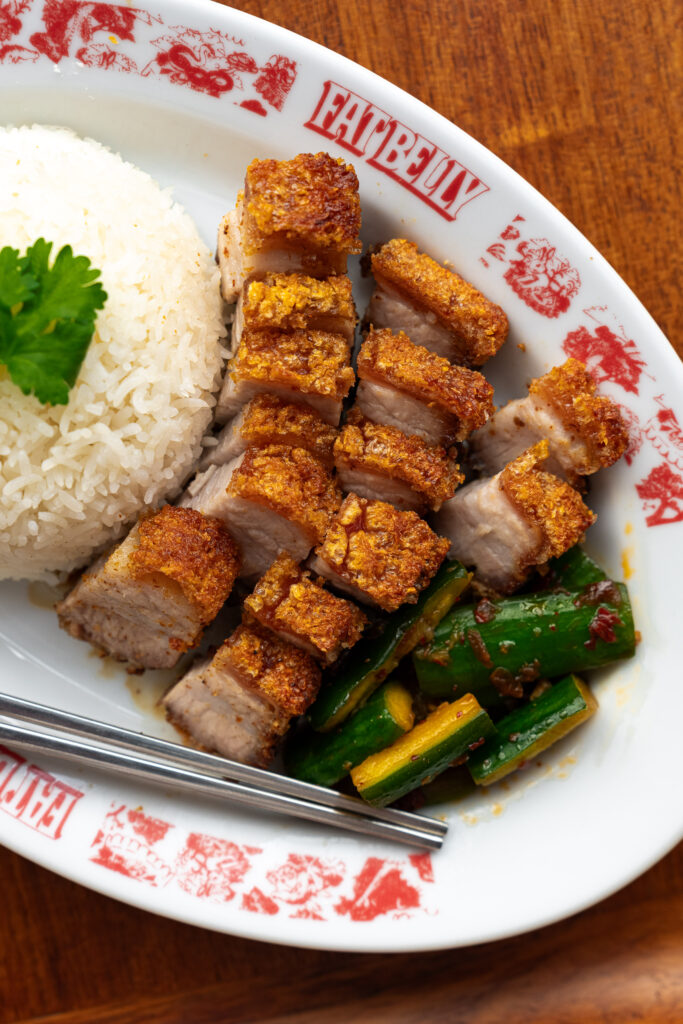
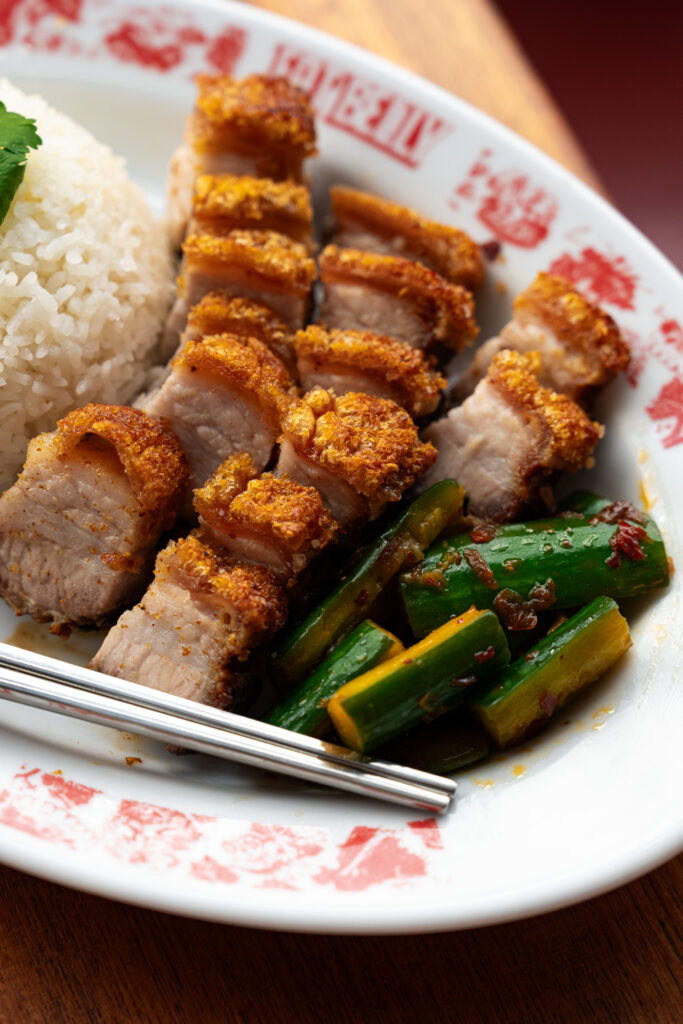
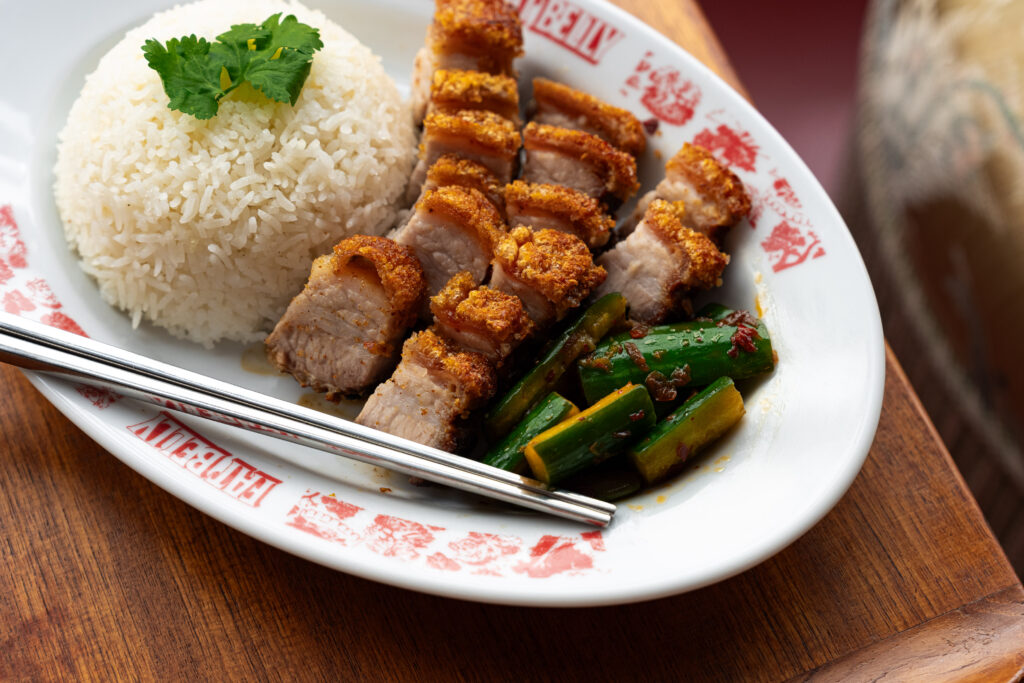
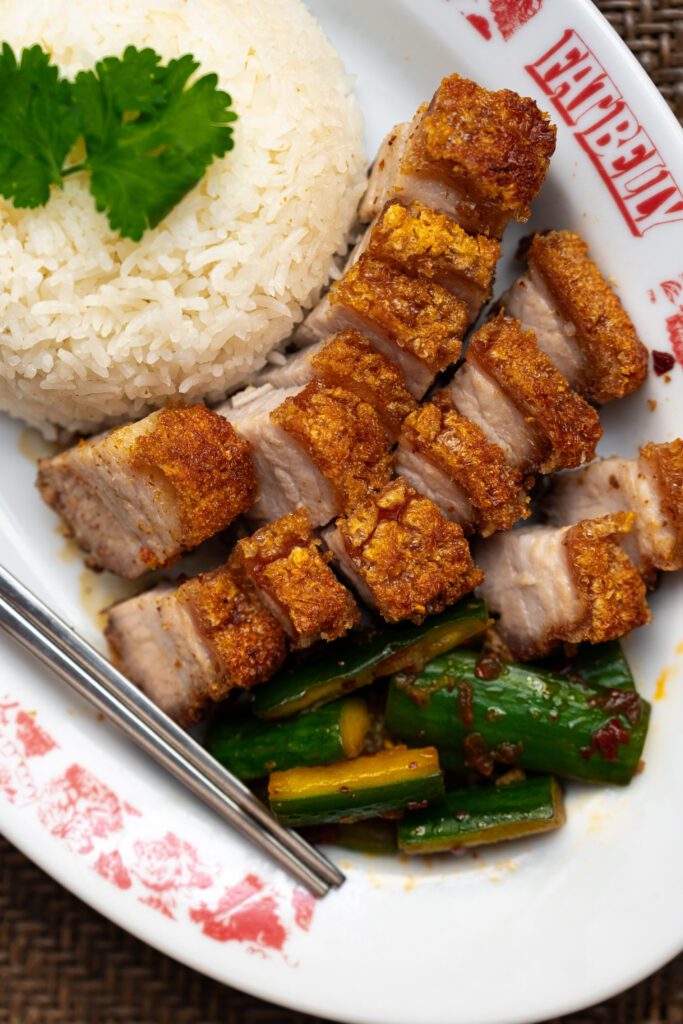
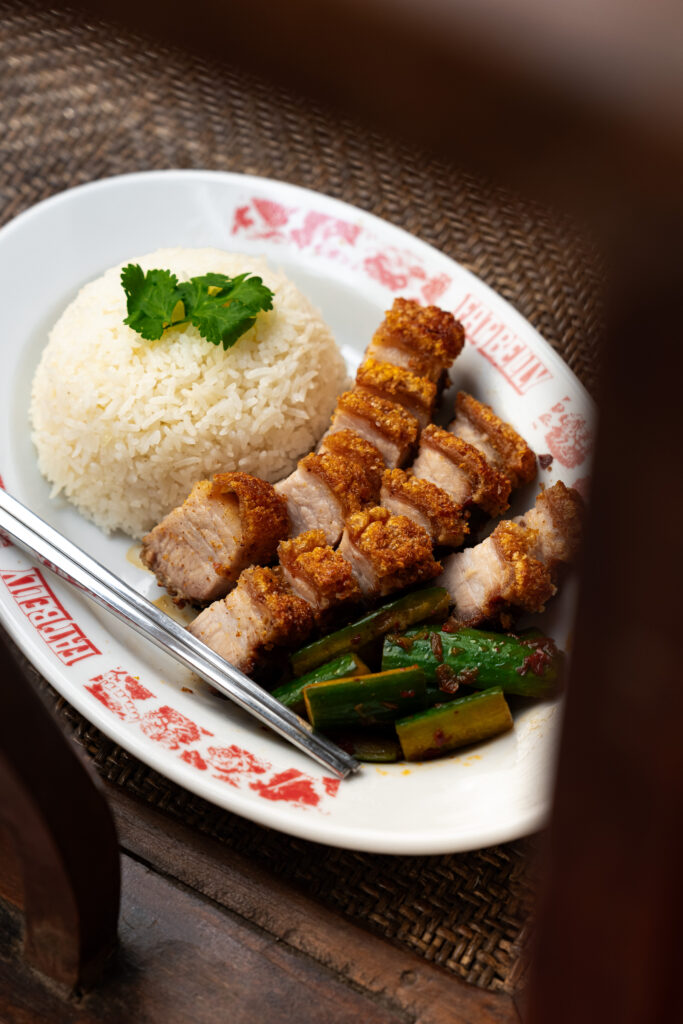
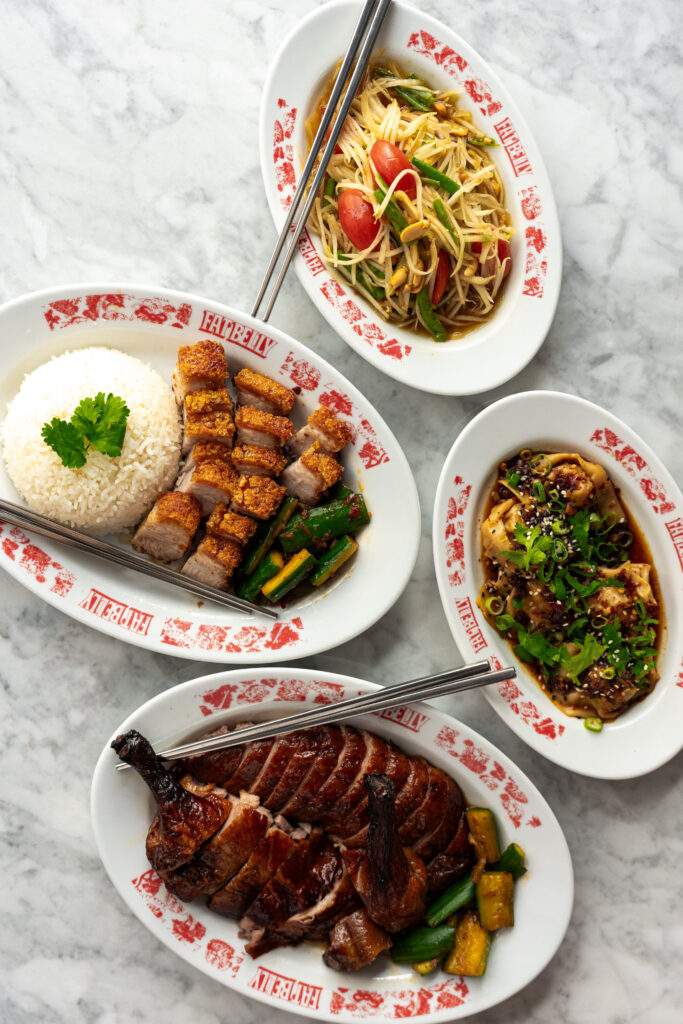
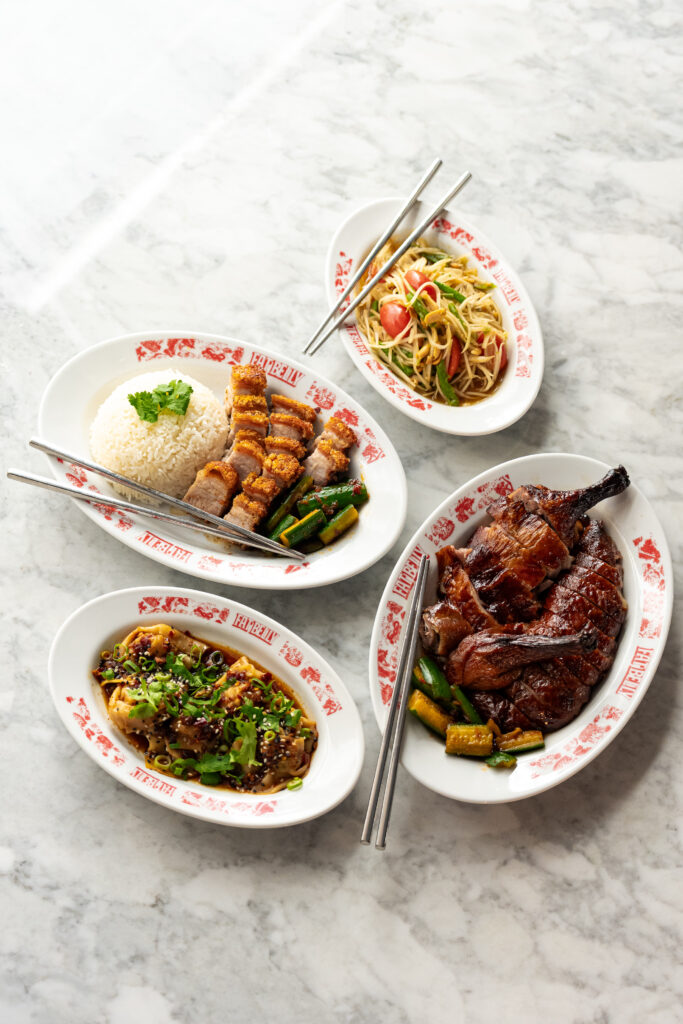
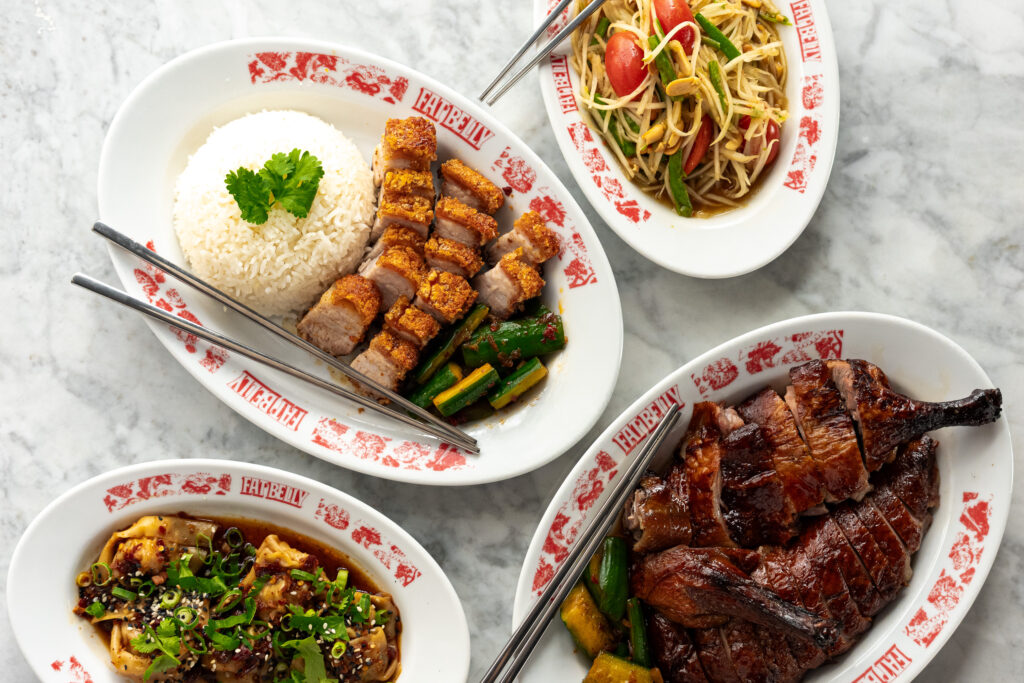
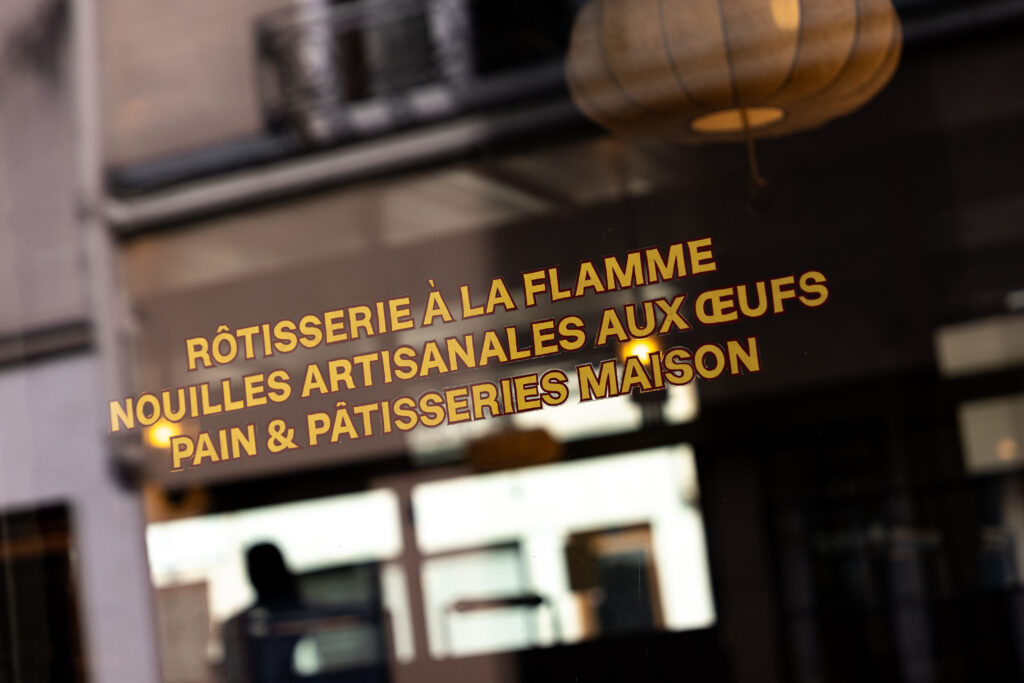
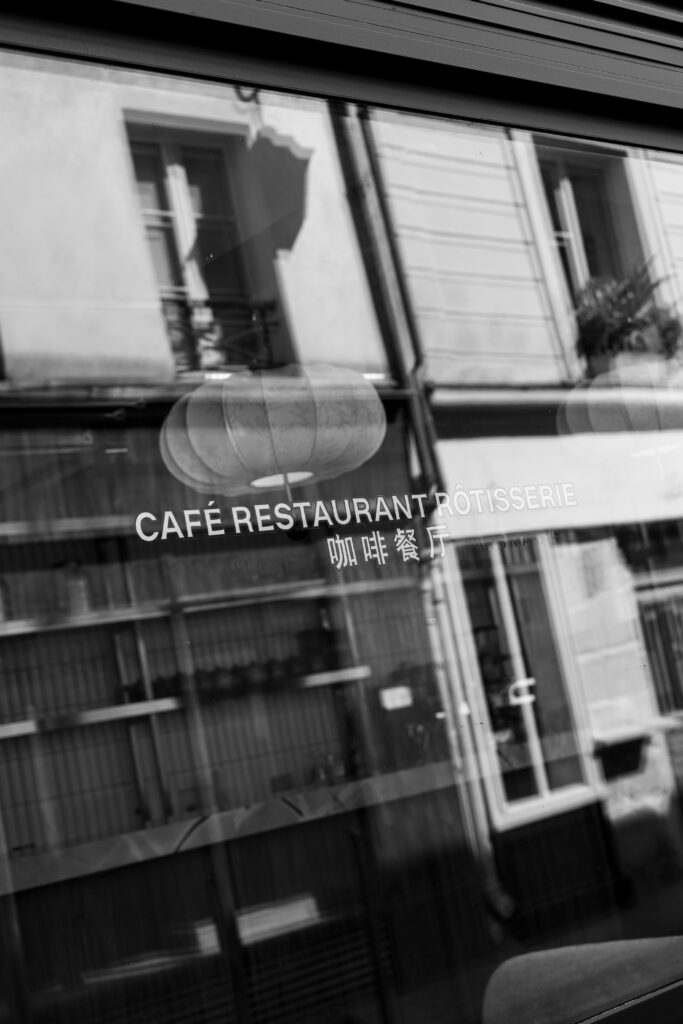
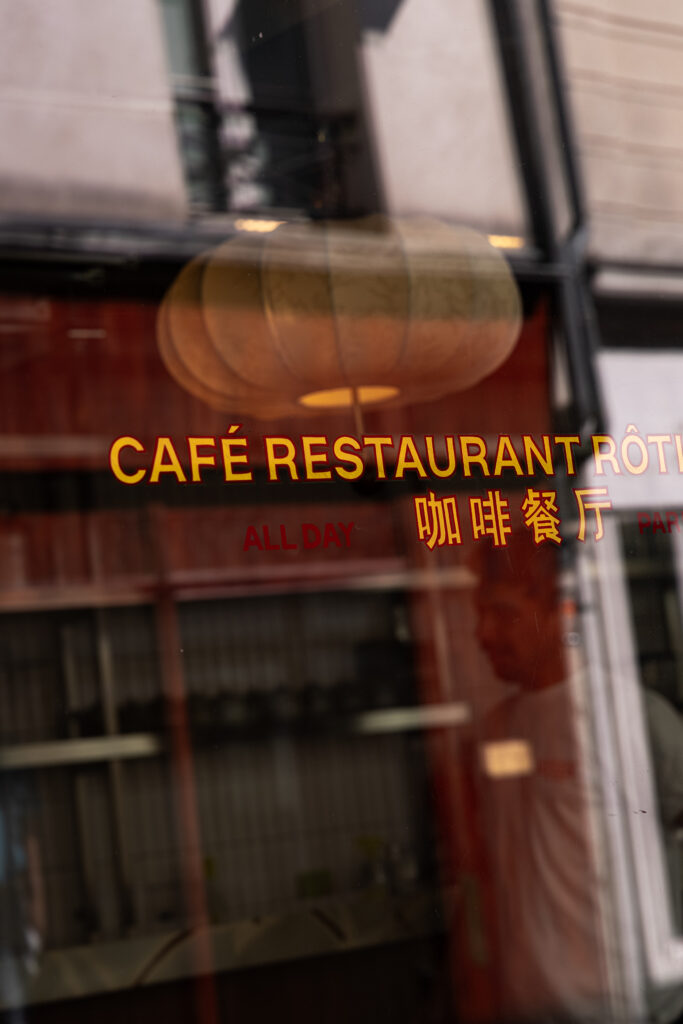
Fat Belly bills itself as a diner-inspired café, restaurant, and rotisserie. The name is less important than the actual layout of the menu. Quick-prep dishes sit alongside slow-cooked items: green papaya salad, shrimp wontons with chili oil, shrimp-stuffed toast served in broth, followed by Peking duck, crispy pork, and roast chicken. The noodles can be served dry or with a broth simmered for nine hours.
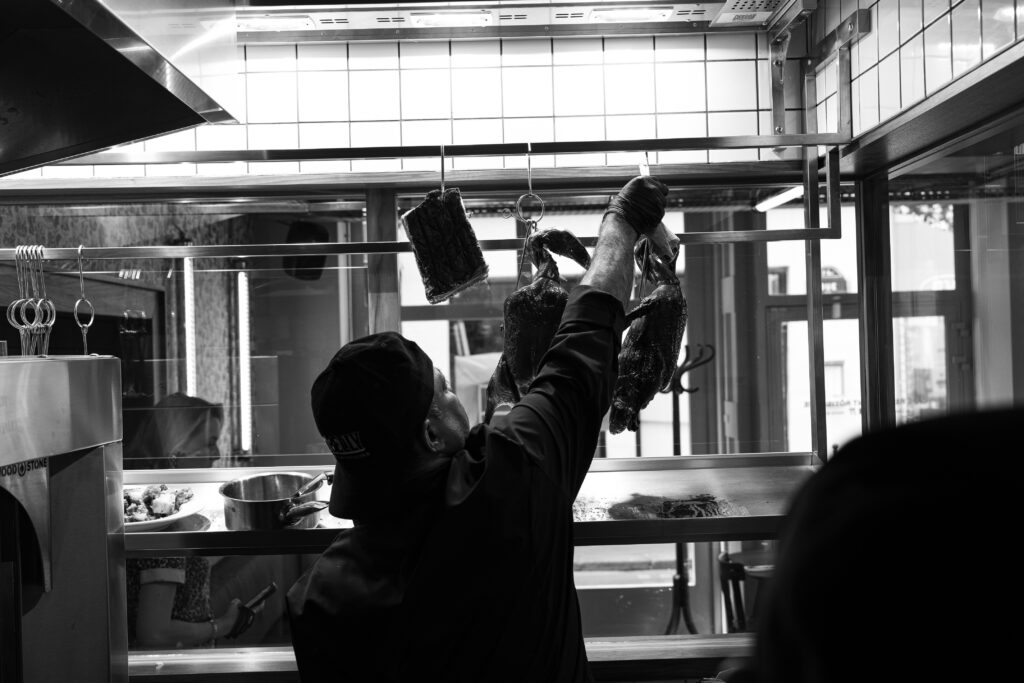
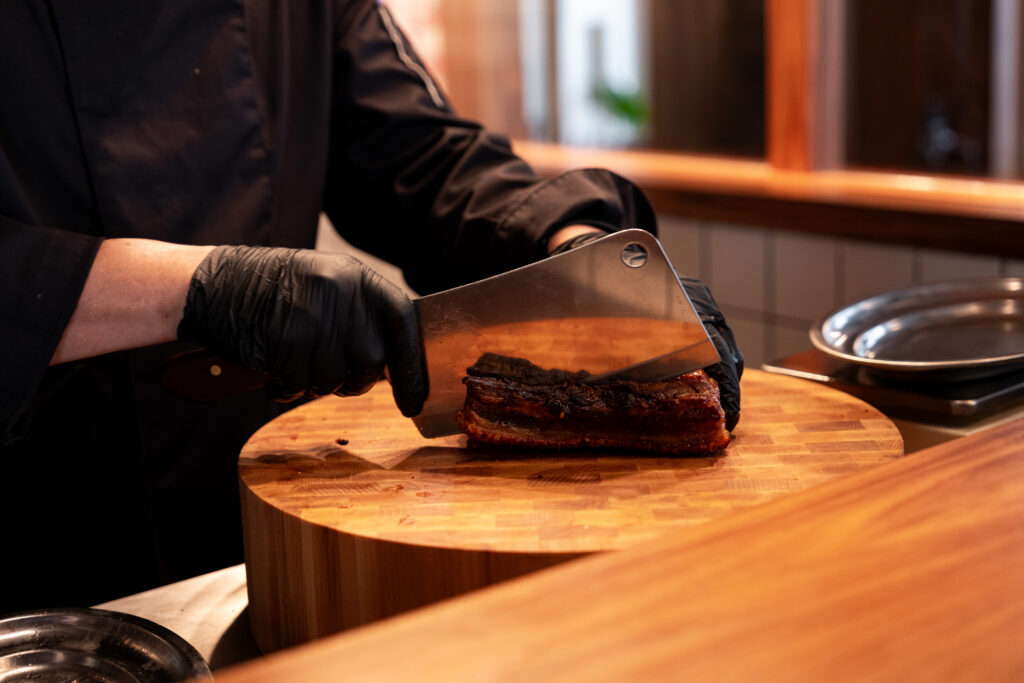
This aspect is the restaurant’s strongest selling point. In a neighborhood saturated with concept restaurants, Fat Belly chooses to highlight ingredients made in-house: noodles, breads, brioche, broths, and rotisserie meats. The kitchen isn’t organized around a collection of “signature” dishes, but rather around a few core techniques that can be adapted in various ways.
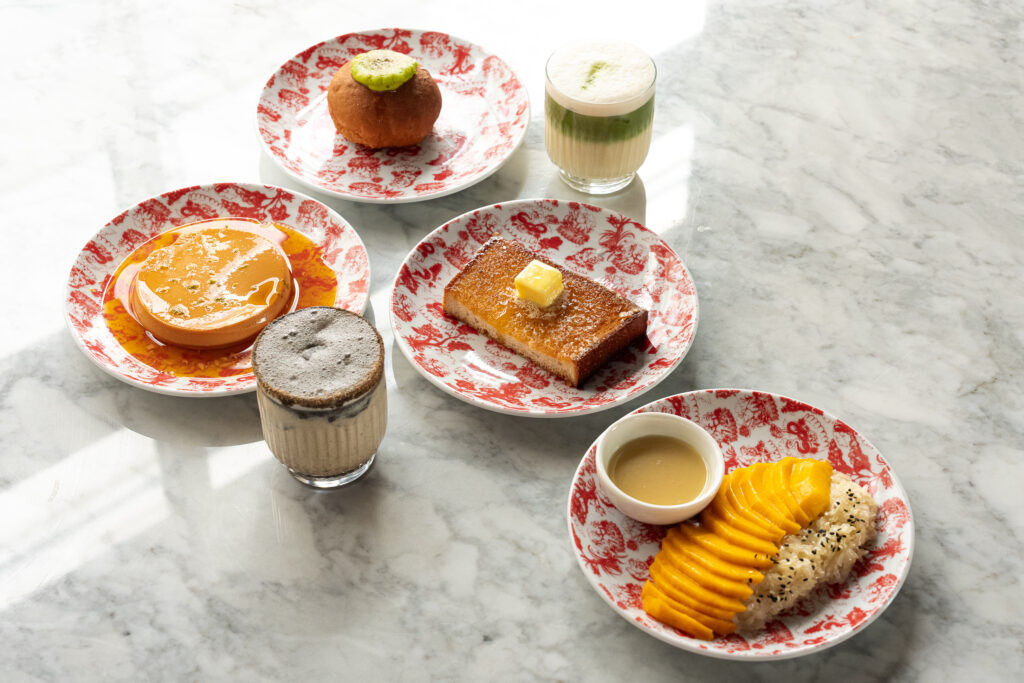
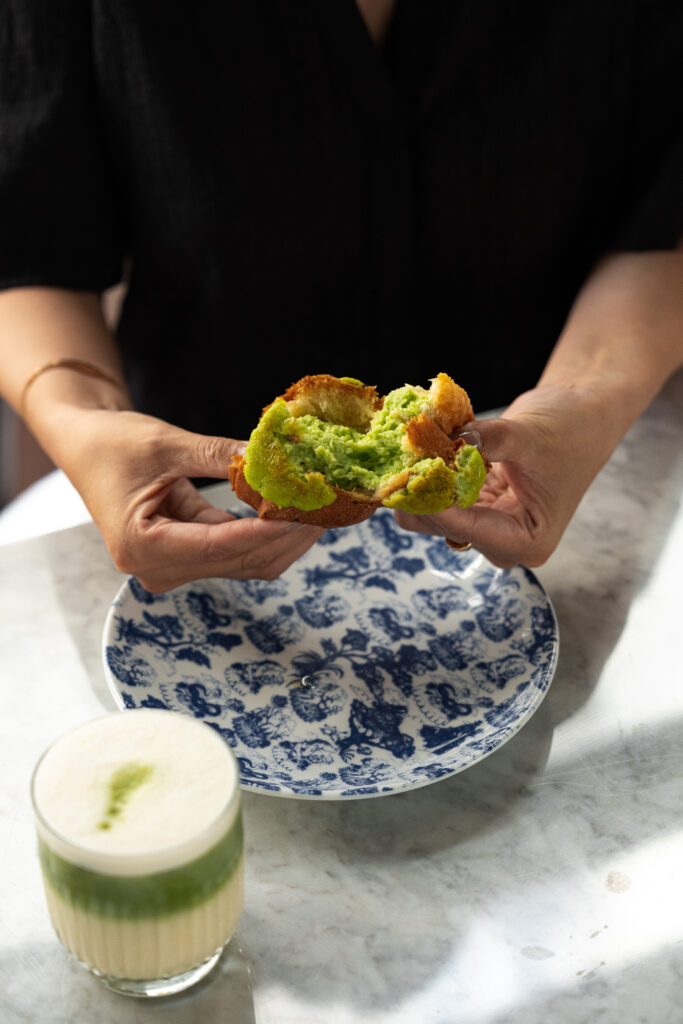
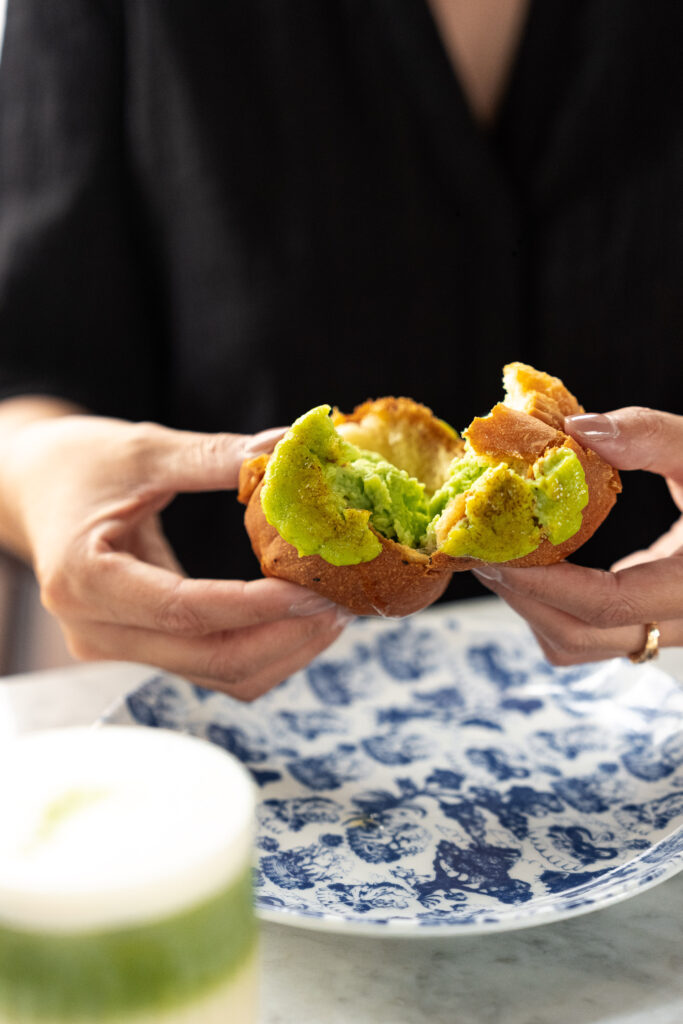
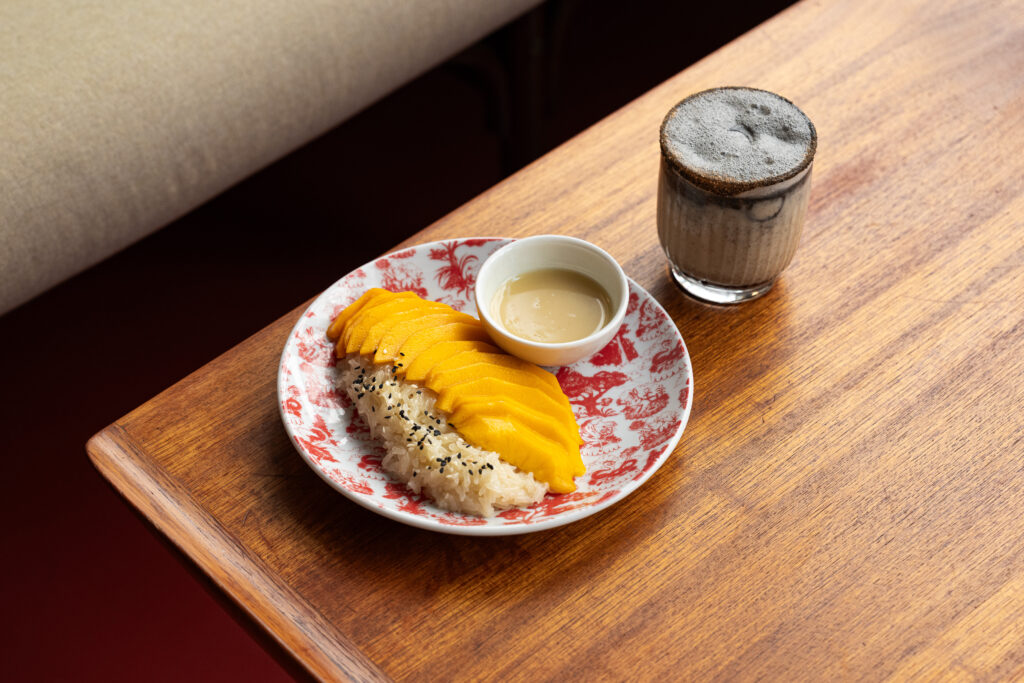
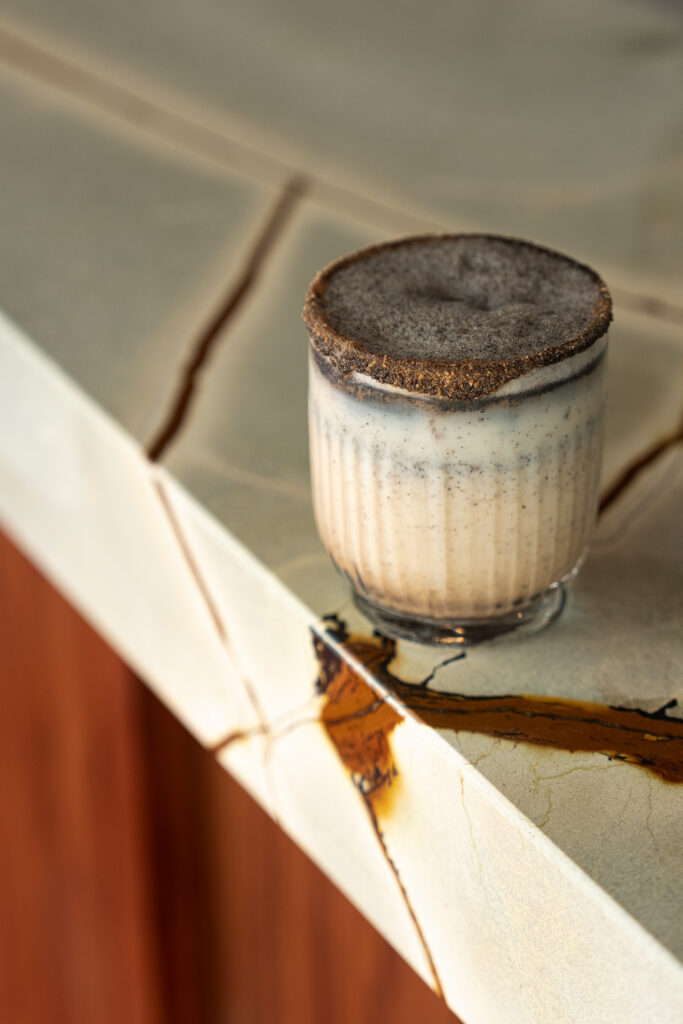
The dessert section follows this same concept. The baker prepares brioche buns made with butter and honey, as well as small rolls filled with pandan or sesame pastry cream. Mango sticky rice is served alongside a house-made version combining sticky rice, mango, and brioche. This fusion works when it’s grounded in a specific texture or technique, rather than simply being a novelty.
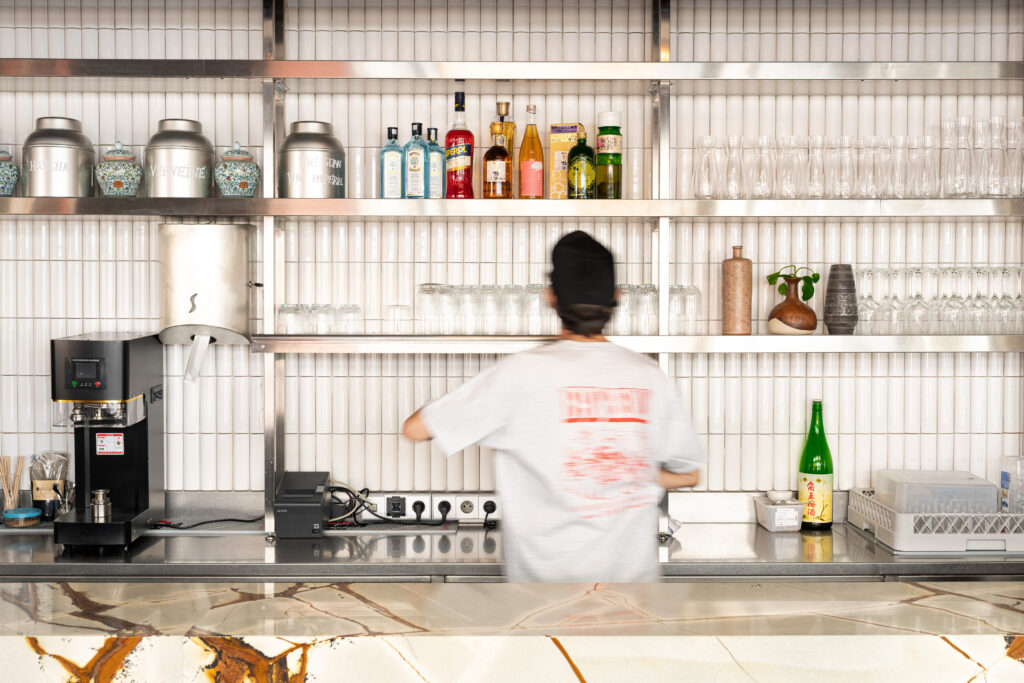
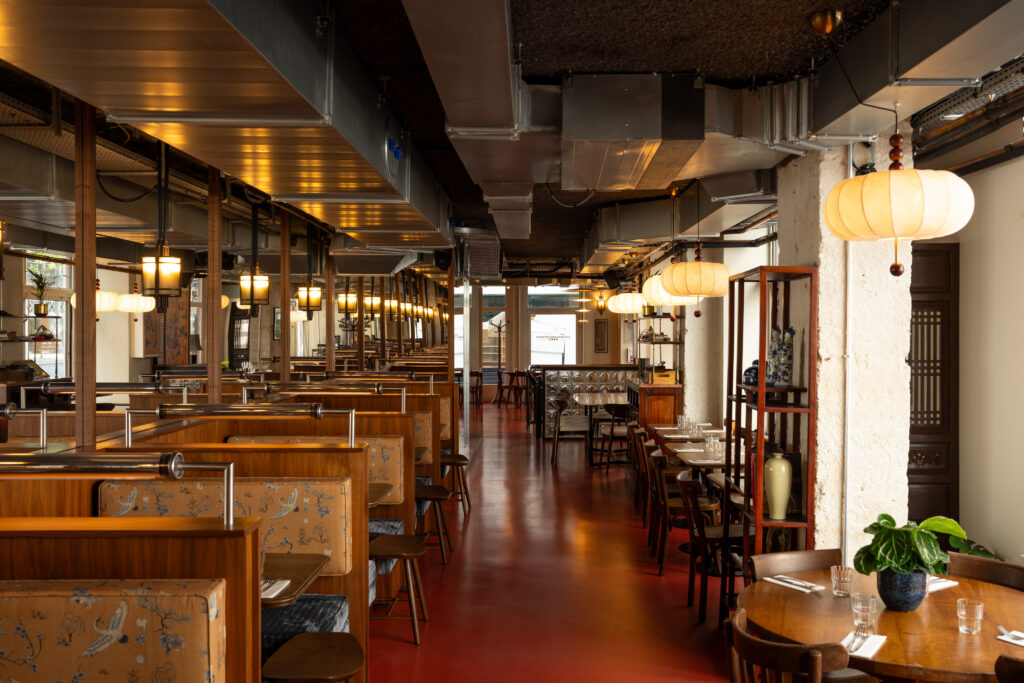
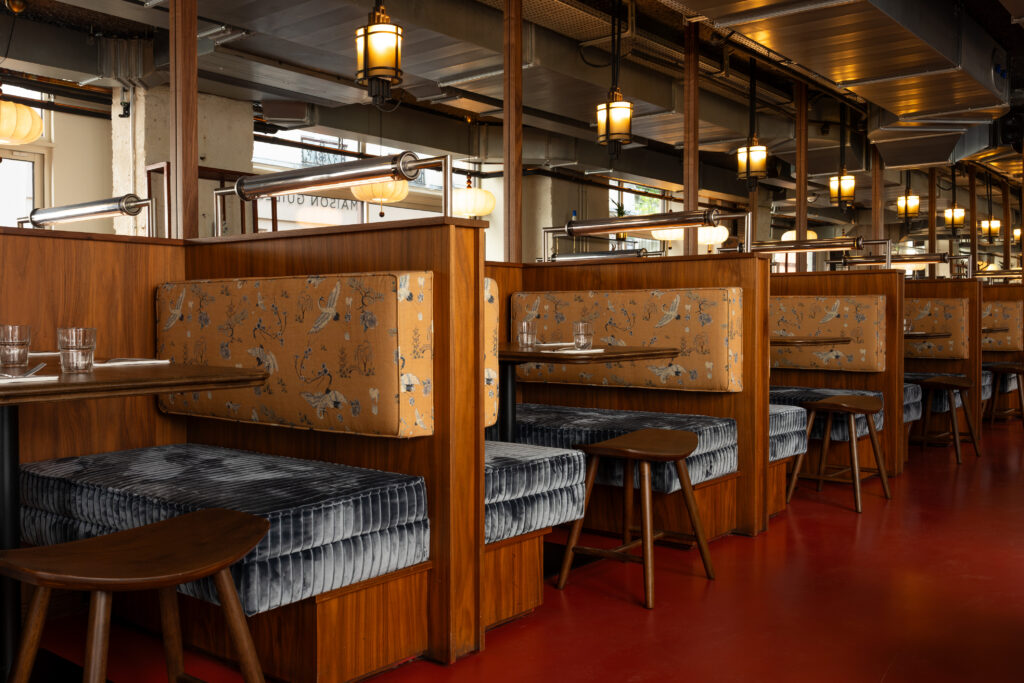
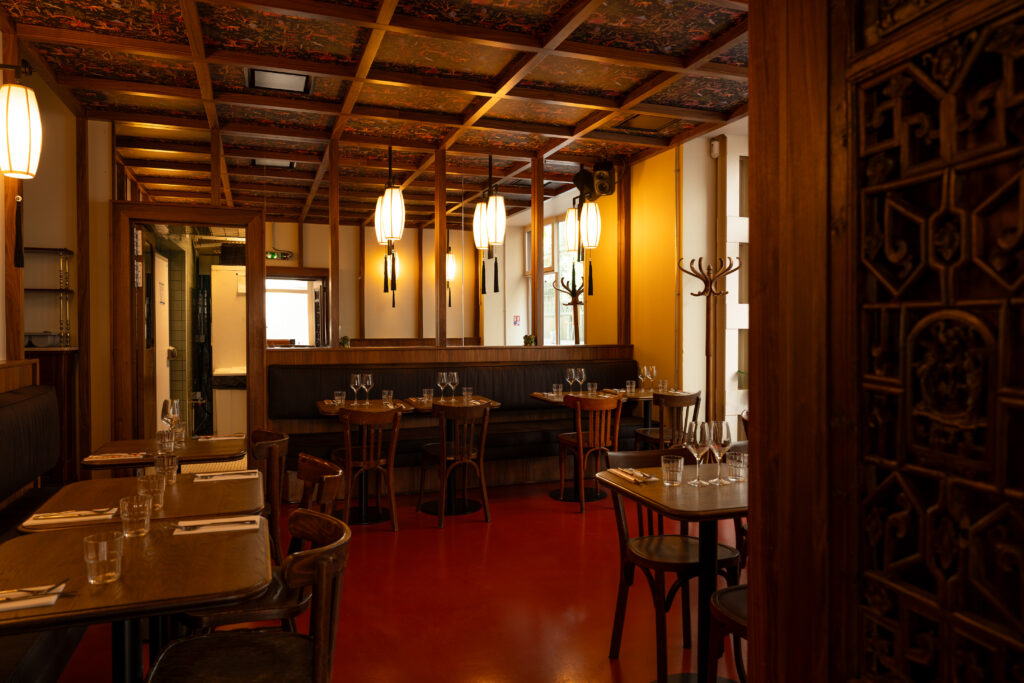
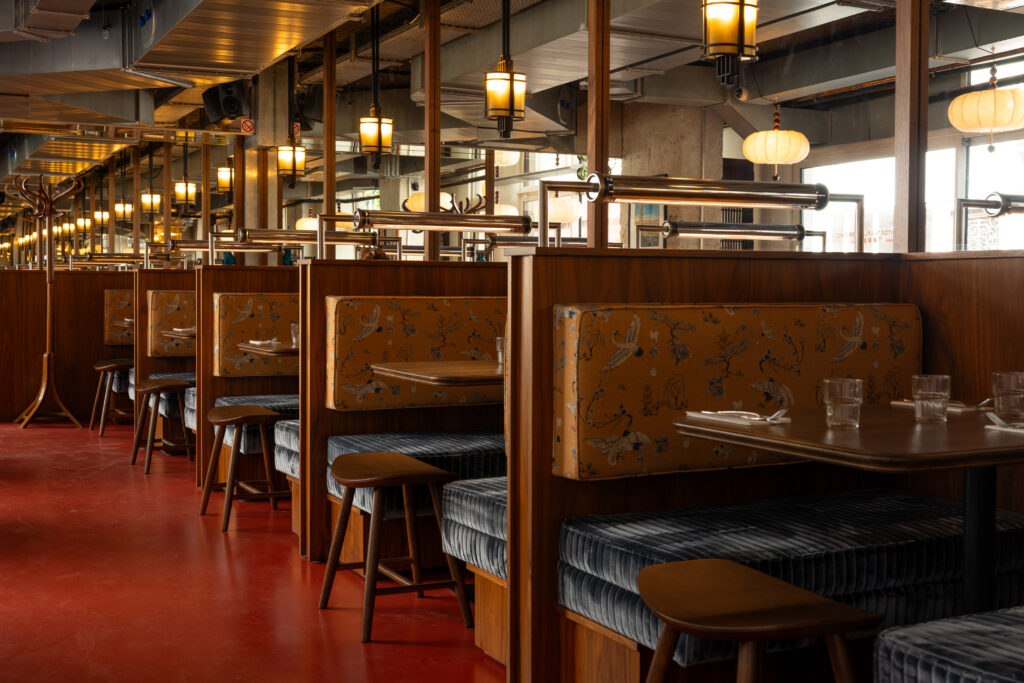
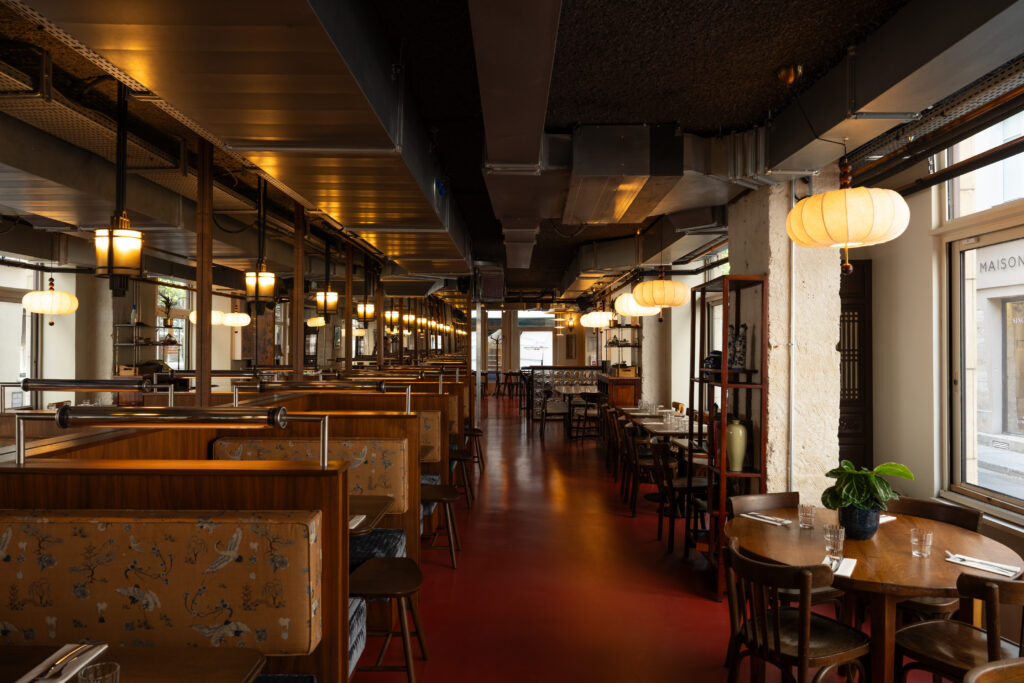
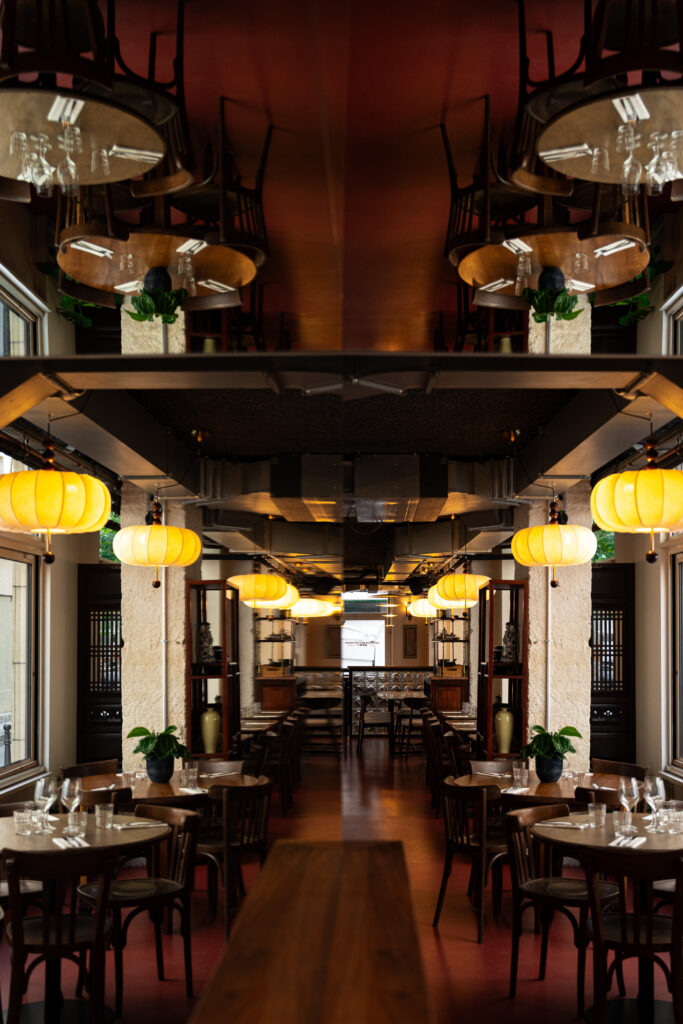
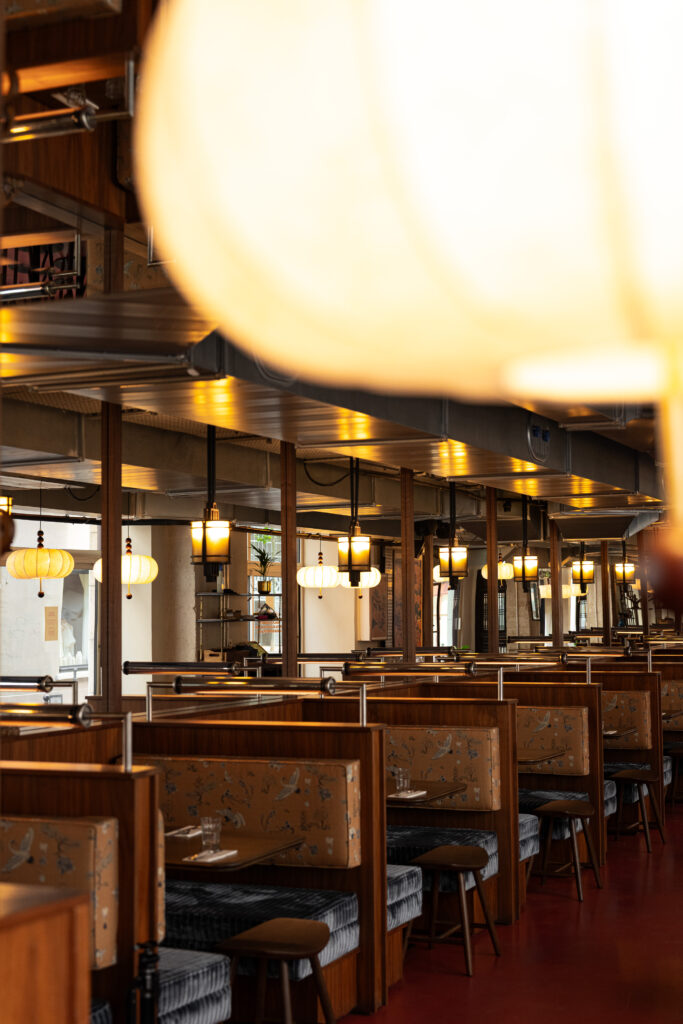
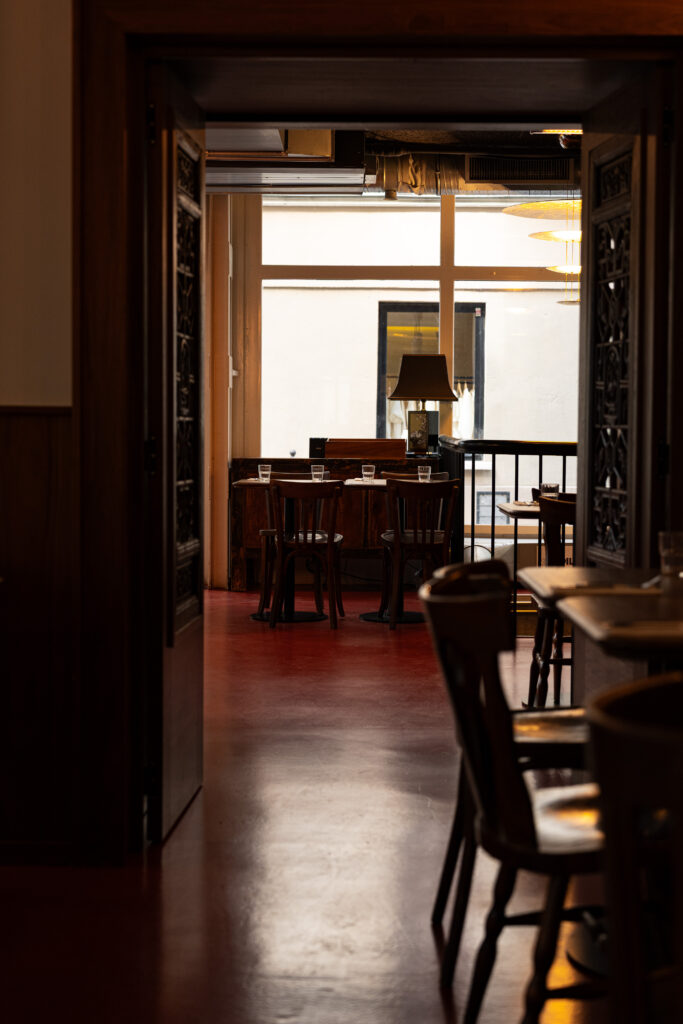
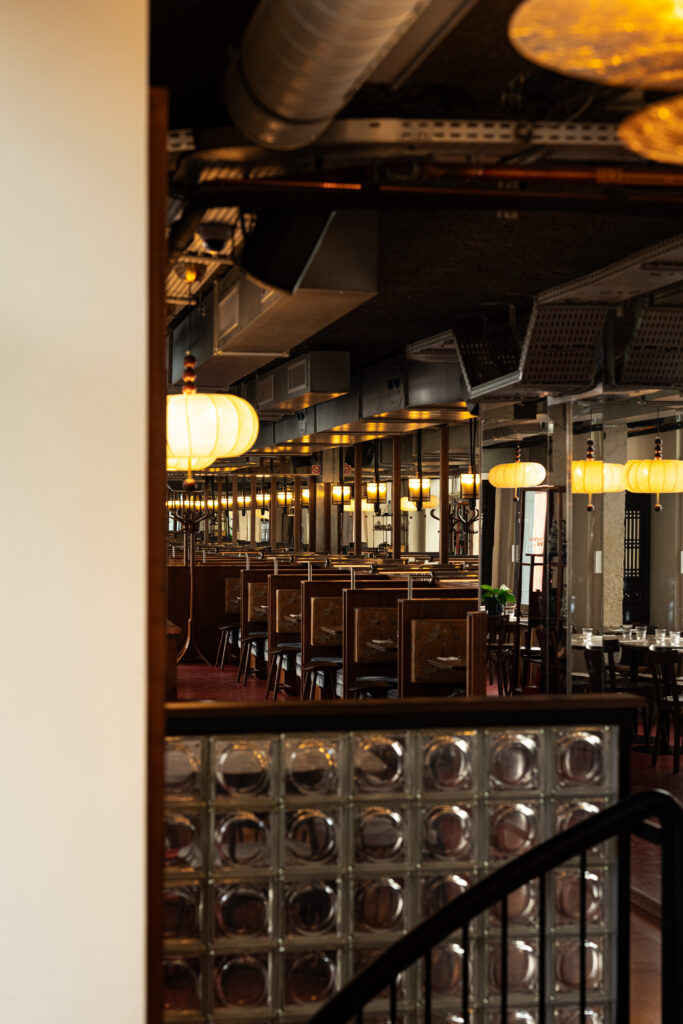
With 130 seats, the restaurant operates on a large scale for a kitchen that bills itself as serving homemade food. This is also its main challenge. The promise of slow cooking must be upheld through the consistency of the broths, the precision of the glazes, and the freshness of the pasta—even when continuous service begins on August 15.
The restaurant will open in two phases: dinner service only, every day, through August 14, followed by lunch and dinner service on weekdays and all-day service from Friday through Sunday. This gradual ramp-up will allow the staff to fine-tune their procedures before reaching full capacity.
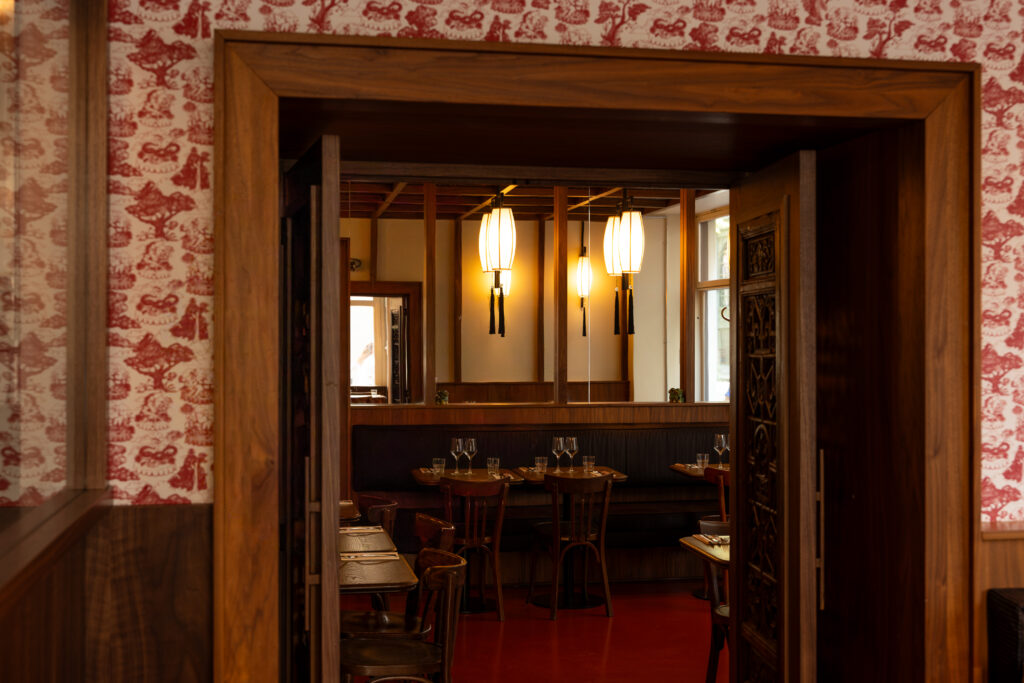
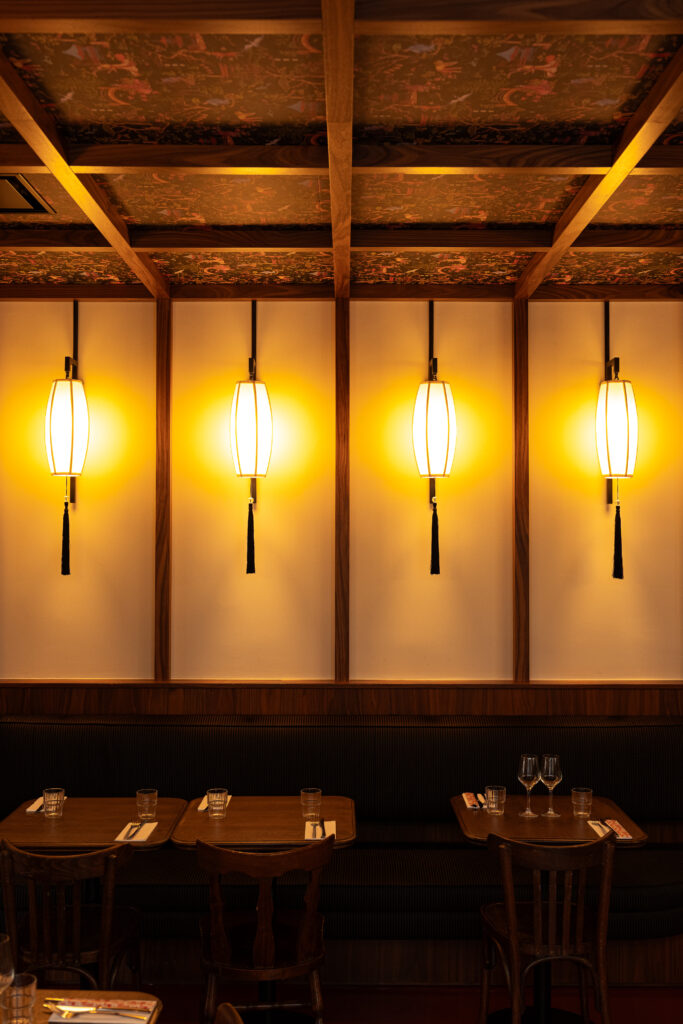
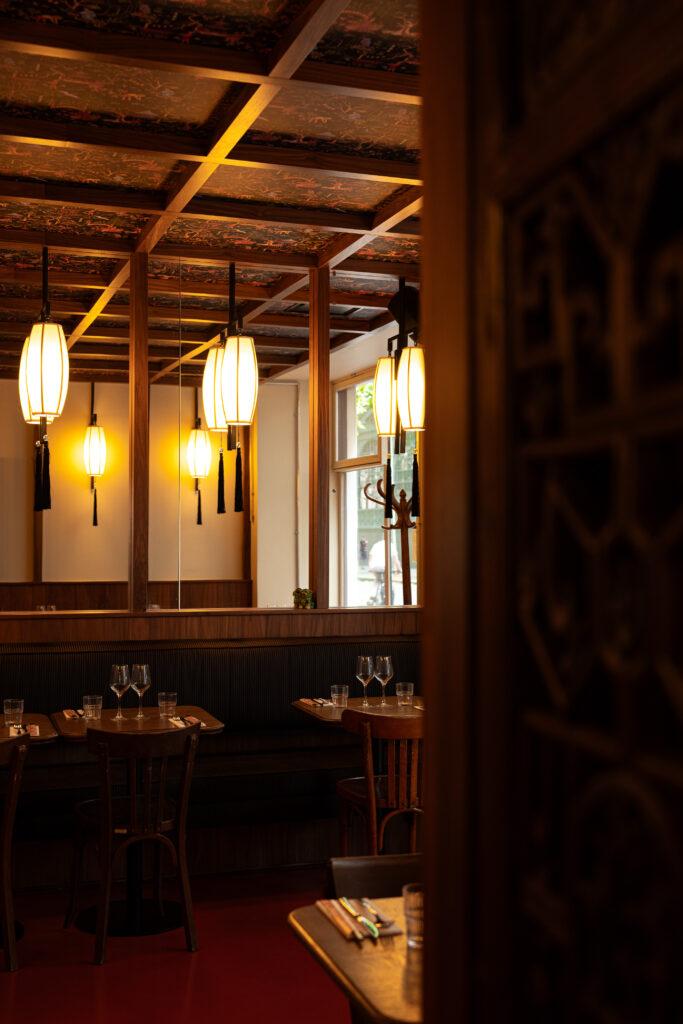
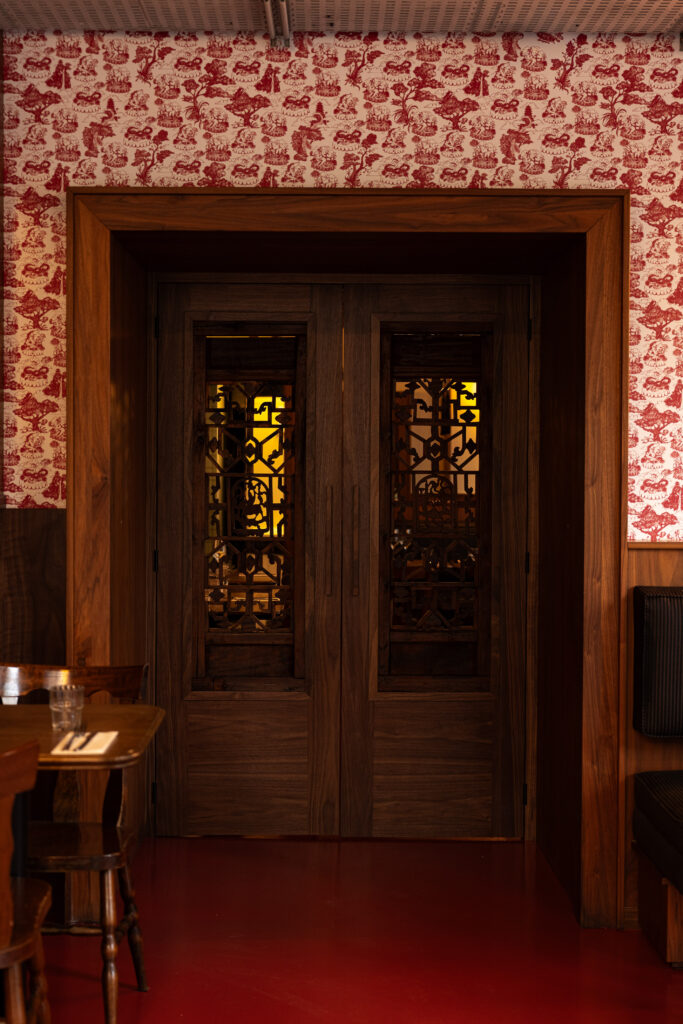
Fat Belly doesn’t need to add an artificial narrative to its location in the Marais. Its identity is defined by a more tangible contrast: a spacious and accessible dining room, but dishes that require patience, repetition, and mastery of the stove. The restaurant’s future will depend on its ability to maintain this precision once the novelty has given way to everyday routine.




Cette publication est également disponible en :

