
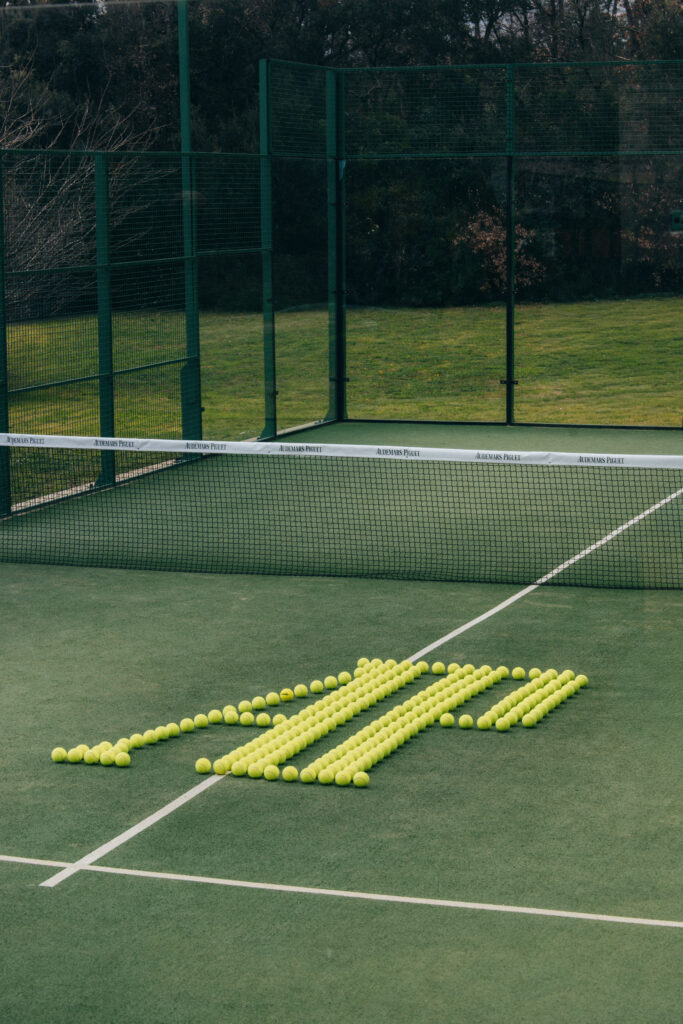
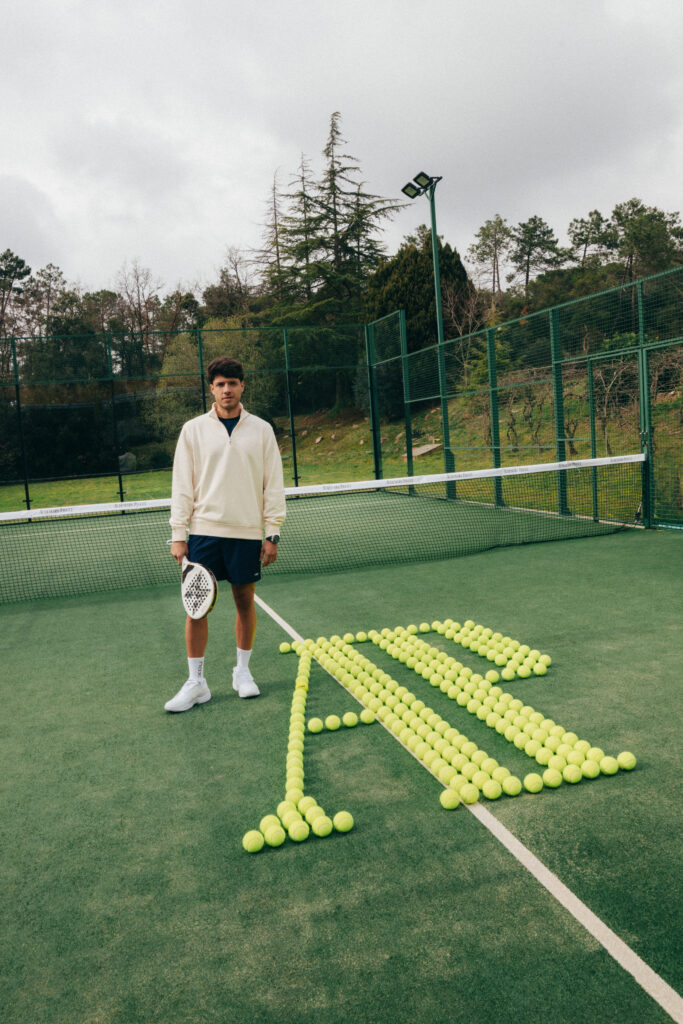
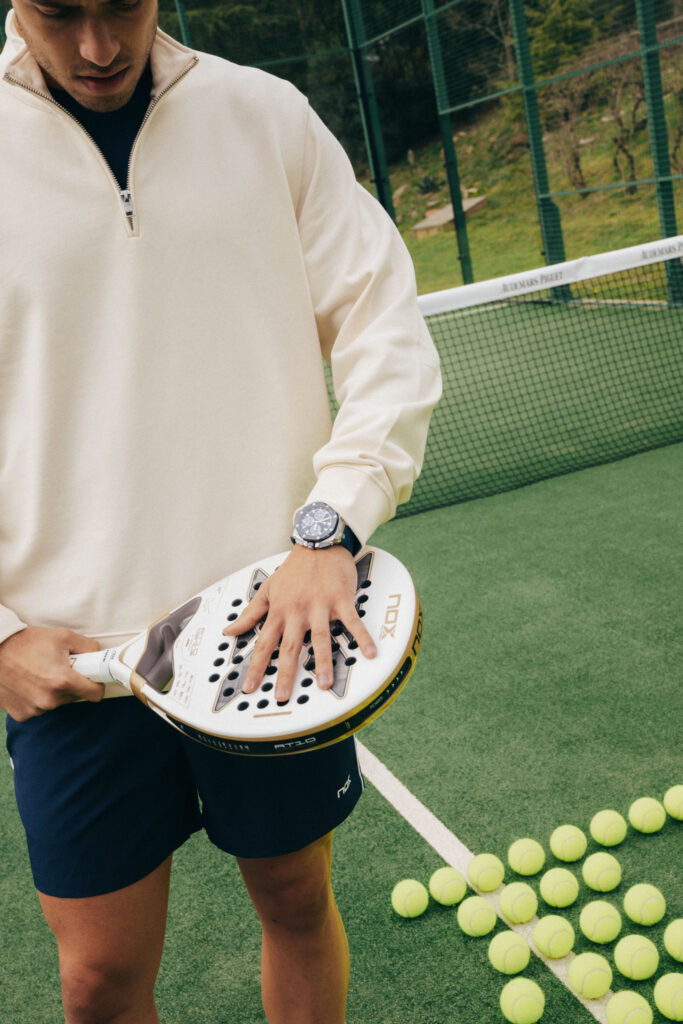
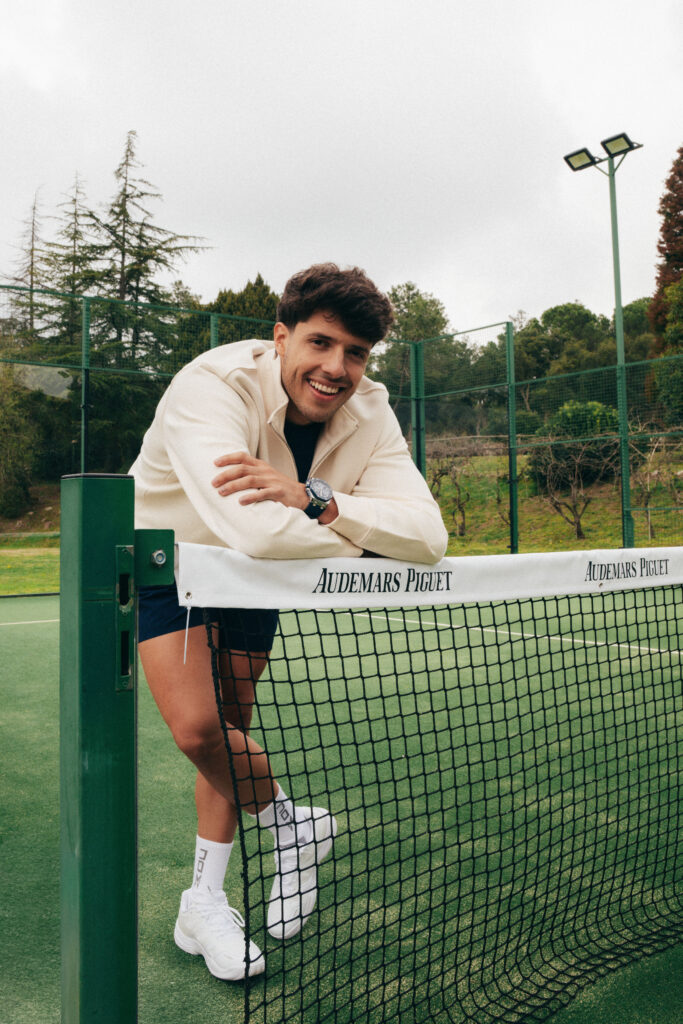
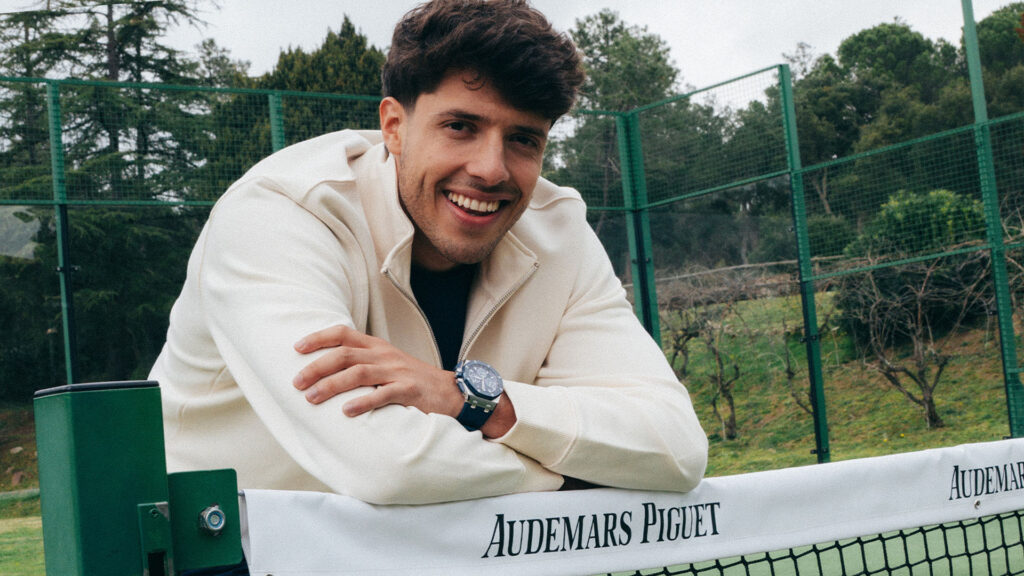
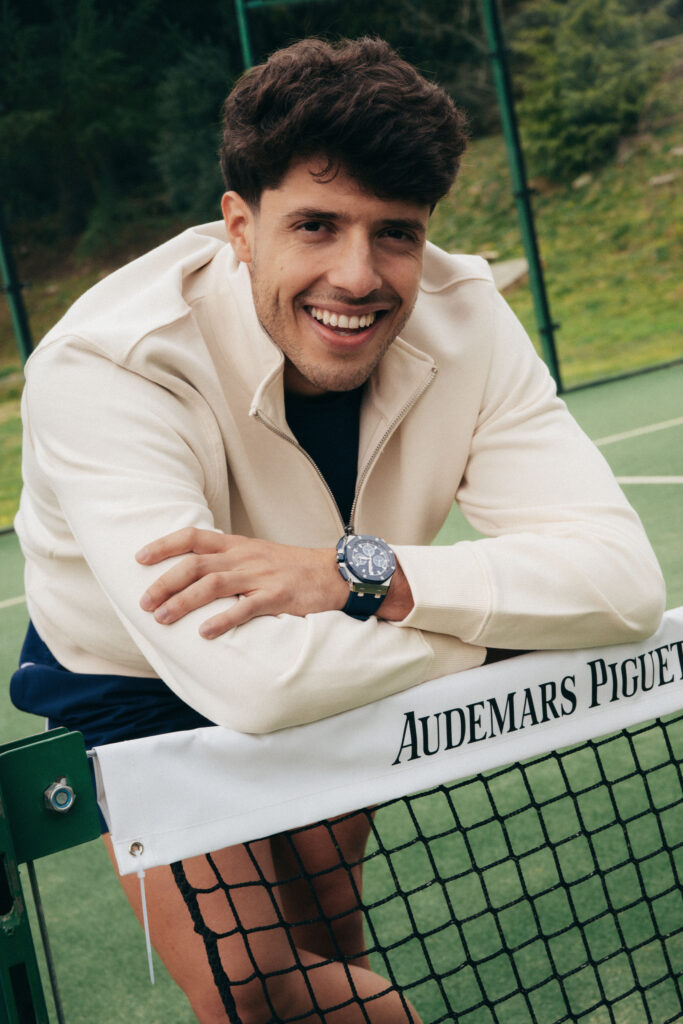
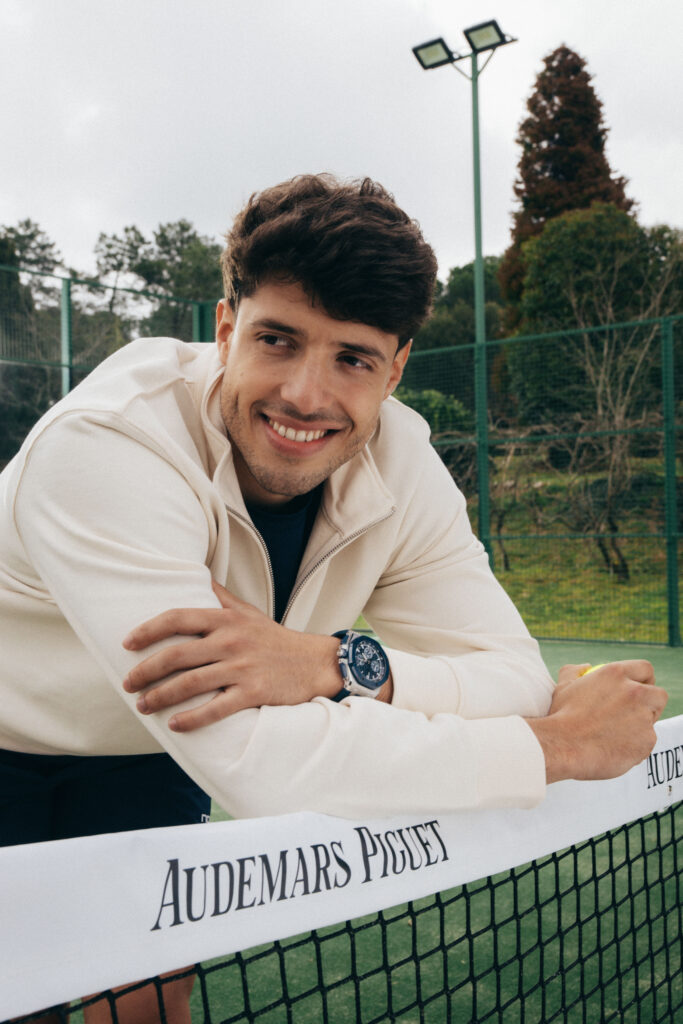
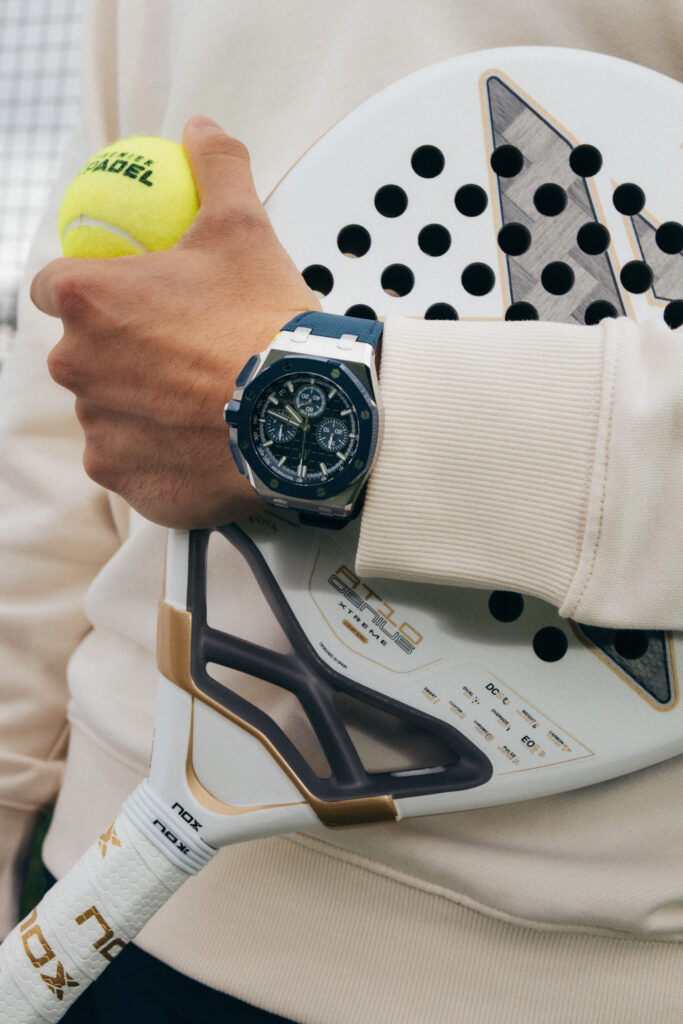
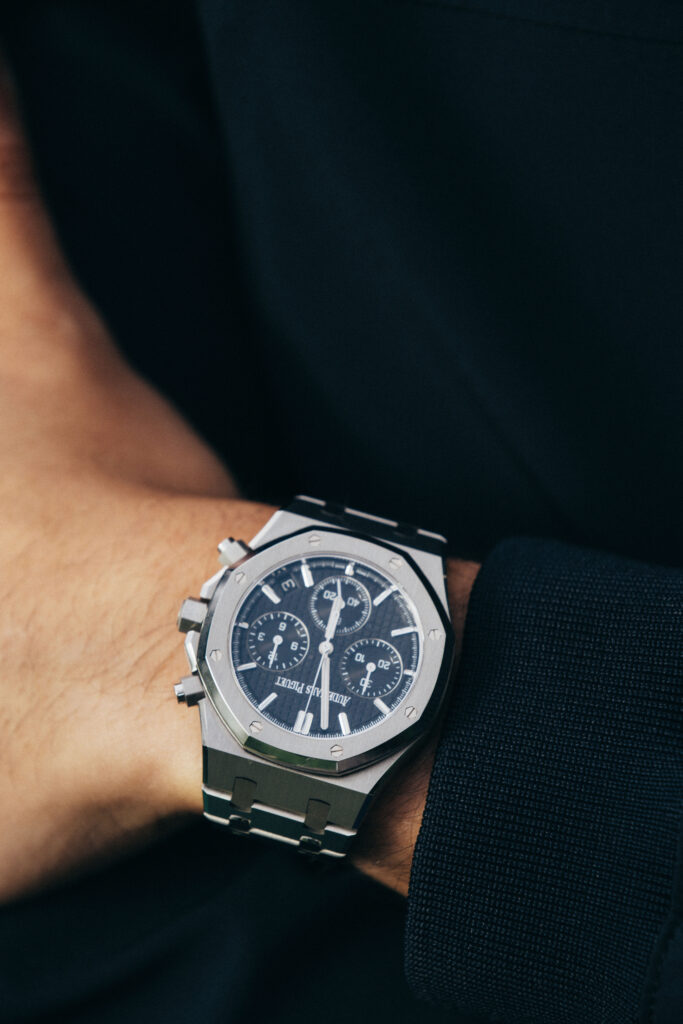
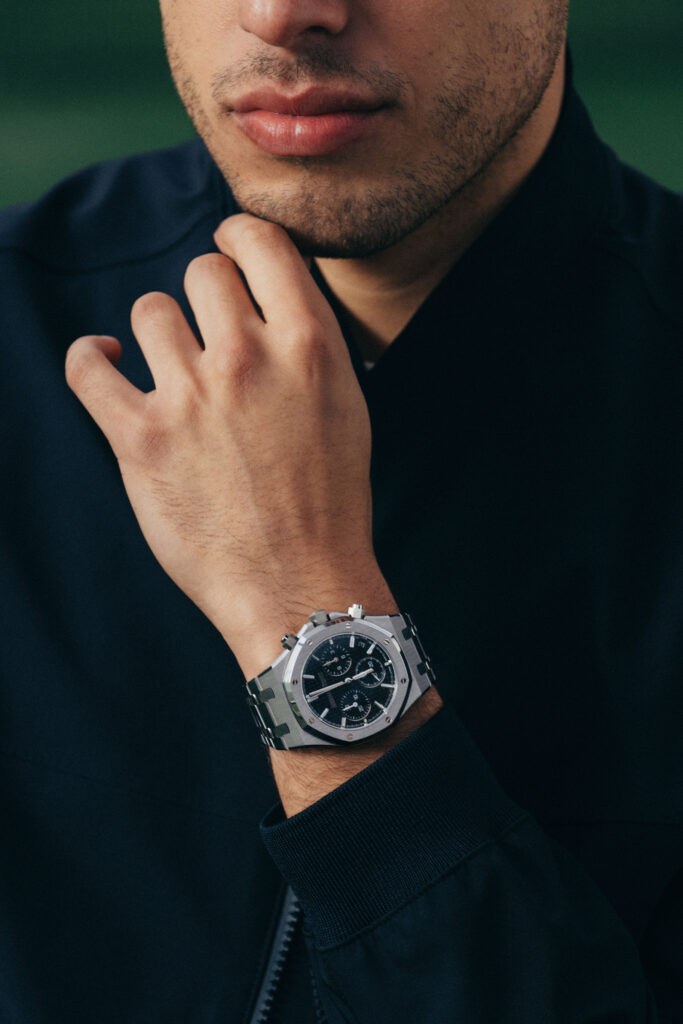
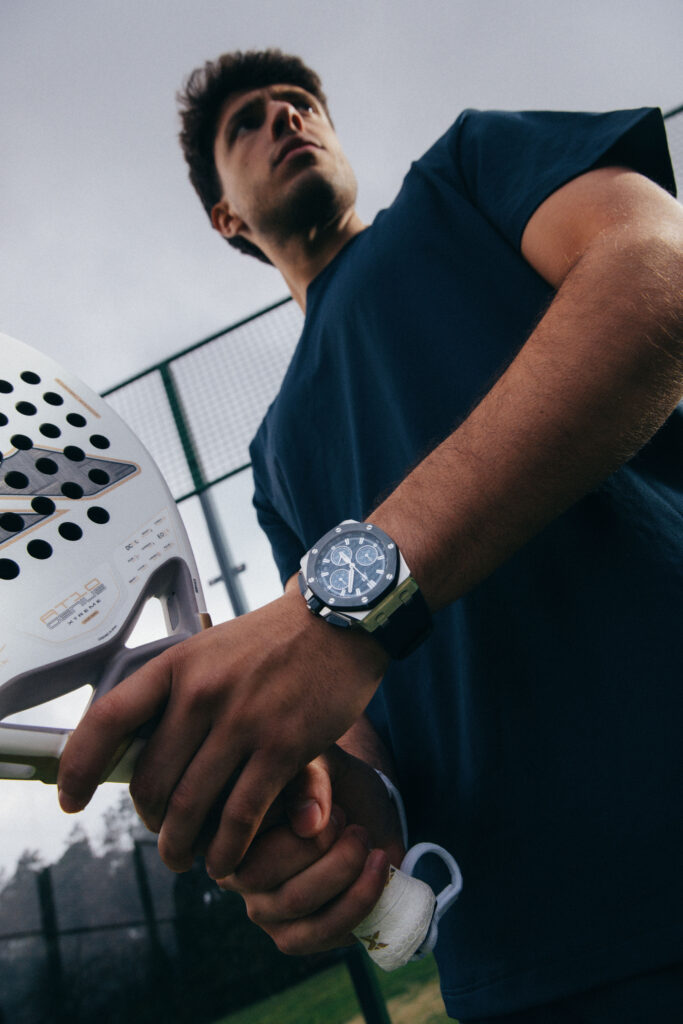
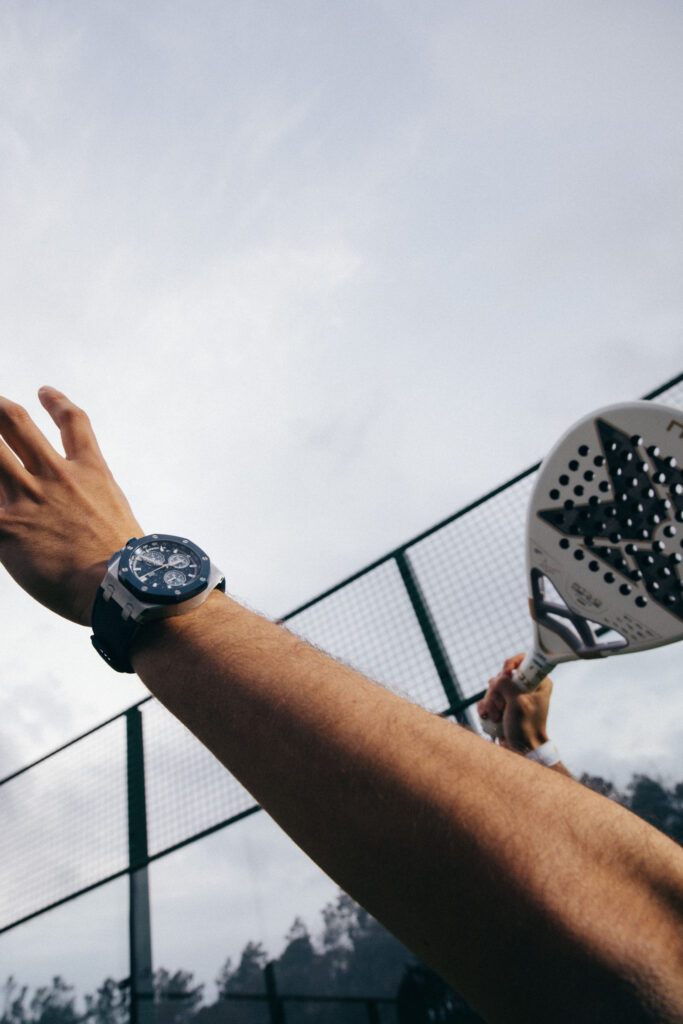
Padel no longer quite feels like a sport. On the glass-enclosed courts of Madrid, Dubai, Milan, and Miami, the sport has become a social language—a meeting place for entrepreneurs, creatives, athletes, and sports watch enthusiasts. By joining the Qatar Airways Premier Padel Tour as the official timekeeper and partnering with Argentine player Agustín Tapia, Audemars Piguet is not merely entering into a sports partnership. It is establishing itself in a new cultural sphere.
For several years now, watchmakers have been seeking to expand their presence beyond the traditional circuits of tennis, sailing, and golf. Padel offers a unique strategic advantage: it combines physical proximity, a fast pace, and a strong sense of community. Unlike tennis, which is often associated with a certain formality, padel is based on doubles play, constant movement, and continuous interaction. The court becomes almost like an open-air social gathering place.
Audemars Piguet, in fact, emphasizes this idea of exchange and synchronization. The press release refers to “perfect coordination” and “mastery of every movement,” implicitly drawing a parallel between the game and the mechanics of watchmaking. Behind this predictable analogy, however, lies a more interesting insight: contemporary luxury now seeks out disciplines capable of embodying fluidity rather than performance alone.
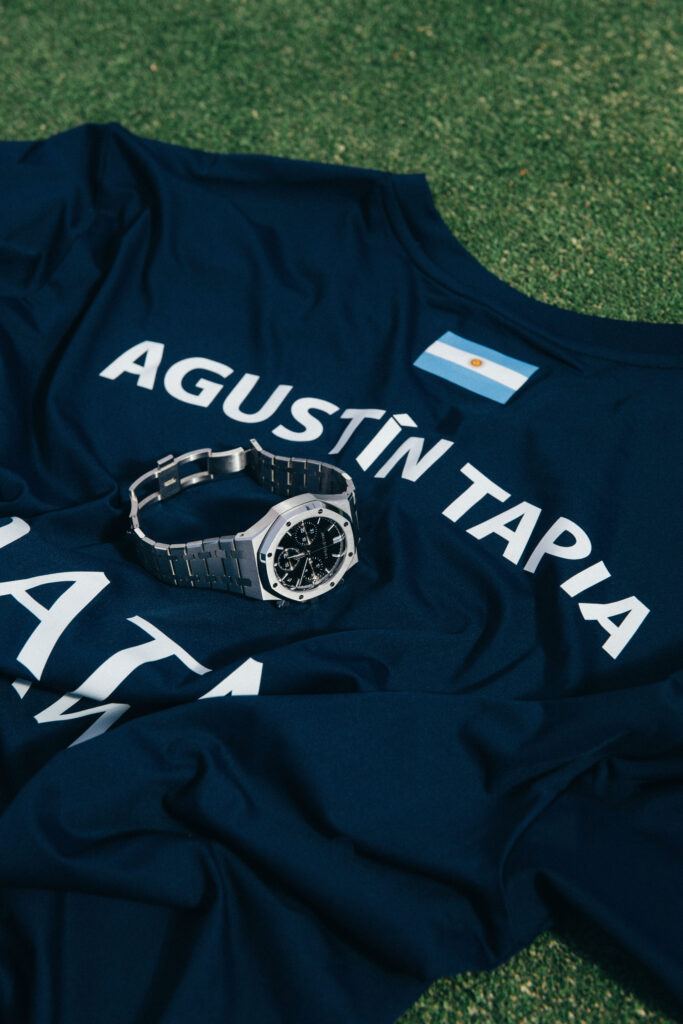
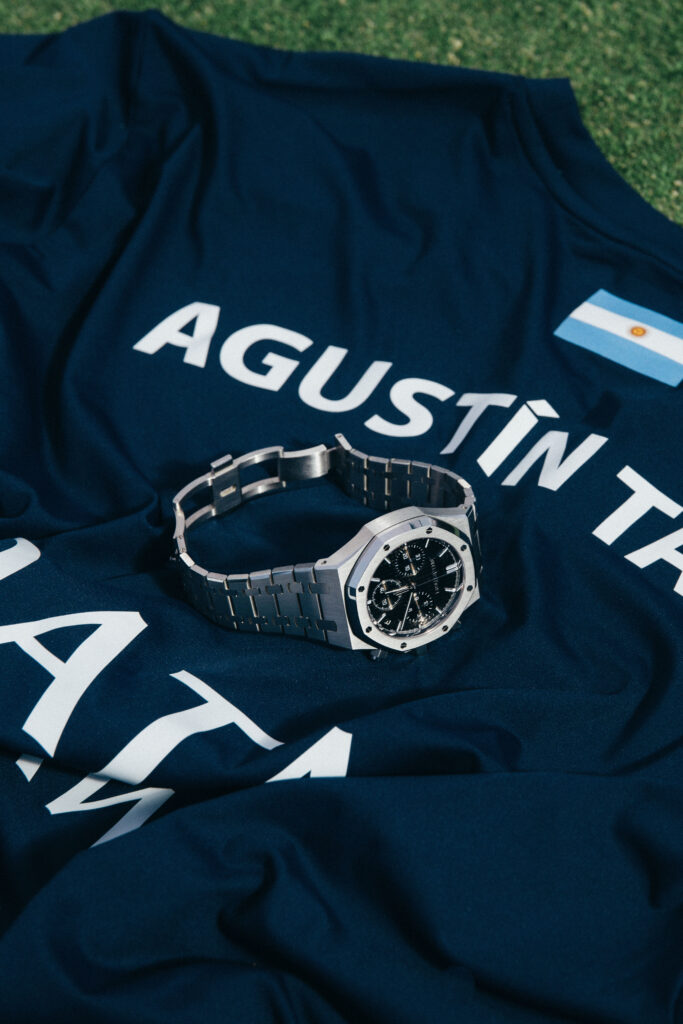
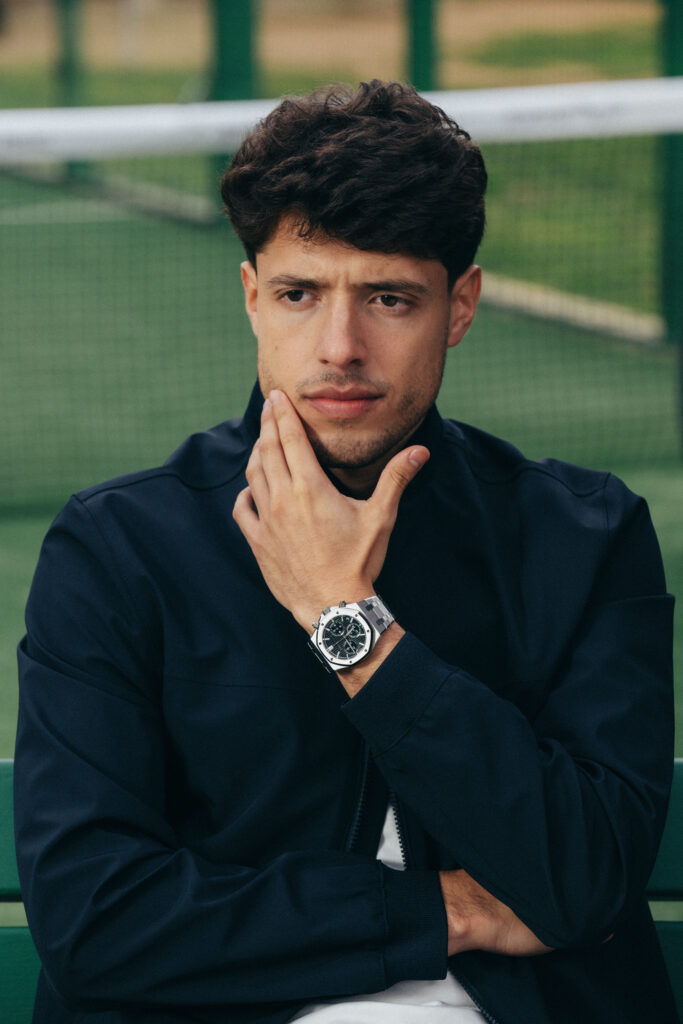
The selection of Agustín Tapia confirms this direction. Born in Catamarca, Argentina, the player nicknamed “The Mozart of Catamarca” belongs to a generation that has transformed professional padel into a global spectacle. His game relies less on raw power than on tempo, anticipation, and technical improvisation. This approach naturally resonates with the culture of Audemars Piguet, whose history has been built around mechanical complexity and balanced proportions rather than ostentatious display.
The Swiss watchmaker is not venturing into uncharted territory. Since its collaborations with Serena Williams, LeBron James, and Michael Schumacher, Audemars Piguet has used sports as a platform for cultural storytelling as well as a tool for raising its profile. But padel introduces a notable difference: it is a sport still in the process of establishing its symbolic identity. By partnering with it today, the watchmaker is helping to shape its future image.
The global expansion of the Qatar Airways Premier Padel Tour plays a central role in this strategy. Following its launch in the United States in 2025, the tour plans to hold twenty-five tournaments in seventeen countries for the 2026 season. This geographical footprint of padel aligns almost perfectly with that of contemporary luxury: Southern Europe, the Middle East, the Americas, and Asia. In other words, the very same regions where watchmakers are now seeking to strengthen their communities.
Audemars Piguet is also announcing Pro-Am tournaments and partnerships with clubs integrated into lifestyle destinations. Here again, the scope goes beyond sports. These clubs are becoming hybrid spaces where people play, have lunch, conduct business, and network. This evolution echoes the way golf accompanied the economic globalization of the 1990s, but in a faster, more urban, and more generational form.
In this context, the role of official timekeeper takes on an almost symbolic dimension. Measuring time in a sport based on reflexes, adjustment, and the instantaneous interpretation of movement amounts to repositioning watchmaking not as a static heritage object, but as a tool linked to the rhythm of contemporary life.
As padel grows in popularity, it is also becoming a showcase for new trends in luxury: less formal, more community-oriented, and more mobile. Audemars Piguet seems to have understood that, by 2026, a brand’s desirability will no longer be built solely in store windows or private salons, but in the spaces where everyday social connections are forged.


Cette publication est également disponible en :

