
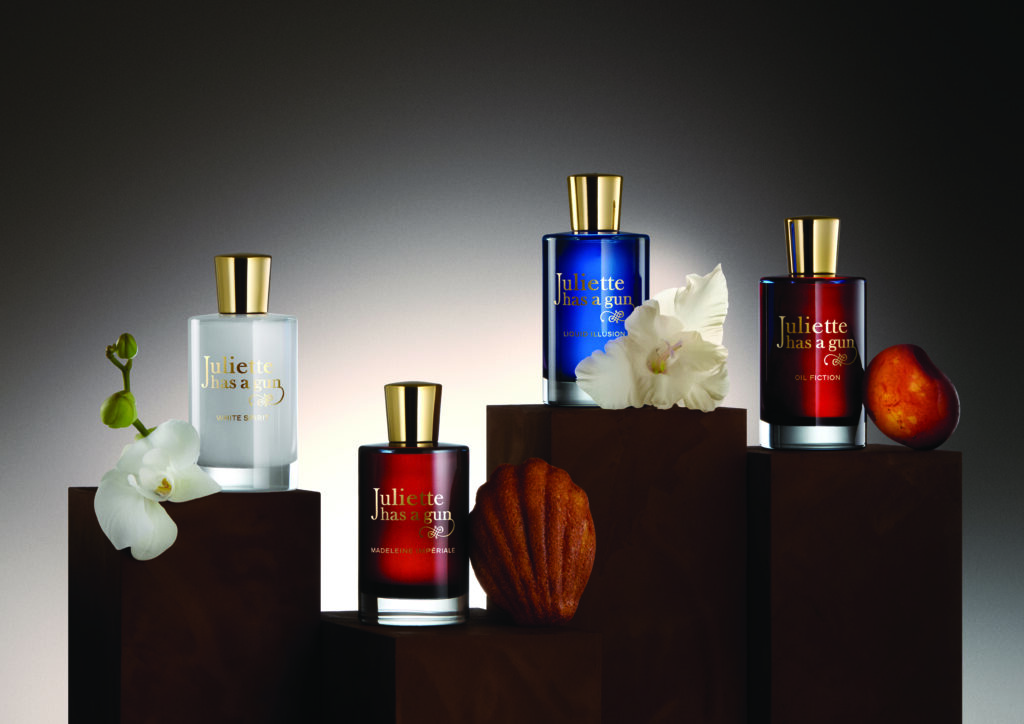
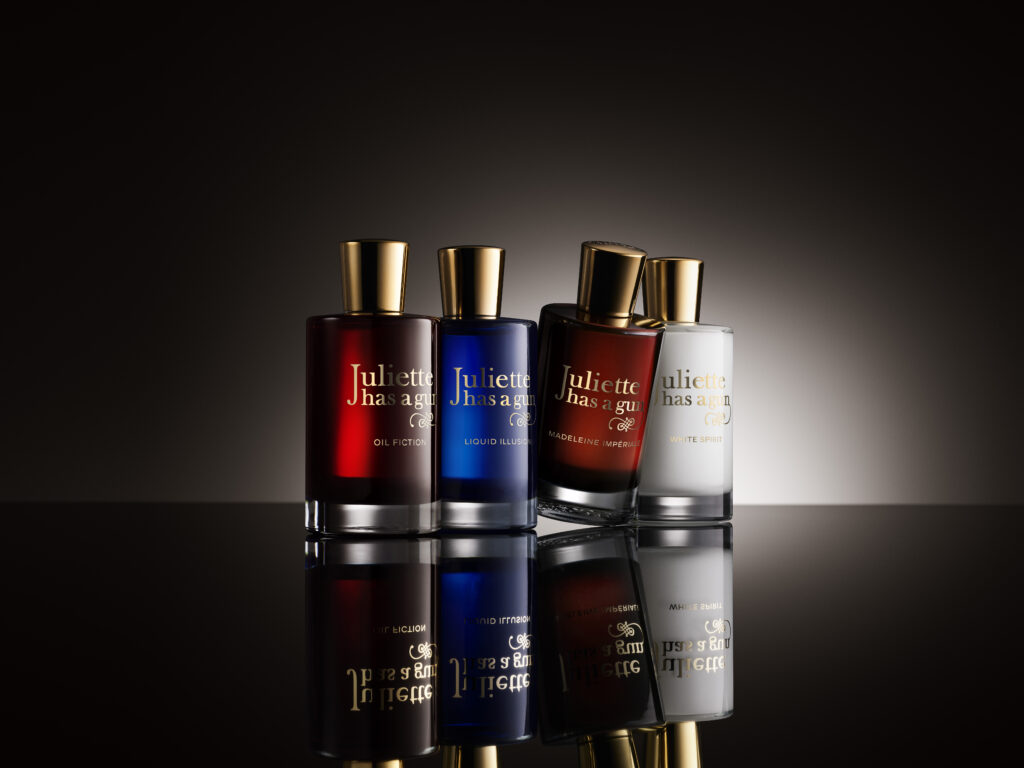
The niche perfume market is going through a paradoxical phase. The more the market expands, the more brands seek to create something unique. With the Bold Collection, Juliette Has a Gun is less concerned with creating fragrances that appeal to everyone right away than with building a coherent, almost staged olfactory universe. The collection is presented as a space for “intentional experimentation.” The concept might seem abstract were it not embodied in a series of compositions structured around clearly defined contrasts: fire and ice, illusion and substance, French pastries and Eastern influences.
Founded by Romano Ricci, Nina Ricci’s great-grandson, the House has always maintained a slightly peripheral position within contemporary perfumery: pop enough to avoid classic elitism, yet sophisticated enough to engage with artistic perfumery. The Bold Collection, however, marks a clearer shift toward a dense olfactory style, crafted around sillage and texture rather than immediate transparency. Romano Ricci himself speaks of a desire to broaden the House’s “scope of expression” by transforming the fragrances into “true olfactory journeys.”
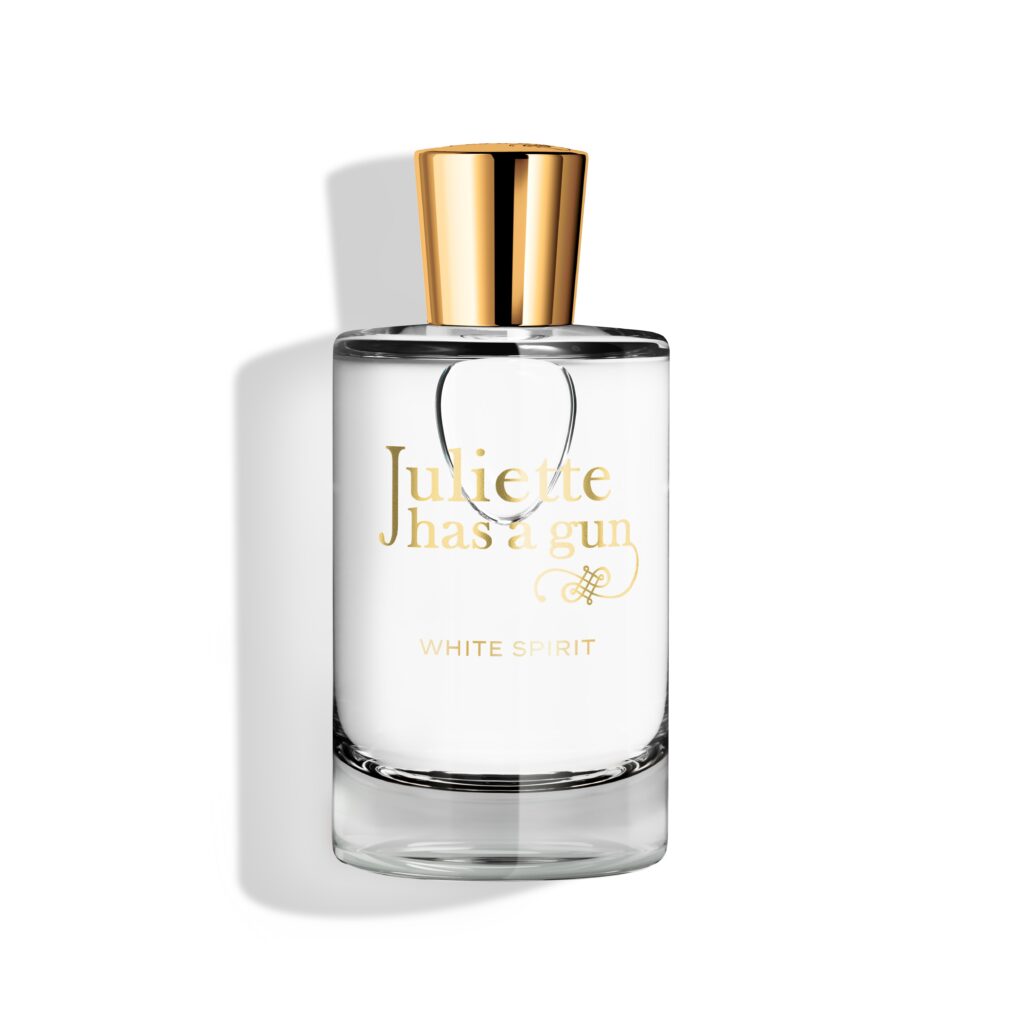
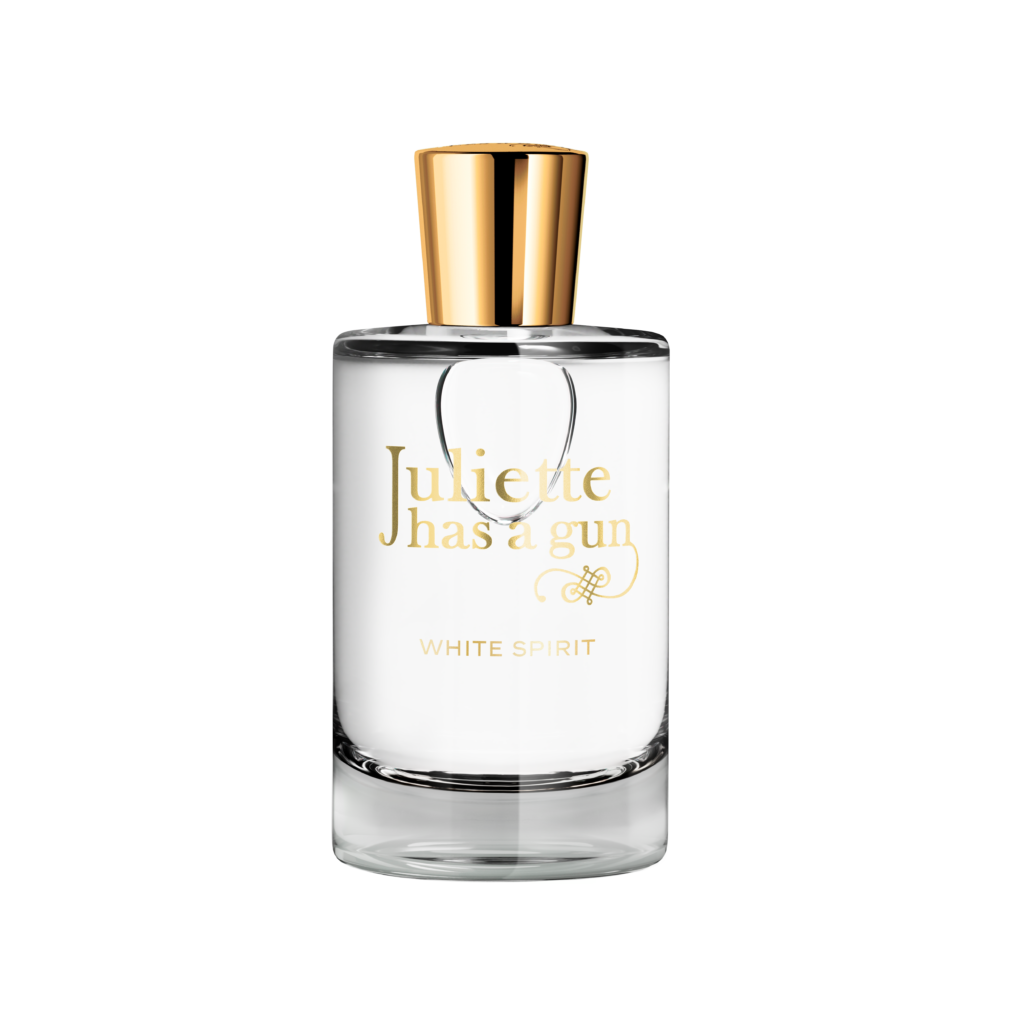
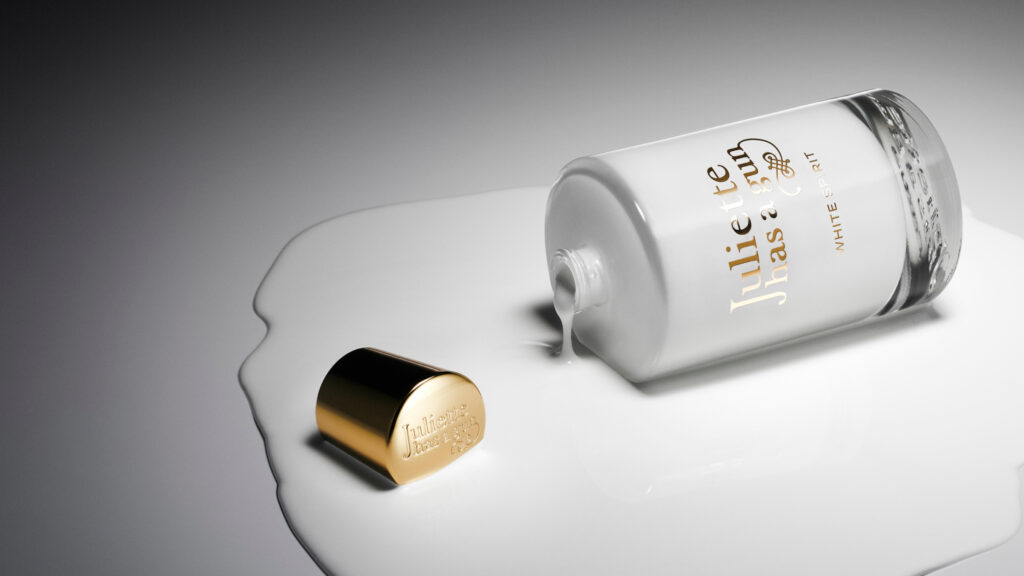
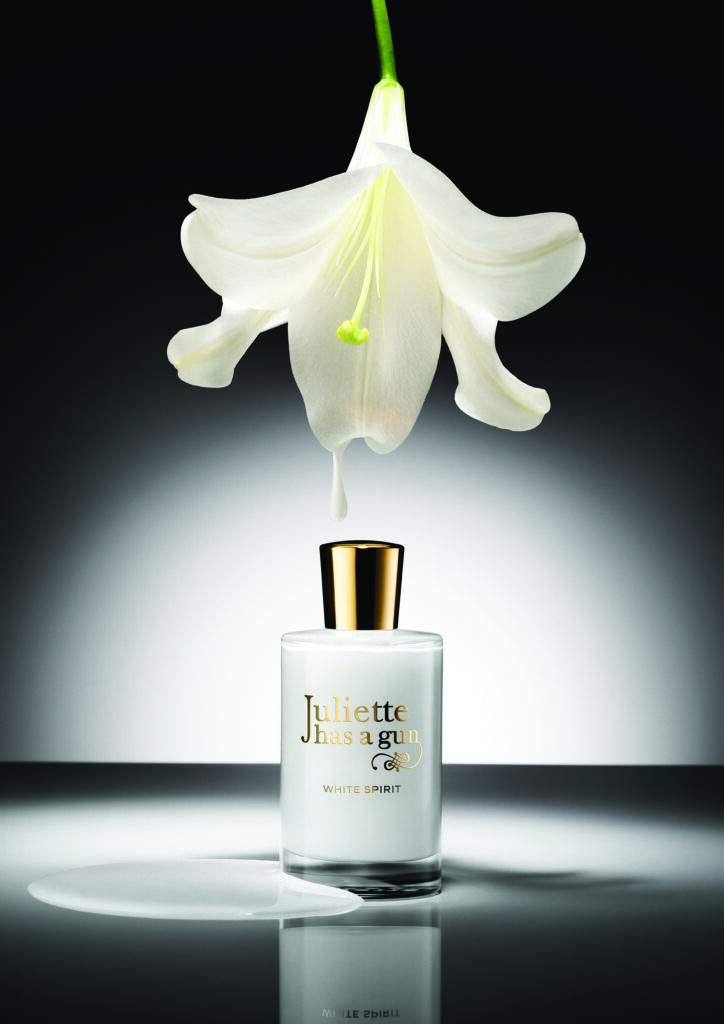
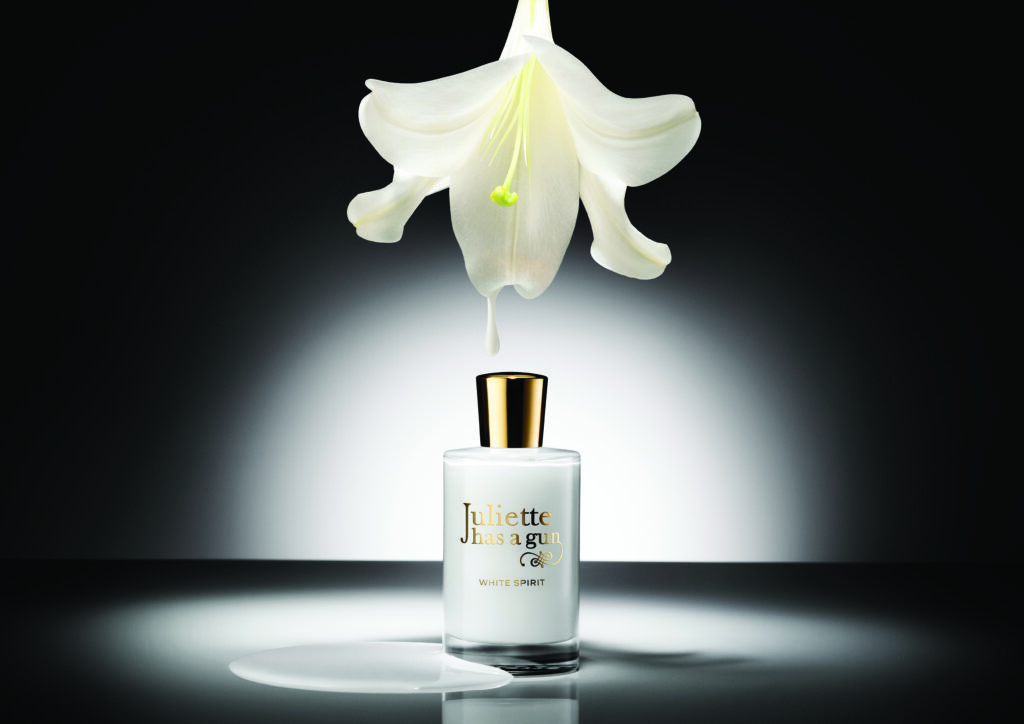
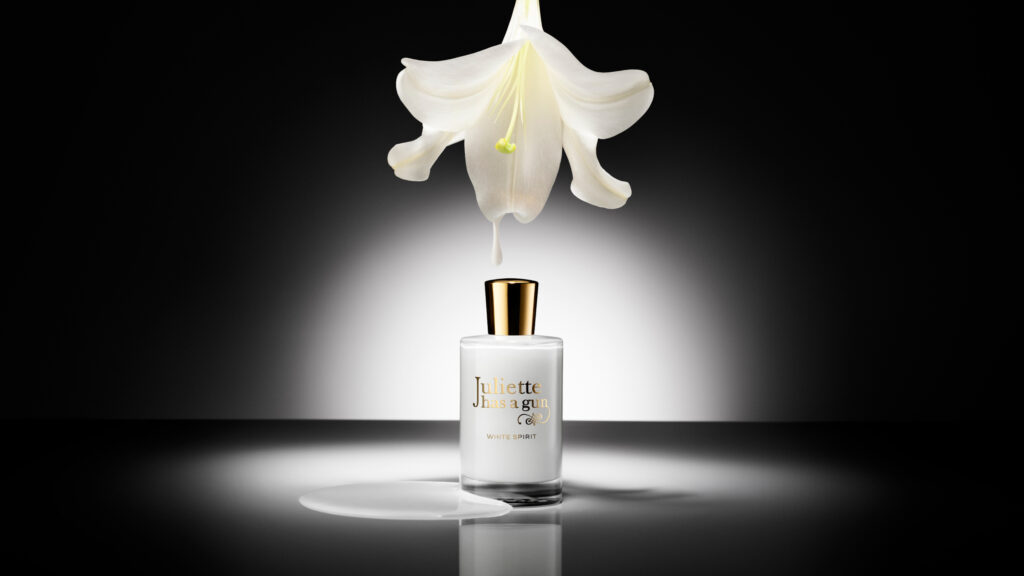
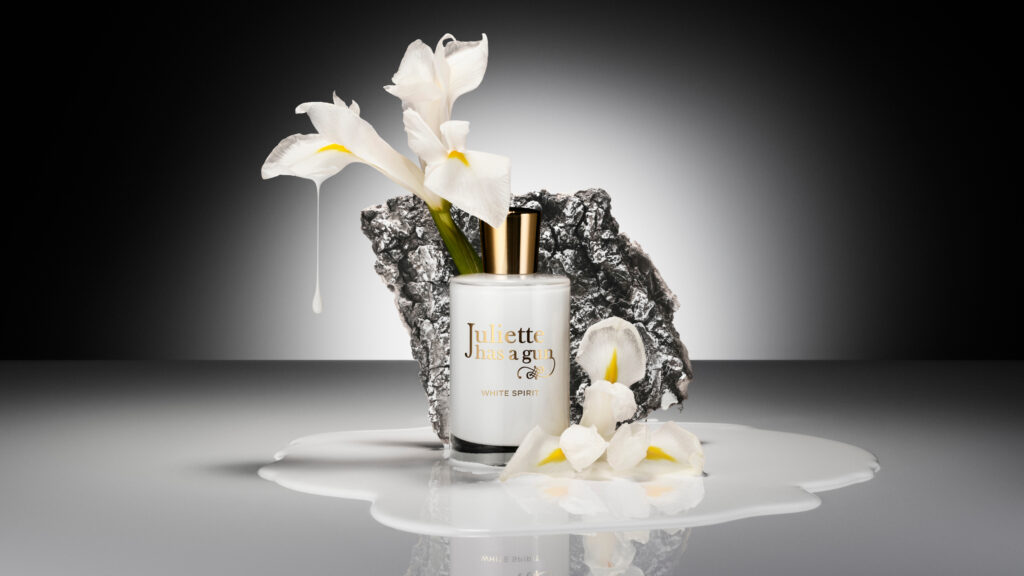
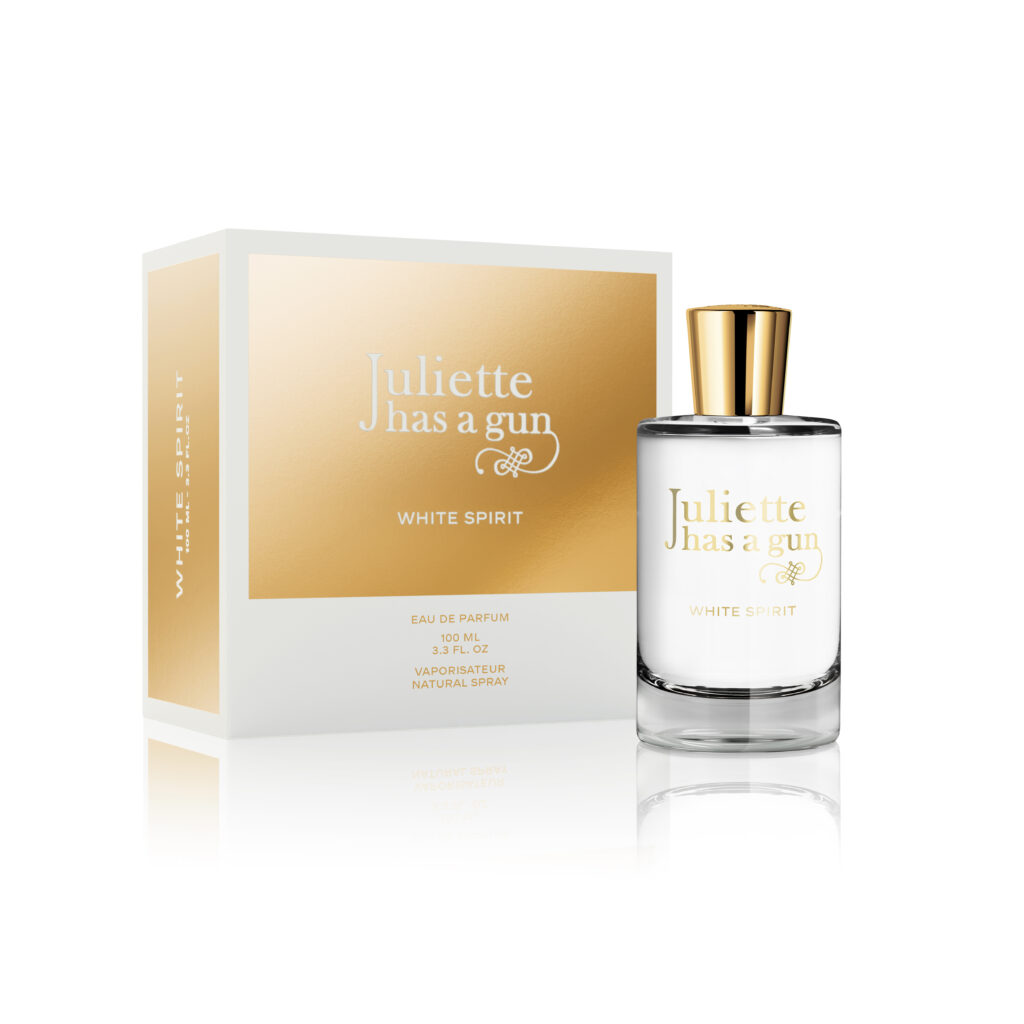
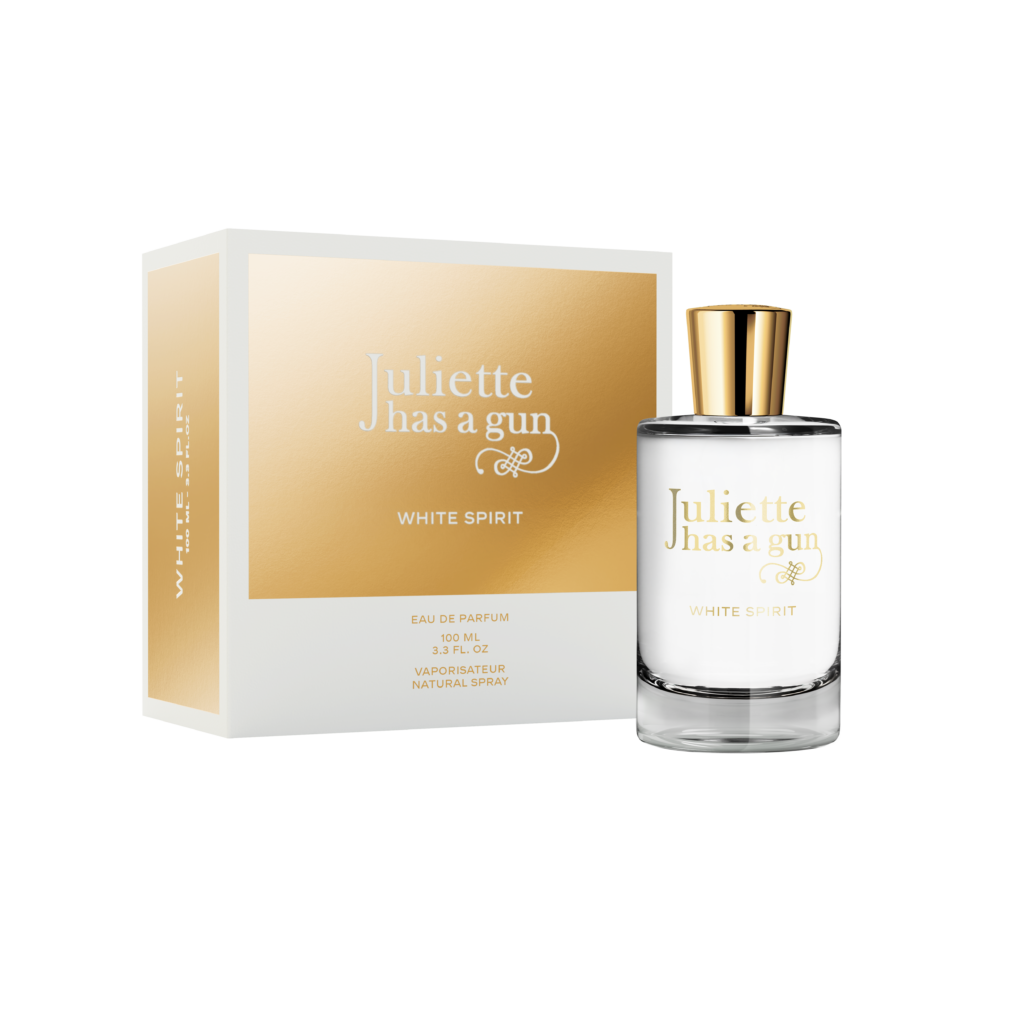
White Spirit kicks off the collection with a floral composition built around sambac jasmine and tuberose. But the composition’s true appeal lies above all in its amber base. The combination of Ambroxan and intense amber accords creates an intriguing contrast between floral purity and synthetic warmth. For several years now, Ambroxan has established itself as a quasi-structural ingredient in contemporary perfumery, both for its diffusion properties and for its ability to prolong the perception of a fragrance on the skin. Here, it acts less as a power booster than as an element of tension.
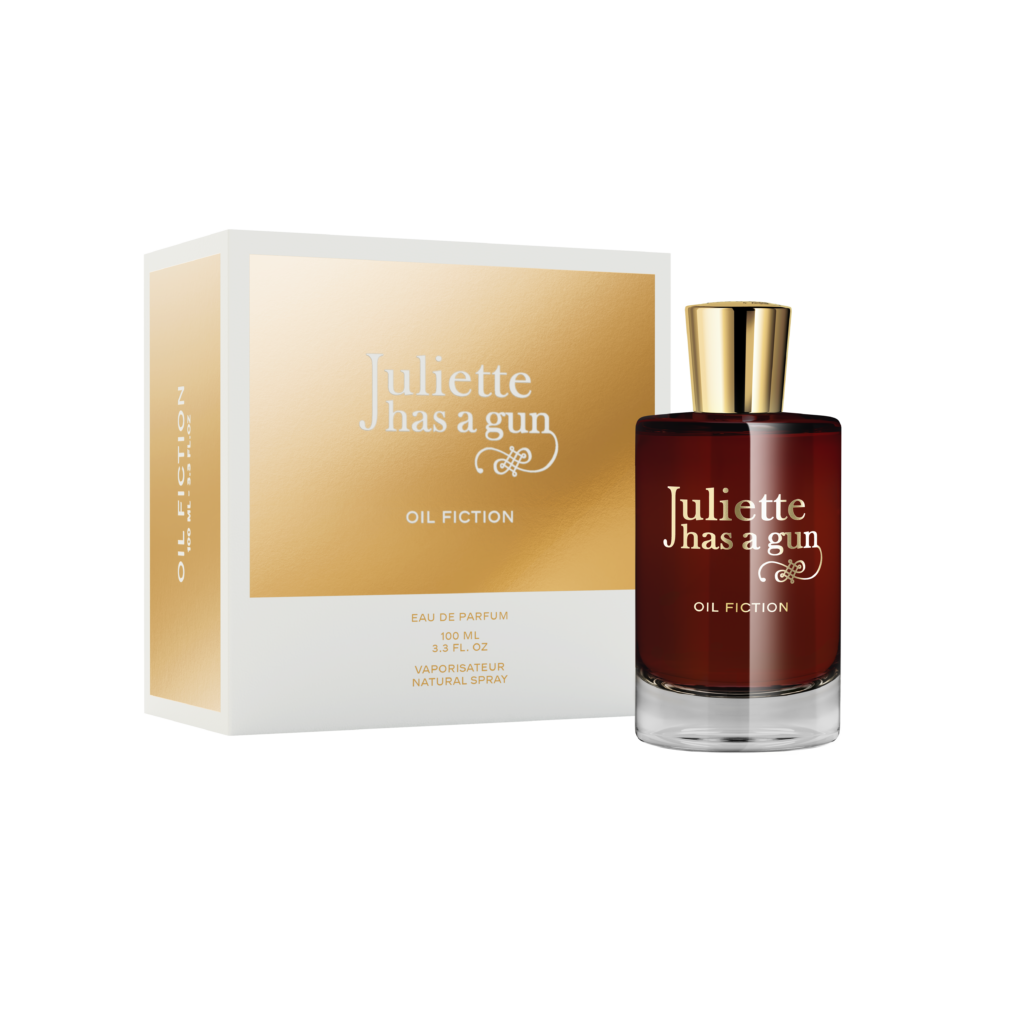
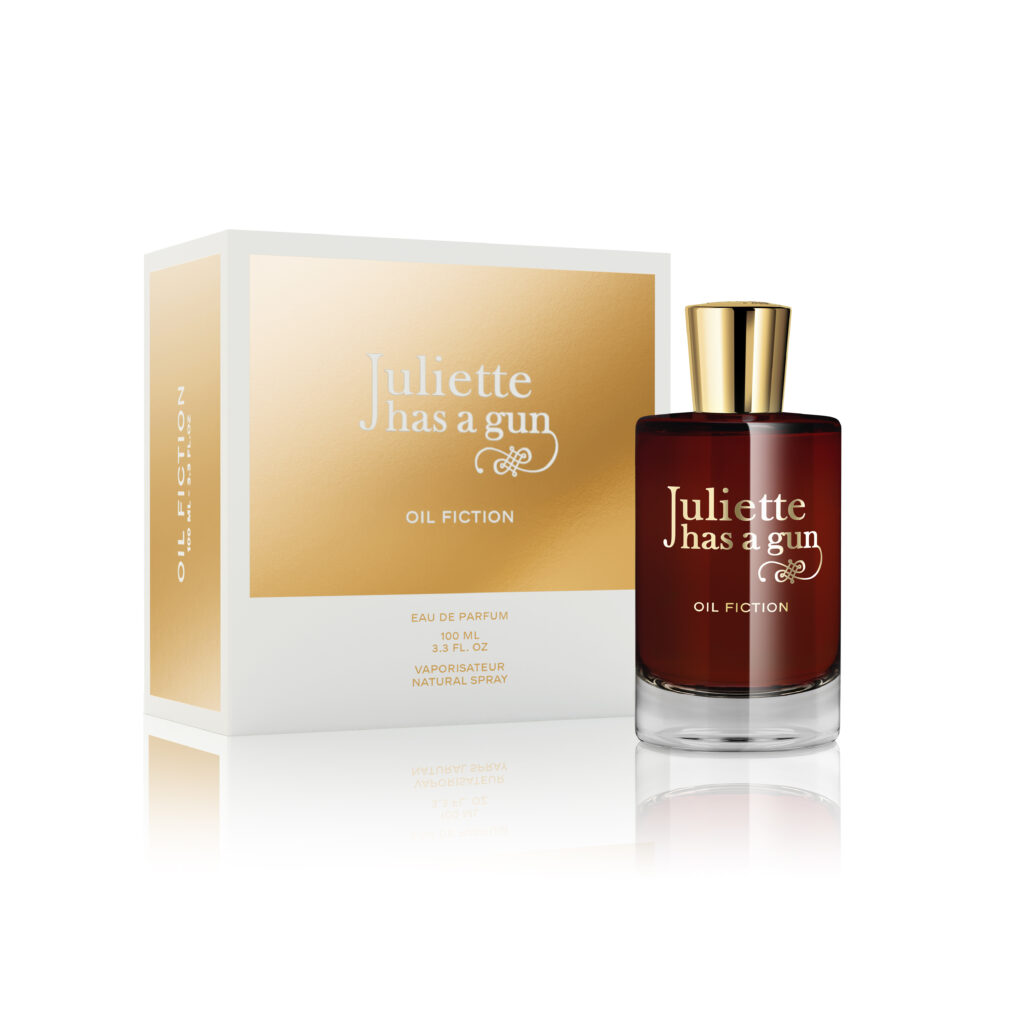
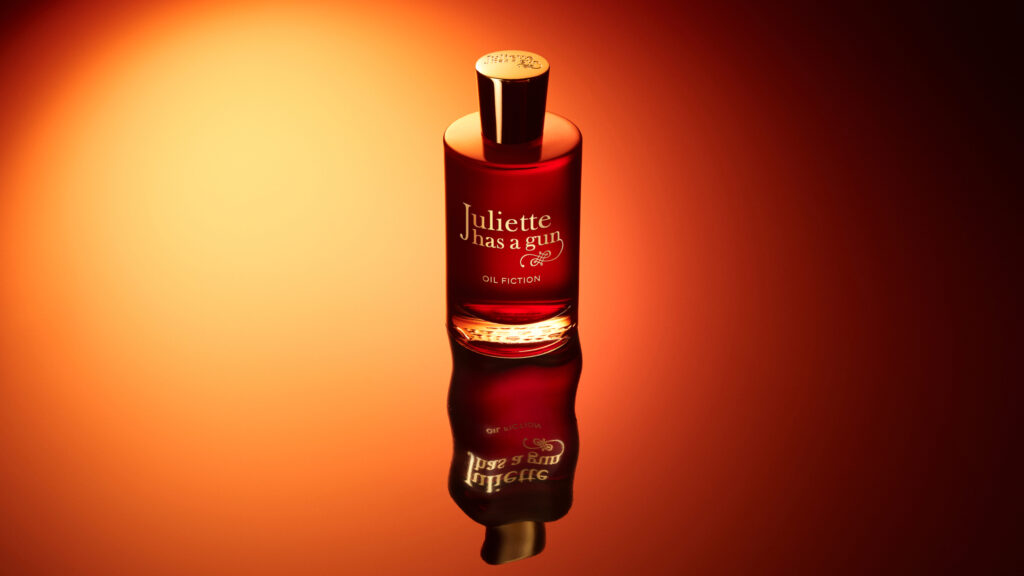
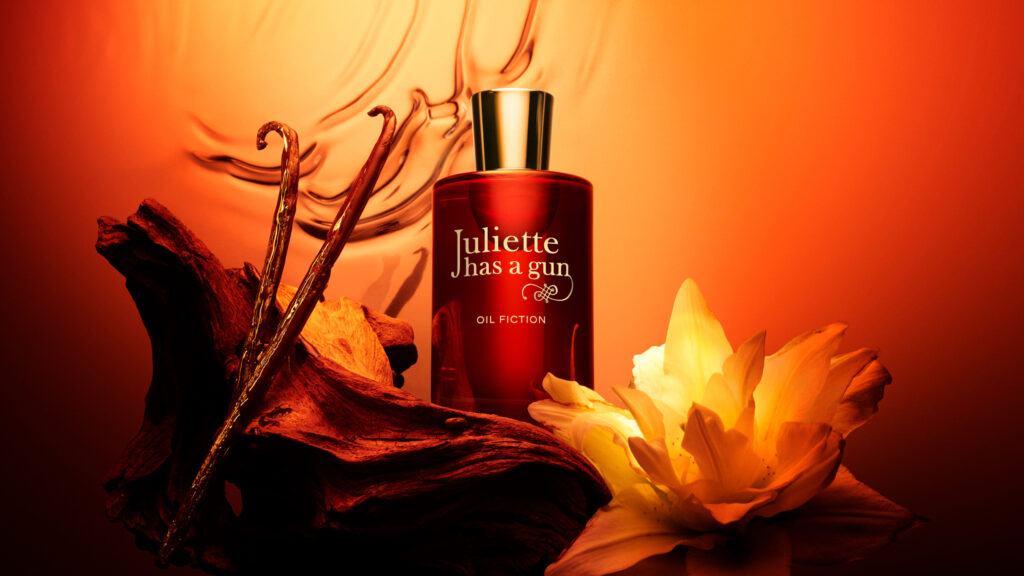
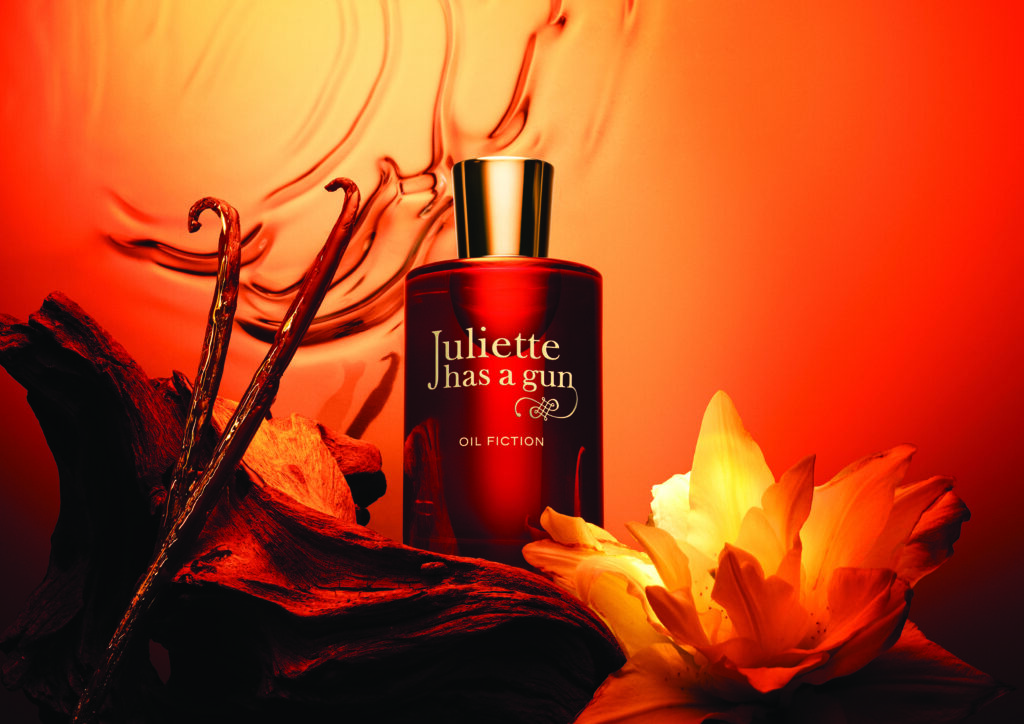
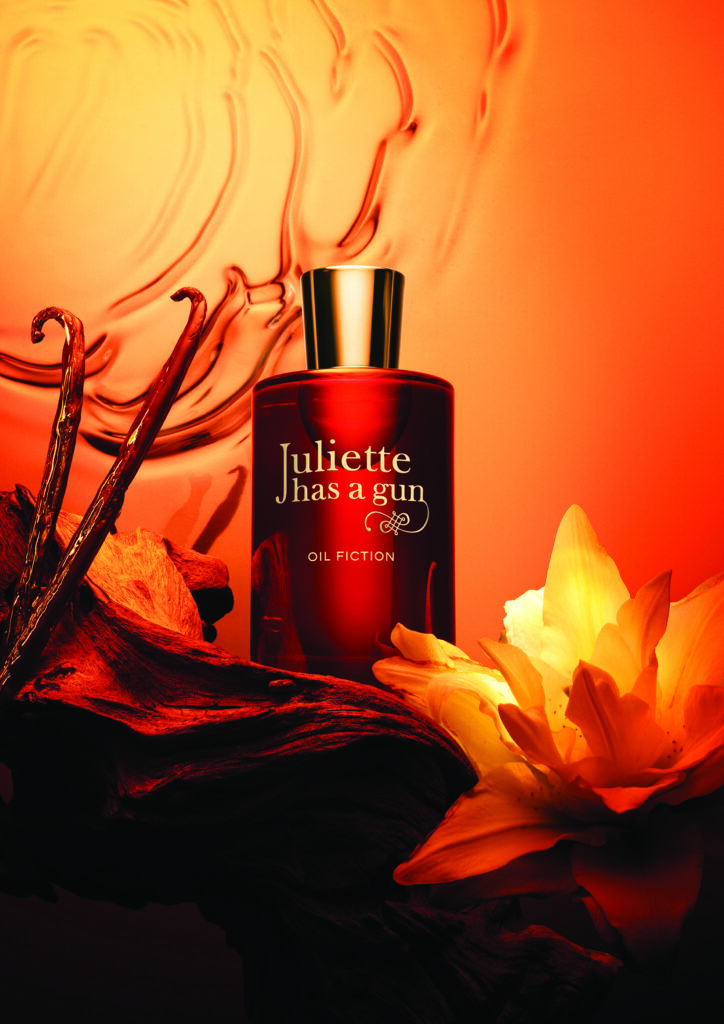
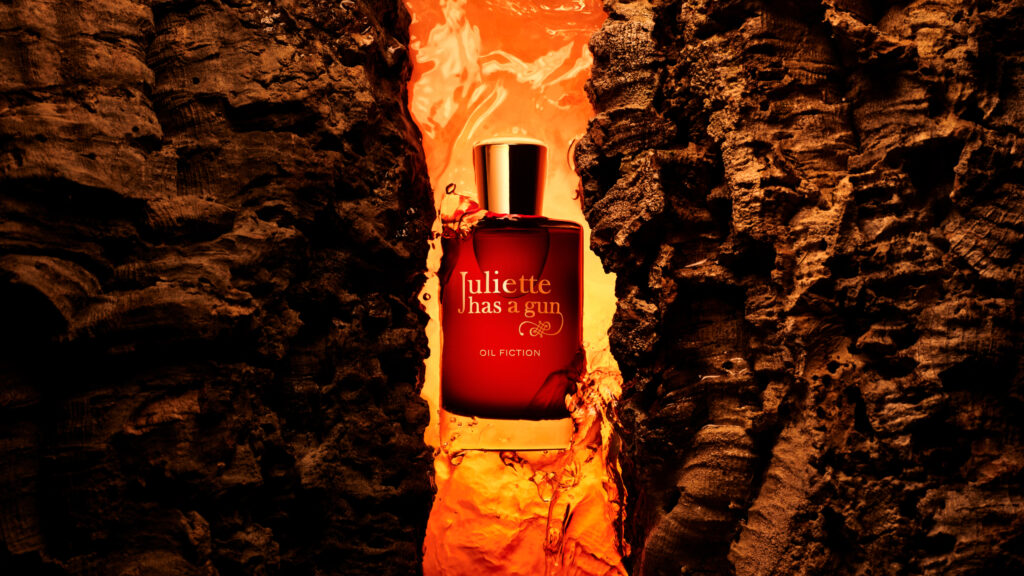
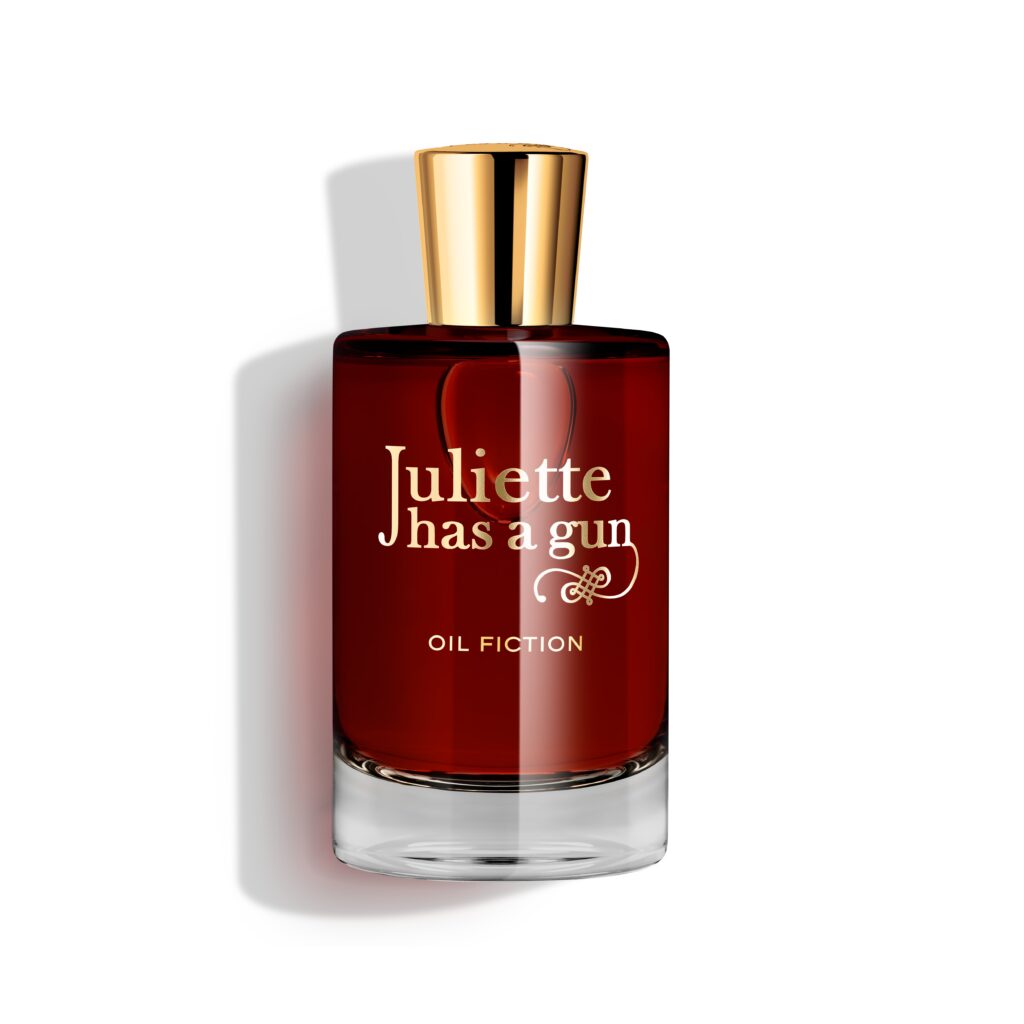
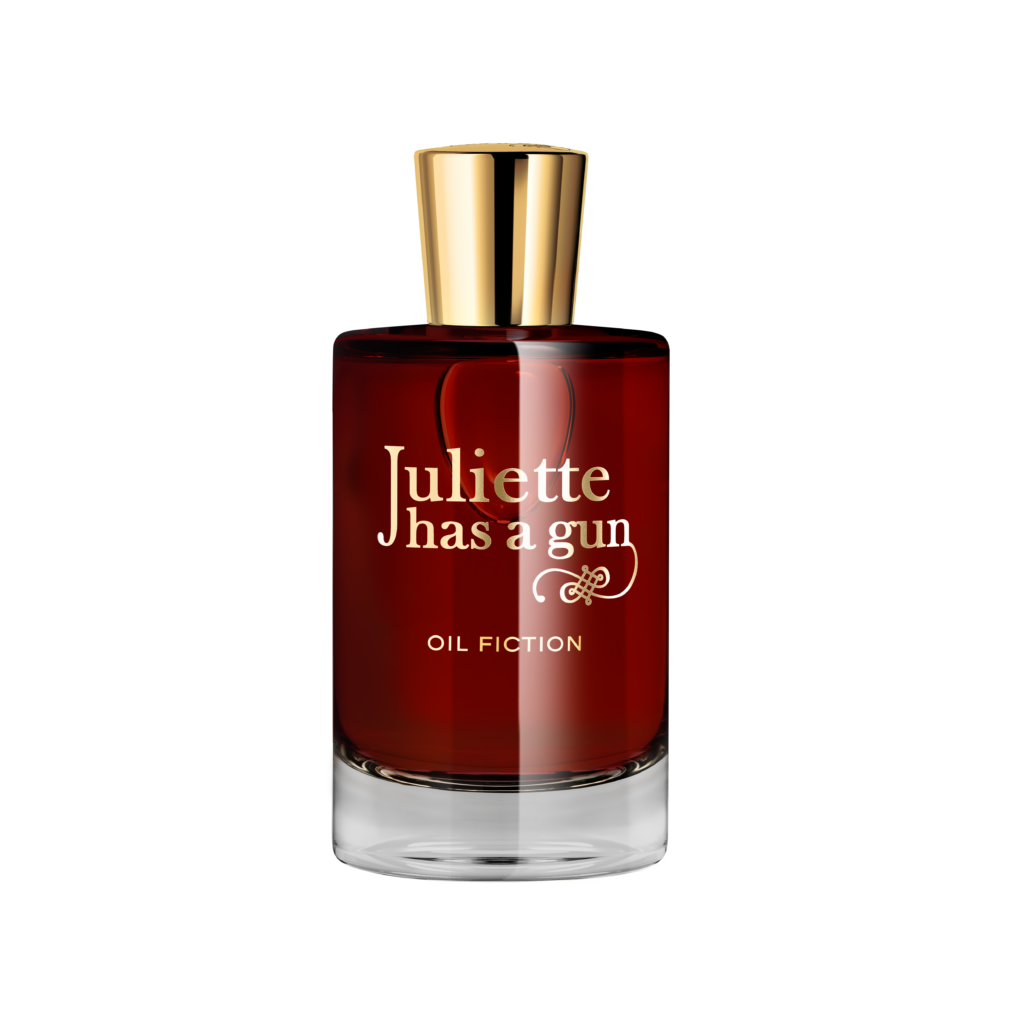
Oil Fiction takes a more Eastern direction. Tuberose, saffron, amber, and patchouli create a deliberately animalic scent trail. The fragrance evokes a certain tradition of Eastern opulence that Western perfumery has been reinterpreting since the 1990s, but with a more controlled composition. Vanilla emerges late in the composition, almost as a binding agent. What’s interesting here is not so much the gourmand quality as the sensation of textured warmth, almost mineral in nature.
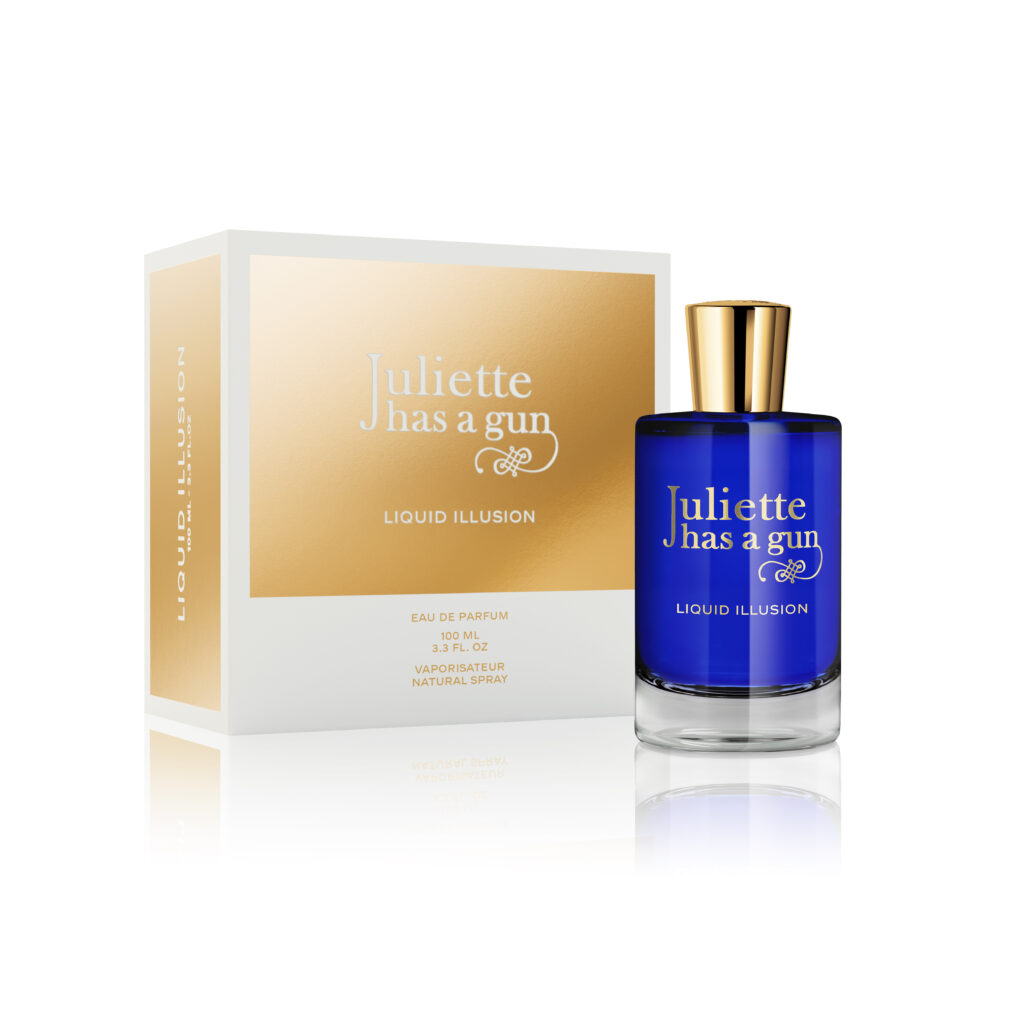
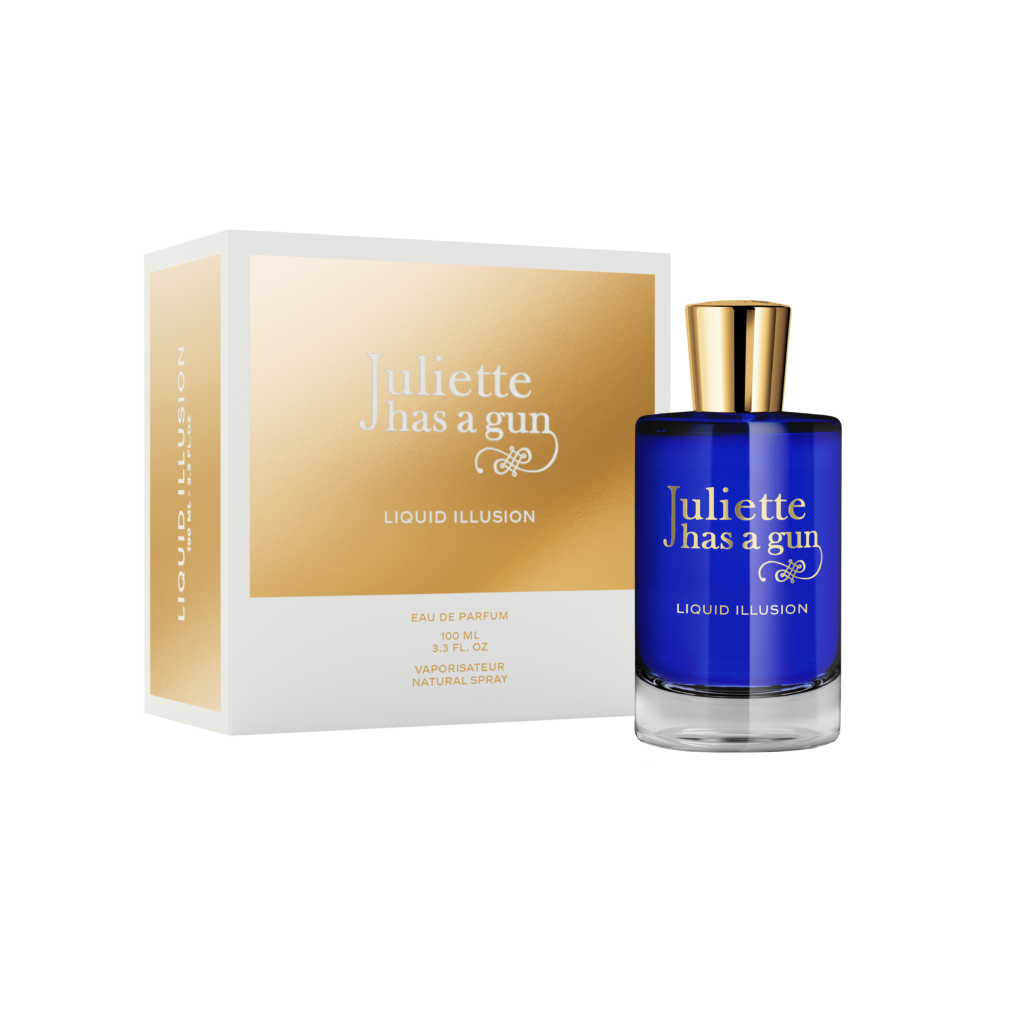
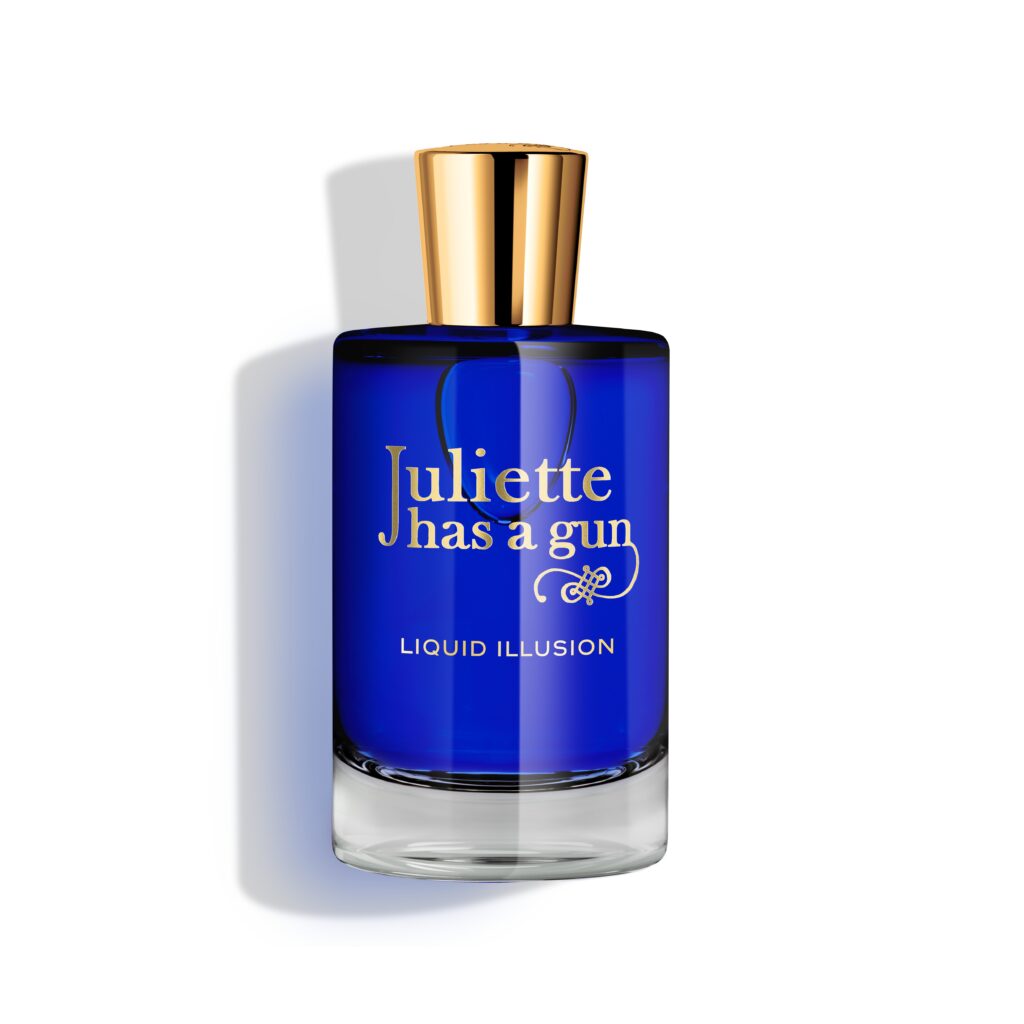
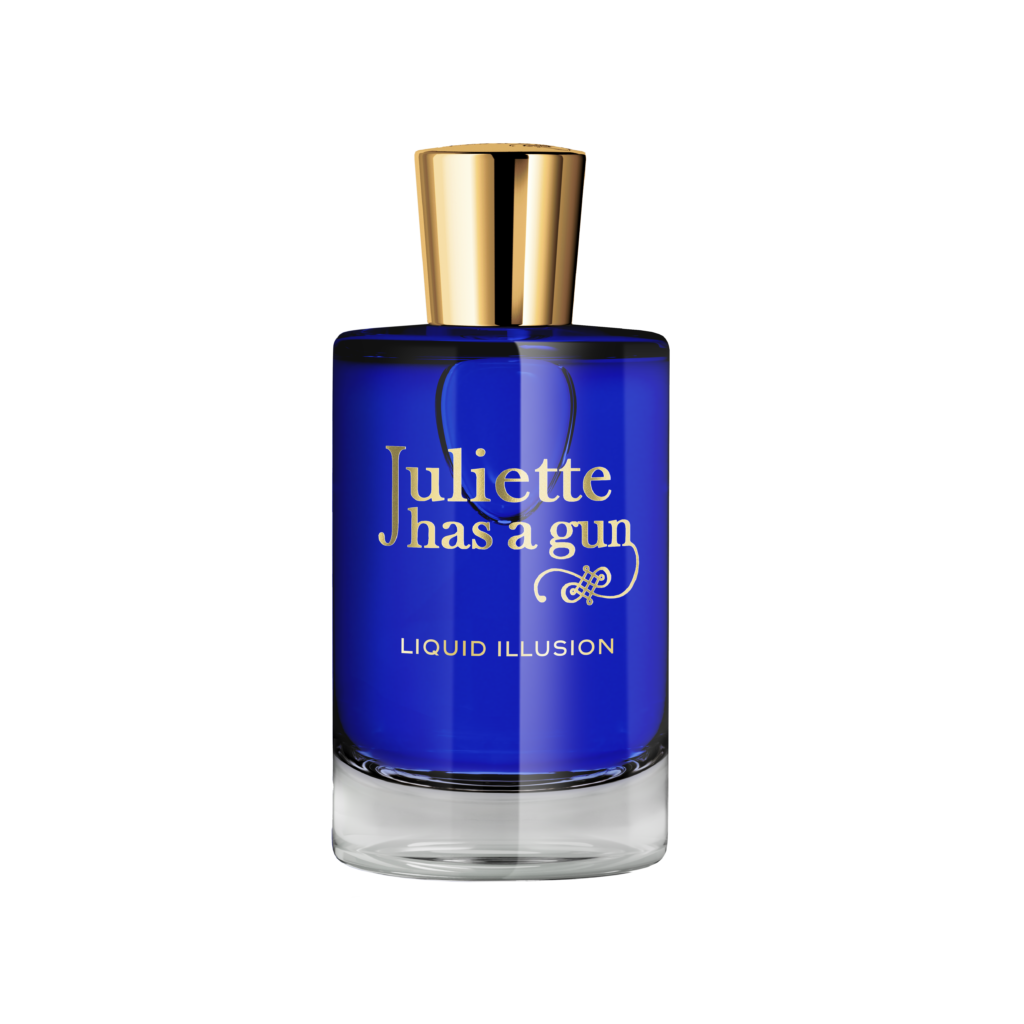
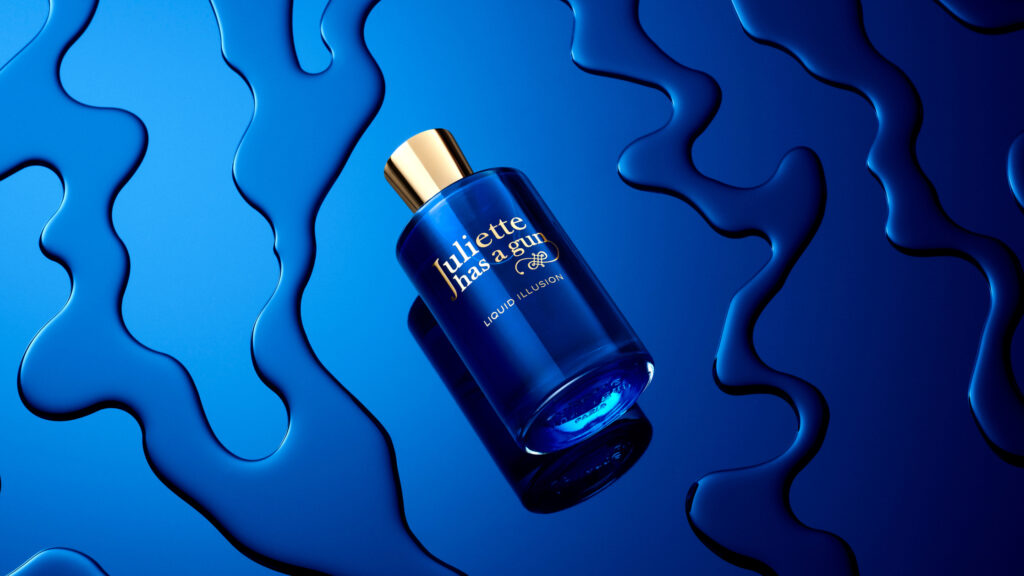
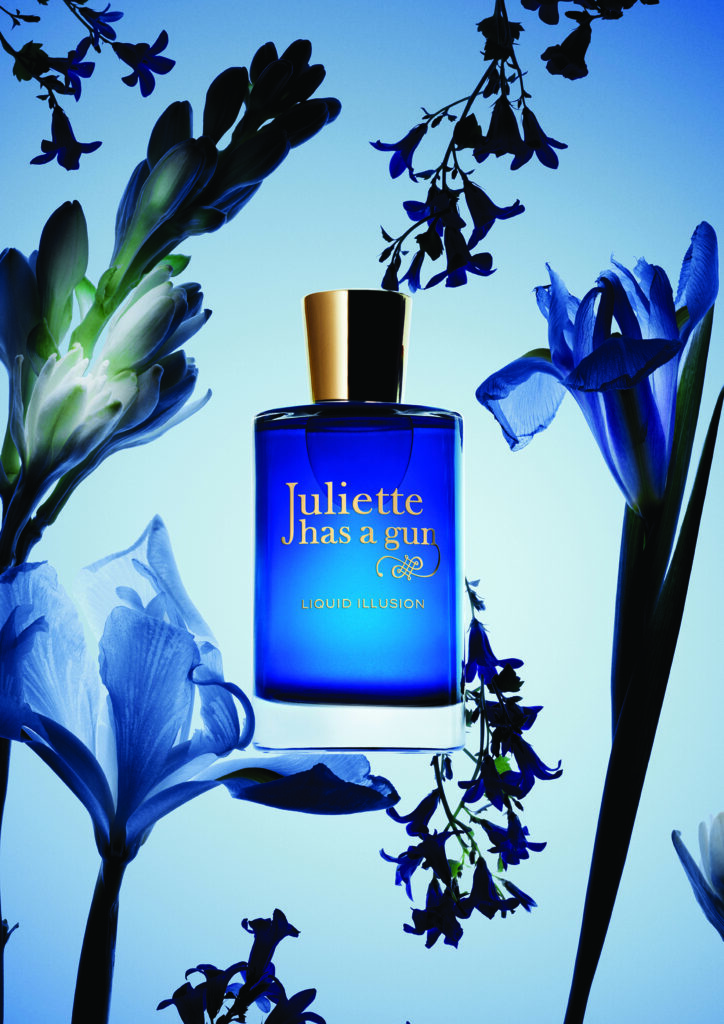
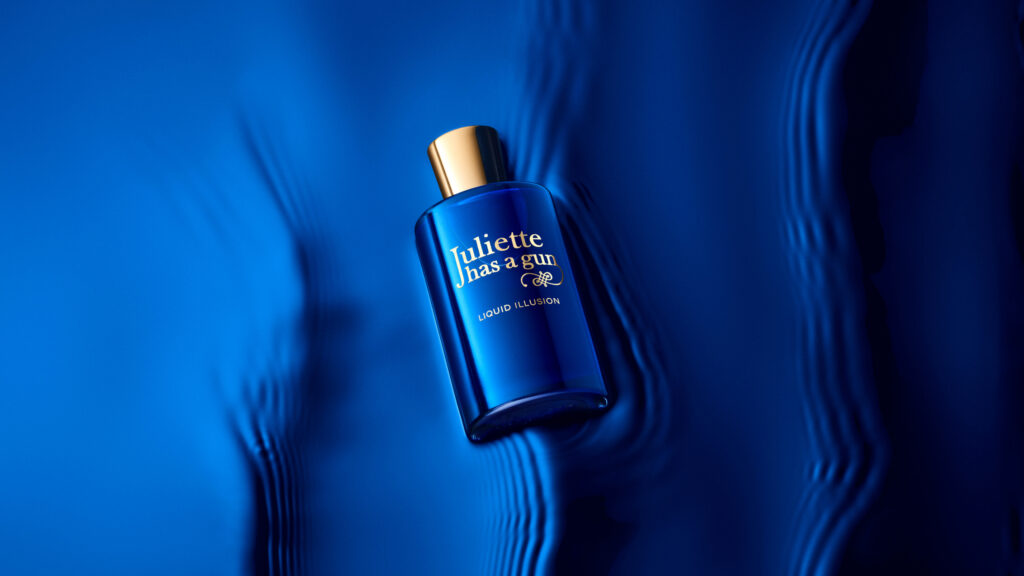
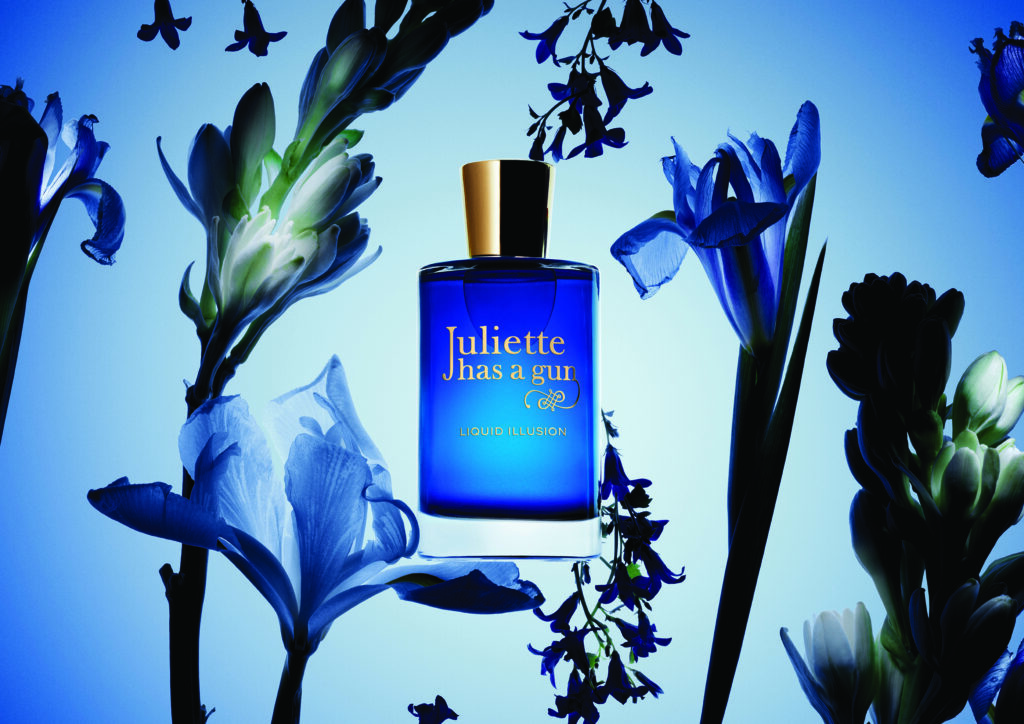
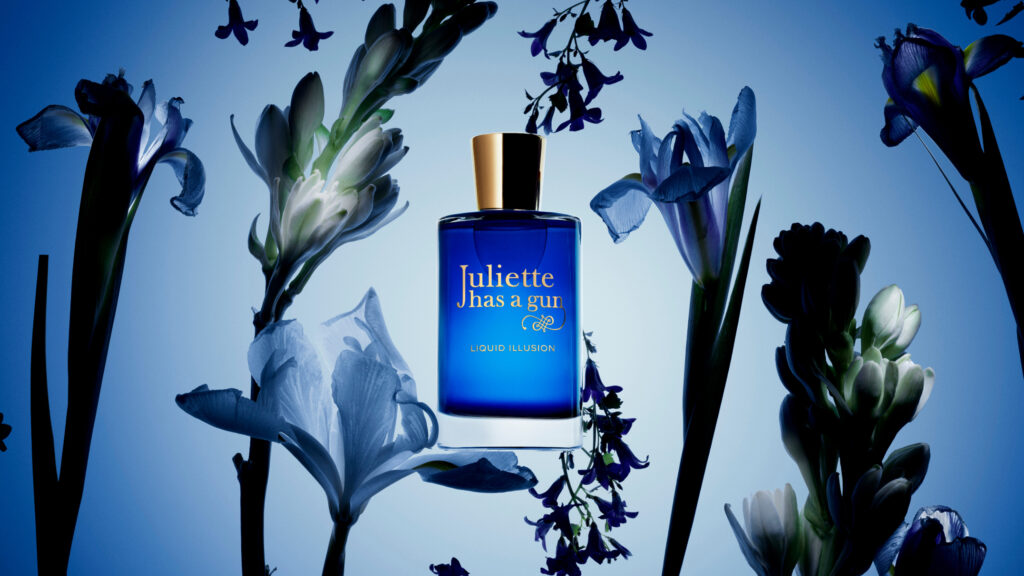
Perhaps even more unique, Liquid Illusion explores a more abstract realm. Heliotropine, powdery notes, bluish floral facets: the fragrance explores that blurred line between clarity and dissolution. The marketing copy evokes “the boundary between fantasy and reality,” but the concept becomes more relevant when one examines the olfactory composition itself. Heliotropine brings that slightly cosmetic, almond-like sweetness that was ubiquitous in certain European perfumeries of the early 20th century. Reintroduced today, it immediately evokes a vague sense of nostalgia.
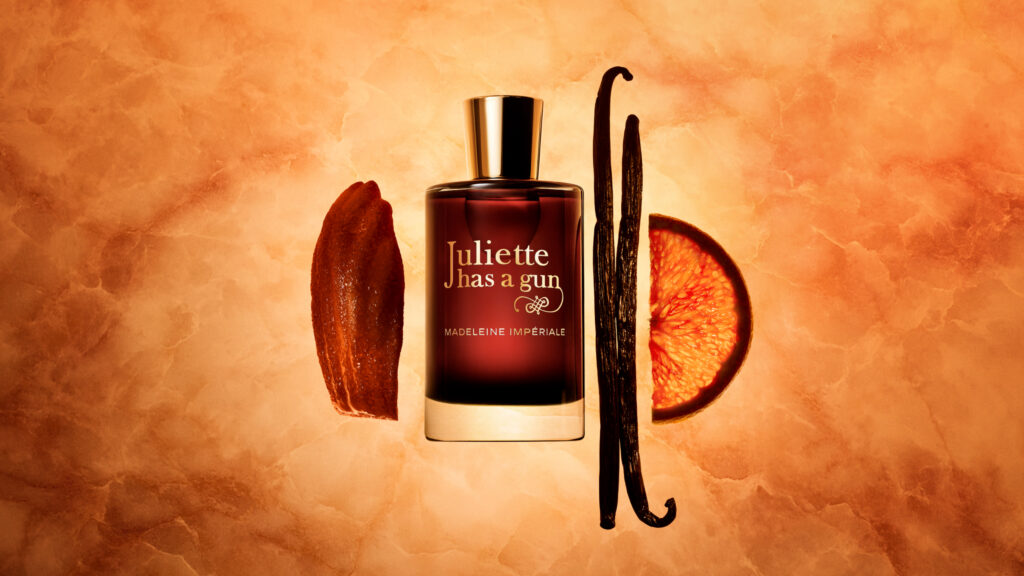
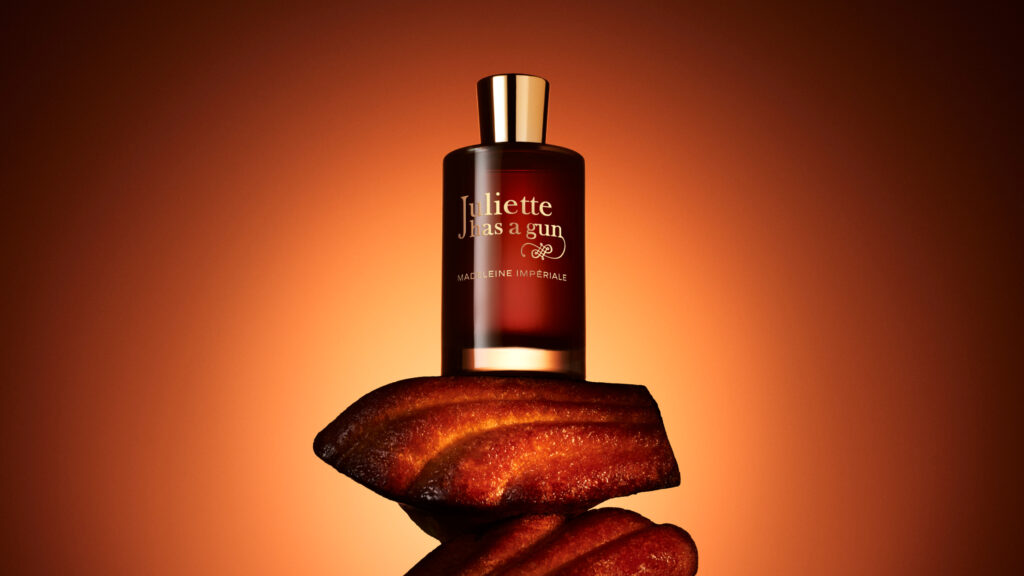
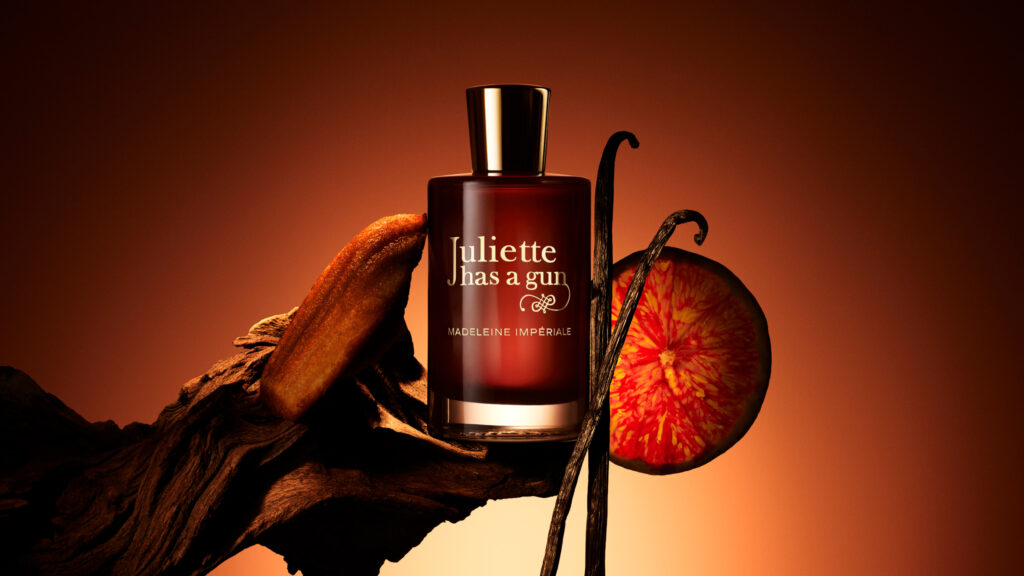
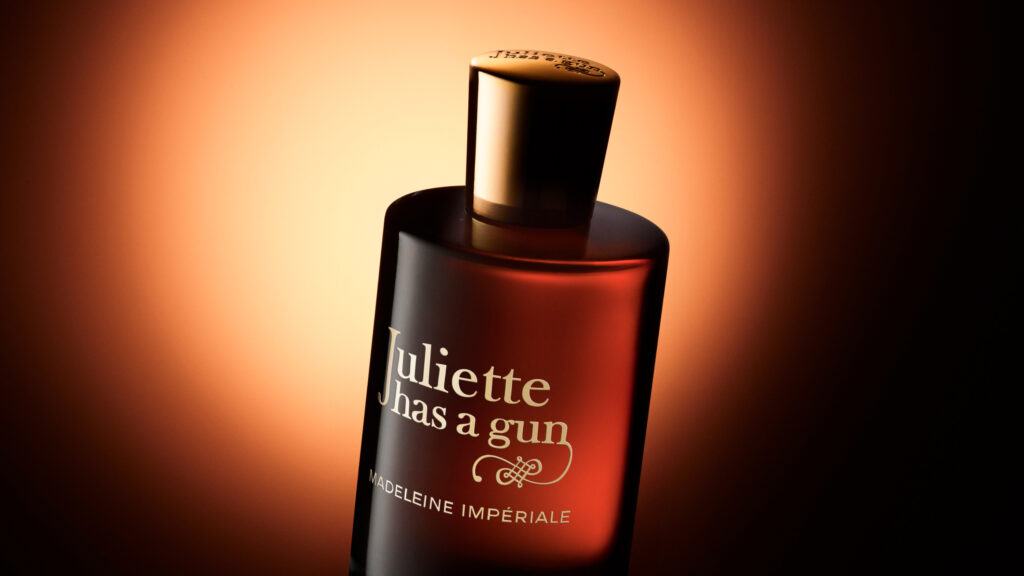
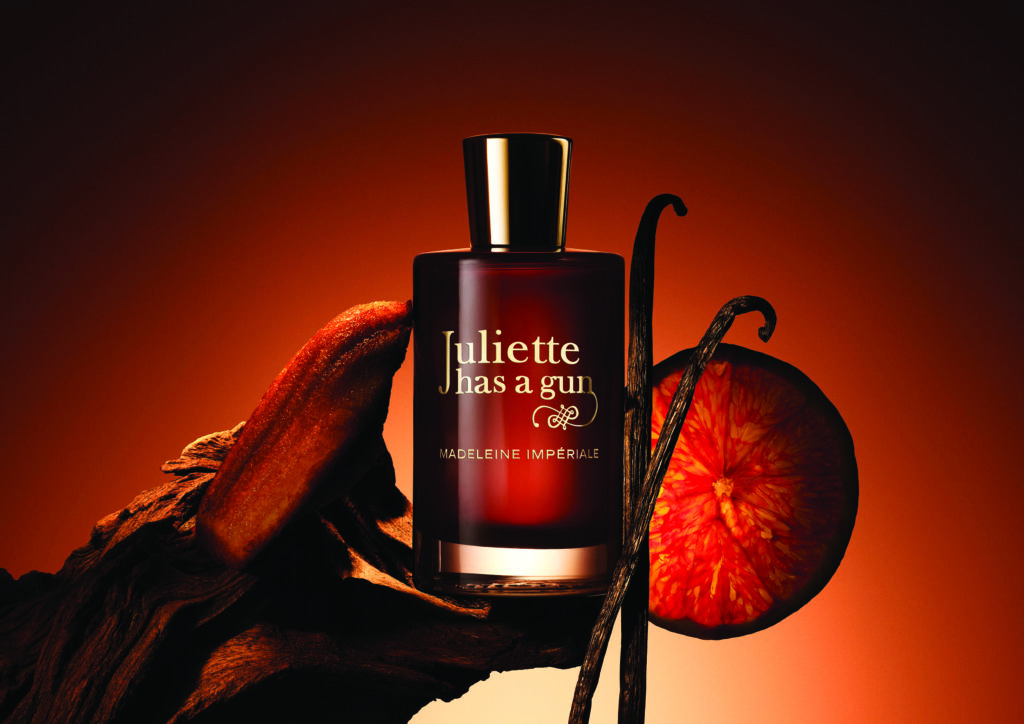
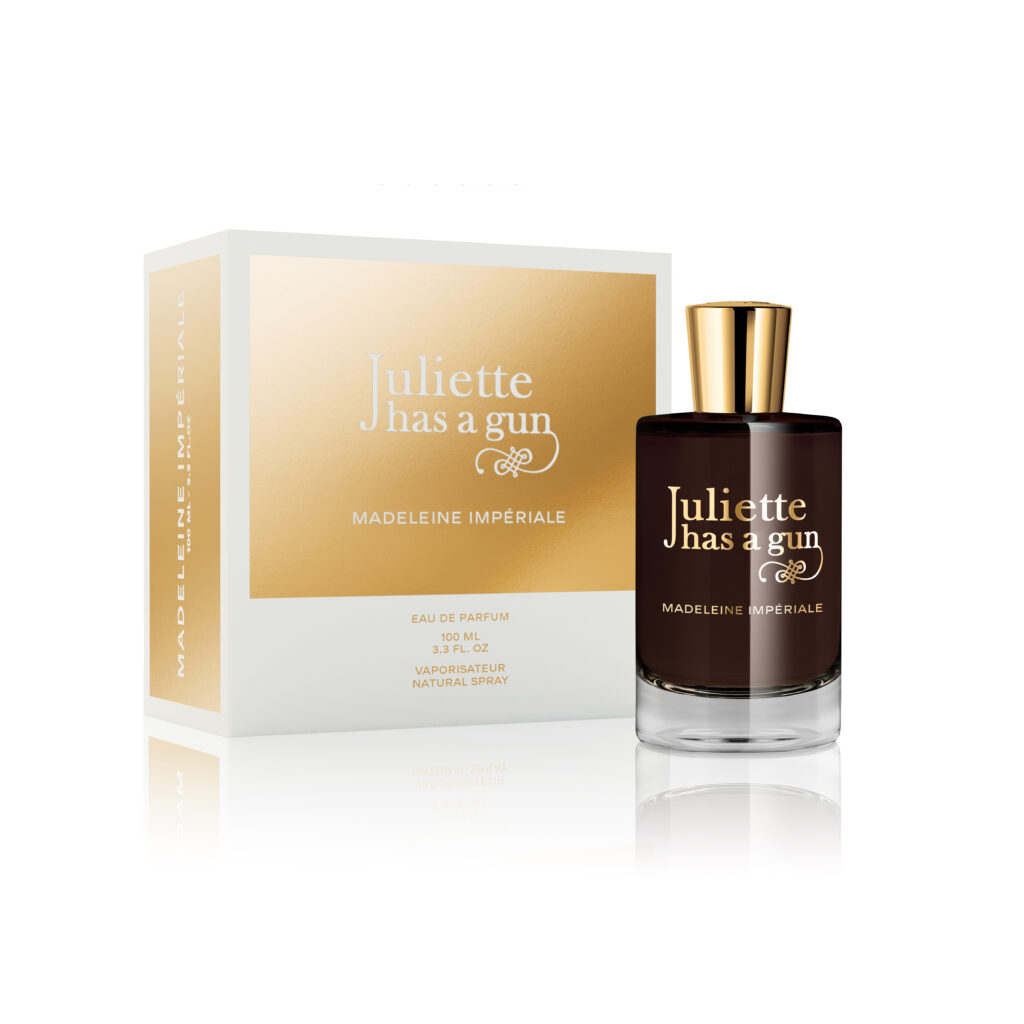
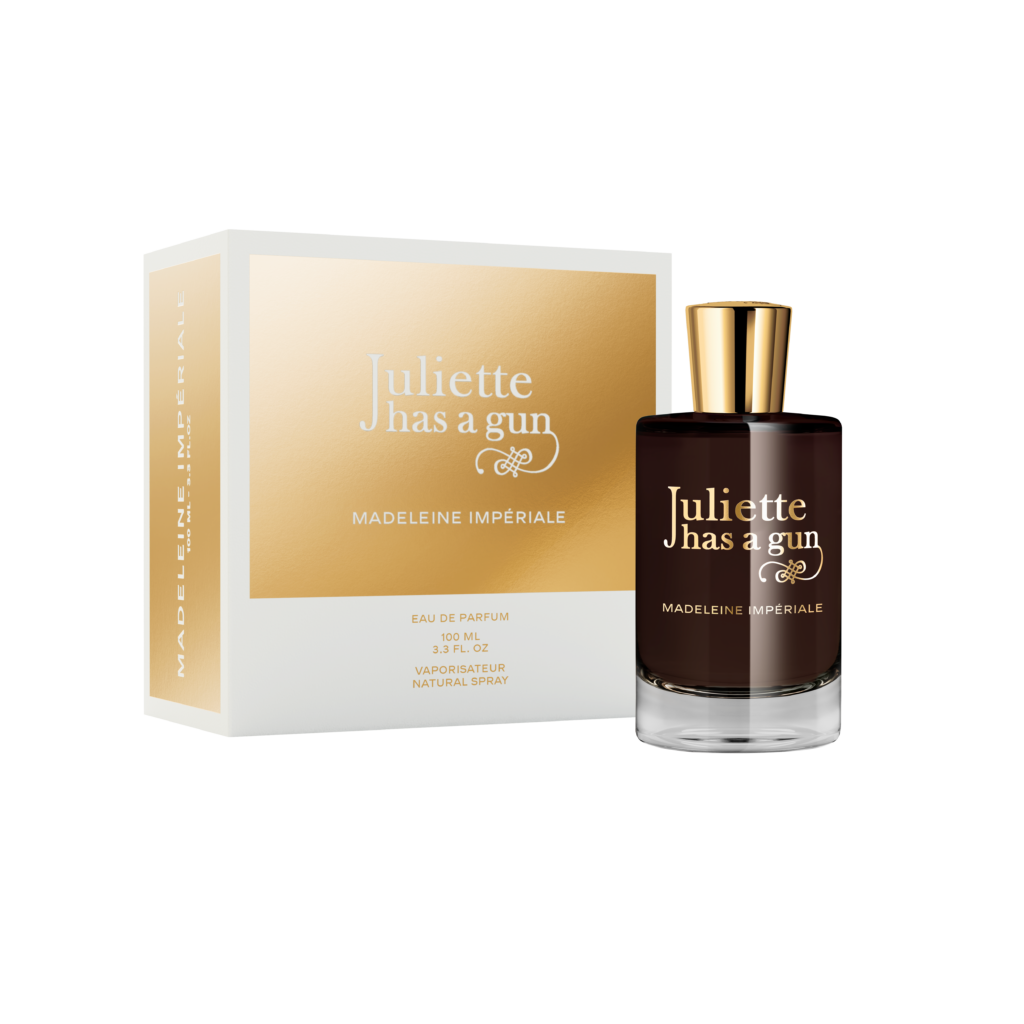
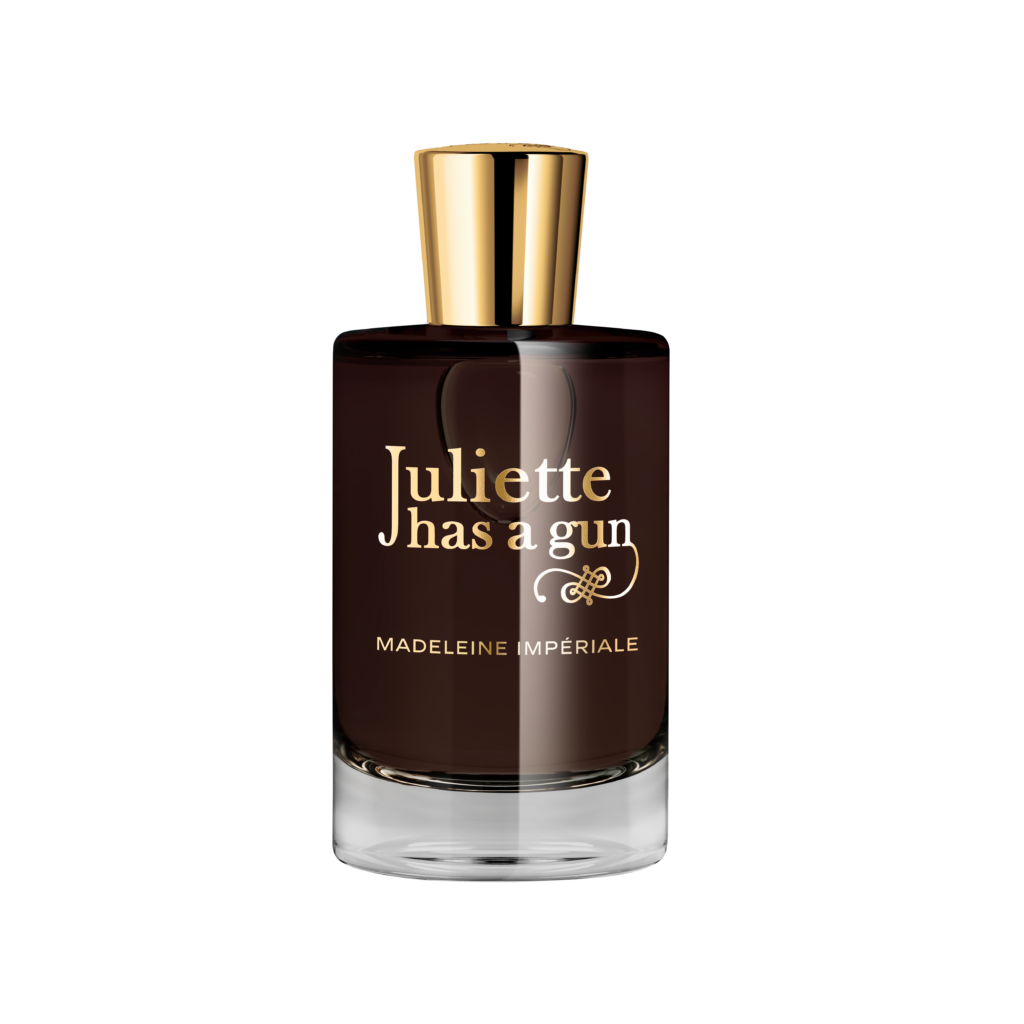
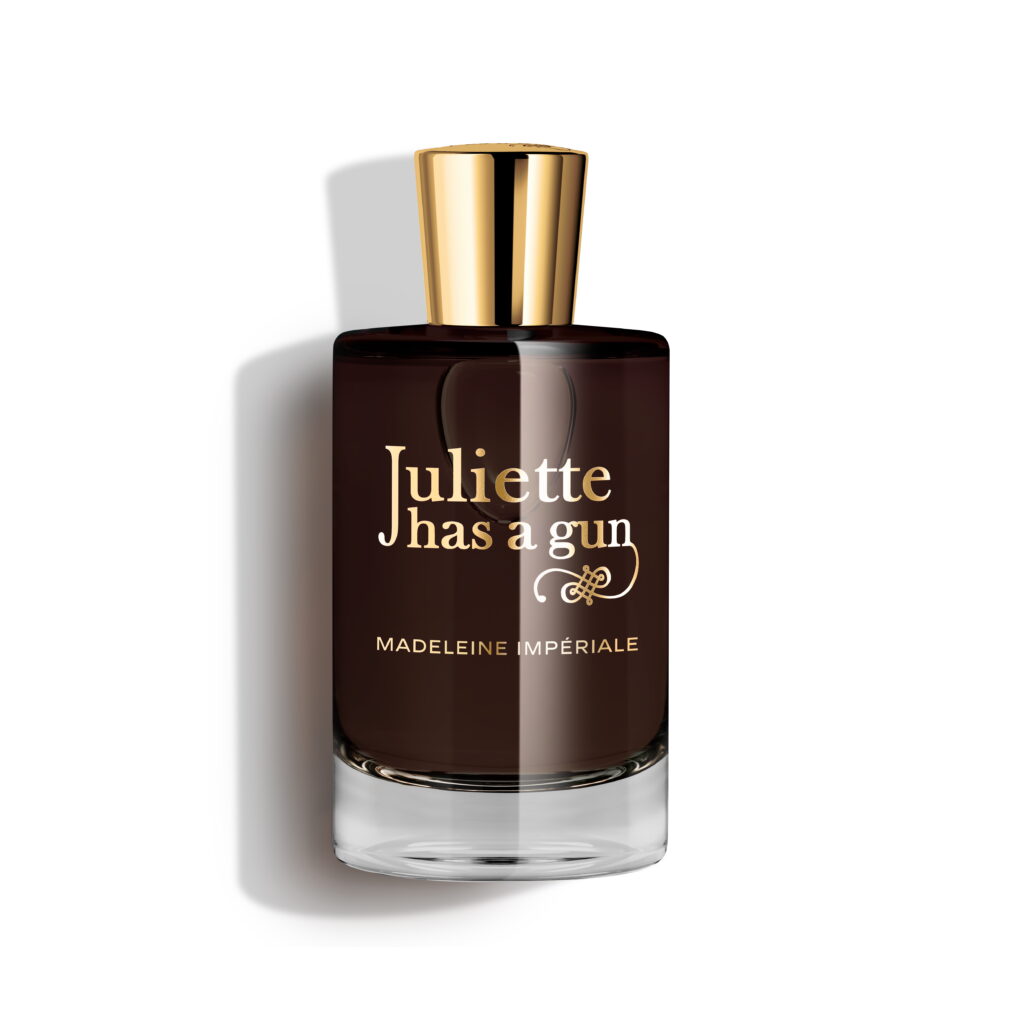
Finally, Madeleine Impériale stands out as the most culturally French composition in the collection. The pastry-inspired accord centered on the madeleine interacts with saffron, oud, and patchouli. The risk with the gourmand genre is always that of falling into a saccharine caricature. Here, the woody and spicy structure maintains a certain balance. The madeleine functions more as a sensory memory than as a recreated dessert. It’s hard not to think of the special place that gustatory memory holds in French culture, from Proust to contemporary olfactory innovations.
Above all, what this Bold Collection reveals is a broader evolution in niche perfumery: brands no longer sell just scents, but systems of cultural references. Perfume becomes a full-fledged narrative medium, halfway between a chemical substance, aesthetic fiction, and a projection of identity. At Juliette Has a Gun, this approach is never entirely austere. It retains a certain theatricality, and at times even a touch of excess. But in a market saturated with interchangeable fragrances, this ability to construct a coherent imaginary world may well be the brand’s true signature.
Cette publication est également disponible en :

