
In announcing the second cycle of its program with the CFDA, Tiffany & Co. is not simply recruiting—it is building a framework. The fact that Jameel Mohammed, the first recipient of the award in 2025, now serves on the selection committee for the next cycle speaks to something the press release does not explicitly state: the House is establishing a mechanism to perpetuate its own aesthetic standards.
Distinction matters. Since its founding in New York in 1837, Tiffany has developed a recognizable formal language—the intensity of the blue, the clarity of the solitaire, the primacy of the stone over the setting—which its more than 4,000 artisans in its own workshops are tasked with perpetuating. The challenge facing any great House is not finding talented designers; it is finding designers who know how to engage with a legacy without losing themselves in it. That is precisely what this program, in theory, is supposed to teach.
The program is structured around a narrative arc. Finalists receive funding to produce a collection of three to five pieces, direct access to the brand’s design teams, and the opportunity to showcase their work at the Fifth Avenue flagship store. The winner takes home $50,000 and a one-year immersion at the Tiffany studio. The new Scholar Award, worth $25,000 and including a summer internship in the same department, is aimed at an earlier stage in the career timeline: it targets students still in training, even before they reach the emerging phase.
The CFDA, for its part, is not a neutral partner in this equation. The organization has funded more than 400 emerging designers since the creation of its scholarship fund. Its involvement in this program transforms a corporate philanthropy initiative into something more foundational: a training infrastructure backed by the legitimacy of an industry institution.
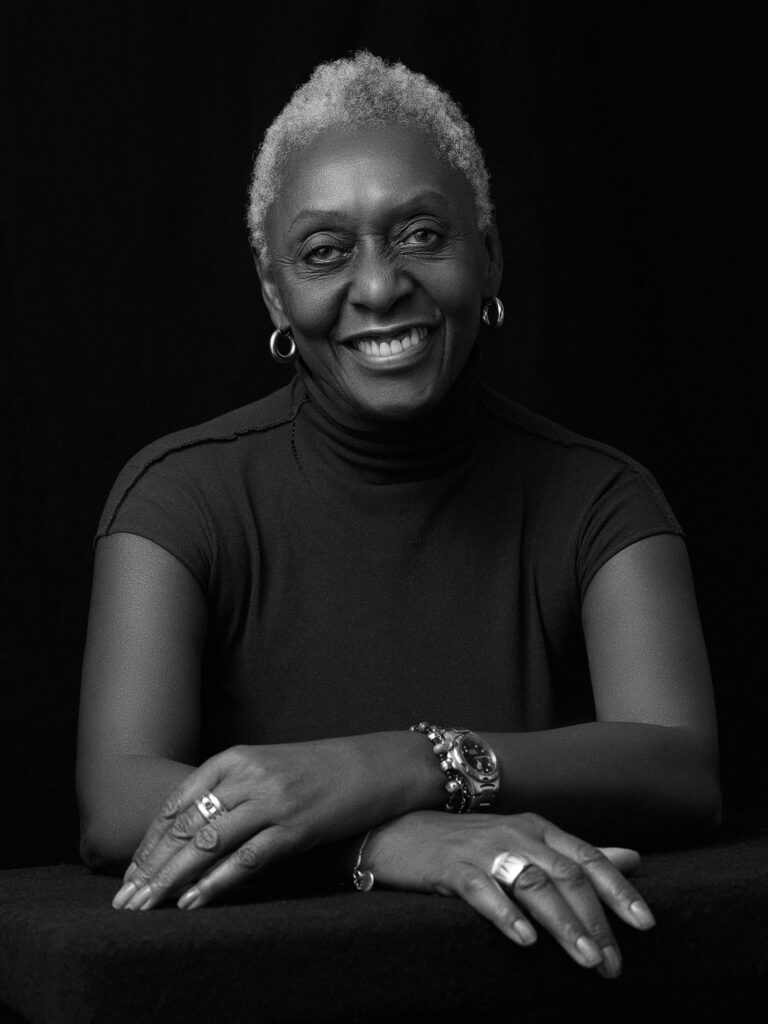
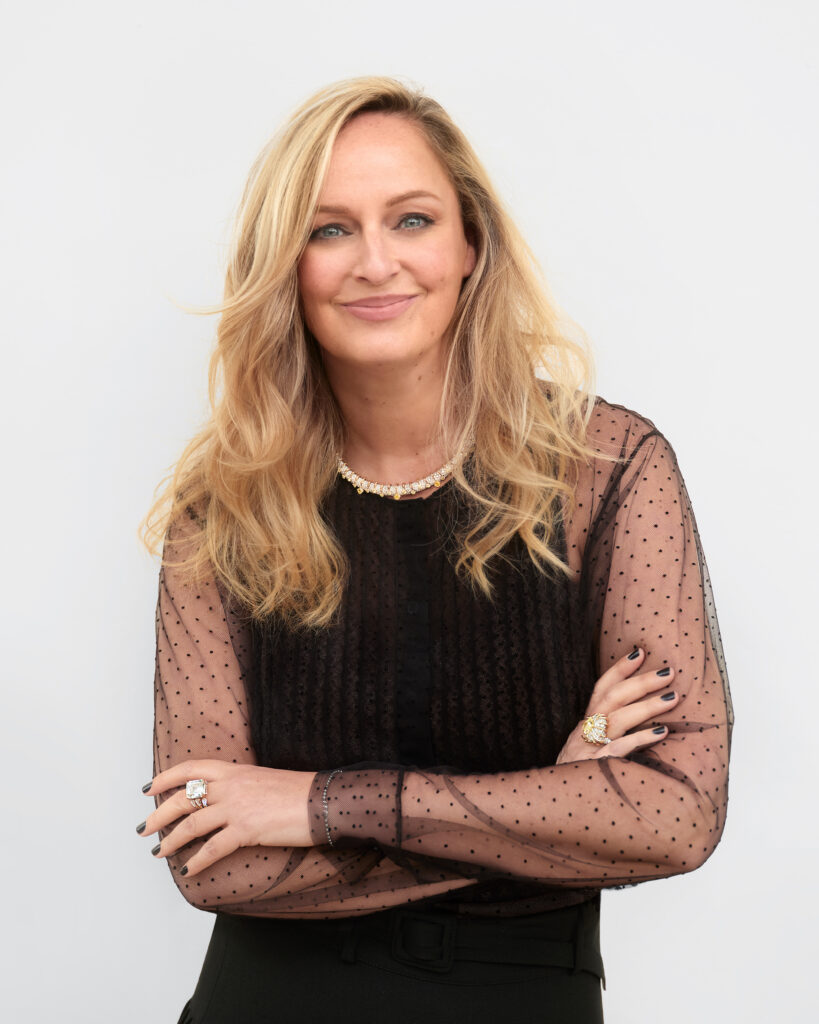
What stands out about the composition of the 2026–2027 jury is not so much the prominence of the names—Andrew Bolton at the MET, Frank Everett at Sotheby’s—as the logic behind their selection. A curator, an auction specialist, an industry advocate (Bethann Hardison), and an editorial director (Karla Martinez de Salas of Vogue Mexico): the committee does not merely select a designer; it assesses the accessibility of a body of work through the lens of very different perspectives. It is a form of evaluation that, by its very composition, replicates the conditions under which a piece of jewelry is received in the real world.
Detail The program does not impose any specific materials, techniques, or production volumes on the candidates. The only requirement is the format—a cohesive collection of three to five pieces—leaving the question of creative approach open. This is intentional: the evaluation focuses on vision, not on mastery of a specific process.
Mohammed’s inclusion on the jury brings a first cycle to a close and raises questions about its longevity. Institutional mentoring programs have long existed in the fashion industry—the LVMH Prize, the ANDAM, the Woolmark Prize—but few entrust their former winners with an educational role so quickly. Whether this is a strategic decision or a symbolic gesture, the House is in any case signaling that knowledge transfer is not a matter of vertical transmission—from the older generation to the younger—but can circulate in a short loop.
The American jewelry industry suffers from a lack of institutional prestige compared to the major European houses. What Tiffany is building with the CFDA appears to be a partial response to this shortfall: not a training workshop, but an ecosystem for identifying and validating emerging voices, backed by a house founded two centuries before the word “brand” took on its current meaning.







Cette publication est également disponible en :

