
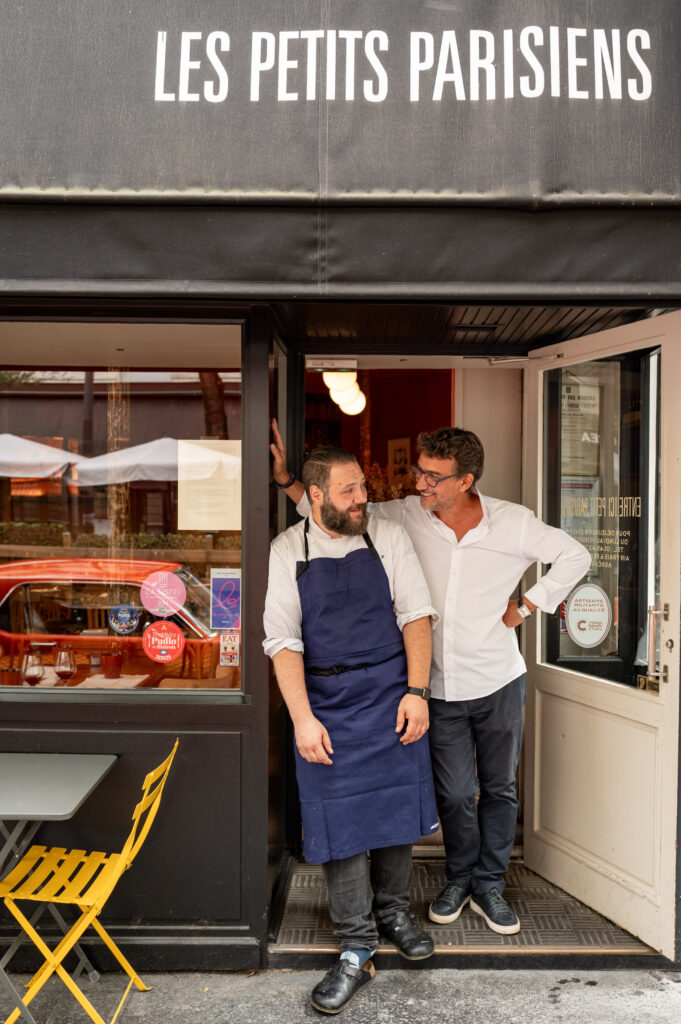
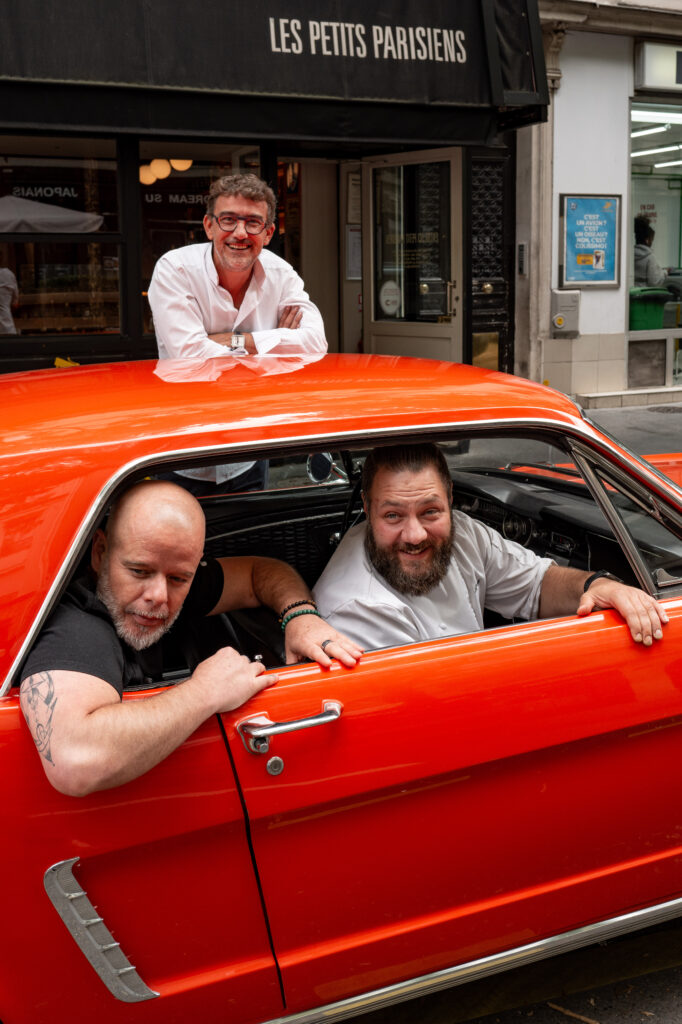
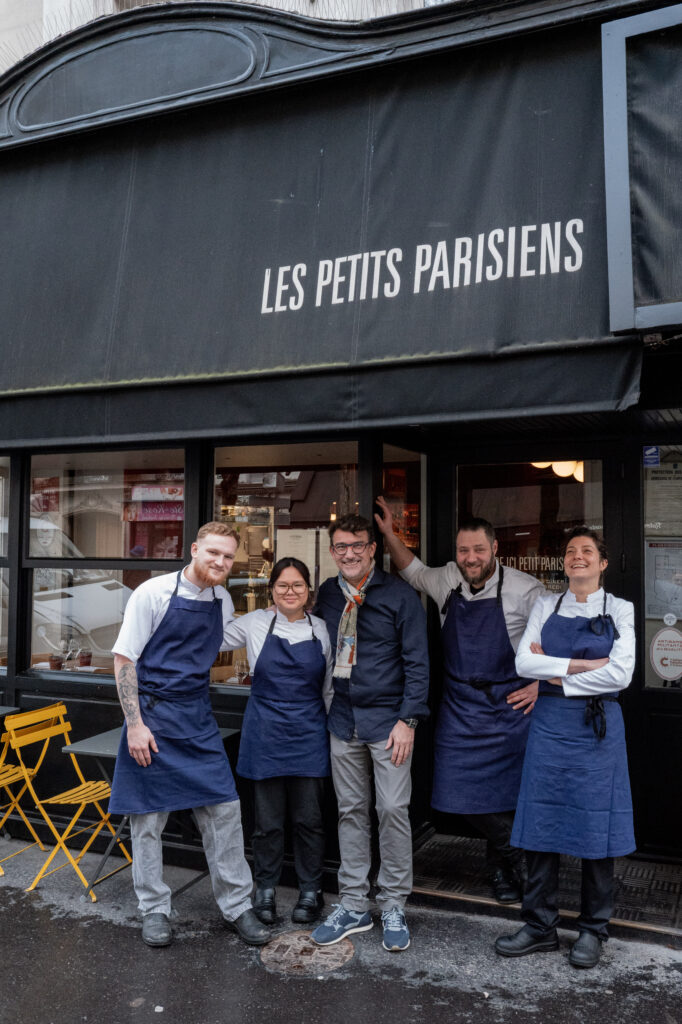
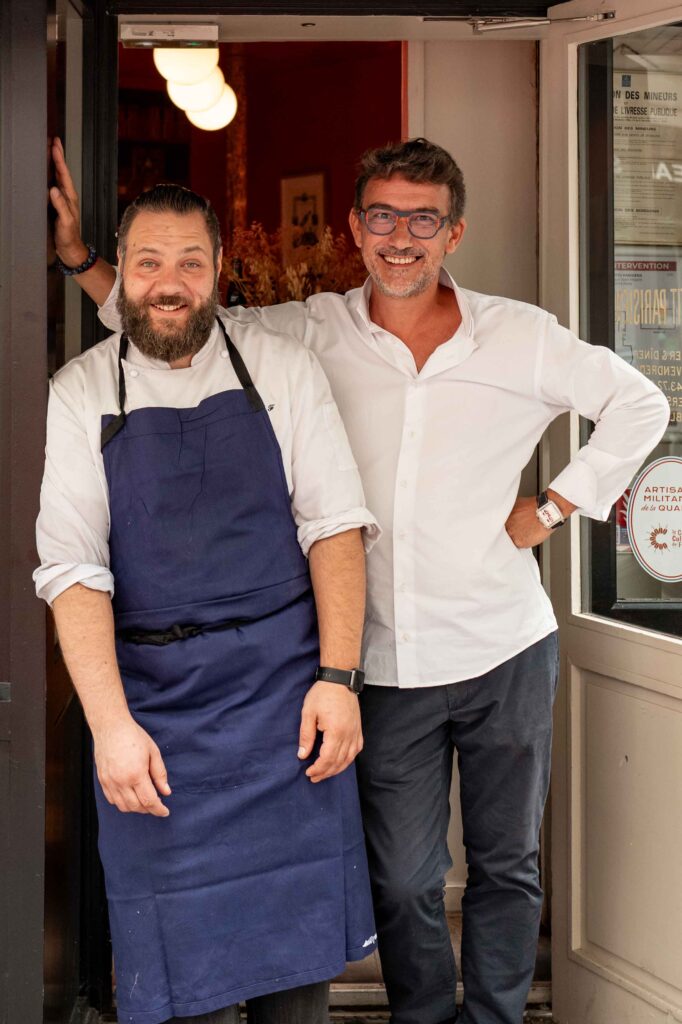
In the 14th arrondissement, Lucas Felzine and Loïc Mougène are working together to create a restaurant where the drinks are just as carefully curated as the food. It’s a model of artistic co-direction that’s still all too rare in Paris.
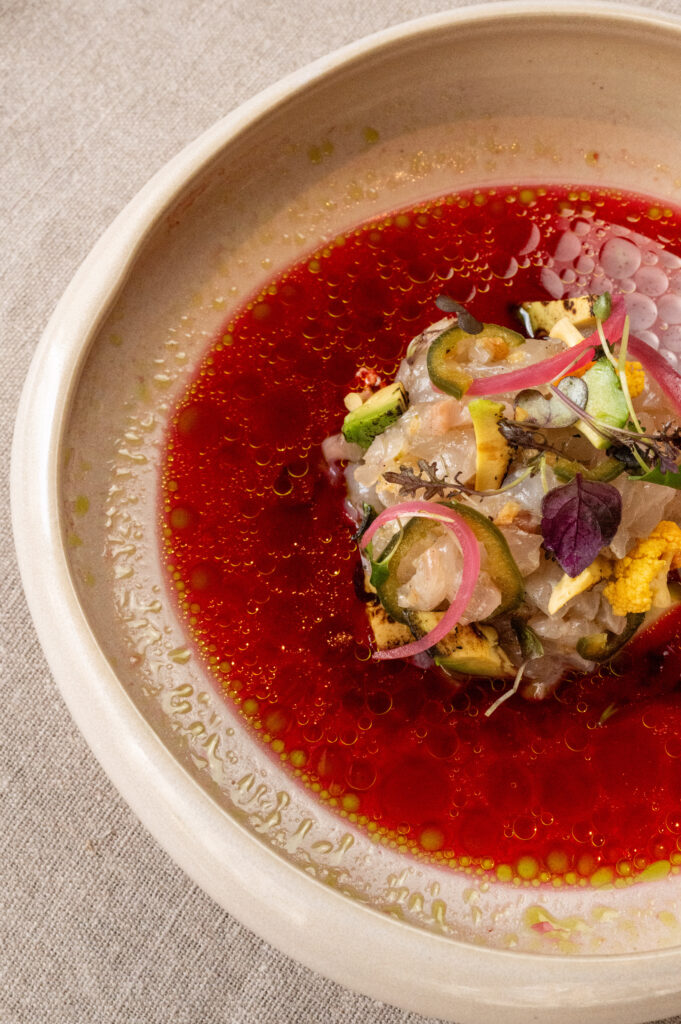
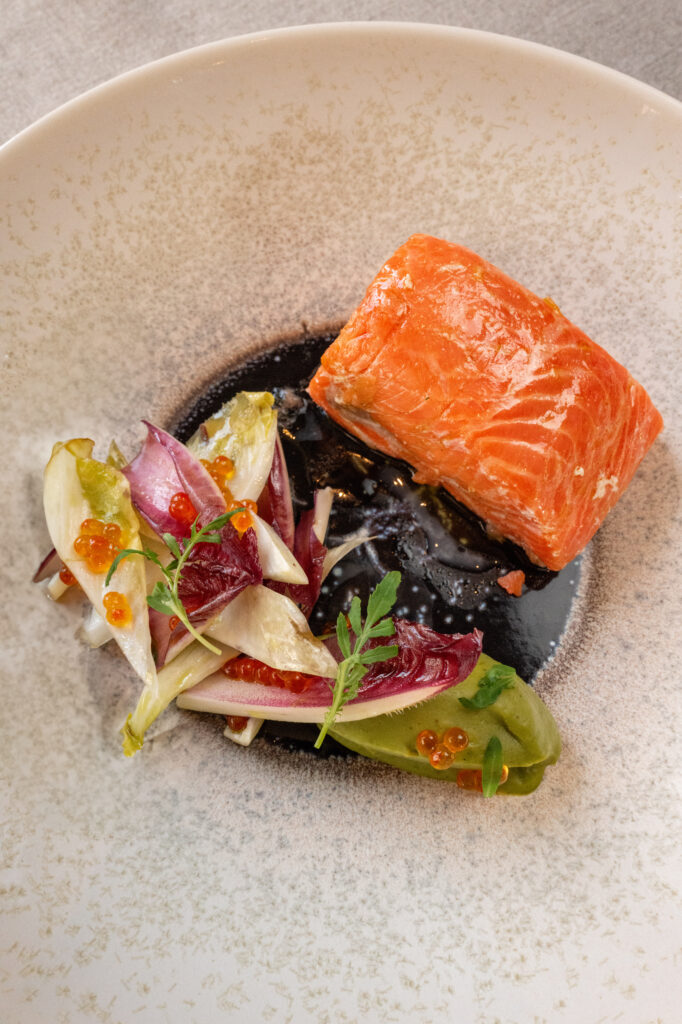
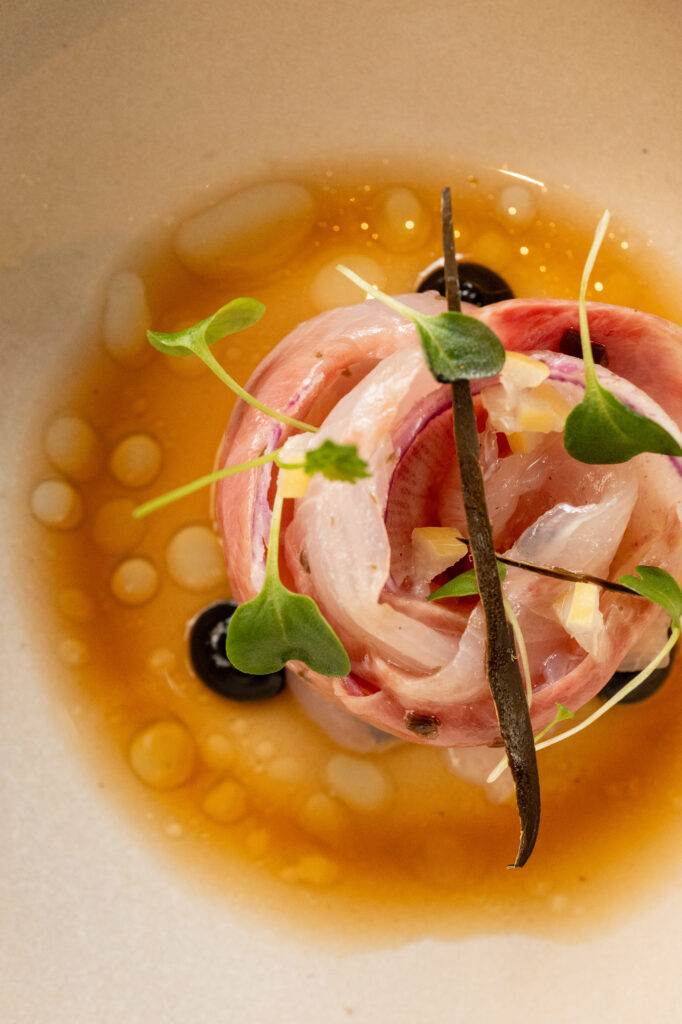
Lucas Felzine has worked in the kitchens of William Ledeuil at Ze Kitchen Galerie, Alain Passard at L’Arpège, Anne-Sophie Pic at La Dame de Pic, and Philippe Labbé at the Shangri-La Paris. Between 2014 and 2019, he ran Uma—a restaurant that introduced Nikkei cuisine to the Parisian fine-dining scene before the term became a common menu feature. This career path speaks to Felzine’s approach to ingredients: not as raw materials to be transformed, but as partners in the culinary process.
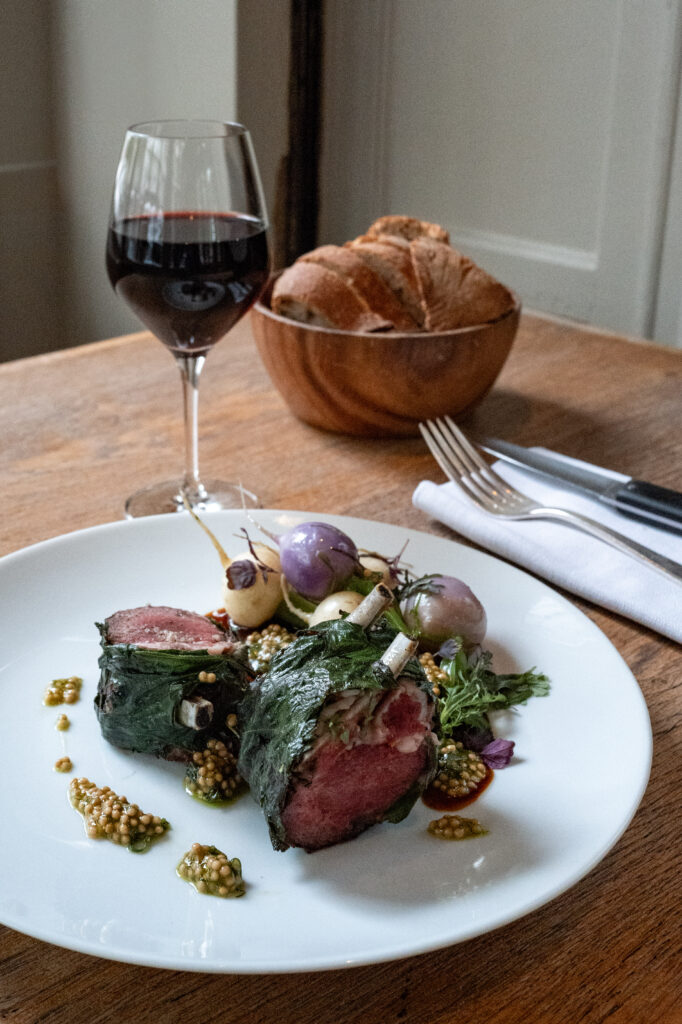
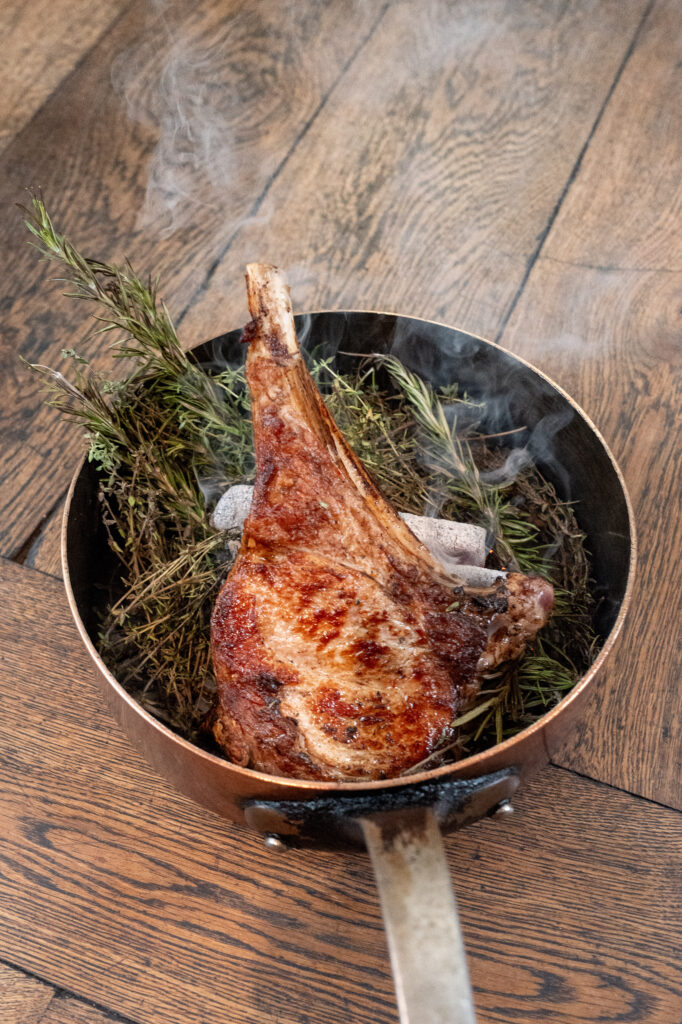
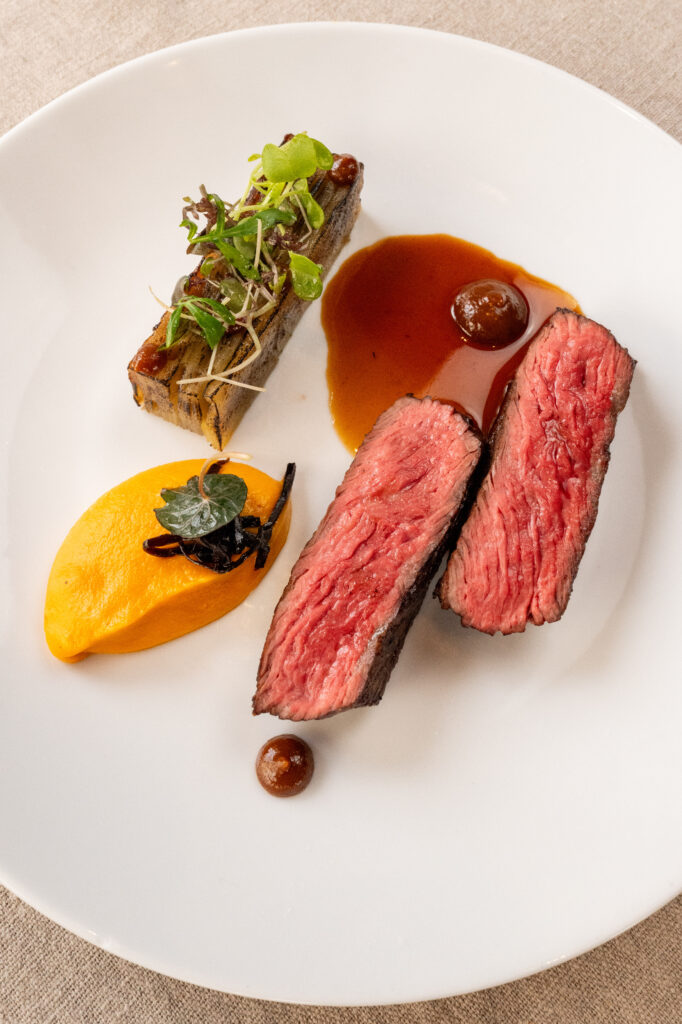
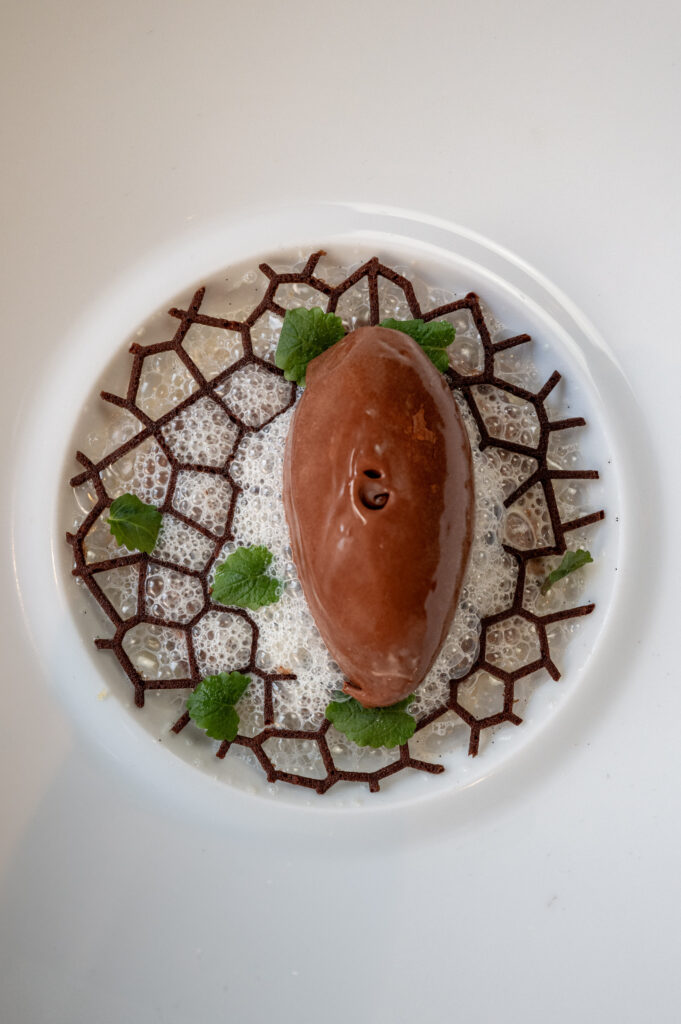
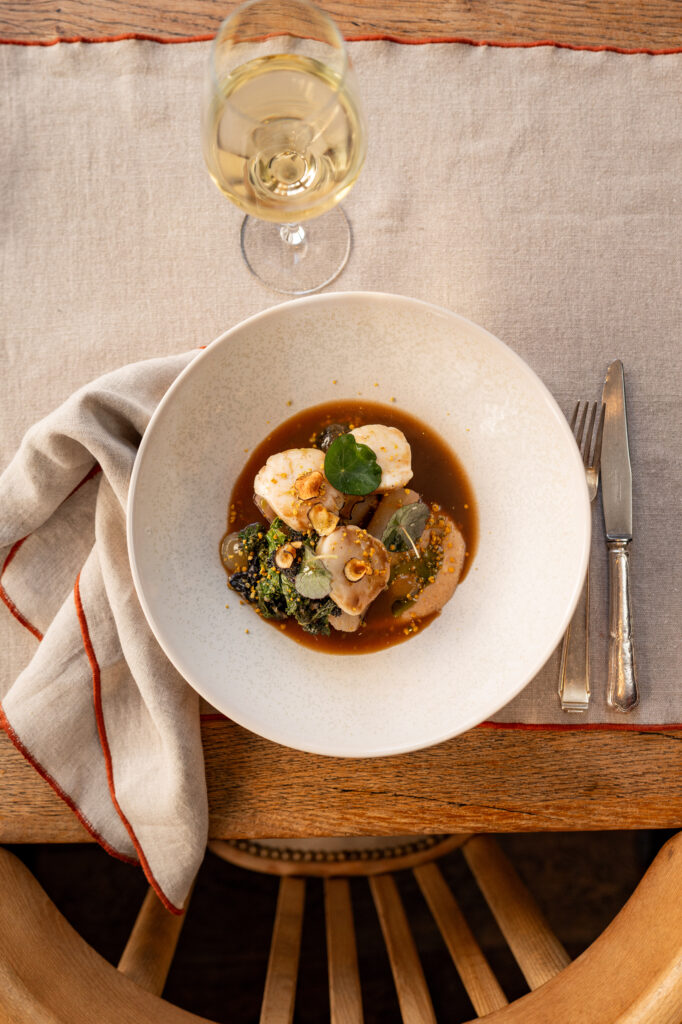
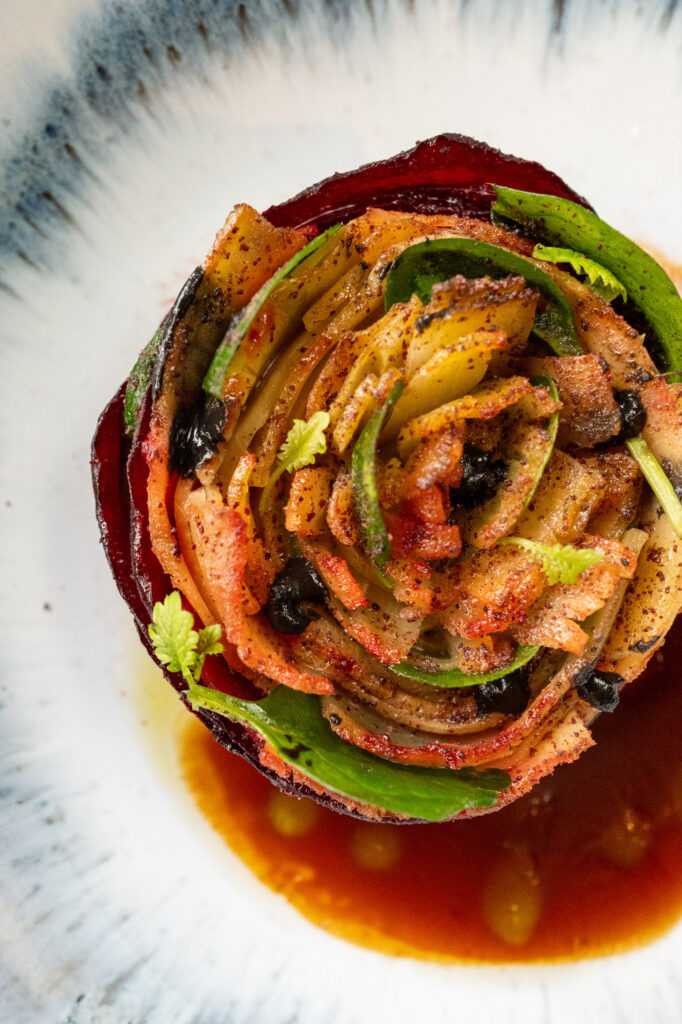
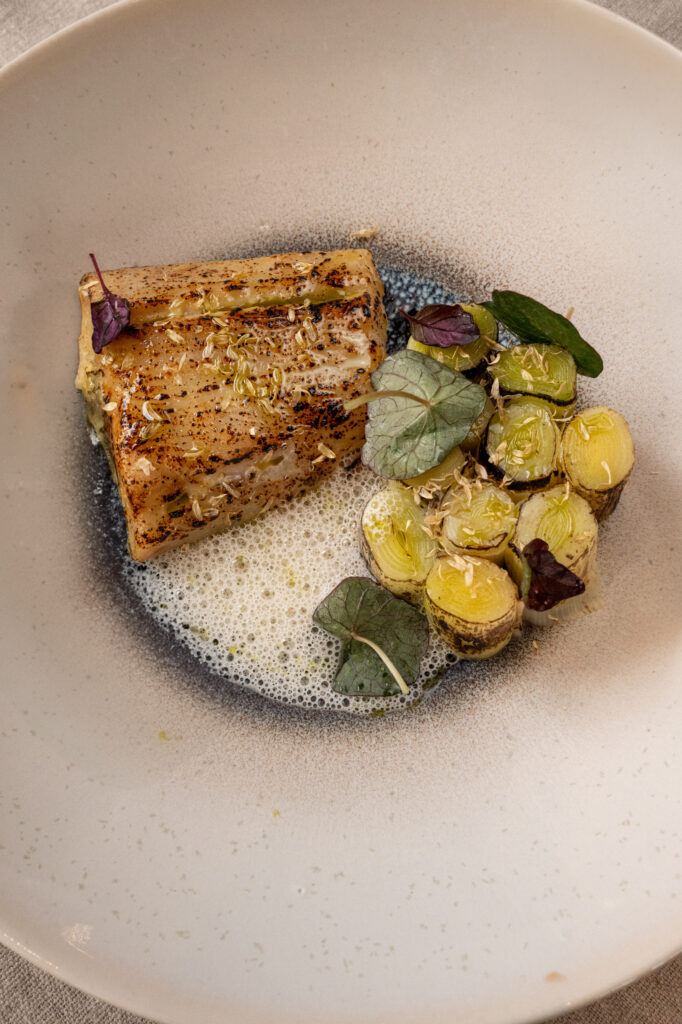
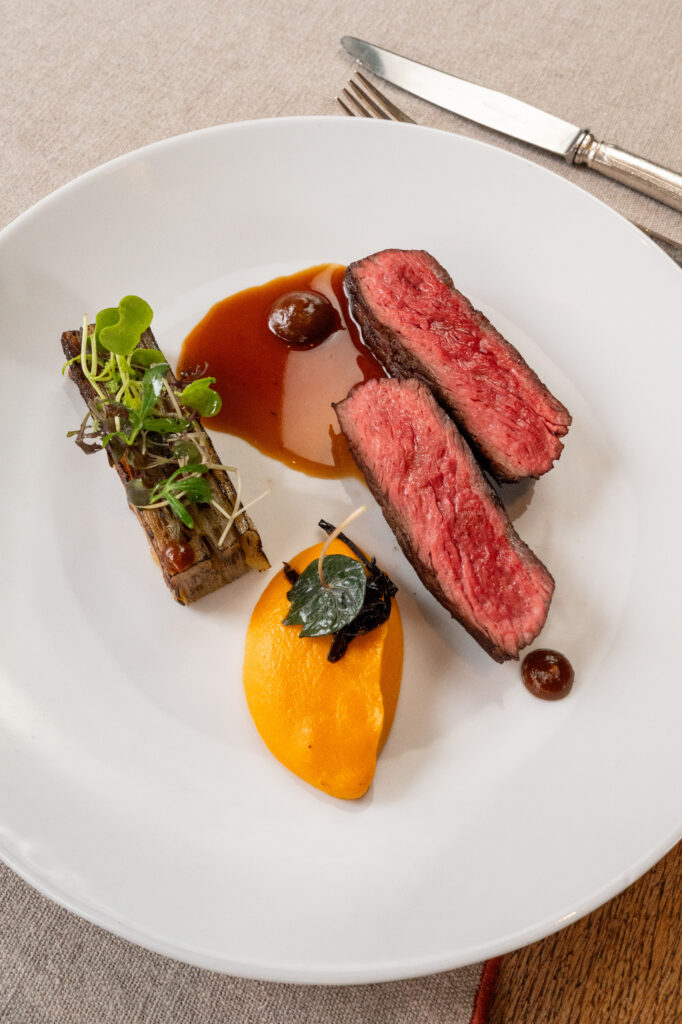
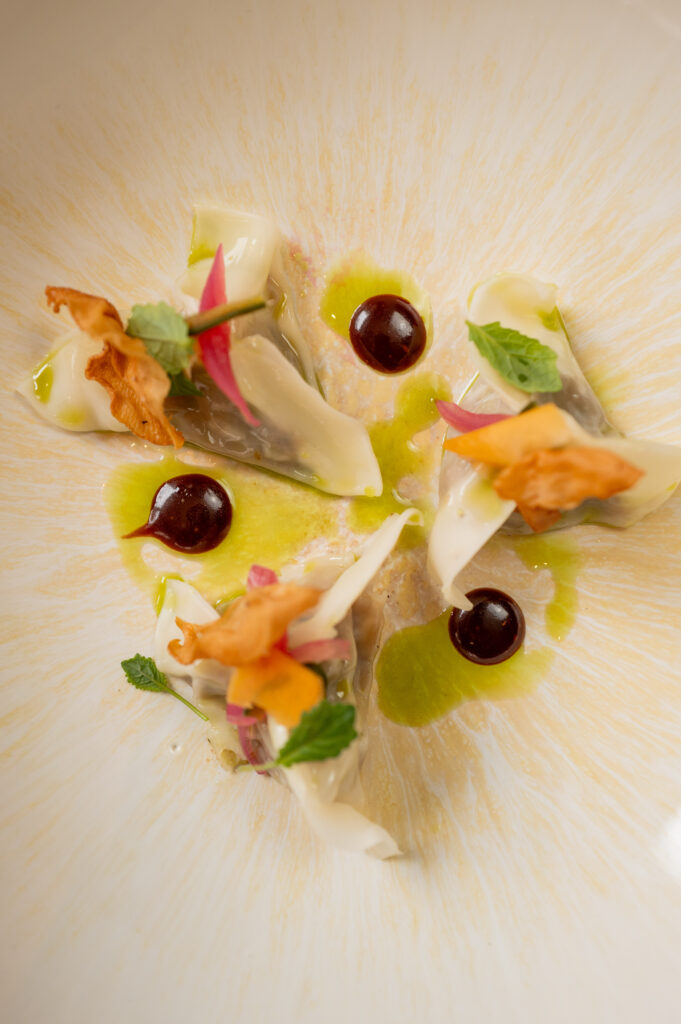
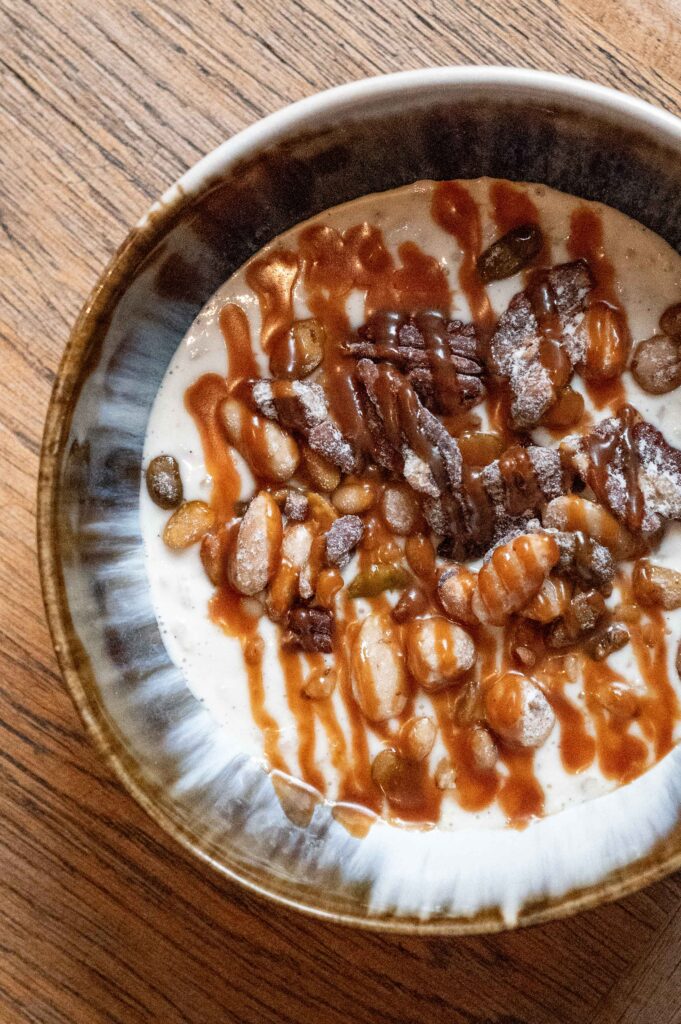
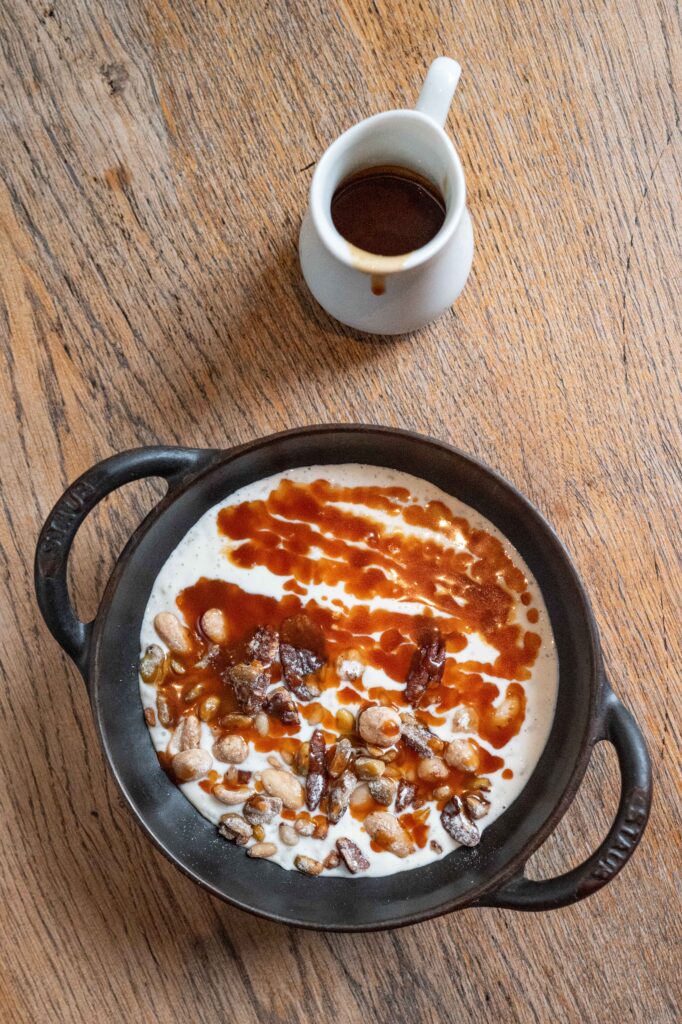
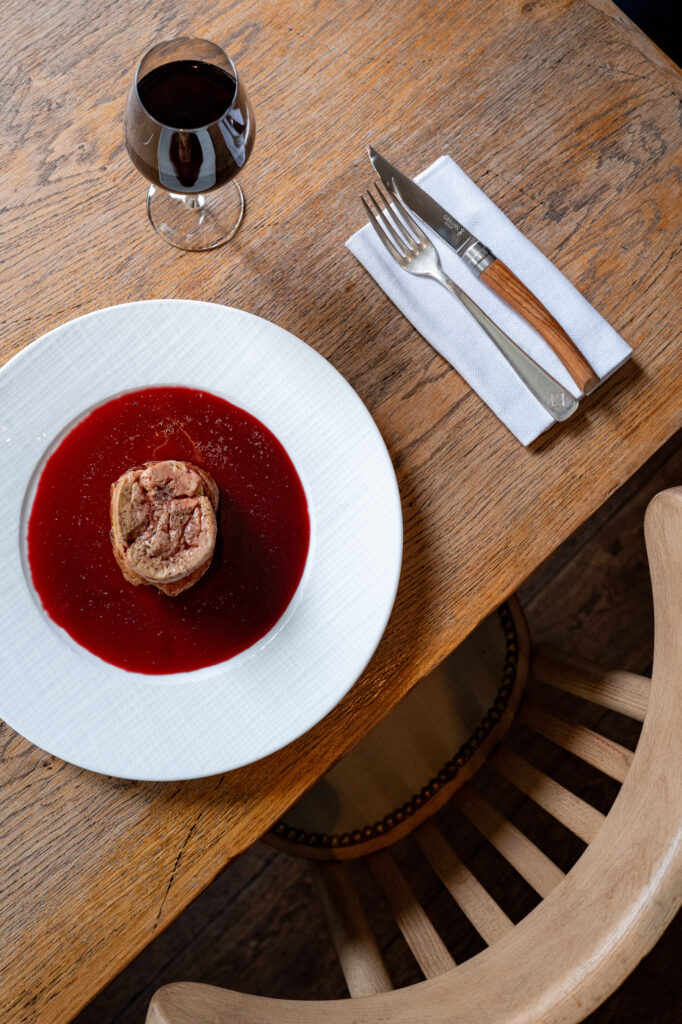
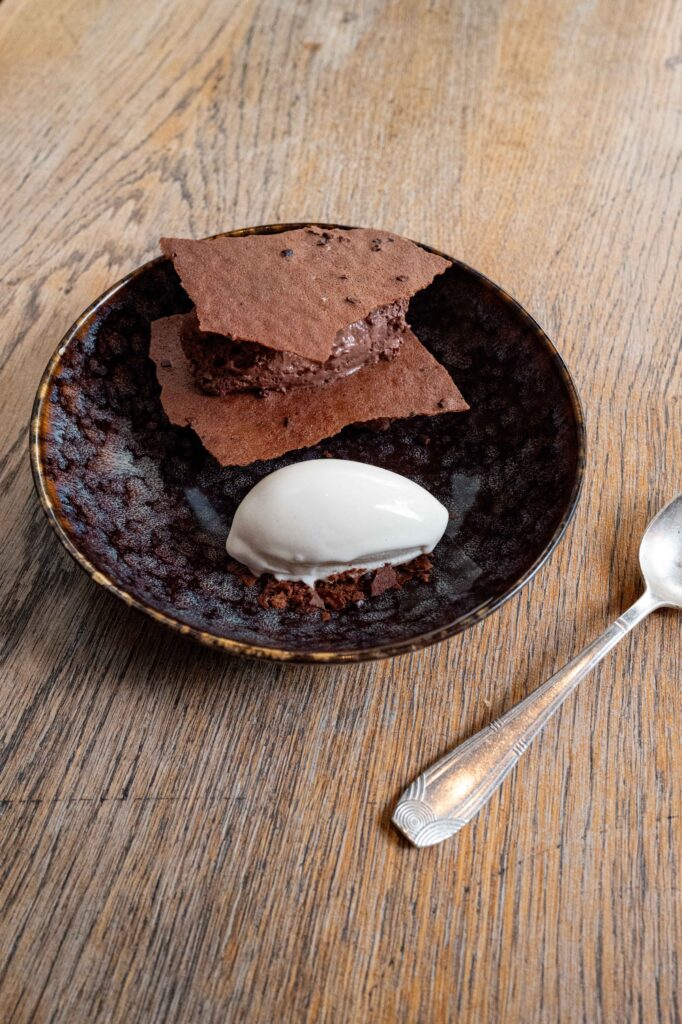
At Les Petits Parisiens, this approach means that all ingredients are traceable back to their source. Fin Gras du Mézenc—an AOP beef from the highlands of the Ardèche and Haute-Loire regions, available for only six to eight weeks a year—is sourced through Gaby Gauthier, a butcher and meat selector. The Comté on the cheese menu comes from the Arbois cheese dairy and is aged for twenty-four months. The Camembert comes from the Champ Secret farm in the Orne department. The bread is by David Batty of Boulangerie Méditerranéenne in Montrouge. The chocolate used in the dessert is a 70% Mayan Red from Honduras. Every item has a source.
Details — The Cellar as an Editorial Project
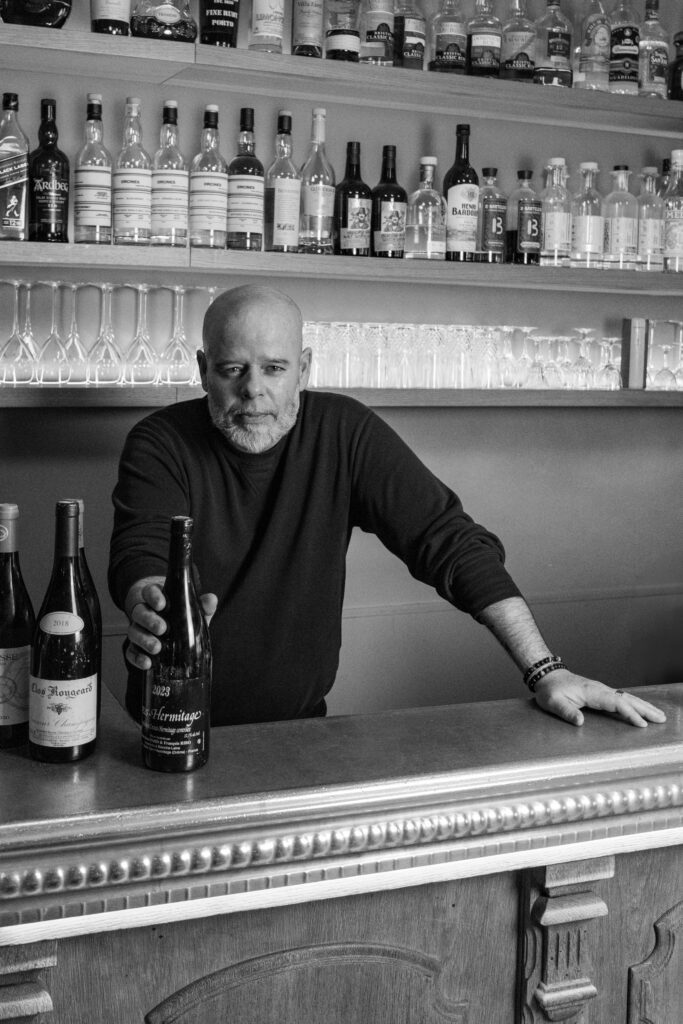
Loïc Mougène, former owner of La Robe and Le Palais, is building the Petits Parisiens’ wine cellar using a long-term approach: adding new estates each month—some through allocation—with the explicit goal of enabling vertical tastings over time. The current selection of 180 wines includes so-called “natural” wines—Gramenon, Prieuré Roch, Foillard, and the little-known Petit Domaine de Gimios—without excluding the classics: La Grange des Pères, Henri Boillot, Georges Vernay, and Roc d’Anglade. As for digestifs, there’s the 1982 Bas Armagnac from Domaine de Jouanda in a 2.5-liter Gascon pot, the 2010 Calvados from Maison Huard in the same size, and Orcines whiskies by Pierre Tissandier. The selection makes no distinction between large-scale producers and small producers; it distinguishes between what deserves to be served and the rest.
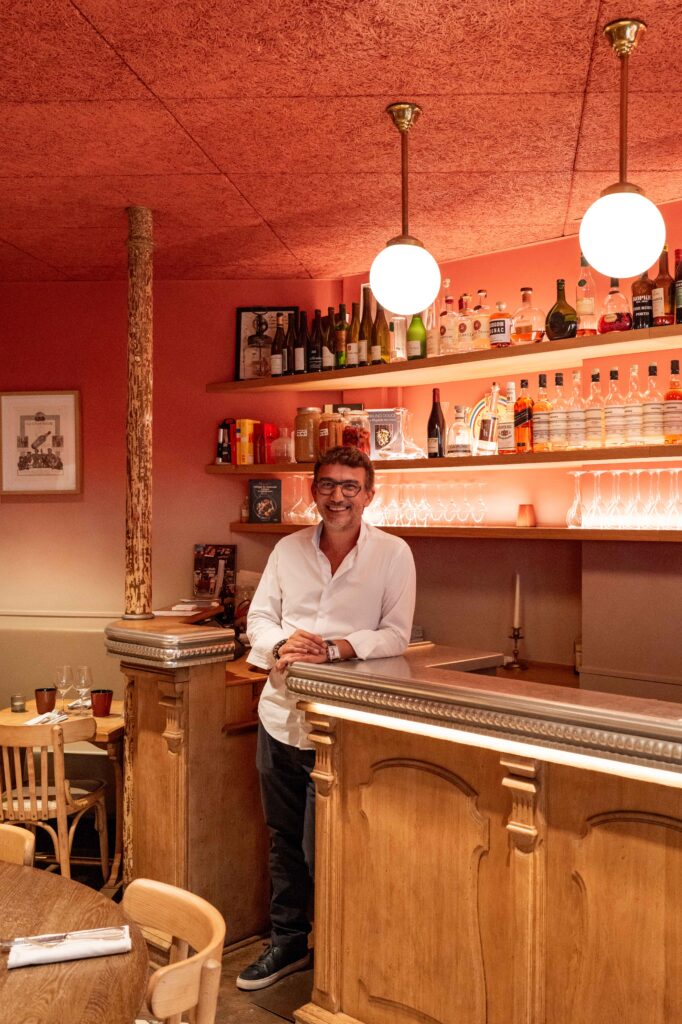
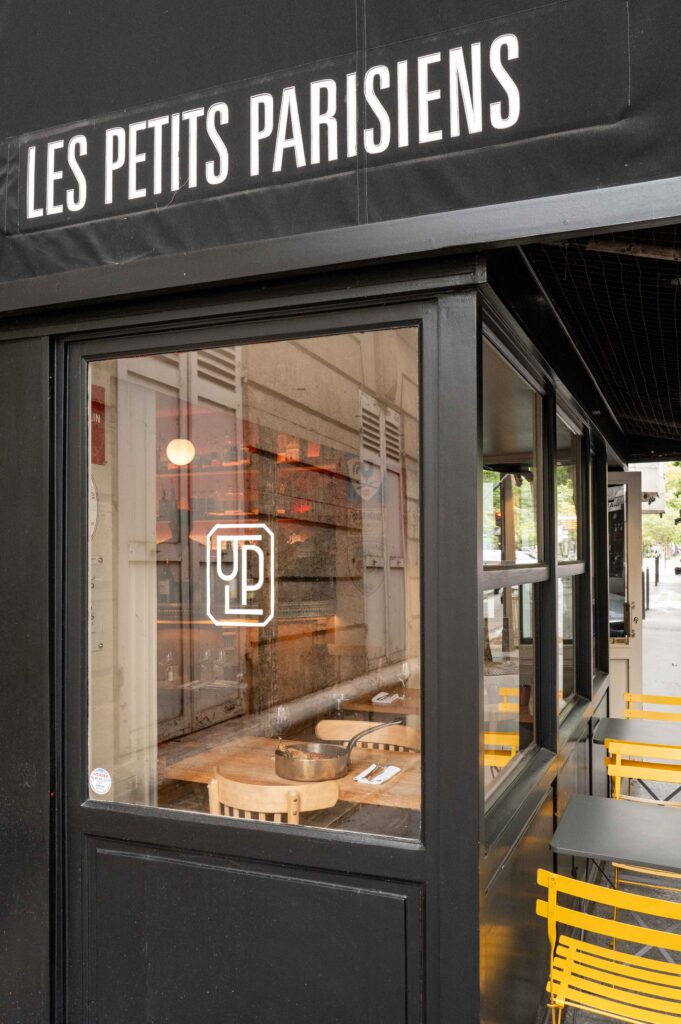
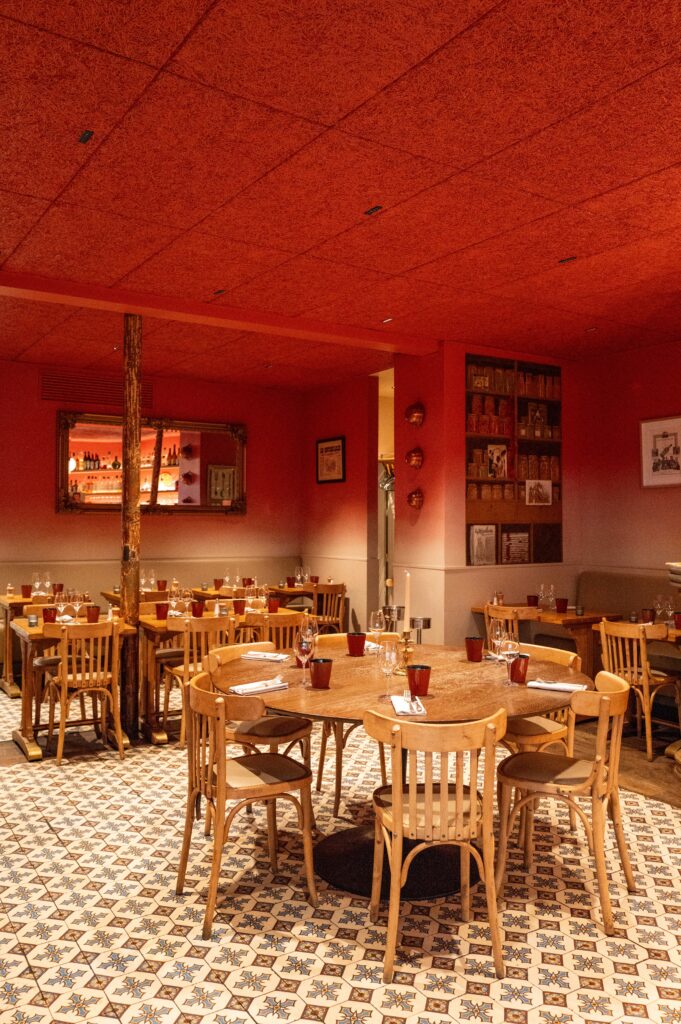
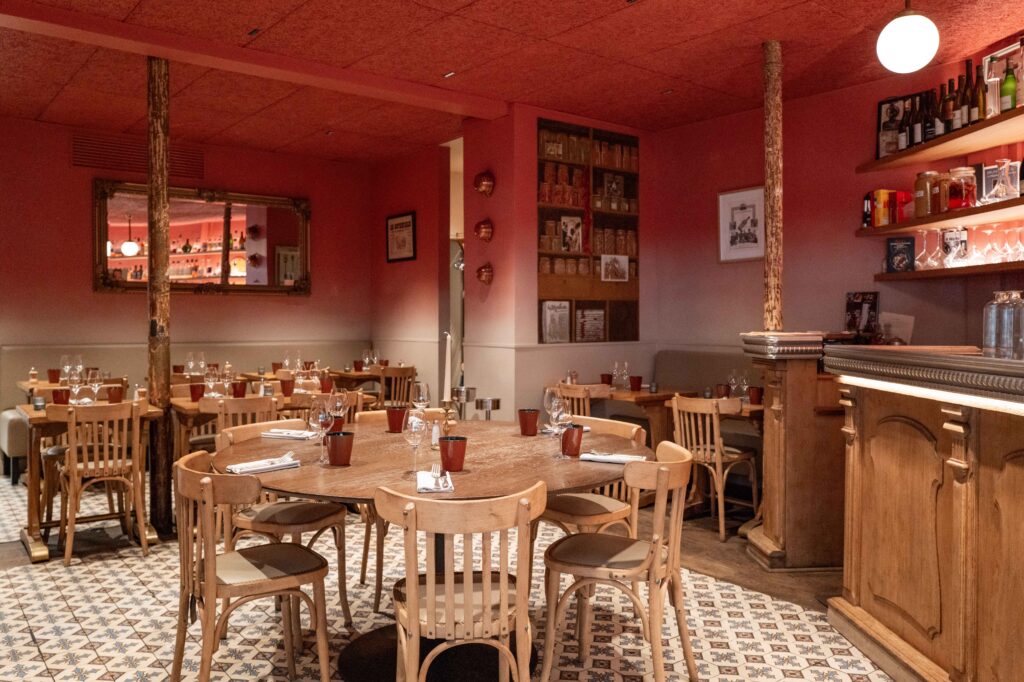
The dining room exudes the same sense of cohesion: a 30-year-old zinc counter as the centerpiece, original cement tiles, patinated silver cutlery, and silver ice cream bowls for the house-made ice cream and sorbets. Arnaud Duhem, who conceived and manages the venue, has hunted down the objects that adorn the walls—each has a story that he happily shares while on duty. These aren’t mere decorative accessories; they’re pieces meant to be held in your hands.
Felzine describes his approach as follows: “Cooking is a process, a dialogue between time, ingredients, the region, and human memory.” What Mougène applies to the wine cellar—building a library rather than a list—aligns perfectly with this concept. At Les Petits Parisiens, the kitchen and the wine cellar do not operate in isolation from one another: they move in the same direction, using the same intellectual framework.
In a Paris where food-and-wine pairings often remain little more than an after-the-fact exercise in style, this is a stance worth noting.
Cette publication est également disponible en :

