
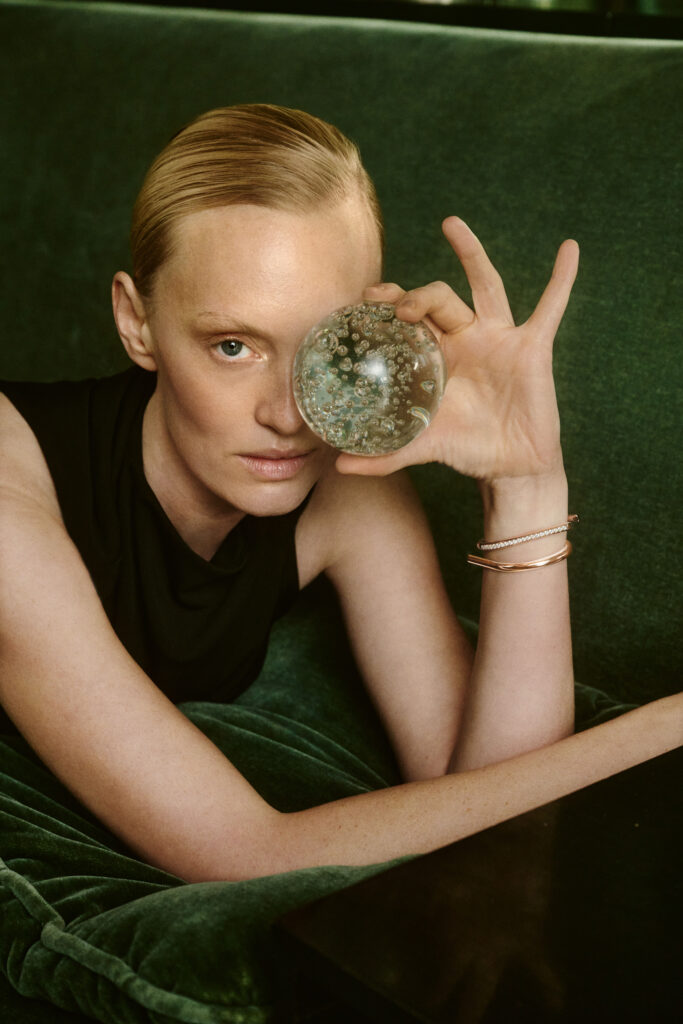
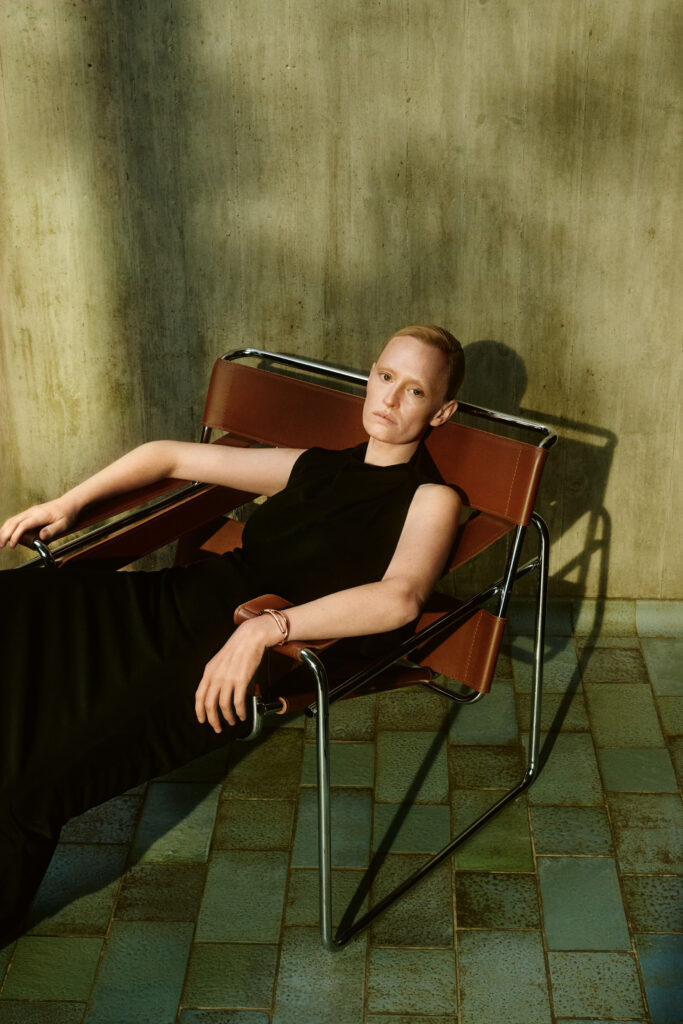
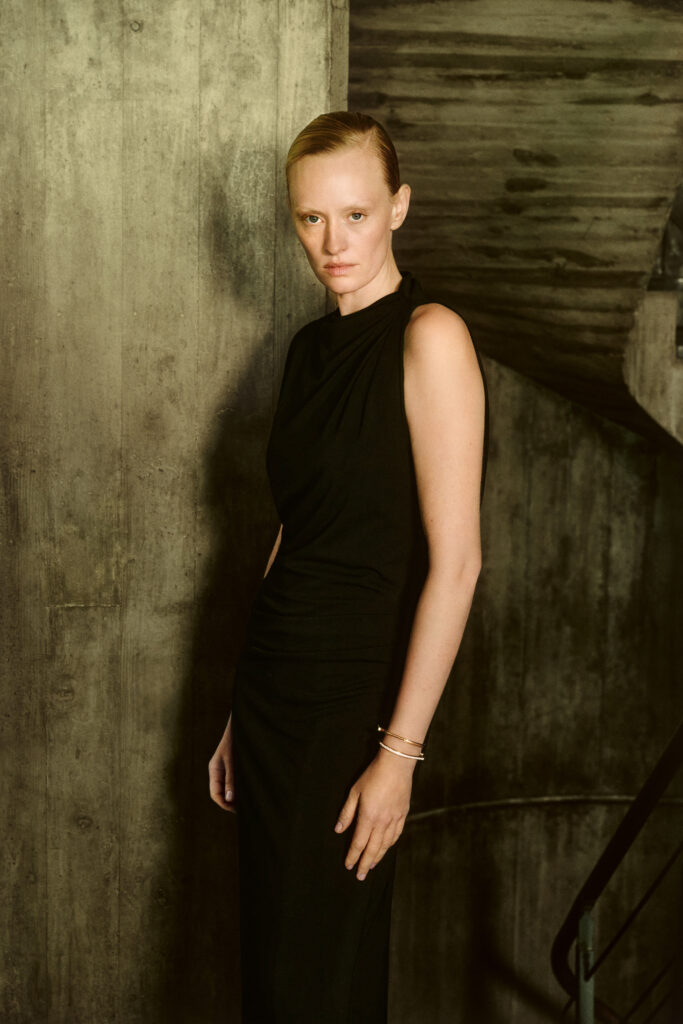
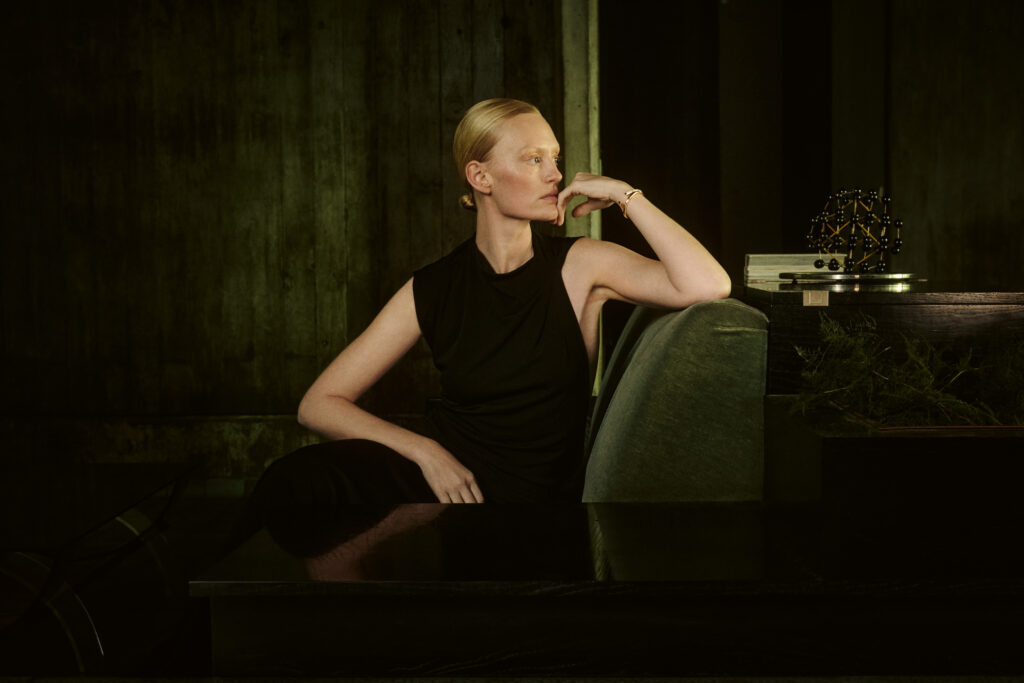
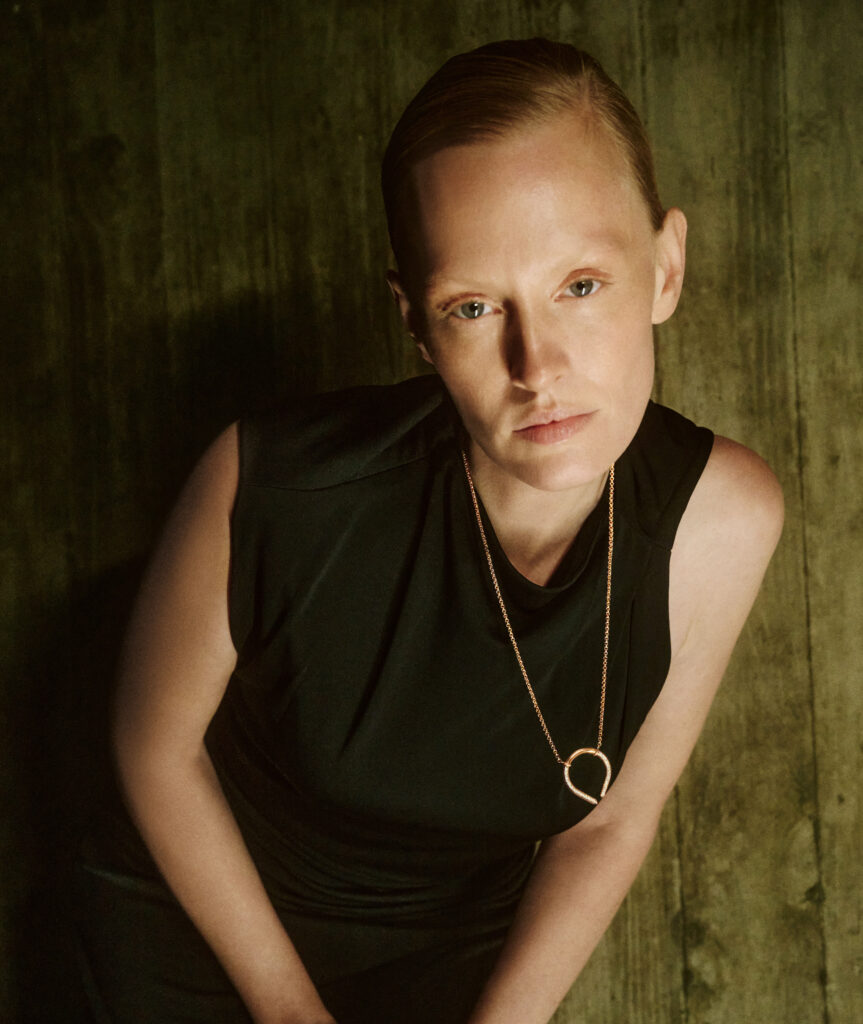
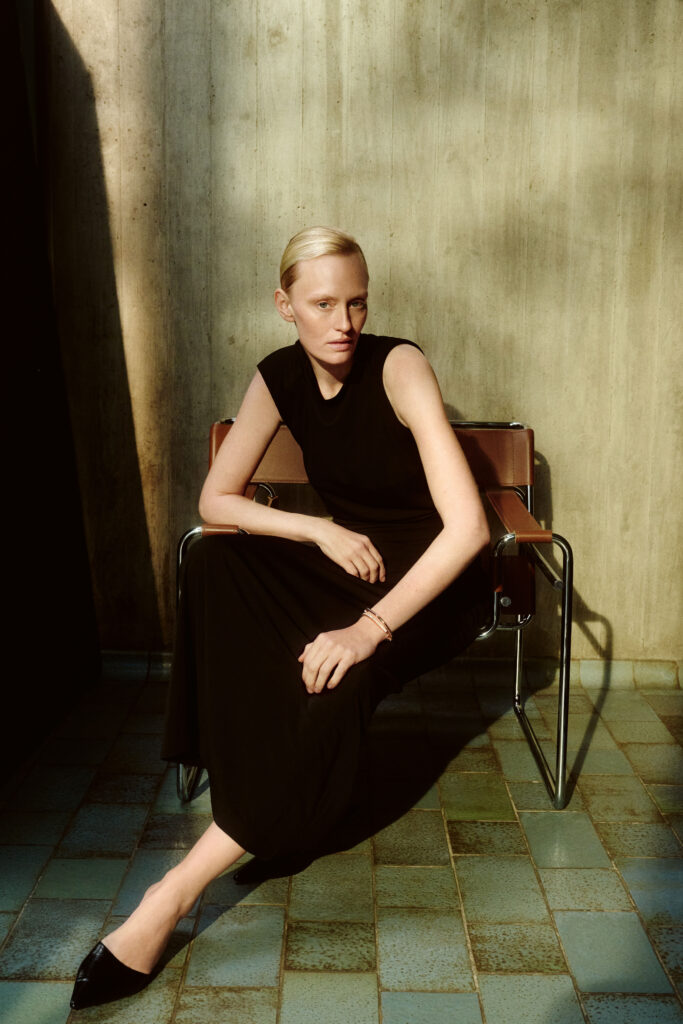
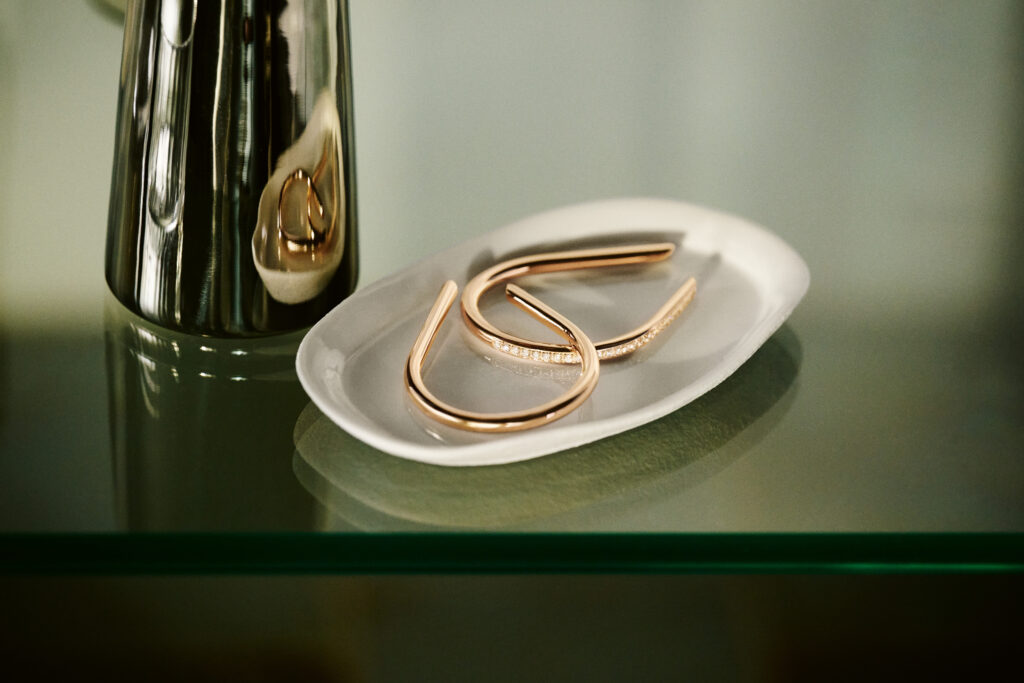
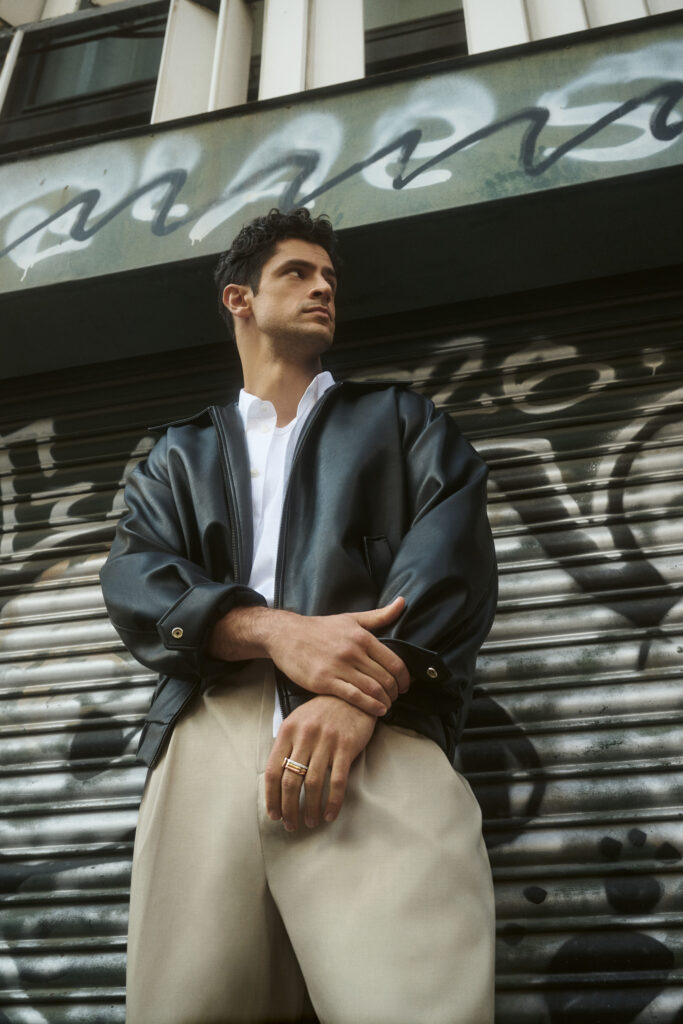
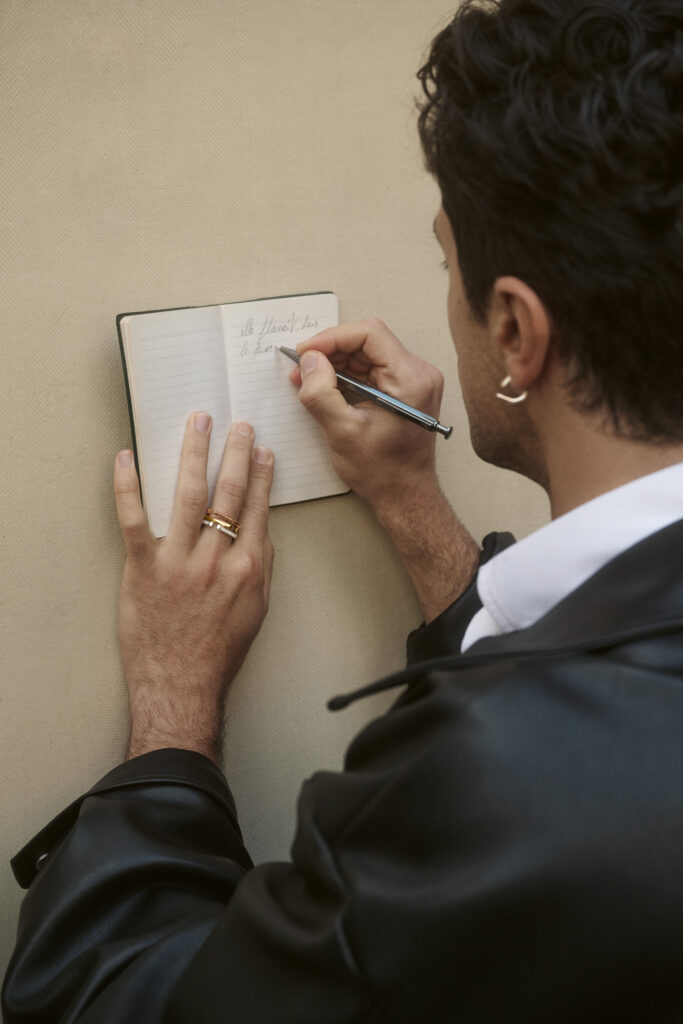
A cleanly cut gold wire. A loop formed with pliers. A workshop technique—almost elementary—becomes an aesthetic principle here. With Atelier Wempe au:thentic, Wempe adds a third jewelry line to its repertoire and embraces a distinctly contemporary approach: jewelry defined less by gender and more by function.
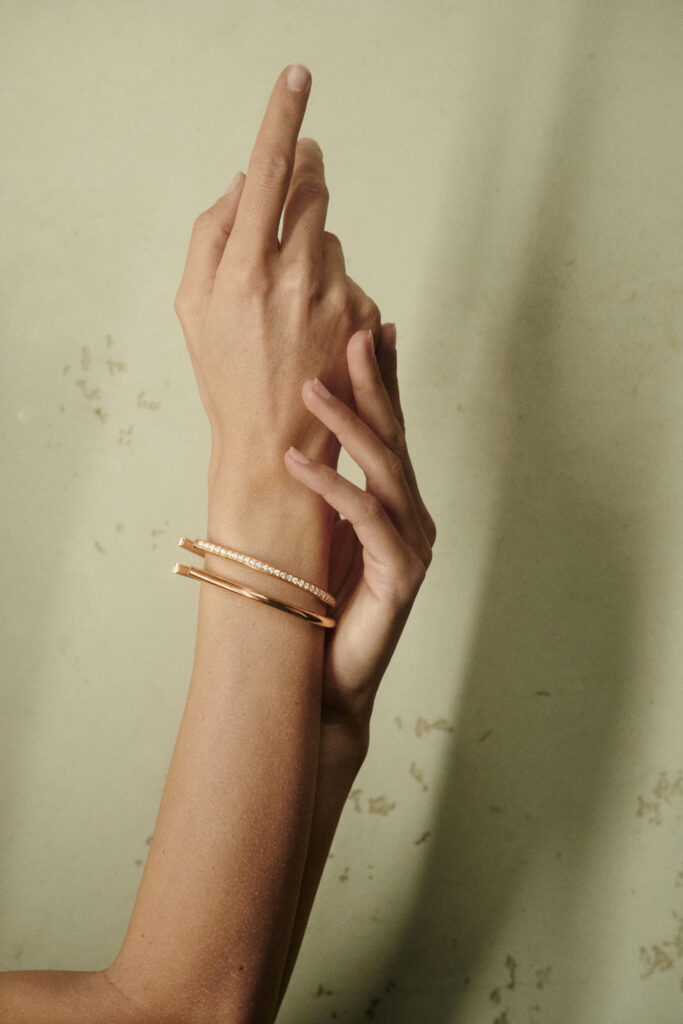
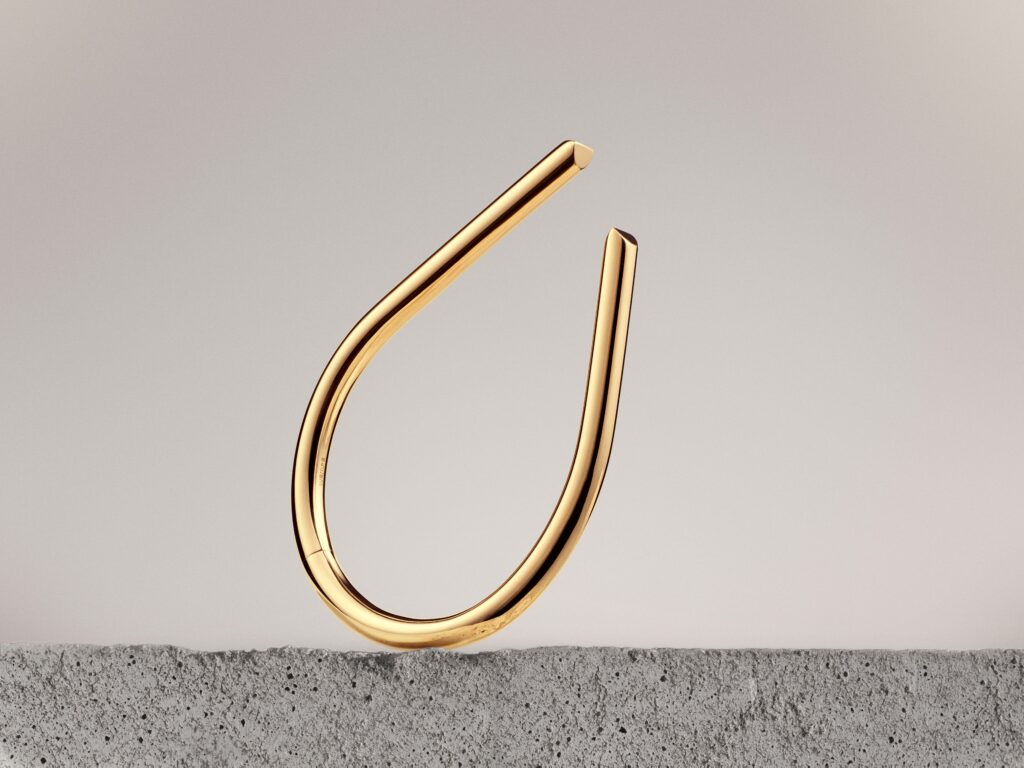
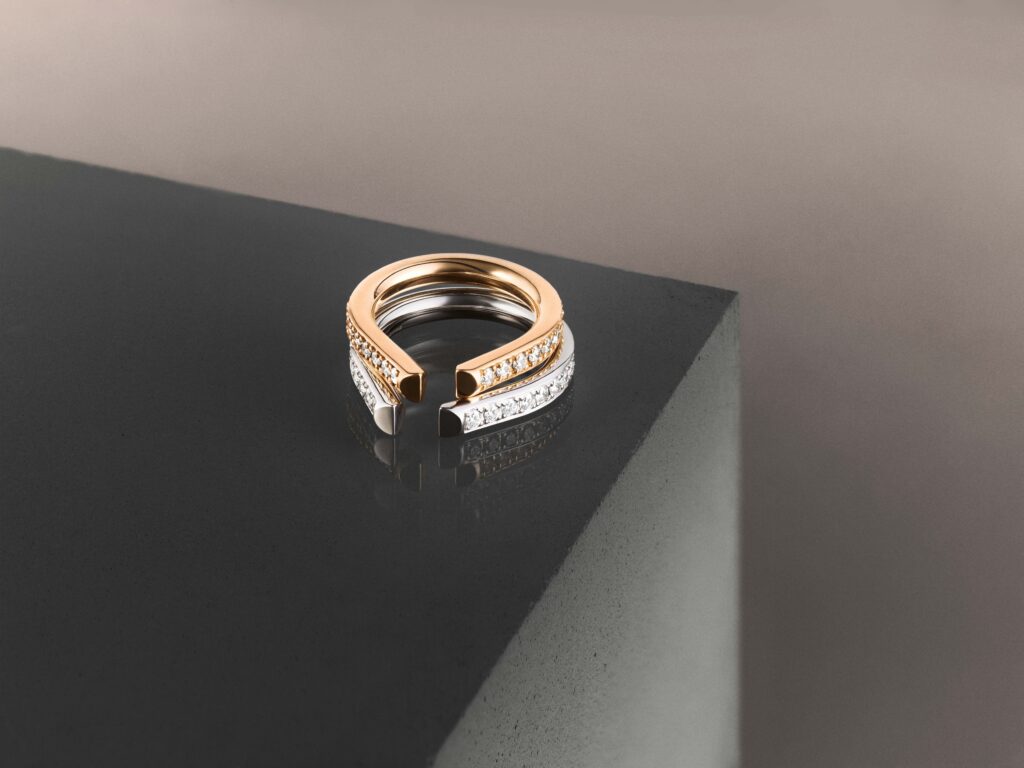
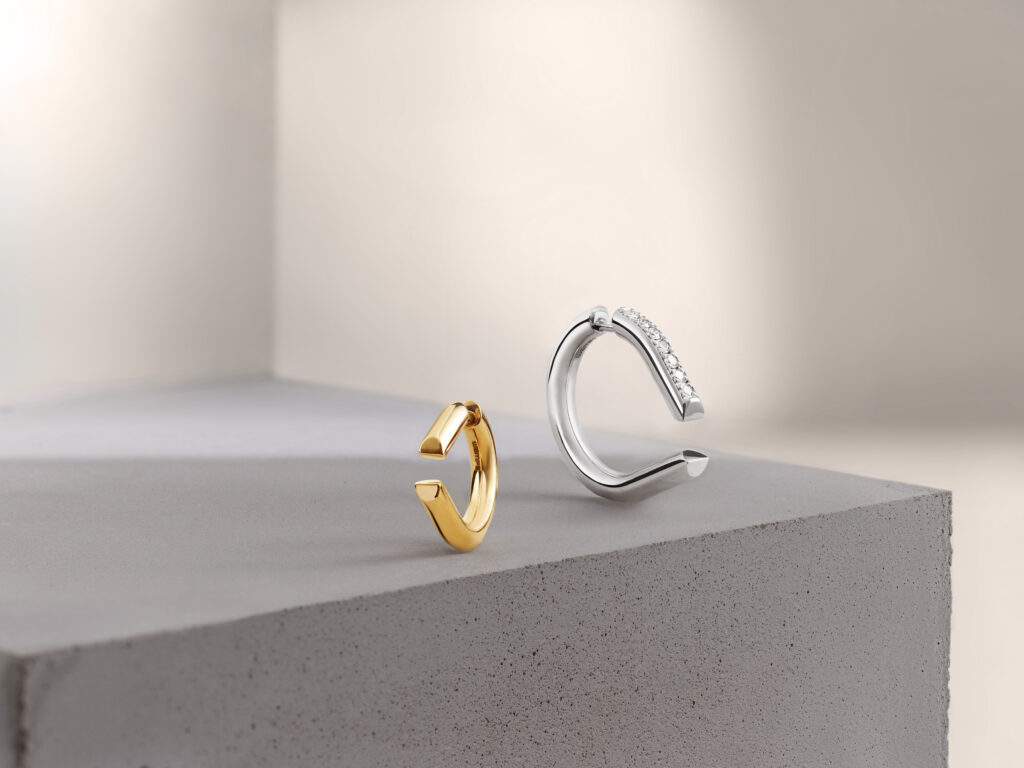
The collection, launched on May 4, 2026, is built around simple forms: clean lines, asymmetries, links, and enveloping elements. The most striking detail lies in these stylized edges, conceived as a trace of the manufacturing process. Patrick Sieroslawski, Head of Private Label Design at Wempe, explains: “My goal was to make the craftsmanship visible in the designs.” The design, therefore, does not hide the workshop; it references it.
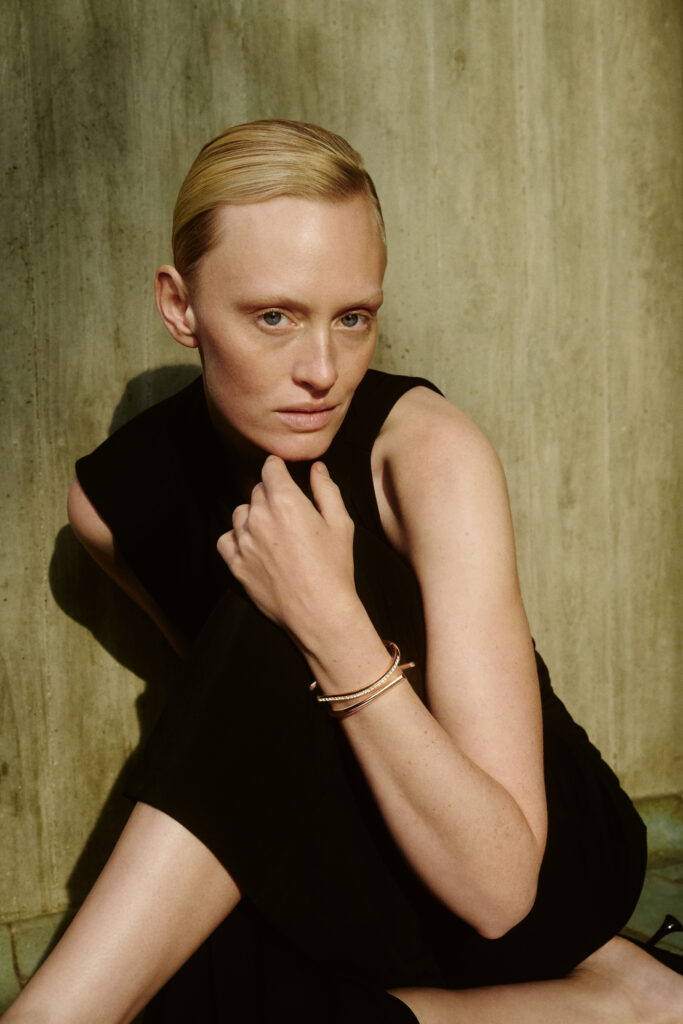
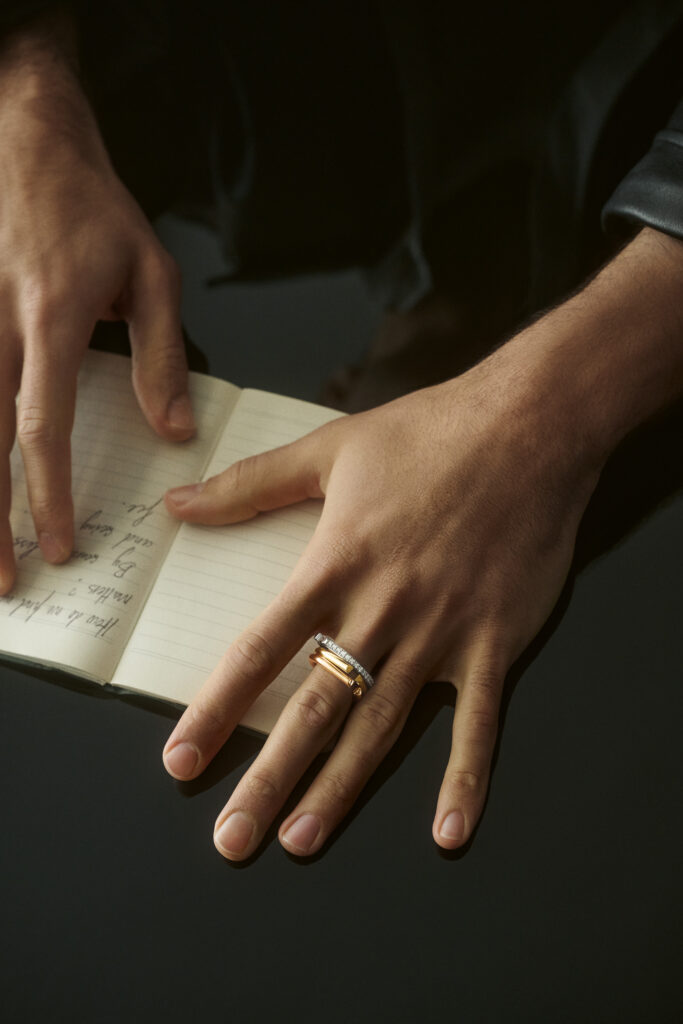
This origin story is not merely formal. Sieroslawski traces the collection back to his first day at a London workshop, when he was cutting gold wires, forming connecting rings, and coiling them. The original motif is not a symbol tacked on after the fact, but a jewelry-making process that has become a language. The pieces can be worn alone, layered, or paired with existing jewelry, following a modular approach.
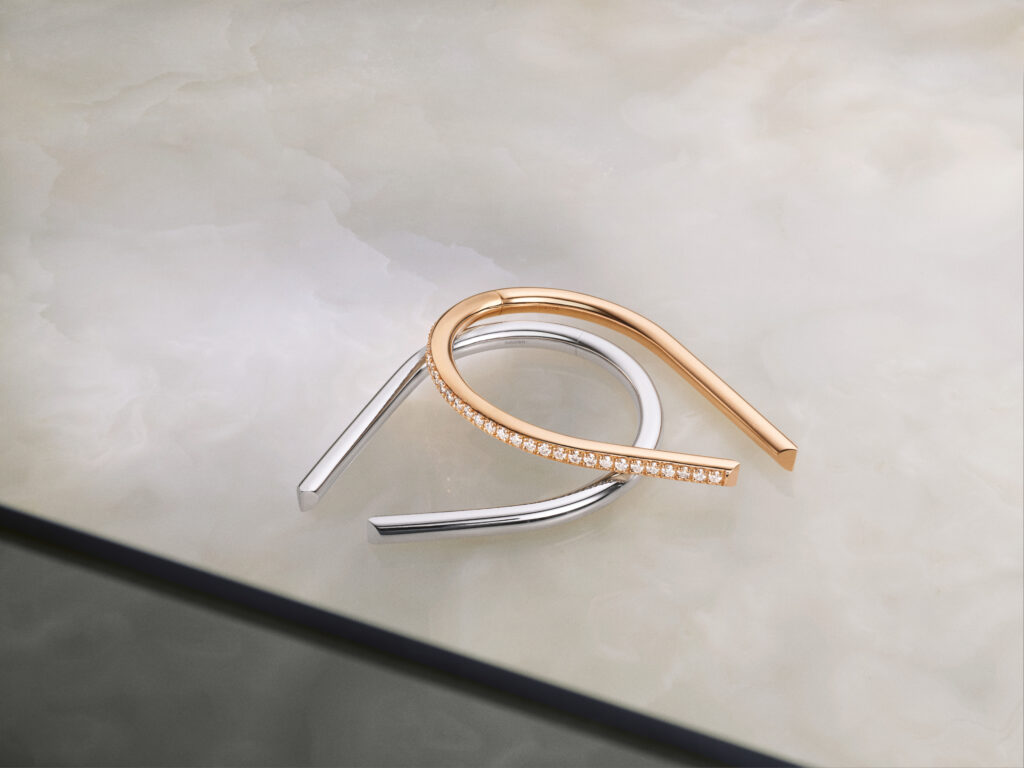
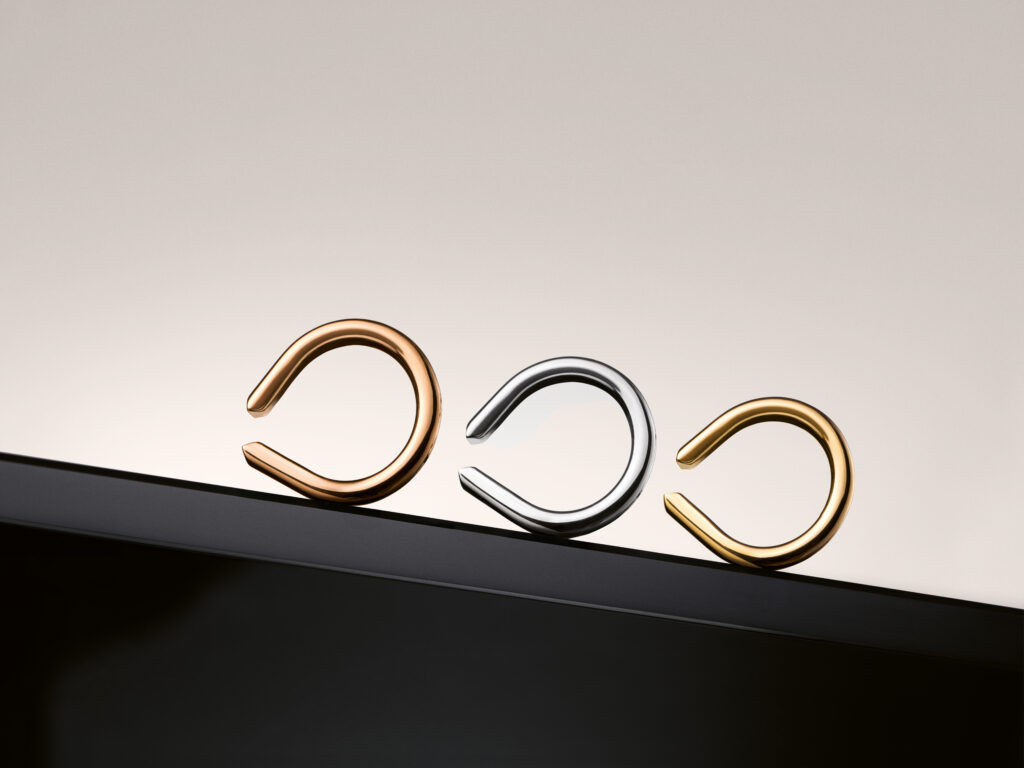
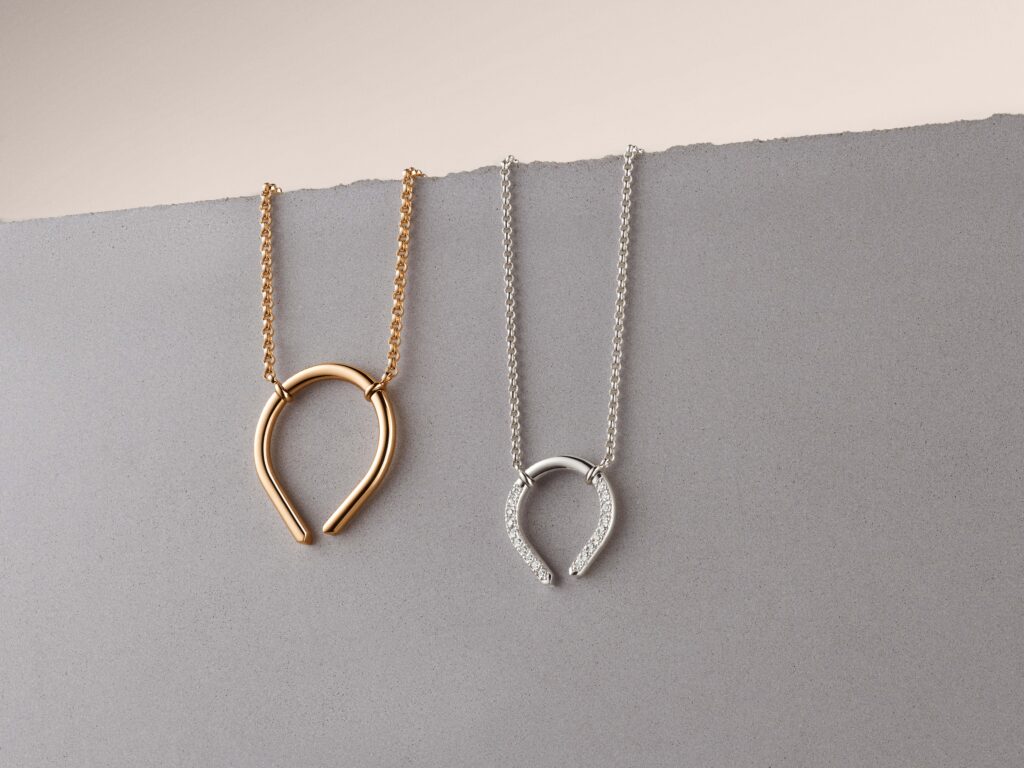
Wempe is presenting this line as part of a four-phase series spanning two years. The twists, wraps, and links are intended to grow in complexity as the collection evolves; the variations include rose gold, white gold, and yellow gold, as well as various clasp options. This progressive approach is perhaps the most interesting aspect: au:thentic is not presented as a self-contained capsule collection, but as a vocabulary destined to expand.
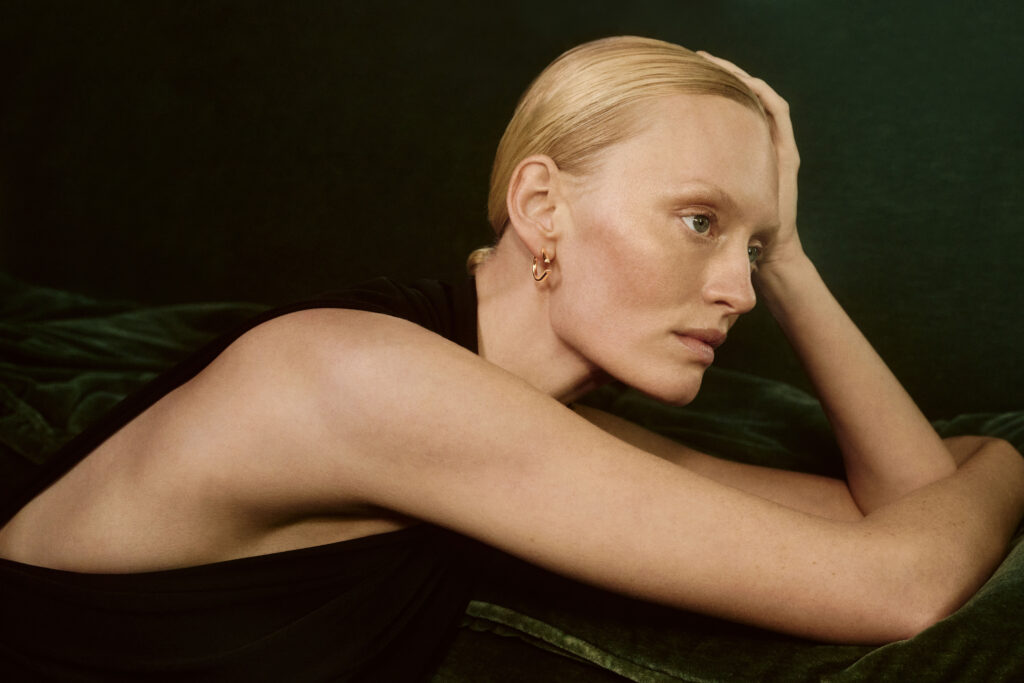
The material specifications remain clear: 18-karat gold, rings in sizes 49 to 65, pendants measuring 52 or 58 cm, hoop earrings measuring 15 mm or size M, bracelets in sizes XS through L. Some gem-set versions feature G-SI diamonds, ranging from 0.29 ct for certain pendants to 3.60 ct for bracelets. The tables in the press kit, on pages three through eight, showcase a collection organized by families rather than as individual pieces: rings, pendants, hoop earrings, and bracelets.
The manufacturing location sheds light on the company’s intentions. Since 2007, Wempe has held a 50% stake in the L.C. Köhler manufactory in Schwäbisch Gmünd, where goldsmithing, polishing, metal casting, and stone setting are all carried out under one roof. The report also mentions the use of computer software and 3D printers for prototypes. This information is confirmed by Wempe’s official history, which dates this acquisition to 2007.
Context matters. Founded in 1878 in Elsfleth and based in Hamburg since 1907, Wempe is one of those German family-owned businesses whose reputation has been built at the intersection of watchmaking, jewelry, and service. By launching a gender-fluid line, the brand isn’t merely blurring the lines between categories; it recognizes that contemporary jewelry no longer needs to choose between men’s and women’s styles. Rather, it seeks a syntax: how to sit against the skin, how to interact with other pieces, and how to leave something unsaid.
The pitfall would be to confuse neutrality with obscurity. Atelier Wempe au:thentic seems to avoid this gray area through a specific design element: the cut. This clean edge, derived from the worked wire, gives the piece its distinctive character. In an era saturated with narratives of identity, Wempe responds with a design choice. It’s more understated. And often more enduring.














Cette publication est également disponible en :

