
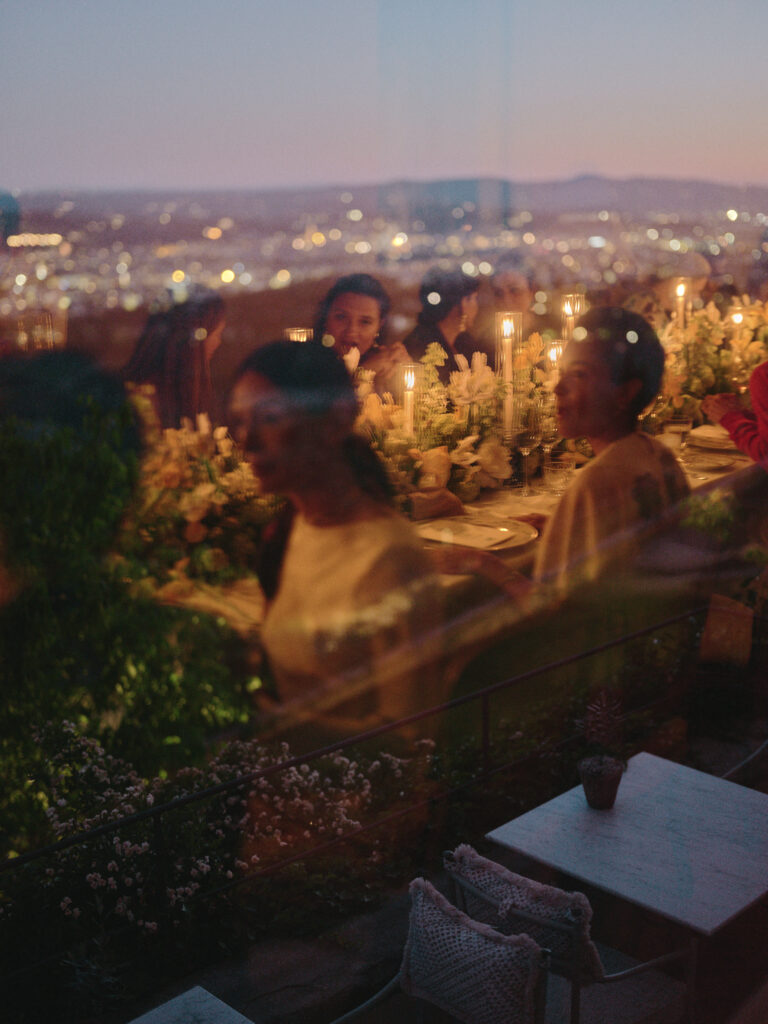
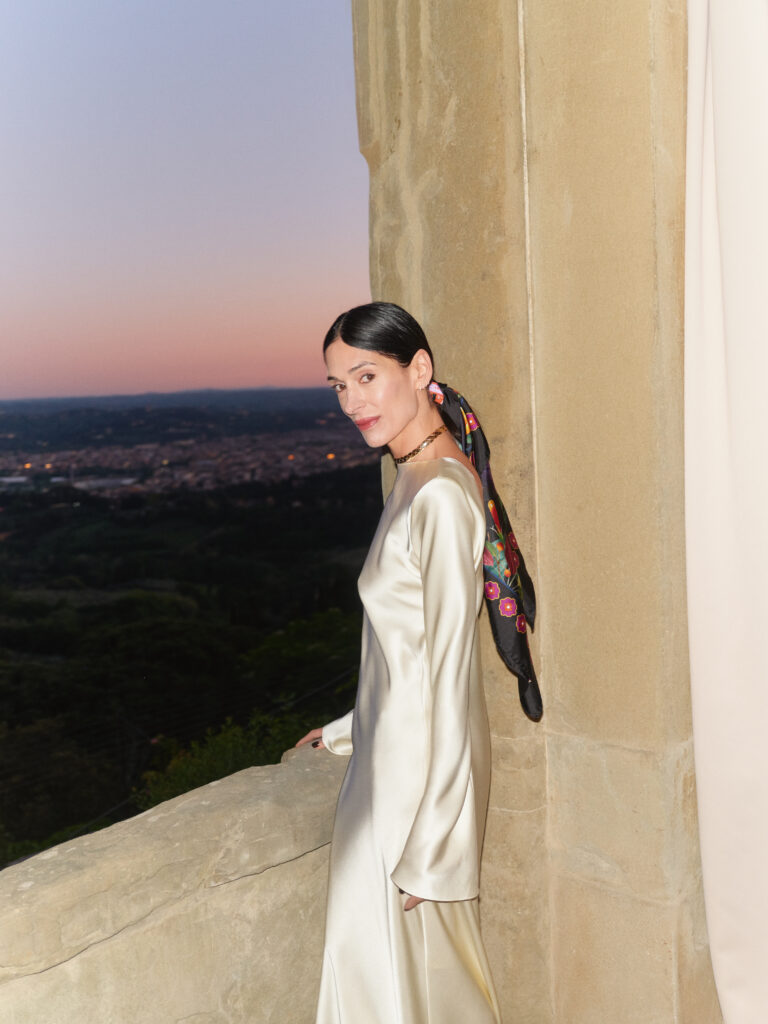
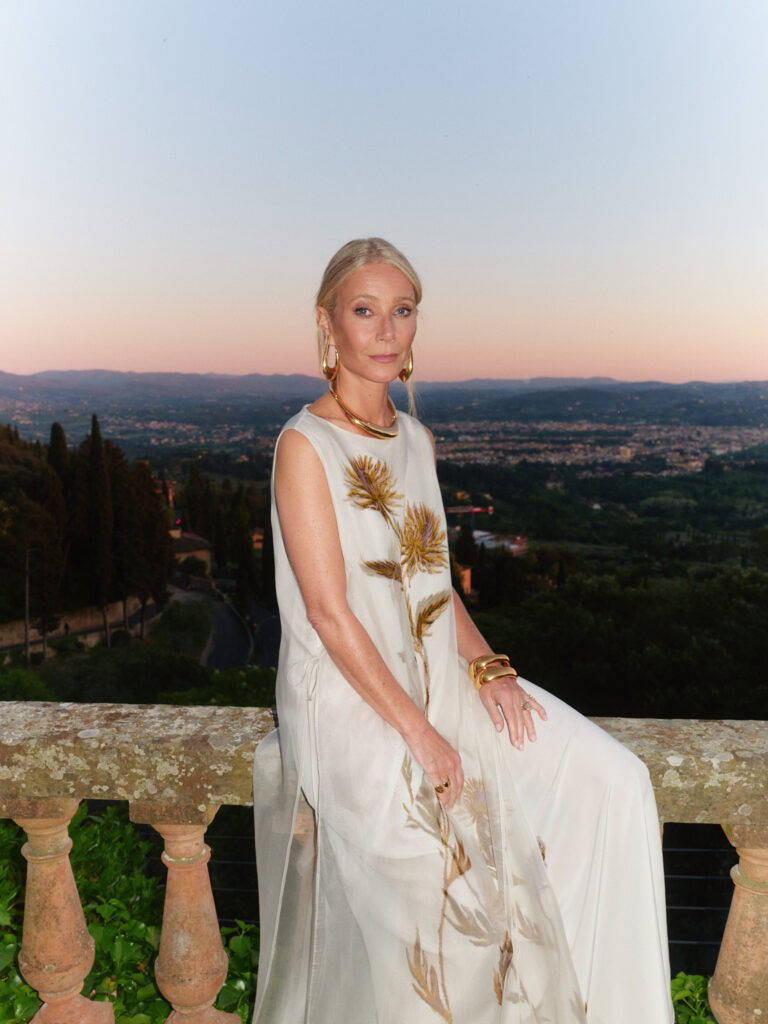
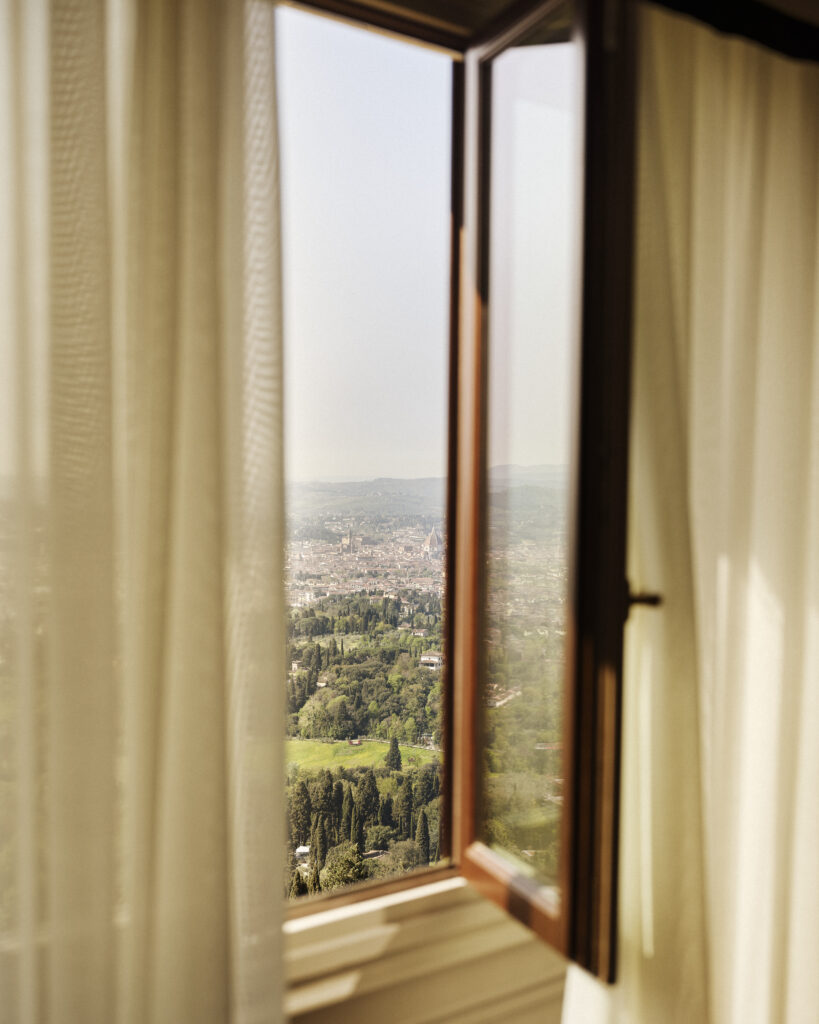
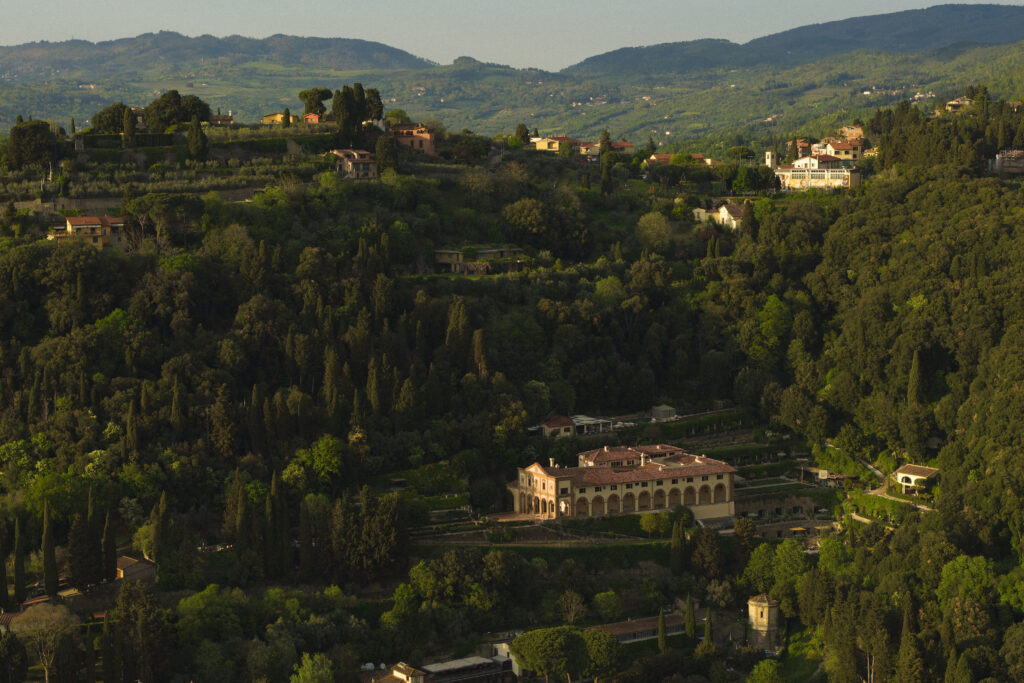
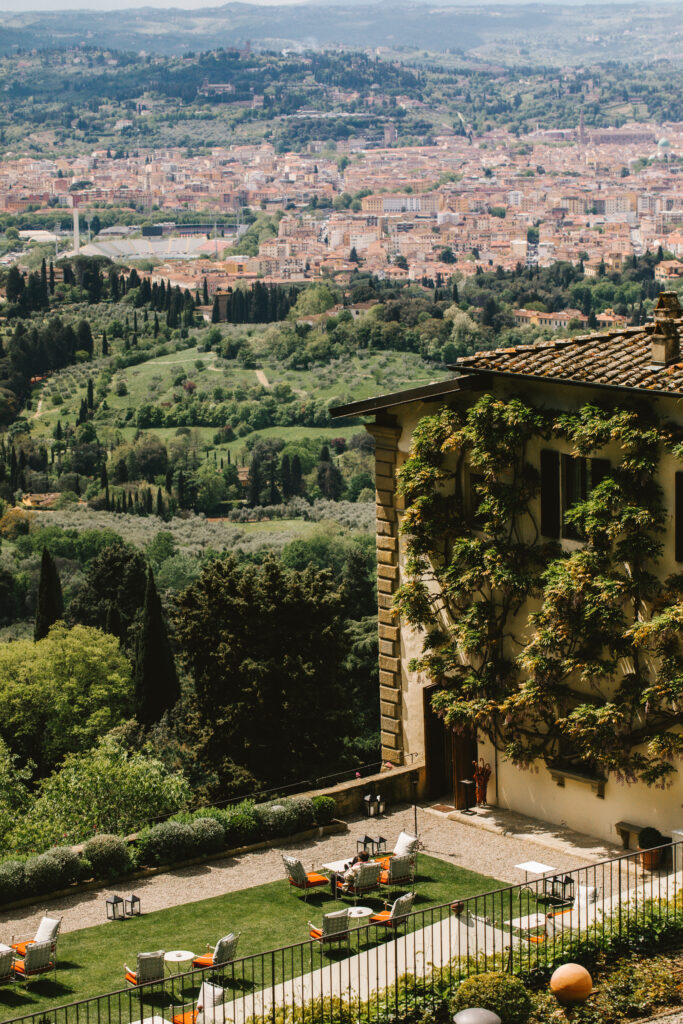
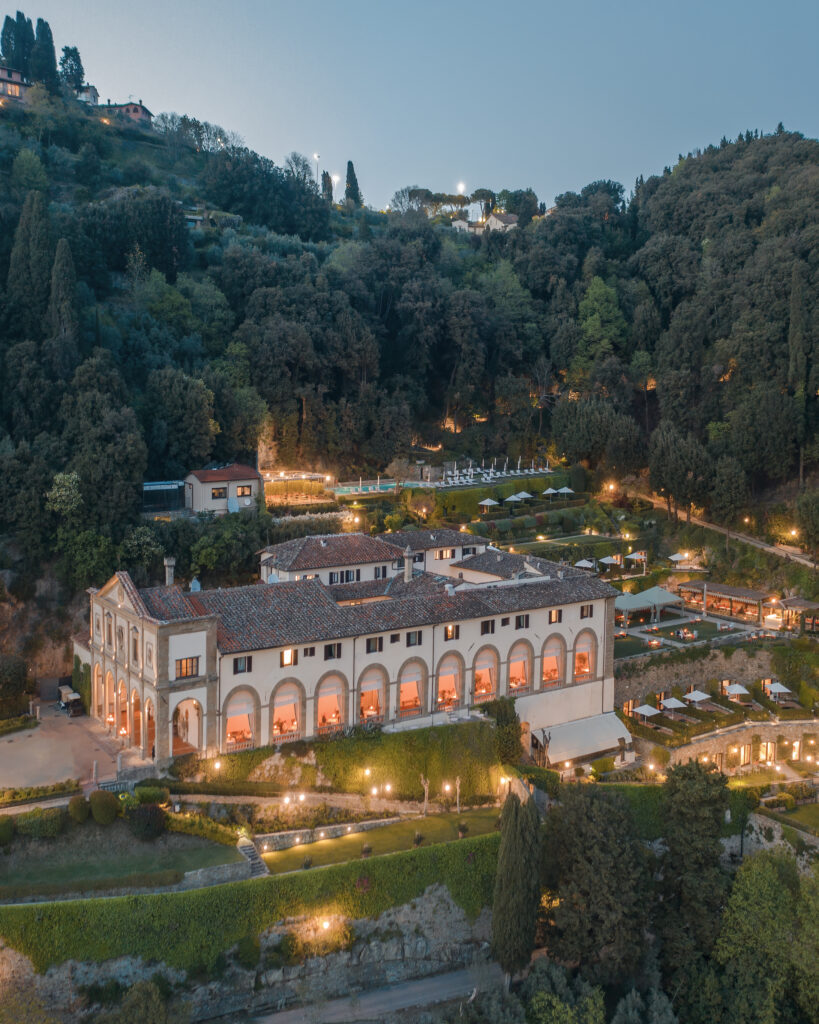
High above Florence, where the hills of Fiesole begin to muffle the city’s noise, Villa San Michele is reopening after eighteen months of restoration. More than just a hotel reopening, the venue embodies a deeper evolution of Italian luxury: that of a cultured retreat, where Renaissance heritage becomes a contemporary means of slowing down.
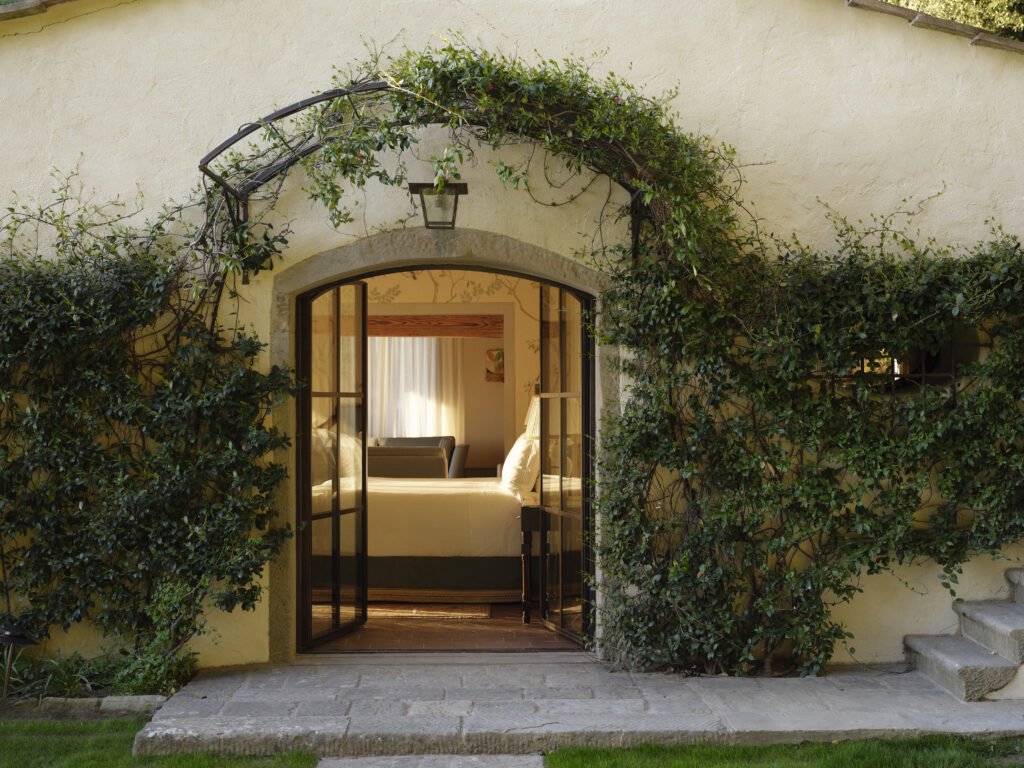
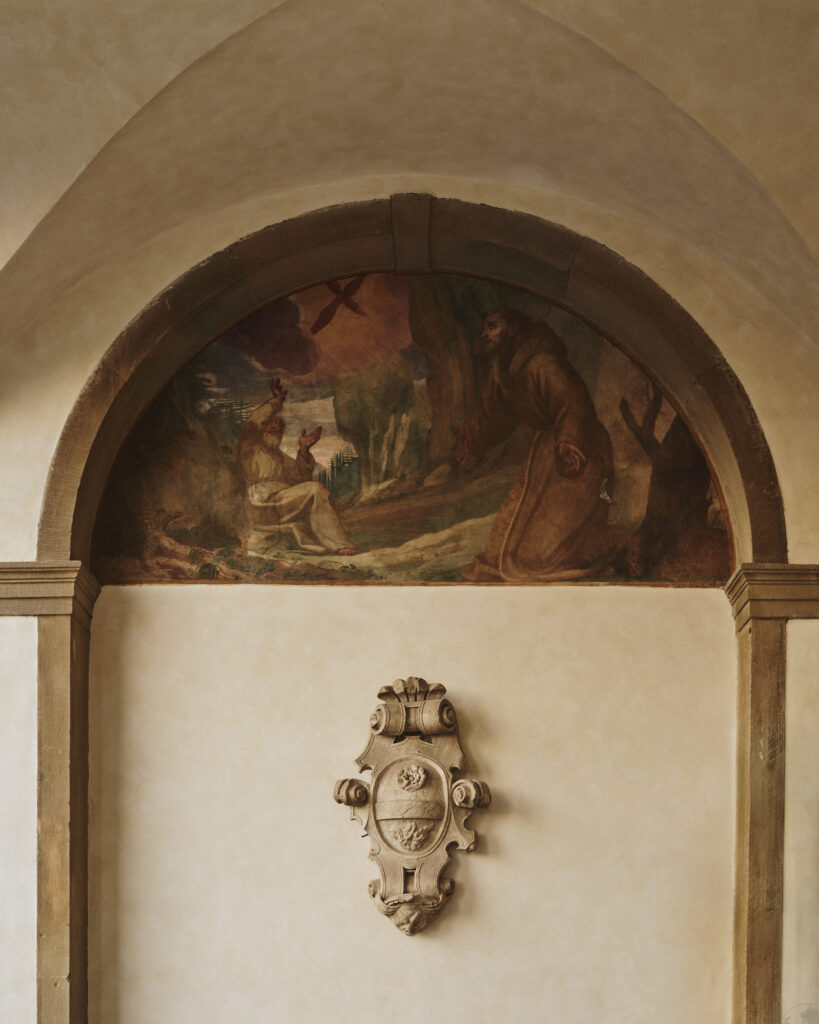
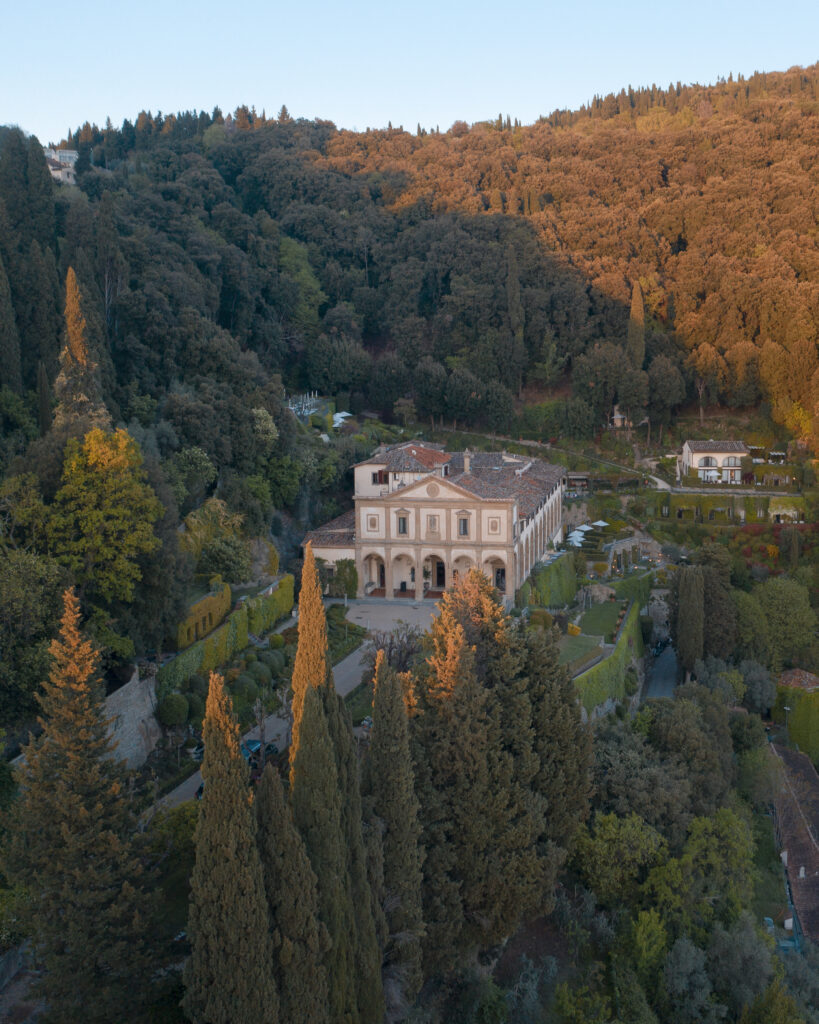
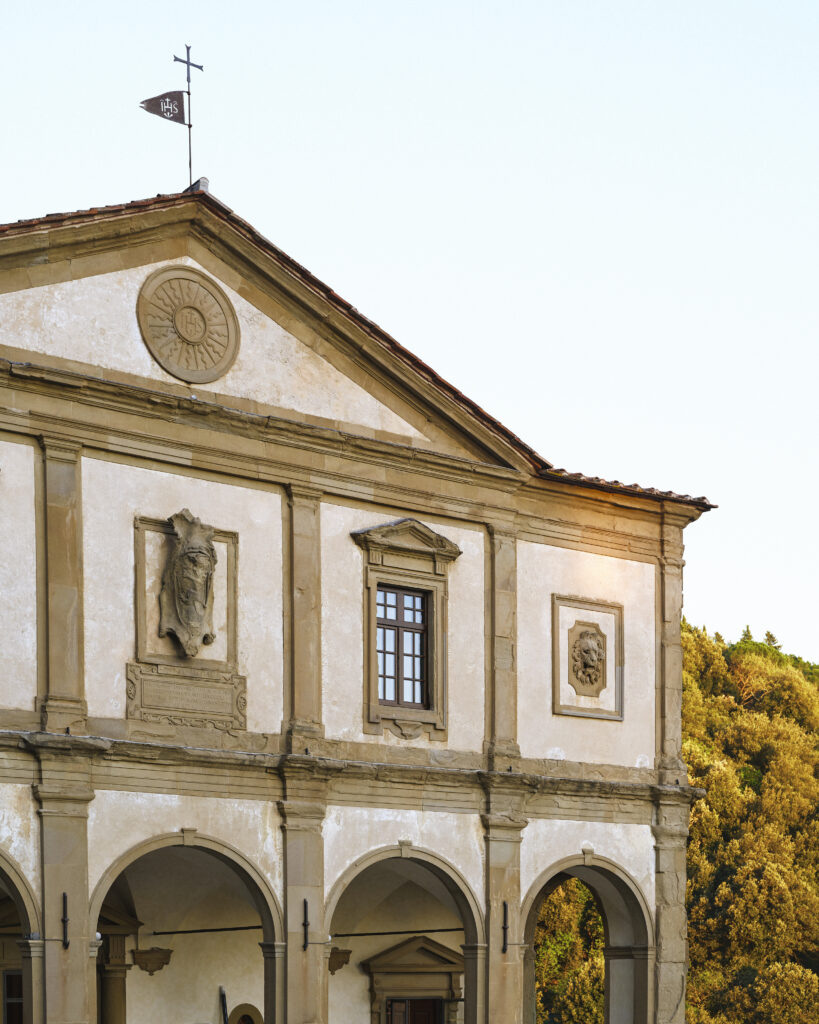
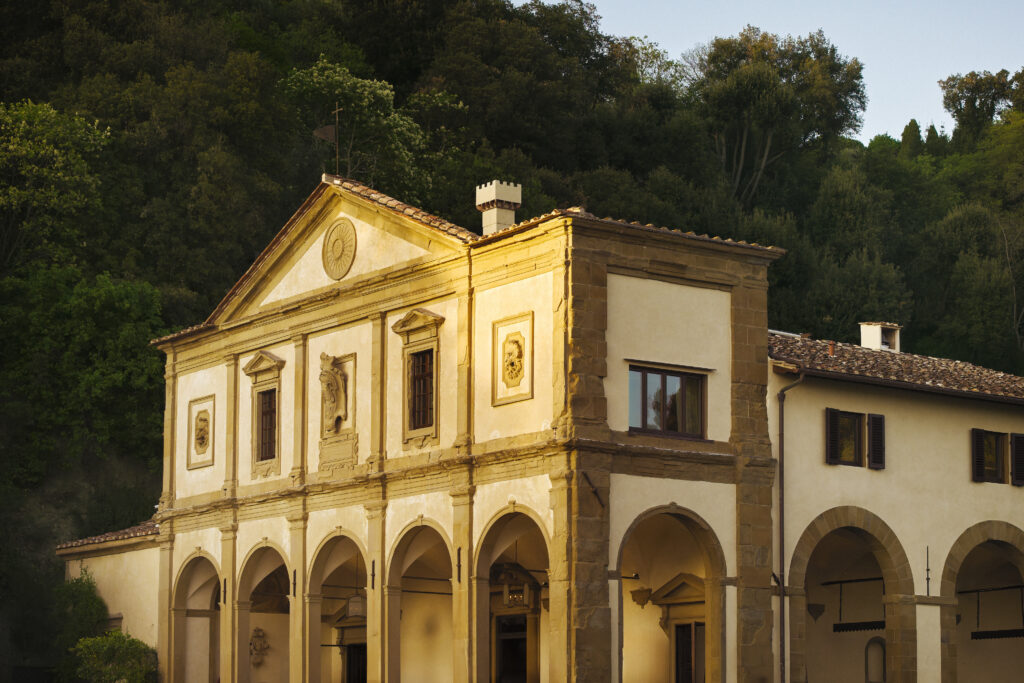
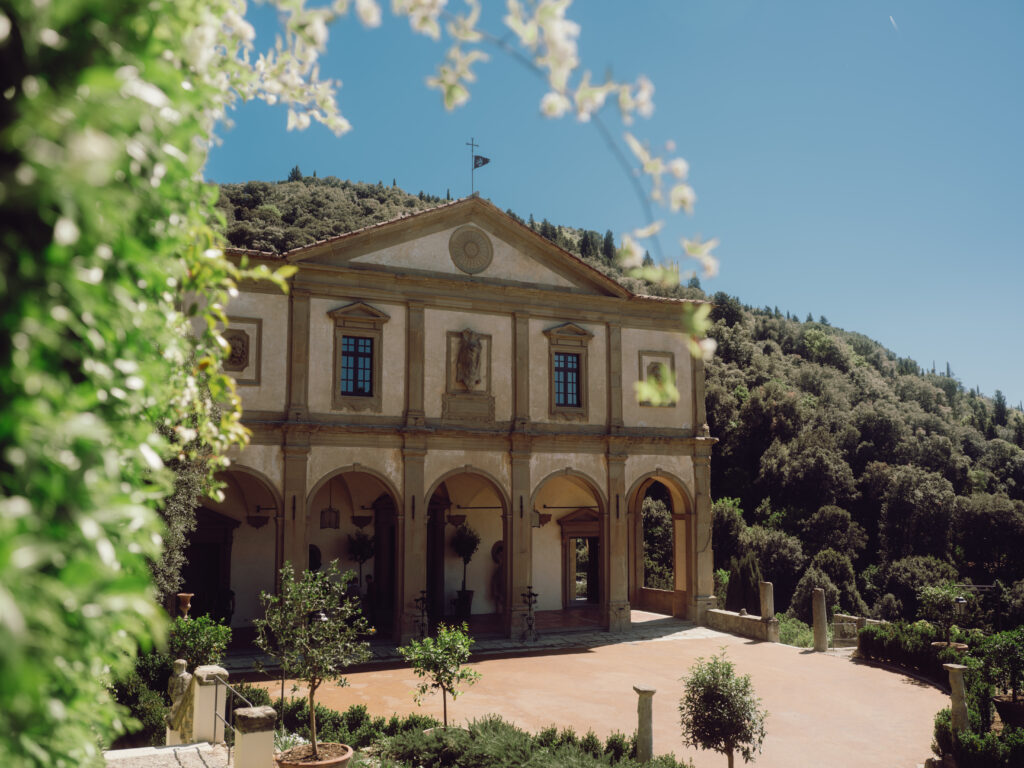
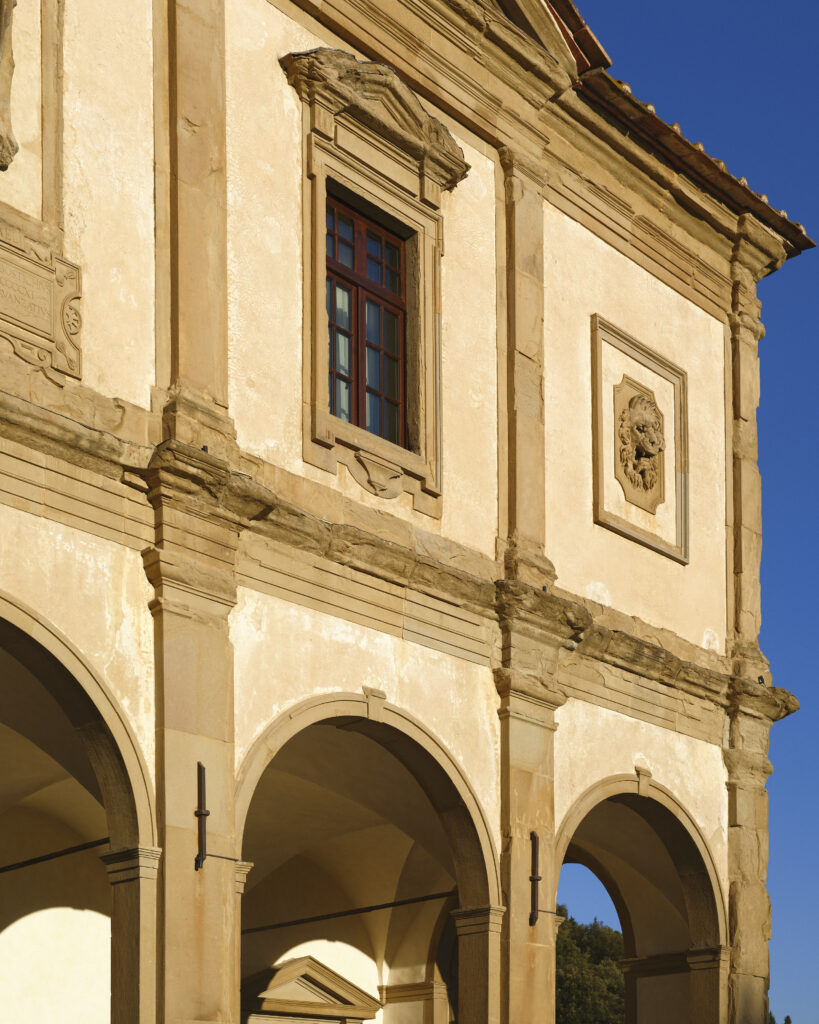
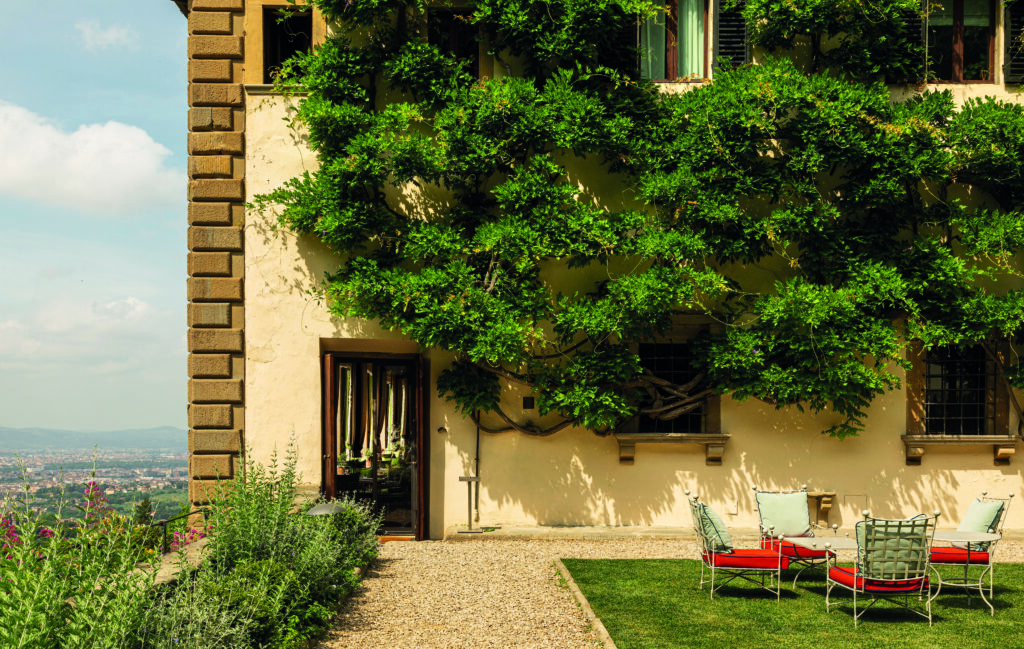
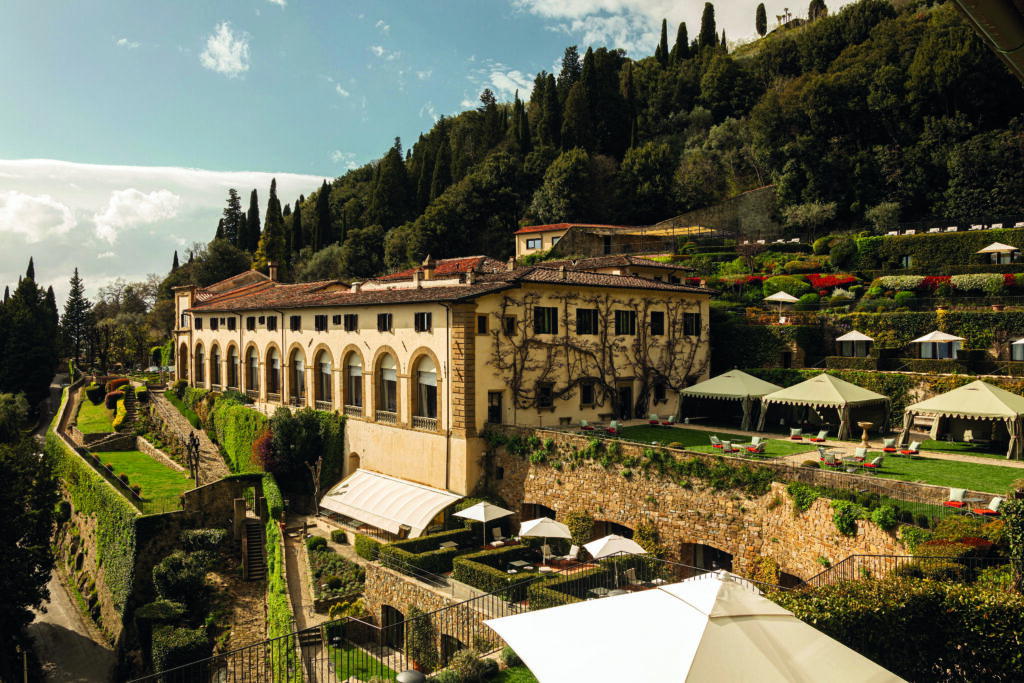
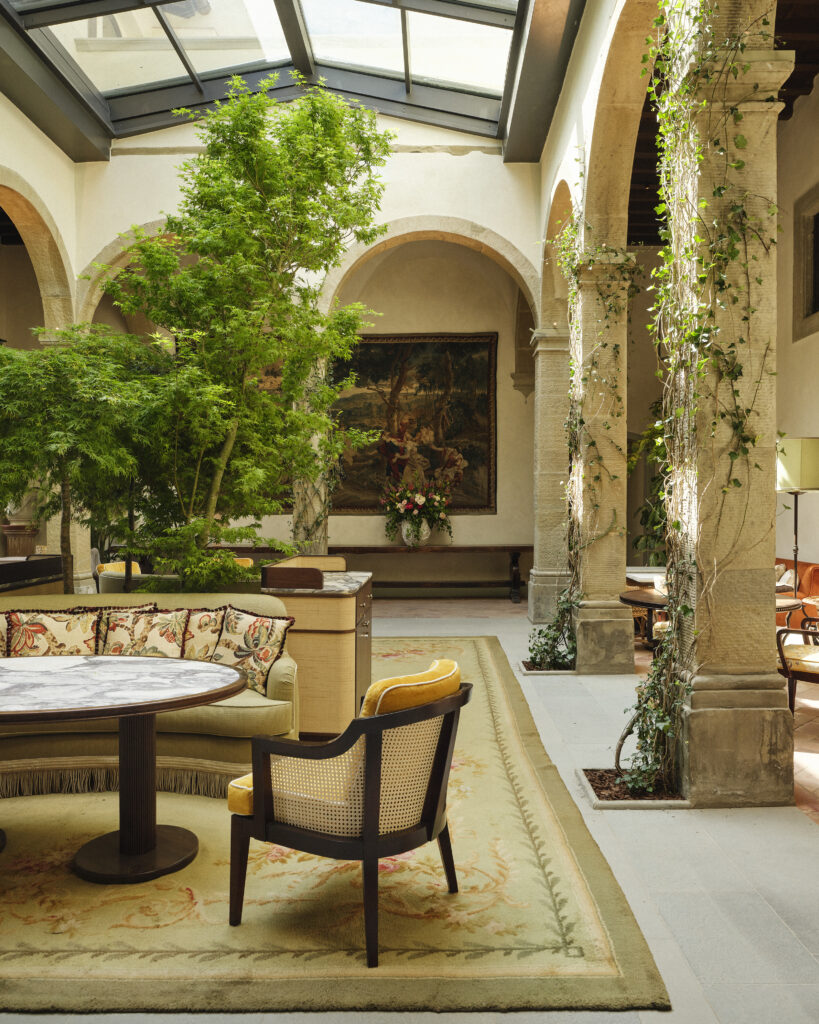
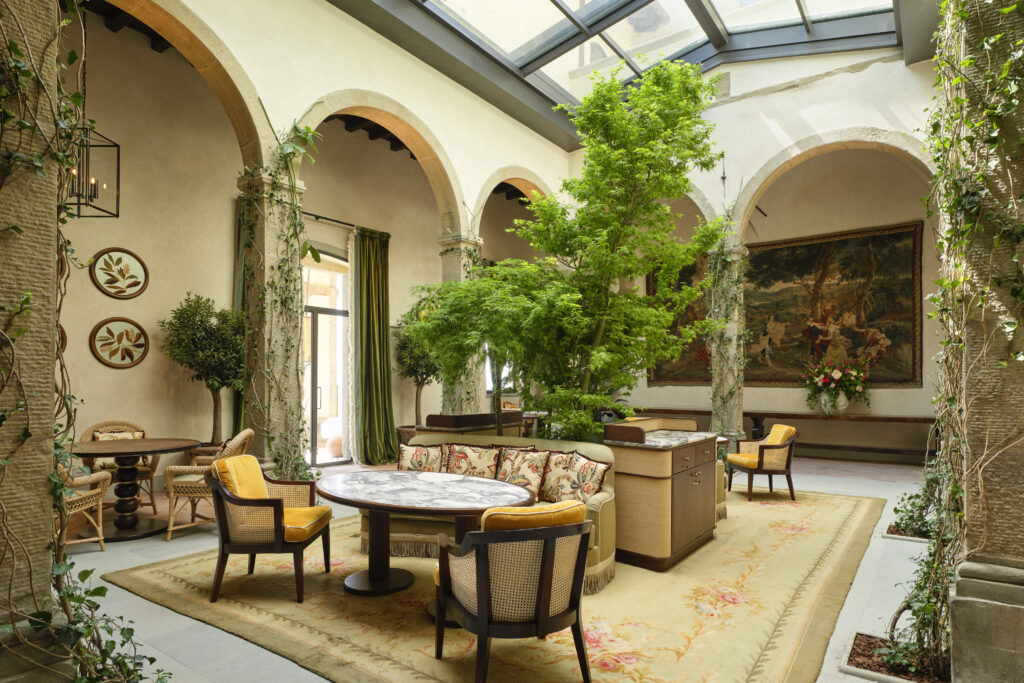
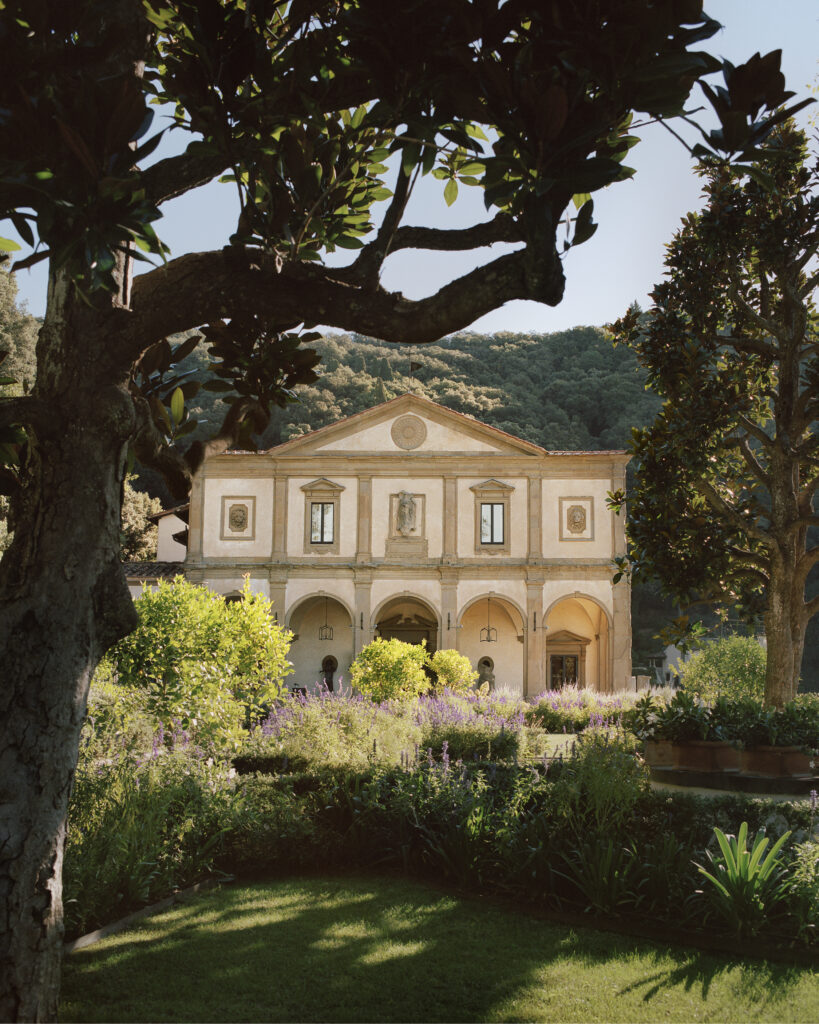
A former Franciscan convent converted into a hotel in the 20th century, this Belmond property retains that rare blend of monastic architecture and aristocratic resort charm. The façade, attributed to Michelangelo, remains intact; the transformation is felt elsewhere, in the rhythm of the place. The villa no longer seeks merely to welcome guests. It seeks to transport them to another world.
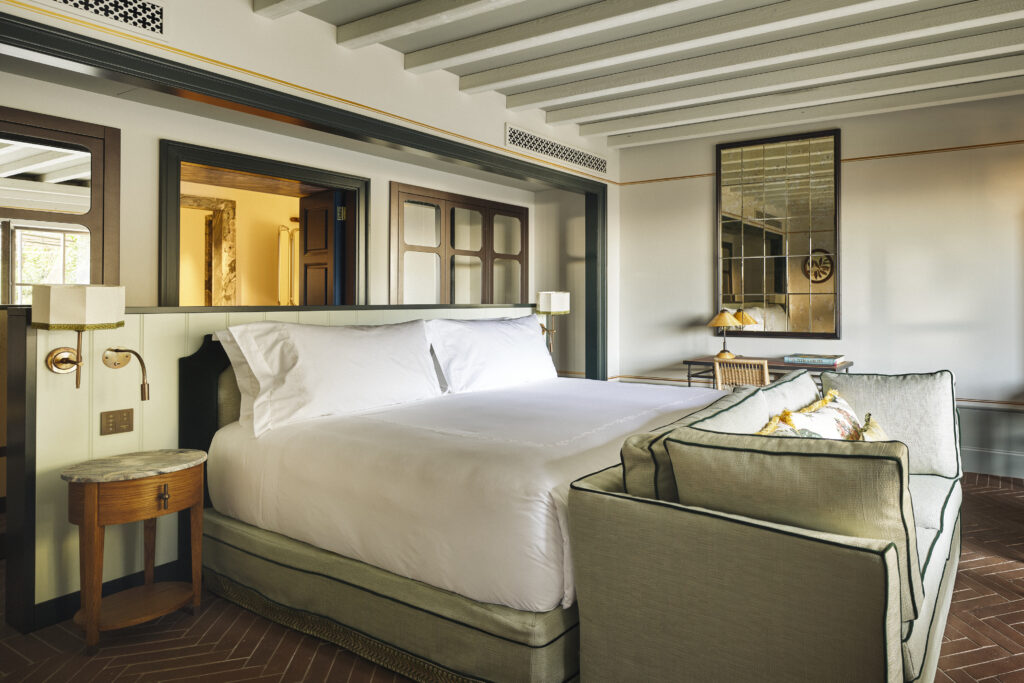
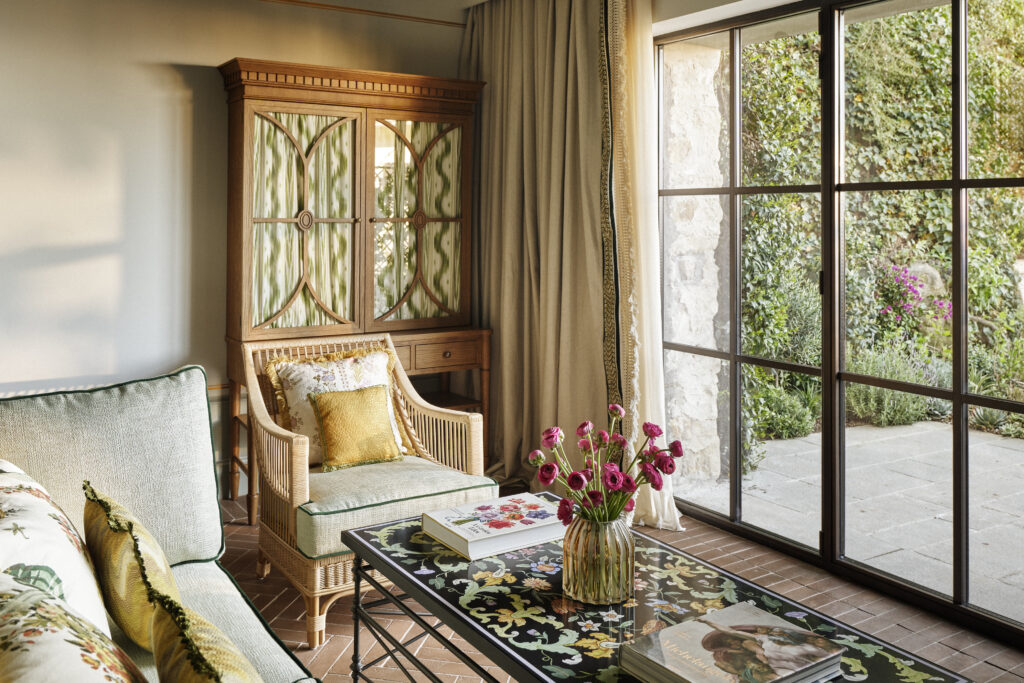
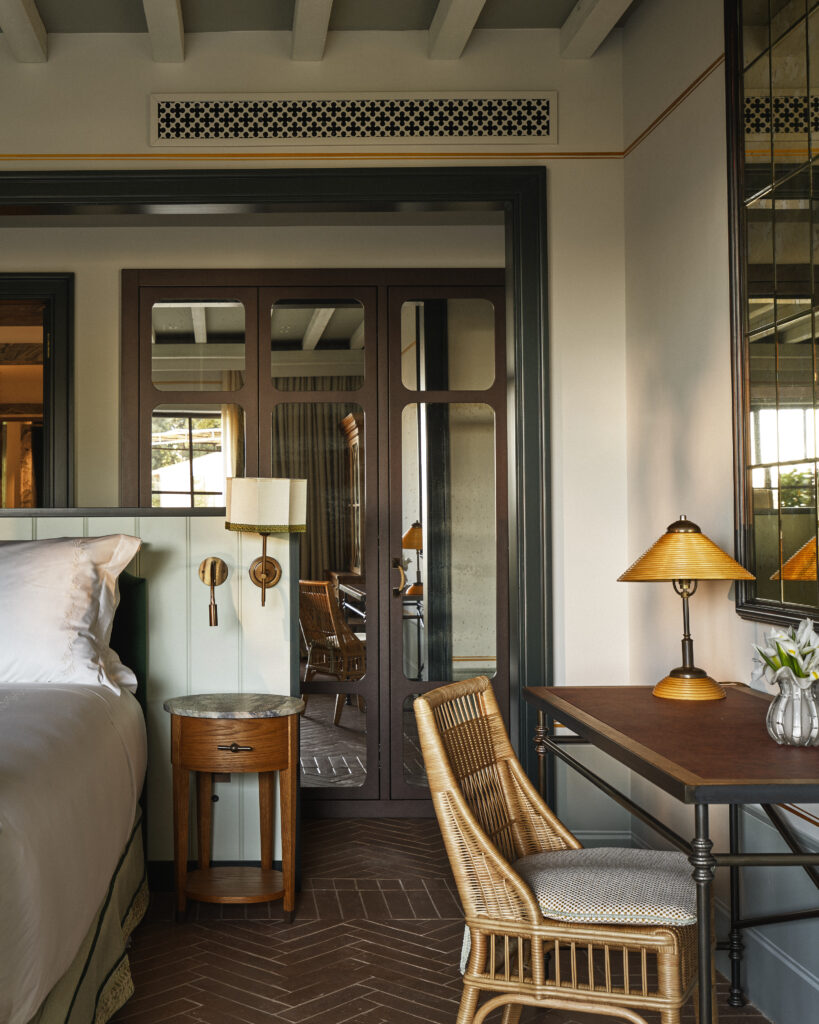
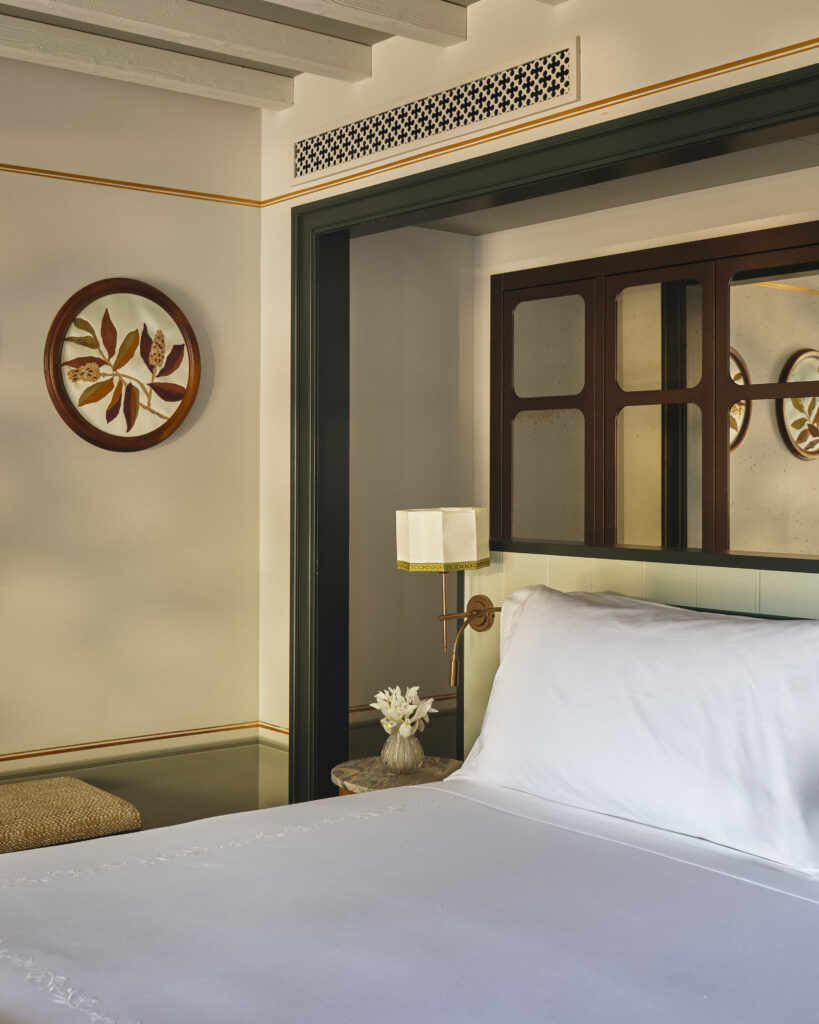
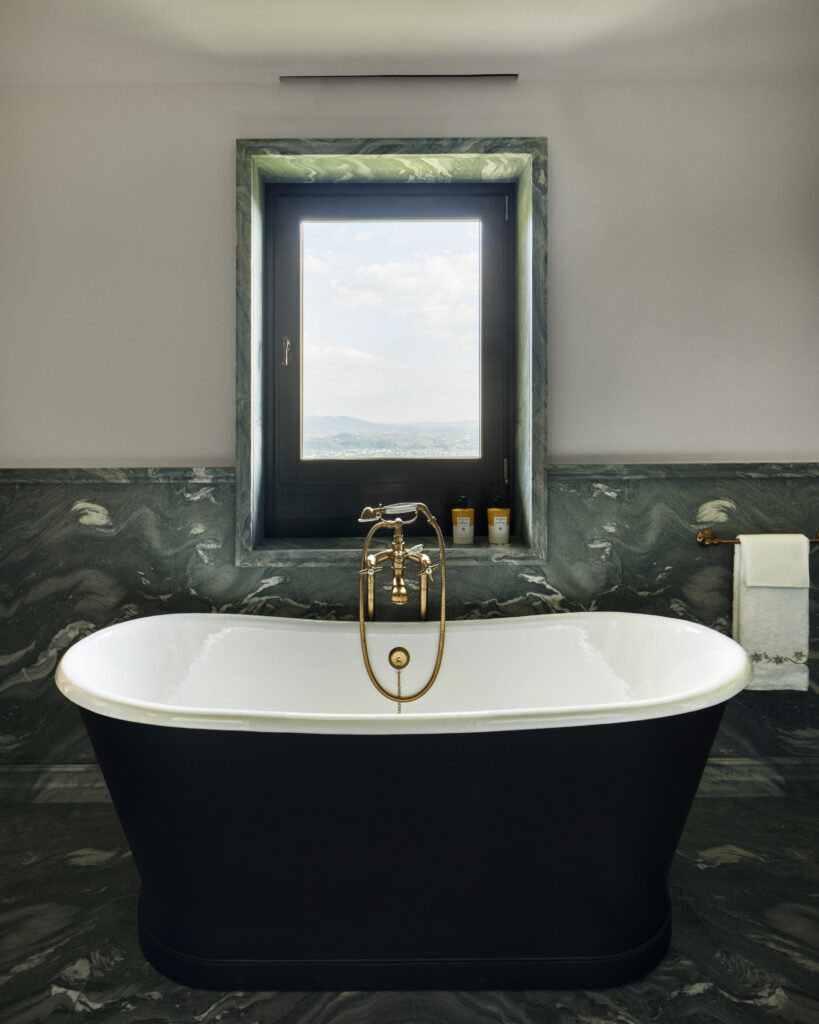
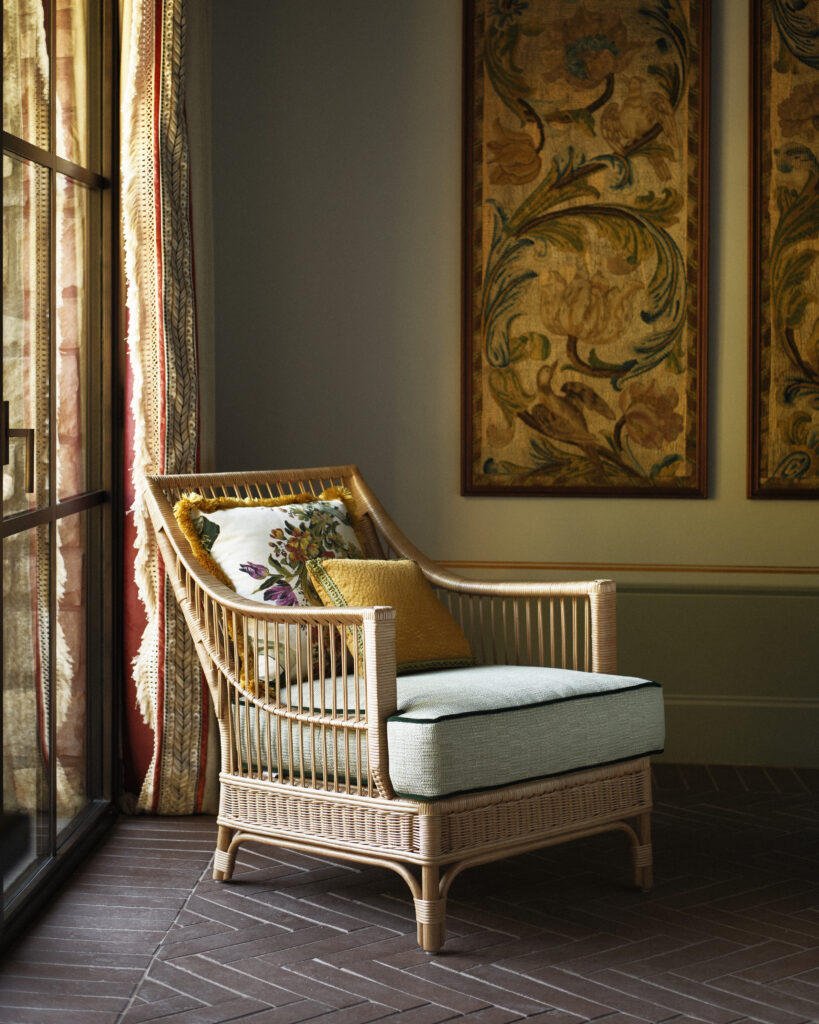
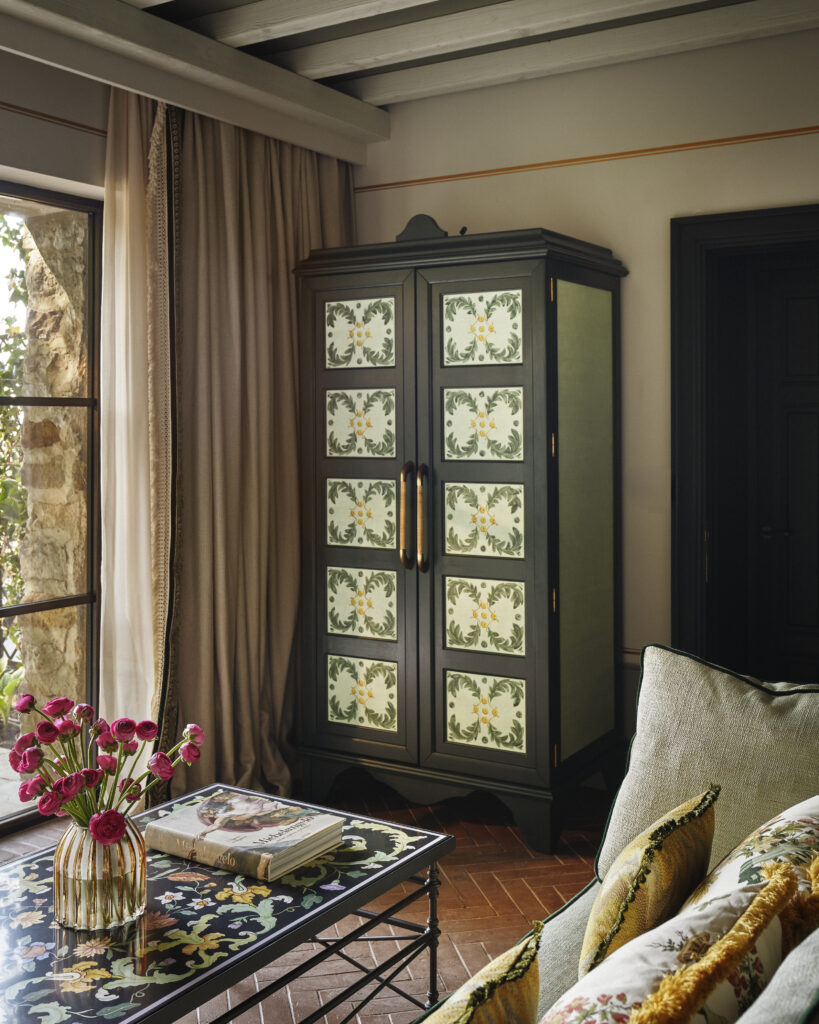
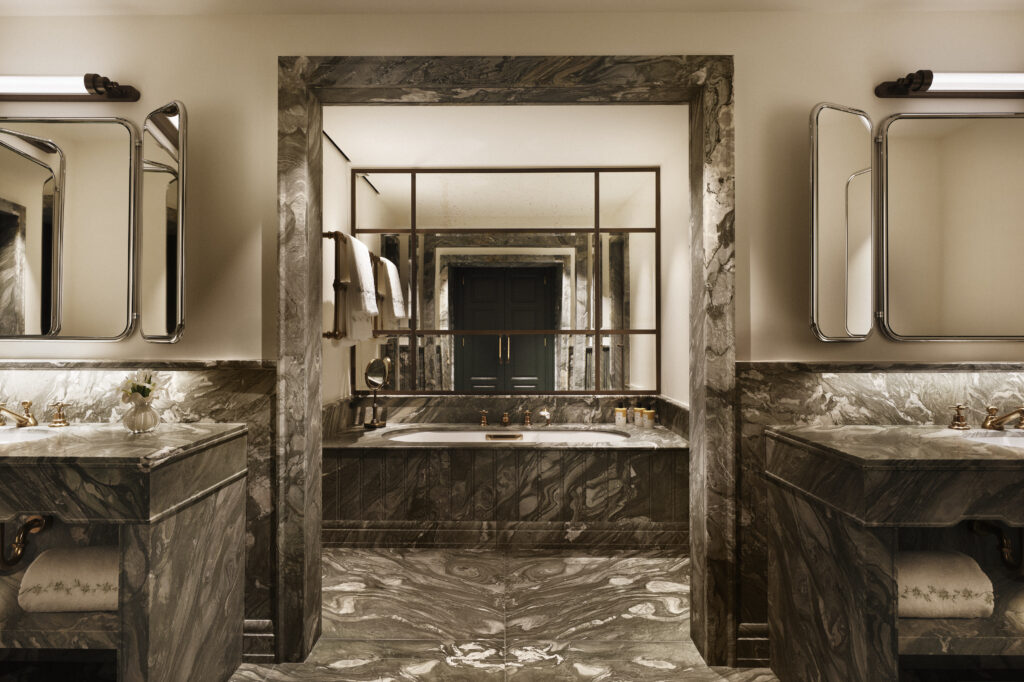
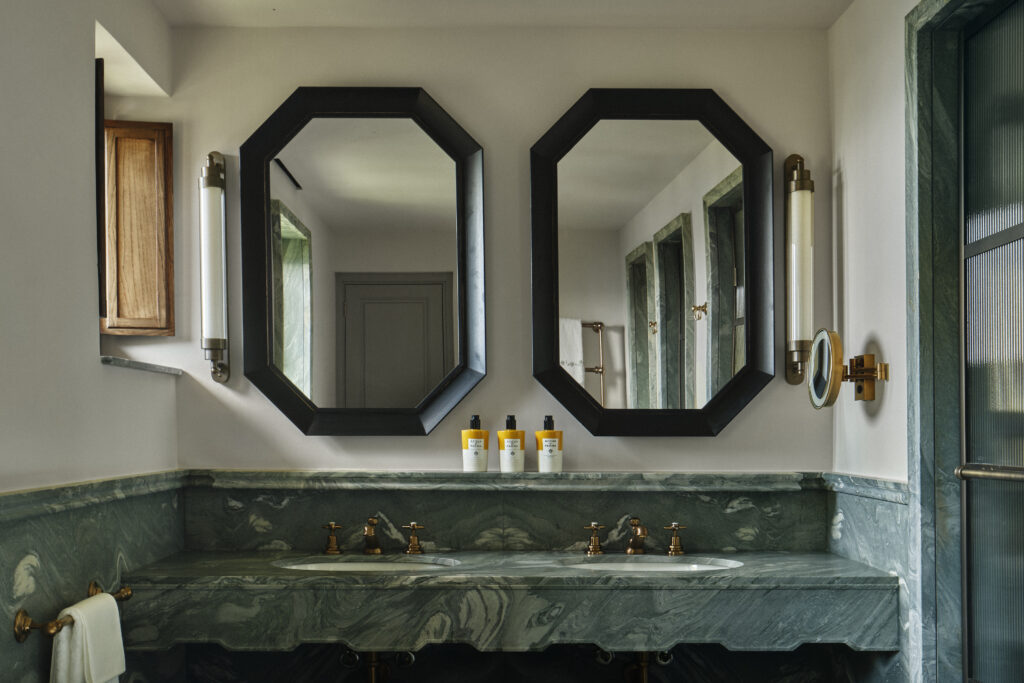
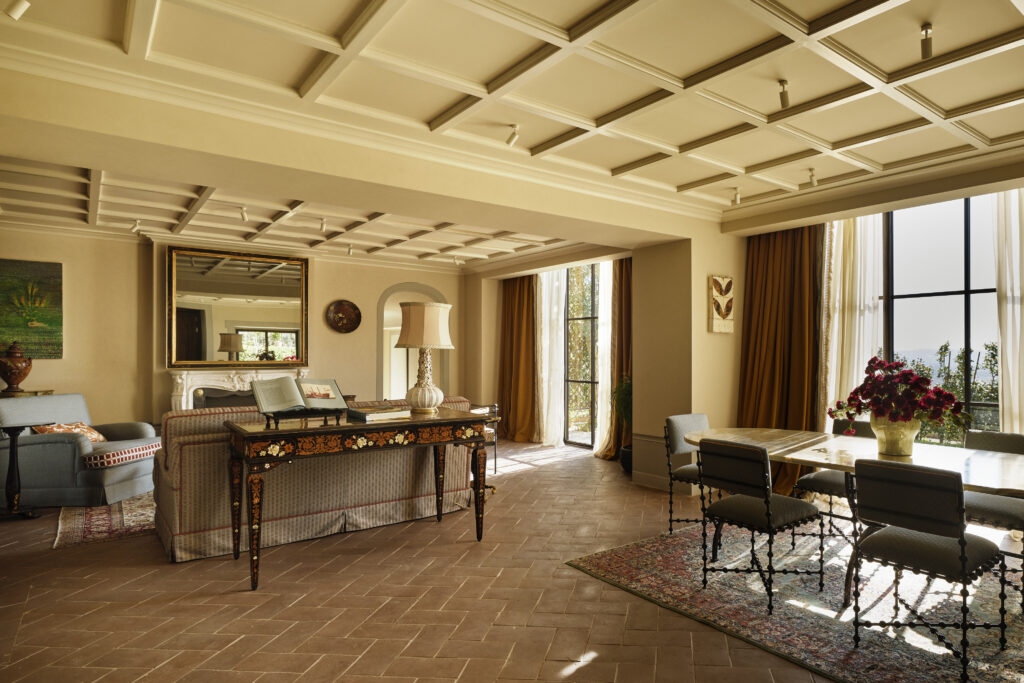
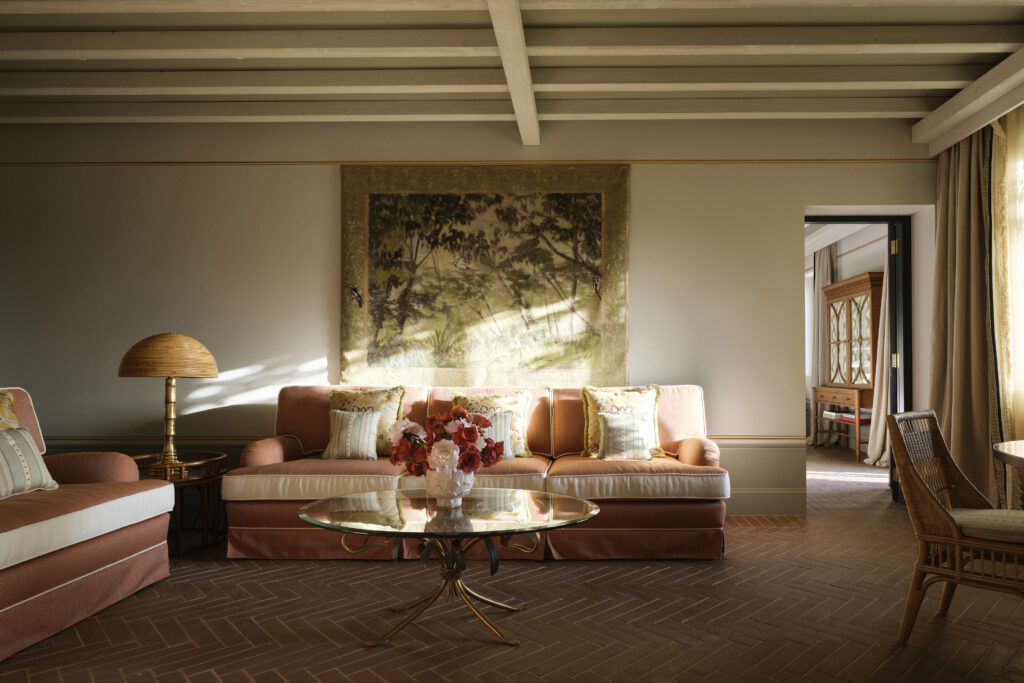
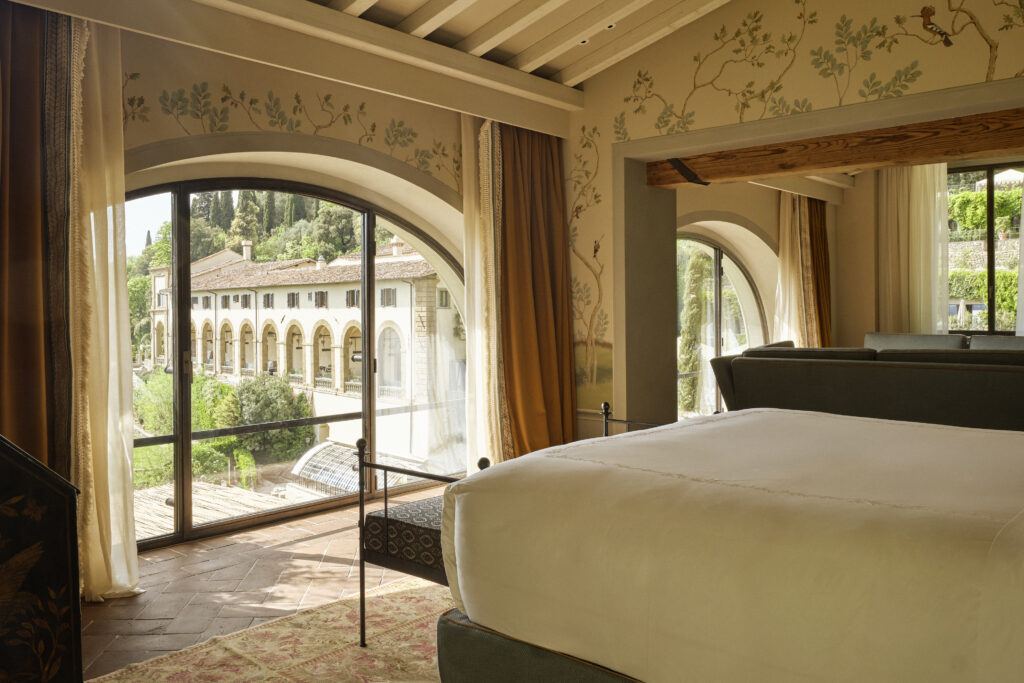
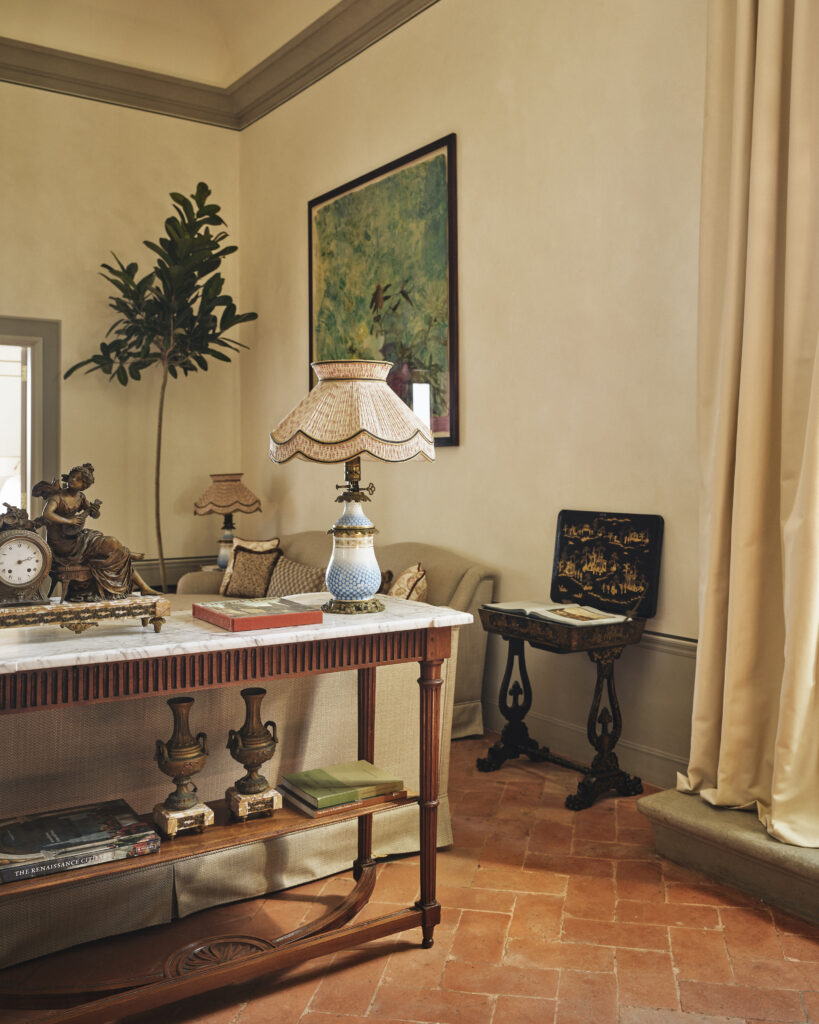
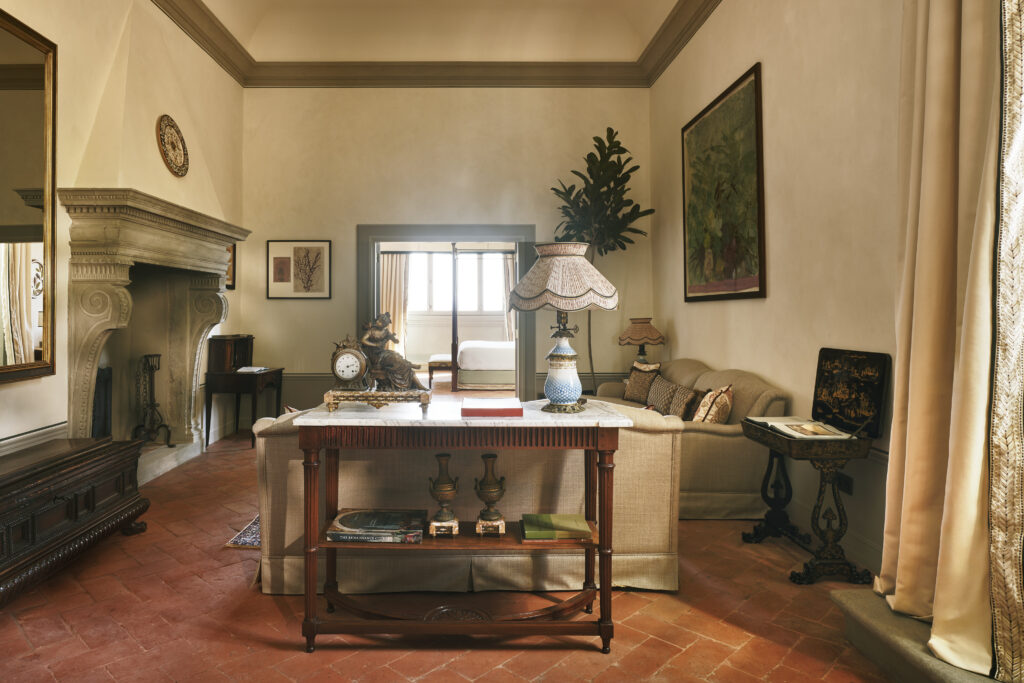
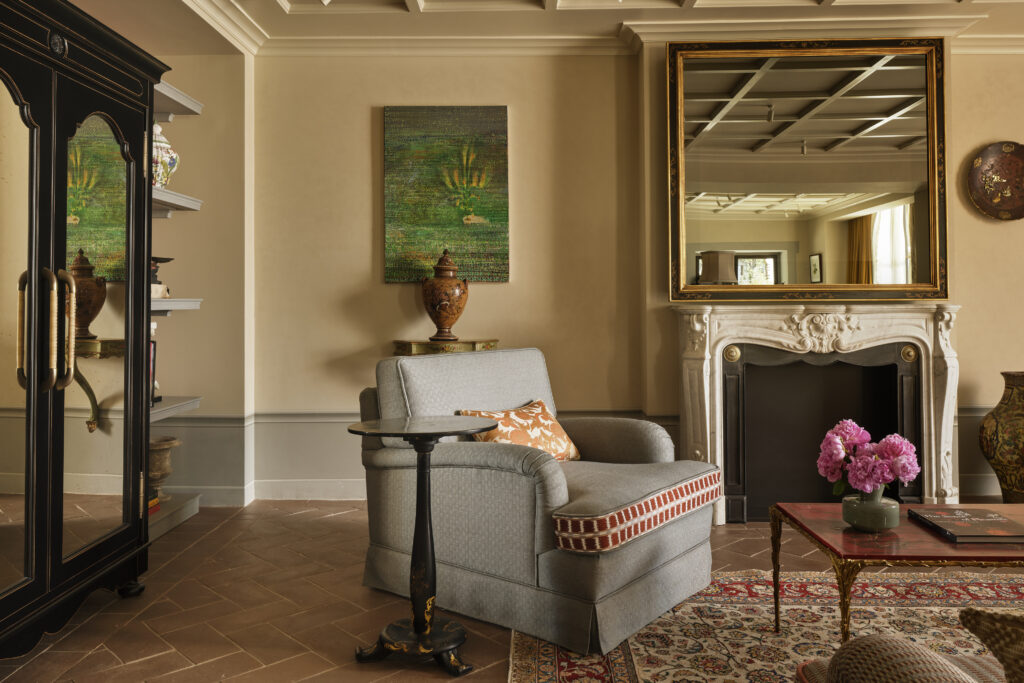
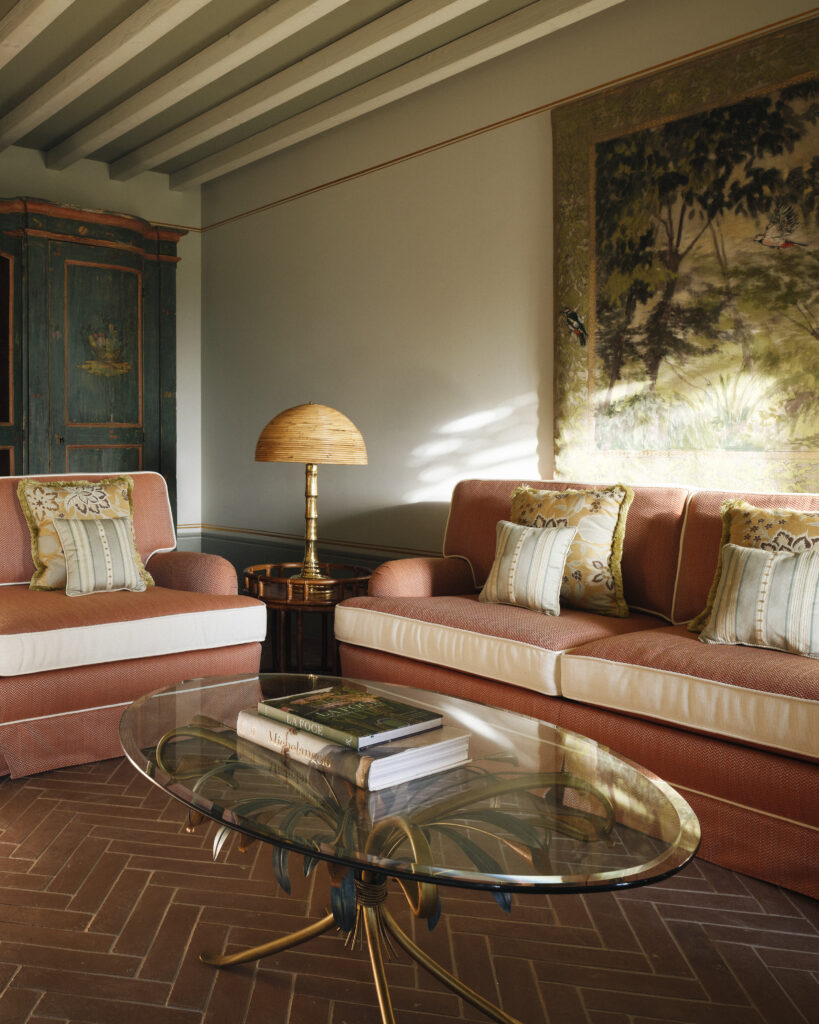
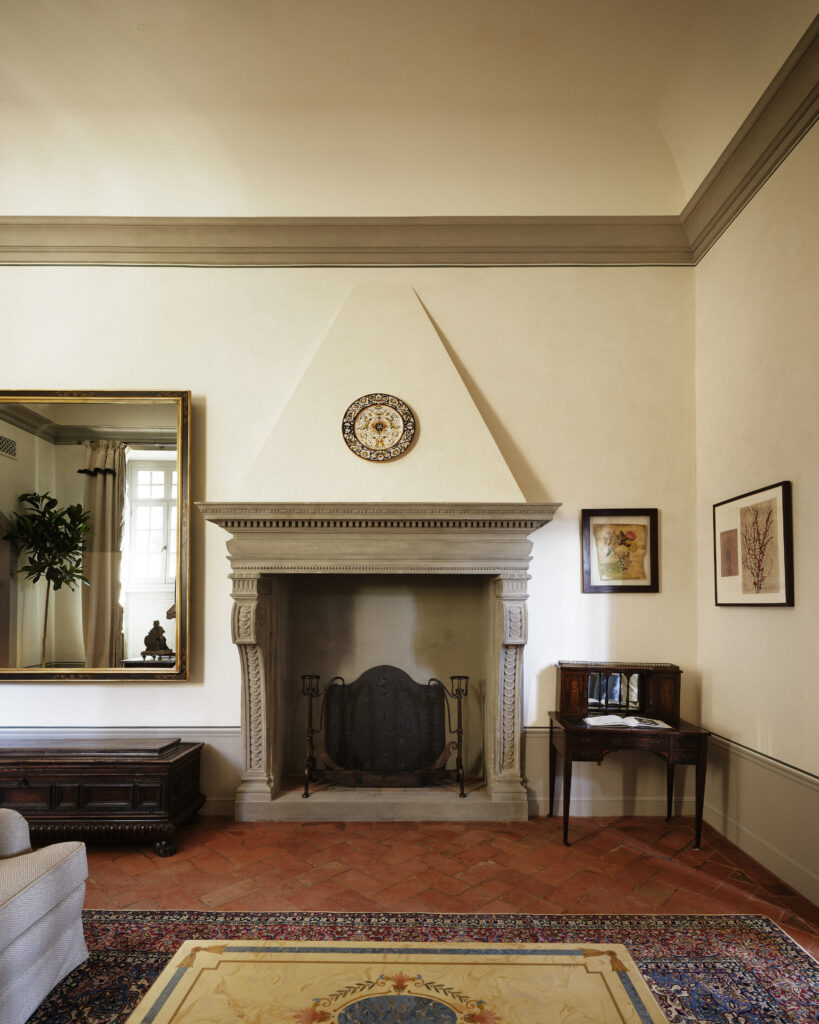
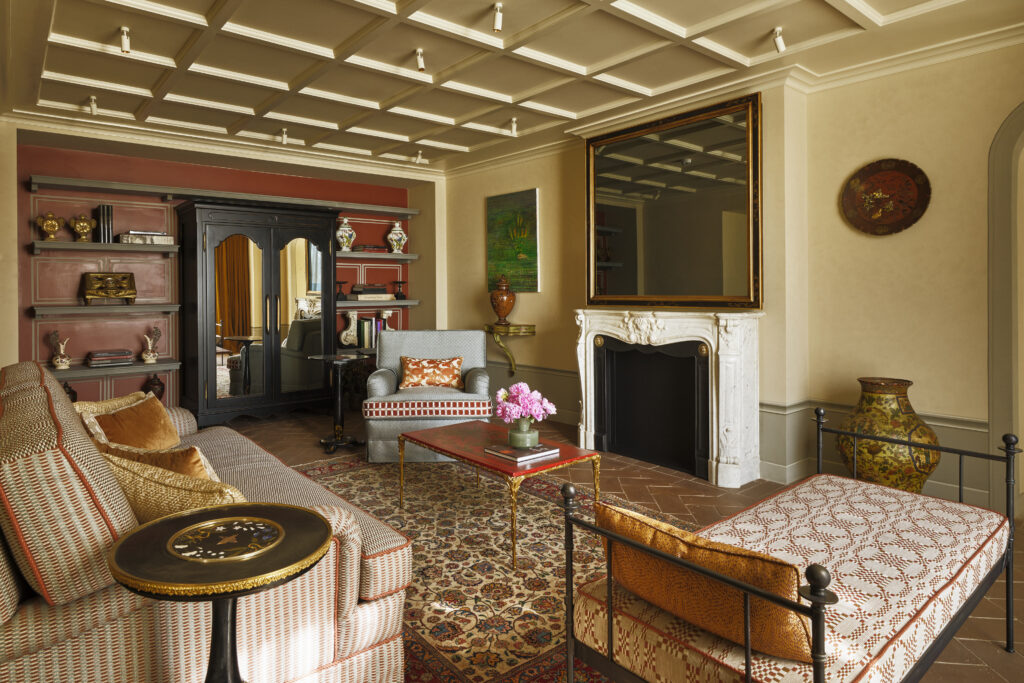
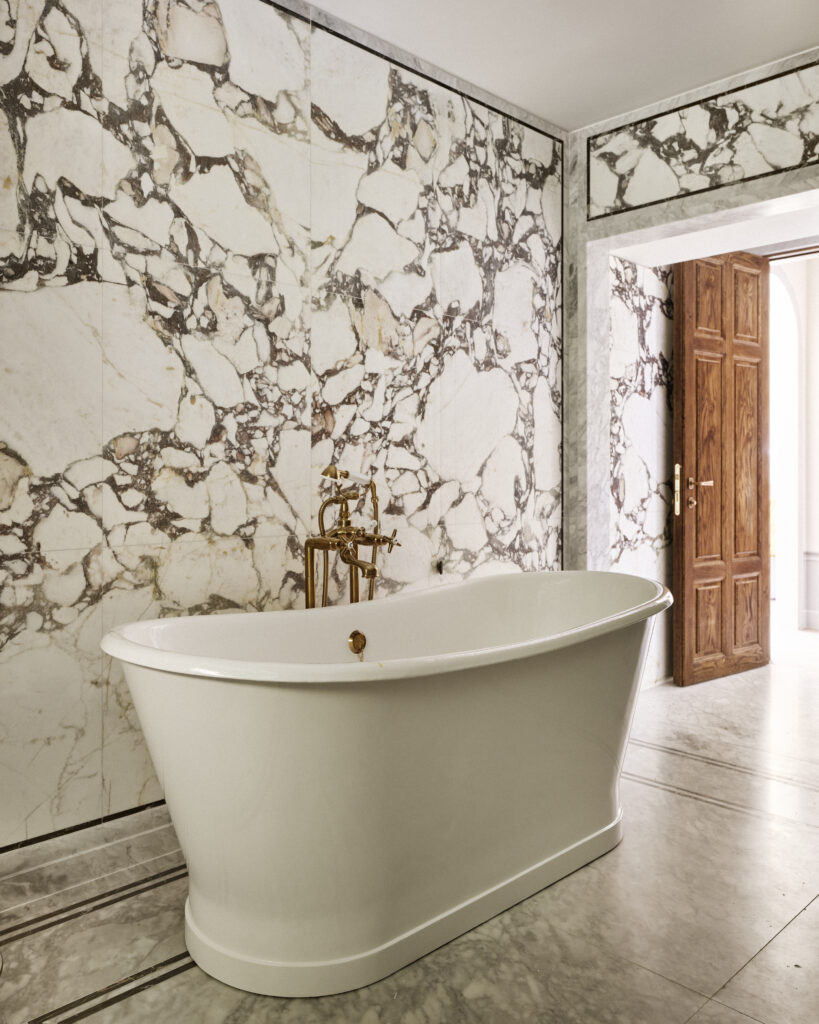
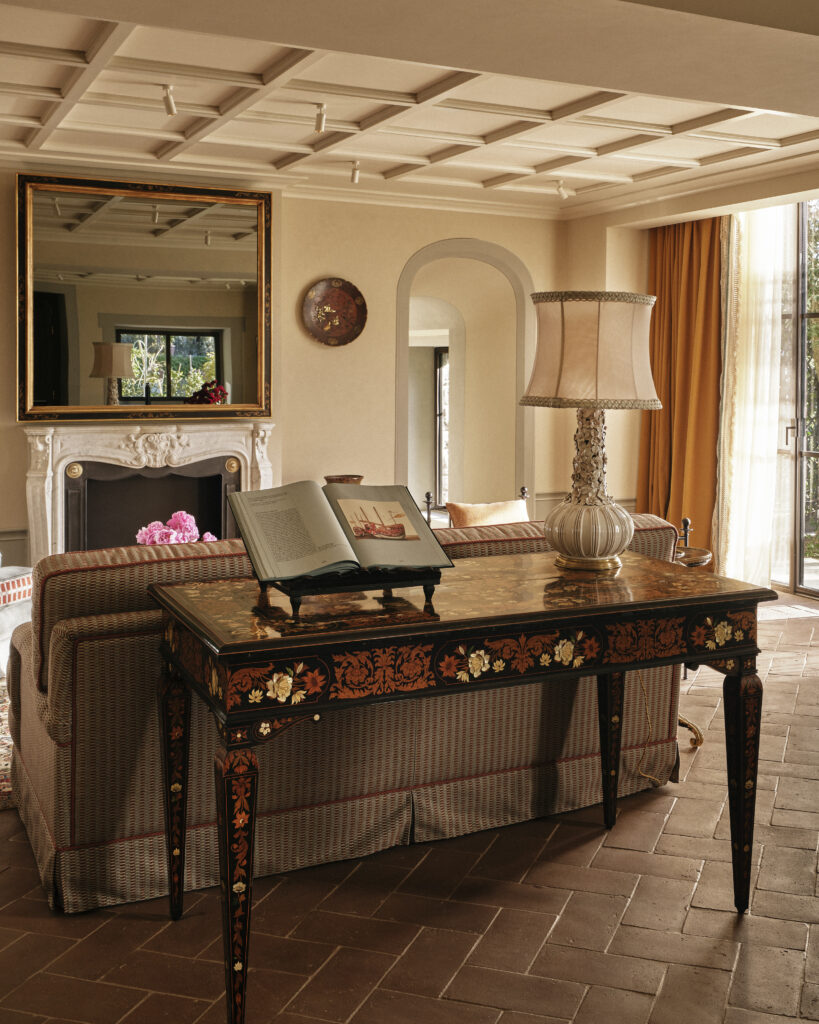
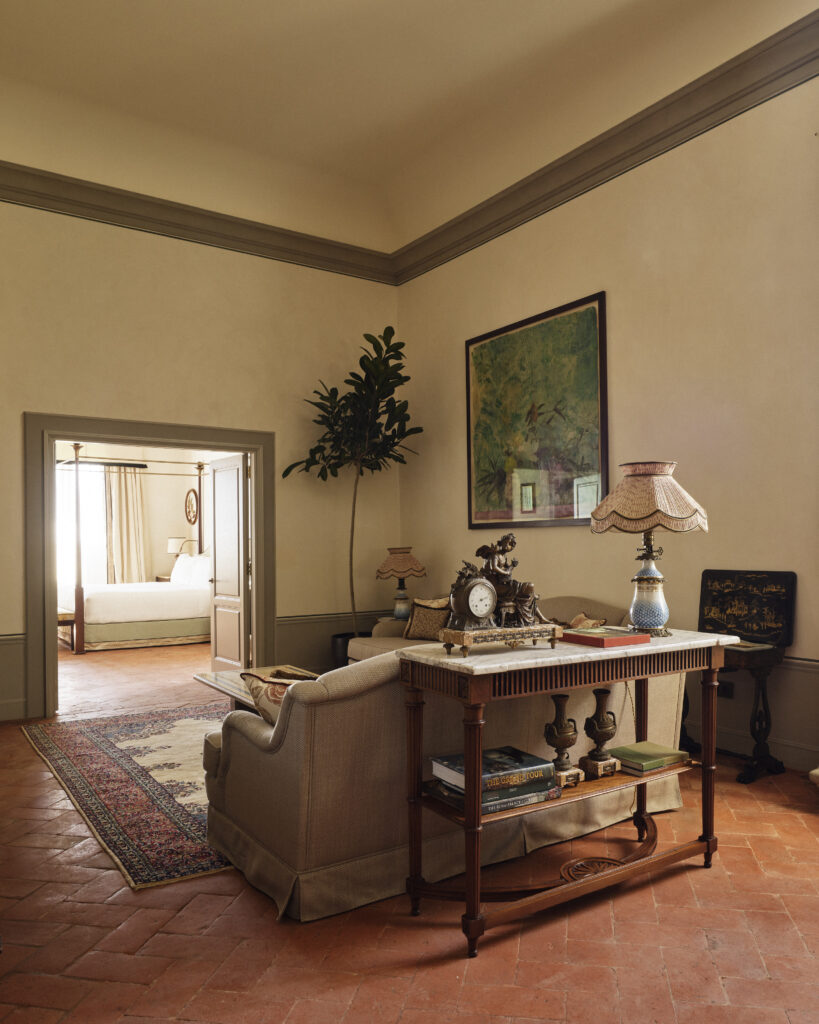
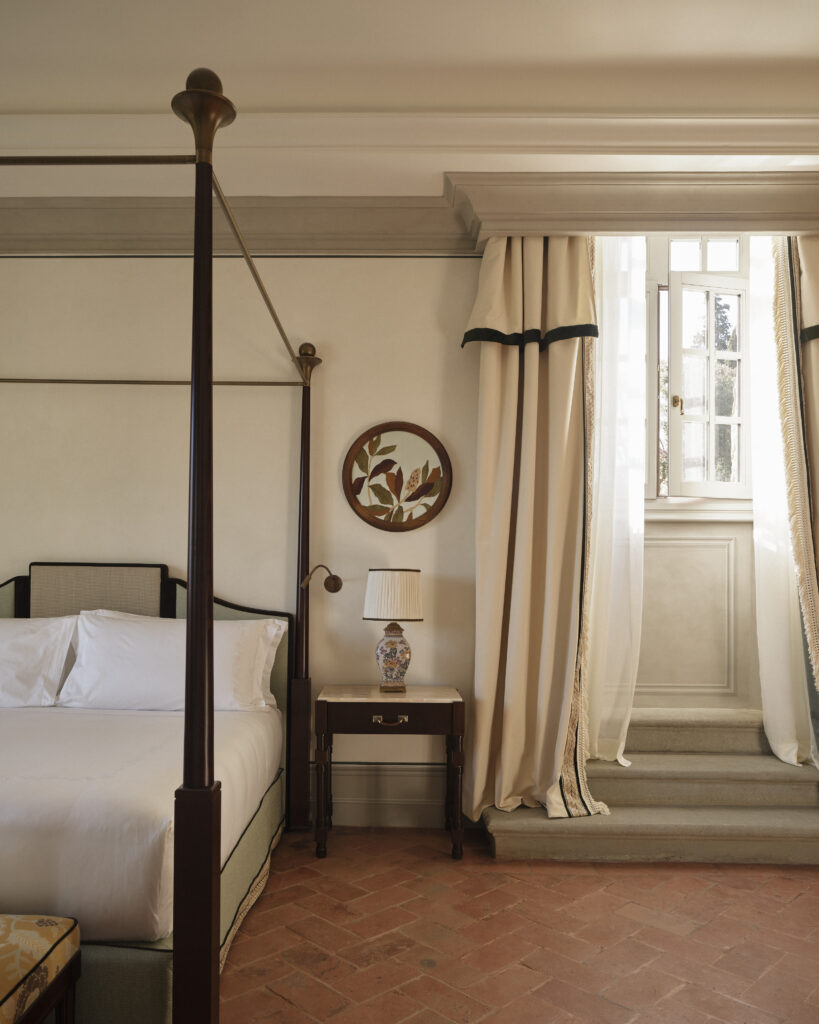
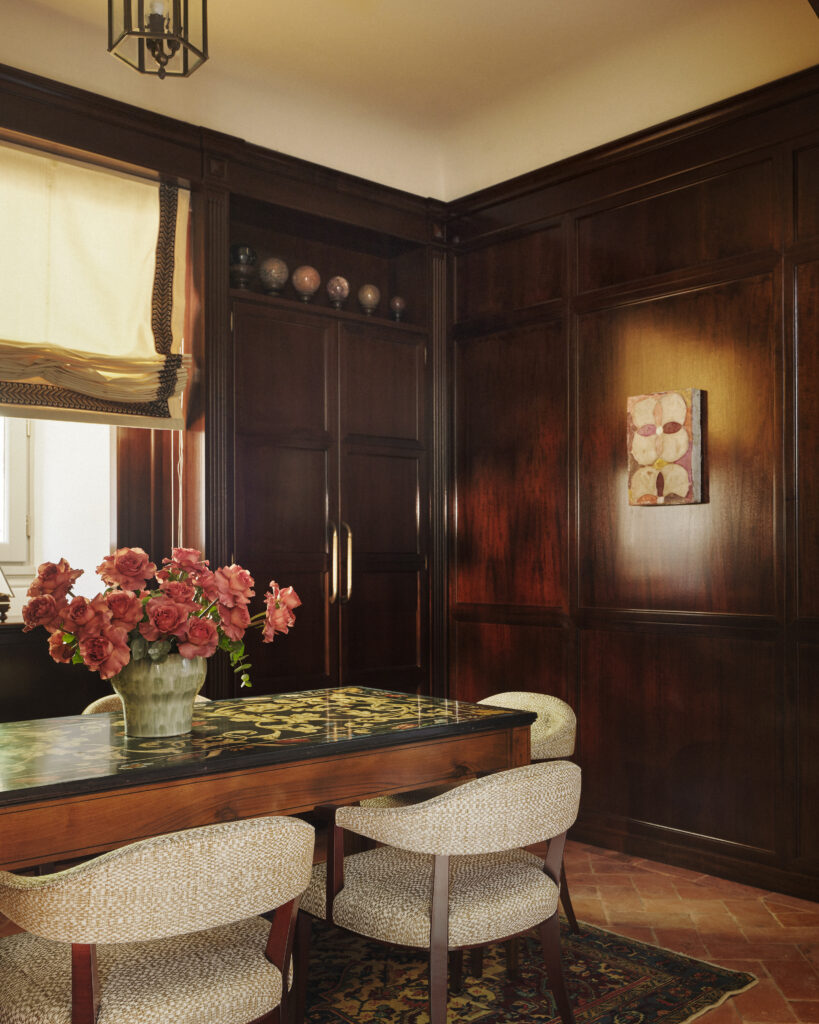
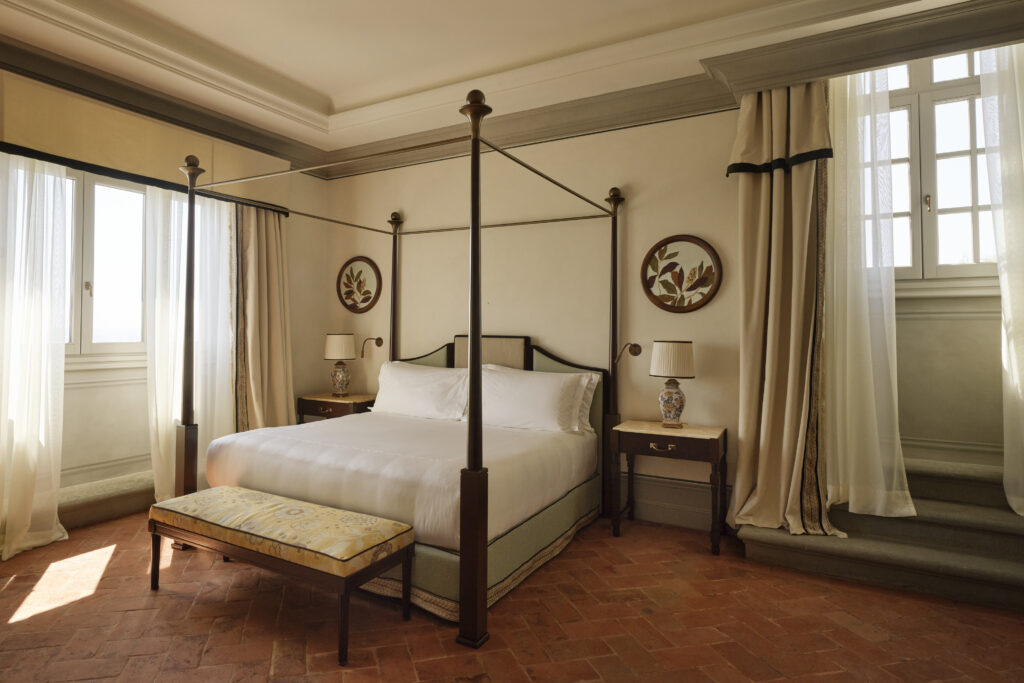
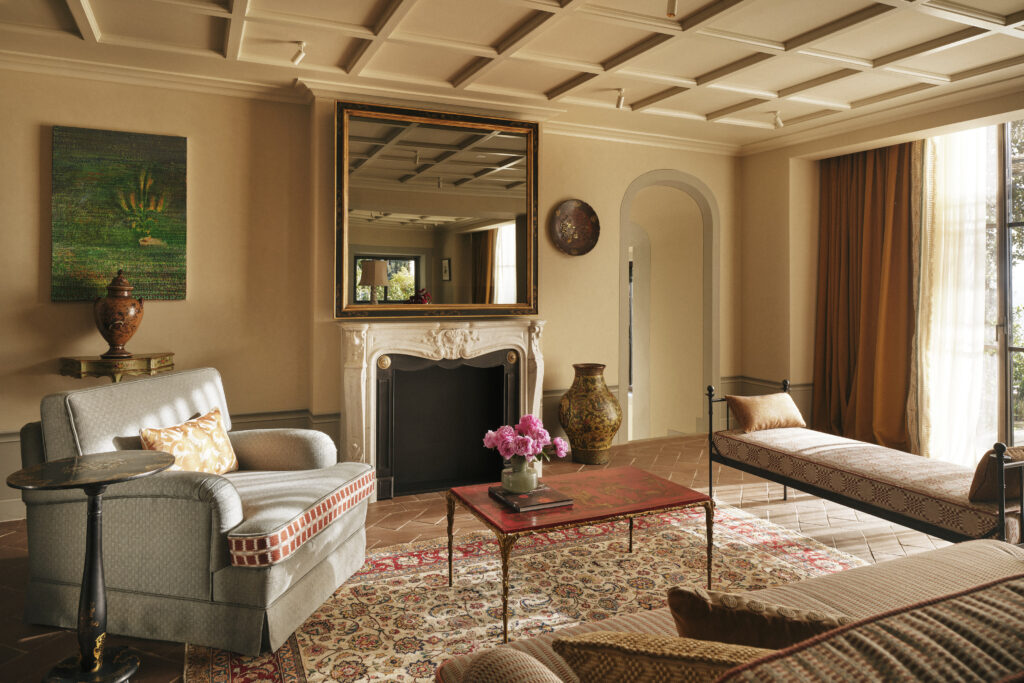
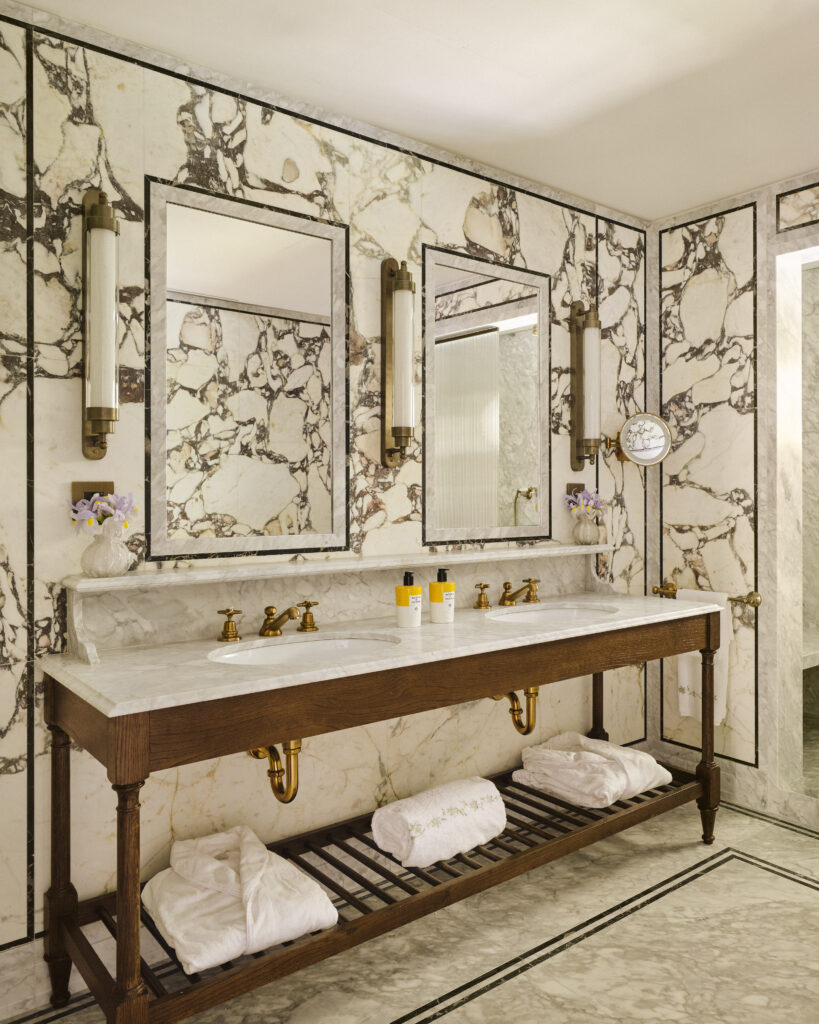
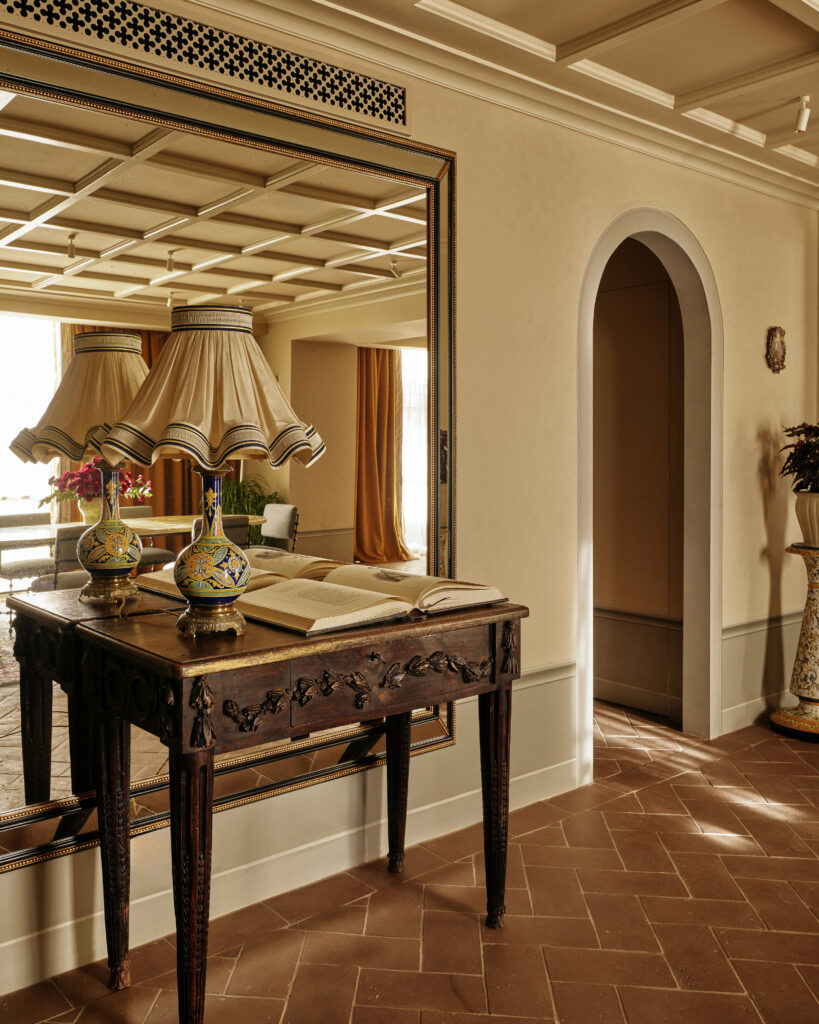
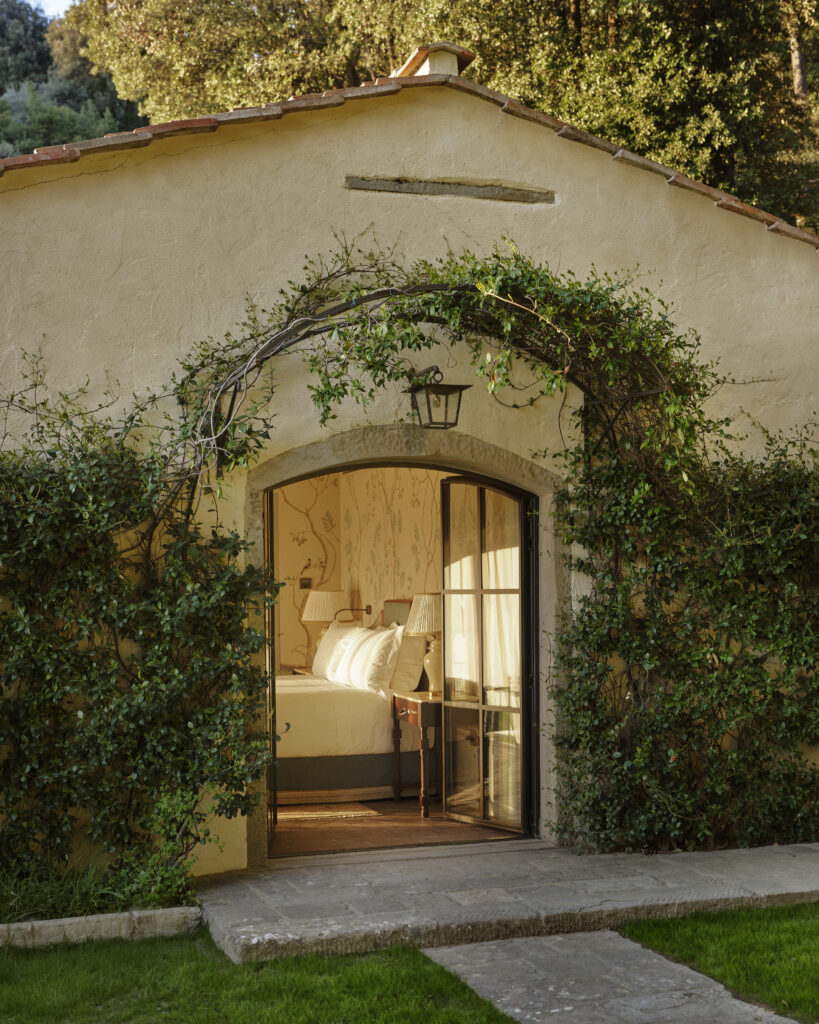
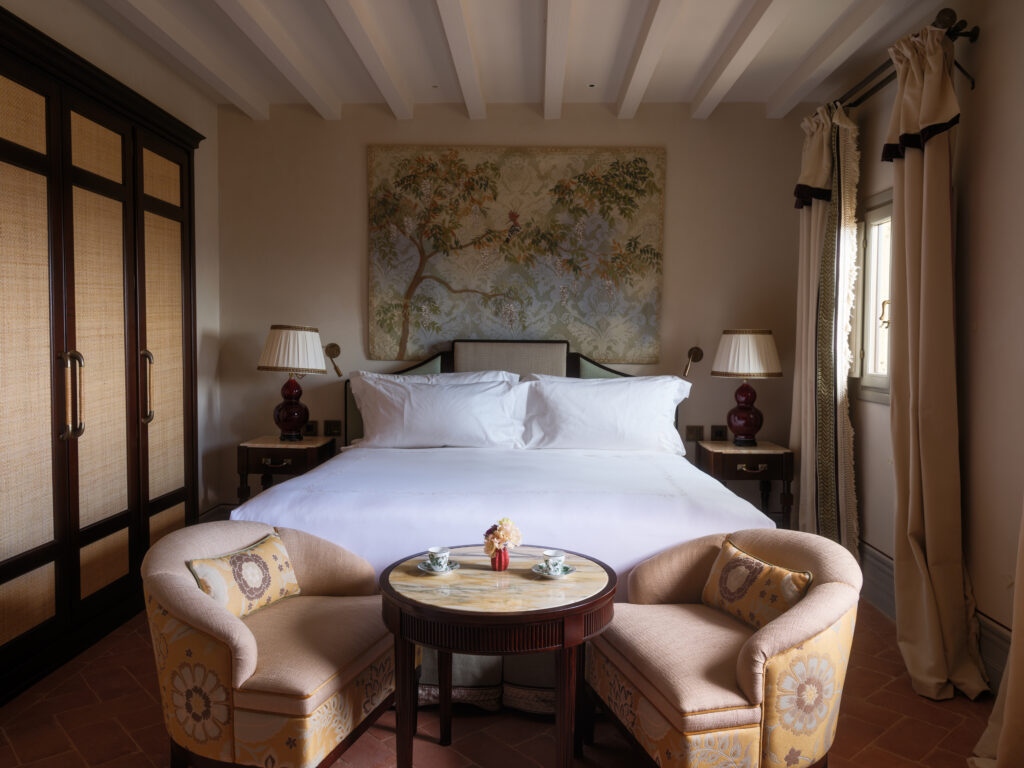
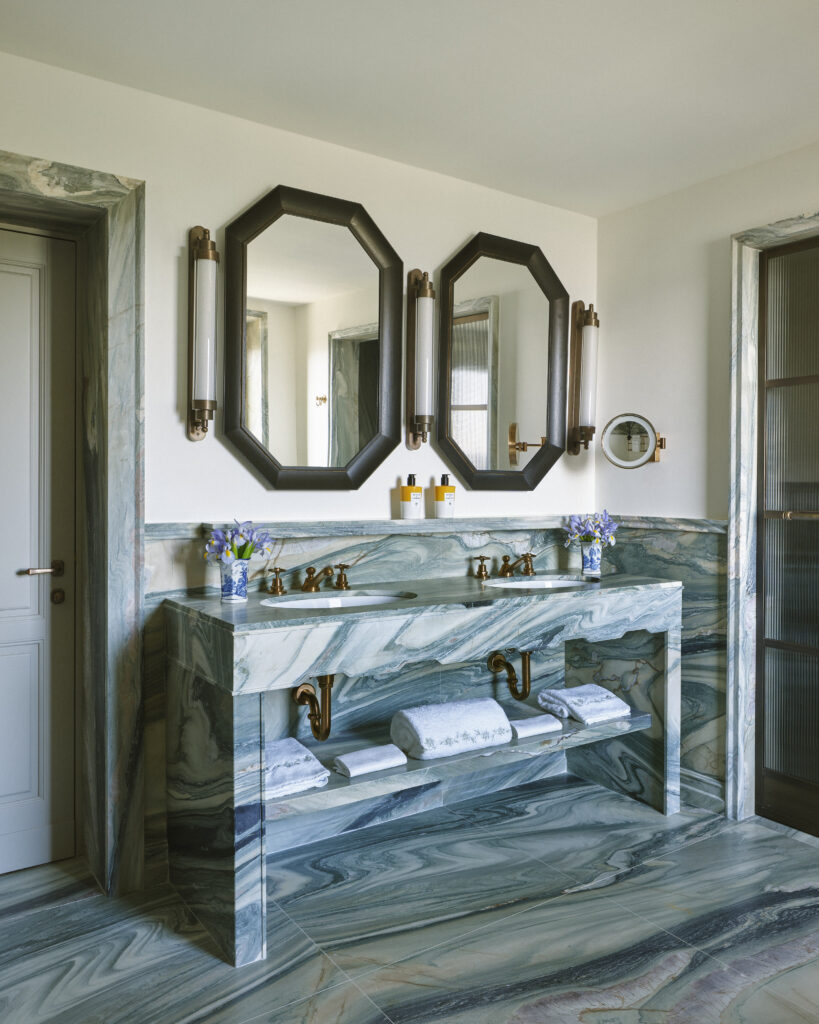
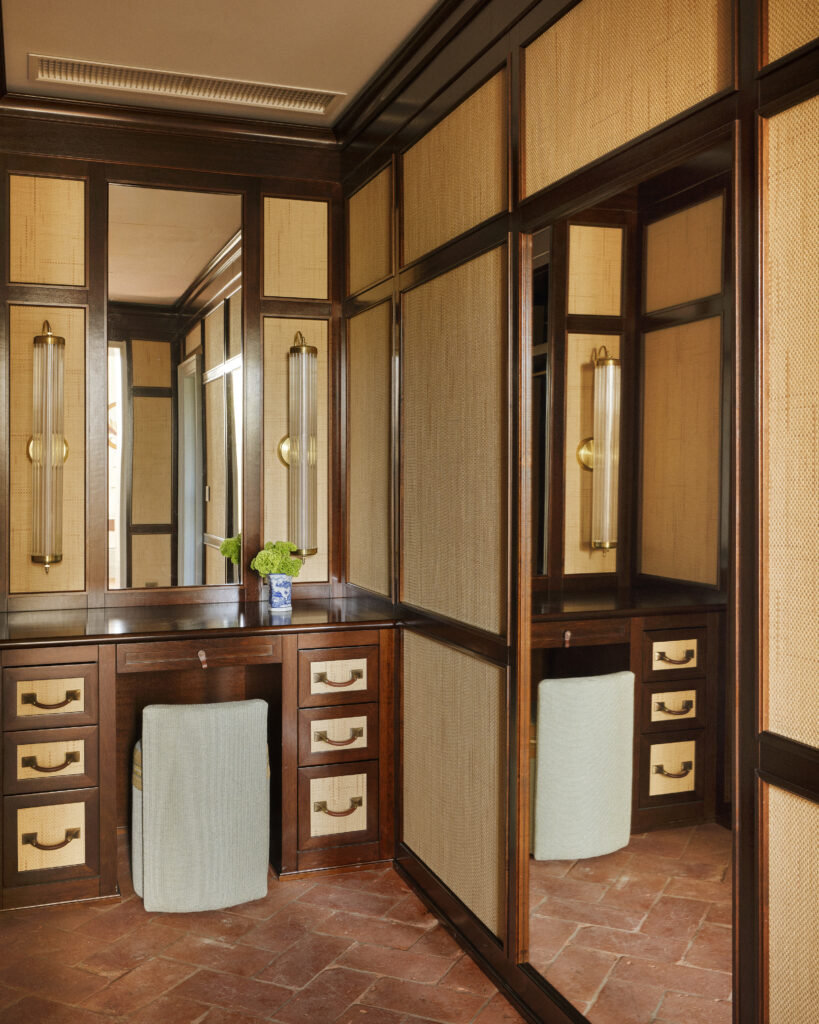
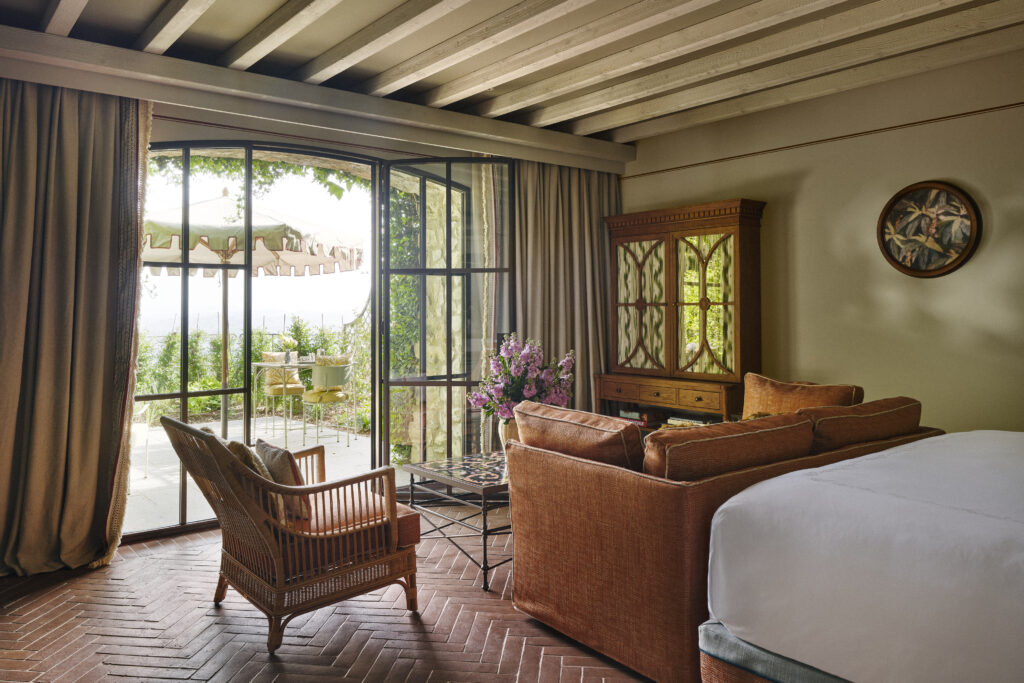
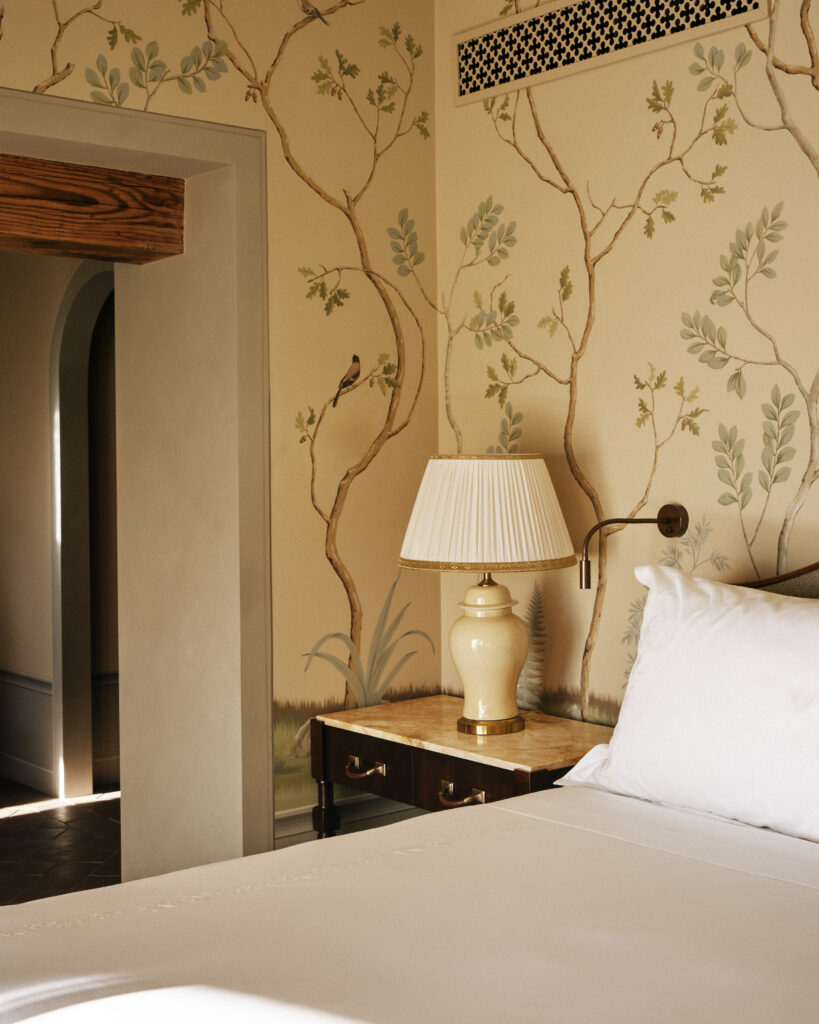
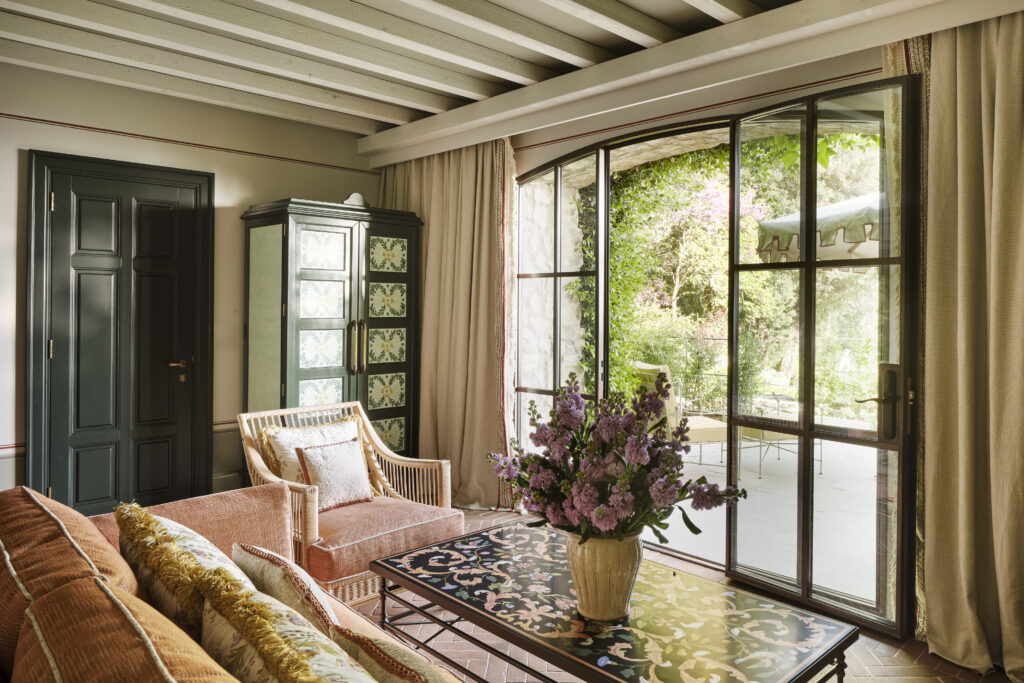
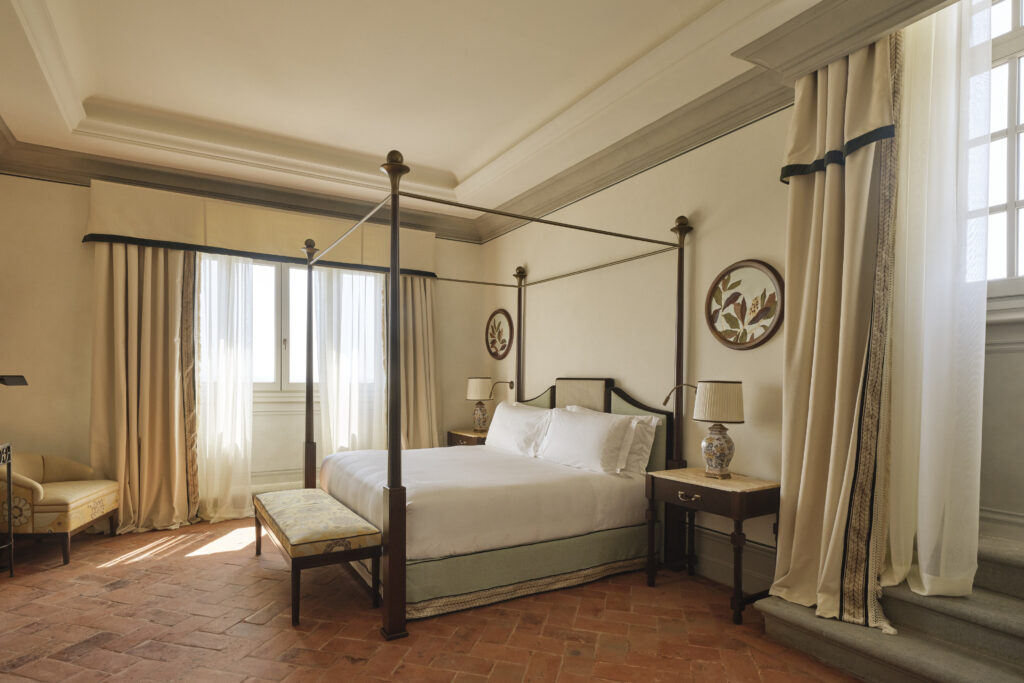
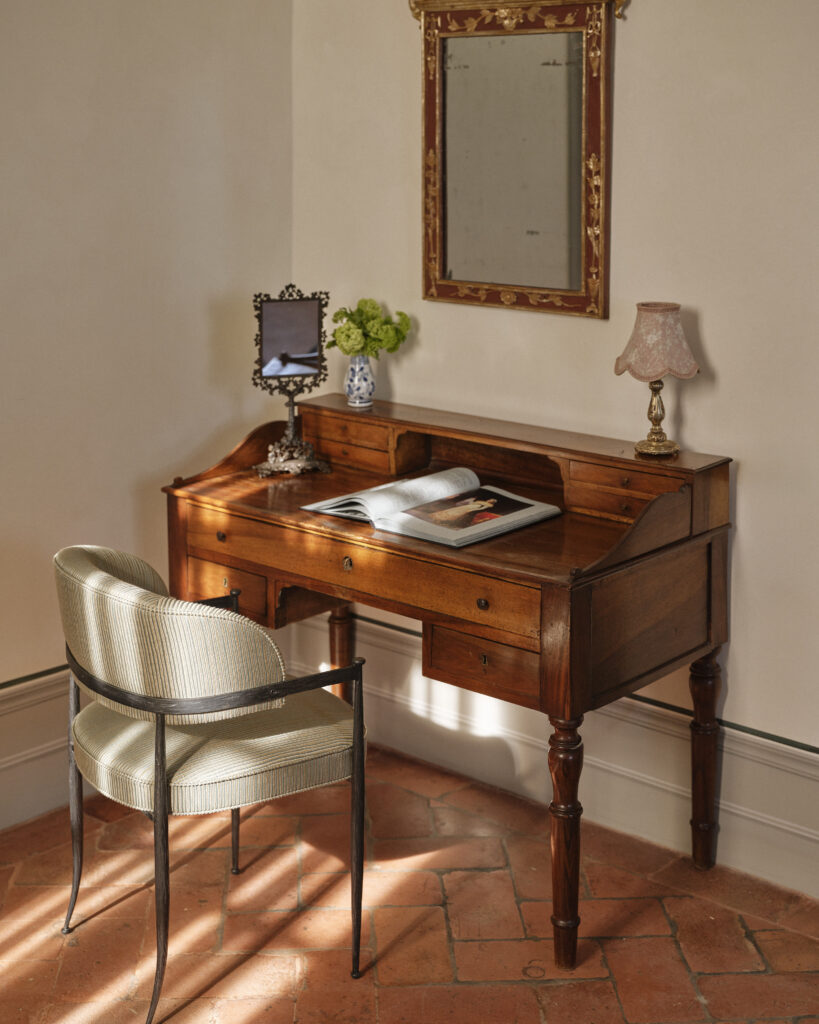
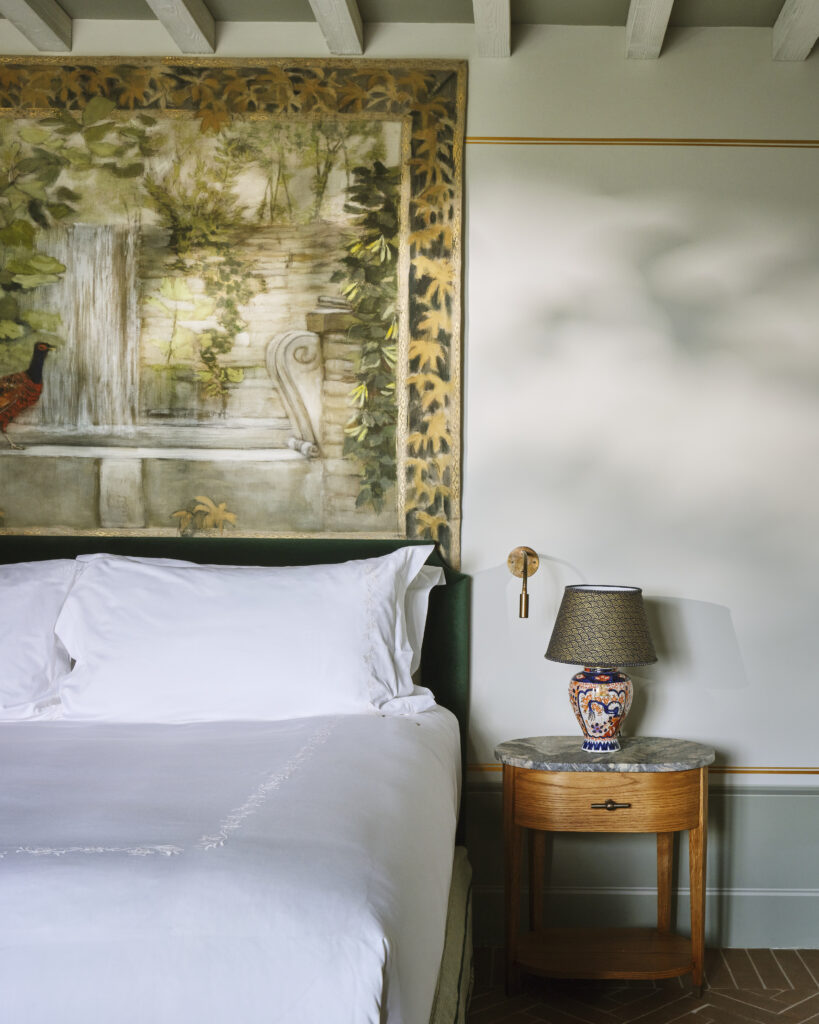
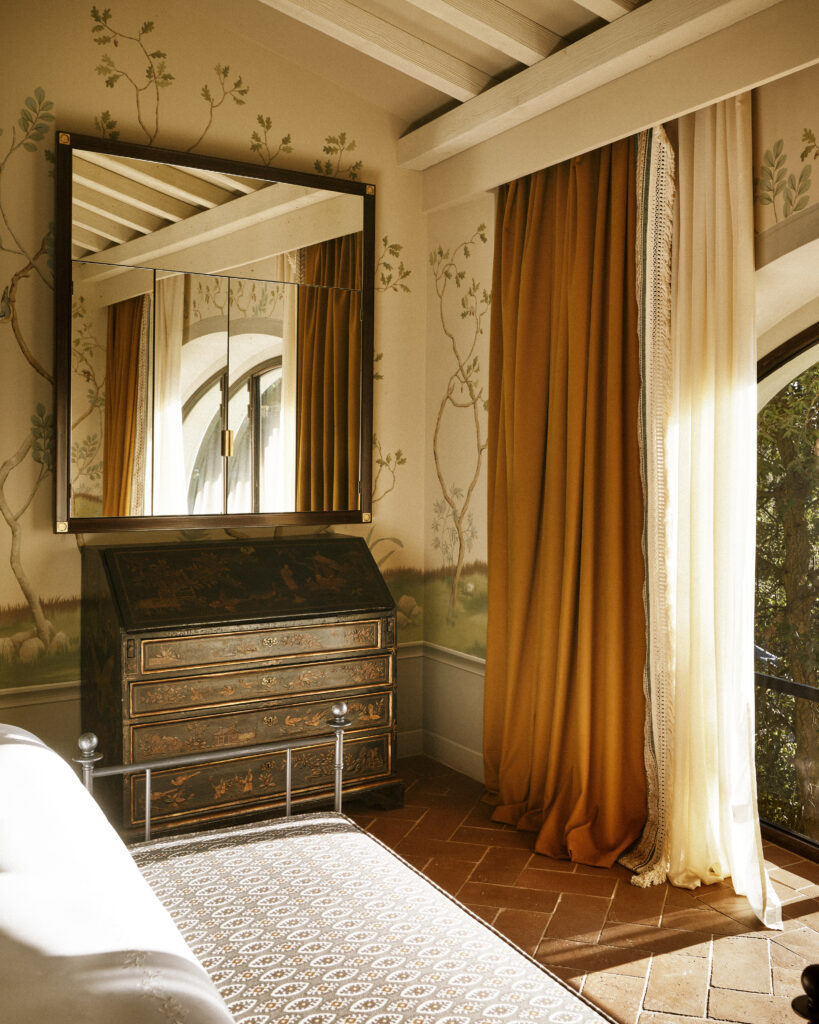
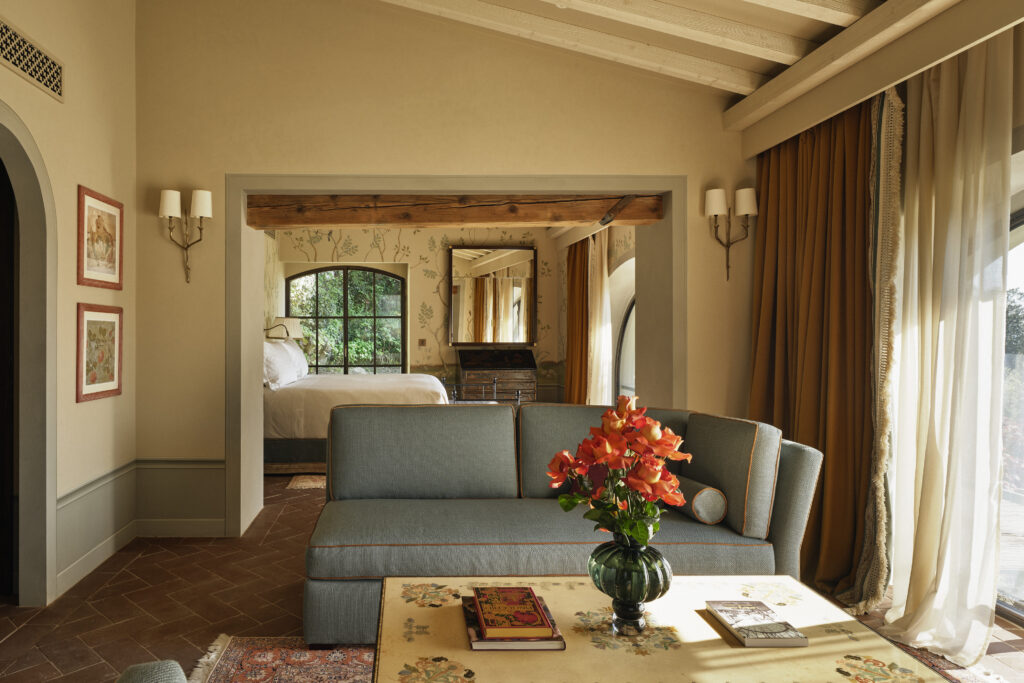
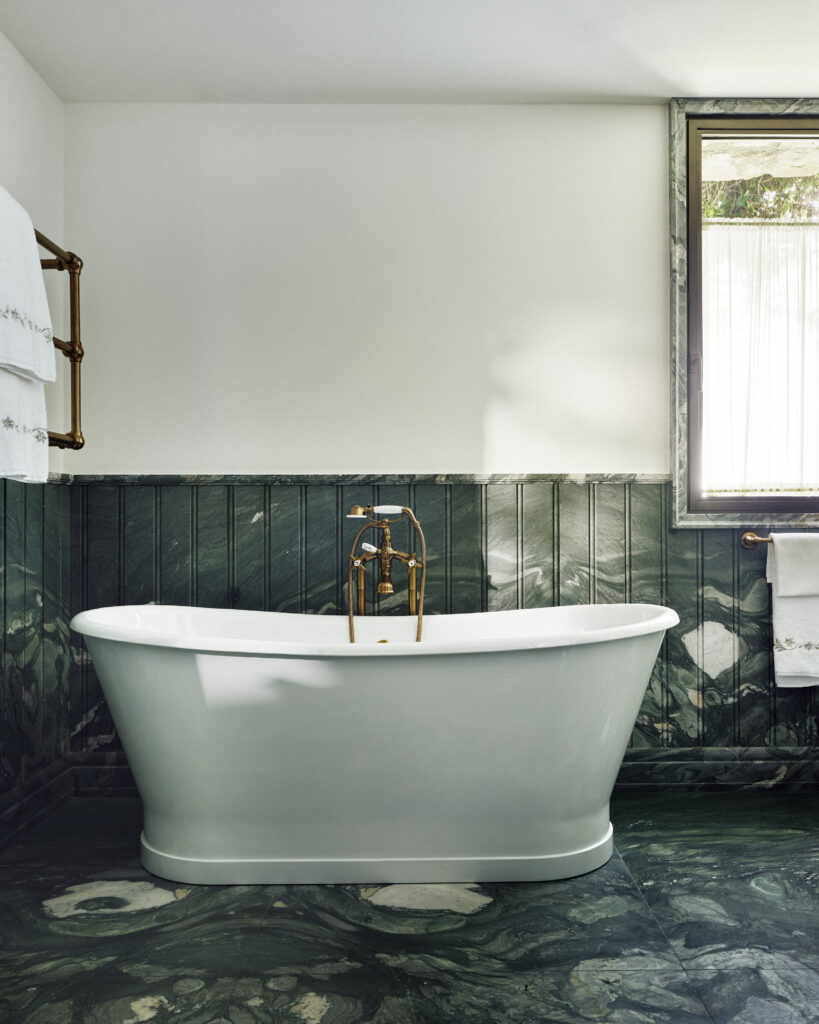
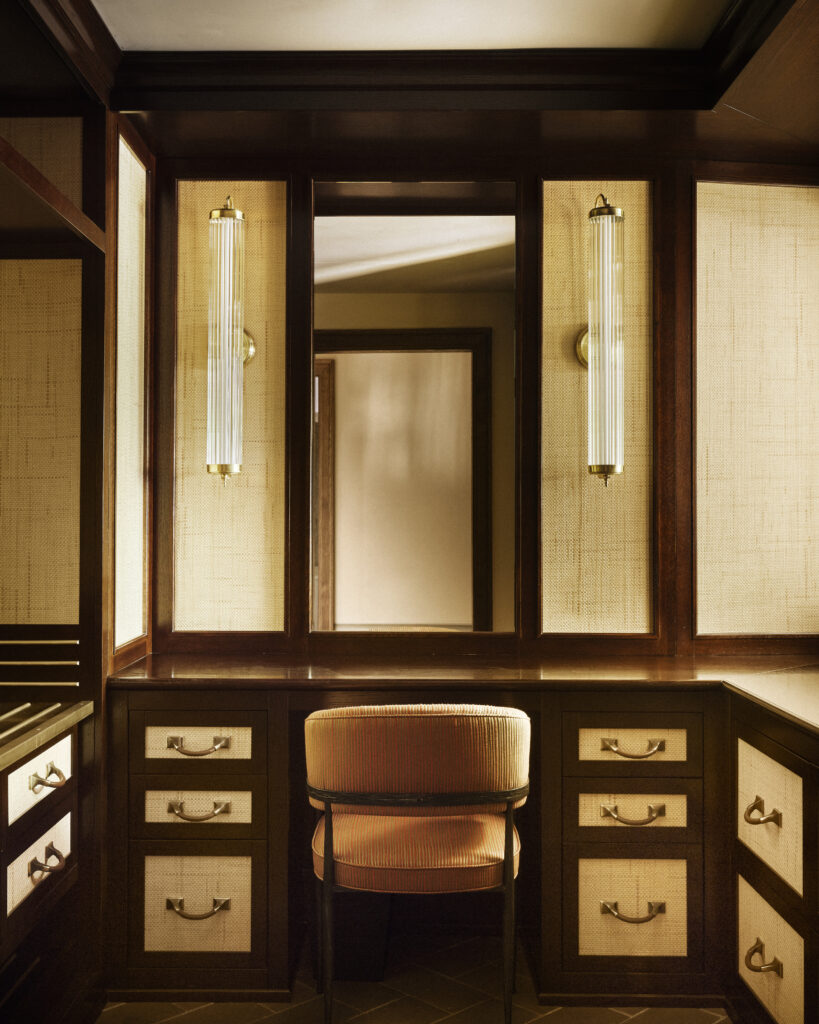
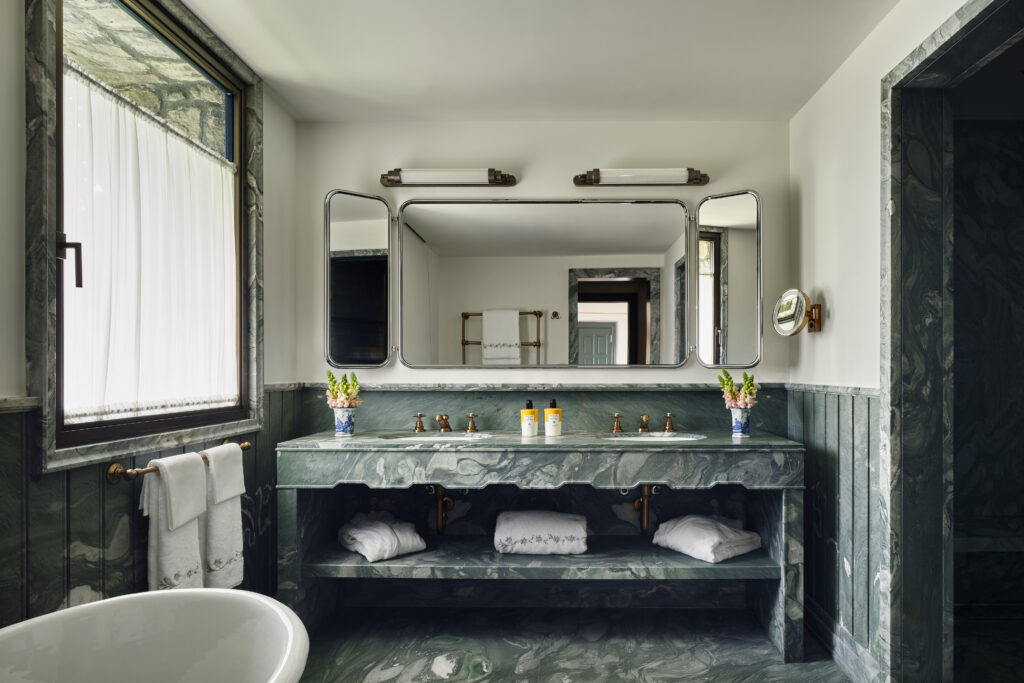
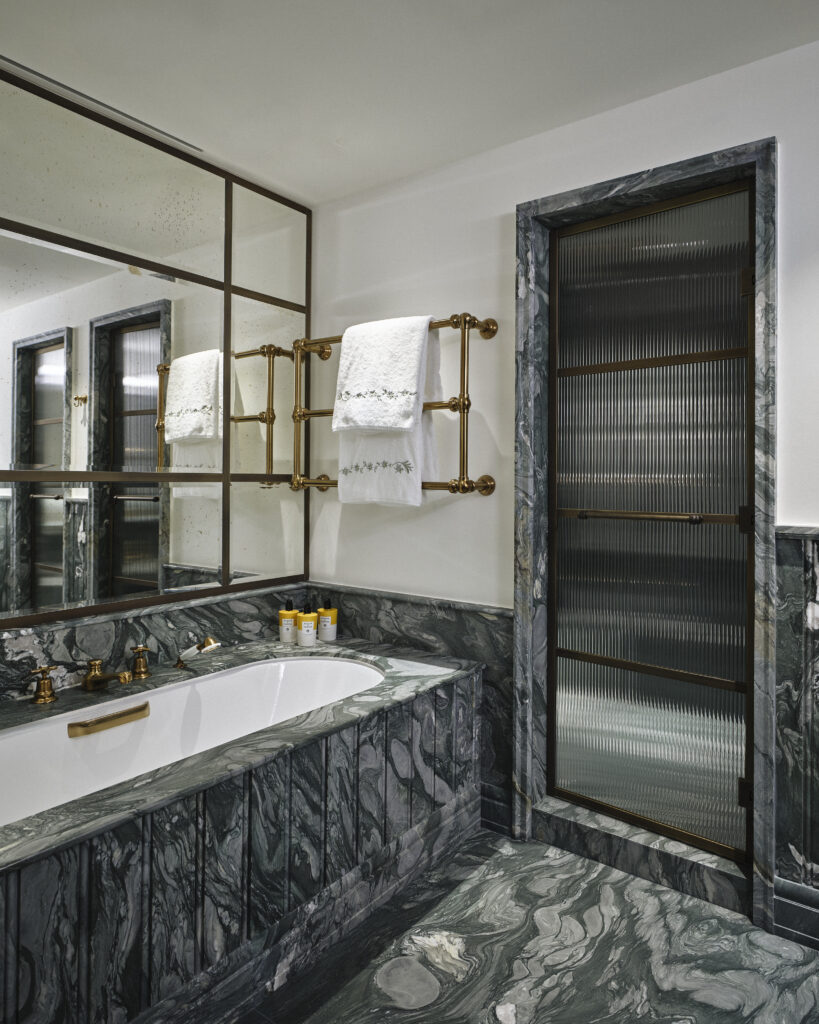
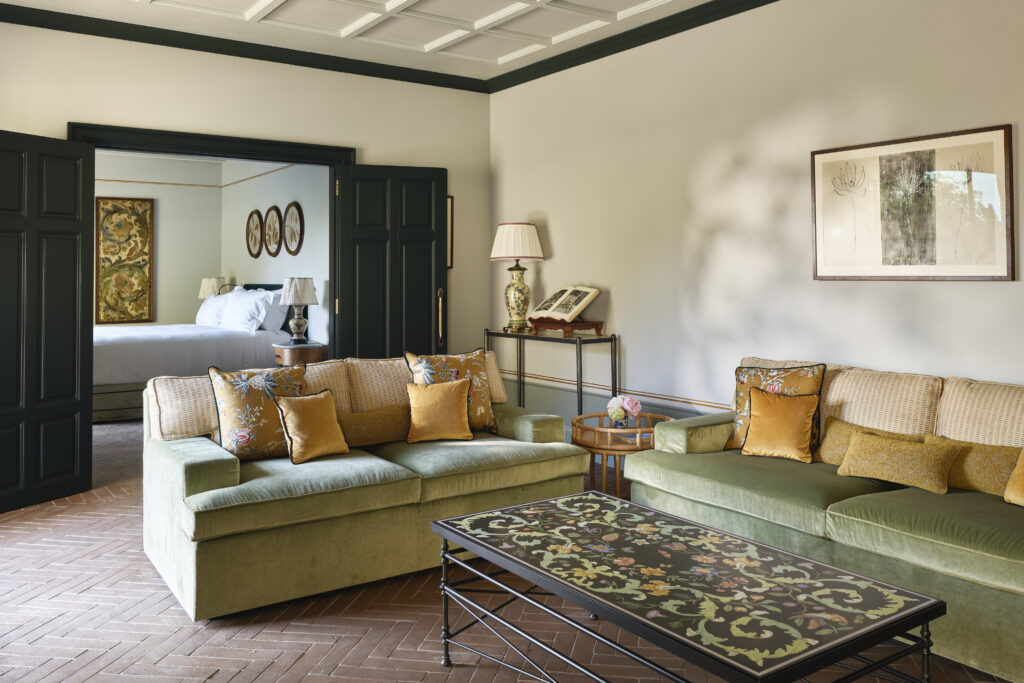
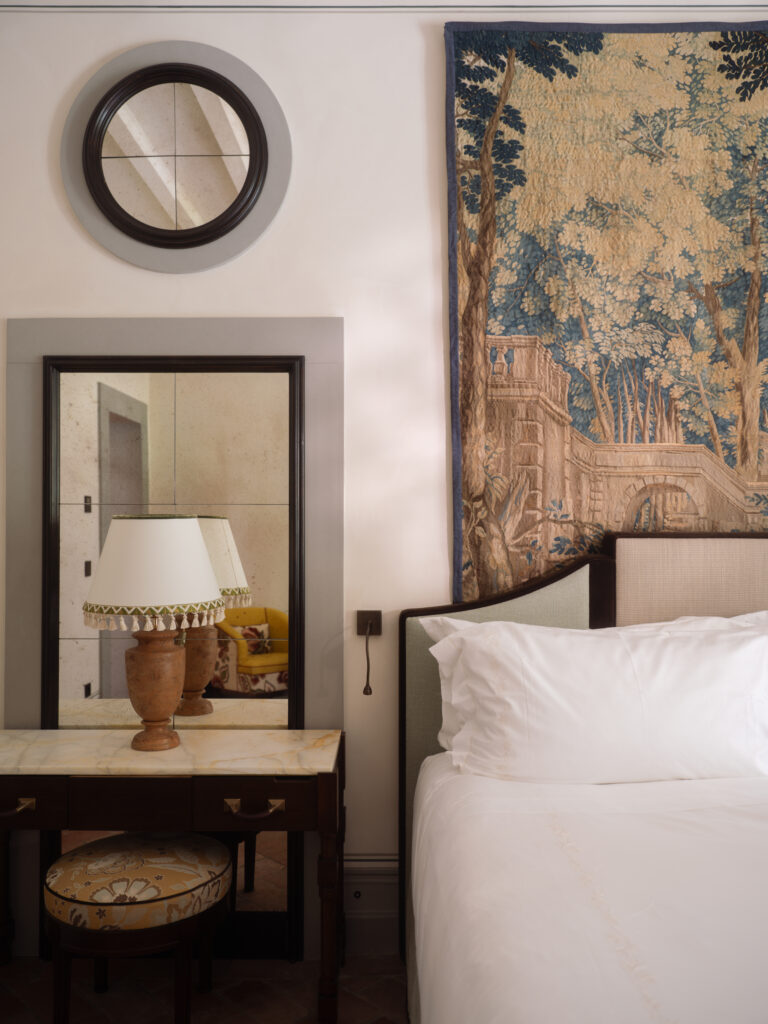
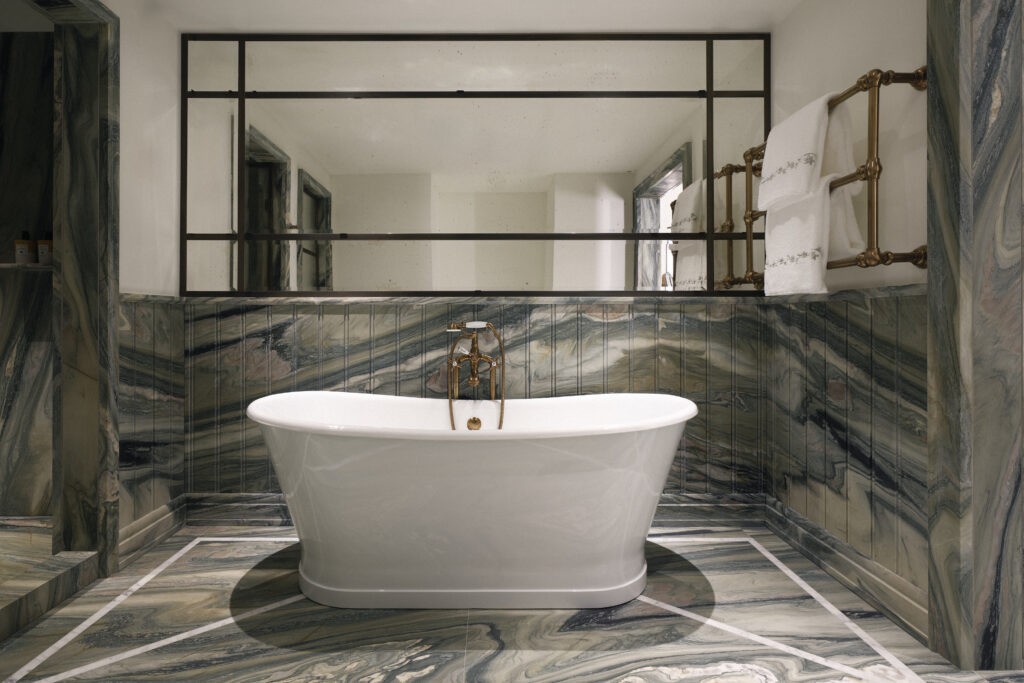
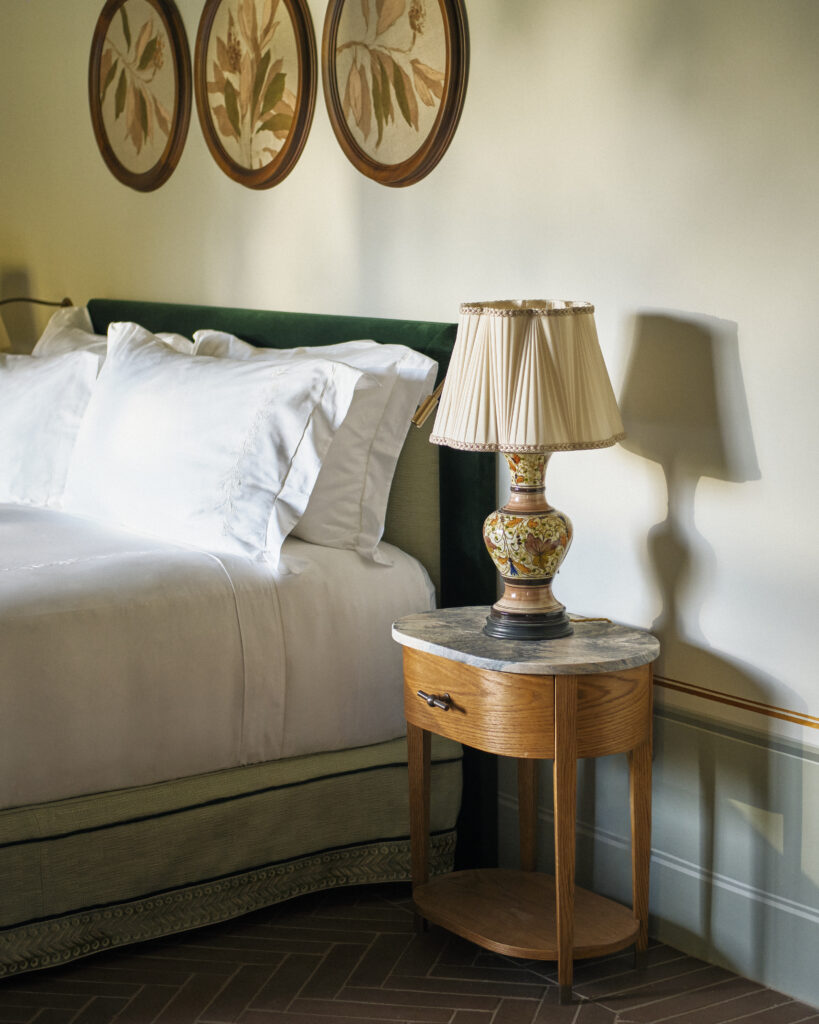
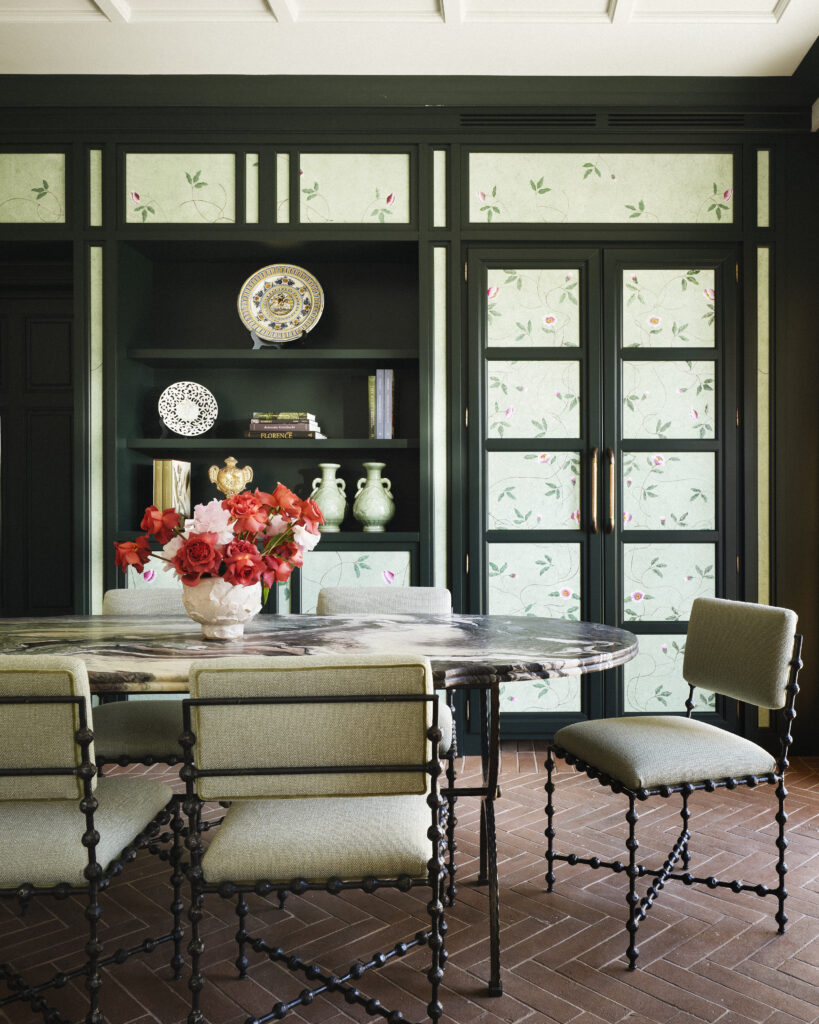
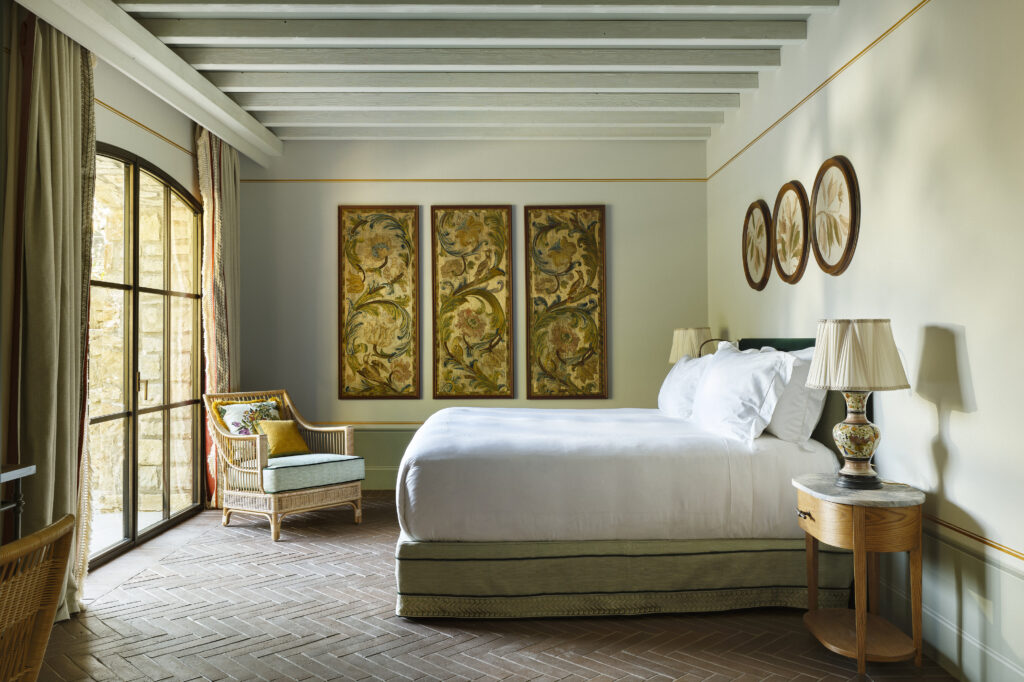
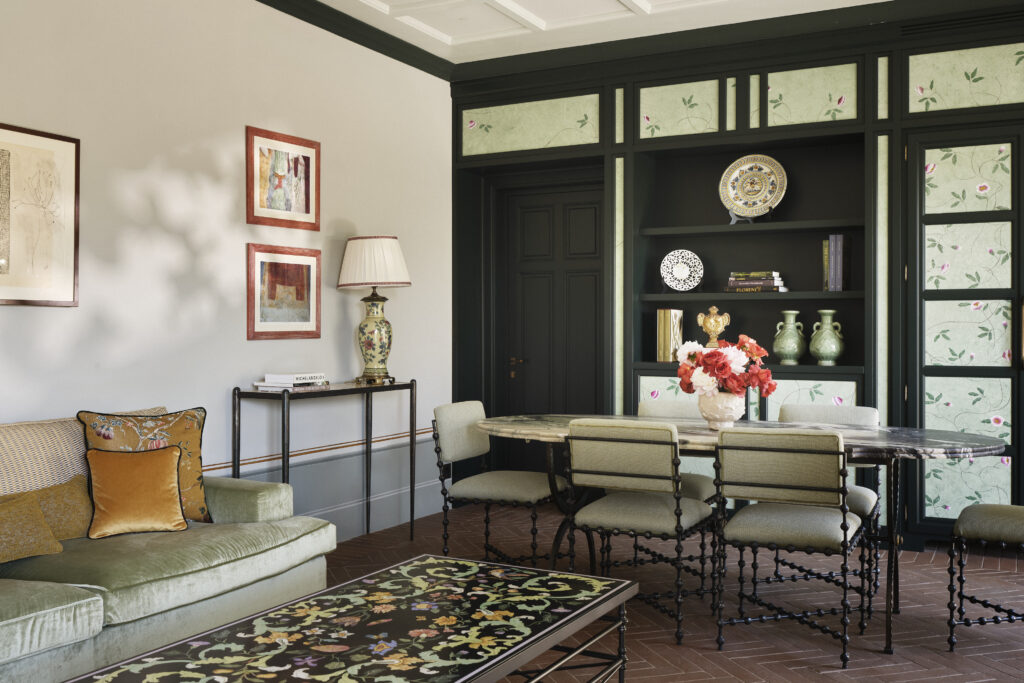
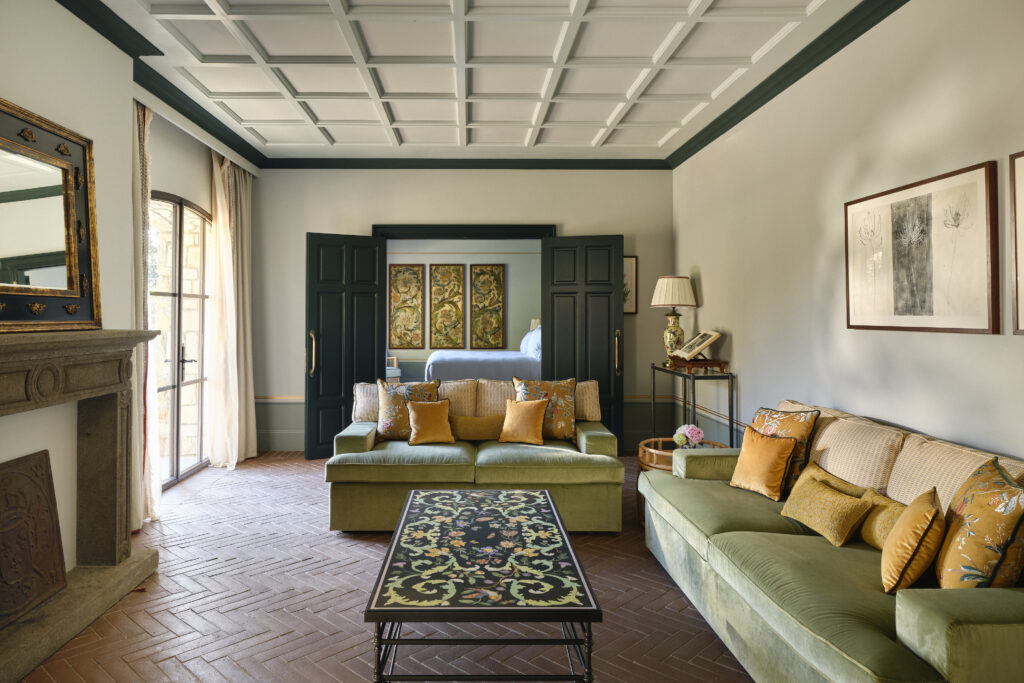
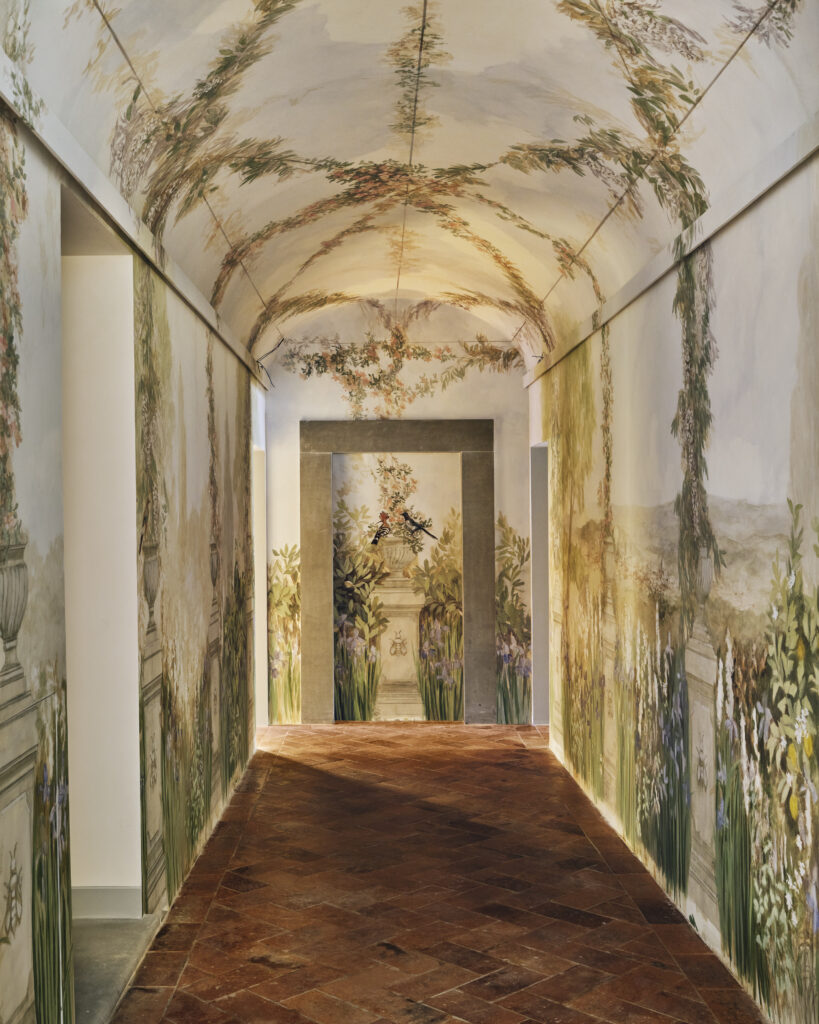
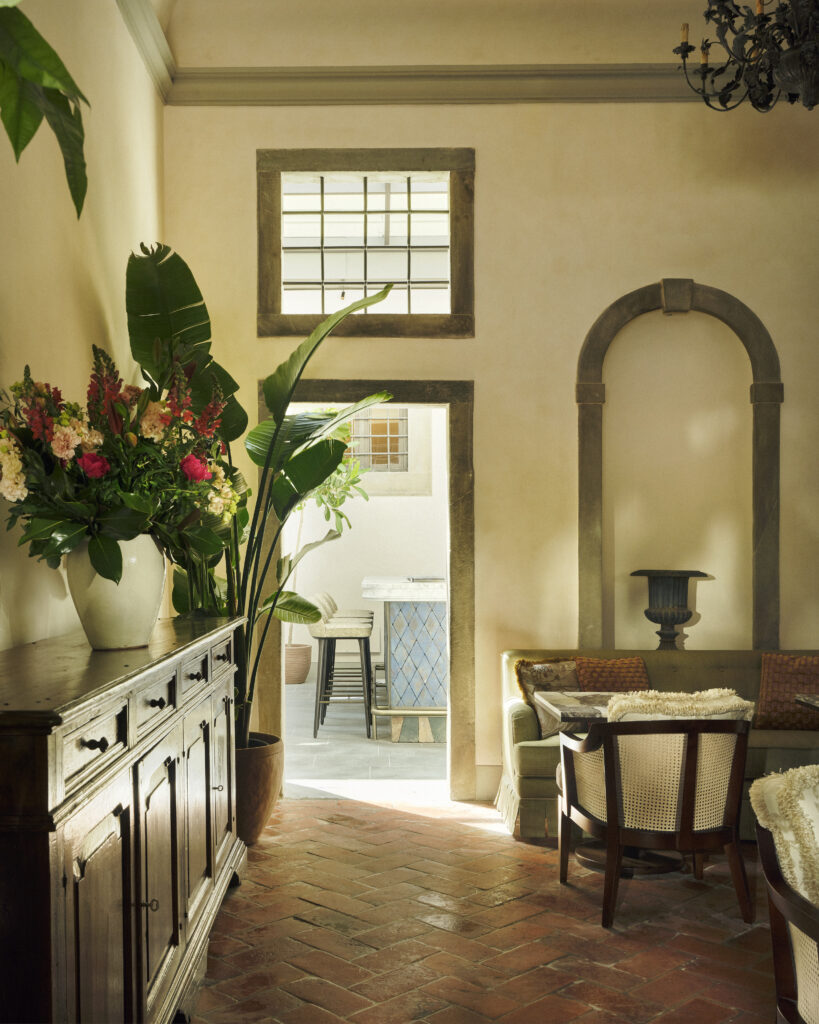
The thirty-nine rooms and suites redesigned by Luigi Fragola Architects avoid the pitfall of Tuscan pastiche. The materials speak more eloquently than words: Impruneta terracotta floors, bathrooms clad in green-veined Cipollino marble from Carrara, custom woodwork, restored frescoes, and stone fireplaces salvaged from the former monastic cells.
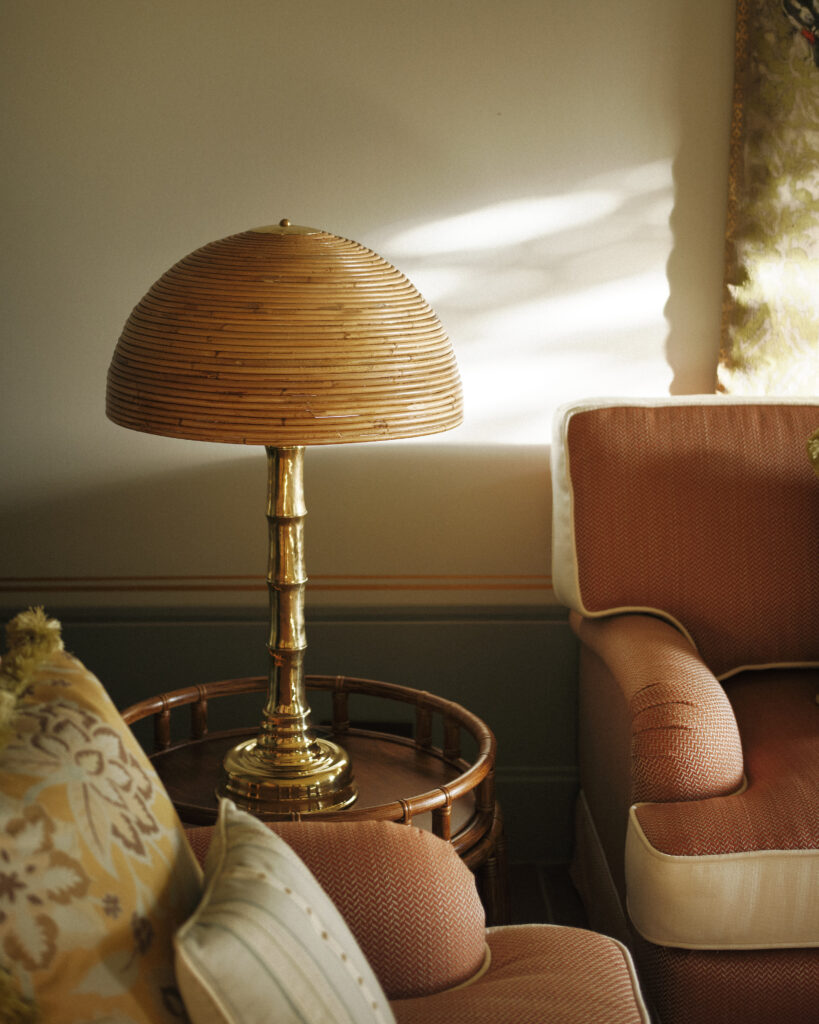
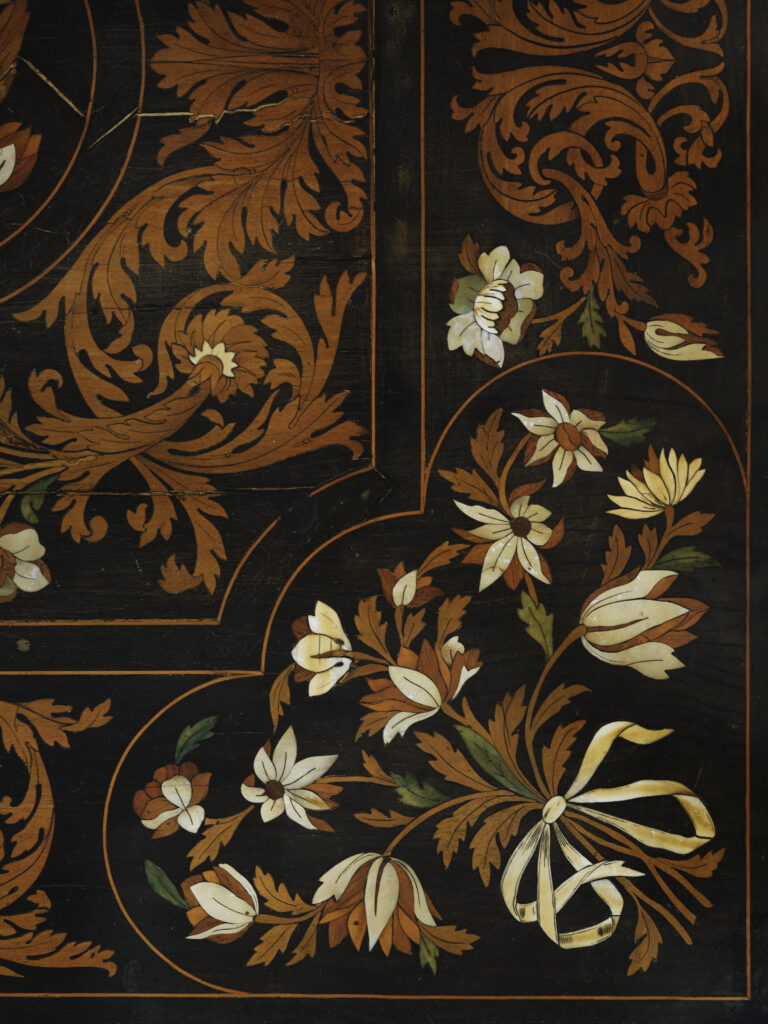
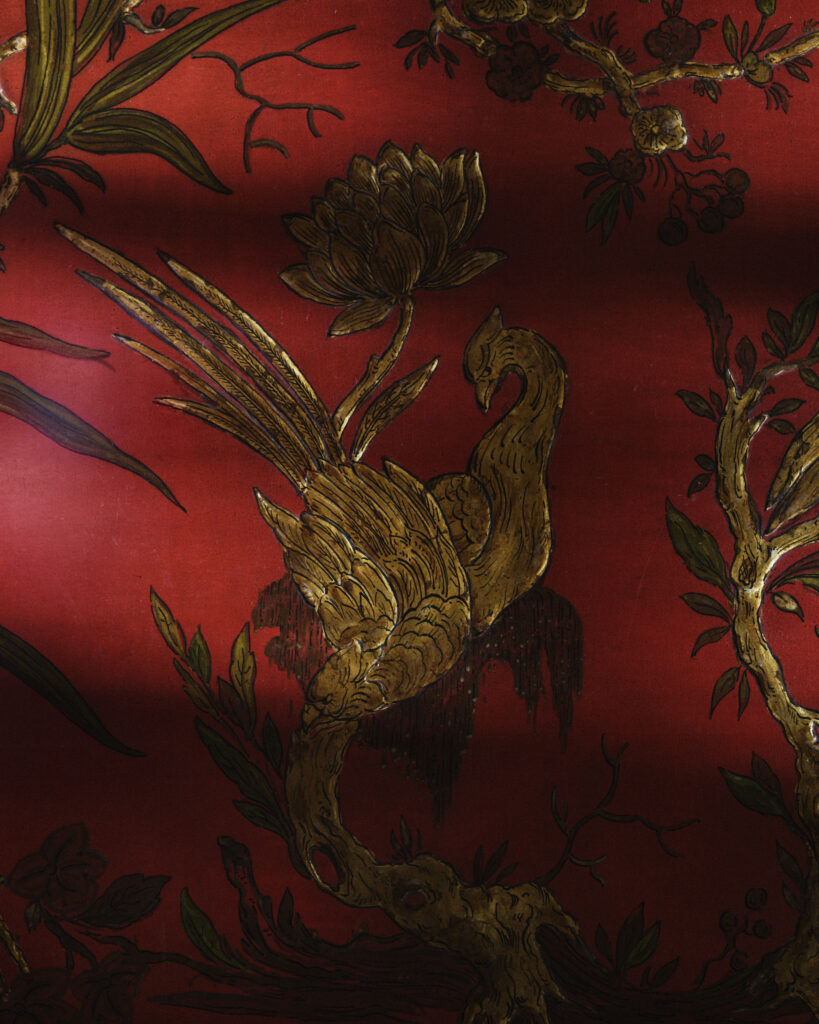
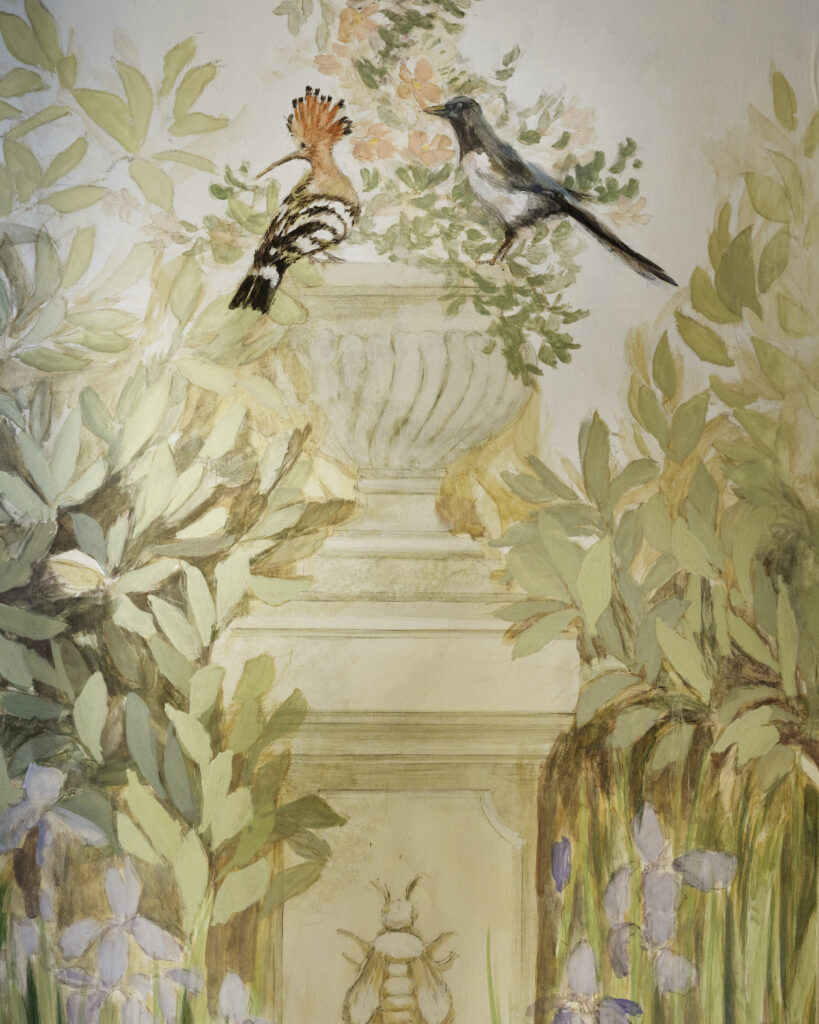
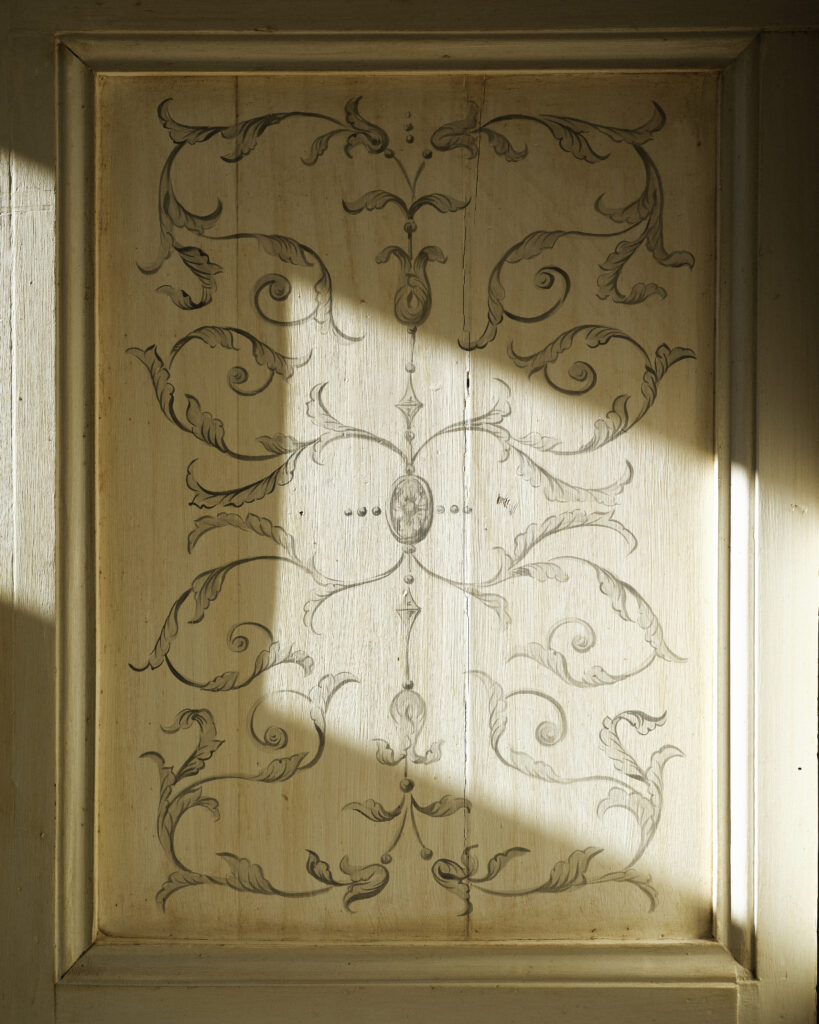
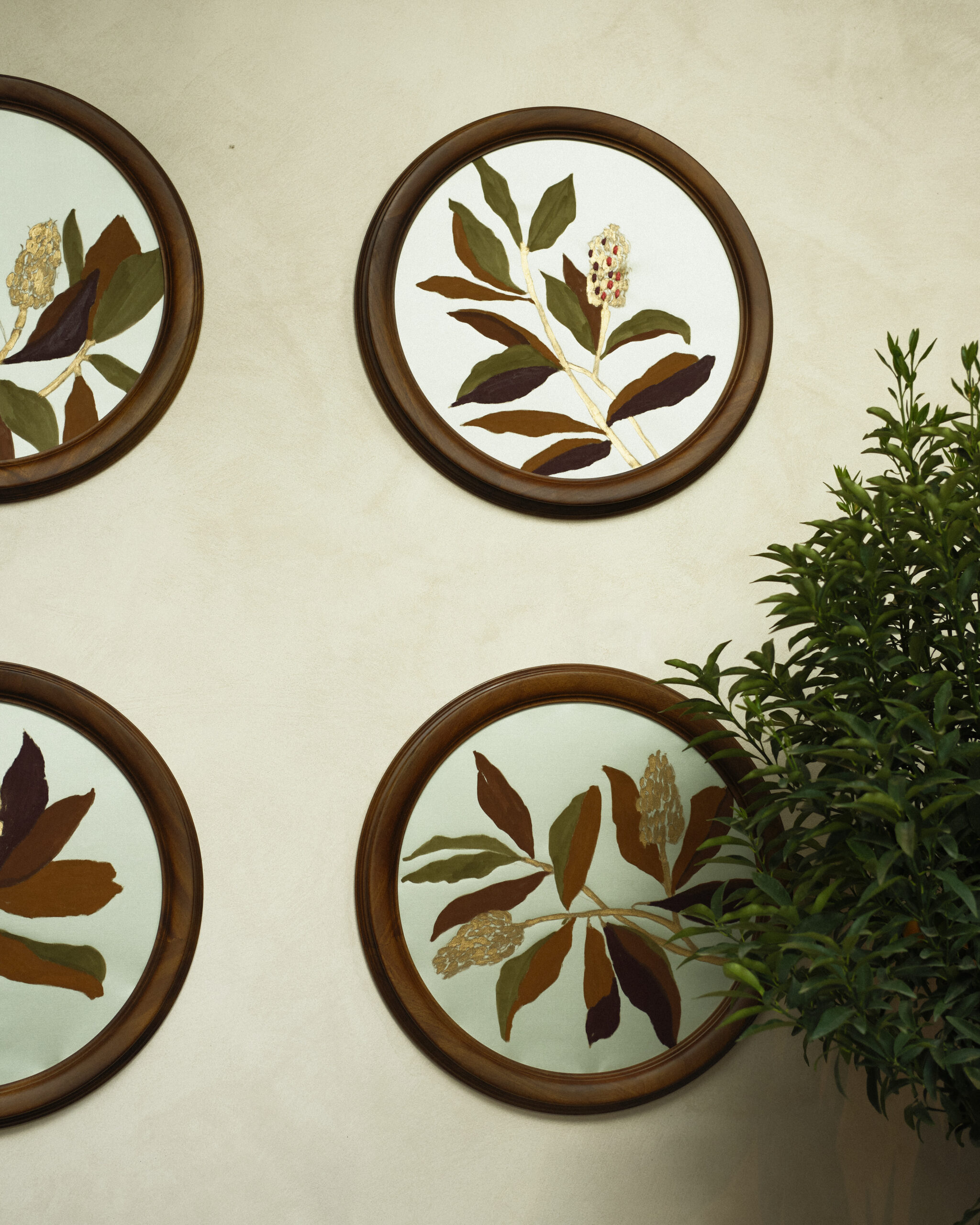
The appeal of restoration lies in this carefully balanced tension between conservation and reinterpretation. The pieces are not stripped of their character by an international brand of minimalism; they remain deeply Florentine. The scagliola furniture crafted by Bianco Bianchi, the tapestries by Elena Carozzi, and the frescoes by Francesca Guicciardini serve as a reminder that Tuscany continues to produce vibrant craftsmanship, far beyond mere heritage reconstruction.
This reopening also says something about the current repositioning of the European luxury hotel industry. For several years now, the major luxury brands have been doing more than just selling rooms; they are orchestrating experiences. Villa San Michele fully embraces this approach with a program focused on contemplative well-being rather than aesthetic appeal.
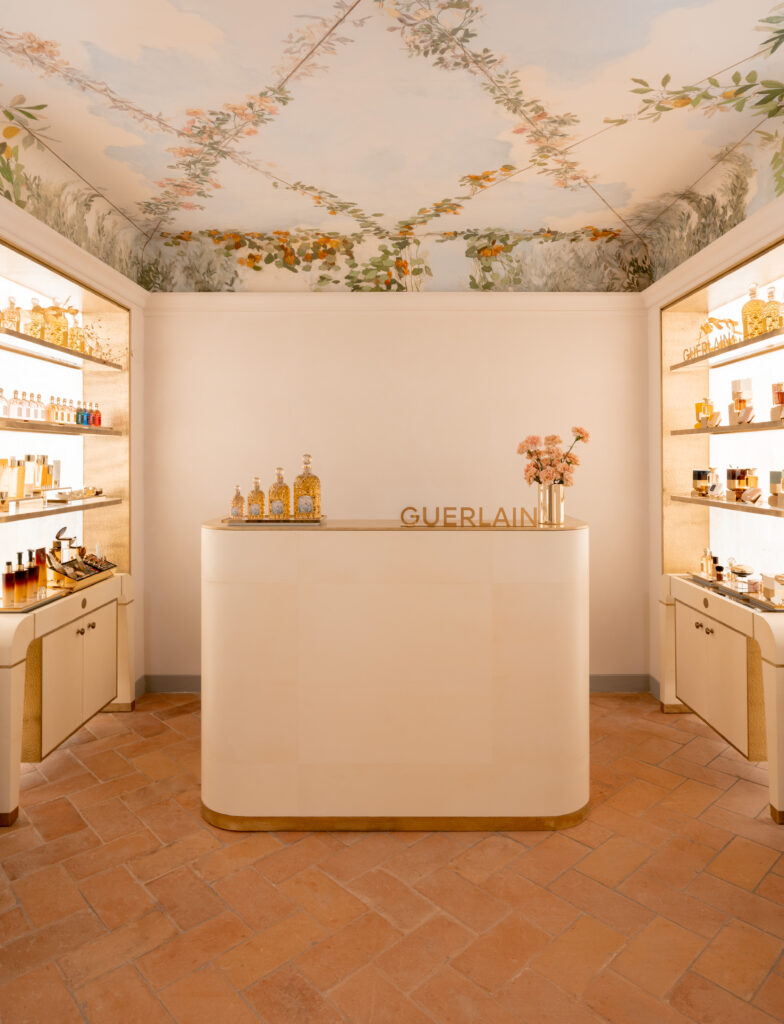
The new Guerlain spa is located on the first floor of the former convent. It features just three treatment rooms, including one double suite. The scale is deliberately intimate. Here again, the gesture matters more than the accumulation. The treatments developed for this space draw on Tuscan botany, stone tools, and protocols inspired by slower, holistic practices.
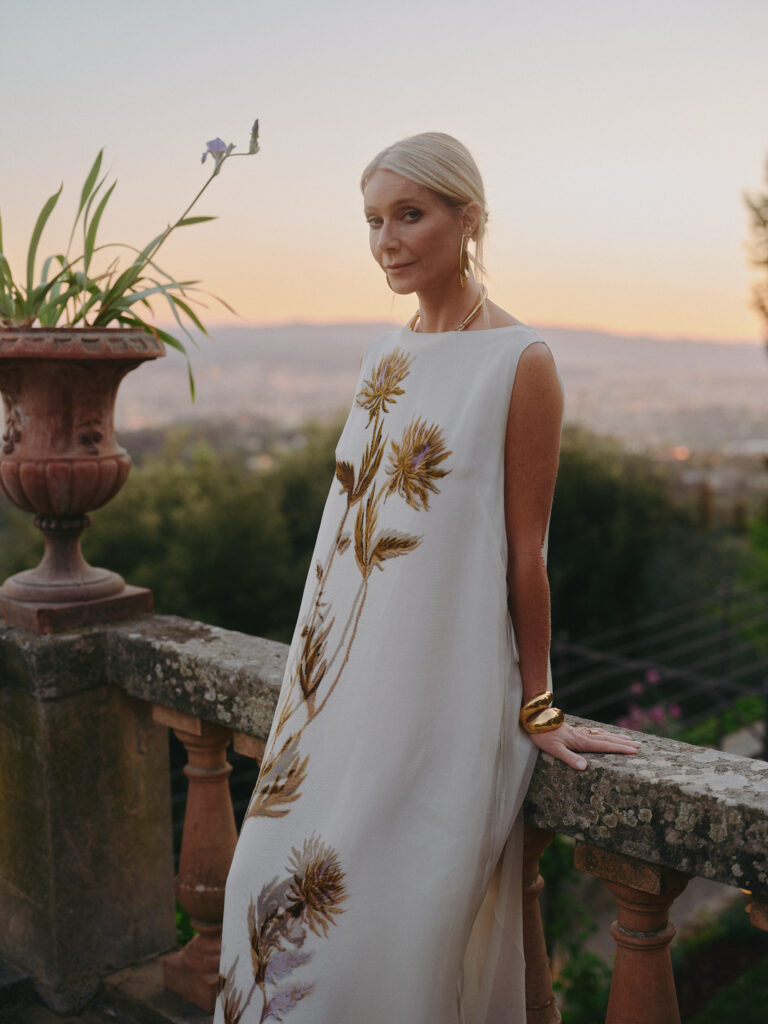
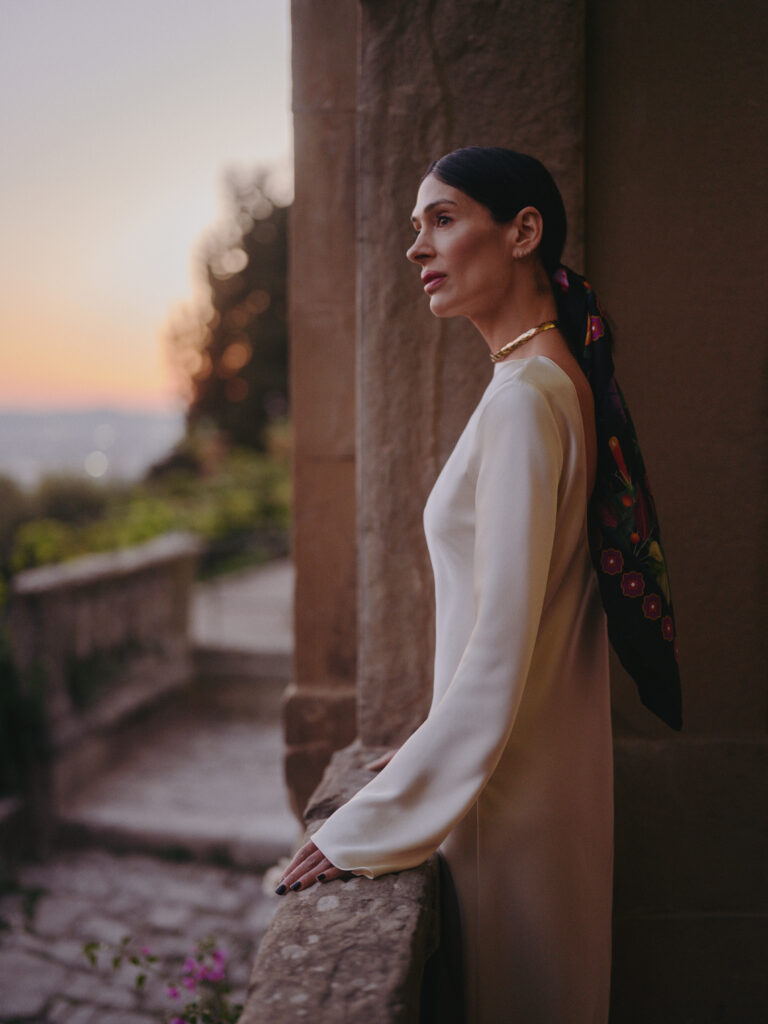
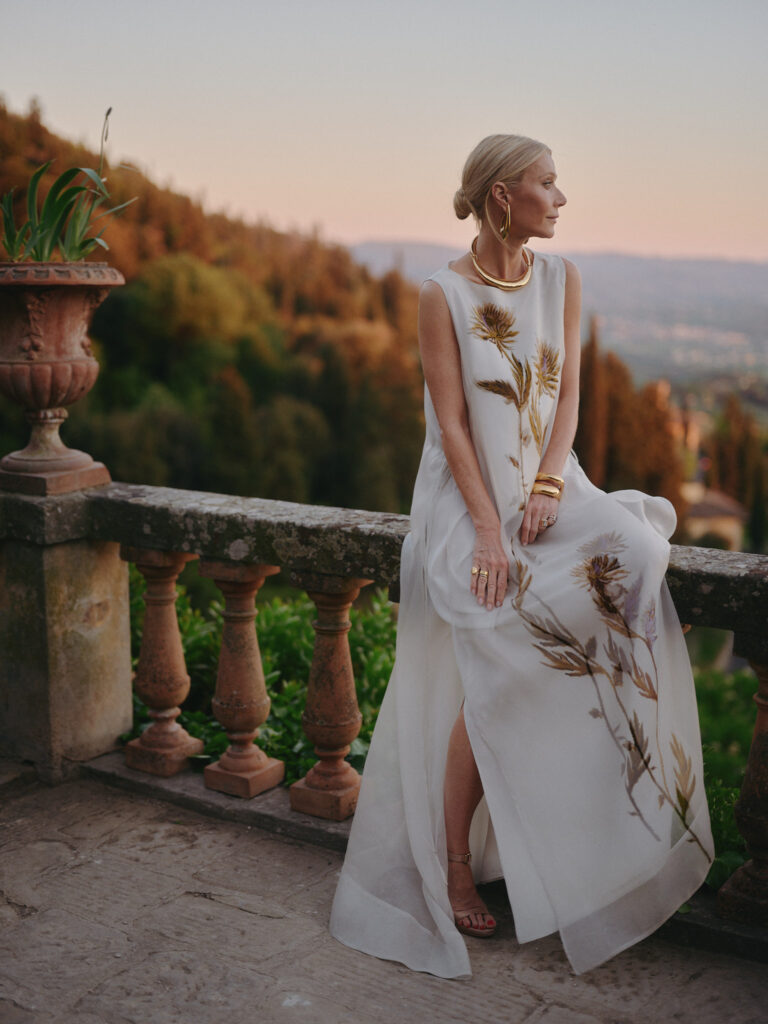
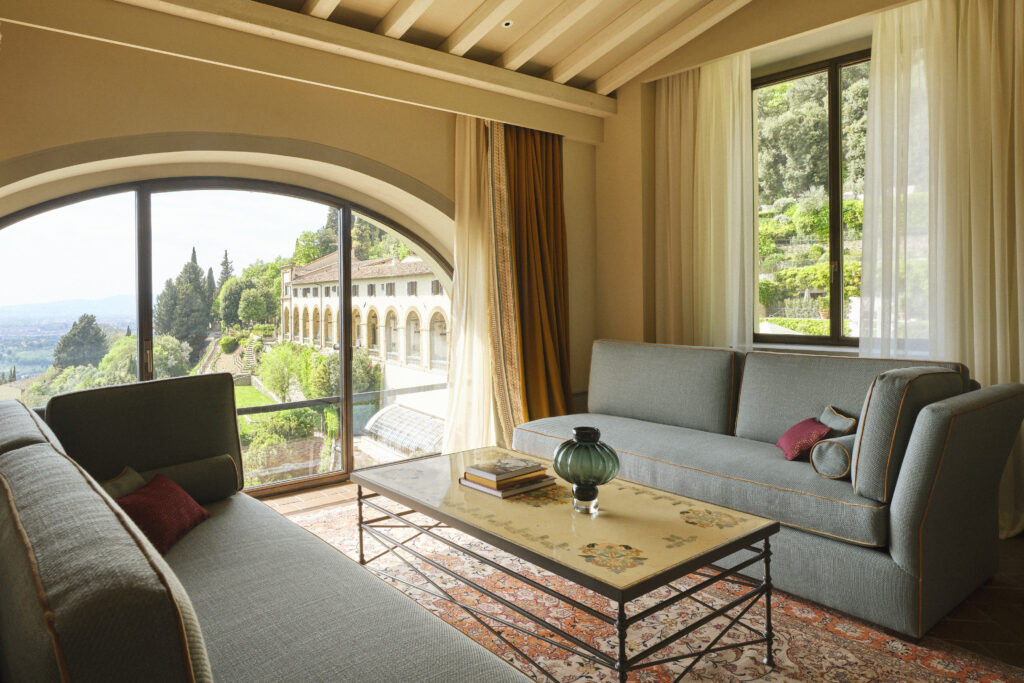
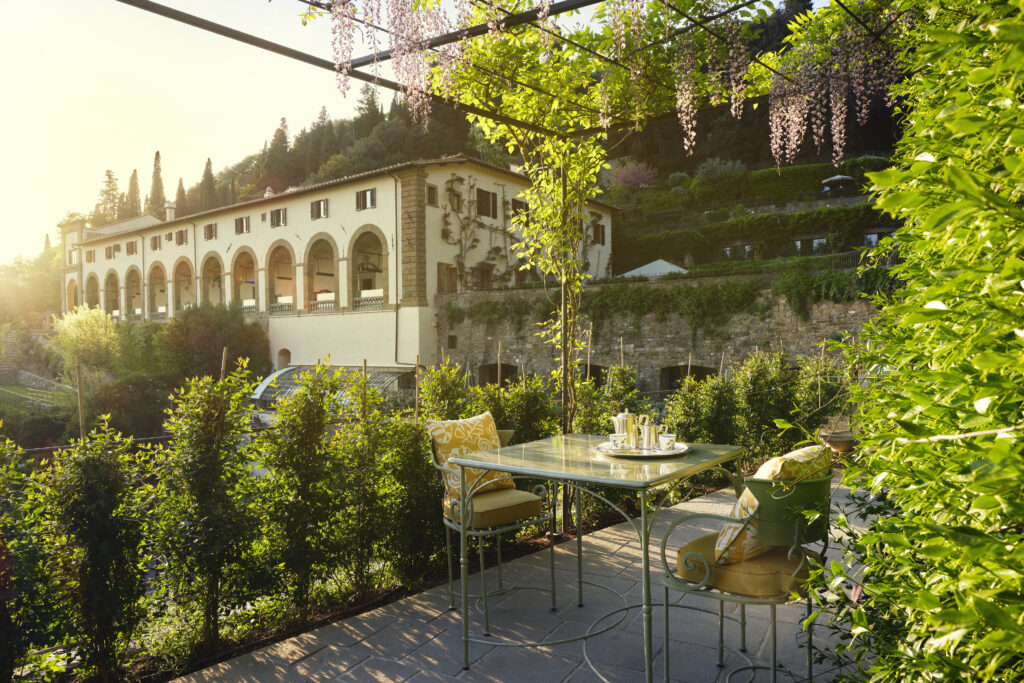
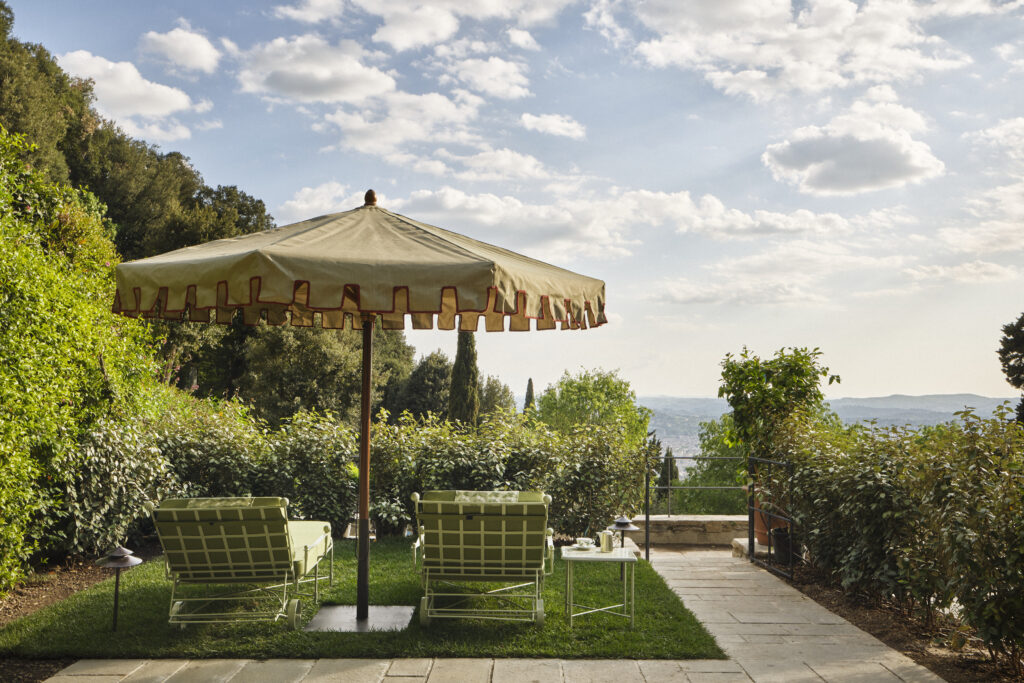
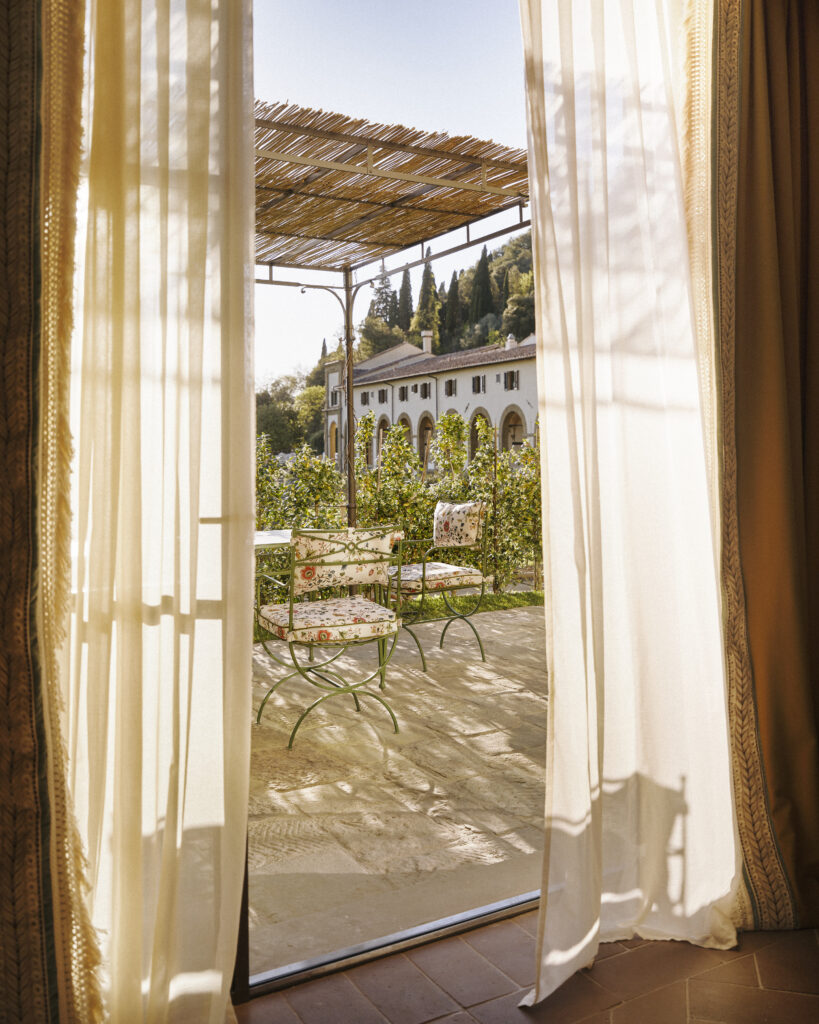
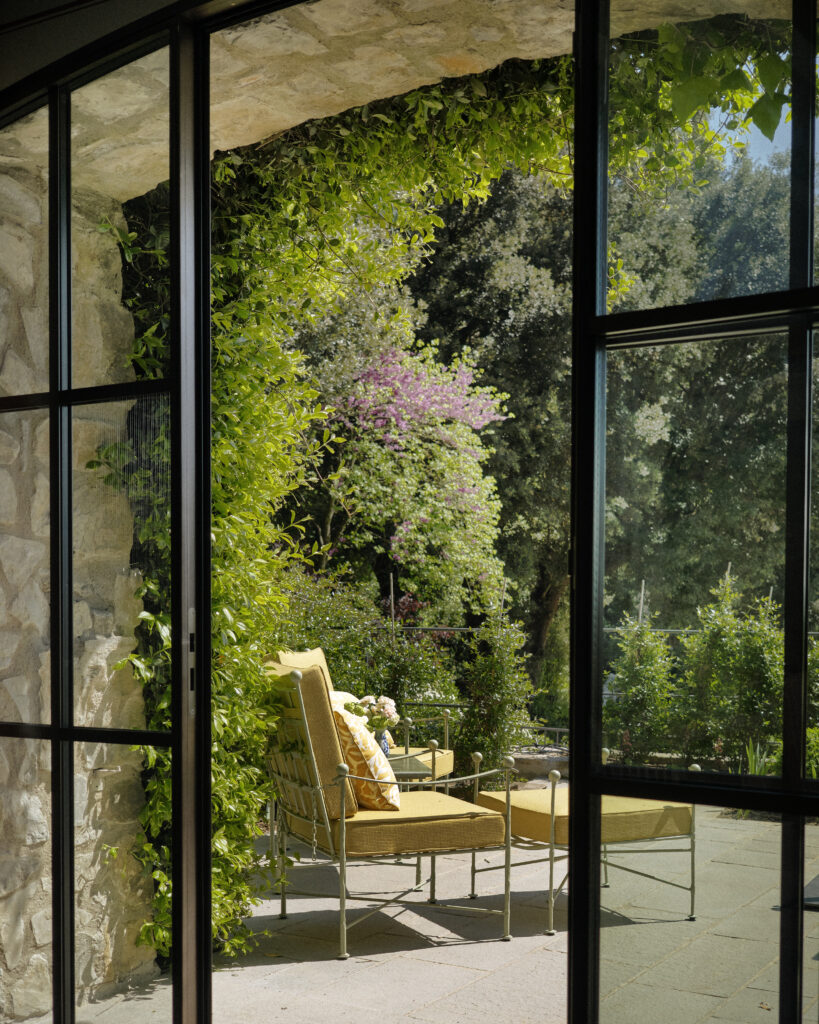
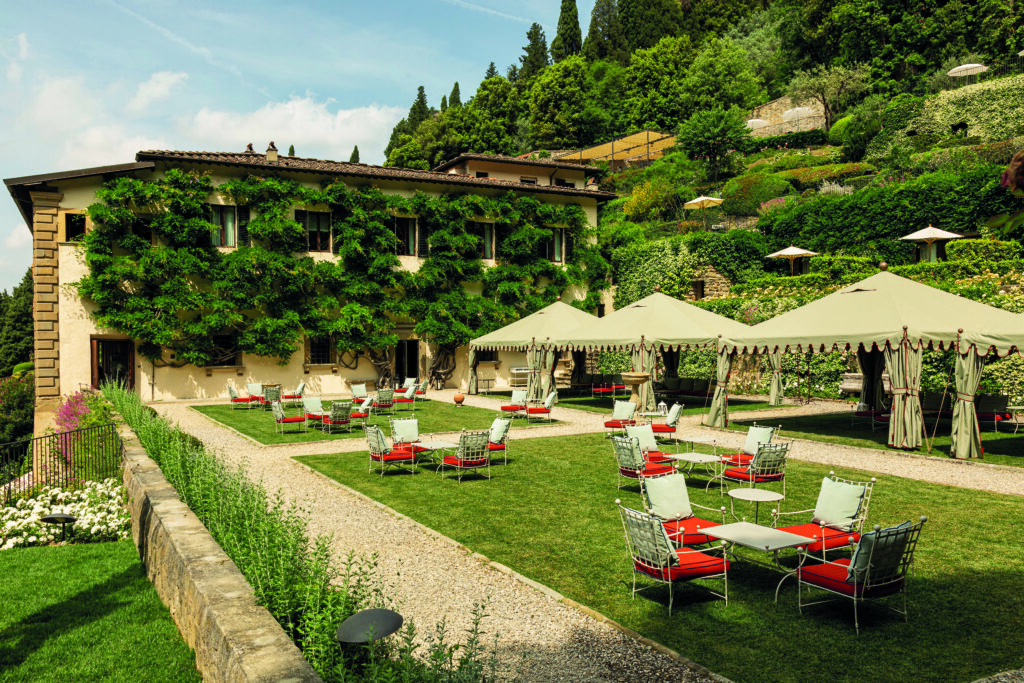
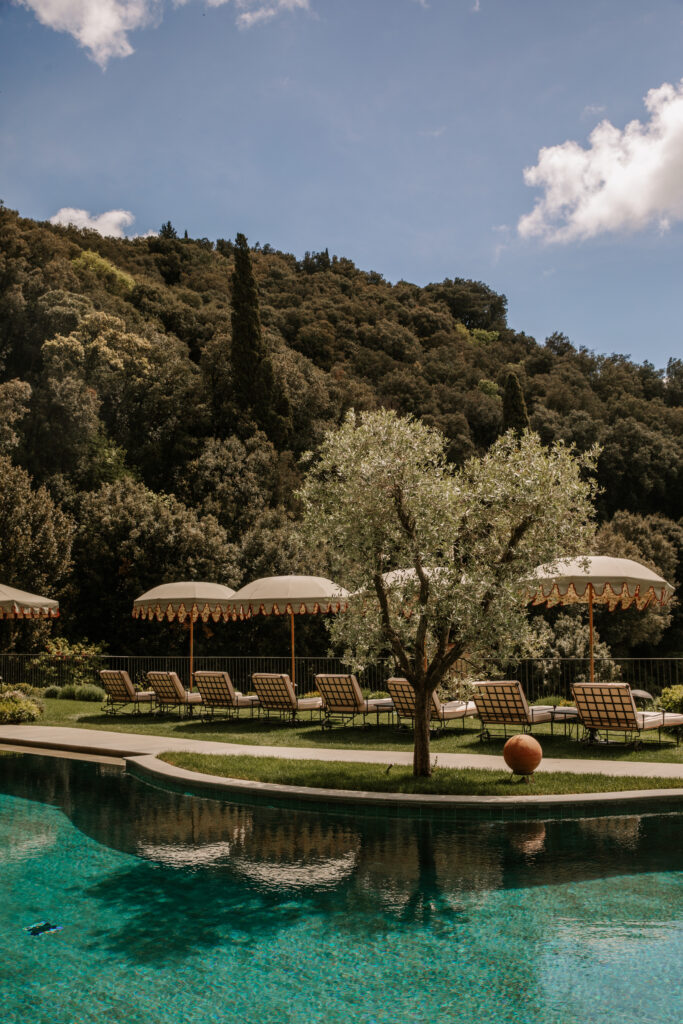
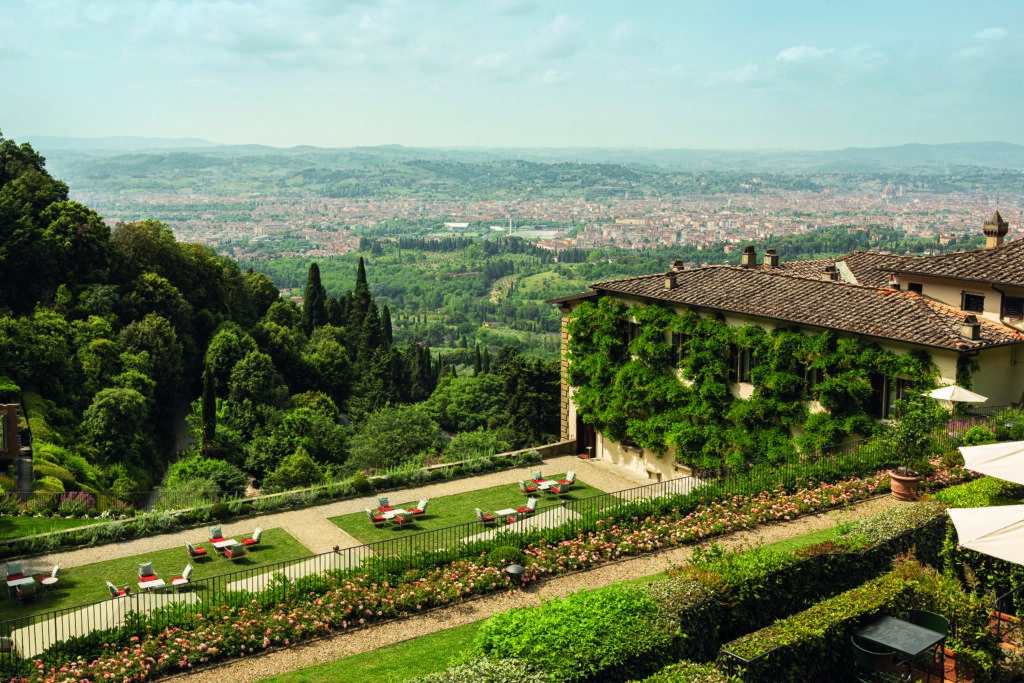
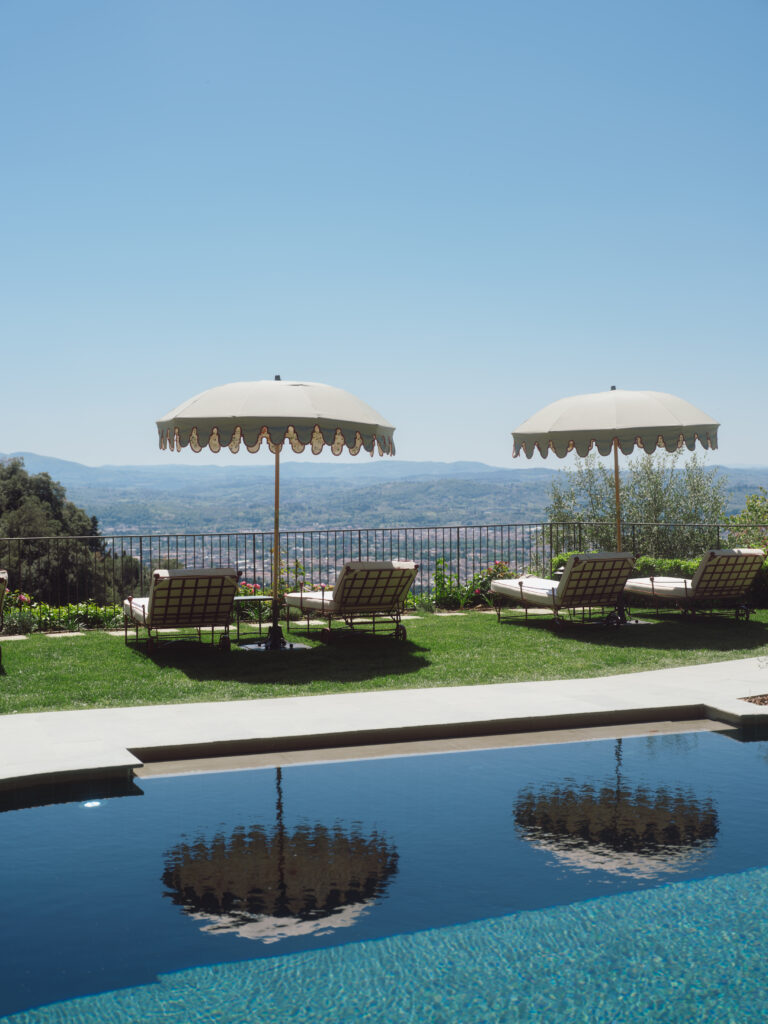
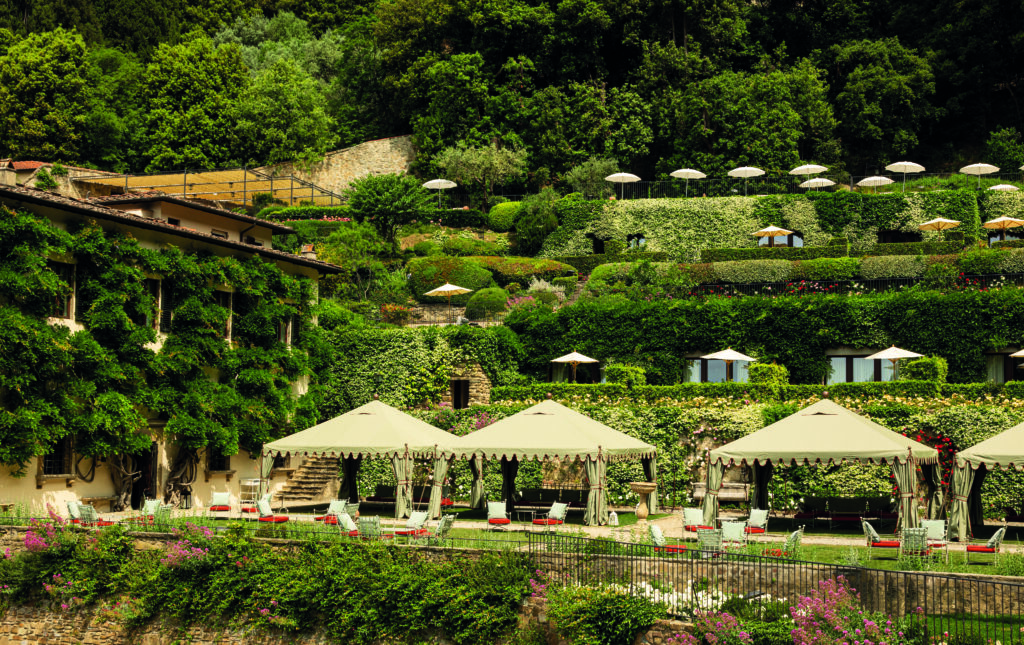
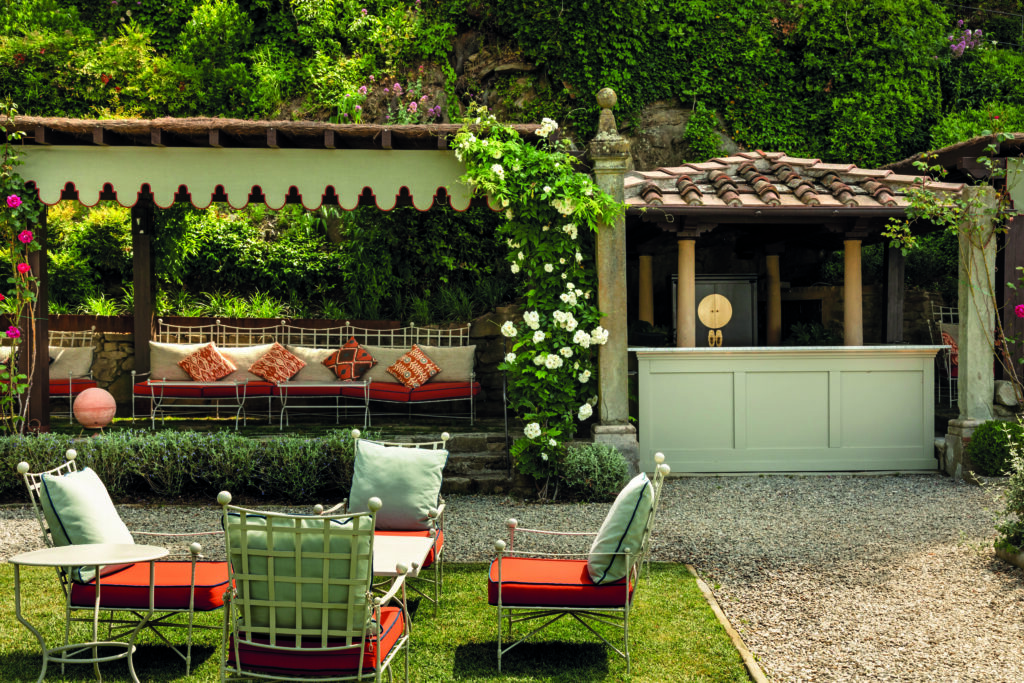
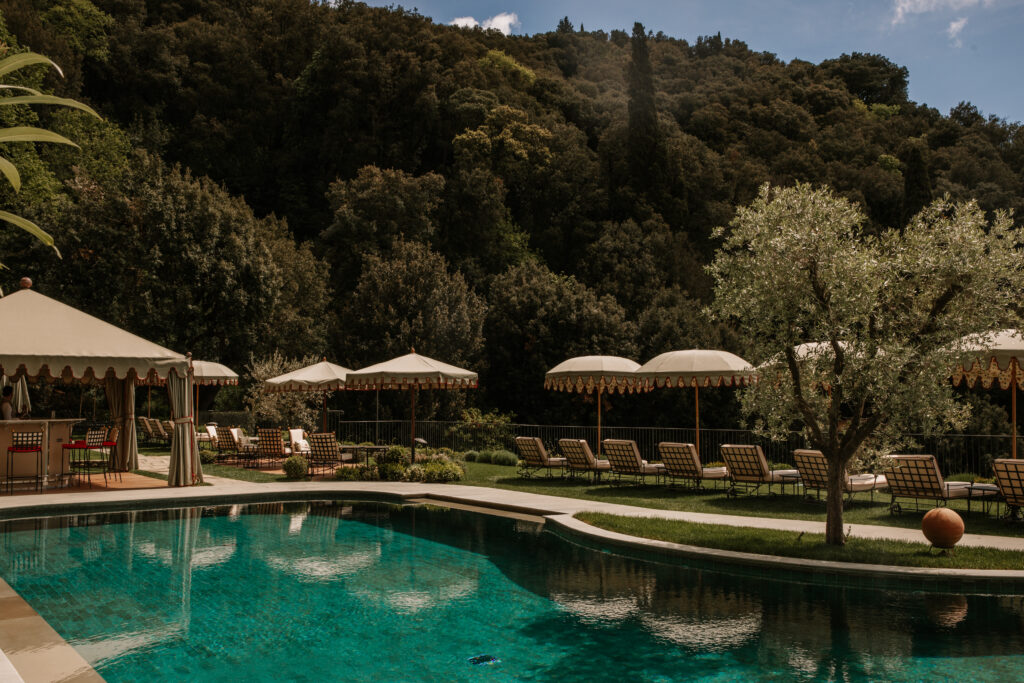
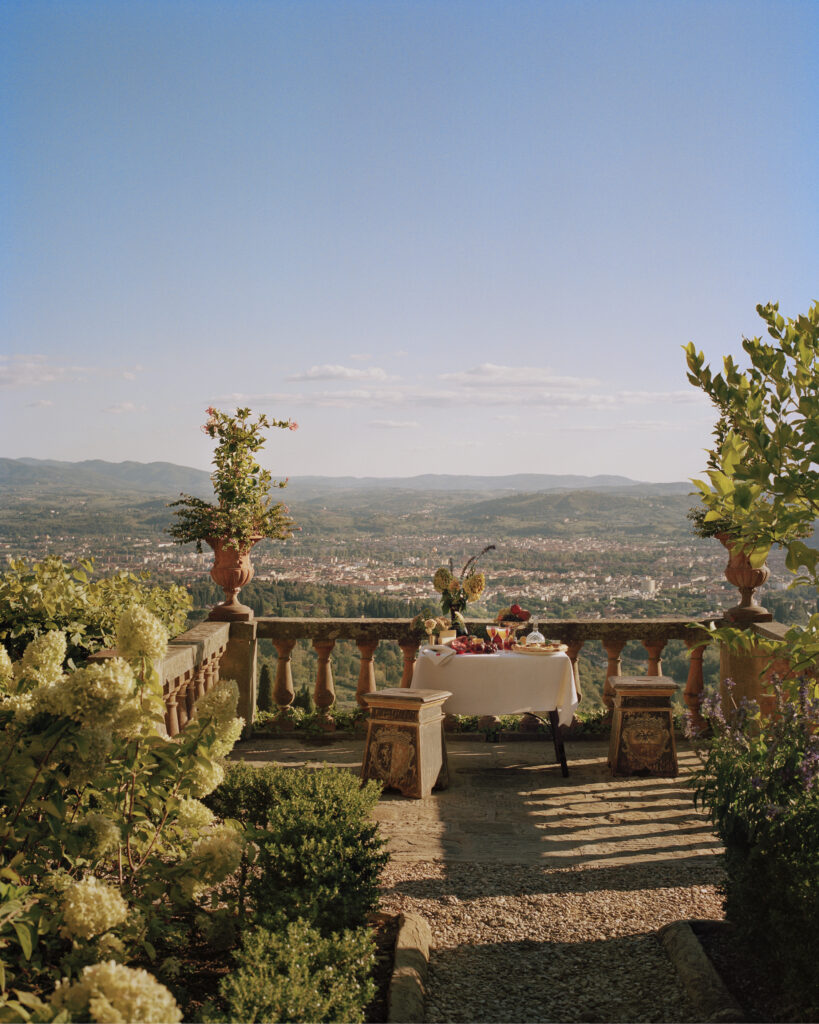
But it is probably in the gardens that the villa finds its true coherence today. The 10,000 square meters redesigned by Luca Ghezzi Garden Design revive the Renaissance idea of otium: leisure devoted to contemplation and conversation.
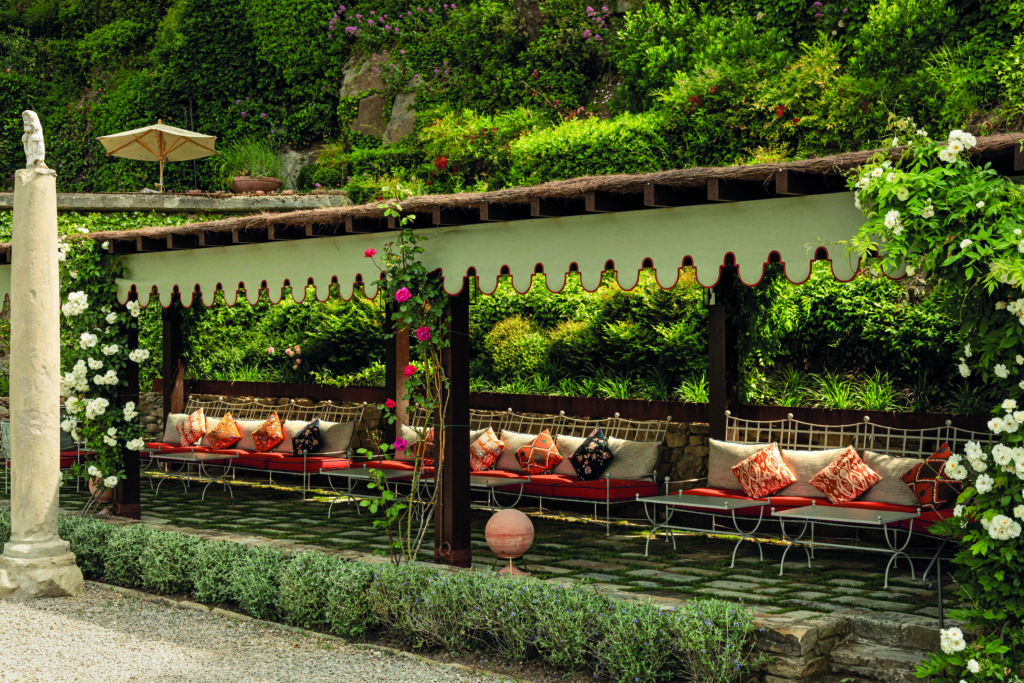
Potted citrus trees, Florentine irises, rosemary, boxwood, cobblestone paths, and geometric terraces form not so much a setting as an Italian landscape grammar. Even the new 42-meter path lined with rose bushes seems designed to slow one’s pace rather than to make for a good photograph.
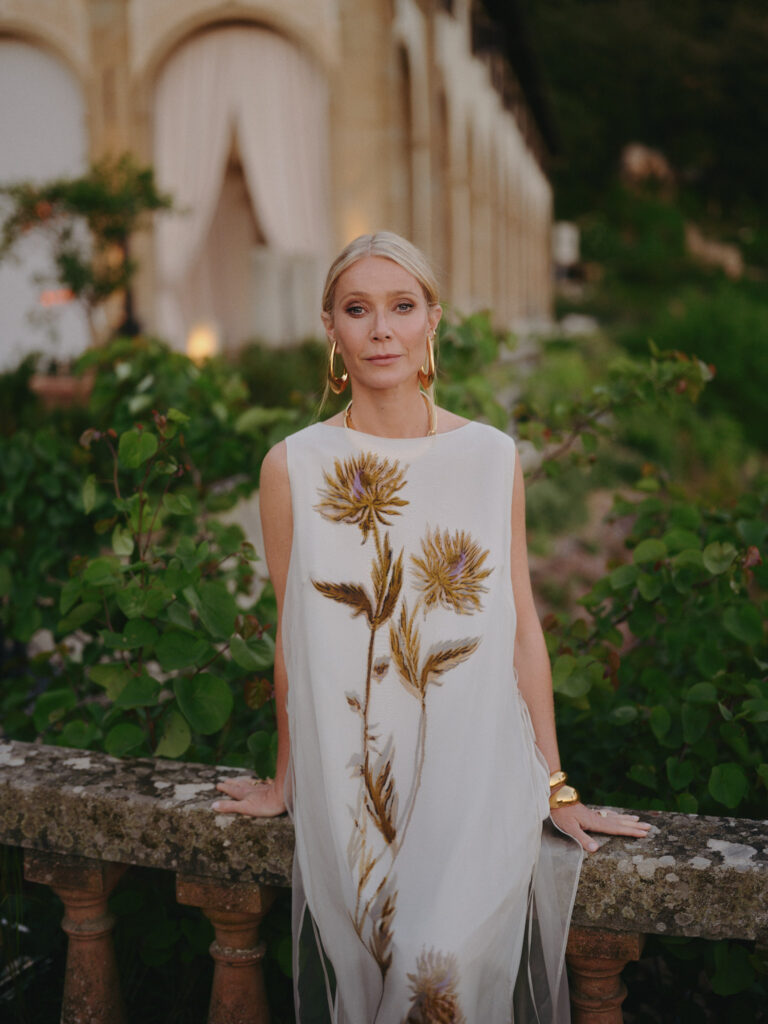
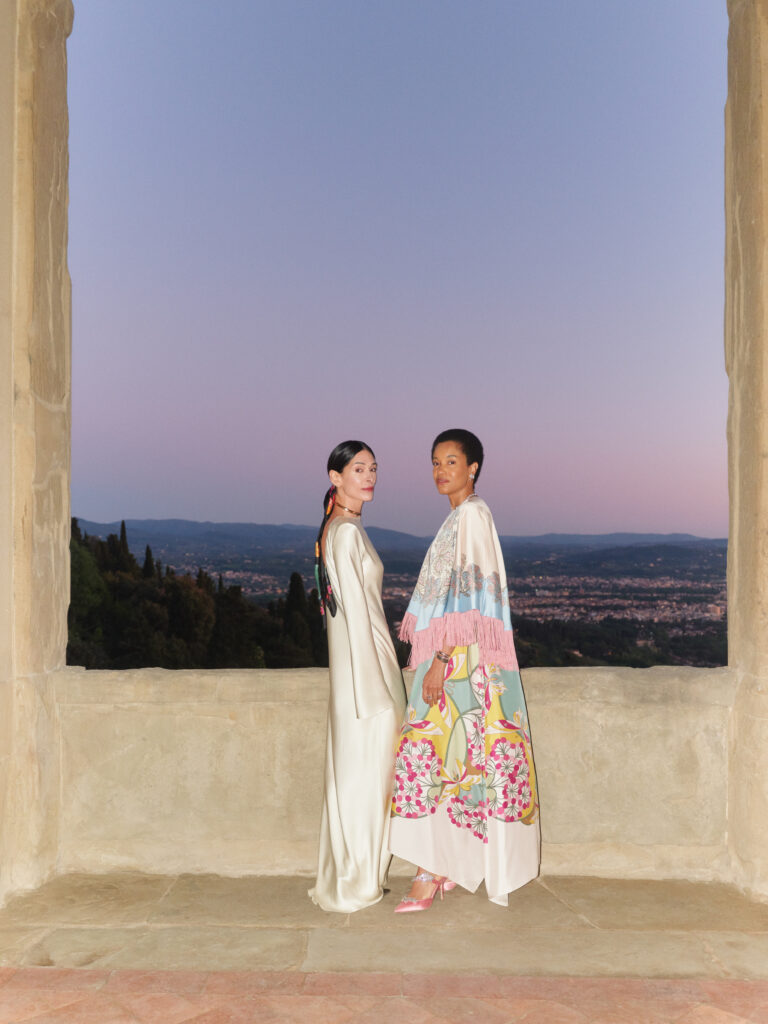
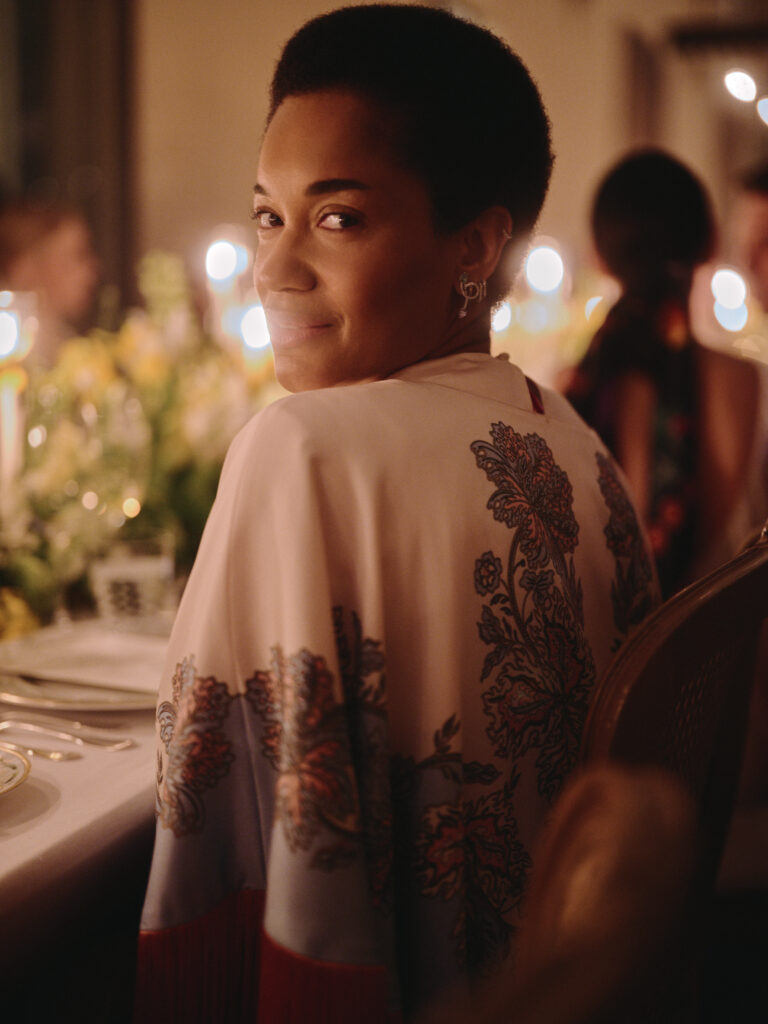
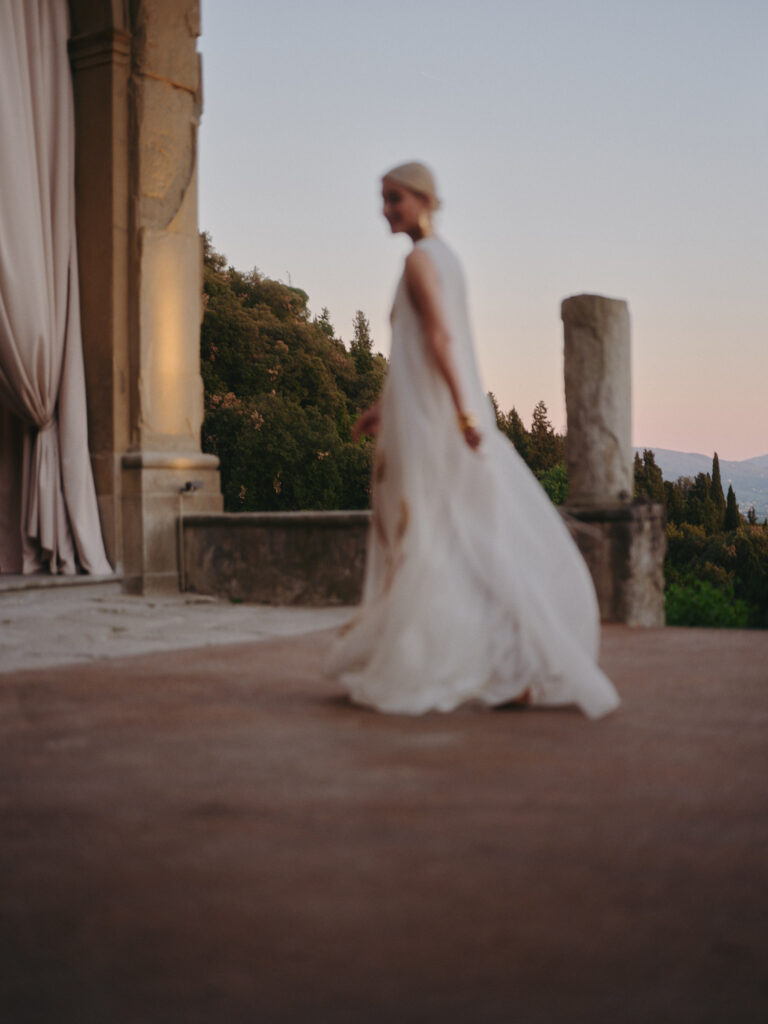
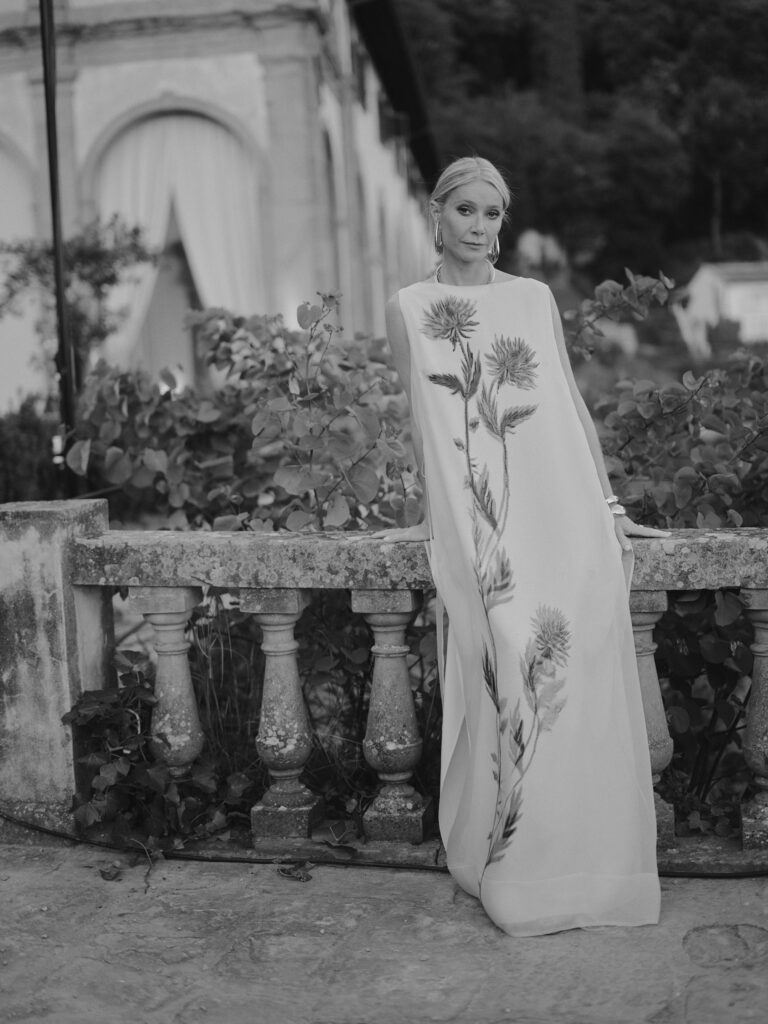
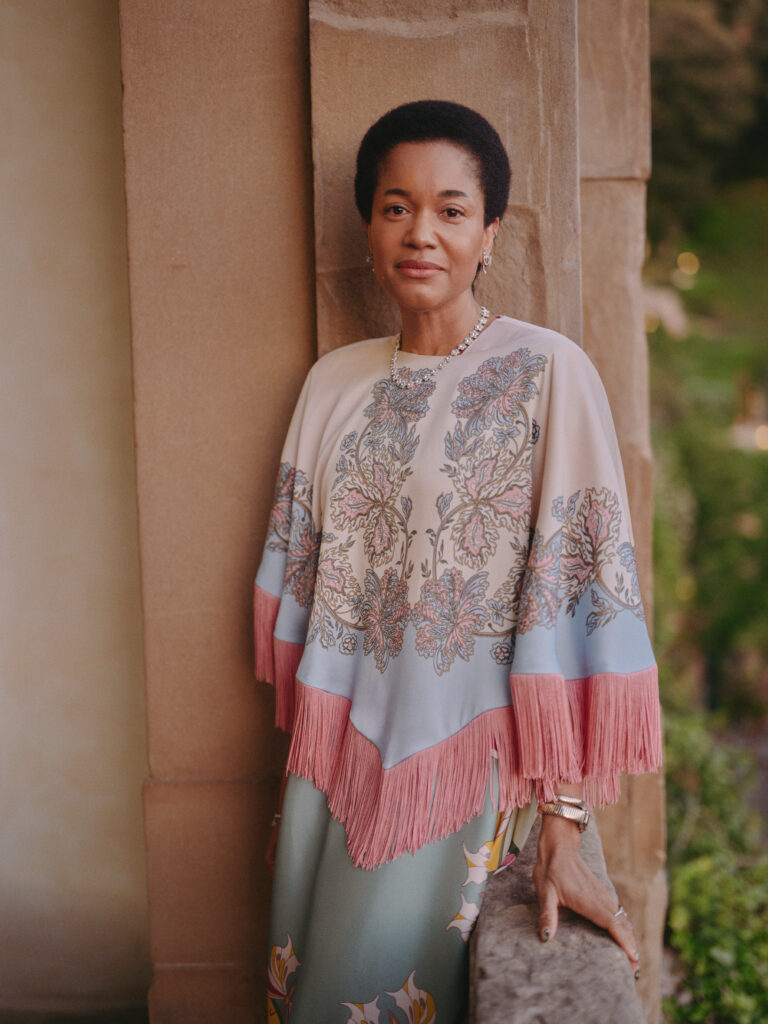
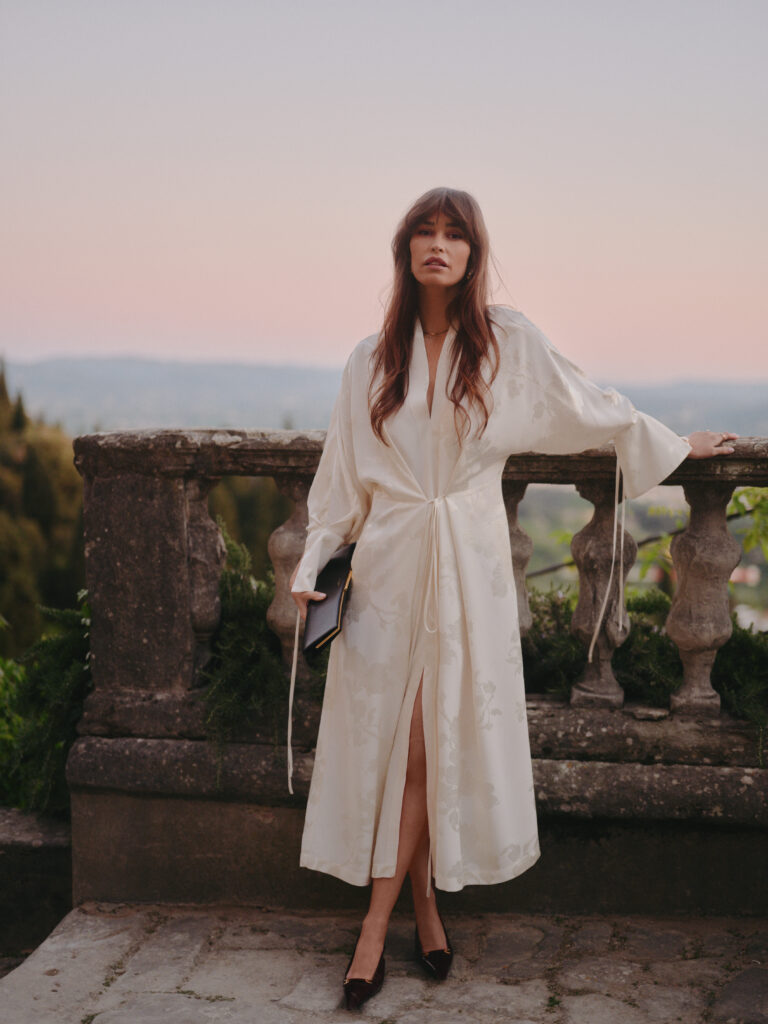
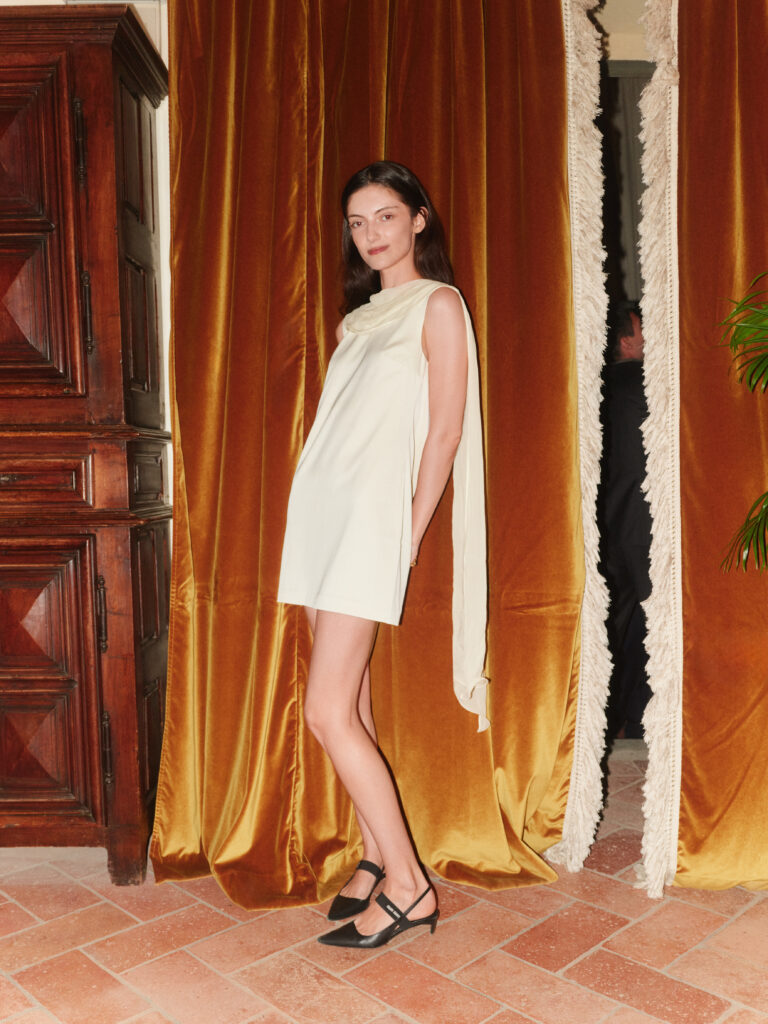
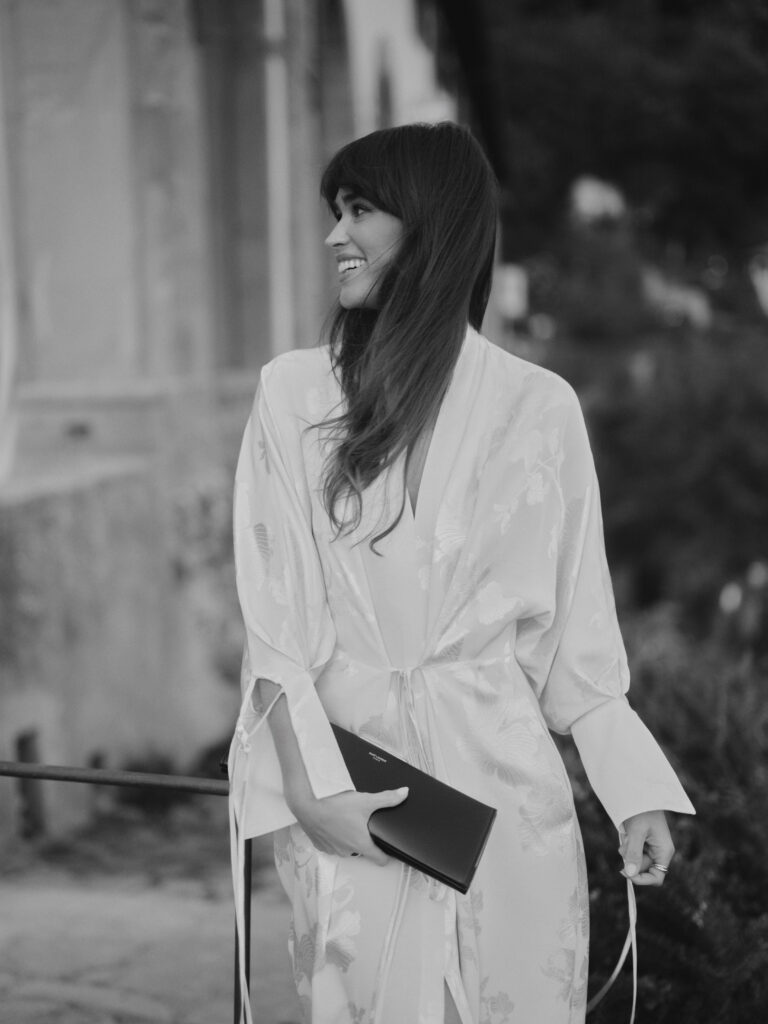
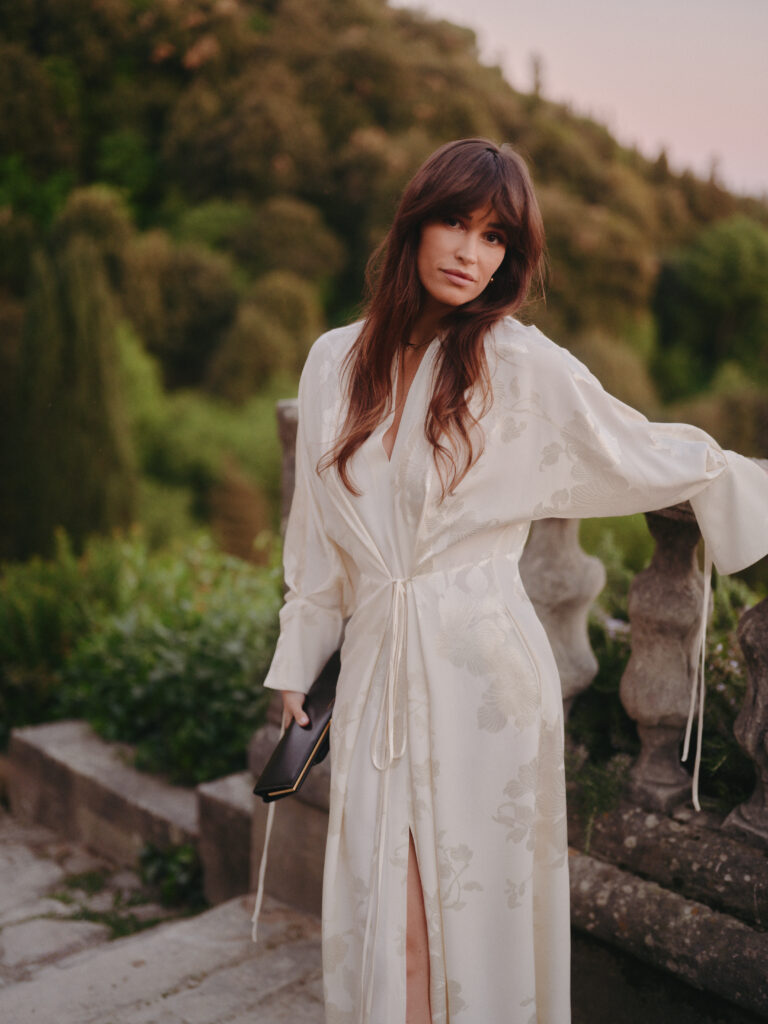
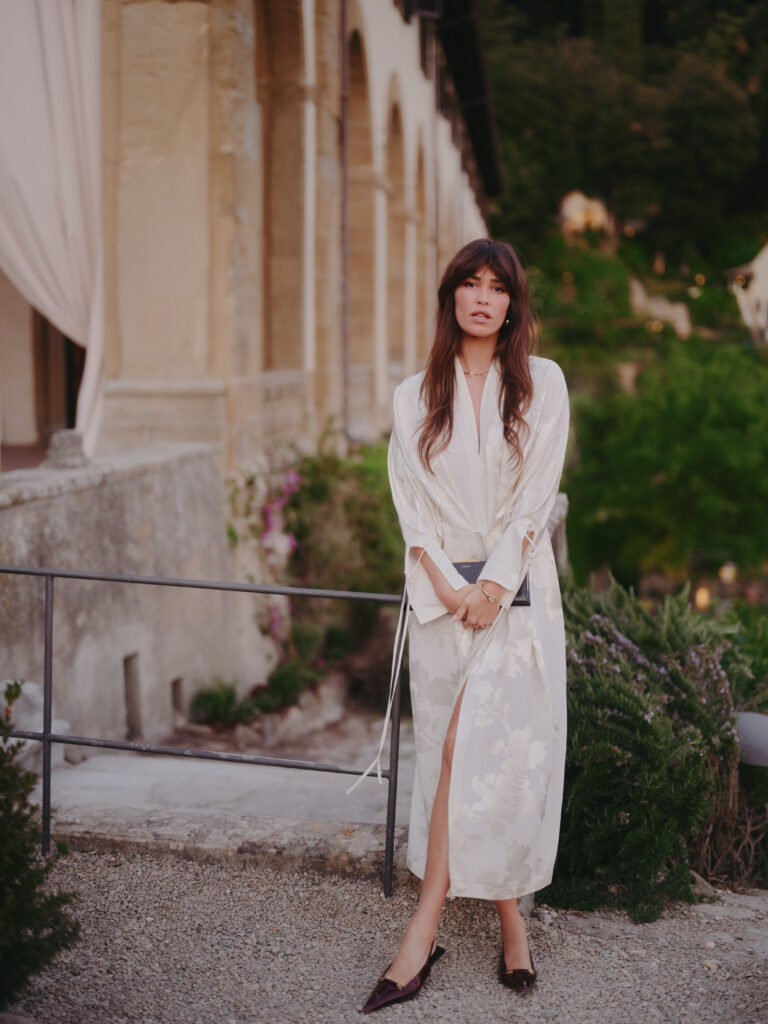
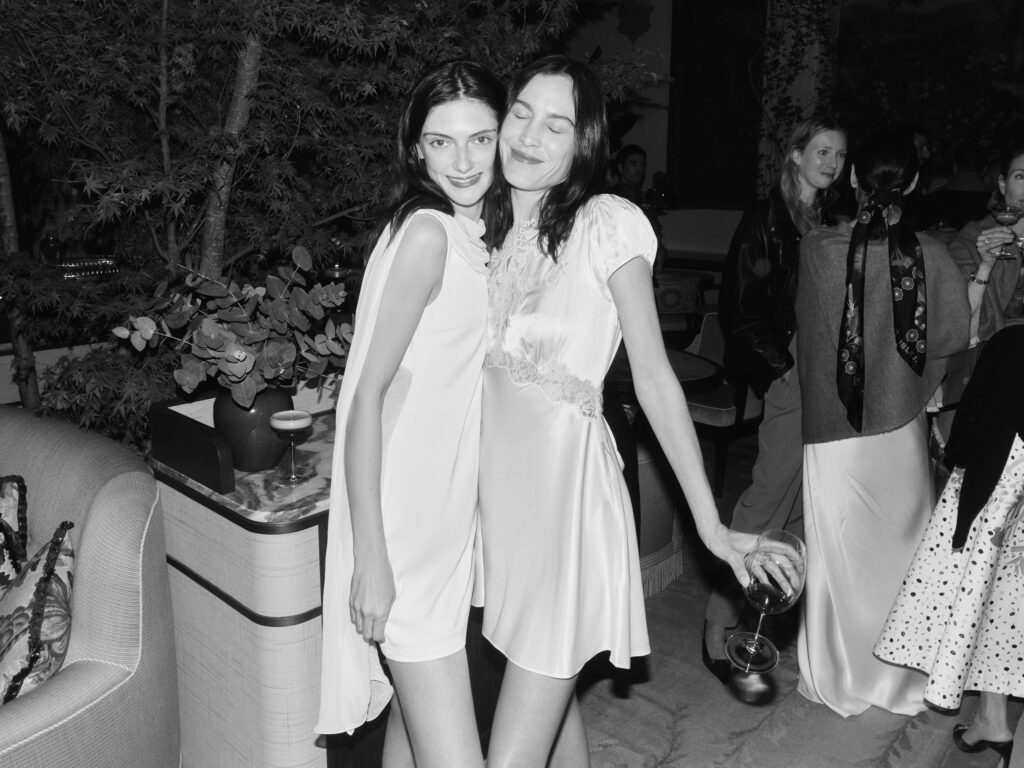
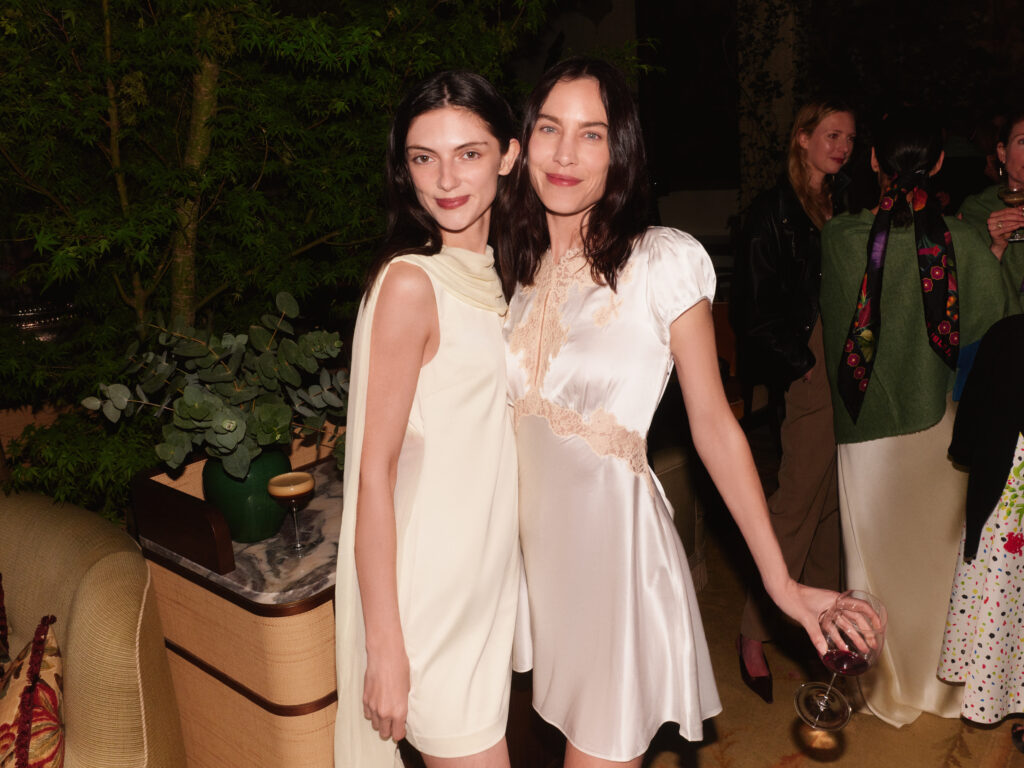
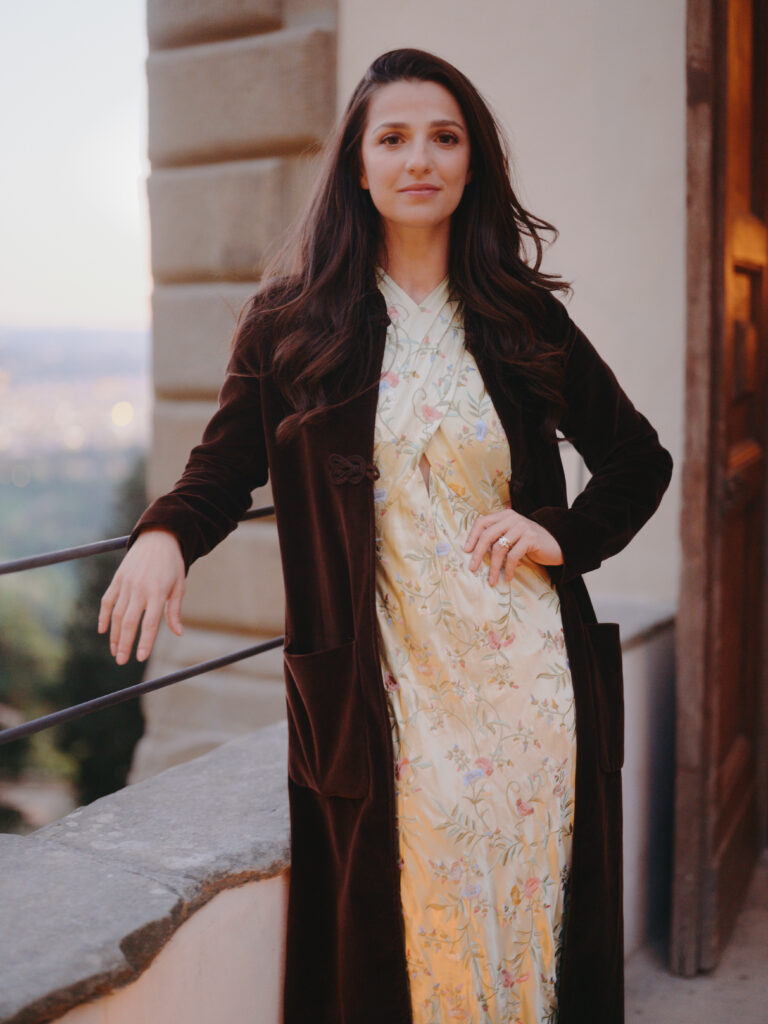
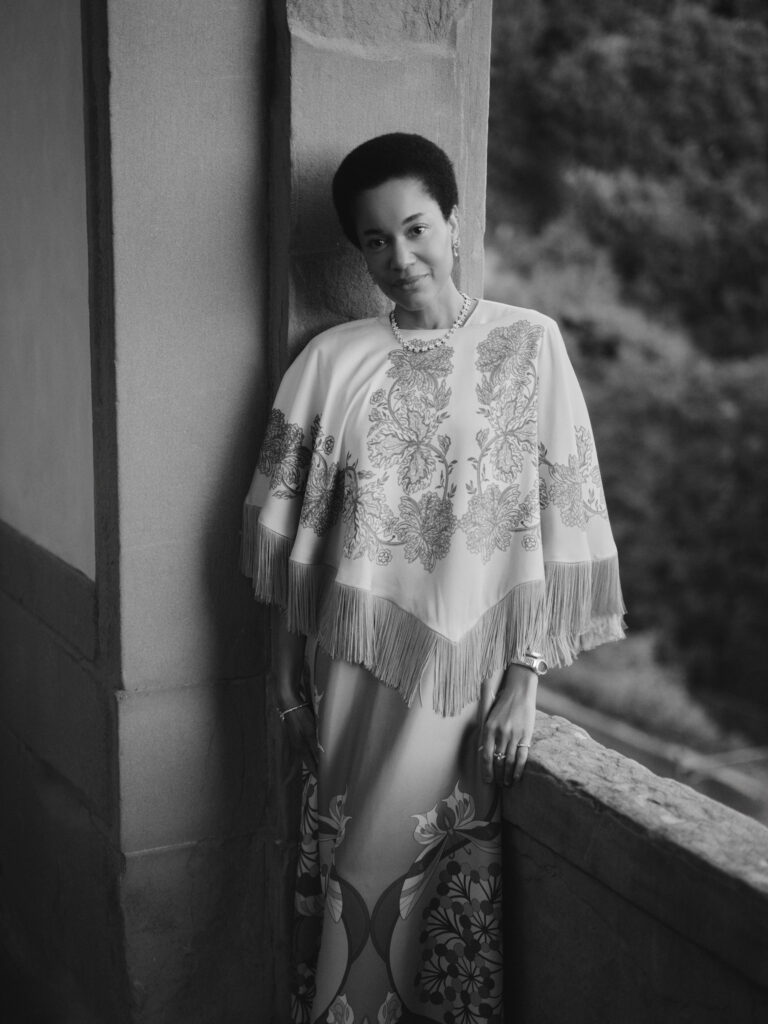
The most revealing aspect, however, remains the collaboration with La DoubleJ. On paper, the partnership between a Milanese fashion house known for its maximalist prints and a former Florentine monastery might have seemed contradictory. In reality, it reflects a specific cultural shift: the convergence of experiential luxury, gentle spirituality, and immersive aesthetics.
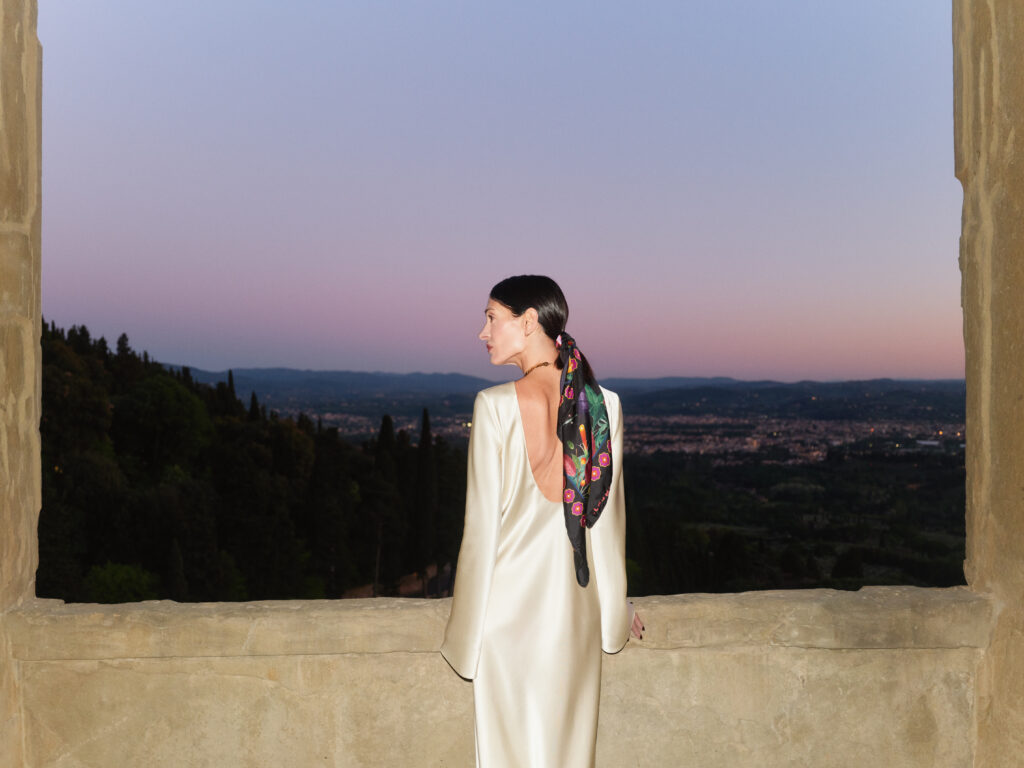
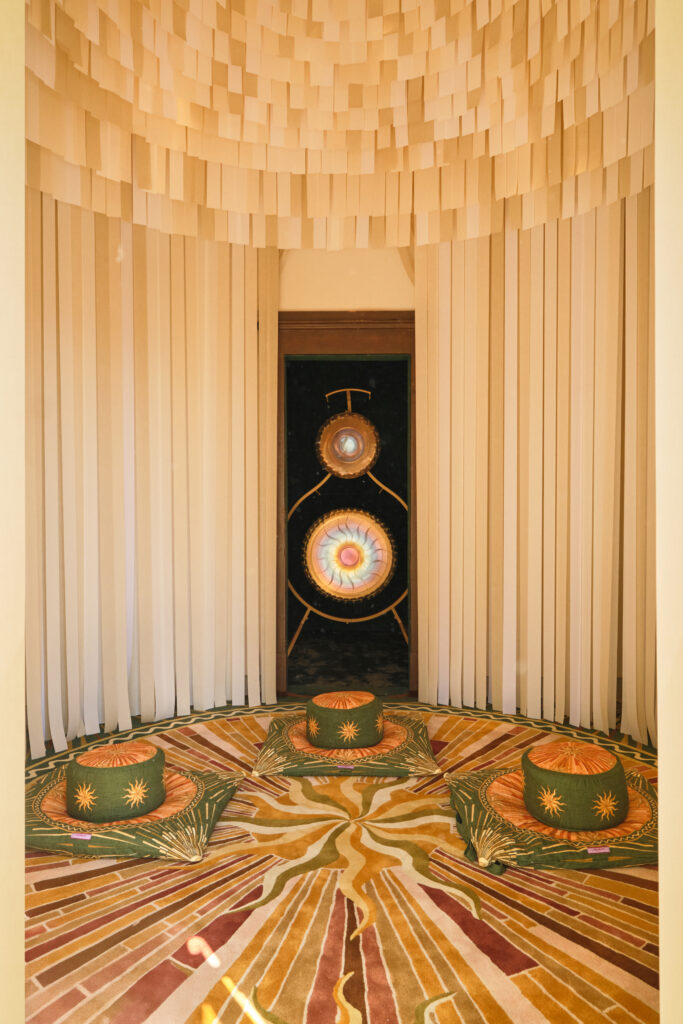
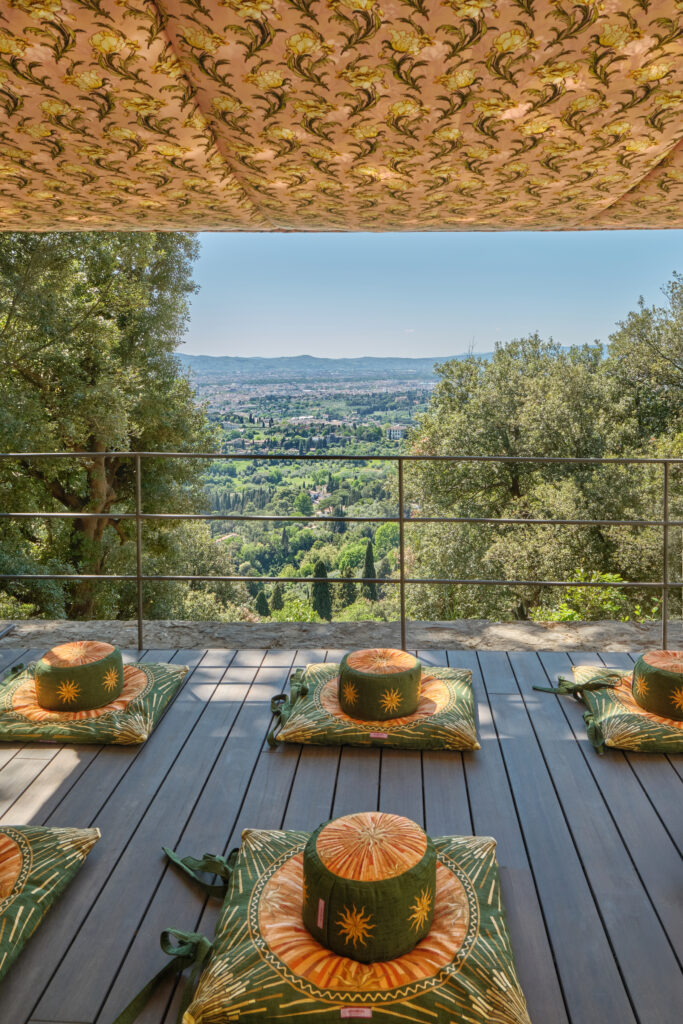
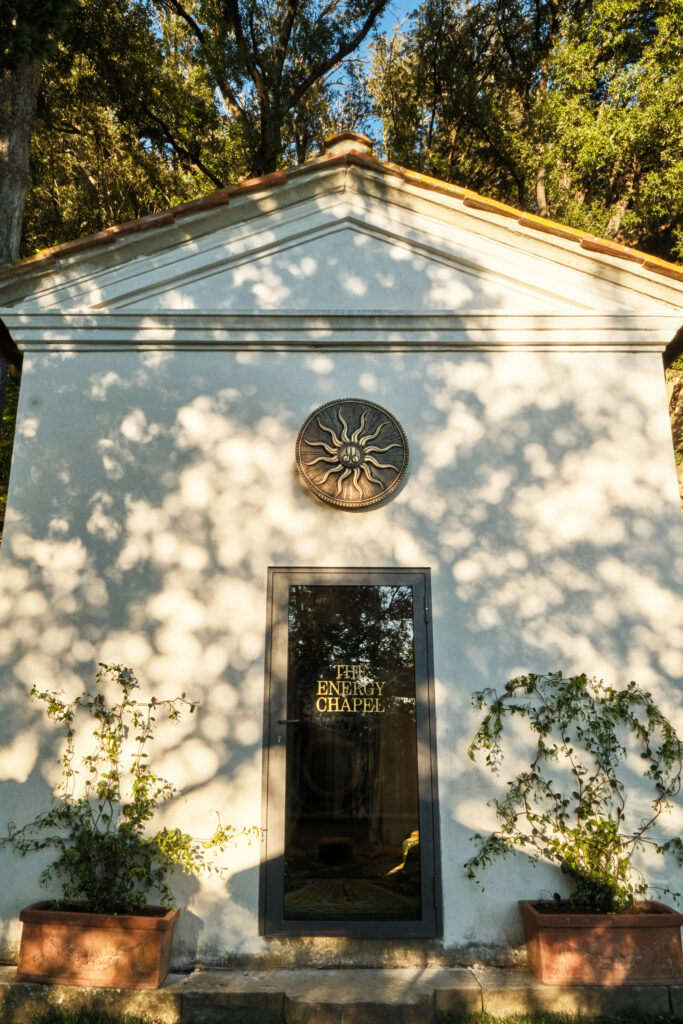
In the estate’s woods, three spaces have been designed for meditation, sound therapy, and Kundalini yoga. An old chapel has been transformed into a gong room; a terrace hosts rituals for contemplating the sunset; and seasonal retreats are gradually replacing the traditional event programs typical of luxury hotels.
This shift is significant. For a long time, European hotel luxury was based on ostentation: grand spaces, ornate decor, and visible service. Villa San Michele offers something different: a luxury of seclusion, almost monastic, where silence becomes an integral part of the stay.
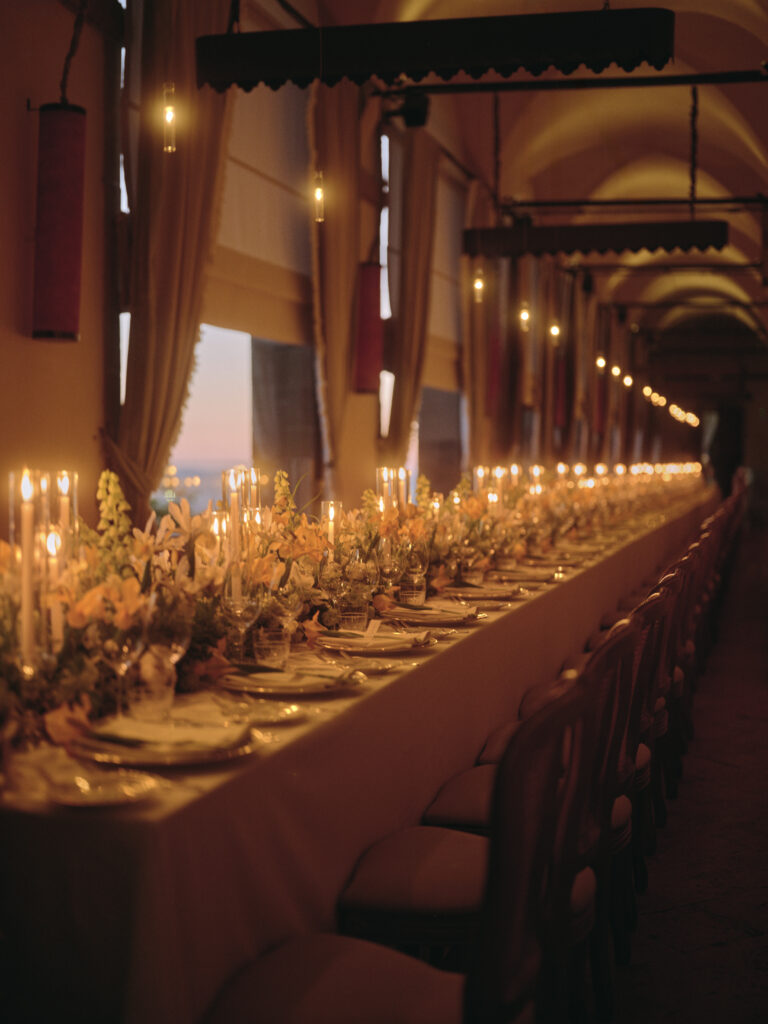
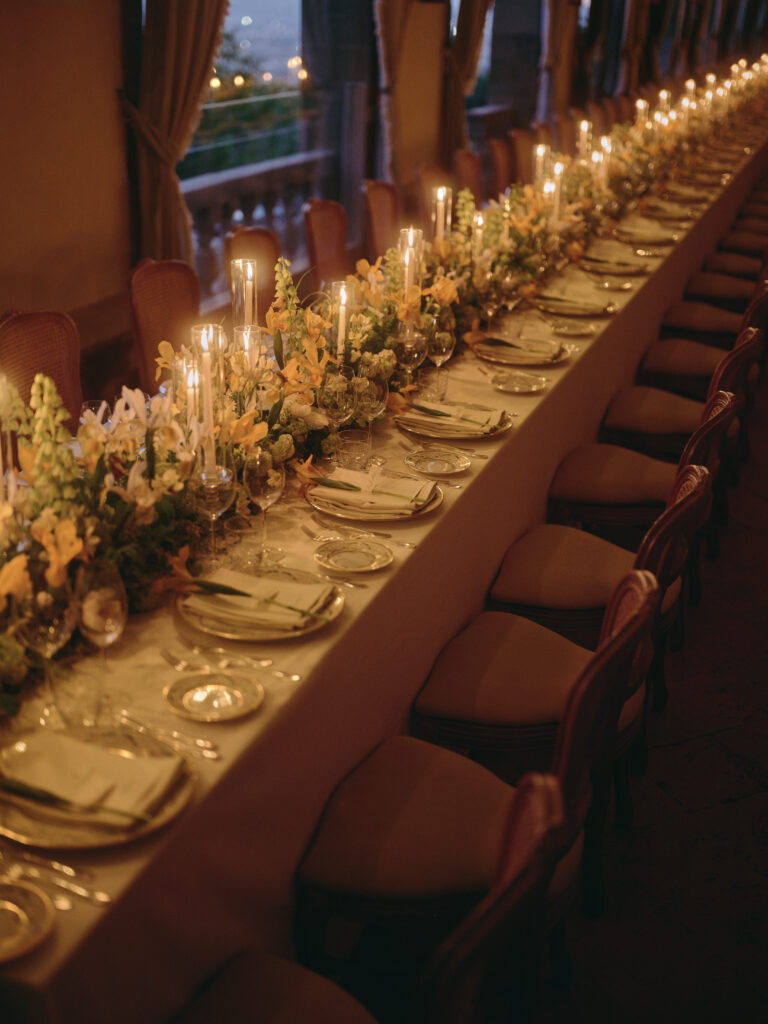
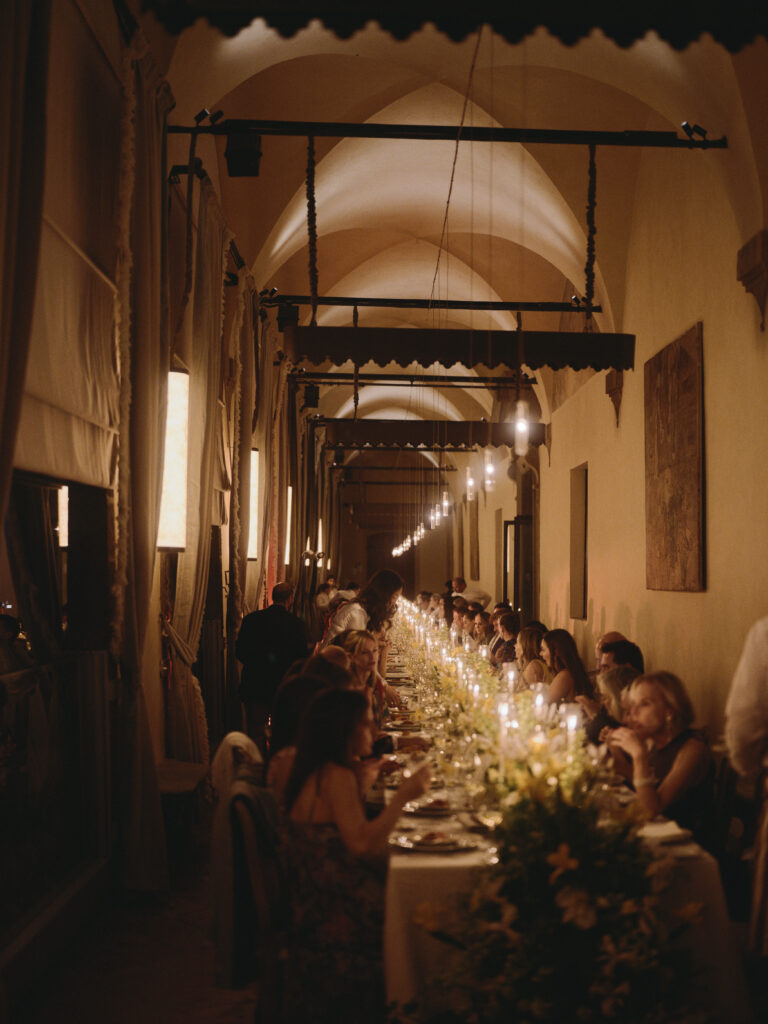
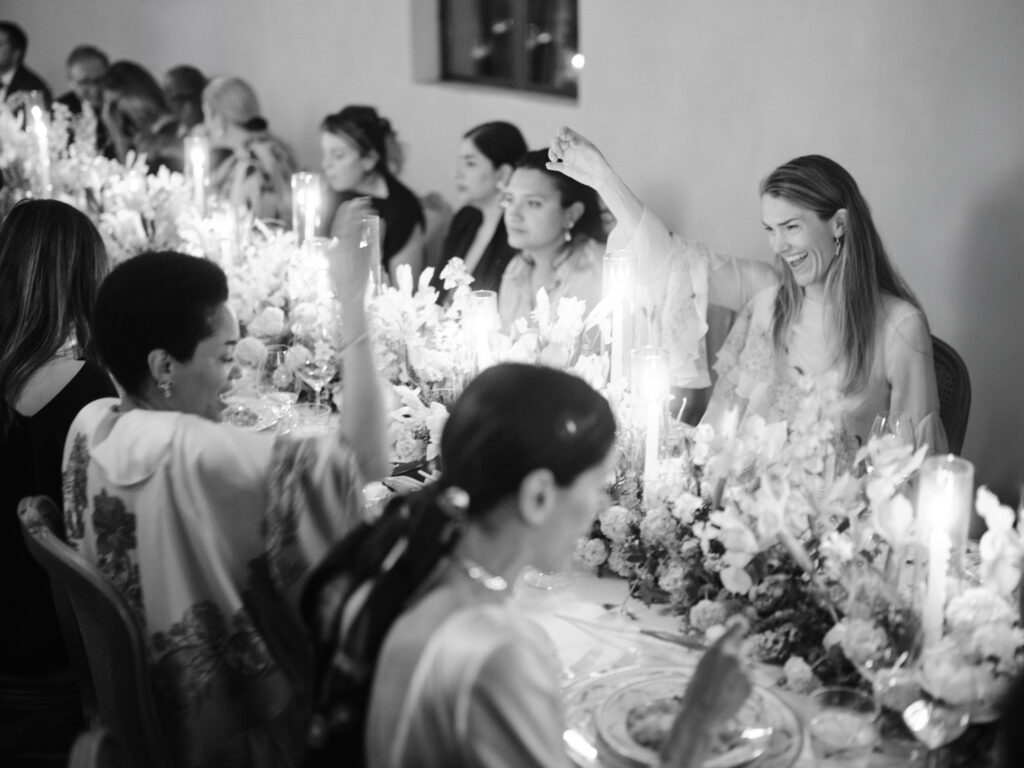
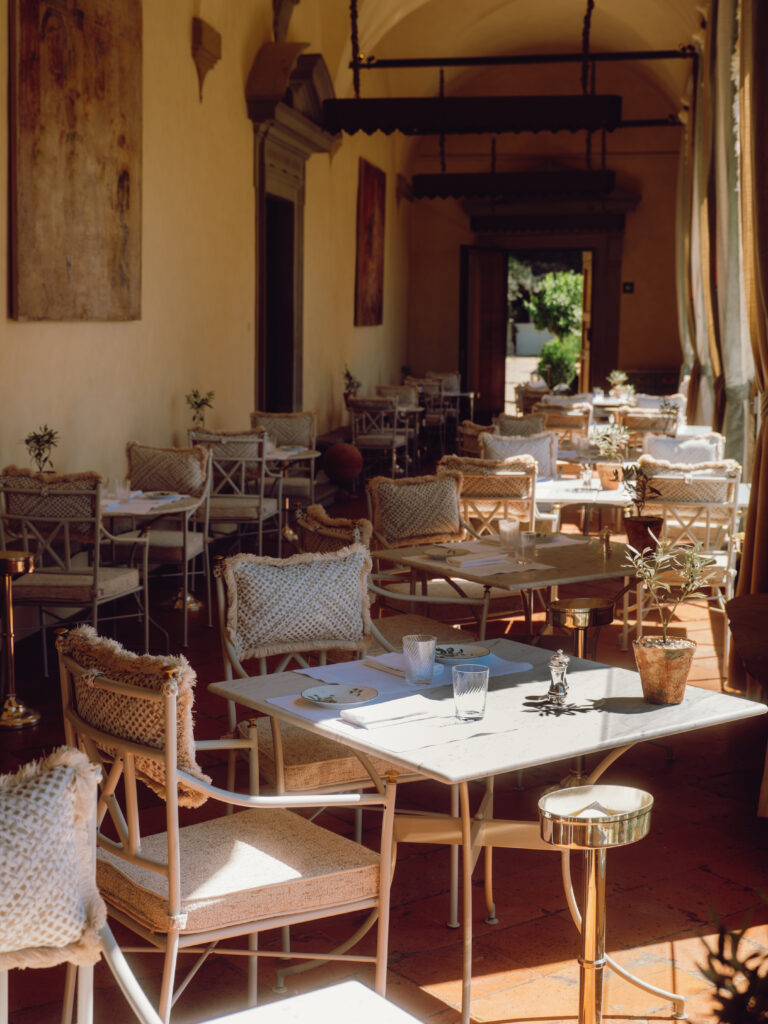
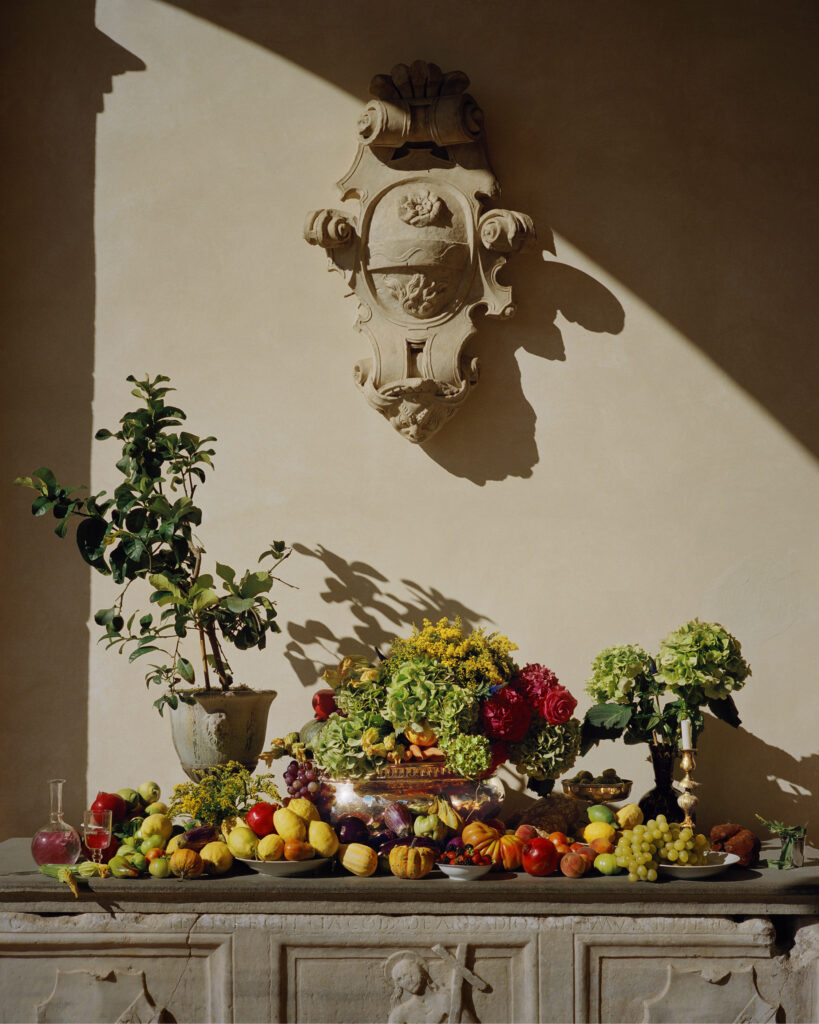
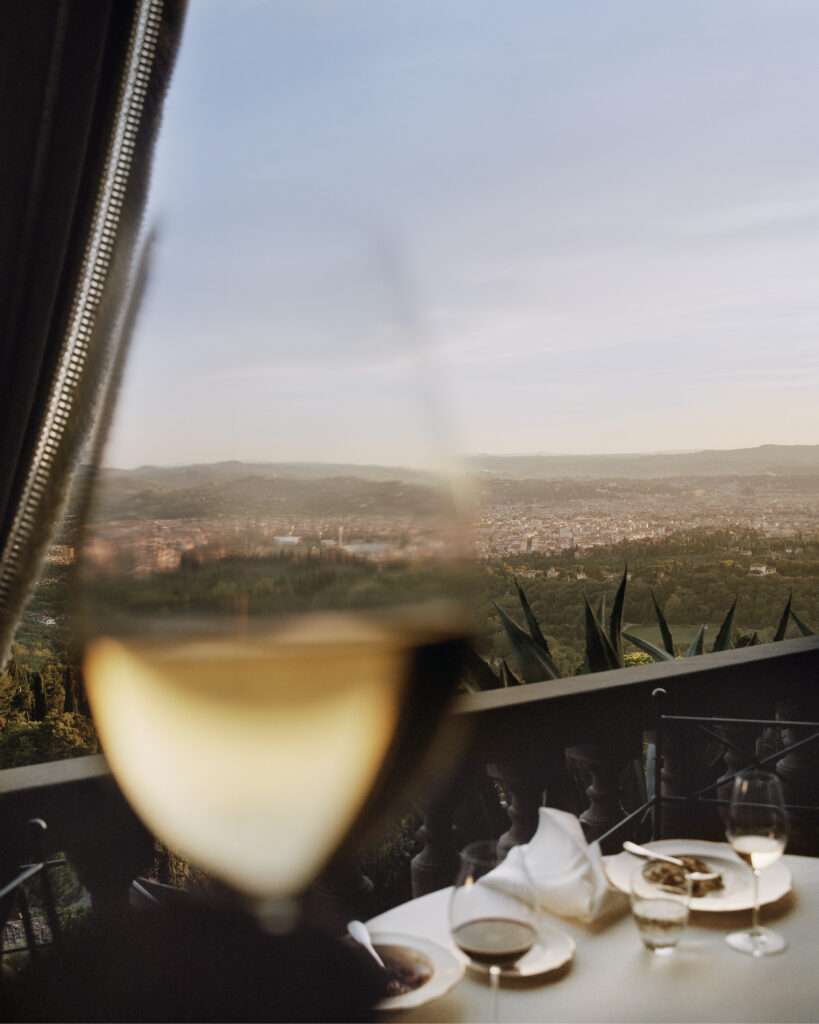
Even gastronomy follows this temporal logic. The Antesi restaurant, led by Alessandro Cozzolino, structures its menus around the concept of the “right moment.” There are only eight tables in a 16th-century Renaissance loggia. The menus—Attesa, Ora, and Traccia—function as variations on seasonality rather than as technical displays.
In a hospitality industry saturated with interchangeable images, Villa San Michele seems to understand something that has become rare: contemporary luxury no longer necessarily seeks intensity. It seeks places capable of creating a sense of distance from the world.
And Florence, paradoxically, remains one of the best places for that.

Cette publication est également disponible en :

