
Rimini, the Pearl of the Adriatic: Beyond the Beach, a Destination of History and Flavors
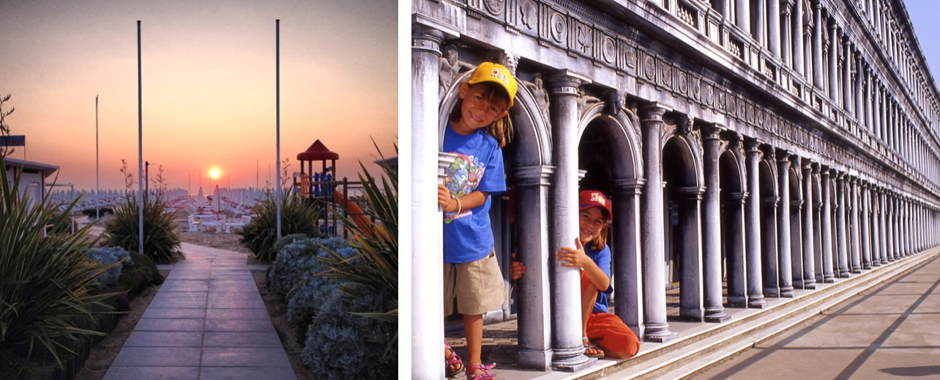
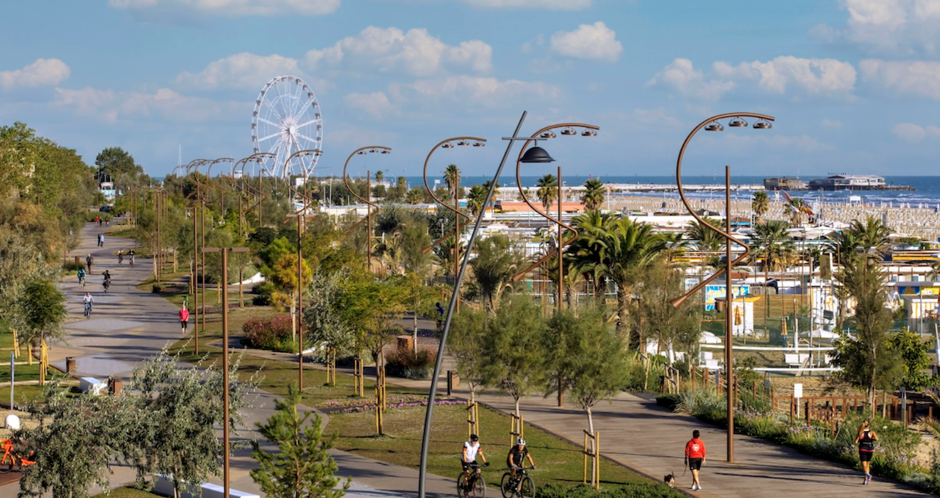
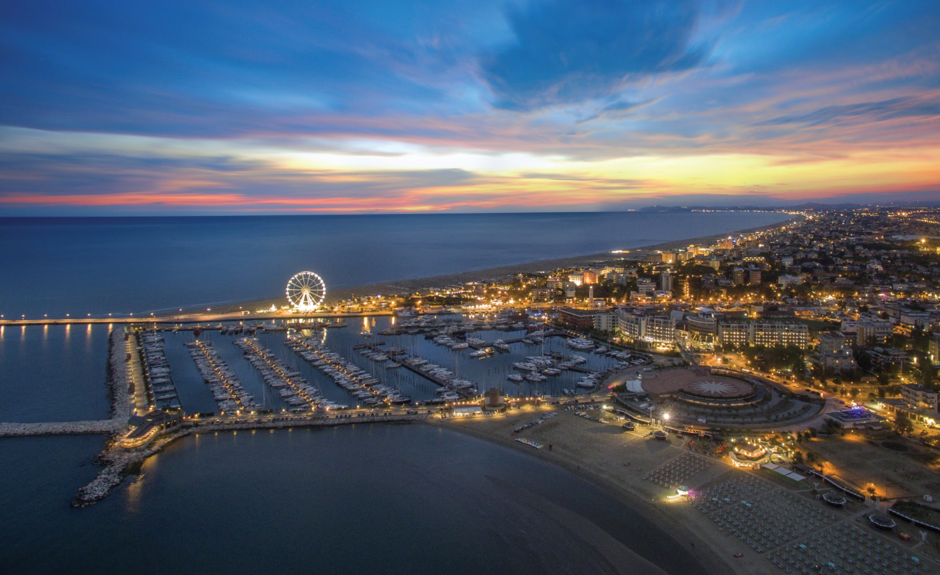
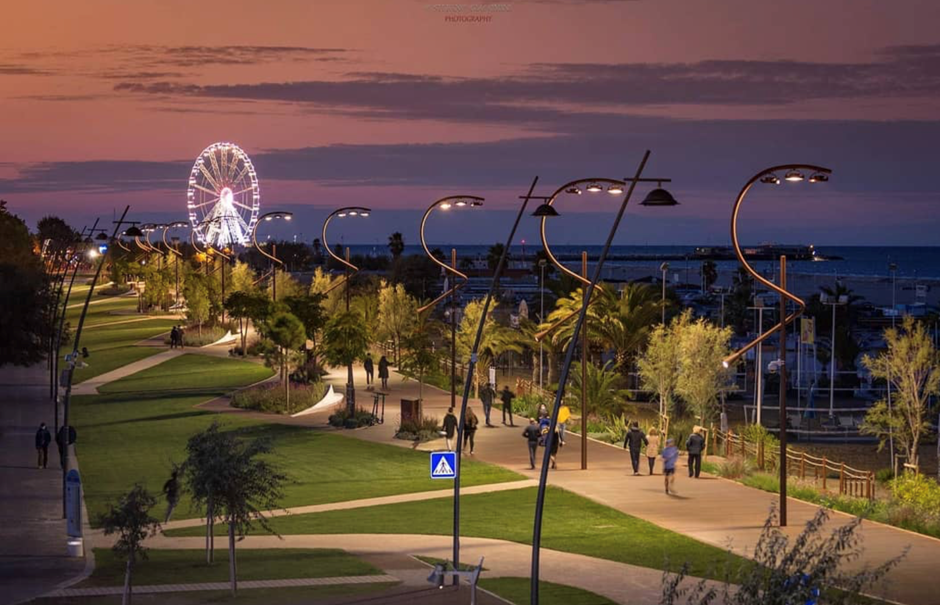
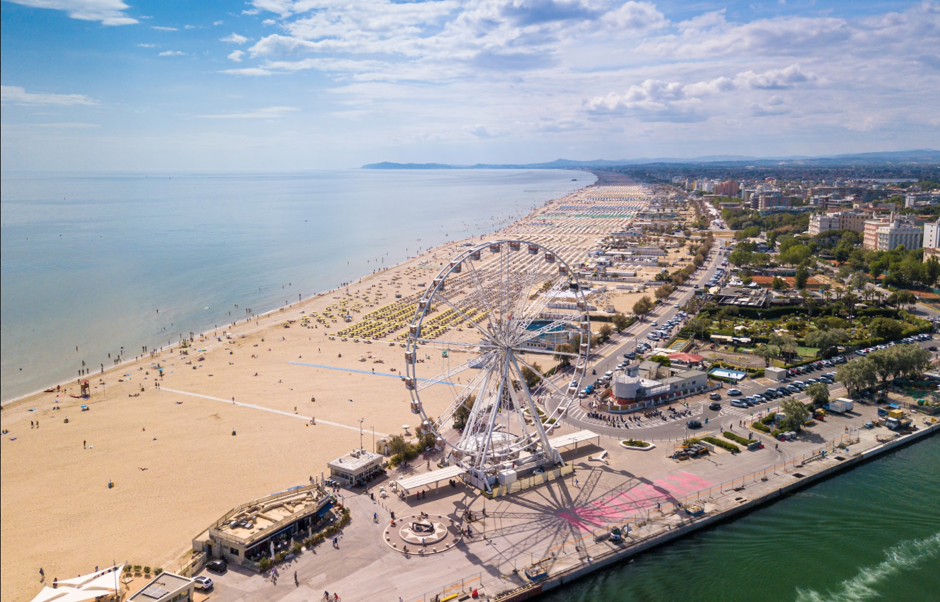
Everyone has an image of Rimini. That image conjures up club music, warm, shallow water, and orange beach umbrellas planted at regular intervals along a flat beach. That image isn’t wrong—it’s just very incomplete. Rimini is also one of Italy’s best-preserved Roman cities, the culinary capital of coastal Emilia-Romagna, and a destination that’s starting to attract an international crowd that isn’t there just for the nightclubs.
Twenty Centuries of Stone and Bridges
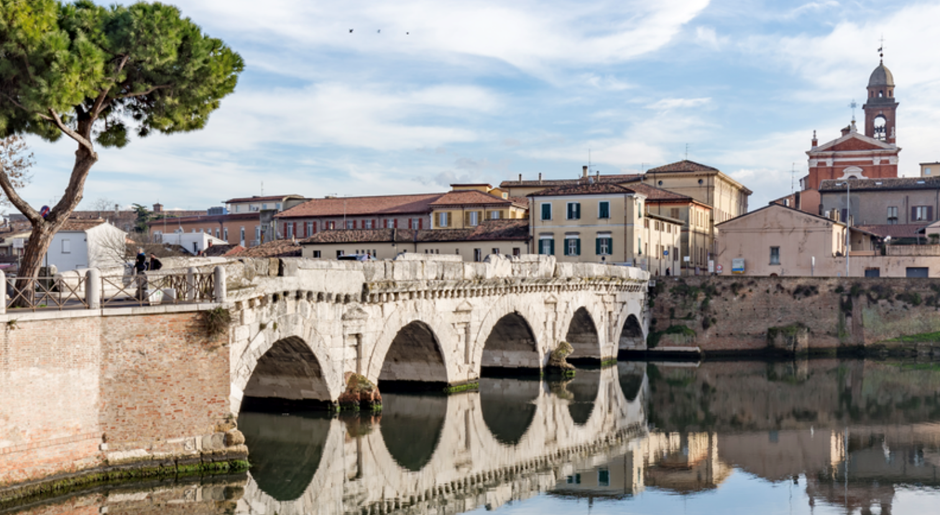
The Arch of Augustus, built in 27 B.C. to commemorate the Emperor’s victories, marks the entrance to the historic center with a simplicity that mass tourism has failed to diminish. The Tiberius Bridge, still in use after twenty centuries of traffic, spans the Marecchia River with the quiet patience of structures that have never needed to draw attention to themselves. And the Tempio Malatestiano—this transformation of a Gothic Franciscan church into a humanist mausoleum commissioned by Sigismondo Pandolfo Malatesta in the 15th century — is one of the most unique monuments of the Italian Renaissance, whose formal and symbolic ambition continues to be studied.
This Rimini is not the one featured in summer brochures. It belongs to a multi-layered Italy, where one delves into the centuries as if into a pastry with no bottom. Federico Fellini was born there in 1920, and his entire body of work—that blend of memory and fantasy, of a glorified provincial life and unfulfilled desire—is perhaps the most accurate portrait of what the city has always been, beyond its reputation as a seaside resort.
Romagna Cuisine
Rimini’s cuisine deserves special attention. Emilia-Romagna is the region where Italy eats best, according to a near-universal consensus among serious foodies. And the coastal version of this tradition is no exception. The piadina—a flatbread made from wheat flour and cooked on a hot stone—is to Rimini what the croissant is to Paris: an everyday food treated with extraordinary care. Fish from the Adriatic, whether grilled or served as brodetto—that spicy fish soup unique to the Romagna coast—possess a quality that industrial fisheries have not yet fully homogenized.
The Riviera Reinventing Itself
Rimini’s hotel industry has long been the poor relation of the local tourism scene—focused on volume, functionality, and catering to families and groups. That is changing. Distinctive establishments are beginning to emerge, ones that understand Rimini has more to offer than just a half-board package on the beach. The Adriatic Riviera, more broadly, is repositioning itself to attract guests who are looking for sun and sea, but also for substance.
In the Rimini we haven’t yet discovered, there remains a promise that belongs only to destinations capable of surprising even themselves: the promise of being better than we expected.
Cette publication est également disponible en :

