
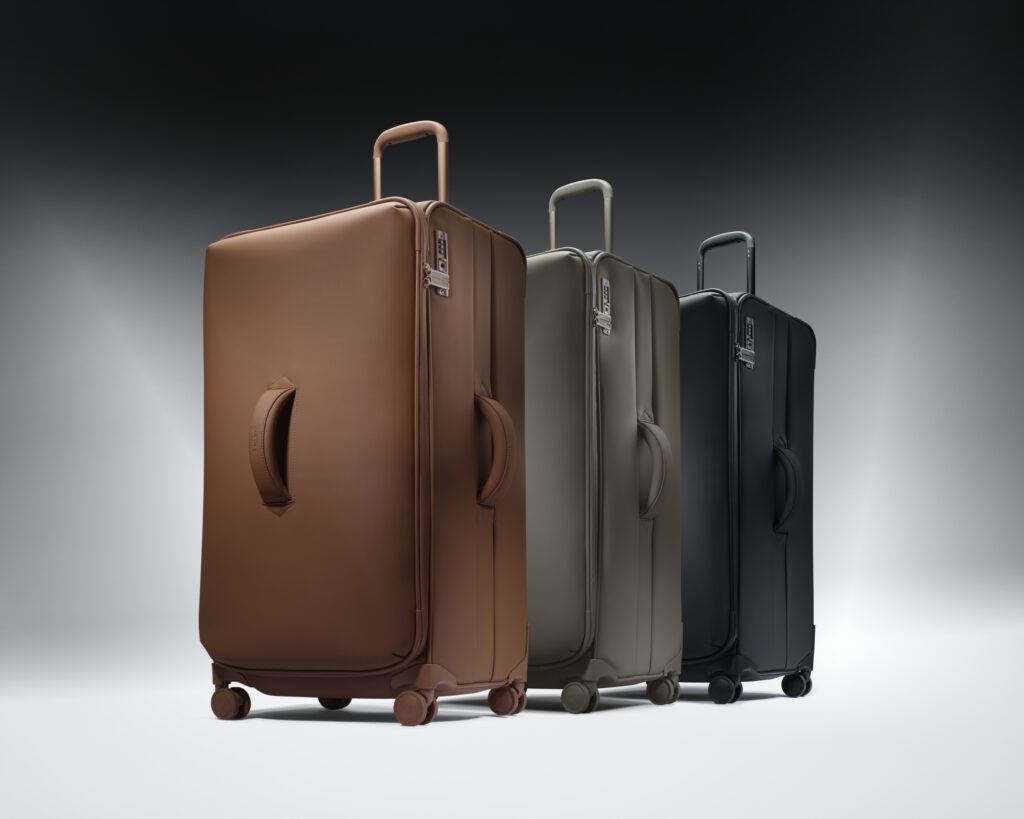
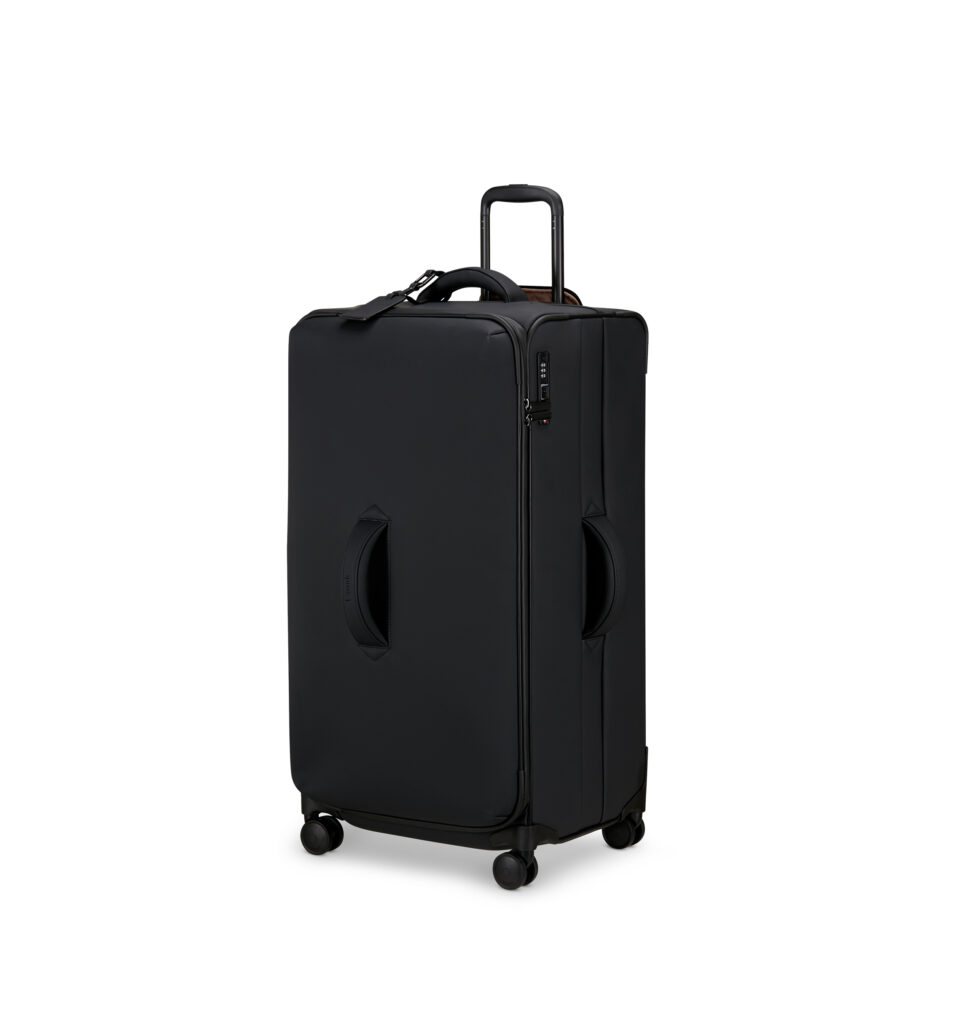
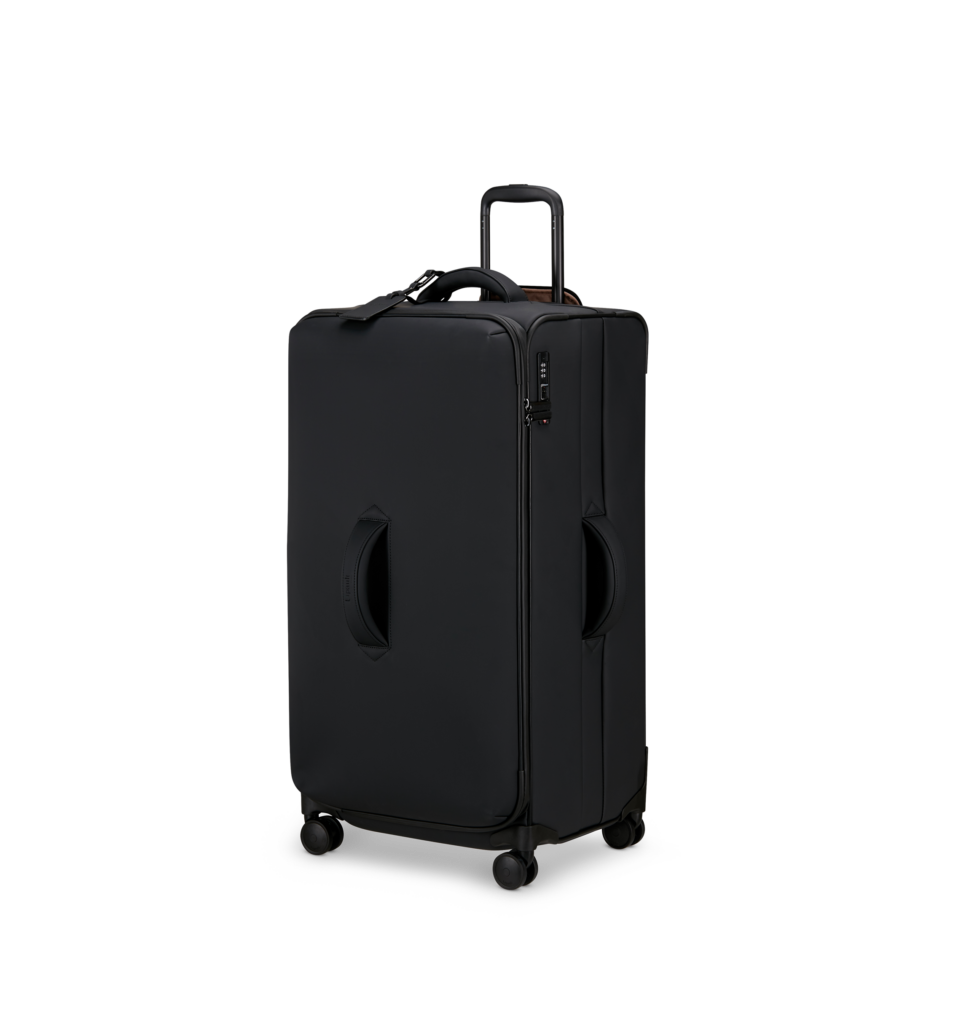
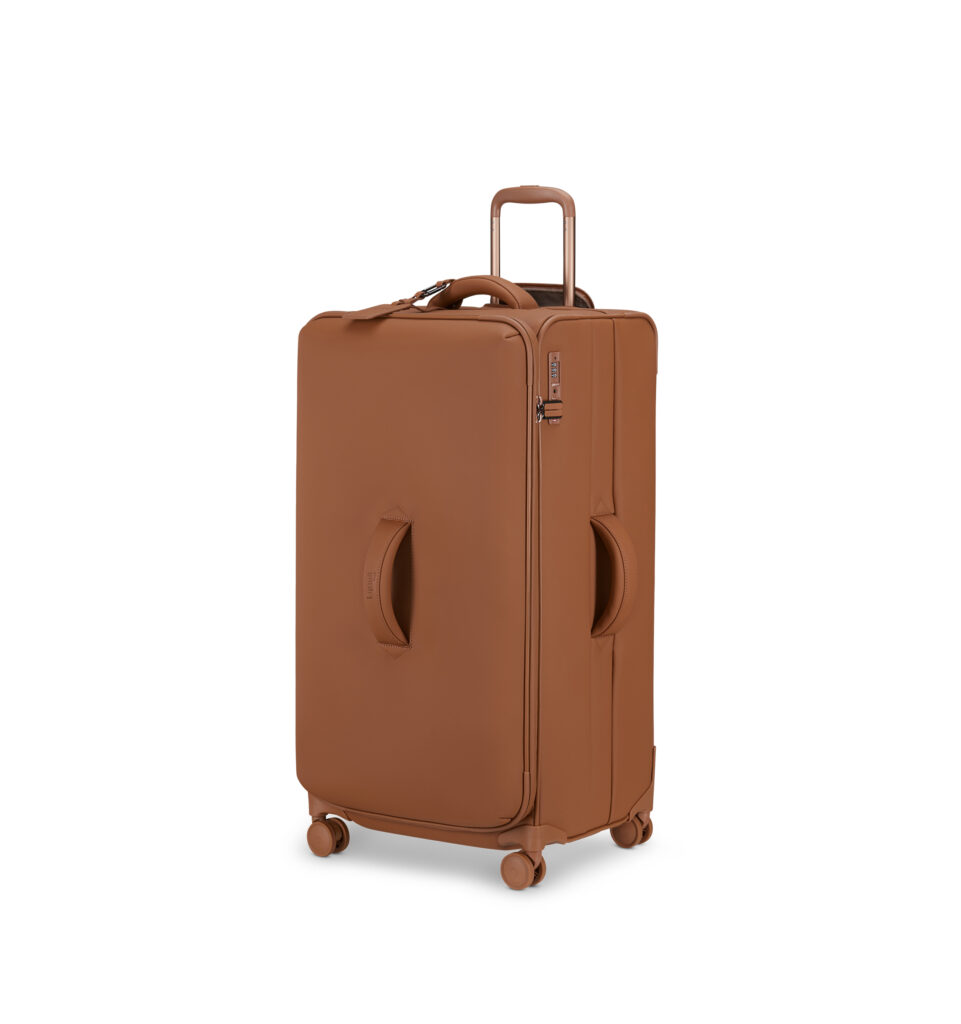
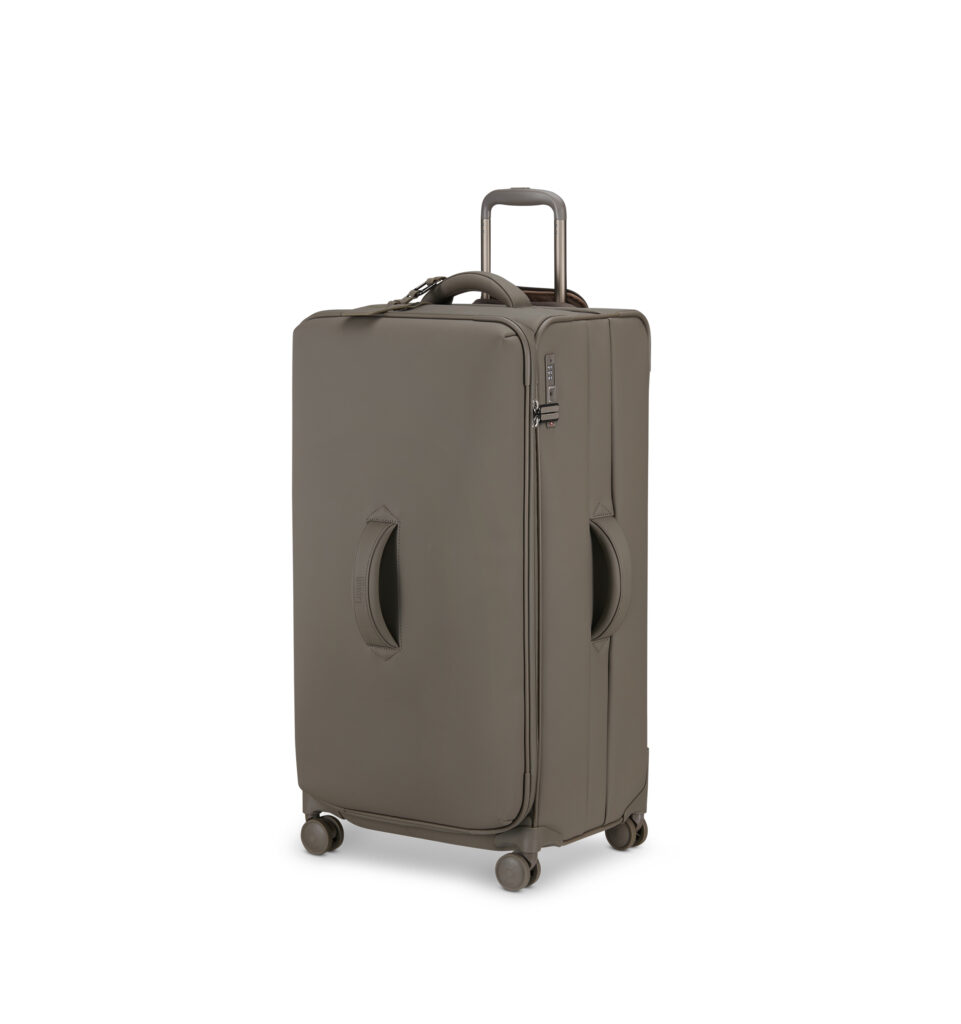
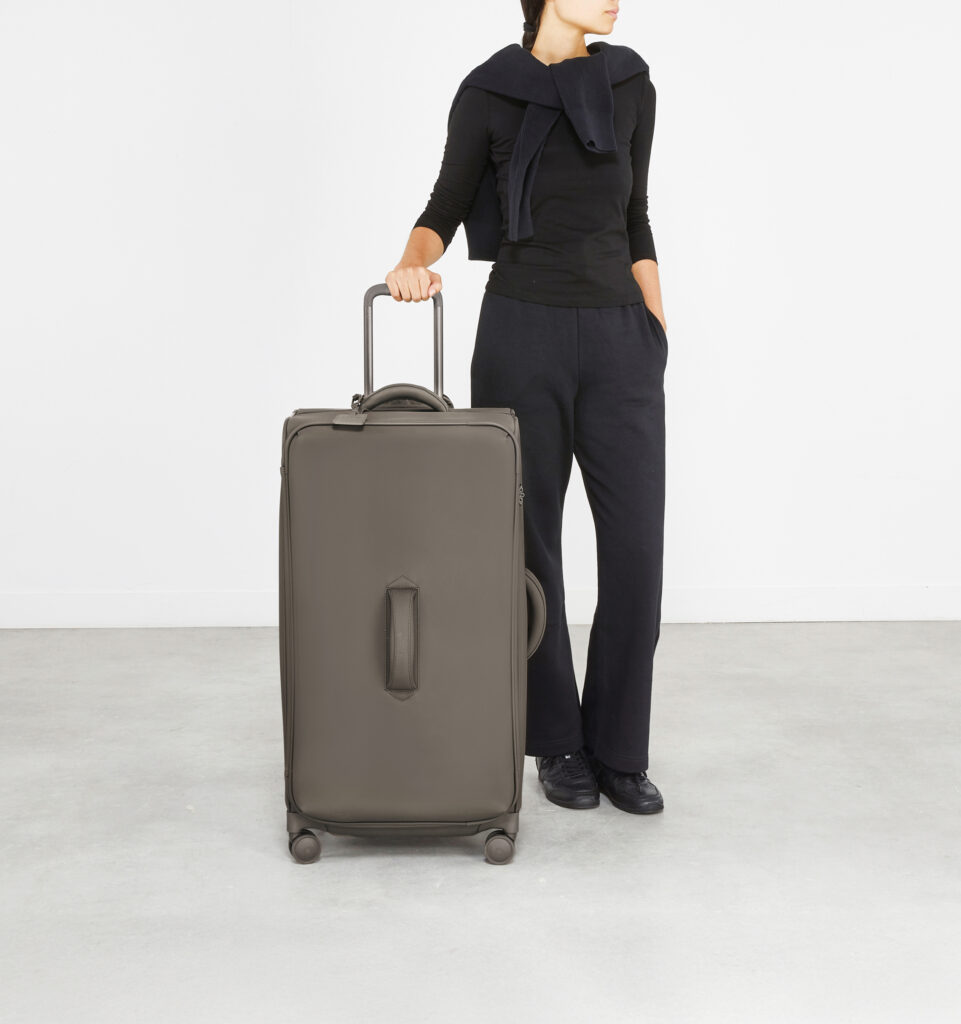
The Trunk suitcase evokes a very ancient memory of travel: that of the upright trunk, placed in a cabin, a hotel room, or the trunk of a car—conceived less as a container than as a mobile structure. With Trunk, unveiled in May 2026, Maison Lipault returns to this simple idea: luggage isn’t just for transporting things—it organizes distance. The press release announces a capacity of 108 liters—a size designed for long-haul travel—and a flexible structure inspired by traditional trunks.
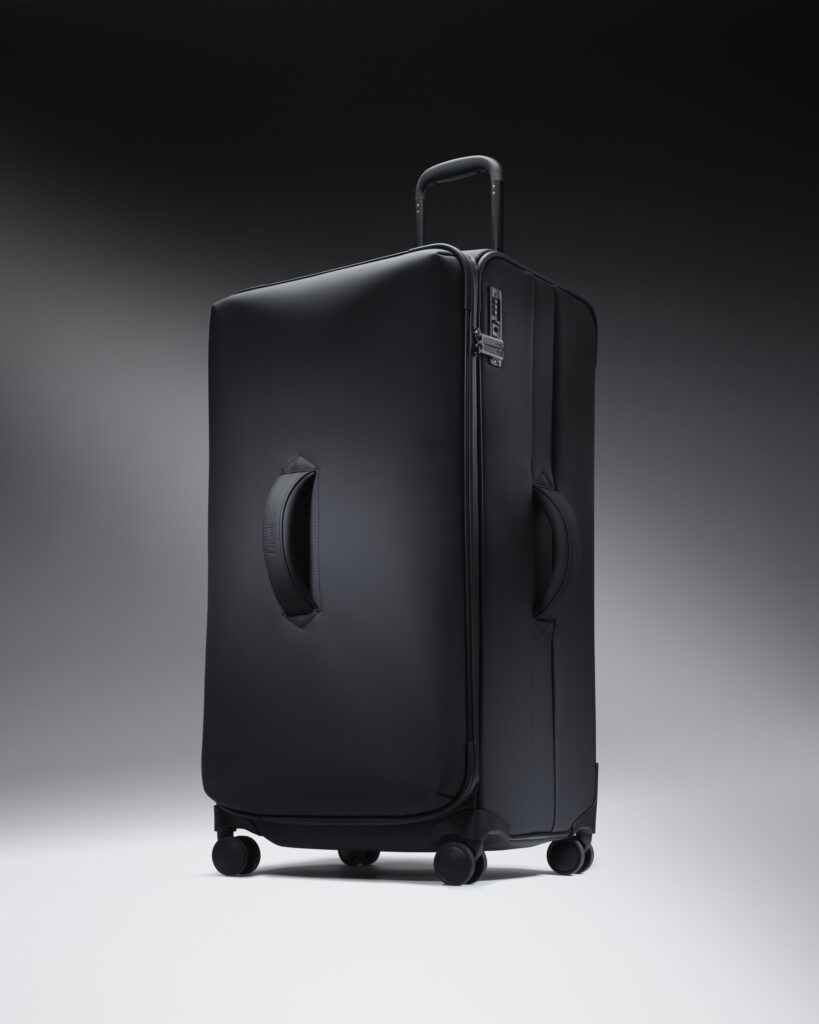
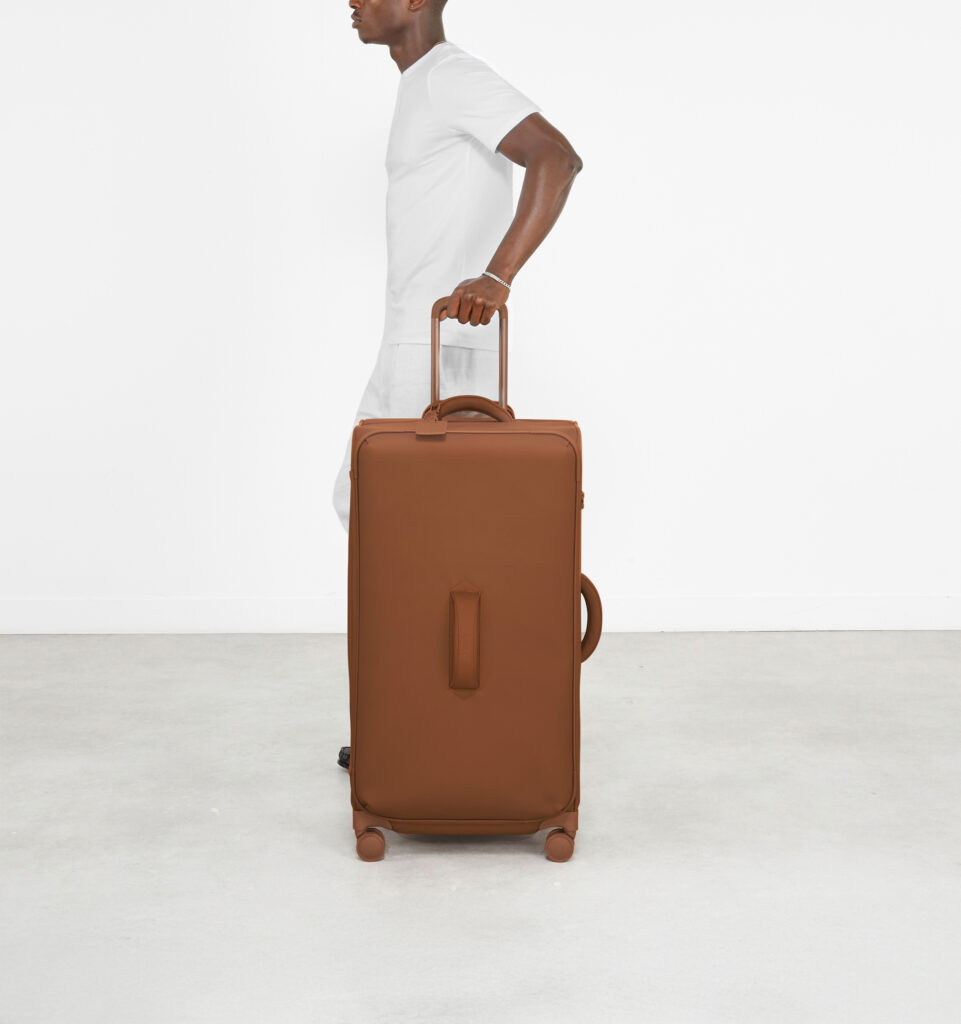
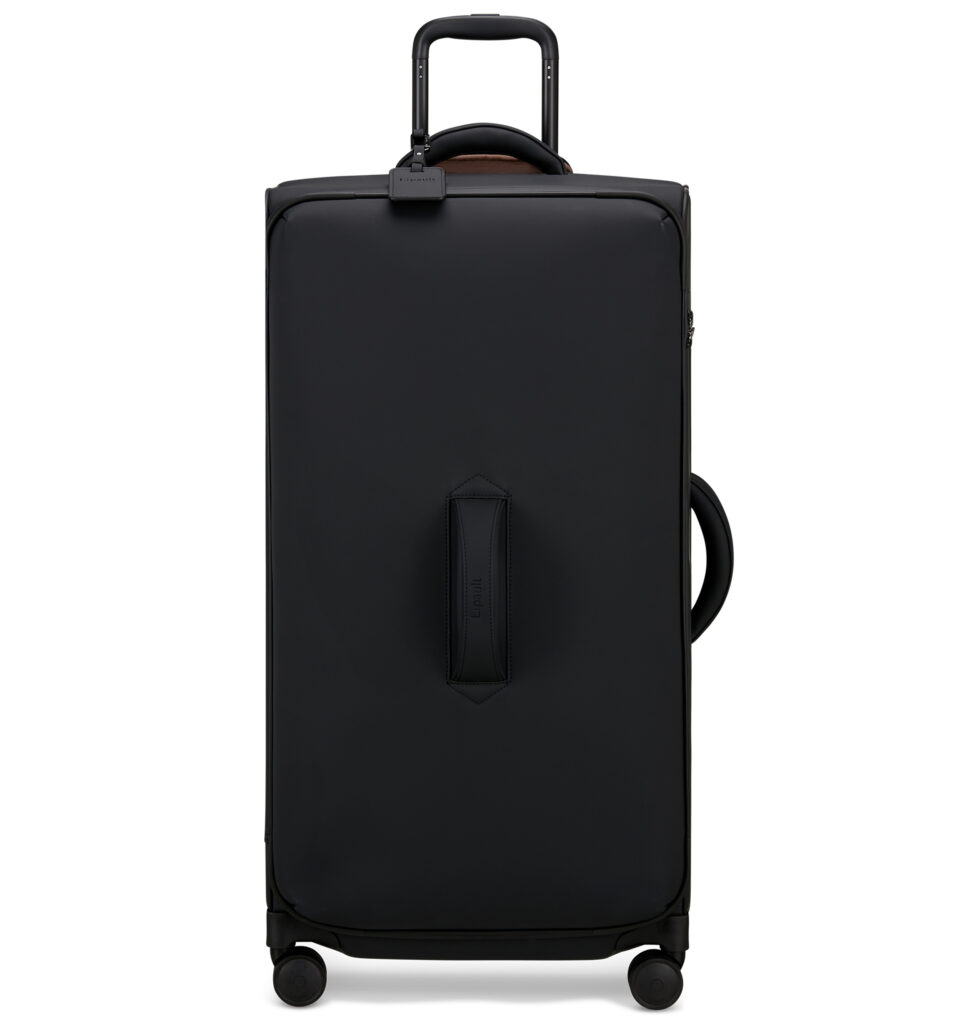
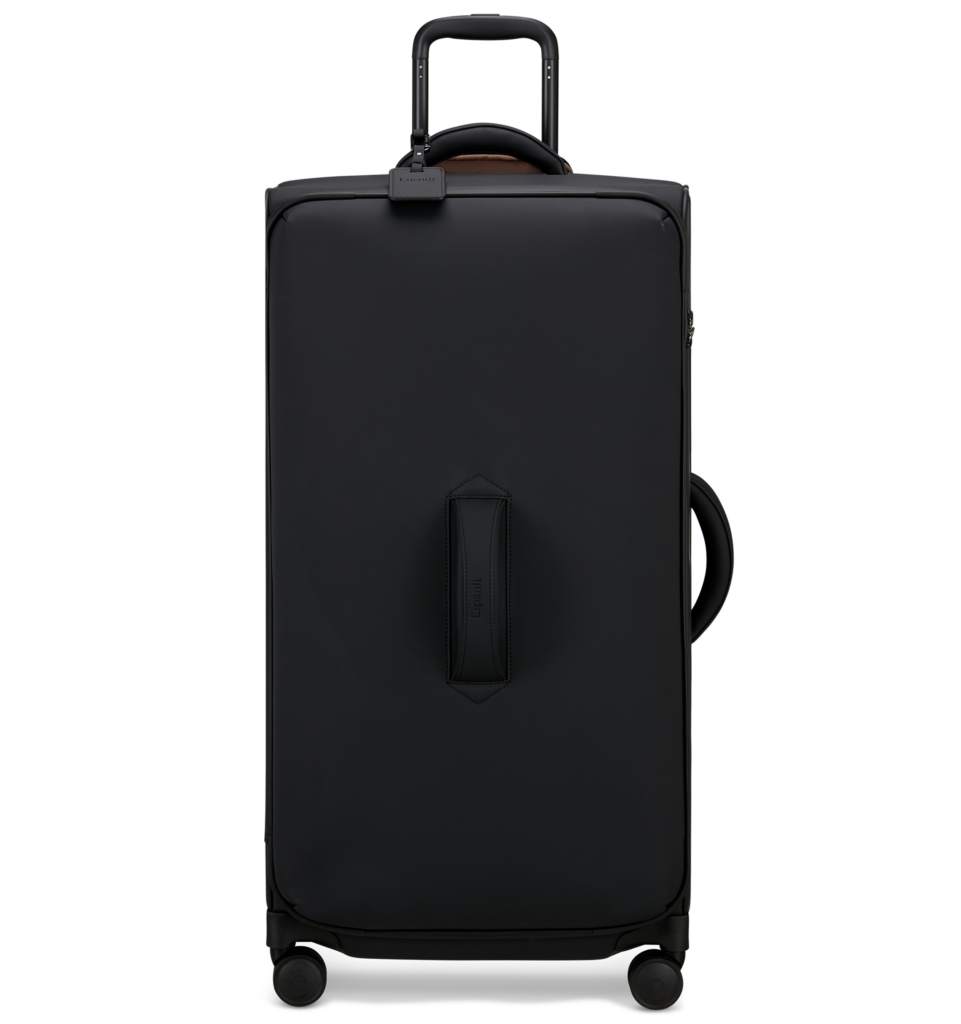
What’s interesting isn’t so much the size as the way it’s made practical. Trunk is part of the Lost in Berlin collection, whose material Lipault describes as a matte polyurethane with a rubber-like feel, inspired by an urban and industrial aesthetic. The model’s official specifications confirm dimensions of 79 cm, a capacity of 108 liters, and a weight of 5.1 kg, with a two-year limited worldwide warranty. It is not a hard-sided trunk in the traditional sense. Rather, it is a contemporary interpretation of the trunk: less ostentatious, more portable, and better suited to the real-world needs of a traveler who alternates between trains, cars, planes, hotels, rental homes, and extended weekends.
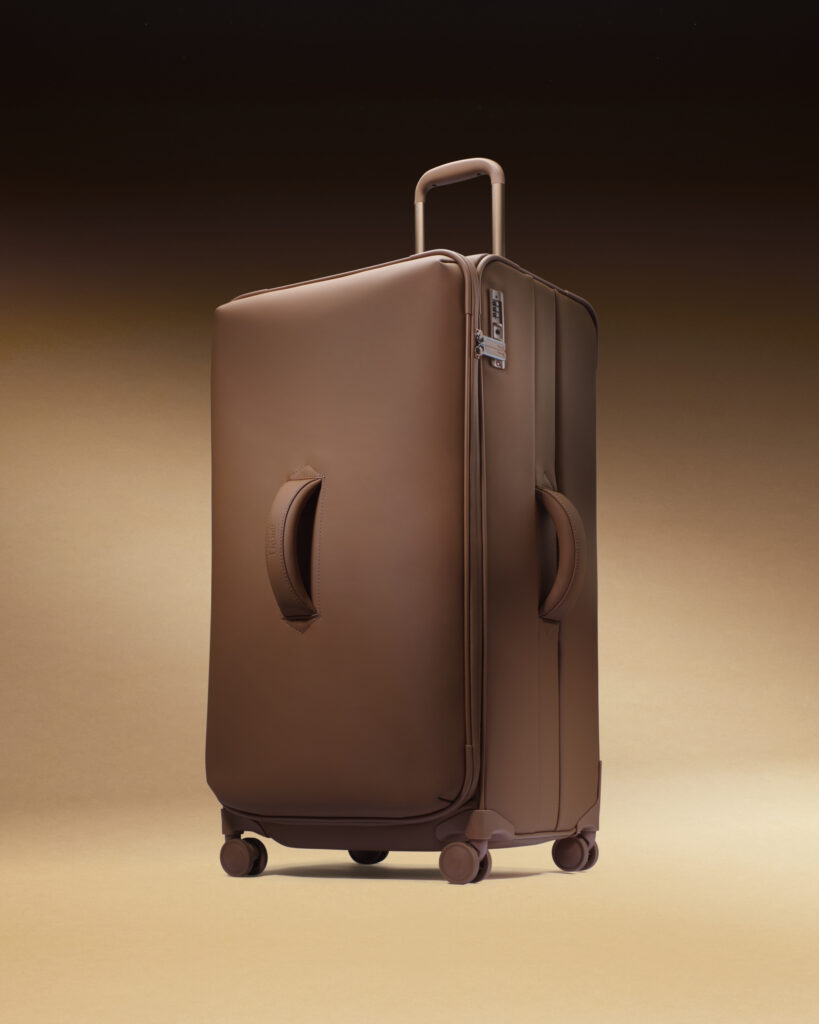
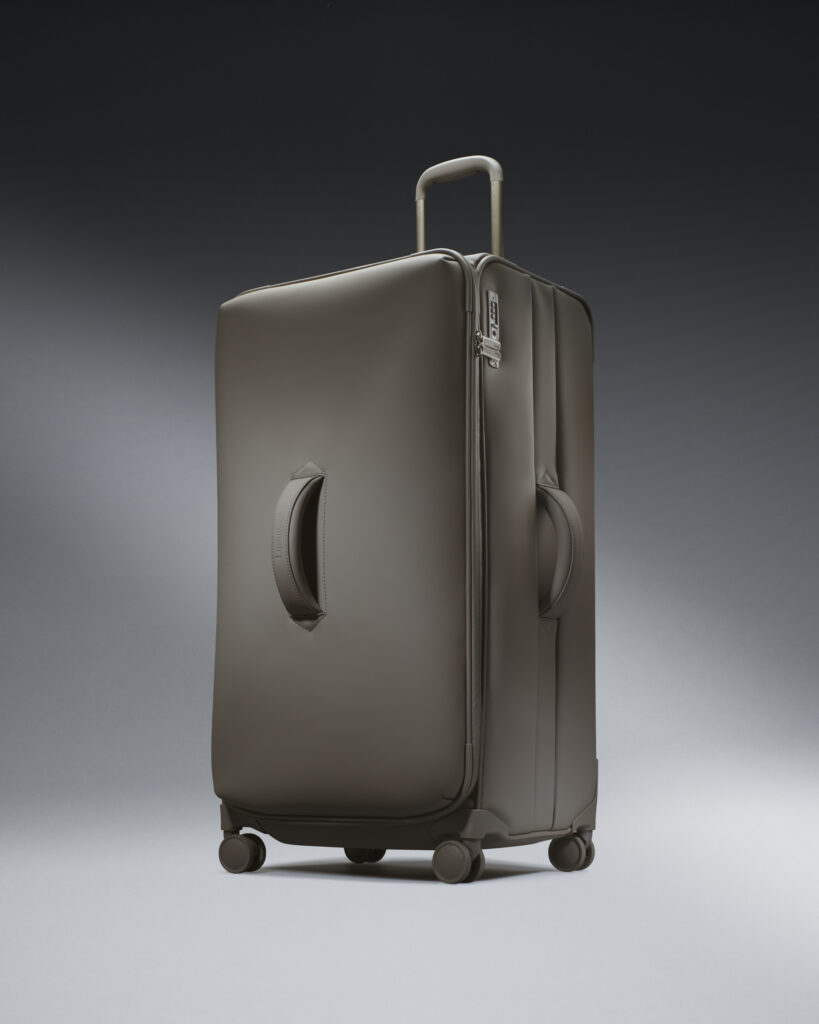
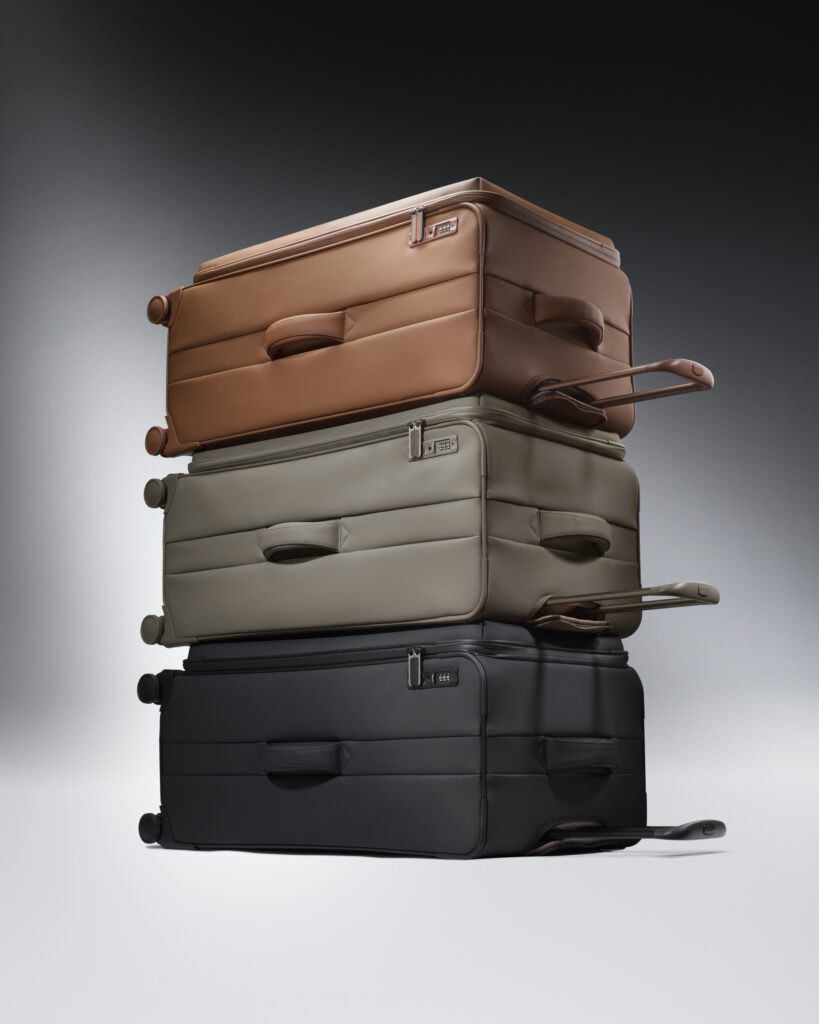
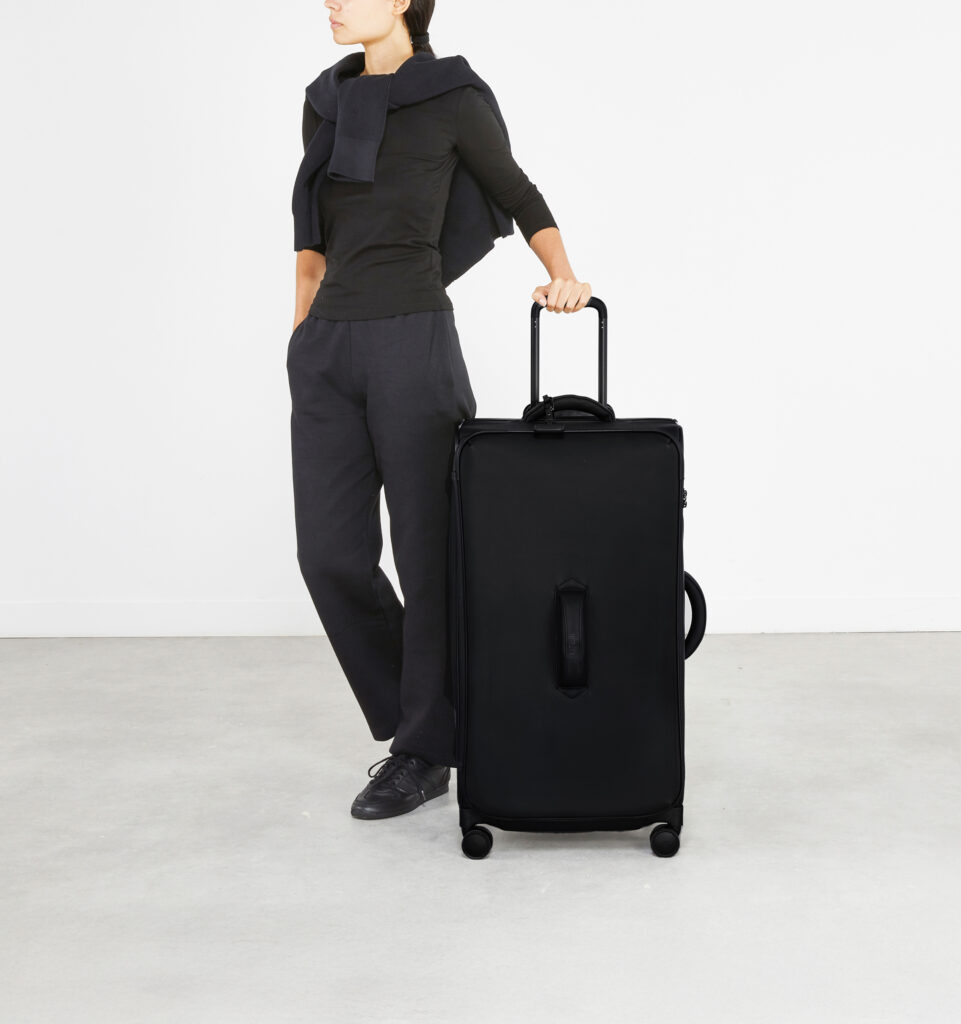
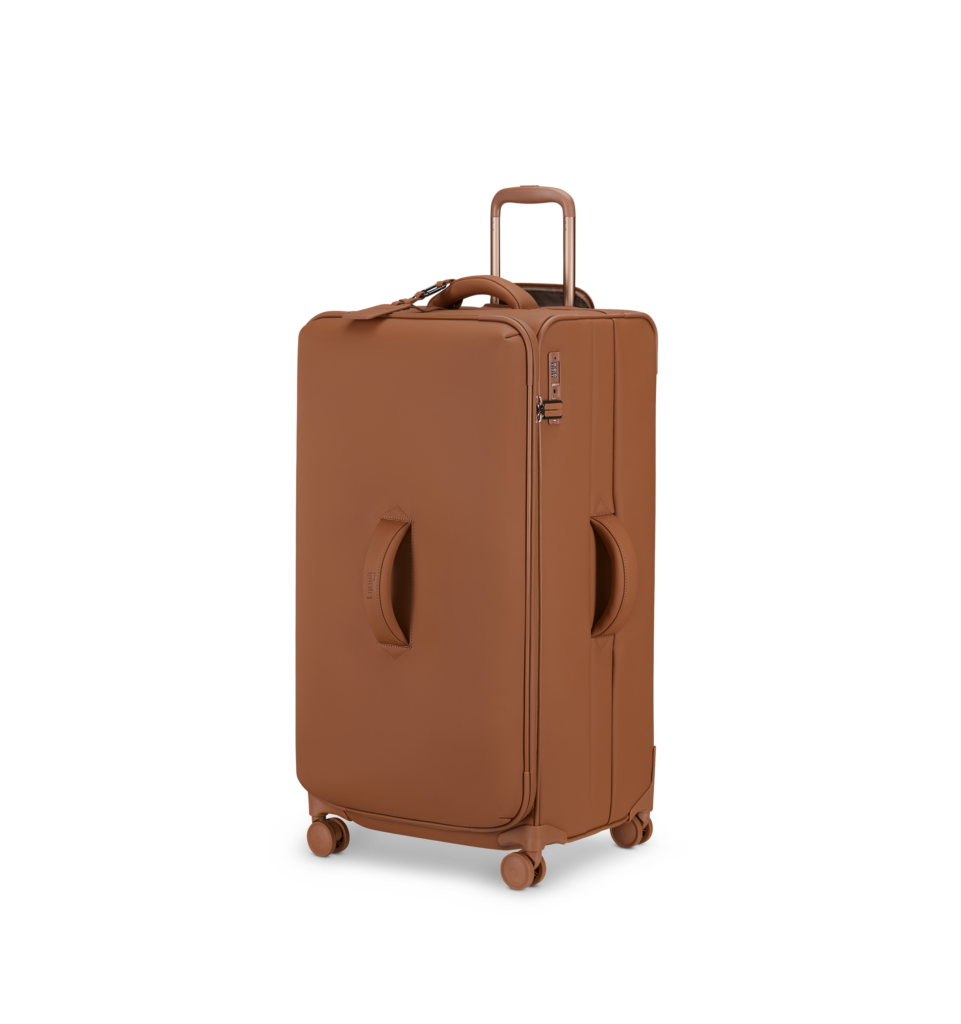
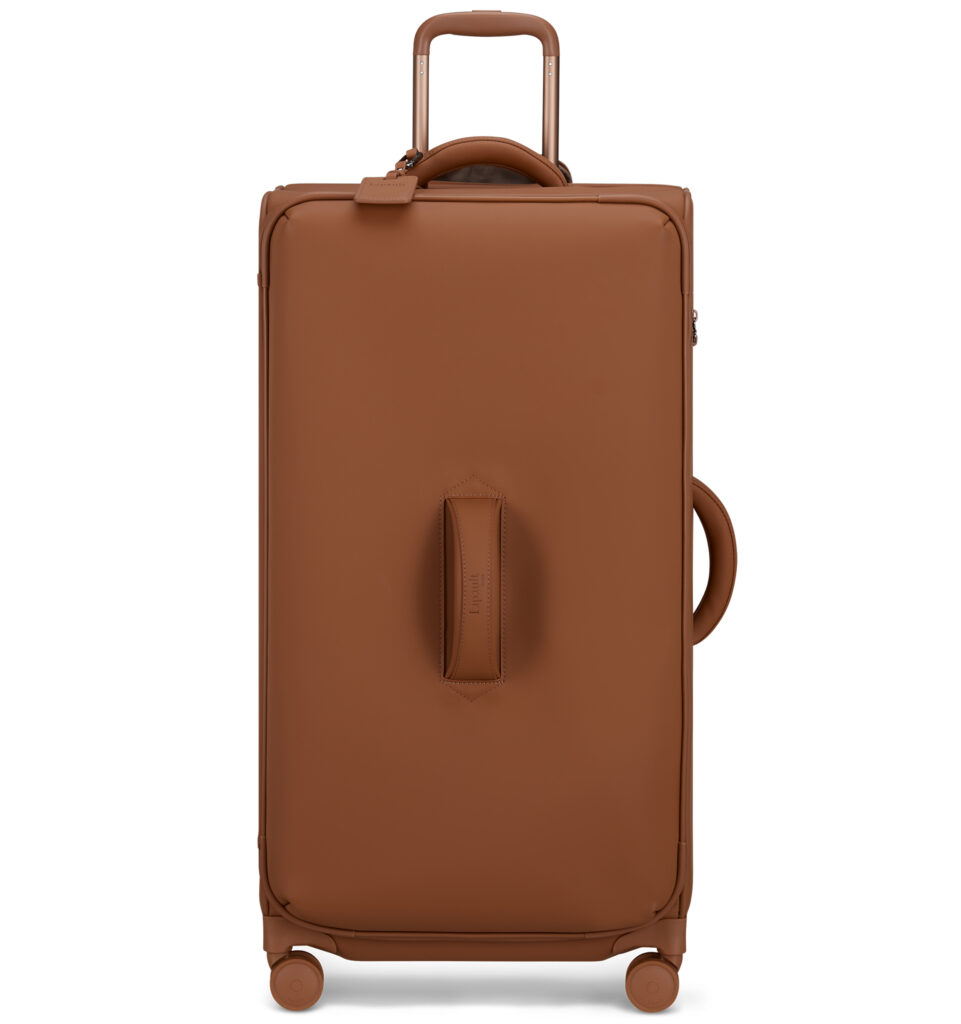
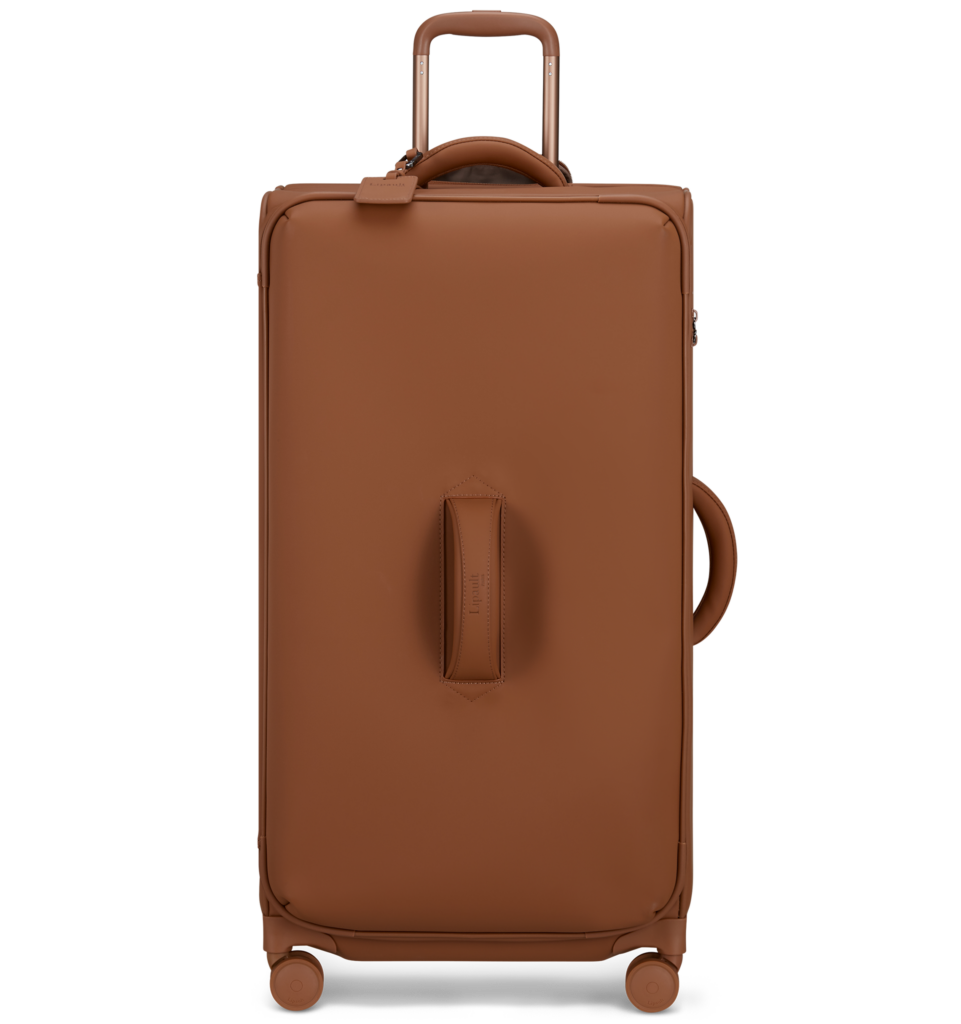
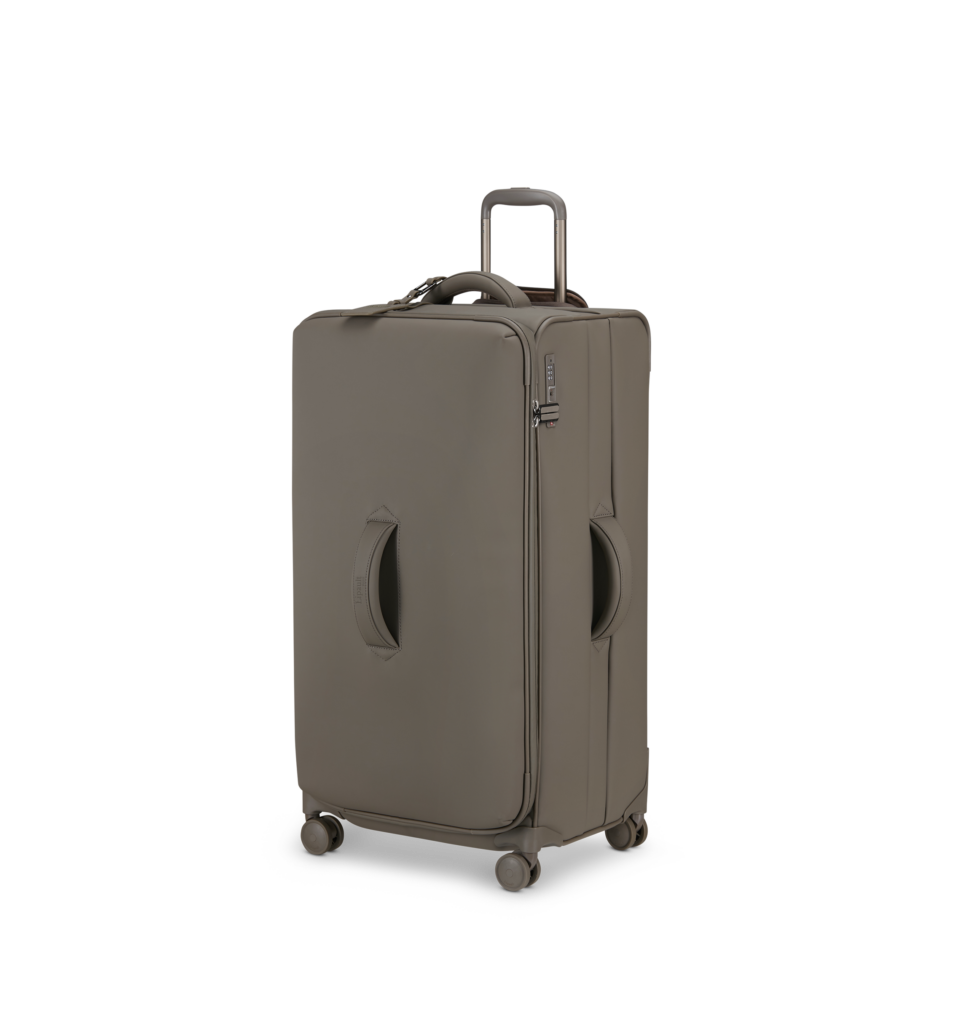
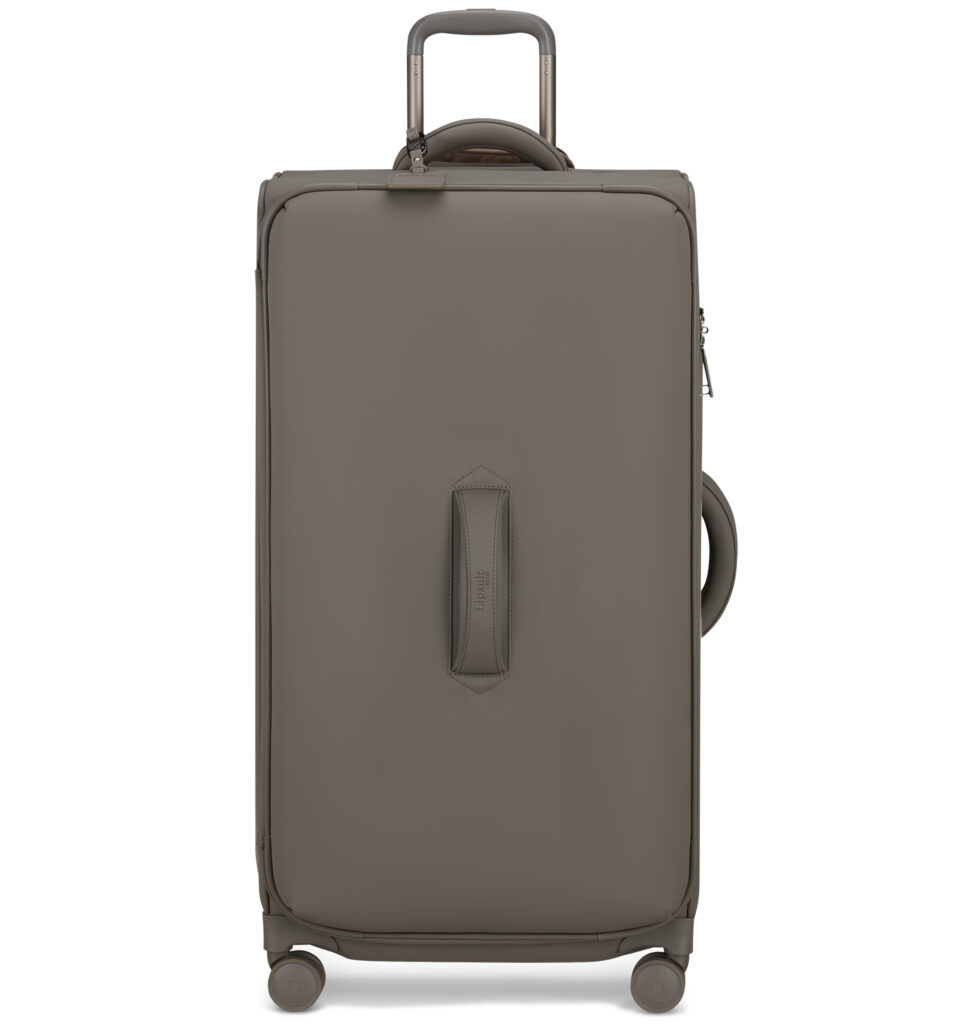
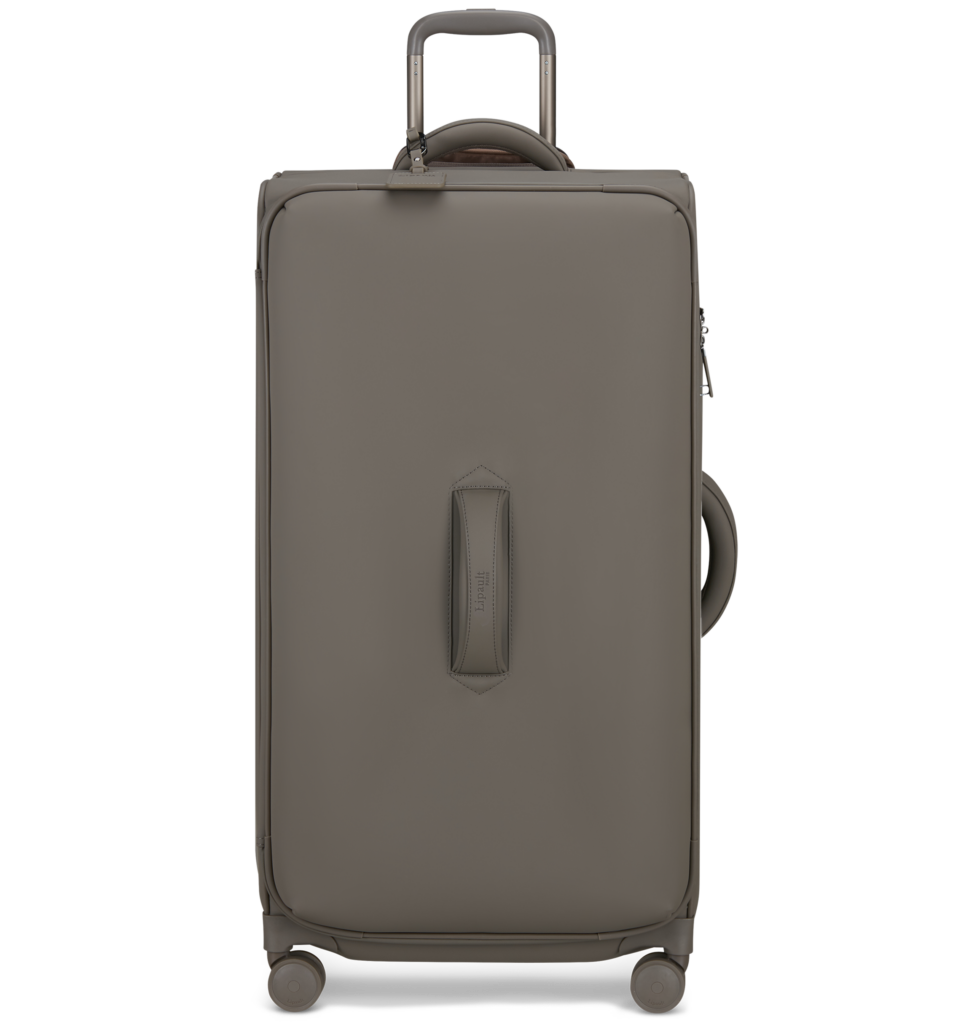
The exterior focuses on a functional design: a zipper with a matte coating to enhance its waterproofing, three handles positioned for lifting, guiding, or repositioning the piece, and suspension wheels already featured on the four-wheeled suitcases in the Lost in Berlin line. The press release emphasizes the system’s shock absorption, quieter rolling action, and durability. These are seemingly modest details, but they speak volumes about the evolution of luggage: after celebrating lightness as an end in itself, the industry is returning to a more practical concern—that of comfort in repetitive movements. Pulling, lifting, pivoting, setting down, opening. The luxury of luggage often begins right there—in the reduction of friction.
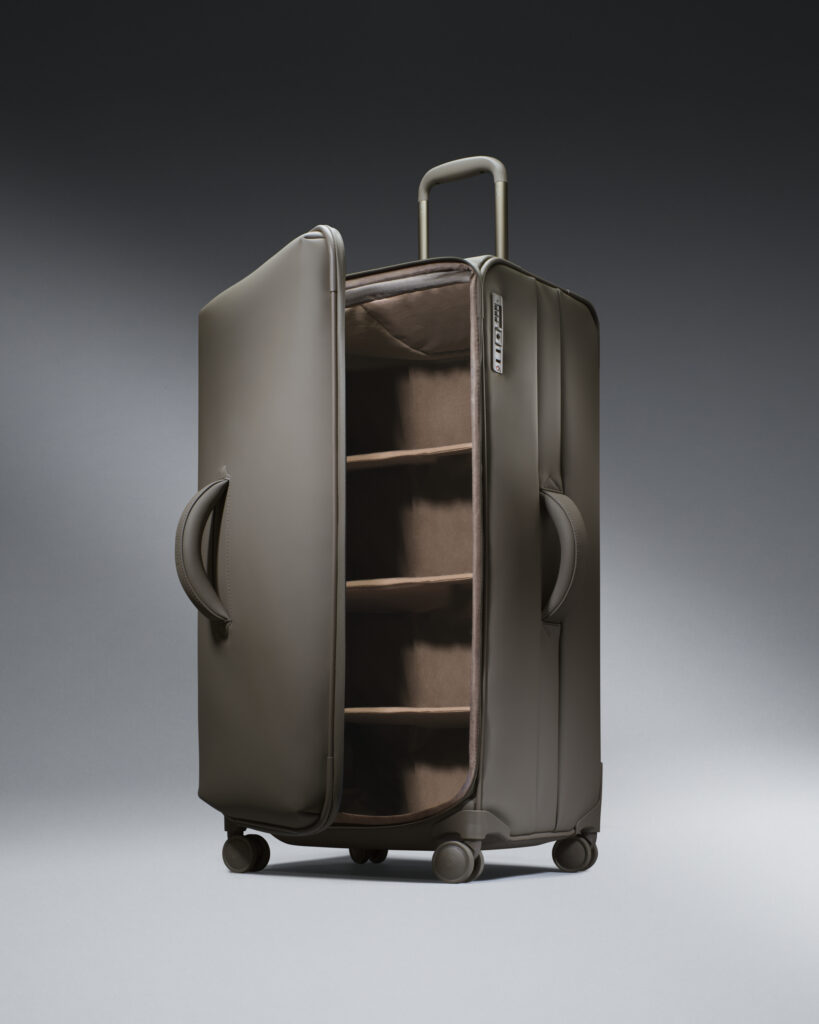
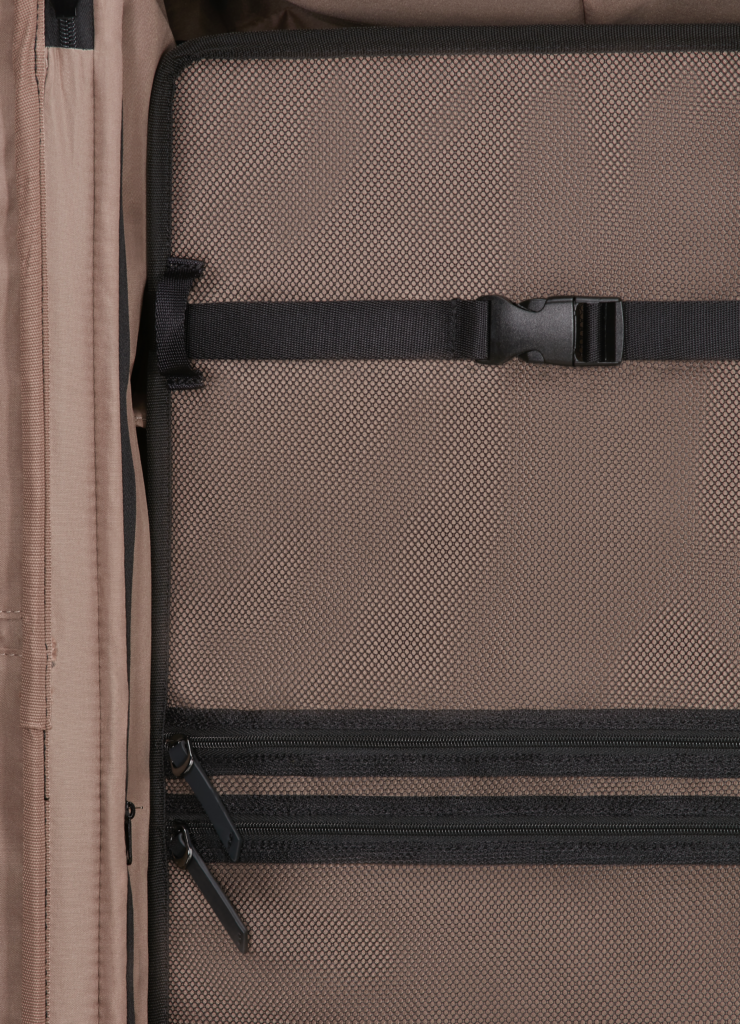
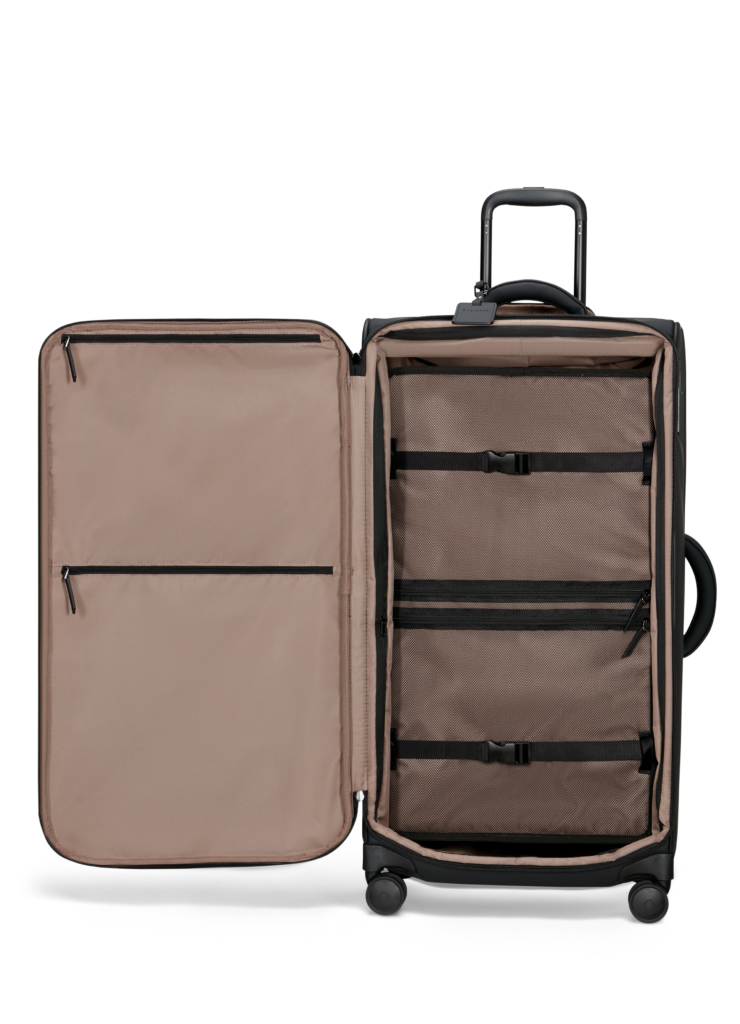
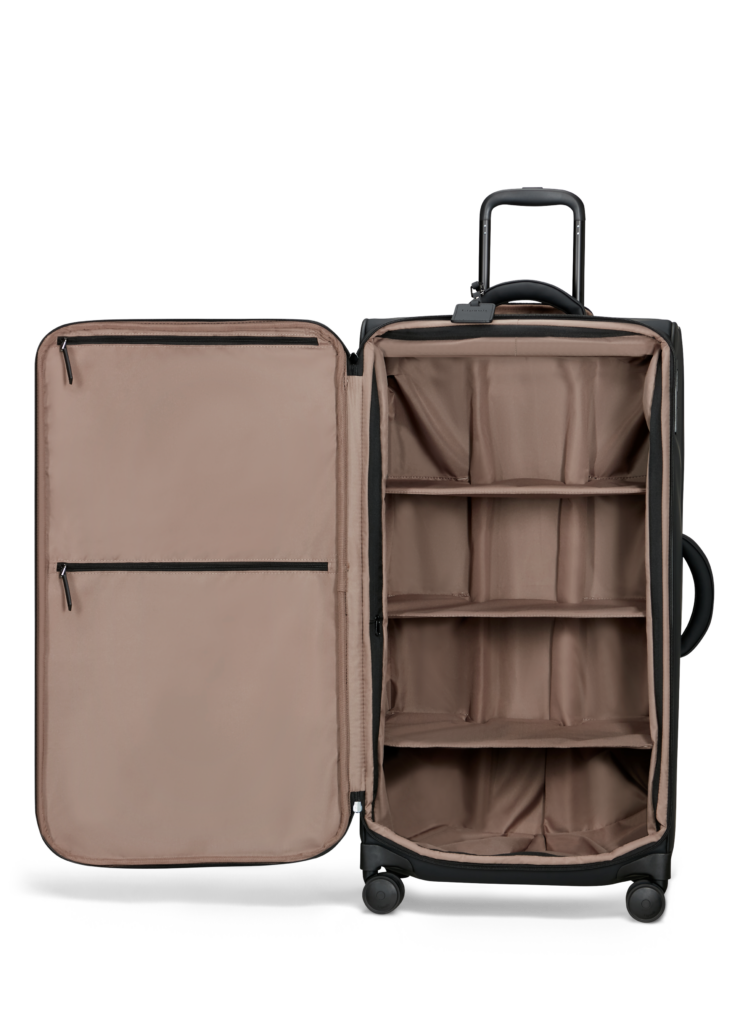
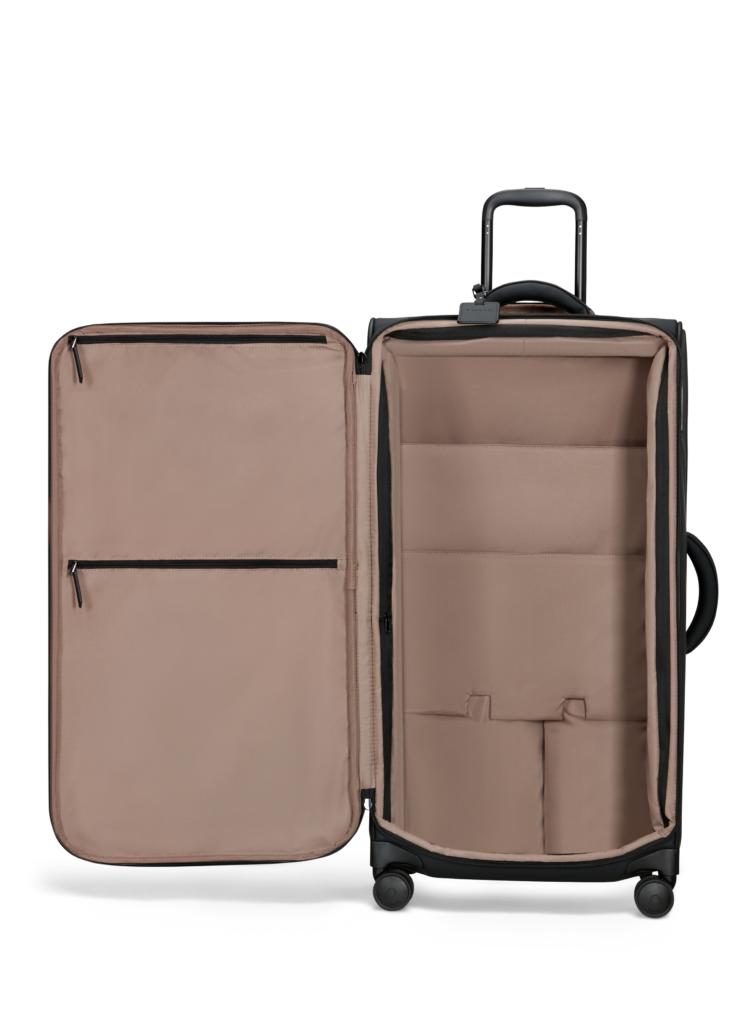
The interior takes this concept even further. Trunk opens like a vertical closet, featuring a large main compartment, adjustable straps, retractable shelves, a removable compression panel with zippered mesh pockets, and two additional zippered pockets—one of which is easily accessible. This organizational system caters to a very contemporary approach to travel: we no longer always unpack our suitcases; we live out of them. During fragmented stays, road trips, and multi-stop itineraries, luggage sometimes becomes the only stable piece of furniture along the way.
Lipault, founded in 2005 and added to the Samsonite portfolio in 2014, has carved out a unique niche since its inception: that of French luggage that is less formal and more expressive, recognizable by its color, flexibility, and an unpretentious approach to travel. The Samsonite Group presents Lipault as a French brand of functional and fashionable luggage, while the press release highlights its presence in more than forty countries and over 500 retail locations.
Trunk, therefore, does not seek to reenact the grand mythology of the aristocratic trunk. It draws on a different imagination: that of a long yet pragmatic journey, of an elegance that is less poised than it is adaptable, of a wardrobe that can withstand the rigors of travel. The piece comes in brown and more muted tones, a far cry from a simple colorful accessory. It suggests a practical maturity: setting out on a long journey without turning the departure into a performance.
Cette publication est également disponible en :

