
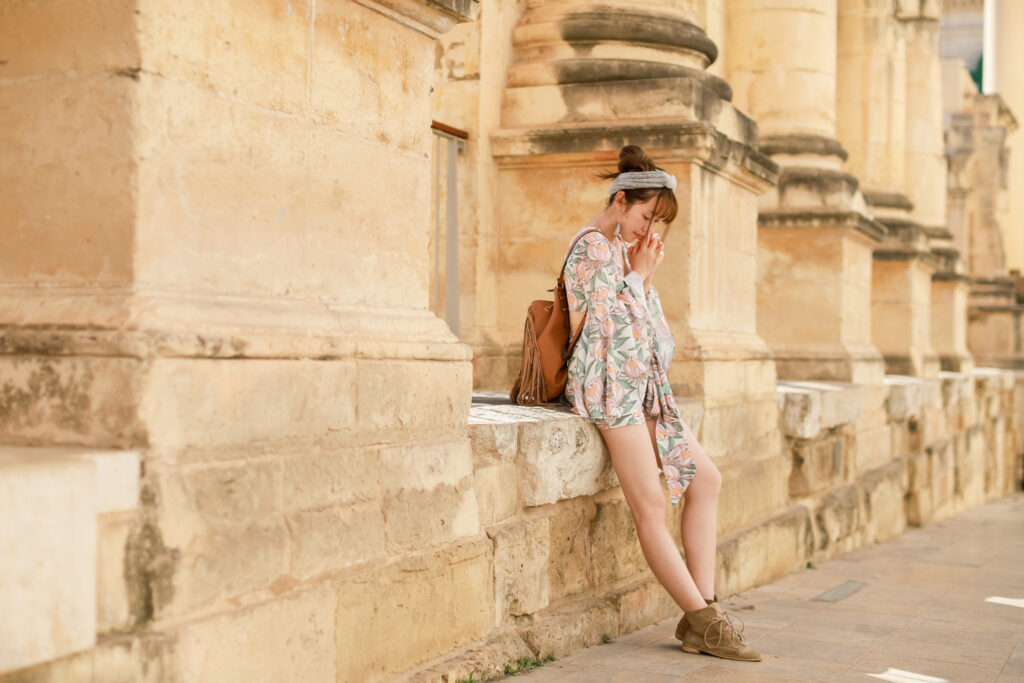
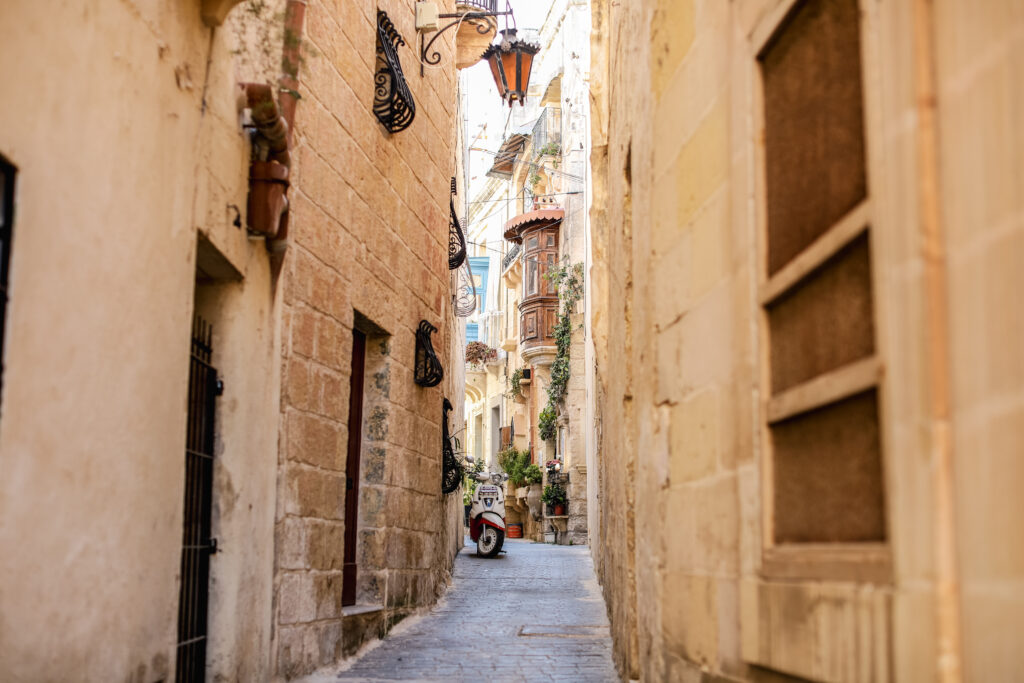
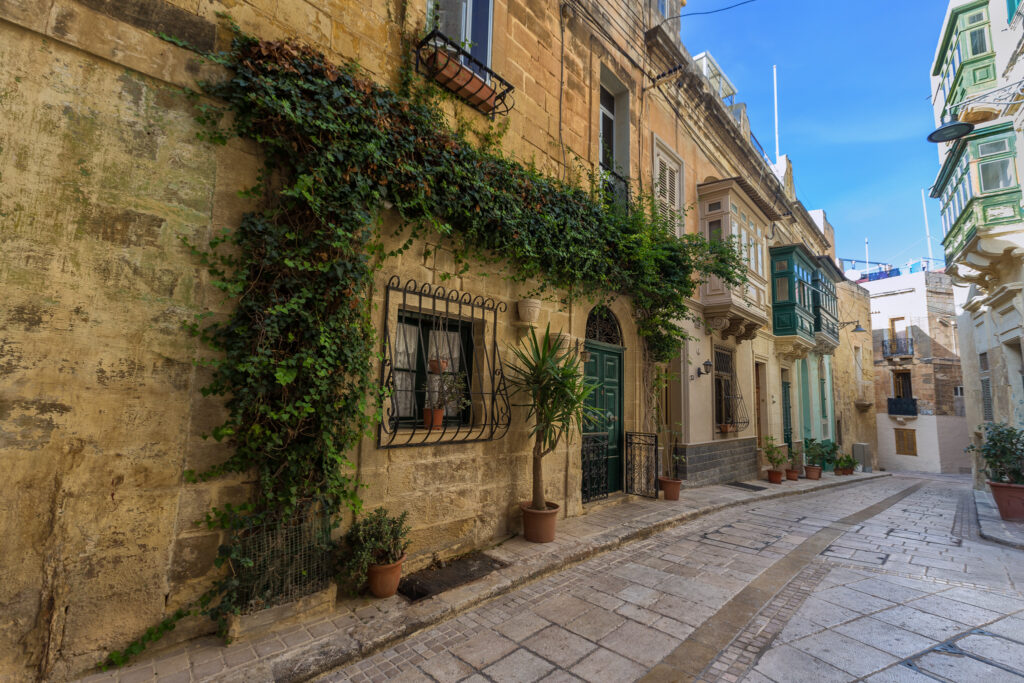
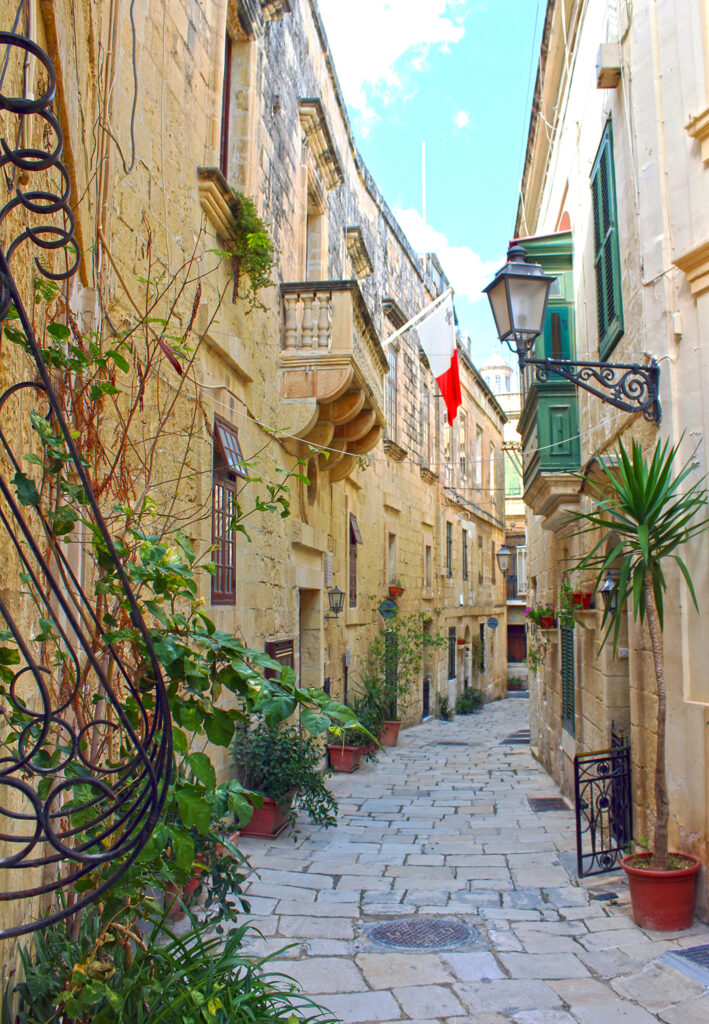
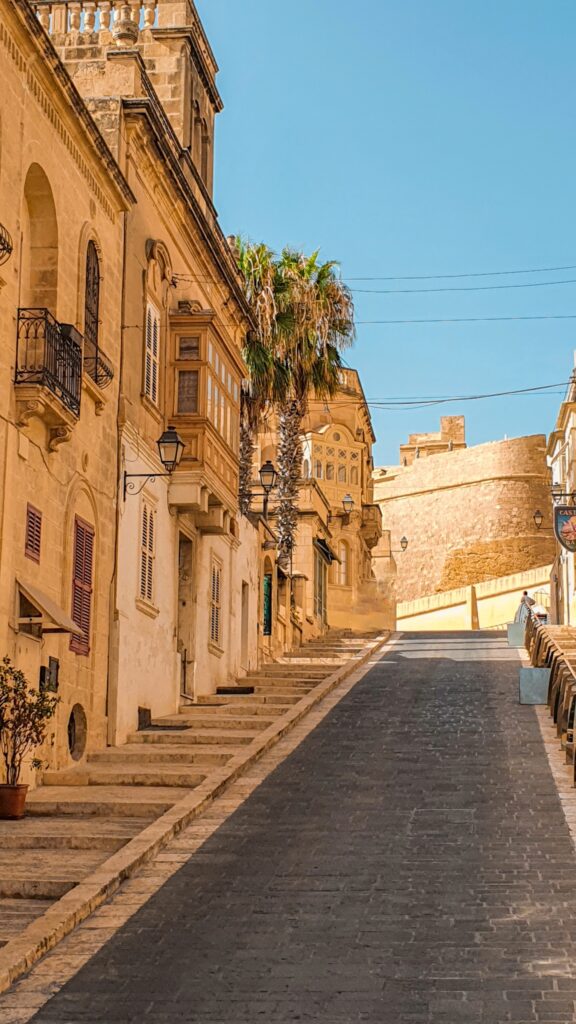
The light is different in January, when we were there. It doesn’t fall on Valletta – it slips in, obliquely, almost shyly, skirting the globigerina limestone facades as if it too were trying to find its way through this maze of alleyways built for the war and left standing by stubbornness. Old Mint Street, nine o’clock in the morning. The air has that dry freshness typical of Maltese winters, when the central Mediterranean offers fifteen degrees and a washed-out sky. The city’s not quite awake yet. Closed balconies – painted wooden gallariji, a legacy of Arab moucharabiehs passed through the filter of the Knights – keep their secrets behind green, red and blue shutters.
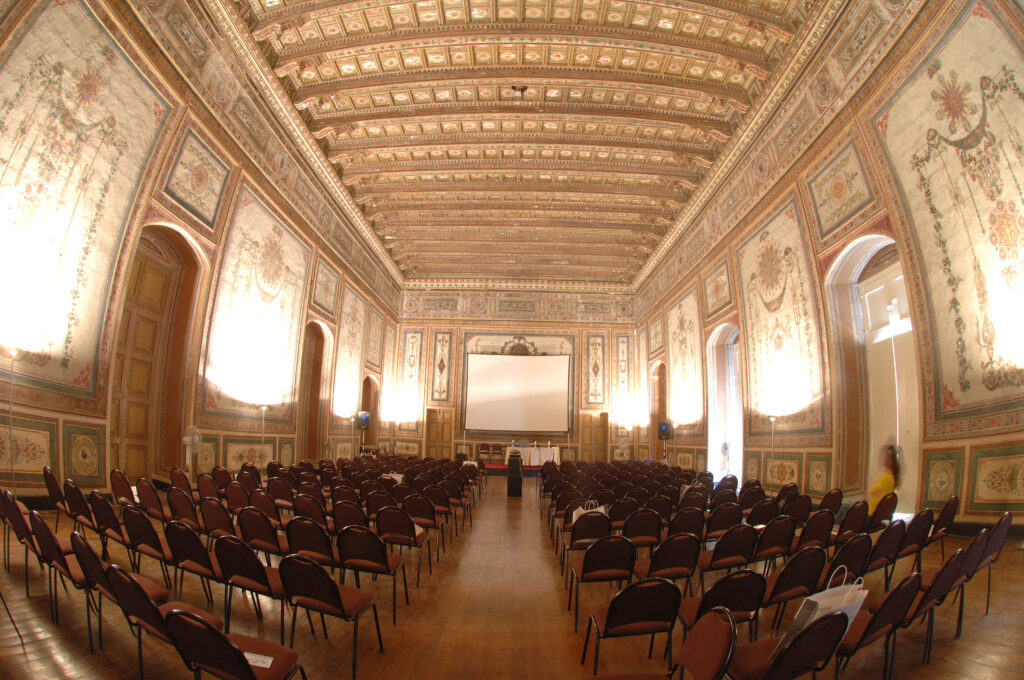
archaeology, museum, Auditorium, Ballroom, Chair, Furniture, Hall, Indoors, Interior Design, Room, Theater
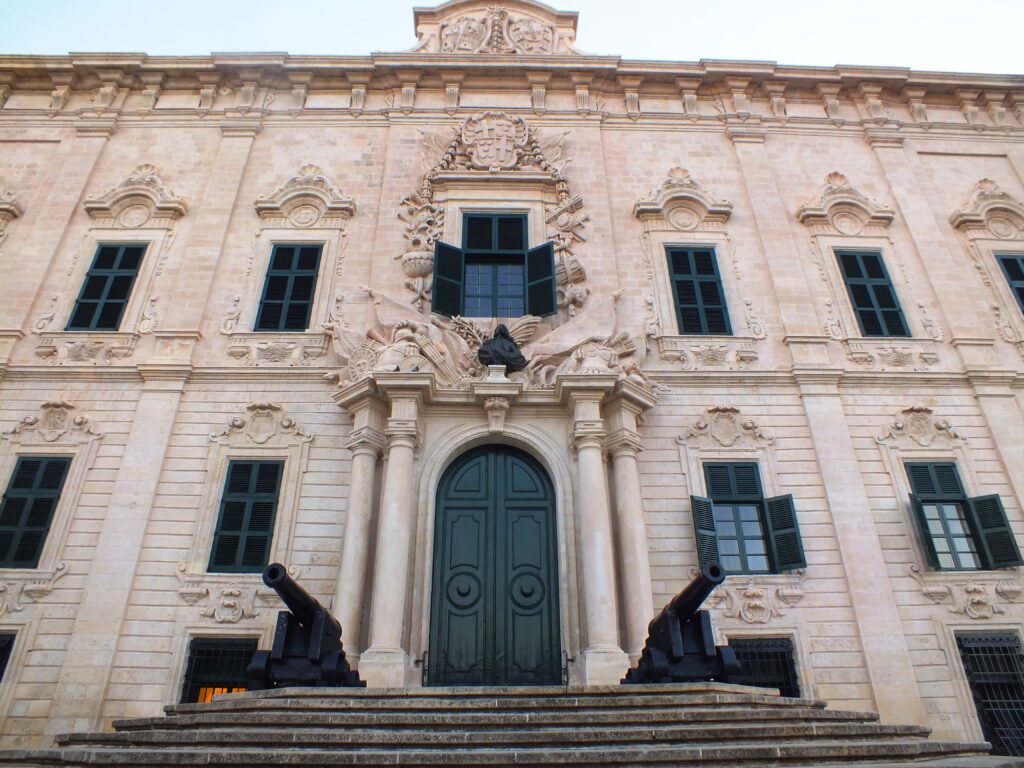
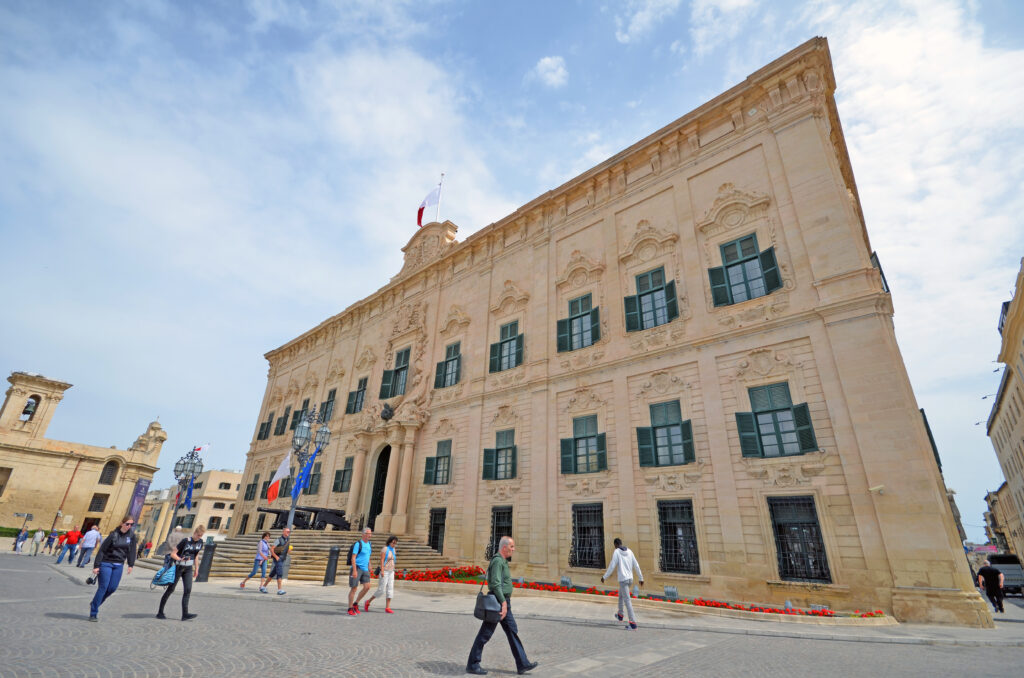
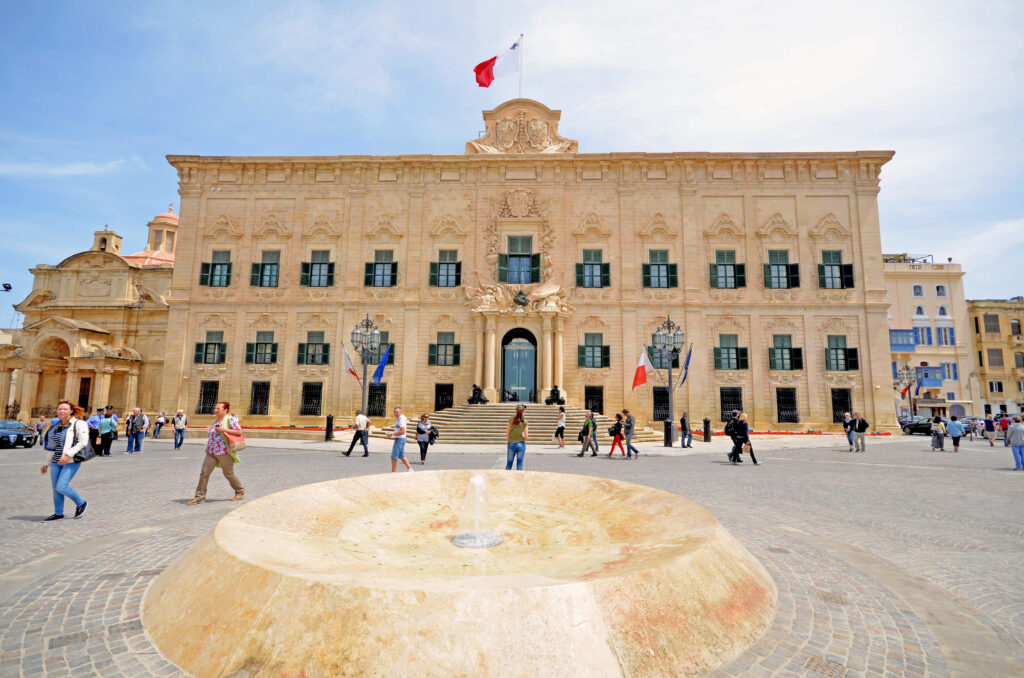
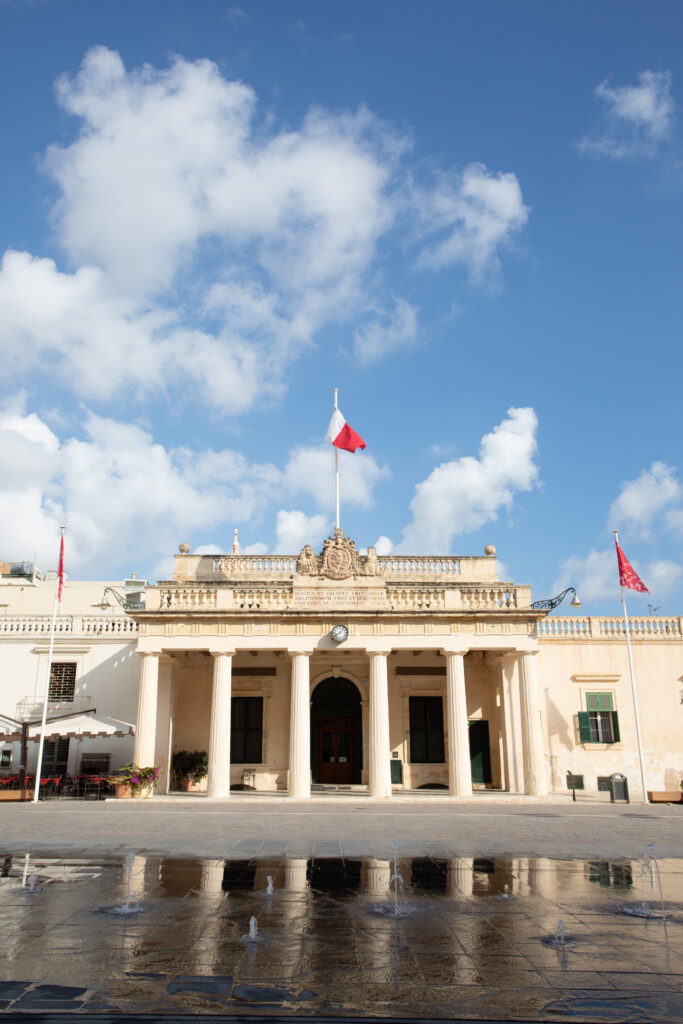
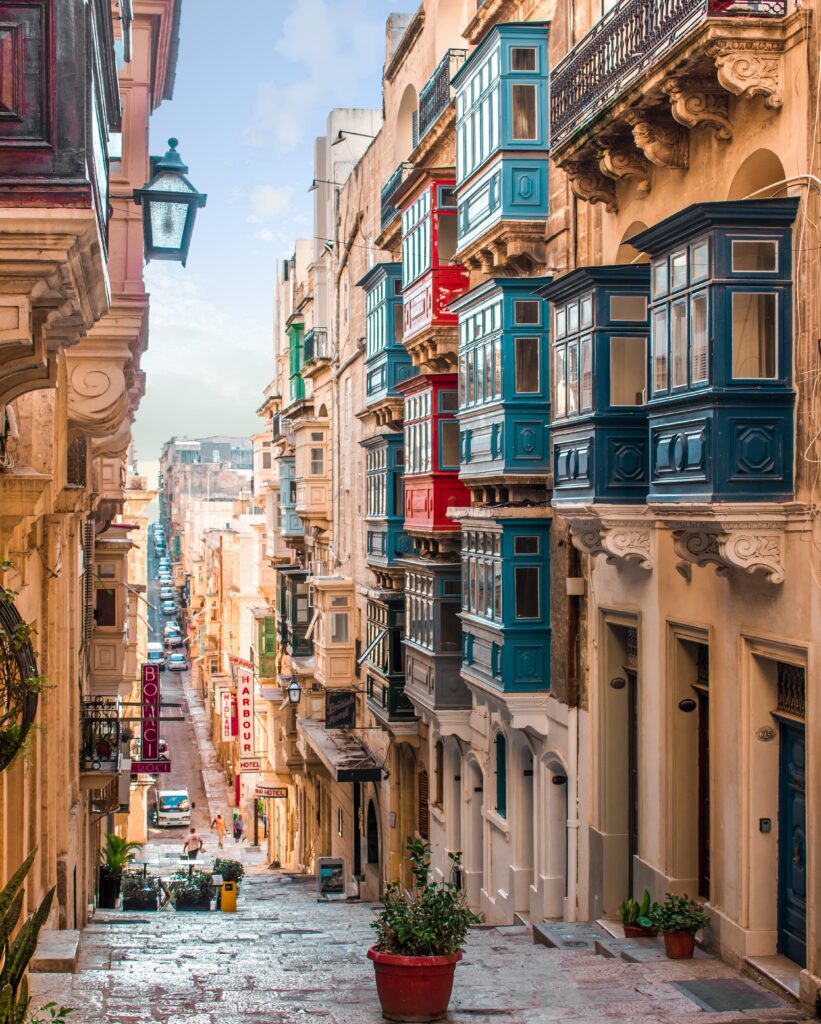
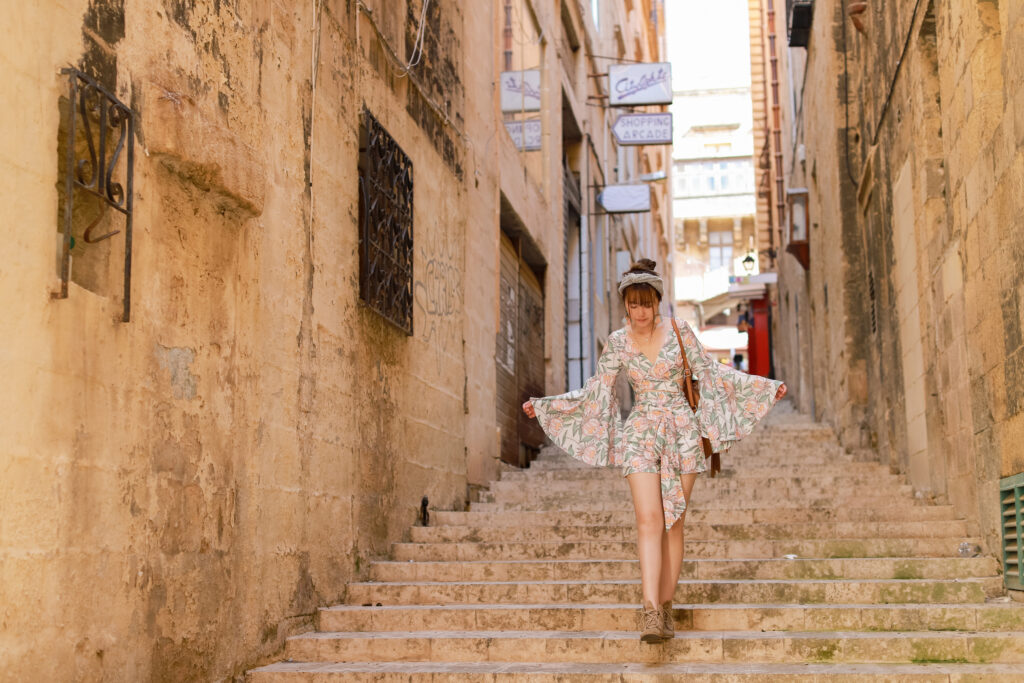
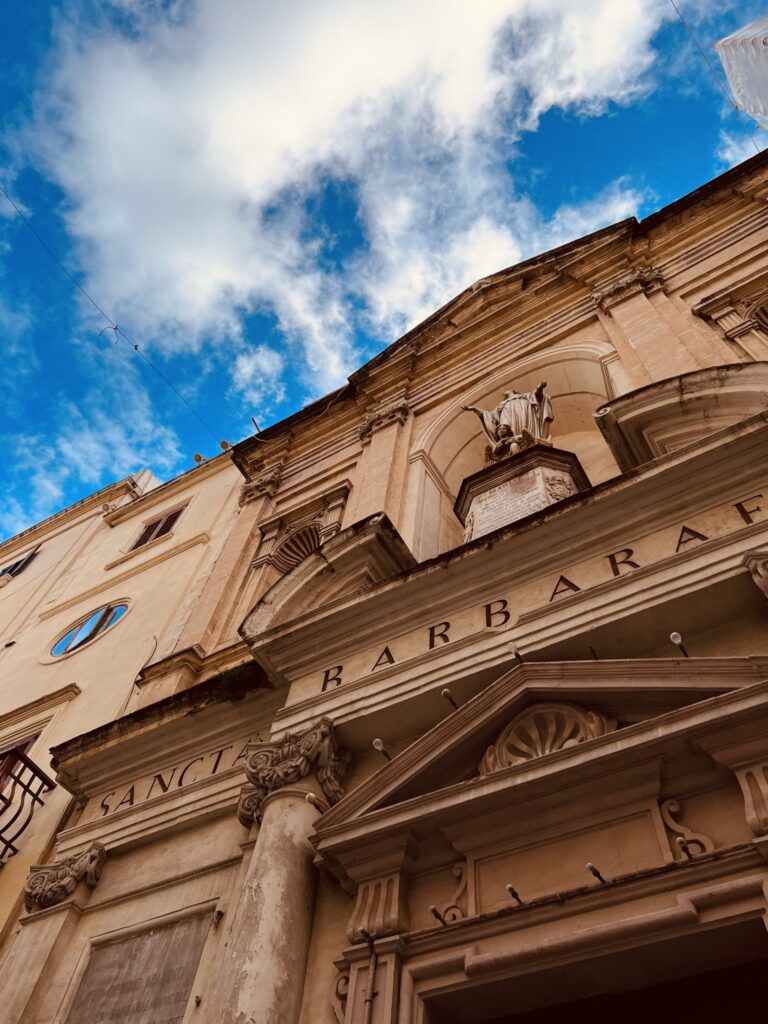
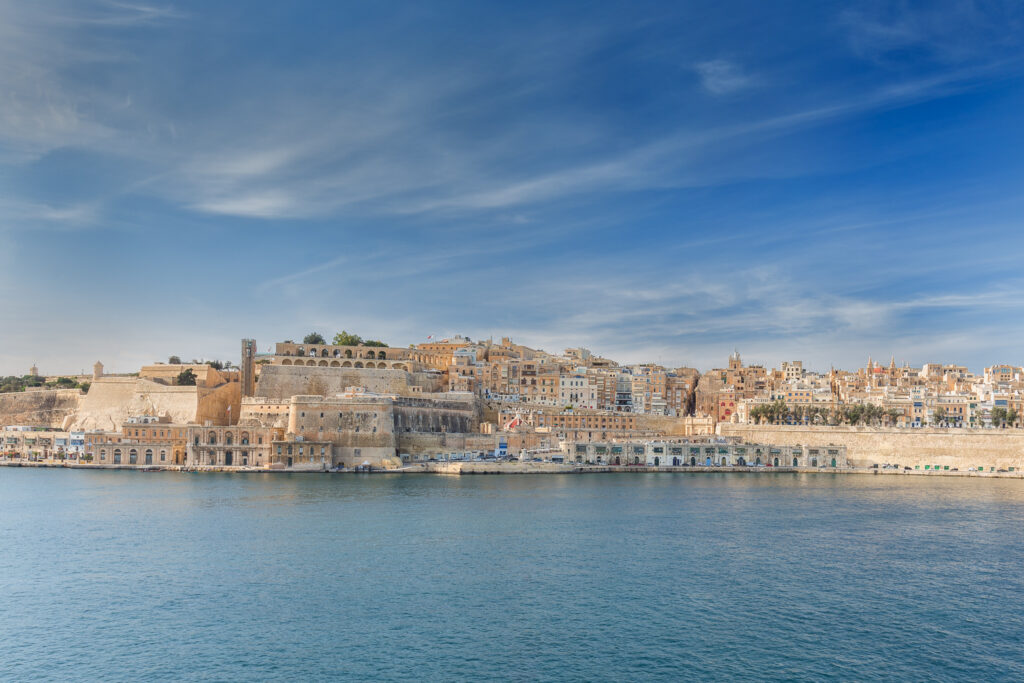
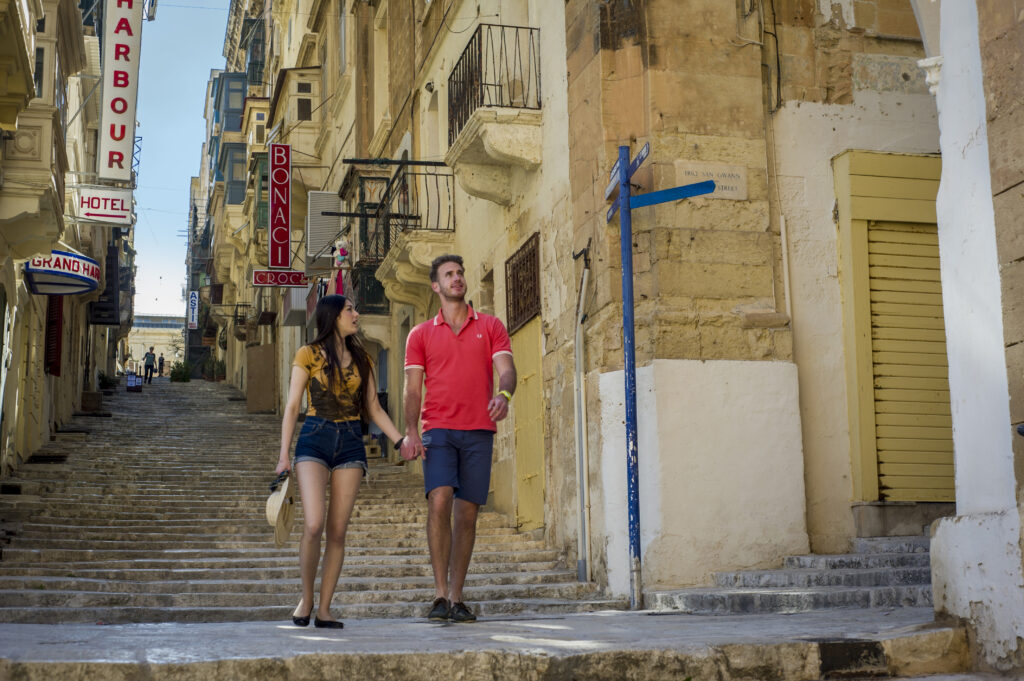
Francesco Laparelli arrived in Malta in 1566, sent by Pope Pius V. His mission: to lay out a new town on the Monte Sciberras promontory, untouched by any buildings, one year after the Great Siege, during which a few hundred knights of the Order of St. John and several thousand Maltese had held out for four months against forty thousand Ottoman soldiers. Laparelli draws a grid. No curves, no ornamental perspectives, no generous squares. An austere checkerboard adapted to the slope, each street calibrated for the wind and troop traffic, each junction calculated so that one gunner could defend several at once. Valletta was the first European city to be built to plan. The year was 1566. Maltese architect Girolamo Cassar translated the plans into stone, the local globigerina limestone, golden and porous, which changes hue according to the time of day – almost white at midday, ochre at five o’clock, almost orange at sunset.
Five centuries later, as you walk through this grid, you understand something the guidebooks don’t: Valletta’s beauty isn’t decorative. It’s structural. It comes from the coherence between intention and result. A city built to survive the onslaught, and which survives, by the same stubbornness, the pressure of contemporary tourism.
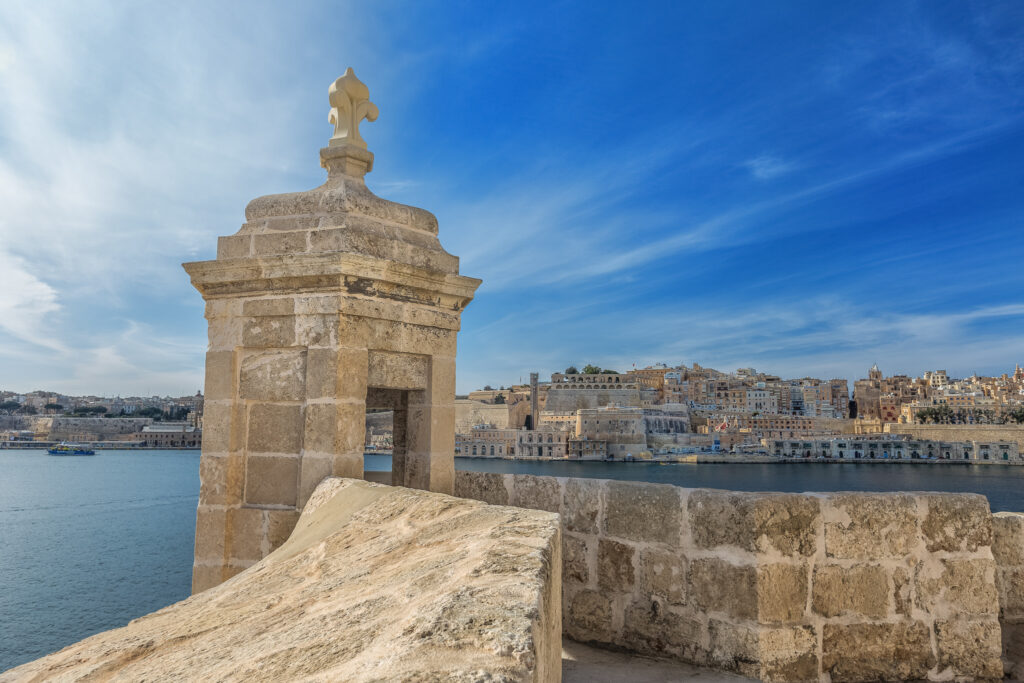
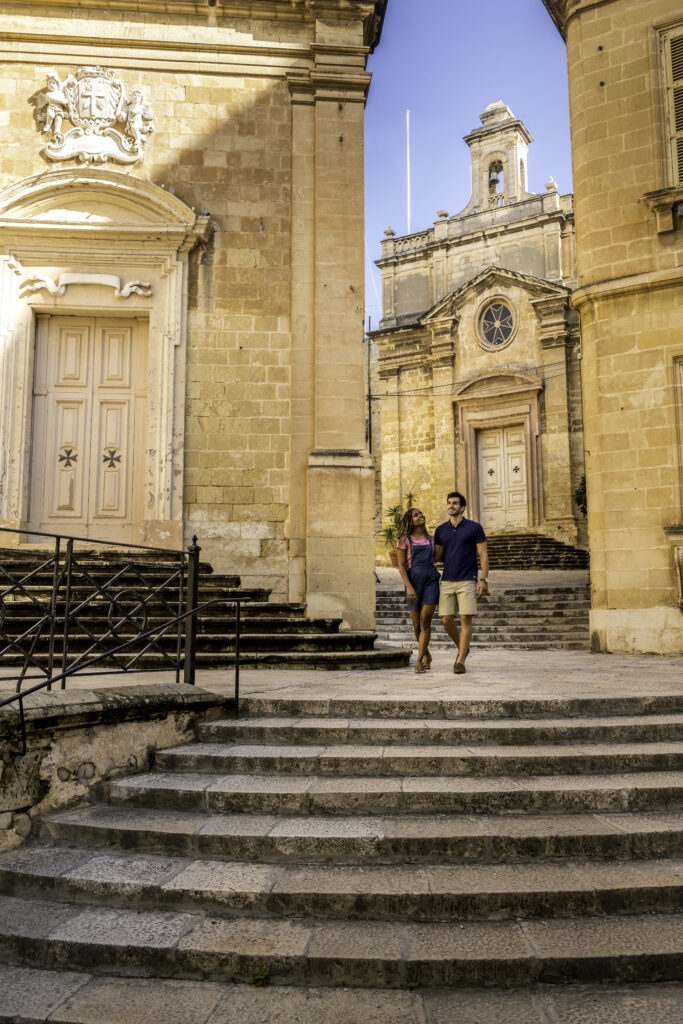
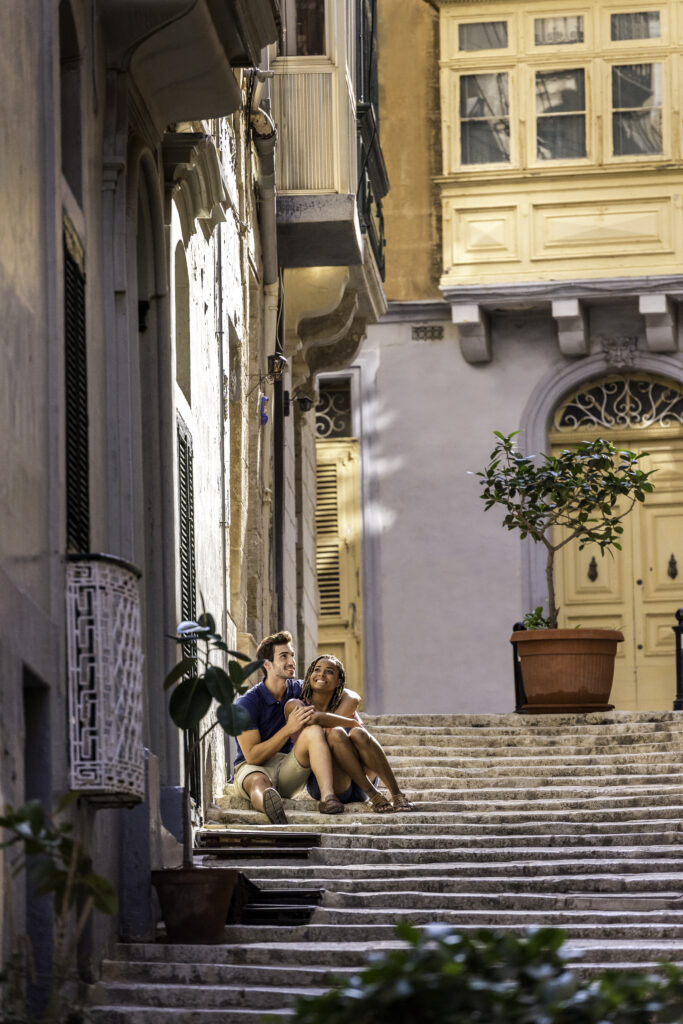
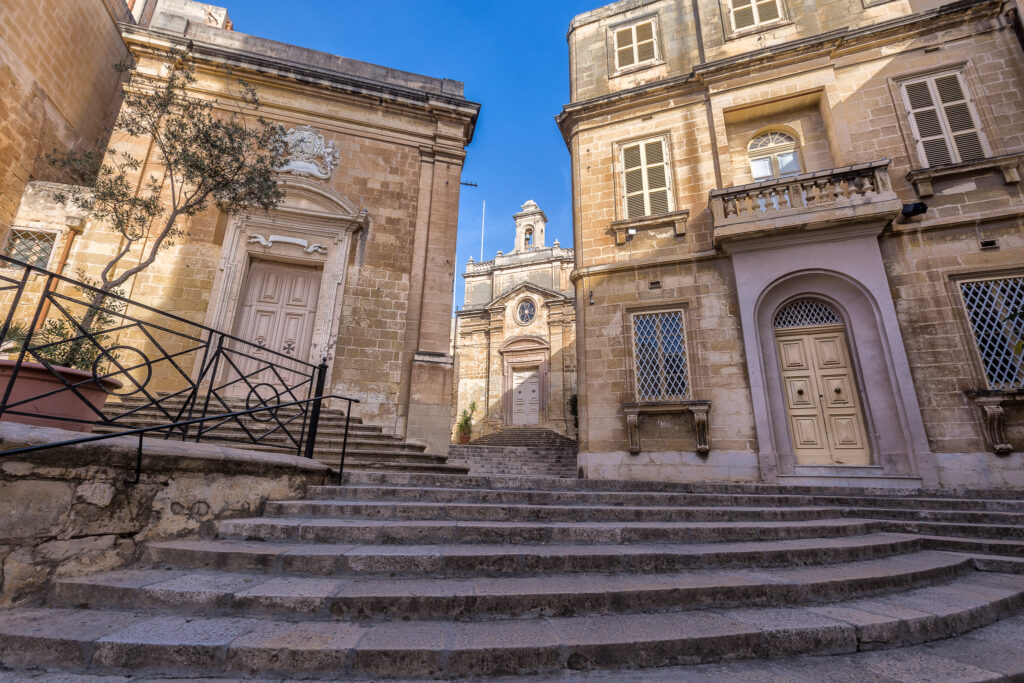
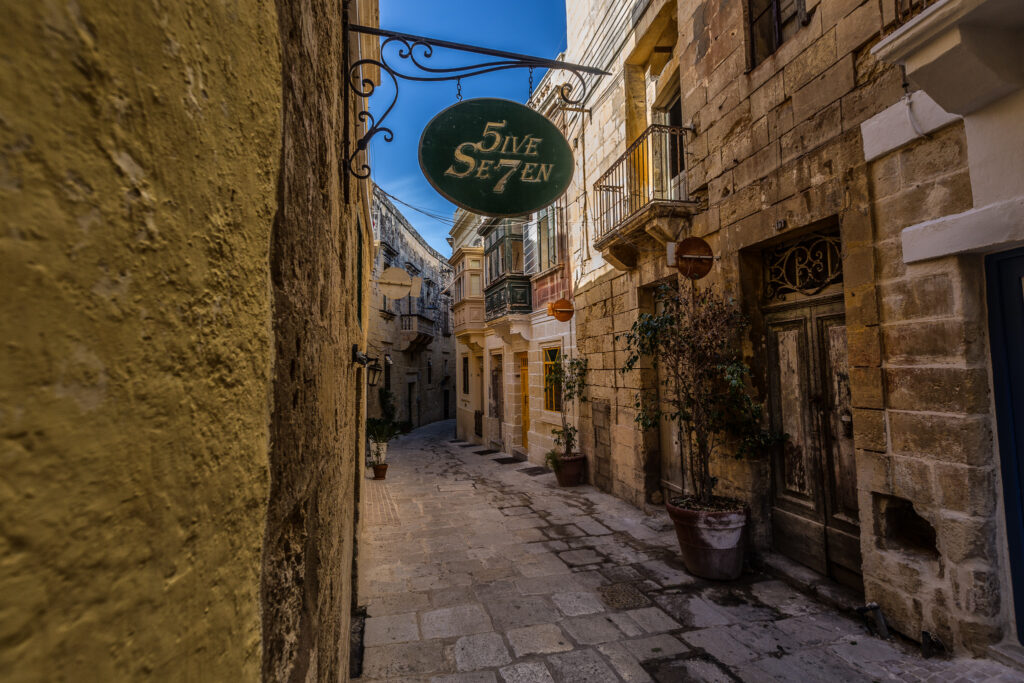
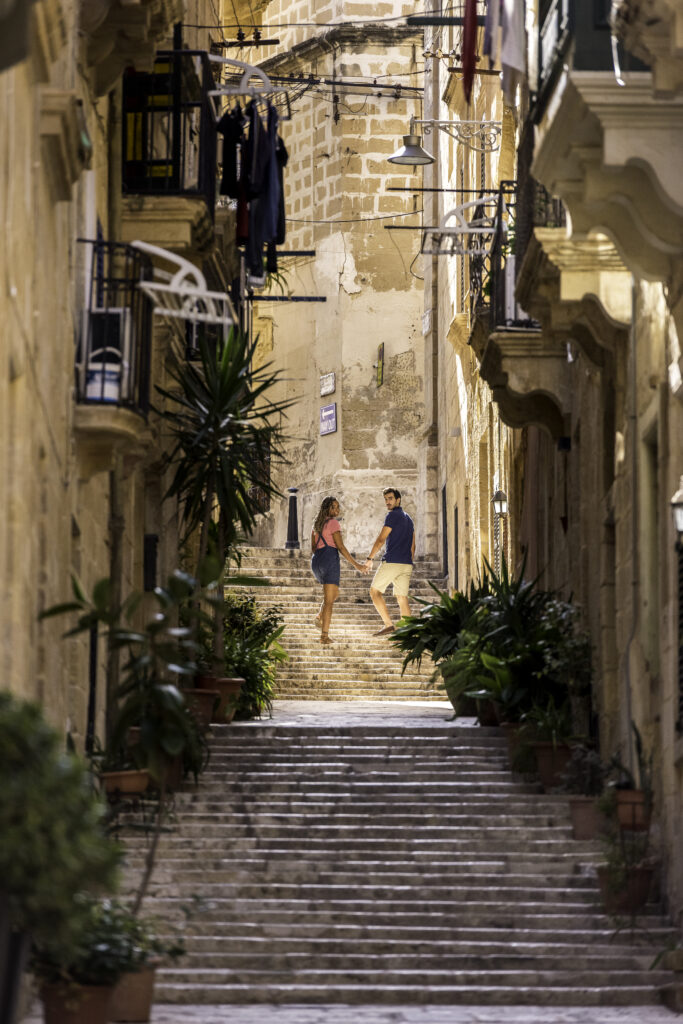
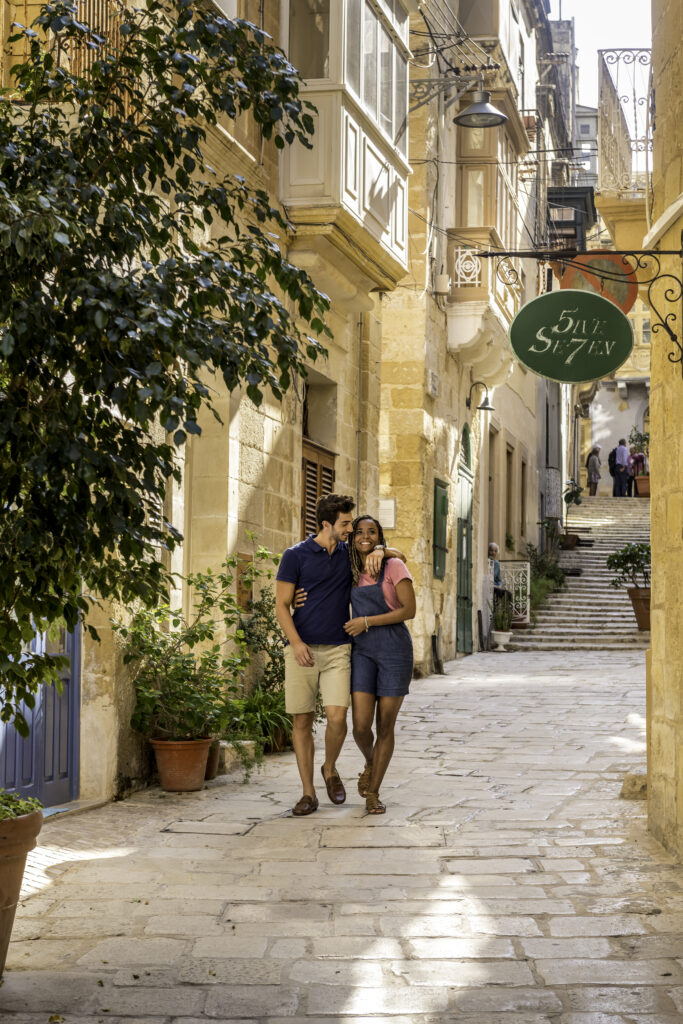
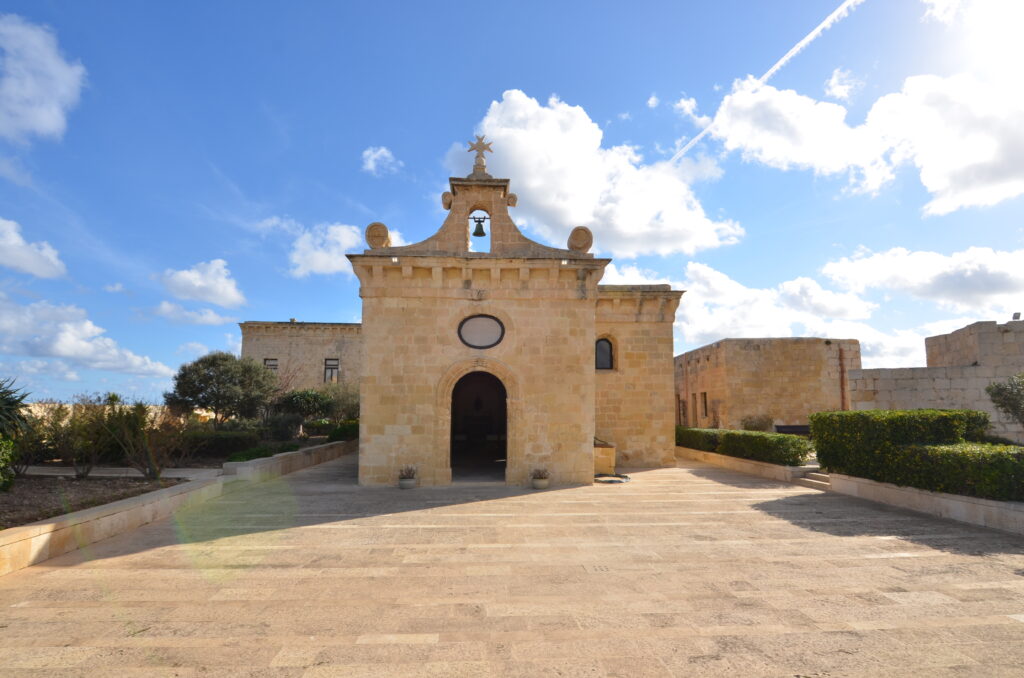
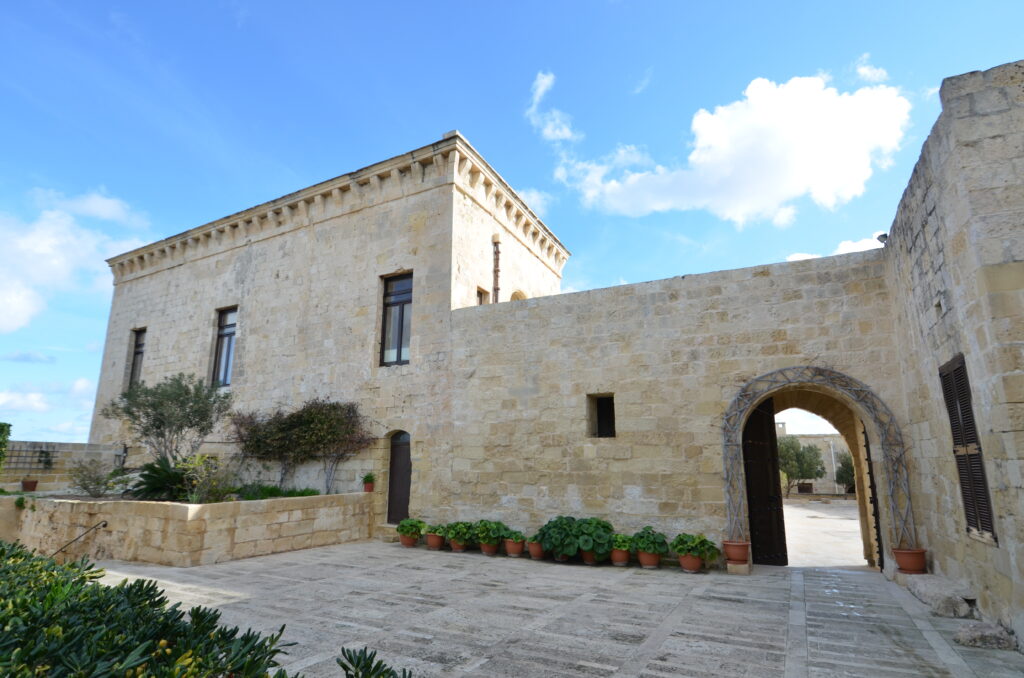
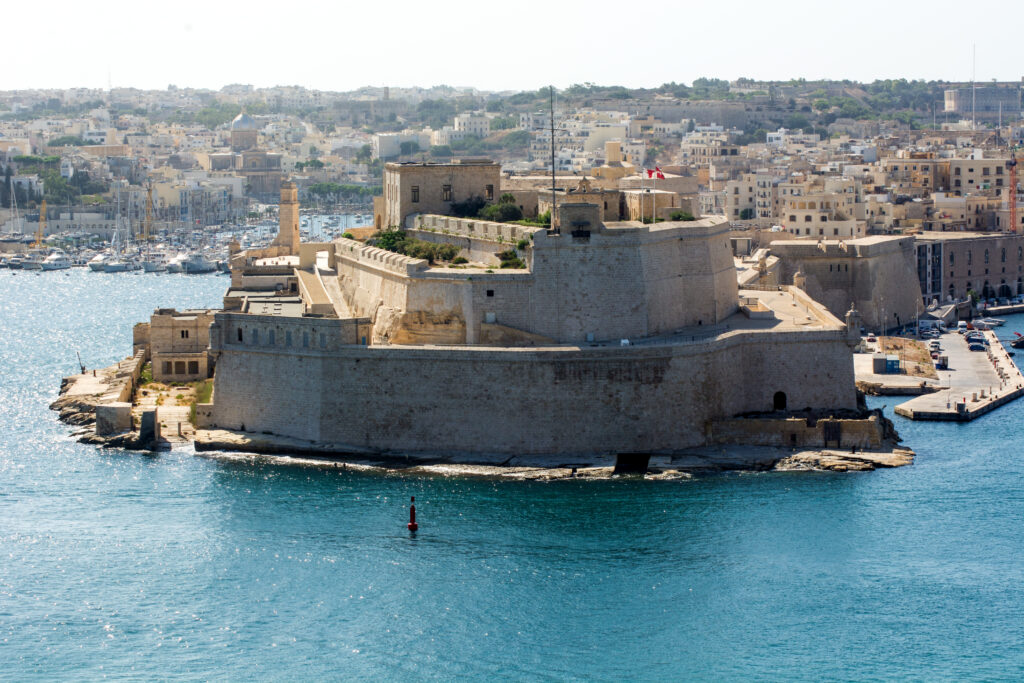
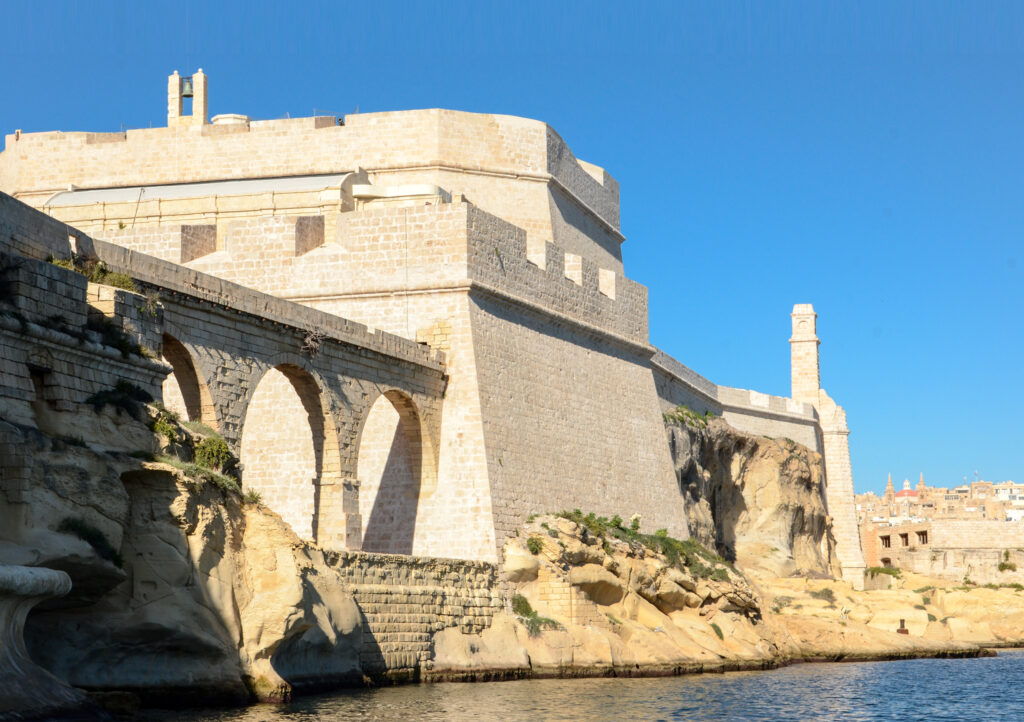
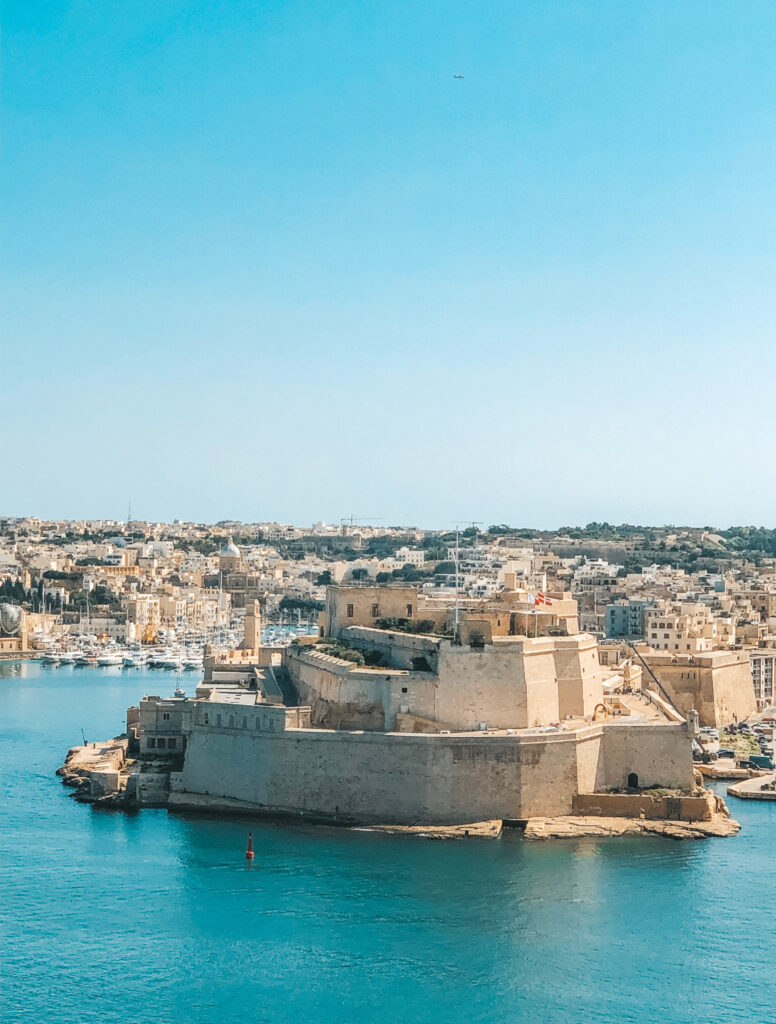
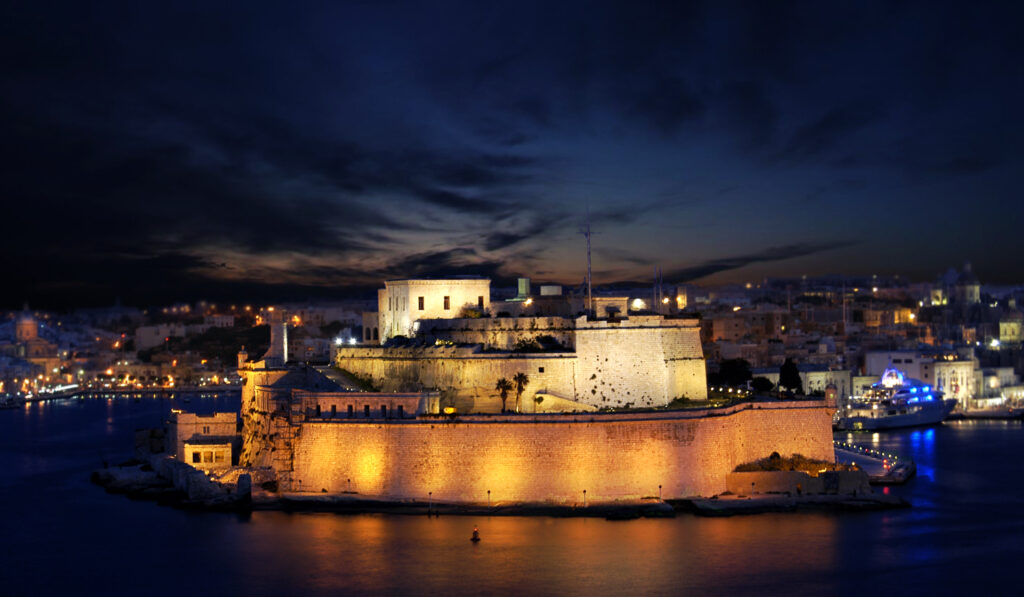
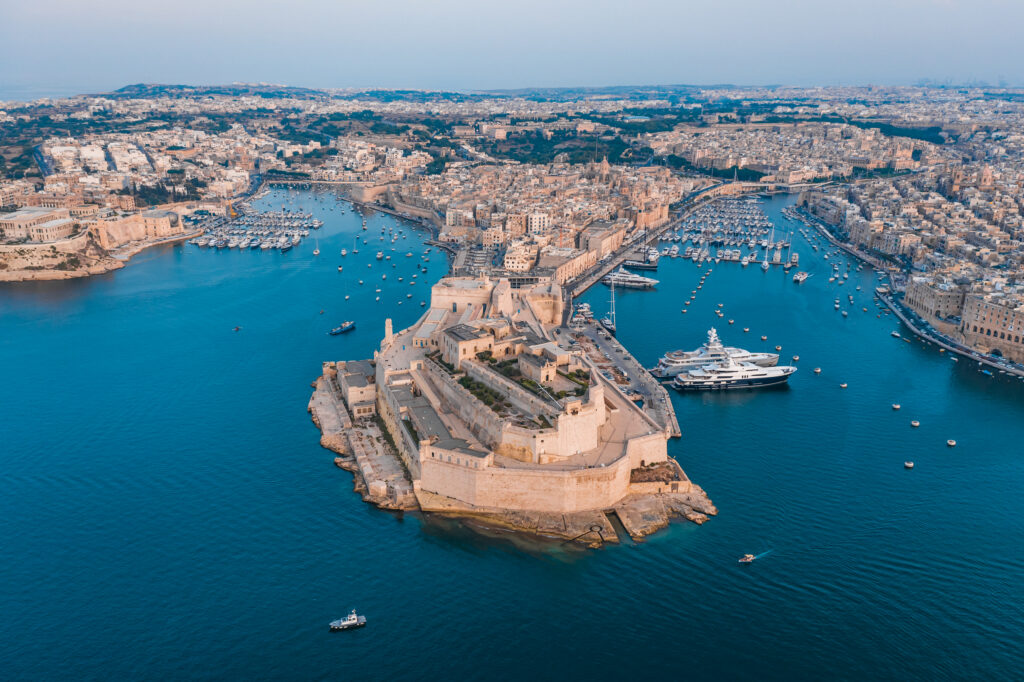
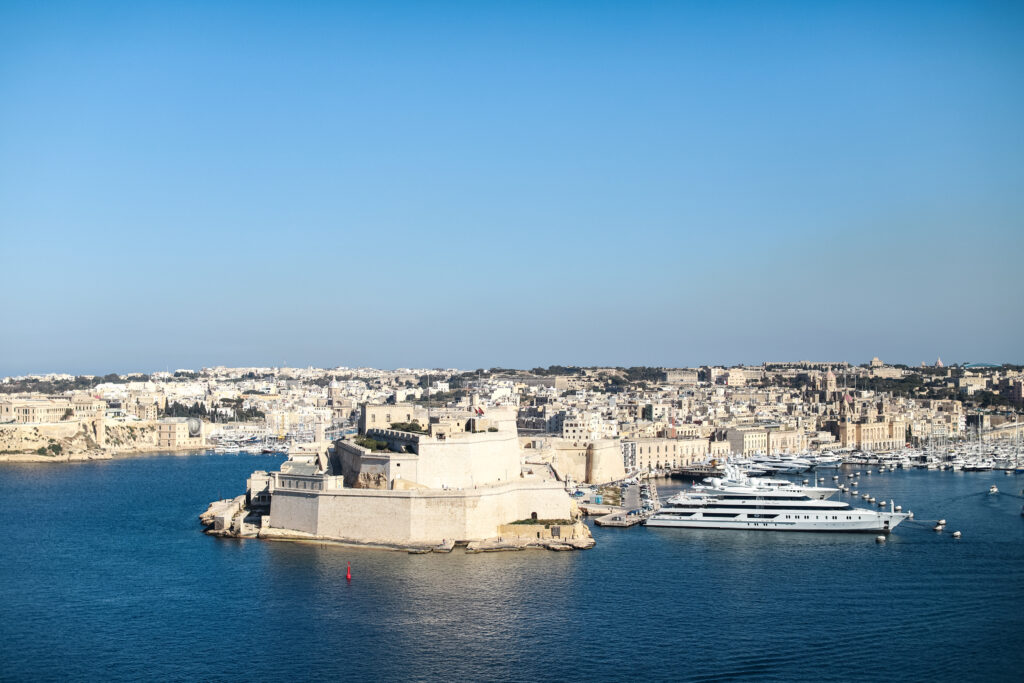
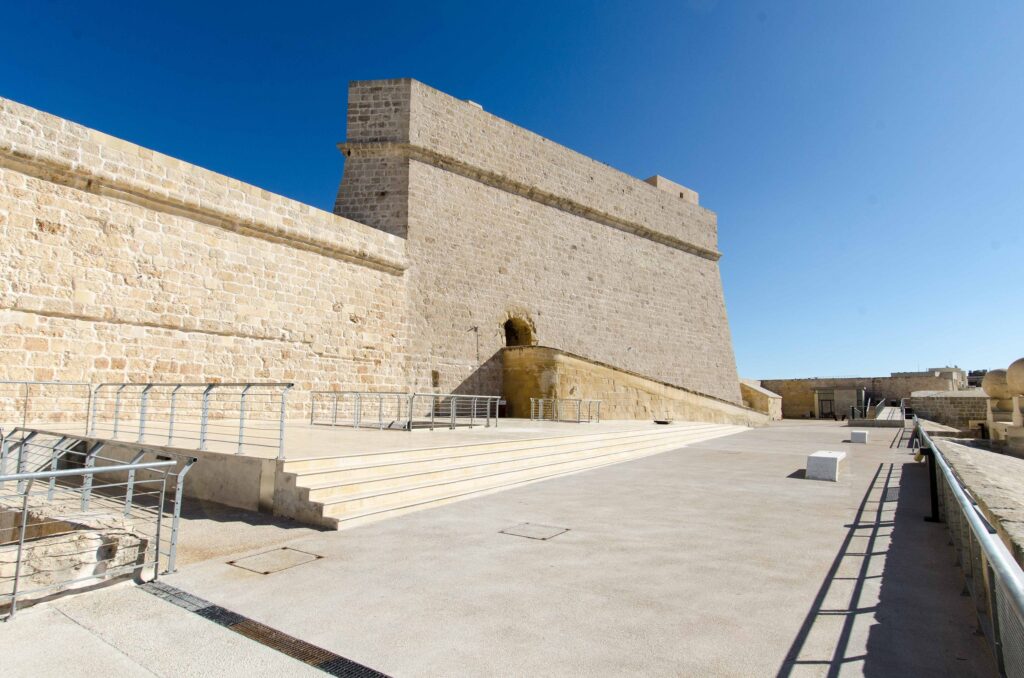
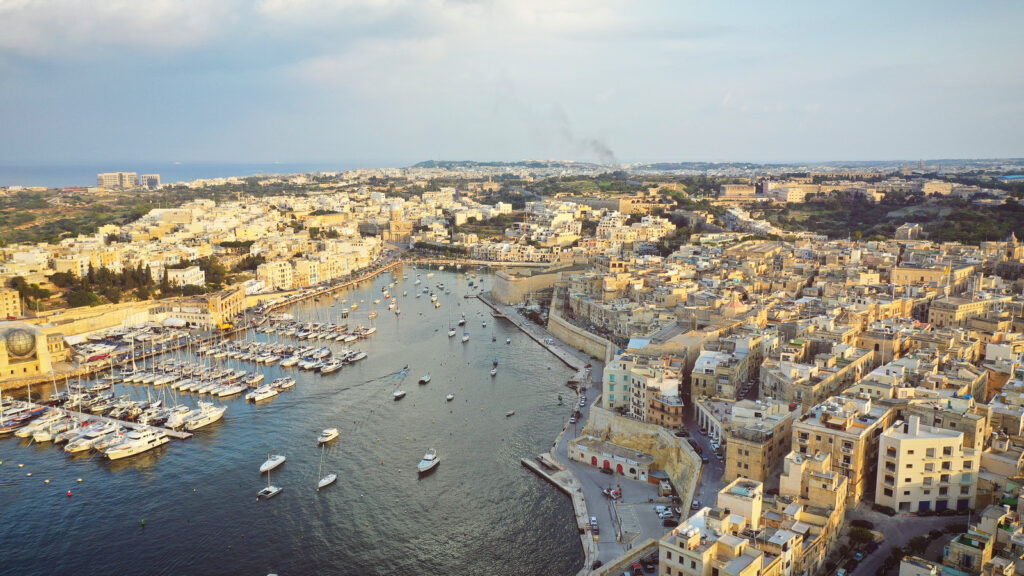
We leave Valletta at the bottom. Which is a gesture in itself. Because here, everything is earned on the way down before it’s conquered on the way up. The road leads to Birgu. Vittoriosa, say the official maps – the name of honour that the archipelago gave to this peninsula after the Great Siege of 1565, when a few hundred knights and a few thousand Maltese held out against forty thousand Ottomans for almost four months. But the locals still call it Birgu. From borgo, the Mediterranean term for a coastal village nestling under the protection of a fort. Fort Saint-Ange, in this case, has been thrusting its stone prow into the waters of the Grand Port since at least the thirteenth century. It was here that the Order of St. John first settled, before Valletta. This is where the history of modern Malta began, in alleys so narrow that two people can brush past each other, and where shade is a common good that facades share with an architect’s generosity.
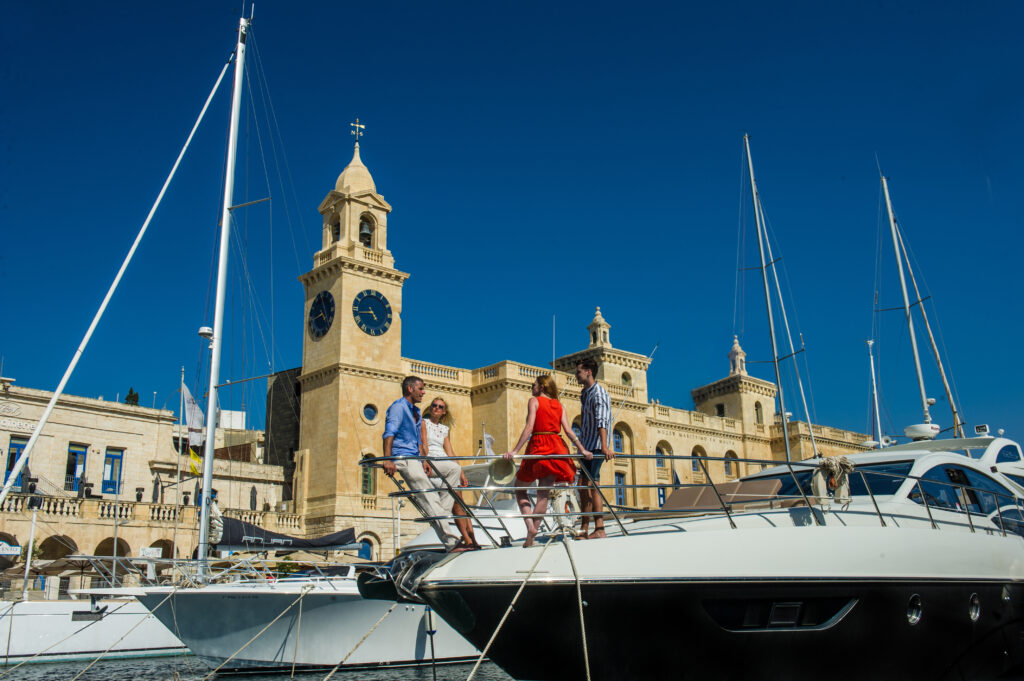
boat, vittoriosa, marina, couples, Boat, Dock, Human, Person, Transportation, Vehicle, Vessel, Water, Watercraft, Waterfront
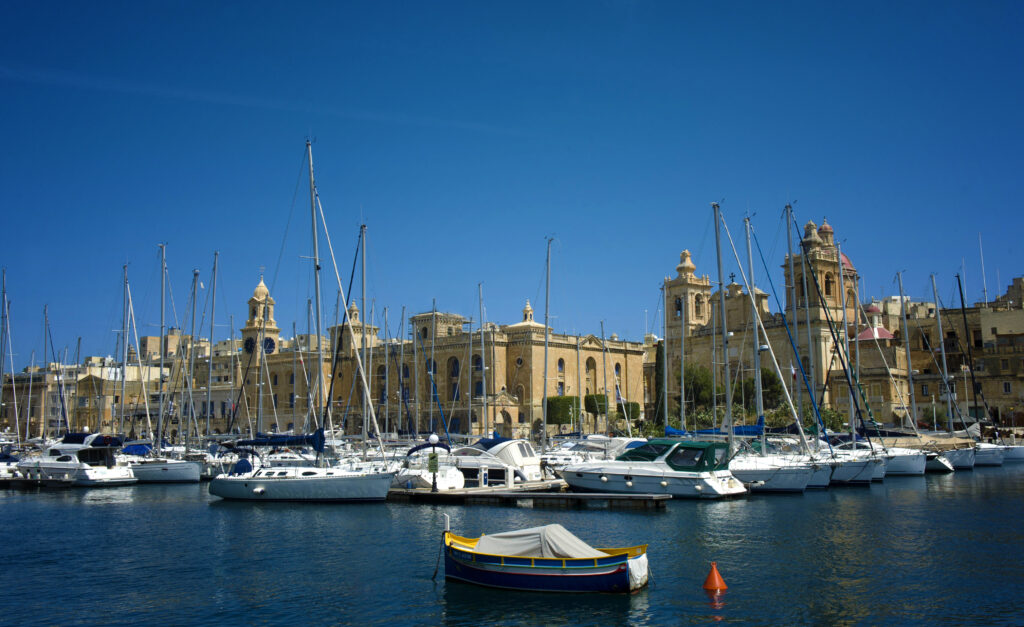
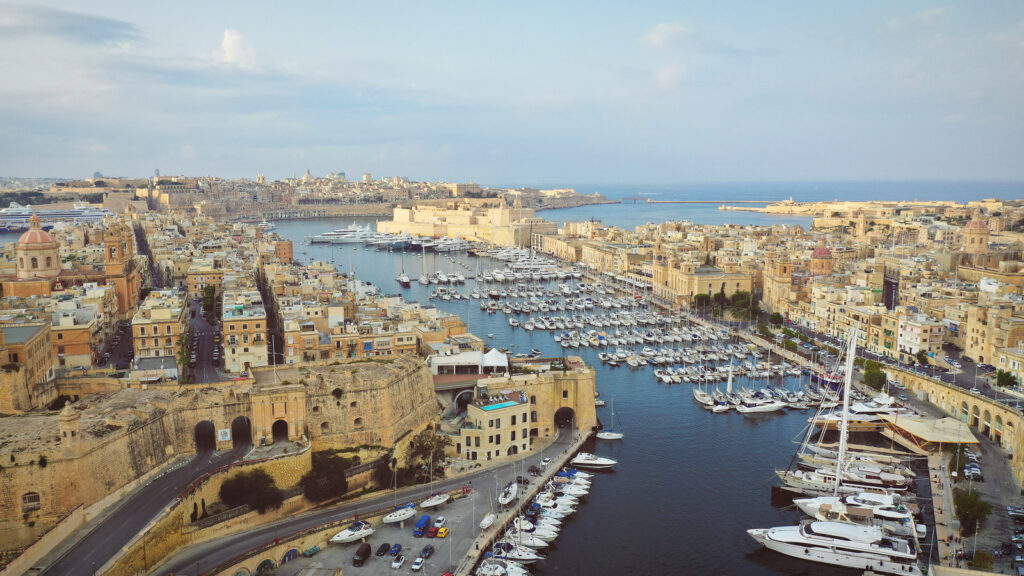
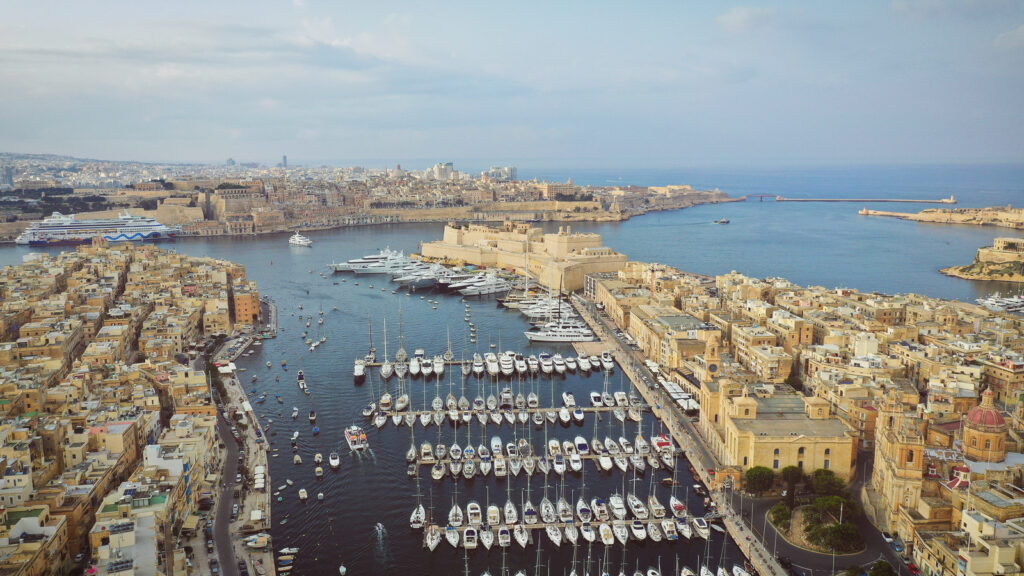
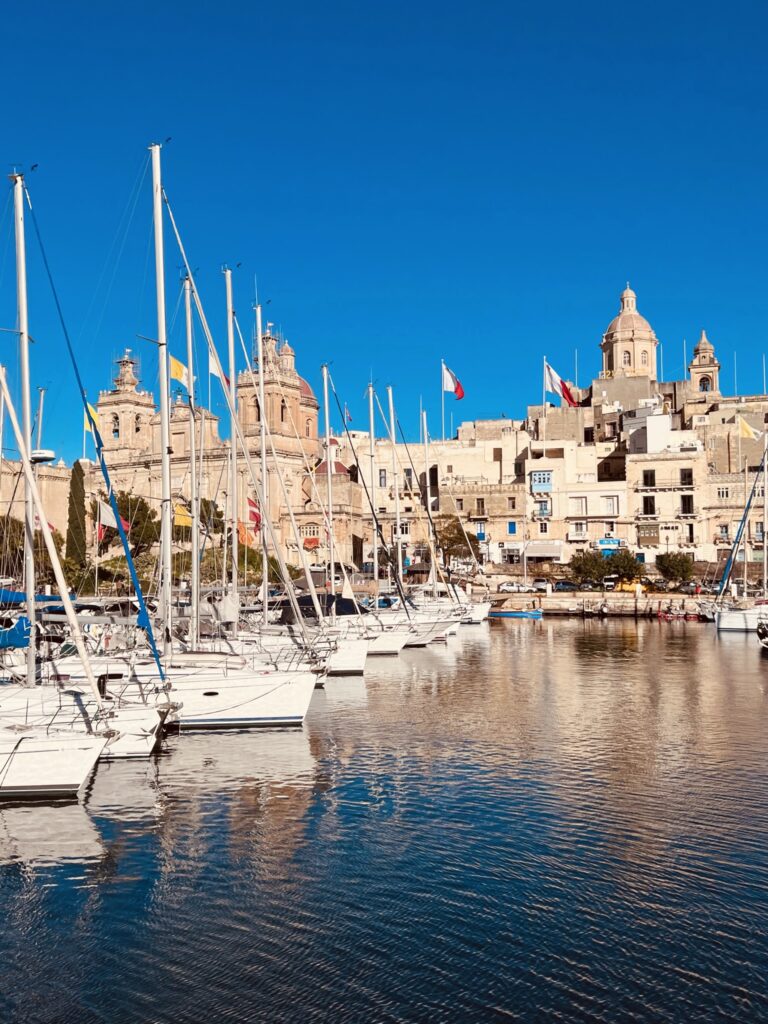
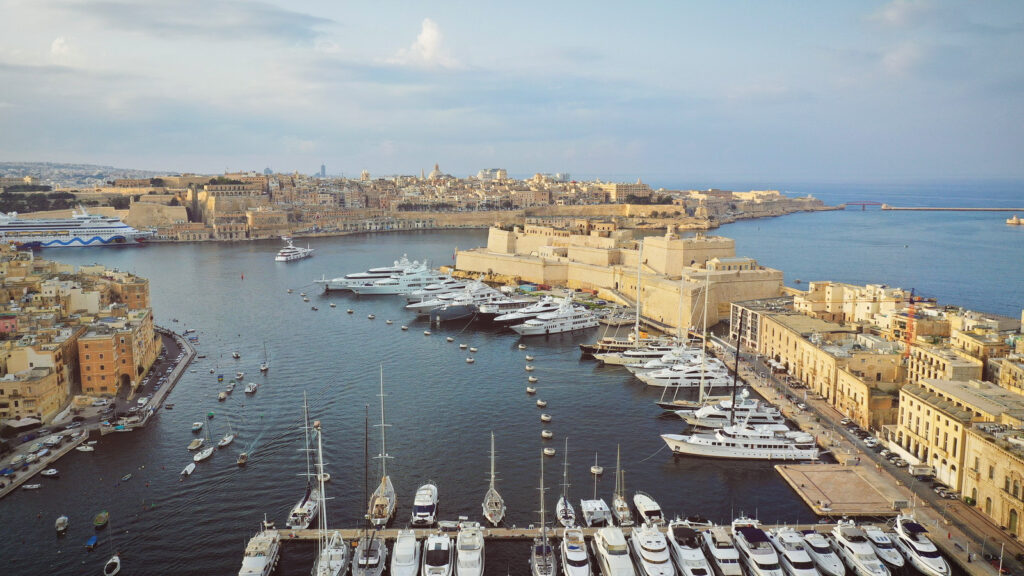
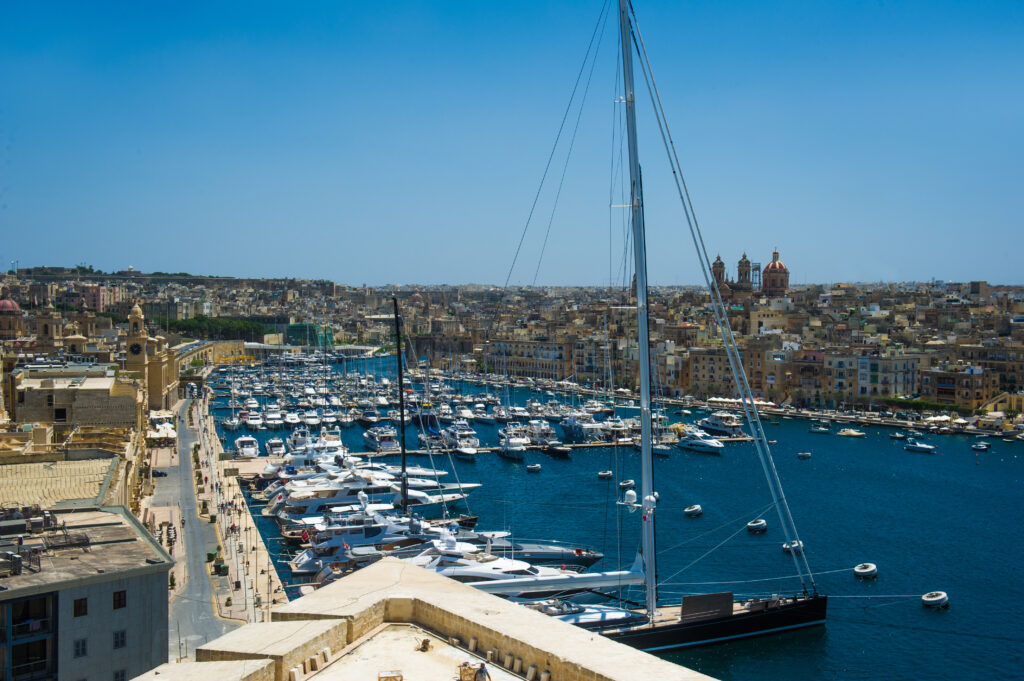
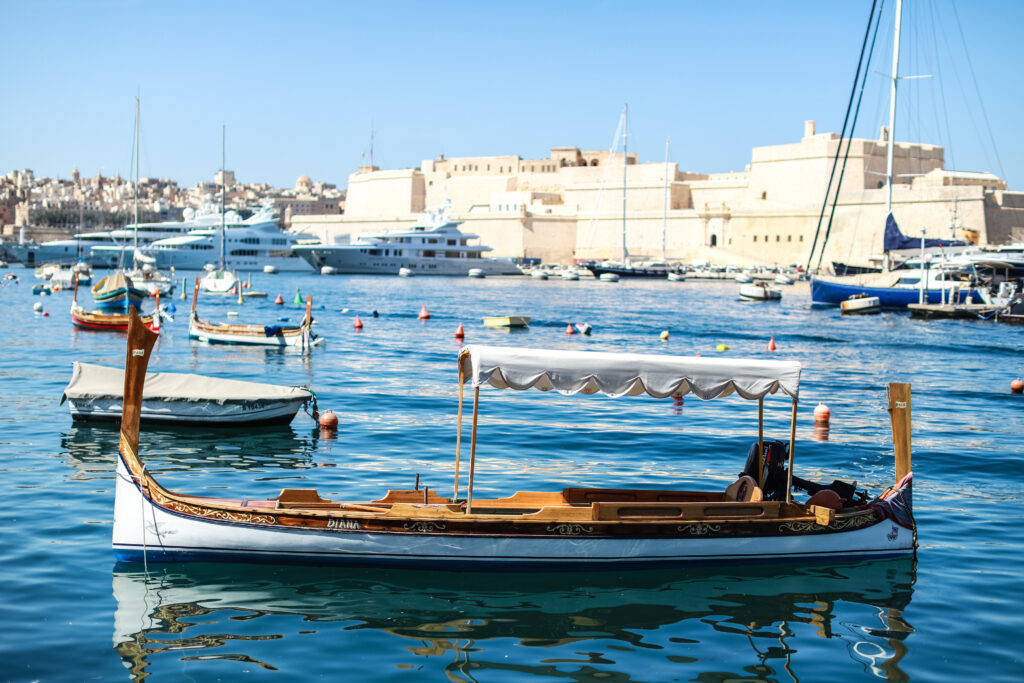
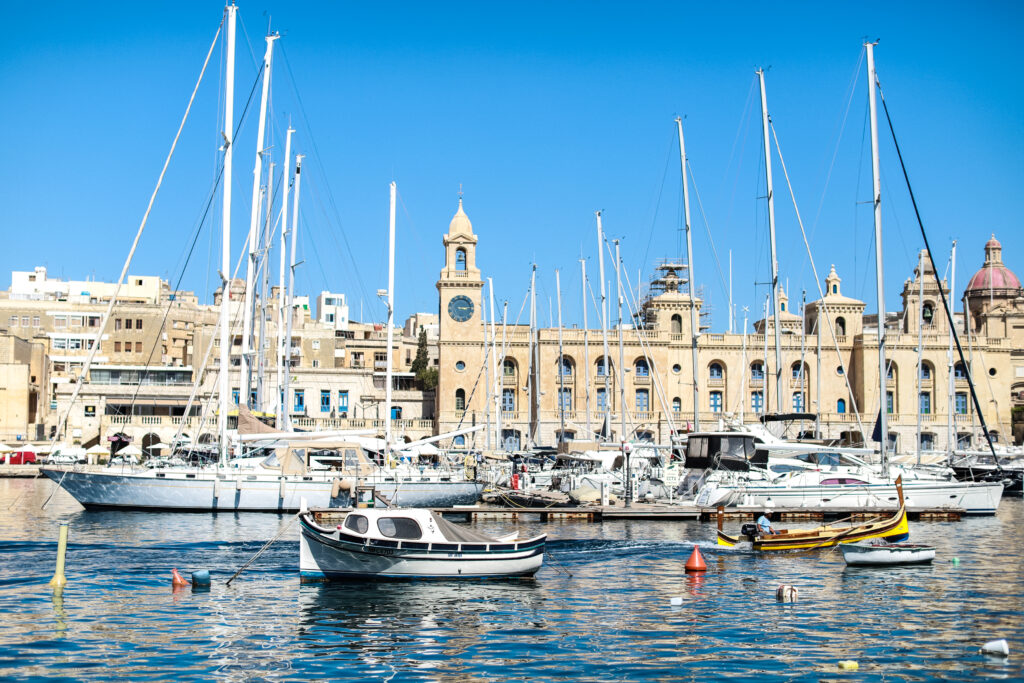
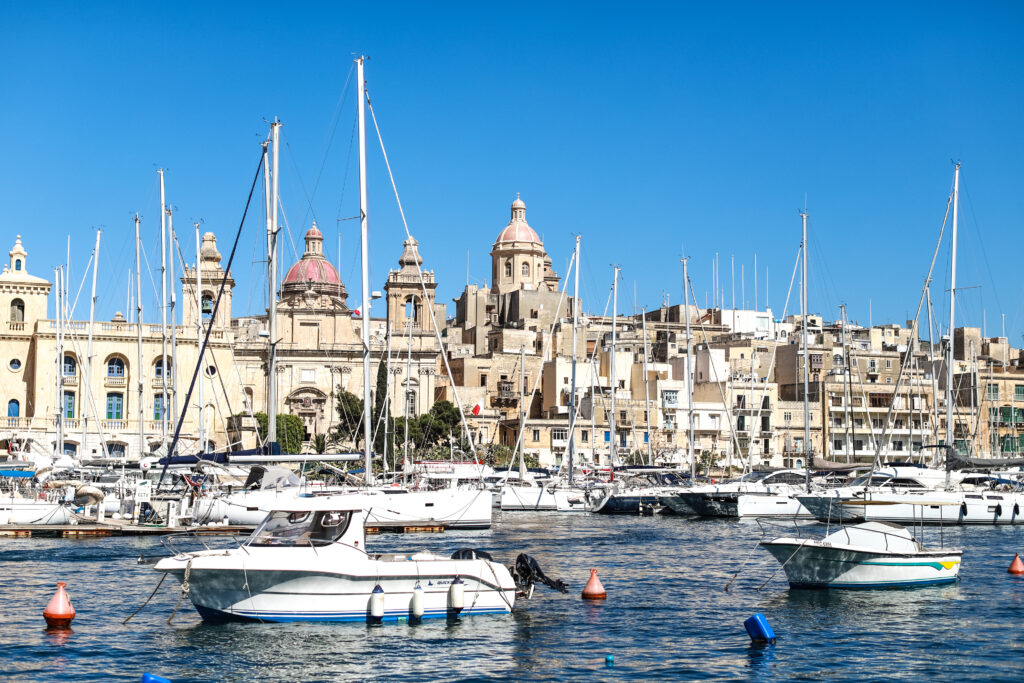
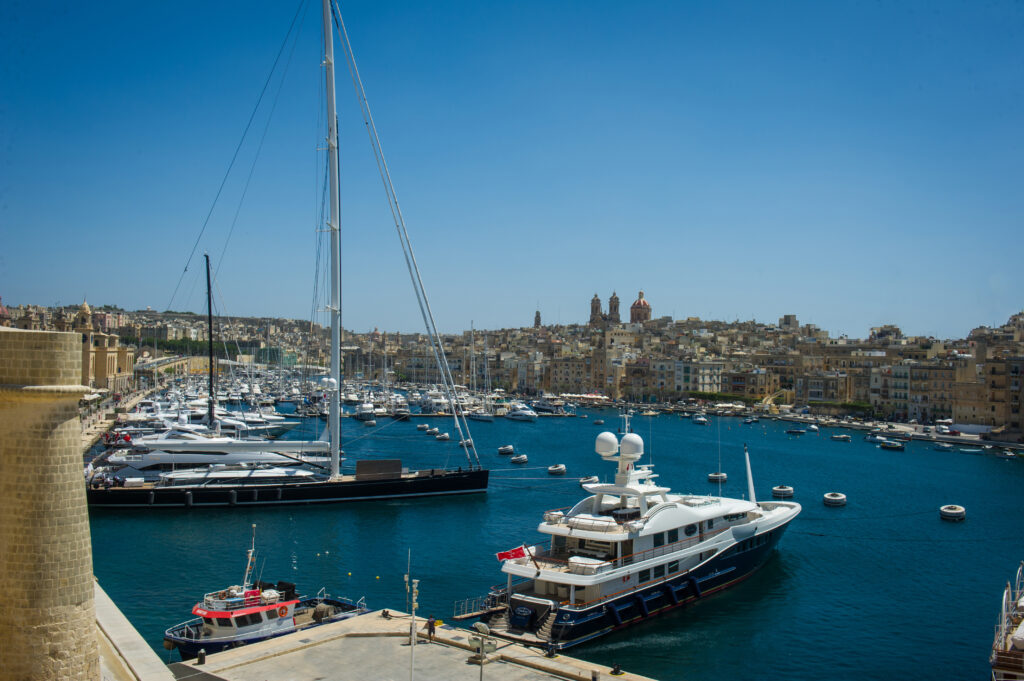
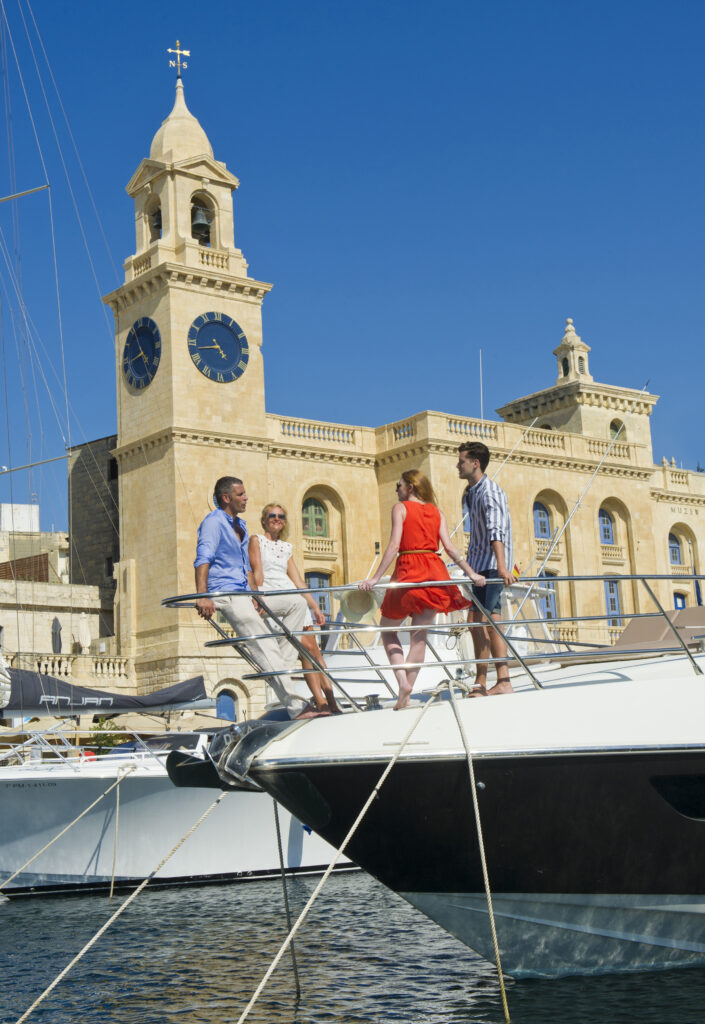
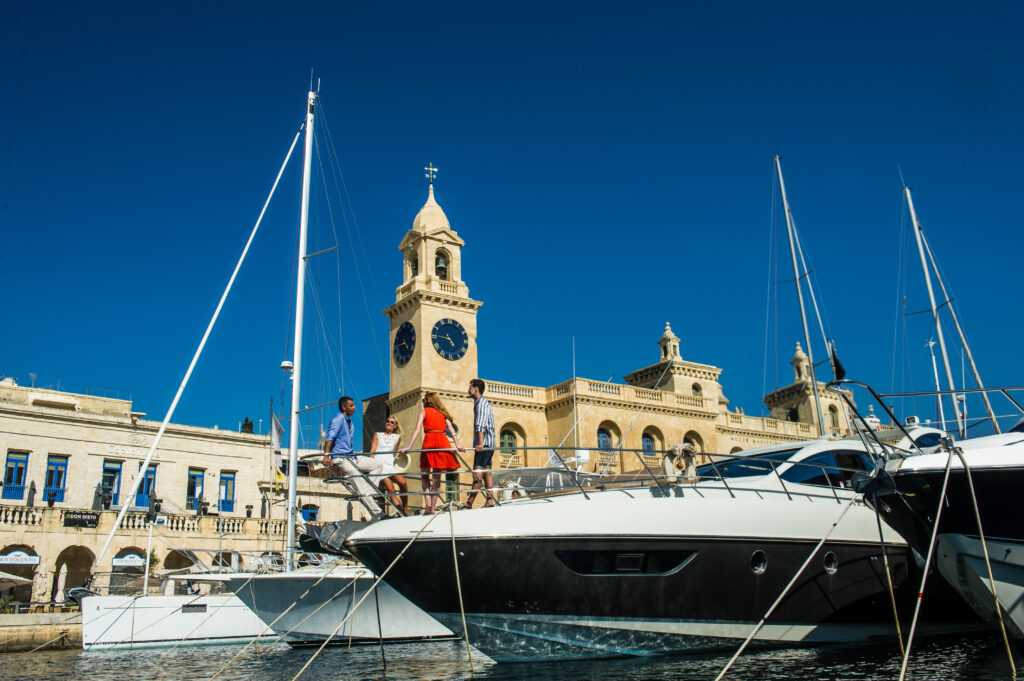
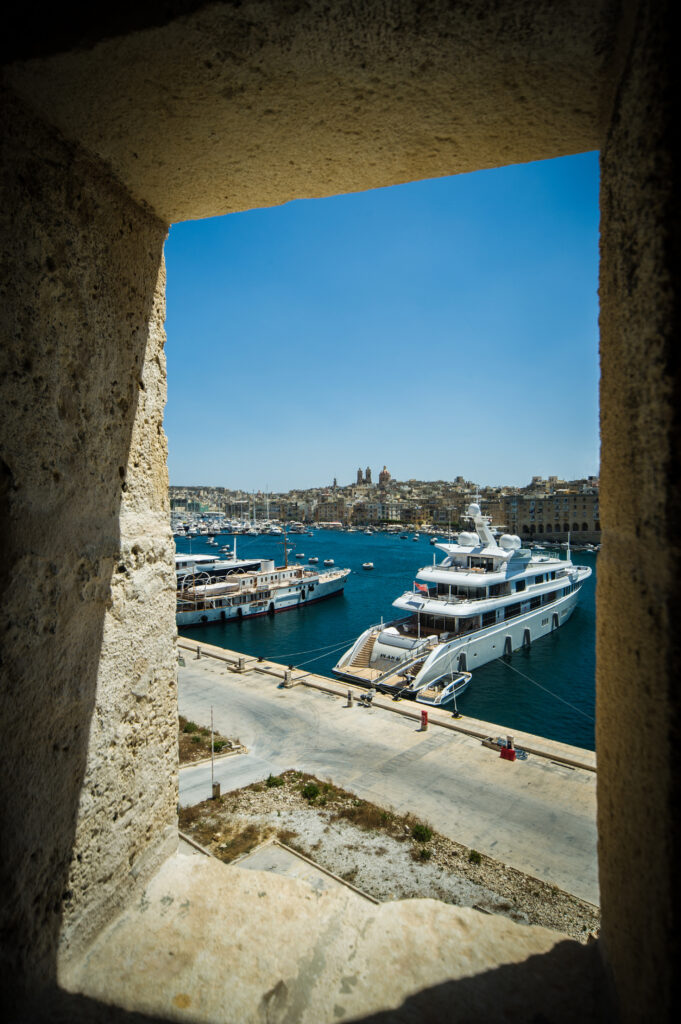
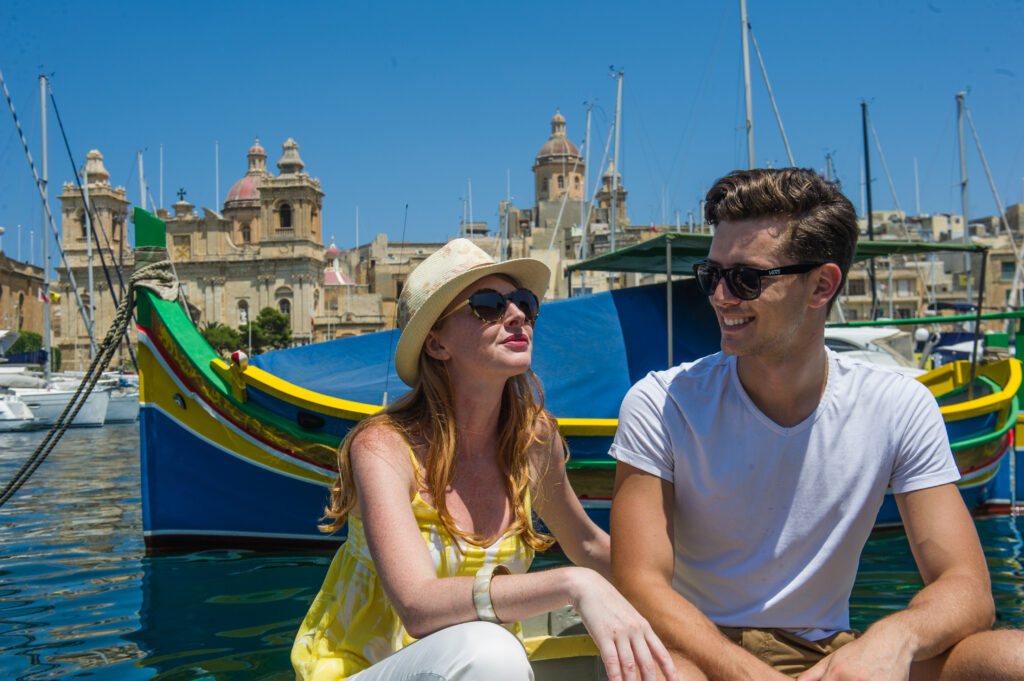
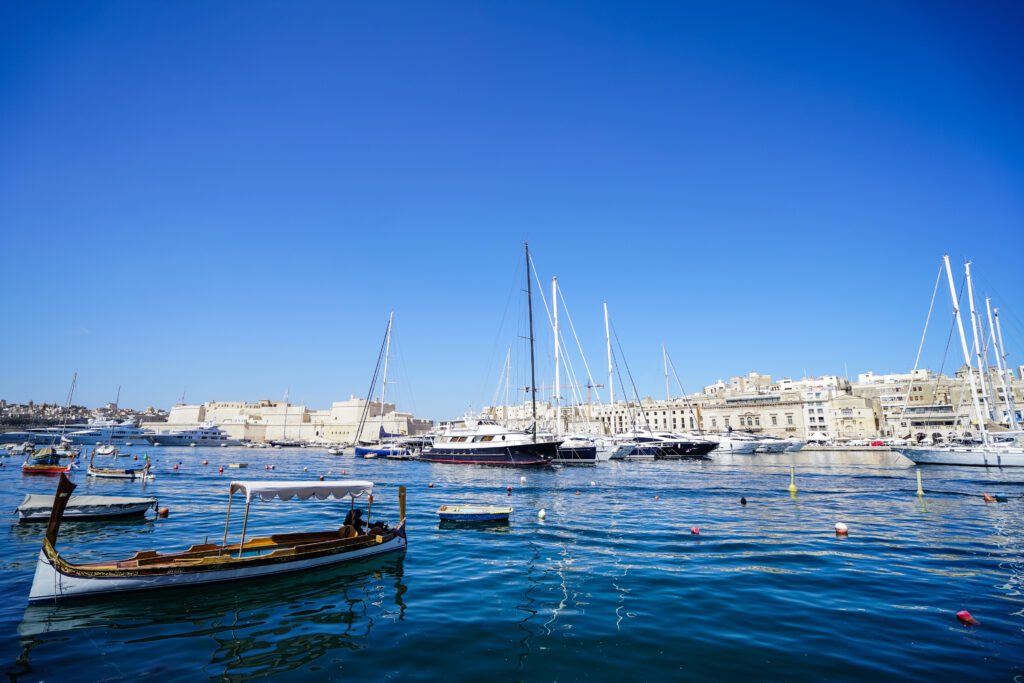
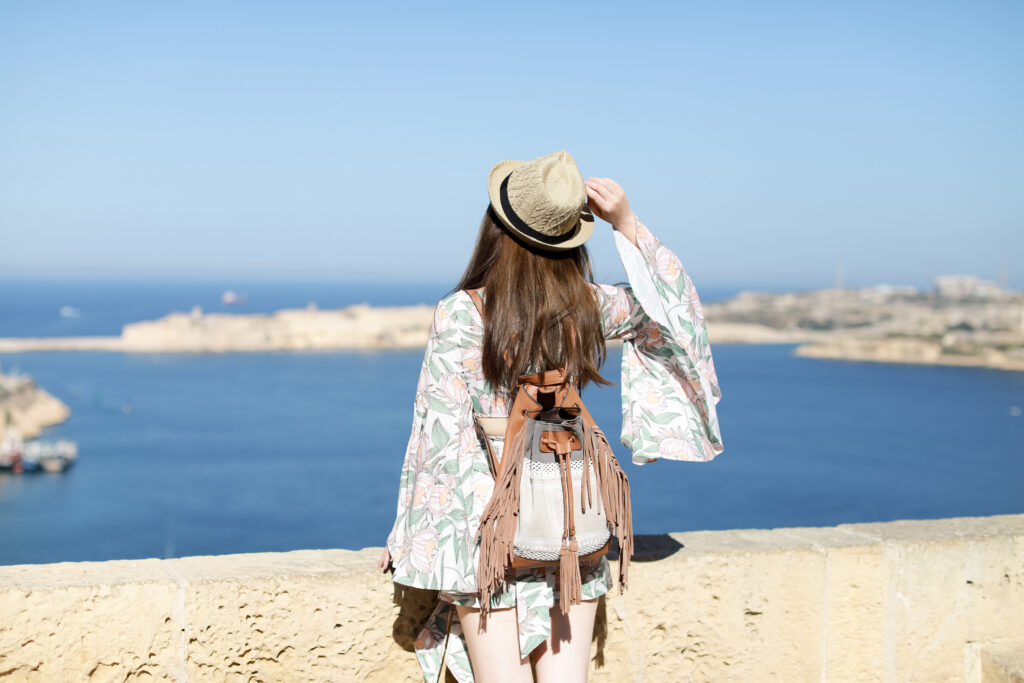
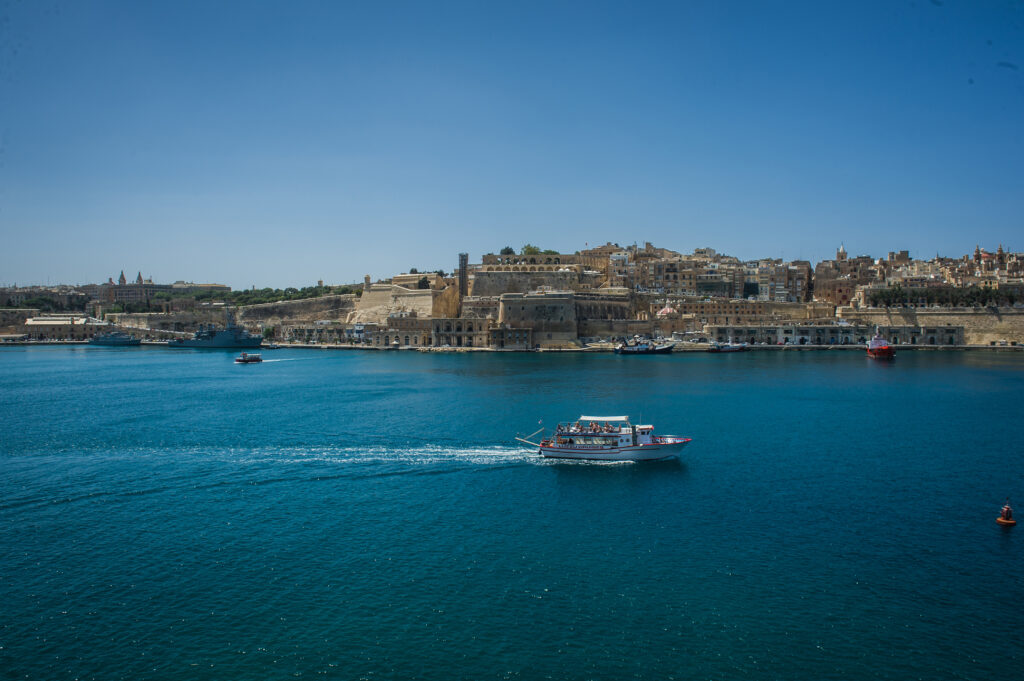
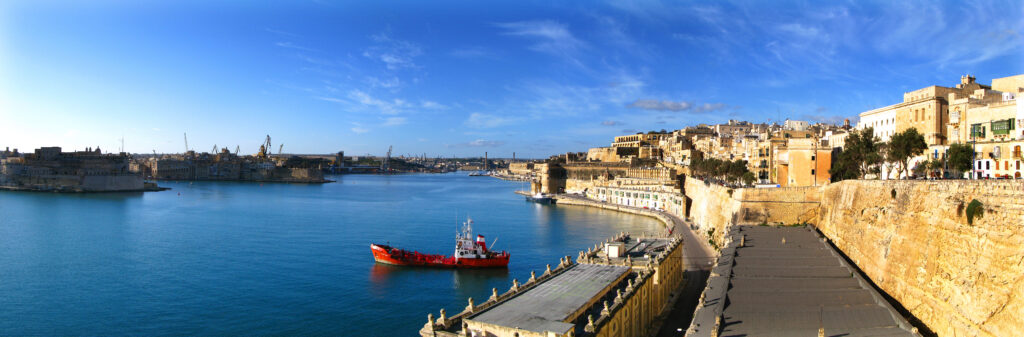
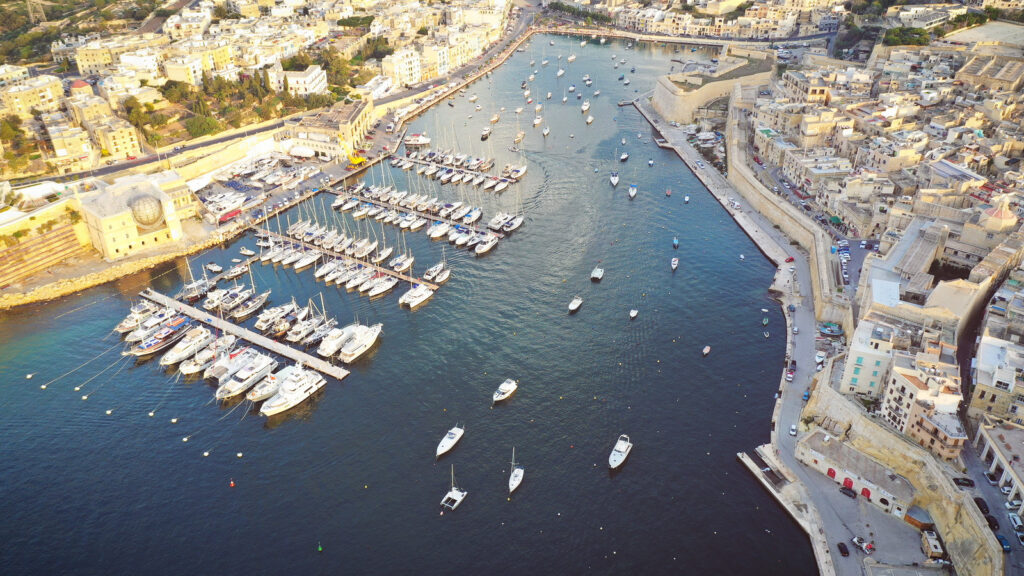
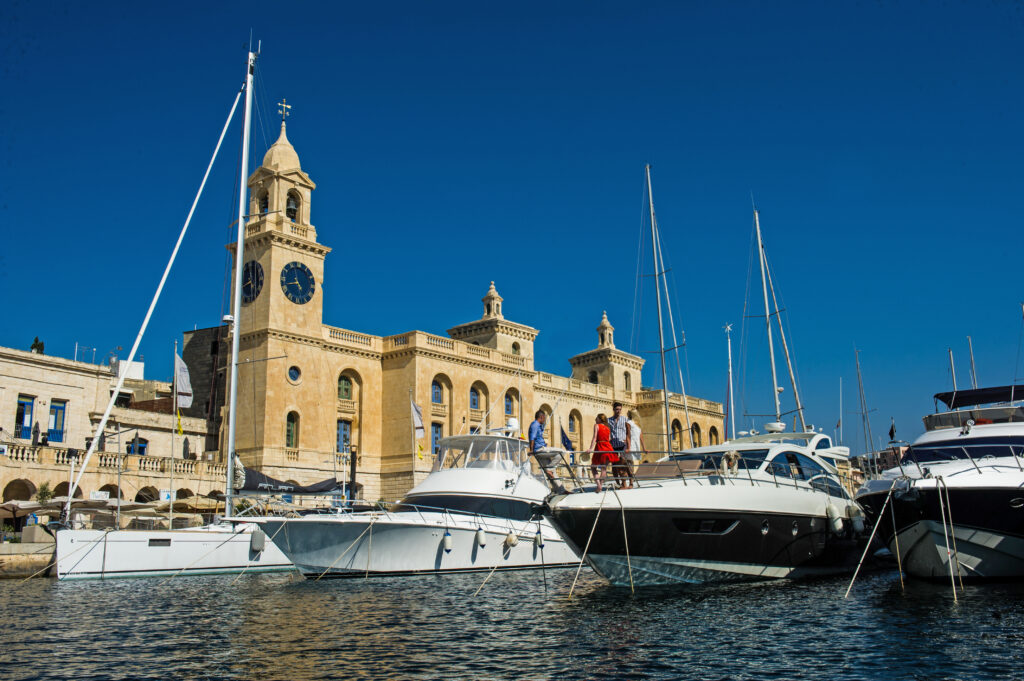
The Collachio district – the medieval heart of the town – can be explored in silence. The flagstones are worn by five centuries of footsteps. Carved lintels remain from the inns of the Langues de l’Ordre, inner courtyards glimpsed behind half-open doors, and the strange sensation of a place that doesn’t need to tell its story to exist. Birgu makes no noise. That’s its strength. At eleven o’clock, the program calls for transport. But the word is misleading. It’s not a cab or a ferry. It’s a dghajsa. The dghajsa tal-pass – pronounced daïsa – is the Maltese gondola. A slender boat, painted in bright colors, rowed by a boatman standing at the stern. For centuries, these boats linked the Three Cities to Valletta through the Grand Port, carrying sailors, merchants and soldiers. The Għaqda tal-Barklora association perpetuates this gesture. The boatman doesn’t talk much. He just rows. The wood creaks against the tolet. The harbor water, deep green in January, slaps gently against the hull. We glide between the yachts moored at Birgu’s Grand Harbour Marina – Camper & Nicholsons, after all – and Valletta’s massive, golden, vertical fortifications opposite. The journey takes around 15 minutes. We could take the ferry. But to do so would be to miss out on something that words struggle to name: the rhythm before. Valletta, seen from the water, is like nothing else in the Mediterranean. The city is a fortress on a promontory, designed in a single stroke by Francesco Laparelli, the military engineer sent by Pope Pius V after the Siege. Then built, stone by stone, by Girolamo Cassar, the Maltese architect who gave the city its rigorous, uncluttered appearance. No curves. No fantasy. An austere grid adapted to the slope, where every street is a wind corridor and every crossroads a sea view. Valletta was the first European city to be built on plan. The year was 1566. Condé Nast Traveller crowned it in 2025, no doubt because, beyond its charm, it has an urban intelligence that was designed for defense and has become, by accident,
The question of gesture
The dghajsa tal-pass has linked Birgu to Valletta for centuries. A slender boat, rowed by a boatman standing at the stern, which crosses the Grand Port in around fifteen minutes. The Għaqda tal-Barklora association perpetuates this gesture – the word is right, because that’s what it’s all about: a technique handed down, a rhythm of the water recognized by the wood against the tolet, a way of crossing space that hasn’t changed since the Order’s galleys loaded their horses on these very quays. We could take the ferry. But the ferry is coming. The dghajsa is approaching.
Birgu deserves a detour by water. Vittoriosa on official maps, Birgu in the living memory of the locals – from the word borgo, the Mediterranean term for a coastal village protected by a fort. Fort Saint-Ange has protruded into the Grand Port since the 13th century. This is where the Order settled before Valletta, in alleys where shade is a common good shared by facades. The Collachio district – the medieval heart of the town – can be explored in silence. Carved lintels and courtyards glimpsed behind doors remain from the inns of the Langues de l’Ordre. Birgu doesn’t make noise to exist.
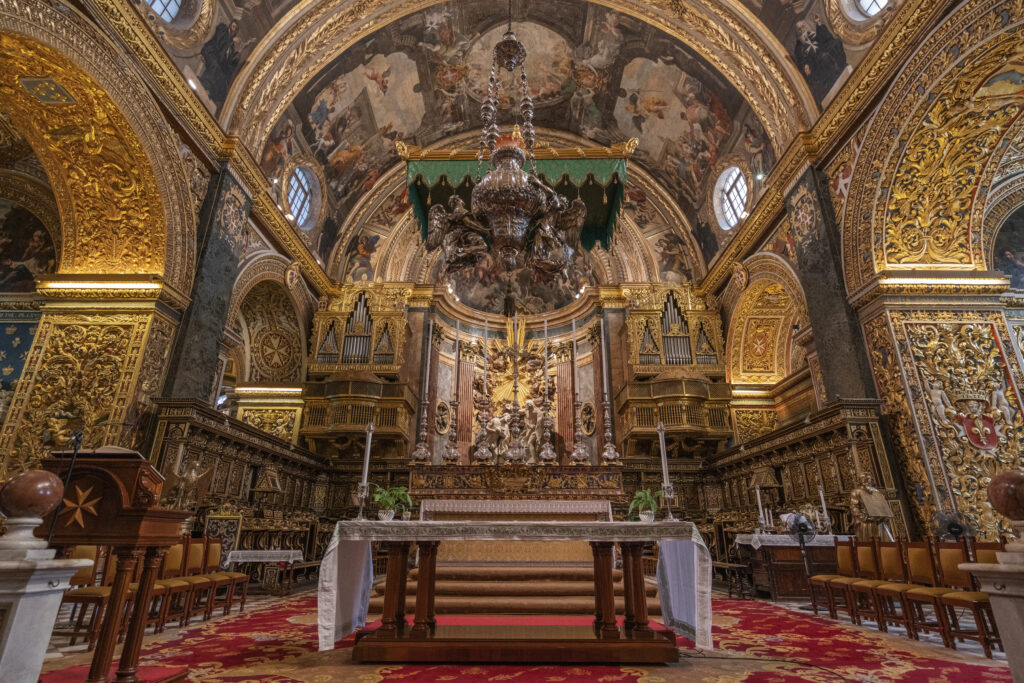
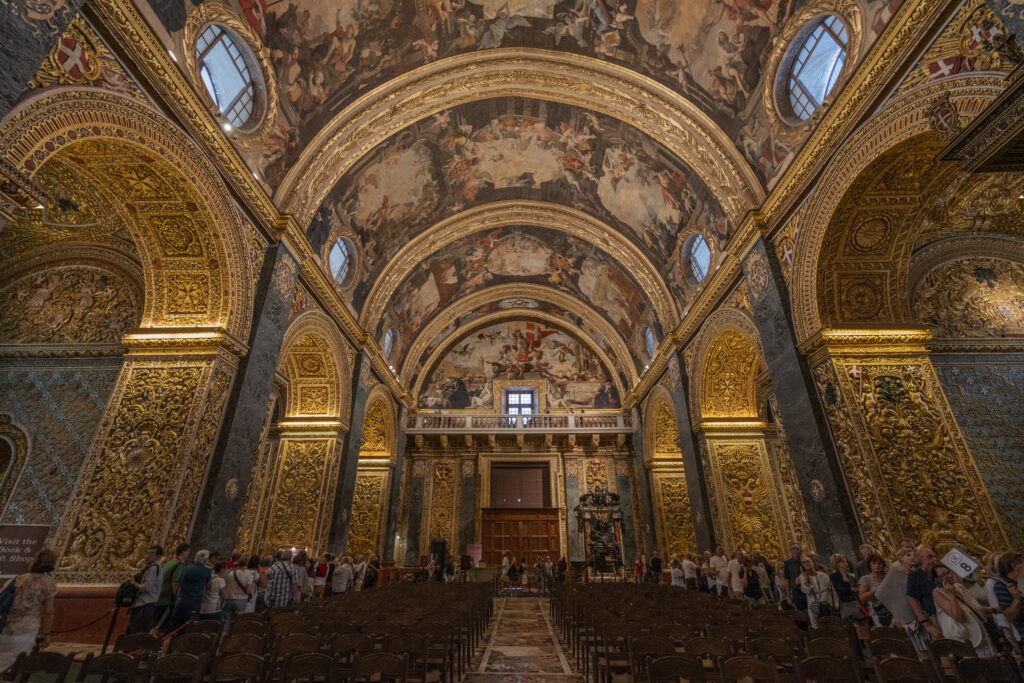
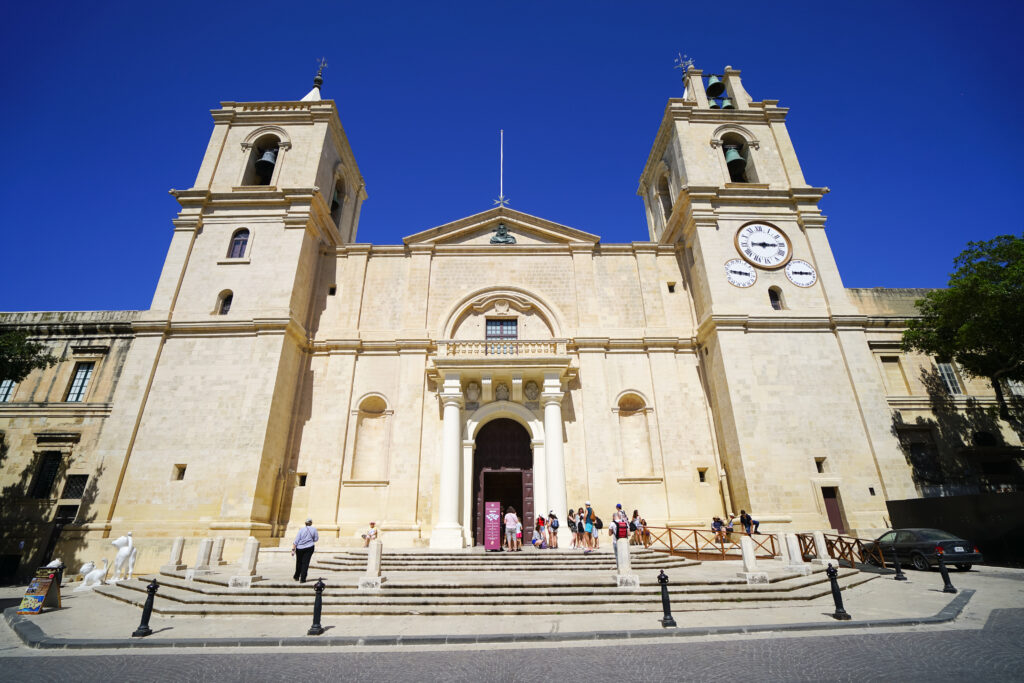
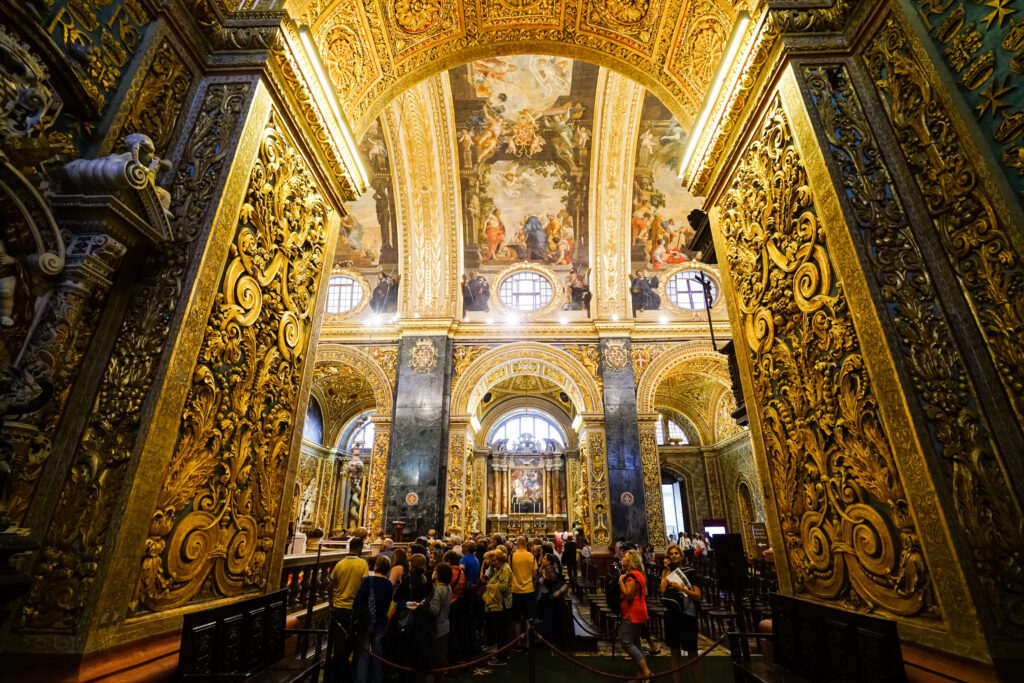
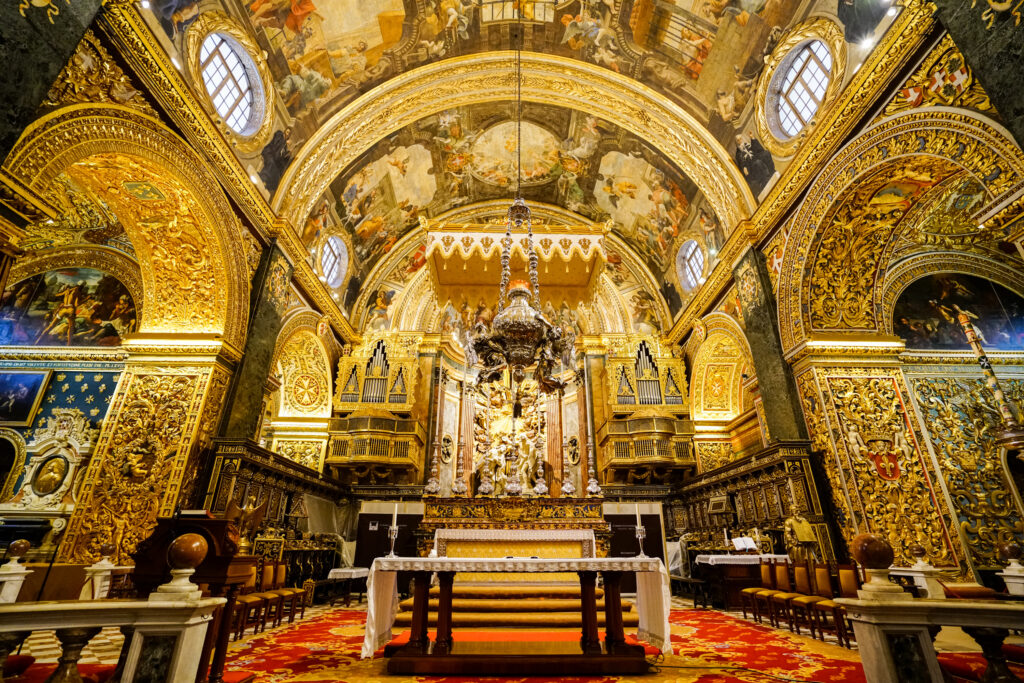
Lunch at Ambrosia. The restaurant occupies one of Valletta’s secret palazzi conversions – high ceilings, thick walls, filtered light. The archipelago now boasts seven Michelin-starred restaurants, and forty listed addresses. The ION Harbour restaurant, just a few streets away, was awarded the first second Michelin star in Maltese history. Local gastronomy has found its cruising speed, driven by a generation of chefs who work with rabbit, bluefin tuna and ġbejniet – that little sheep’s cheese cured in pepper – with a precision that now equals Sicilian or Sardinian tables. Two o’clock in the afternoon. The co-cathedral of Saint-Jean. From the outside, nothing. A severe, almost off-putting block of limestone, signed Cassar. The man didn’t believe in façades. We push open the door. What happens then is one of the most violent visual shocks that European architecture has to offer. Every square centimeter of the floor is a polychrome marble tombstone – four hundred knights’ tombstones, inlaid with colored marble, coats of arms, skeletons and hourglasses. The walls are covered in gilding. The vault, painted by Mattia Preti between 1661 and 1666, recounts the life of St. John the Baptist in eighteen episodes. The contrast between the austerity of the exterior and the excess of the interior is deliberate. The Knights of the Order built as they fought: without half-measures.
Signature in the blood
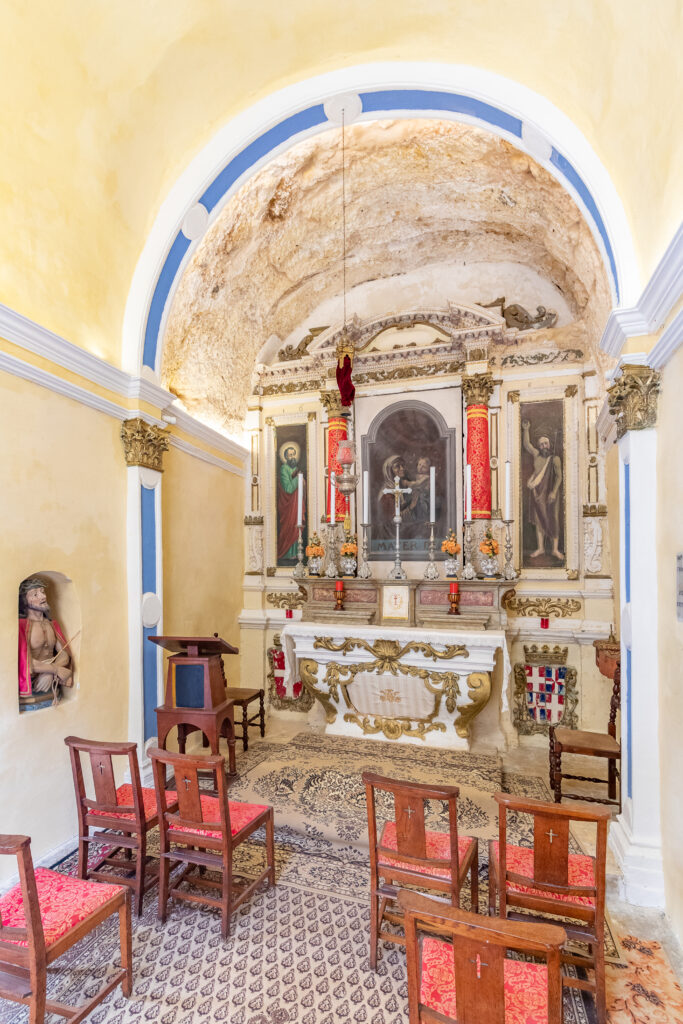
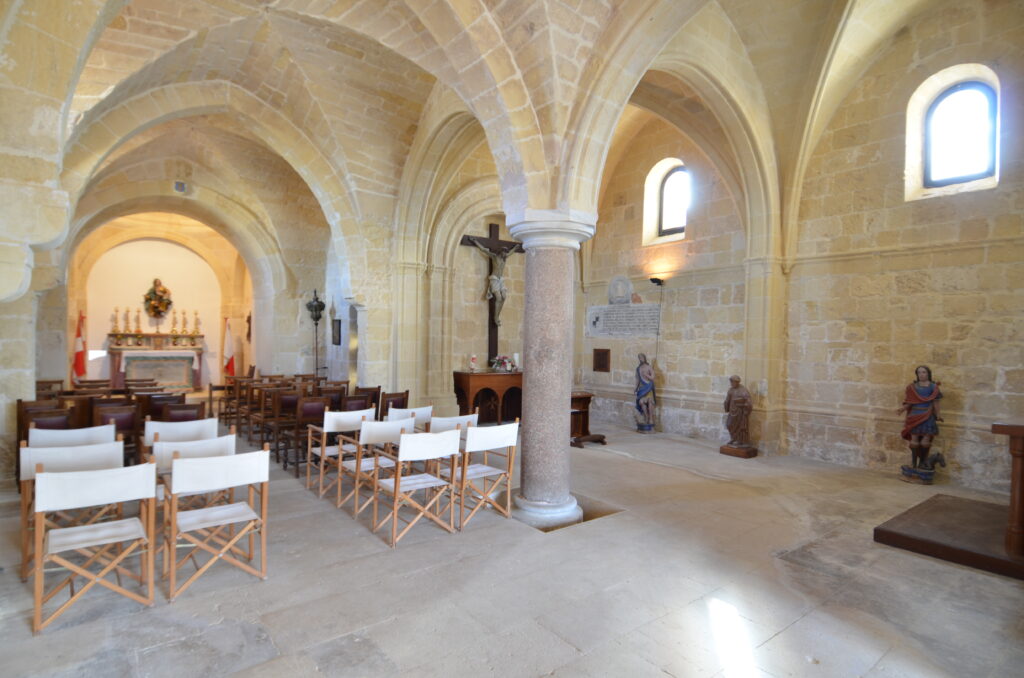
St. John’s Co-Cathedral, built by Cassar, looks unassuming from the street. A severe block of limestone. Then the door. Every square centimeter of the floor: a knight’s tombstone in polychrome marble – four hundred tombstones inlaid with coats of arms, skeletons and hourglasses. The vault, painted by Mattia Preti between 1661 and 1666, recounts the life of Saint John the Baptist in eighteen episodes.
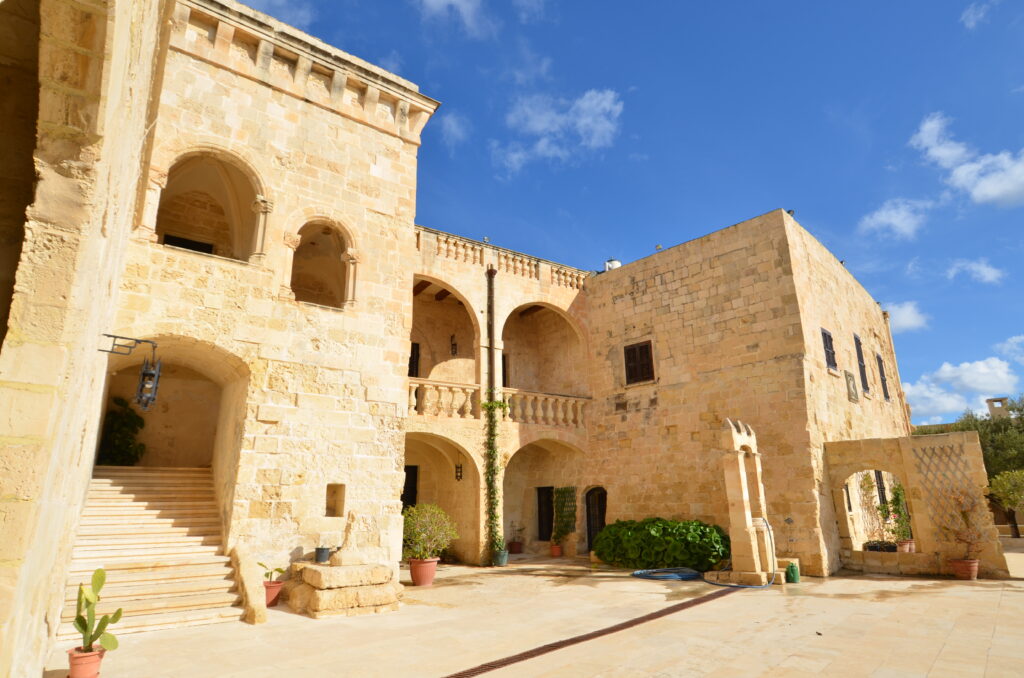
But the real reason for the detour is to be found in the Oratory. The Decollation of Saint John the Baptist, painted by Caravaggio in 1608. The canvas measures three meters sixty by five meters twenty. It’s the only work Caravaggio ever signed – and he did so in the blood dripping from the saint’s neck. The painter was a refugee in Malta at the time, fleeing a death sentence for murder in Rome. The Order took him in, made him a Knight of Grace, then drove him out a few months later after another brawl. The painting remained. It has never left this room. You look at it in a silence that the room imposes of its own accord – the guards don’t ask for anything, the half-light is enough. It’s not a painting to be admired. It’s a painting that you stop in front of, and that doesn’t let you go. Quarter to six. Back down Republic Street to Domus Zamittello. A sixteenth-century palazzo, restored with the care usually accorded only to passionate family projects. The boutique hotel has won awards. But what really counts is the inner courtyard – a square of sky cut by stone arcades, where time seems to have stood still somewhere between the time of the Knights and a rainy Sunday in 1962. Valletta is full of these converted palazzi: Casa Rocca Piccola, Palazzo Consiglia, Palais Le Brun, Casa Ellul. Each tells the story of a family, an era, a taste. The entire city is an inhabited museum, and the archipelago is changing the way it presents itself.
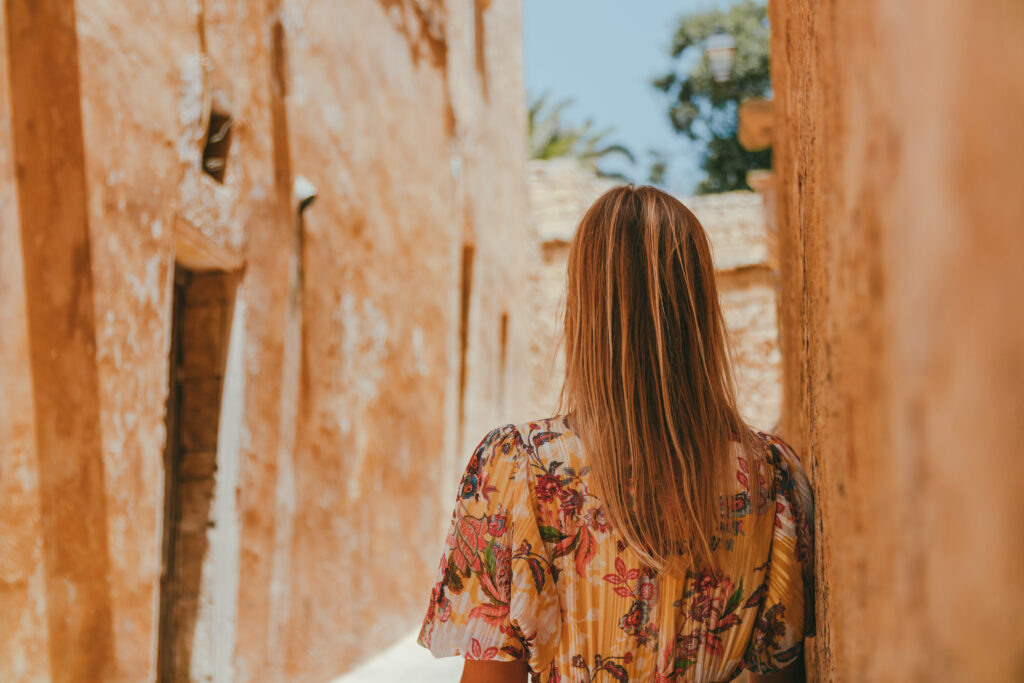
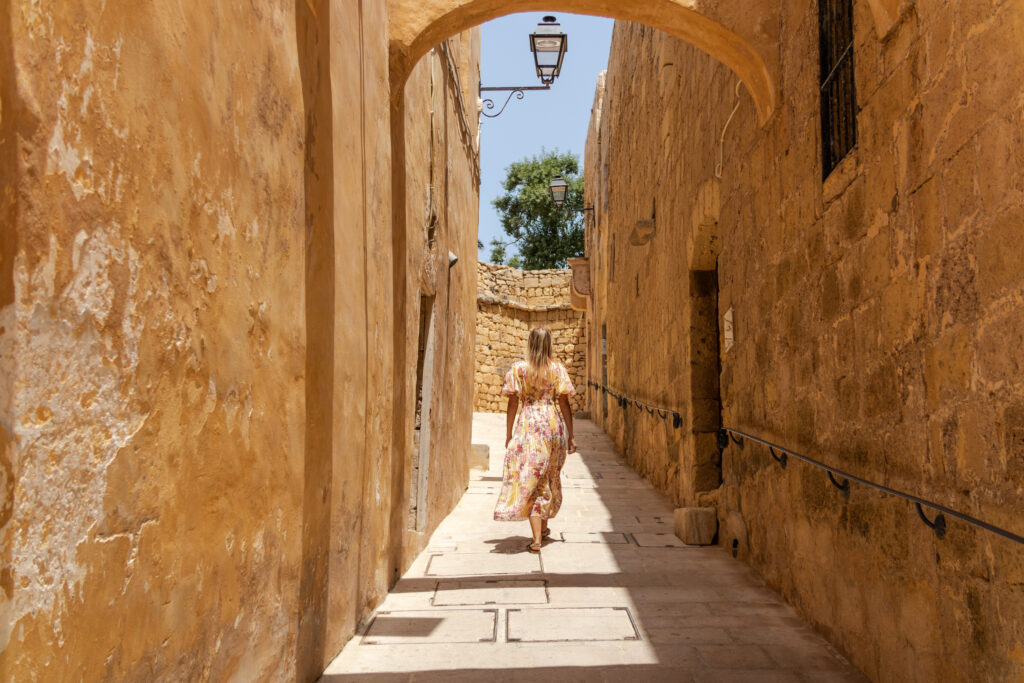
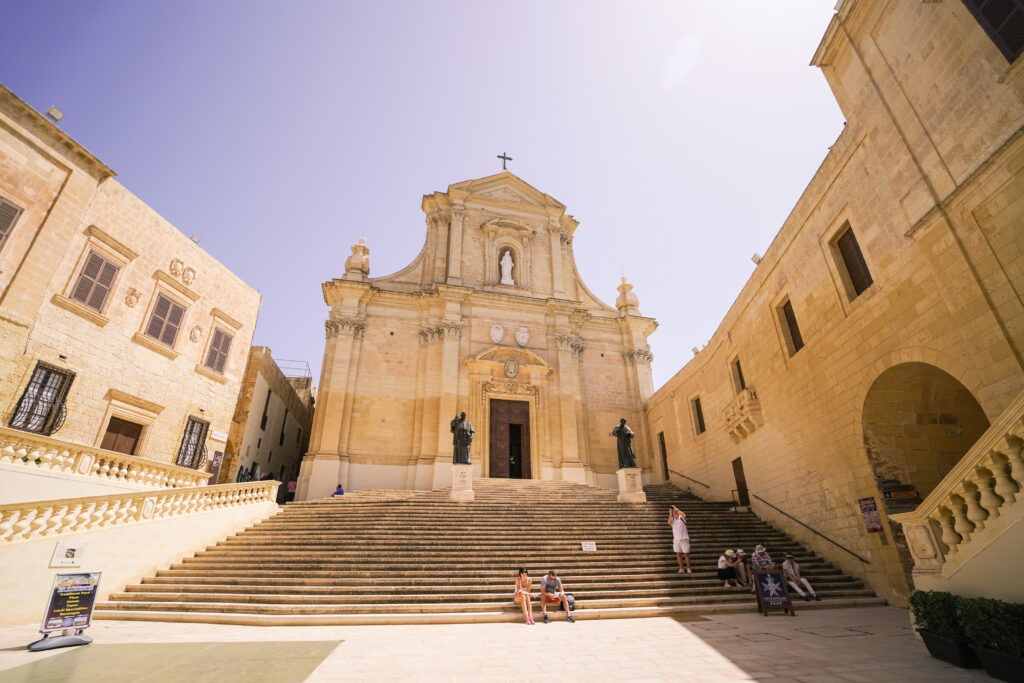
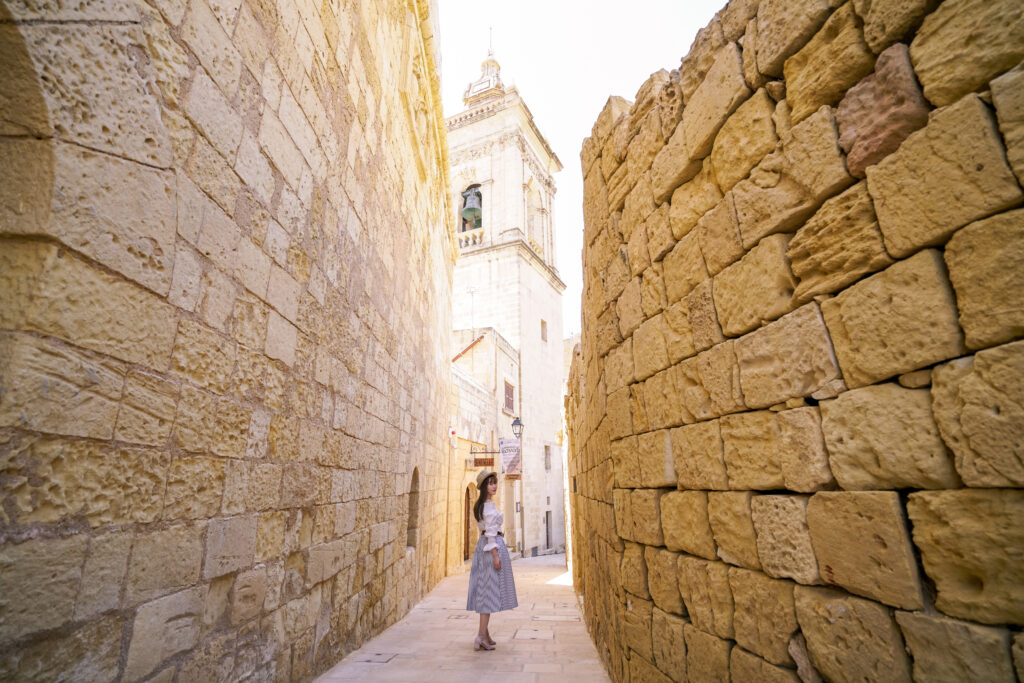
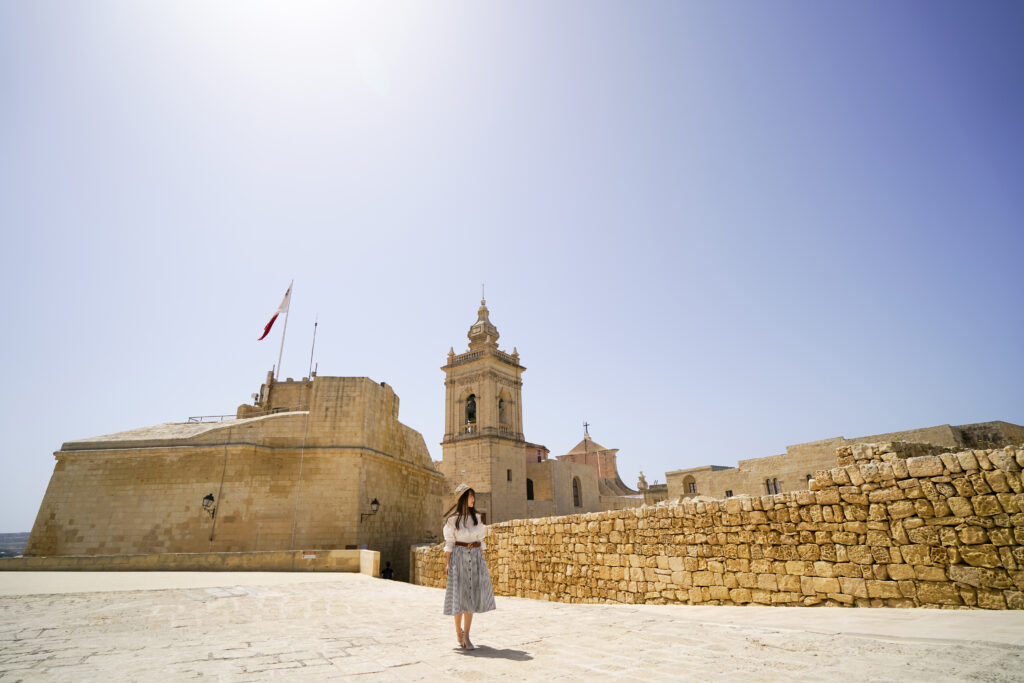
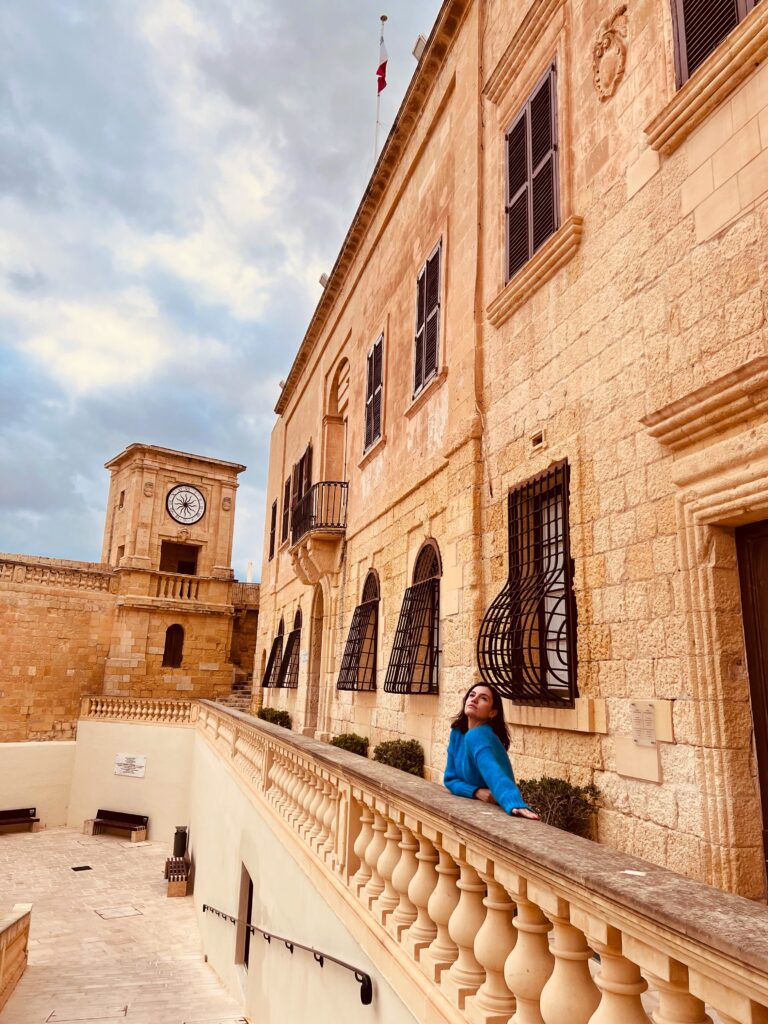
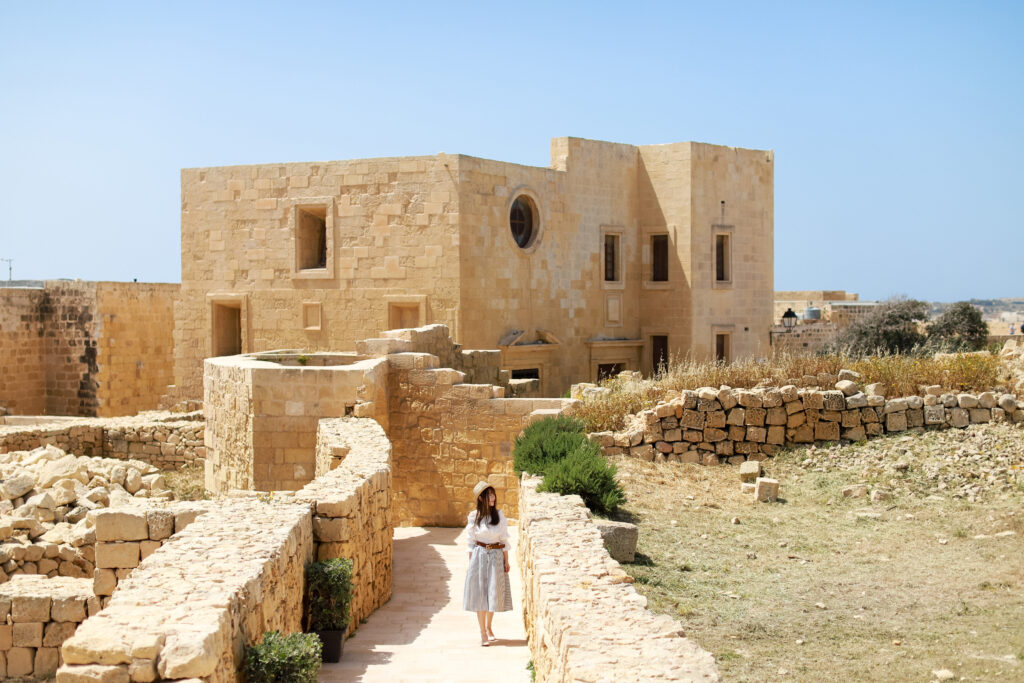
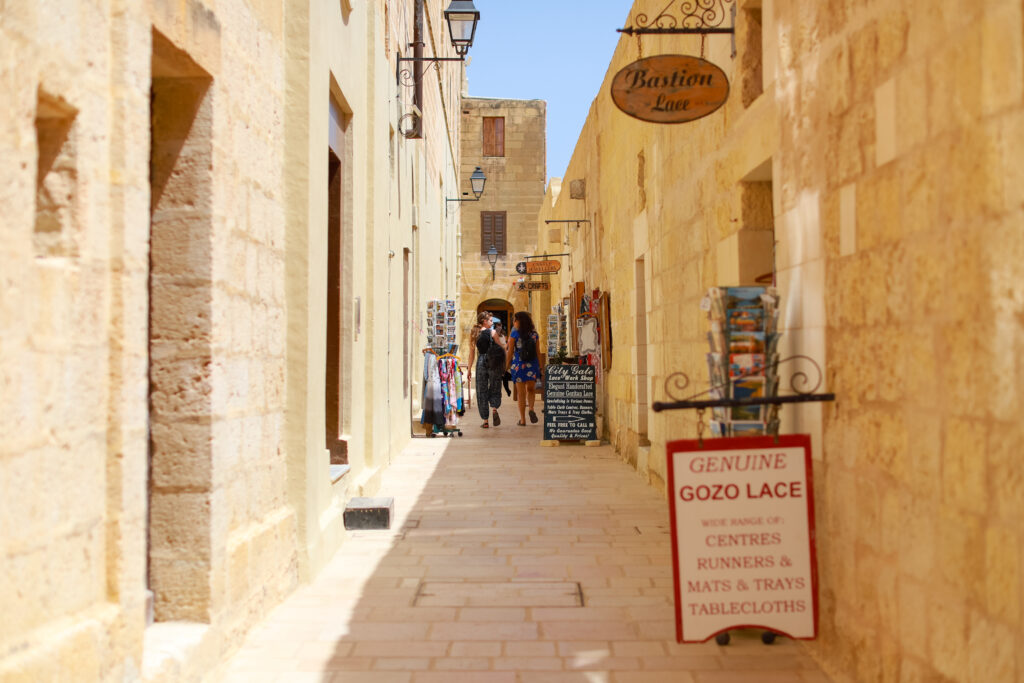
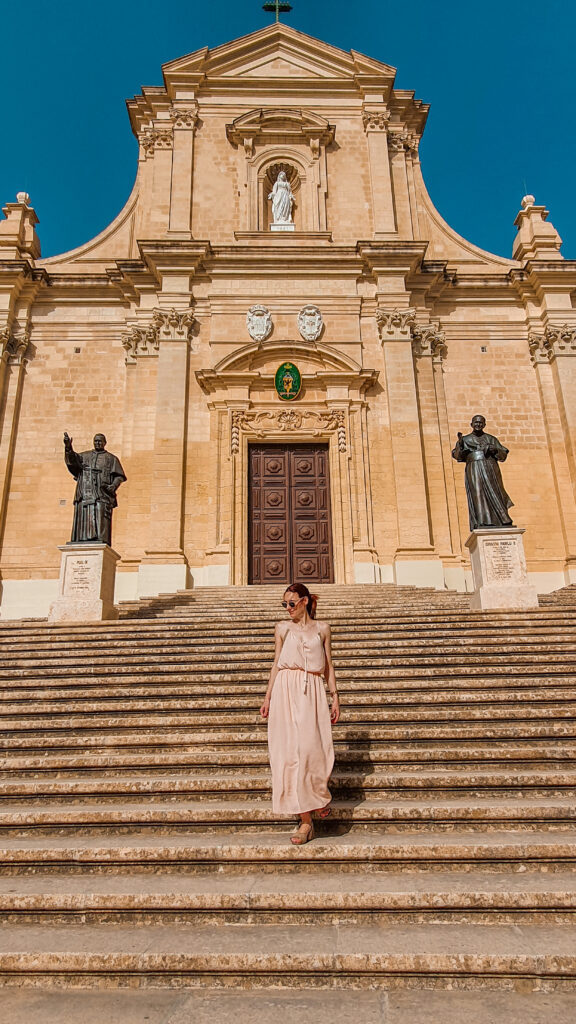
The next day belongs to Gozo. The ferry from Cirkewwa takes twenty minutes – twenty minutes during which the archipelago is turned upside down. The island is smaller, greener, less hurried. The roads climb up to plateaus that the Maltese left to their Gozitan cousins, and the Gozitans to their cloisters and fields. First we push on to the Citadel of Victoria – Rabat for the locals. The medieval fortress dominates the whole island from its white limestone promontory, its ramparts rebuilt by the Order in the seventeenth century framing a baroque cathedral whose trompe-l’oeil painted dome – with no real dome – remains one of the most elegant architectural deceptions on the Mediterranean. Underneath, Gozo unfolds like a postcard that no one has yet sent: the small villages of Xlendi and Marsalforn with their whitewashed alleyways, campaniles that chime the hour into the void, windows adorned with geraniums that winter has yet to erase. Here, authenticity is not a tourist posture. It’s simply the way things have remained. You also have to cross Mdina. The former capital, perched on its rocky spur in the heart of the main island, is worth a visit for what it refuses to be. No cars, except those of the residents – less than three hundred souls, it is said, within the walls. The silent alleyways are paved with the same globigerina stone as Valletta, but even narrower and more secretive. Baroque and Norman palaces follow one another behind wrought-iron gates that no one has seen fit to illuminate. St. Paul’s Cathedral, built on the site where tradition has it that the apostle preached after his shipwreck in 60 AD, dominates a deserted square. It’s an early morning stroll, when the tourist buses have not yet arrived and the silent city justifies its nickname: the City of Silence. Mdina doesn’t try to seduce. It sticks to what it has always been – a strong, beautiful city, perfectly indifferent to the gaze of others.
Last stop. The Phoenicia. The hotel stands at the gateway to Valletta, where the city walls open onto the Floriana gardens. Built in 1947 and renovated without emphasis, the Phoenicia exudes understated elegance. Afternoon tea is served in a lounge with windows overlooking the bastions and the sea in the distance. The staff know their regulars. Tea arrives in china. The establishment is conspicuous by its lack of shouting – another register of luxury, this one very British.
Perhaps this is what Malta is becoming: a place where hospitality is not sold, but practiced in silence. For Malta is changing. In October 2024, the archipelago inaugurated MICAS – Malta International Contemporary Art Space – a contemporary art center housed in former fortifications above the Grand Harbour, which programs three exhibitions a year. The 2026 Malta Art Biennale, scheduled to run from March to May, will feature thirty-one pavilions and sixty-six activities. On the environmental front, theTourist Board has deployed a reservation system at Comino’s Blue Lagoon, the turquoise lagoon that once served as a postcard and logistical nightmare – up to twelve thousand simultaneous visitors in 2024, now limited to an average of one thousand nine hundred and seventy-nine per slot to preserve space. Mizzi Studio, an environmental architecture firm, has created the first digital twin of a natural site on a national scale – four thousand five hundred drone images, thirty hours of video, two billion data points – to plan the ecological restoration of the Natura 2000-listed lagoon. Ocean racing also tells a story. The Rolex Middle Sea Race, whose forty-seventh edition will start from the Grand Port in October 2026, covers six hundred and six nautical miles around Sicily – the Strait of Messina, the Aeolian Islands, Pantelleria, Lampedusa. The Cannes-Malta regatta, born of the twinning between the Yacht Club de Cannes and the Royal Malta Yacht Club, adds another six hundred miles from the Côte d’Azur. And the Trophée Bailli de Suffren, a gentlemen’s race for classic yachts created in 2000 in the footsteps of Vice-Admiral Suffren, Chevalier de l’Ordre, celebrated its 25th anniversary in 2025 with a course from Saint-Tropez-Bonifacio-Porto Rotondo-Trapani-Malta. The archipelago no longer simply welcomes boats. It attracts them with its history. Seven thousand years of human occupation. Three UNESCO World Heritage sites. Seven Michelin-starred restaurants. Three hundred days of sunshine. Three islands. A two-hour, forty-five-minute flight from Paris. We know the numbers. But they say nothing about what really counts: that quality of silence in the streets of Birgu at nine o’clock in the morning in January, when the light razes the facades and we understand, without anyone needing to explain it, why the Chevaliers have chosen to stay.
Cette publication est également disponible en :

