
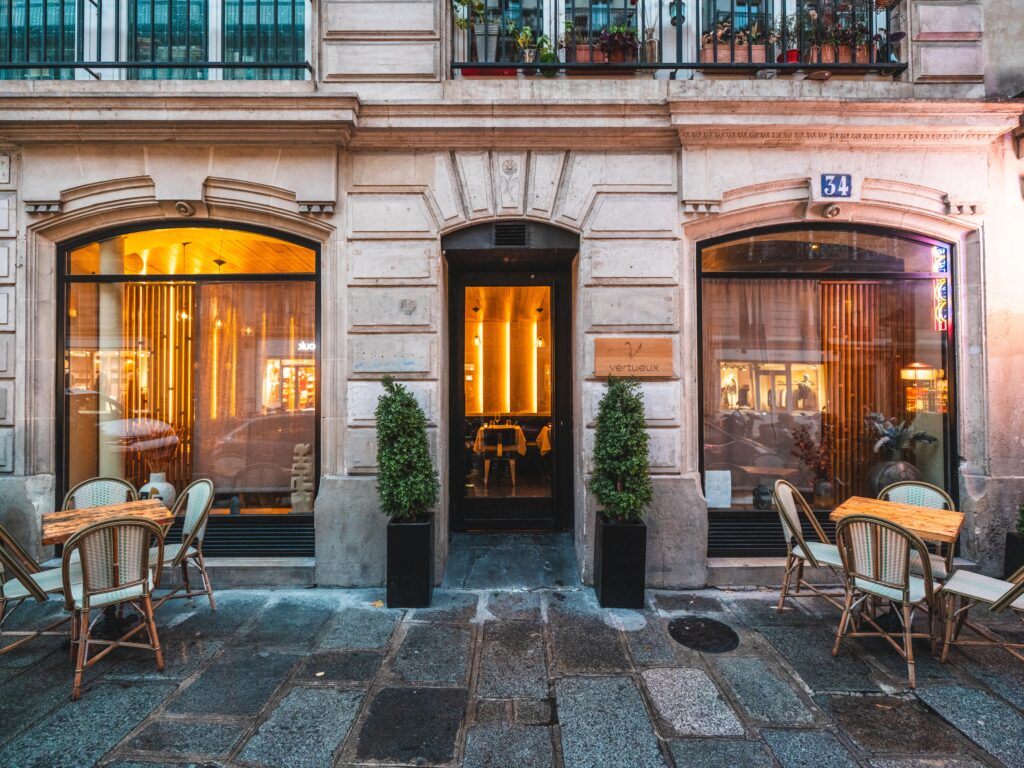
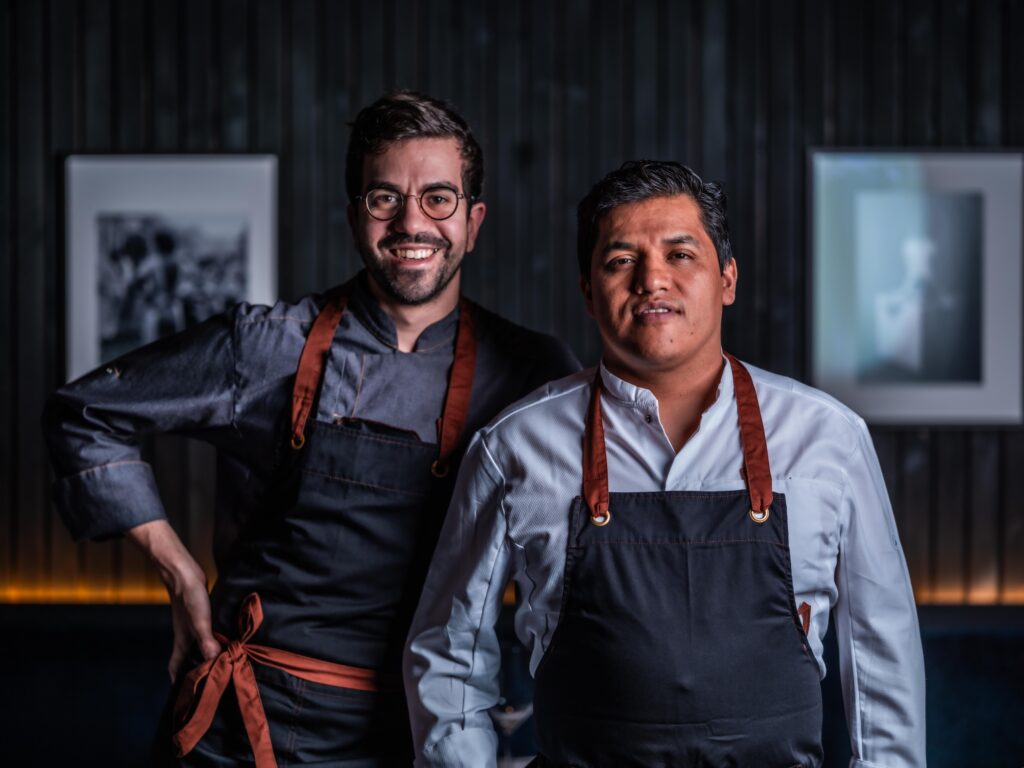
At 34 Rue Beaurepaire, the former Restaurant TO has been replaced by Vertueux, a completely renovated restaurant with three dining rooms. Trained under Michel Rostang and Alain Senderens before exploring Japanese cuisine, Ecuadorian chef Raúl Meza has built his menu around tamarillo, corn, and plantains.
The neighborhood, just a few minutes’ walk from the Canal Saint-Martin and the Jacques Bonsergent and République metro stations, has seen its concentration of bistronomic restaurants grow denser along the water’s edge over the past decade. In this culinary landscape, Vertueux stands out less for its décor than for the origin of its ingredients: the menu is built around ingredients sourced from the Ecuadorian coast, seamlessly integrated into a French-style menu structure.
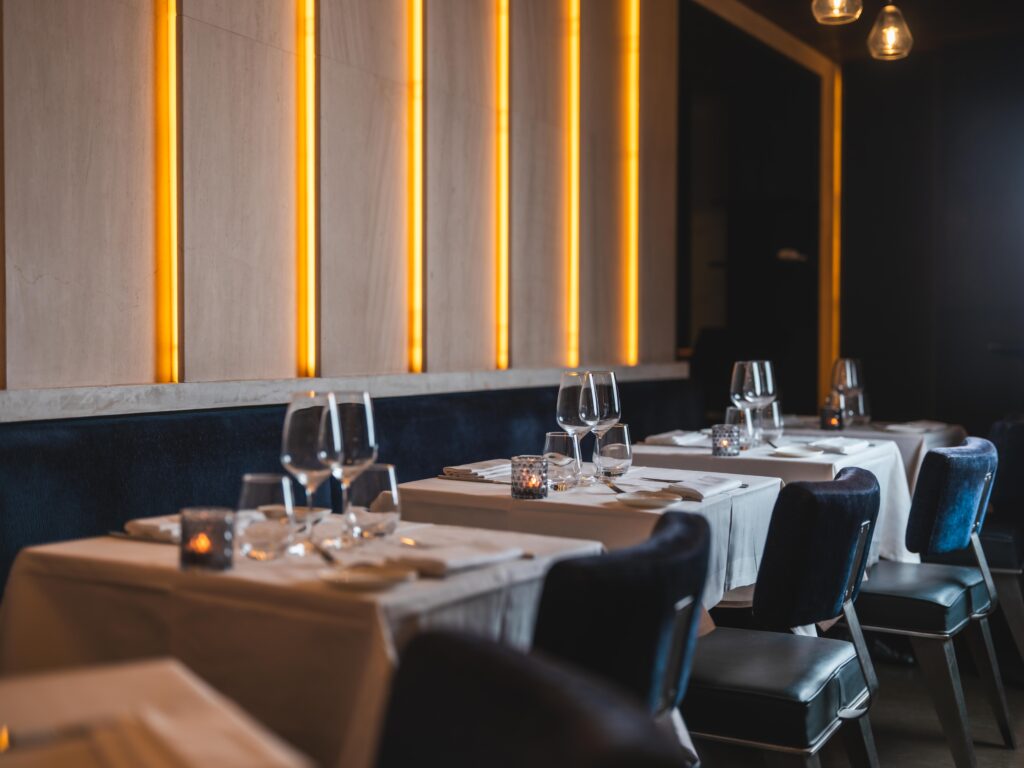
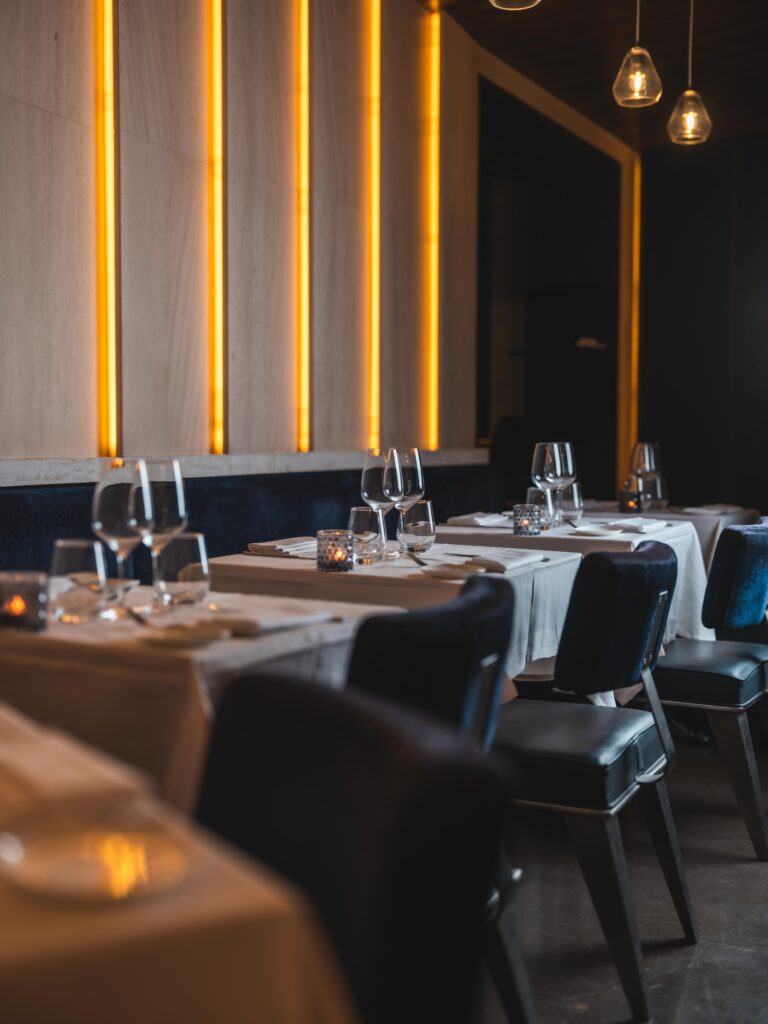
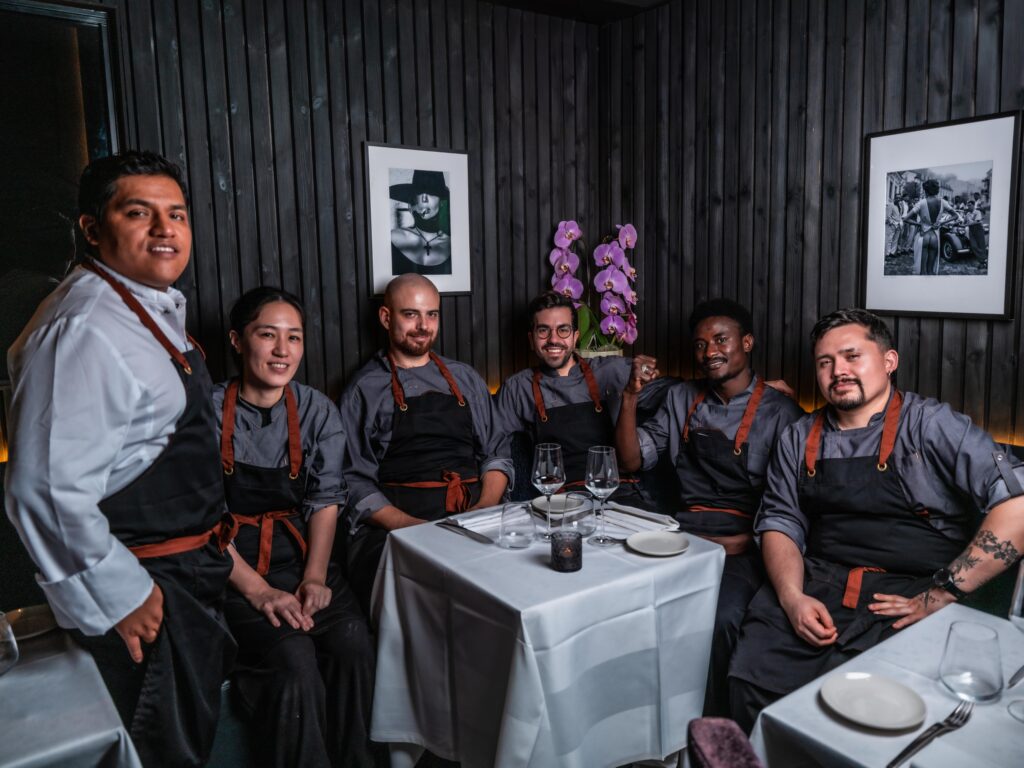
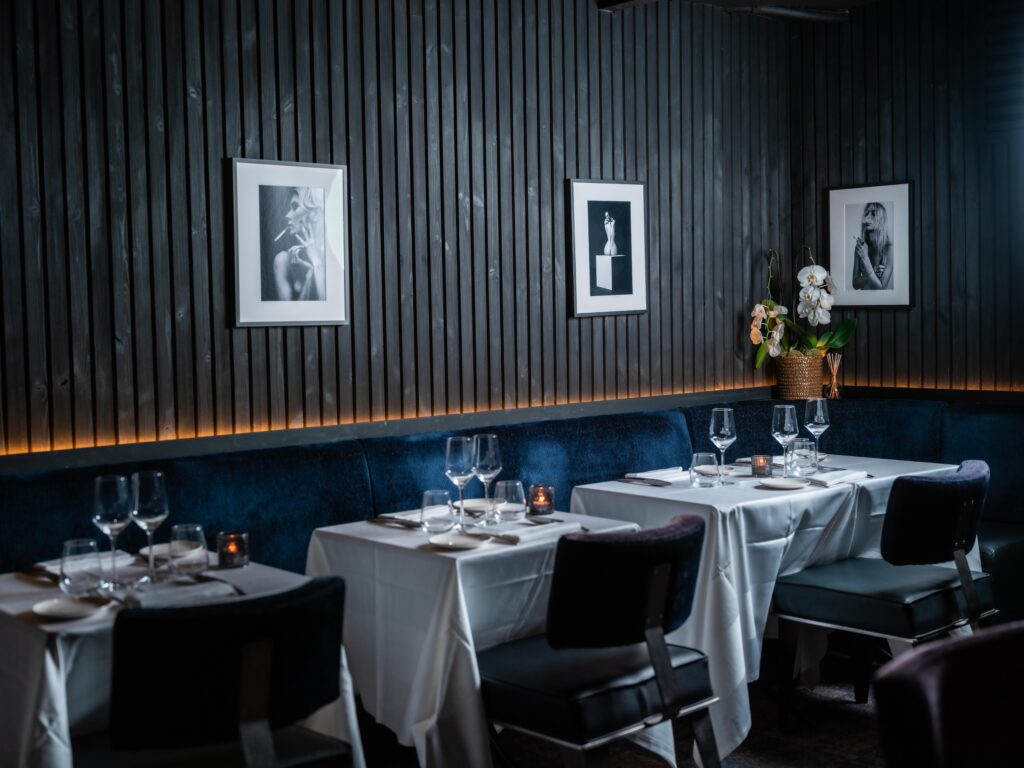
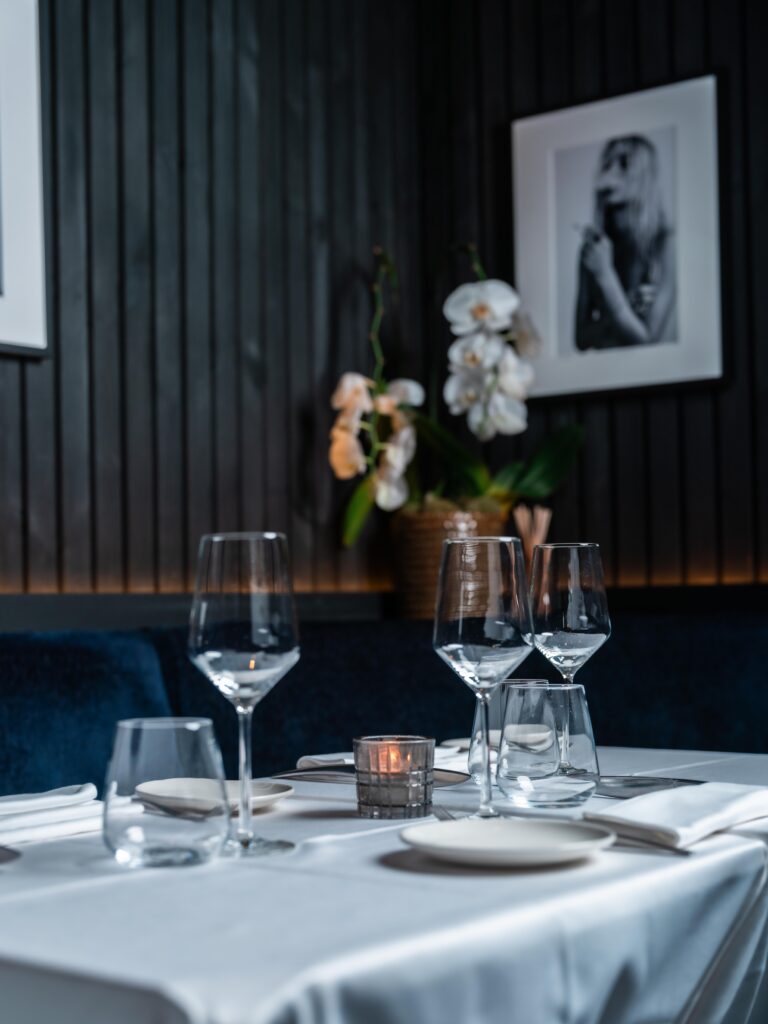
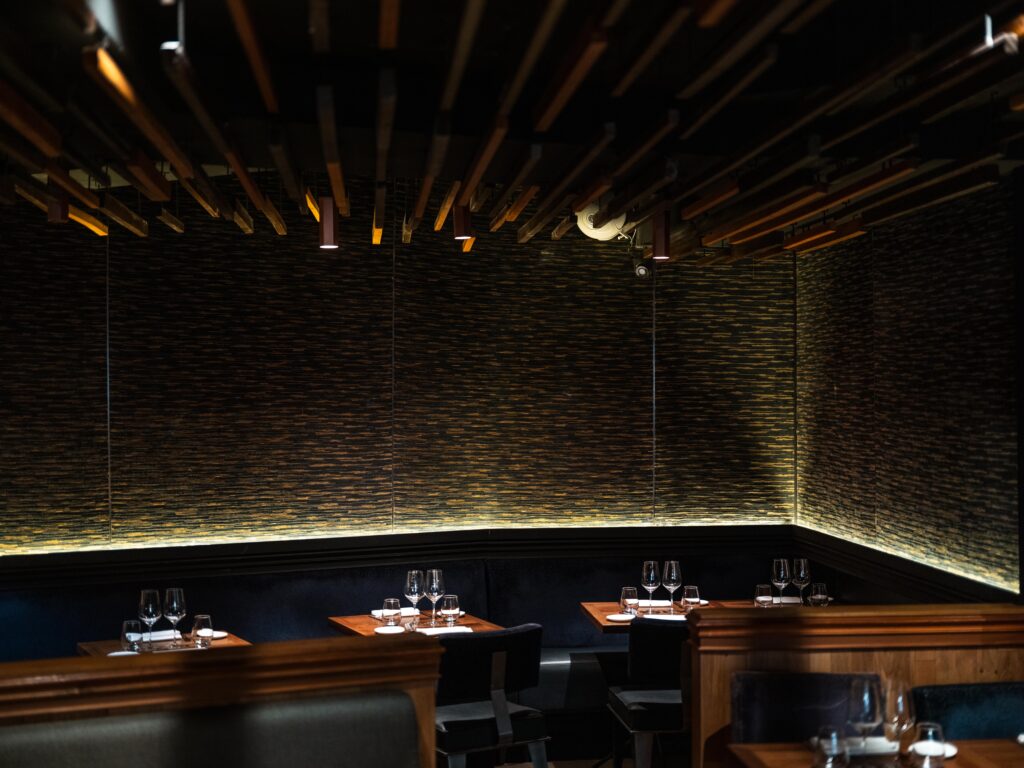
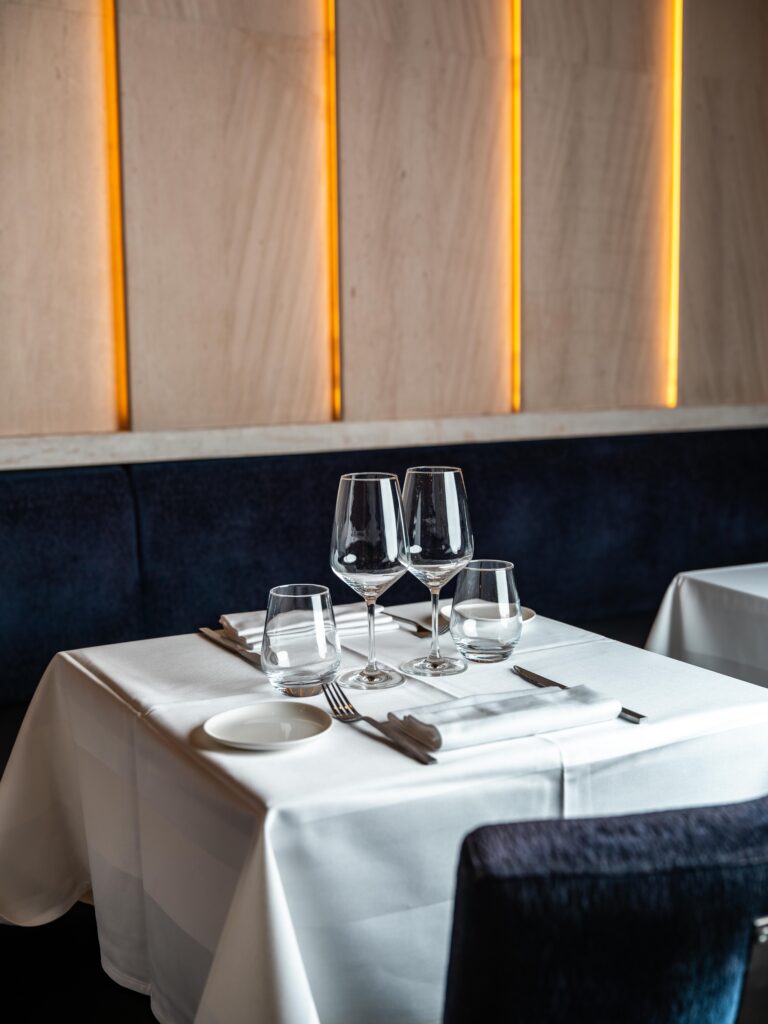
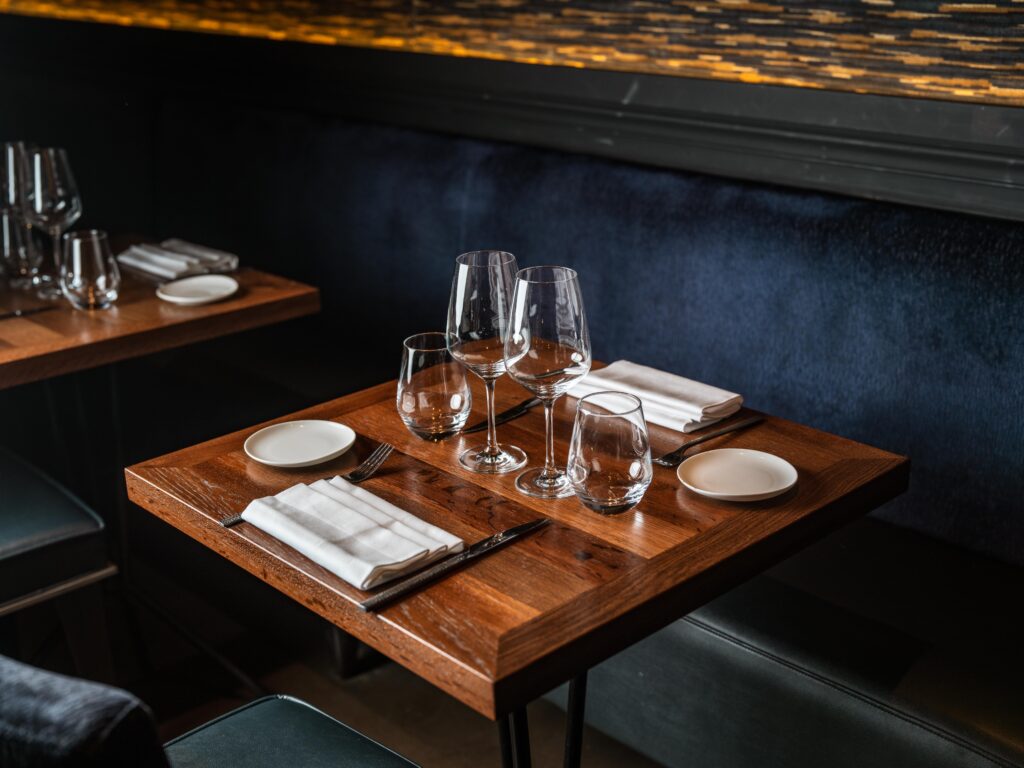
The dining room is divided into three distinct spaces. At the front, the first—seating fourteen—makes use of natural light and a compact layout designed for quiet conversation. Set back from the entrance, the second area features a ceiling of overlapping wooden slats, a texture that alters sound propagation compared to the entrance area; it seats sixteen. Downstairs, a third space seating 22 functions as a private dining room that can be reserved for business lunches, group dinners, or simply a table away from the noise of the street.
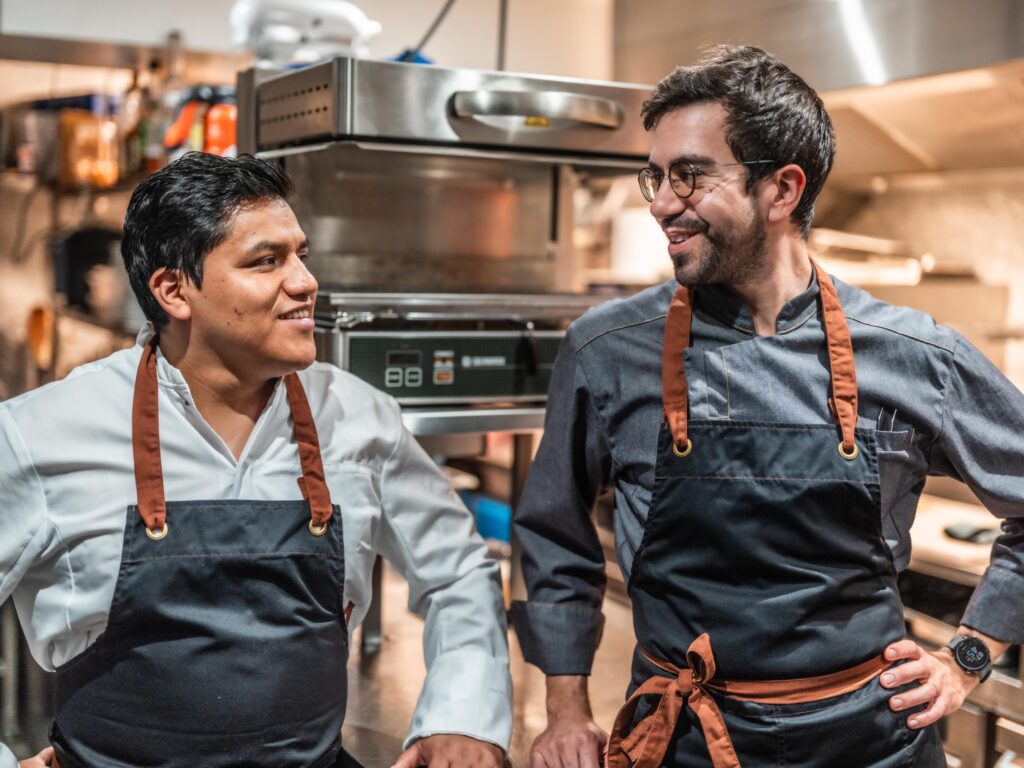
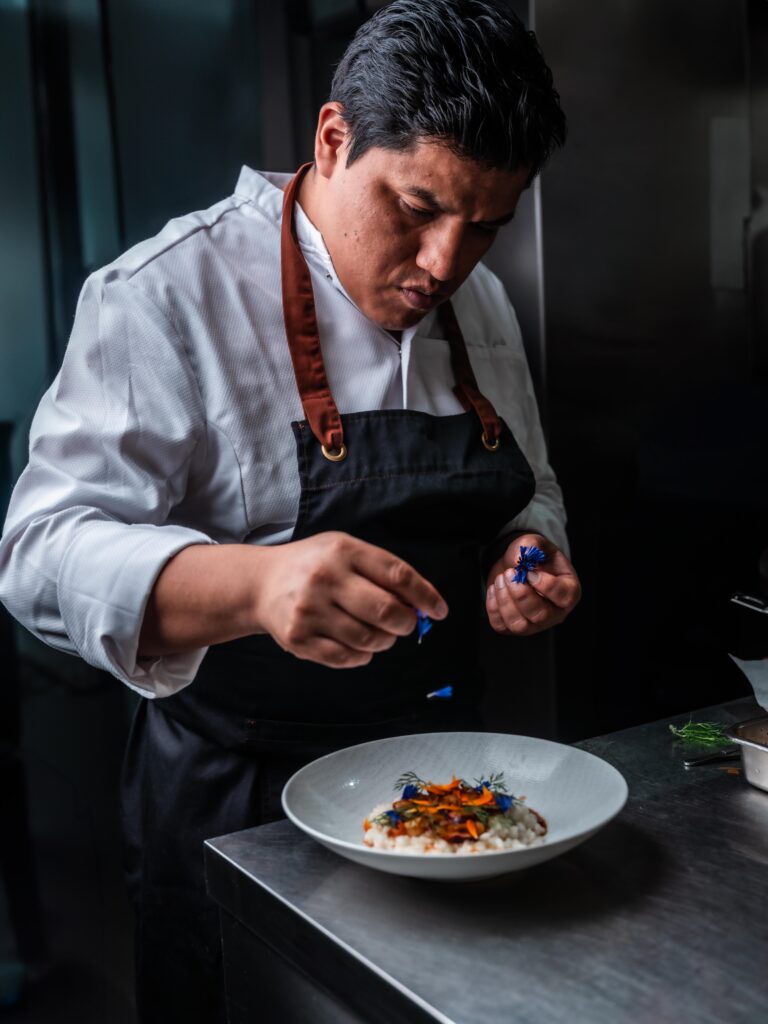
This blend defines the cuisine of Raúl Meza, who was born on the Ecuadorian coast and arrived in France as a child. He began his training at two institutions of French gastronomy—those of Michel Rostang and Alain Senderens, one associated with classic cuisine and the other with signature cuisine—before continuing at two Michelin-starred restaurants, La Bastide Odéon and L’Orangerie. His career then took a turn at AO Izakaya, where Franco-Japanese fusion cuisine became a testing ground—a detour that sheds light on how Vertueux’s menu today blends Andean ingredients with techniques rooted in French tradition. Vertueux is his first restaurant as chef-owner.
From this journey, the menu features a trio of Andean products, prepared using techniques learned in French and Japanese cuisine. The tamarillo—a tree tomato with pronounced acidity and a subtle bitterness, native to the Andes—provides the acidic note that dominates several dishes, playing a role similar to that of citrus in classic French cuisine. Corn appears in various forms—as kernels, a crumble, and an emulsion—serving as a recurring element that spans the menu from savory to sweet. Green plantains take on different forms depending on the dish: gnocchi, chips, and pancakes—a tropical ingredient adapted to classic French culinary traditions.
The menu changes every month. The weekday lunch special is priced at 35 euros; the four-course “Carte Blanche” menu is priced at 79 euros and is available for both lunch and dinner, with an optional three-glass wine pairing. This two-menu approach positions Vertueux more as a neighborhood bistronomy spot than as a strictly gourmet restaurant, despite the chef’s training at Michelin-starred establishments. The restaurant is open daily from noon to 2:30 p.m. and from 7:00 p.m. to 10:30 p.m., with last orders at 2:15 p.m. and 10:15 p.m.
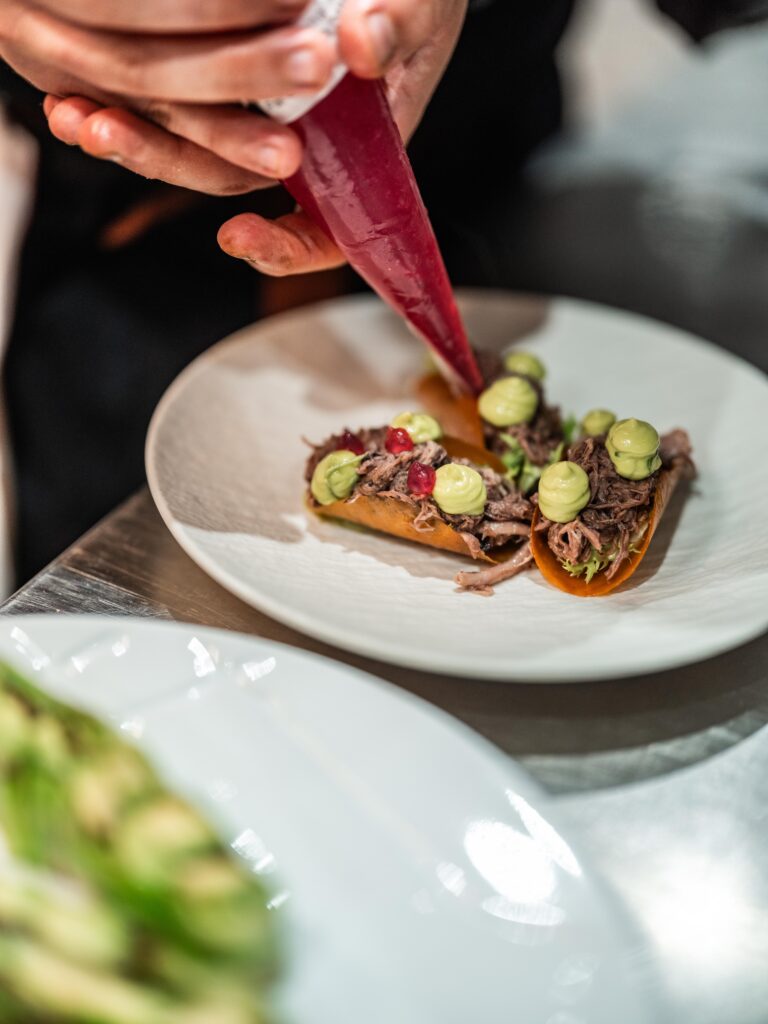
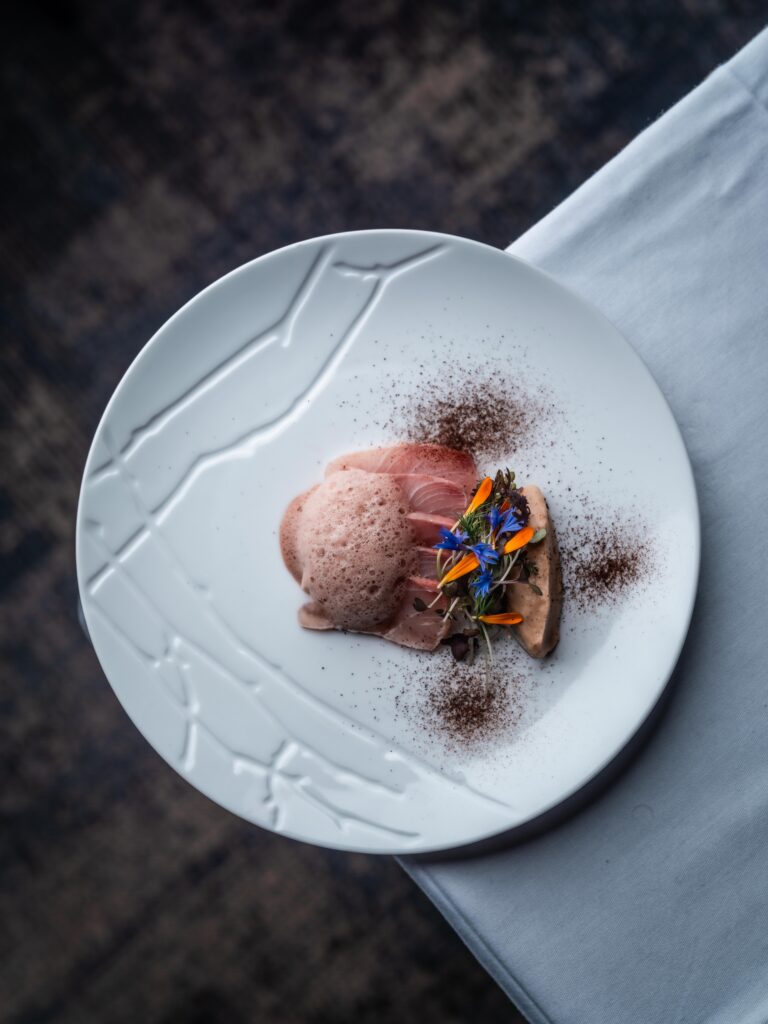
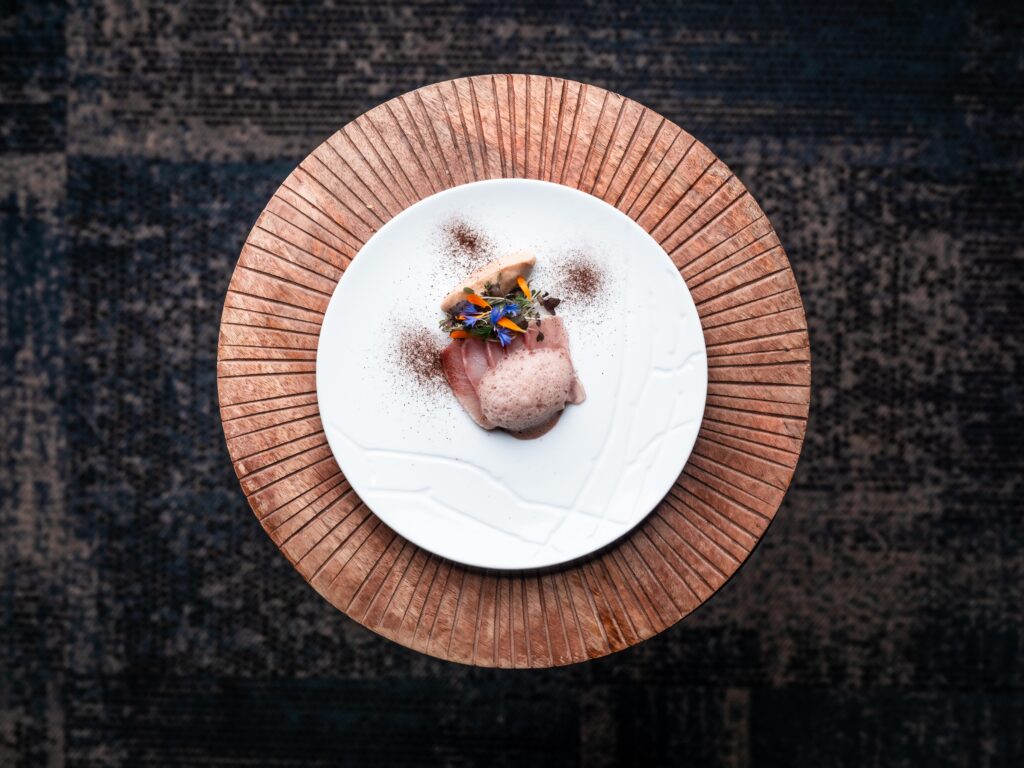
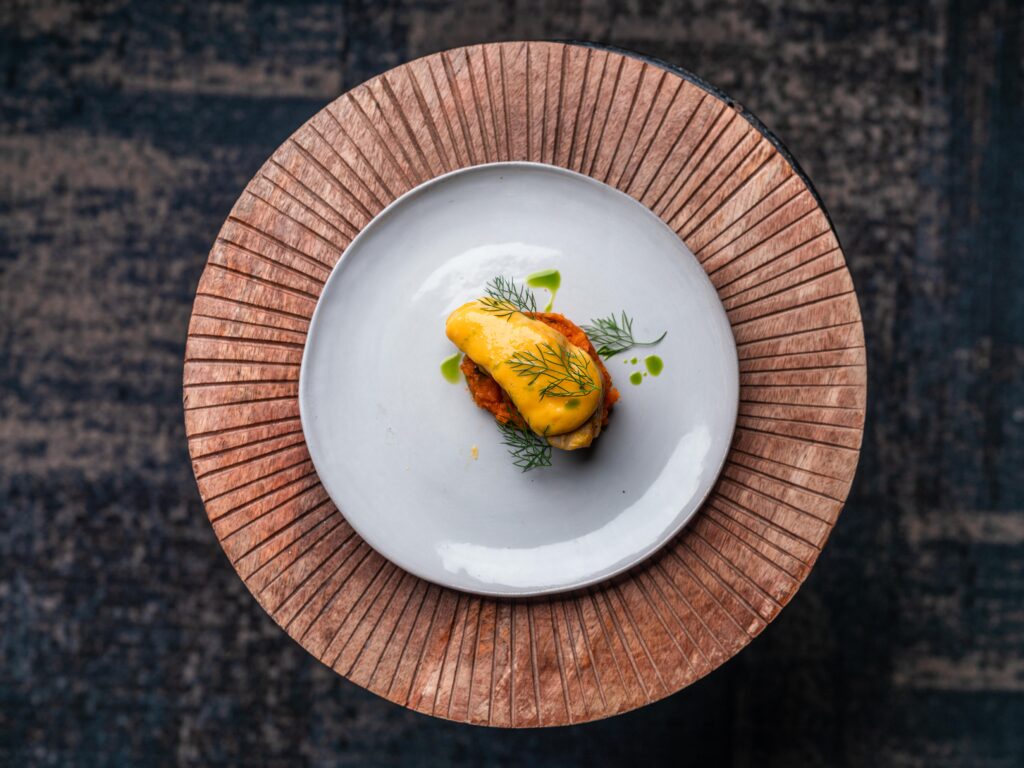
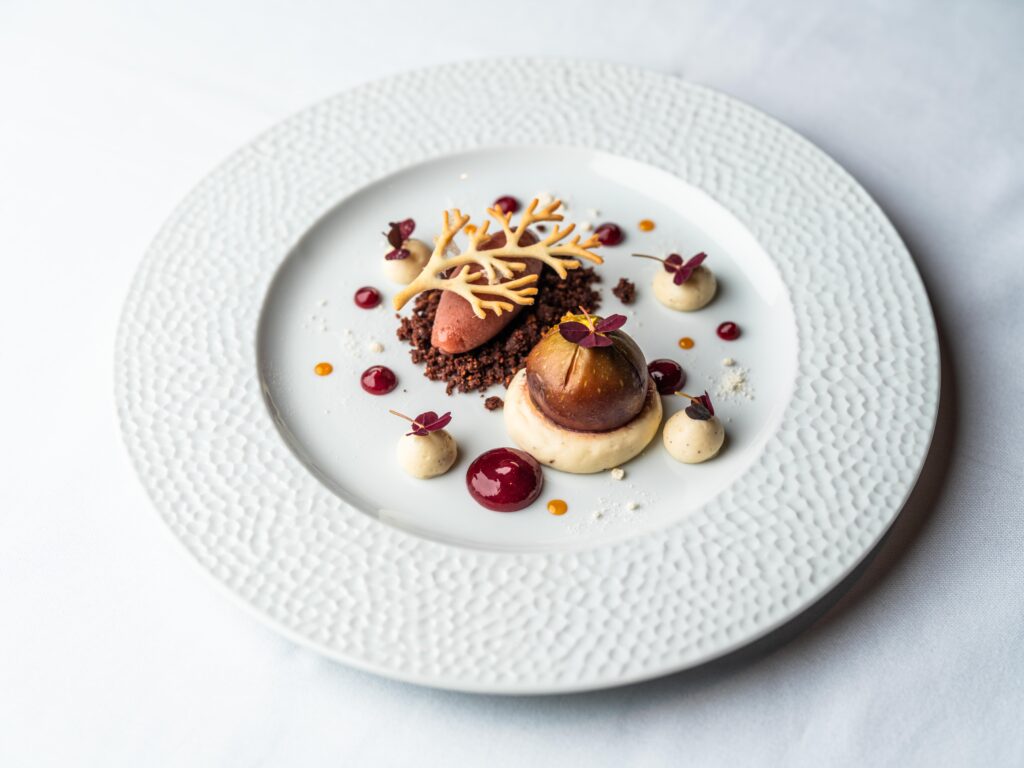
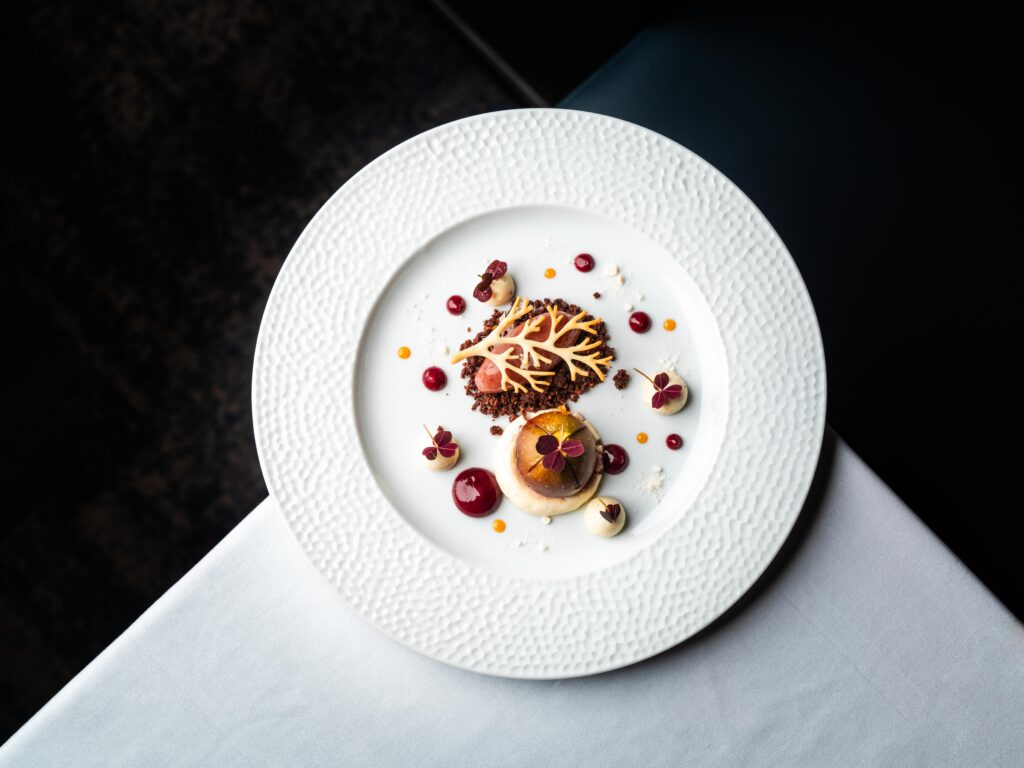
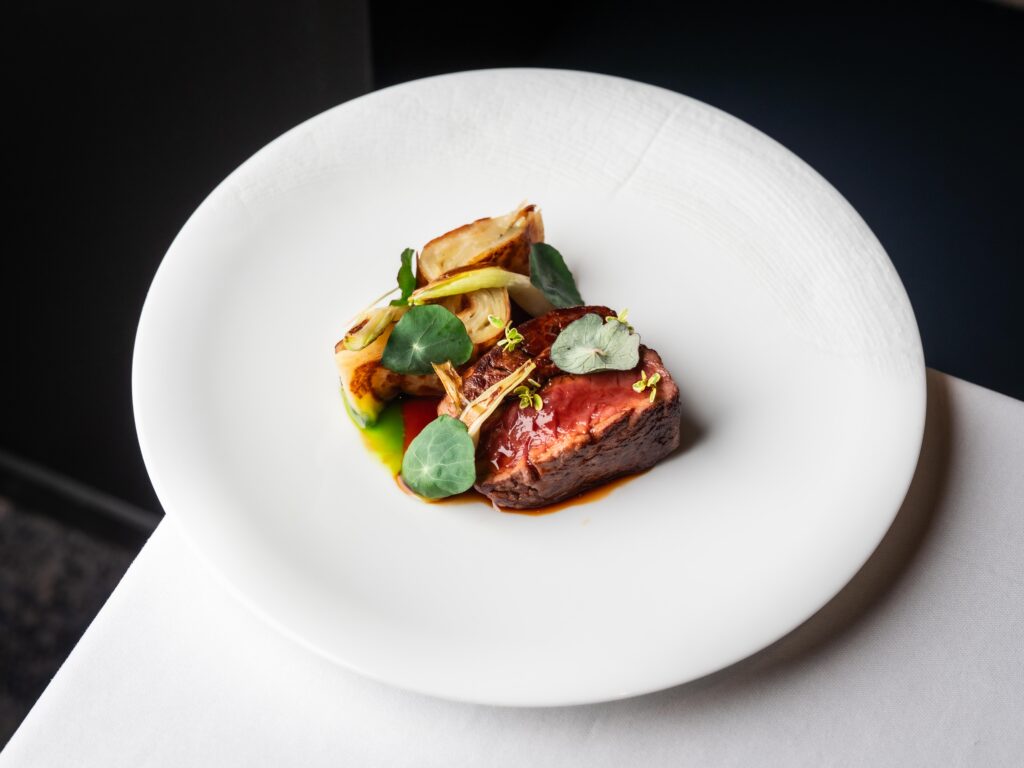
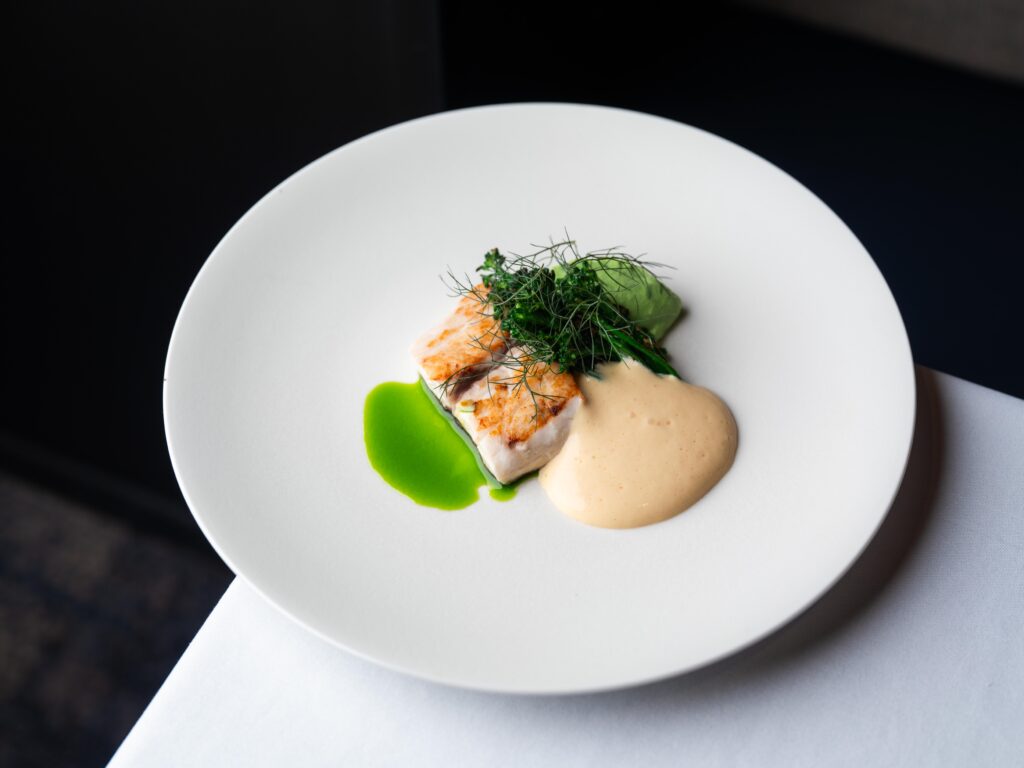
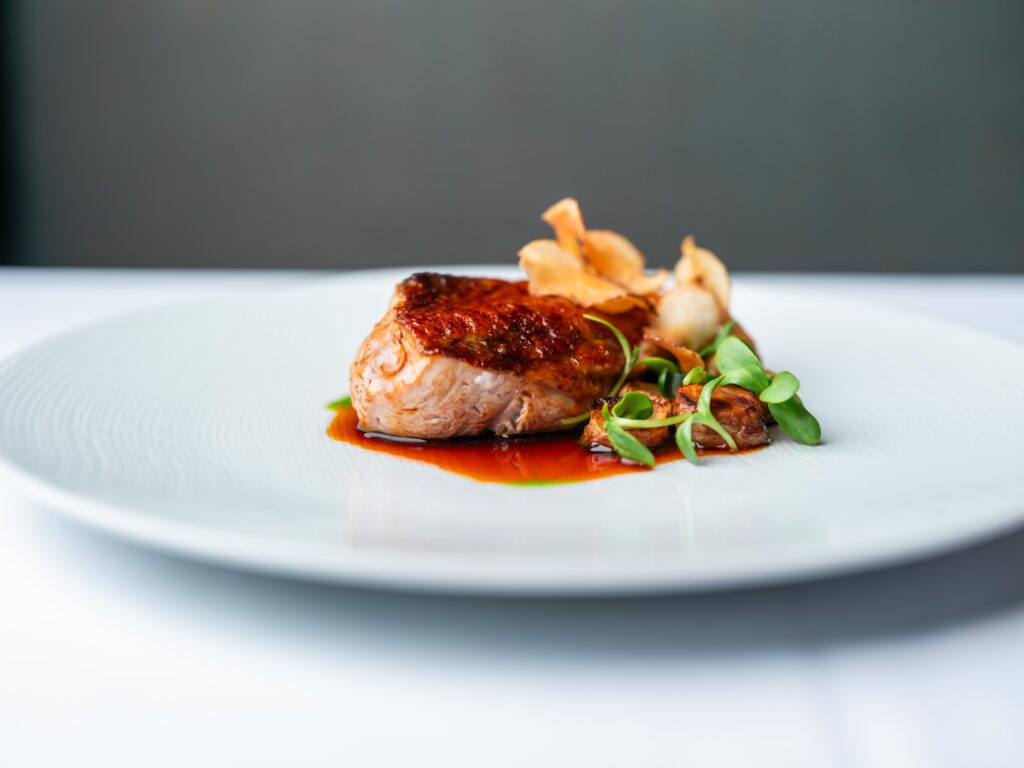
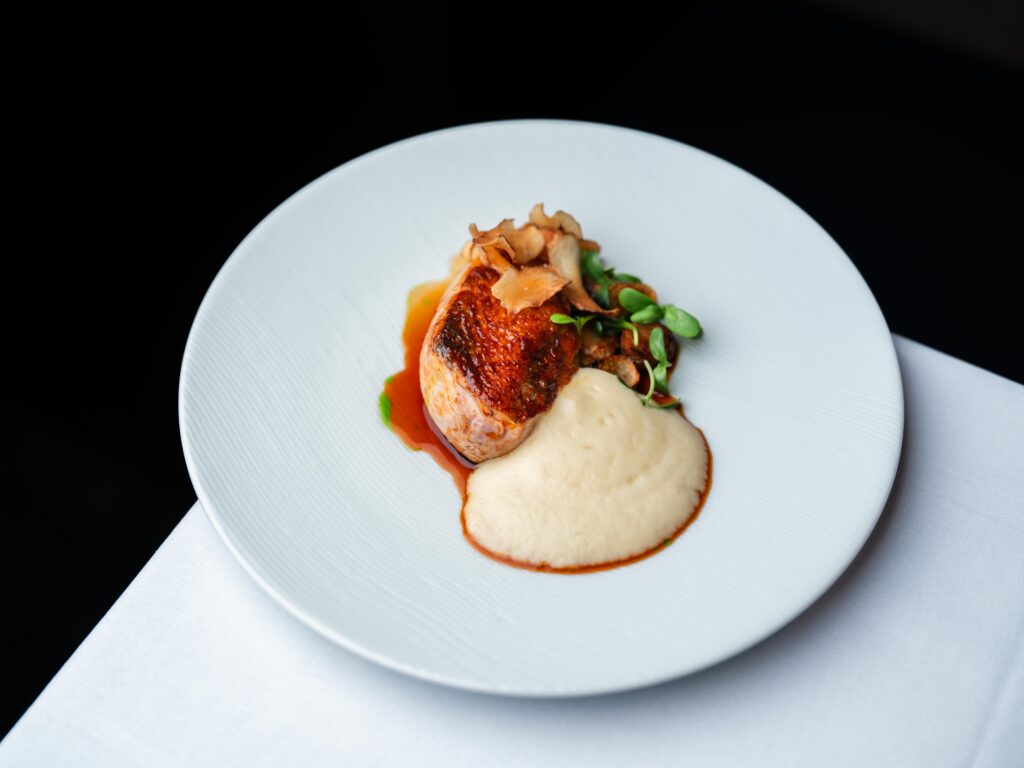
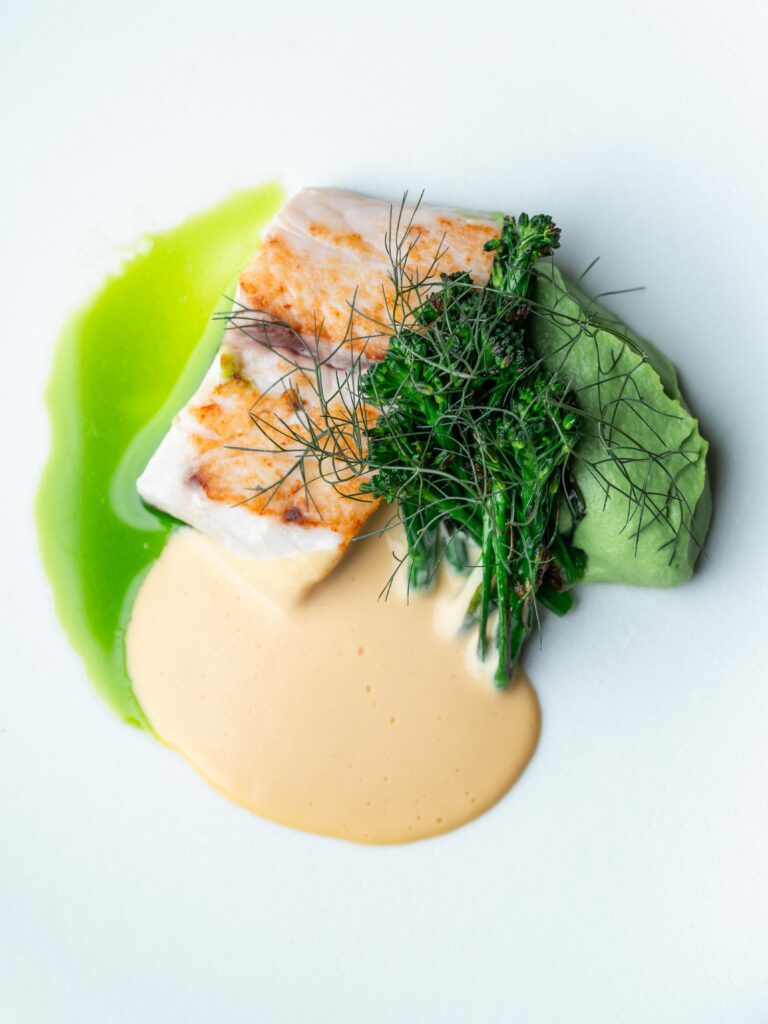
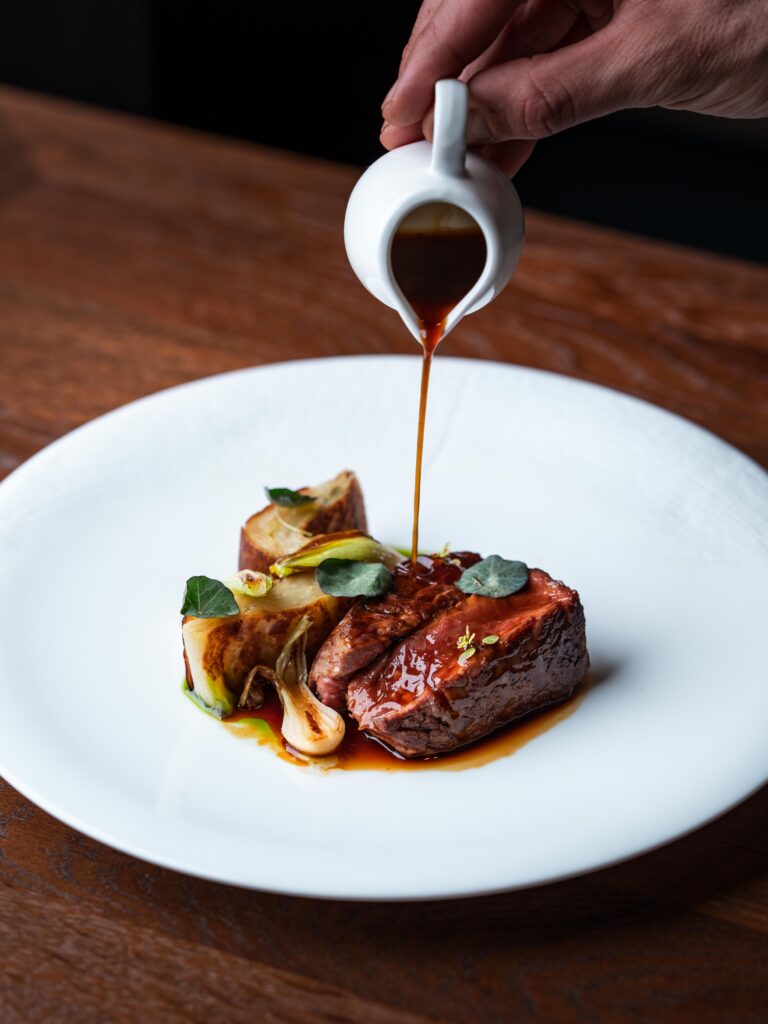
In August 2025, the menu featured Mestizo Tacos—available in spicy or mild versions—paired with a Tamarillo Tuna Tiradito, enhanced with hazelnut slivers and tomatillos, Blue Lobster al Ajillo served with risotto, and an Argentine Beef Fillet served with roasted baby onions and a smooth purée. For dessert, the Chocolate-Banana dessert combined an Amazonian chocolate cream, banana compote, and banana ice cream on a chocolate-hazelnut crumble, alongside La Pêche, a compote set in jelly and drizzled with Sichuan pepper syrup on a corn-almond crumble. These pairings—tuna and tamarillo, beef and mashed potatoes, peach and Sichuan—position the South American influence alongside techniques and ingredients of French or Asian origin.
The monthly renewal functions like a laboratory: each month features the same menu and the same Andean trio, but with a different take on them. As more chefs from South America, trained in French restaurants, open their own establishments in the capital, Vertueux is part of a broader movement—that of Parisian “bistronomy,” which incorporates ingredients that were previously considered peripheral, not as mere menu curiosities, but as a culinary vocabulary in their own right.
Vertueux’s three dining rooms seat a total of 52 guests: 14 in the front section (with natural light), 16 under the ceiling featuring overlapping wooden slats, and 22 in the private dining area in the basement. Continuous service from 12:00 PM to 2:30 PM and from 7:00 PM to 10:30 PM; last order at 2:15 PM and 10:15 PM.
Cette publication est également disponible en :

