
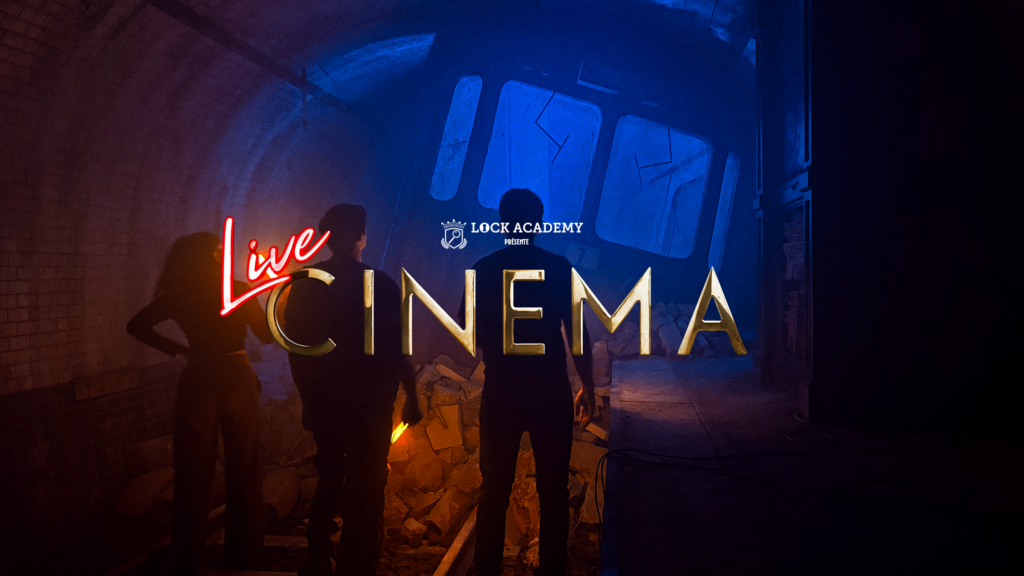
In Paris, the team behind Lock Academy opens a new immersive game space where viewers stop observing the story and take part in it. More than an escape game, Live Cinema reflects a fundamental trend: the shift from storytelling to experience.
For over a century, cinema has been based on a simple convention: the story unfolds in front of us. The spectator watches, feels and interprets. Yet they remain seated in the dark.
Live Cinema offers the opposite.
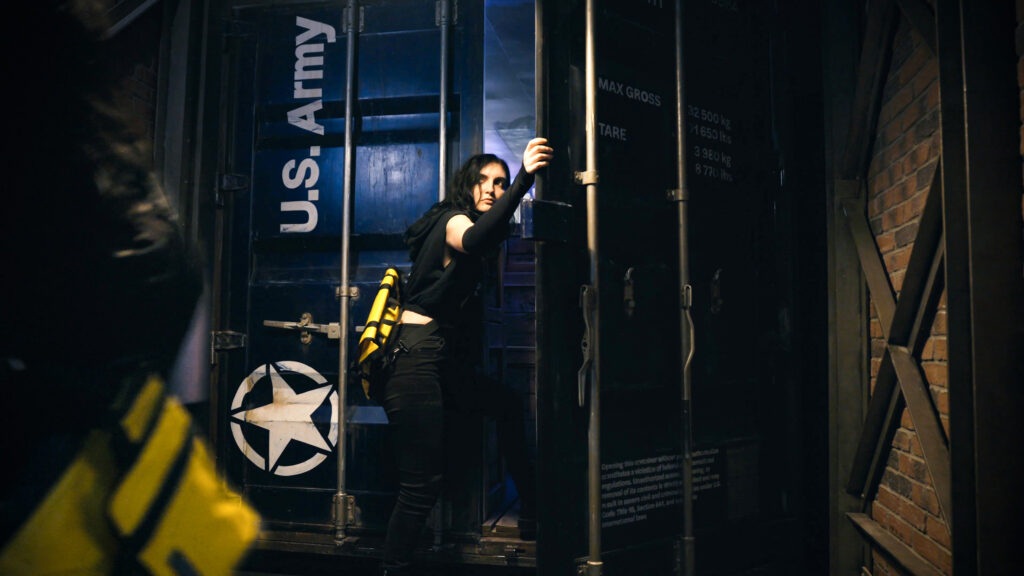
In a space set up on rue Saint-Denis in Paris, visitors become protagonists in a scenario inspired by the codes of the contemporary blockbuster. The plot takes participants on an infiltration mission around the mythical Area 51, but the interest of the project lies not so much in its narrative argument as in its cultural mechanics: turning physical displacement into a storytelling tool.
The project is the brainchild of the creators of Lock Academy, a well-known name among escape game enthusiasts. This affiliation explains the ambition of the place. Where the classic escape game involves solving enigmas in an enclosed space, Live Cinema seems to focus on dramatic progression and interaction with actors integrated into the story.
This development is not insignificant.
Immersive experiences have been growing steadily in Europe’s major metropolises for several years now. They respond to a contemporary aspiration: to replace mere cultural consumption with direct involvement. Visitors no longer wish simply to see a story; they want to influence it.
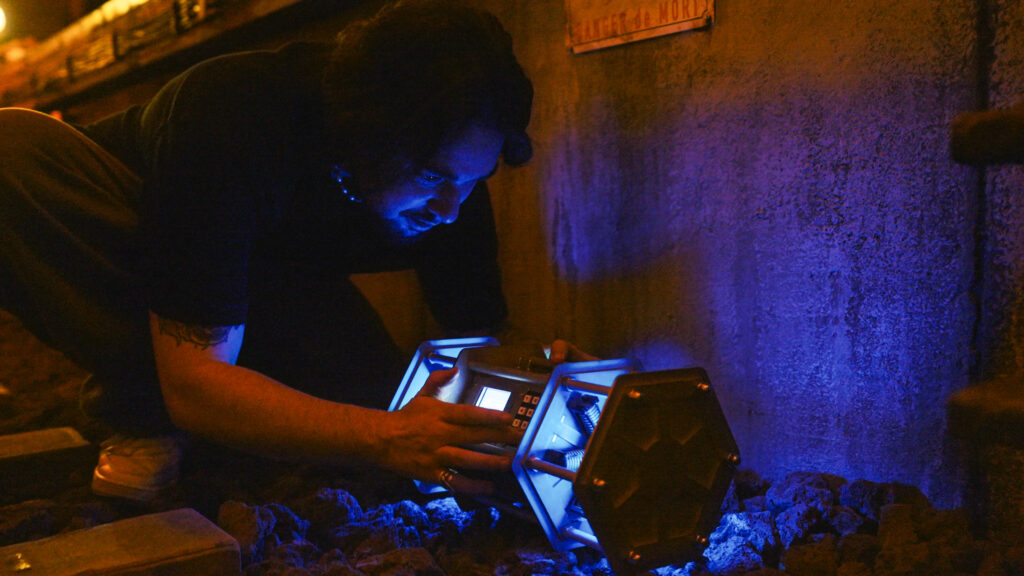
The system is based on groups of three to six participants working for two hours in a succession of settings. The choices made by the players influence the unfolding of the scenario, creating an evolving narrative.
The materiality of the site deserves more attention than the spectacular promises of the press release.
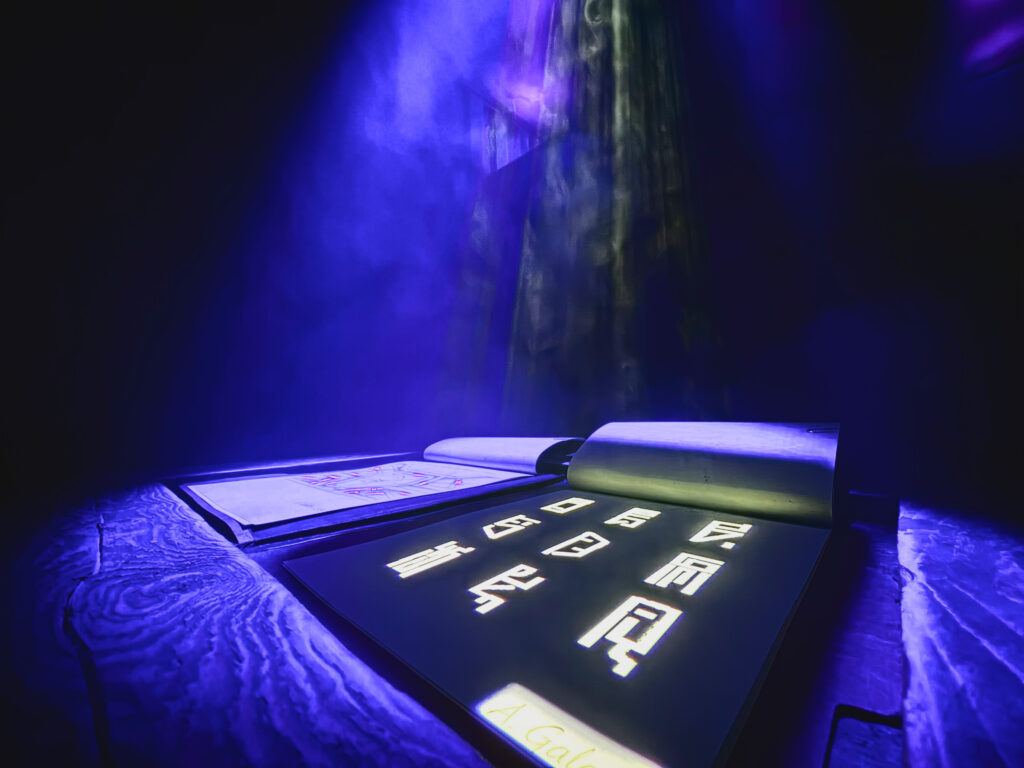
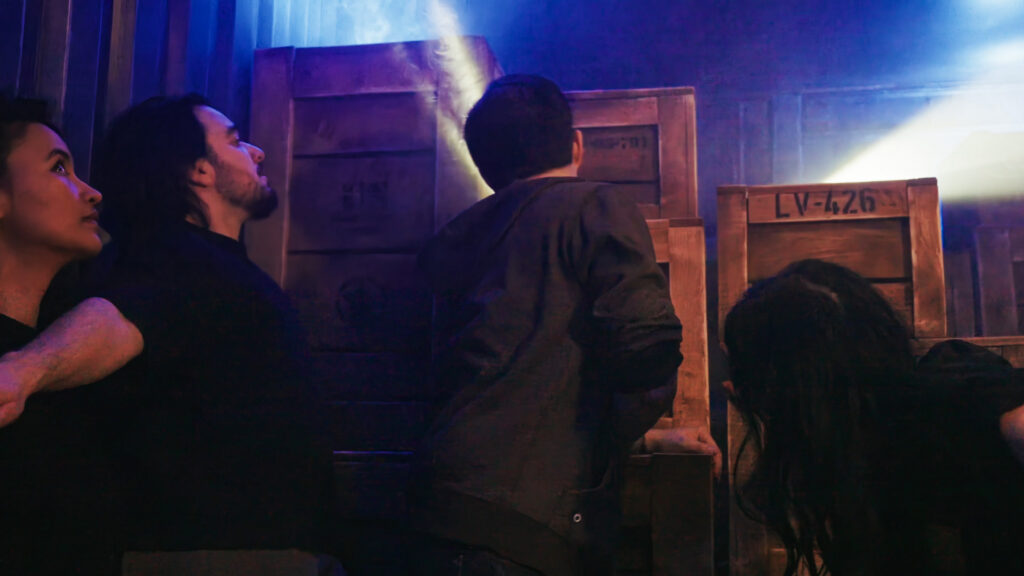
Twenty-five separate areas cover 550 m². Among them is the reconstitution of a disused subway platform. This fact reveals the true nature of the project: narrative architecture. Each room is not simply a set; it constitutes a sequence in the narrative, comparable to a film shot that the visitor physically passes through.
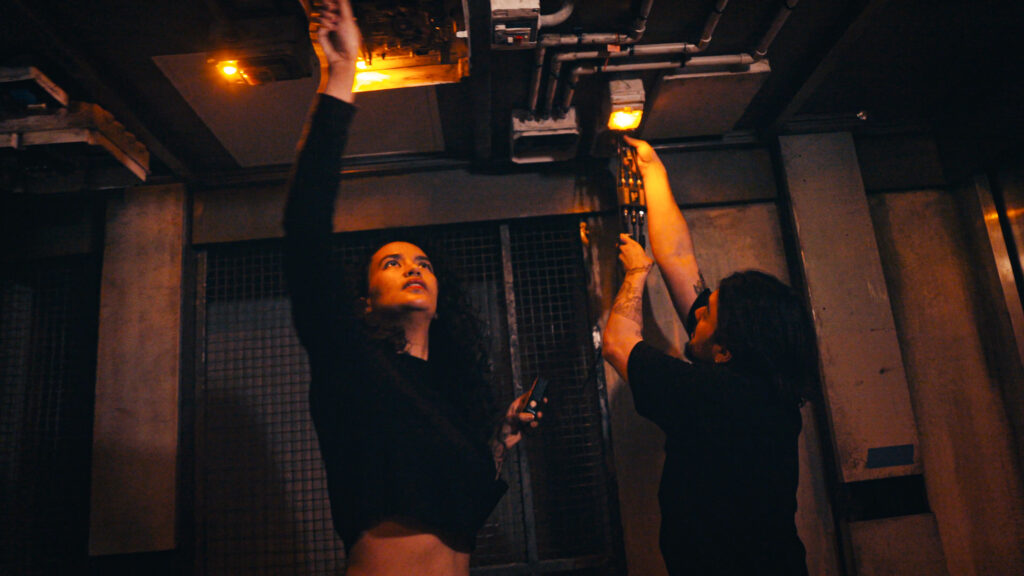
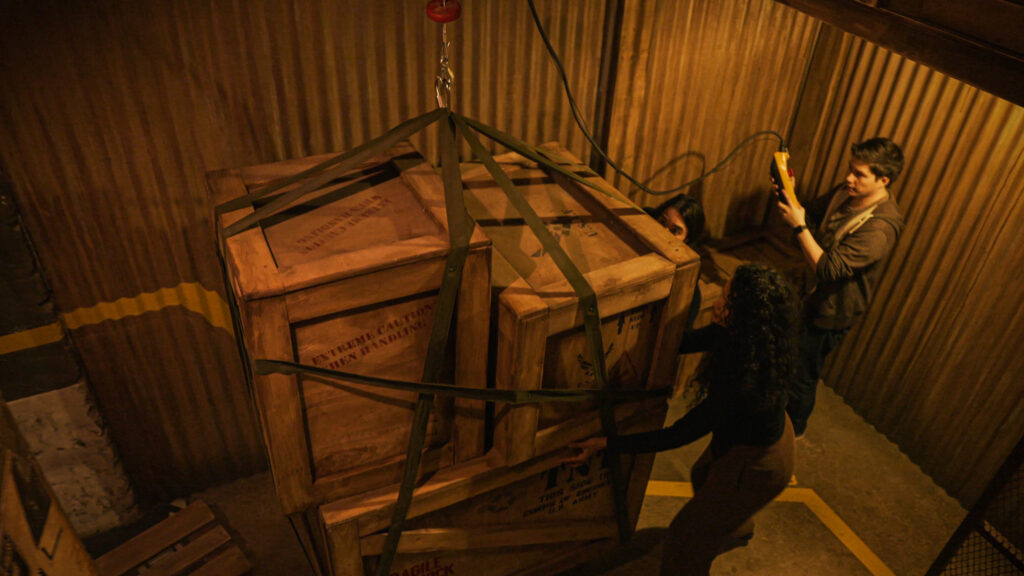
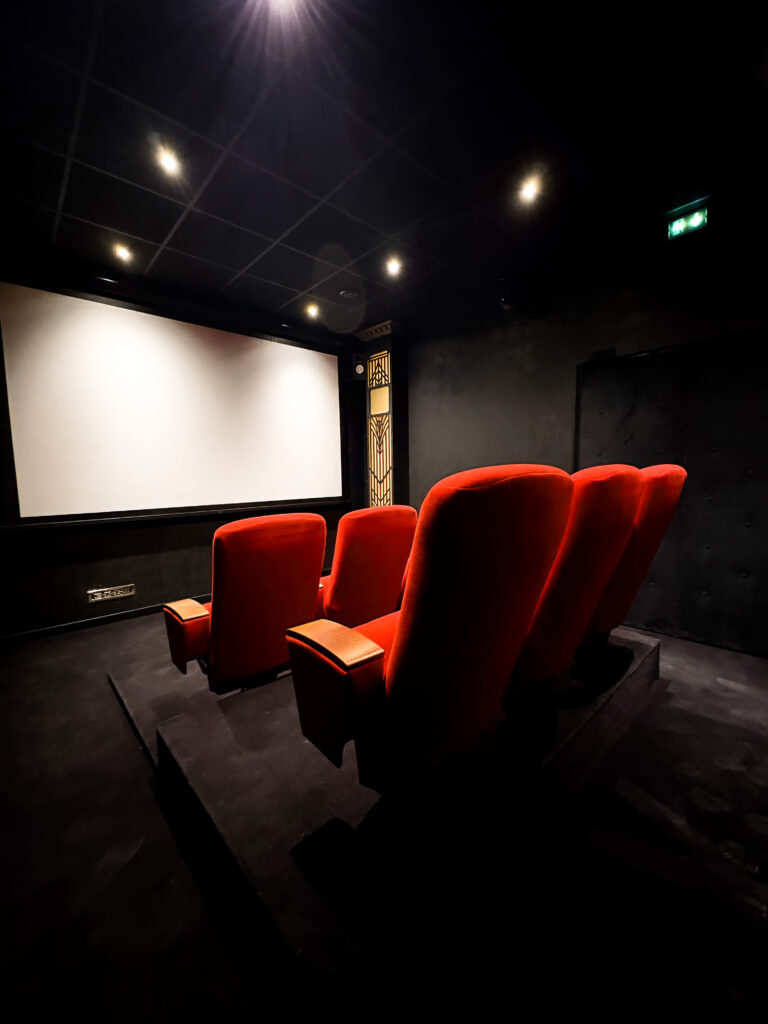
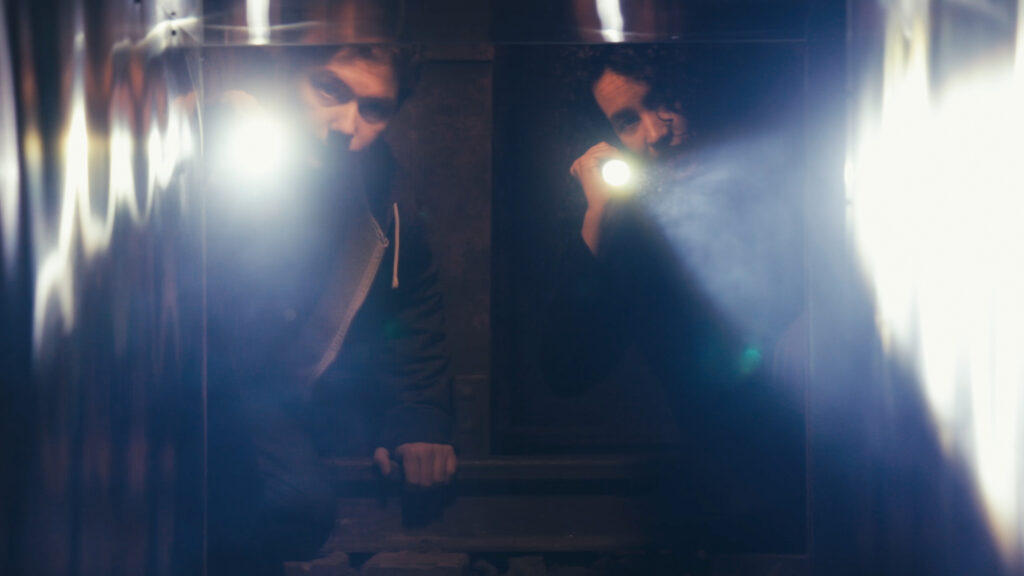
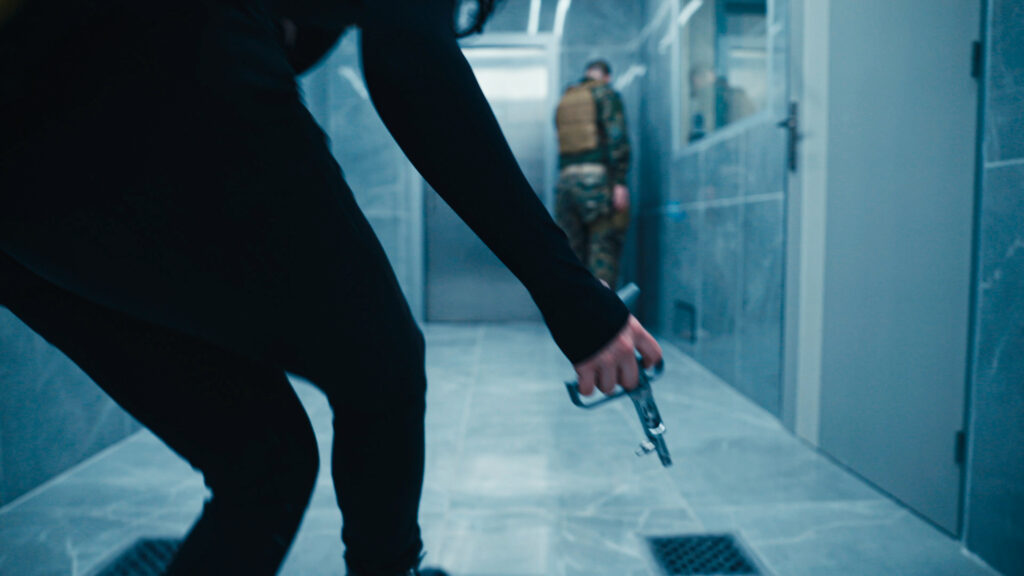
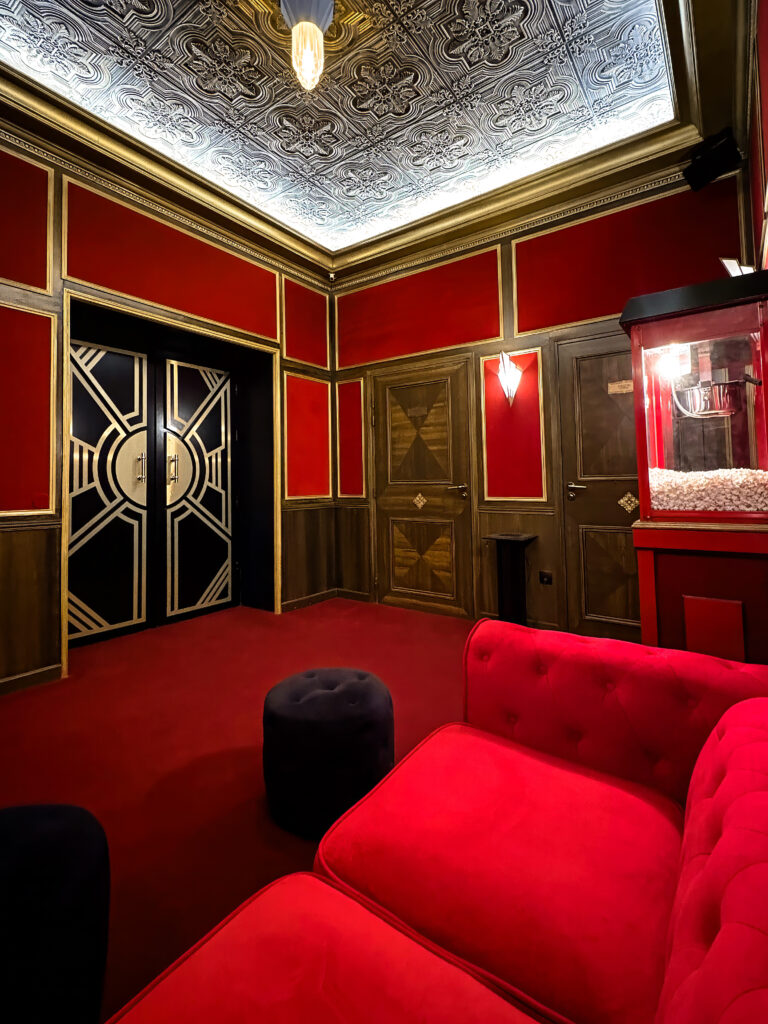
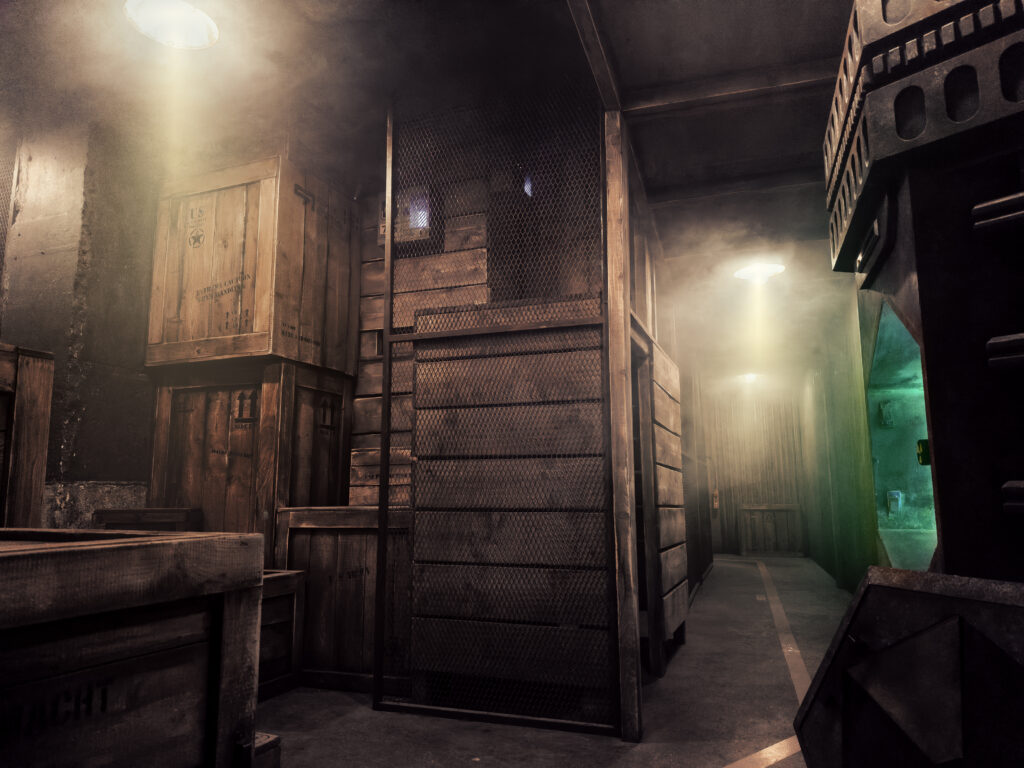
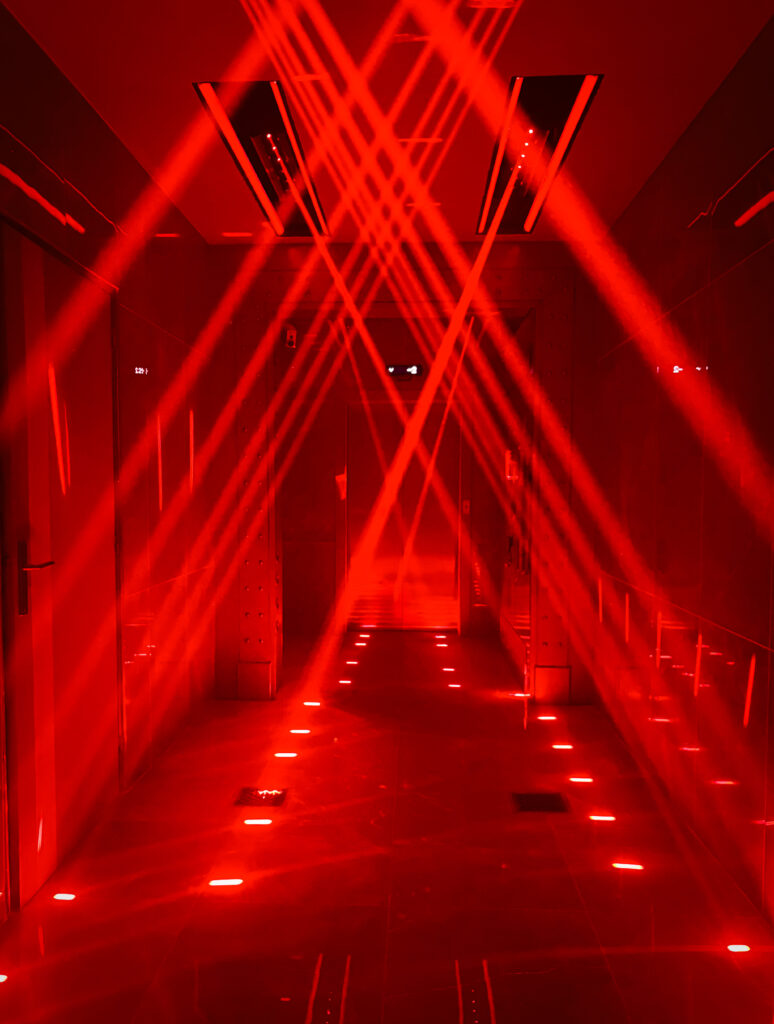
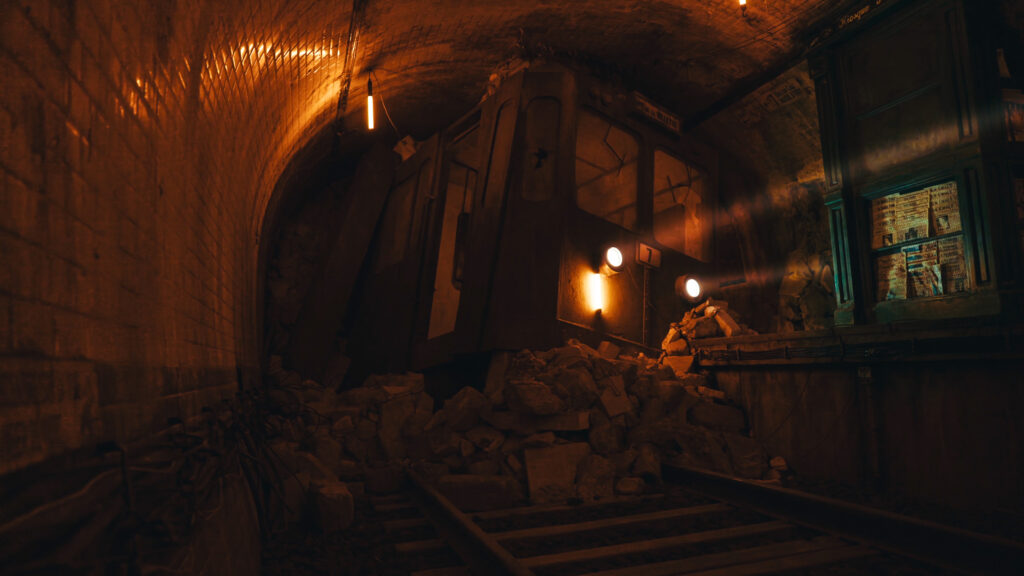
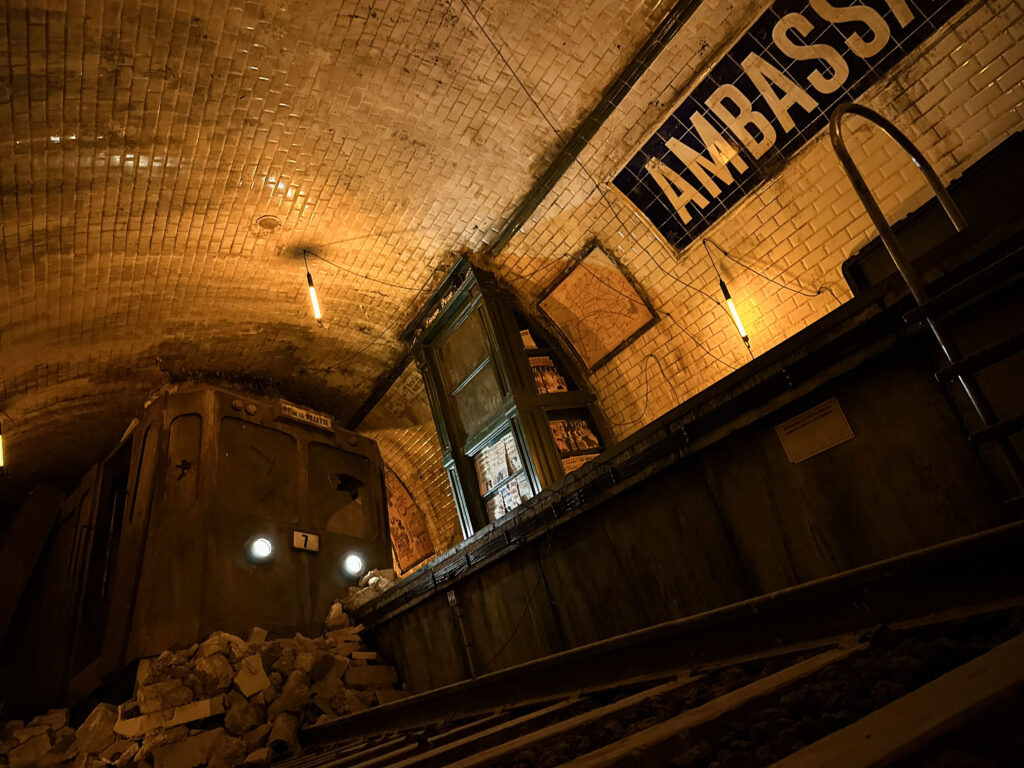
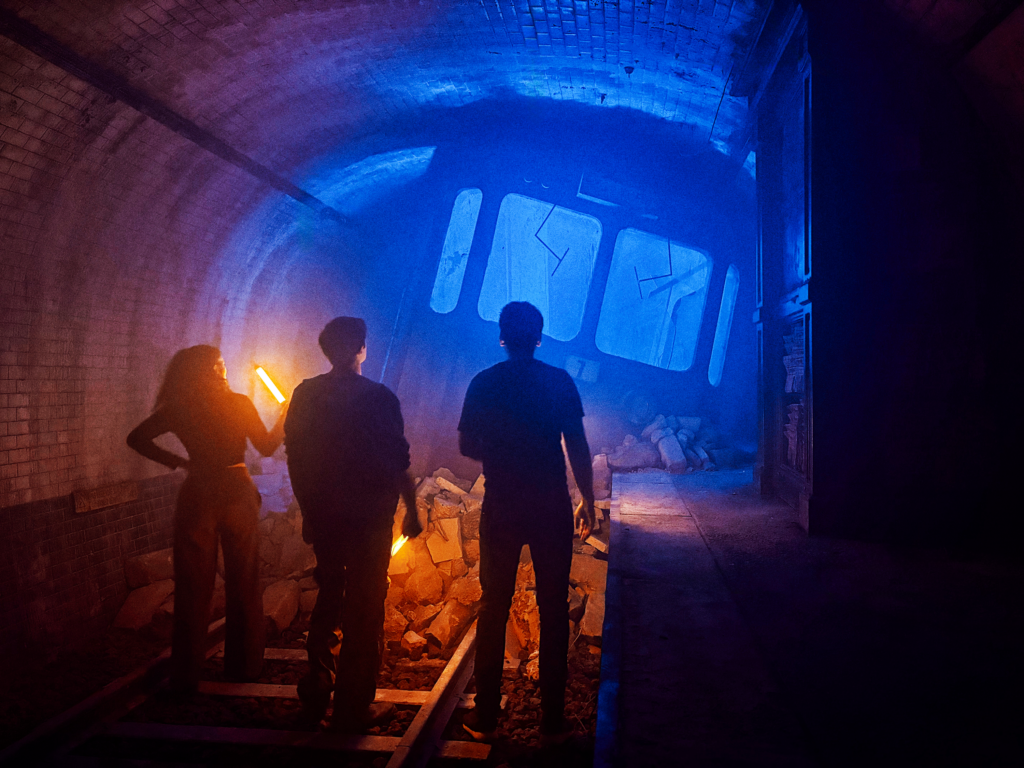
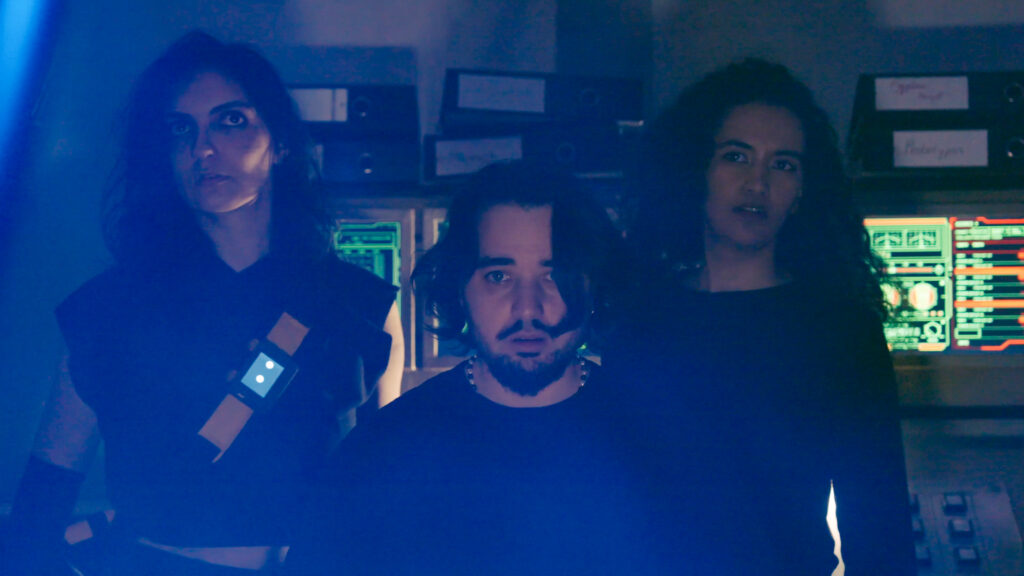
Detail
- Total surface area: 550 m²
- Number of rooms: 25
- Teams of three to six participants
- Experiment duration: two hours
- Live actors and real-time interaction
- Opening: April 16, 2026, Paris 2nd arrondissement
What potentially distinguishes Live Cinema from the many immersive experiences that have appeared in recent years is less its scenario than its synthetic ambition. The project lays claim to the heritage of the European escape game, while borrowing its actors from immersive theater and its dramatic structure from cinema.
The result illustrates a broader phenomenon: the emergence of an experience economy in which time, attention and participation become cultural raw materials. In this context, the value of a place is no longer measured solely by its décor or technology, but by its ability to generate a shared memory.
Paris, long dominated by its traditional cultural institutions, is seeing the emergence of a new generation of hybrid venues. Neither theater, nor attraction, nor video game, they borrow from each of these universes to build a form still in the process of being defined.
Live Cinema is perhaps not just a new leisure address. It’s an interesting symptom of our times: when audiences no longer demand a story to watch, but a role to play.
Cette publication est également disponible en :

