
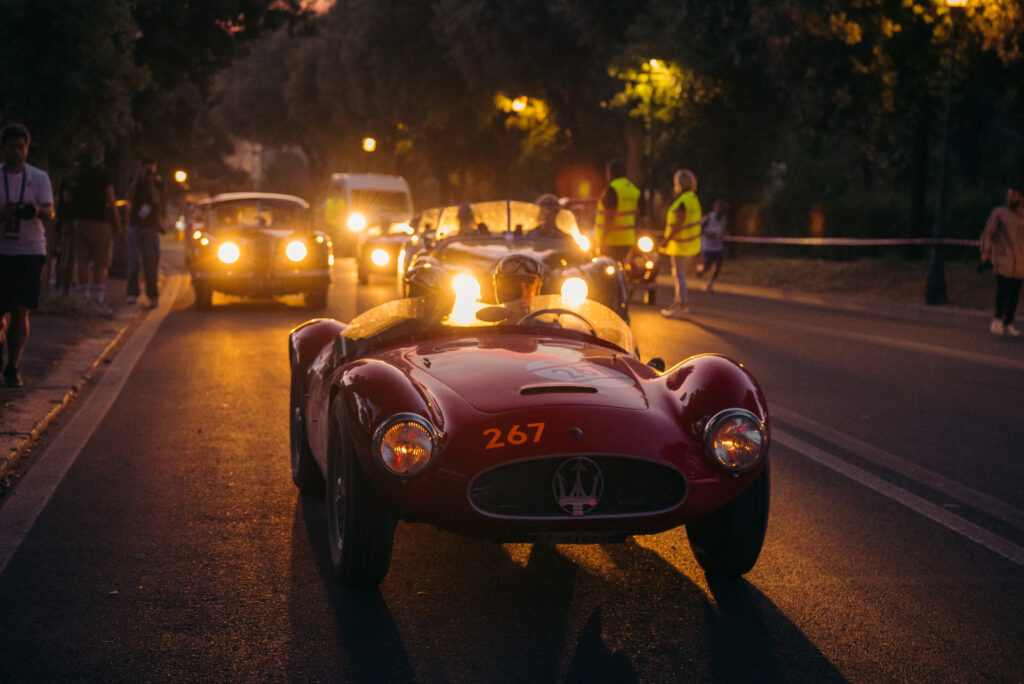
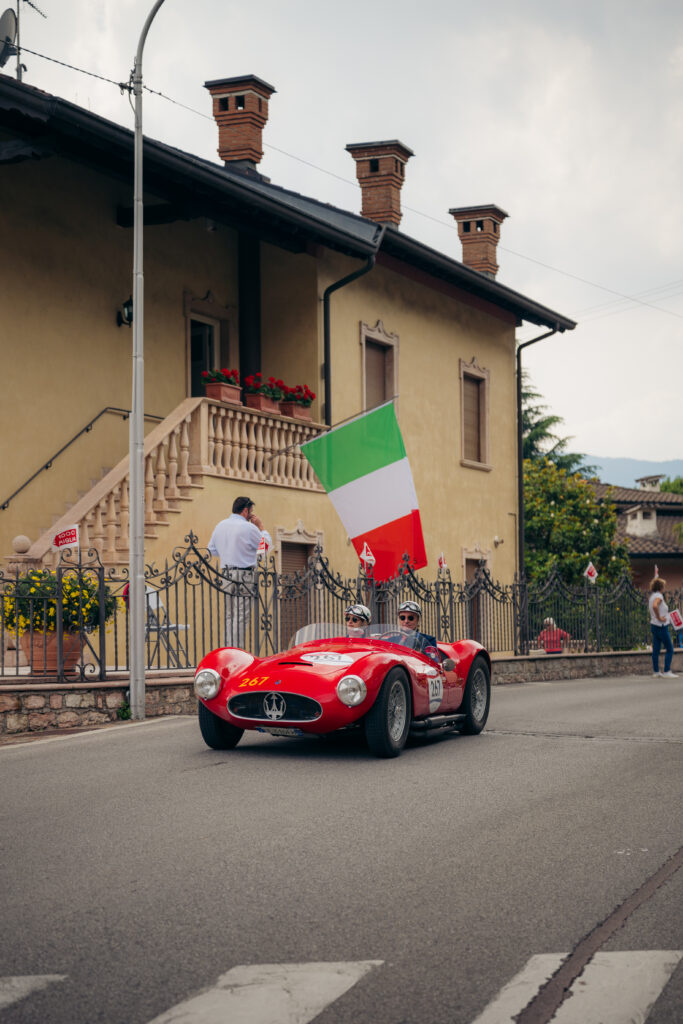
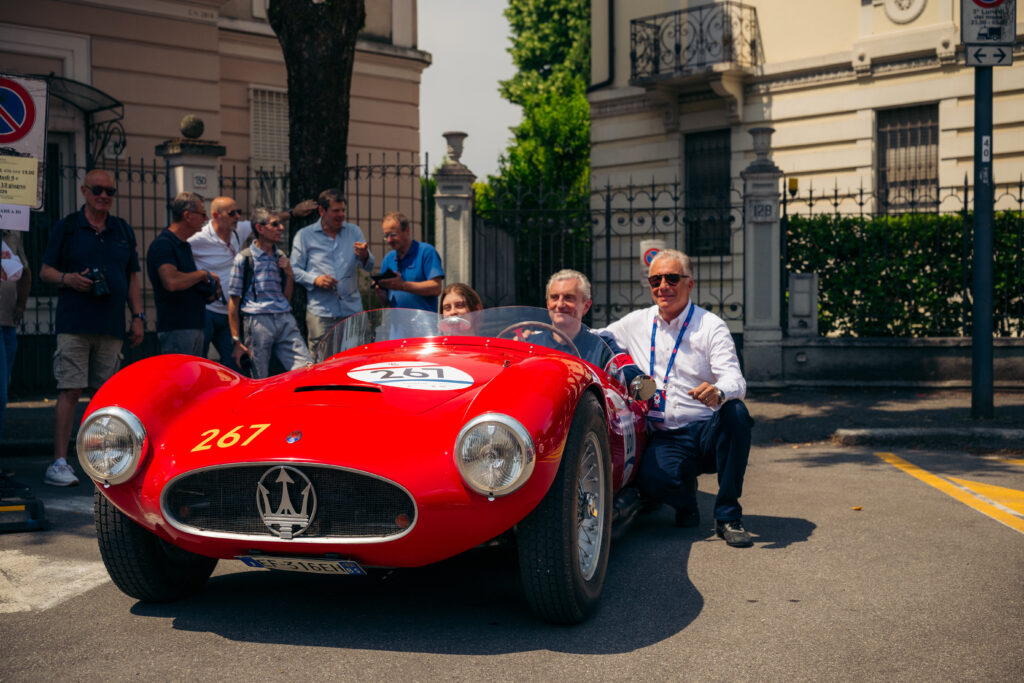
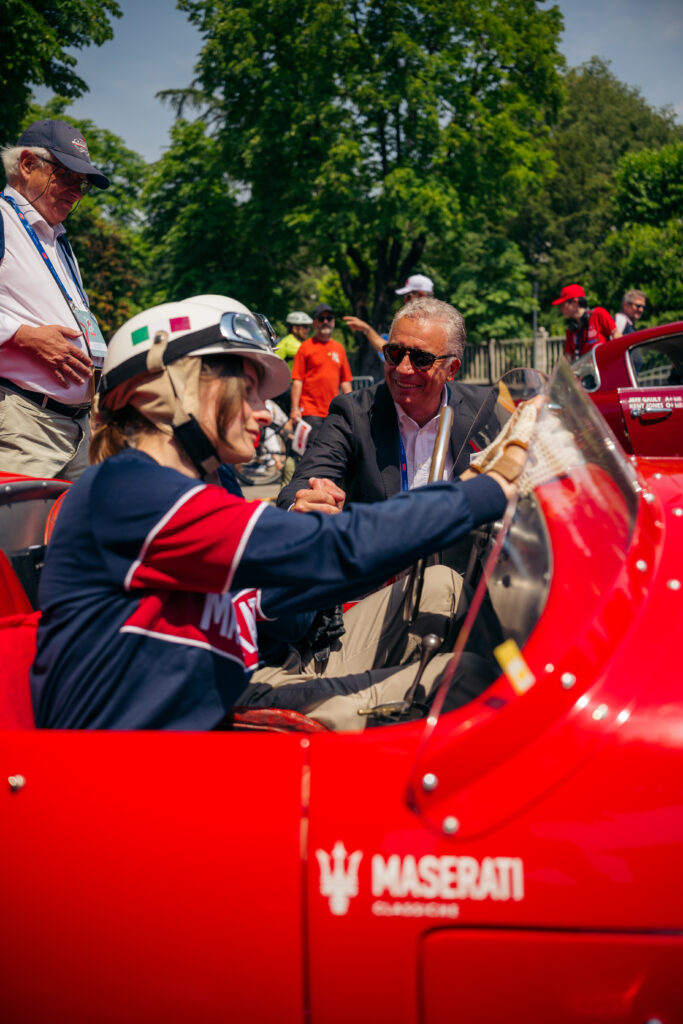
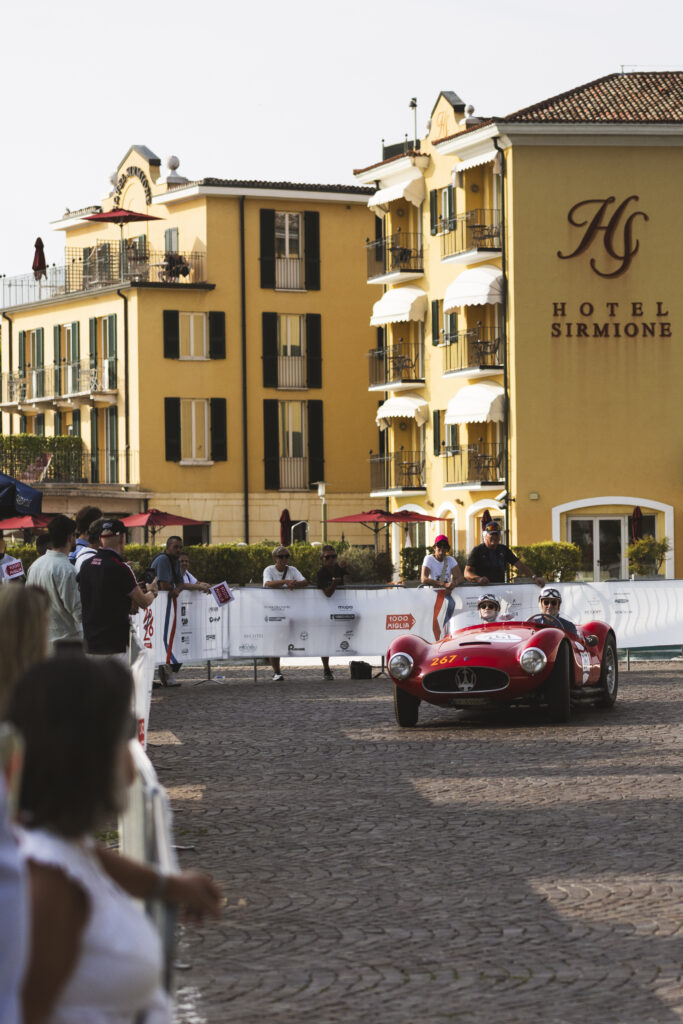
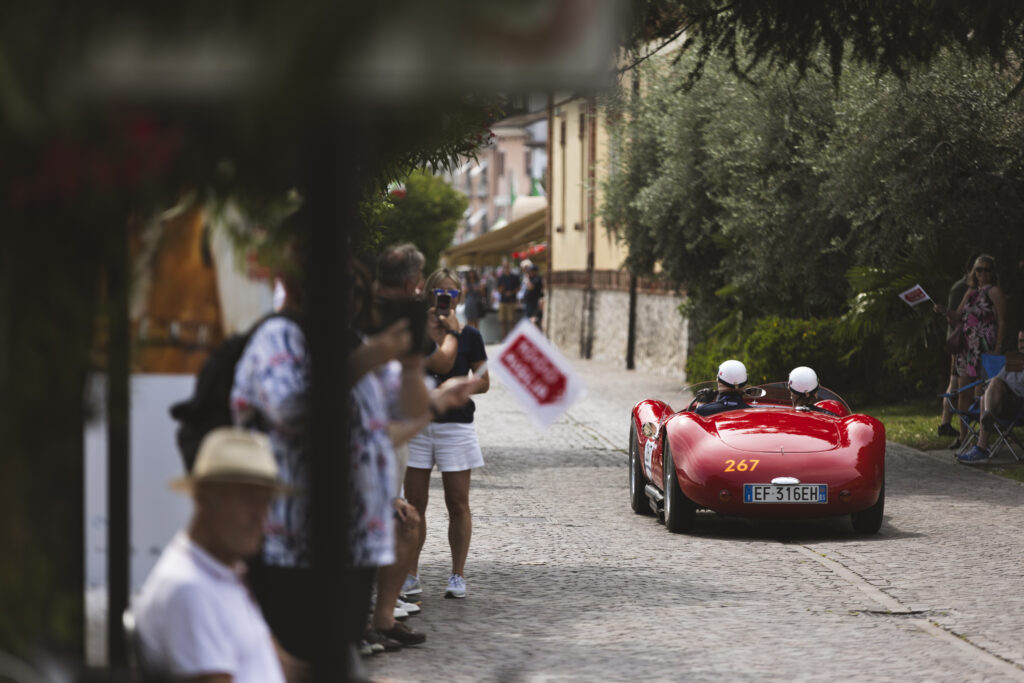
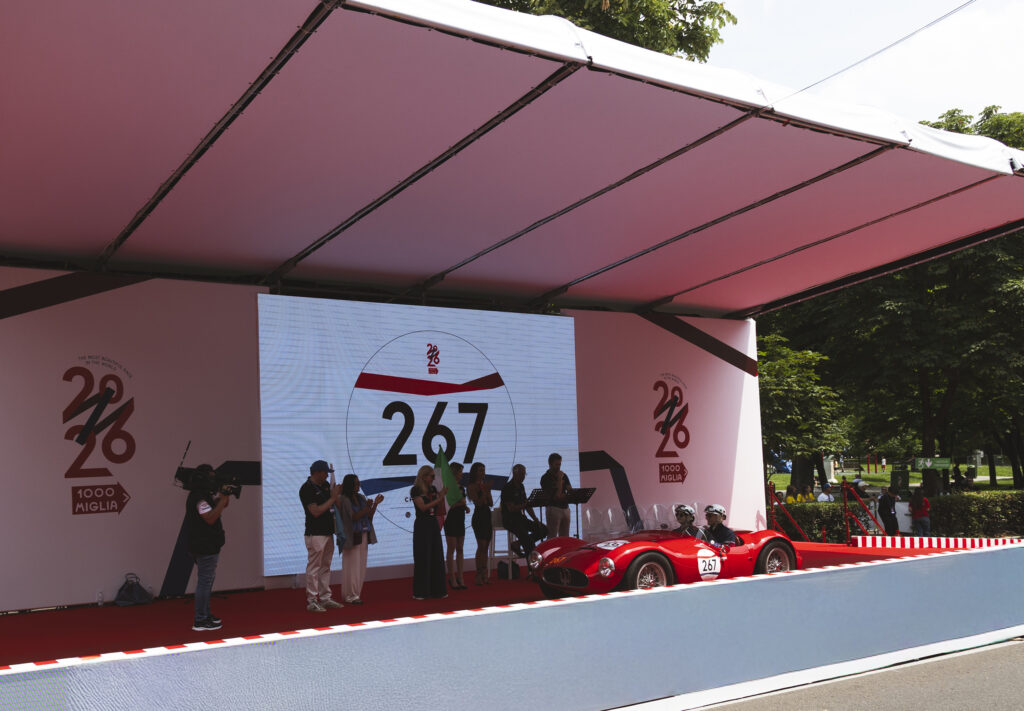
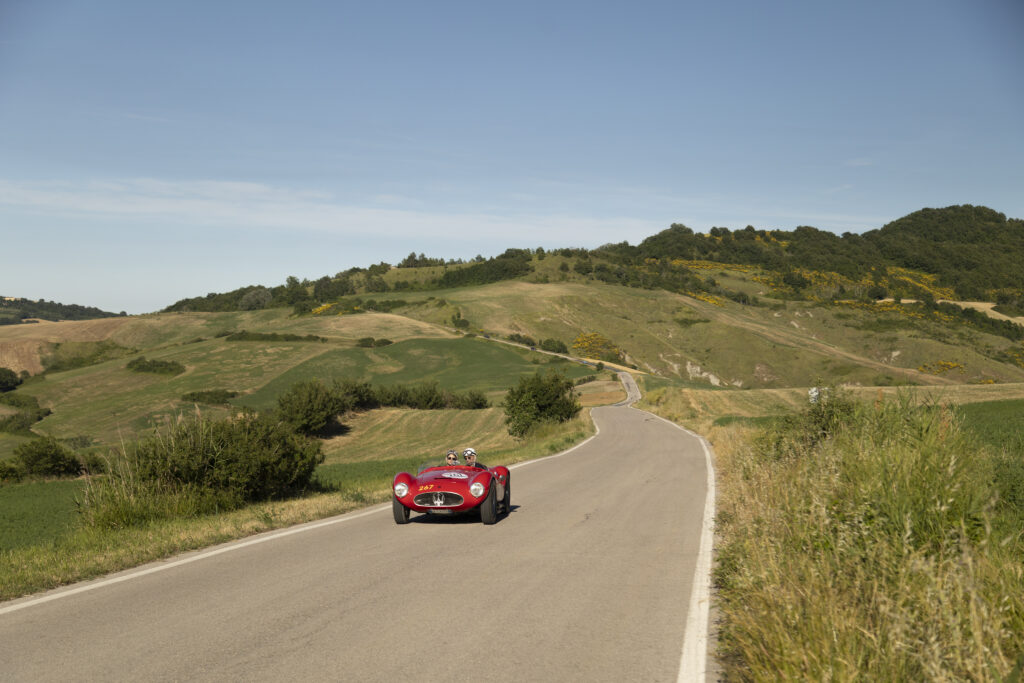
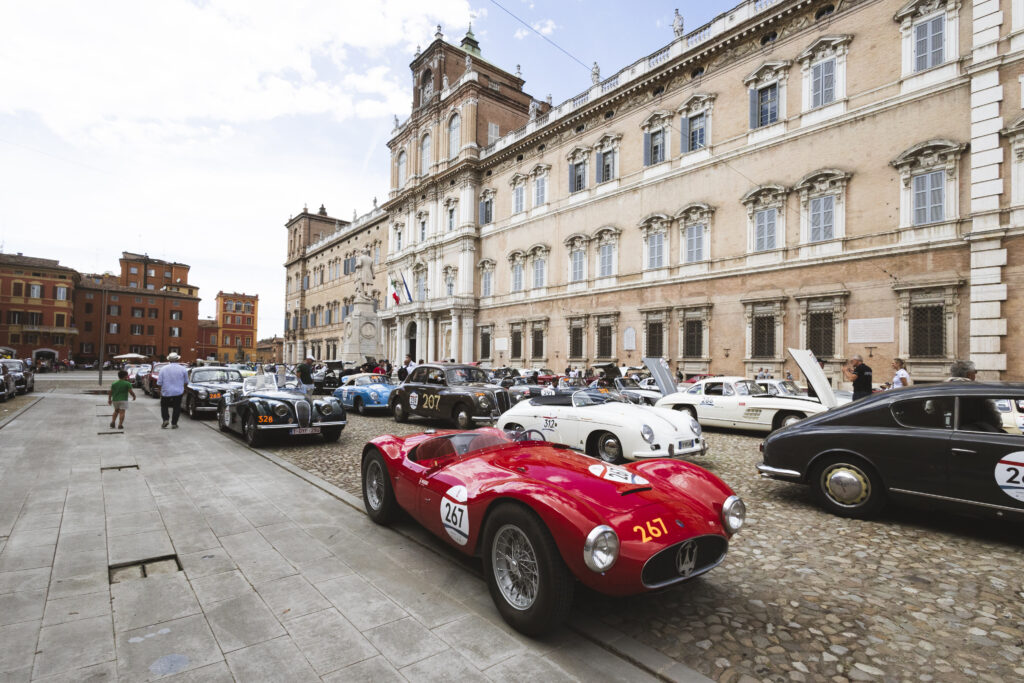
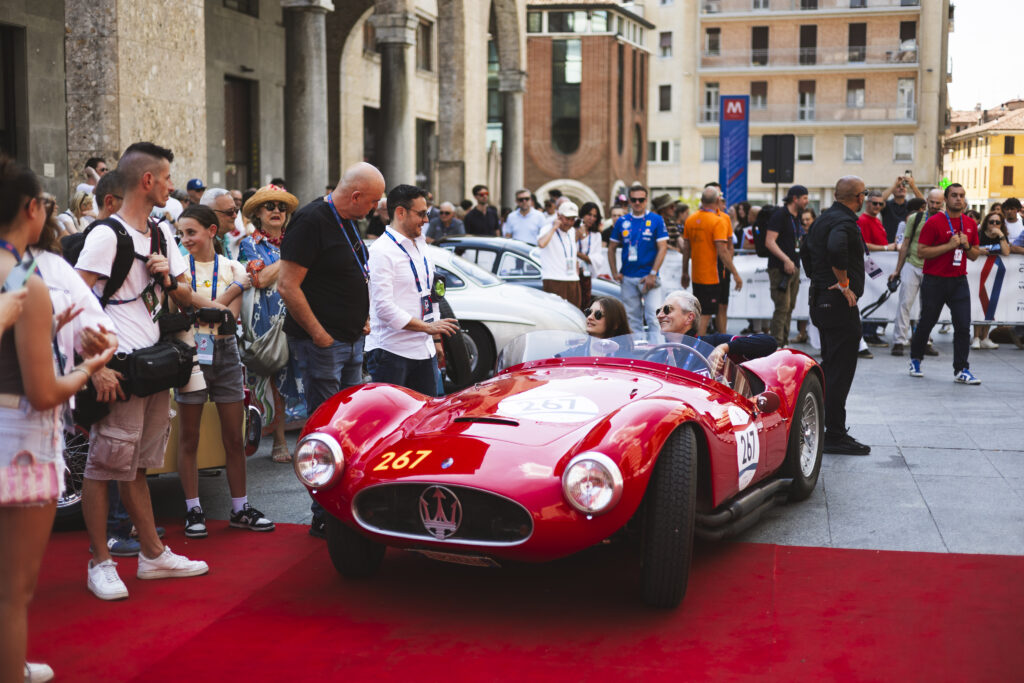
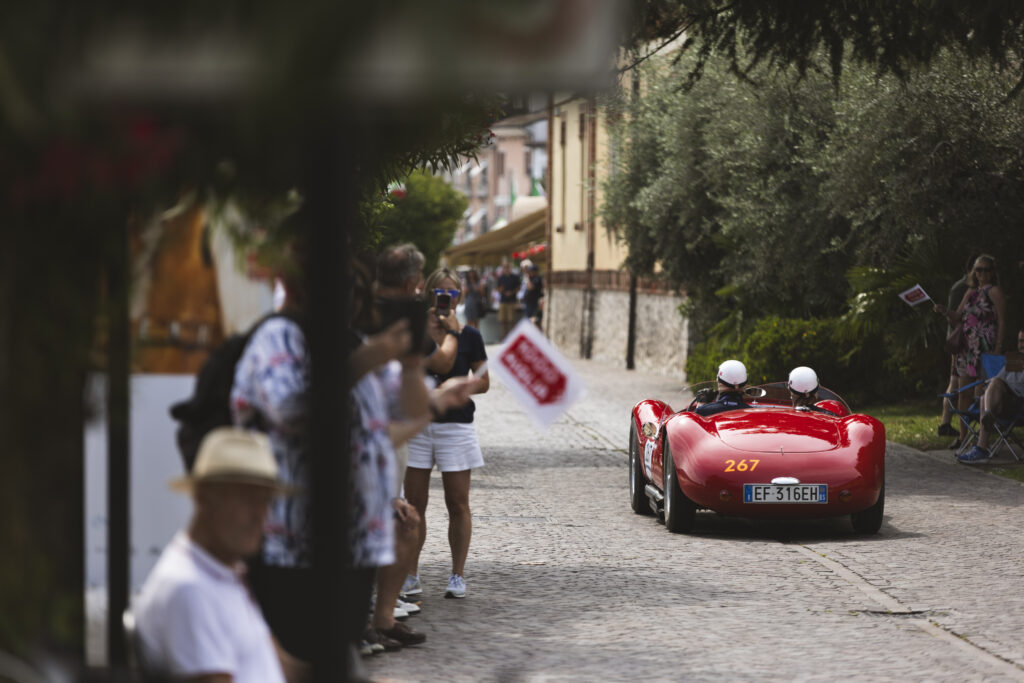
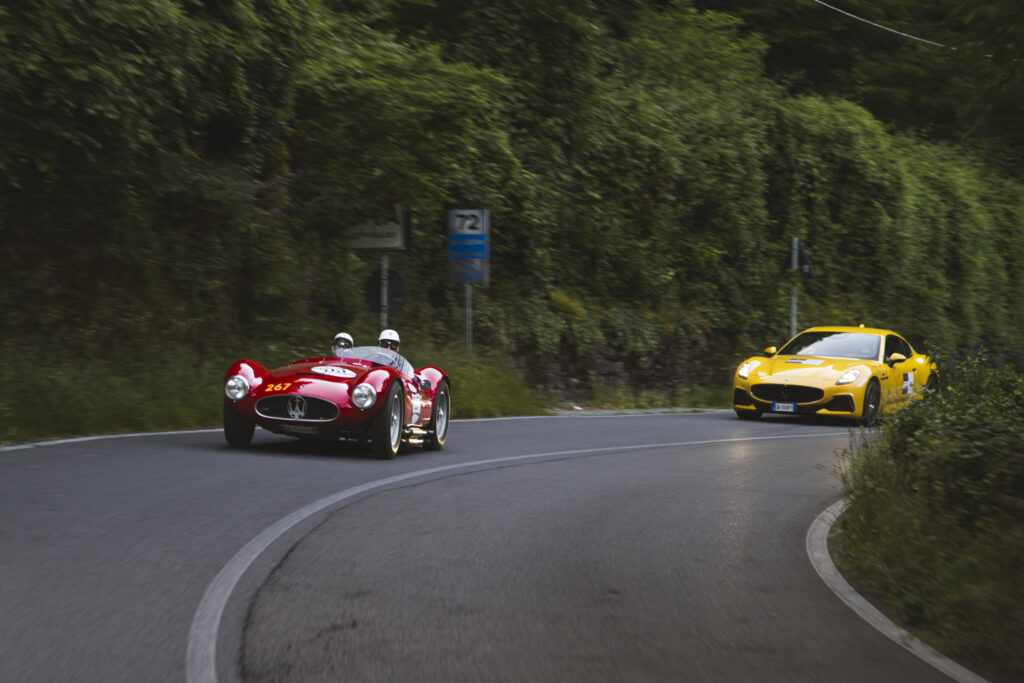
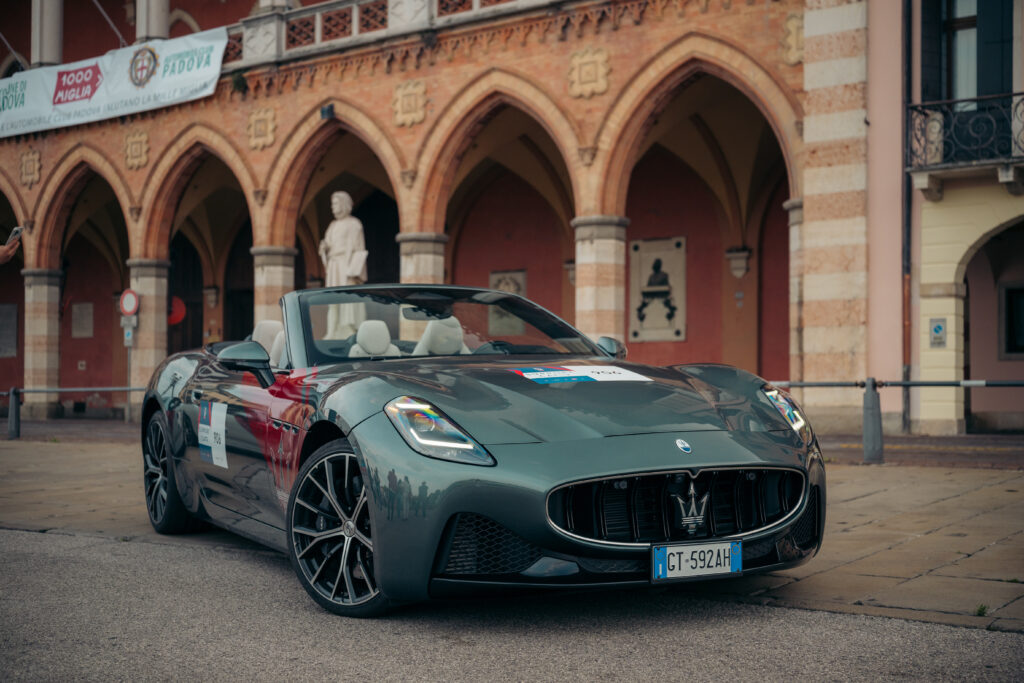
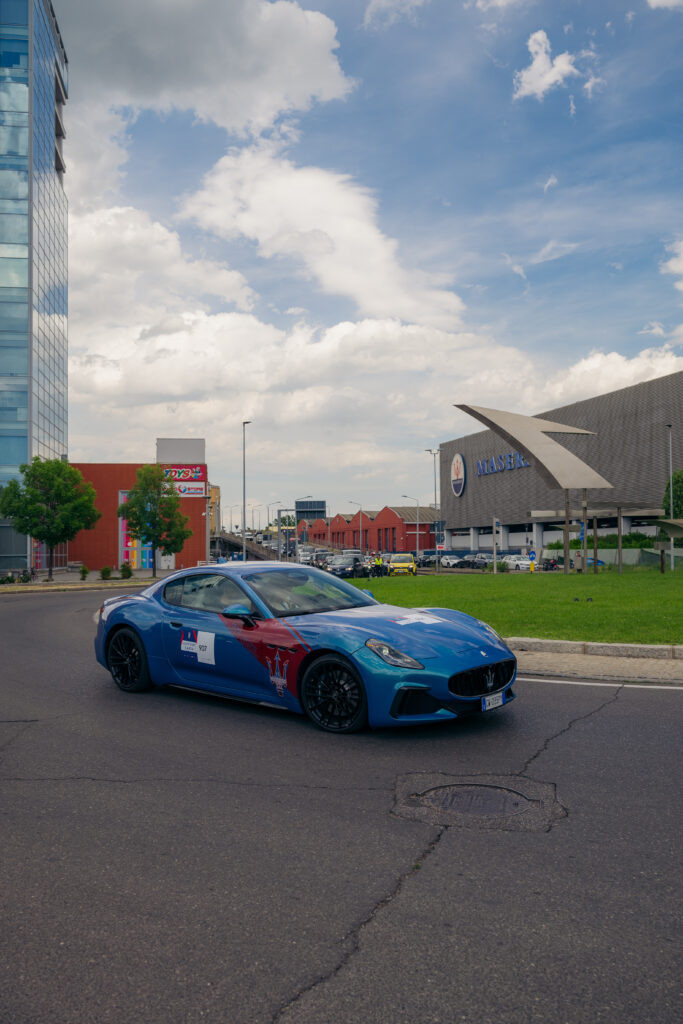
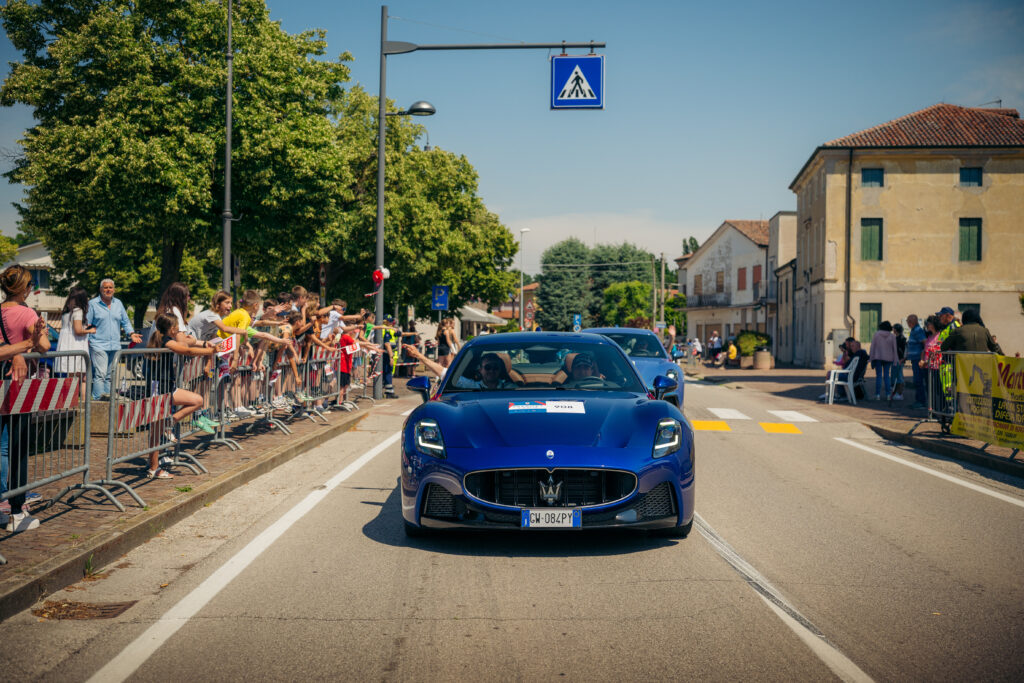
From June 9 to 13, 2026, a Maserati A6 GCS/53 will travel across Italy from Brescia. One hundred years after its first victories, the Trident brand reminds us that a legend doesn’t need new buzzwords to endure.
Race as a Living Chronicle
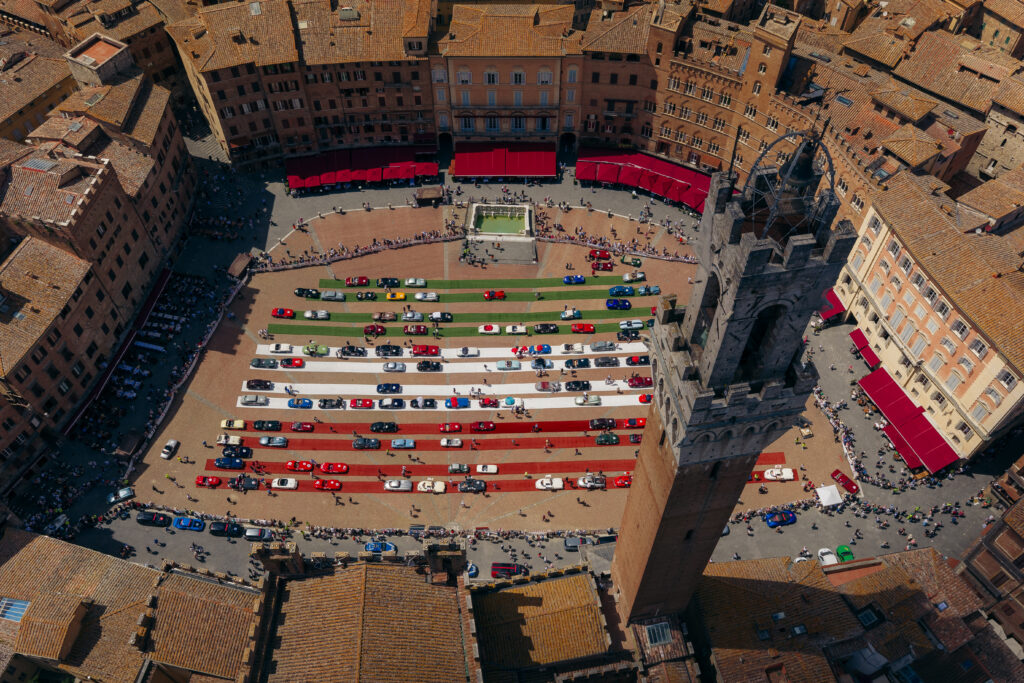
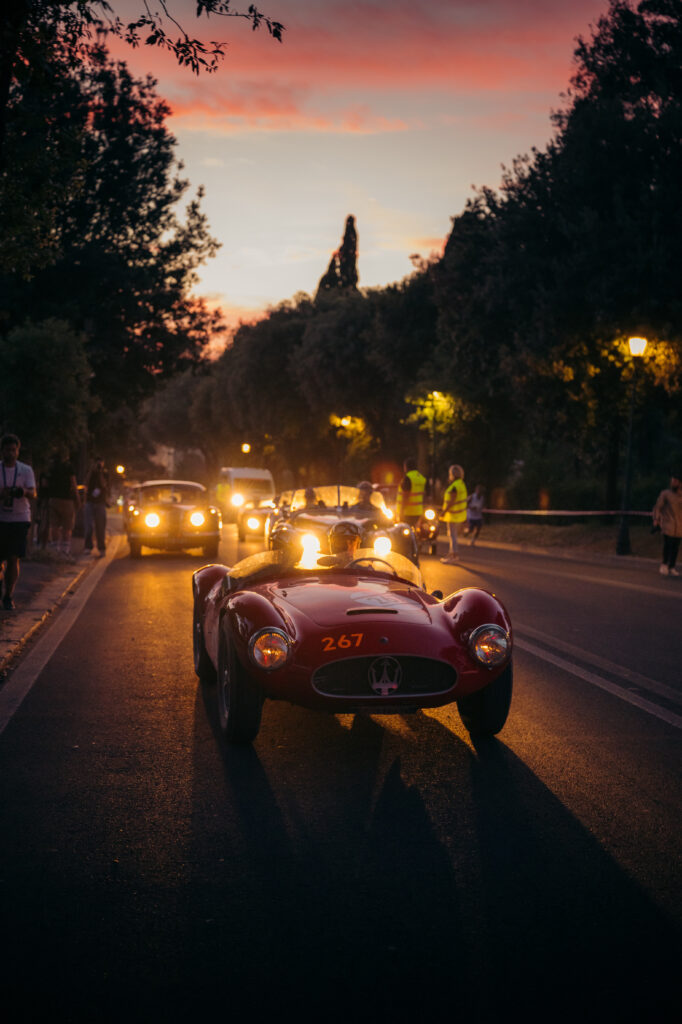
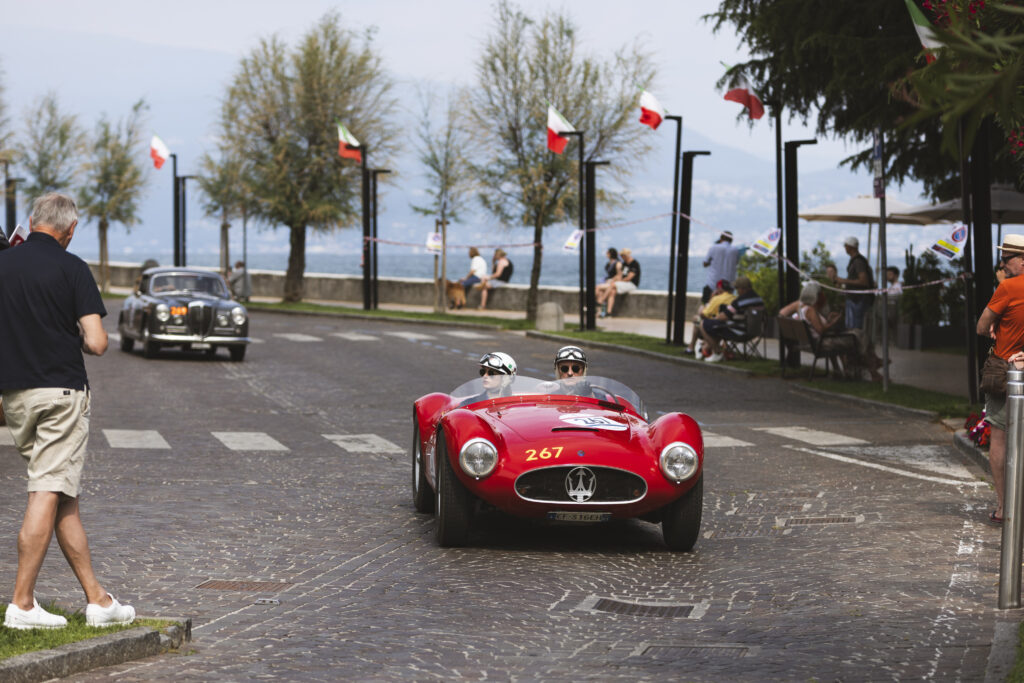
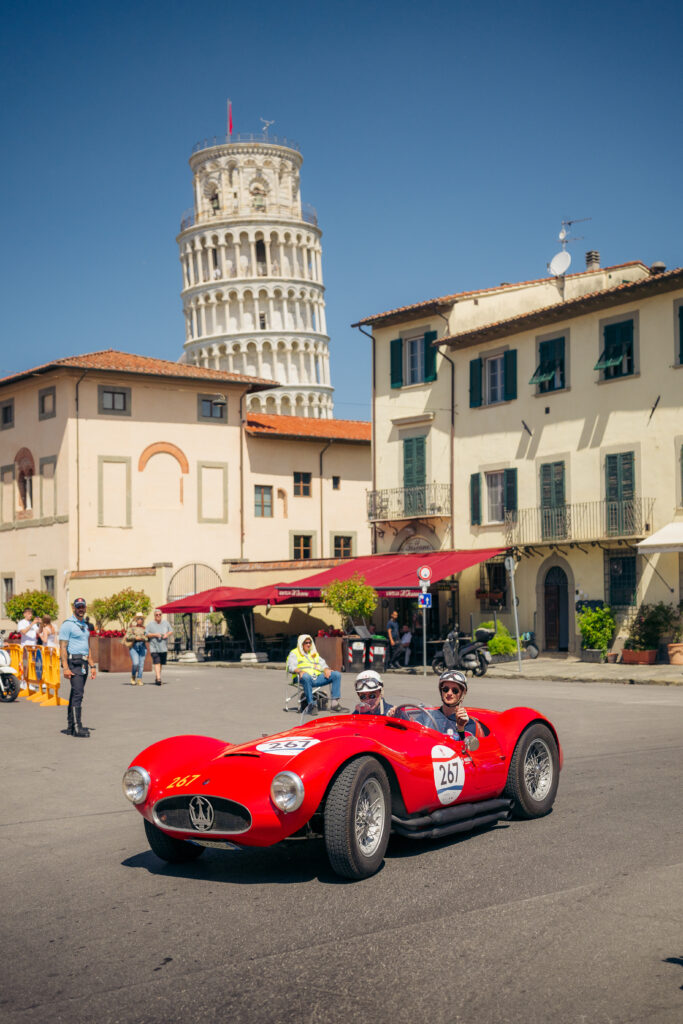
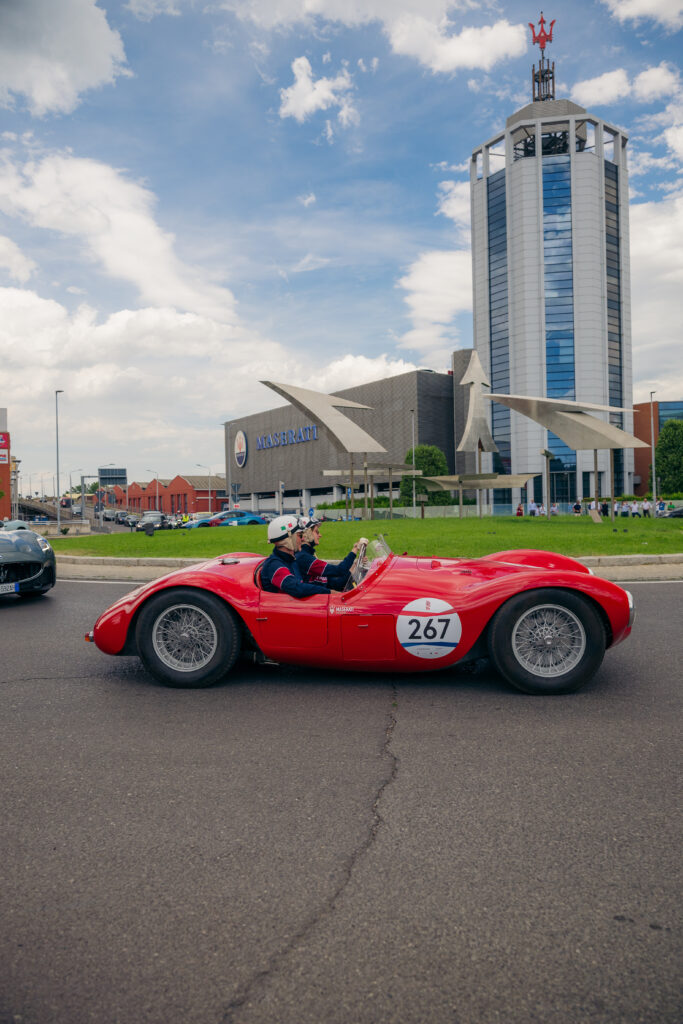
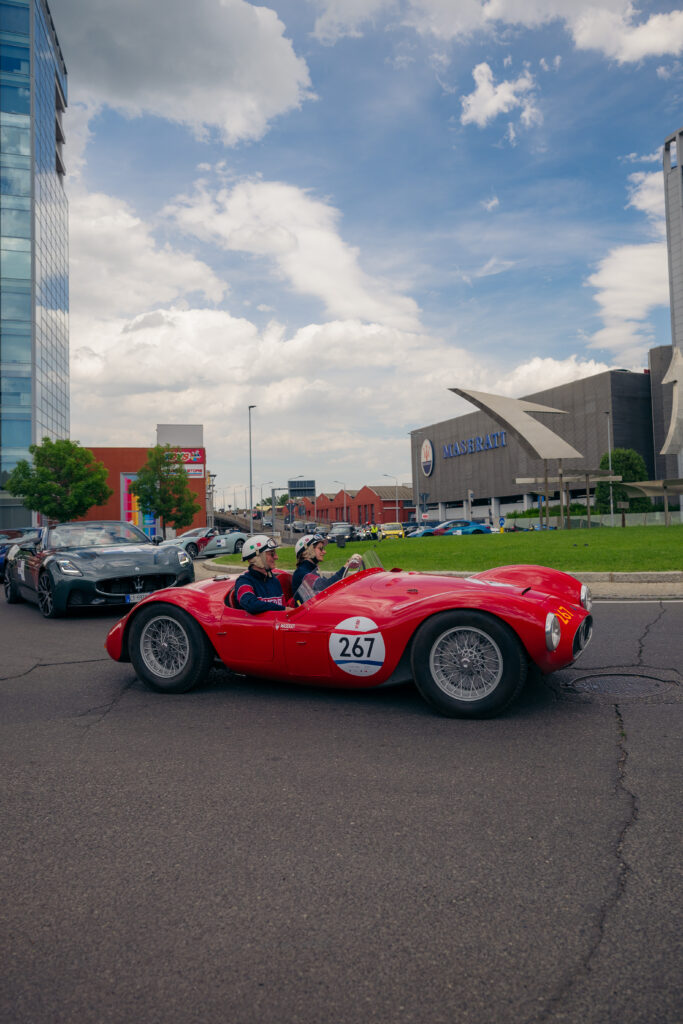
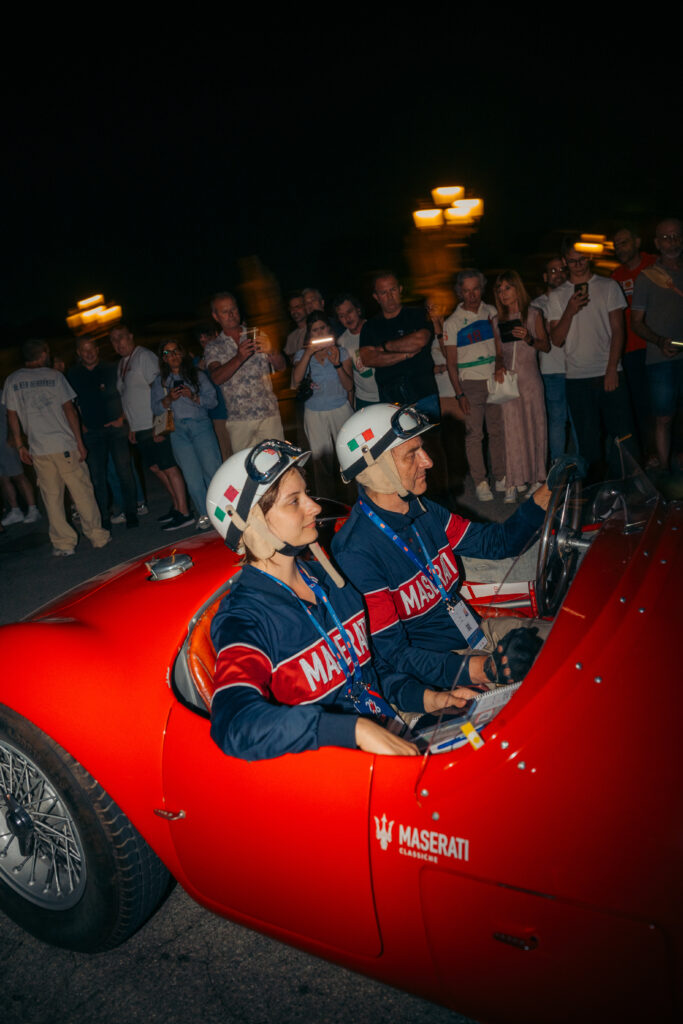
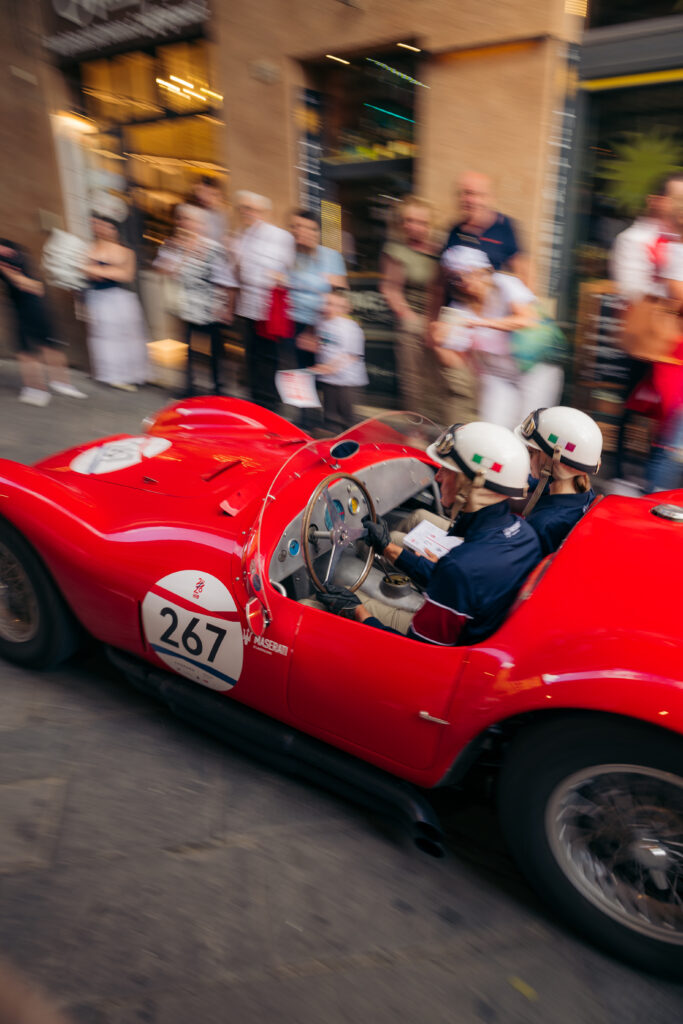
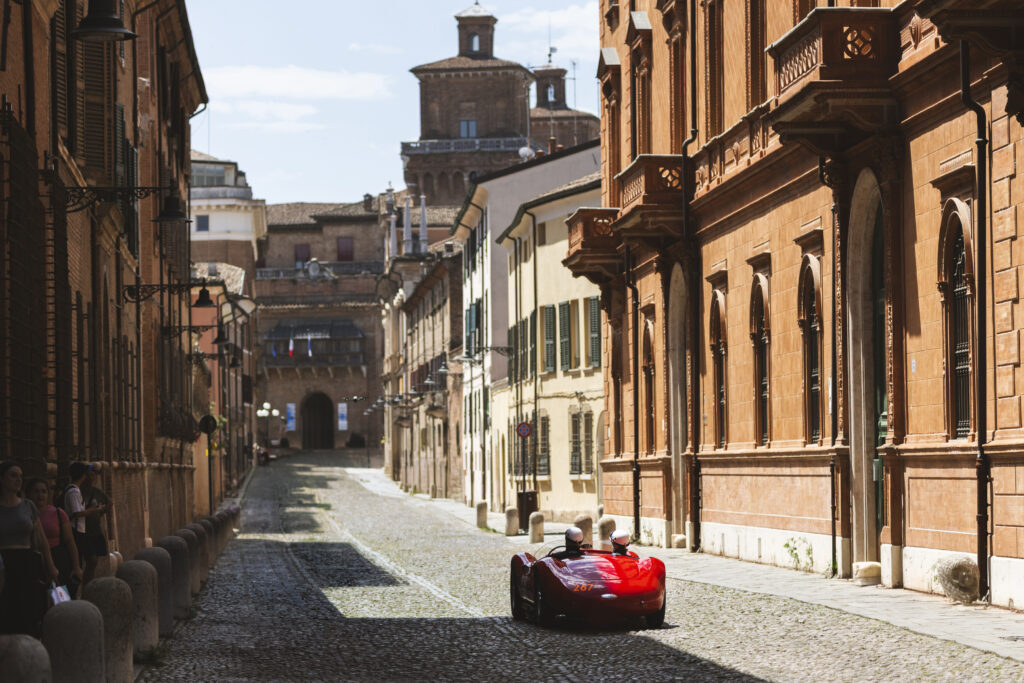
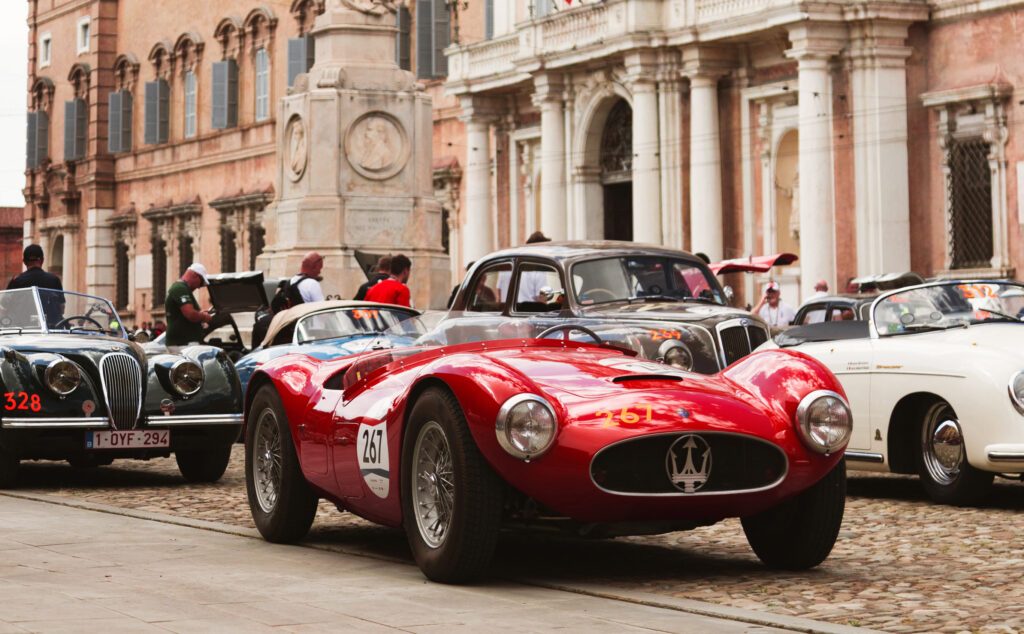
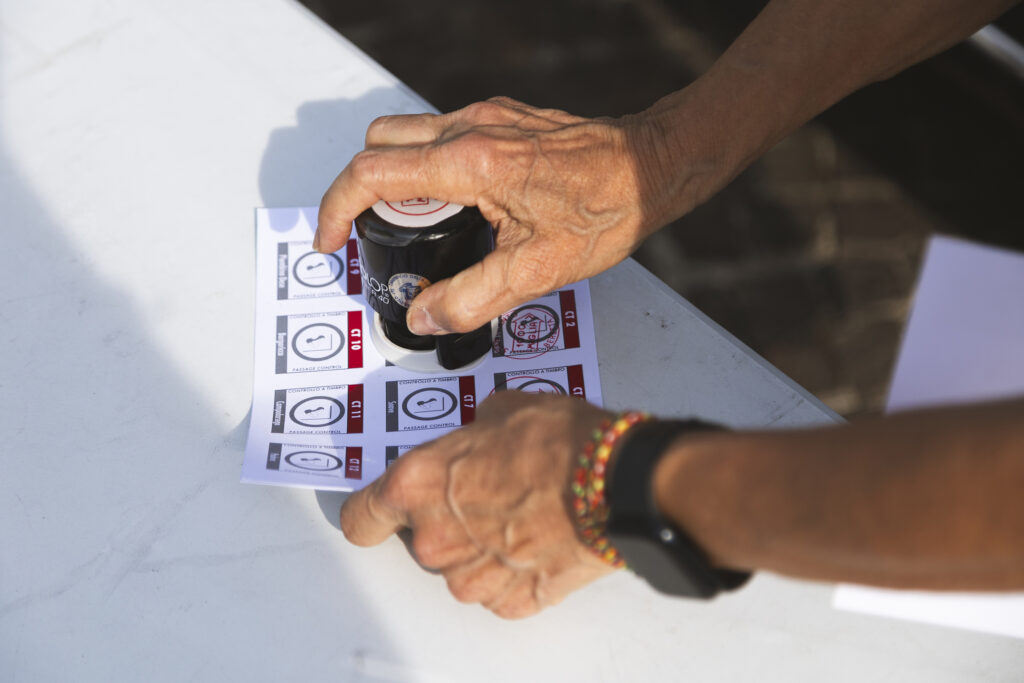
The 1000 Miglia has not been a race since 1957. It has become something even rarer: a moving tribute, a rolling museum that travels across Italy from Brescia to Rome and back, taking the back roads that drivers of the classic era knew by heart. In this showcase of collective memory, Maserati isn’t fielding a prototype. Instead, it’s entering an A6 GCS/53—one of the most beautiful race cars it has ever built, with its cylindrical curves and 2L six-cylinder engine designed by Gioachino Colombo.
Colombo—who also designed the engines for the Ferraris of the 1950s—is a legend in Italian engineering, whose name is spoken in enthusiast circles with the reverence reserved for a poet. His 2L six-cylinder engine for Maserati is a masterpiece from another era: compact, almost spirited, designed to extract from every revolution of the crankshaft a precision that was a blend of mechanics and conviction.
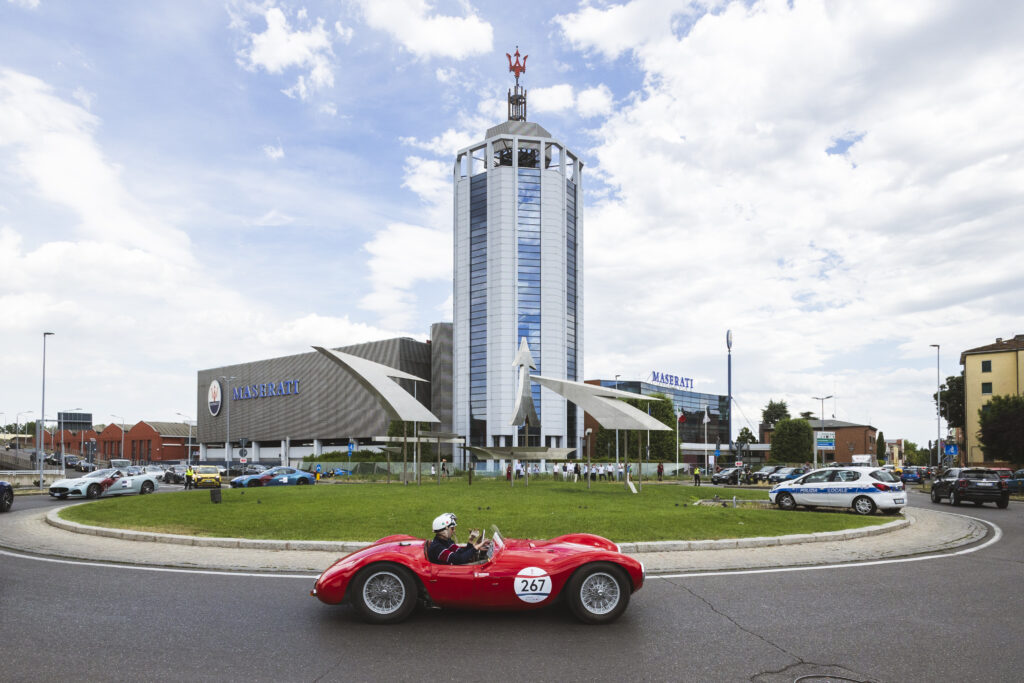
Viale Ciro Menotti: the stretch of road in front of the factory
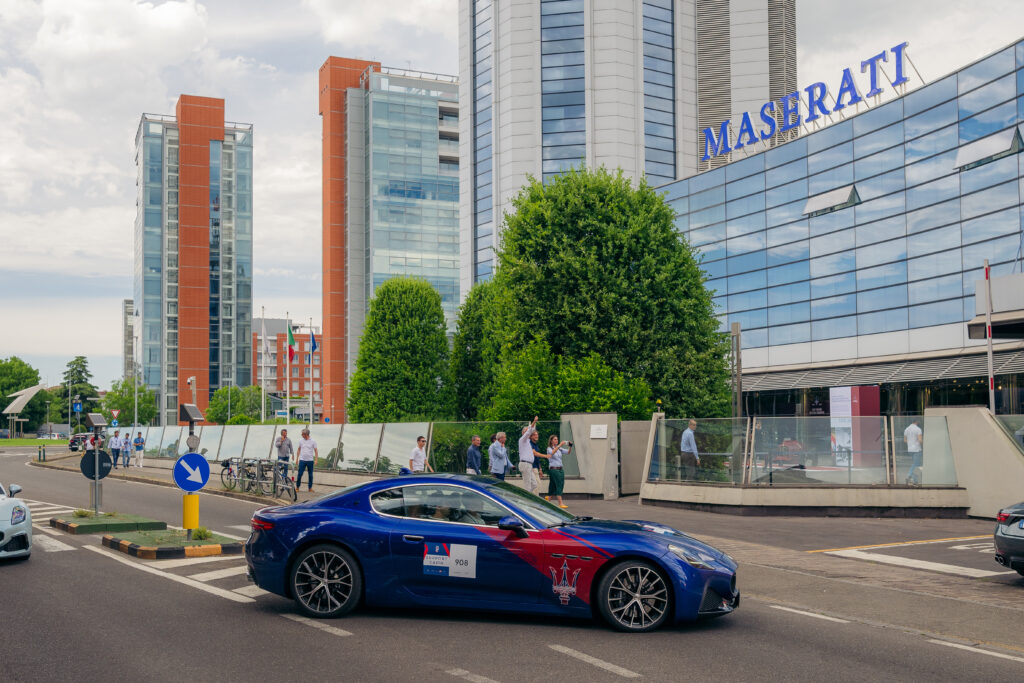
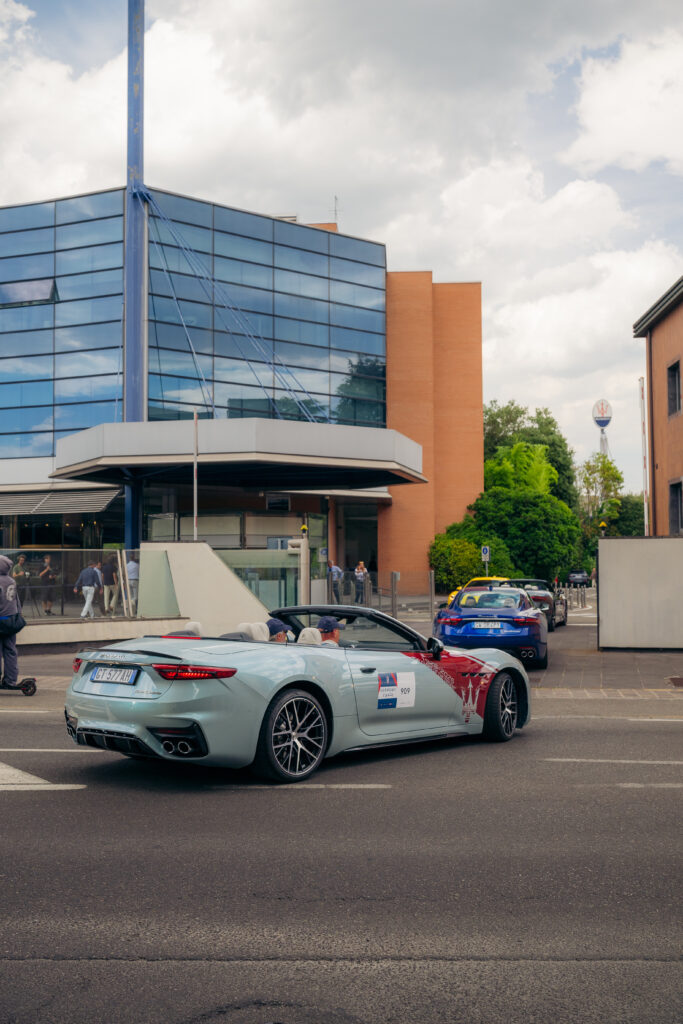
One of the most significant moments of this leg of the 2026 1000 Miglia is as much geographical as it is symbolic. The route passes through Modena, and the Maserati A6 GCS/53 drives past the workshops on Viale Ciro Menotti—the factory’s historic address. This is not a staged publicity stunt: it is a journey down memory lane. Driving past one’s birthplace in one’s own century-old car is a gesture that speaks for itself.
The Maserati of 2026 is not the same as the one from 1926. But what it’s trying to convey through the 1000 Miglia is the idea that a luxury car brand has a historical responsibility to its past, and that this responsibility isn’t something that can be fulfilled with a content marketing campaign.
The Cielo Tributo 1926: When Fuoriserie Meets the Centennial
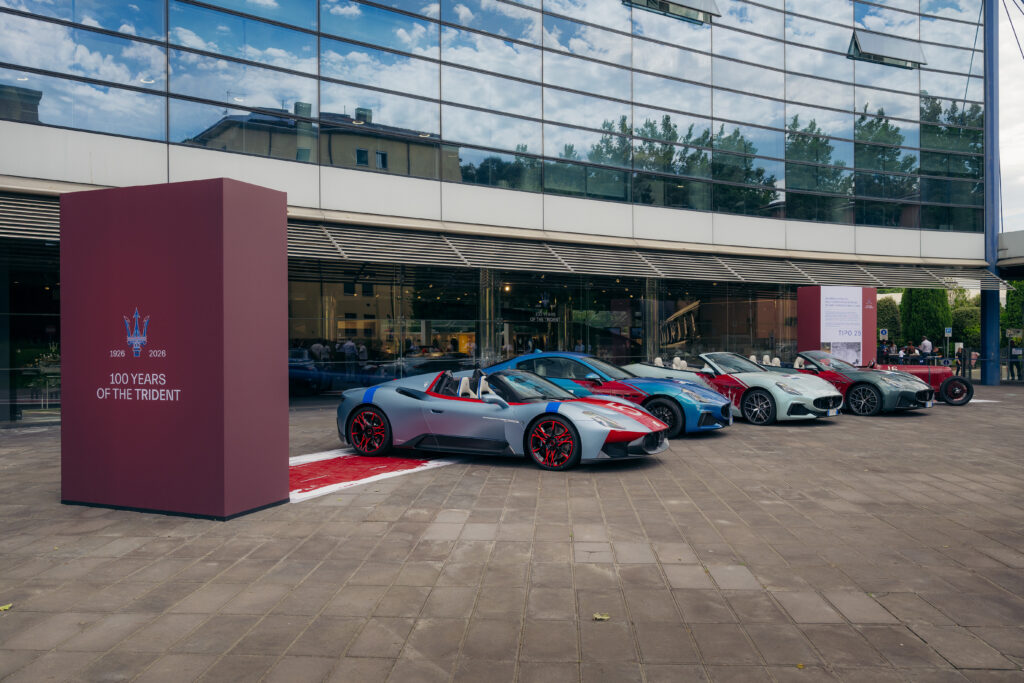
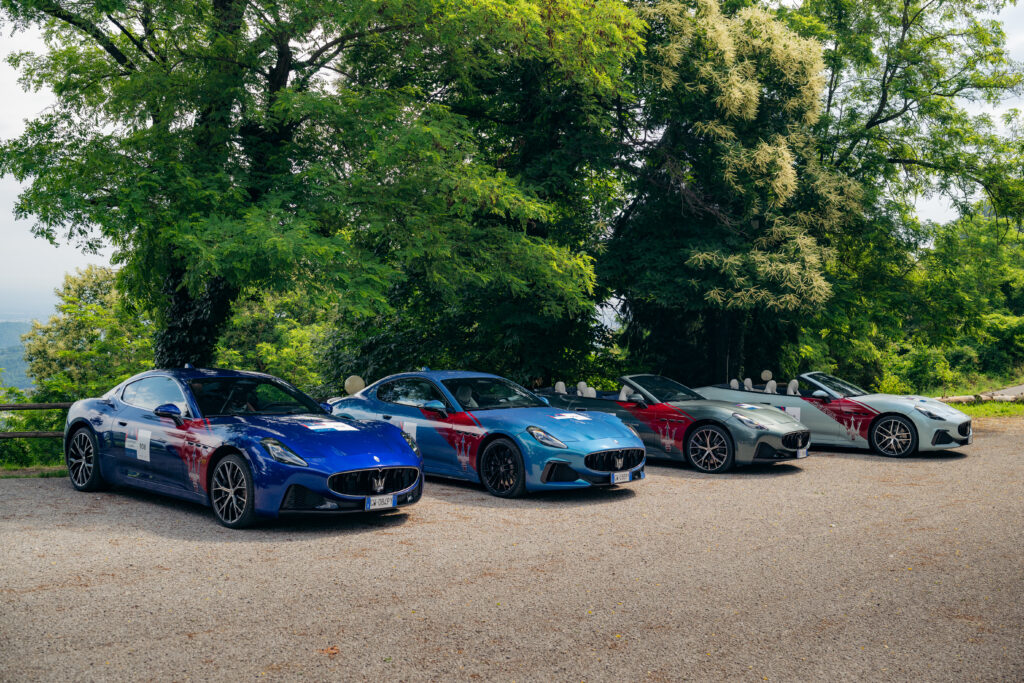
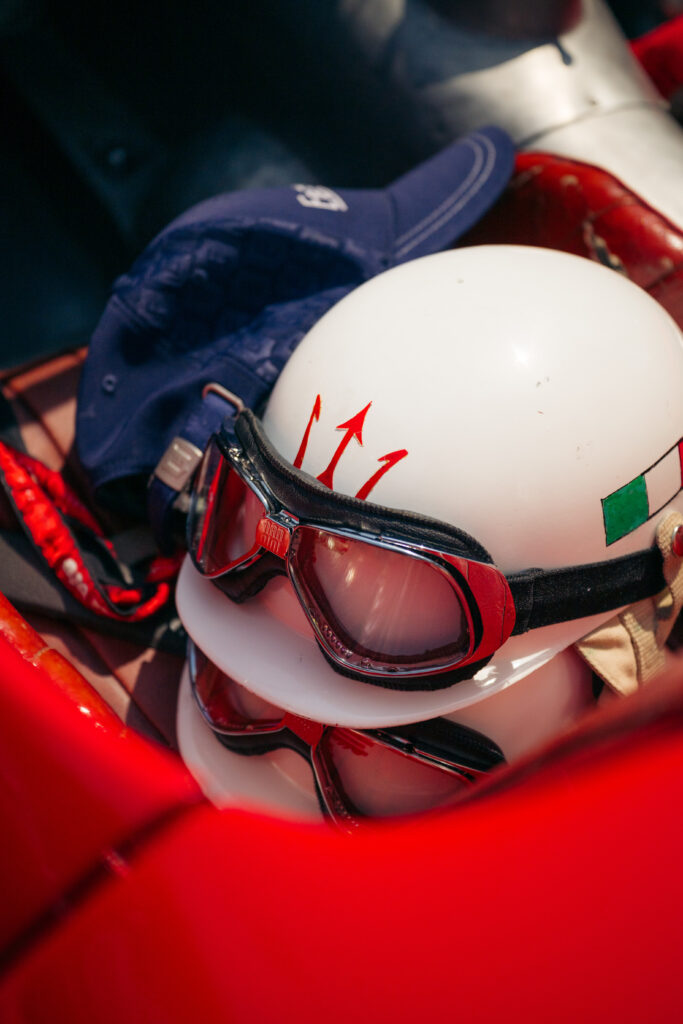
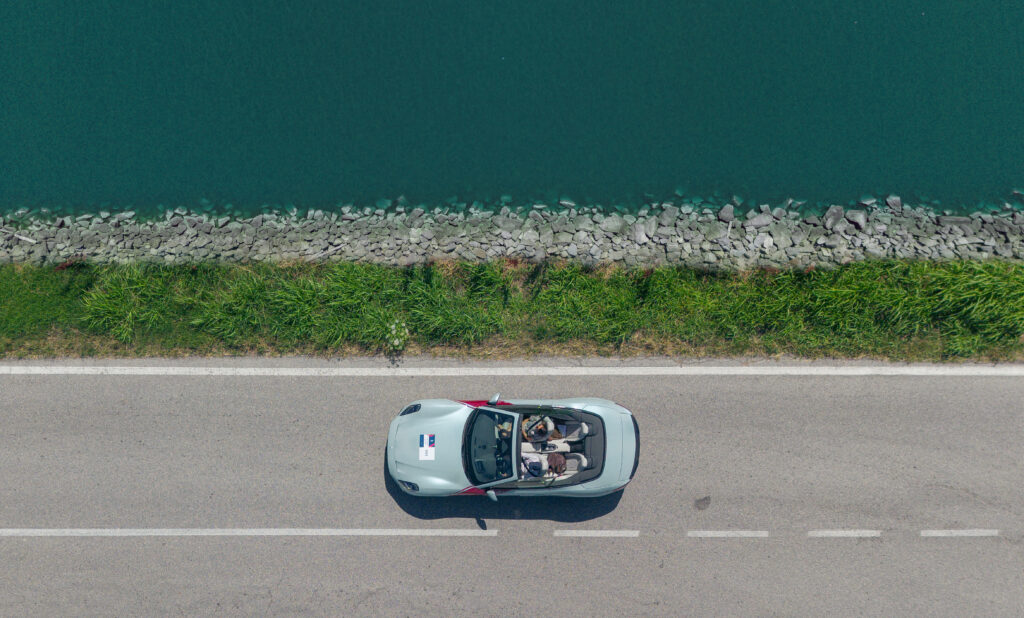
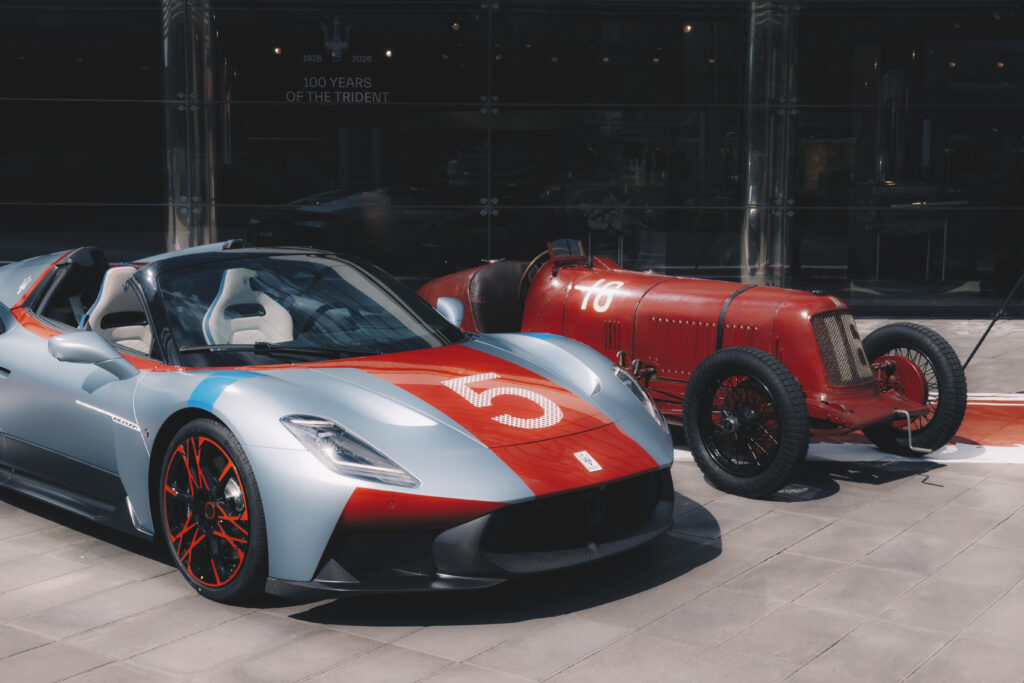
The event features the unveiling of the MC20 Cielo Tributo 1926, created as part of the Fuoriserie program—the company’s high-end customization service. This model embodies a dialogue between the creative freedom of contemporary customization and the century-old legacy of the logo: the Trident, inspired by Neptune, the emblem of Bologna chosen because the city was the birthplace of the brand.
The Tributo is not a show car. It is built to be driven, like all Fuoriserie models—that is one of the program’s non-negotiable principles. And that is perhaps the most accurate statement Maserati could have made for its centennial: a luxury car isn’t meant to be admired. It’s meant to be driven.
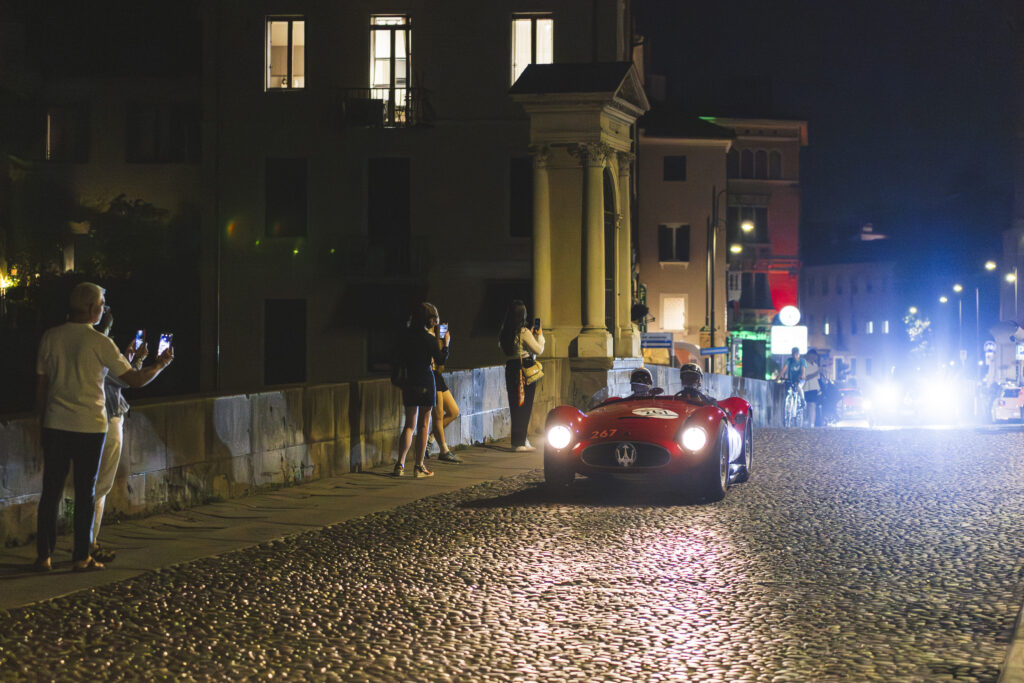
Maserati, 100 years. The Trident needs no explanation. It speeds past the factory at 120 km/h and continues on toward Rome.



Cette publication est également disponible en :

