
On a wall panel or the top of a statement piece of furniture, rye straw has square metres in which to catch the light. Set in a 39 mm polished steel case, beneath a domed sapphire crystal where the space between dial and hands narrows to less than a millimetre, the material imposes a merciless constraint. Rye is alive: it absorbs humidity, swells, undulates, contracts. Subjecting it to the tolerances of watchmaking casing demands constraining it without ever breaking the natural silica varnish that gives it its shimmer.
In Lisbon, the marquetry artisan Bernardo d’Orey treats this rustic plant with the regard owed to precious metals. Each rye stem is split lengthwise, flattened and crushed with a folding tool to extract the usable ribbon. To compose the abstract “Broken Ice” motif of this edition of 25 pieces, 28 independent sections are cut with a scalpel. The difficulty is not geometric: it lies in the microscopic orientation of the plant fibres. Depending on the angle at which the strand is glued, the tinted blue shifts from sapphire to cyan through simple optical reflection.
Assembly is carried out to a tolerance of less than a tenth of a millimetre. Between each section, the joint tolerates neither gap nor overlap, which would create an excess thickness fatal to the passage of the rhodium-plated hands. Bernardo d’Orey works in sequences of gestural apnoea: the eye tires quickly, and bone glue forgives no second thoughts. A stem crushed too hard loses its relief; an imprecise cut means discarding the dial. It takes nearly twelve hours of work spread over two days to fix these 28 facets, turning an agricultural stem into a mineral surface that deceives the eye.
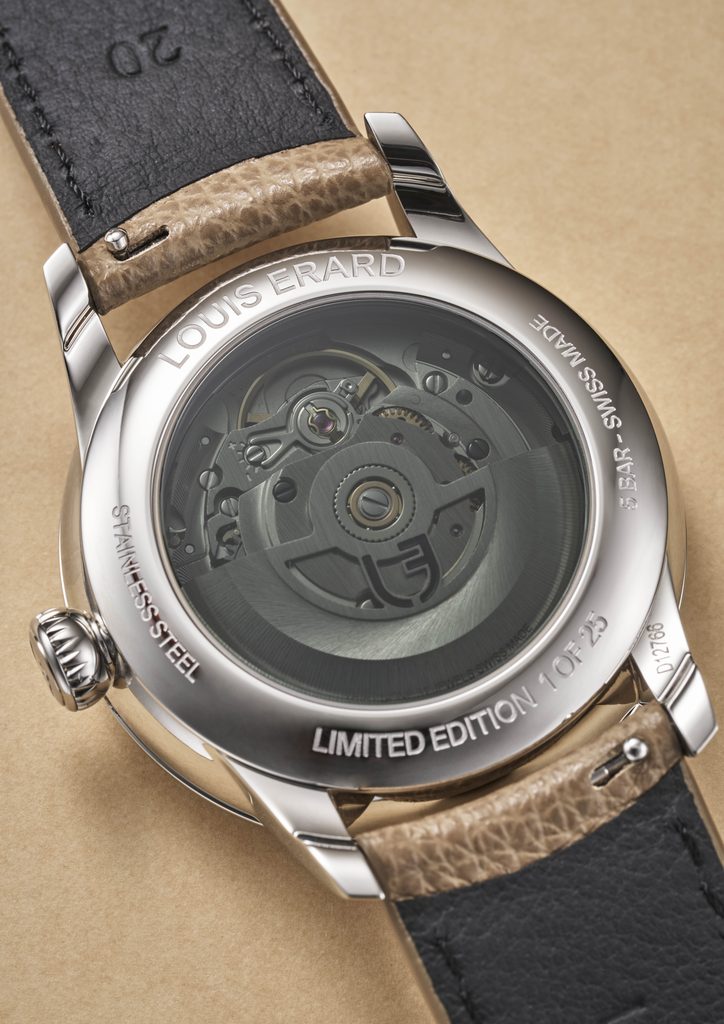
Beneath this marquetry, Louis Erard installs an automatic Sellita SW261-1 calibre stripped of its seconds function so as not to disturb the tension of the composition. The openworked oscillating weight, visible through a black-tinted transparent caseback, recalls the mechanical pragmatism that underpins the work. The contrast is stark between the industrial rigour of the steel case, water-resistant to 50 metres, and the vulnerability of the plant fibre imprisoned beneath glass.
It remains to be seen how this dialogue between artisanal micro-craft and series watchmaking will hold up over time, when thermal variations test the adhesion of these 28 strands under tension.
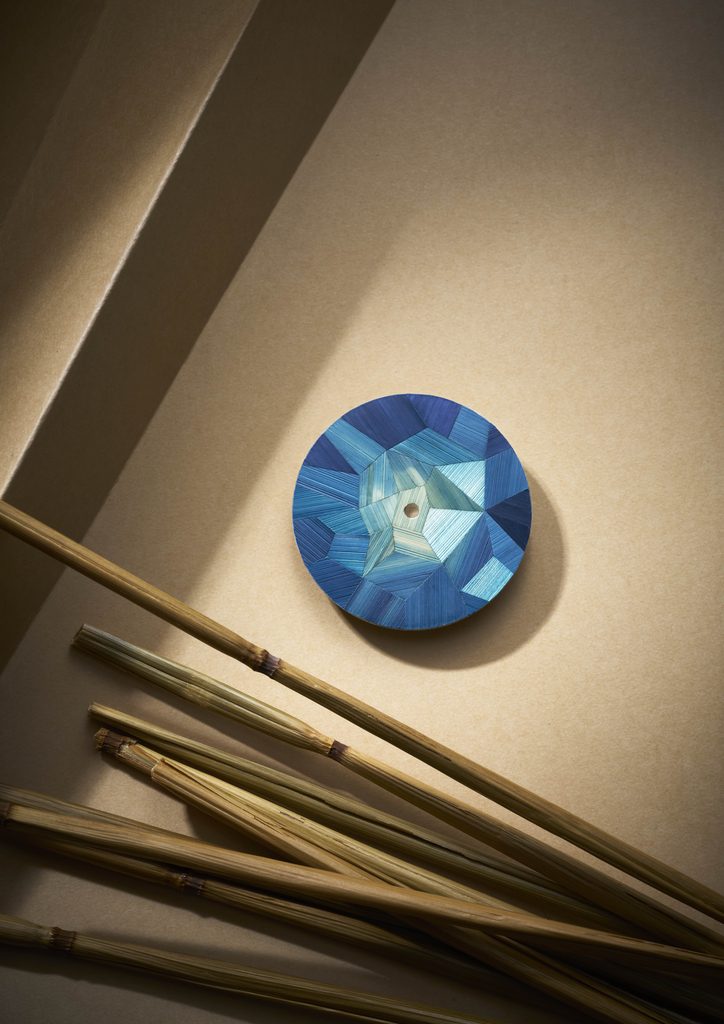
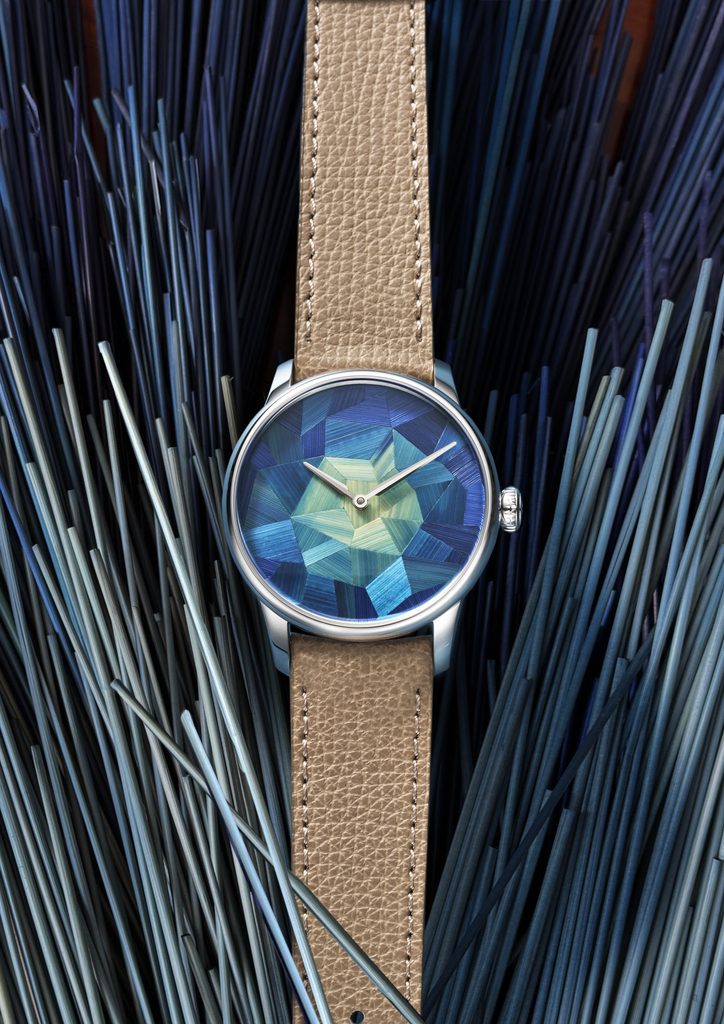
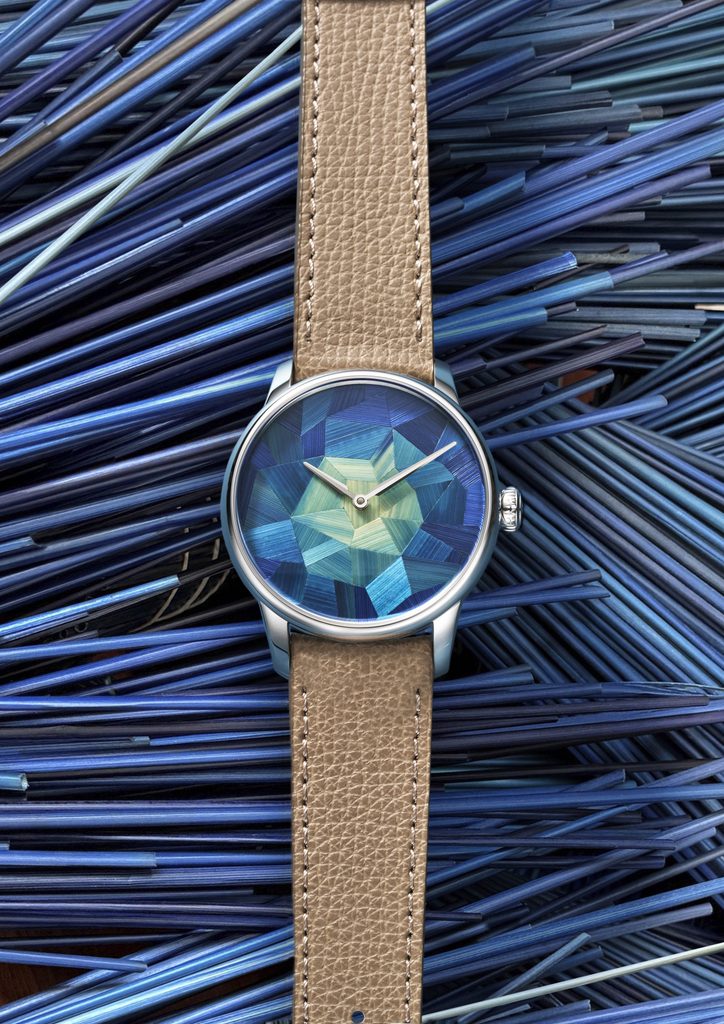
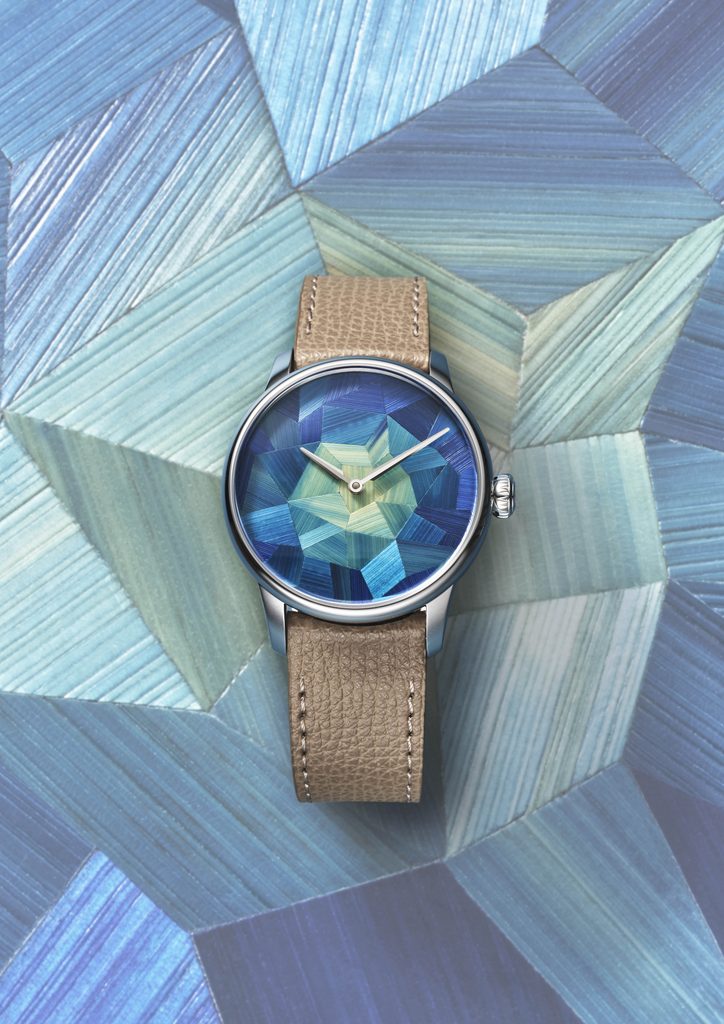
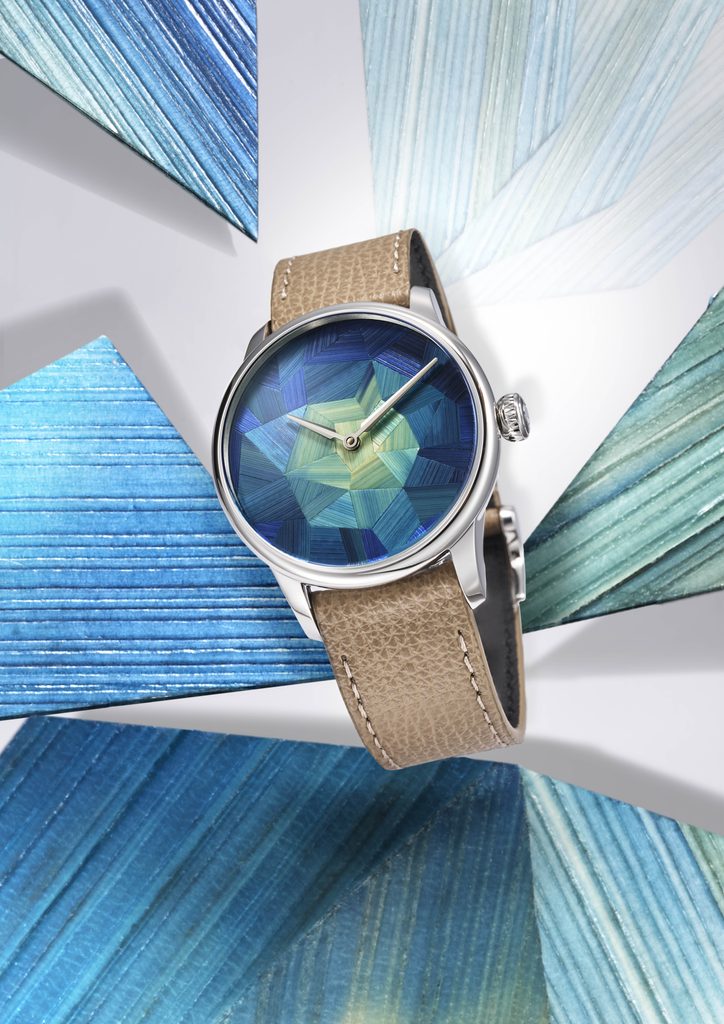
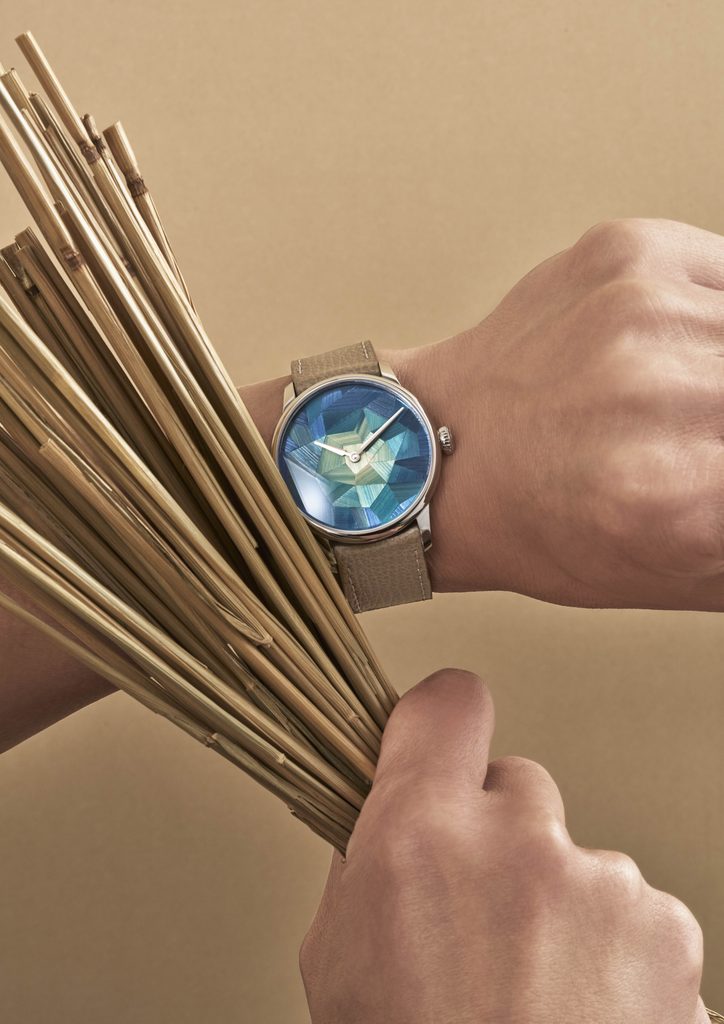
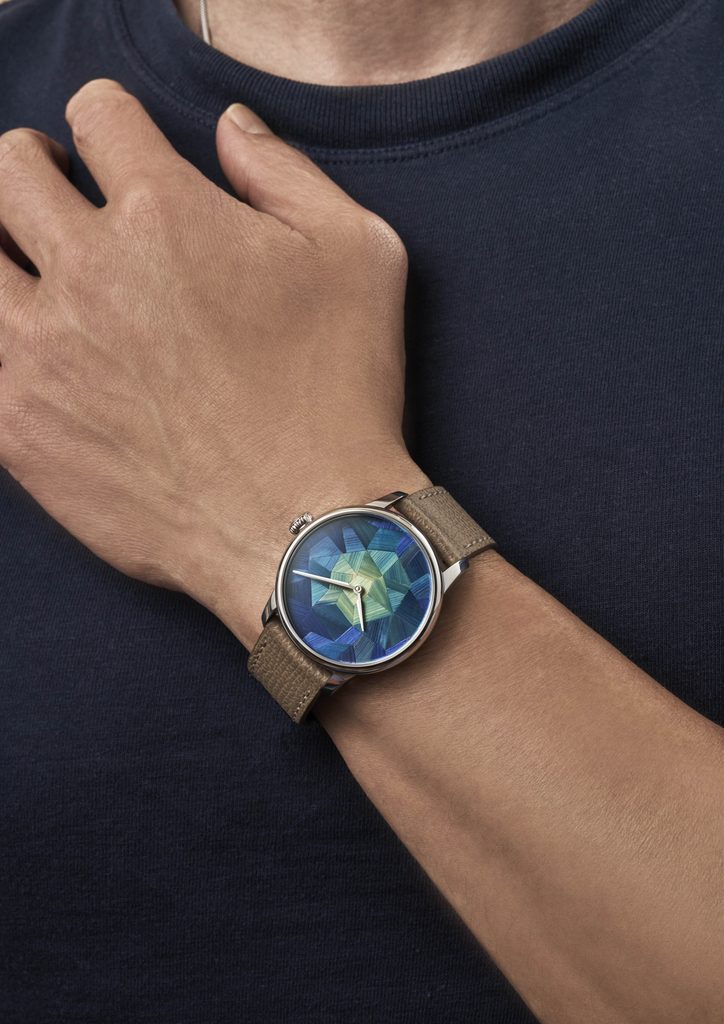
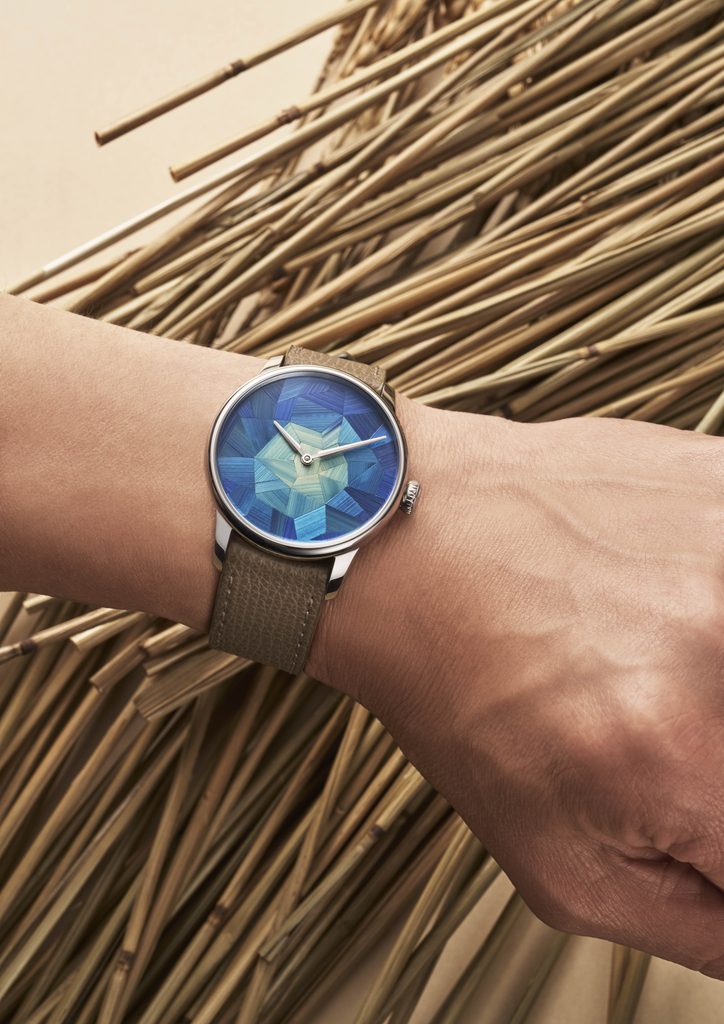
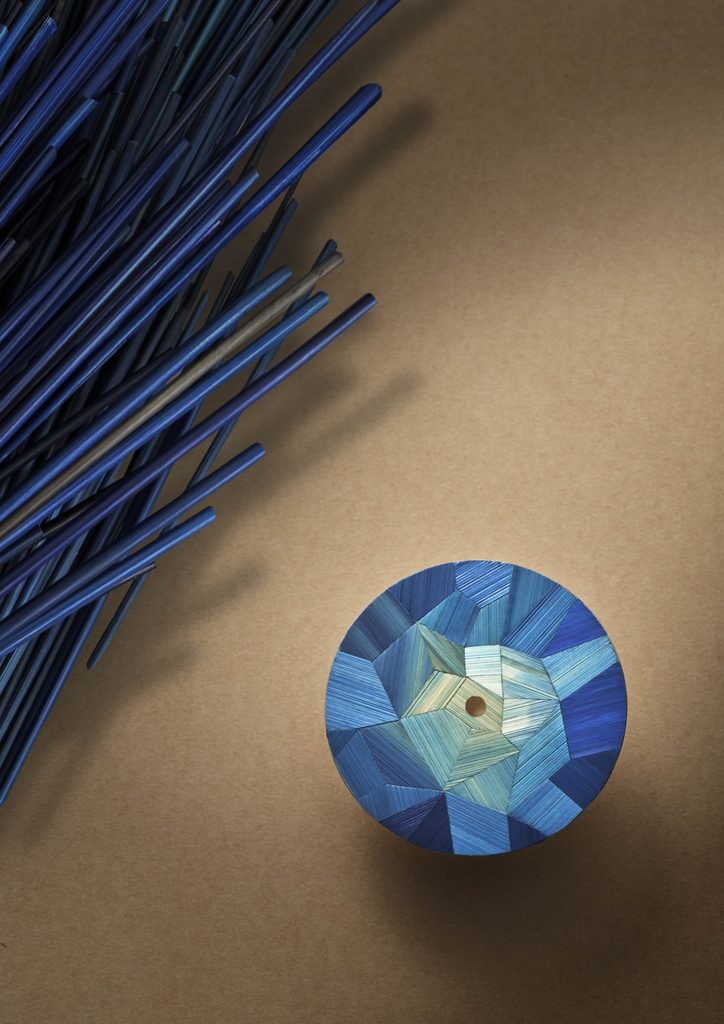
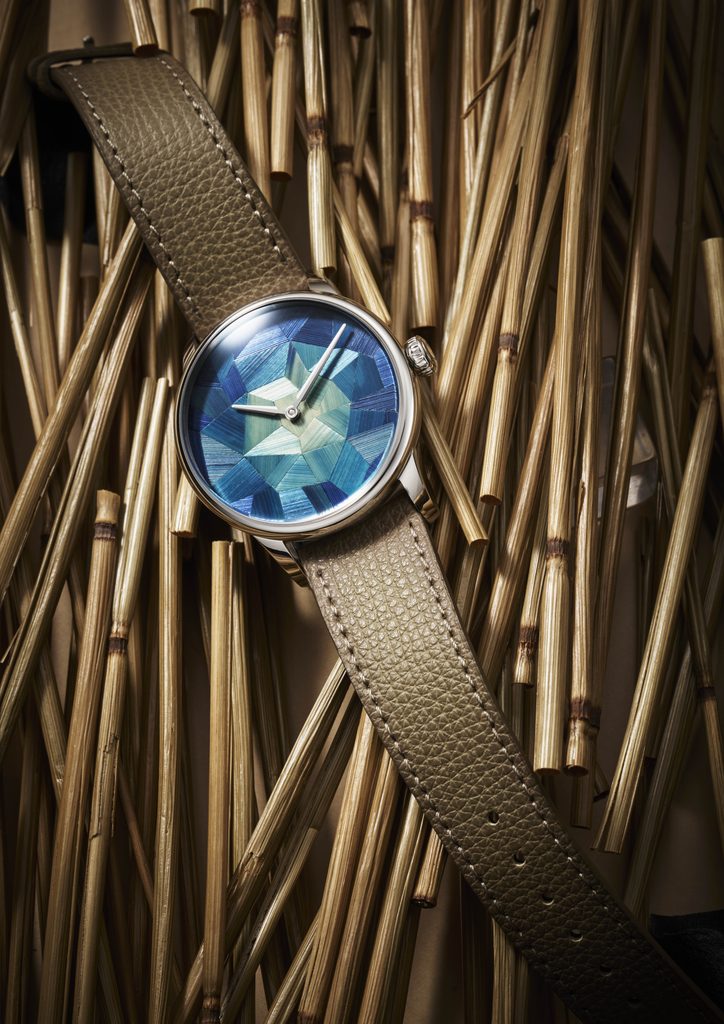
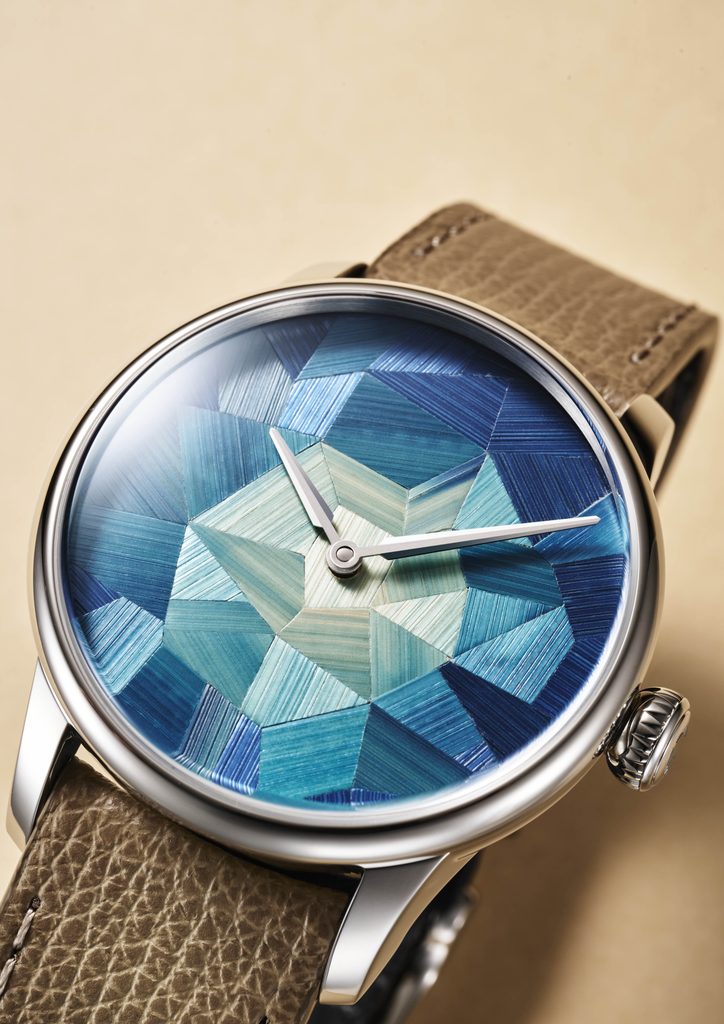
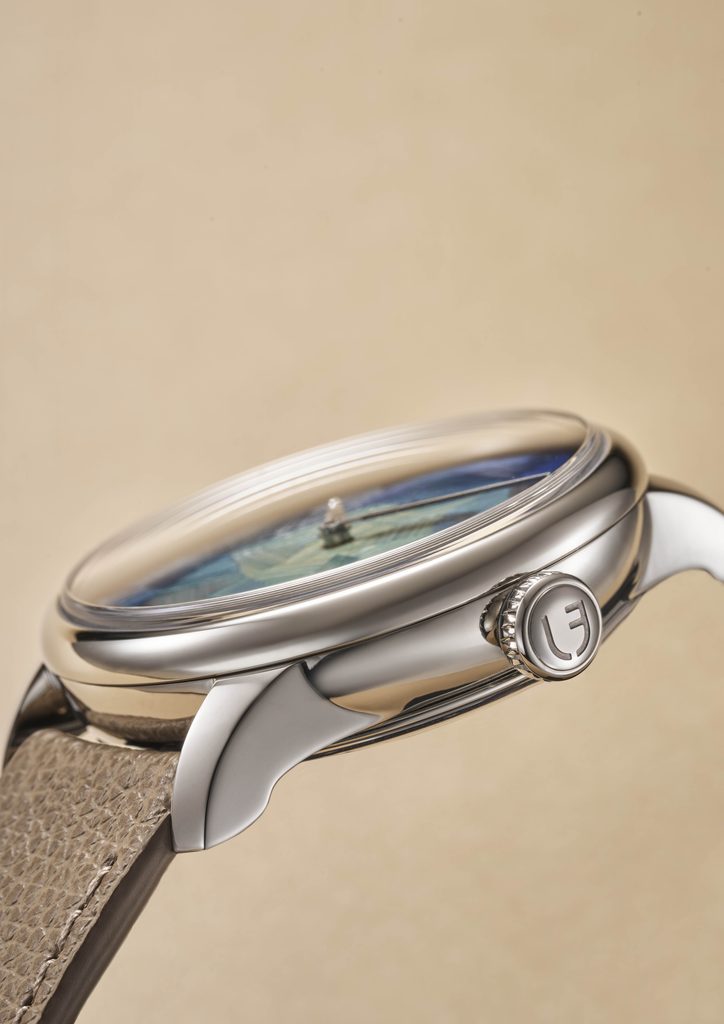
Detail Tolerance below 0.1 mm: so that the 28 straw sections fit together without creating a step beneath the hand tube, each edge of rye stem is bevelled by hand before gluing, preventing any overlap of material in a vertical space limited to a total case height of 12.82 millimetres.
Cette publication est également disponible en :


