
Since 2014, Bvlgari has made titanium far more than a range option: a signature. At Geneva Watch Days 2026, held from 2 to 4 September, the Italian house chose to restate this with three novelties, each exploring a different facet of a material that has become, collection after collection, as emblematic as gold has long been for other manufactures.
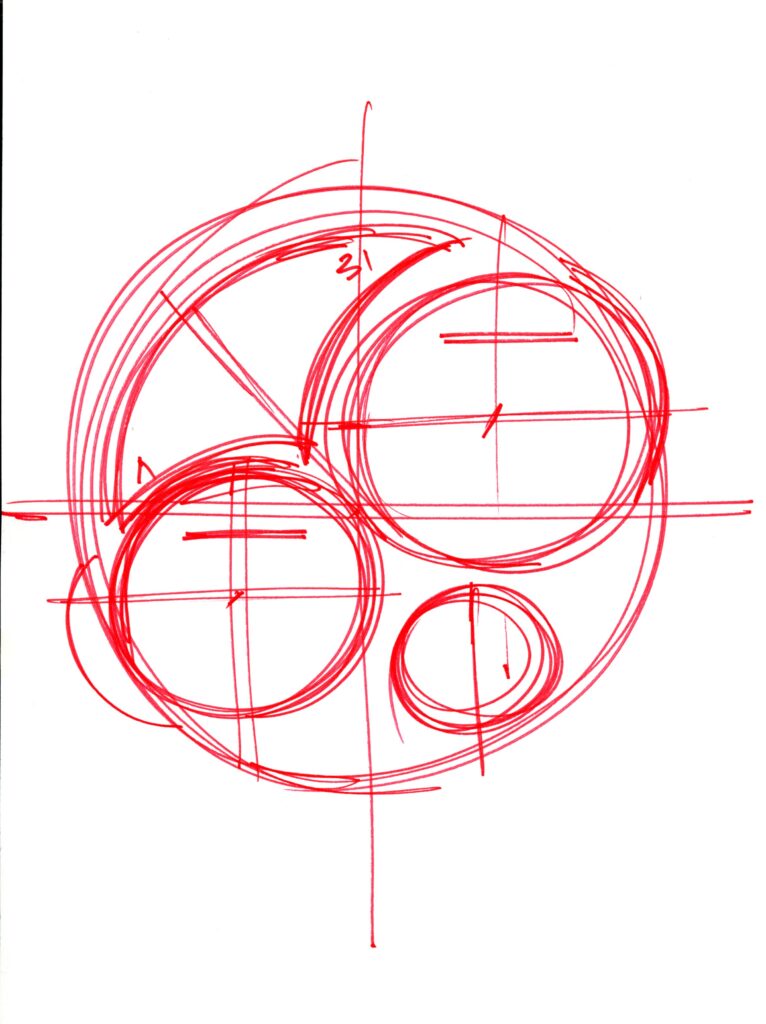
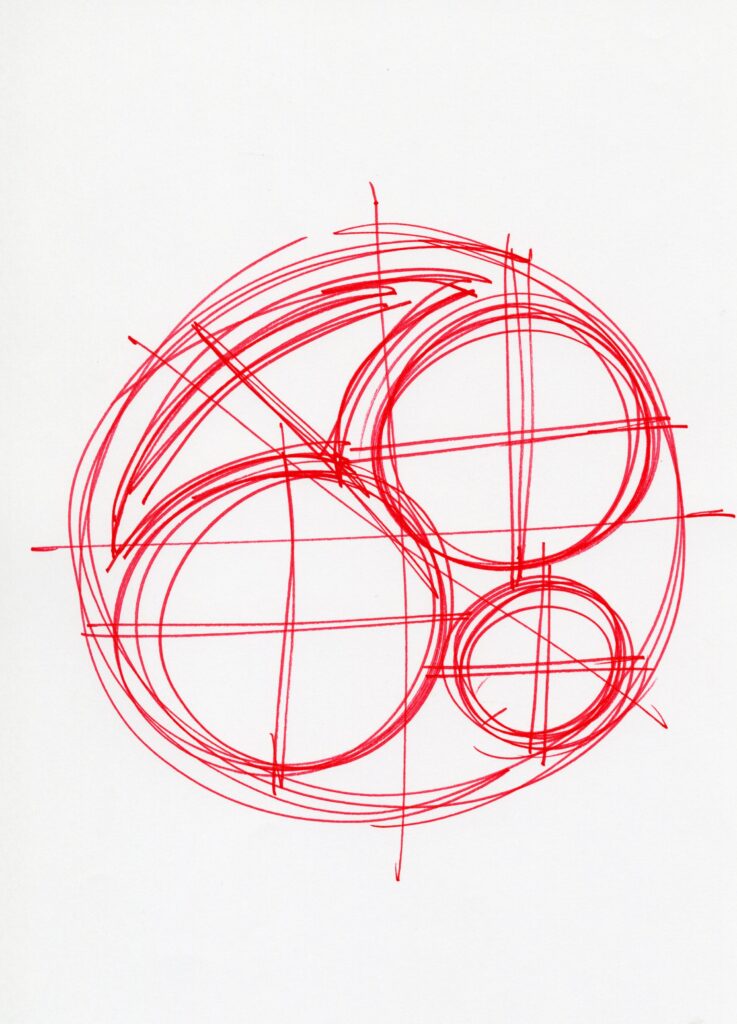
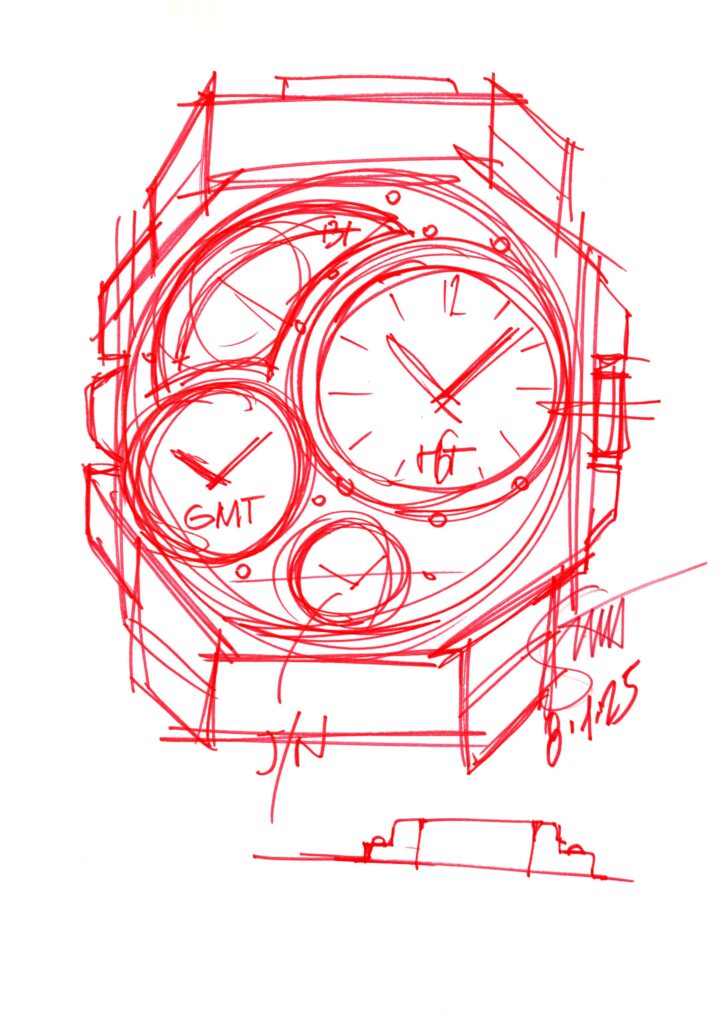
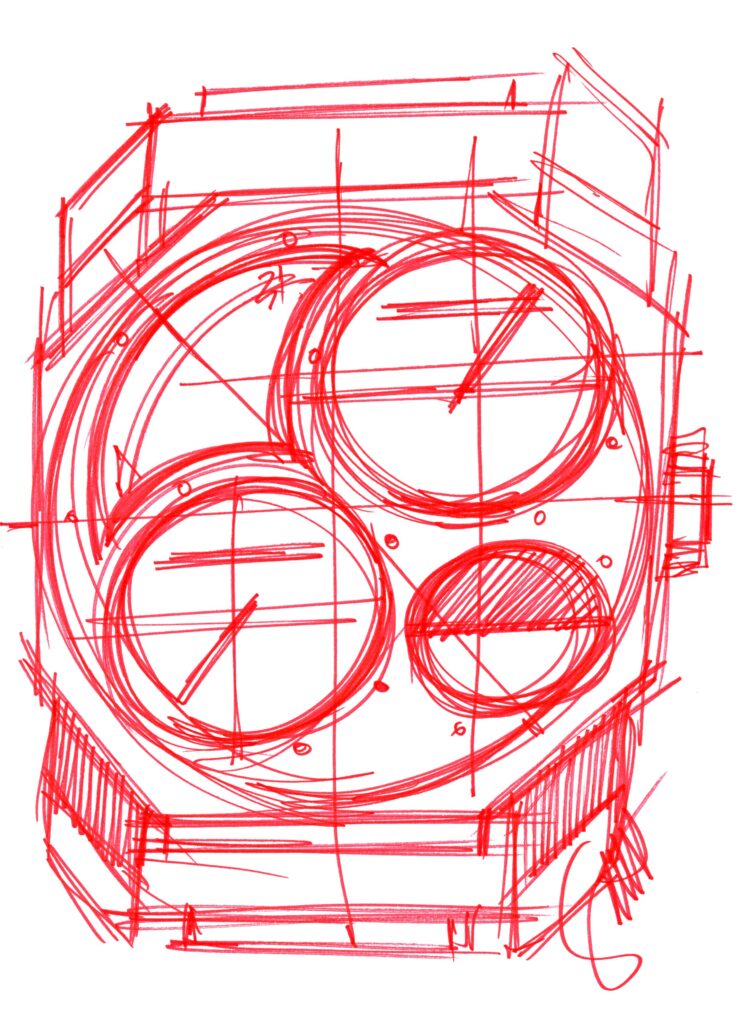
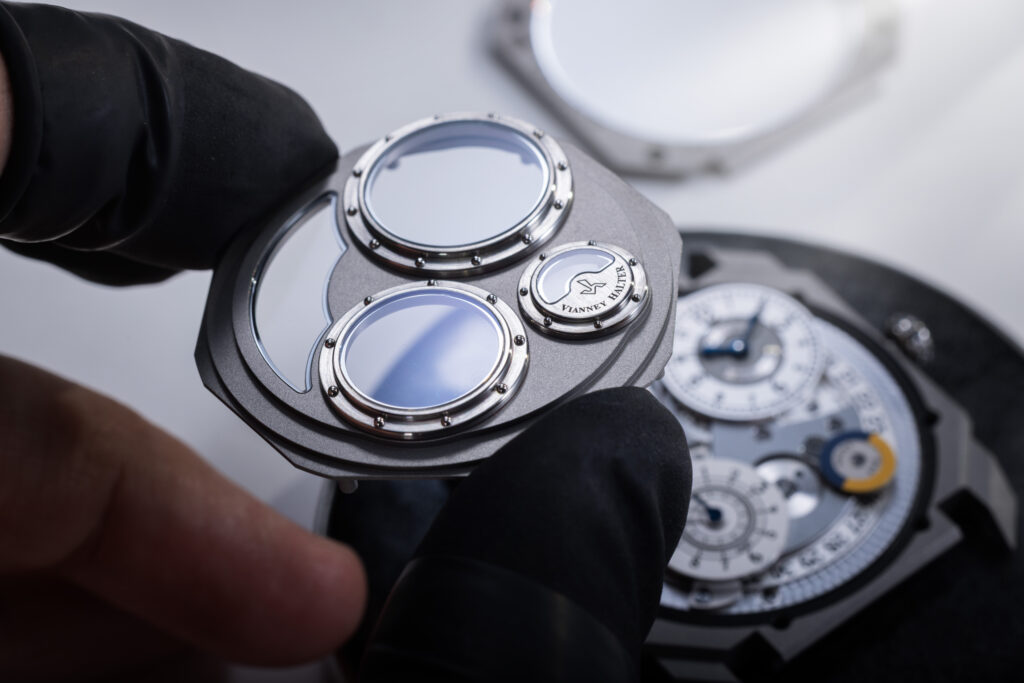
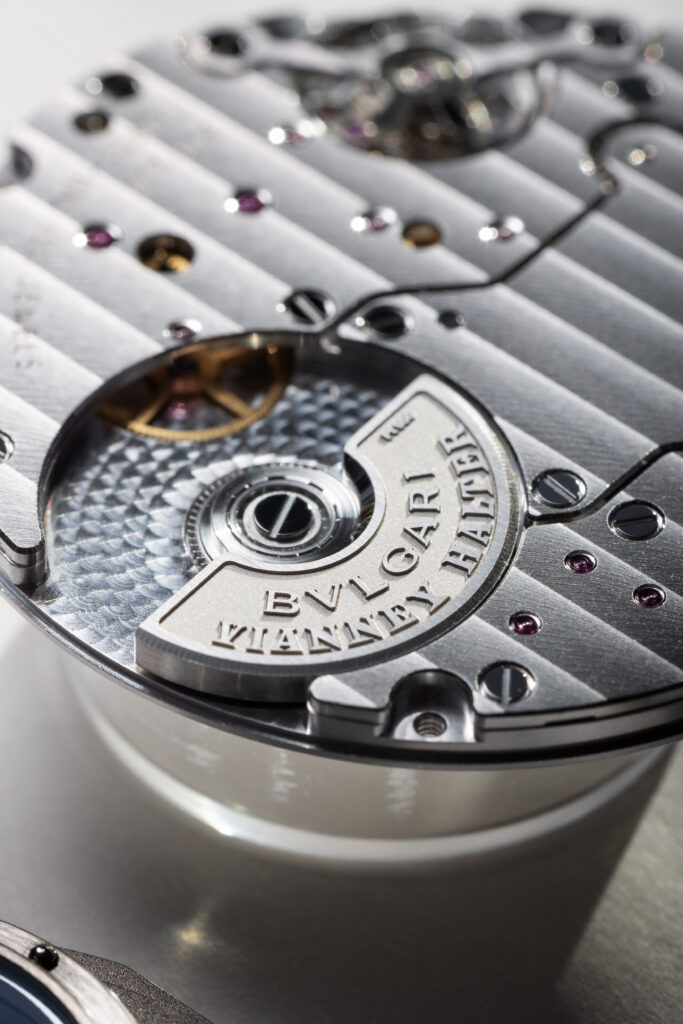
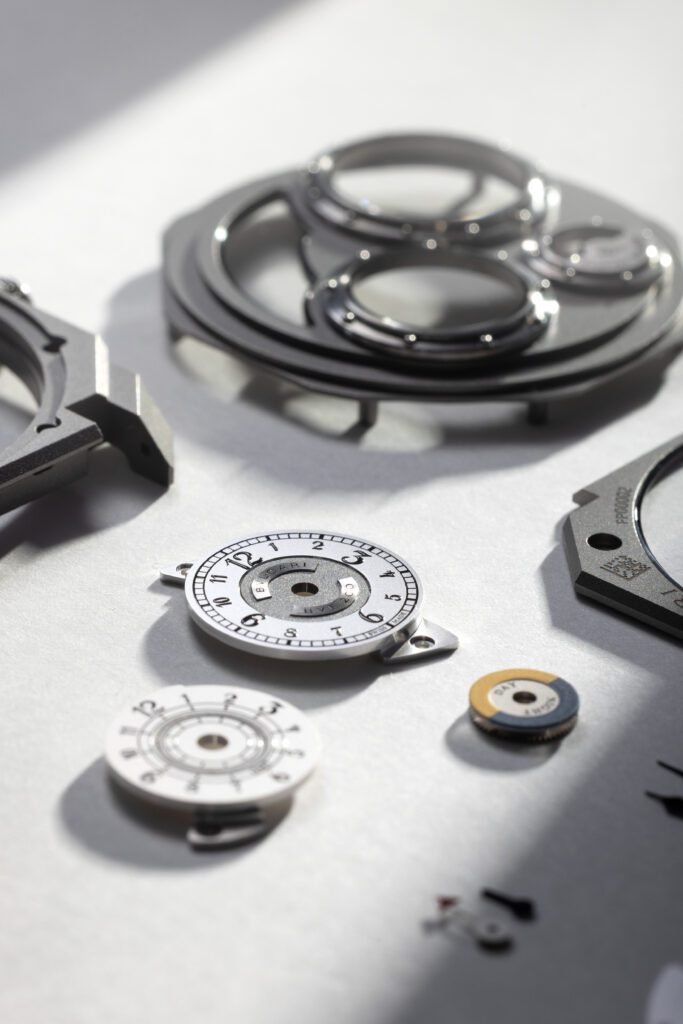
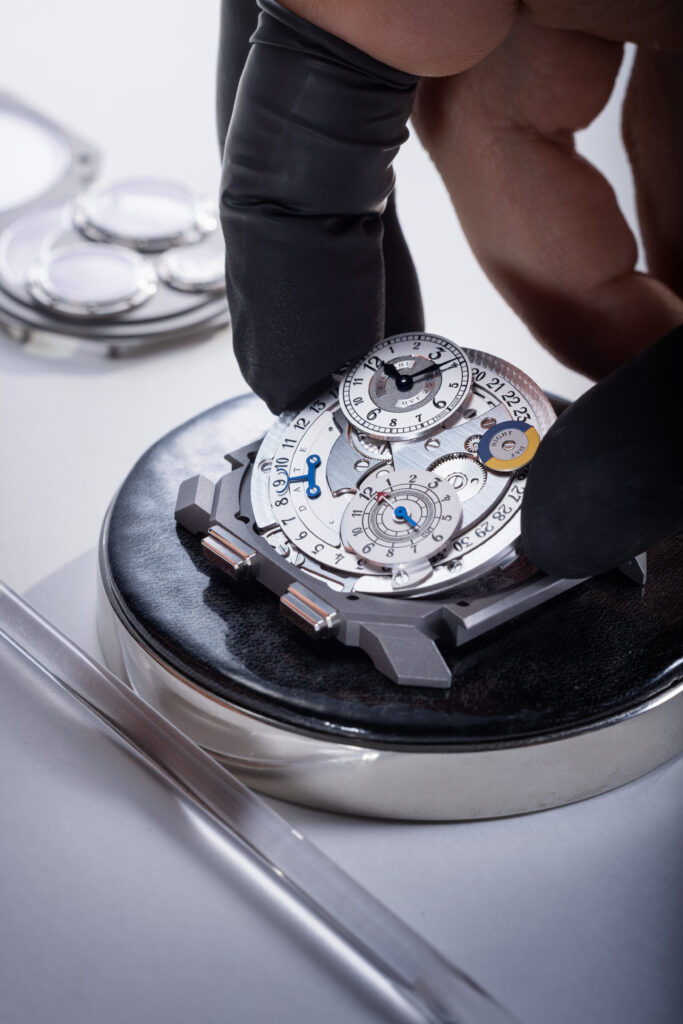
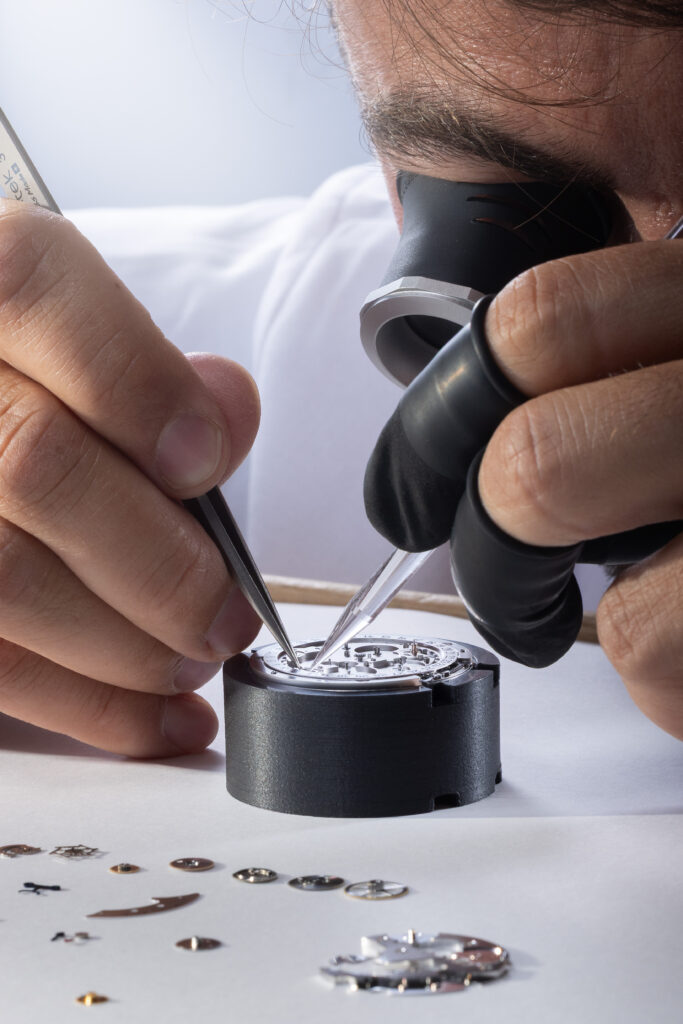
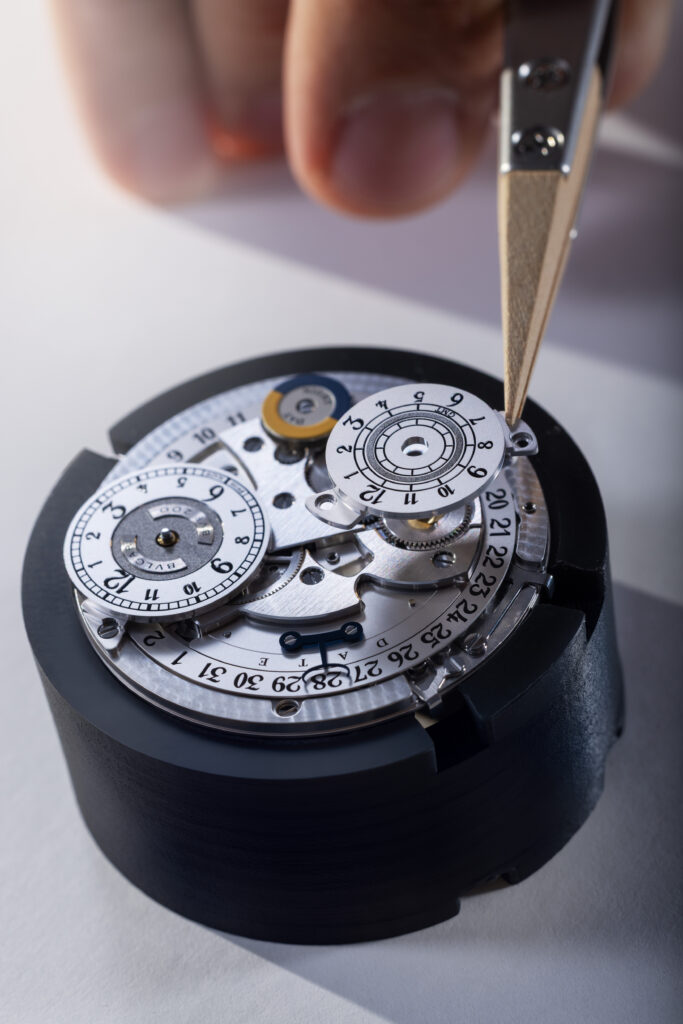
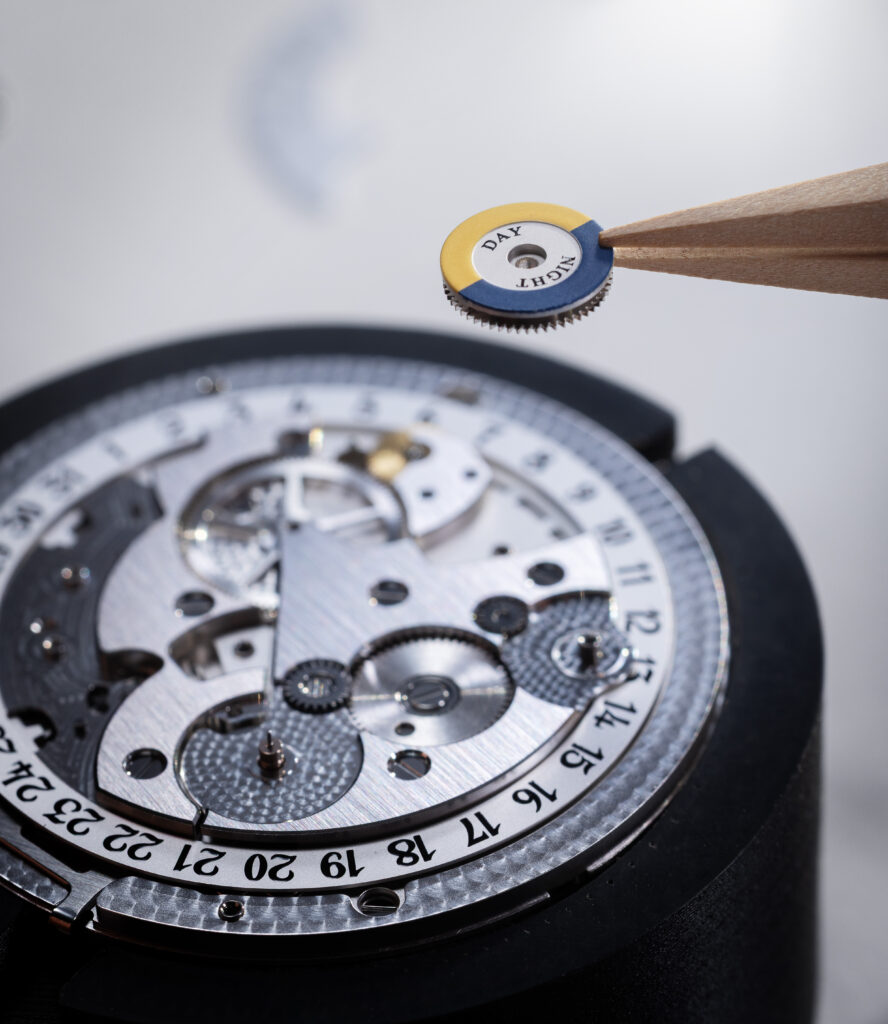
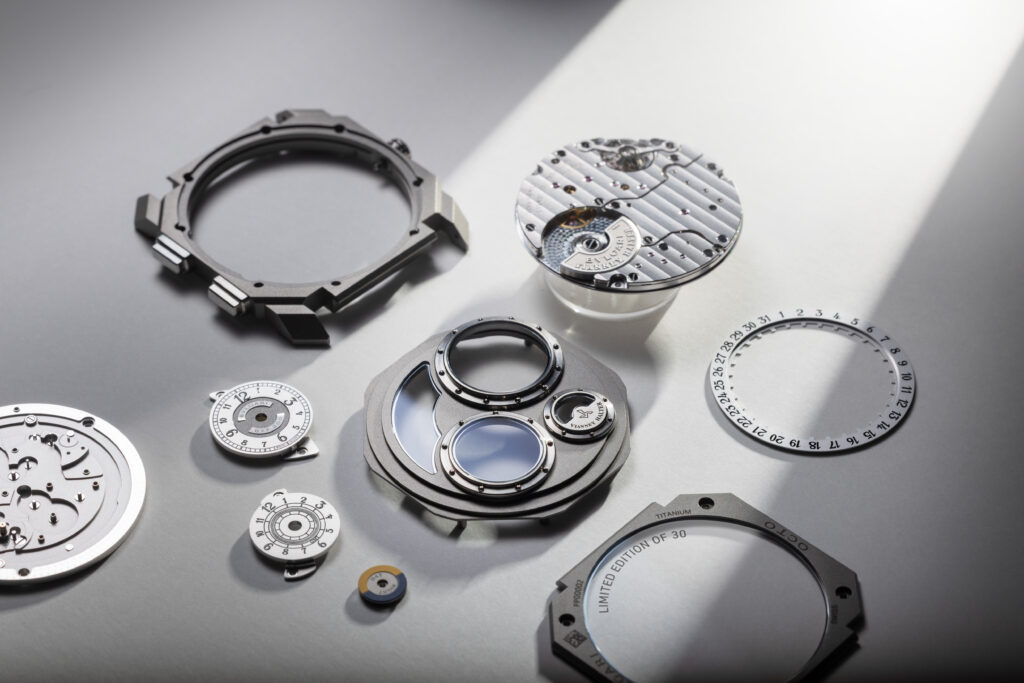
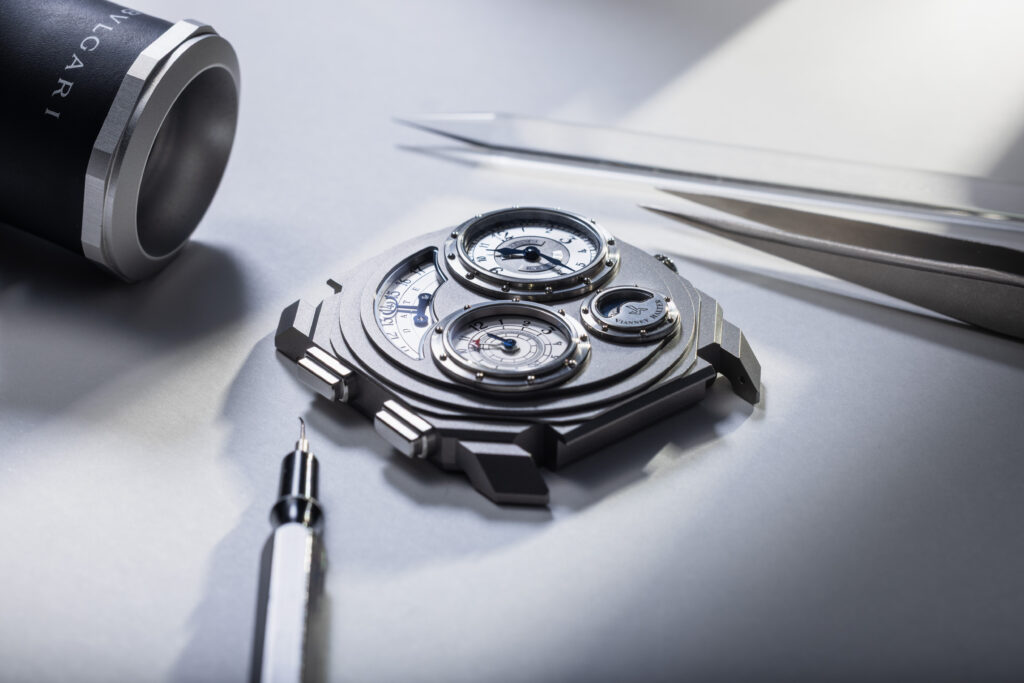
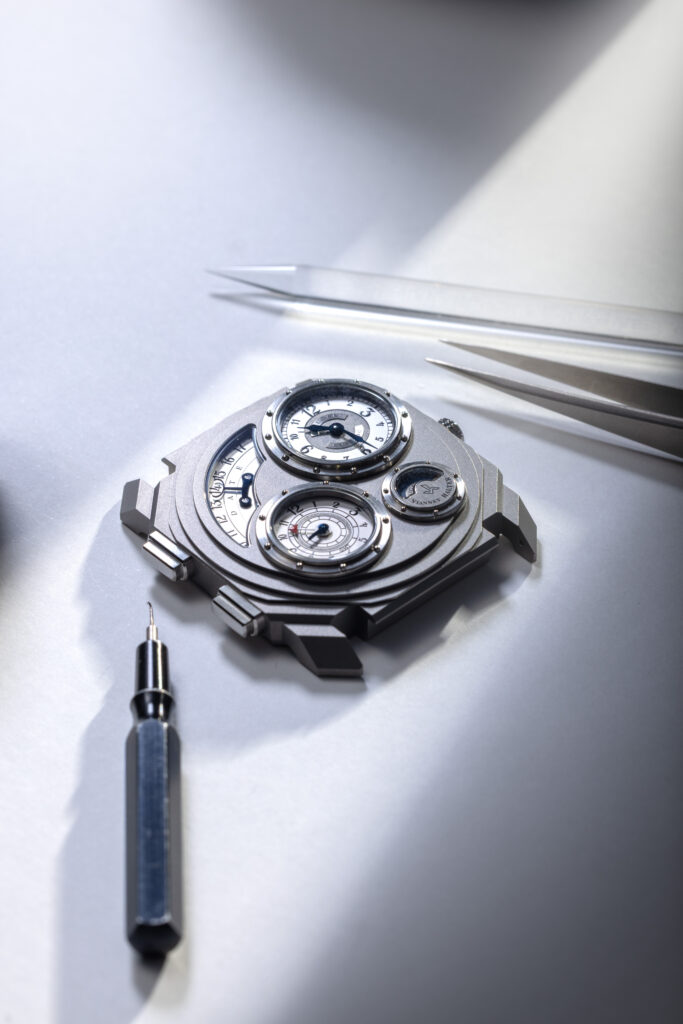
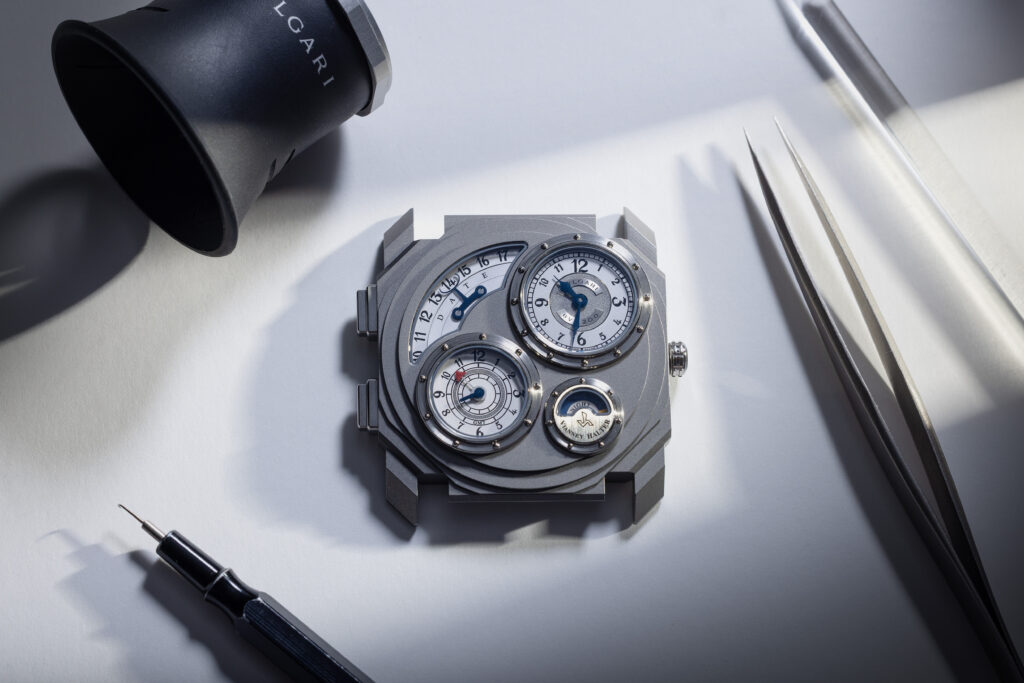
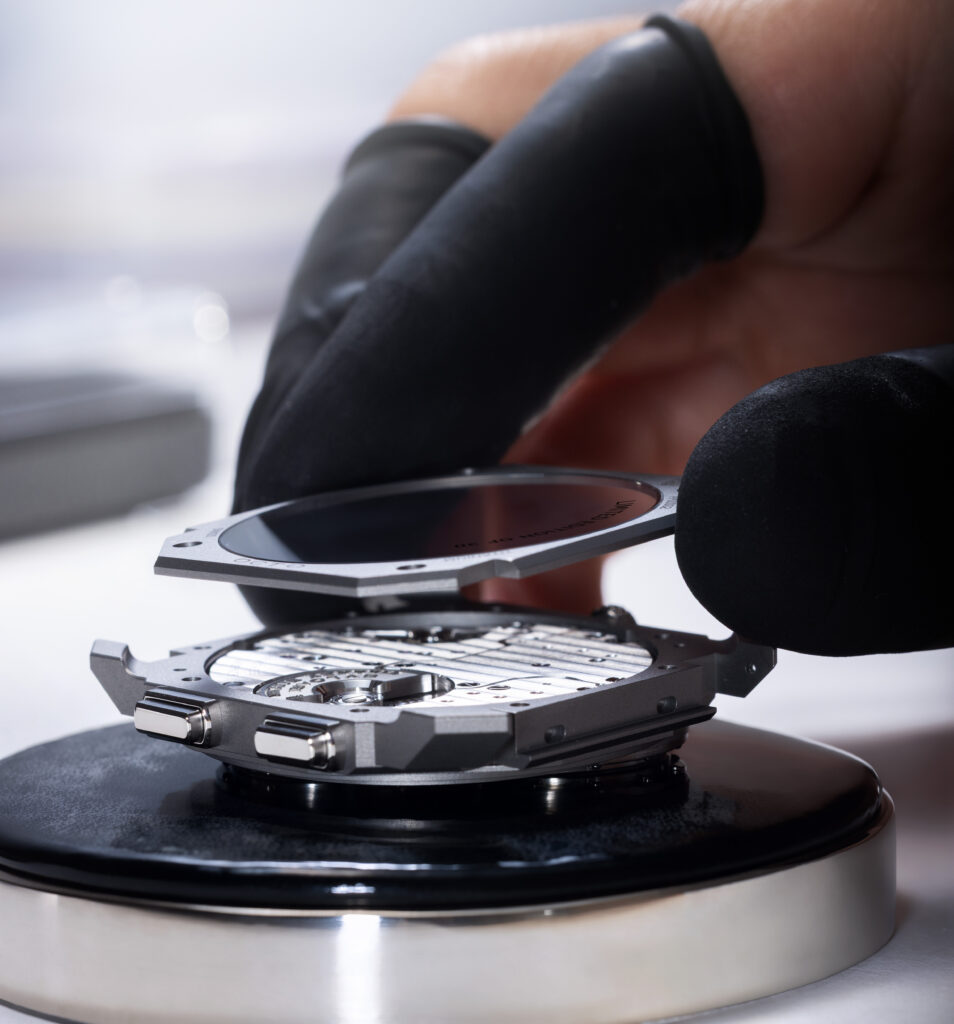
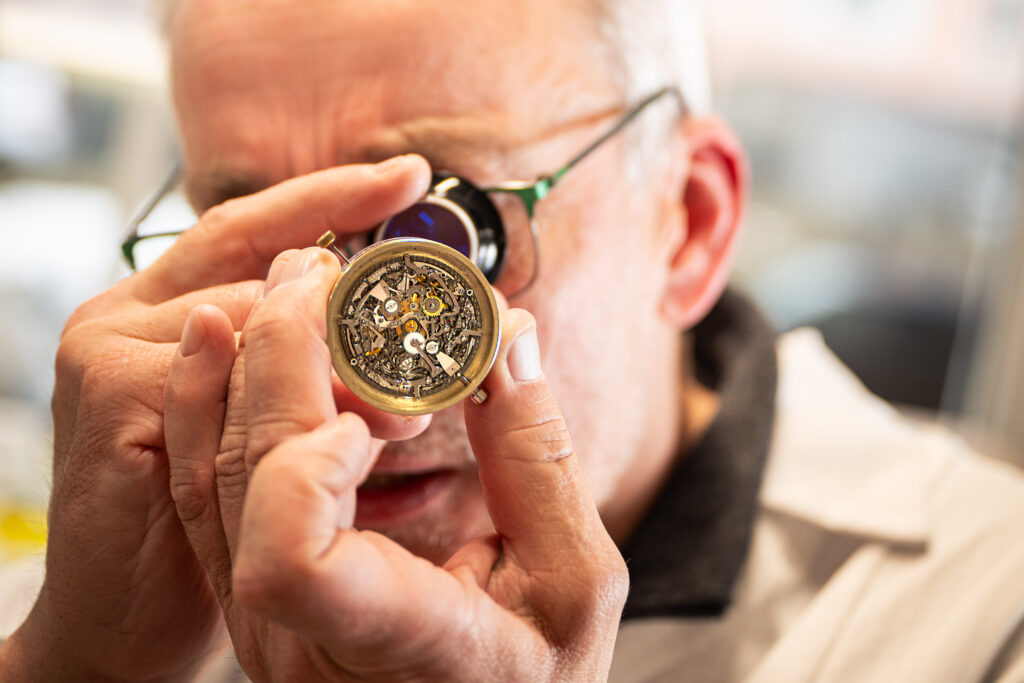
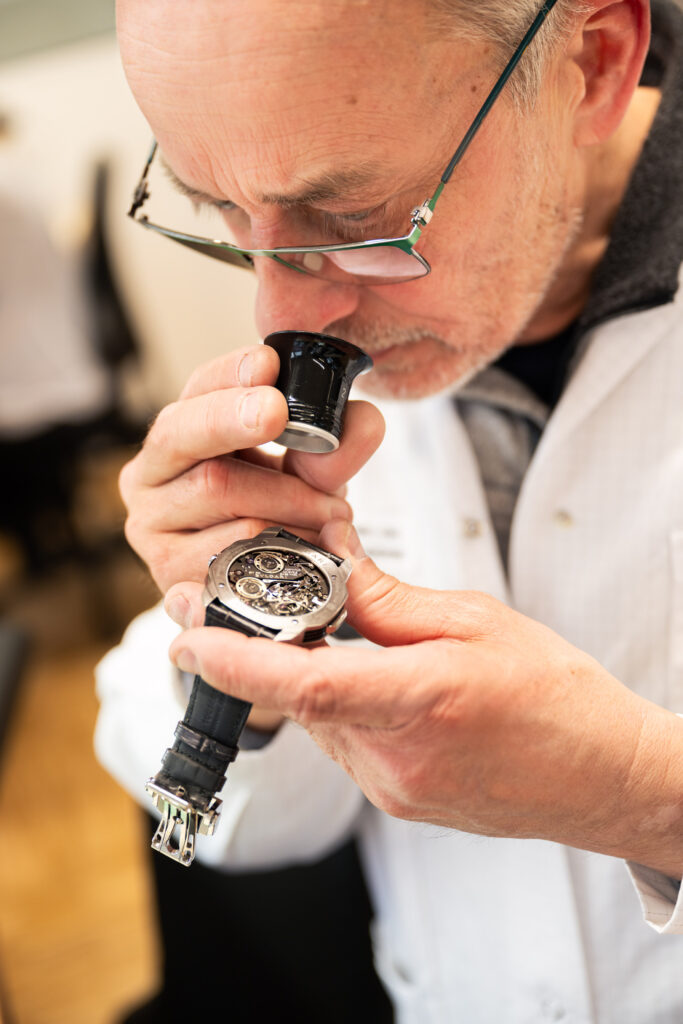
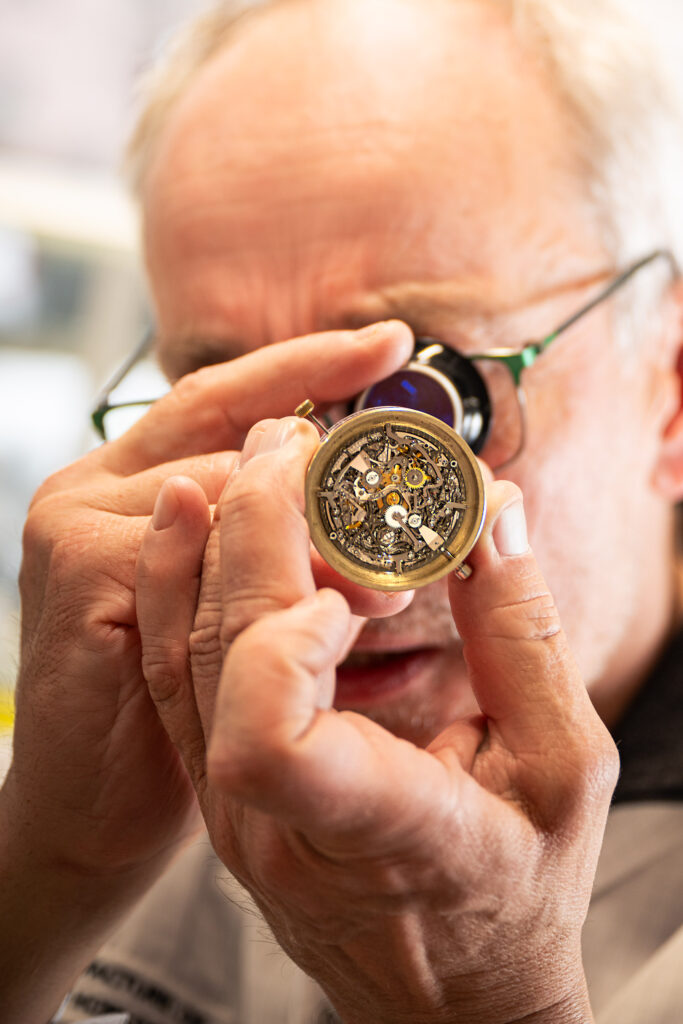
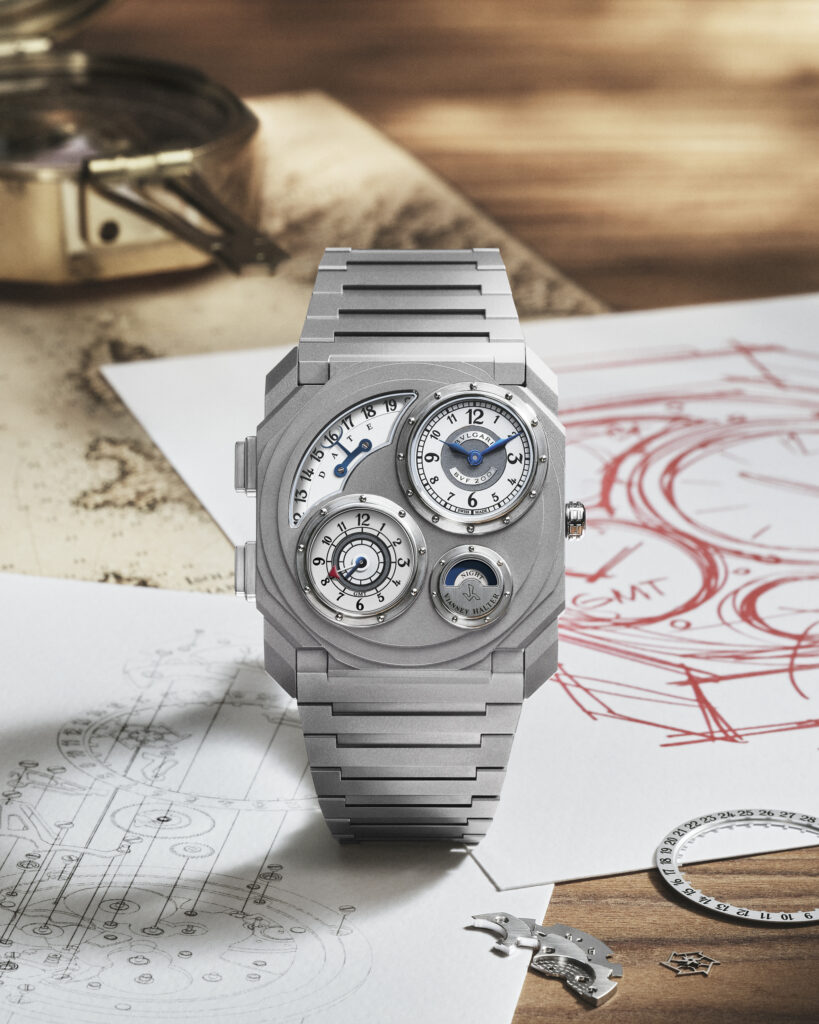
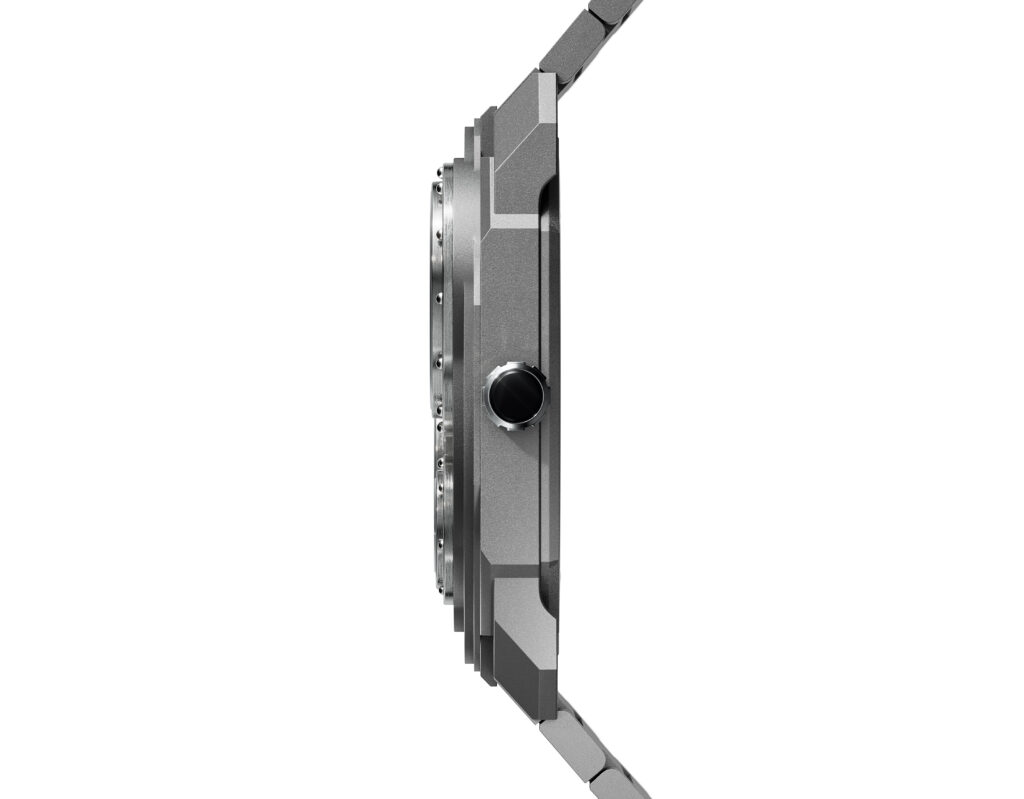
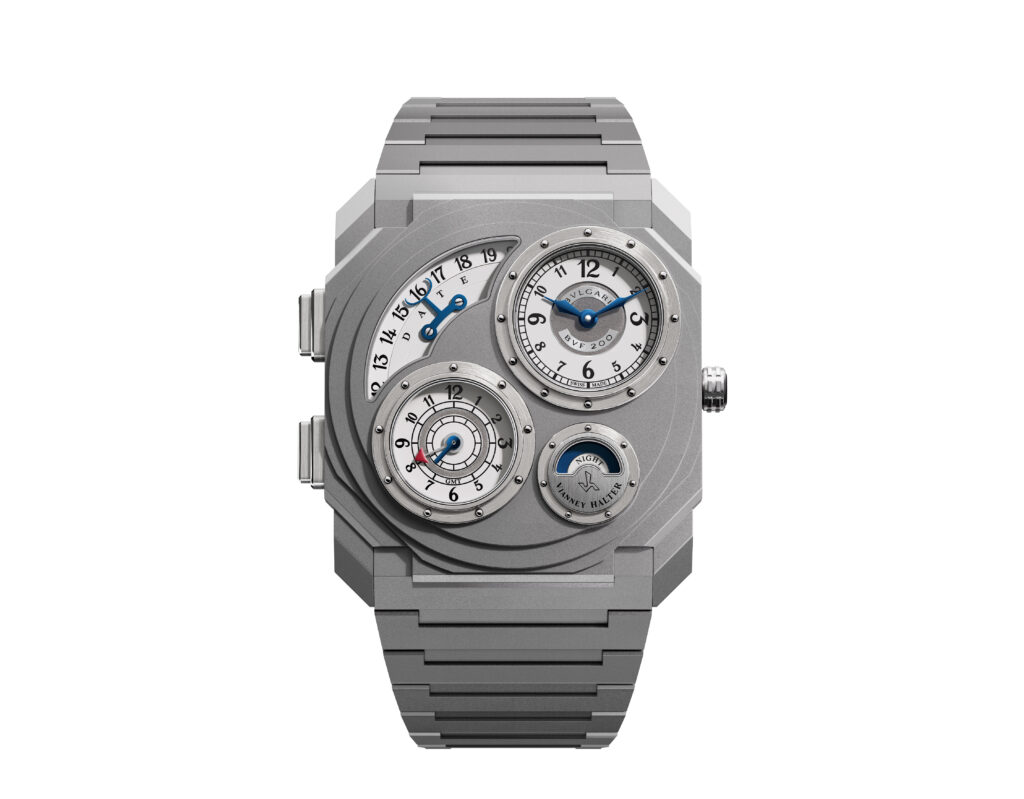
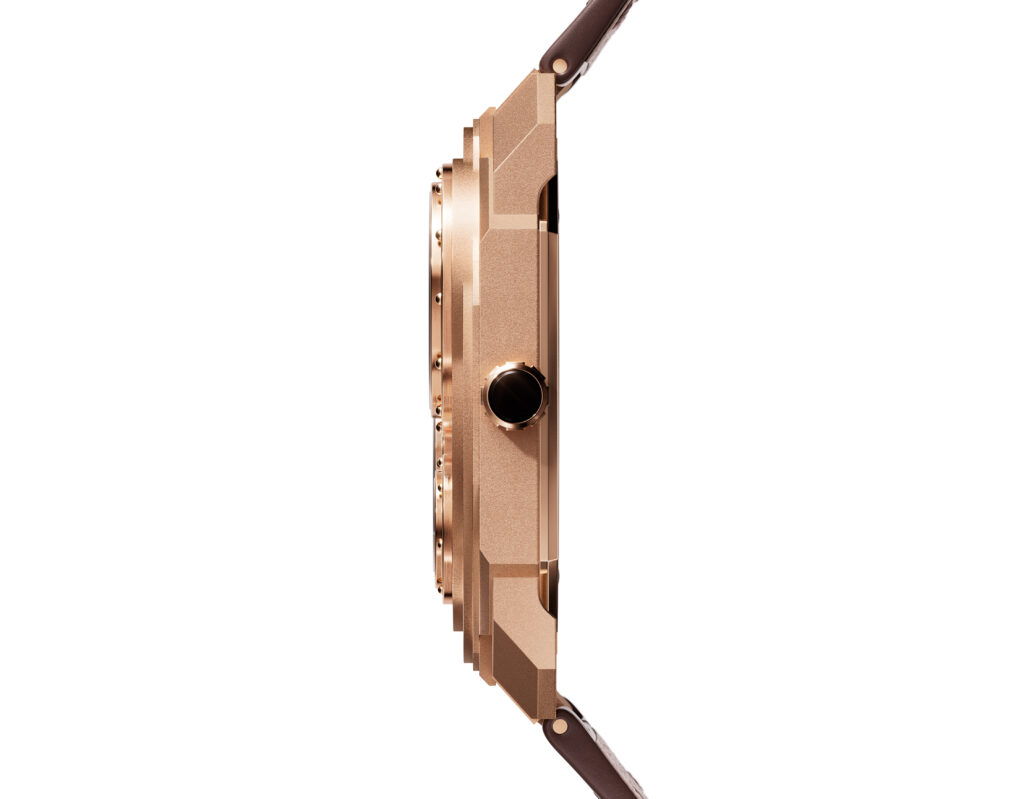
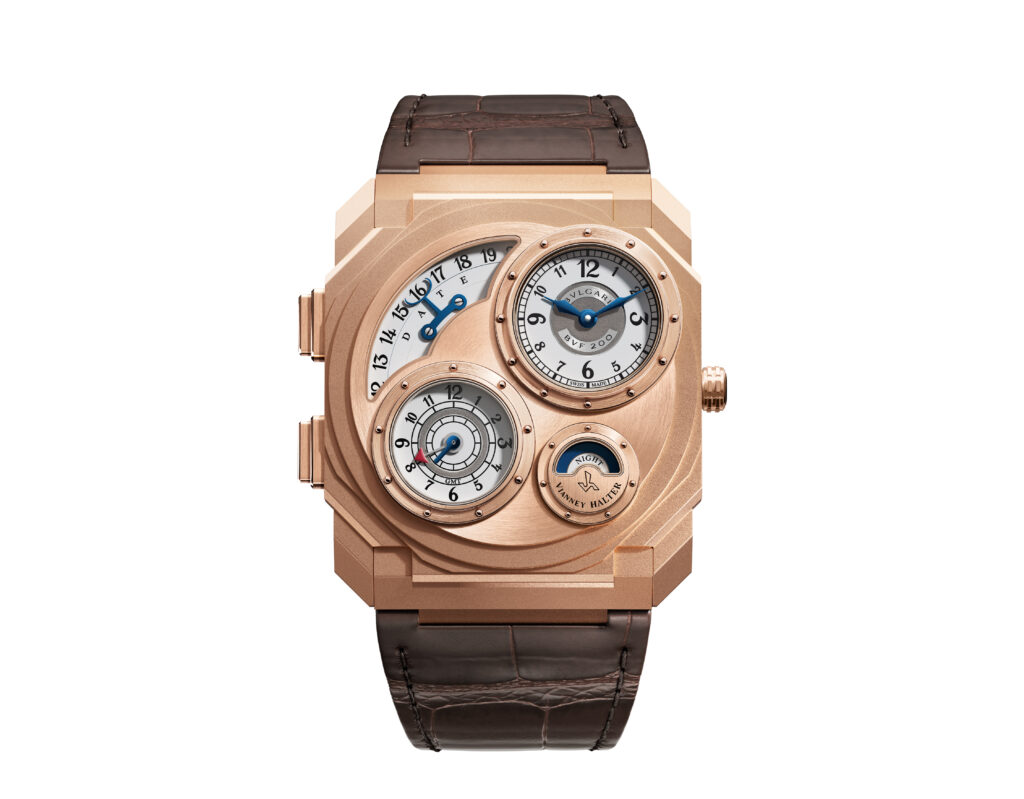
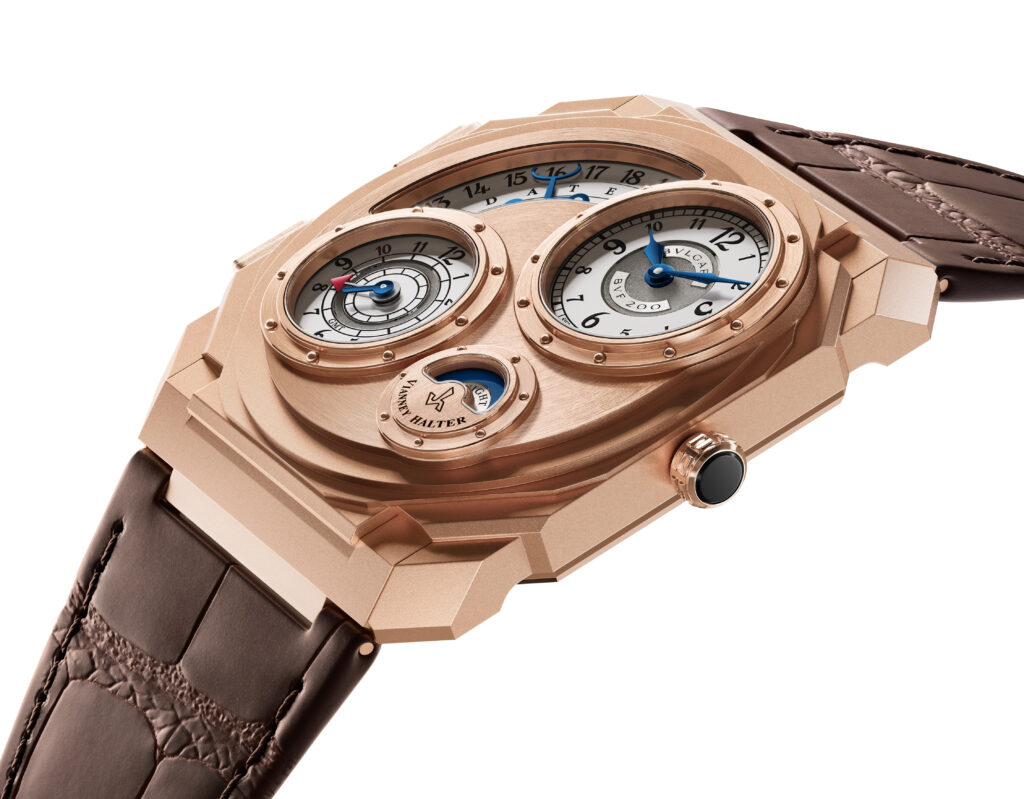
The most talked-about piece is probably the Octo Finissimo Dual Time x Vianney Halter, a world first in the literal sense: it is the first time Bvlgari has designed a movement in direct collaboration with an independent watchmaker. Offered in two limited editions, it sets the house’s manufacturing expertise in dialogue with the singular mechanical universe of Vianney Halter, a recognised figure of niche watchmaking for his atypical complications.
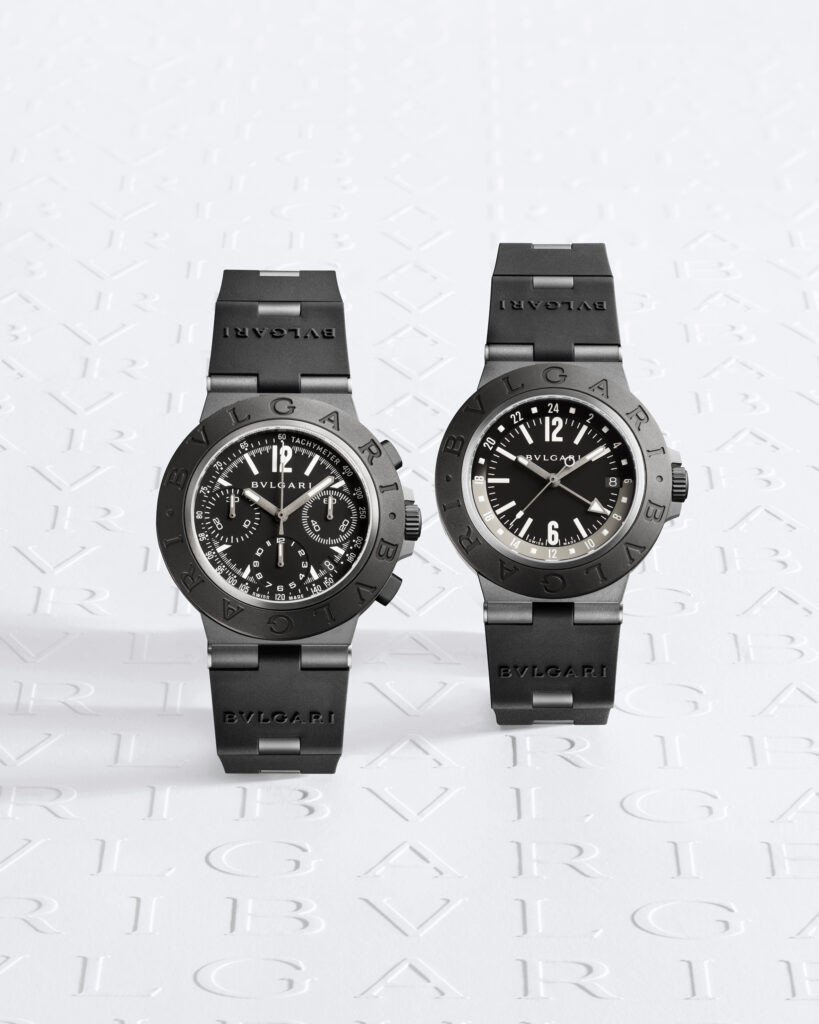
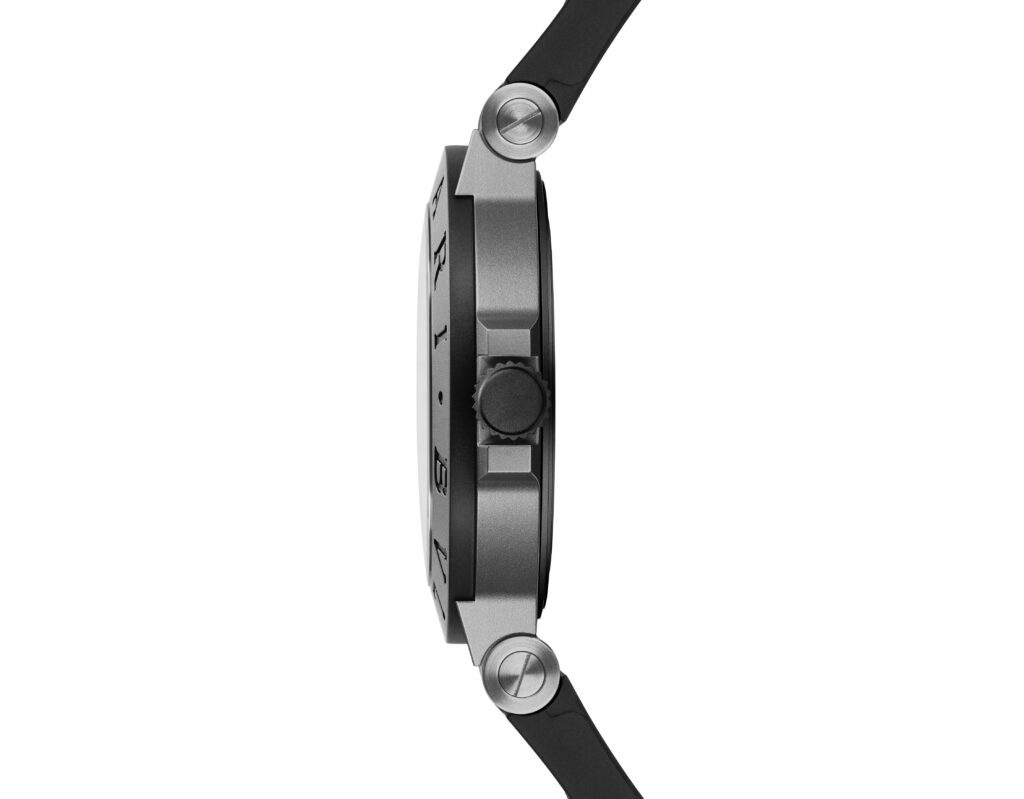
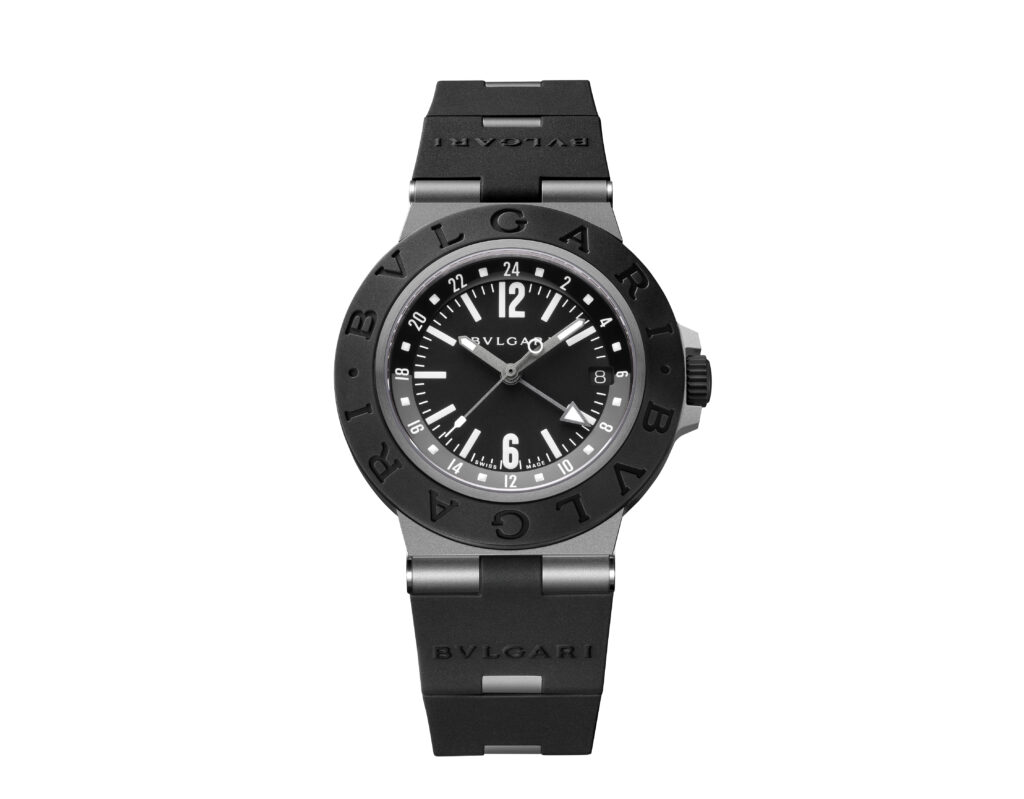
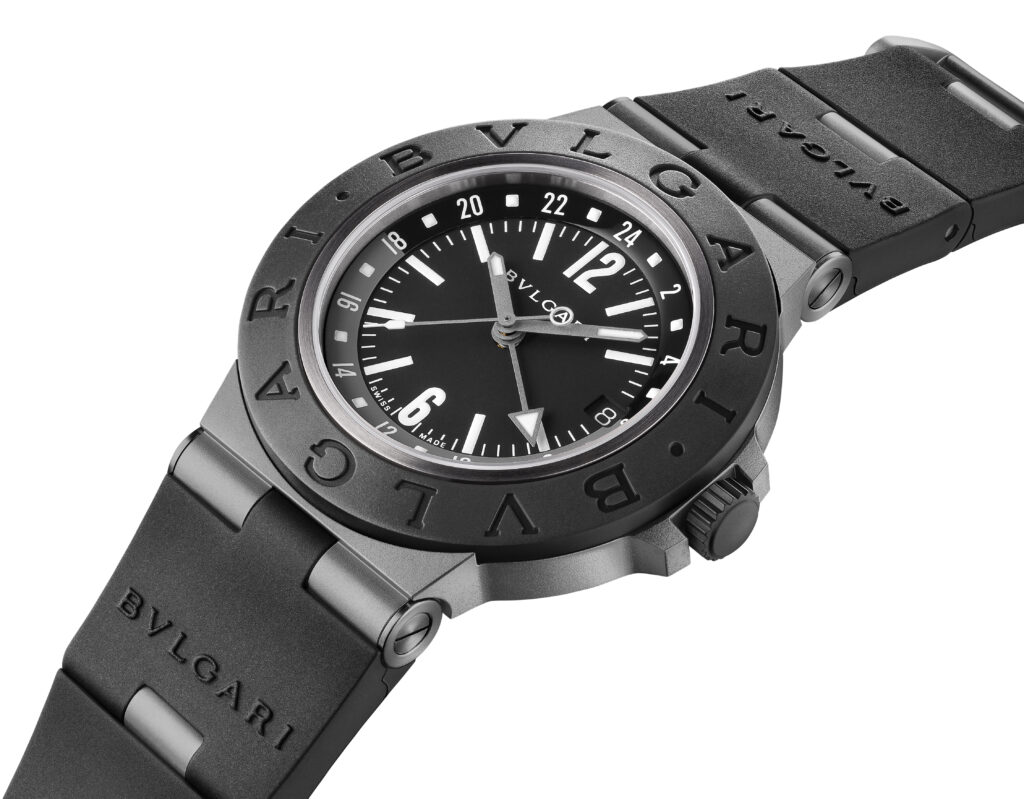
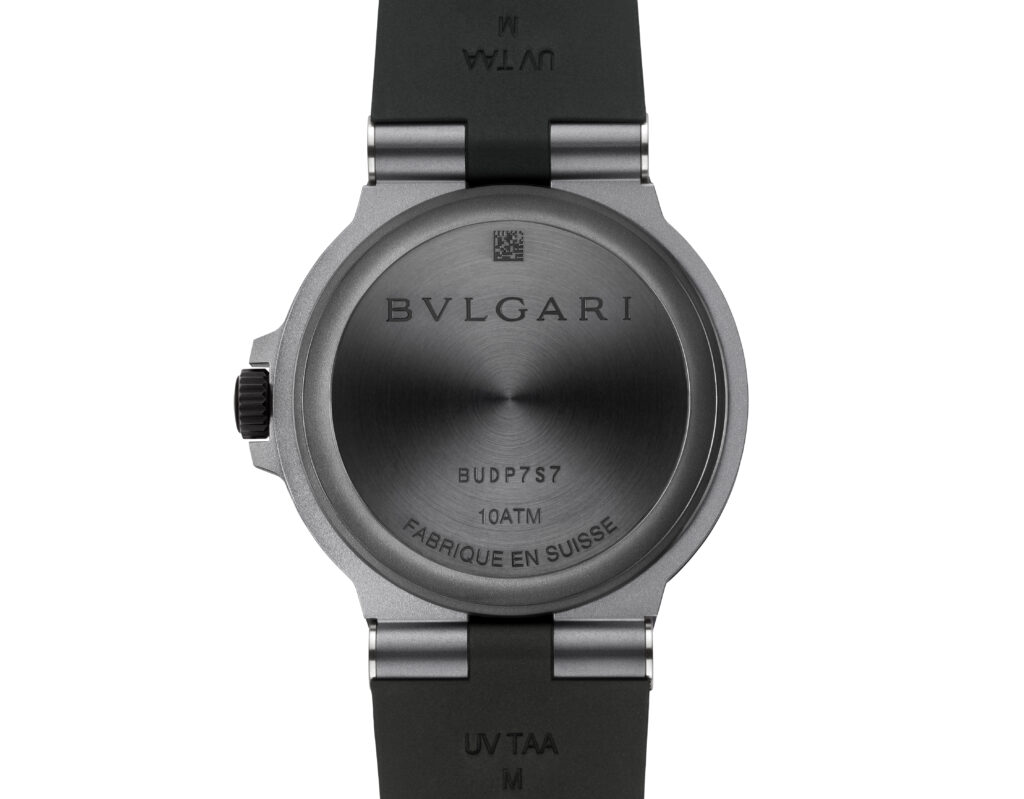
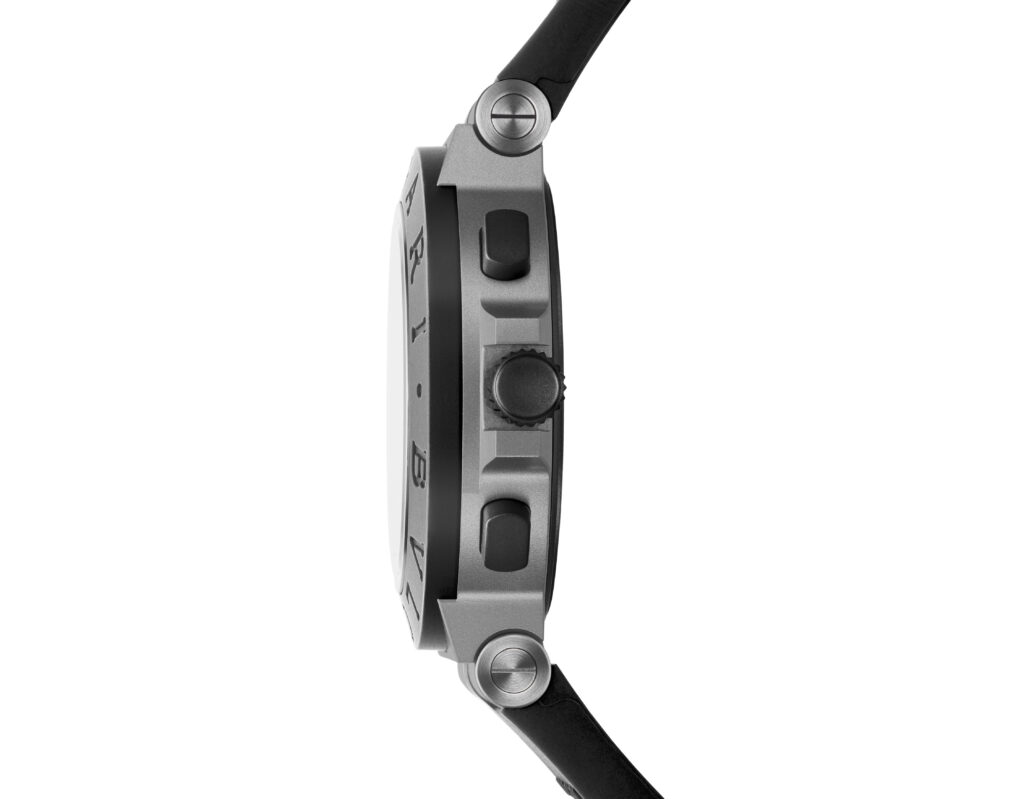
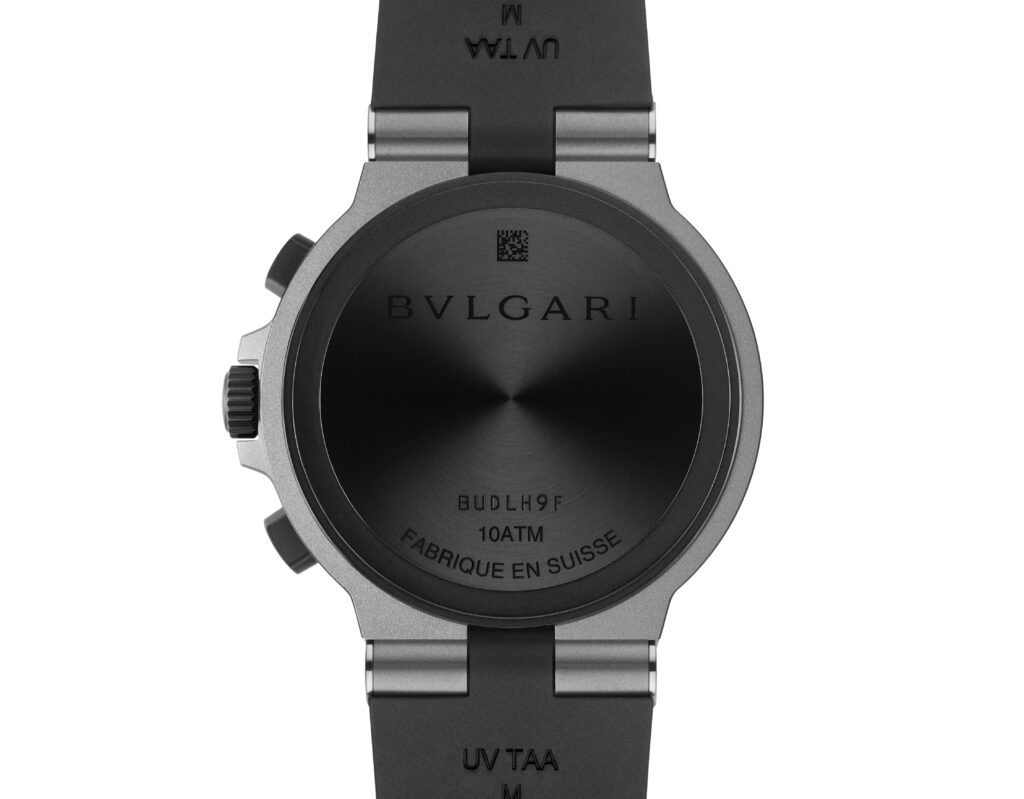
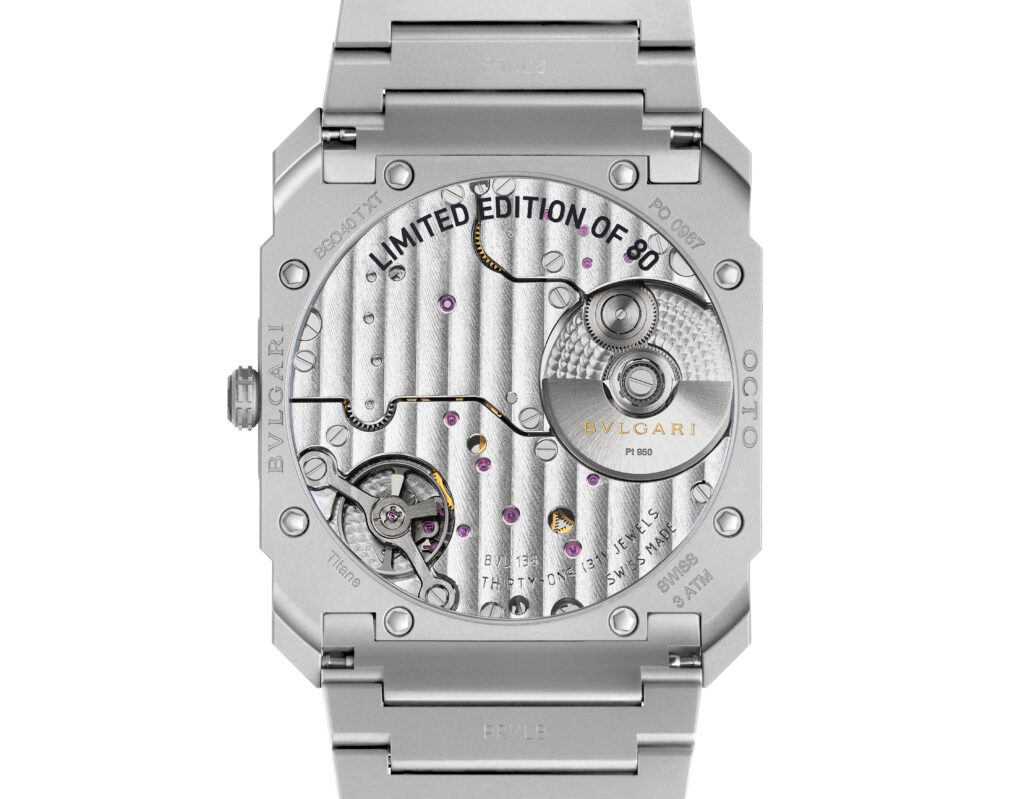
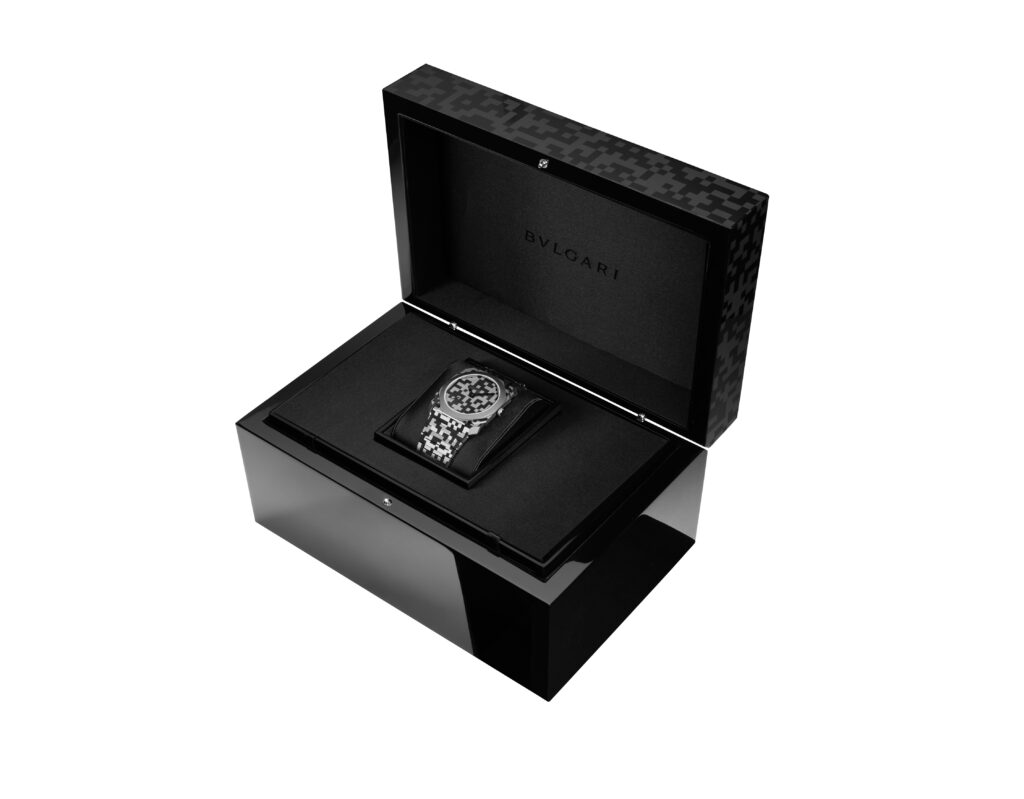
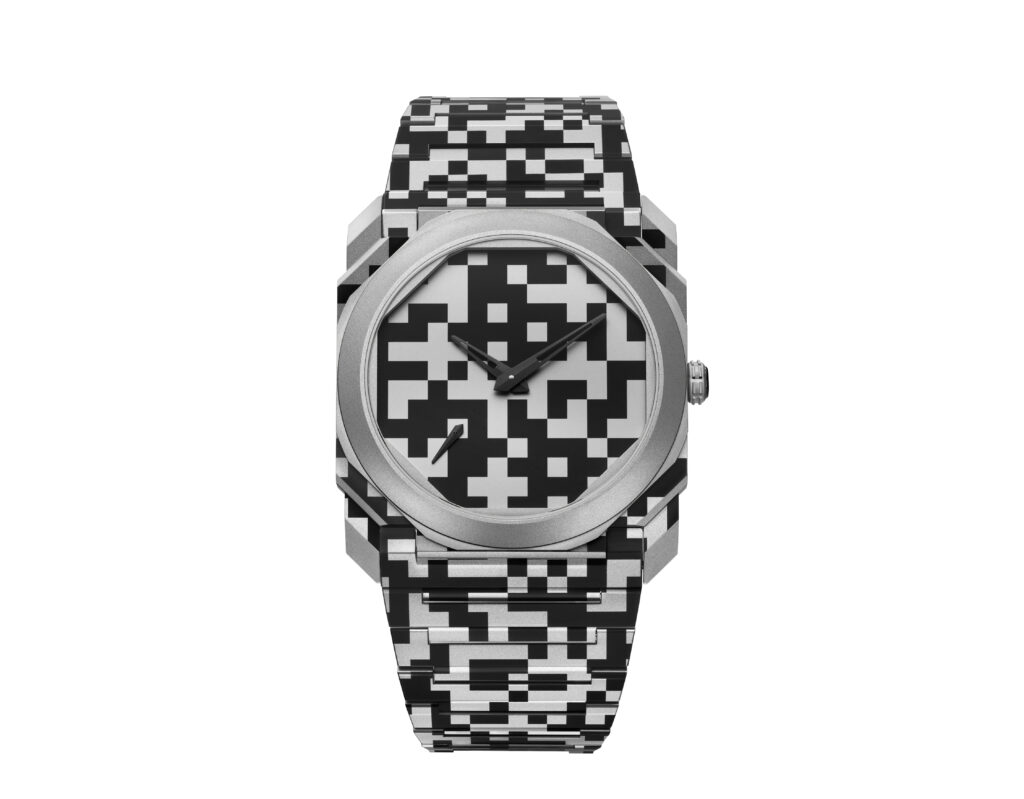
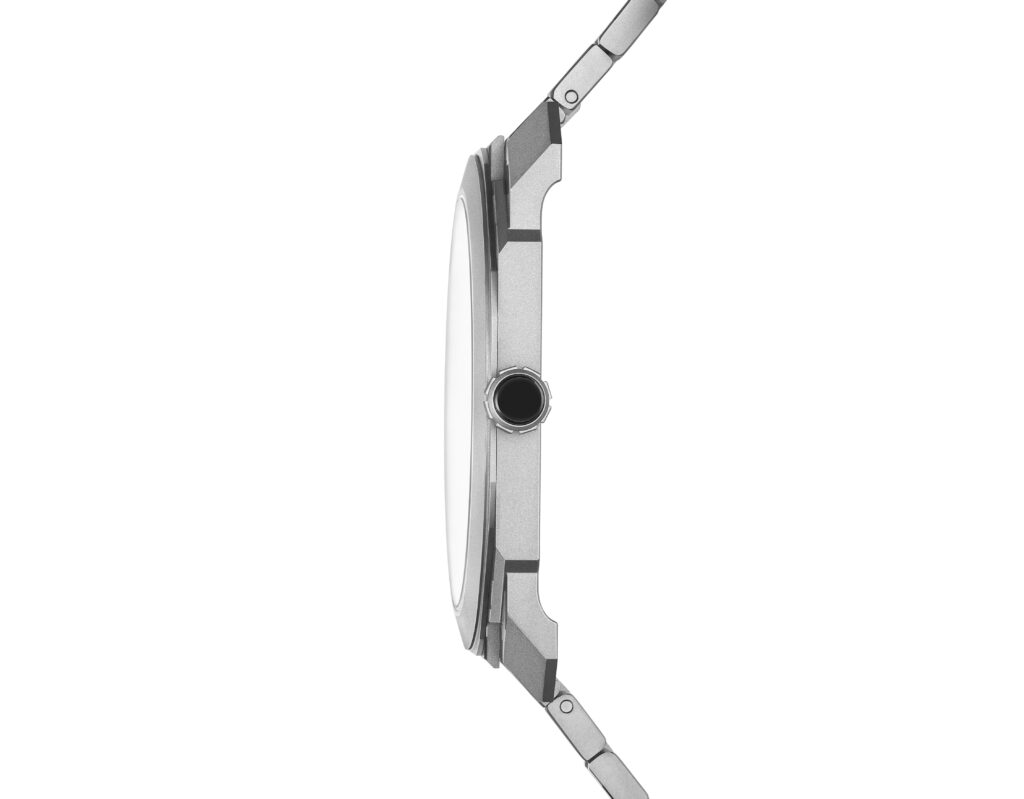
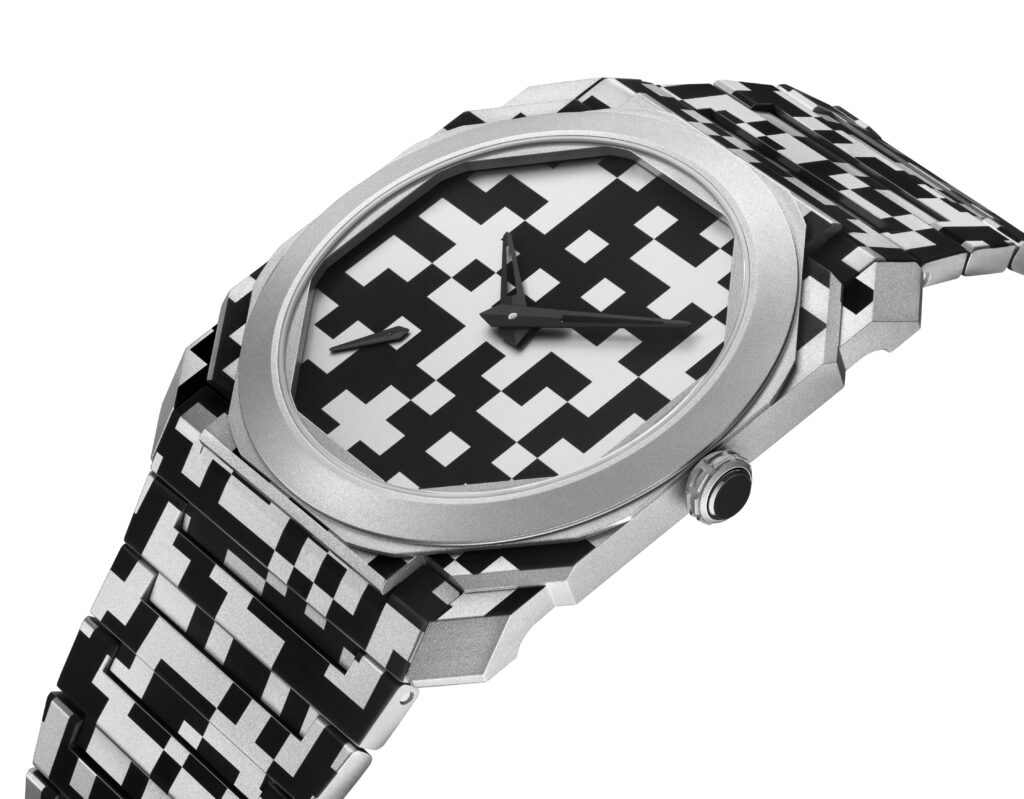
Alongside it, the Octo Finissimo Dazzle takes the opposite approach to technical restraint: a laser-engraved surface turns titanium into a medium for optical illusion, playing on reflections and perspectives. The trio closes with the Bvlgari Titanio, which reinterprets the existing Aluminium collection by combining lightness and precision, the most accessible of the three, conceived to broaden the base of collectors rather than serve insiders alone.
“For Bvlgari, titanium has never been a mere technical choice,” sums up Jonathan Brinbaum, Managing Director of Bvlgari Watches, who describes a material that makes it possible to “rethink proportions, the feel on the wrist and the very expression of contemporary watchmaking”. A philosophy the house has built patiently over more than a decade, to the point of making it, with the new Octo Finissimo 37, the common thread of its entire 2026 collection.
What stands out in this Geneva presentation is less the technical innovation itself, since titanium in watchmaking is no longer new, than the way Bvlgari has turned it into a point of differentiation against competitors who continue to play the traditional precious-metals card. By betting on a material associated with lightness and robustness rather than historical prestige, the Roman house wagers on a more contemporary definition of watchmaking luxury, in which performance on the wrist matters as much as brilliance on the wrist.



























Cette publication est également disponible en :


