
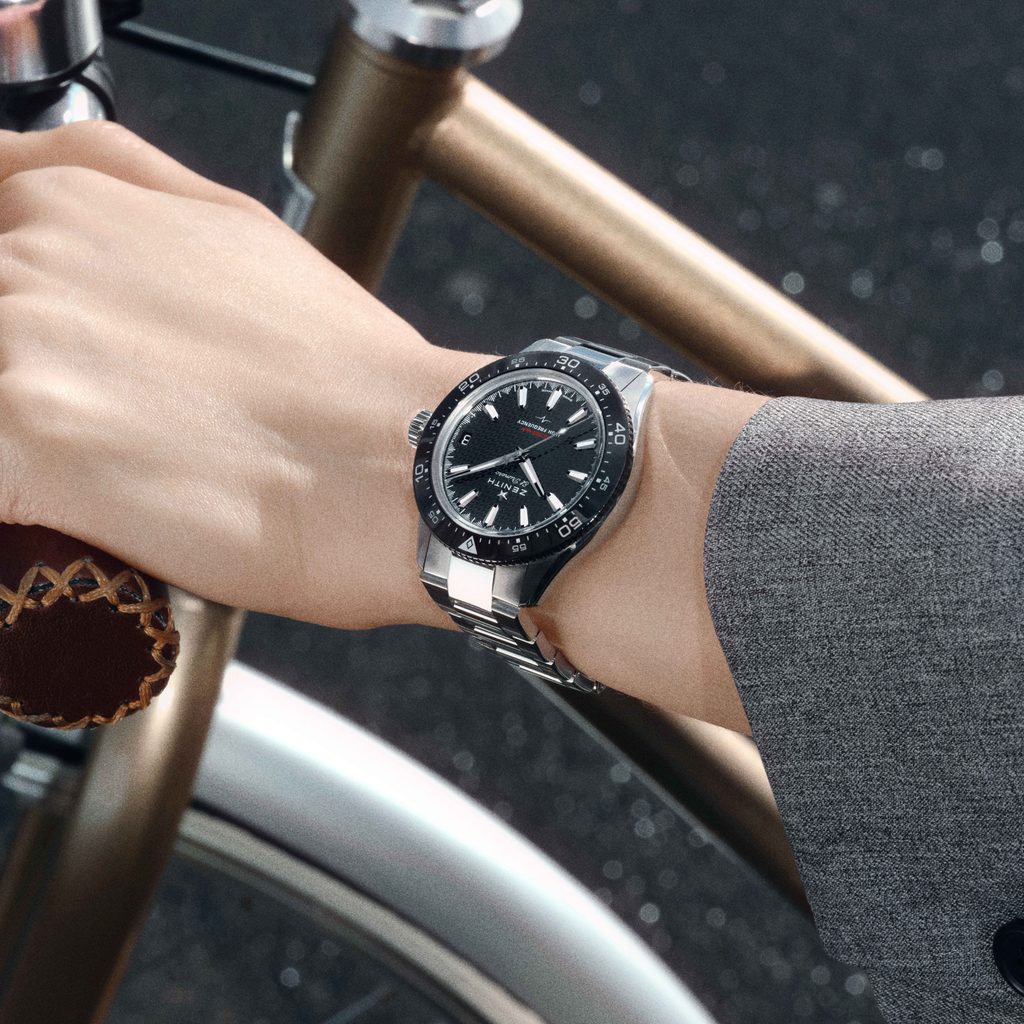
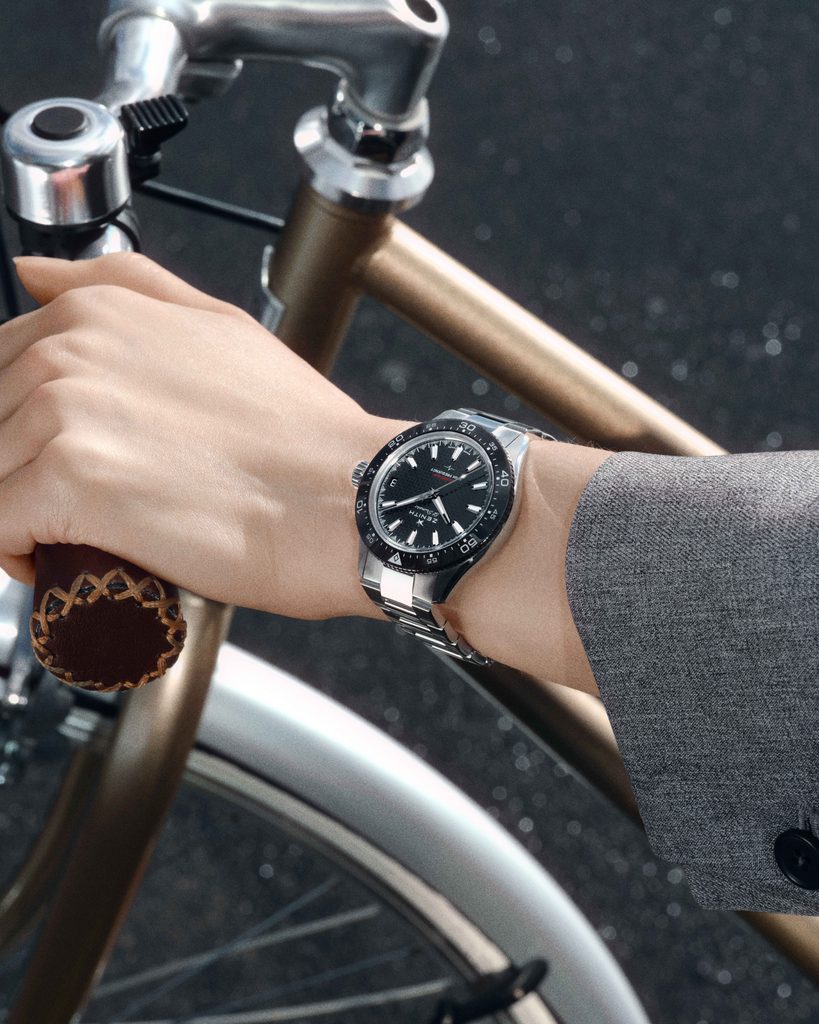
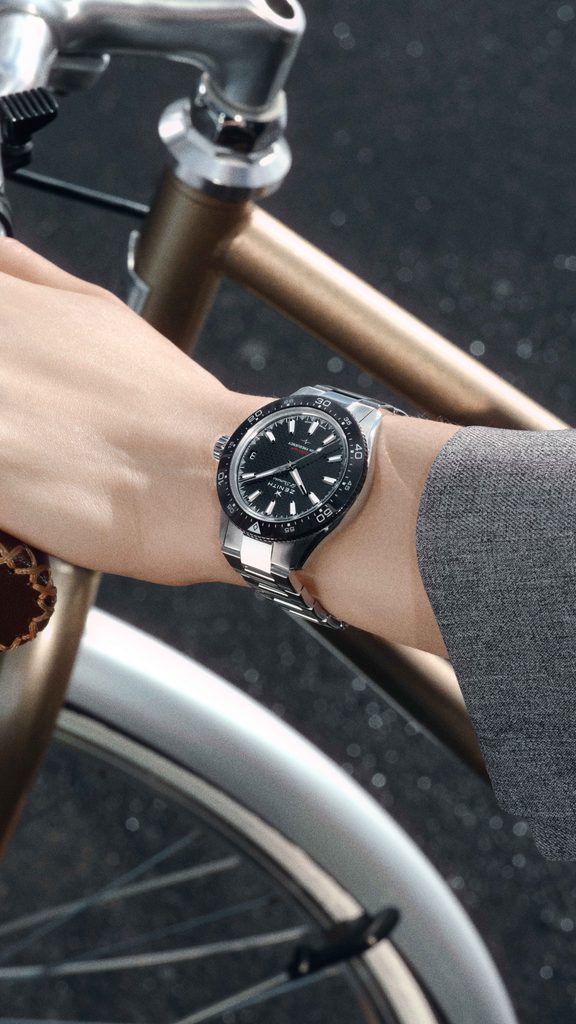
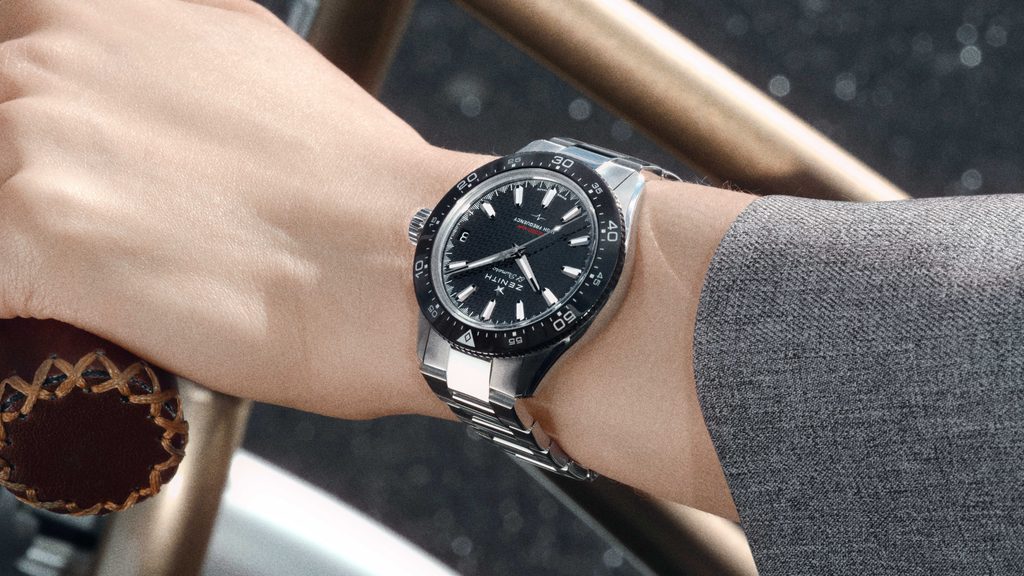
The most interesting novelty of the Chronomaster Solo Sport is not its dial, but what it removes. For the first time, Zenith places in the Chronomaster line a three-hand watch driven by a high-frequency movement. The gesture is almost paradoxical: keeping the technical architecture of the El Primero while abandoning the chronograph function historically associated with it.
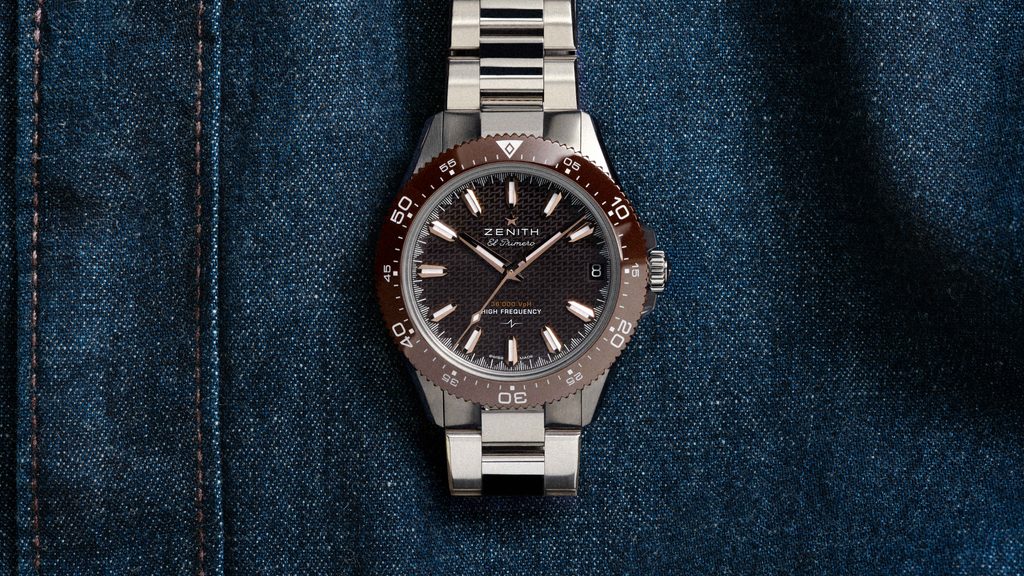
The El Primero 3620 manufacture calibre runs at five hertz. This frequency, or thirty-six thousand alternations per hour, has been one of Zenith’s technical hallmarks since 1969. In a chronograph, it allows readings to the tenth of a second. In a three-hand watch, it does not produce the same visible demonstration. It becomes a quality of running, a choice of regulation and a mechanical signature that is less spectacular but more constant.
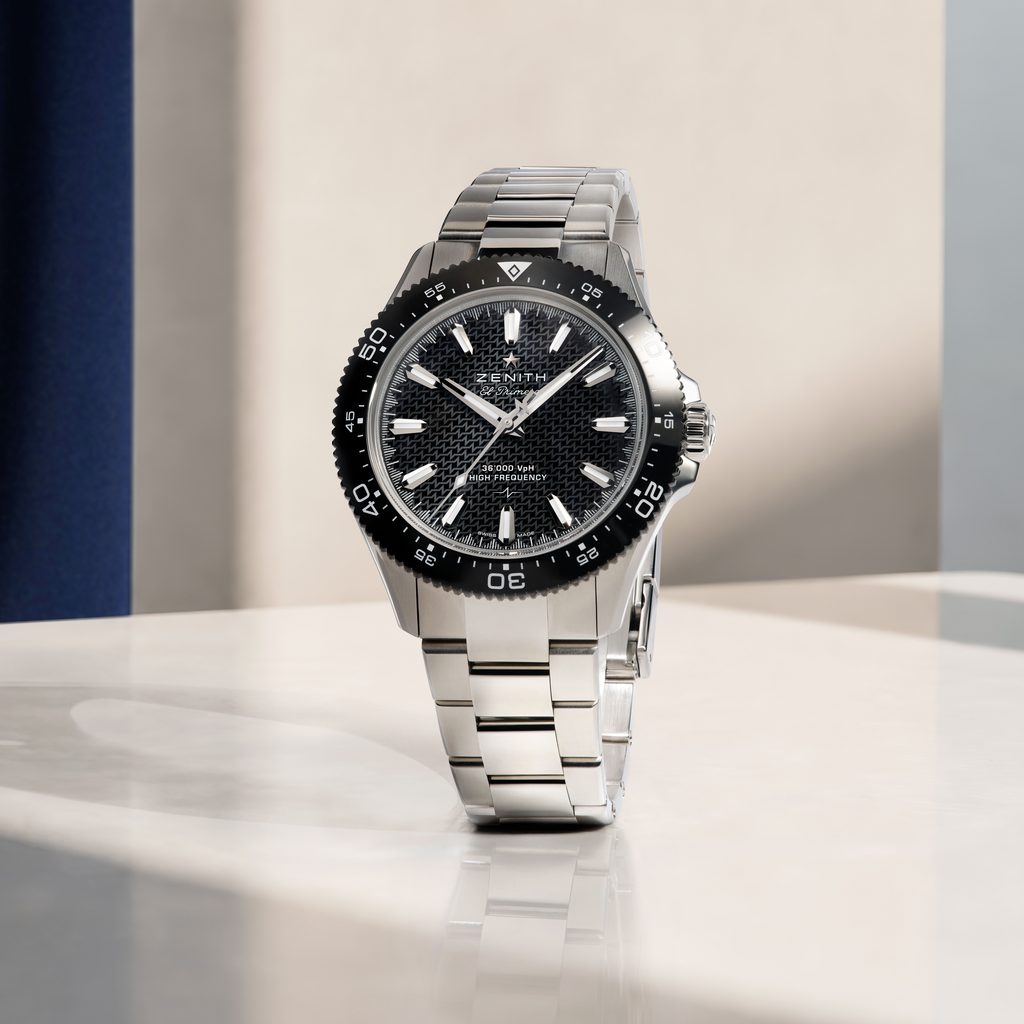
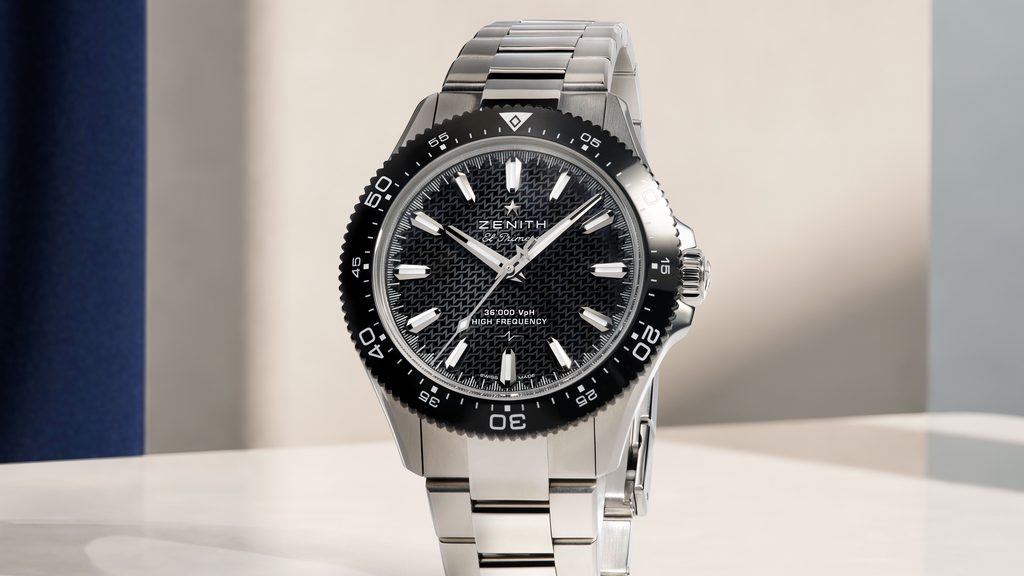
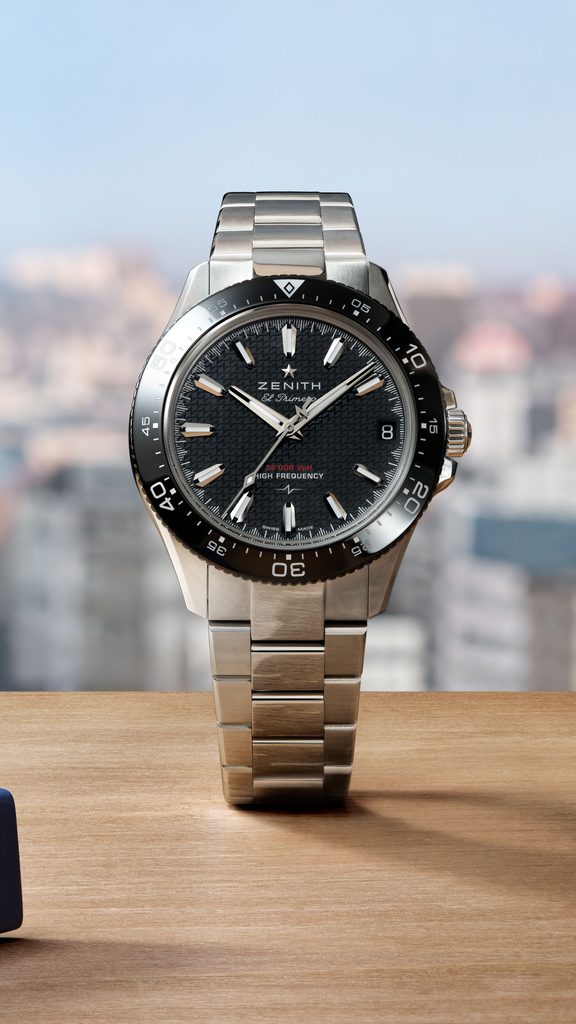
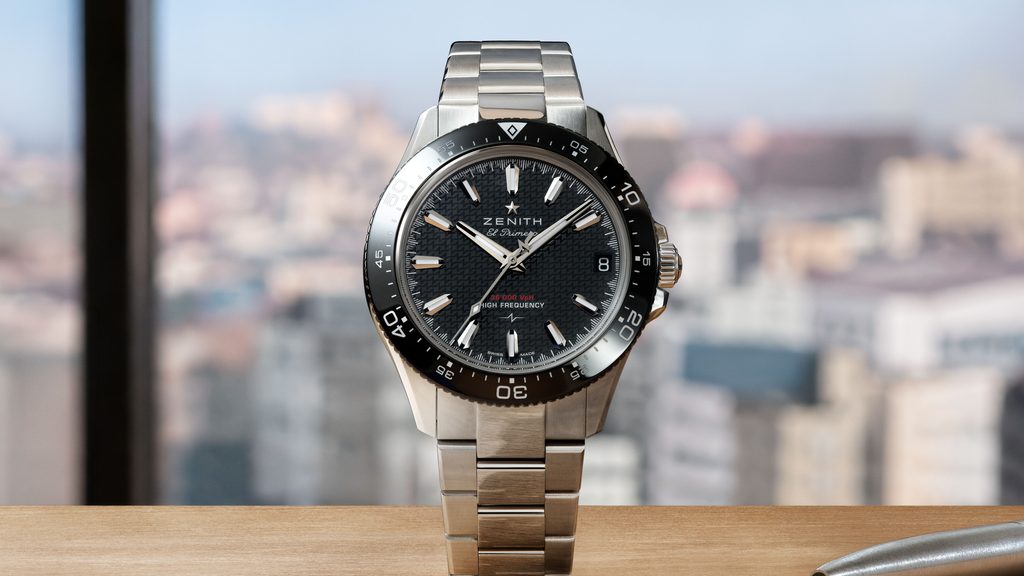
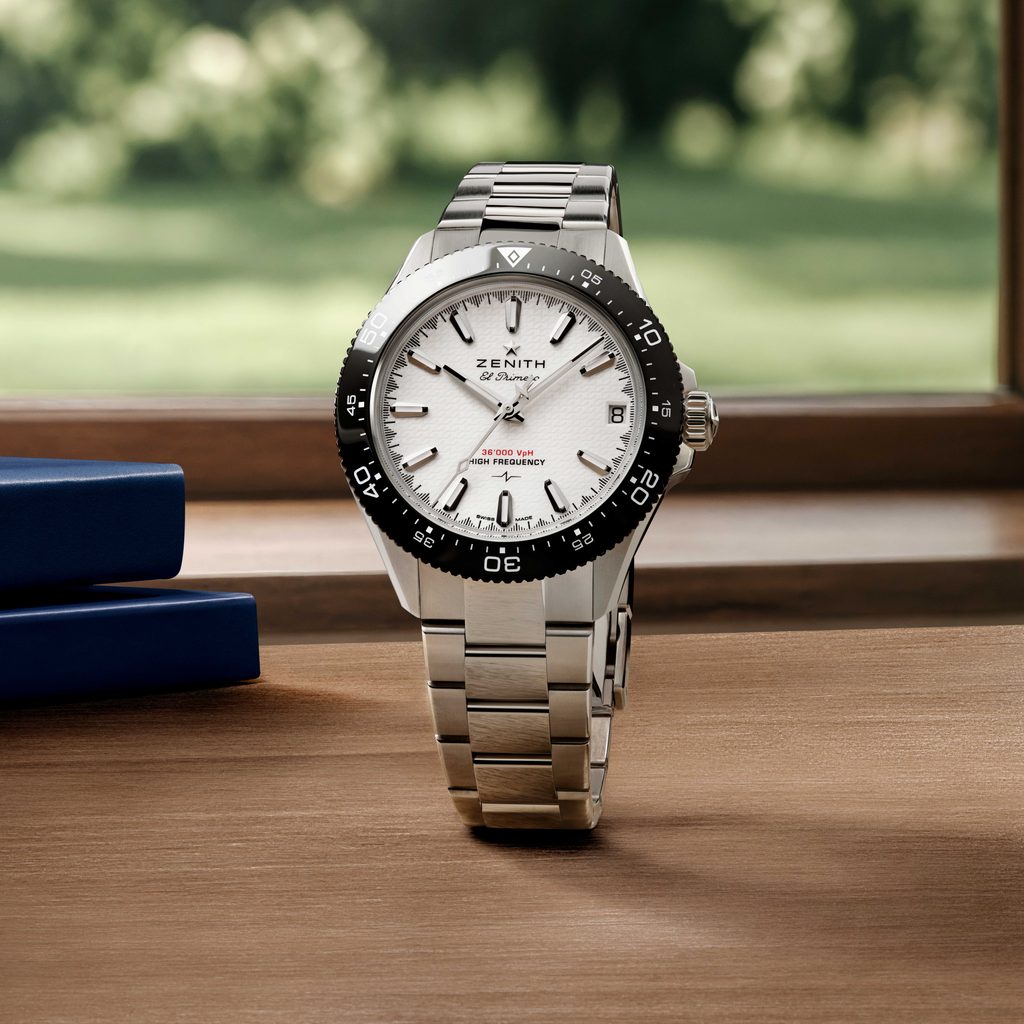
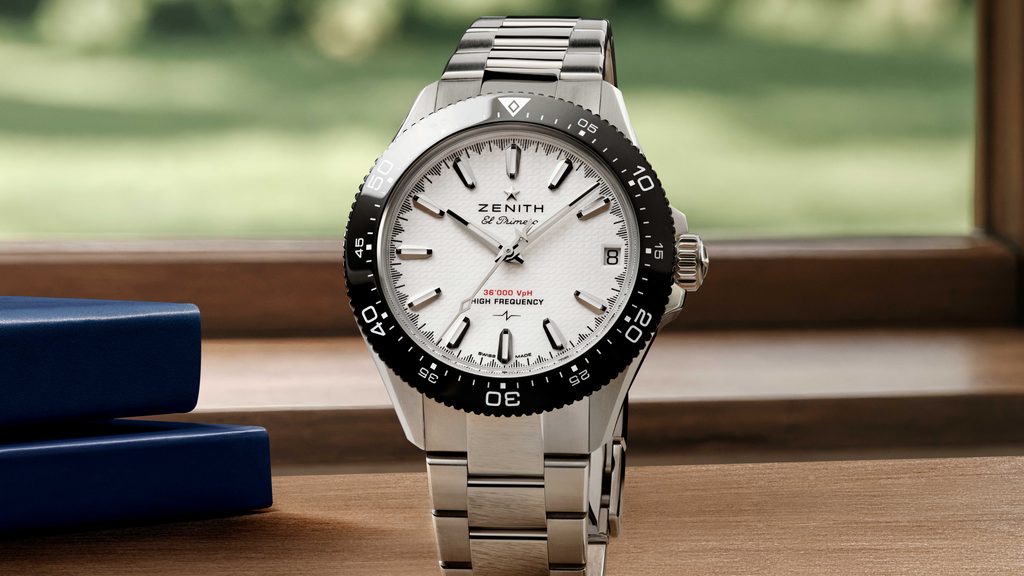
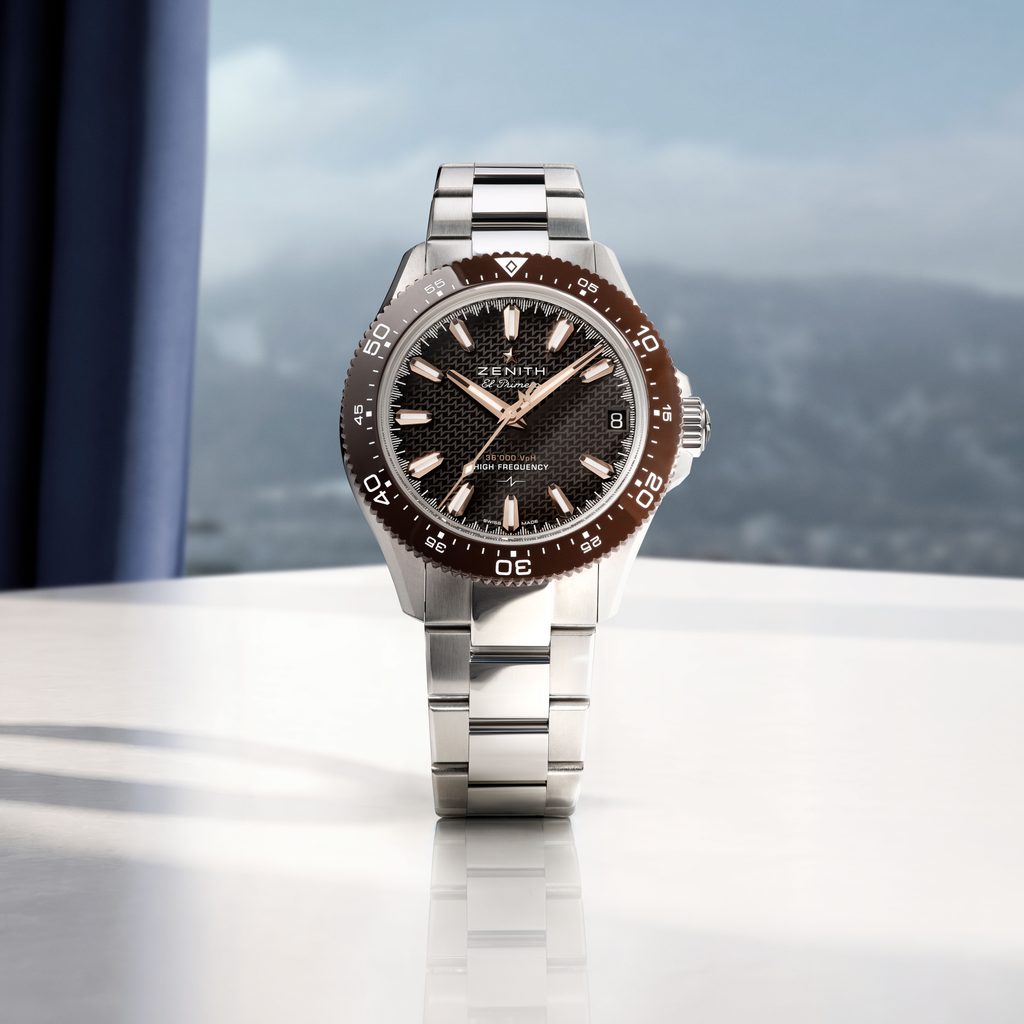
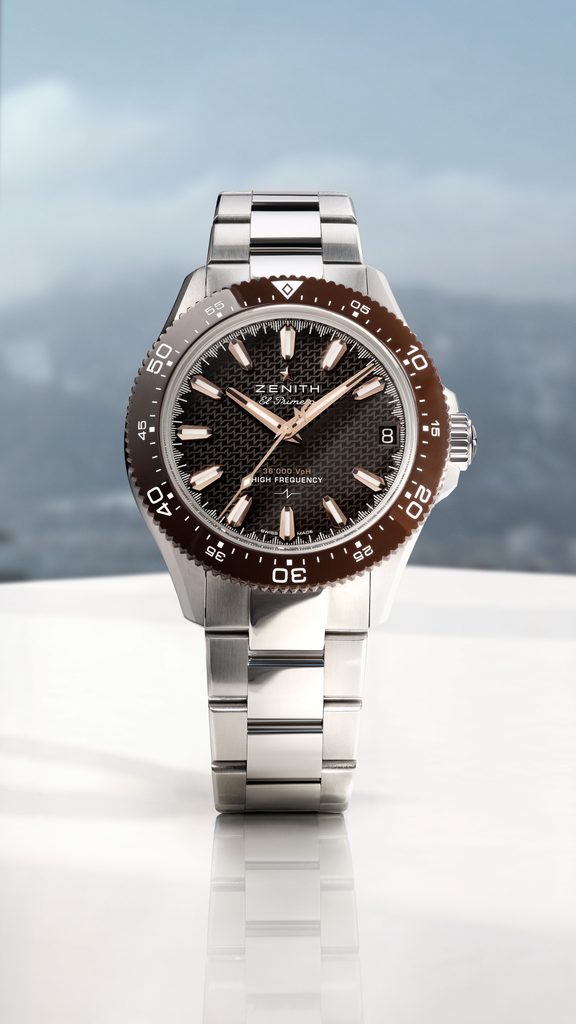
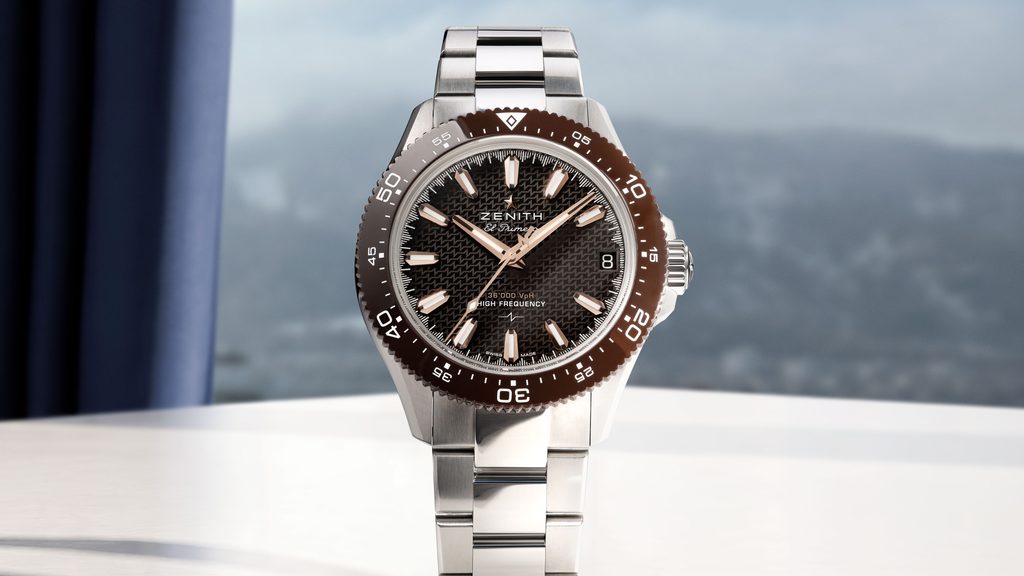
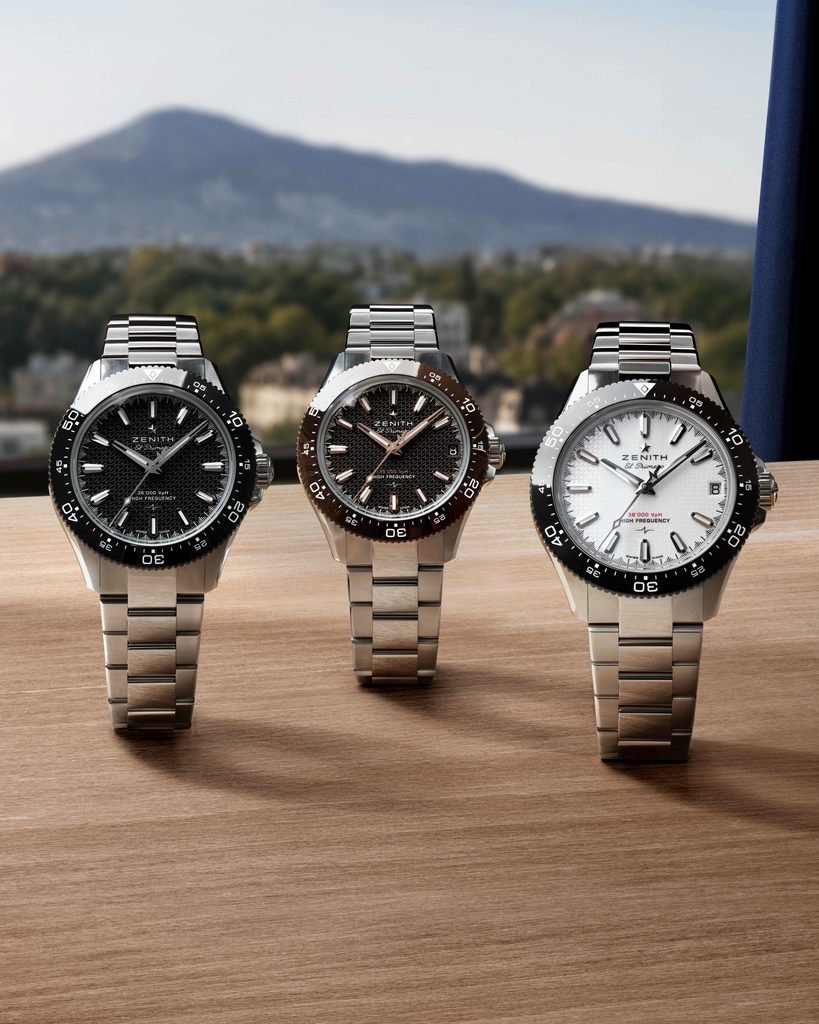
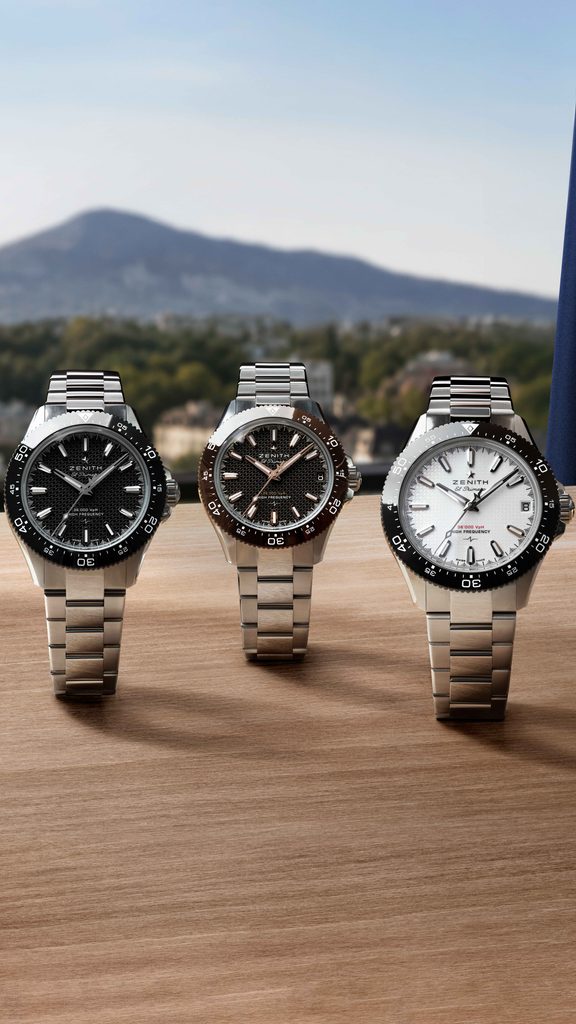
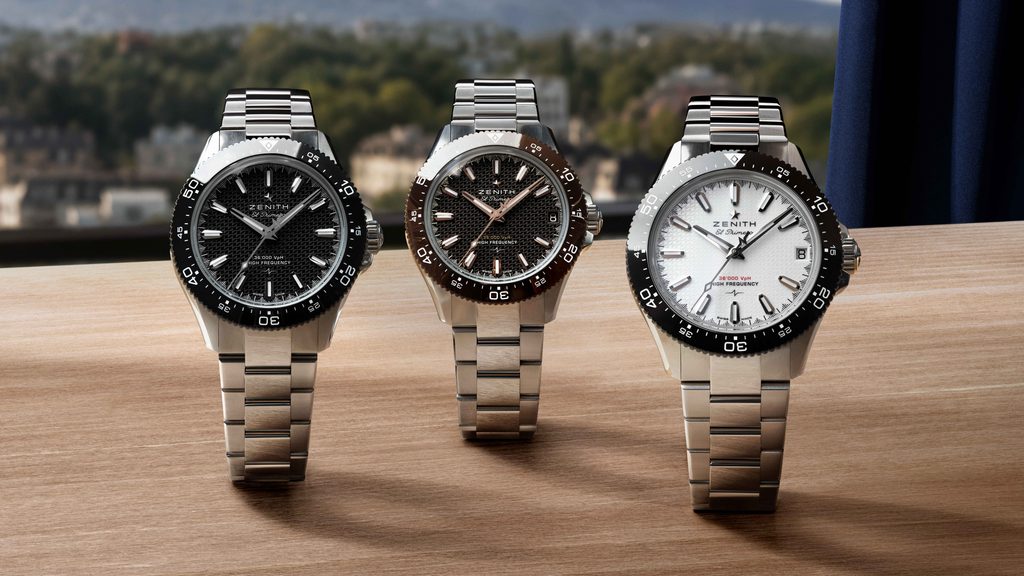
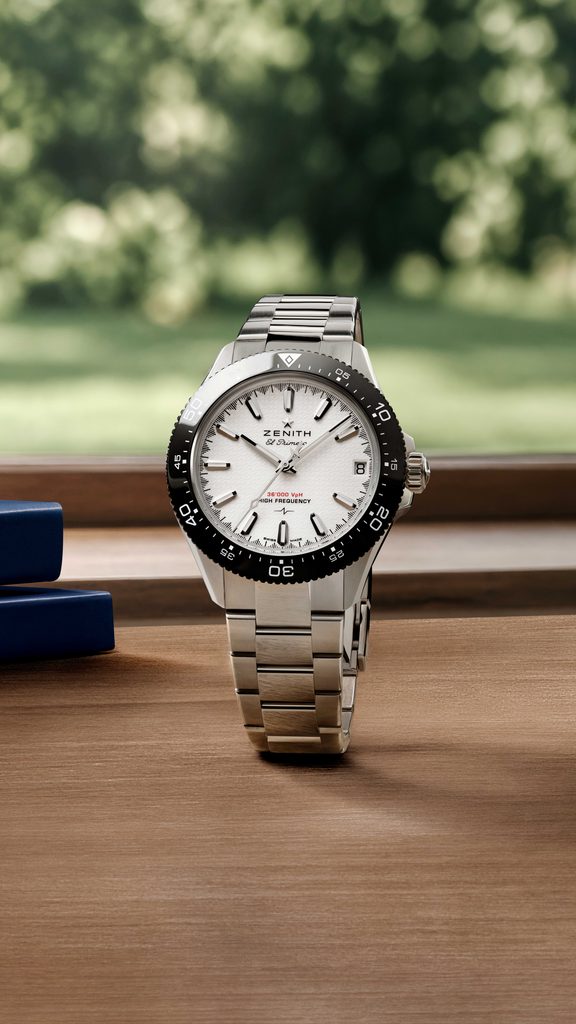
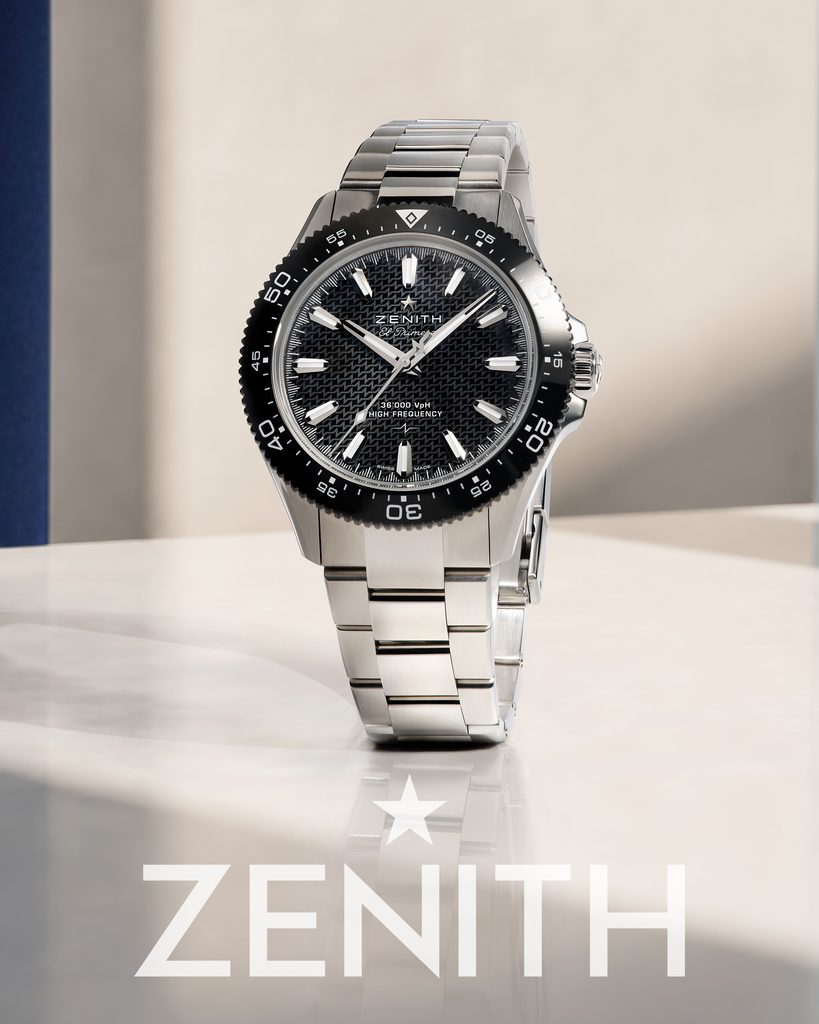
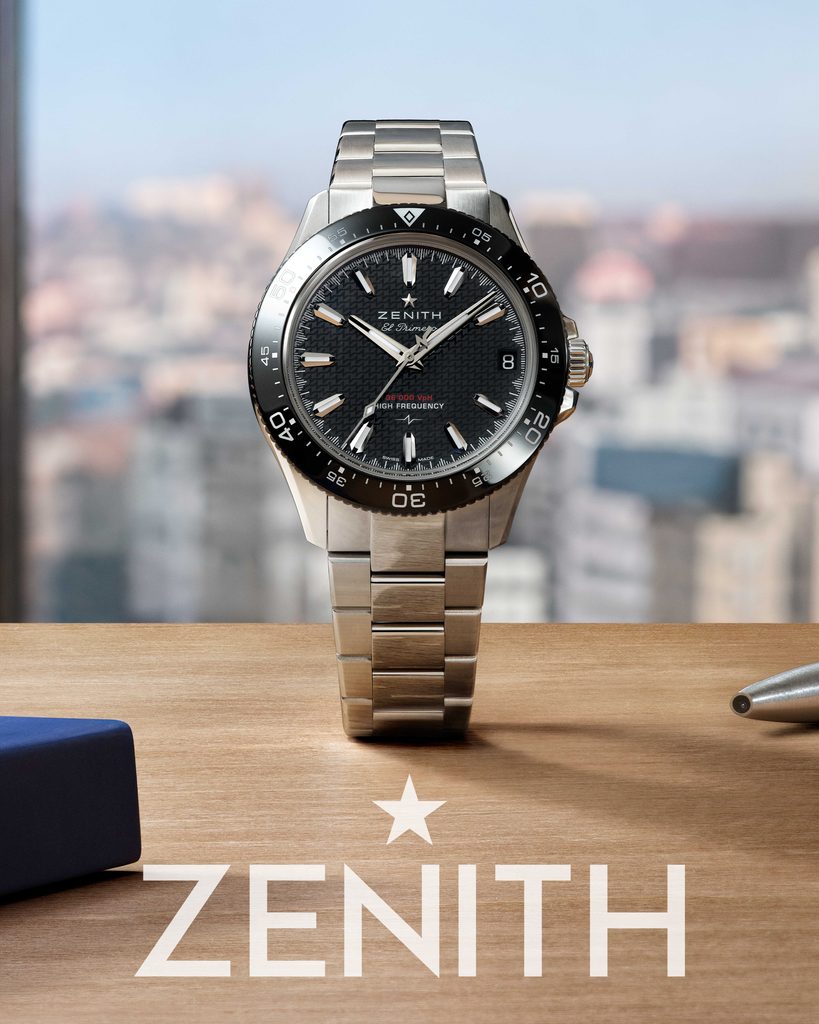
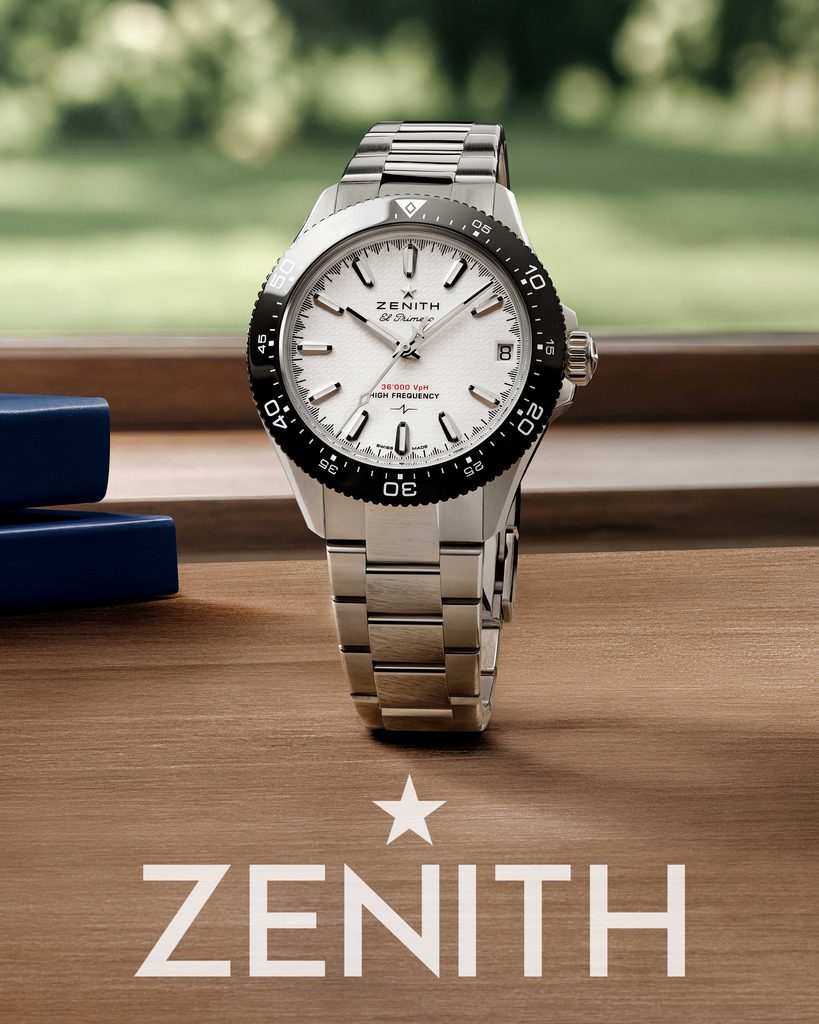
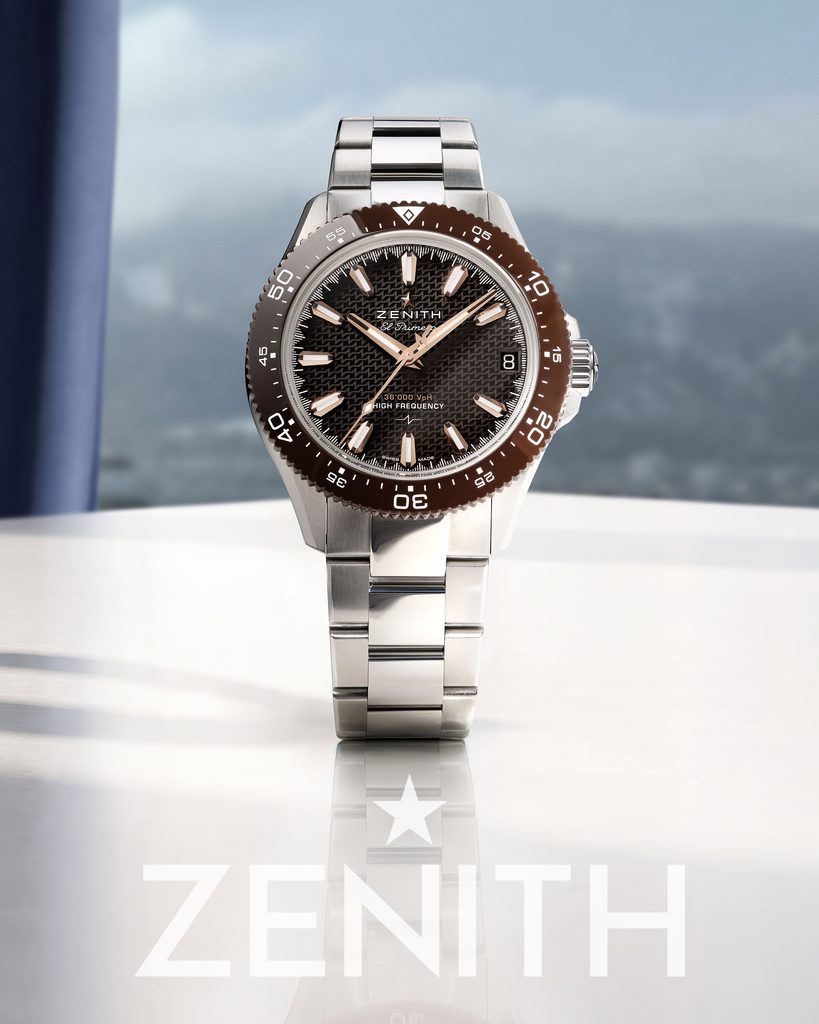
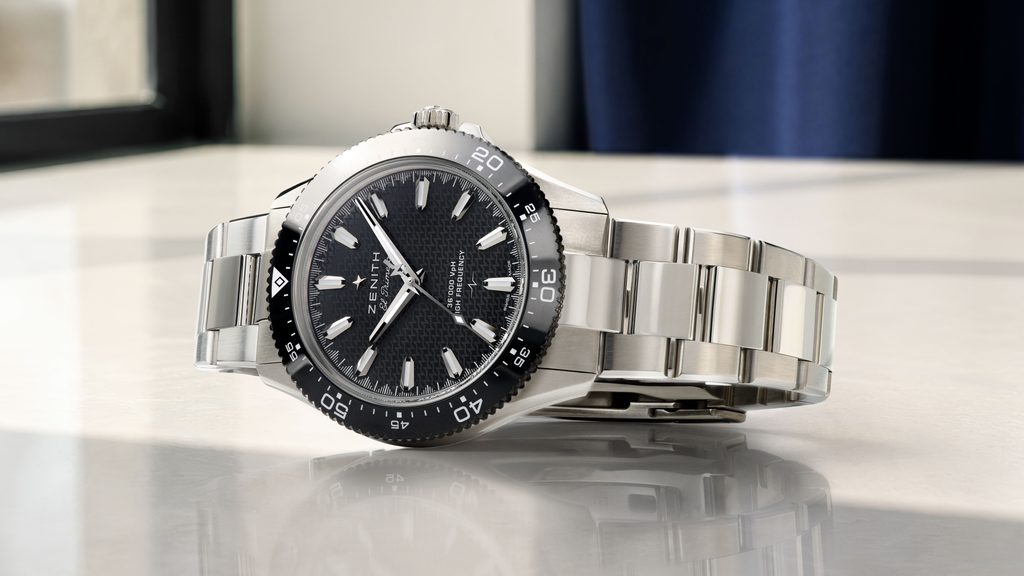
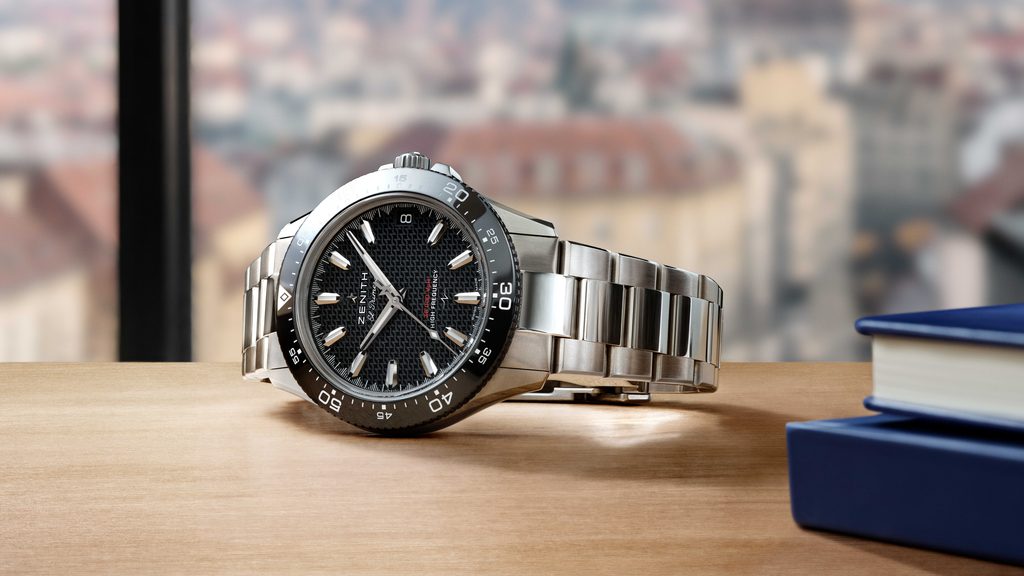
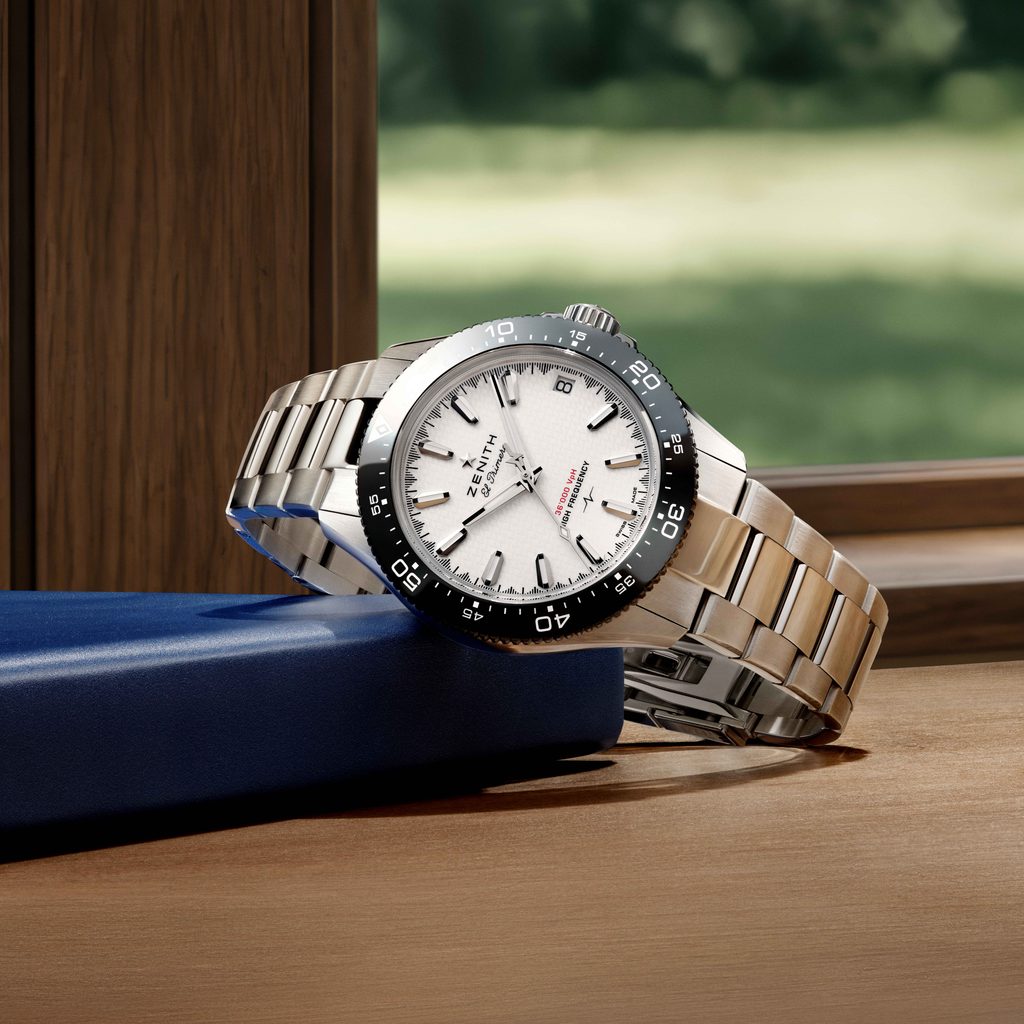
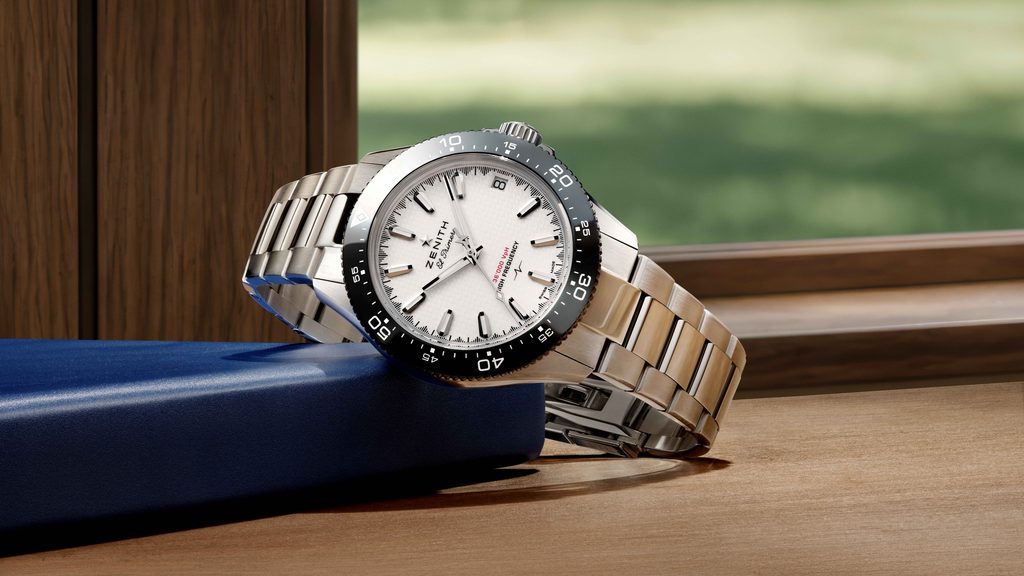
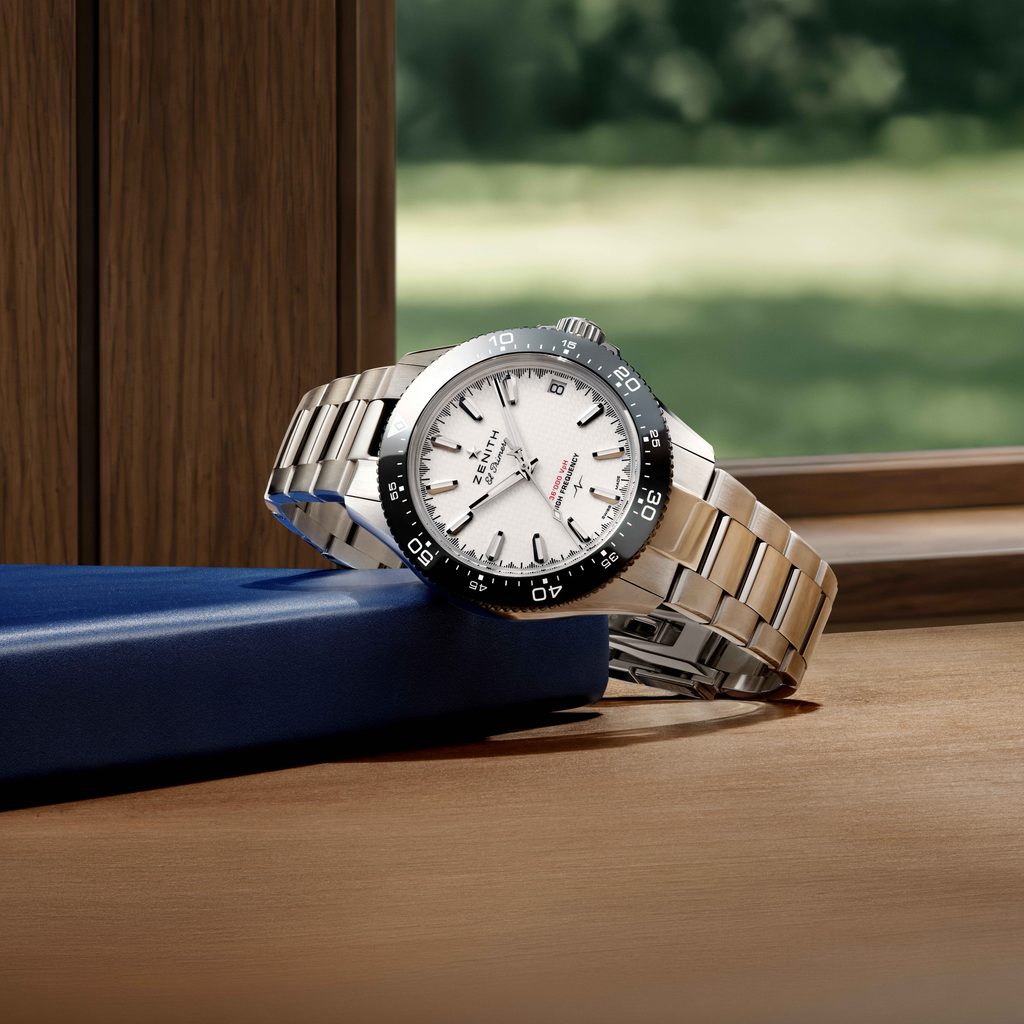
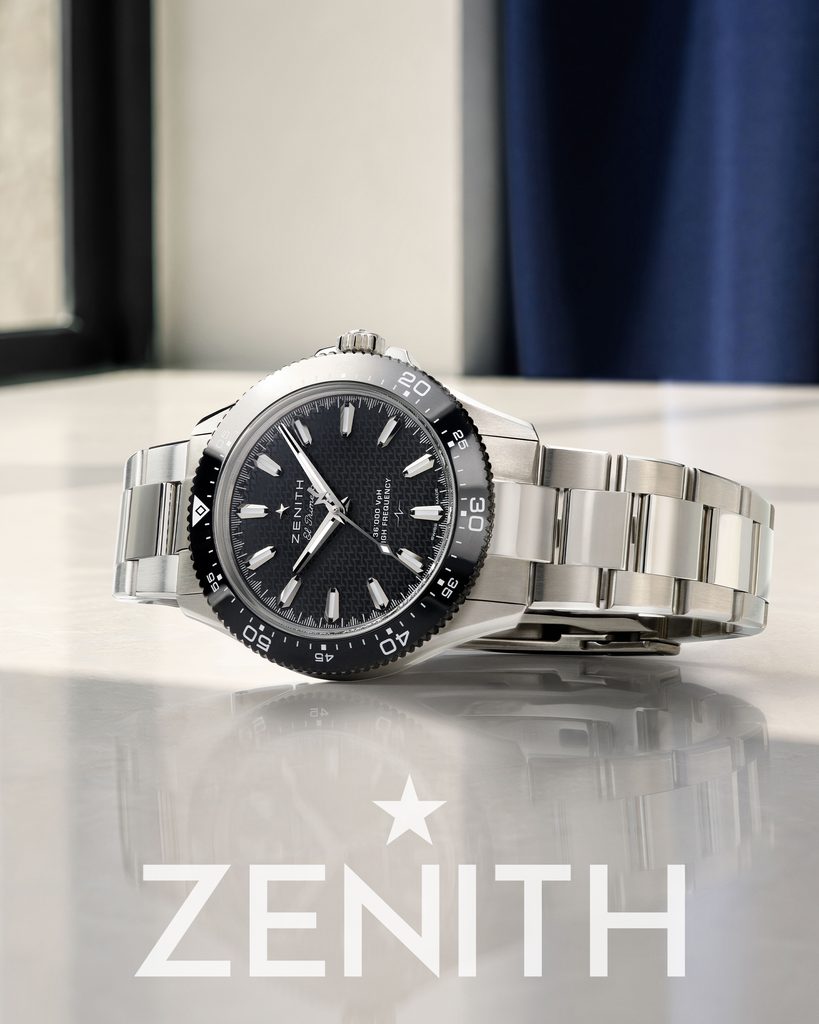
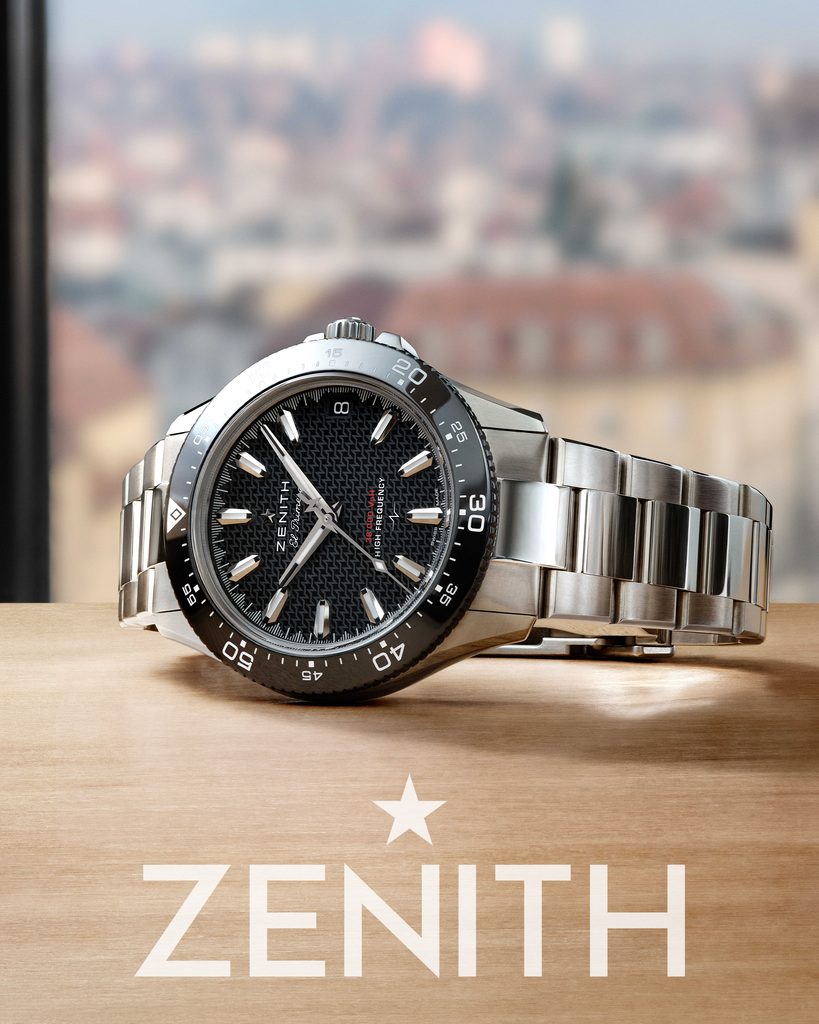
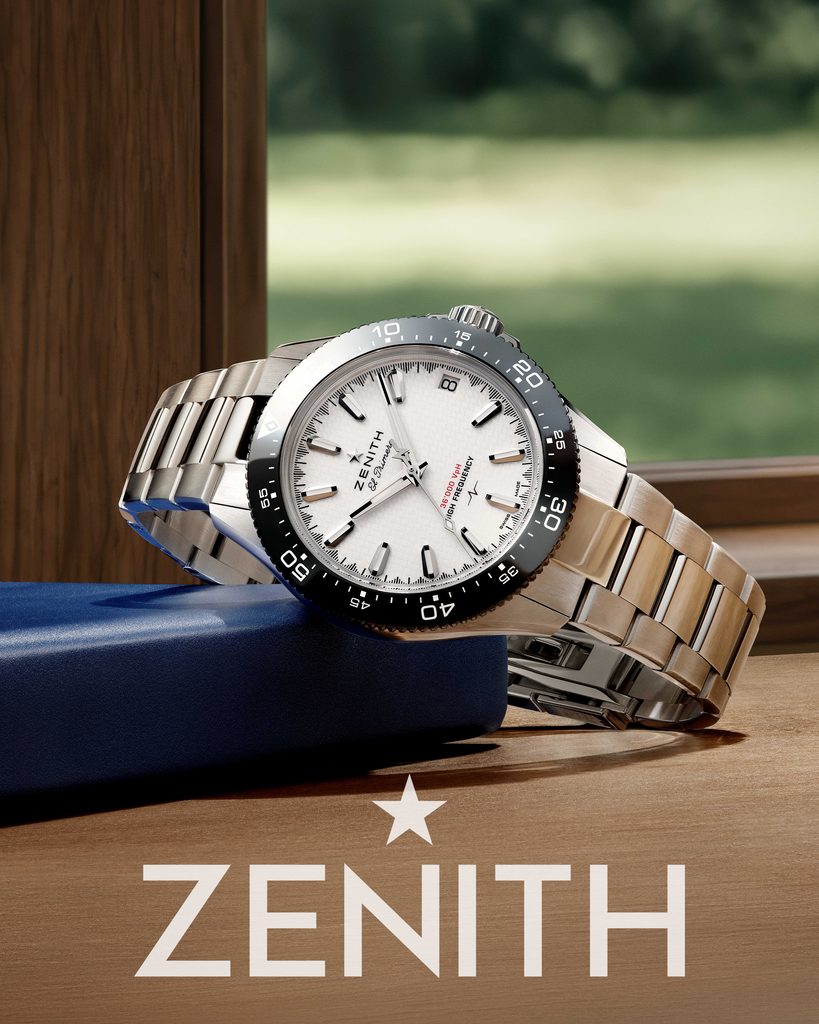
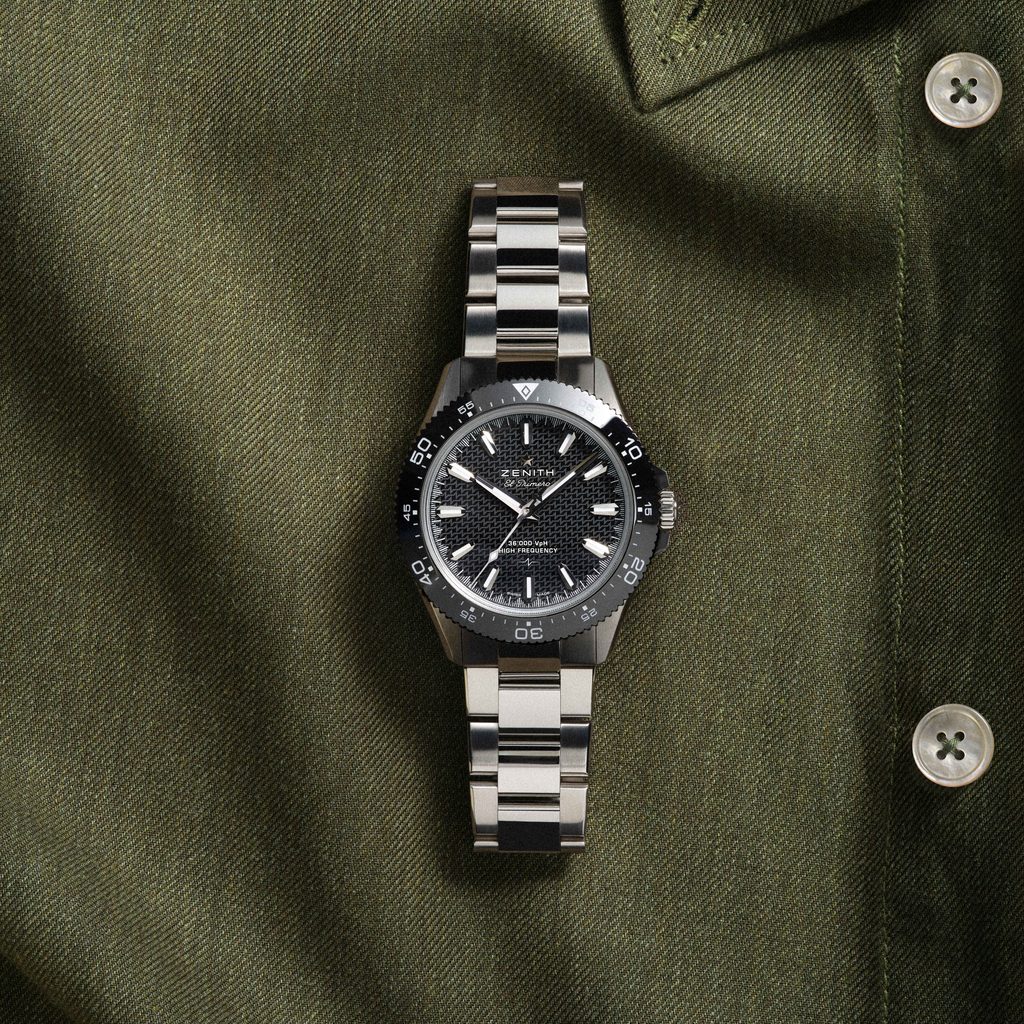
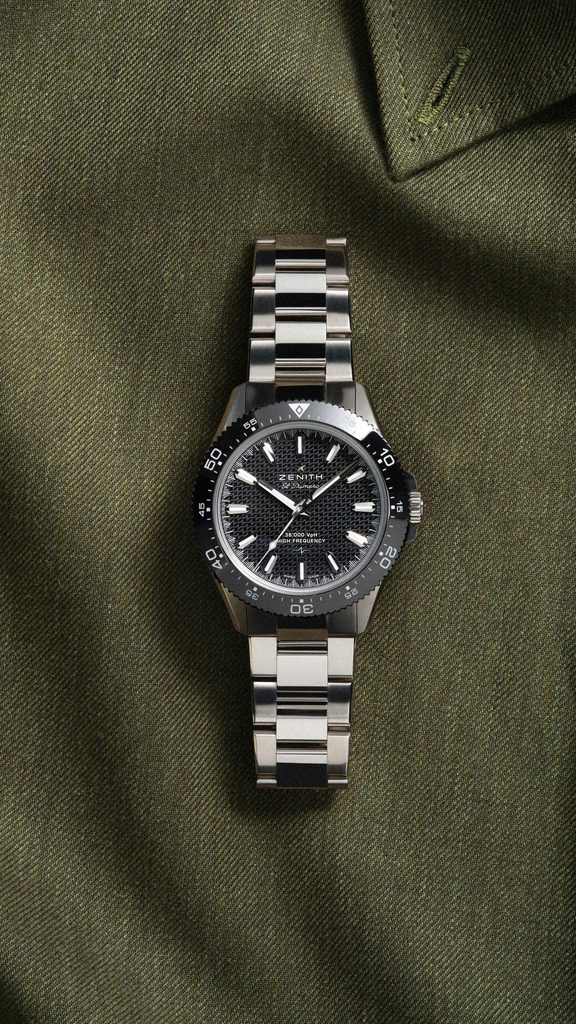
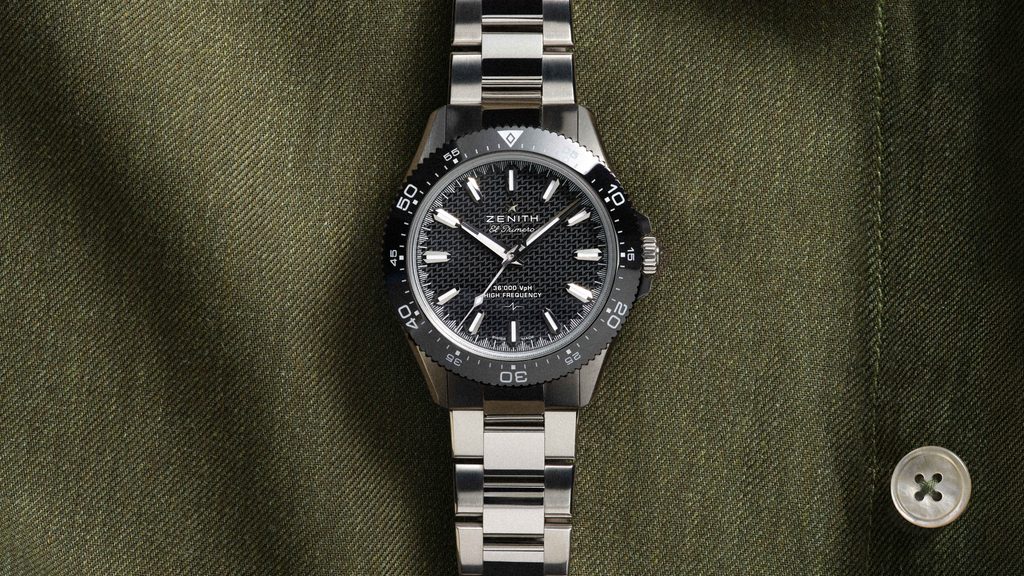
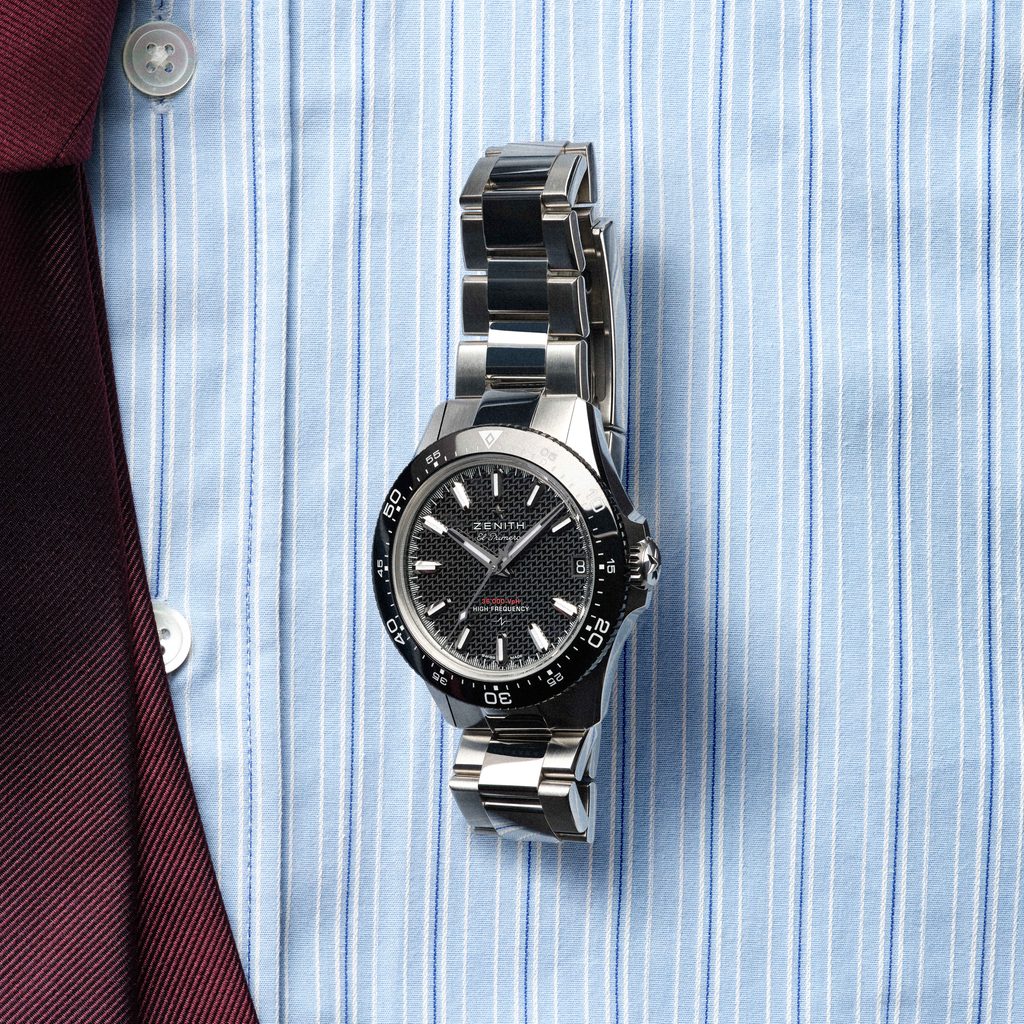
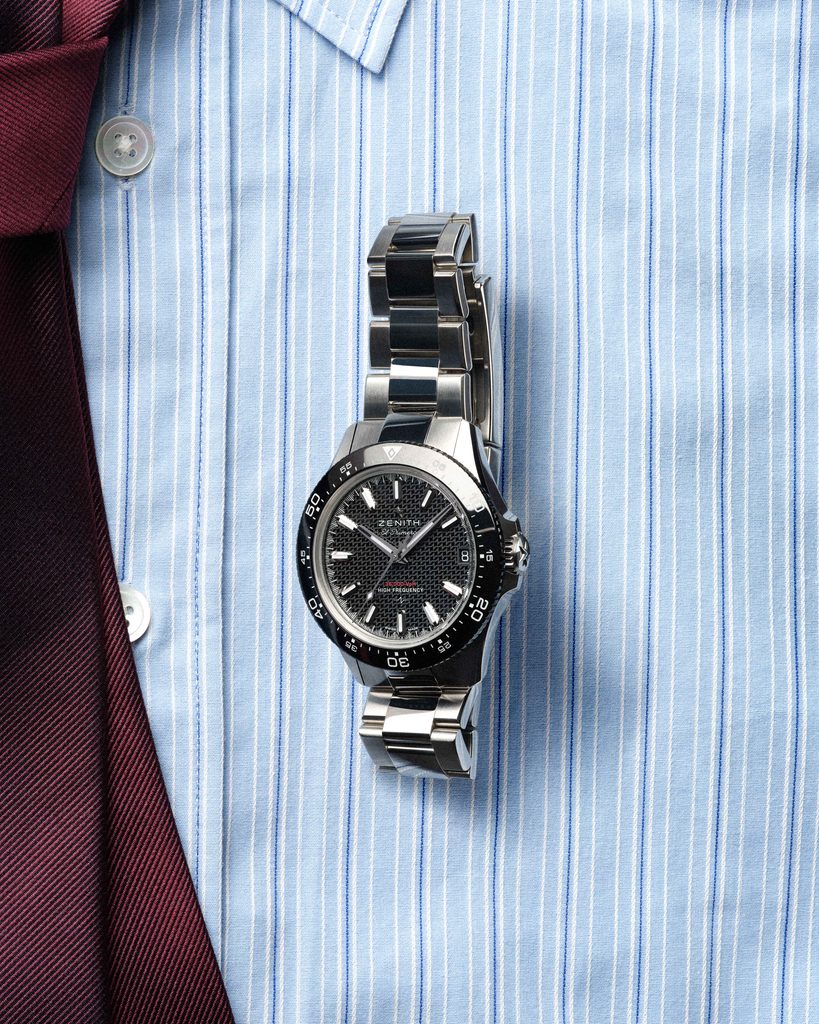
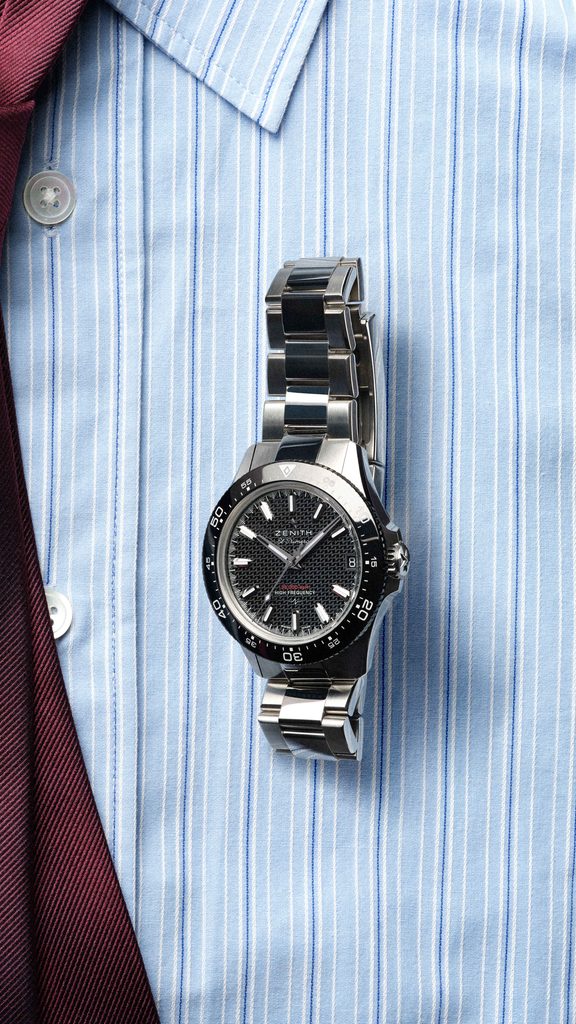
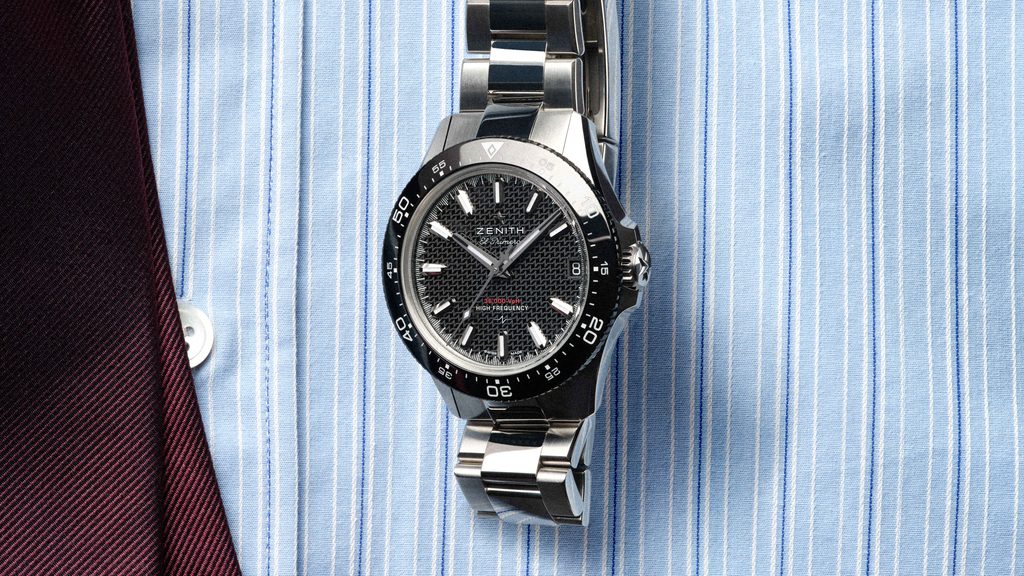
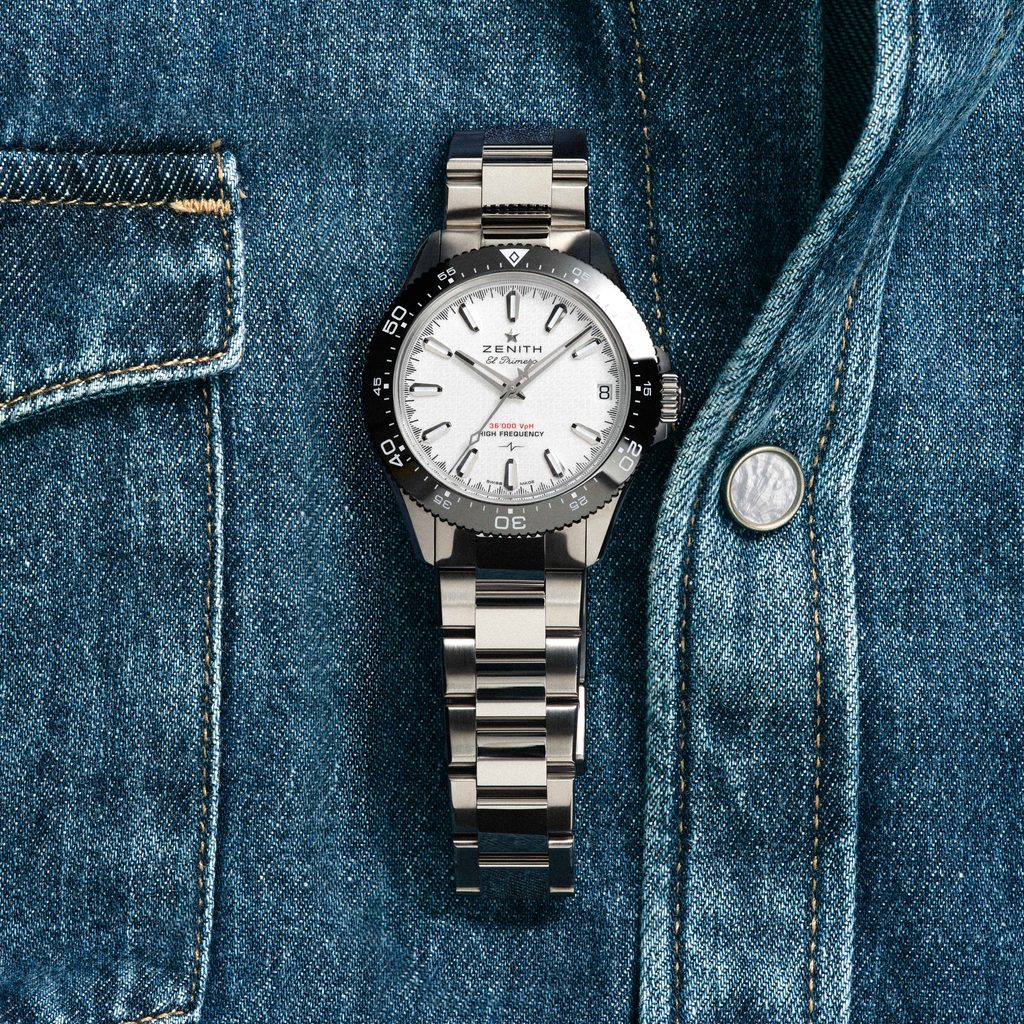
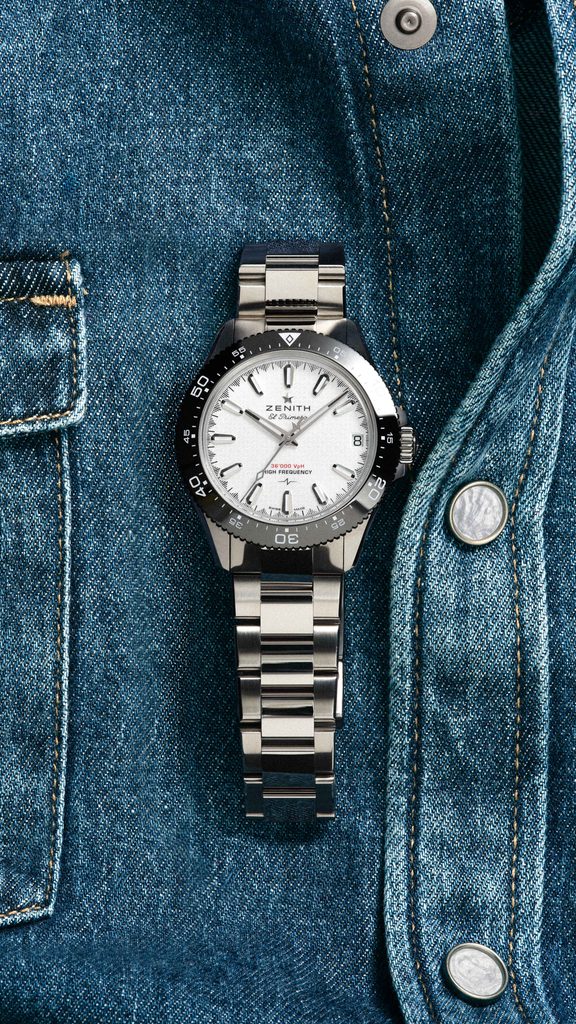
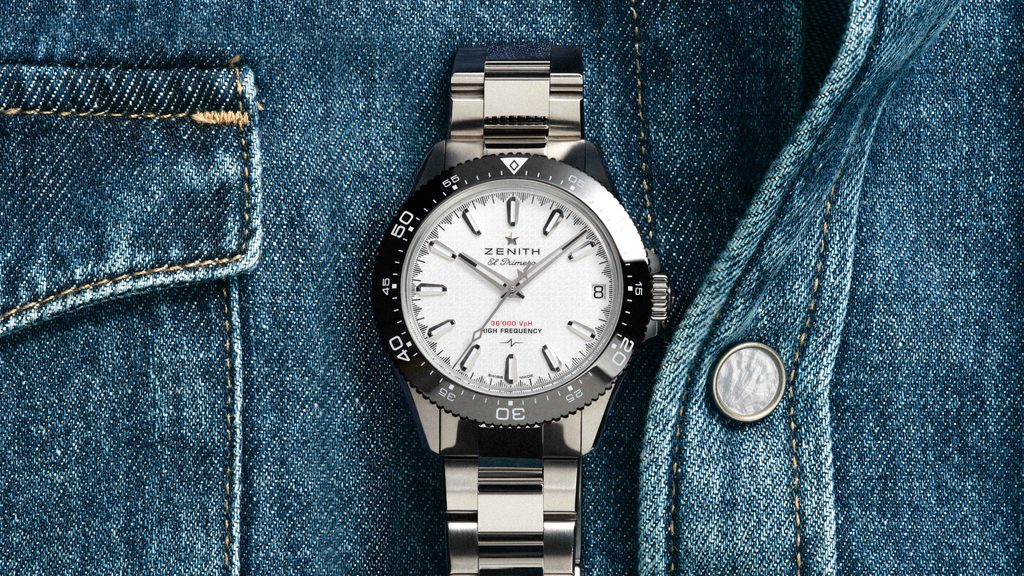
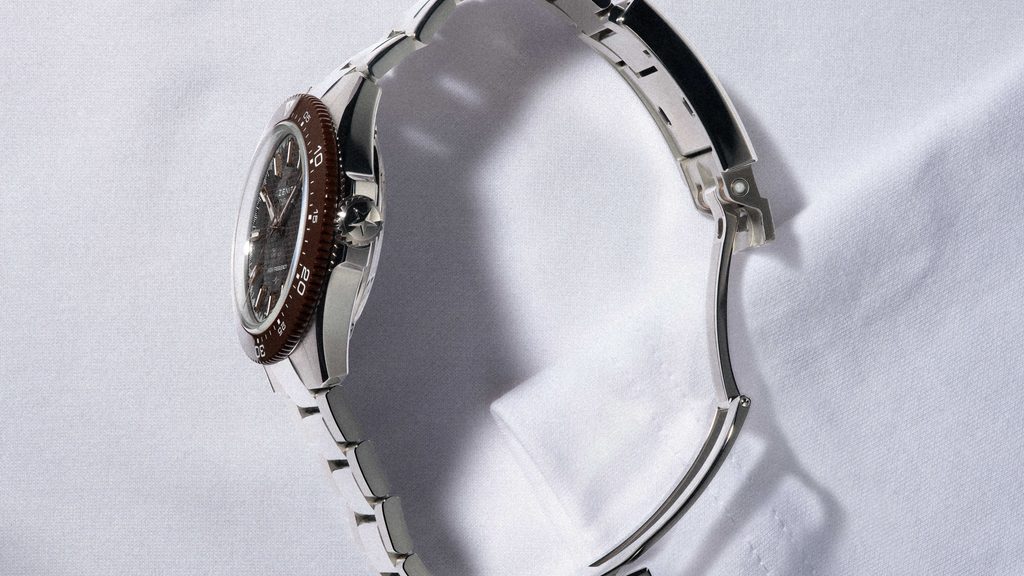
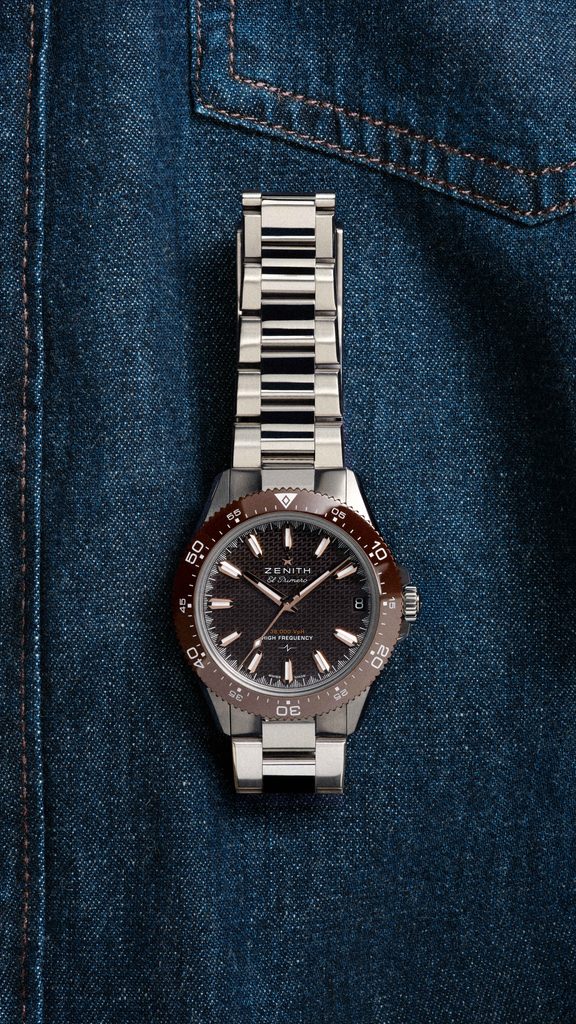
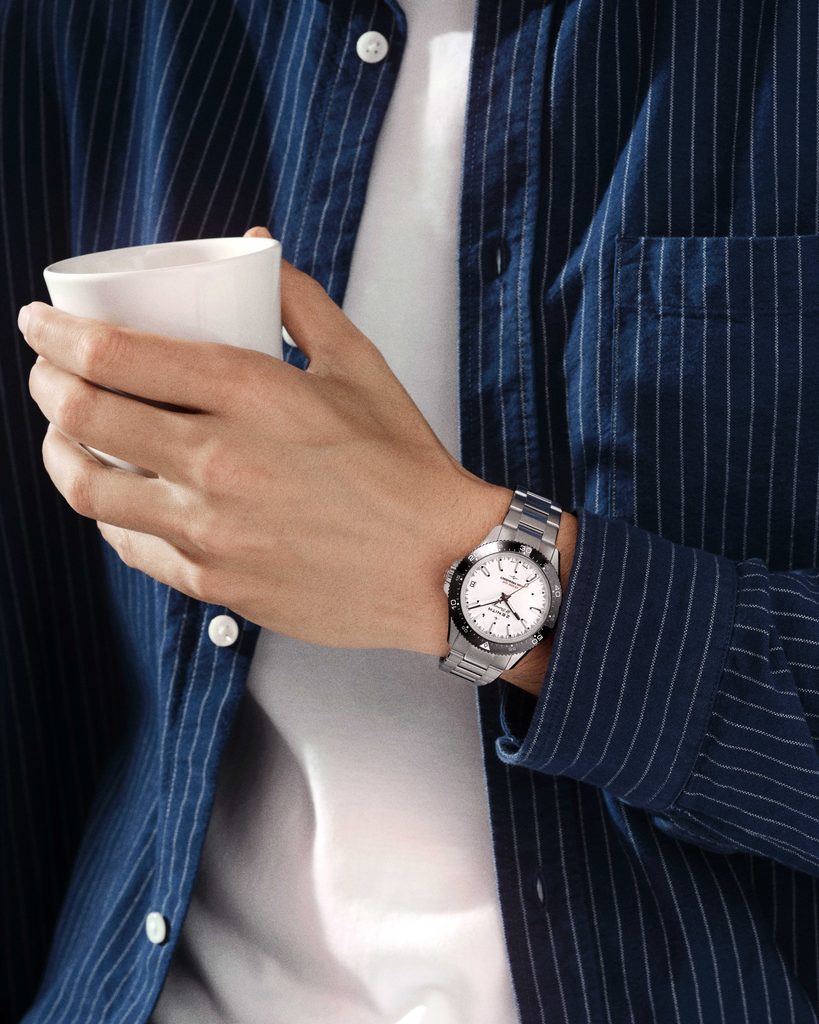
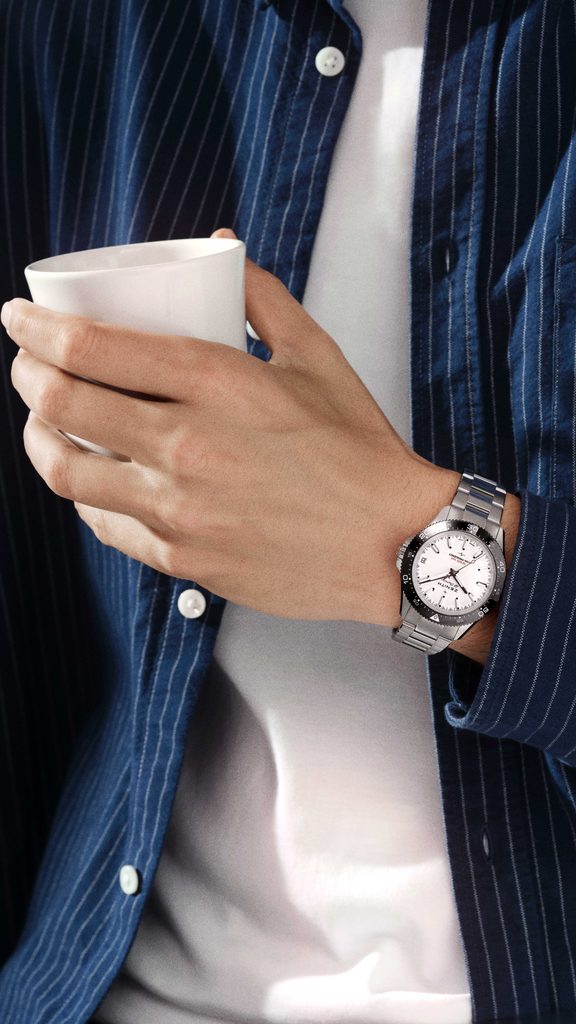
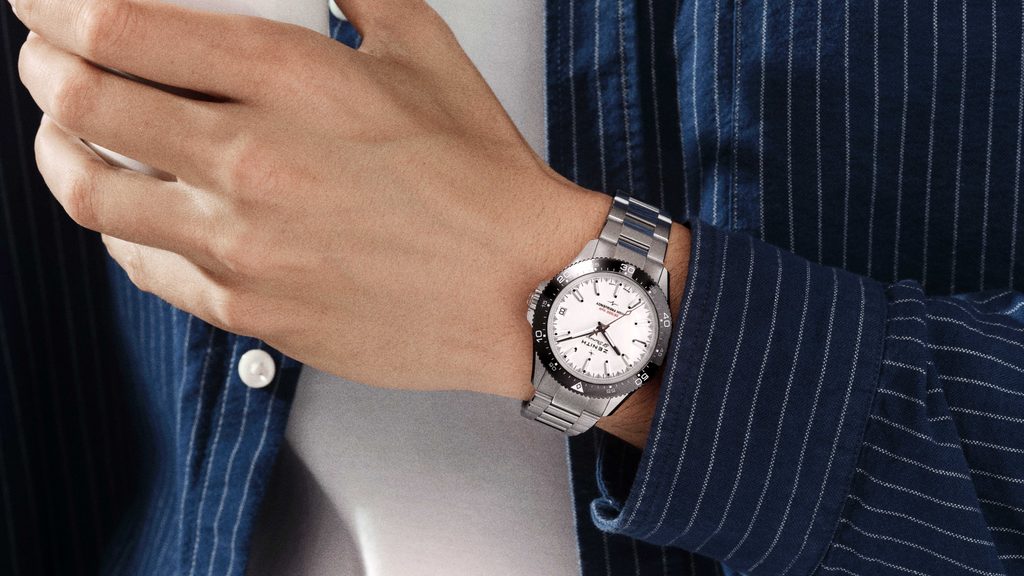
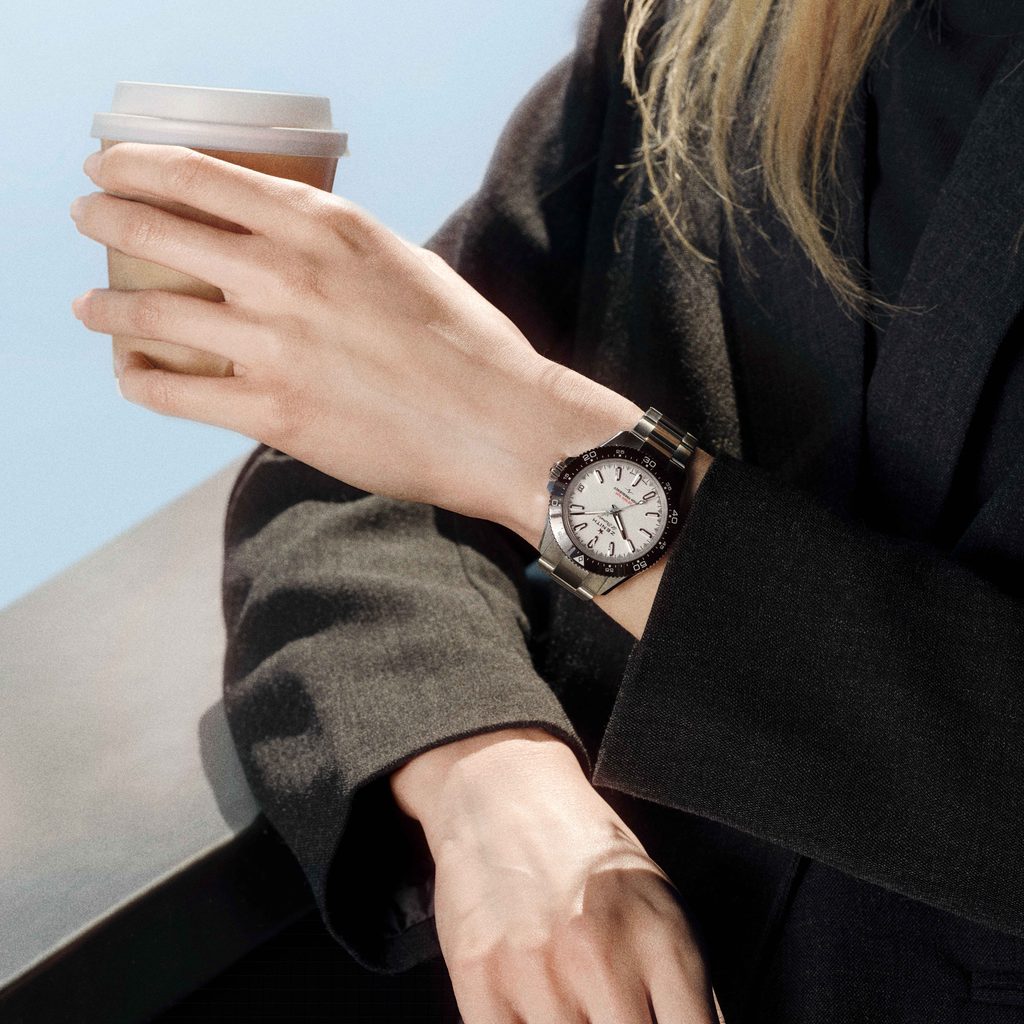
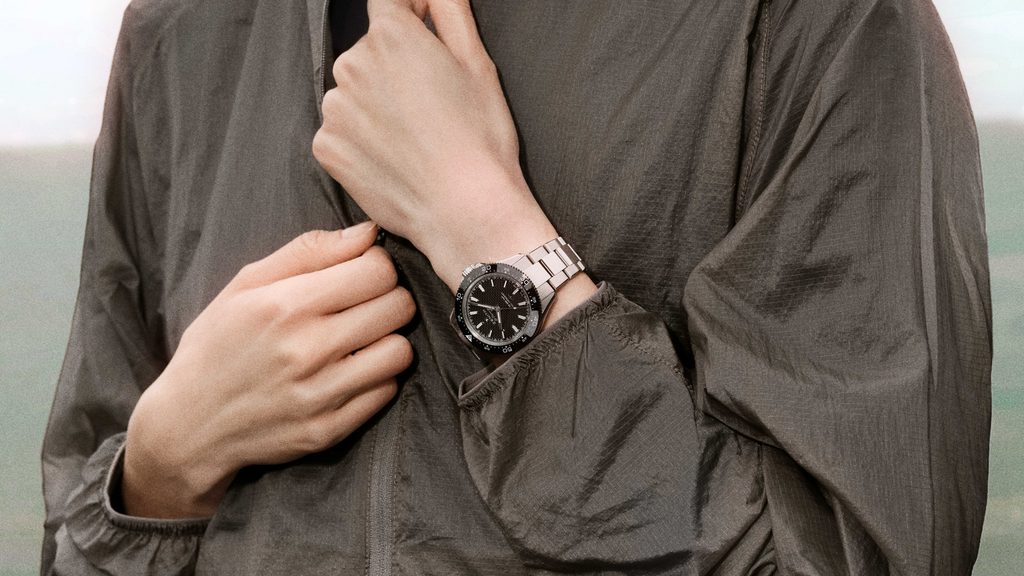
The steel case measures forty millimetres. Zenith offers the piece in four versions and uses ceramic for the dial as well as for the unidirectional rotating bezel. The «Z» motif on the dial works the surface like a graphic vibration, echoing the frequency of the movement. The result needs no additional sub-dial to recall the Chronomaster identity: the idea of speed is moved from the display to the material and the visual rhythm.
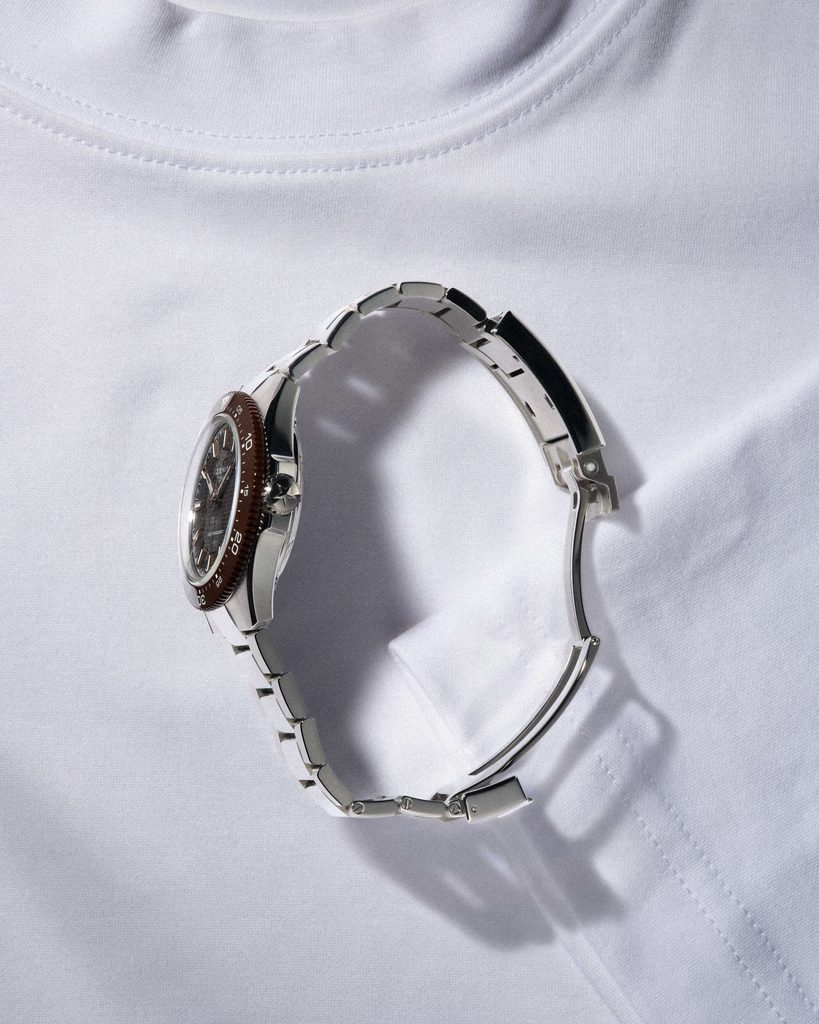
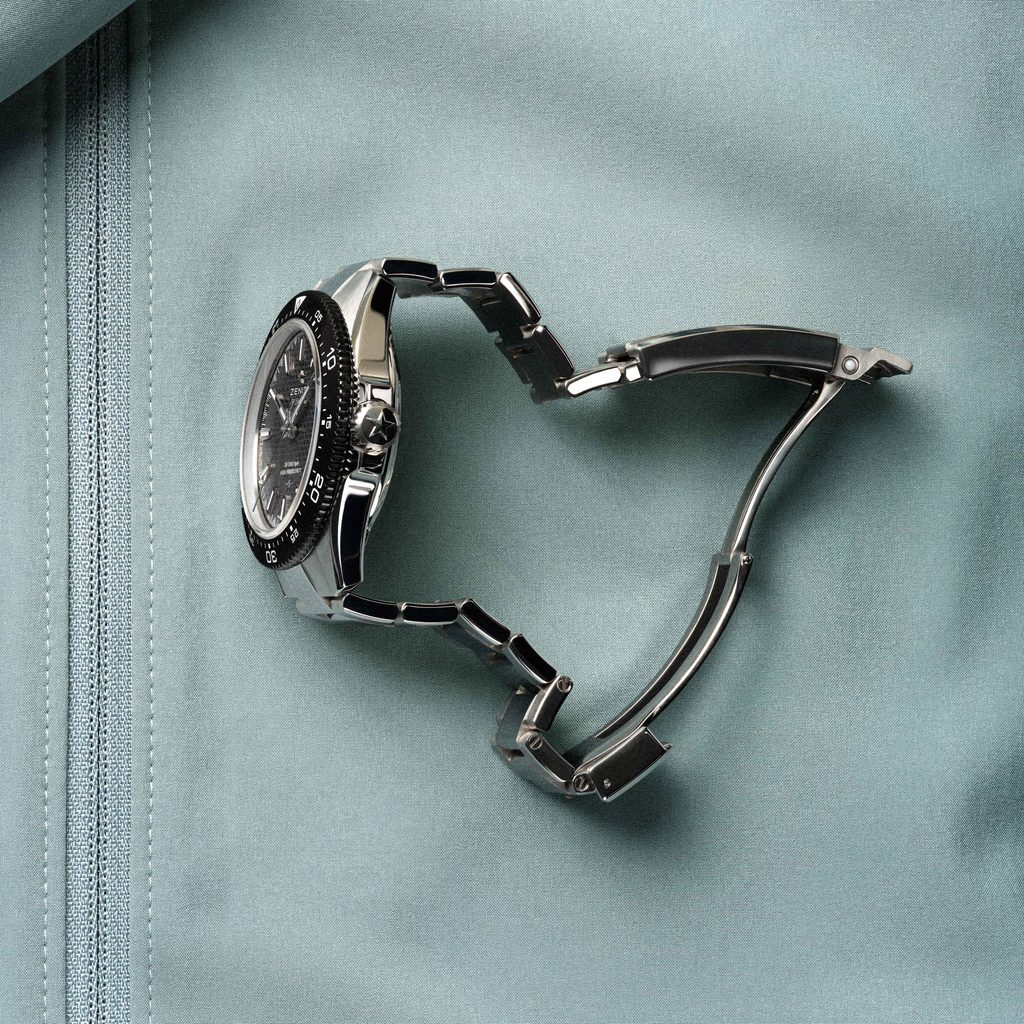
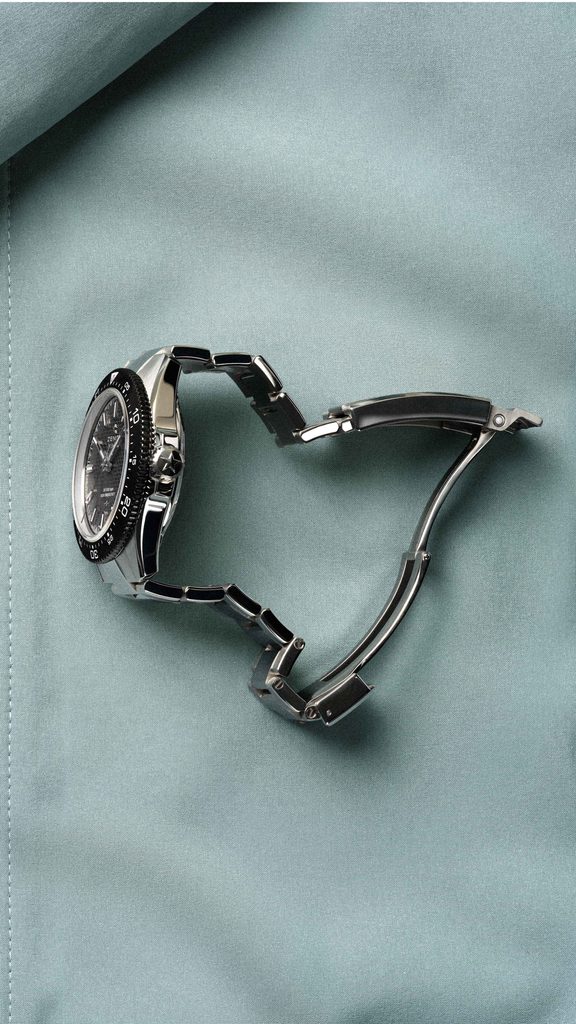
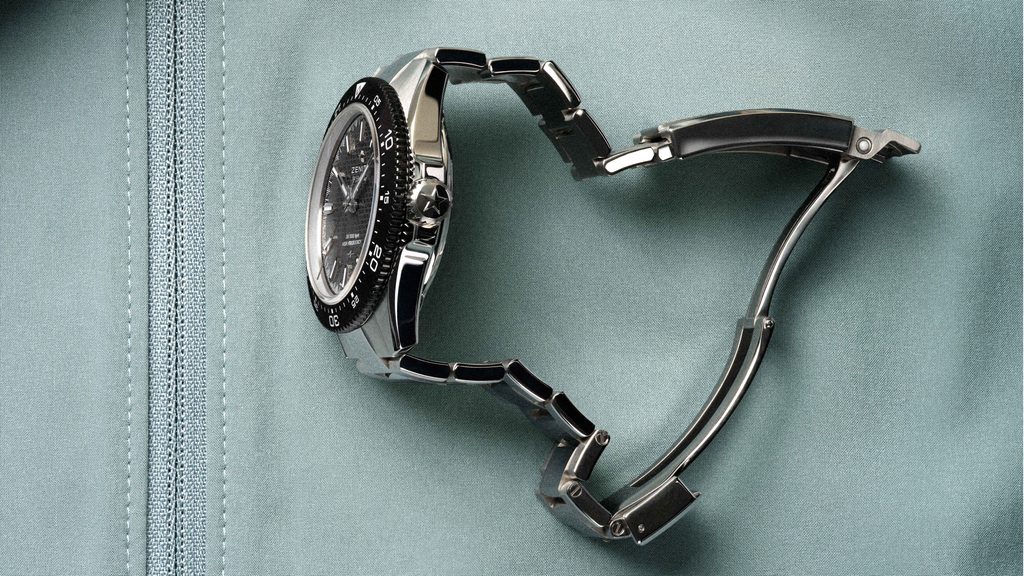
The bracelet also receives a functional evolution with the new ZENCLAPS™ clasp, fitted with an integrated micro-adjustment. Here again, the interest lies less in launch vocabulary than in use: a sports watch becomes more convincing when its fit can be adjusted quickly during the day, without tools.
The Chronomaster Solo Sport arrives at a moment when several Manufactures are seeking to simplify their sports lines without giving up their mechanical heritage. Zenith chooses not to create an anonymous three-hand watch. It keeps what constitutes its most recognisable technical language — high frequency — and gives up the function that, until now, made it immediately visible.
This shift is culturally interesting. It suggests that watchmaking know-how can outlive its historical use and become a principle of construction. The real question will now be whether this high frequency, deprived of its chronograph demonstration, becomes an everyday argument tangible enough for the Esthete.









Cette publication est également disponible en :


