
After our discovery of the secrets of Parmigiano Reggiano, it’s Parma Ham’s turn to reveal its secrets.
If you’re looking for a Parma Ham, the first thing you need to look for is its crown. You’ll find the ham, the real
Parma Ham, fine, savory, to be sliced light as a bridal veil, like a petal of pink flesh that melts under the palate, releasing its
woody, fragrant flavors, its unique taste, its exceptional flavor.
Hannibal had it in his mouth – hams were kept in jars at the time – and the Romans feasted on it. So did the dukes – Visconti, Farnese and other Bourbons who succeeded one another in the palaces of this rich city. Although our own
Stendhal, a lover of Italy, wrote nothing about it, he was undoubtedly fond of it, for whom life was first and foremost about beauty and passion. And so did Verdi, born in Parma, a beautiful city of architectural rigor, nestled in one of Italy’s most beautiful and fertile regions, Emilia-Romagna, a city, therefore, prodigious in epic, in genius, in foods whose quality places them among the great mythical products of our European tables: along with Parmigiano-Reggiano, the lord of cheeses, Parma Ham. Violetta, Luisa, Desdemona, if Verdi’s heroines ate… they would eat Parma Ham. And, again in Verdi, what do you eat in the whirlwind of the Bal Masqué, with a glass of champagne? But Parma Ham!
Today, Parma Ham is part of every celebration, as well as every day, as an appetizer or a main course, eaten on the go or cooked lightly
. Universally known and appreciated by all, the delicacy of its flavor, its varied possibilities, from the simplest to the most
refined, its beautiful appearance on the table, its nutritional virtues, this magnificent Protected Designation of Origin product is of a constant
quality, guaranteed by irreproachable production, modernized but based on local genius and tradition, guaranteed by inescapable legislation and the vigilance based on permanent controls by the,Consortium du Jambon de Parme and the Institut Parme Qualité (I.P.Q.).
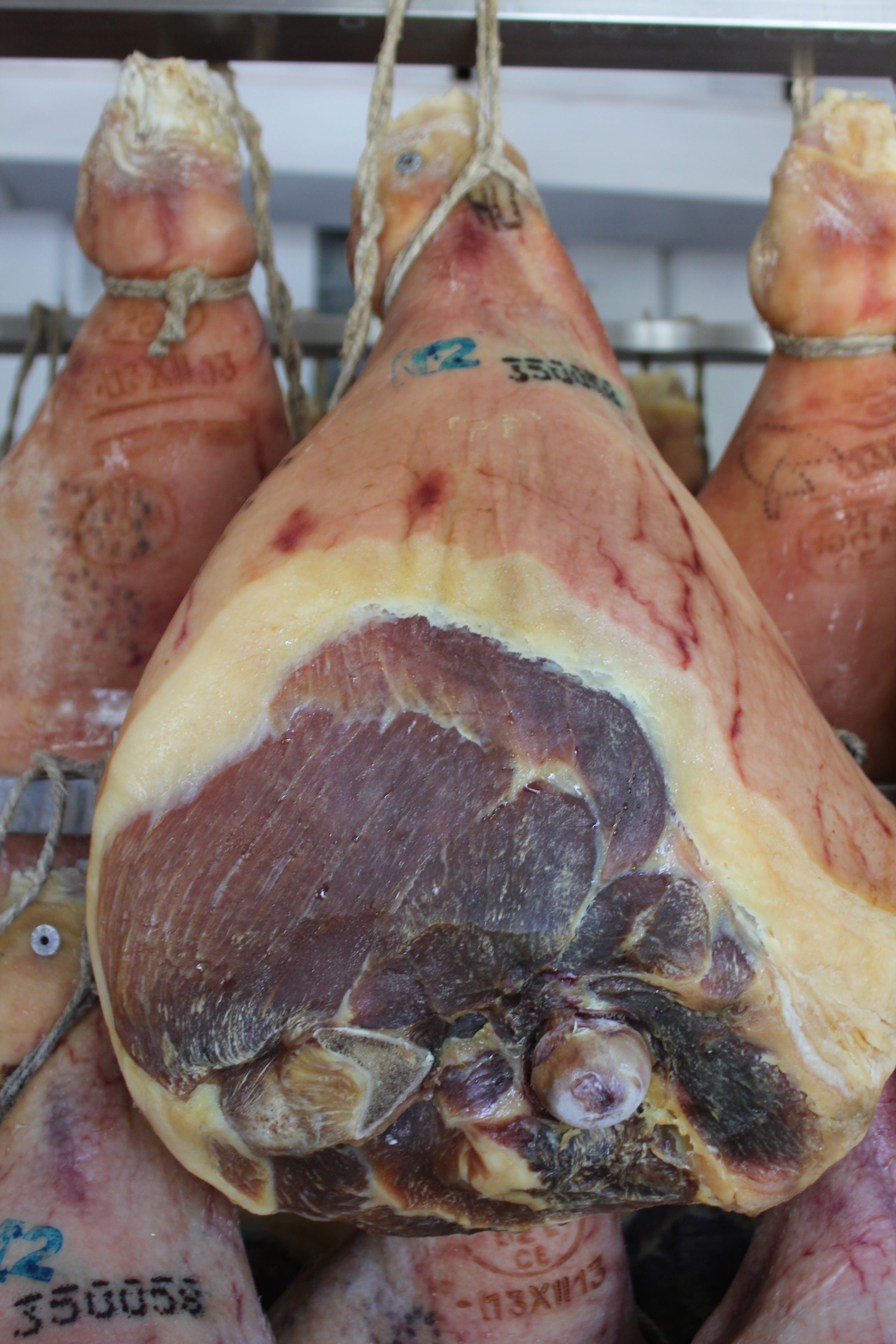
A Parma Ham can be recognized by its crown, the five-pointed ducal crown branded into the rind.
Originally, the pig…
All is good in the pig, but the best is the leg, which will give the ham.
Beautiful thighs from pigs at least nine months old – Large White, Duroc, Landrace – weighing their minimum one hundred and fifty kilos – we call them “heavy pigs”. The thighs now carry the double guarantee of a birth tattoo and a slaughter mark: inspectors from the Parma Quality Institute don’t mess around with origins.
Beautiful, fresh legs from pigs of breeds selected in particular for their reduced fat content, thanks to modern, hygienic rearing methods that ensure consistent, safe quality.
To earn the Parma Ham appellation, the pigs must be born, raised and slaughtered in a region that includes some of the finest terroirs in northern and central Italy, from Umbria to Veneto to Tuscany.
…man and earth, wind and salt.
The wine-making process takes place in a very specific, delimited area of Emilia-Romagna, in the province of Parma: south of the ancient via Emilia, between the Enza and Stirone rivers, up to nine hundred meters above sea level.
It’s here, and only here, that the natural miracle of Parma Ham takes place, the one that gives it its light consistency, flavor and subtle aromas: the wind from the Apennines, which has picked up all the wild scents, is the source of its fine curing, and the salt comes from the sea. Combined with the experience, skill and determination of the people of this land, it is the combination of all these elements that gives Parma Ham its unique character.
A seven-stage preparation process that takes time, lots of time…
The production process involves seven stages, all of which are controlled, all of which are essential.
Immutable and inimitable, this ancestral preparation applies not only to whole Parma ham, but also to pre-sliced, pre-packaged ham,
in a modified atmosphere. The starting point is a pig born and raised in Italy, healthy, rested and fasting for
fifteen hours:
1) Isolation-cooling-roasting: three stages in preparation for curing. After slaughter, the leg is isolated from the “mezzena” (half of
slaughtered pig). The meat is then cooled (never frozen) to 0° for twenty-four hours, to make it more hygienic and convenient to work with.
Finally, trimming gives the leg its beautiful appearance.
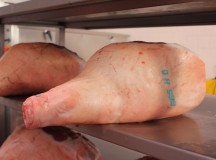
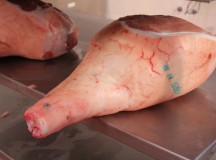
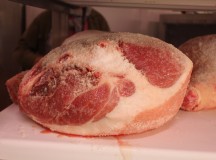
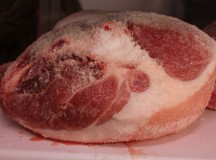
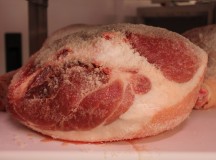
2) Salting: chilled and trimmed legs are sent from the slaughterhouses to the salting plants in Parma, where they are selected. At this stage, a ring bearing the month and year of curing is affixed to each ham. The fresh legs are coated with
salt by the “Maîtres Saleurs”, the rind is treated with wet salt, and the flesh is rubbed with dry salt. Placed for six to seven days in a “chambre de premier sel” at a temperature of 1 to 4°, the hams are then re-coated with salt and placed in a “chambre de deuxième sel” for a period of fifteen to eighteen days, depending on their weight. The recipe for Jambon de Parme is simple: take a nice fresh leg of pork. Add to it a particular terroir, salt and air, centuries of know-how and love, a nose and a lot of time. No additives. No additives.
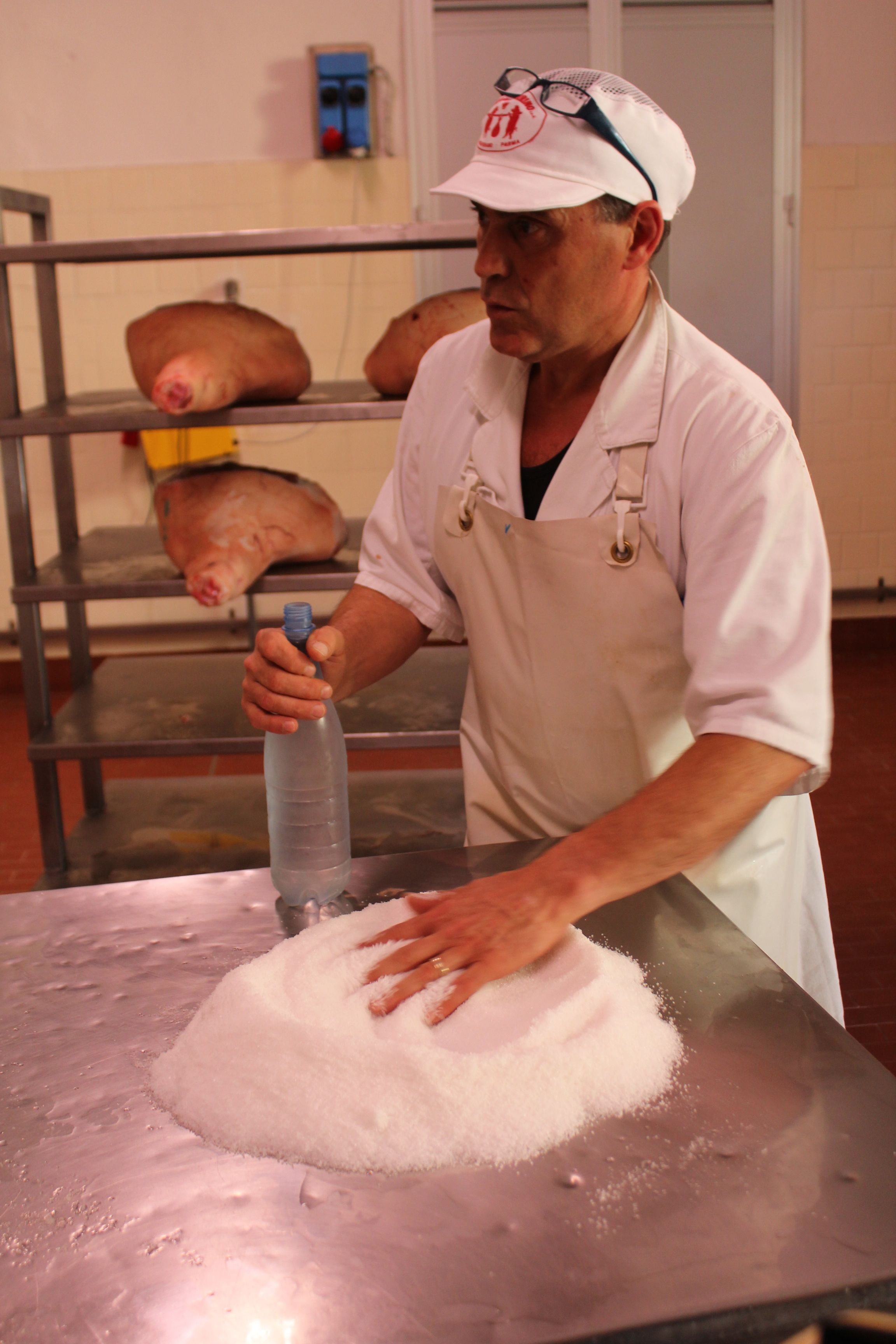
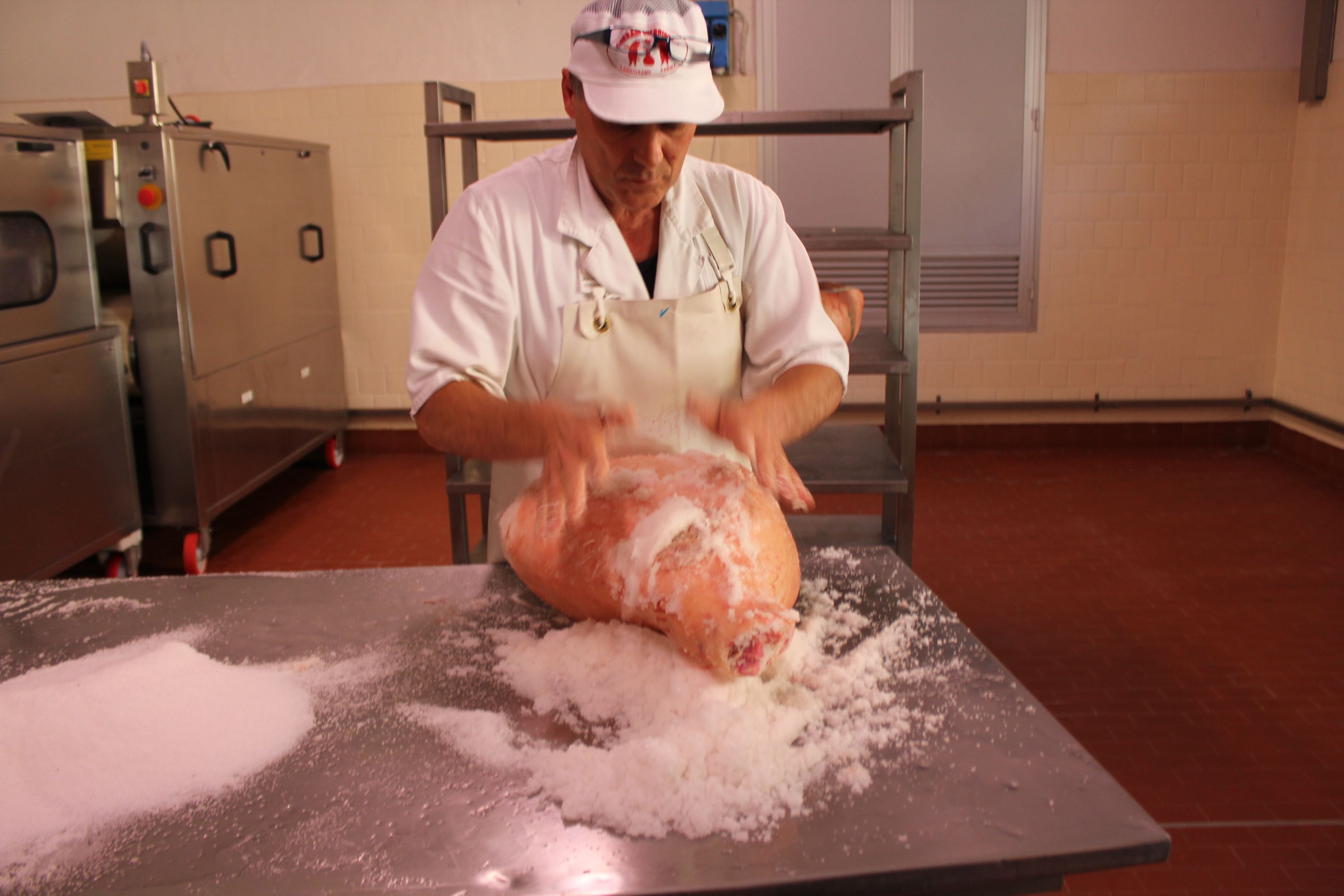
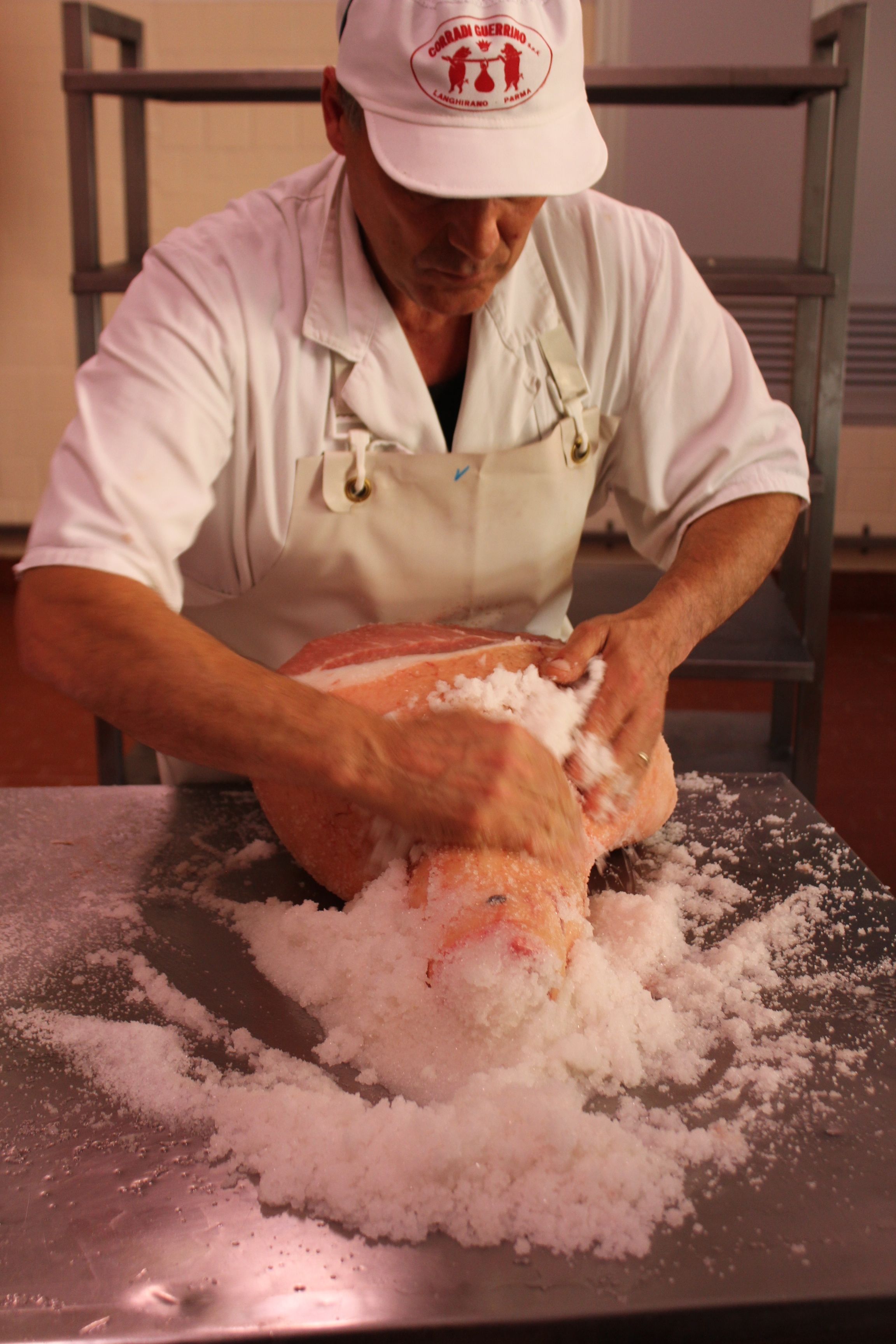
3) Rest: three months to absorb the salt in depth, in air-conditioned rooms, at a temperature ranging from 1 to 5°. The hams “breathe” and gradually lose weight naturally. Weight loss: 8 to 10%.
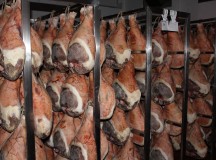
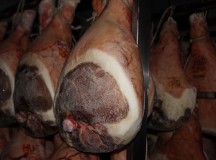
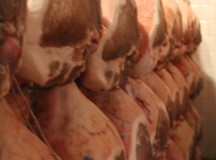
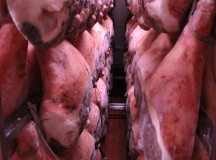
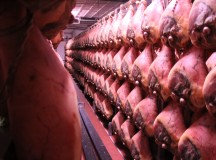
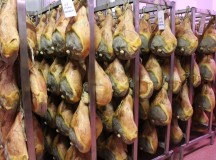
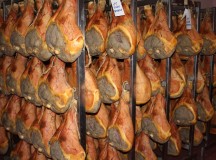
4) Washing and drying: once washed in lukewarm water to remove salt and residual matter, the hams are enriched with the fragrance of the hills and air-dried for 4 months in large, ventilated rooms. The high windows of the “drying rooms” are opened or closed according to a subtle relationship between temperature and humidity, both inside and outside, of the room and of the product. Weight loss of : 8 to 10%
5) Greasing: in the seventh month, the cavity around the nut, the uncovered muscular part and any cracks are covered with lard, a mixture of pork fat and salt, pepper and, sometimes, rice flour. Larding softens the surface layers of muscle, preventing them from drying out too quickly compared with the inner layers, and allowing subsequent moisture loss
.
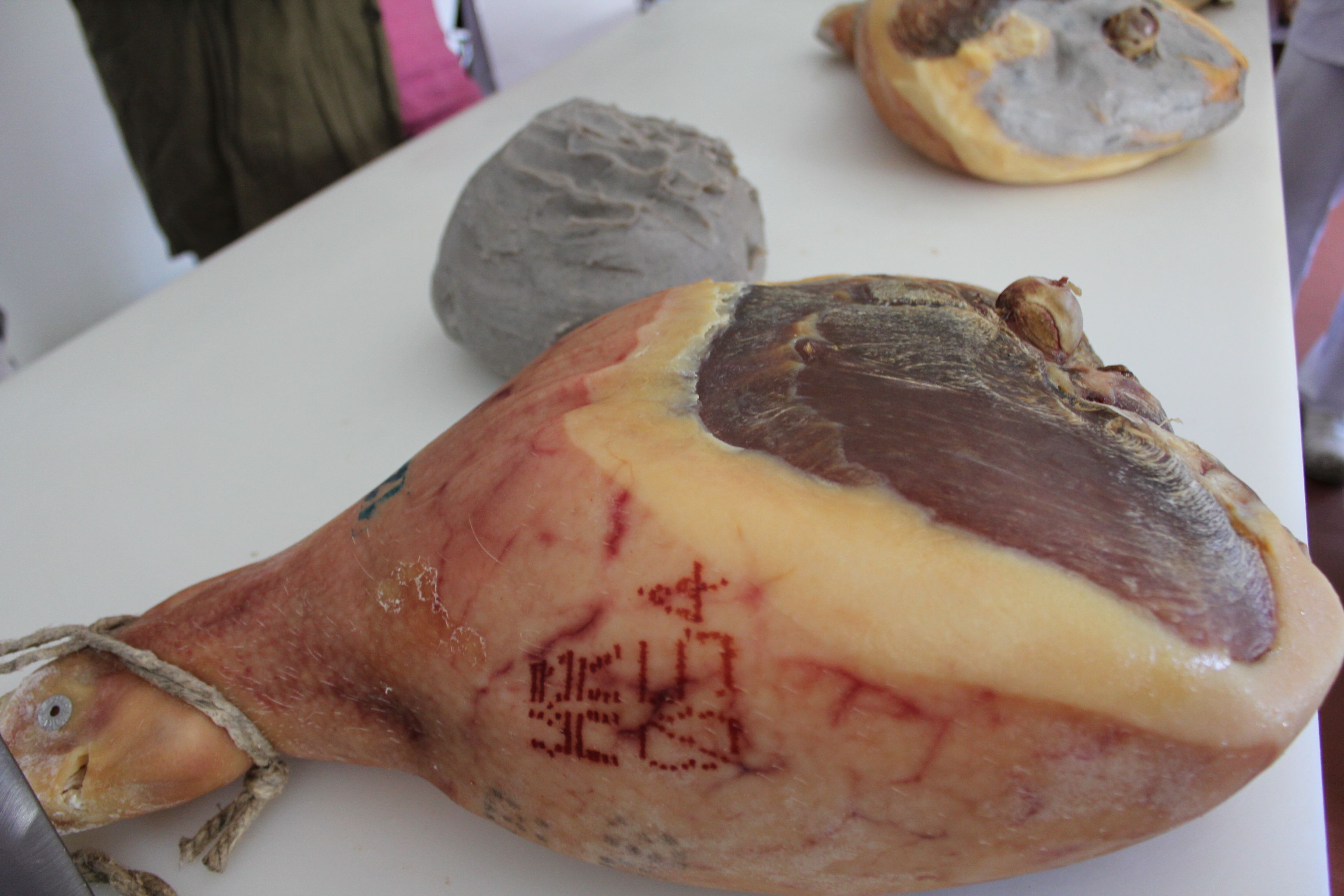
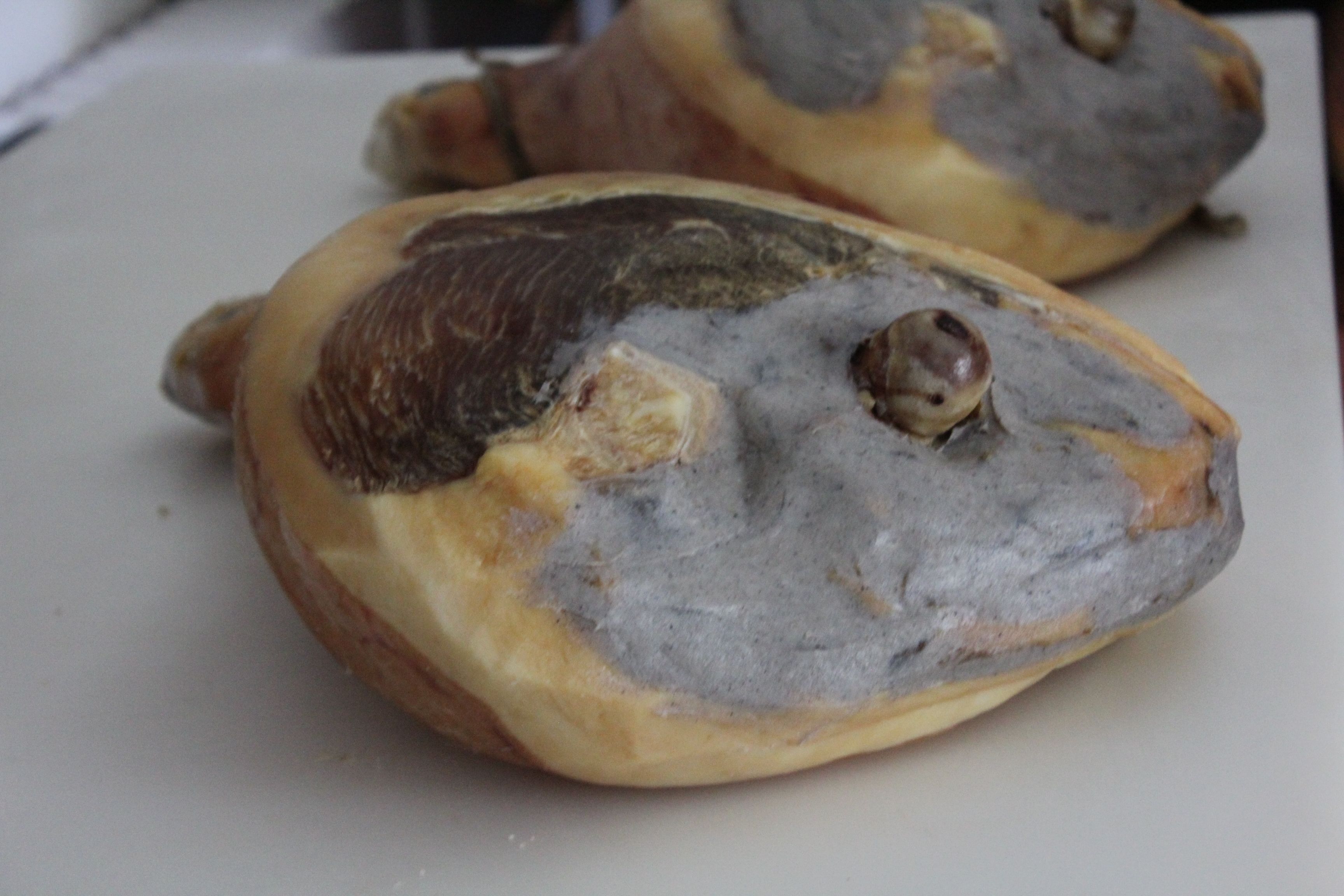
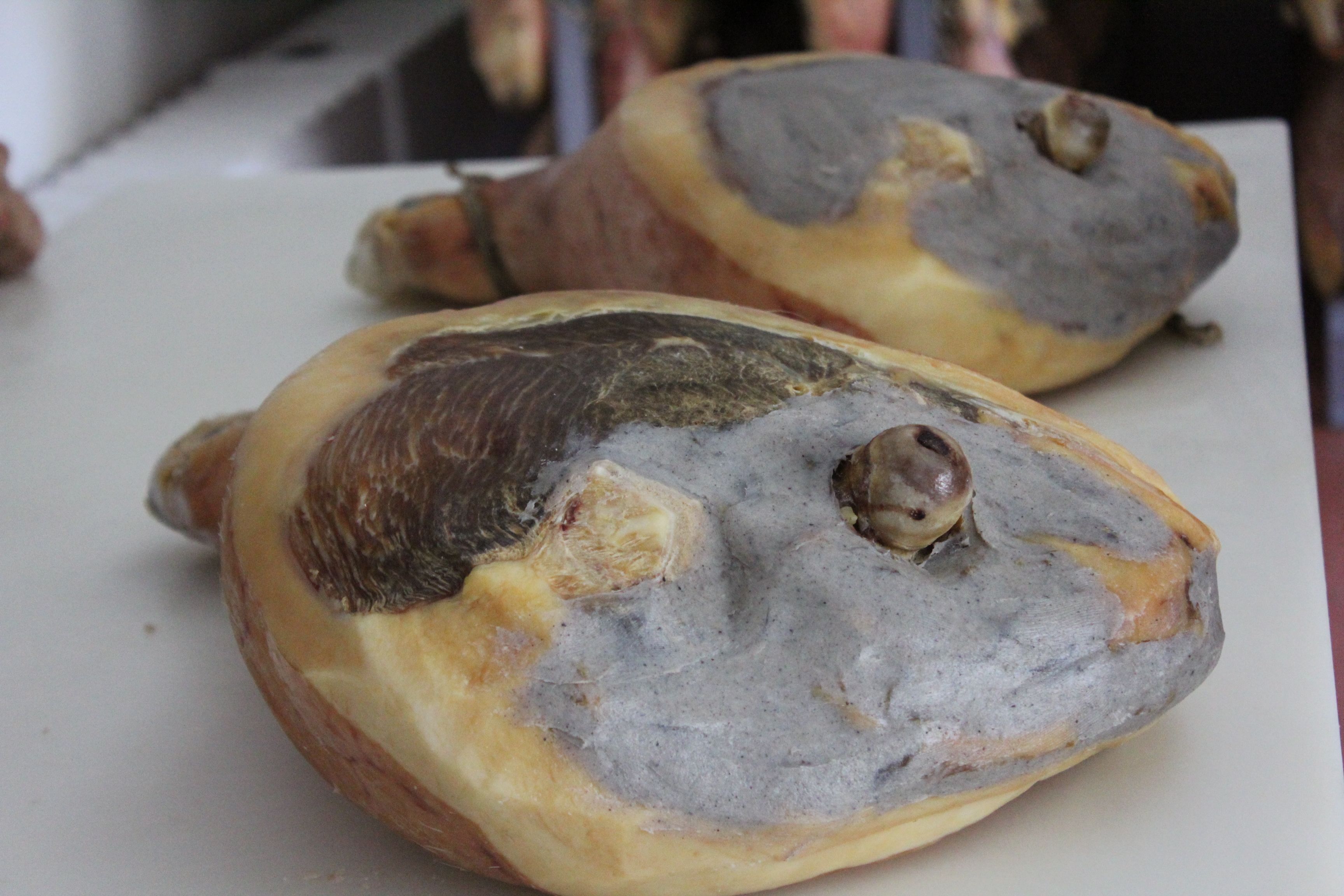
6) Maturing: the hams are then placed in less ventilated cellars, where they undergo the slow enzymatic transformations that lead to full maturation. Over the course of several months, the hams improve in flavor and aroma. Weight loss: 5%.
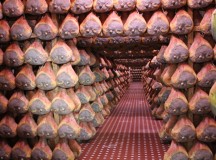
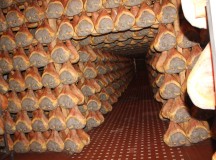
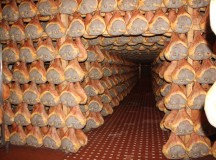
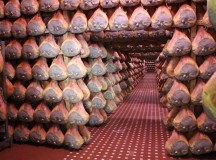
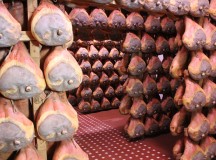
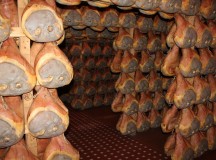
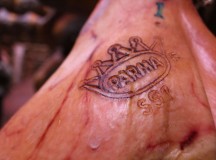
7) Probing and marking: in the twelfth month, at the end of this long and rigorous preparation process, a specialist with a fine nose uses a horse-bone punch to sniff out the ham down to its very core and check its quality. The “Parma” Protected Designation of Origin is awarded to hams that have met all the quality criteria imposed by law. The five-pointed ducal crown is then branded on
the rind. It guarantees the authenticity and unique flavor of Parma Ham. After this natural beauty cure lasting a minimum of twelve months for hams weighing seven to nine kilos, and twelve to thirty months for hams weighing nine kilos or more, only the best remains: soft, perfectly salted flesh, concentrated aromas, complex, inimitable flavor, the fruit of time, seasoned with genius.
Tips for storing Parma Ham
Bone-in Parma Ham can be stored in a cool cellar: the boneless ham should be stored in the refrigerator, vacuum-packed or wrapped in cotton cloth.
Slices of Parma Ham can be stored for up to two days in the refrigerator, carefully wrapped in aluminum foil.
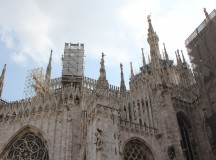
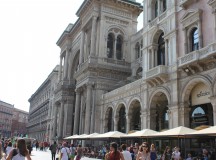
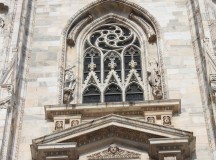
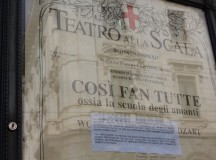
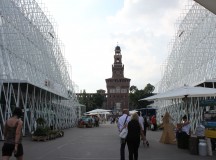
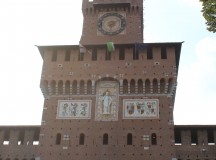
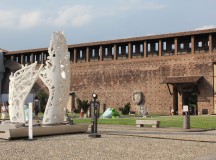
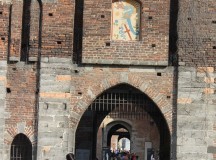
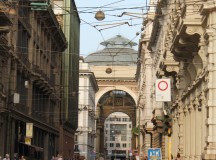
We finish our tour of the Parma region with a visit to the magnificent city of Milan, with its Duomo, Teatro alla Scalla and shopping arcades. A city where fashion is present on every street corner, on every inhabitant.

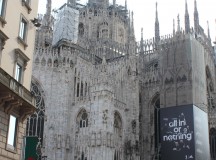












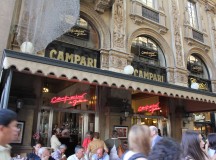







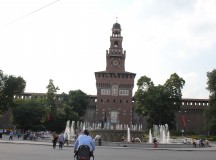

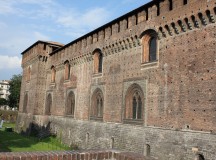

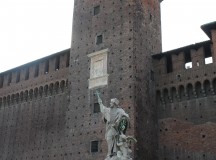
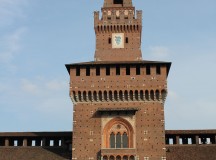





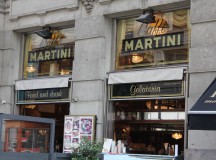
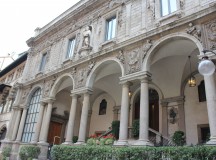


We try out a trendy restaurant in town, Carlo et Camilla, a concentrate of finesse and modern gastronomy in an enchanting setting.
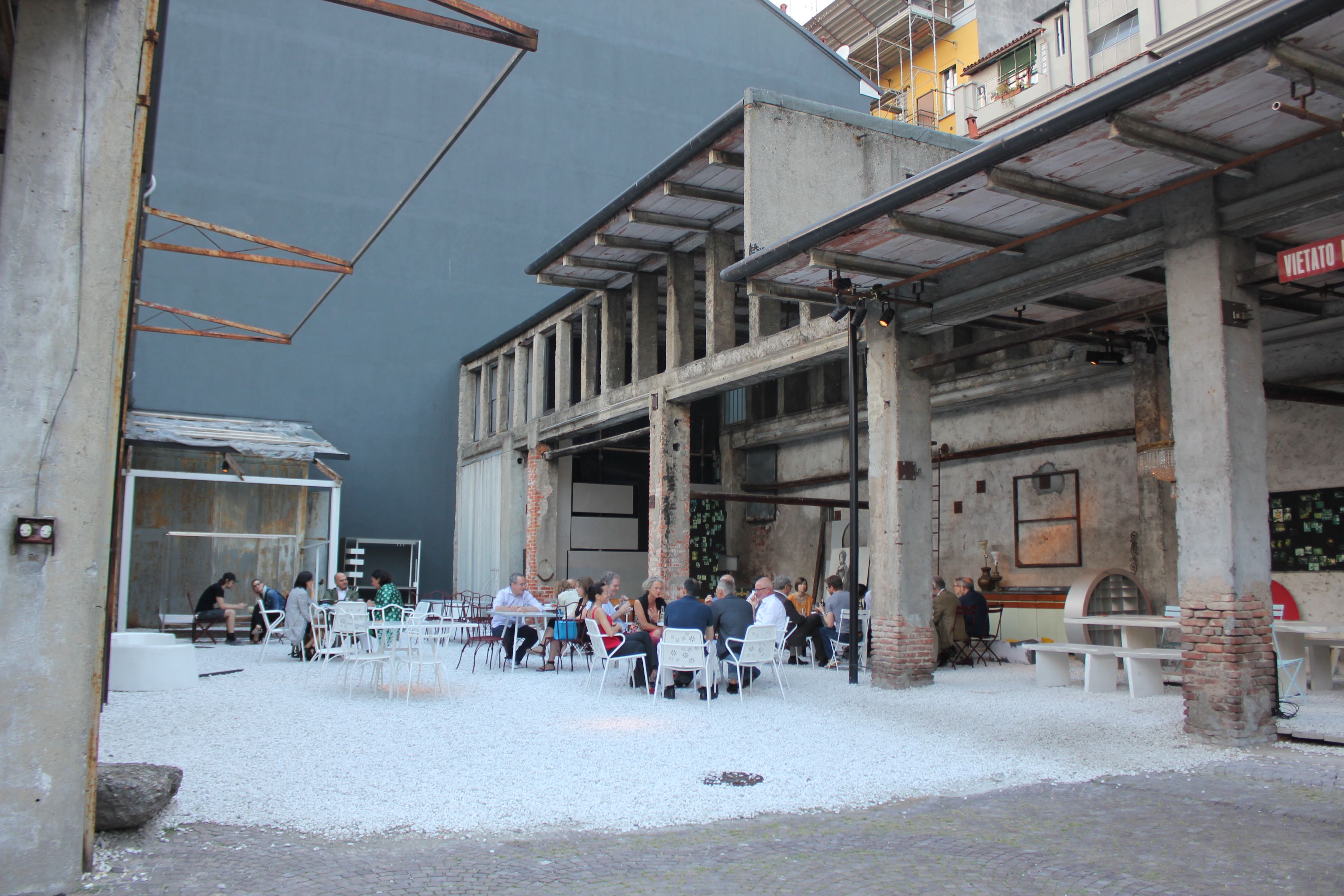
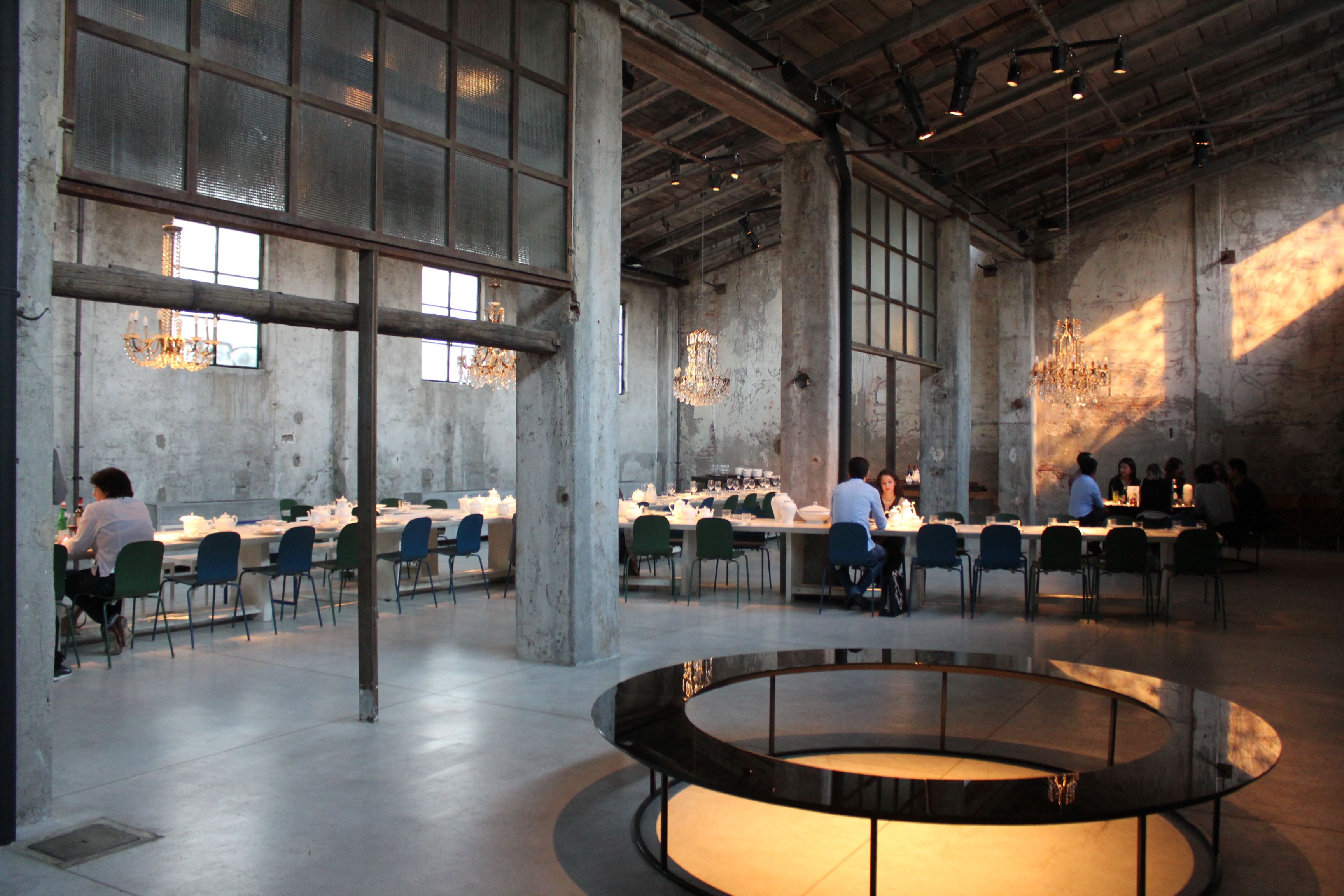
Further information on Parma Ham: http: //www.prosciuttodiparma.com/
Cette publication est également disponible en :

