
As soon as the first flowers appear, the capital of Massachusetts reactivates its urban geography. Between the botanical rigor of its historic parks and the precision mechanics of its sports facilities, the city unfurls a score where heritage can be read in the open air.
The sedimentation of the urban landscape
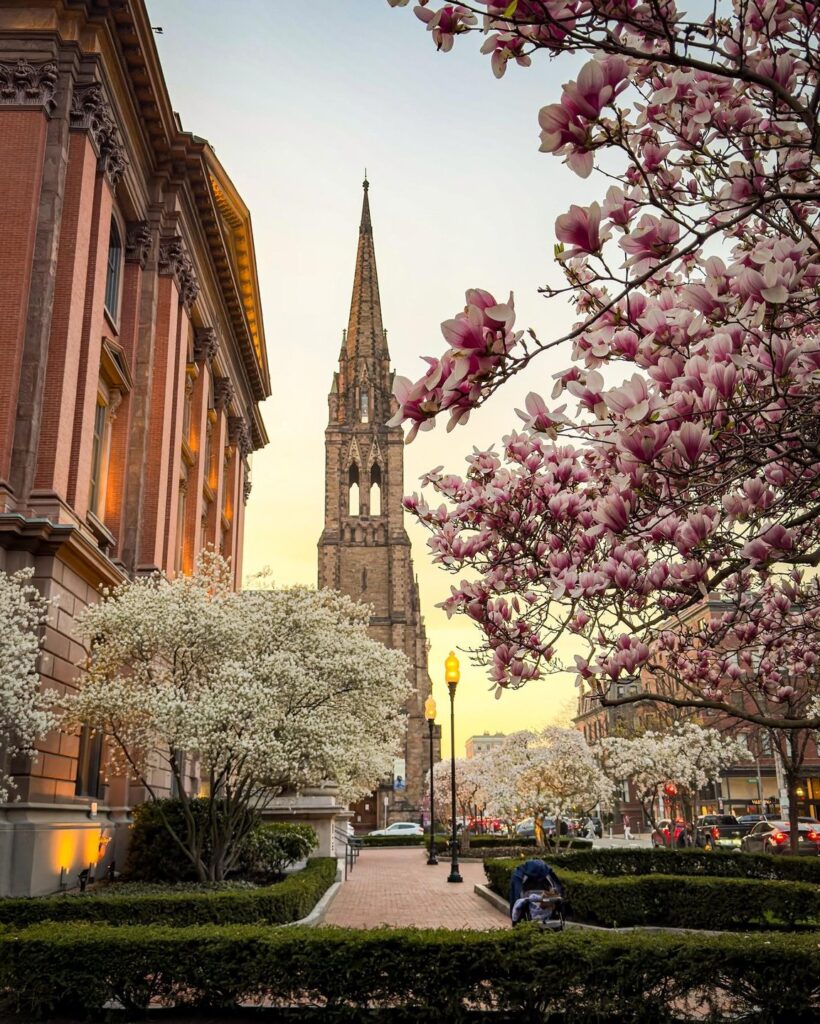
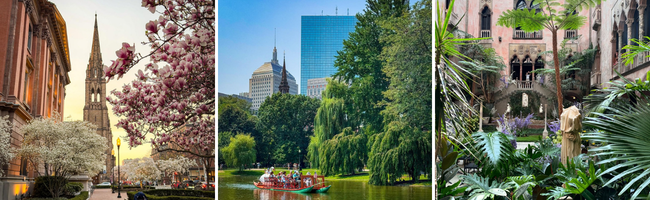
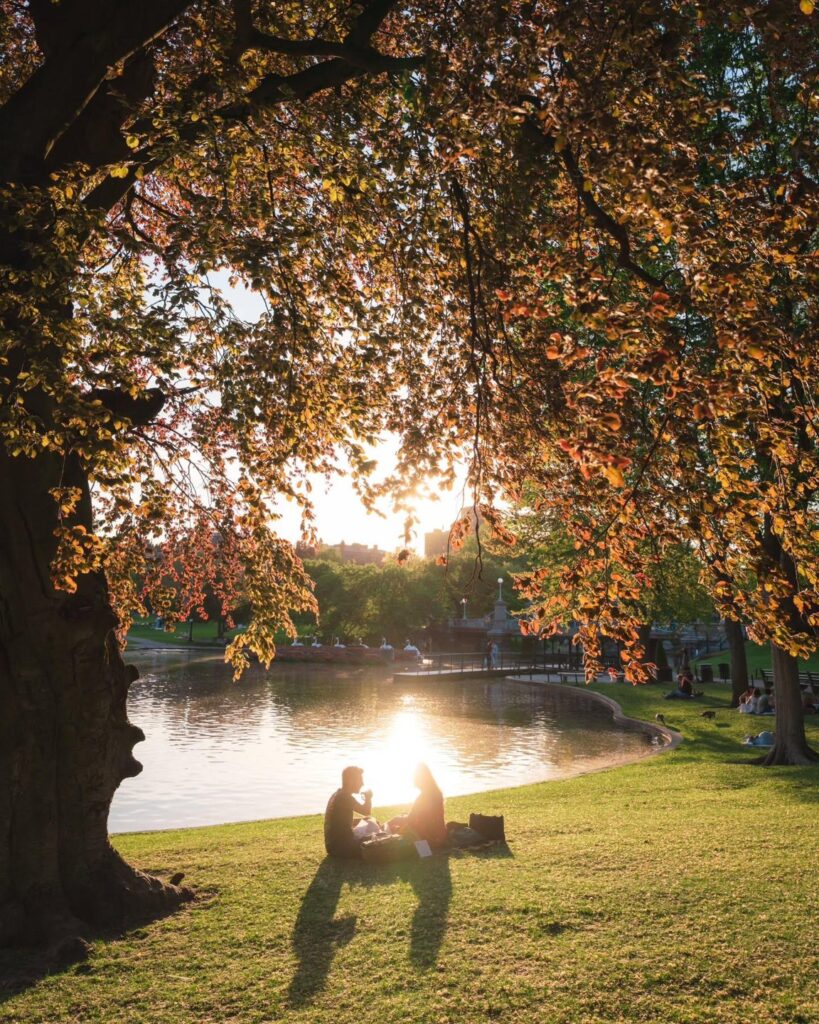
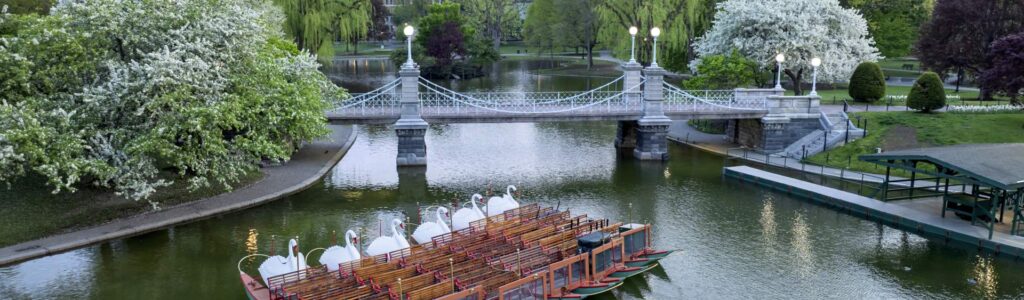
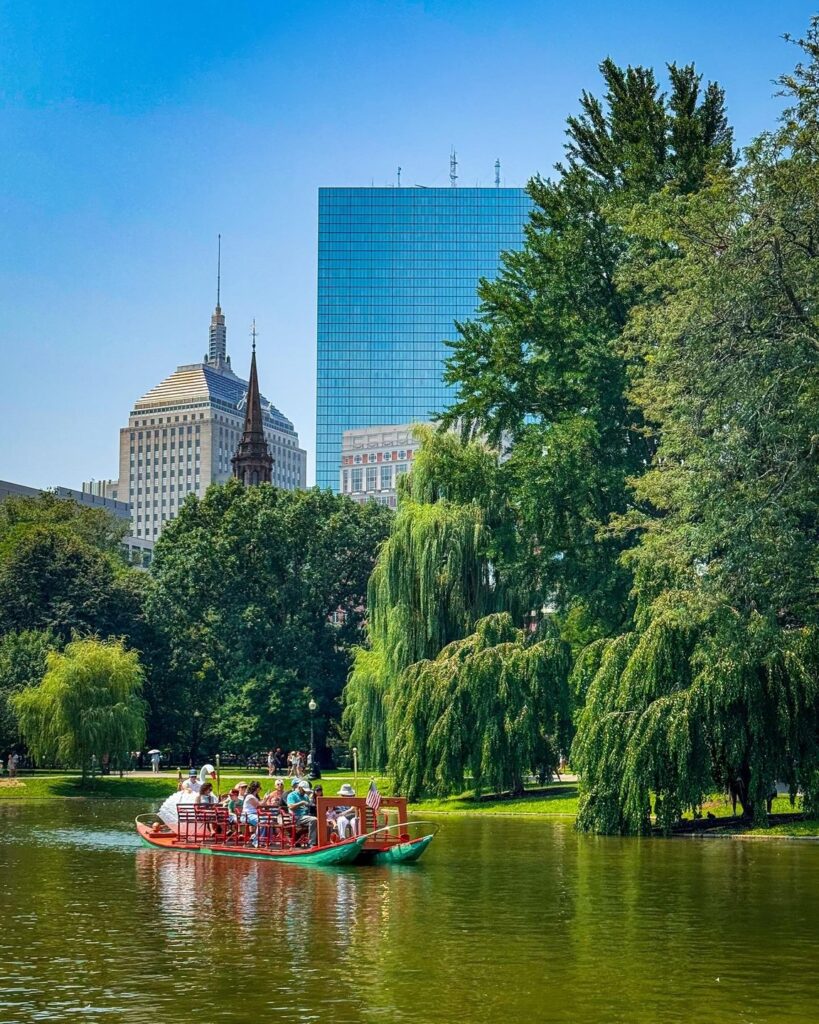
Boston’s spring is best appreciated for its plant architecture. The Boston Public Garden and Boston Common, the city’s historic lungs, orchestrate a precise seasonal transition. Since 1877, Swan Boats have sailed these ponds for less than five dollars, perpetuating an unaltered use of public space. The route continues along the Commonwealth Avenue Mall, an artery structured by Victorian facades, before switching to the waterfront at Christopher Columbus Waterfront Park.
The city doesn’t just bloom; it connects. The Rose Kennedy Greenway unfurls a ribbon of greenery integrating public art and markets, while the Emerald Necklace weaves a complex network of parks linking different neighborhoods according to a long-term urban planning logic. The Arnold Arboretum, with its documented botanical collections, and the Mount Auburn Cemetery in Cambridge, designed around the Washington Tower, bear witness to a conception of nature as a space for knowledge and observation.
Water as a social connector
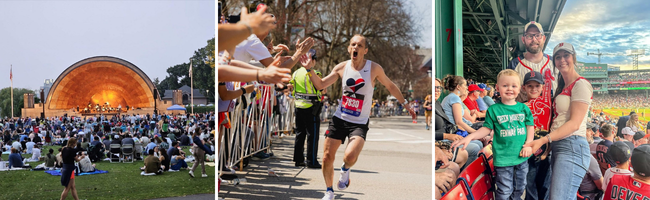
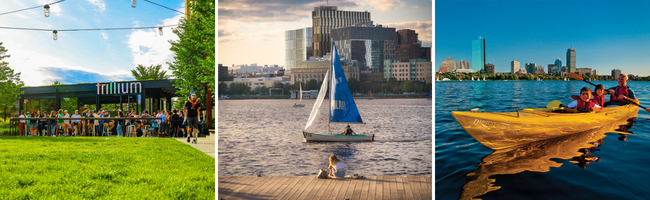
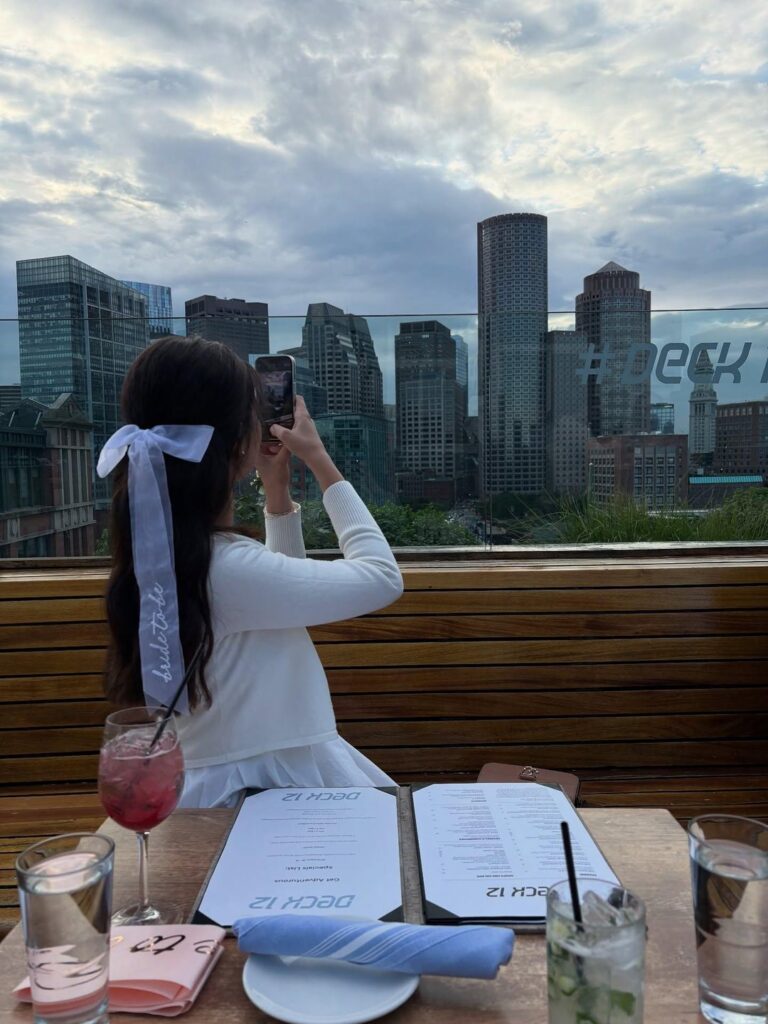
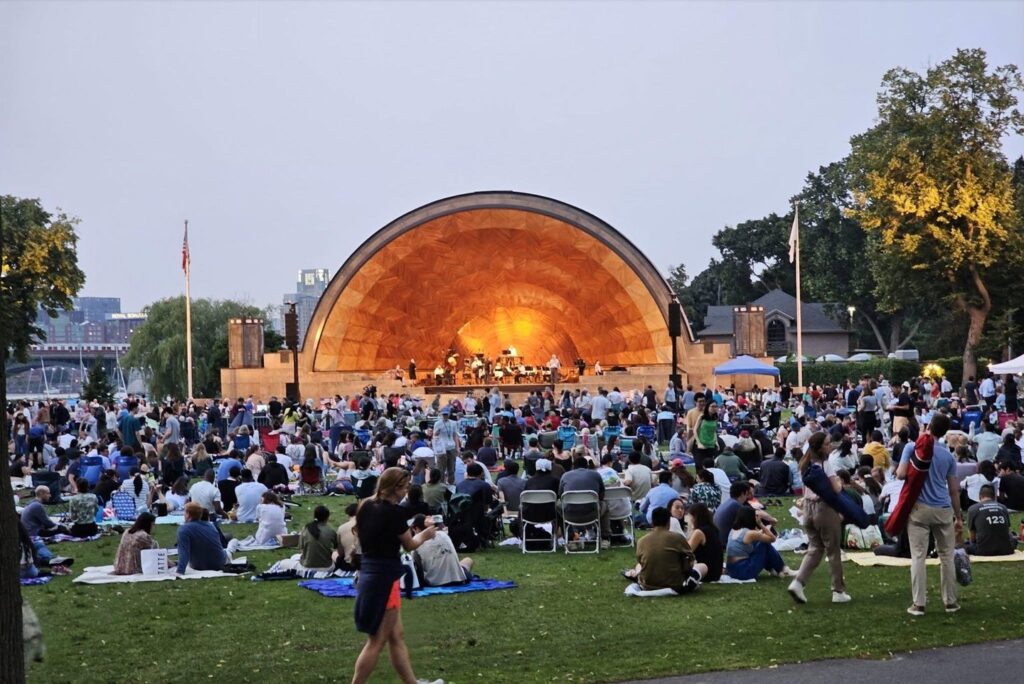
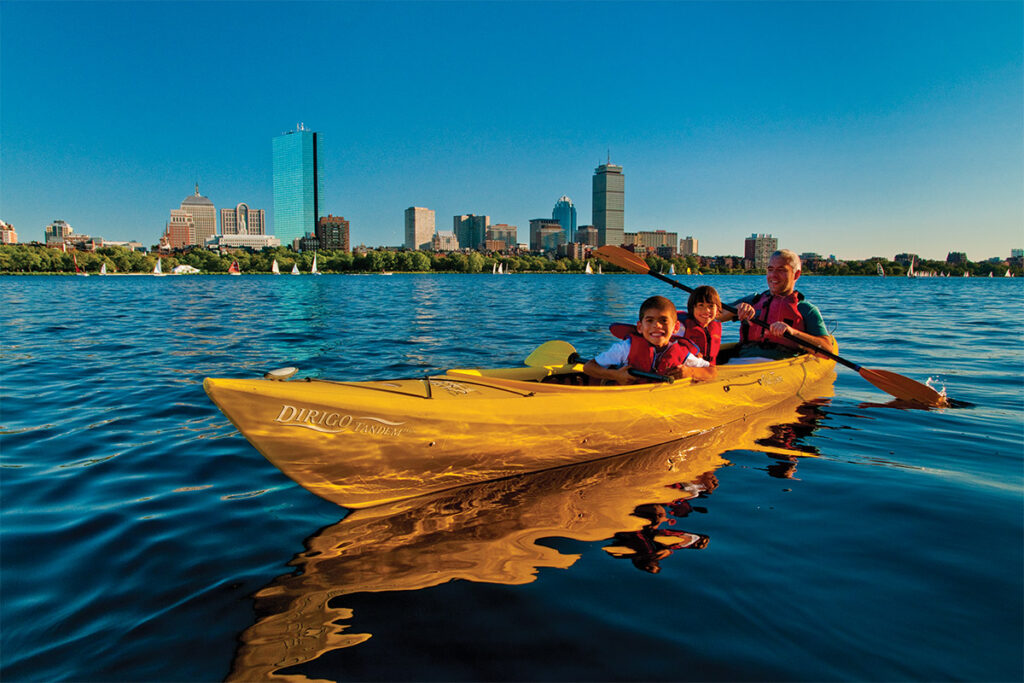
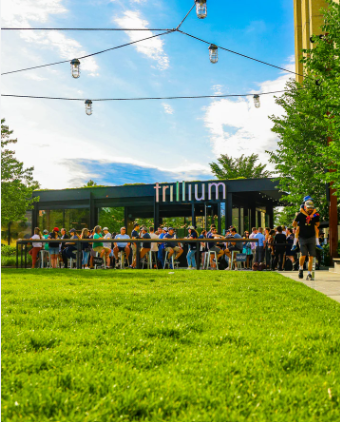
The Charles River acts not as a border, but as a fluid artery between Boston and Cambridge. Its surface became the expression ground for light boats, while its banks, notably the Charles River Esplanade, structured social life around the Hatch Shell. From May 1st onwards, the topography of the restaurant scene was redrawn: brasseries such as Samuel Adams and Trillium, as well as Back Bay establishments such as Deuxave and Café Sauvage, reinvested the outdoor space, changing the acoustics and rhythm of the adjacent neighborhoods.
Detail : Memory in motion
Boston’s history can be experienced on foot. The Freedom Trail unrolls its four-and-a-half kilometers of red bricks to link the geographical markers of the American Revolution. This memorial cartography is broken down into socio-economic strata: the Innovation Trail documents scientific evolution, the Black Heritage Trail and the Women’s Heritage Trail archive civil struggles, while the Irish Heritage Trail recalls the weight of diasporas in the construction of New England.
Choreography in the stands
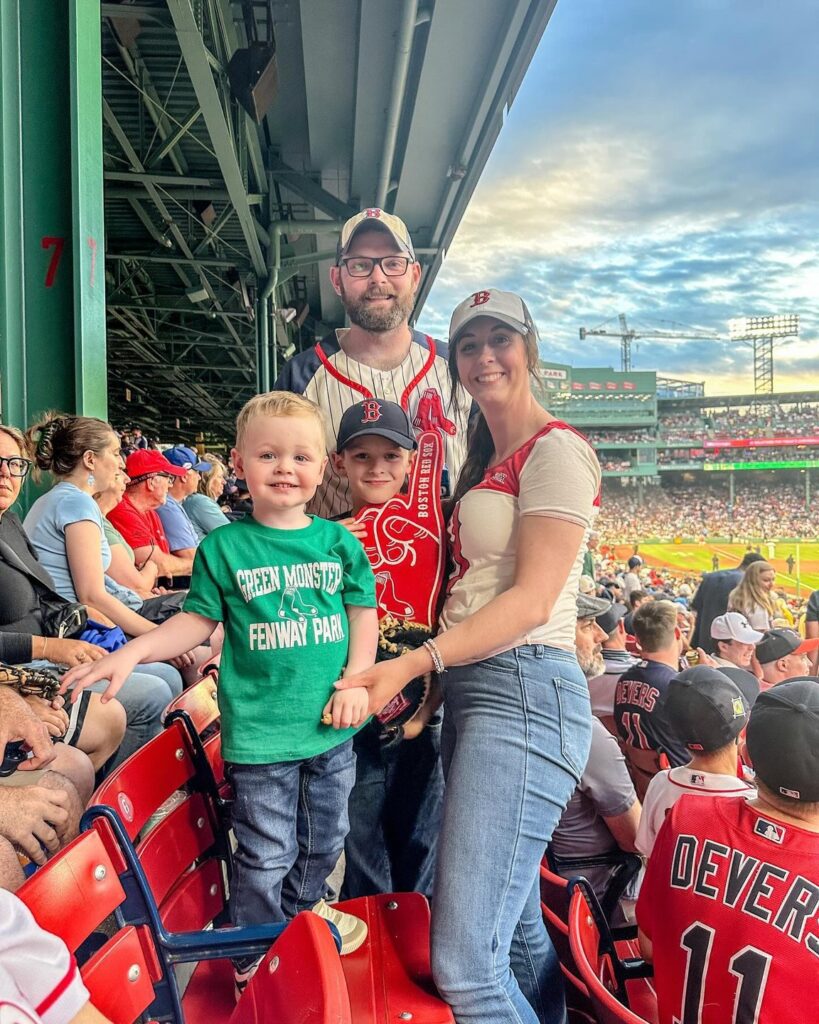
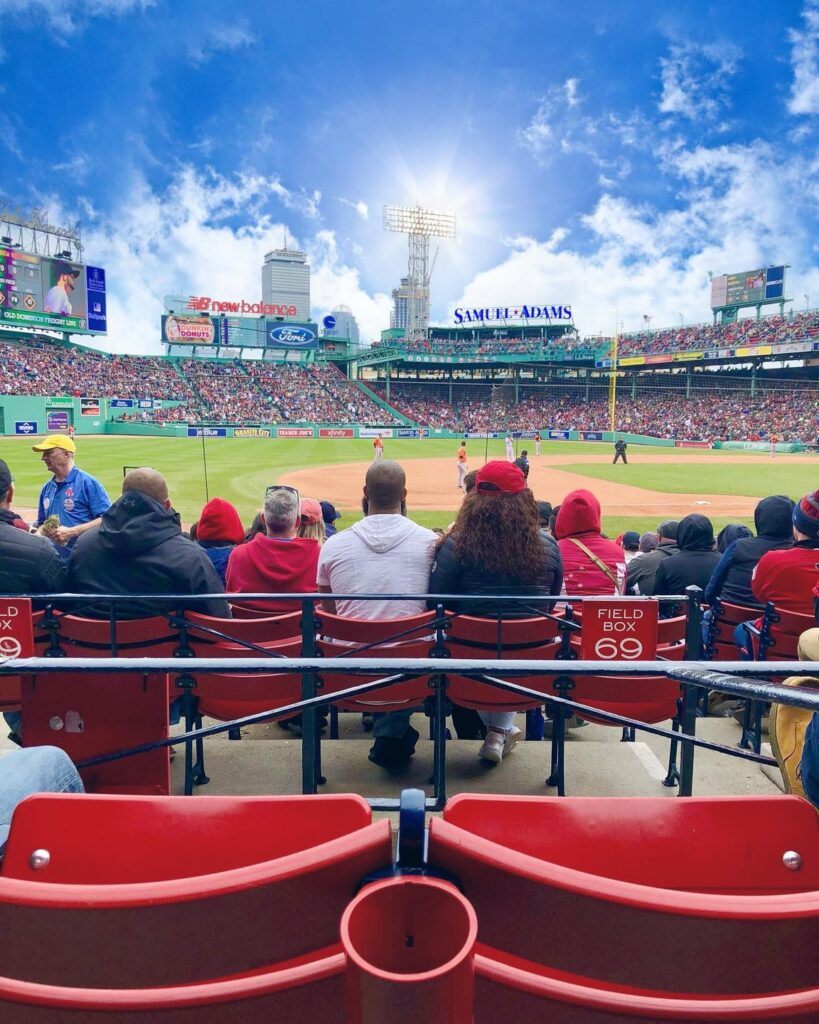
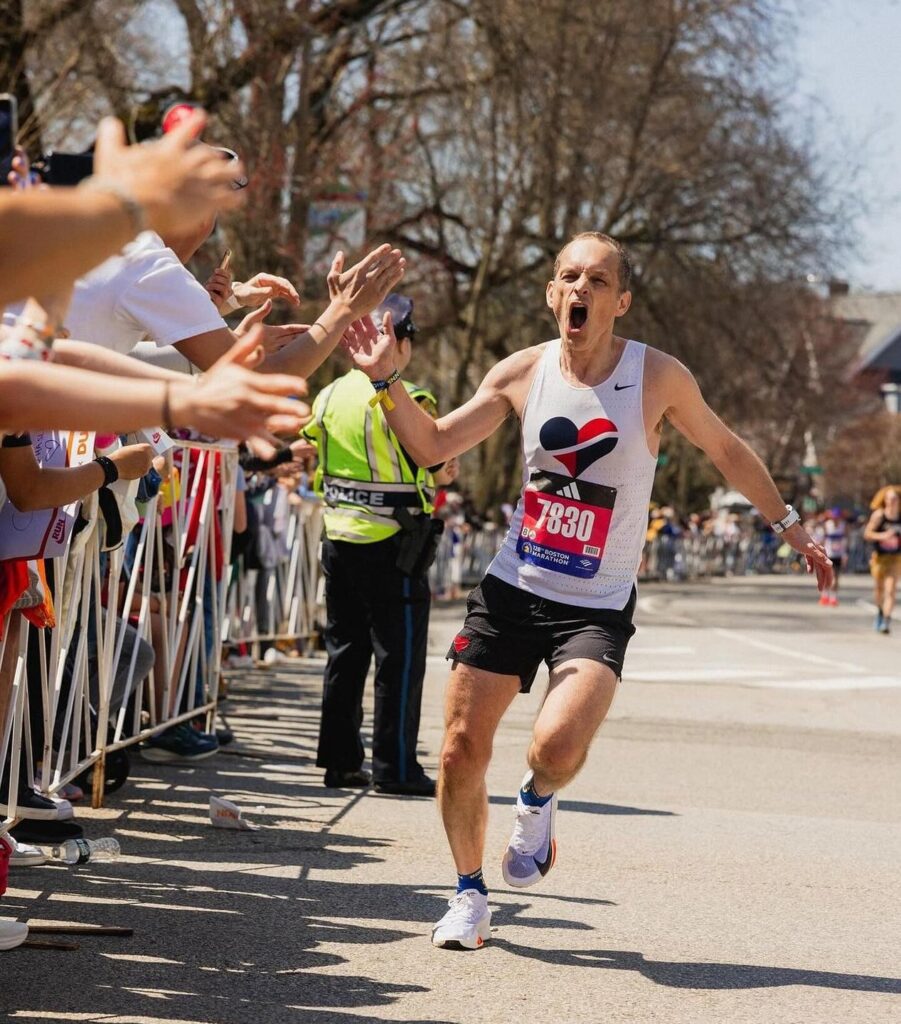
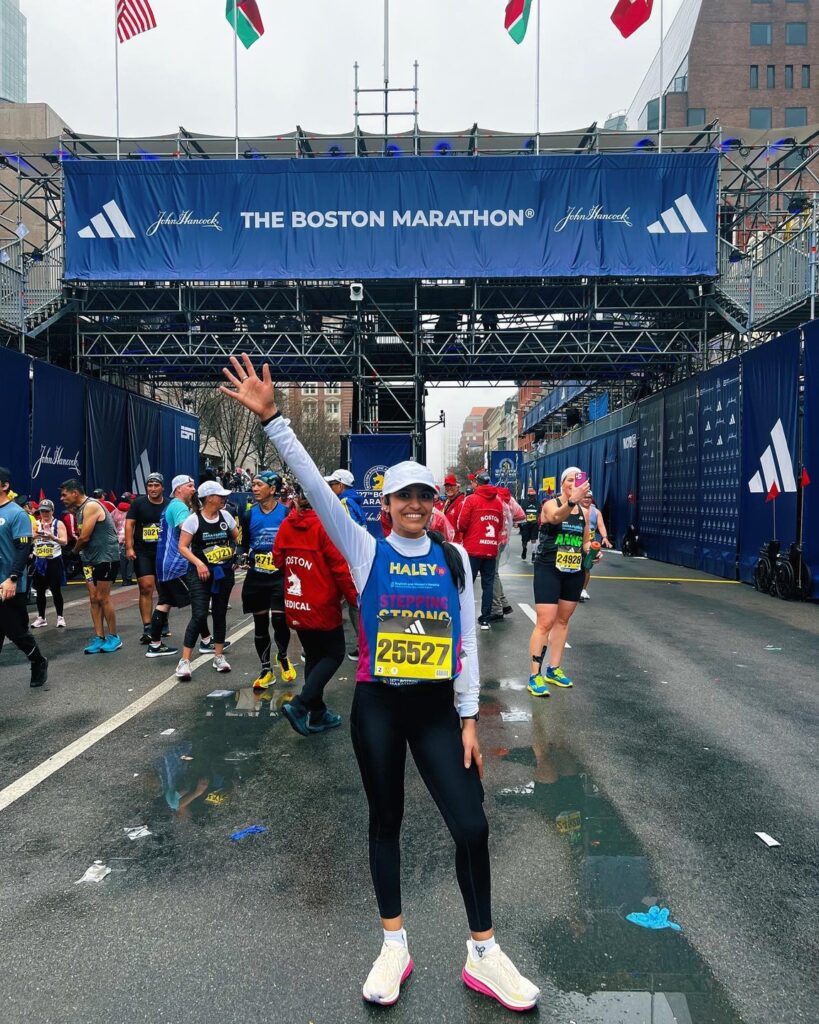
Beyond its gardens, Boston’s spring is punctuated by a rigorous sporting and civic calendar. On March 15th, the South Boston St. Patrick’s Day Parade reaffirms the area’s Irish roots. The momentum accelerates on March 26 with the opening of the baseball season at Fenway Park against the Cincinnati Reds, and the Brazil-France soccer match at Gillette Stadium, beginning the build-up to the 2026 world finals. On April 20, Patriots’ Day crystallizes the region’s identity with the Boston Marathon, bringing together 30,000 runners and half a million spectators in a demonstration of collective endurance.
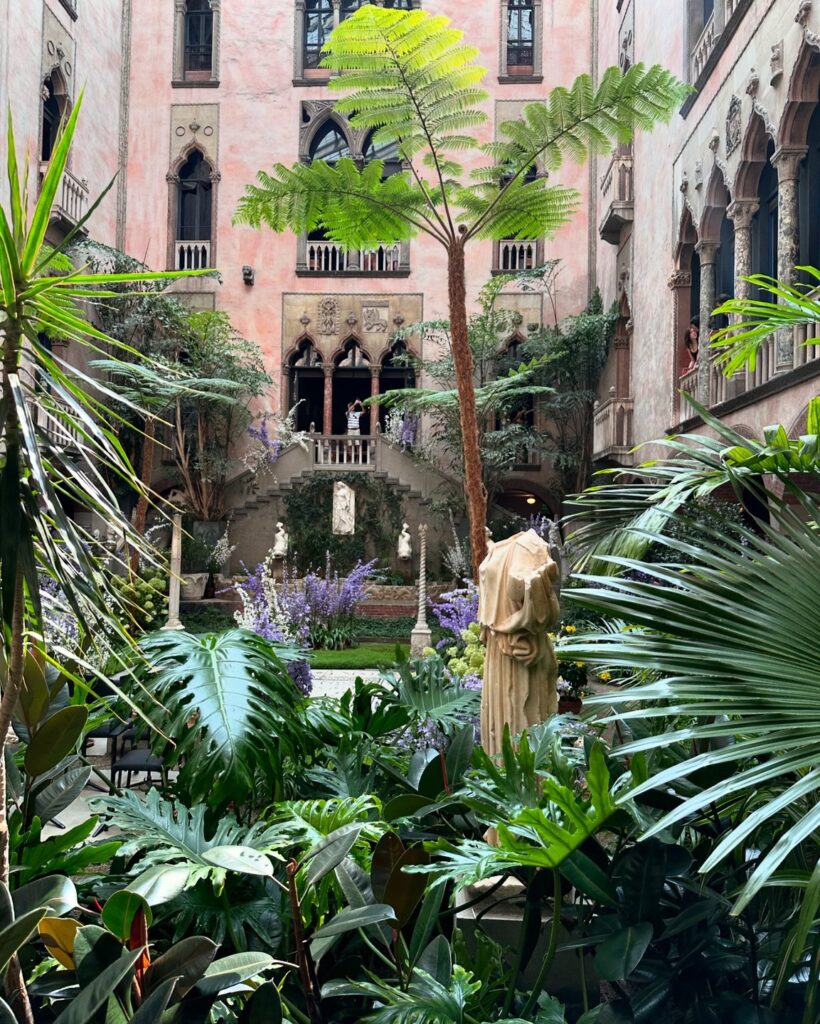
Boston’s culture doesn’t end with the stadiums. From the paintings of Rembrandt and Botticelli housed in the Venetian-inspired palazzo of the Isabella Stewart Gardner Museum, to the floorboards of the Boston Ballet, artistic gesture meets physical effort. In this way, the city moves forward, smoothly articulating the permanence of its past with the continuous mechanics of its present.
Cette publication est également disponible en :

