
In May 2026, Belmond is organizing a rail and hotel sequence between Paris, Venice, Tuscany and Florence. Neither an organized tour nor a catalog of addresses – a dramaturgy of travel conceived as an editorial object.
— — —
There’s a precise hour aboard the Venice Simplon-Orient-Express when the light changes. Somewhere after Lausanne, as one tunnel follows another and the compartment fades into a darkness punctuated by reading lamps, the notion of speed disappears. This is not slowness by default – it’s slowness as an aesthetic proposition. Belmond, which has been operating the convoy since 1982, has built around this hour an architecture of experience that the 2026 spring offering documents with new precision.
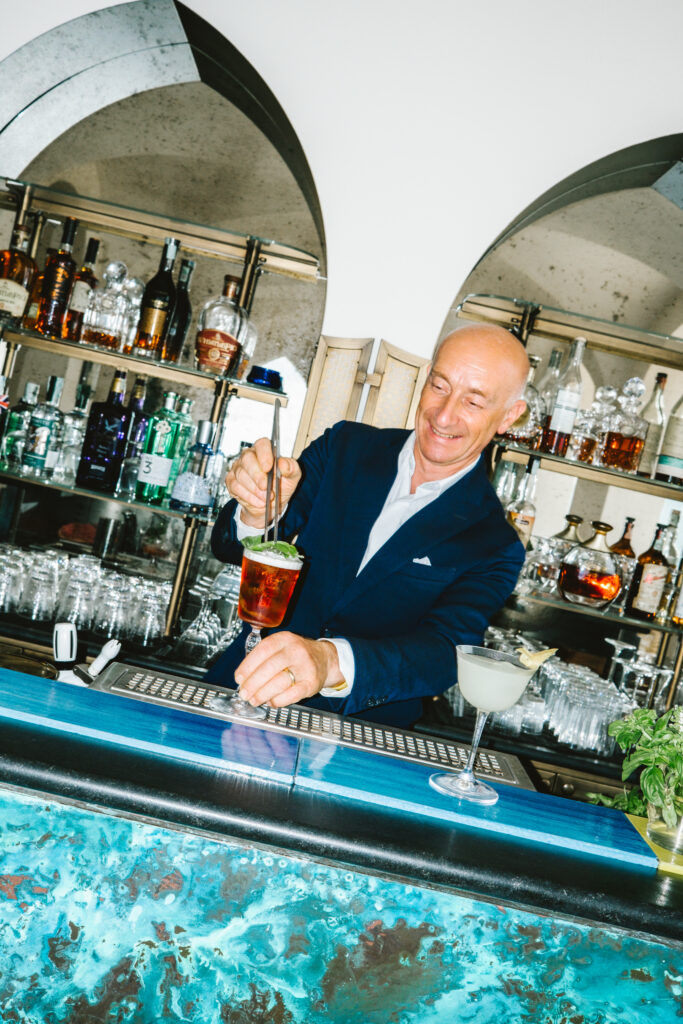
The itinerary begins at Paris-Gare de l’Est. Twenty-four original carriages, restored and classified according to their year of construction – some date back to 1926 – make up a circulation space where you dine, drink, sleep and arrive in Italy. The bar car “3674” is paneled with Art Deco marquetry by René Lalique, and on certain evenings features a pianist whose repertoire doesn’t follow the expected grid of hits. The dinner, served in three courses, uses seasonal products without demonstrating them. Food and wine pairings are suggested, not imposed.
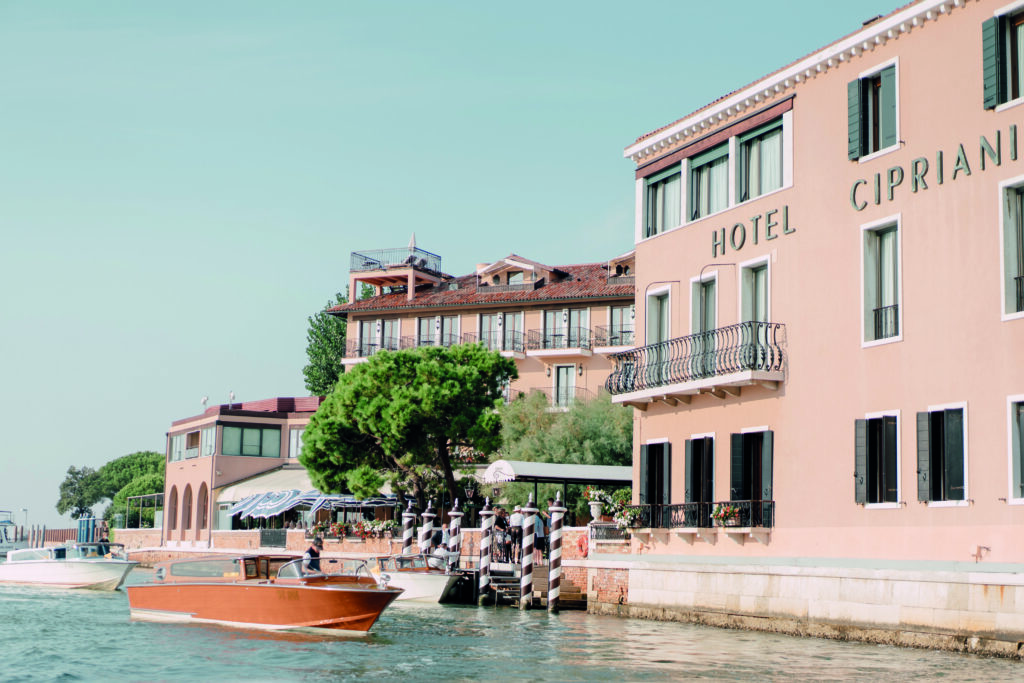
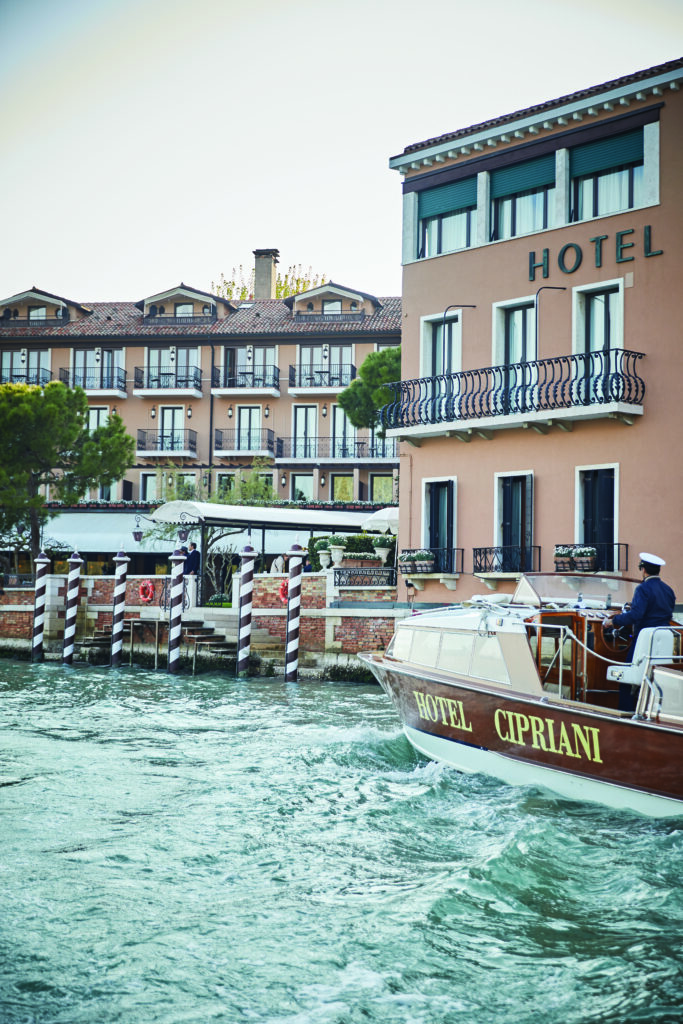
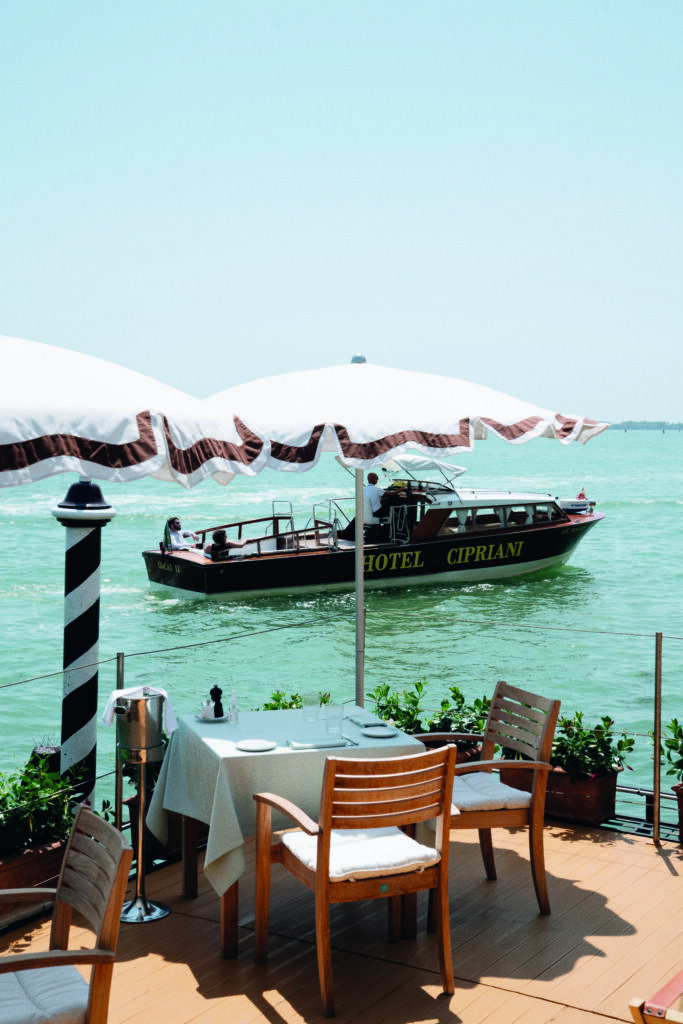
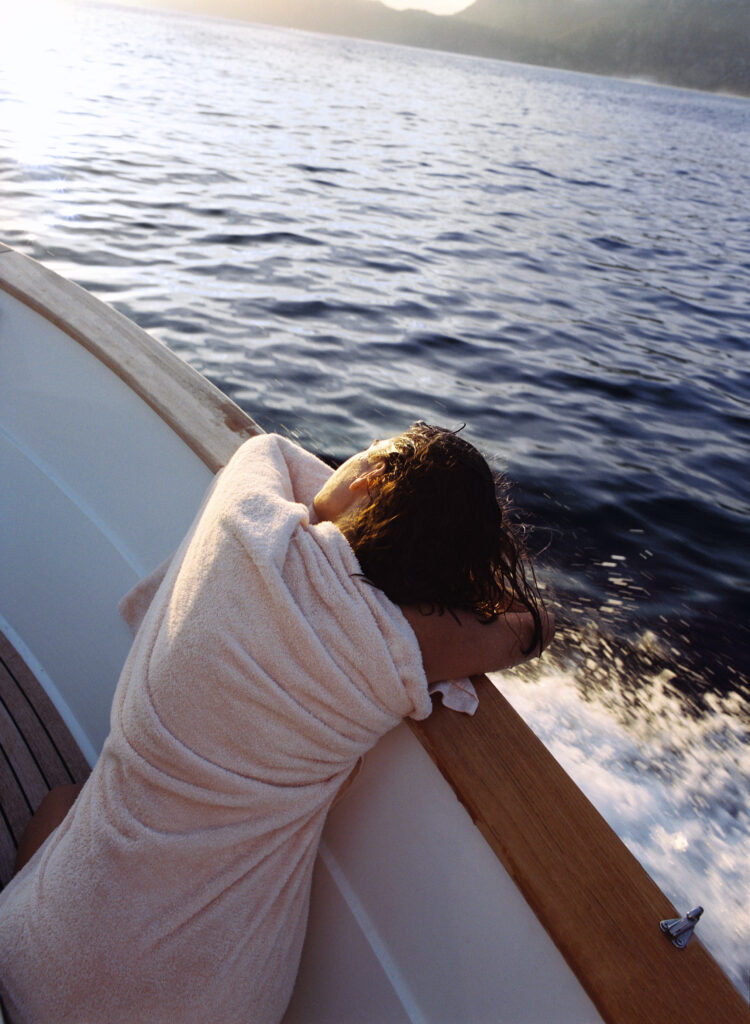
At Venezia Santa Lucia, a private boat takes over. This transfer – ten minutes on the water, with no audio commentary, no signage – is itself an editorial transition: you change pace even before you arrive.
Venice: the island as a decompression chamber
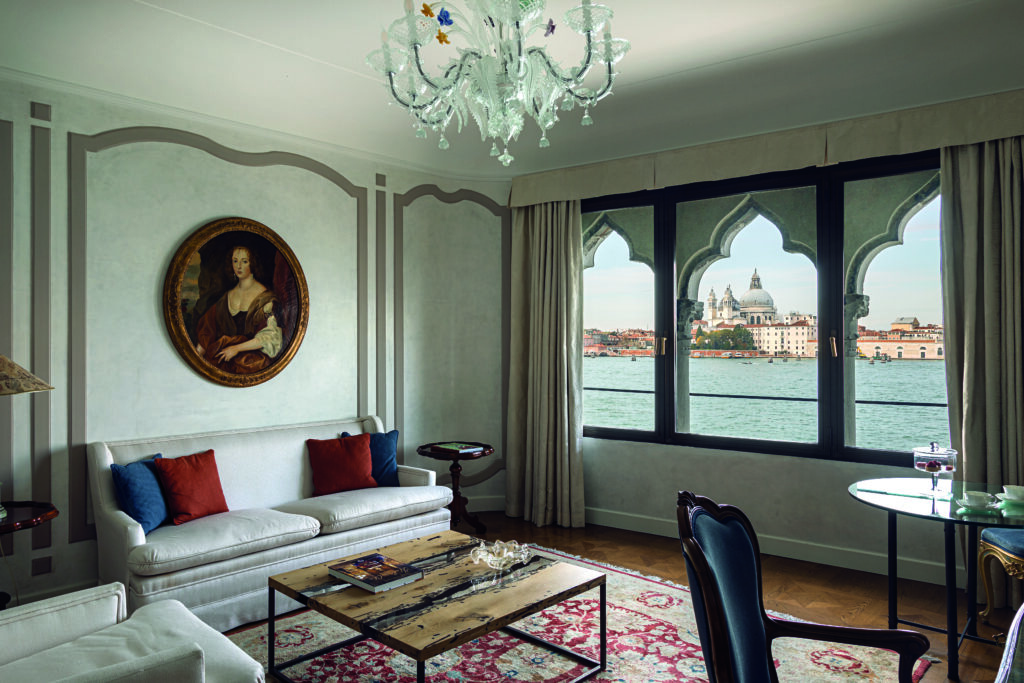
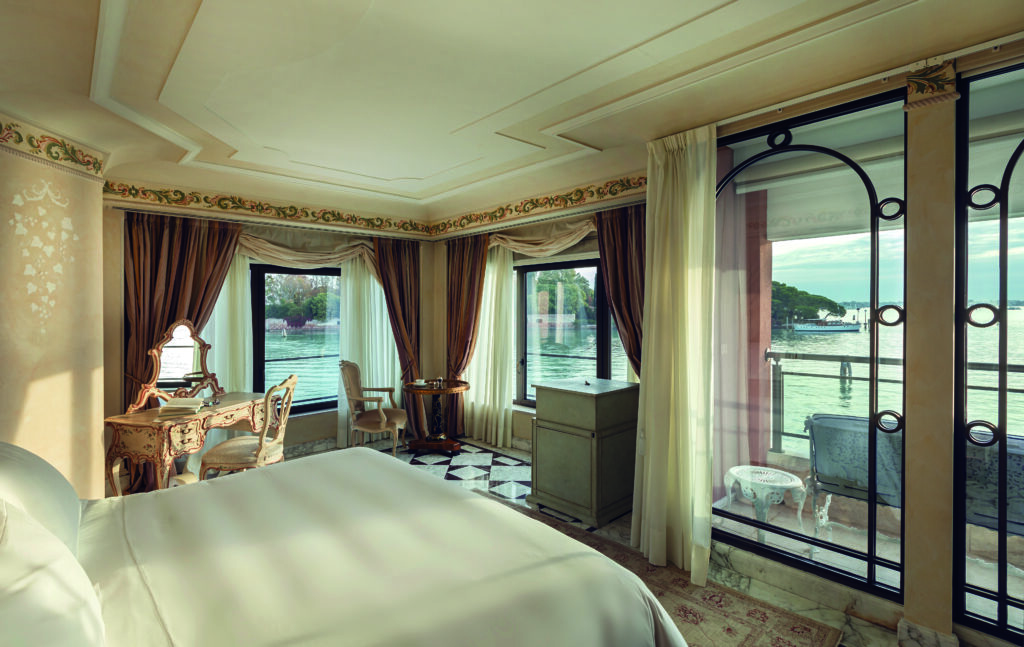
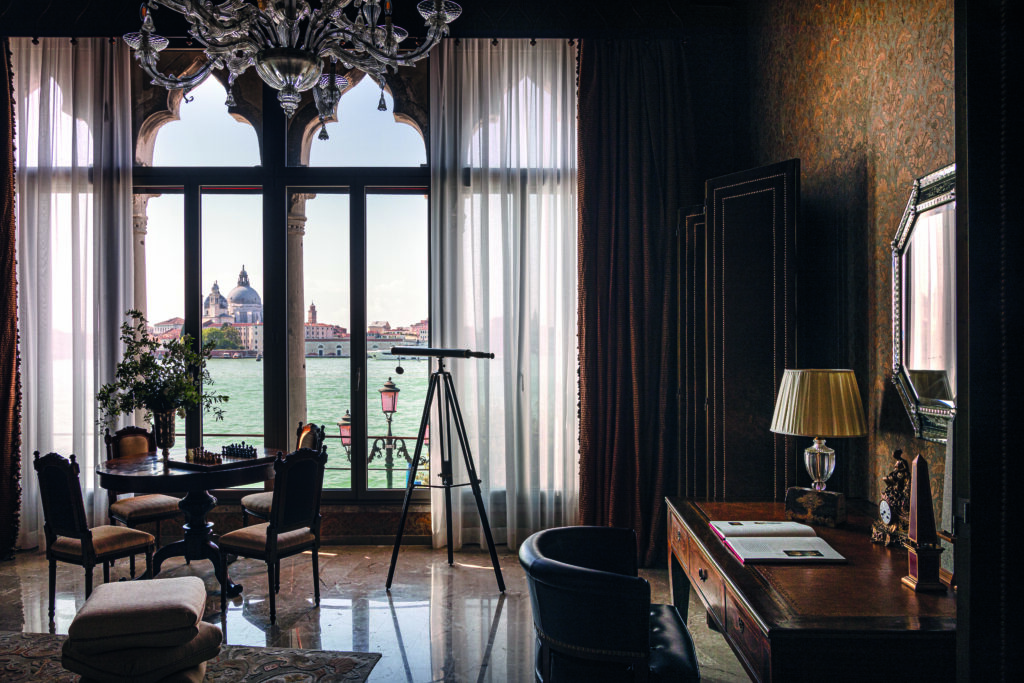
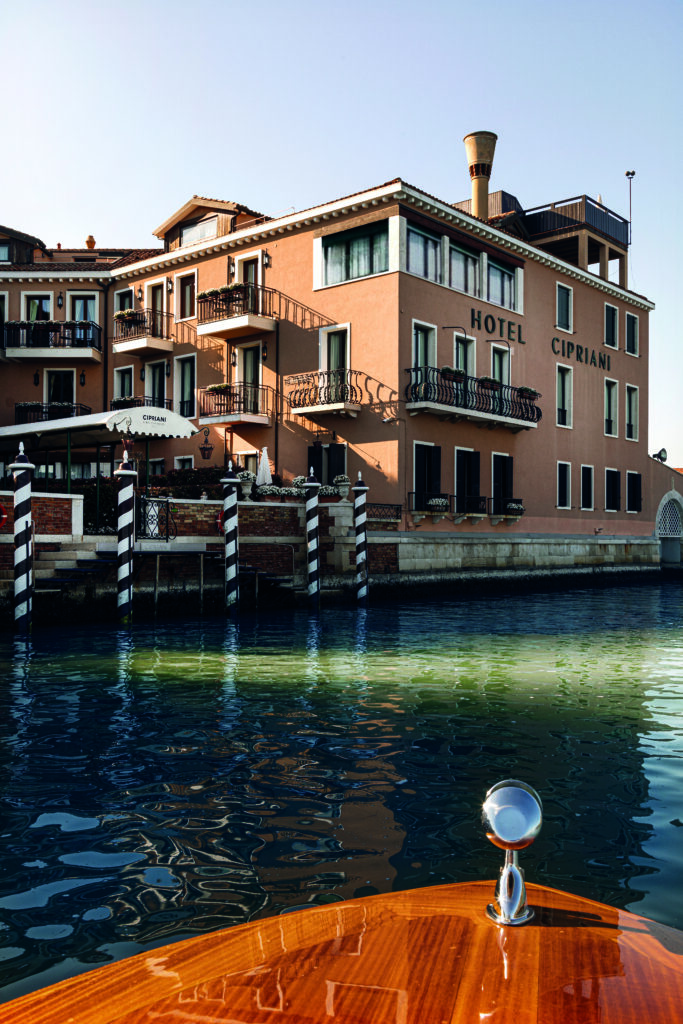
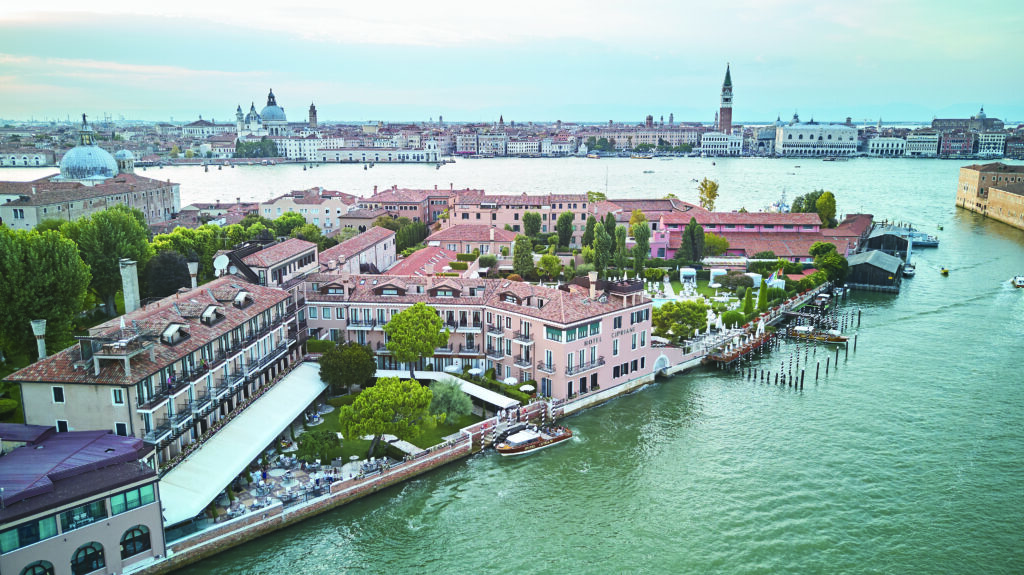
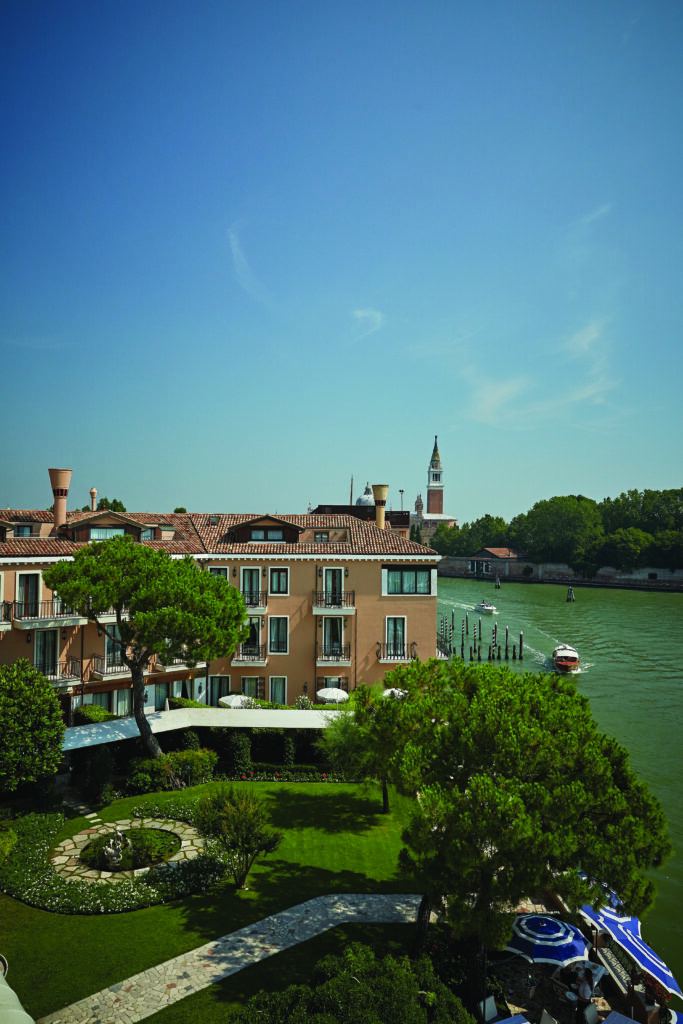
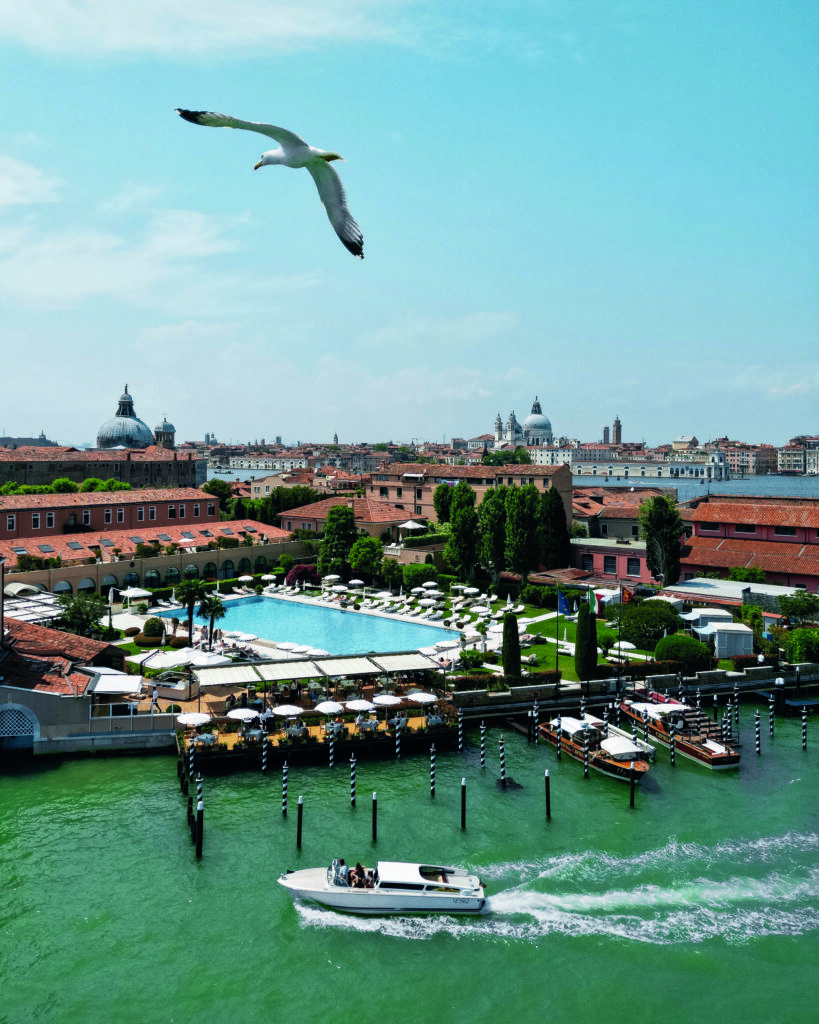
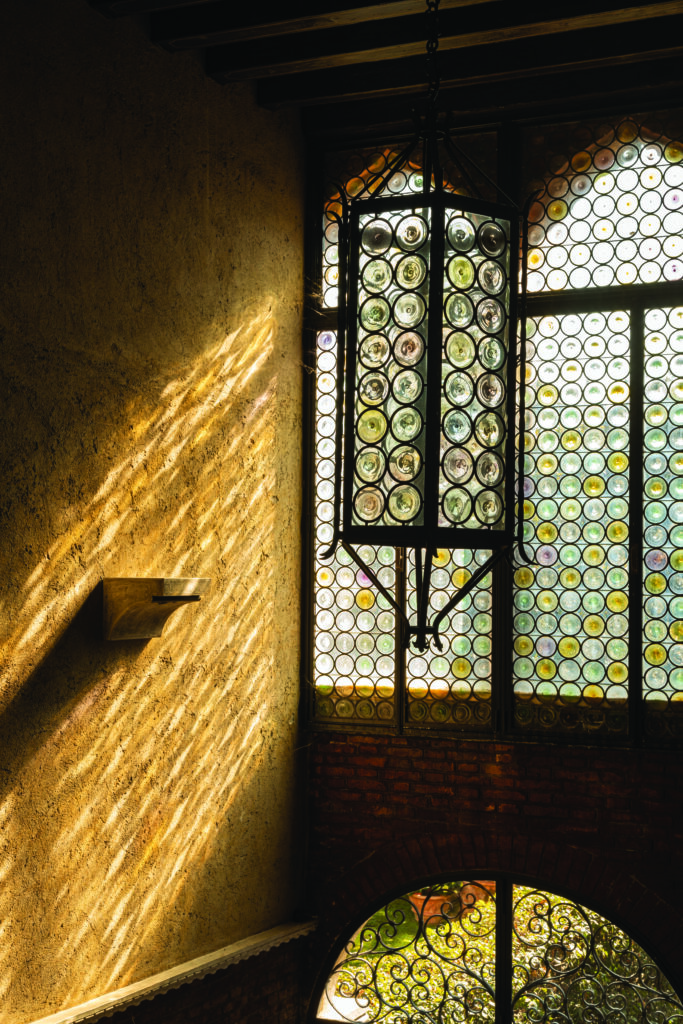
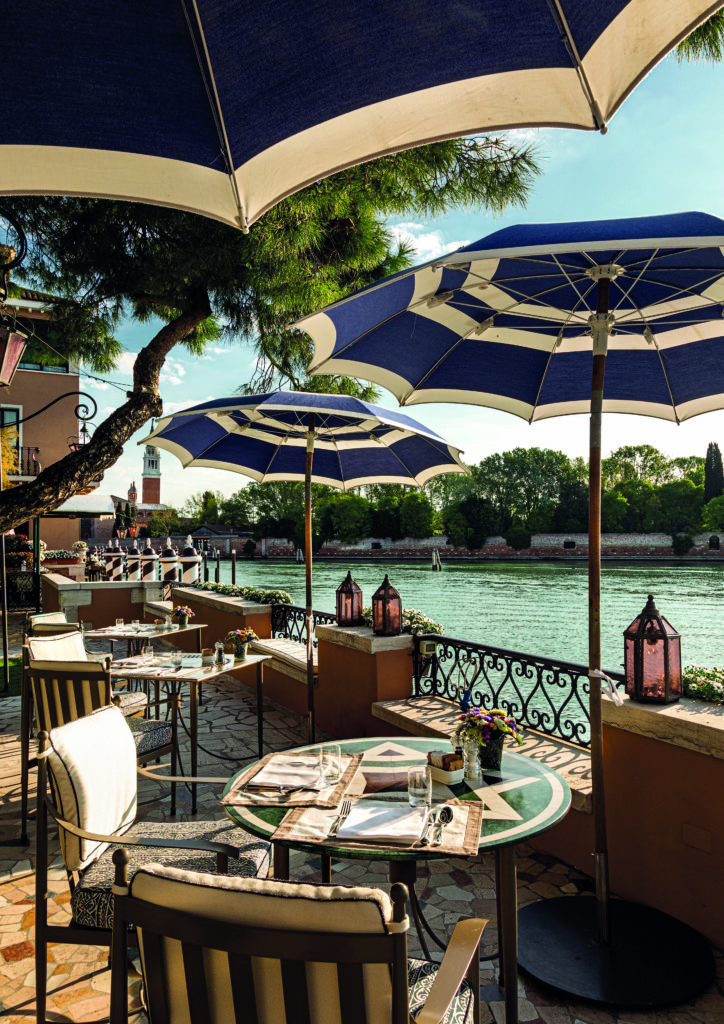
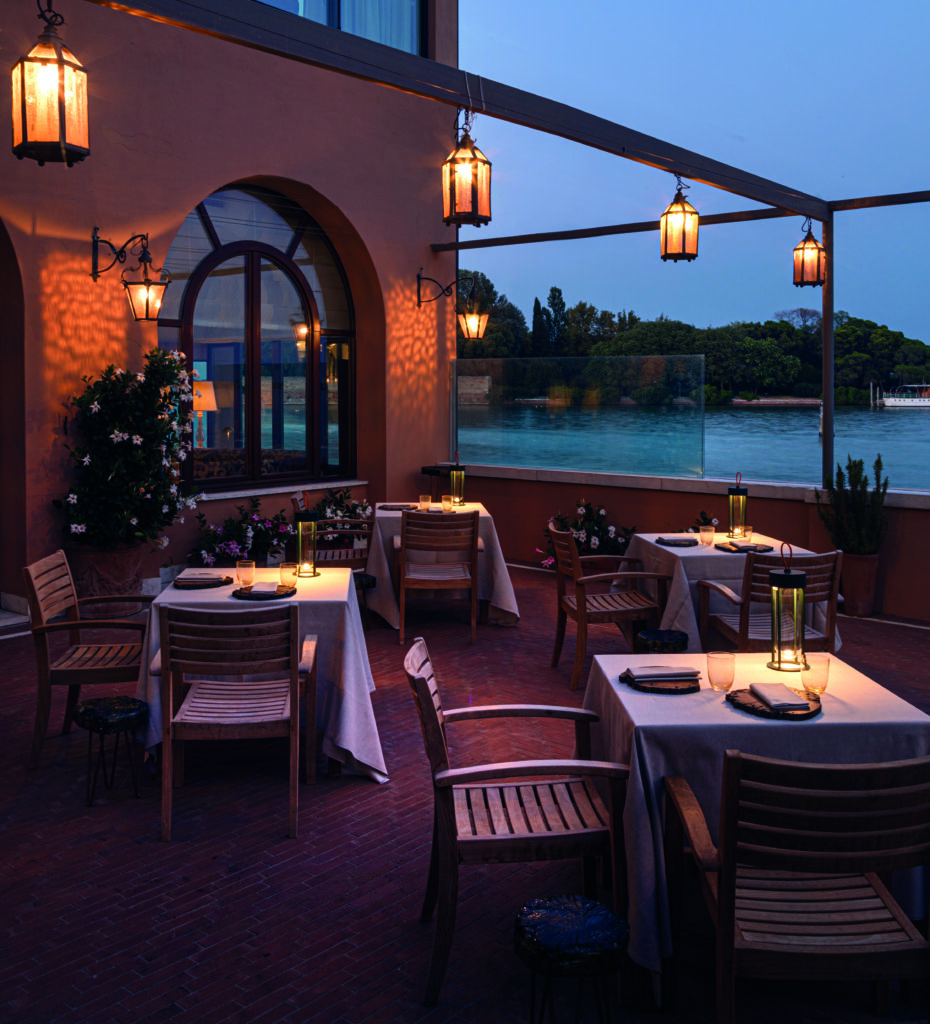
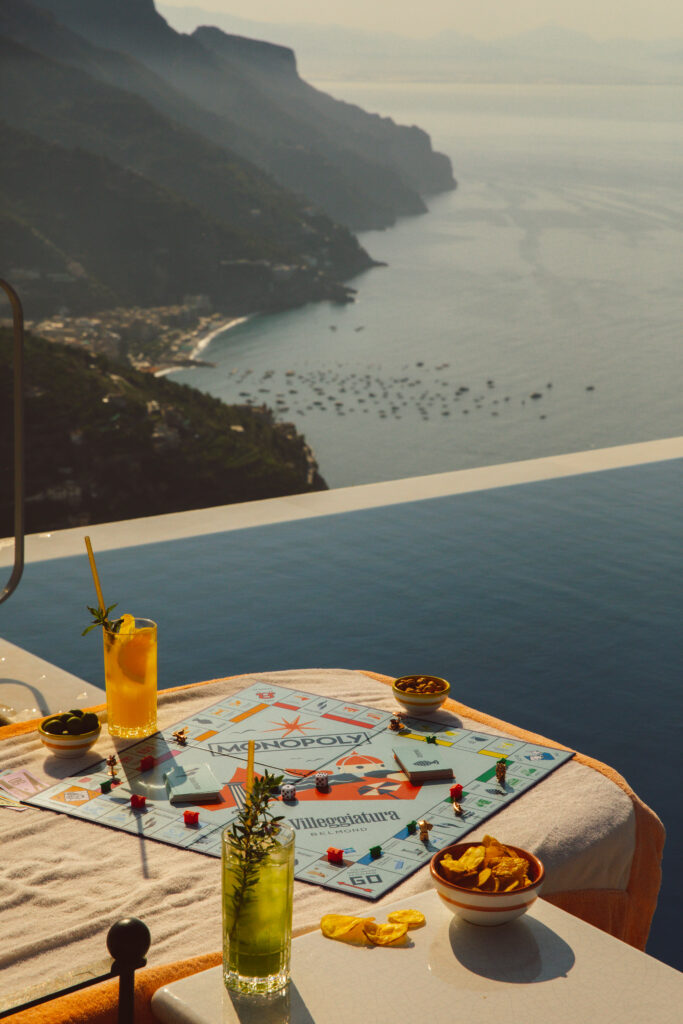
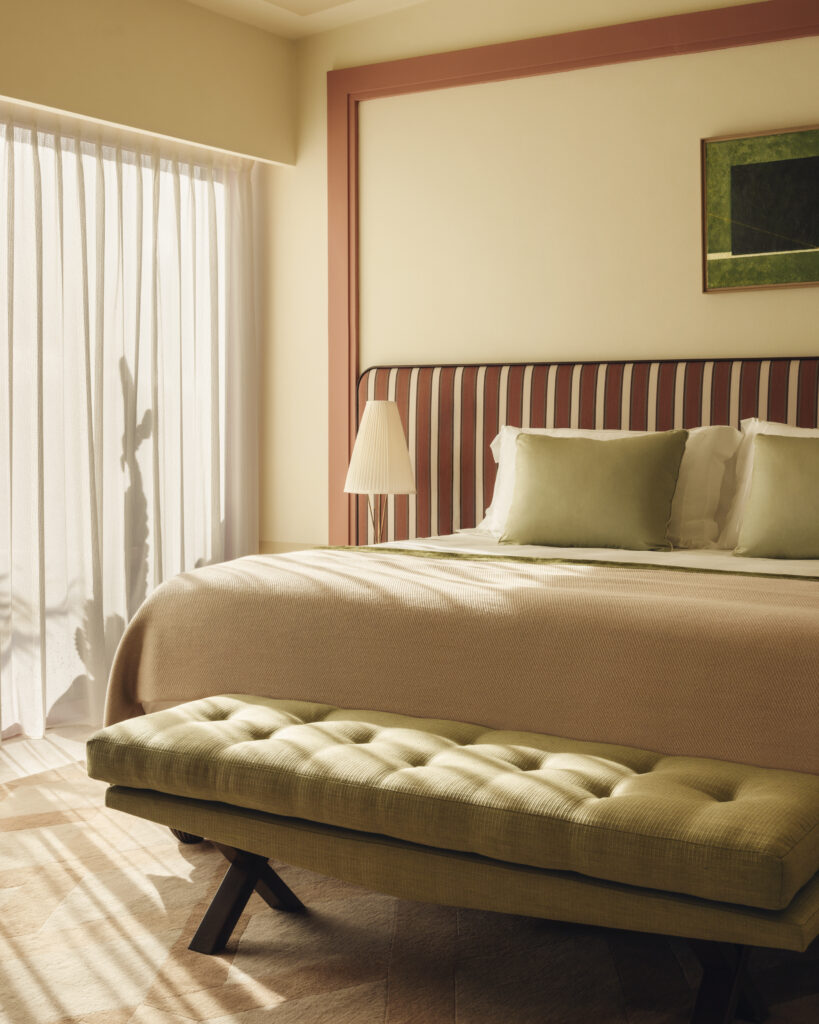
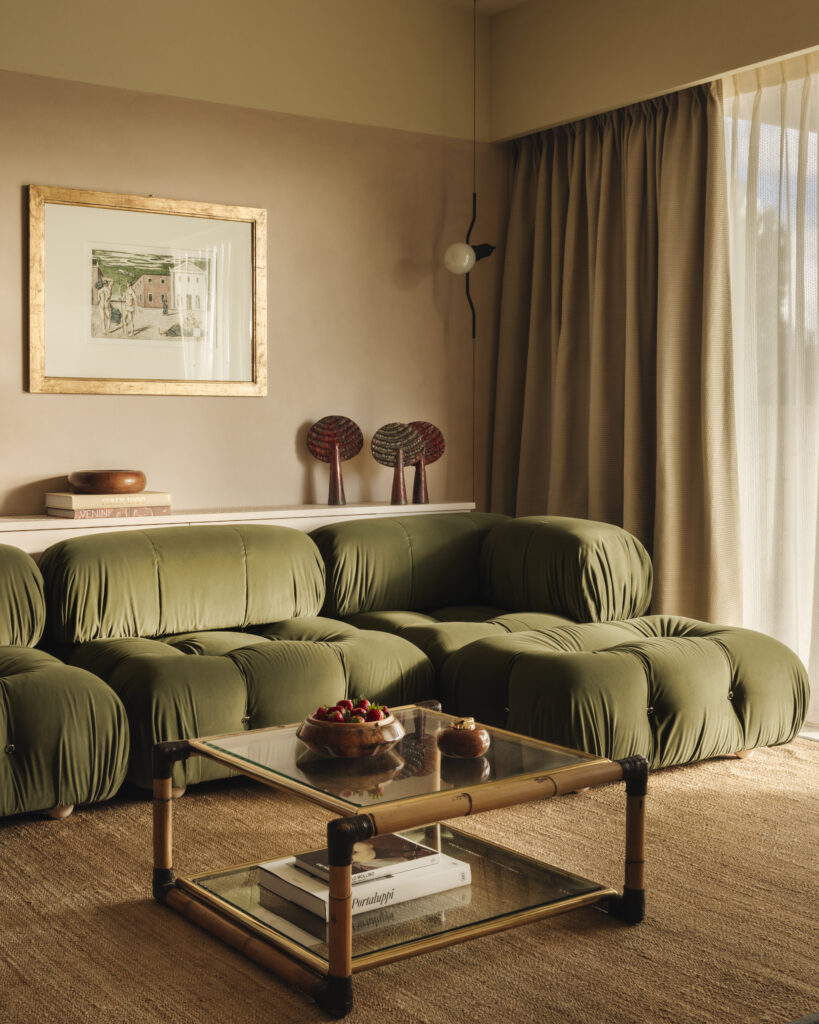
The Hotel Cipriani occupies the island of Giudecca, a five-minute vaporetto ride from Piazza San Marco – a distance that’s enough to radically change one’s relationship with the city. In 2024, Peter Marino, a New York architect whose work for luxury houses has been documented since the 1990s, delivered a reinterpretation of the establishment founded in 1958 by Giuseppe Cipriani. The formal principle adopted: retain the existing structure, replace the visual signage with textures, colors and proportions that evoke La Dolce Vita without explicitly citing it.
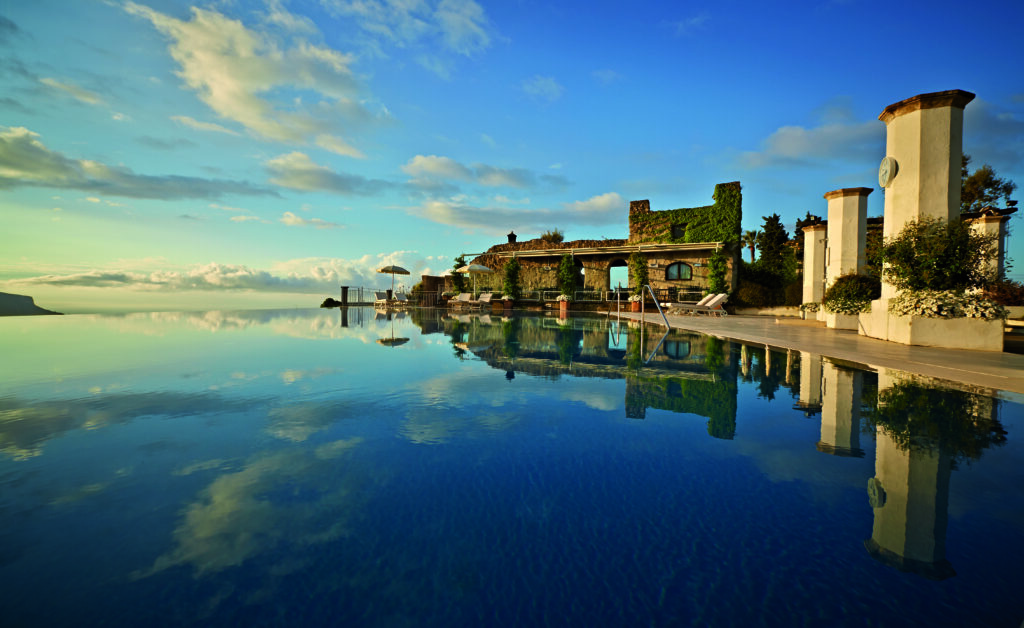
The Olympic swimming pool – the first private pool opened in Venice – retains its central position in the hotel’s geography. The Michelin-starred ORO restaurant, under the direction of Massimo Bottura and Vania Ghedini, offers a contemporary interpretation of the lagoon: not palazzo cuisine, but a technical interpretation of Venetian produce, where seasonality dictates the menu with a rigor that the two names in the press kit are not enough to describe. A private tour of Orsoni Fornace – the city’s last remaining glass mosaic foundry, founded in 1888 – completes the immersion in the logic of Venetian craftsmanship: 3,000 shades of smalti produced by flame, sold by weight, exported to restoration sites the world over.
Tuscany: the slow pace of the estate
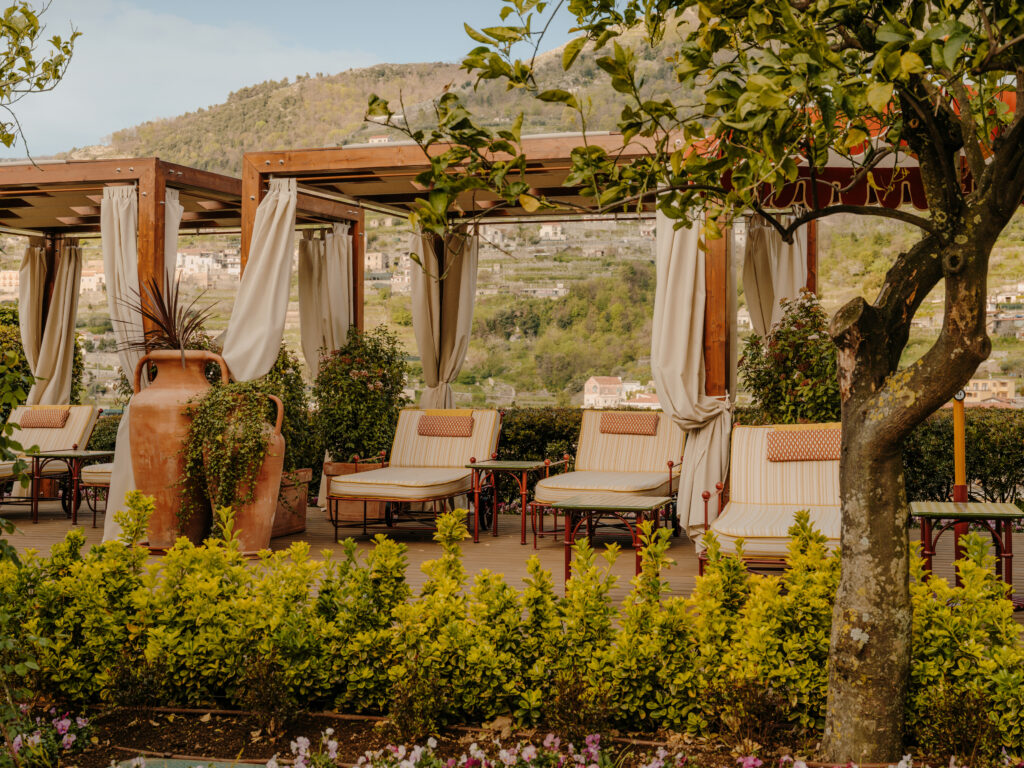
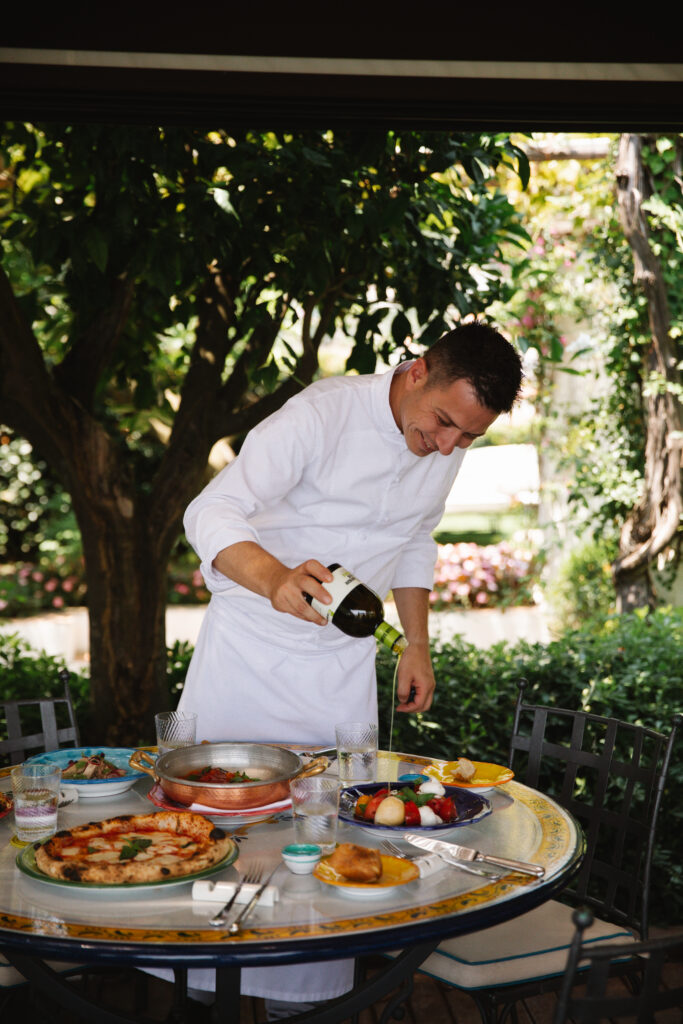
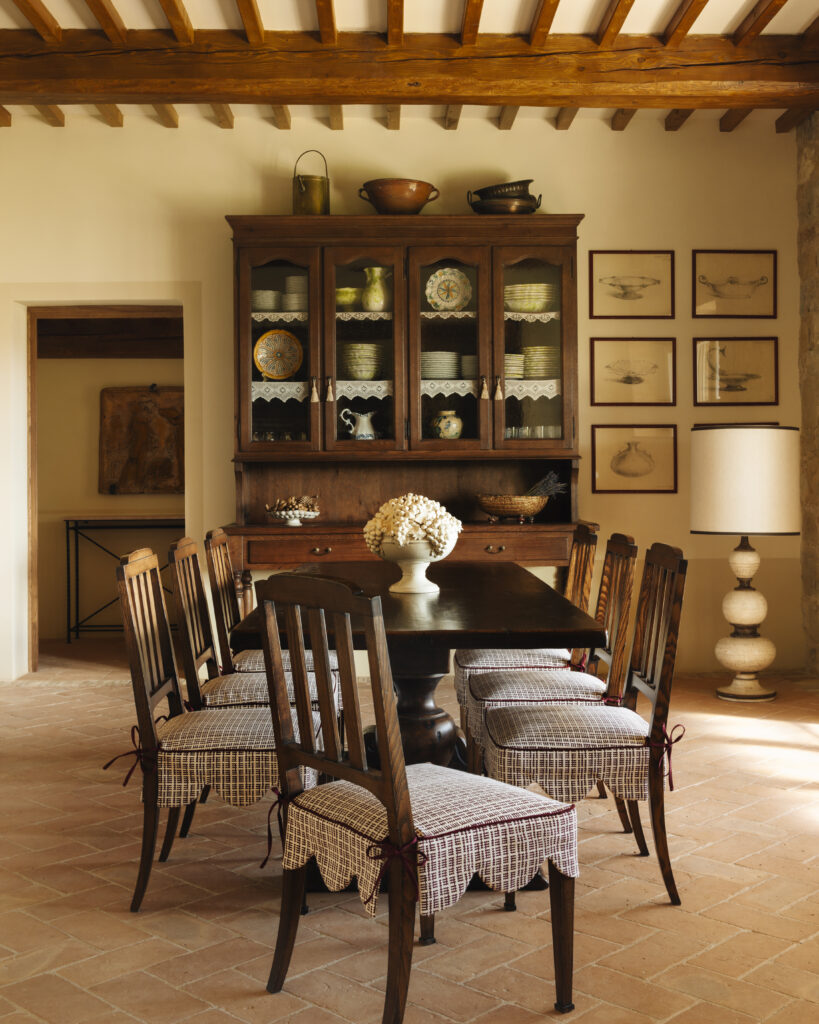
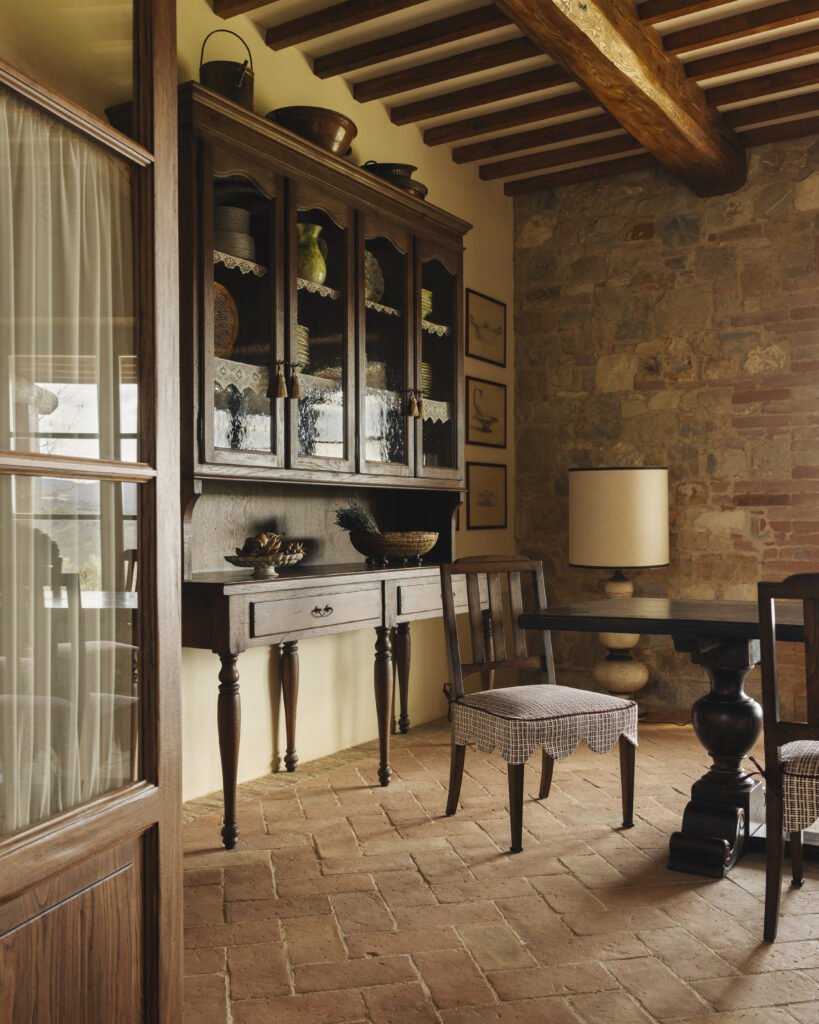
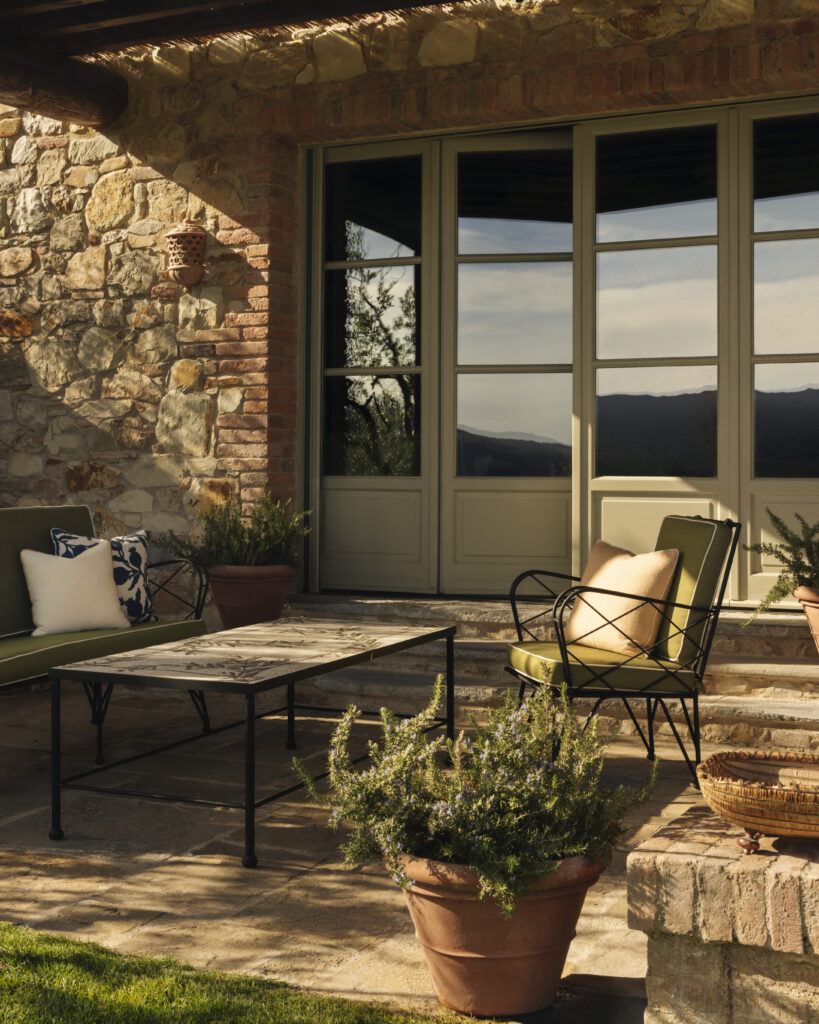
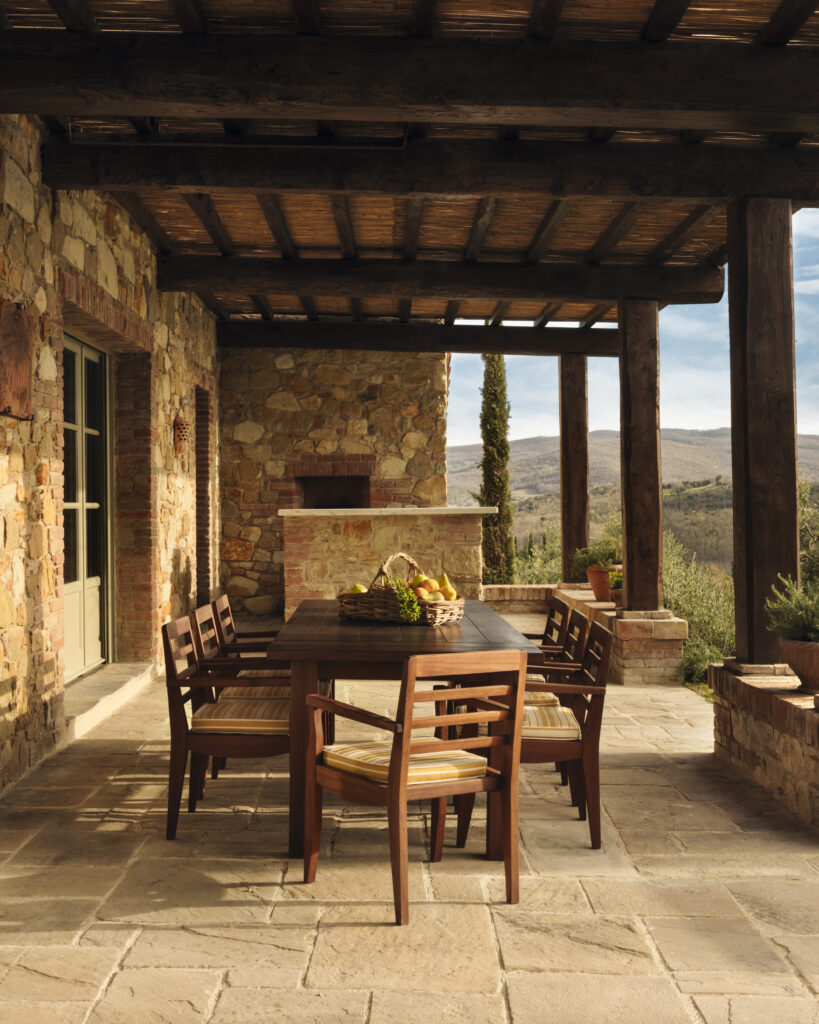
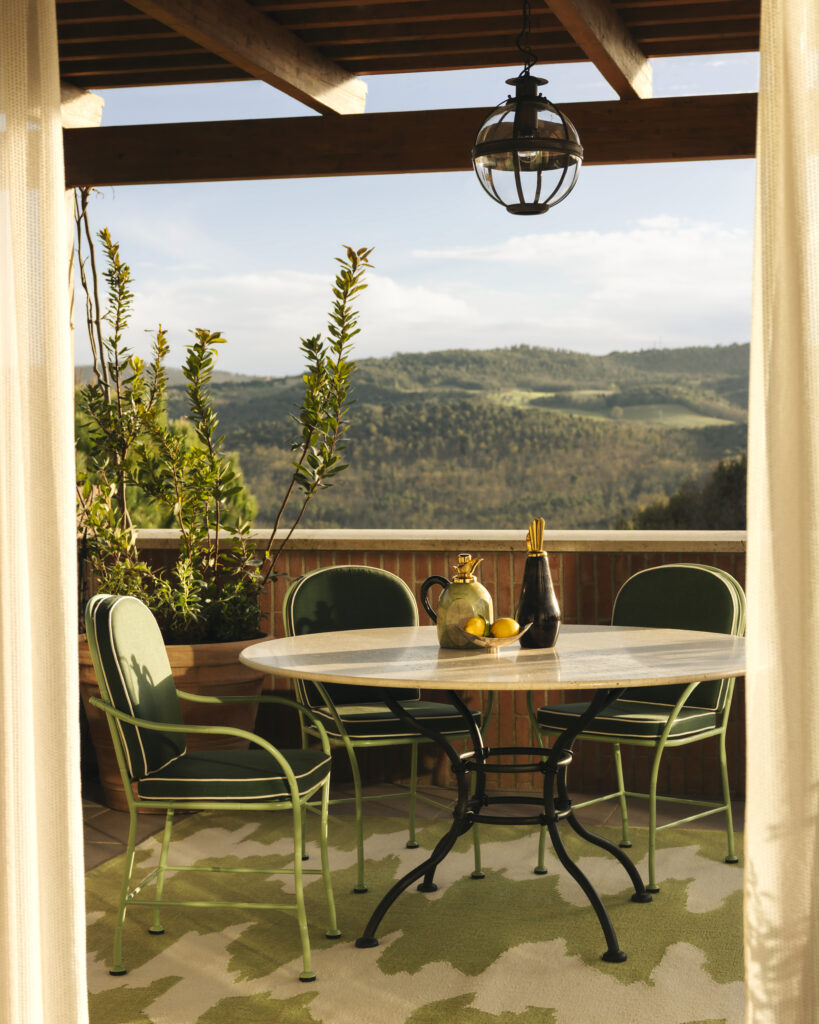
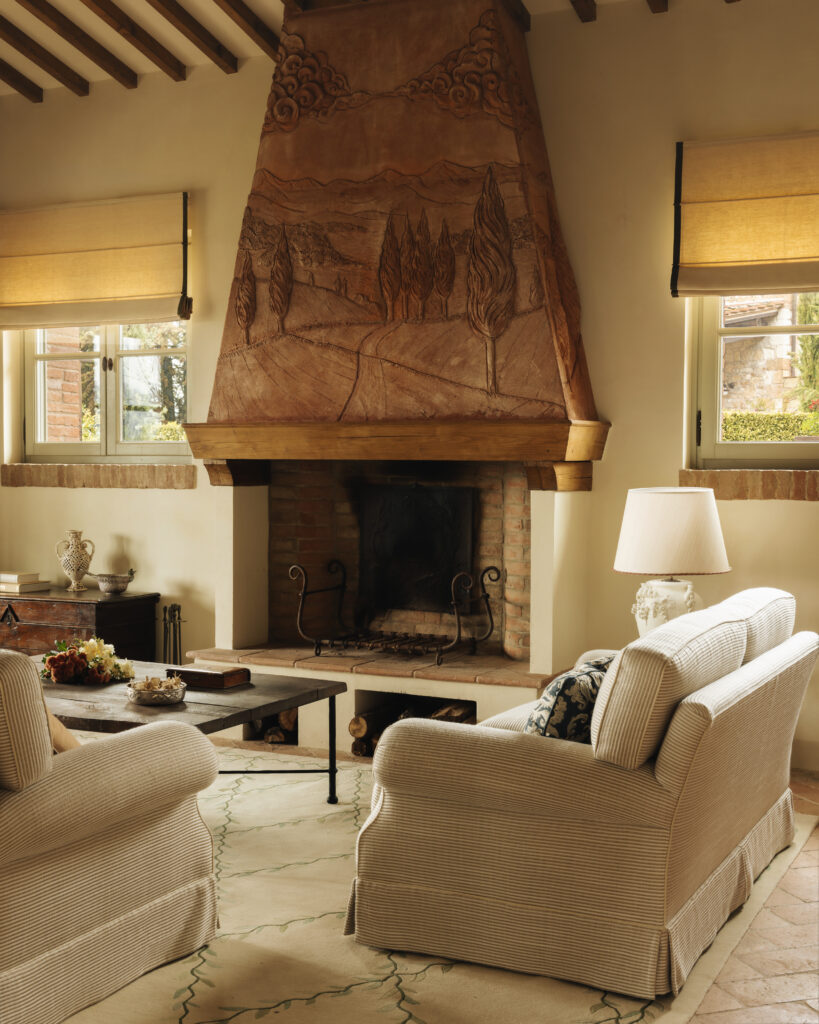
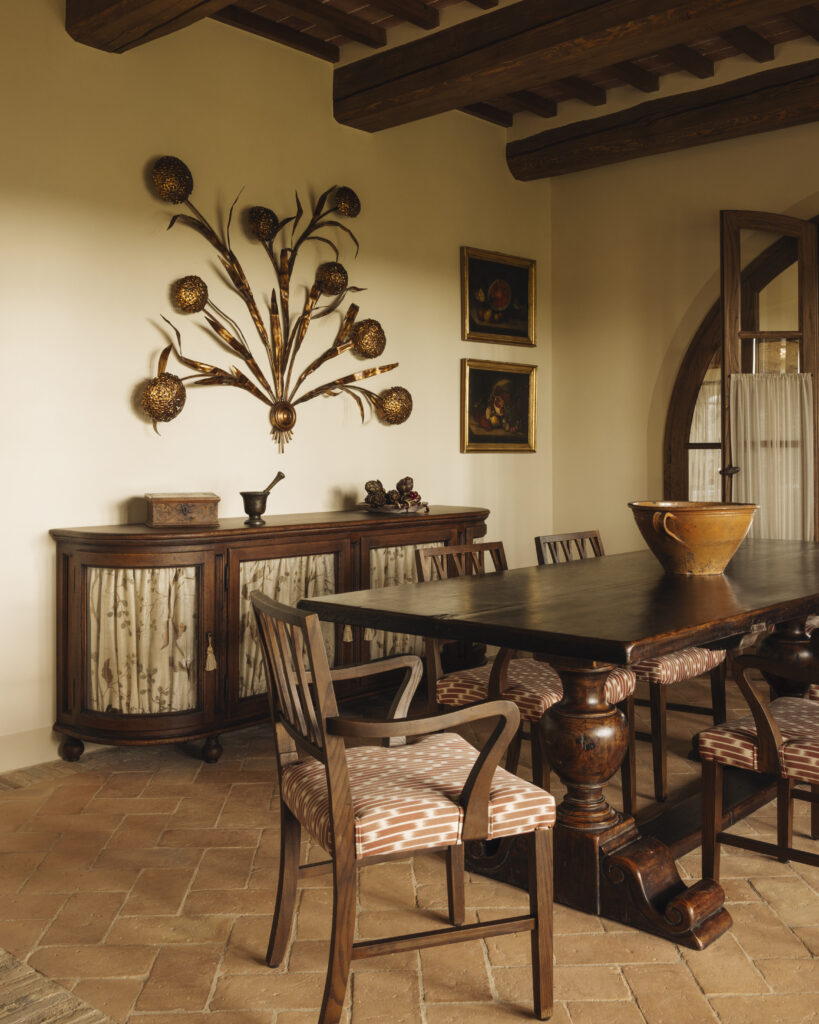
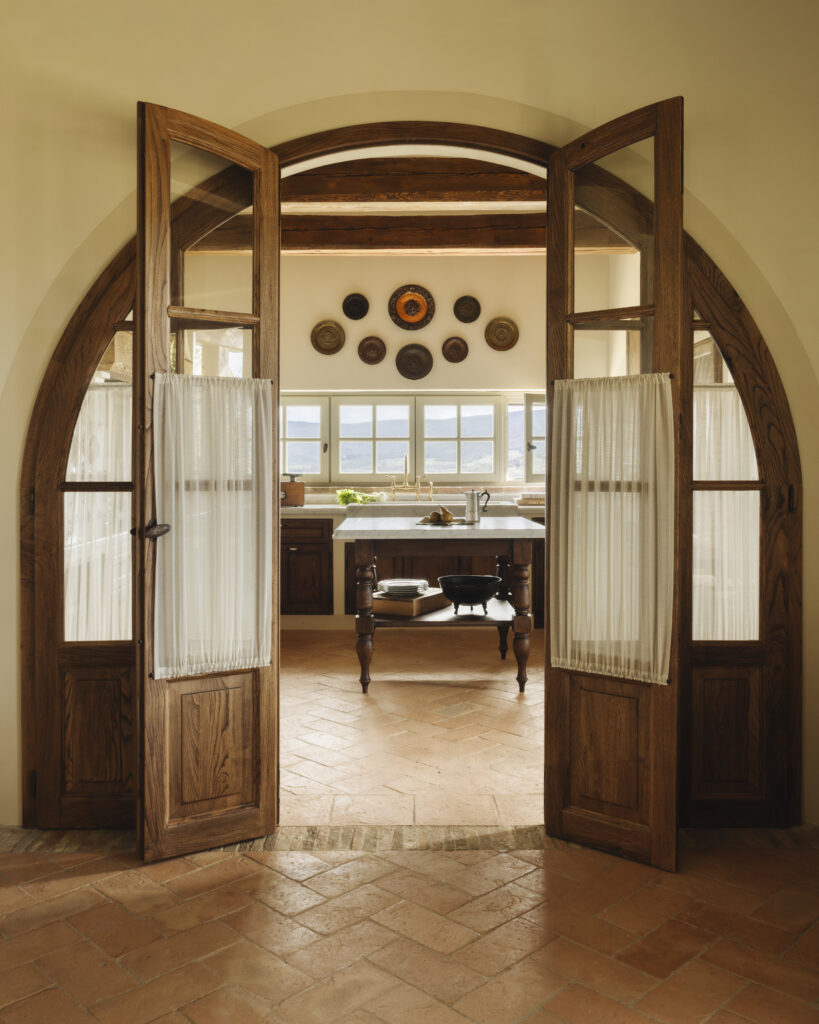
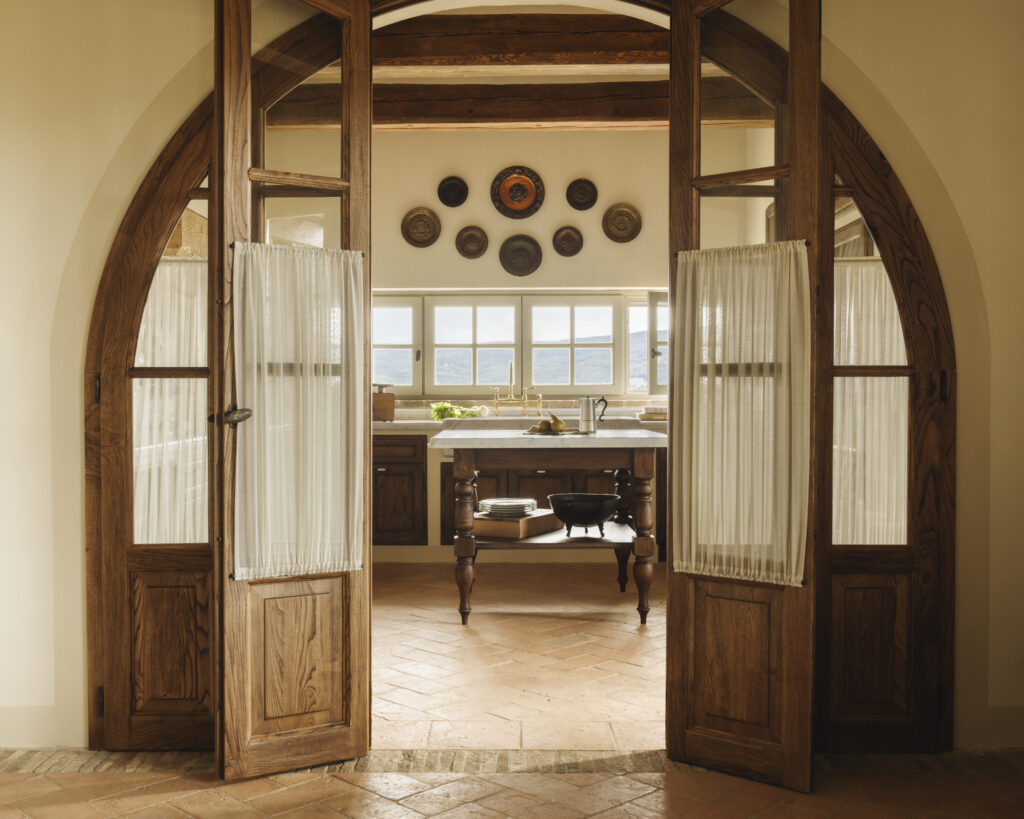
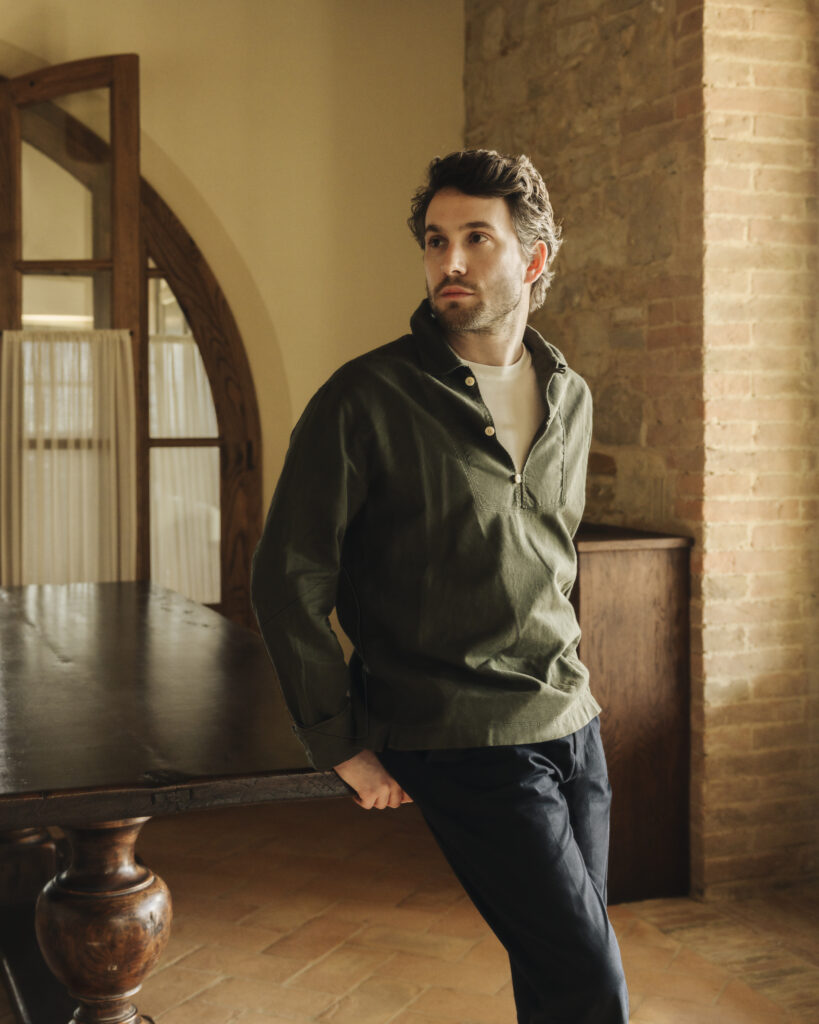
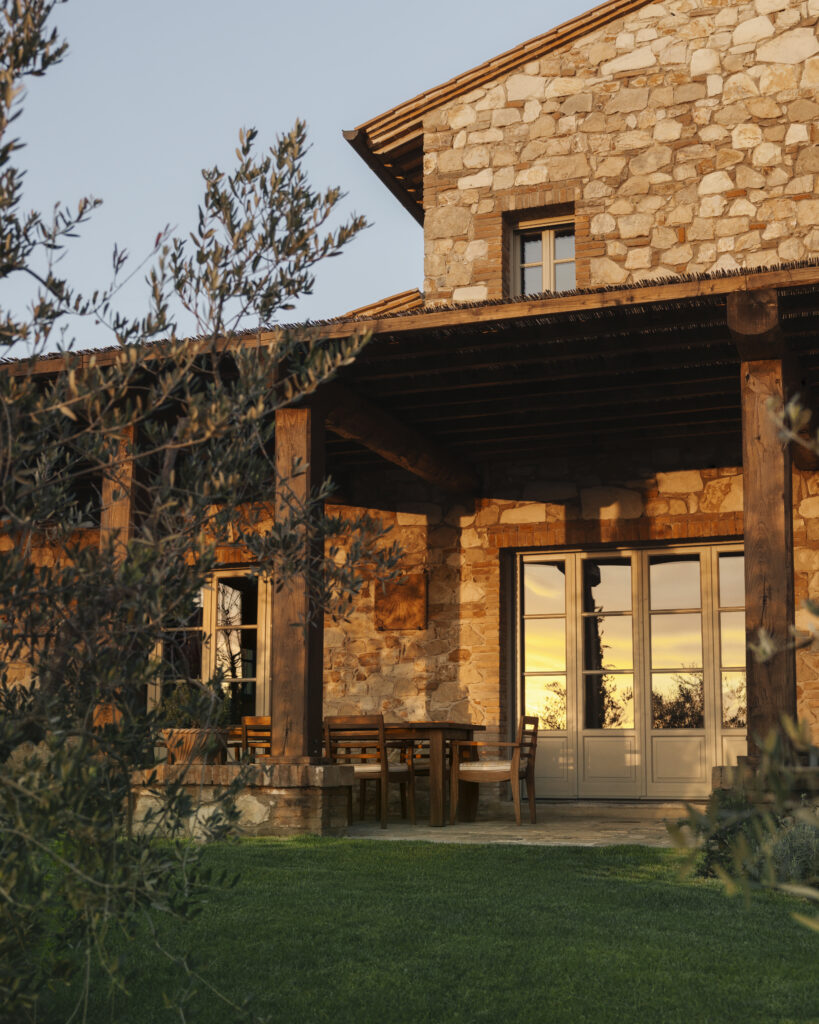
A three-hour private transfer from Venice takes you to Castello di Casole, in the province of Siena. The estate has Etruscan origins – archaeological excavations on the site have uncovered remains dating back to the 9th century B.C. – and covers 1,100 hectares, 22 of which are dedicated to viticulture. The grape varieties planted (Cabernet Sauvignon, Sangiovese, Merlot, Petit Verdot) produce cuvées that are consumed on site and distributed through limited circuits. Truffle hunting, offered at dawn in small groups with a local cavatore and his dog, is no folkloric show: the harvest determines the lunch menu.
This kind of coherence – from the ground to the plate, without marketing mediation – is what luxury hotel brands have been striving for over the last ten years, without always succeeding. Here, geography constrains the offer as much as it defines it.
Florence: restoration as a method
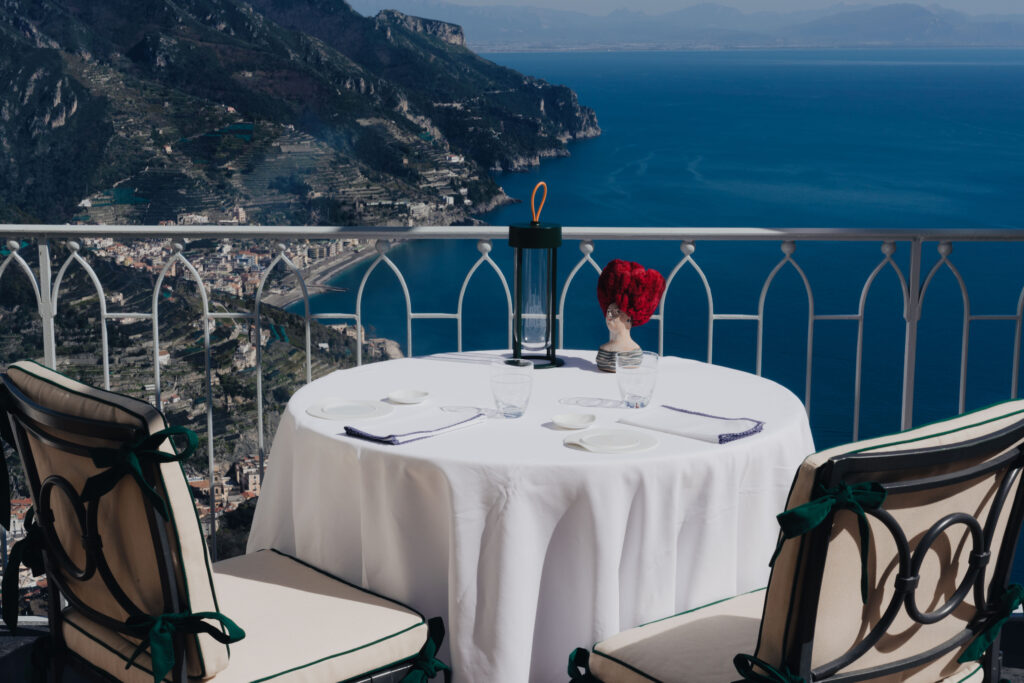
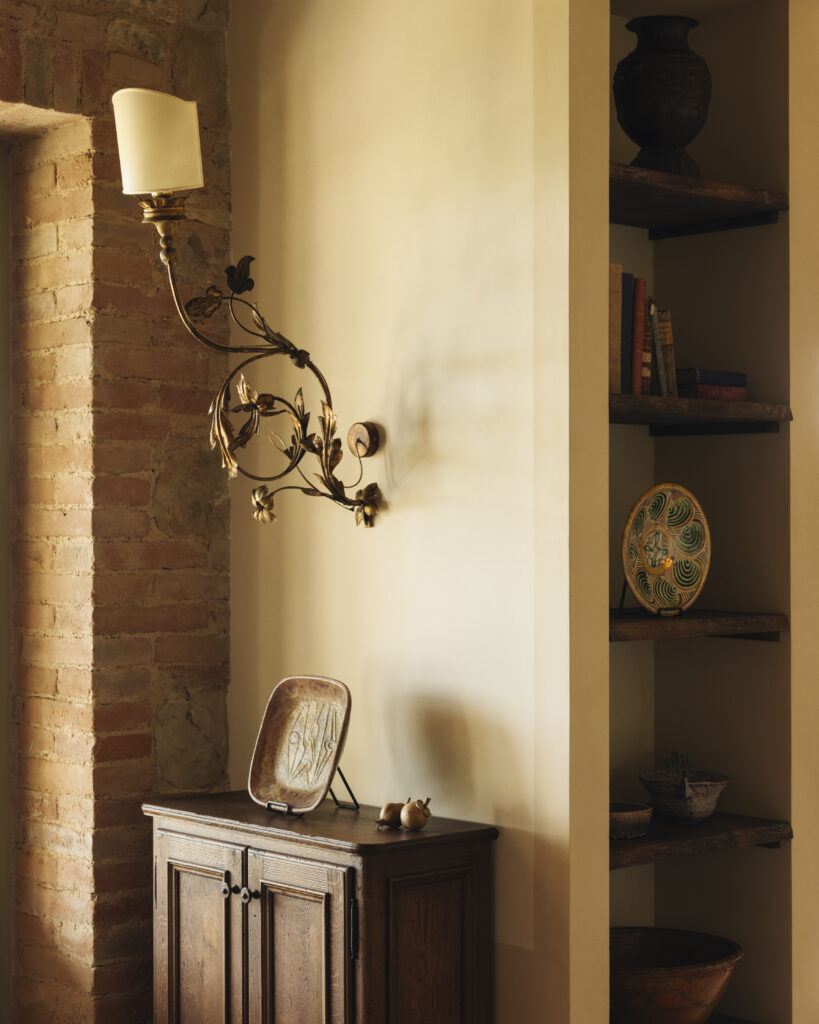
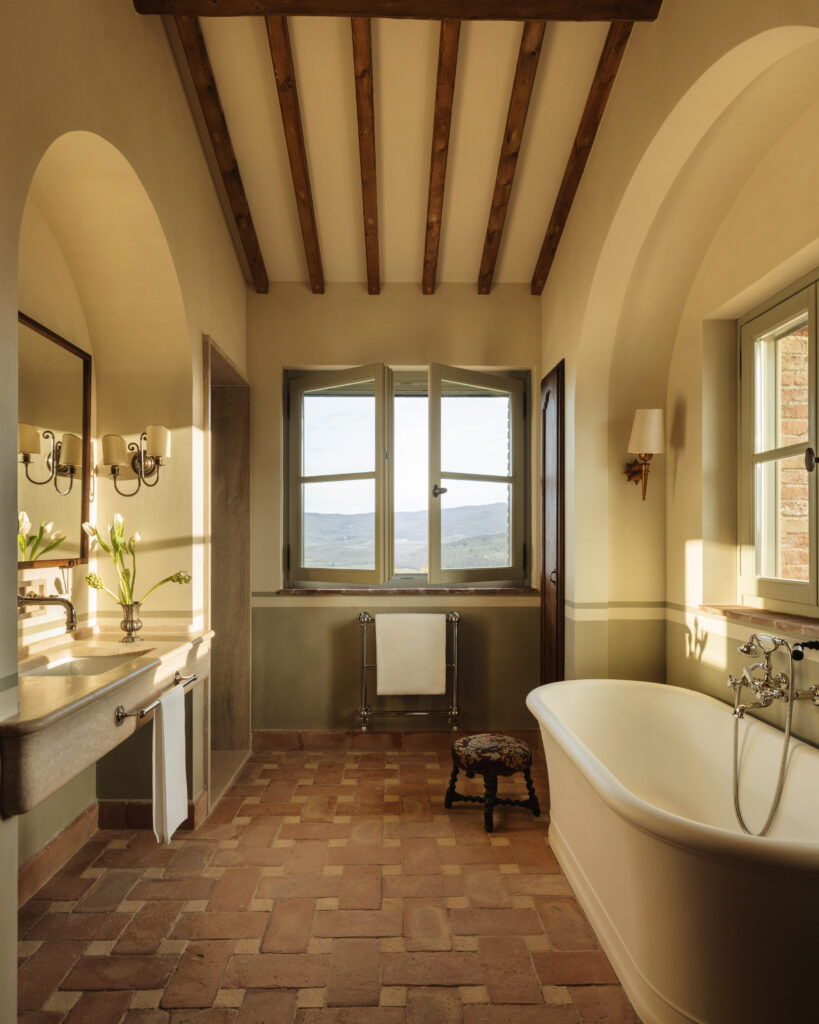
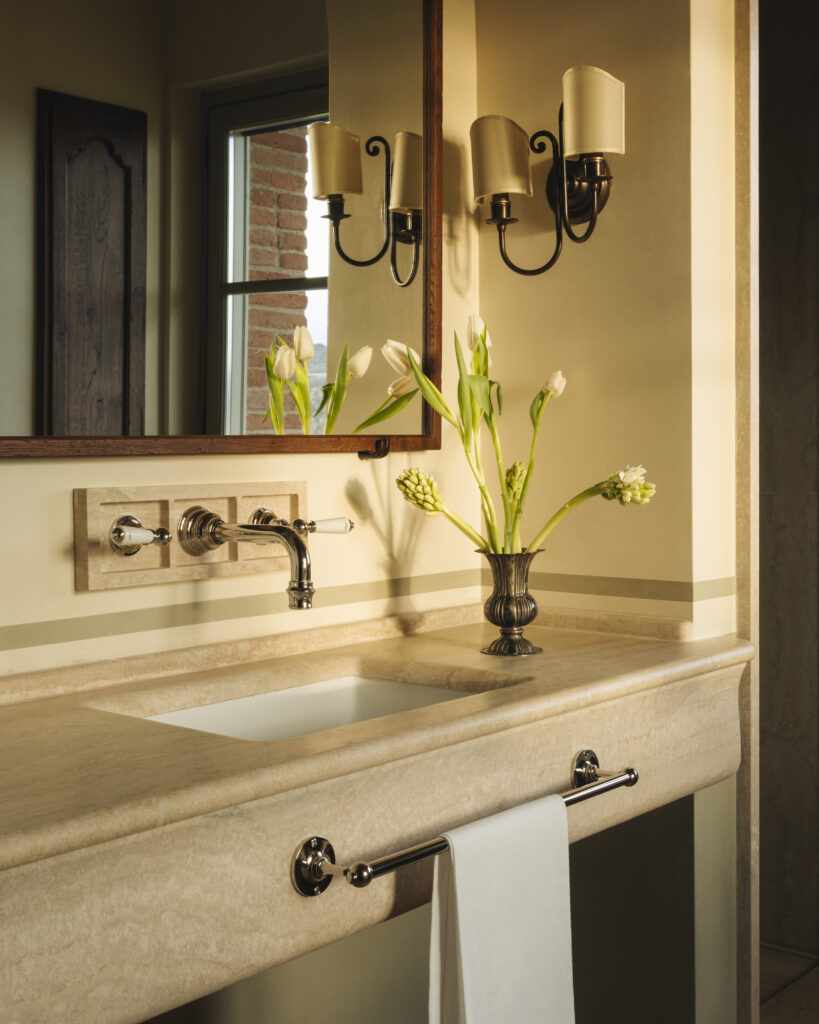
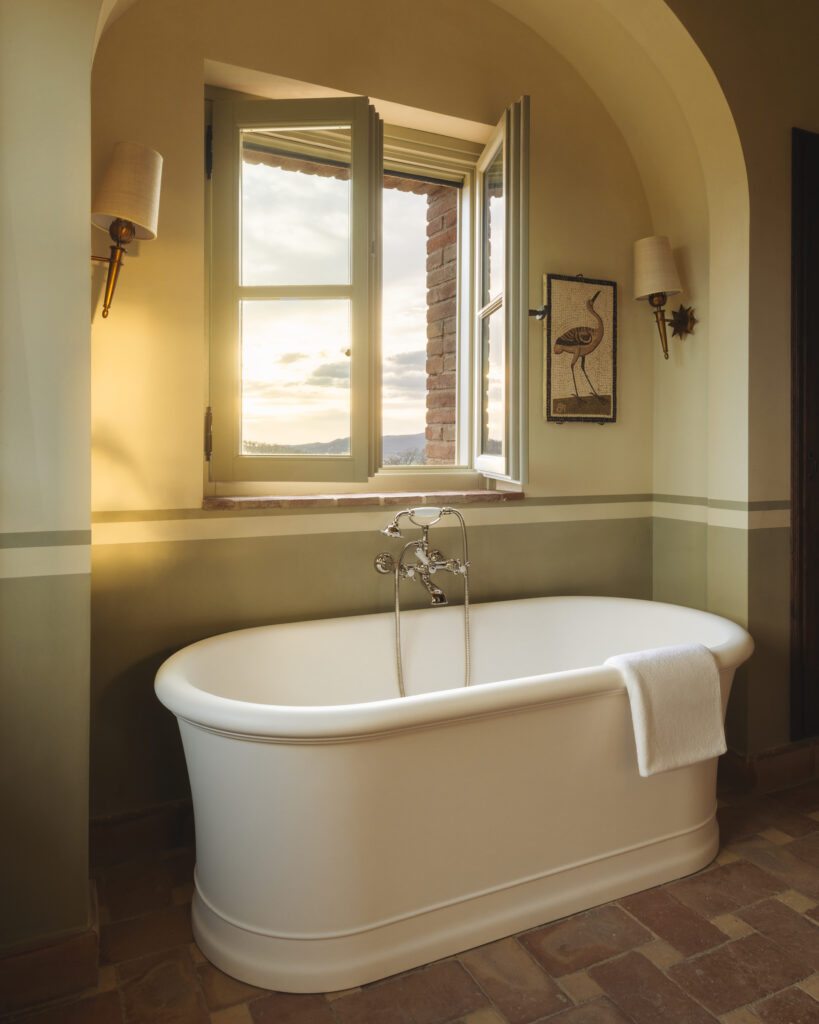
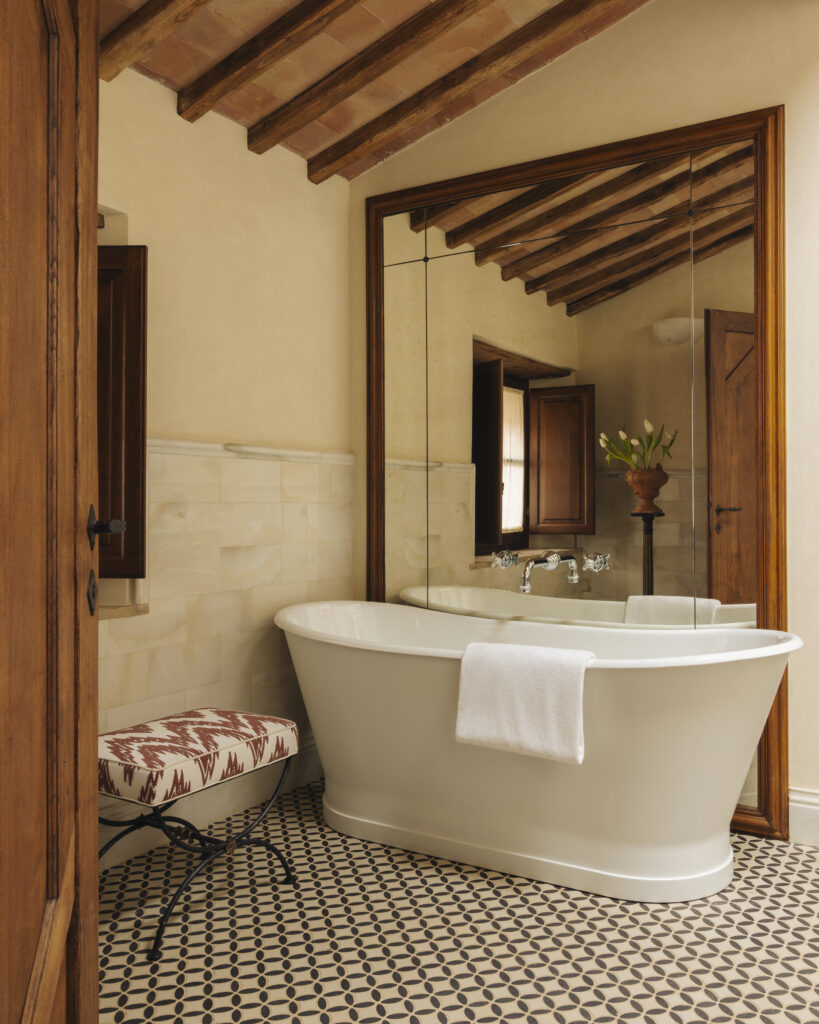
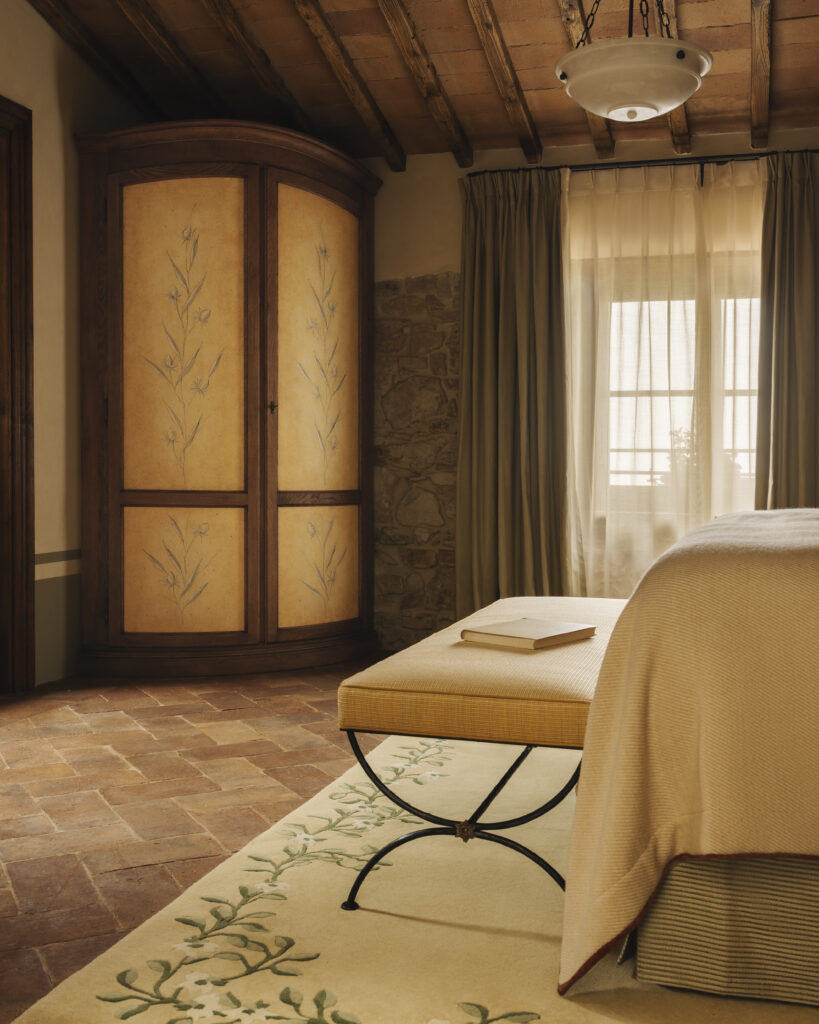
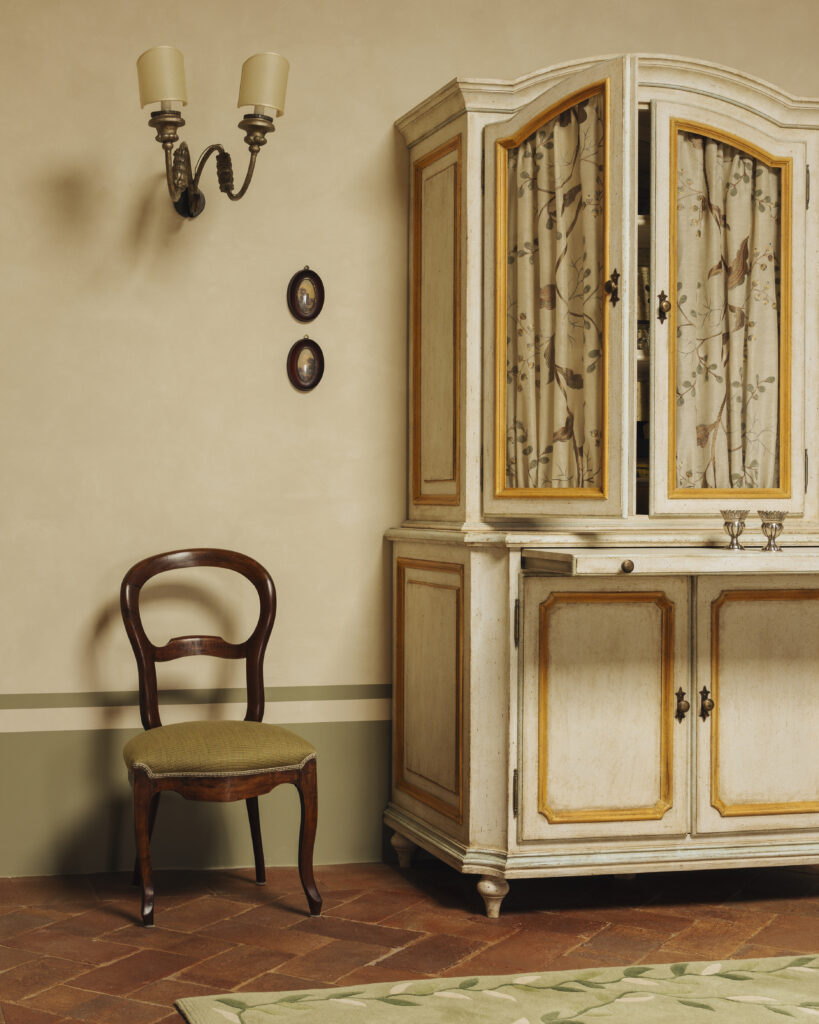
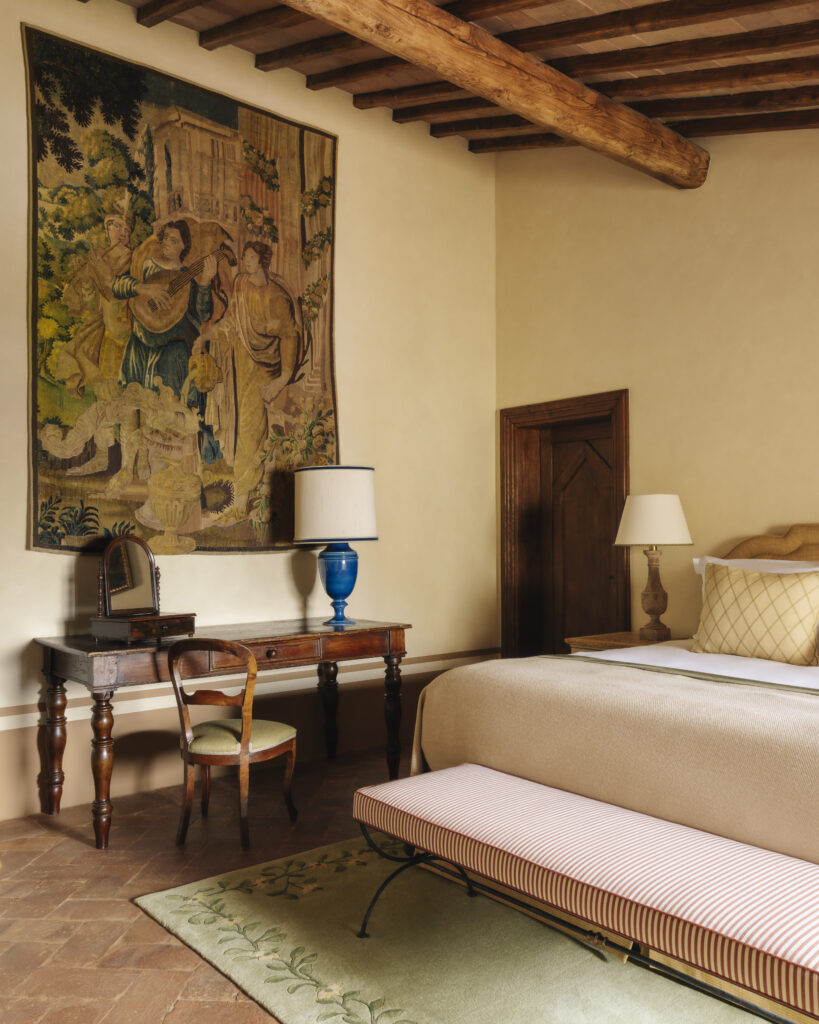
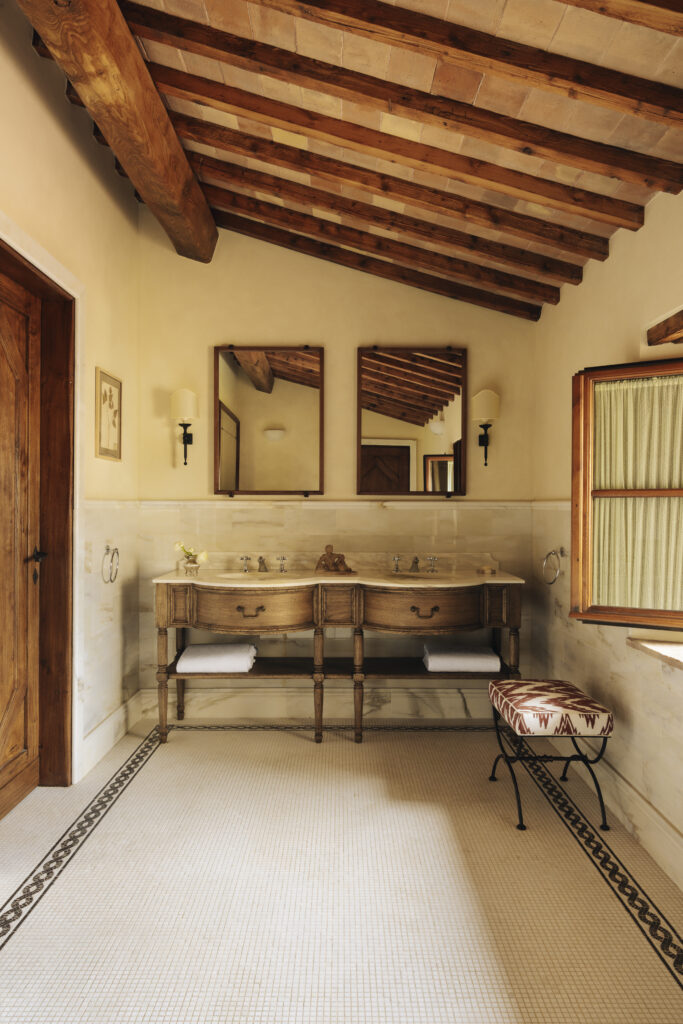
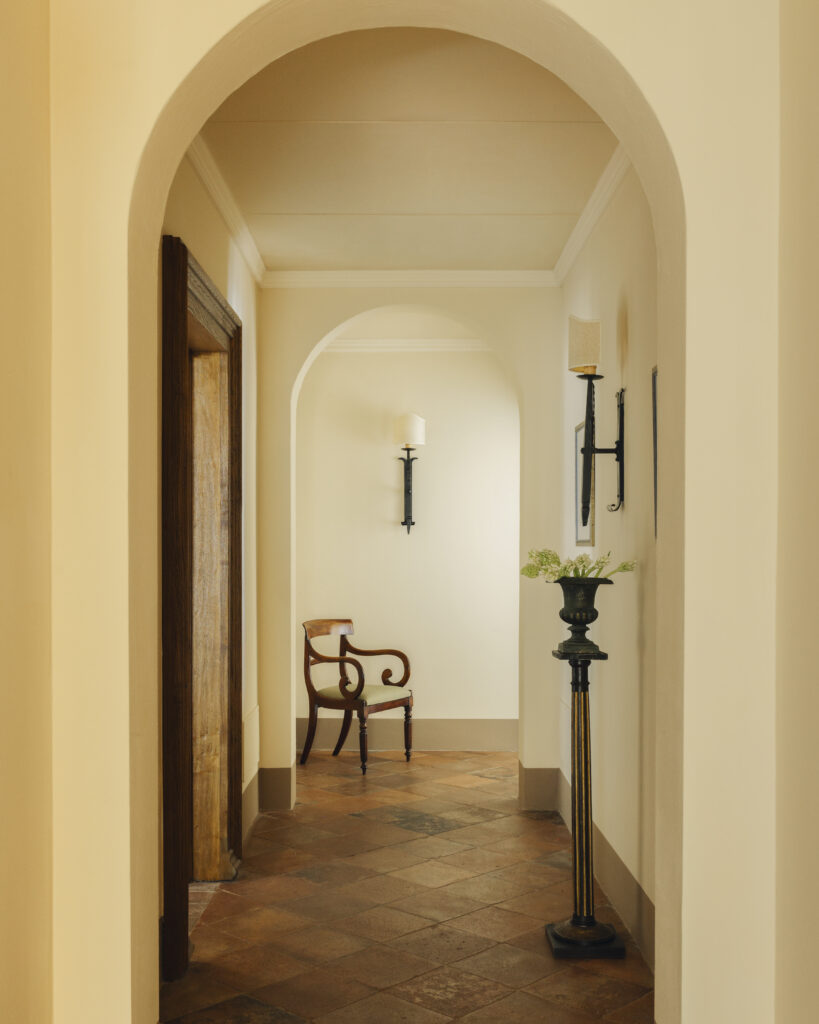
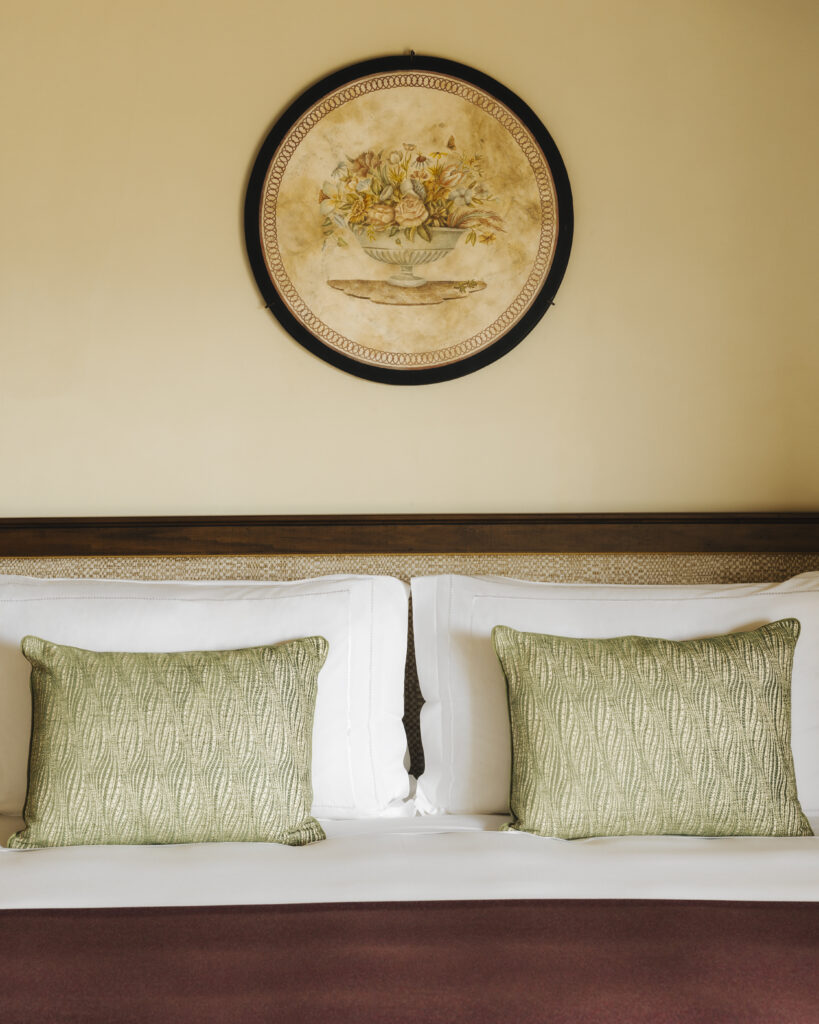
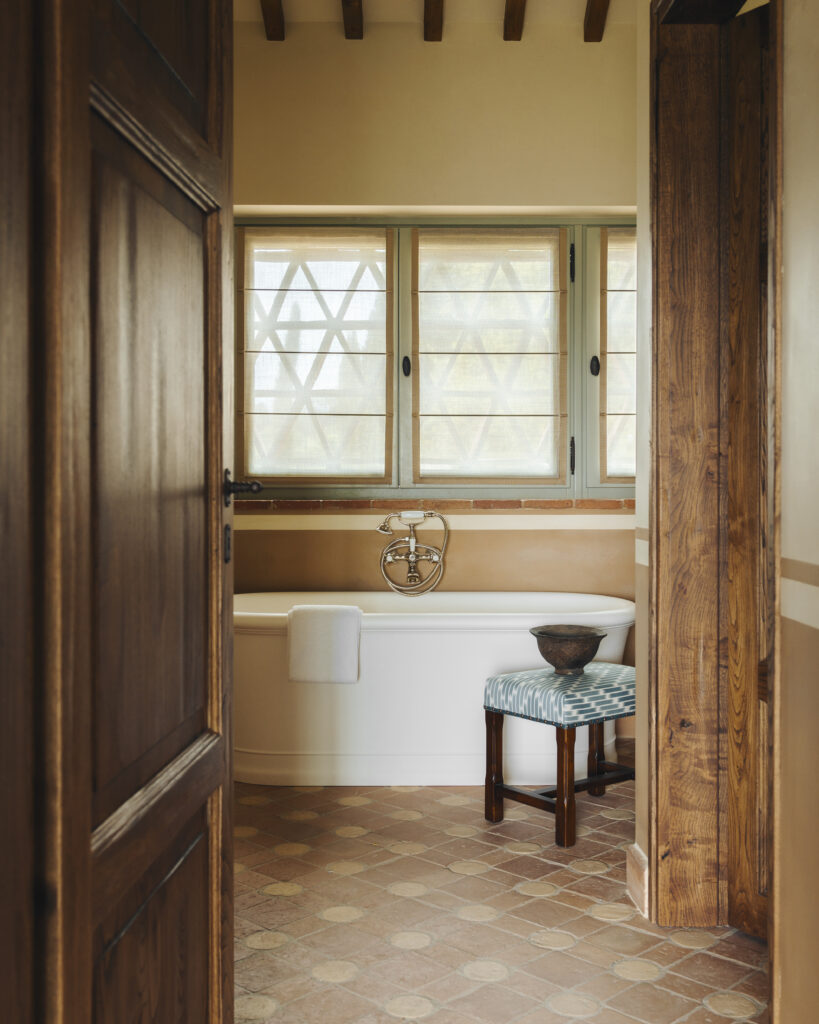
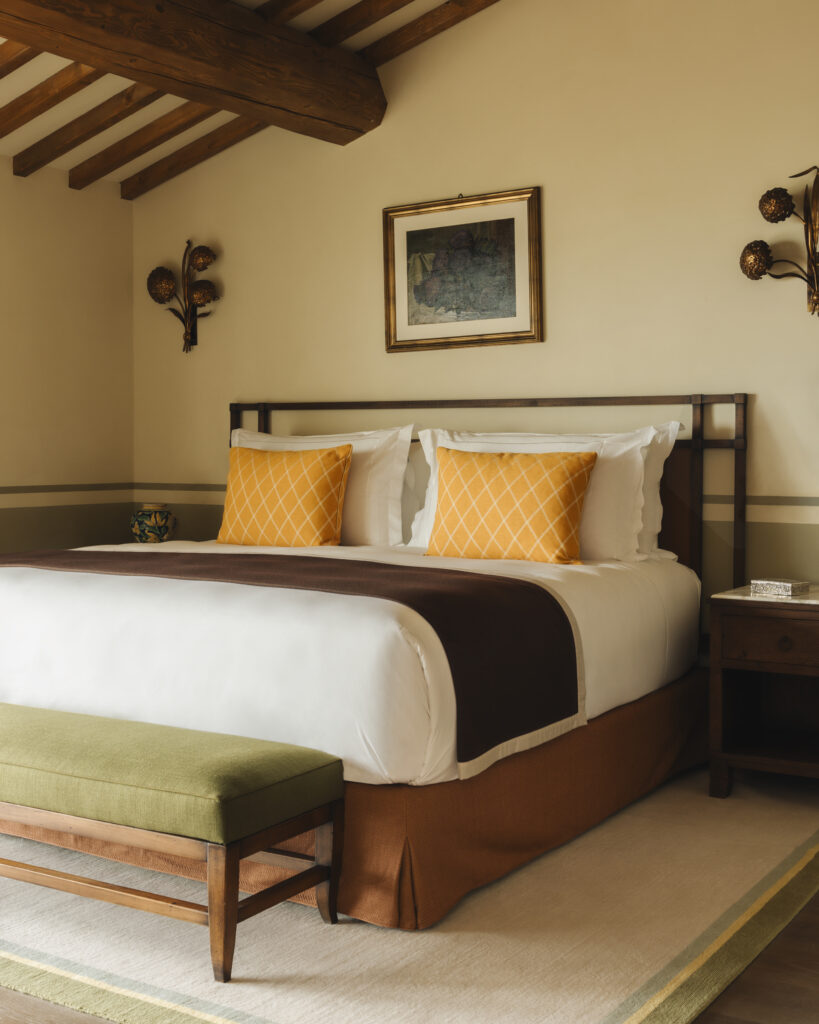
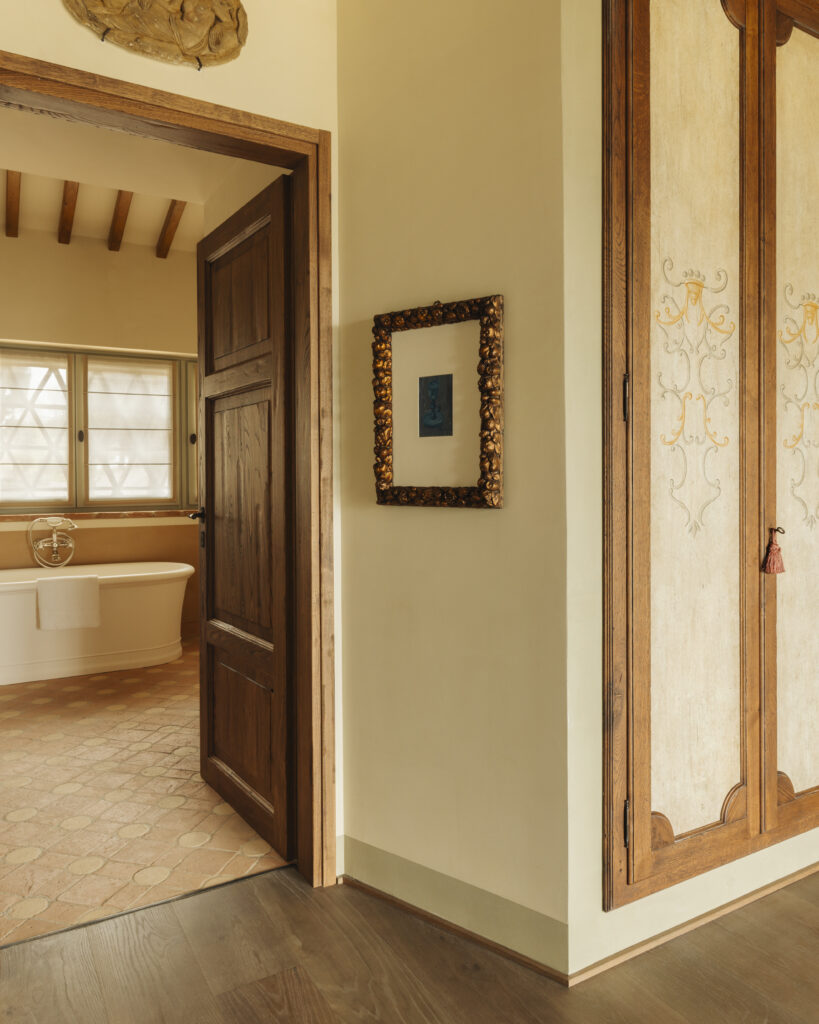
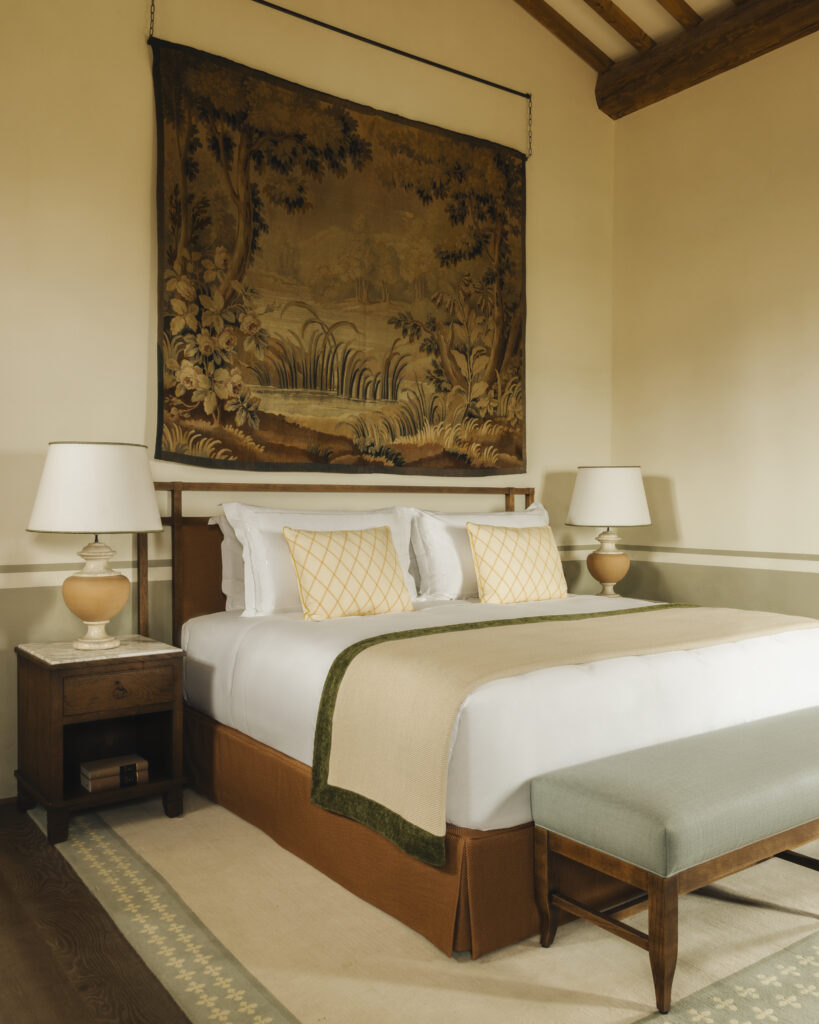
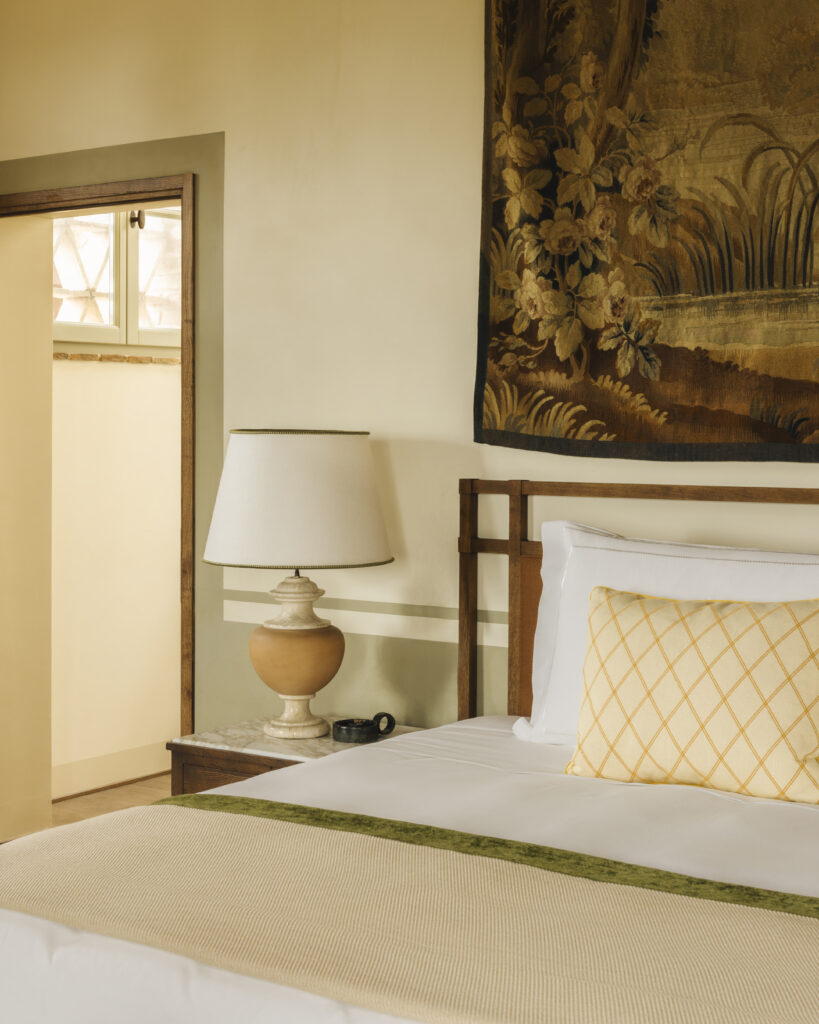
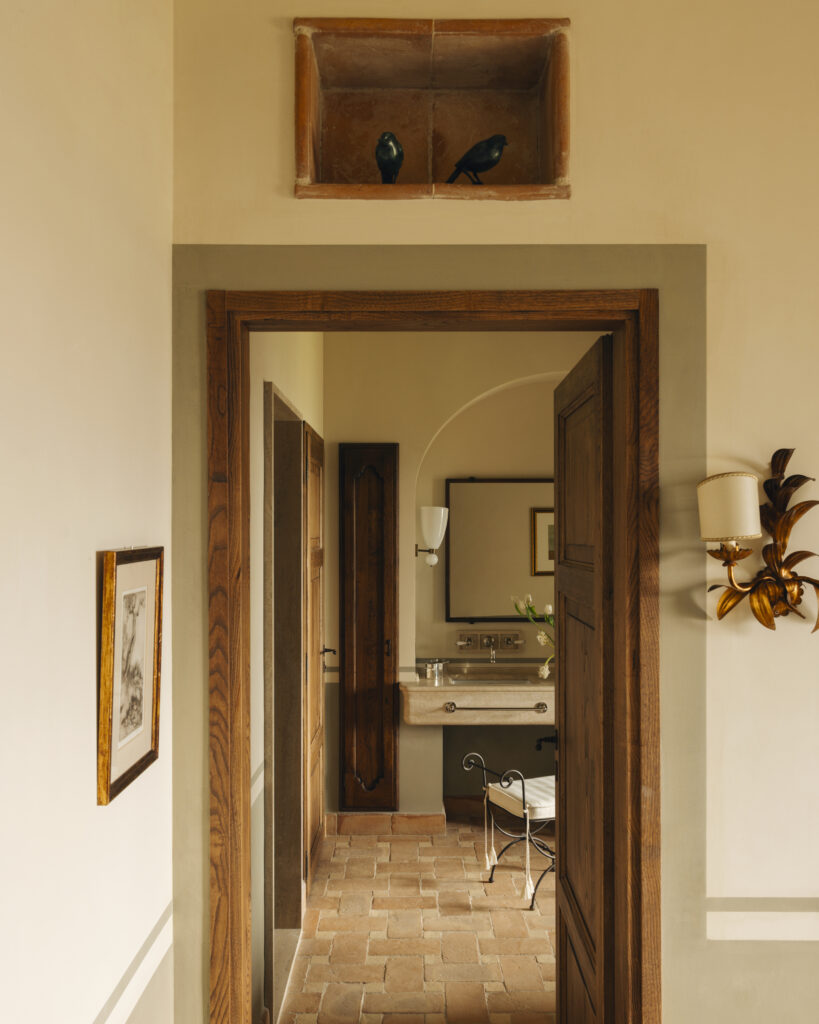
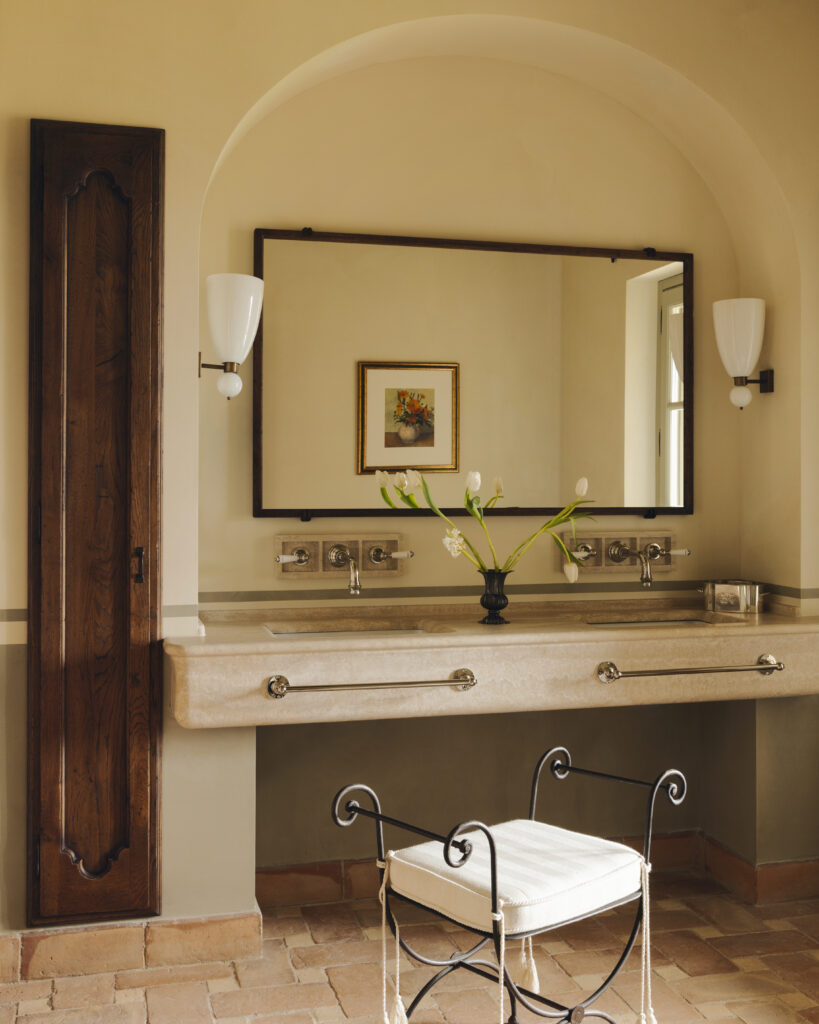
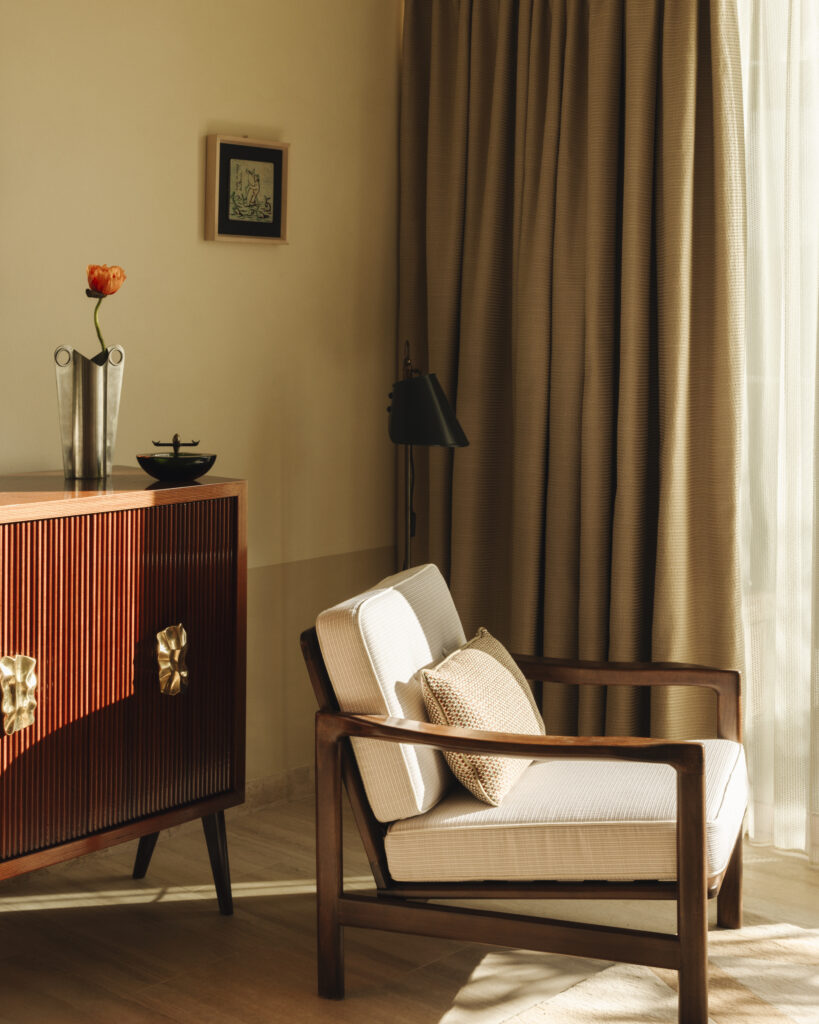
Villa San Michele, perched high above Fiesole, reopens on April 28, 2026 after eighteen months of renovation. The original building dates back to the 15th century – a former monastic residence whose façade is traditionally attributed to Michelangelo, a hypothesis that has been documented but not definitively established. Restoration work was carried out by local craftsmen with a view to stylistic continuity: the 39 rooms and suites were redesigned without breaking with the existing architecture.
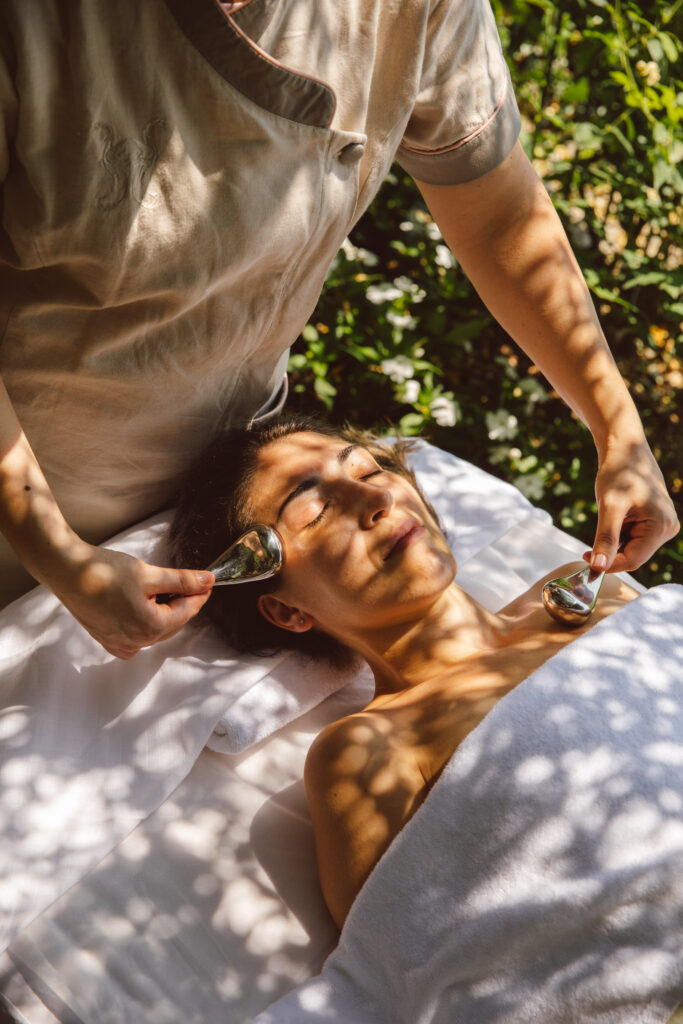
Three new signature suites and the establishment’s first spa area – Villa San Michele Spa by Guerlain – are added to the program. The reception area, known as the “Secret Garden”, features hand-painted frescoes by artist Elena Carozzi, whose work is based on a contemporary reading of the Tuscan garden as a symbolic space. Chef Alessandro Cozzolino is in charge of catering, with tasting menus focusing on local produce, in keeping with the villa’s geographical position: overlooking Florence, at a reasonable distance from noise, in constant dialogue with the Tuscan countryside visible from every window.
— — —
What Belmond is offering in spring 2026 is not an improved tourism product. It’s a reflection on the very format of luxury travel: slow, articulate, sensory, where every transition – from train to boat, from lagoon to hills, from castle to villa – is thought of as a narrative threshold.
Cette publication est également disponible en :

