
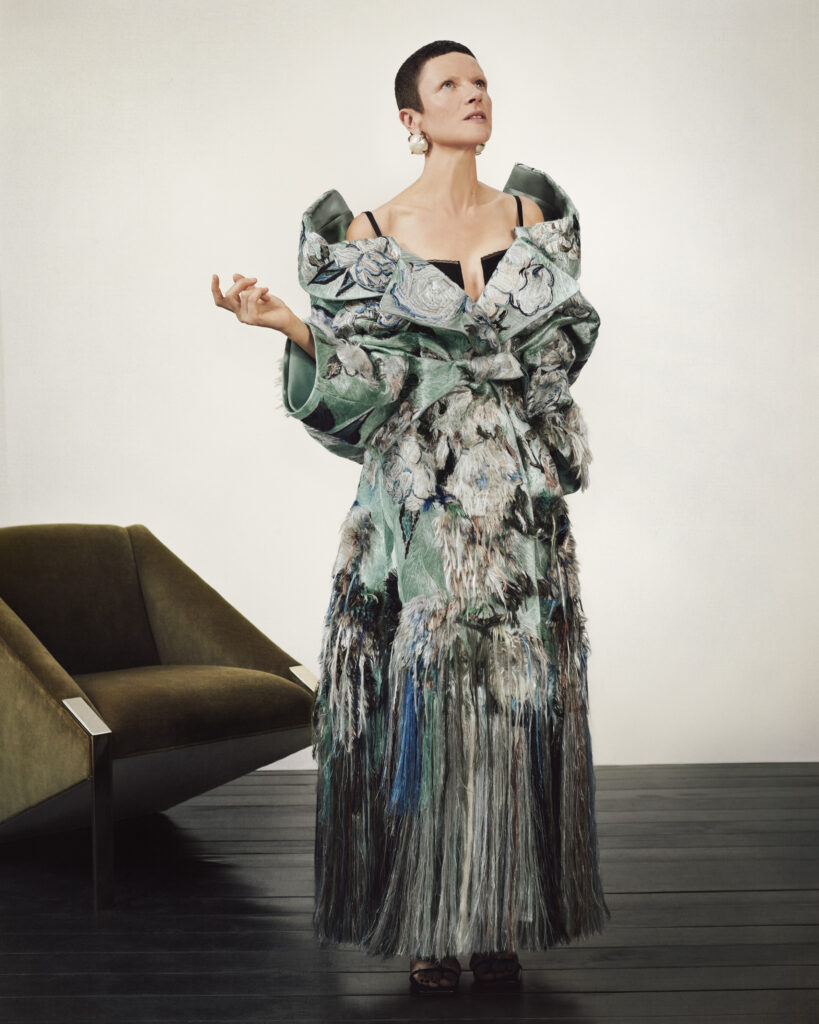
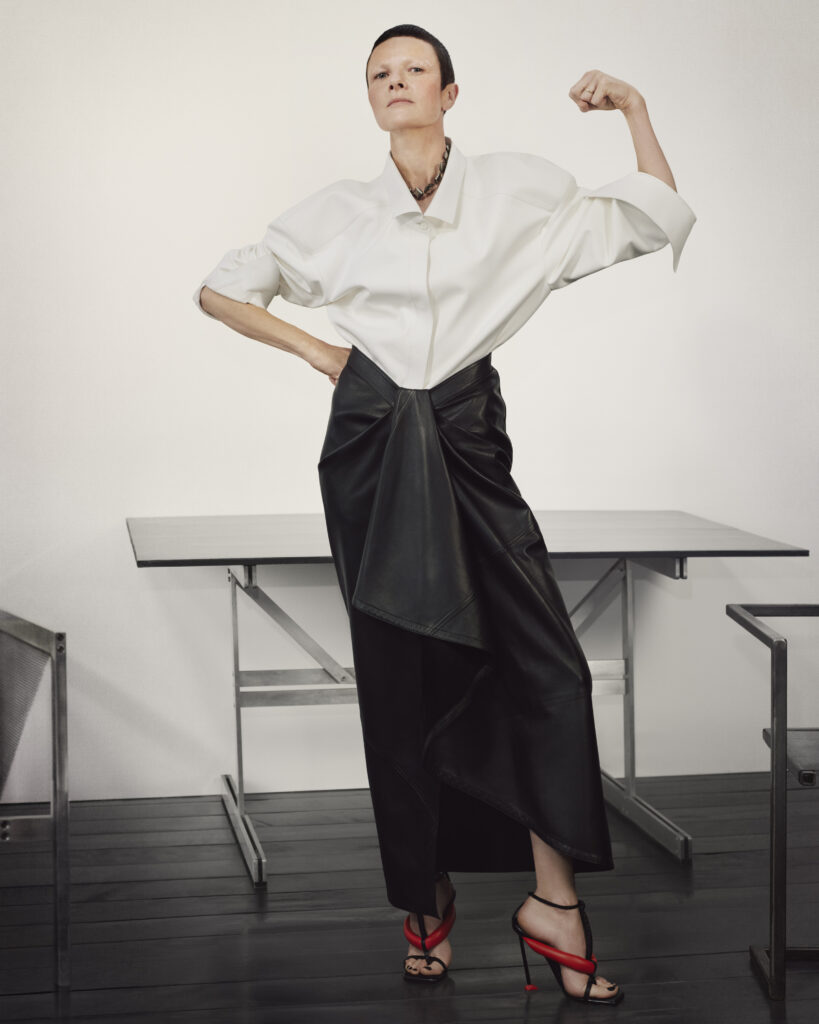
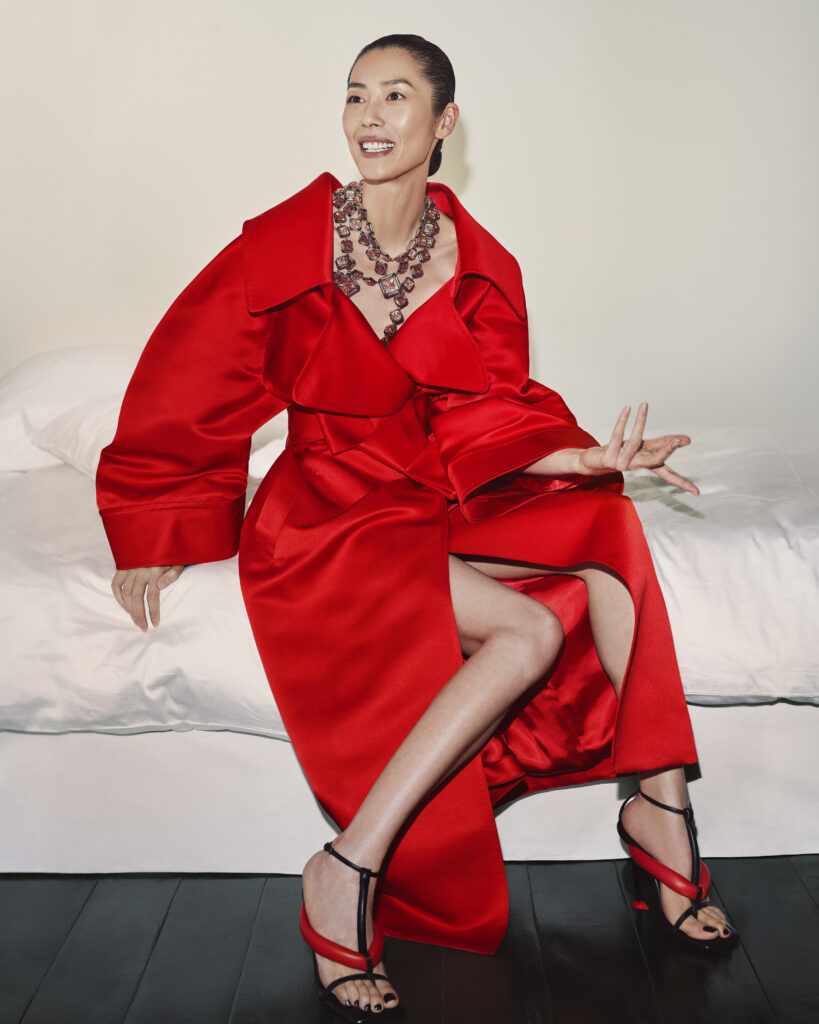
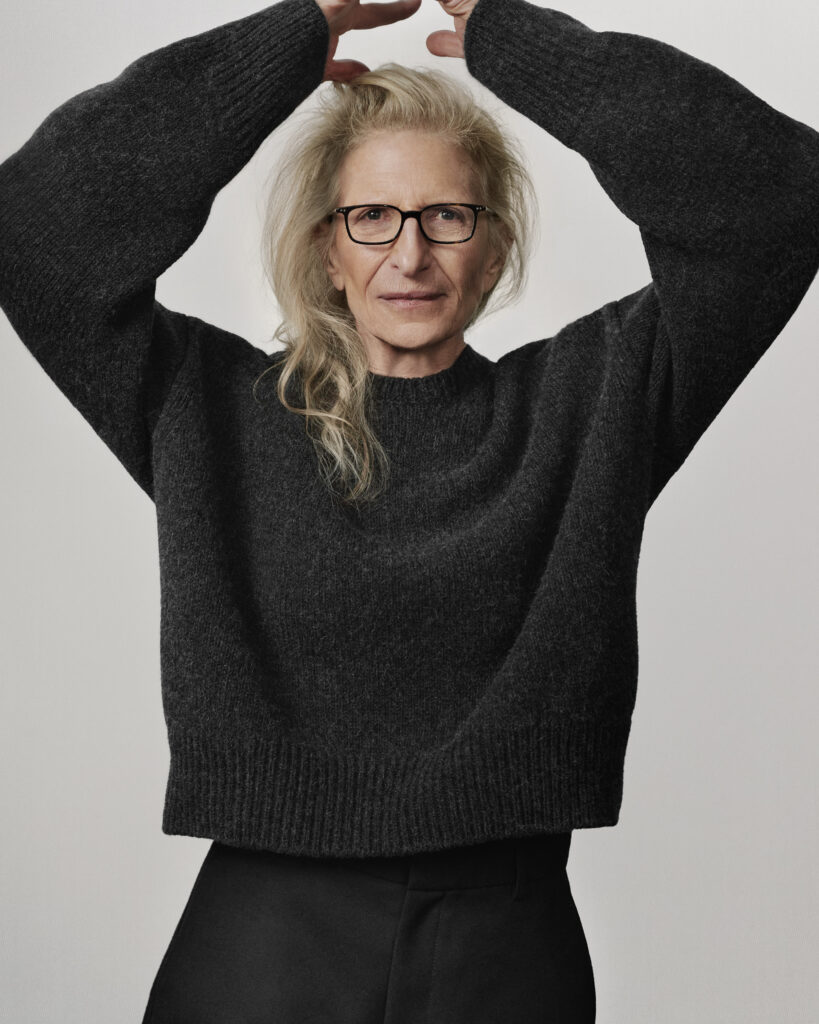
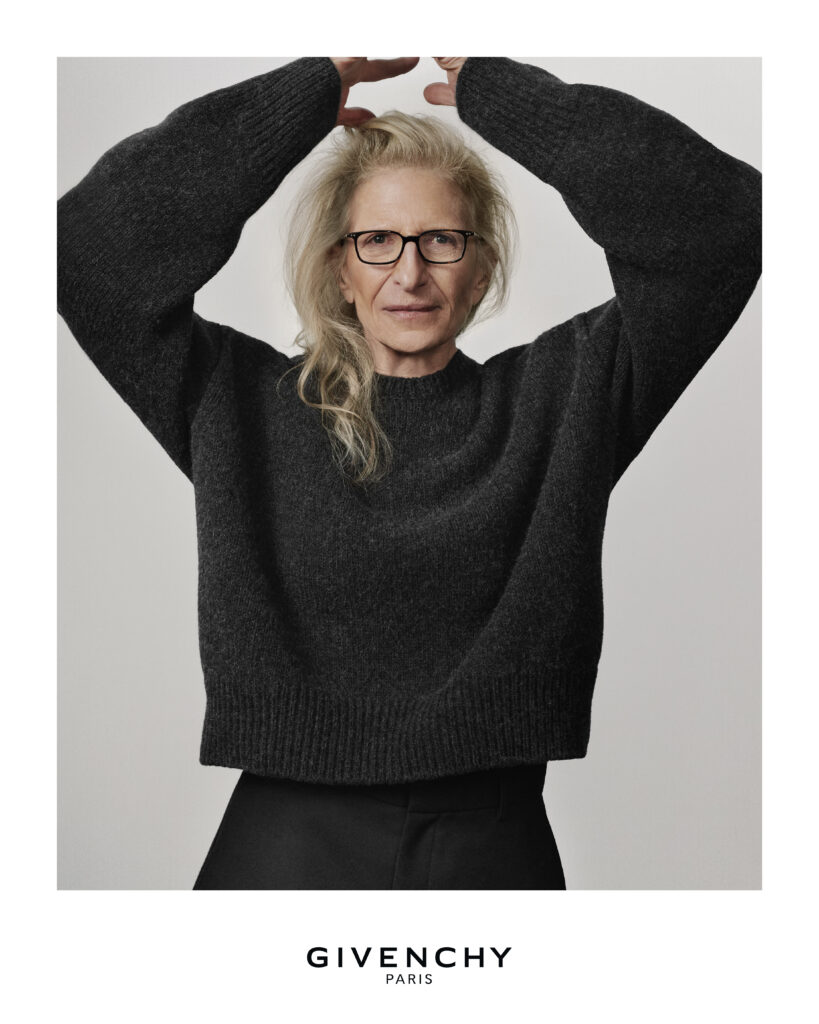
There’s one decision in Portrait Series III that deserves a closer look. For her third campaign as artistic director of Maison Givenchy, Sarah Burton asked Collier Schorr to photograph Annie Leibovitz. Not to pose her with a bag. To photograph her – at work, present on the set, in her own photographic posture.
It’s a precise gesture that owes nothing to chance.
Turnaround as a method.
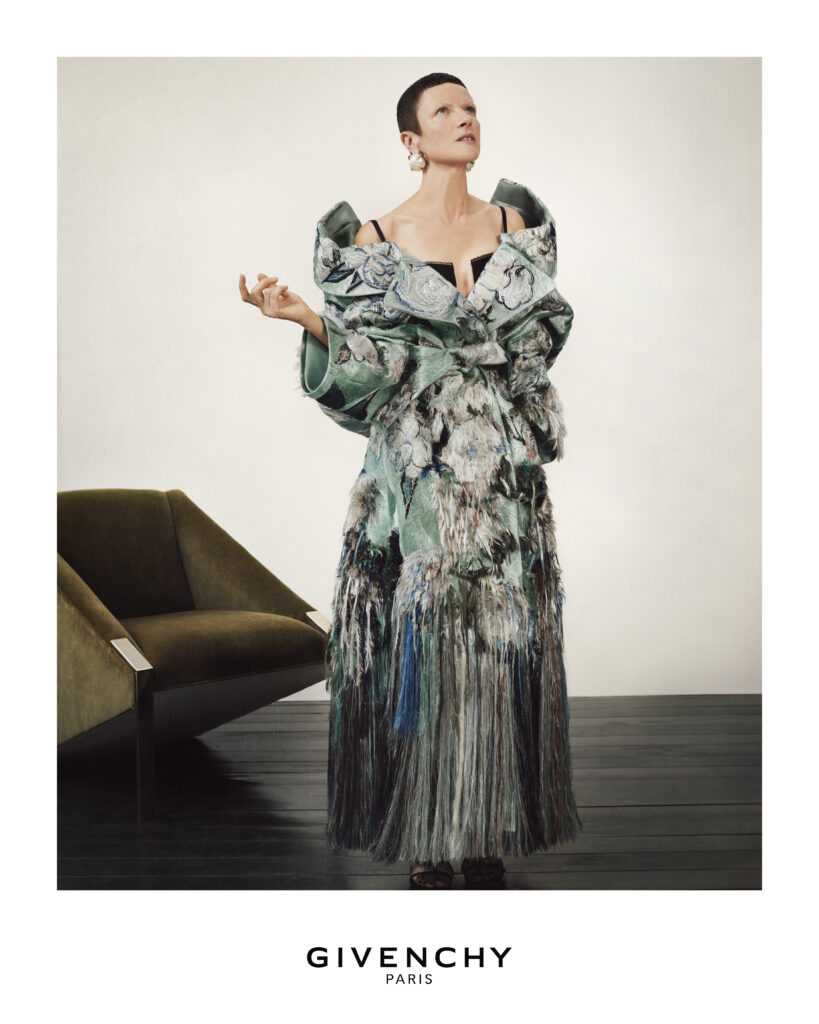
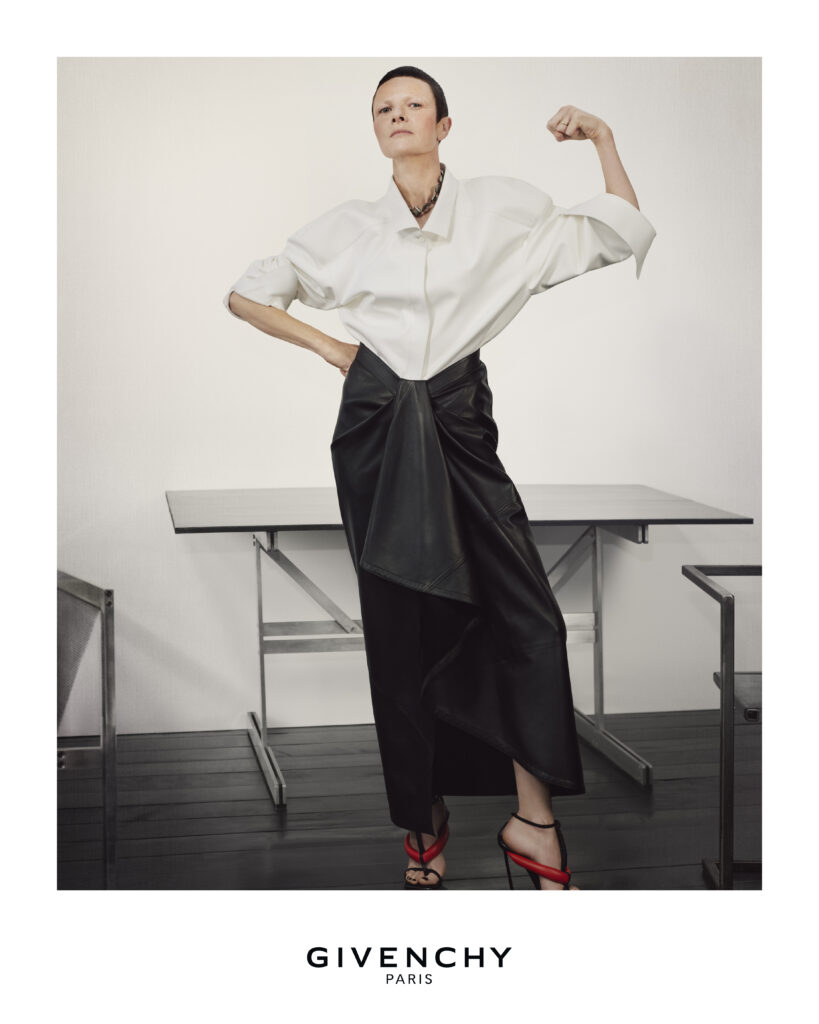
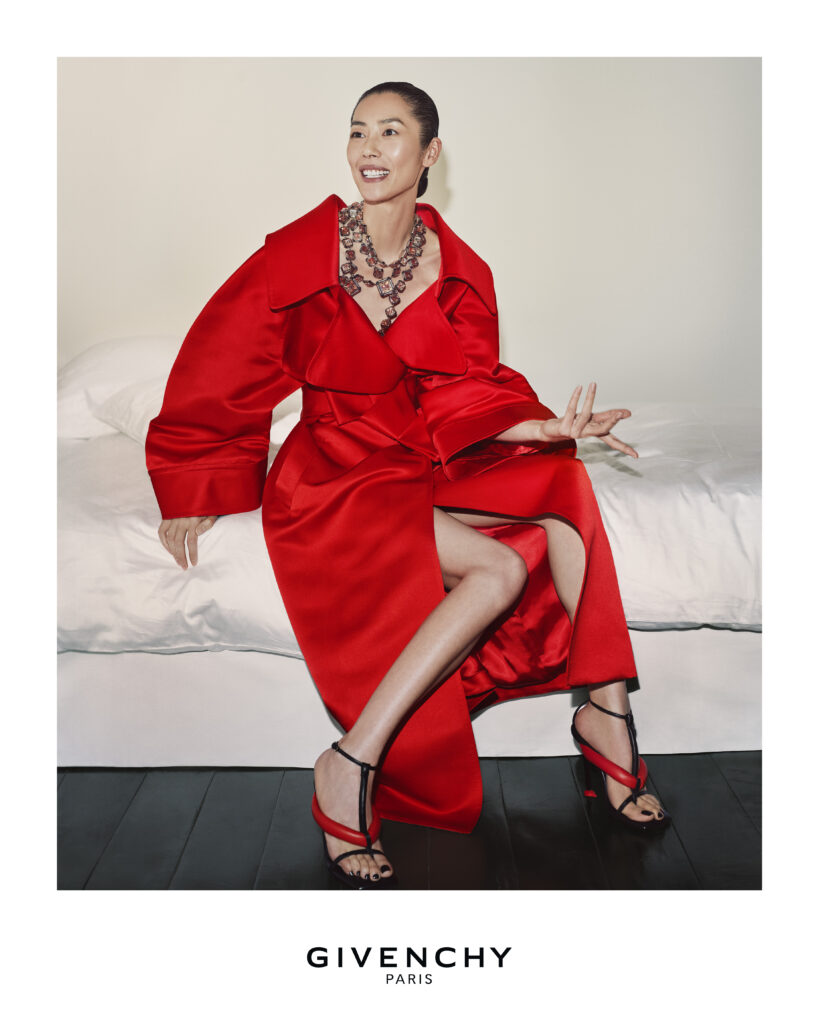
Since his arrival at Givenchy in 2023, Burton has been building a consistent campaign grammar: the women who make the image – stylists, models, artists, directors – appear in their own names, not as surfaces. The first campaign set the collective scene. The second extended it. The third integrates Leibovitz into it – which amounts to introducing into the frame the most symbolically-charged figure in all fashion and portrait photography of the last fifty years.
Leibovitz has been photographing the powerful since 1970. She has constructed a part of the public iconography of the late twentieth century. To have her here as a subject – in Schorr’s field – is to accept that the gaze can be turned, that the authority of representation is negotiable. It’s a theoretical argument made visible.
Collier Schorr is not a neutral operator in this scheme. A German photographer trained between New York and Stuttgart, she has been working for thirty years on the construction of gender, adolescence and military codes in the Western imagination. Her portraits don’t seek flattery – they seek the moment when the subject reveals his or her own awareness of being looked at. Putting Leibovitz face to face with Schorr creates a situation where two logics of the gaze confront each other in front of the lens.
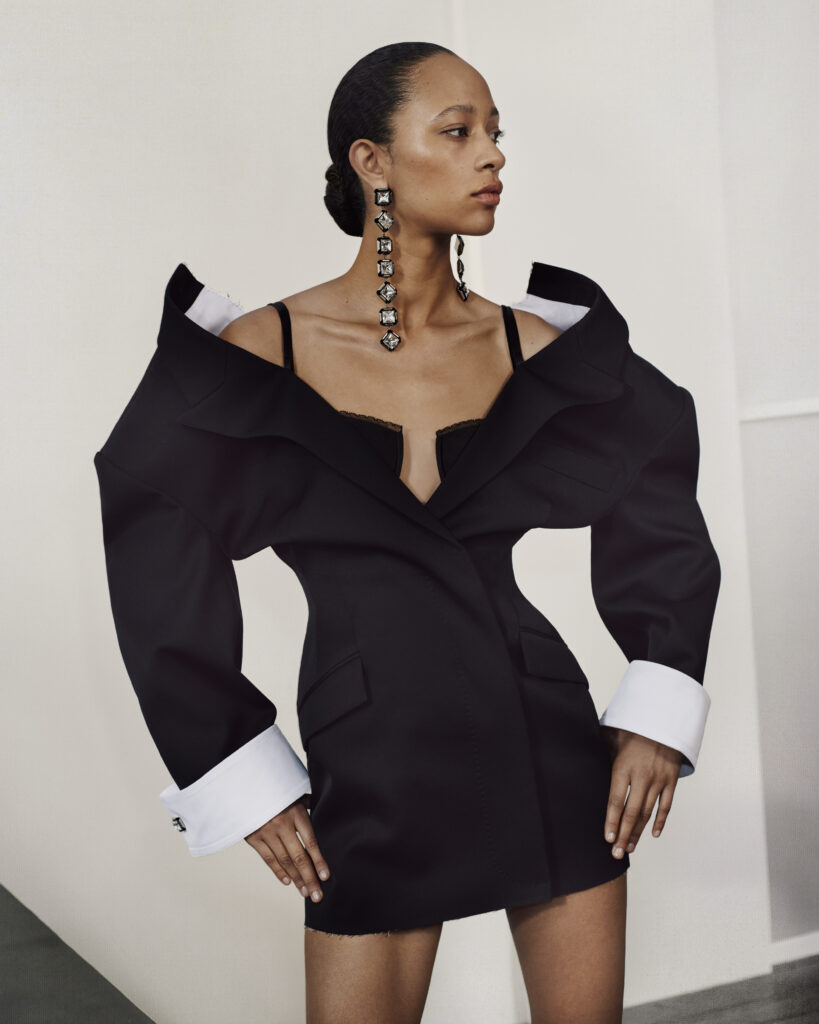
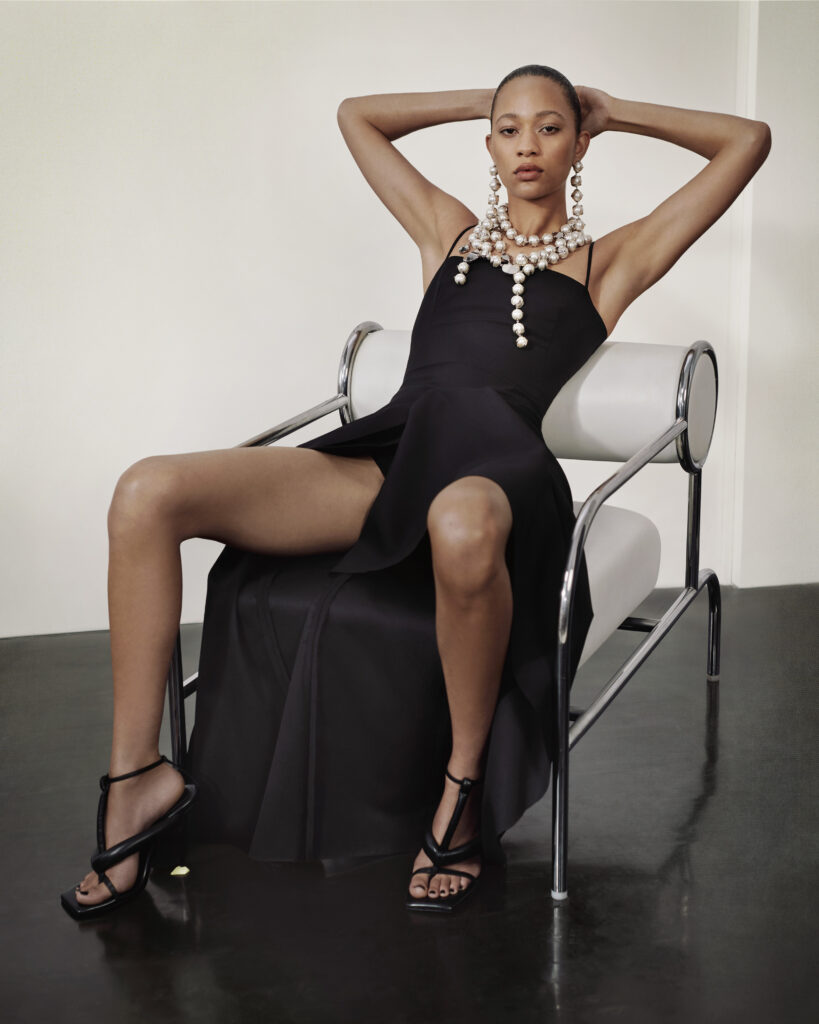
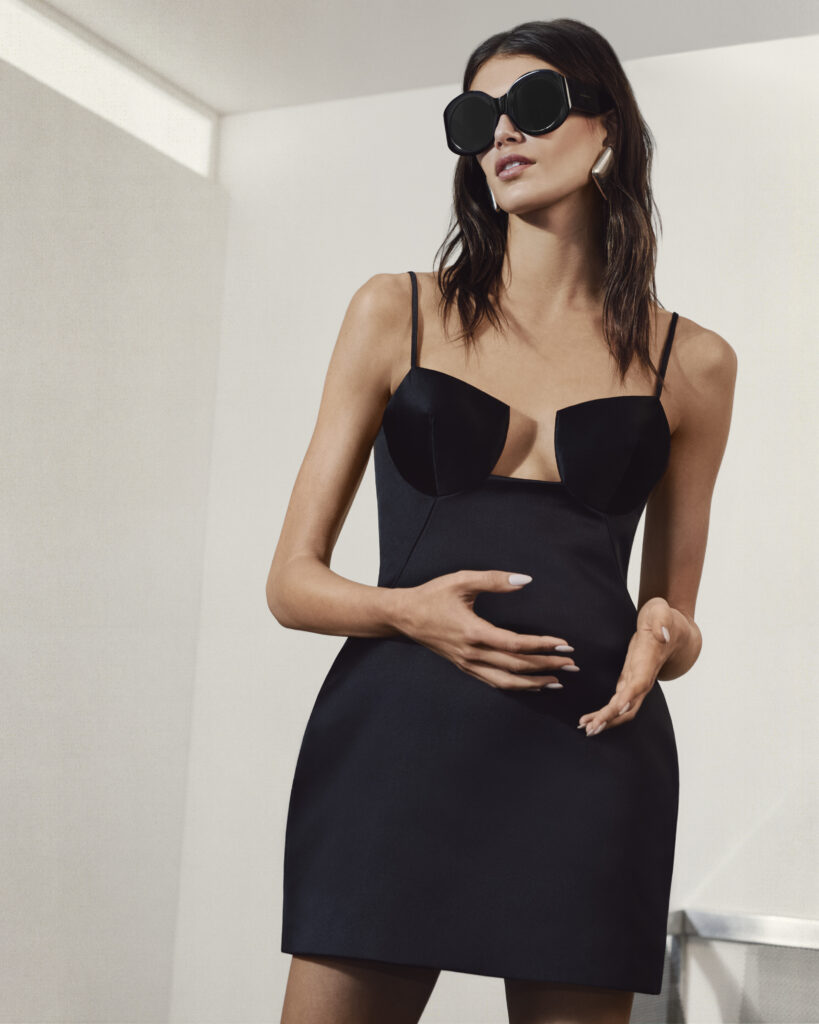
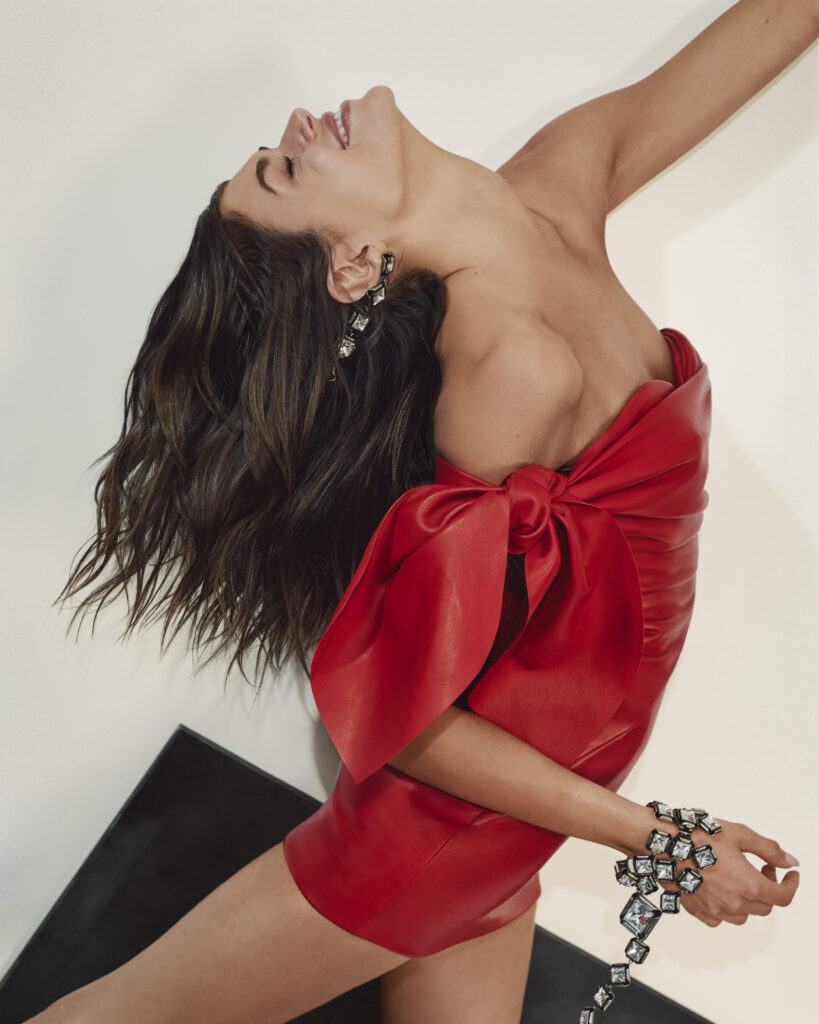
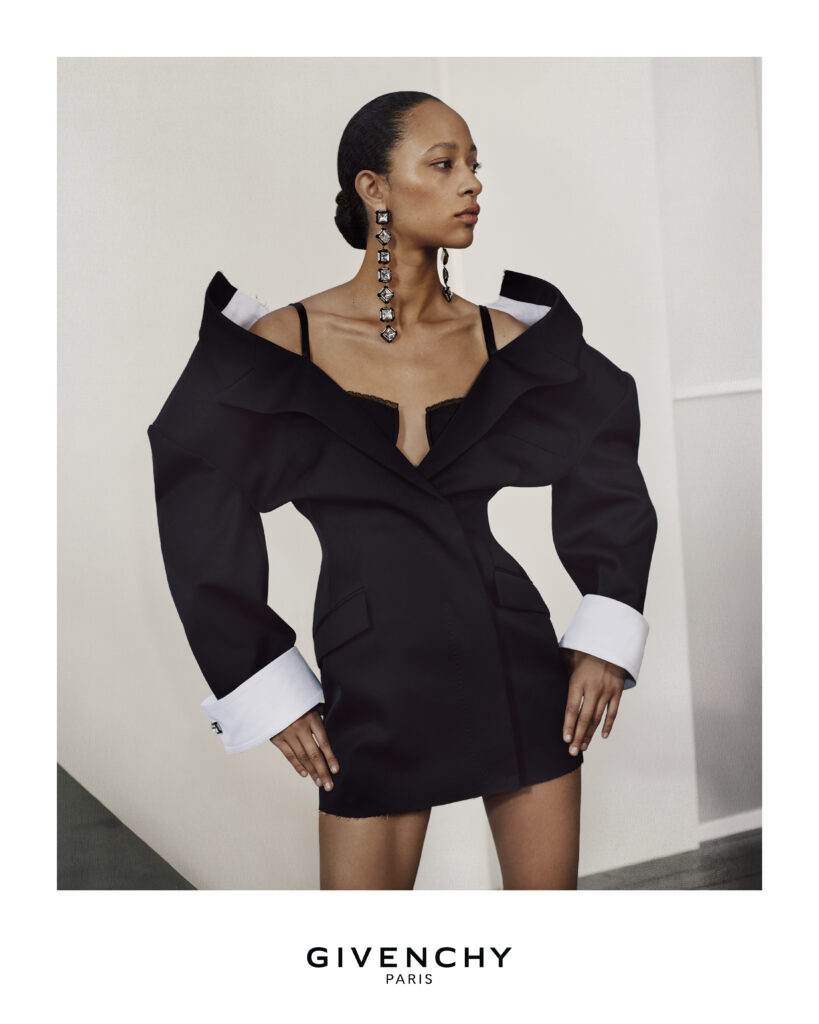
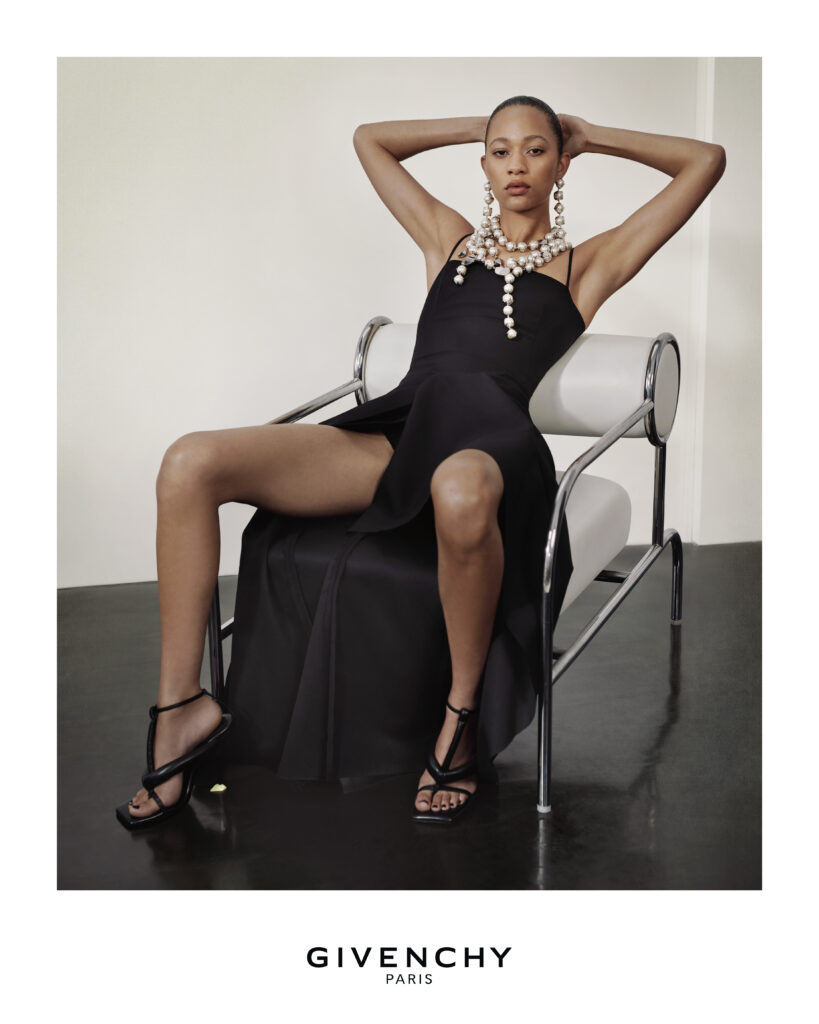
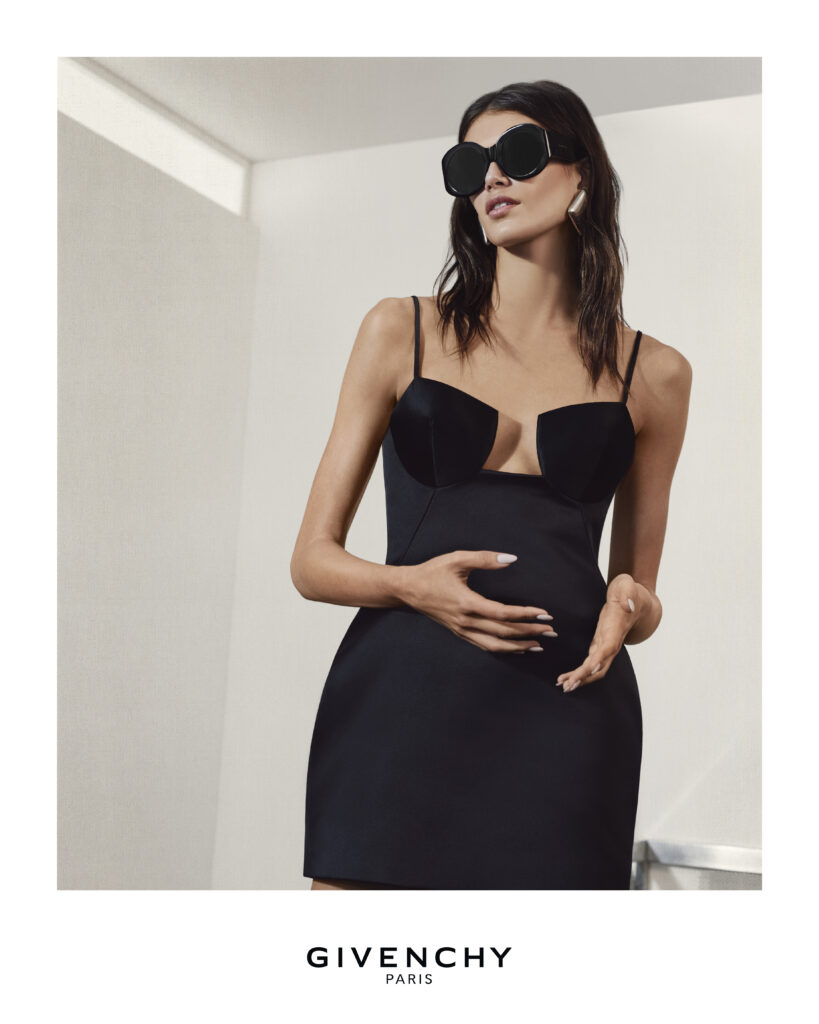
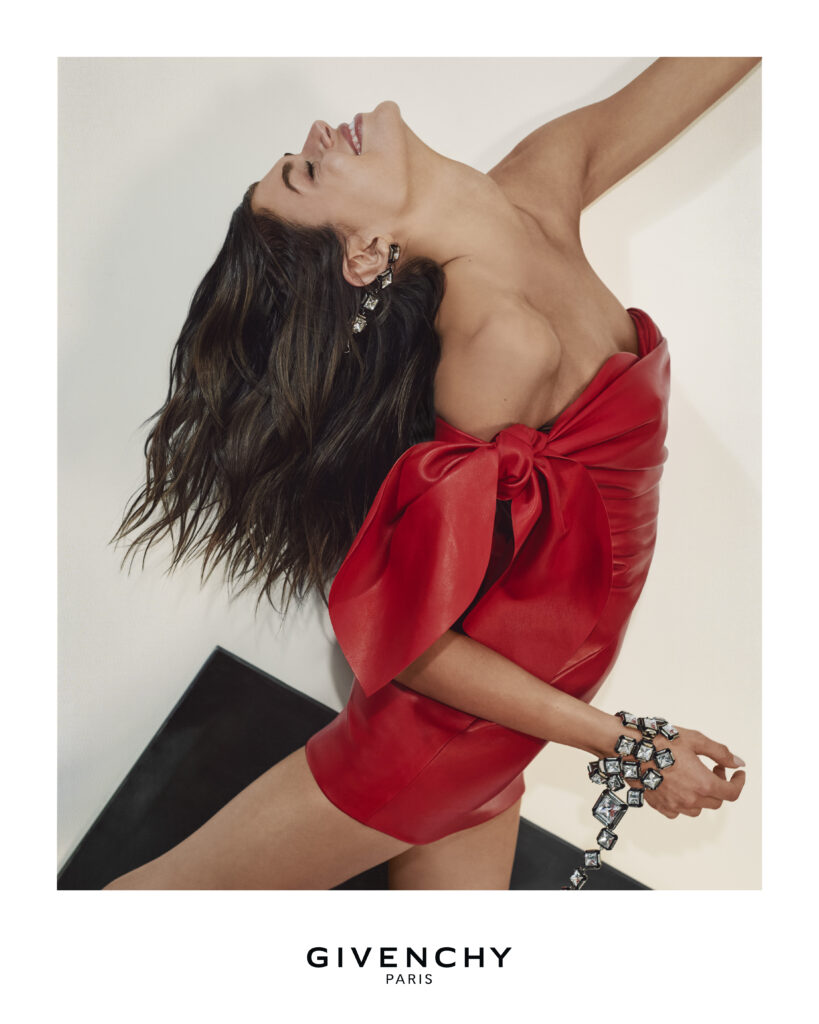
Production details The campaign brings together five women with distinct professional statuses: Isabelle Albuquerque (visual artist, Los Angeles), Kaia Gerber (model, daughter of Cindy Crawford), Liu Wen (first Asian model to appear on the American cover of Vogue, 2009), Selena Forest (emerging model), Annie Leibovitz (photographer, former art director of Rolling Stone and Vanity Fair). The mix is not decorative – it documents a spectrum of notoriety and generation.
What Burton is building here goes beyond the seasonal campaign. It raises the question of what Givenchy represents after Hubert de Givenchy, after Alexander McQueen, after Riccardo Tisci, after Clare Waight Keller, after Matthew Williams. The House has gone through incompatible aesthetics in less than fifteen years. Burton – who spent twenty years building Maison Alexander McQueen’s post-McQueen identity before taking the helm – knows the cost of this kind of transition.
In this campaign, his answer doesn’t involve clothing. It involves the sociology of the set. Through the question: who has the right to be in this setting, and under what title?
The risk is real. A campaign that speaks more of its own device than of the pieces it is supposed to present can seem self-referential. Some Maisons have built lasting aesthetics on this principle – Maison Margiela, in a radical register, or Céline under Slimane in an opposite register. Others have produced intellectually seductive but commercially silent campaigns.
The question that Portrait Series III leaves open is this: Can Burton transform this grammar of the look into a legible, long-term Givenchy identity – one that survives the campaign, infusing the silhouette, the cut, the choice of materials? For now, the method is clear. The results on the collections, however, have yet to be documented.
Cette publication est également disponible en :

