
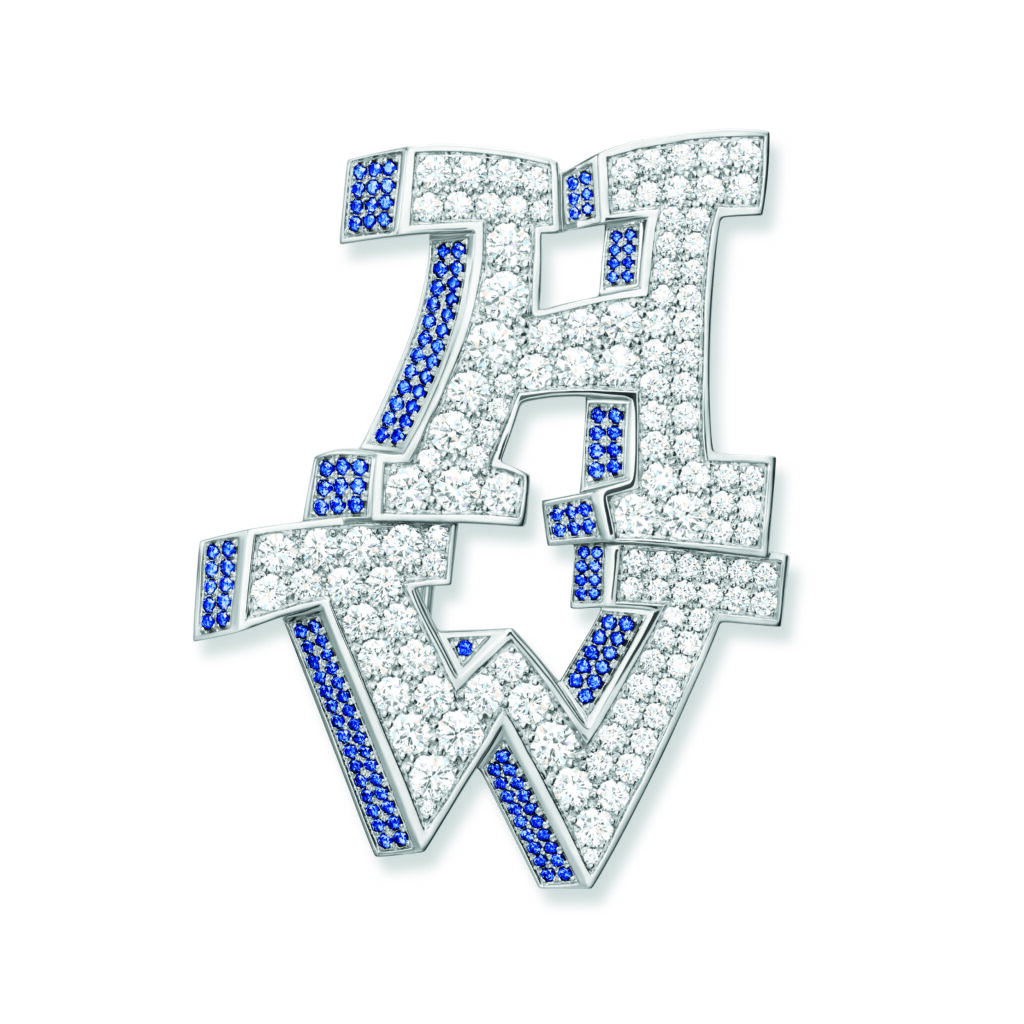
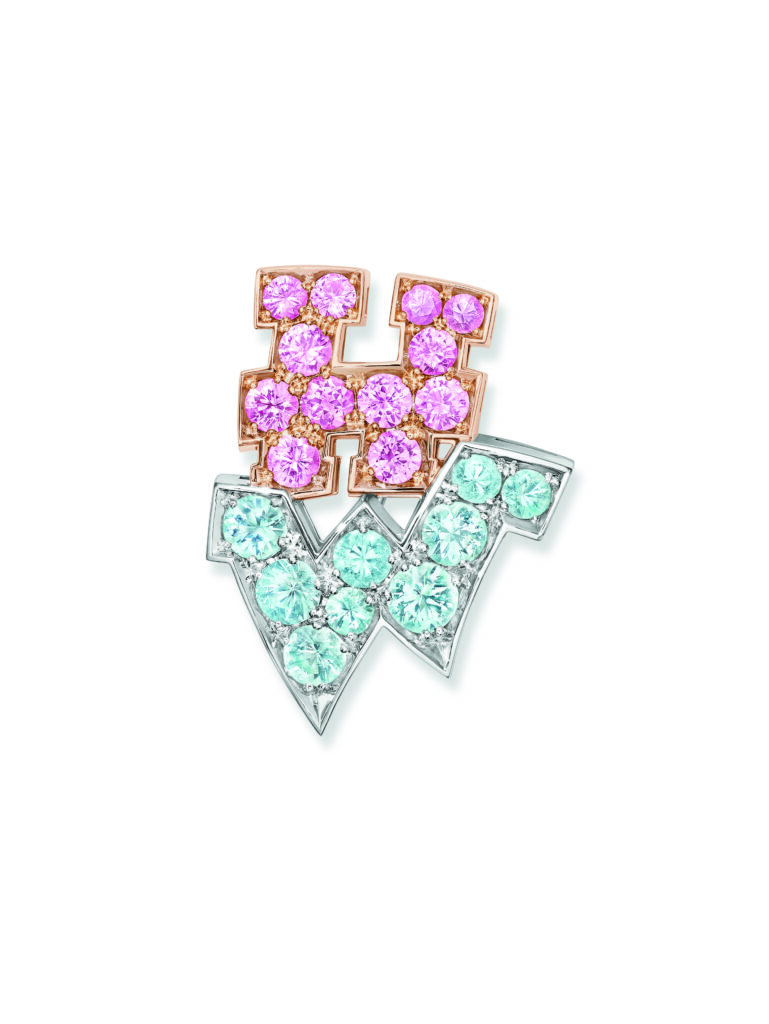
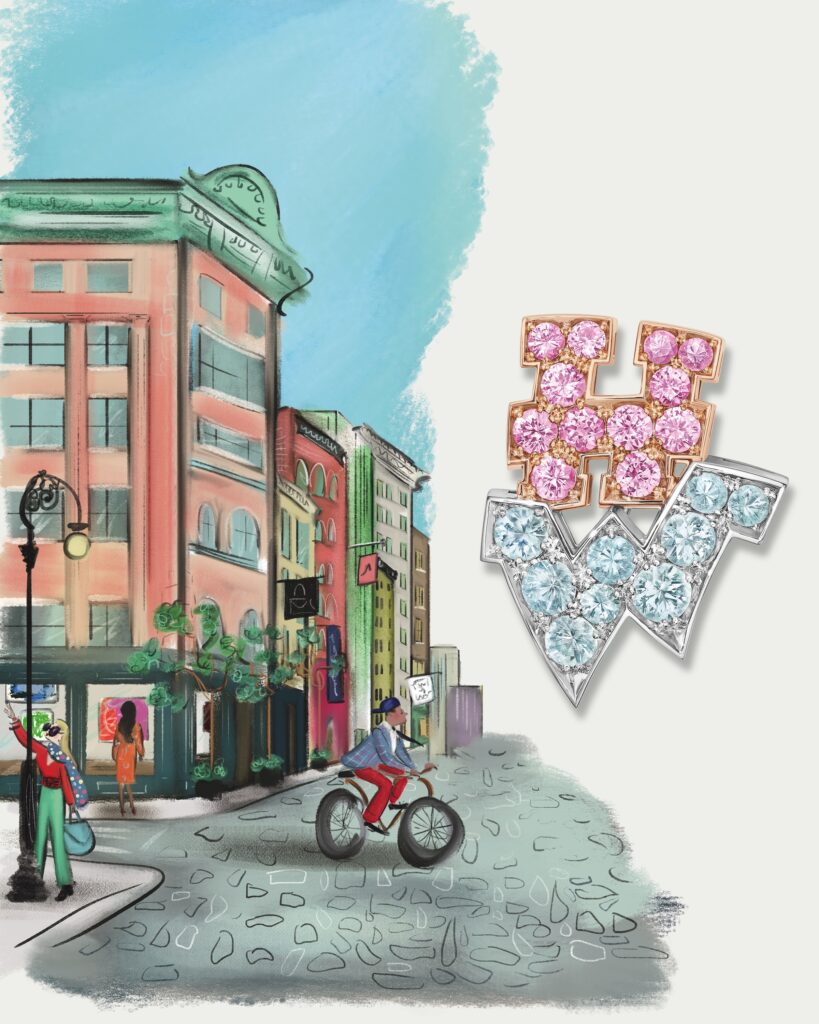
Paraïba tourmaline cannot be cut like other gems. Its copper content – a rare geological anomaly, absent from most of the world’s deposits – produces a blue-green luminescence that seems to emanate from within rather than being reflected. It is precisely this optical property that Maison Harry Winston mobilizes in Graffiti, the latest collection from its New York line, where the Brazilian stone is combined with pink sapphires in a brooch built around the initials “H.W.”.
The letter as architecture.
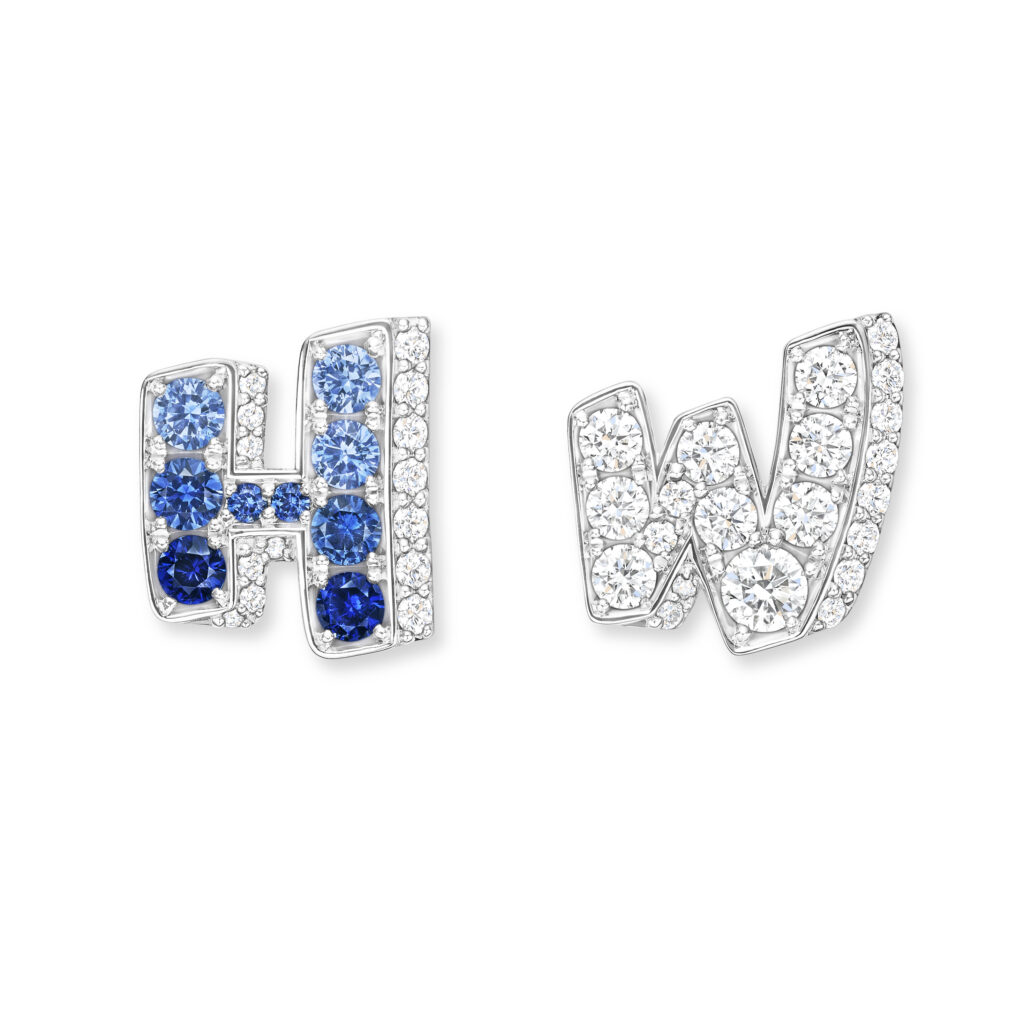
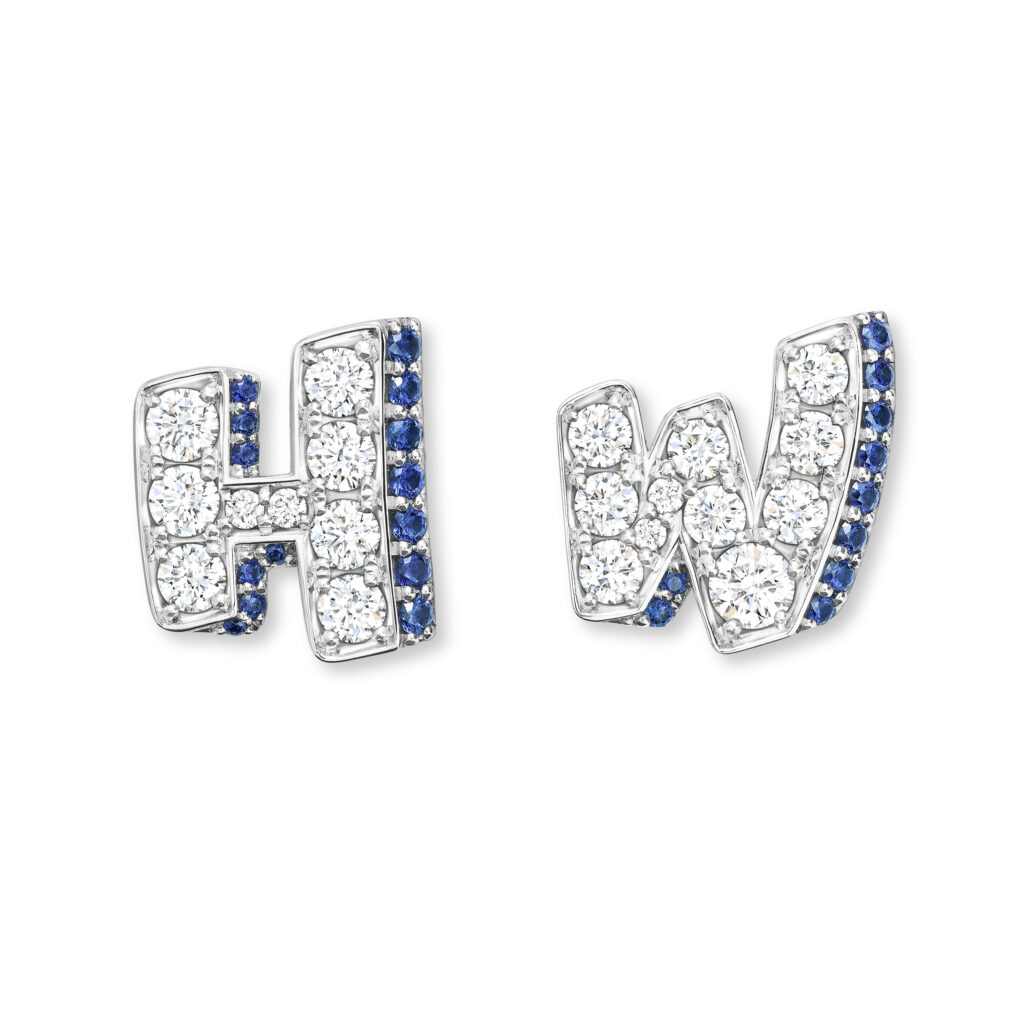
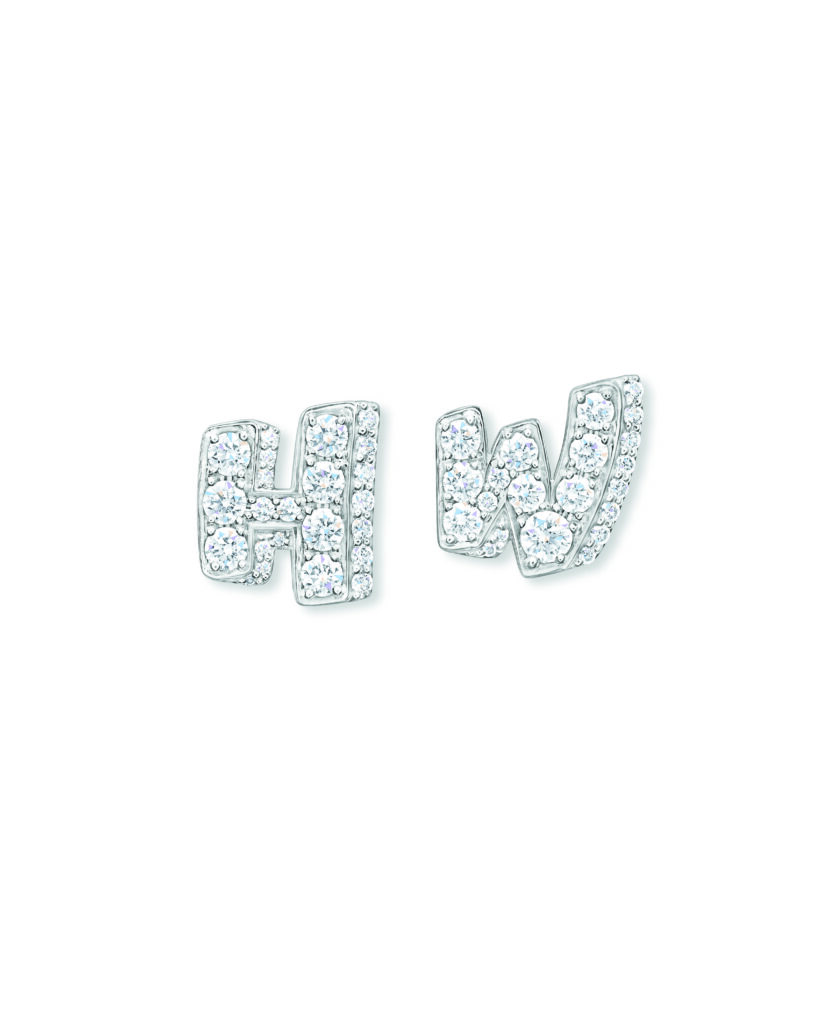
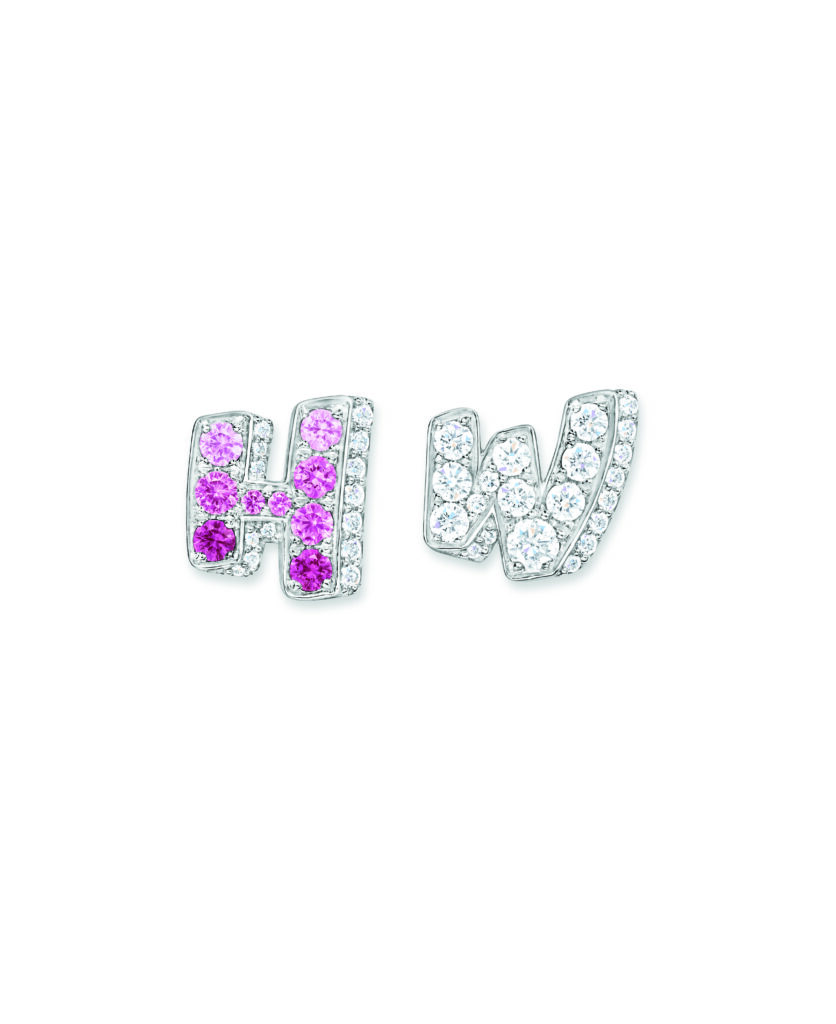
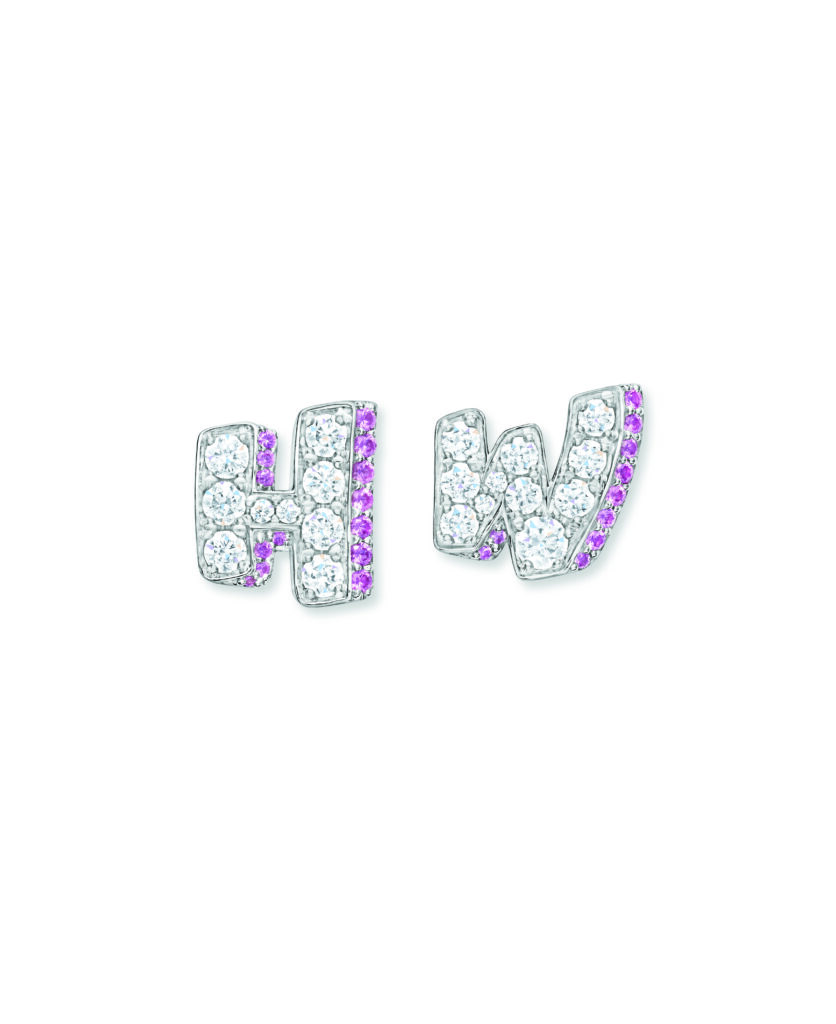
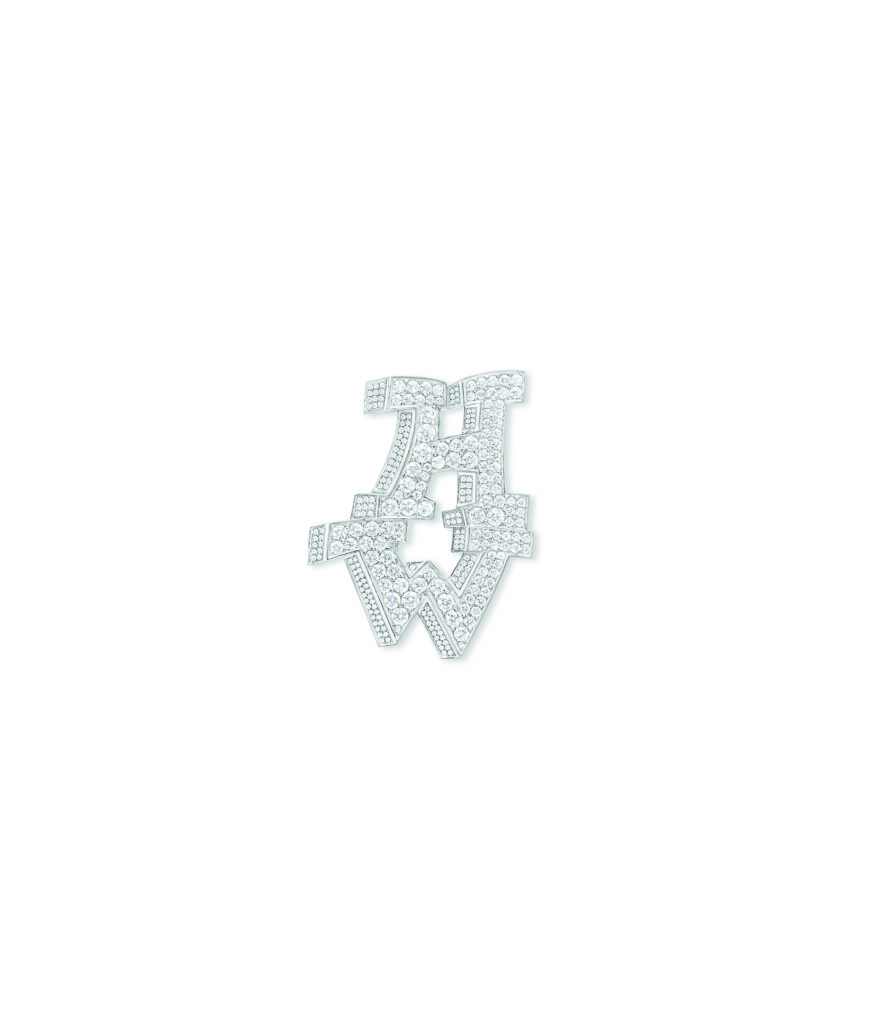
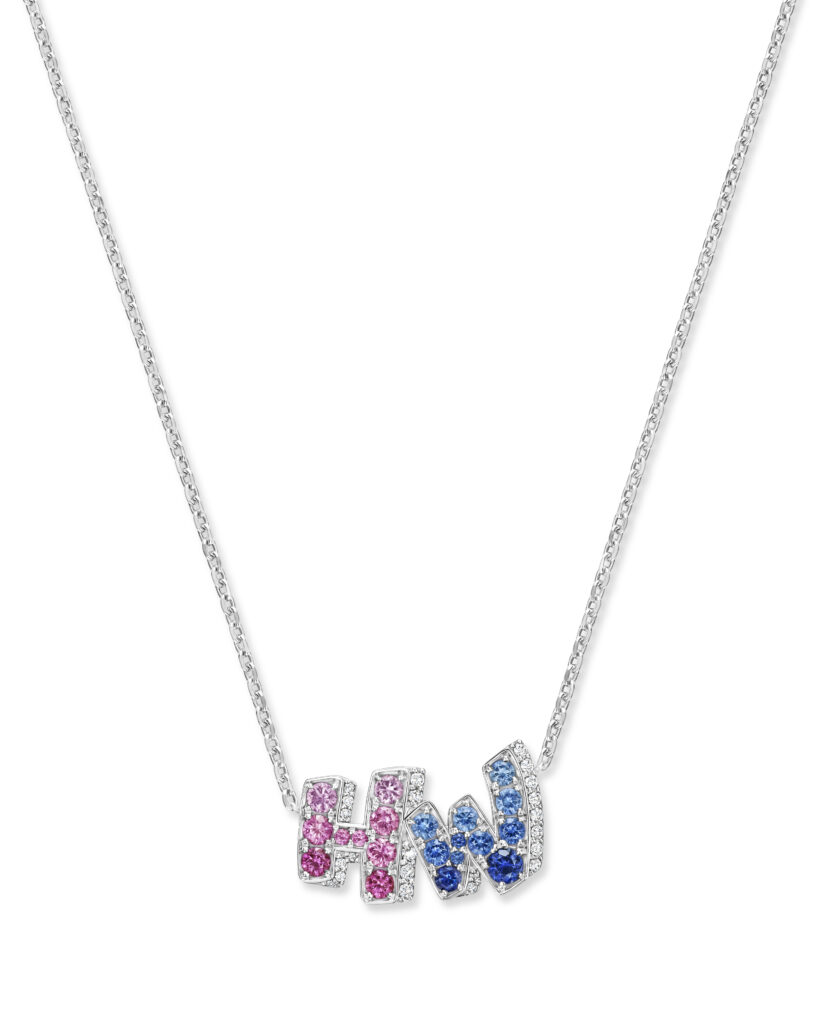
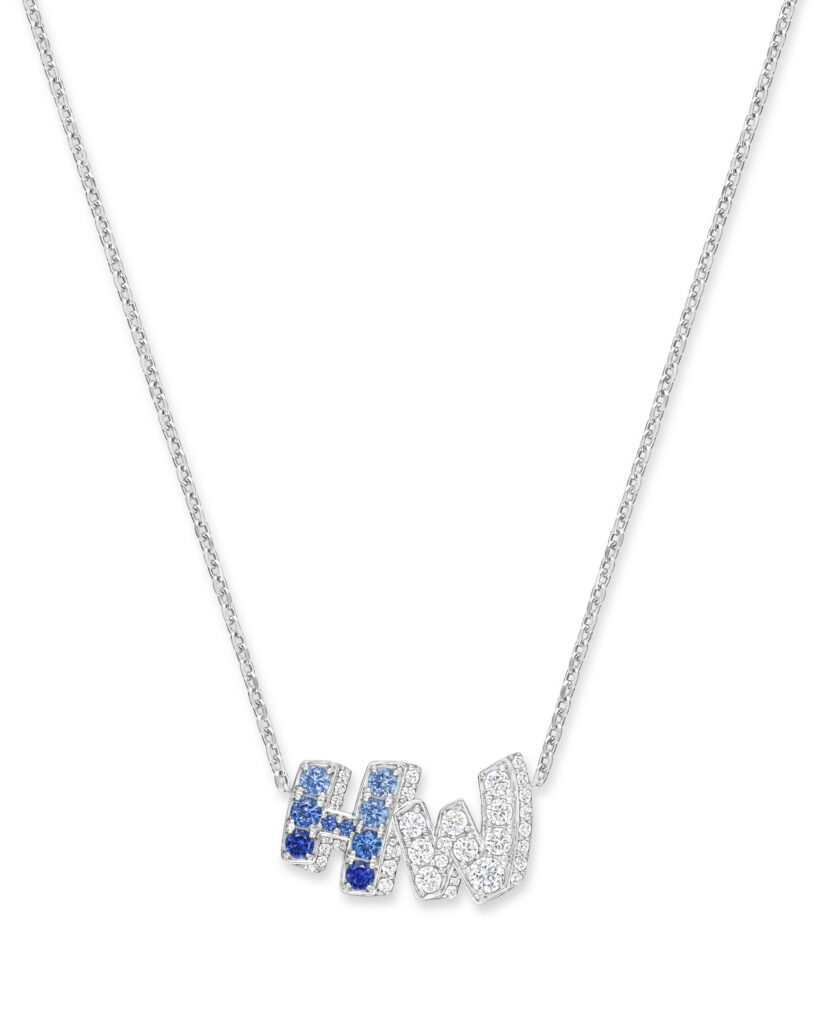
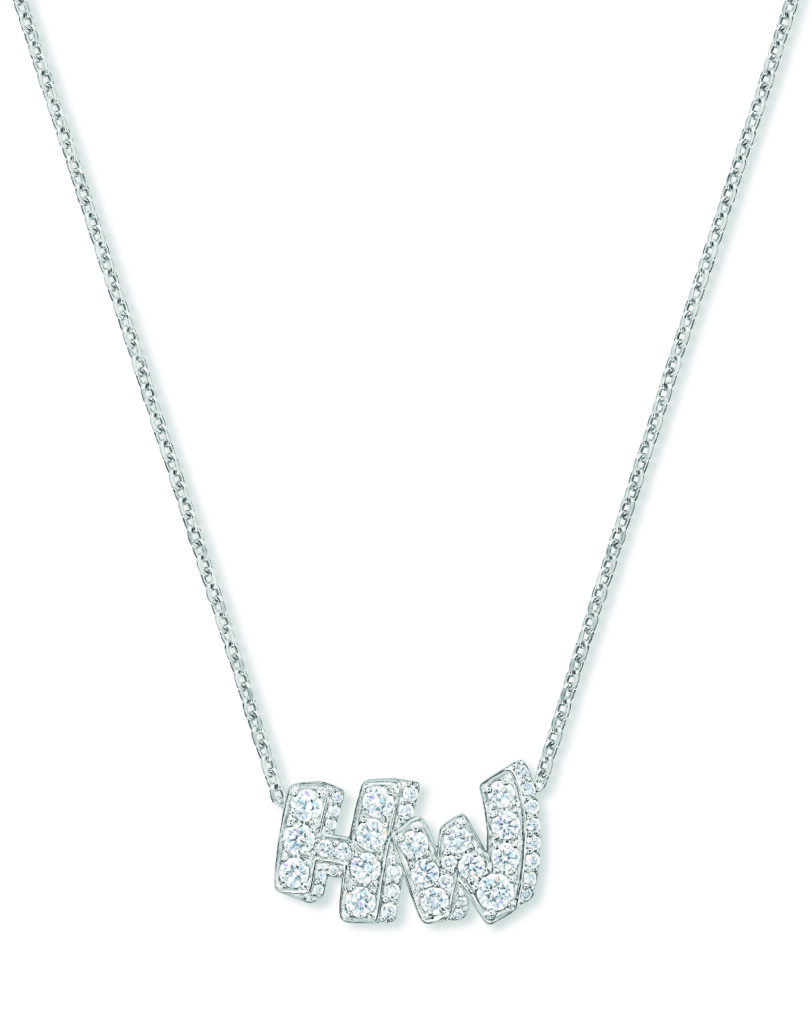
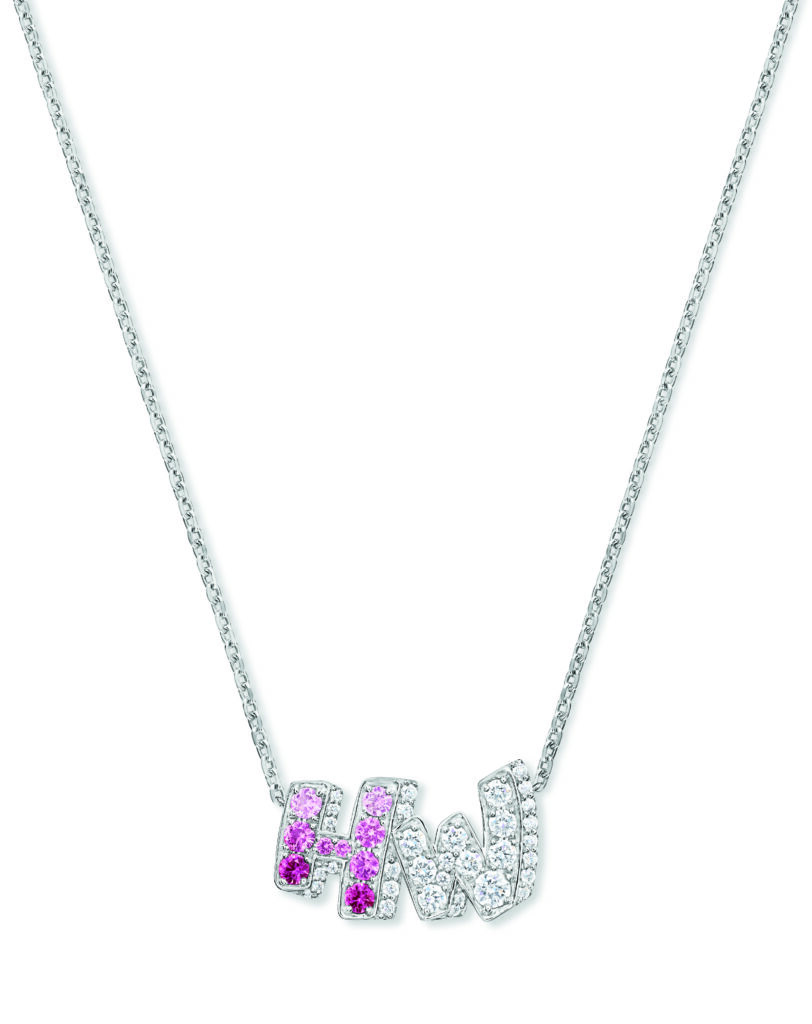
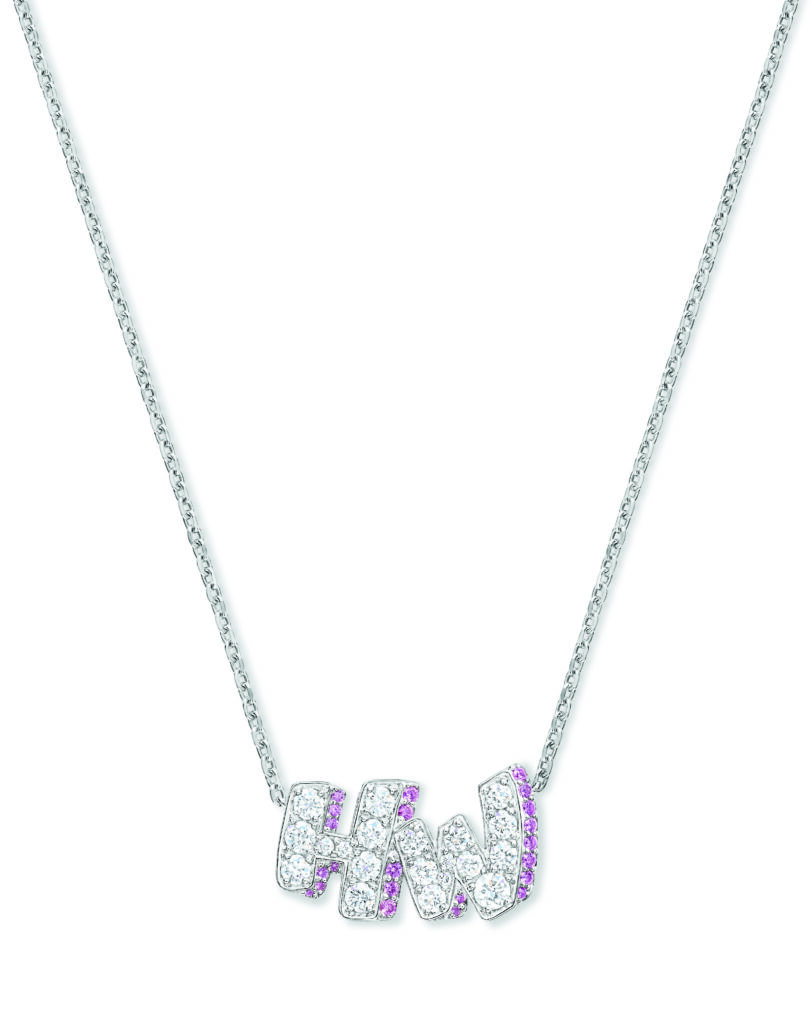
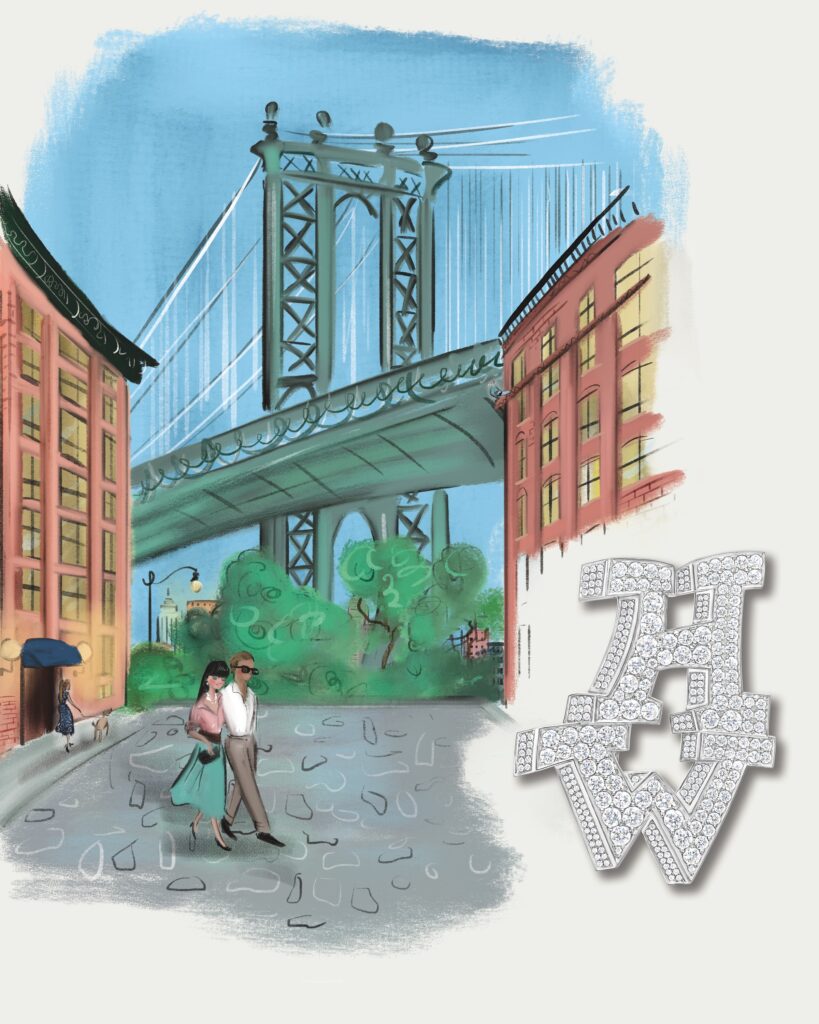
The formal motif of the collection is based on a simple principle: the two initial letters of the Maison – H and W – serve as compositional frames. The stones are set in relief, the right angles of the H contrasting with the broken line of the W. This is not a decorative monogram; it’s a design constraint that imposes a geometric progression on the gem-setter. Versions are available in three documented color registers: pink sapphires and diamonds, blue sapphires and diamonds, and a monochrome all-diamond version.
Gemological detail
Paraíba tourmaline derives its color from a copper inclusion in its elbaite crystal structure. Discovered in Brazil’s Paraíba state in the 1980s, and later identified in Mozambique and Nigeria, it remains one of the most sought-after colored stones on the secondary market, with carat prices regularly exceeding those of Burmese ruby without exception.
The reference to SoHo deserves a closer look. The neighborhood is no accidental setting: Winston has historically anchored its New York presence on Fifth Avenue, at a distance from a district whose transformation – from industrial zone to gallery territory, then to premium retail space – says something definite about the way fine jewelry has followed cultural capital rather than the other way around. The Paraïba brooch, citing SoHo, assumes this genealogy without making it explicit.
Basically, what Graffiti documents is not a reconciliation between street art and haute joaillerie – that rhetoric has been around for twenty years. Rather, it’s the persistence of Winston’s own gesture: setting exceptional colored stones in sober geometric structures, letting the gem absorb all the expressive charge. Here, graffiti is less an urban reference than a pretext to justify the polychromy that the House has practiced since Harry Winston himself, who bought stones before metals.
Cette publication est également disponible en :

