
Before becoming a perfume house, Trudon spent more than three centuries as a wax manufactory tasked with lighting the churches, palaces and streets of Paris. That this house, whose first craft was light before scent, now offers five fragrances conceived for summer is more than a simple expansion of its range: it is the logical continuation of a history that has never ceased to consider the flame as a complete sensory language.
Before electricity, a candle did more than illuminate: it scented the interiors it occupied, sometimes despite itself. Trudon, supplier to the court and later to the great Parisian residences, understood very early on that wax had an olfactory presence of its own. The move into fragrance for the skin, begun in recent years, is therefore a shift rather than a break: the house continues to work with the same raw material, light, but now chooses to have it worn directly on the skin rather than allowing it to burn away in the air of a room.
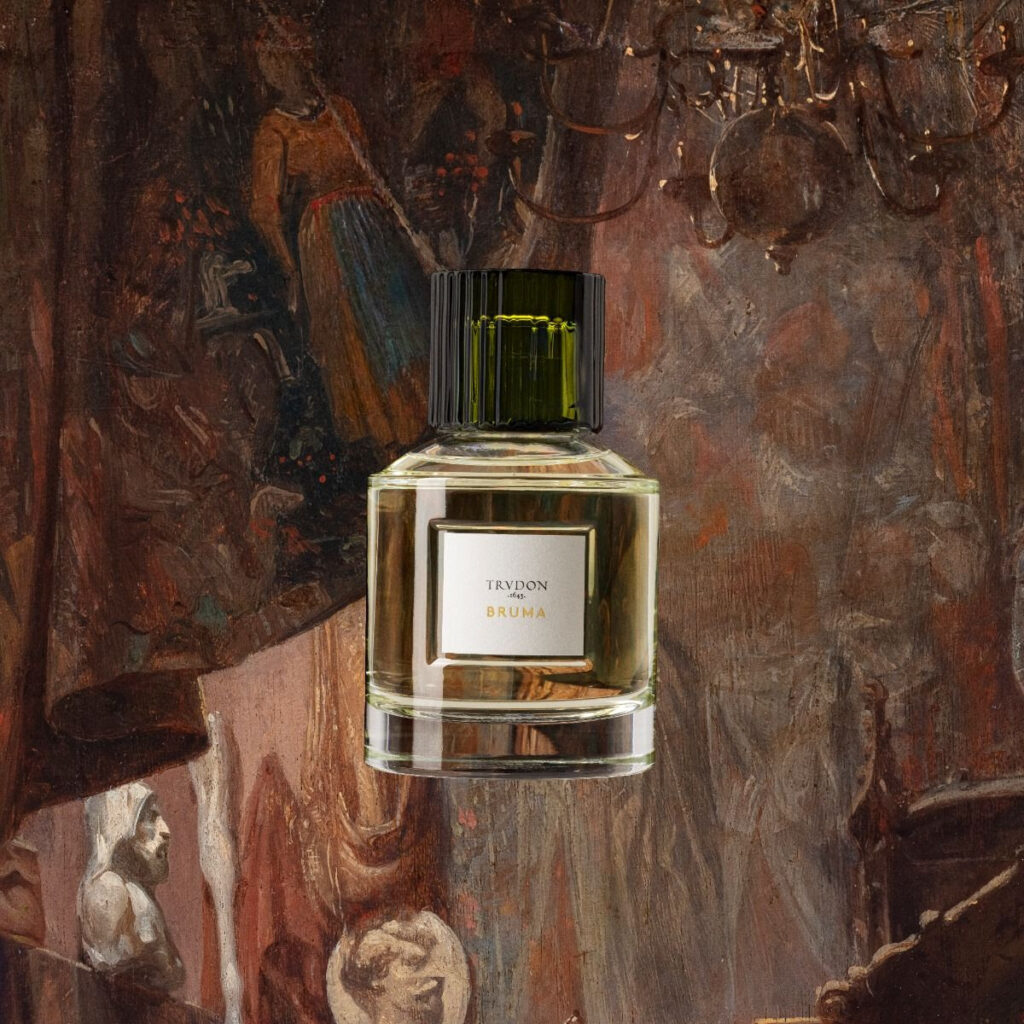
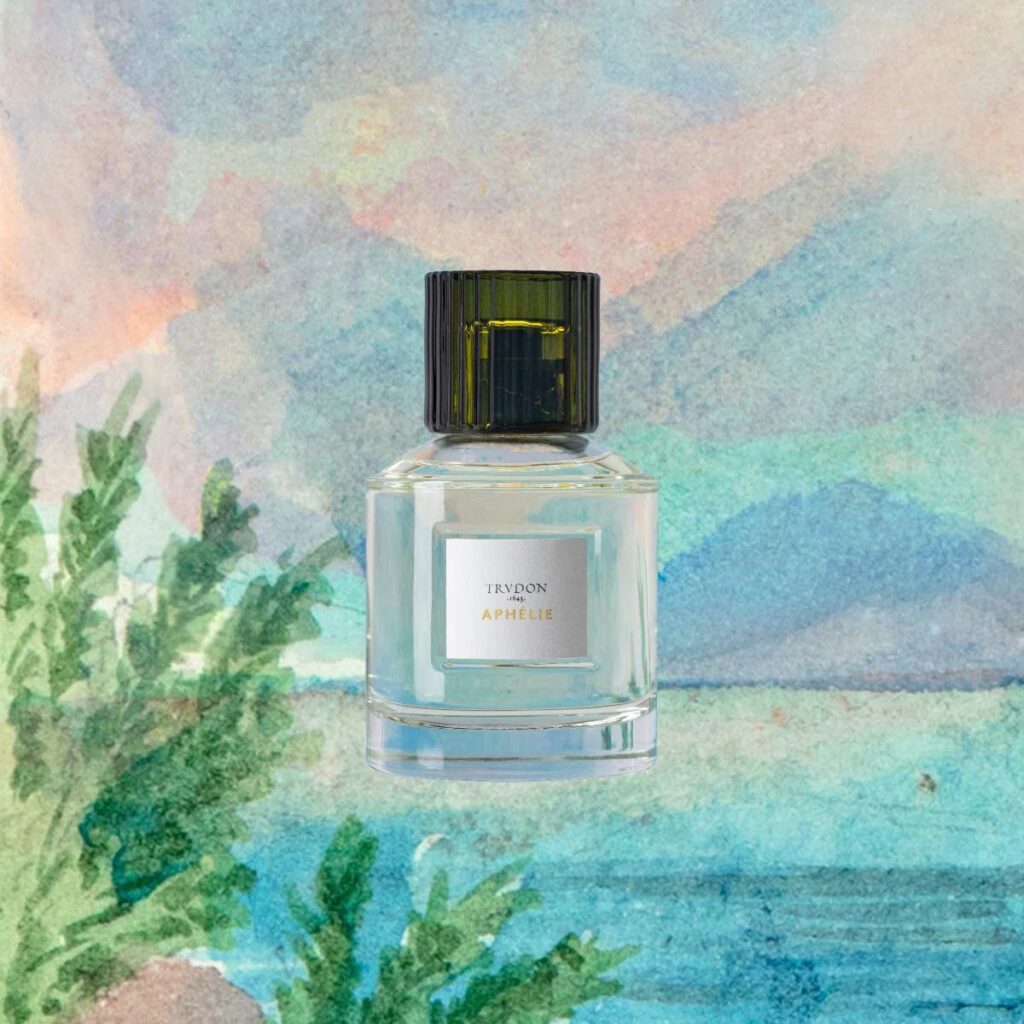
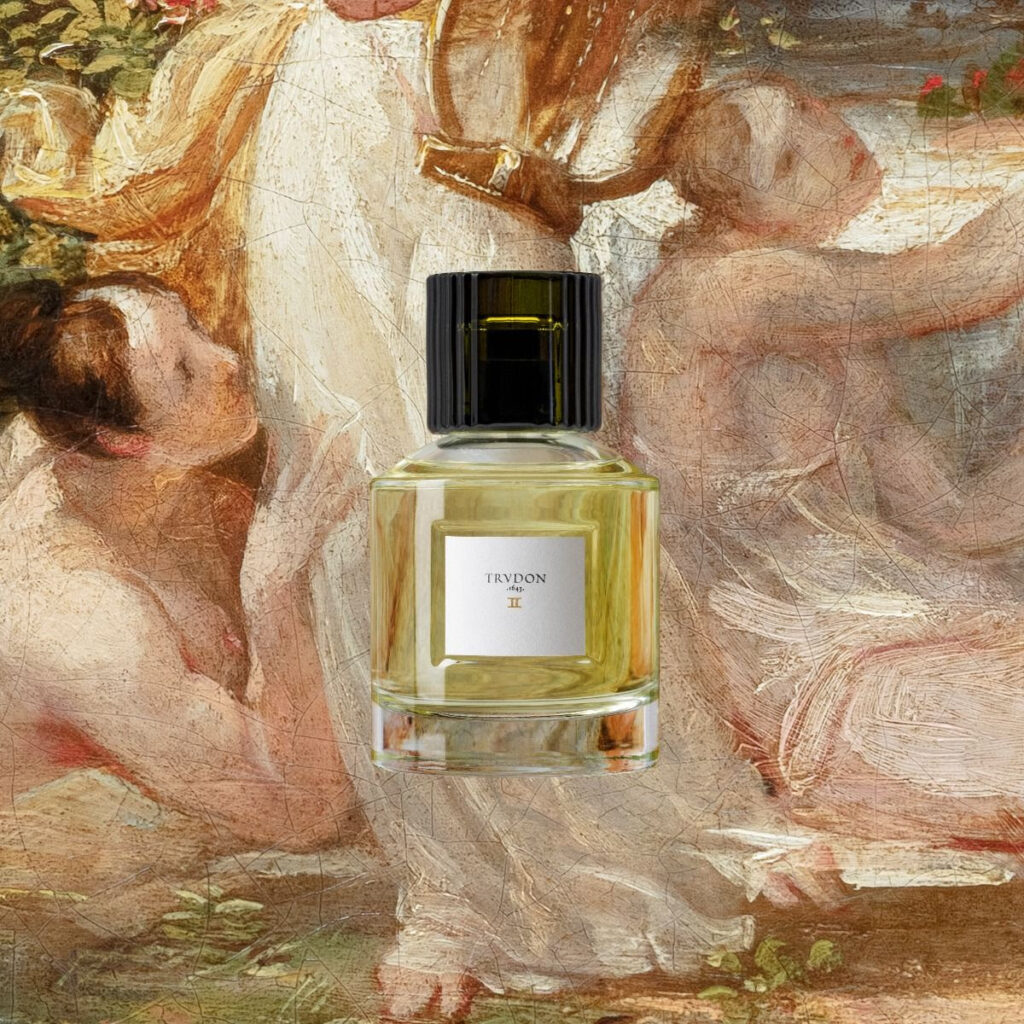
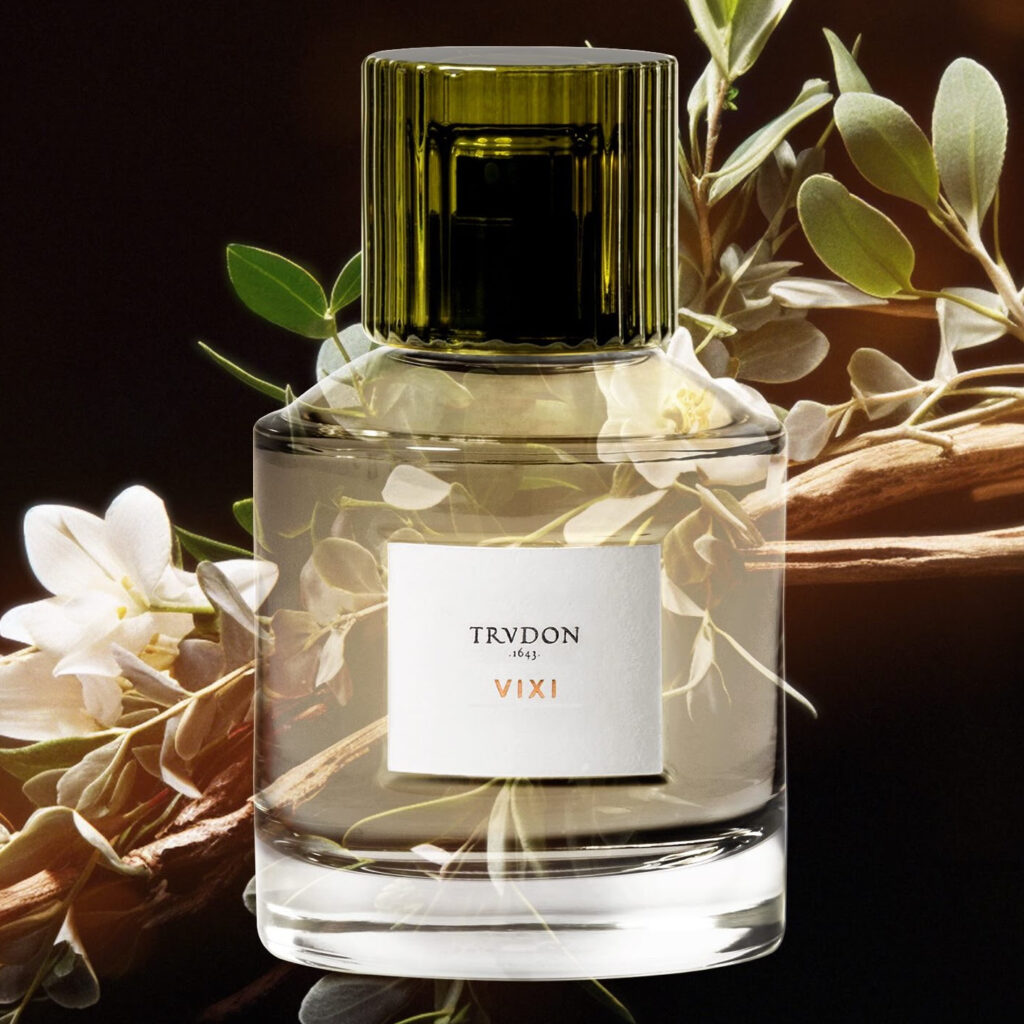
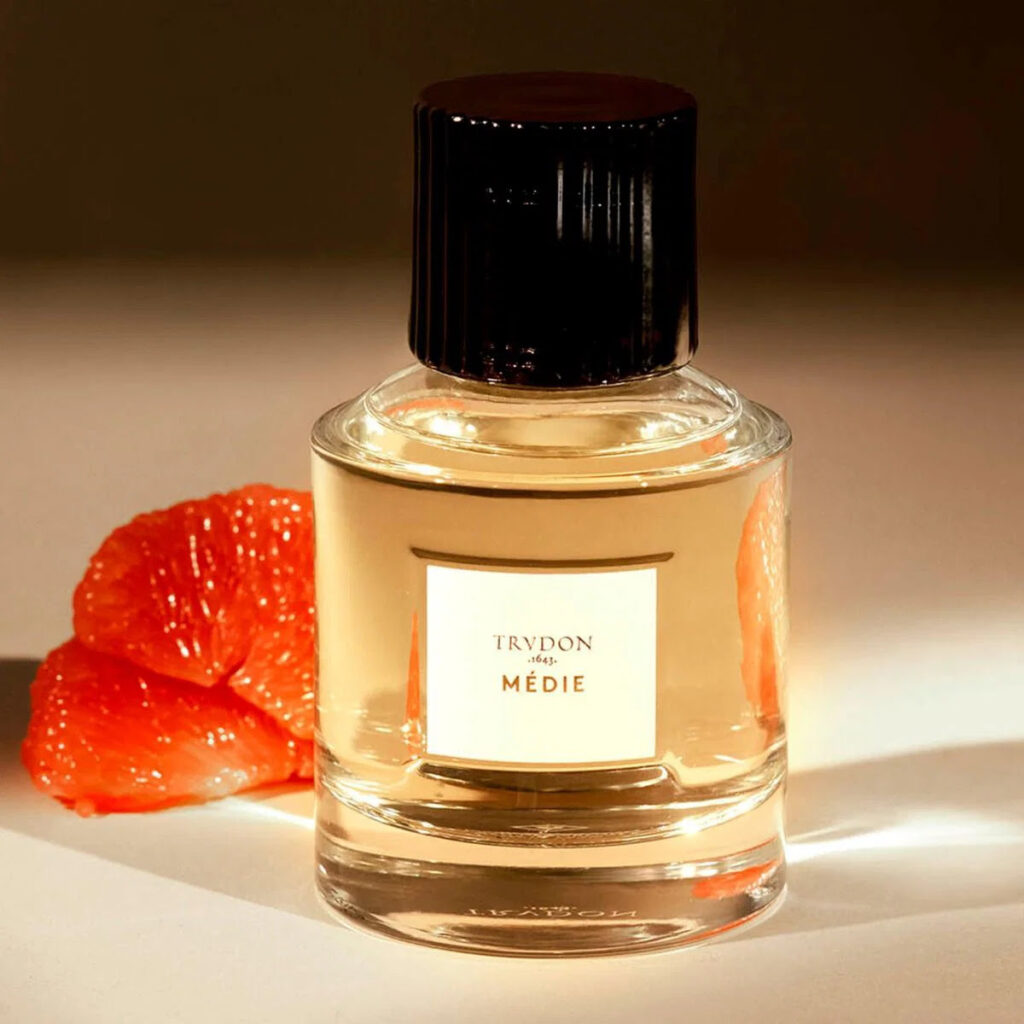
The five compositions unveiled for the summer season each explore a different facet of this light. Médie opens with a burst of grapefruit softened by jasmine and cedar, while Vixi evokes sun-warmed Mediterranean scrubland through petitgrain, sage and sandalwood. Deux breathes the dry, invigorating forest at the height of summer, while Aphélie introduces a solar floral in which rose meets blackcurrant bud. Bruma, the most unusual of the five, blends galbanum, violet and leather in a trail that the house itself describes as a “solar fragrance”, a phrase that, at Trudon, is anything but a chance piece of marketing.
This is precisely where the most interesting aspect of the collection lies: each fragrance works as a variation on the same theme, warmth and clarity, expressed in almost opposing registers — one aromatic and green, another romantic and floral, a third more elusive and mysterious. This deliberate diversity is a reminder that light, in wax as in perfume, has never been uniform at Trudon: it changes with the hour, the season and the use. The house seems to have transposed this grammar of flame, familiar to anyone who has watched a candle change hue over the course of an evening, into the more abstract vocabulary of fine perfumery.
At 210 euros for a 100 ml bottle of each of the five fragrances, these perfumes belong to the high-end niche perfumery segment, without seeking to compete in the realm of little-known exclusivity: this is a collection designed to be worn, switched and layered through the days of summer, reflecting a house that has always conceived its creations as objects for use as much as contemplation.
It remains to be seen whether this manufactory of light, which has travelled through the centuries changing its material without ever changing its subject, can make this latest olfactory venture something more than another seasonal collection. The answer, as so often at Trudon, will lie less in the rhetoric than in the fidelity of the fragrance trail.
Cette publication est également disponible en :


