
On Rue Saint-Honoré, just a short walk from Place Vendôme, a hotel with 96 rooms and 39 suites has planted grass on its roof. This is not a metaphor.
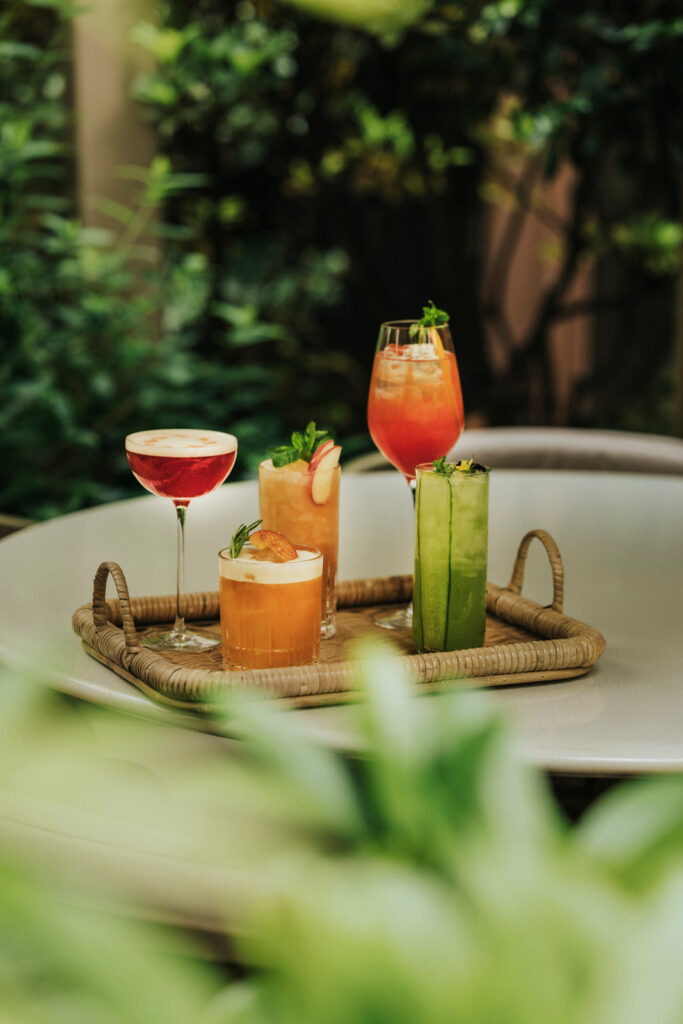
The Mandarin Oriental, Paris’s summer 2026 program is built around a subtle cohesion that the press release doesn’t really articulate: several of the season’s creations—a Sunset Spritz at Bar 8, a Botanica made with cucumber and mint, a selection of vegetable-based appetizers at Camélia—draw their flavors from the rooftop garden. Executive Chef Nina Haradji and the bar team work from the same starting point, a few floors above the dining tables. In an urban environment where space is so limited that almost nothing can grow, this is a concept worth noting.
Architecture Designed by Two Hands
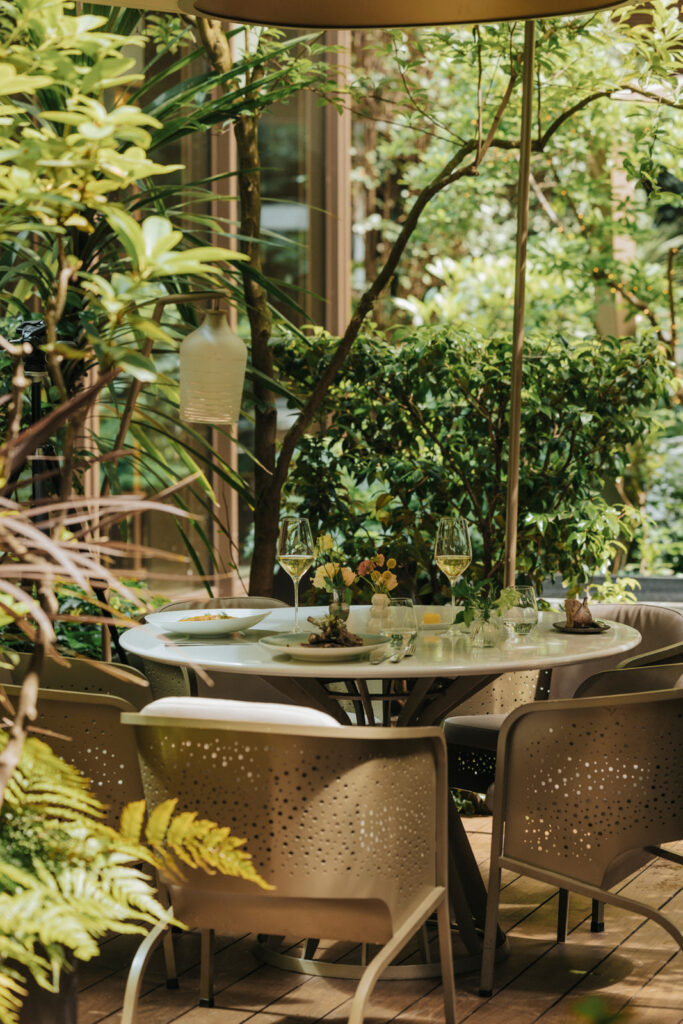
The hotel itself is a collaborative effort. Jean-Michel Wilmotte oversaw the overall architecture; Sybille de Margerie designed the decor for the guest rooms, the spa, and the public spaces; the duo Gilles & Boissier designed the presidential suite; and the firm Jouin-Manku handled the interior design of the bar and restaurants. Four interpretations of the same space, whose coherence rests less on stylistic unity than on the tension between their respective design languages. The interior garden—a tree-lined terrace open Monday through Friday from noon to 10:30 p.m.—is the focal point of these elements.
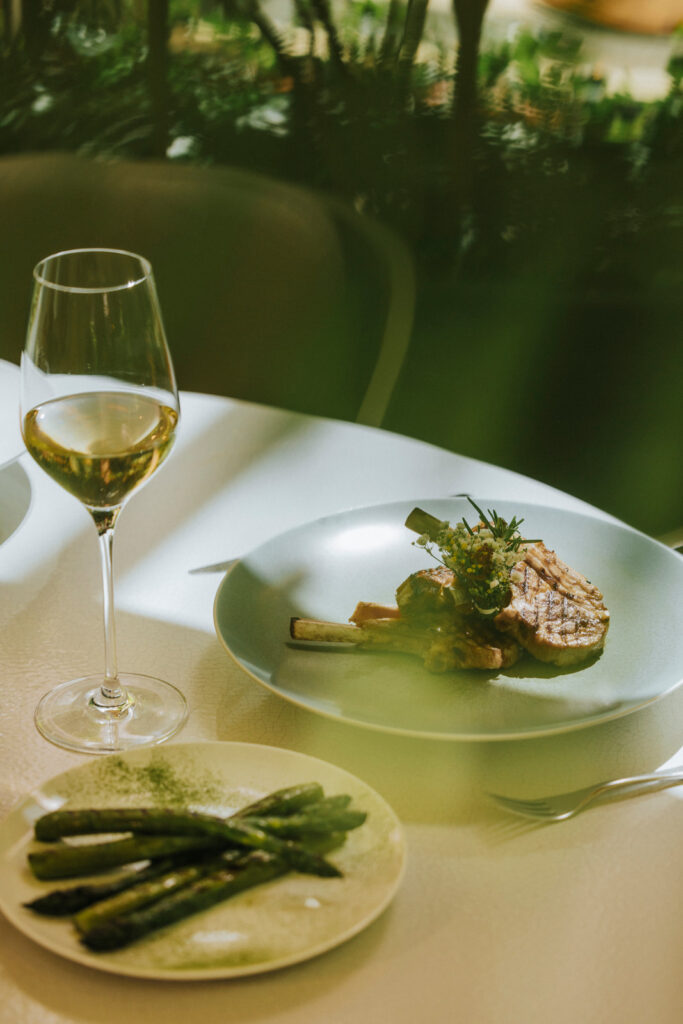
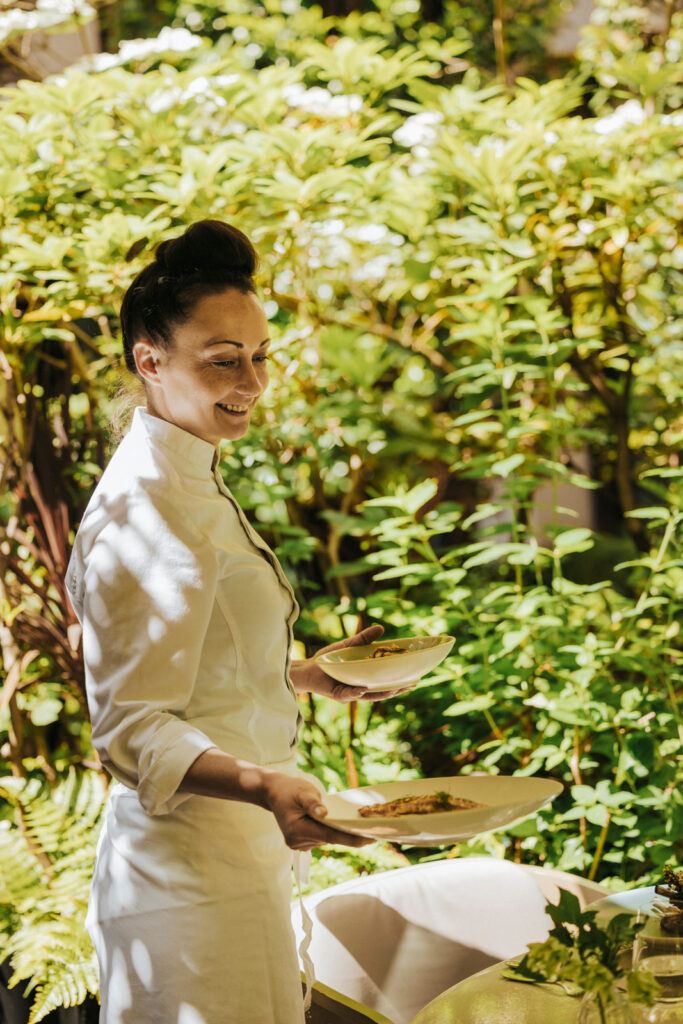
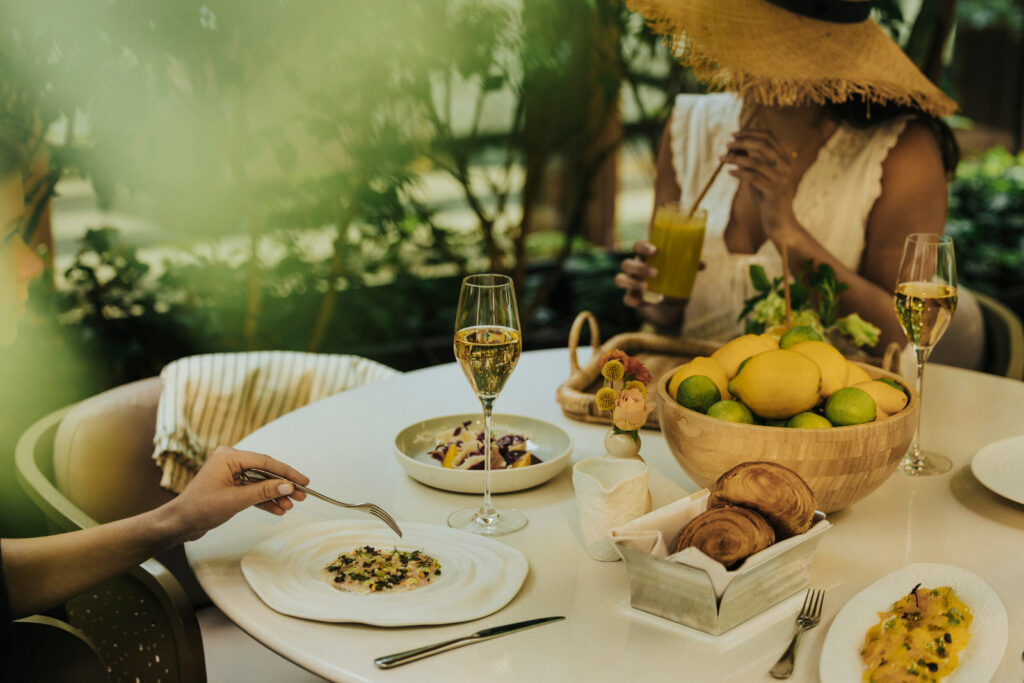
It is in this garden that Le Camélia serves its summer brunches under the direction of Nina Haradji. Charcoal-grilled dishes form the backbone of the Sunday menu: barbecue-grilled green asparagus with mustard, tomato carpaccio with dill oil, giant prawns, or Jersey ribeye prepared via live cooking, each served with a choice of three sides. This isn’t hotel cuisine in the usual sense—it’s terrace cuisine that embraces its seasonality without overdoing it.
Pastry as Geometry
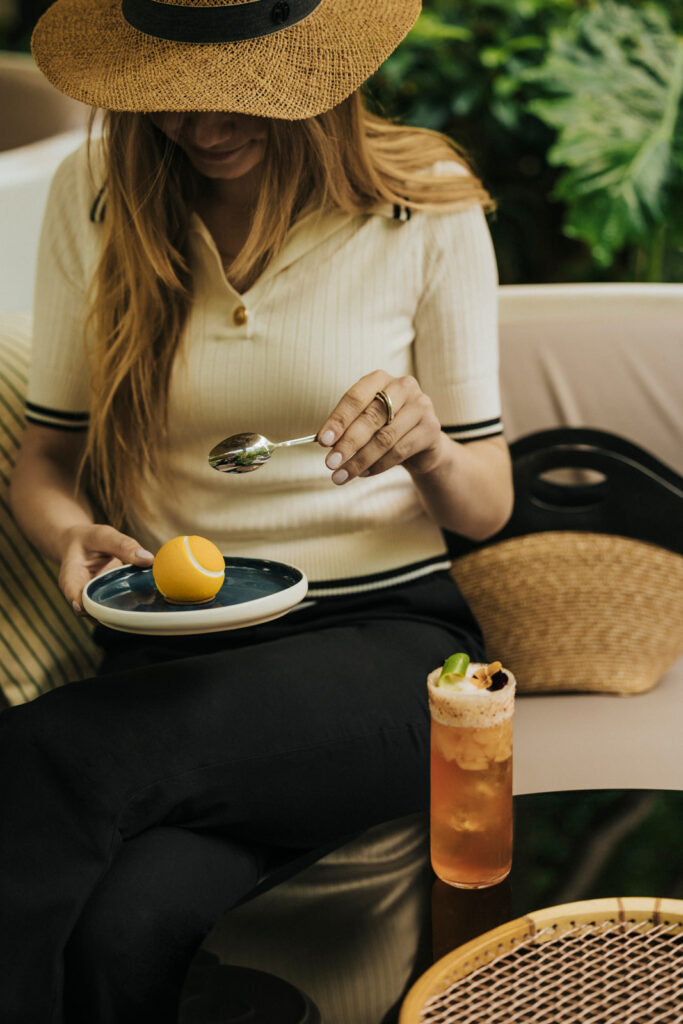
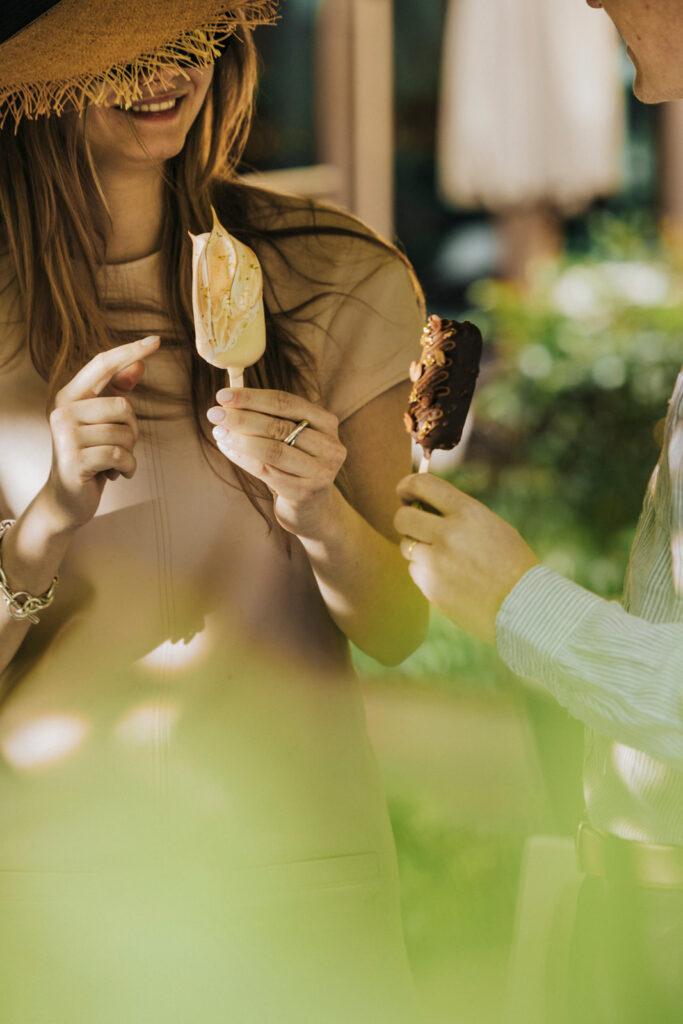
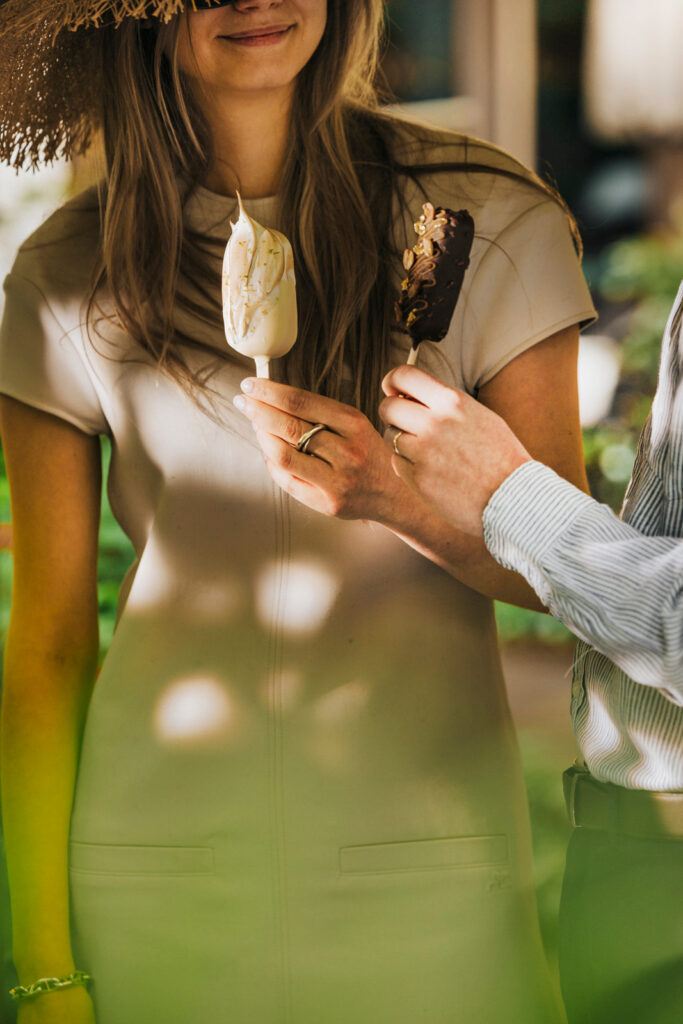
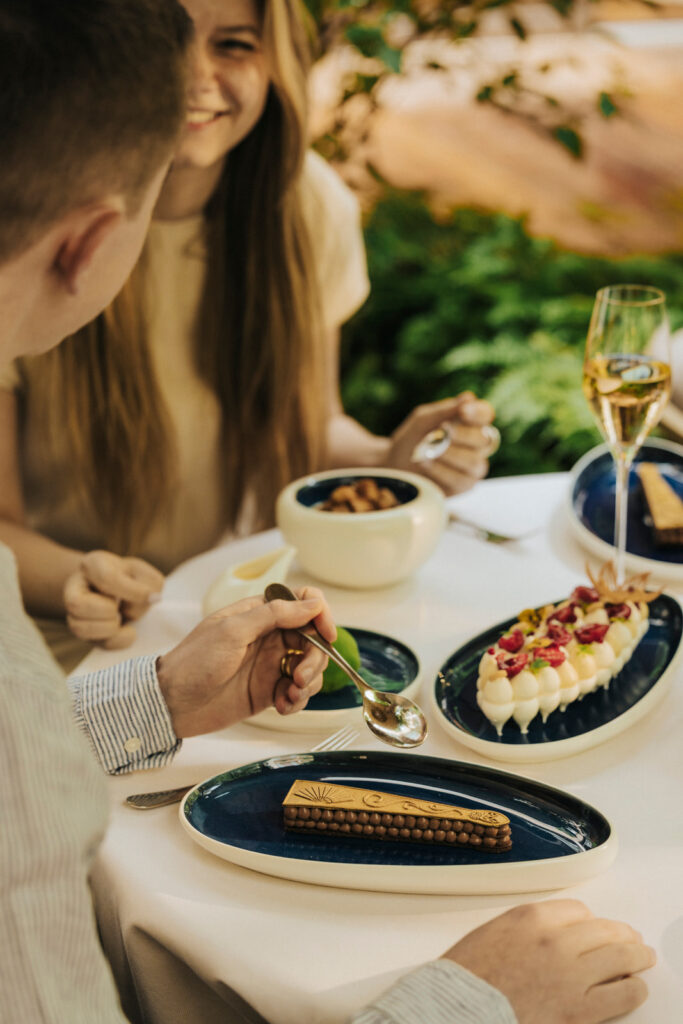
Julien Dugourd, a consulting pastry chef, holds a unique place in the culinary world. His strawberry-rhubarb Pavlova, his vanilla-caramel Saint-Honoré, and the six summer ice cream creations (lemon-basil, chocolate-caramel-peanut ice cream bar, vanilla, chocolate, strawberry, vanilla-red berries) do not seek to erase these references—they reinterpret them. His Jeu, Set & Match pastry, served at Bar 8 through June 7, layers crisp, lemon confit, lemon biscuit, tarragon gel, and vanilla-lemon mousse in a composition as graphic as it is precise. The tarragon in a lemon pastry isn’t a seasonal coincidence: it’s a technical choice regarding the herb’s bitterness.
The Summer Afternoon Tea at Le Camélia (available starting May 1, 3:00–5:30 p.m., for 68 euros per person) includes an upside-down raspberry tart, a crispy lemon-tarragon tart, a strawberry-rhubarb tart, and a chocolate praline mille-feuille —five pieces that showcase Julien Dugourd’s aromatic palette, all centered on a single concept: acidity as the guiding thread, texture as the focal point.
The vegetable garden as a place
The Botanica —fresh cucumber, mint, and Saint-Germain liqueur—is presented as a cocktail inspired by the rooftop garden. The Sunset Spritz was created through a direct collaboration between Nina Haradji and the bar, using herbs and spices from the same space. This short supply chain within a luxury hotel, on the busiest stretch of the First Arrondissement, isn’t an ecological argument. It’s a statement of mastery: we produce what we serve, just a few meters away.
In the Parisian luxury hotel industry, provenance is usually a matter of naming specific suppliers—such as a particular caterer, seafood supplier, or winery. Vertical integration all the way down to the rooftop garden represents something else: an attempt to close the loop within the building itself. While the gesture remains symbolic on the scale of a single restaurant, it speaks to the evolving expectations of guests for whom traceability has become an integral part of the dining experience.
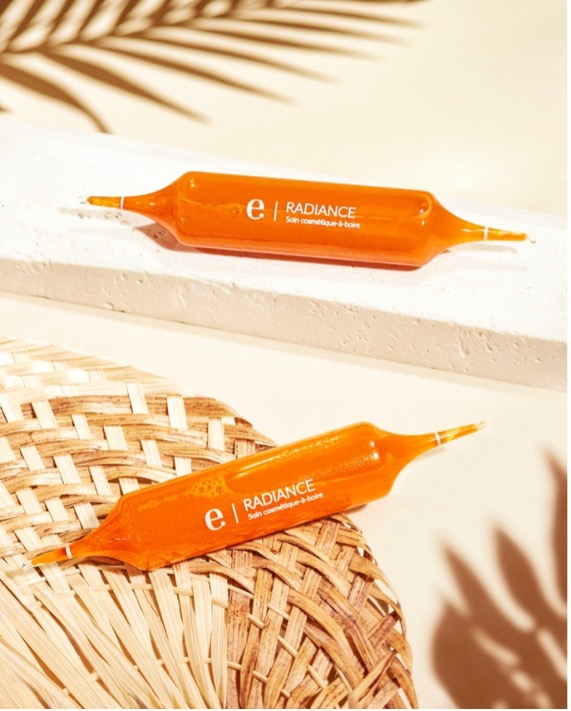
This summer, Domaines Ott★ is offering special lunch specials on the terrace. The Spa, in a renewed partnership with Evoleum, offers two sequential treatments: a thirty-minute exfoliation ritual followed by a sixty-minute massage in July, then an eighty-minute drainage massage complemented by cryotherapy wraps in August. The season has an internal narrative, from the vegetable garden to the table, from the bar to the skin. It’s not half bad.
Cette publication est également disponible en :

