
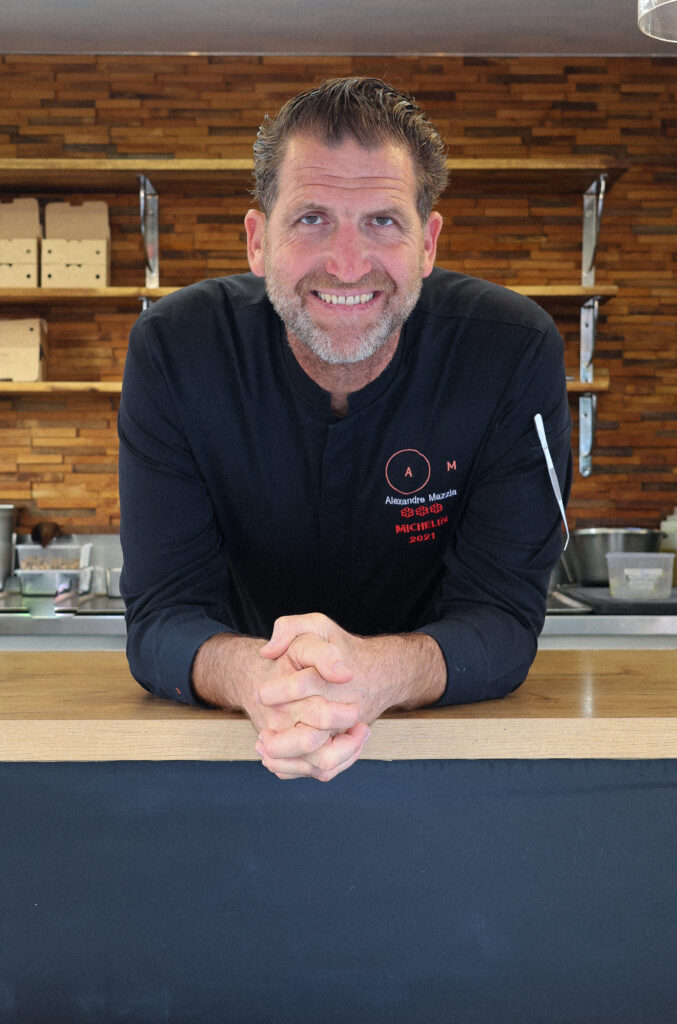
At the end of June, Alexandre Mazzia’s food truck will hit the road again after the first vehicle was destroyed in a fire this spring. More than just a mobile food outlet, Michel has, since its launch, served as a testing ground where the chef explores a different dimension of gastronomy: that of everyday cooking.
In a chef’s career, certain tools eventually come to serve purposes beyond their original function.
At Alexandre Mazzia’s, Michel falls into this category. Destroyed in a fire in early April, the Marseille-based chef’s food truck will make its return at the end of June after several weeks spent searching for a vehicle capable of taking over.
The incident could have led to a temporary solution. Instead, it resulted in a complete rebuild. Mazzia chose to work with the same contractor as when the first truck was designed, while rethinking certain aspects of the interior layout.
This decision highlights a reality that is often overlooked: in a space as confined as a food truck, gaining just a few centimeters can affect the flow of traffic, the pace of service, and the precision of movements.
The truck still bears his grandfather’s first name, Michel. A new visual identity will accompany this second chapter. But the real story lies elsewhere.
During the forced hiatus, the chef continued his research into an element often overlooked in culinary discourse: bread.
In today’s fast-food industry, bread has become a technical consideration in its own right. The texture of the crumb, resistance to moisture, ability to retain heat, and structure—all of these factors influence the final dining experience just as much as the toppings themselves.
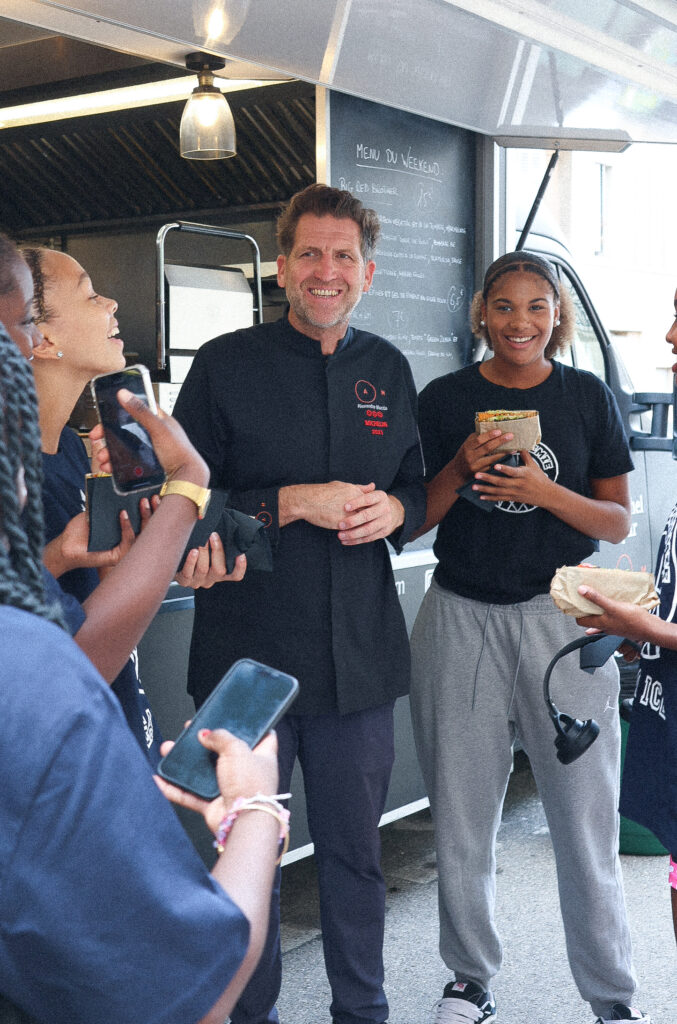
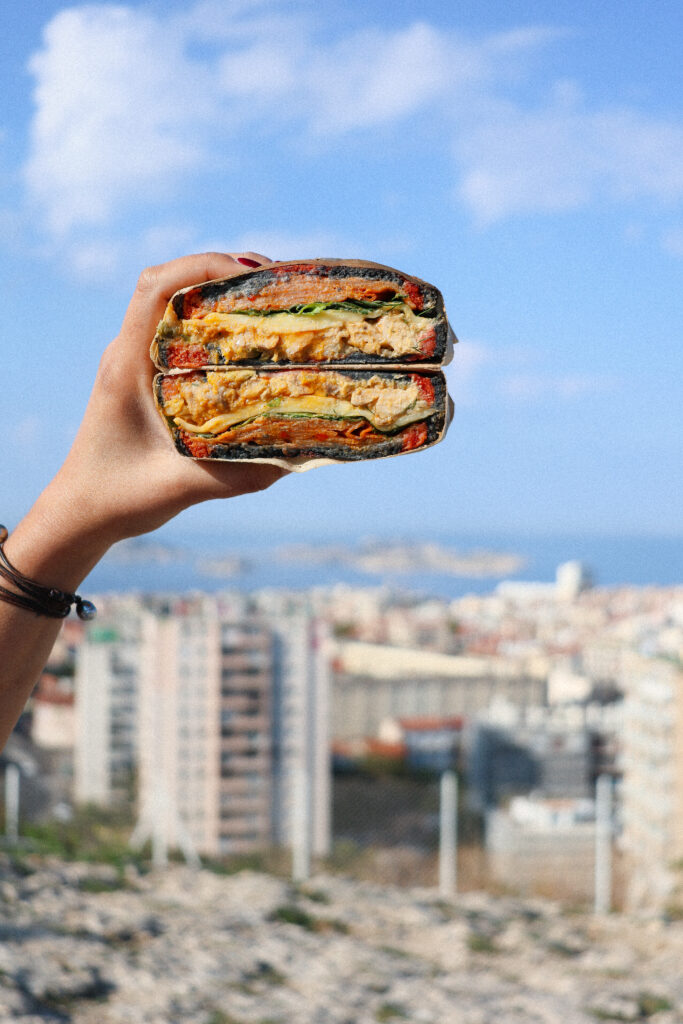
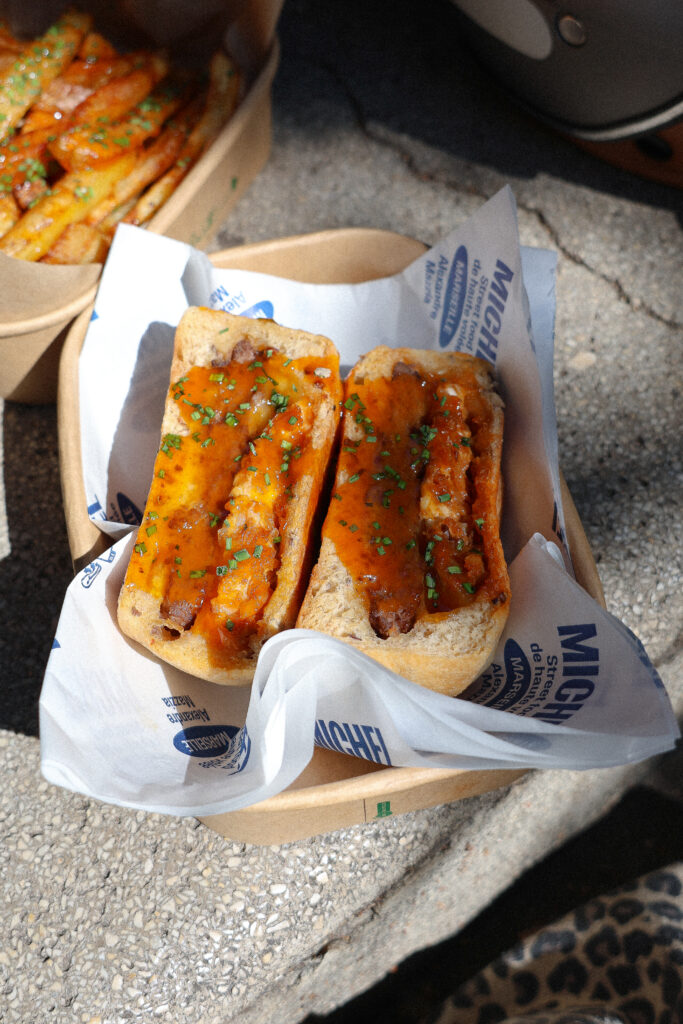
The food truck’s signature dishes, including the Shuriken —available in meat or vegetarian versions—and the Big Brother, continued to undergo testing and refinement during this period.
This approach serves as a reminder that street food is no longer necessarily a realm of improvisation. It sometimes becomes a laboratory where constraints of space, time, and mobility demand a form of radical precision.
The other challenge posed by Michel’s return is a human one. The employees who worked exclusively on the food truck were retained within the Mazzia ecosystem despite the suspension of operations. In an industry where flexibility is often presented as an economic necessity, this decision reflects a different vision of the culinary business: that of a collective that is protected when the unexpected occurs.
In Marseille, Michel is more than just a food truck hitting the road again. He is a reminder that fine dining can exist far from white tablecloths and formal rituals, while maintaining the same high standards of preparation. An idea that grows increasingly valuable as the line between haute cuisine and popular culture continues to blur.
Cette publication est également disponible en :

