
On the shores of Lake Cazaux-Sanguinet, Latécoère is striving to be more than just a seasonal hotel. The property takes its name from engineer Pierre-Georges Latécoère, a pioneer of French aeronautics, and builds upon this legacy to create a form of lakeside hospitality where the rhythm matters more than the itinerary. Here, the light, airy architecture, the regional cuisine, and the almost intimate connection to the landscape speak to the evolution of high-end tourism on the Atlantic coast: less spectacular, more deeply rooted.
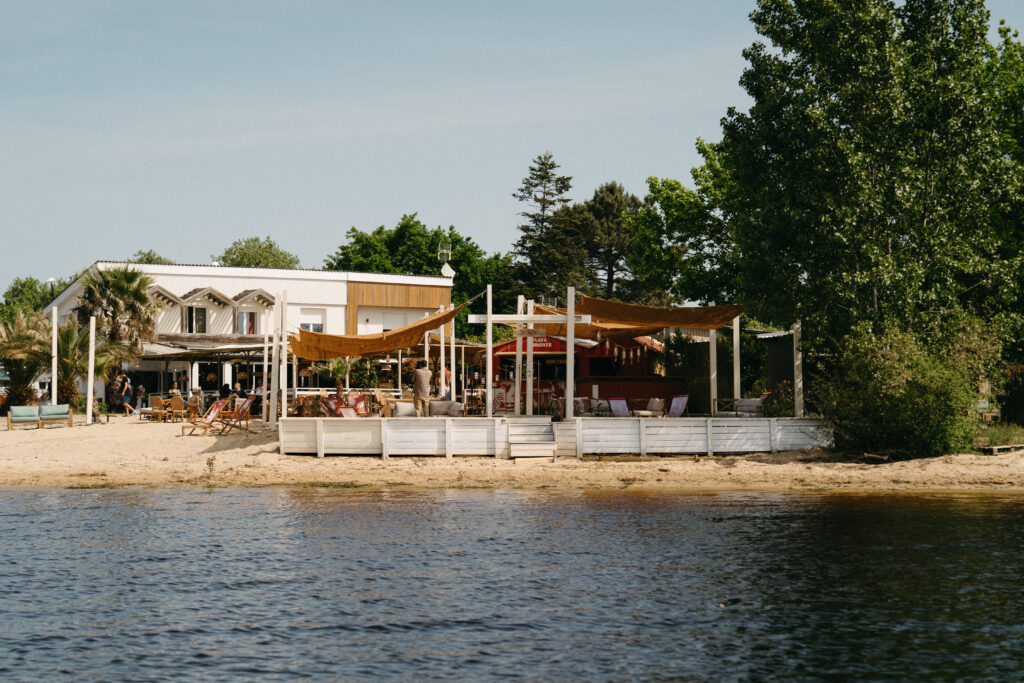
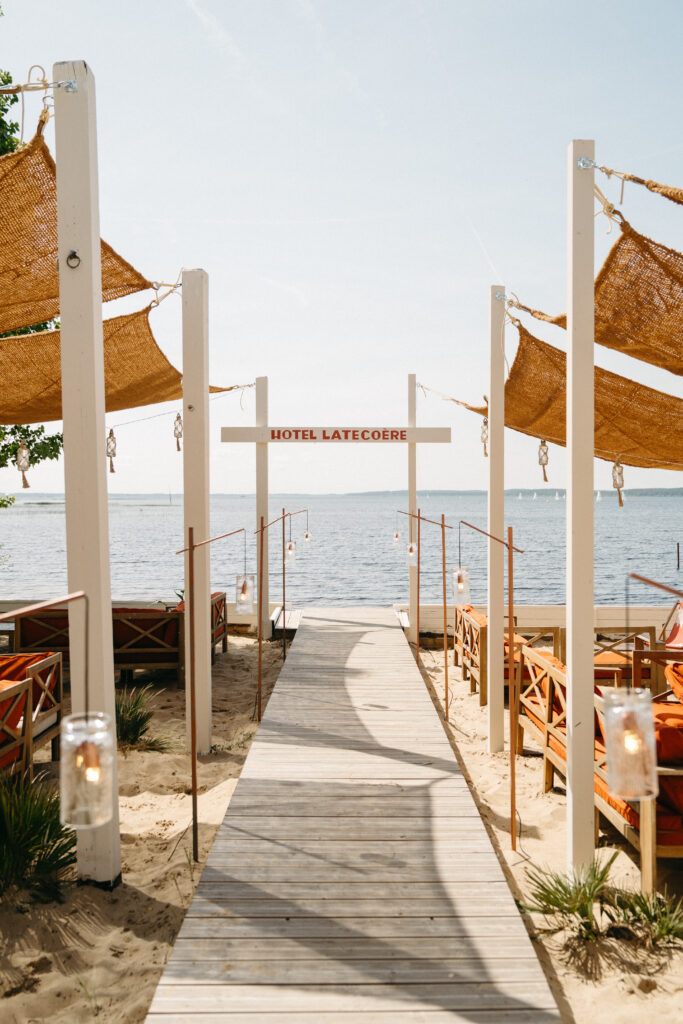
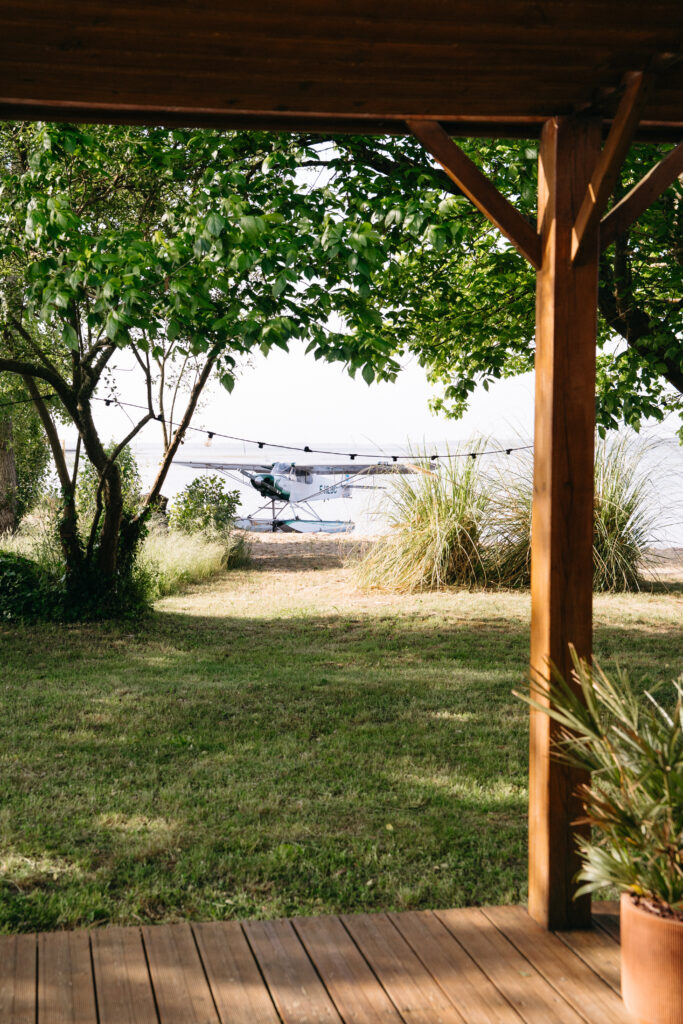
The name was not chosen at random. On the first pages of the press kit, a photograph of a 1919 LATA three-engine aircraft recalls the industrial history of Pierre-Georges Latécoère, whose aircraft served as the foundation for the early development of French commercial aviation. This aeronautical reference serves here less as a decorative element than as a subtle design language. The dock allows for both the mooring of a boat and the landing of a seaplane; the site views the lake as a space for slow movement rather than merely a tourist backdrop.
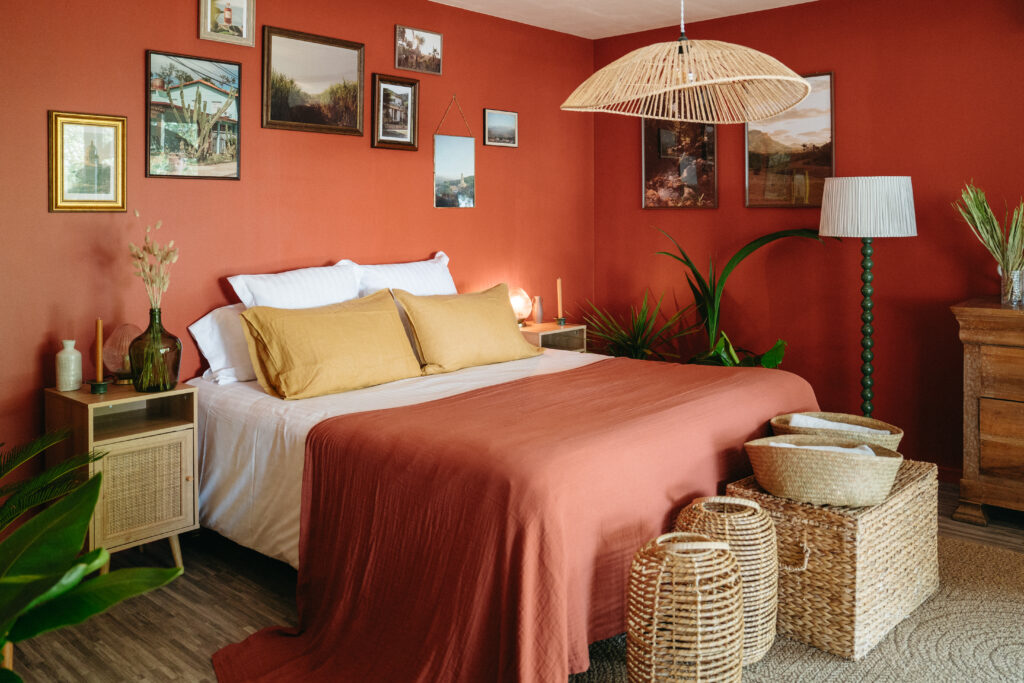
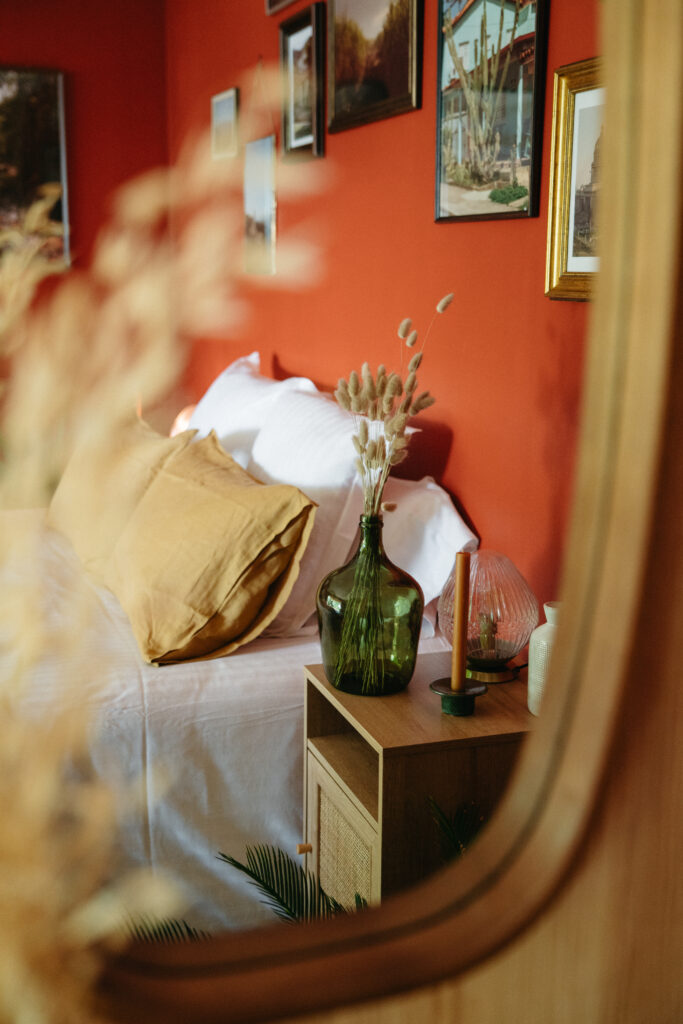
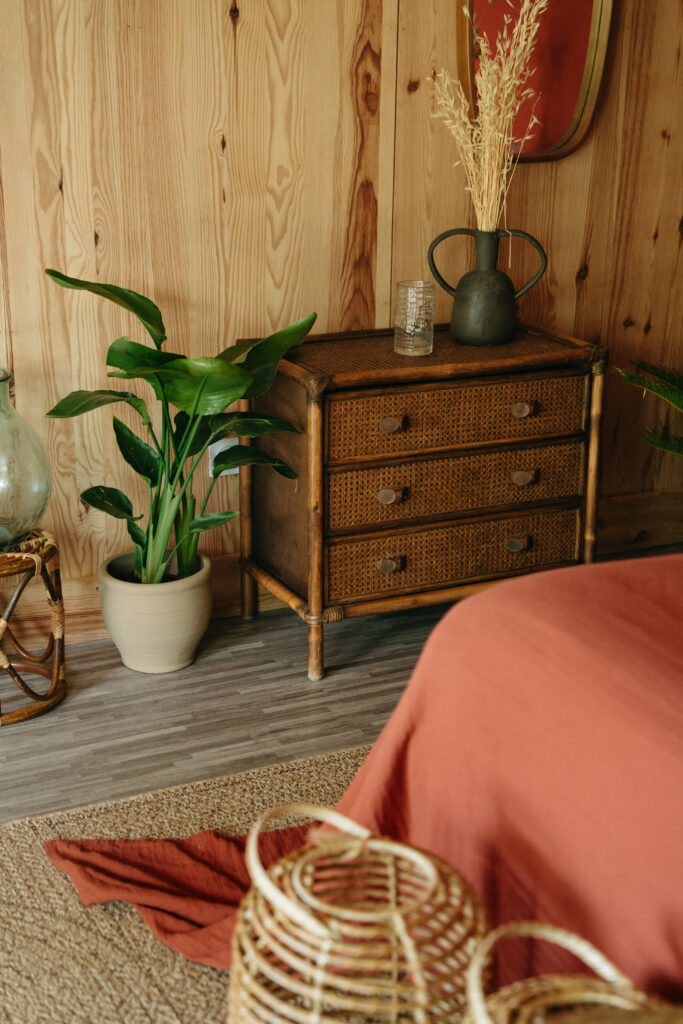
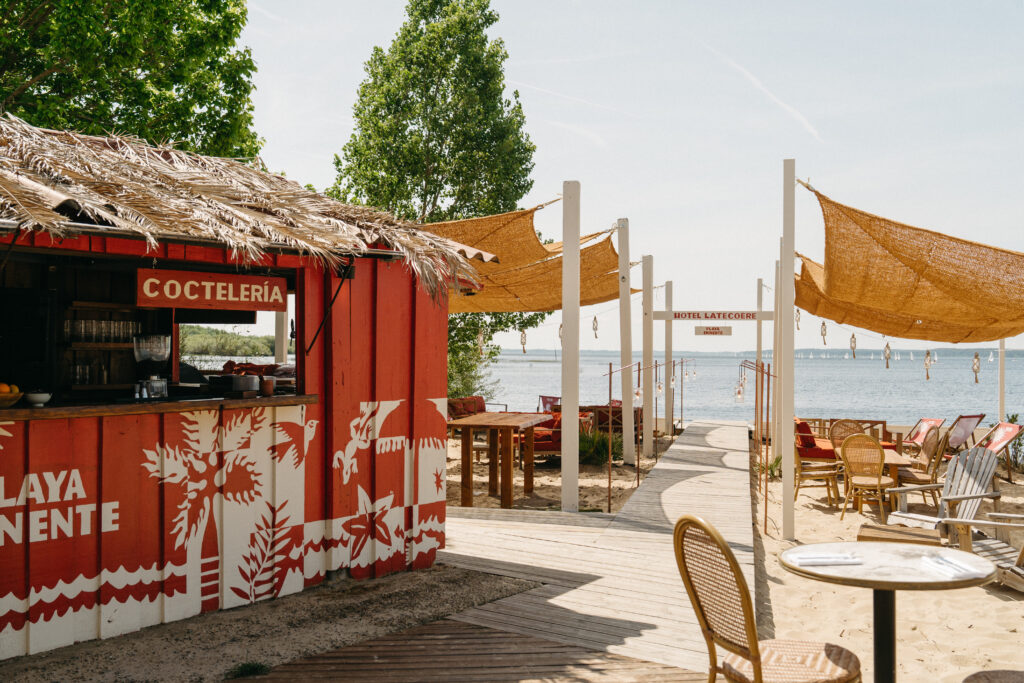
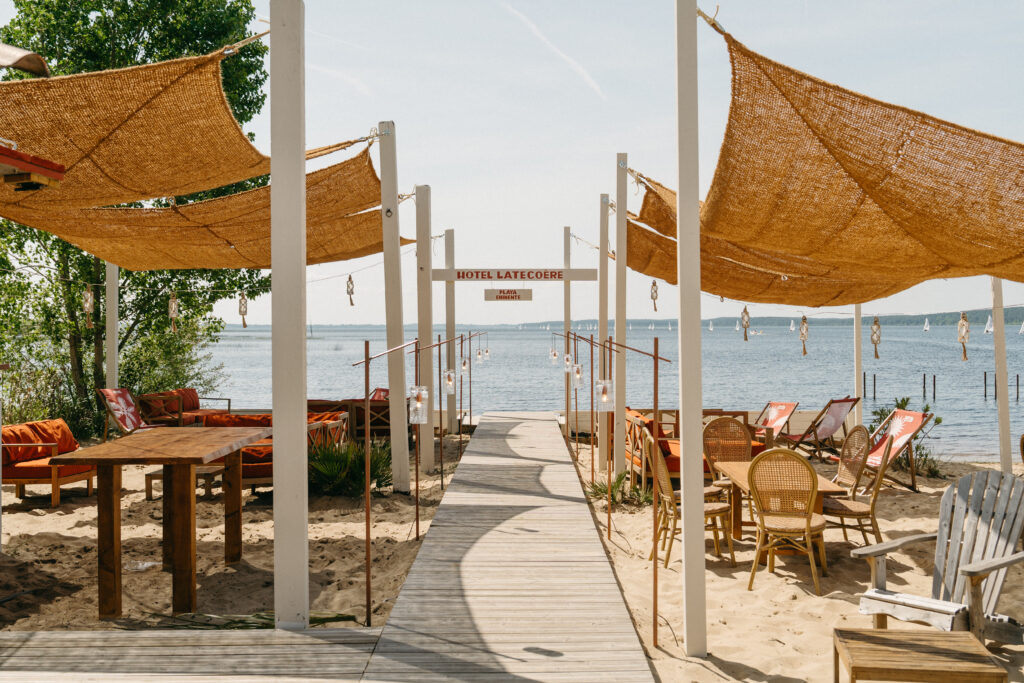
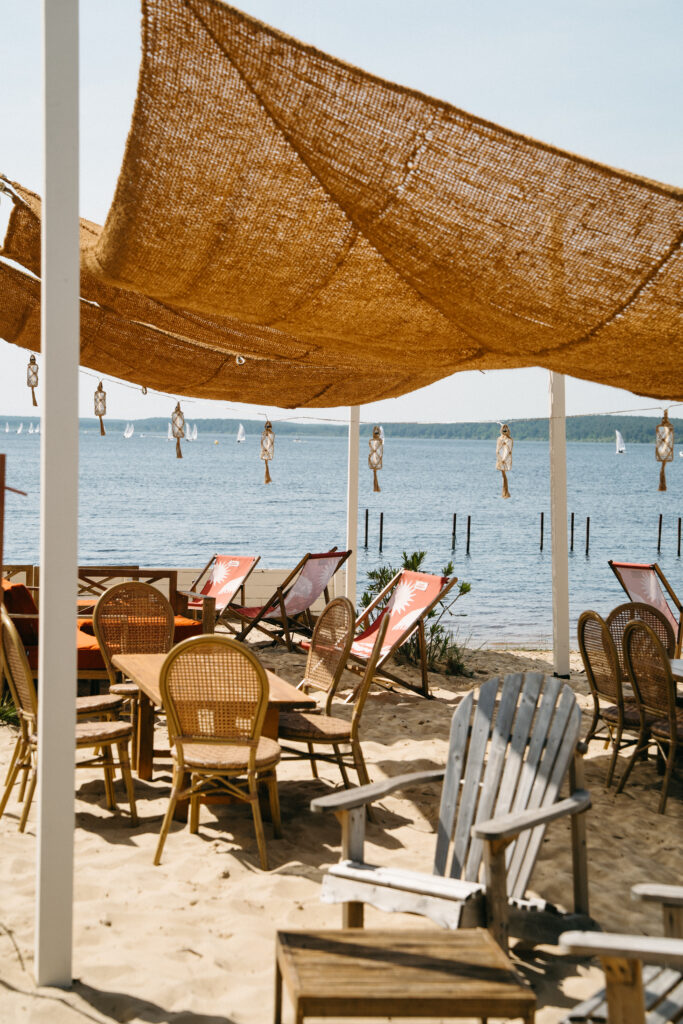
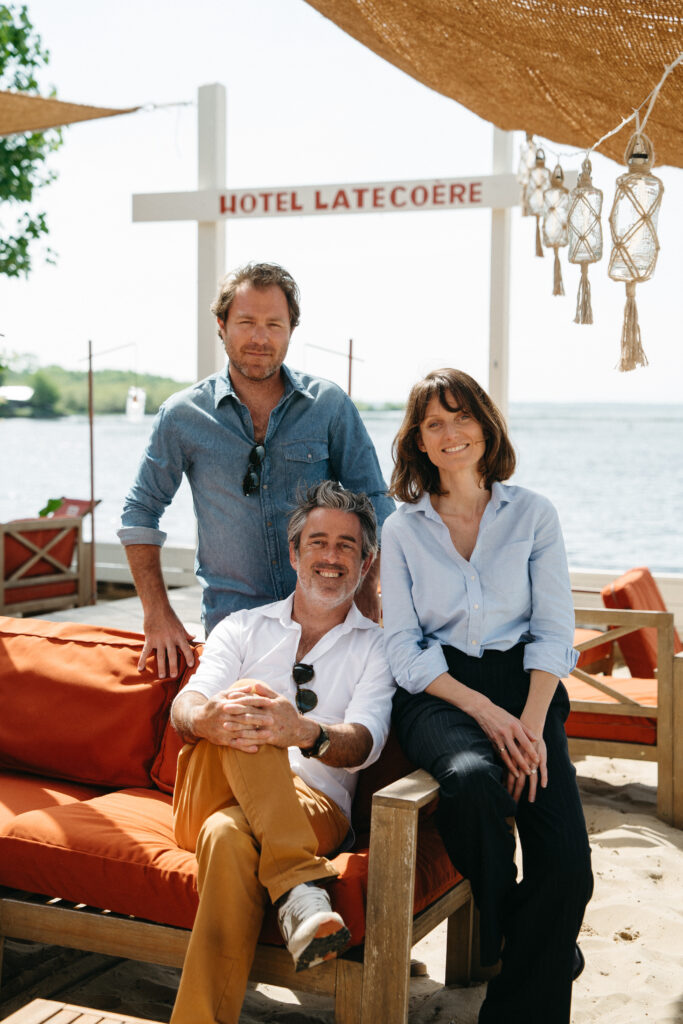
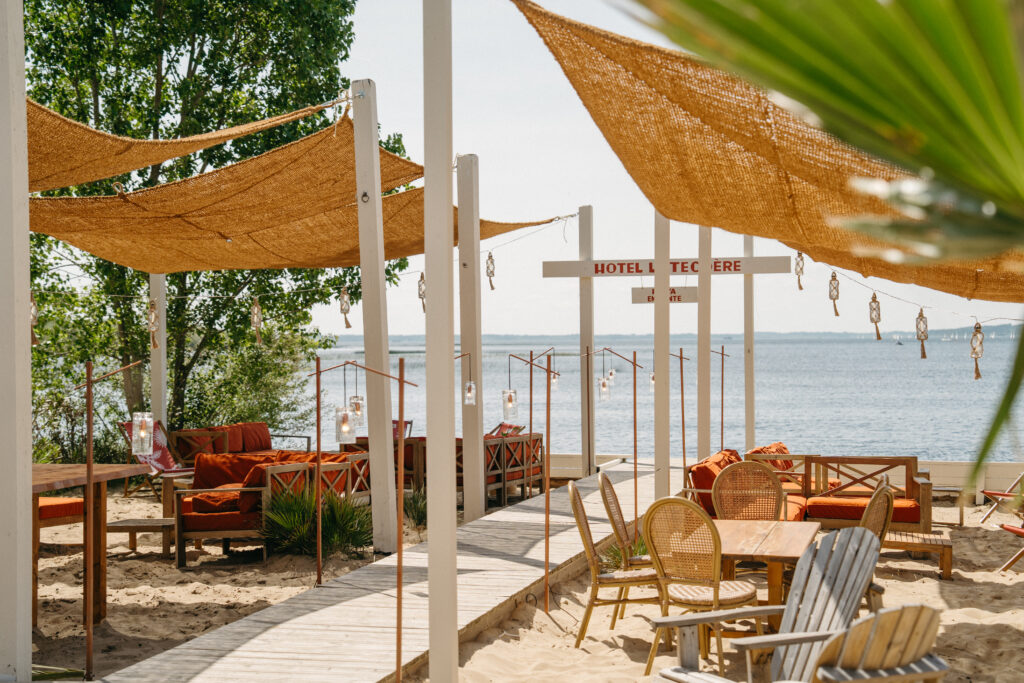
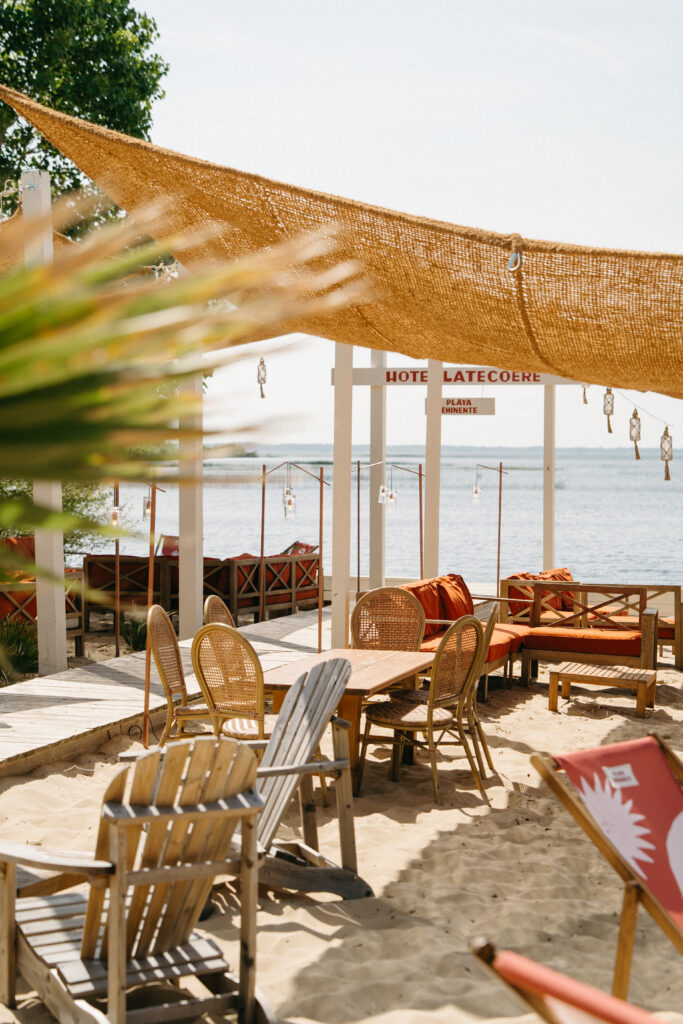
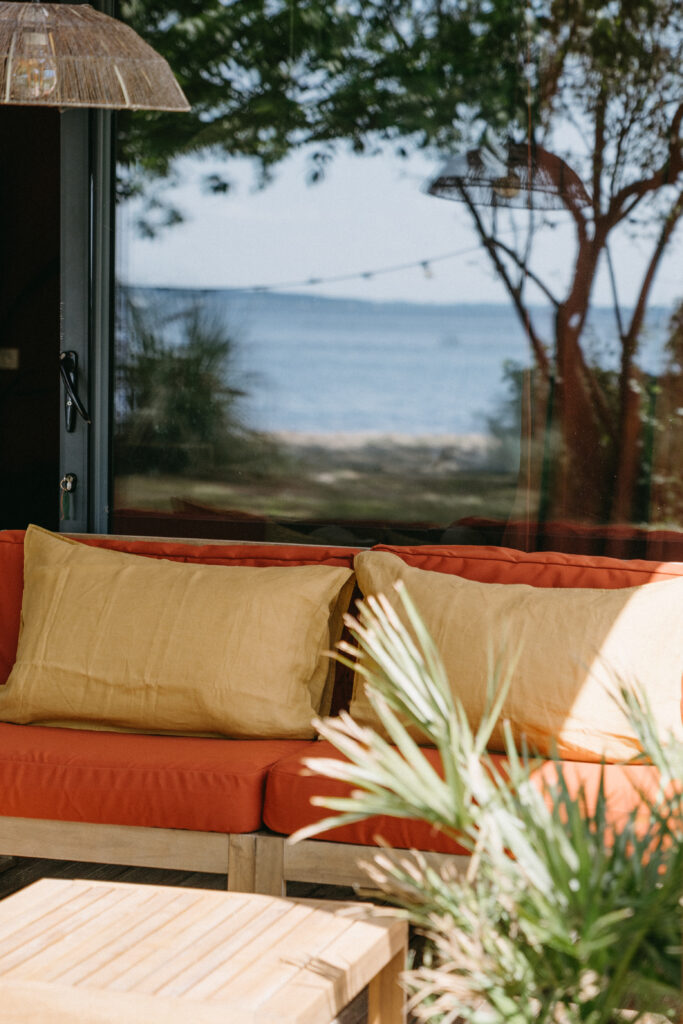
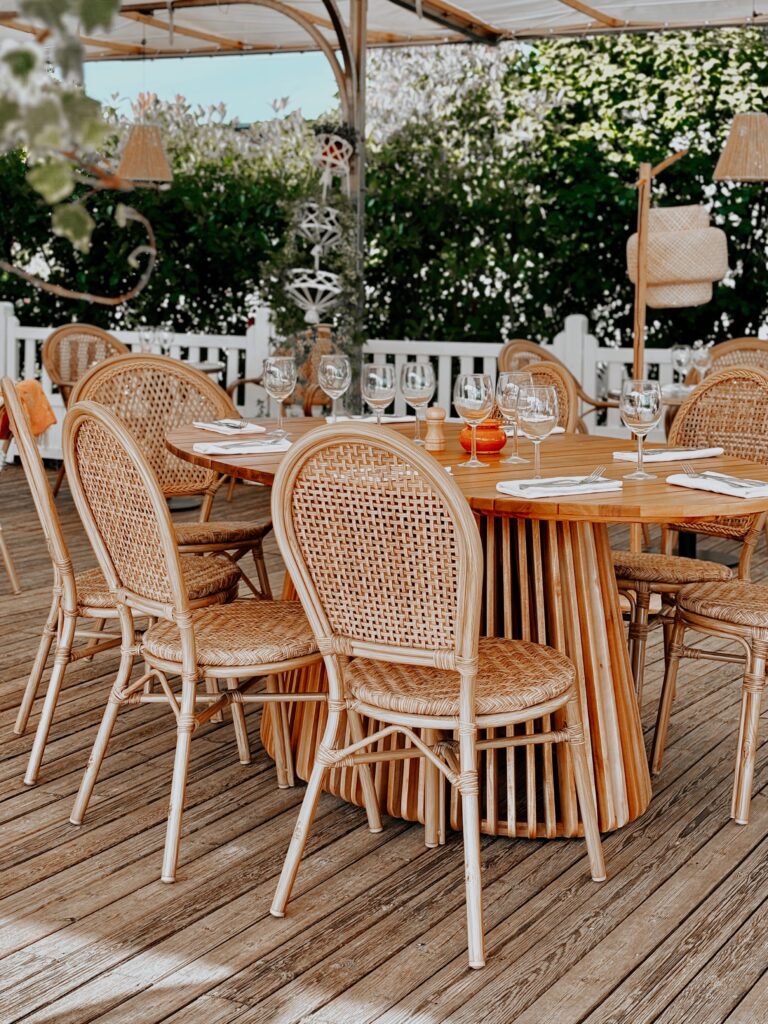
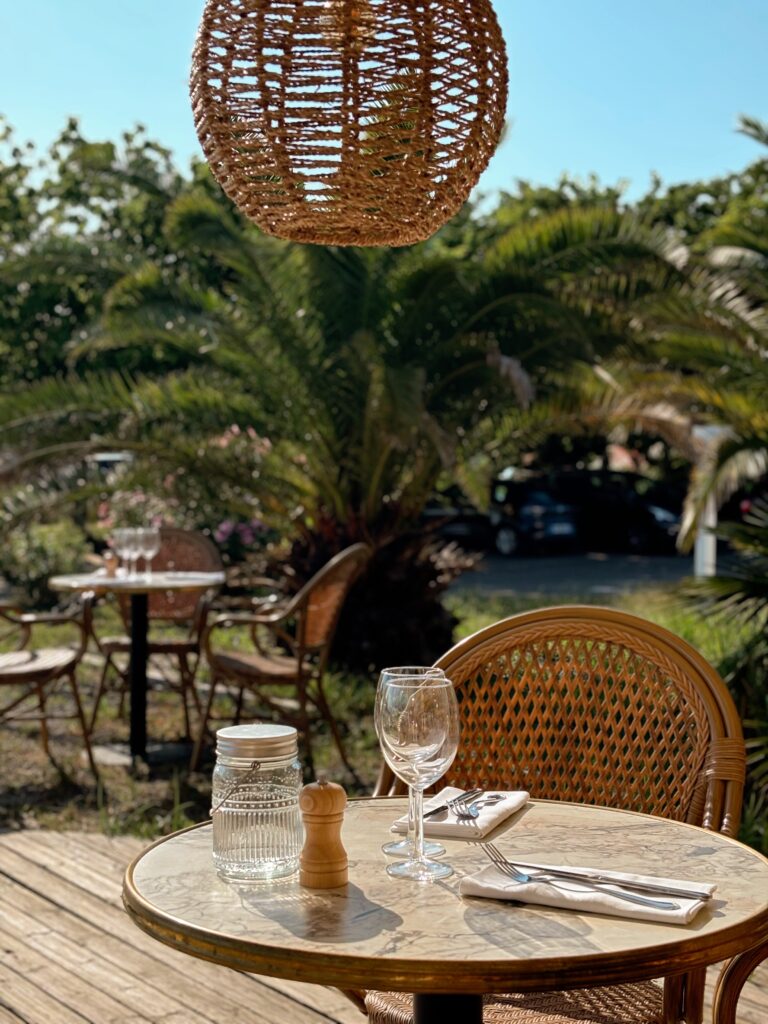
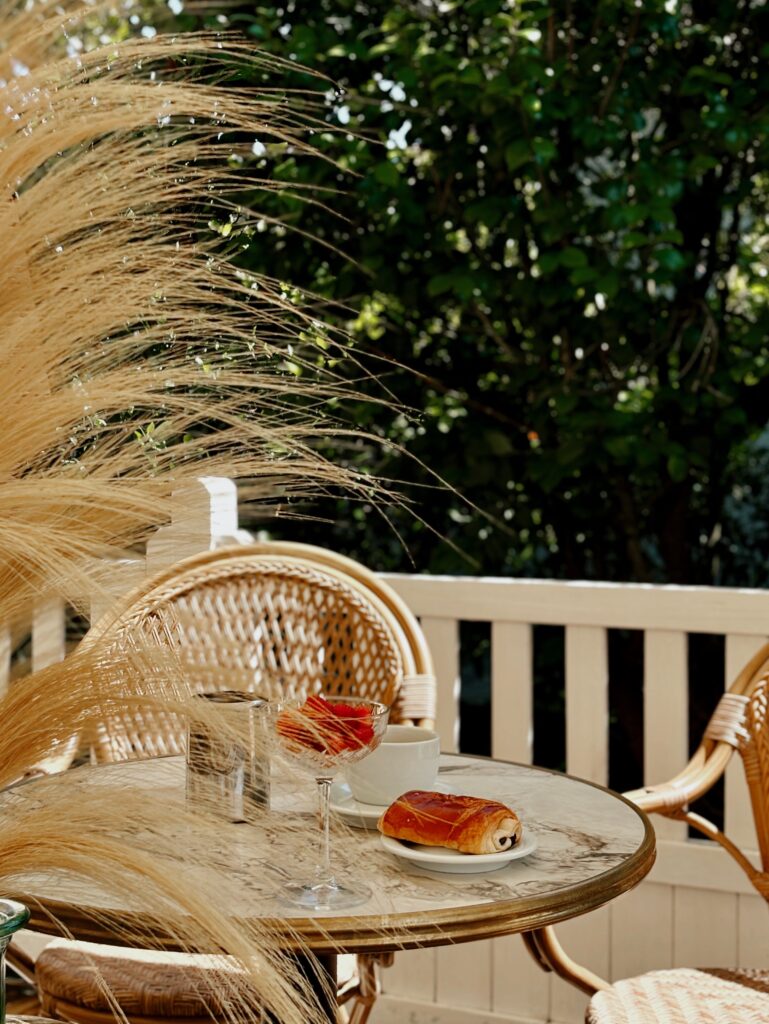
It took Lynda, Yann, and Alexandre nearly fifteen years to bring this lakeside project to life. That long period of time speaks volumes about the place. In contrast to the standardized openings produced today by the lifestyle hotel industry, Latécoère seems to have been built through the accumulation of details: vintage furniture, wooden and rattan elements, large canvases stretched out facing the shore, and round tables designed to make lunches linger. While the aesthetic certainly draws on the seaside bohemian style that has become ubiquitous along European coasts, the hotel partially avoids the pitfall of generic decor thanks to its intimate scale.
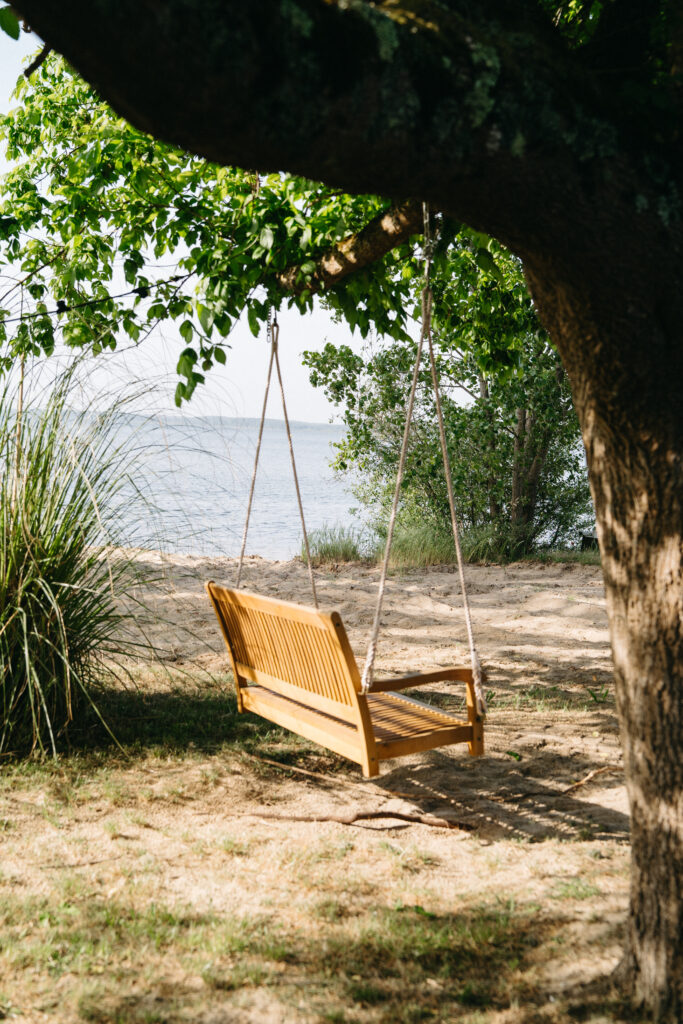
The hotel has only four suites, three guest rooms, and two family rooms. The suites, ranging from 33 to 40 m², each feature a 60 m² private garden with direct access to the residents-only beach. In a hotel landscape saturated with immersive experience concepts, this modest capacity almost becomes a statement in itself. It allows for a form of personalized attention that is more reminiscent of certain Mediterranean guesthouses than traditional Atlantic resorts.
The real issue, however, remains the way Latécoère approaches its relationship with the local area. The Arcachon Basin and its surroundings have been undergoing a quiet transformation for several years: a rapid shift toward upscale development, growing real estate pressure, and the transformation of the seasonal economy driven by a Parisian and international clientele. In this context, places capable of maintaining a clear connection to their environment are becoming rare. Latécoère is striving precisely to build this coherence.
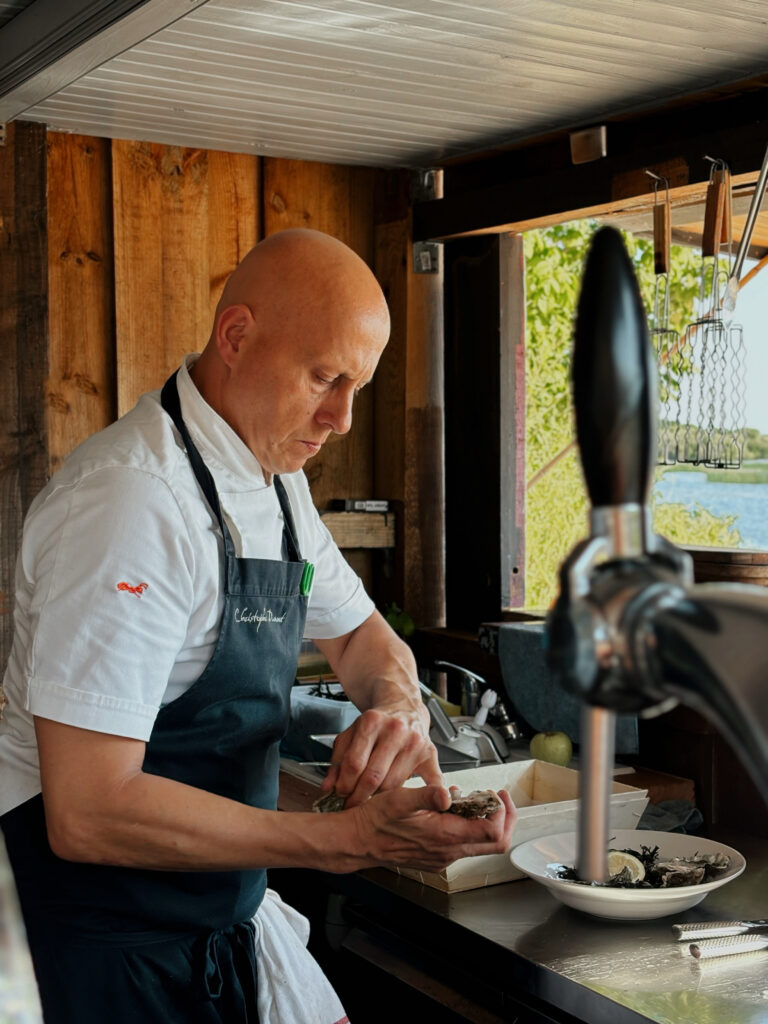
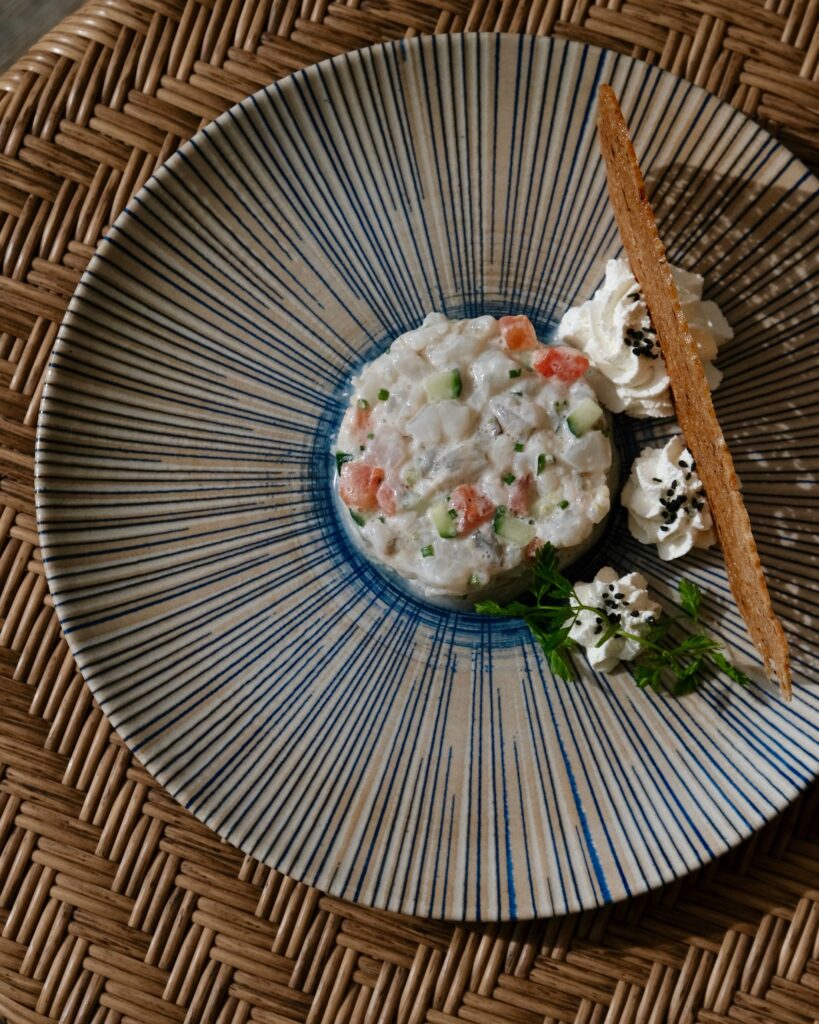
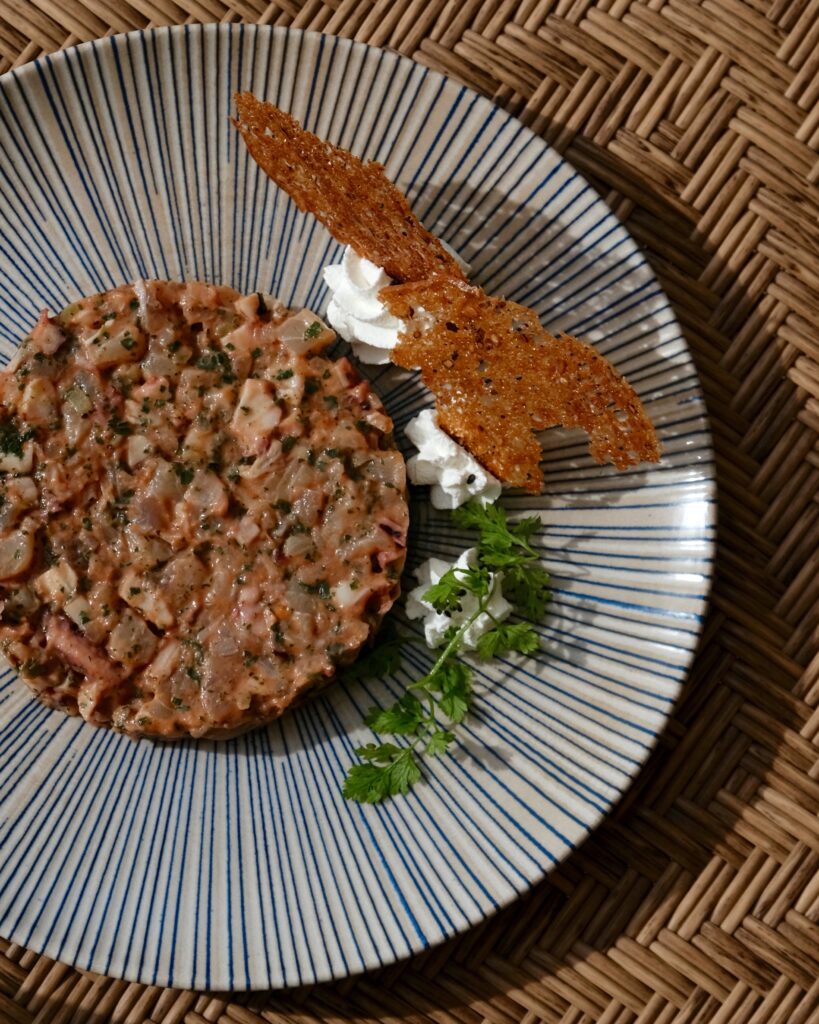
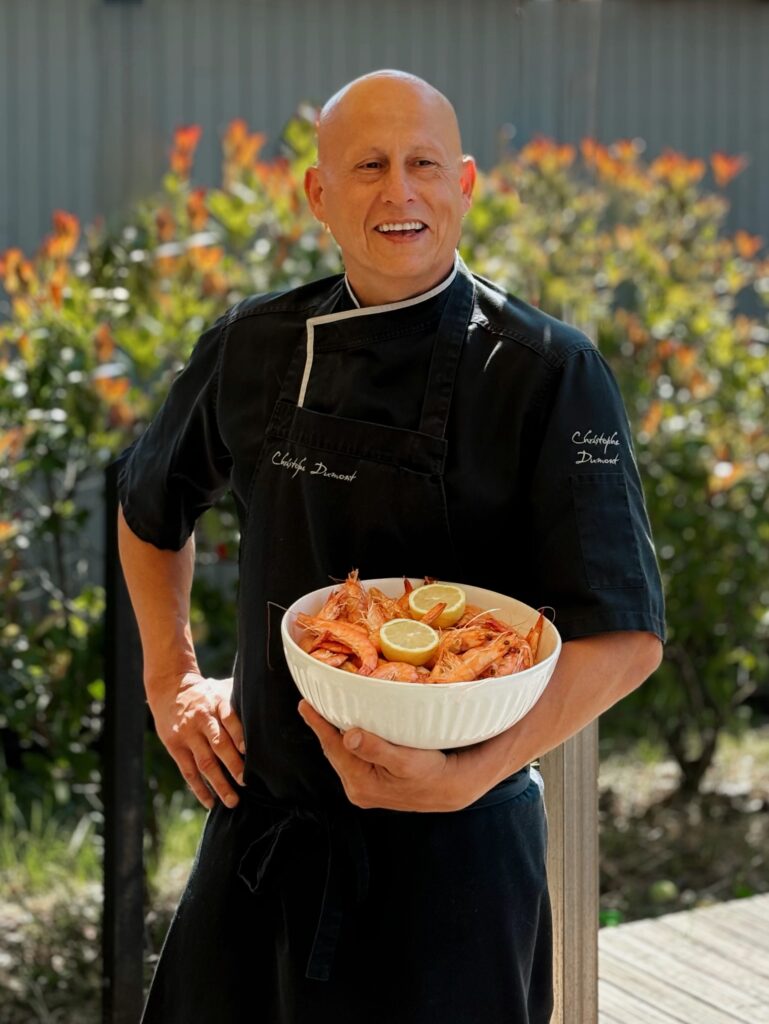
This is particularly evident in Christophe Dumont’s cuisine. The chef, who has worked at several Michelin-starred restaurants and later in the kitchens of the Hôtel Ha(a)ïtza in Arcachon, has crafted a deliberately concise menu centered on coastal ingredients and locally sourced produce. The dish names remain simple: sea bream with seasonal vegetables, tuna steak served with passion fruit butter, and Label Rouge farm-raised pork chop cooked at a low temperature. The precision lies elsewhere—in the techniques.
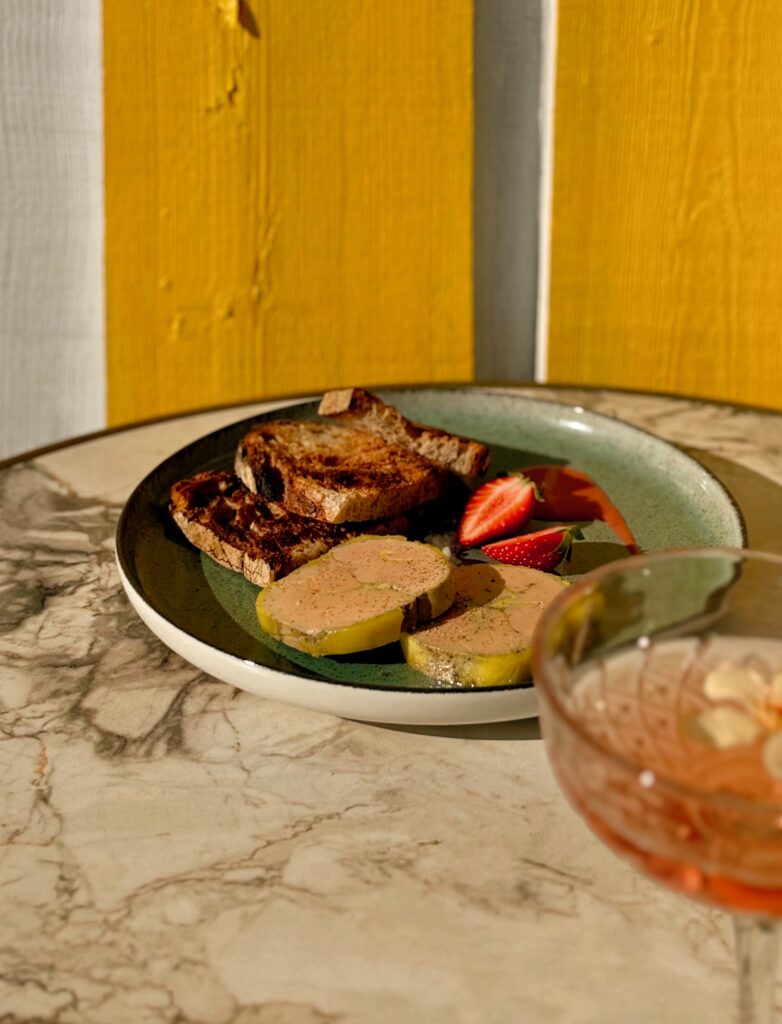
A telling detail: the Béarnaise sauce is whipped in a siphon, the salmon is house-smoked, the foie gras from the Landes region is prepared with Cognac, and the desserts return to the fundamentals of French brasserie cuisine—crème brûlée, chocolate mousse, and rice pudding. Nothing here seeks to make a gastronomic statement. Instead, the cuisine acts as a source of contemporary reassurance: recognizable ingredients, masterful techniques, and a commitment to generous portions.
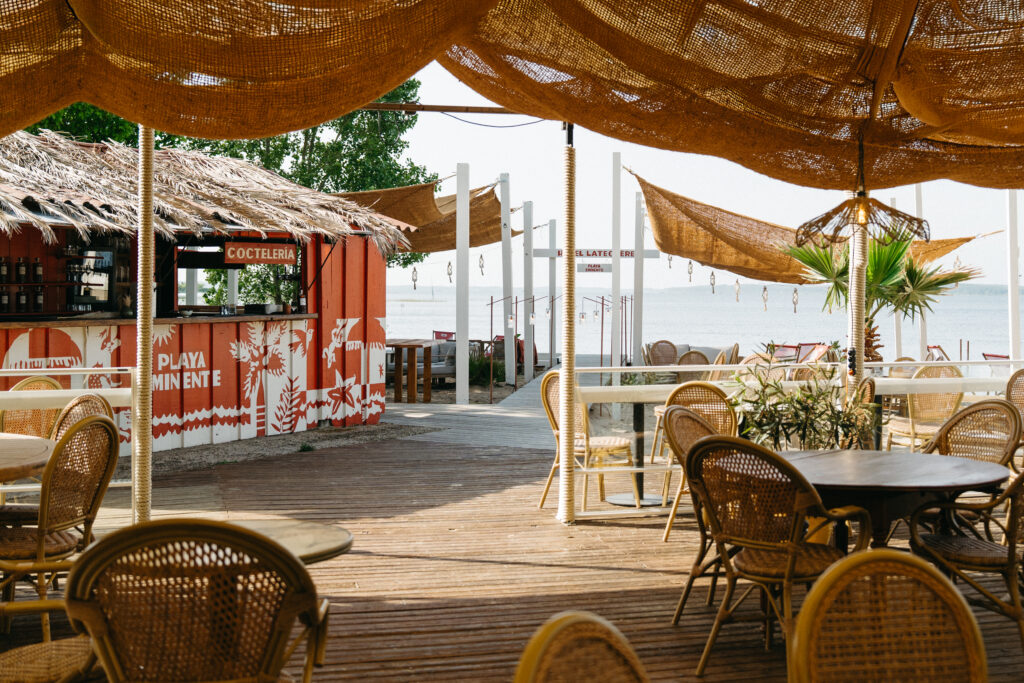
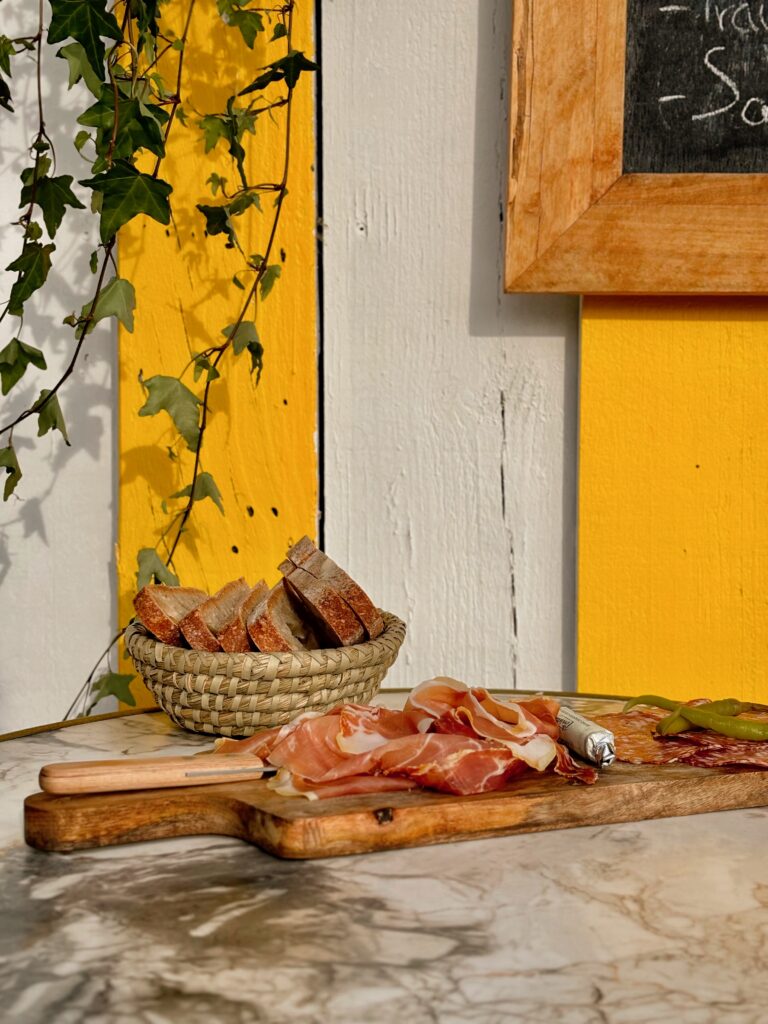
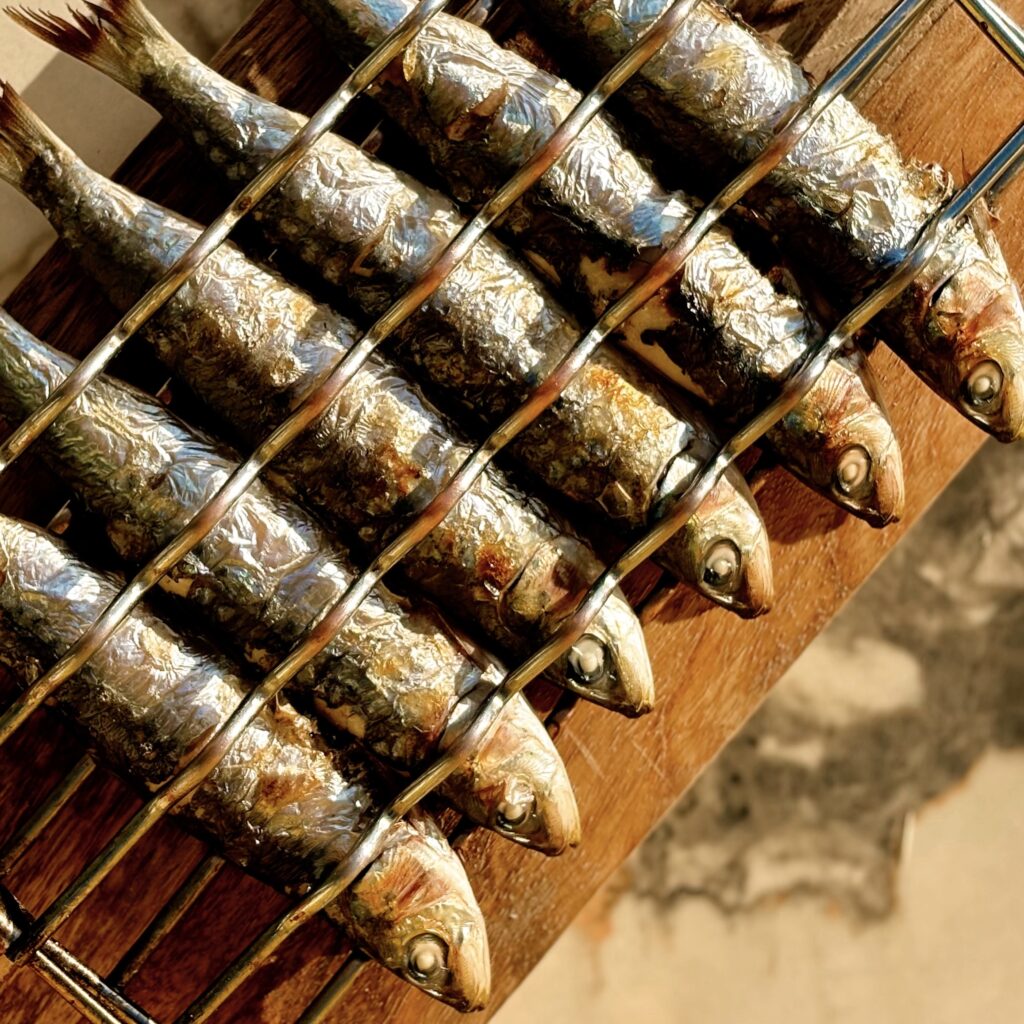
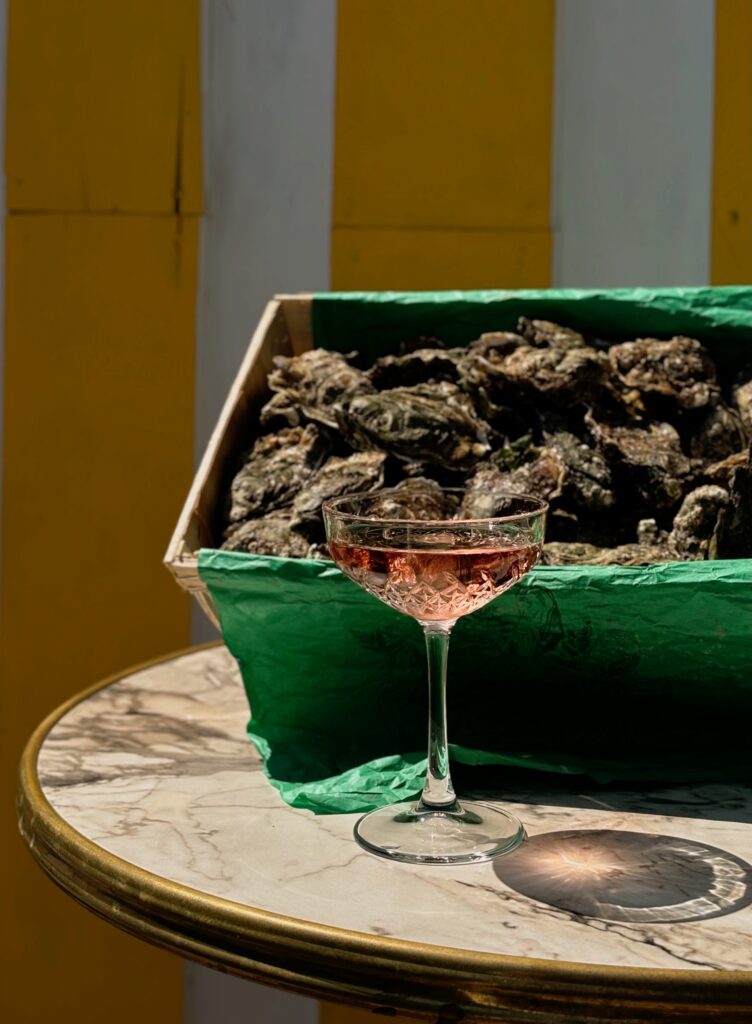
The beachfront restaurant Braise takes this approach even further. The menu here is shorter, almost basic. Seafood, shrimp ceviche, a platter of 24-month-aged Serrano ham, Iberian chorizo, burrata, raw vegetables, and house-made tzatziki make up a selection designed to be shared with your feet in the sand. Here again, luxury lies less in spectacular refinement than in mastery of the craft.
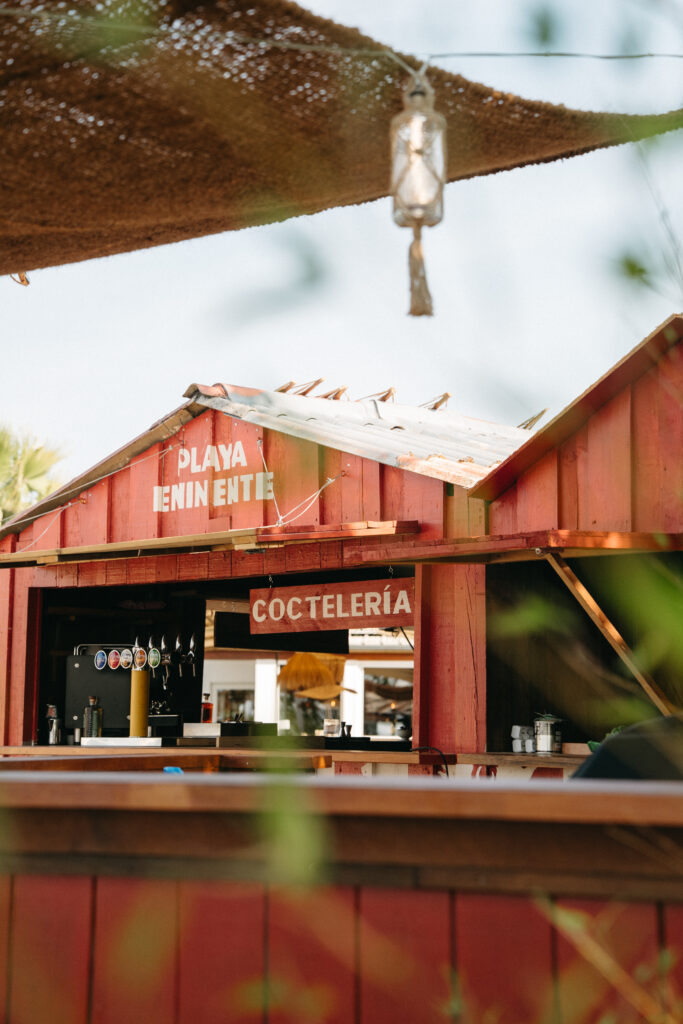
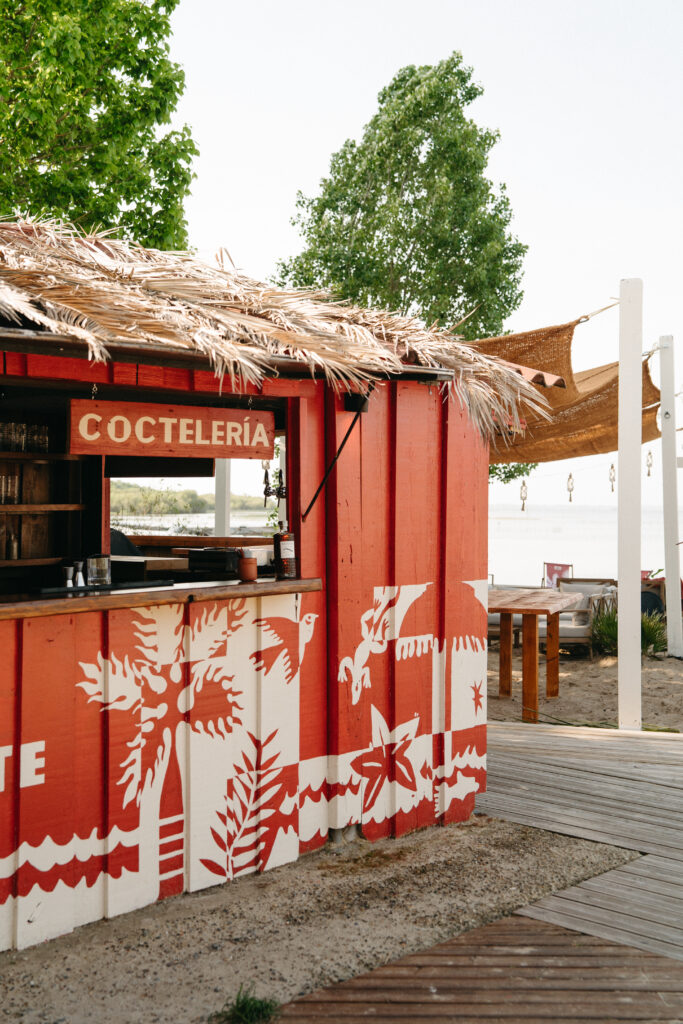
The same philosophy applies at the beach bar. The cocktail menu, featuring some thirty options, blends international classics with signature creations. Even more intriguing is the selection of spirits: Mahani mezcal, Le Gouverneur rum, and Lagavulin 16-year-old. Behind this curation lies a fundamental trend in contemporary hospitality: beverages are becoming a cultural language in their own right. Sourcing now tells as much about a place as its architecture does.
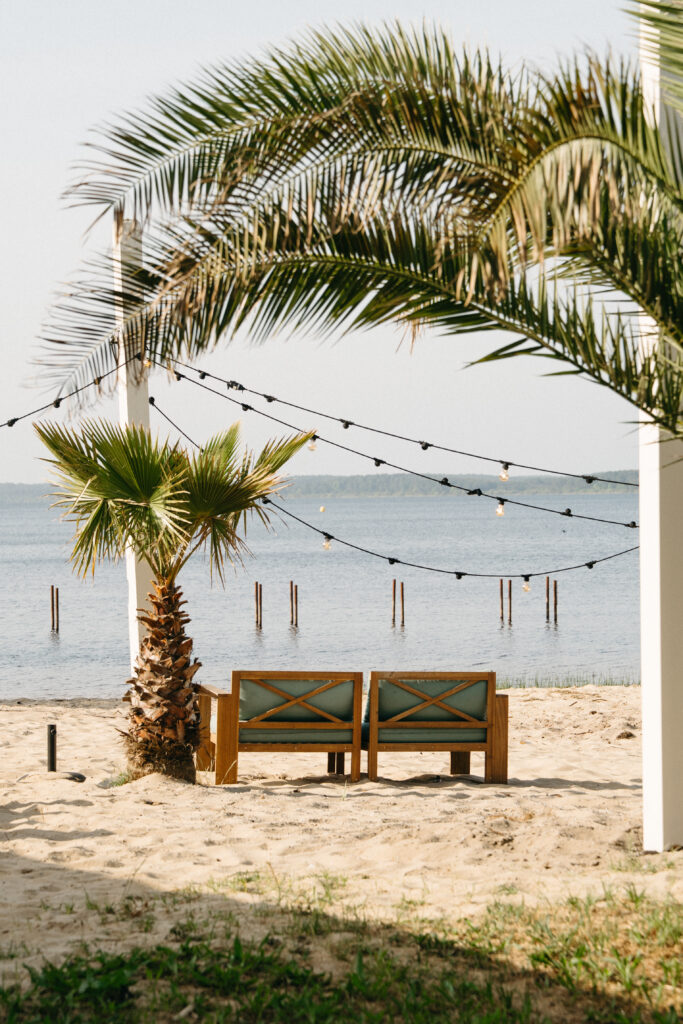
Latécoère ultimately belongs to that generation of French establishments that seek less to impress than to create a certain atmosphere. Neither a luxury palace, nor an experimental hotel, nor a simple private beach, the place functions as a collection of subtle touches: wood warmed by the sun, low seating facing the water, the clinking of glasses at sunset, the slow movement between the dock and the terraces.
French luxury tourism is currently going through a paradoxical period. Never has the selection been so abundant, yet never have truly distinctive destinations been so rare. In this landscape saturated with images and instantly consumable concepts, Latécoère reminds us of something simpler: some places are best experienced before they are photographed.
Cette publication est également disponible en :

