
After conquering social media, eyemaxxing is establishing itself as the new beauty approach that puts the eyes first. Its principle: rely on colour theory to choose shades that contrast with or naturally complement the colour of the iris, rather than blindly following the fashionable tones of the moment.
On TikTok and Instagram, the trend first spread through quick tutorials, each creator offering their own chart matching iris colour to a recommended palette. But beyond the effect of fashion, this mechanism draws on a logic well known to make-up professionals: that of chromatic contrast, where a shade complementary to the eye’s natural colour visually heightens its intensity, whereas a shade that is too close tends, on the contrary, to dull it.
The term itself, a contraction of « eye » and the suffix « maxxing », popularised by aesthetic-optimisation trends on social media, betrays its digital origin. But behind the neologism lies a fairly old principle of visual composition: colour theory, which has long governed painting, fashion and design, and which eyemaxxing transposes directly onto the eyelid, relying on shades that contrast with or naturally complement the colour of the eye to reveal its full intensity. This philosophy, developed by Mario Dedivanovic through collaborations with highly publicly exposed personalities, rests on the idea that application technique matters as much as the choice of shade itself: a right colour, badly applied, will never produce the intended effect.
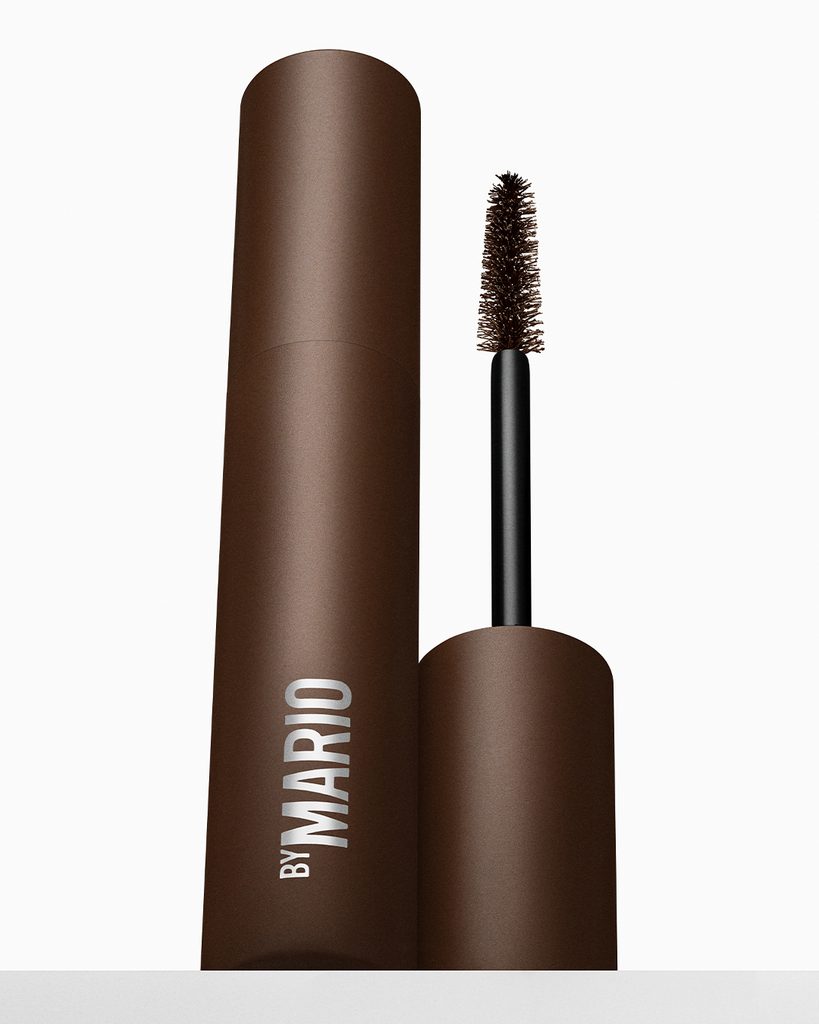
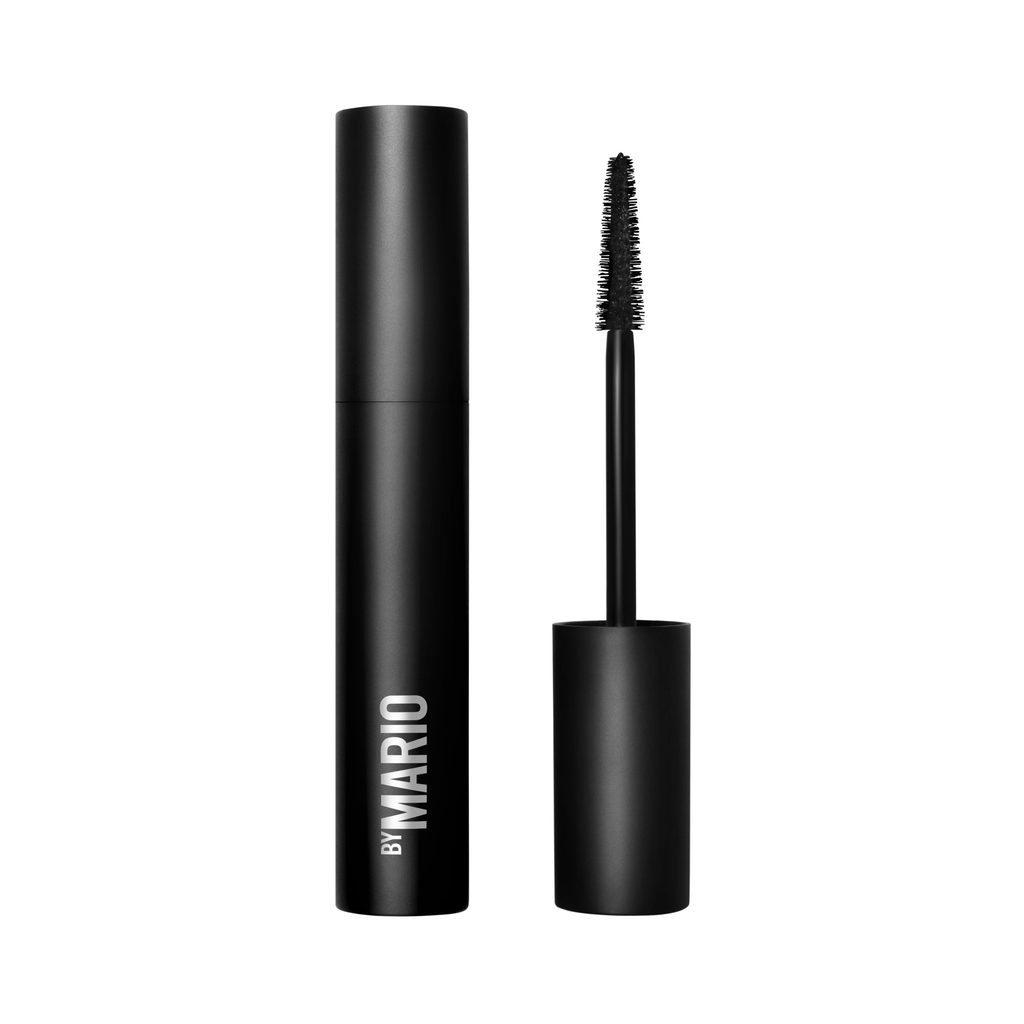
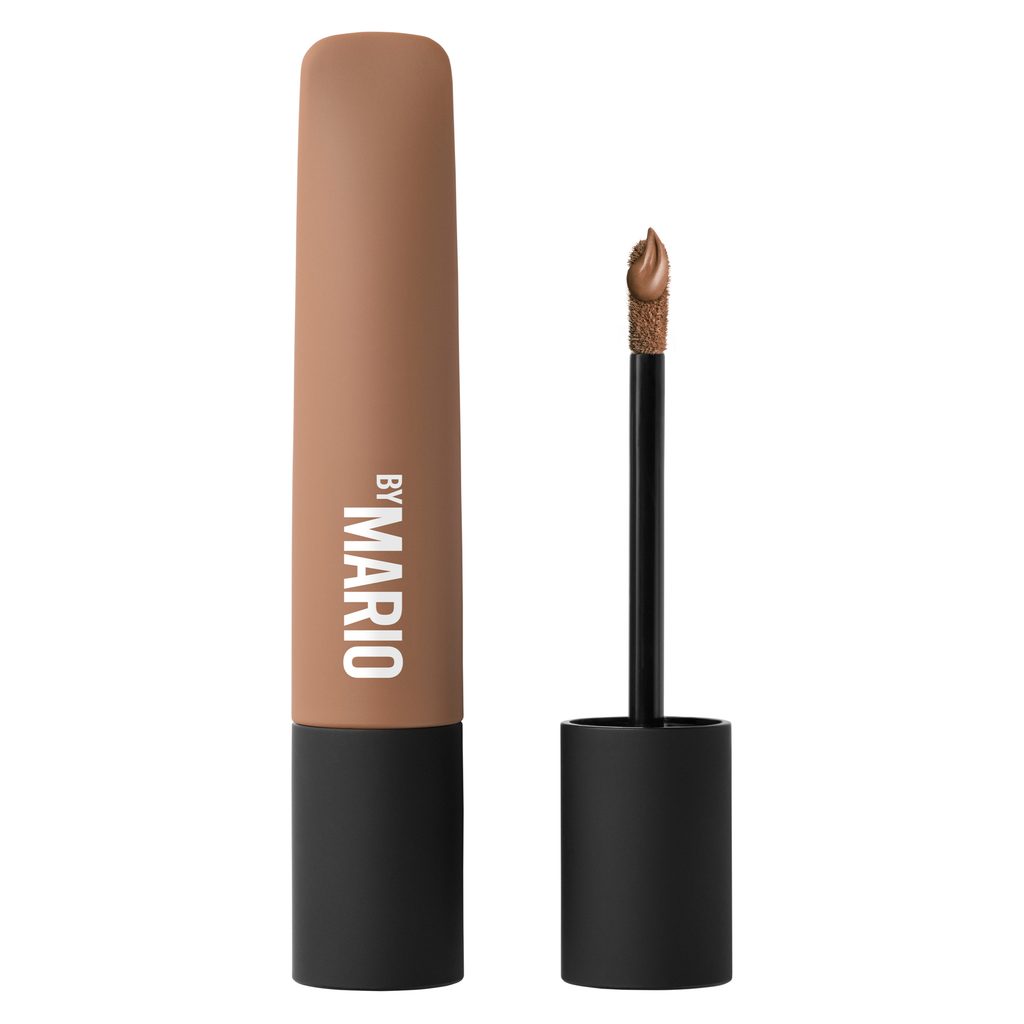
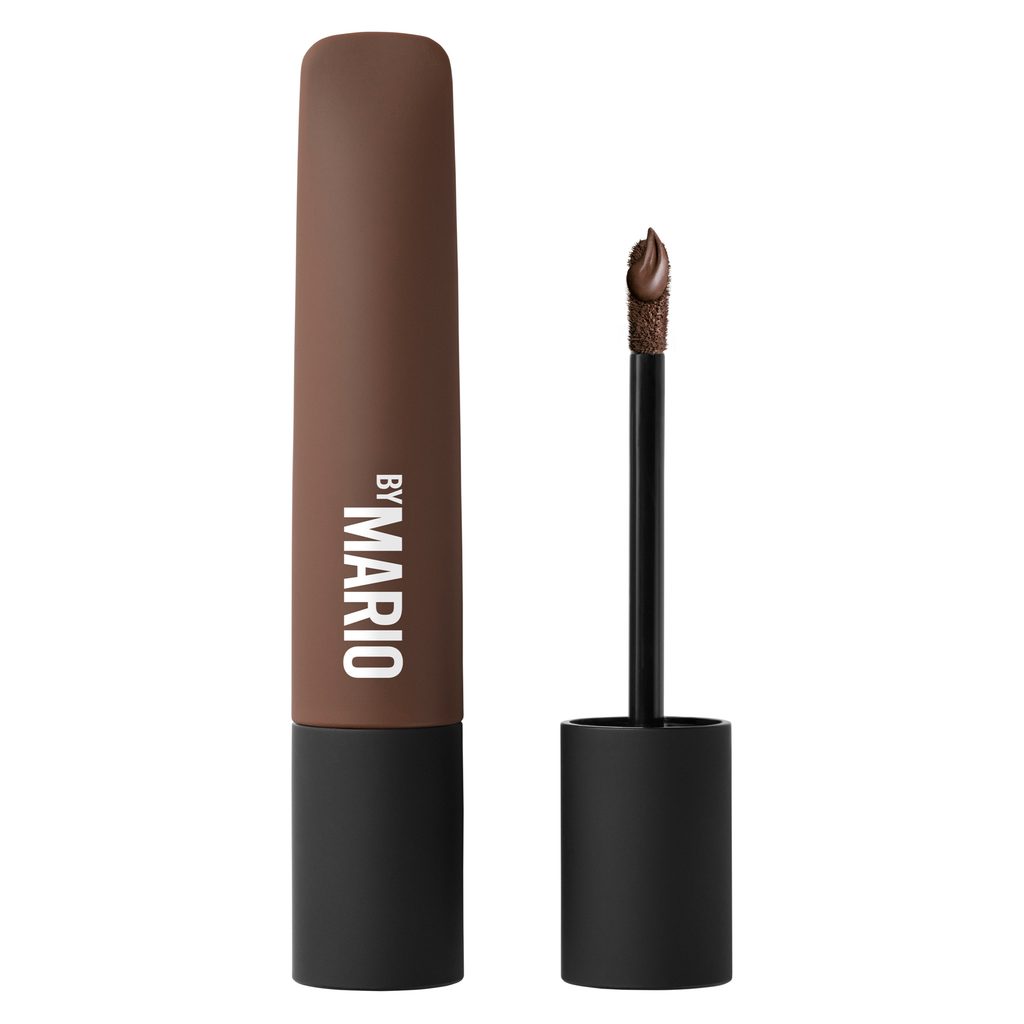
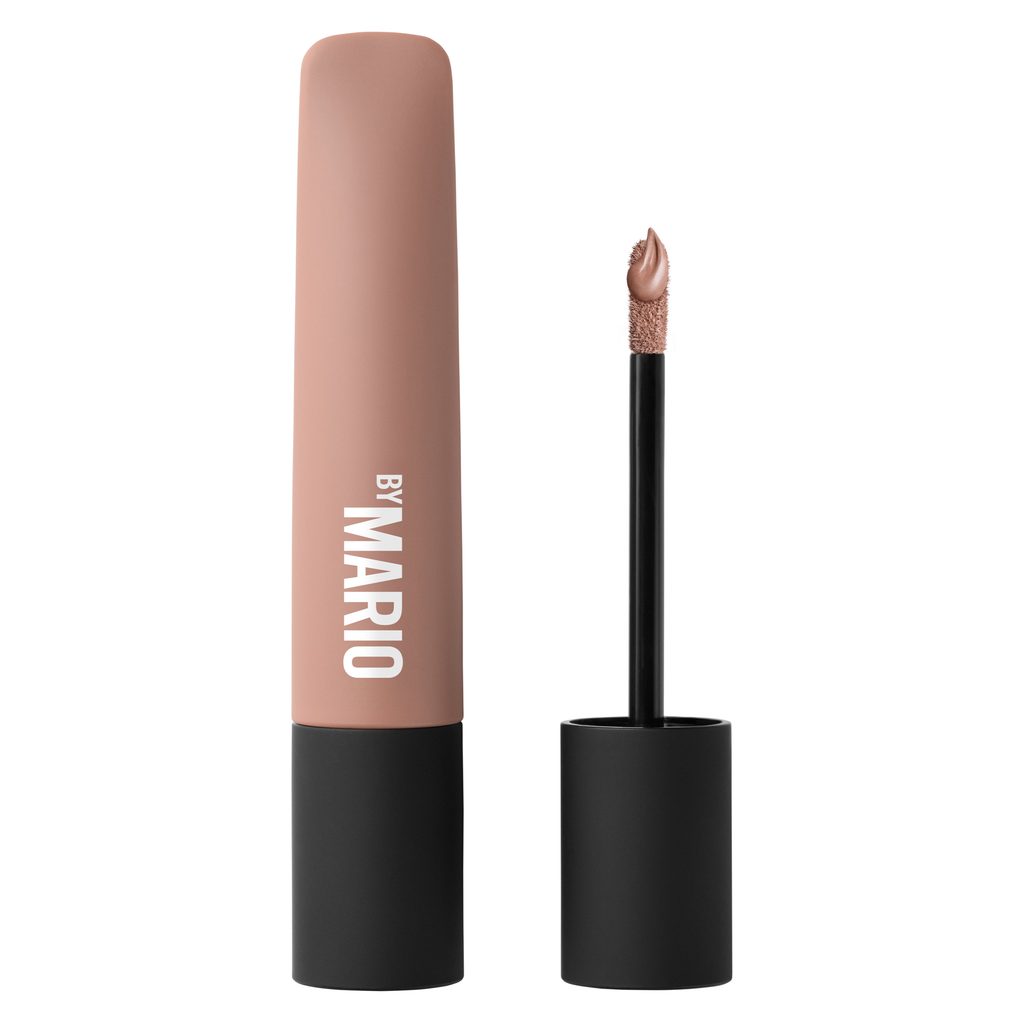
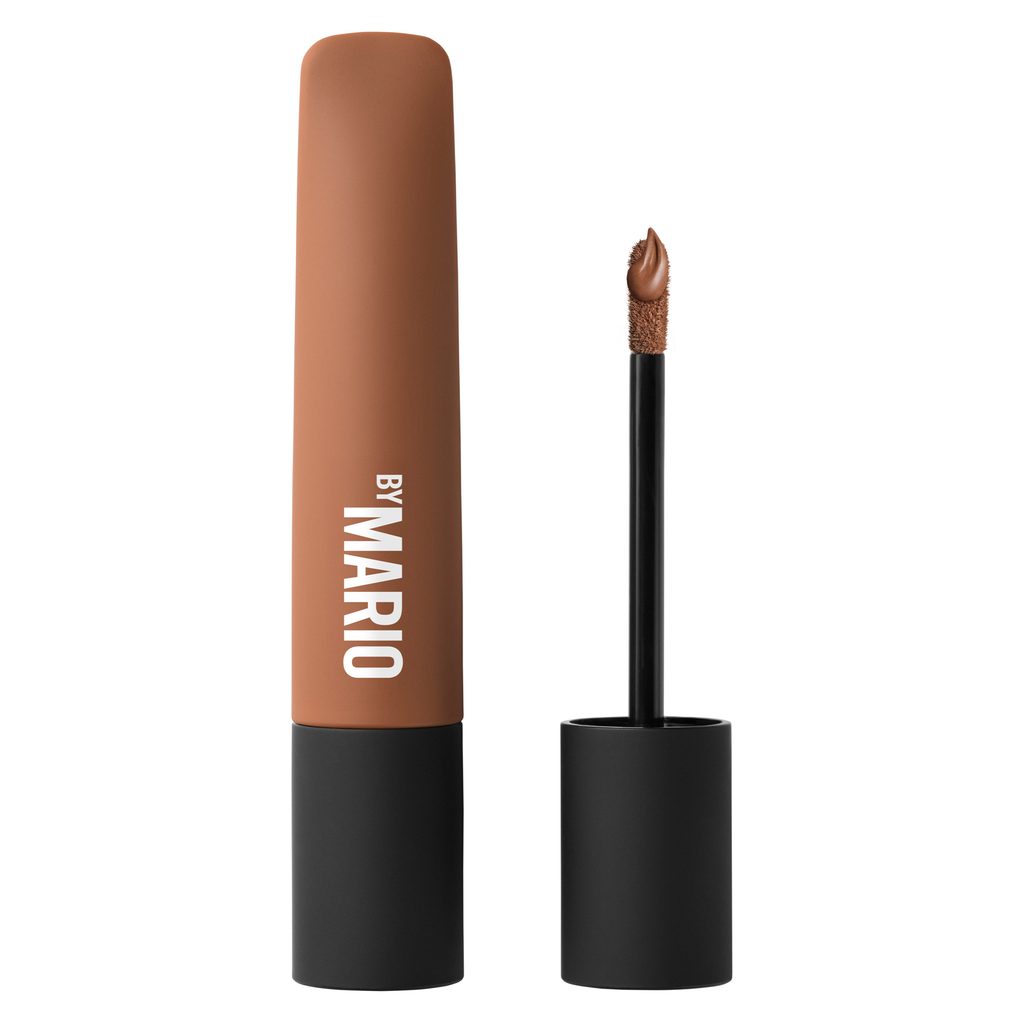
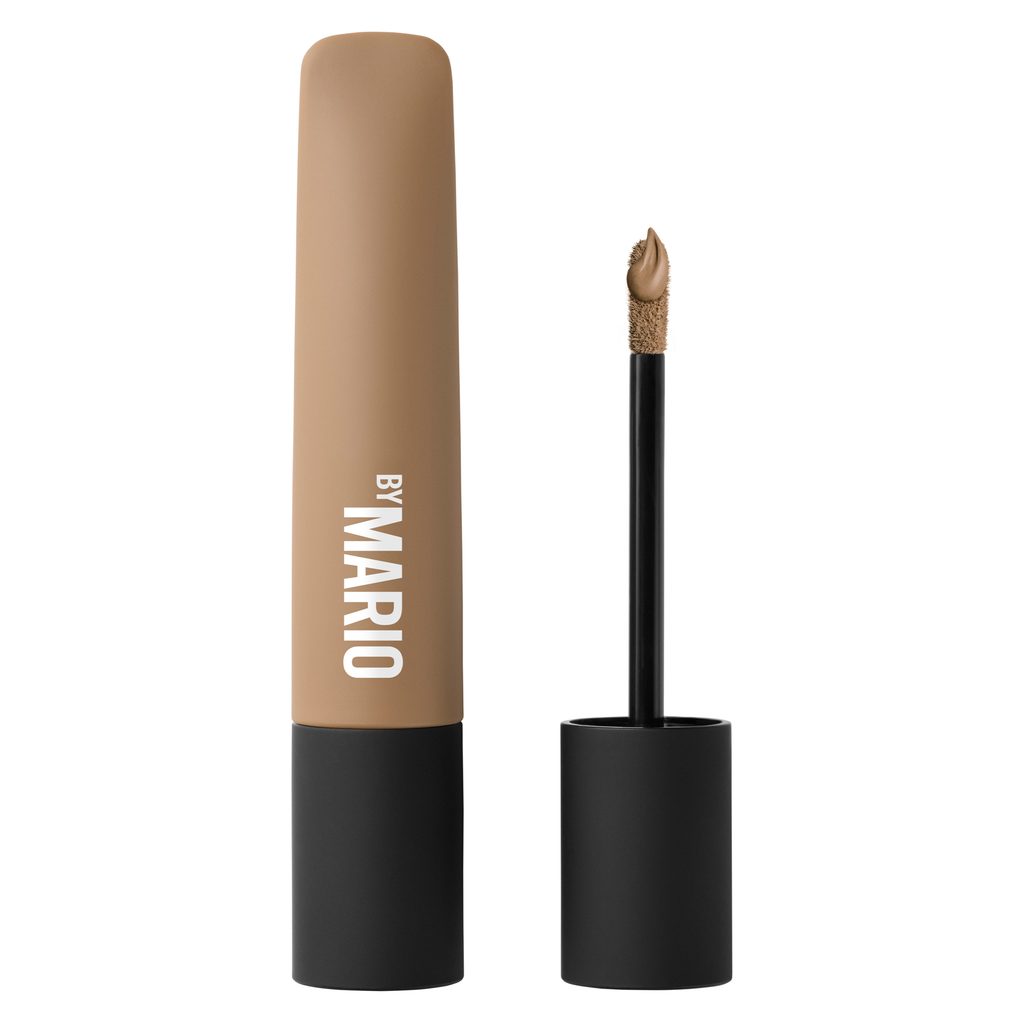
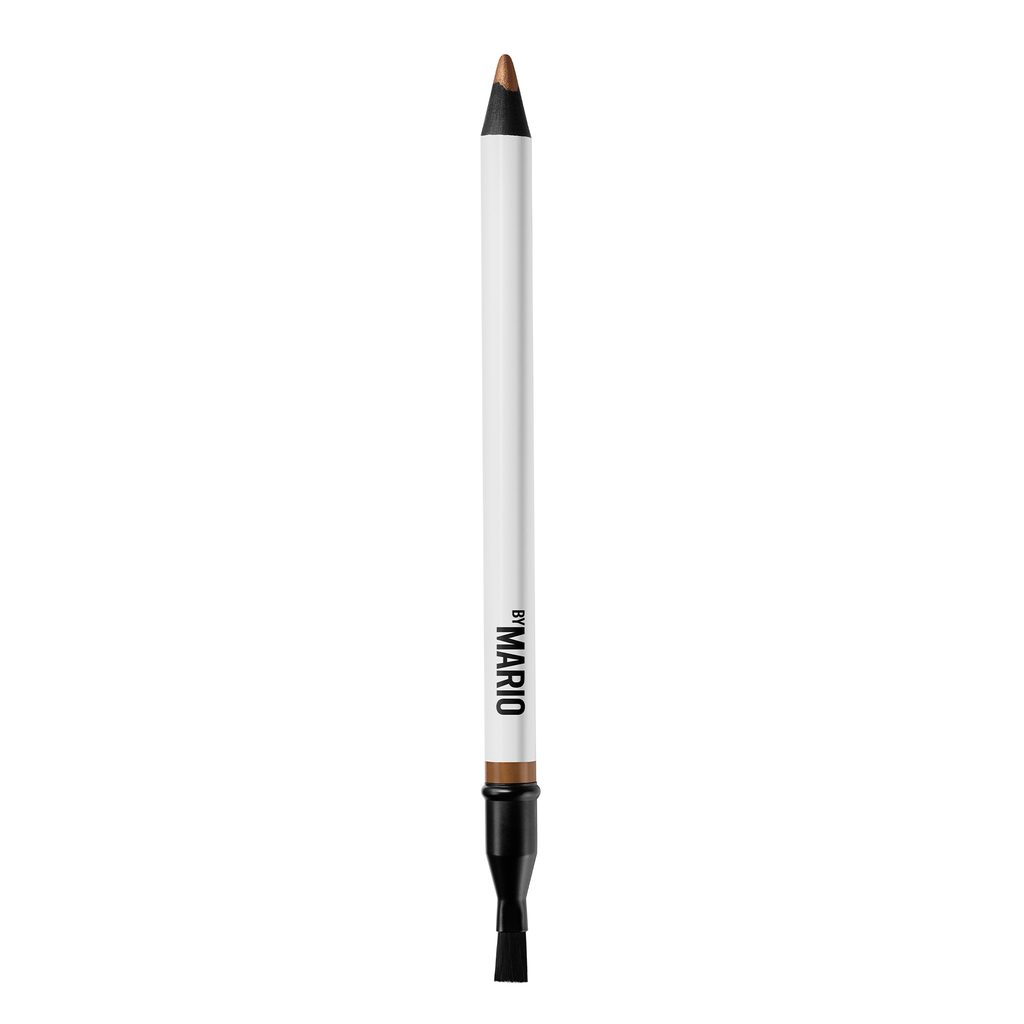
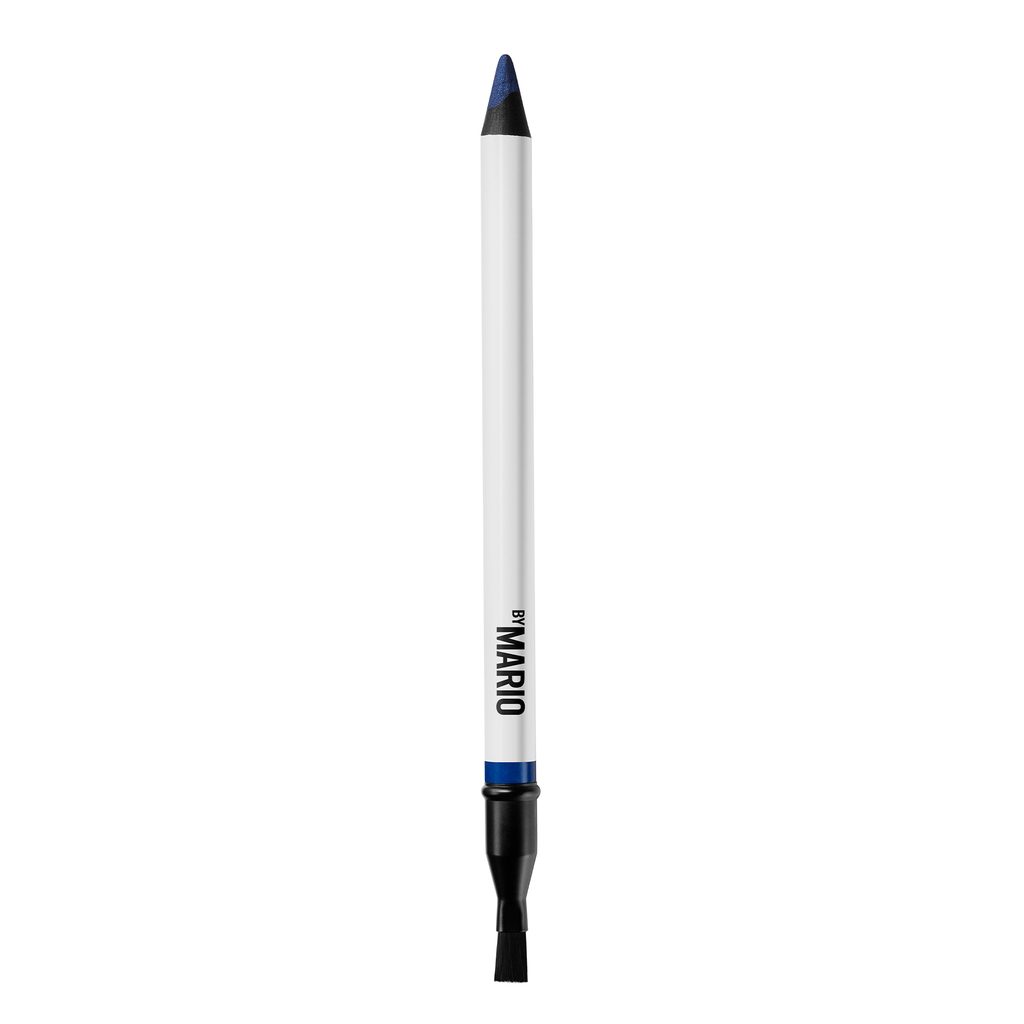
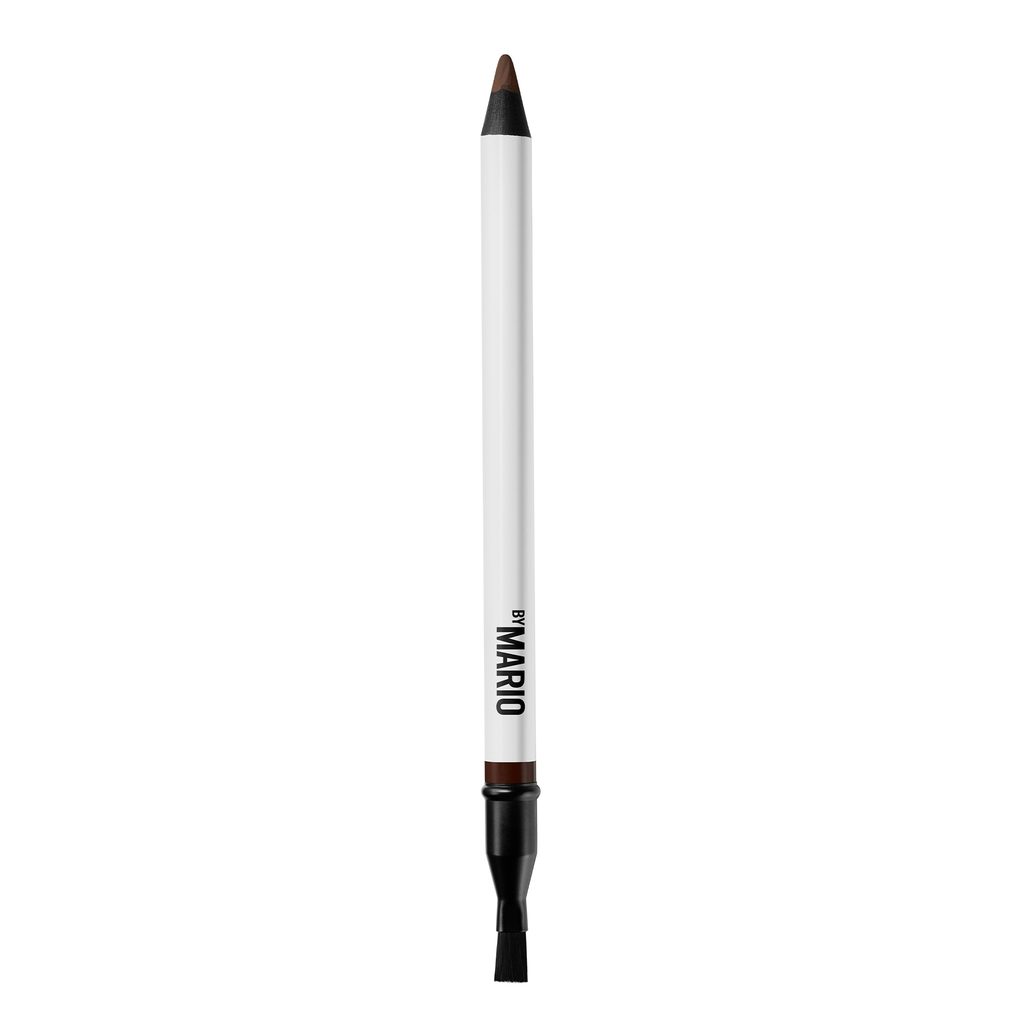
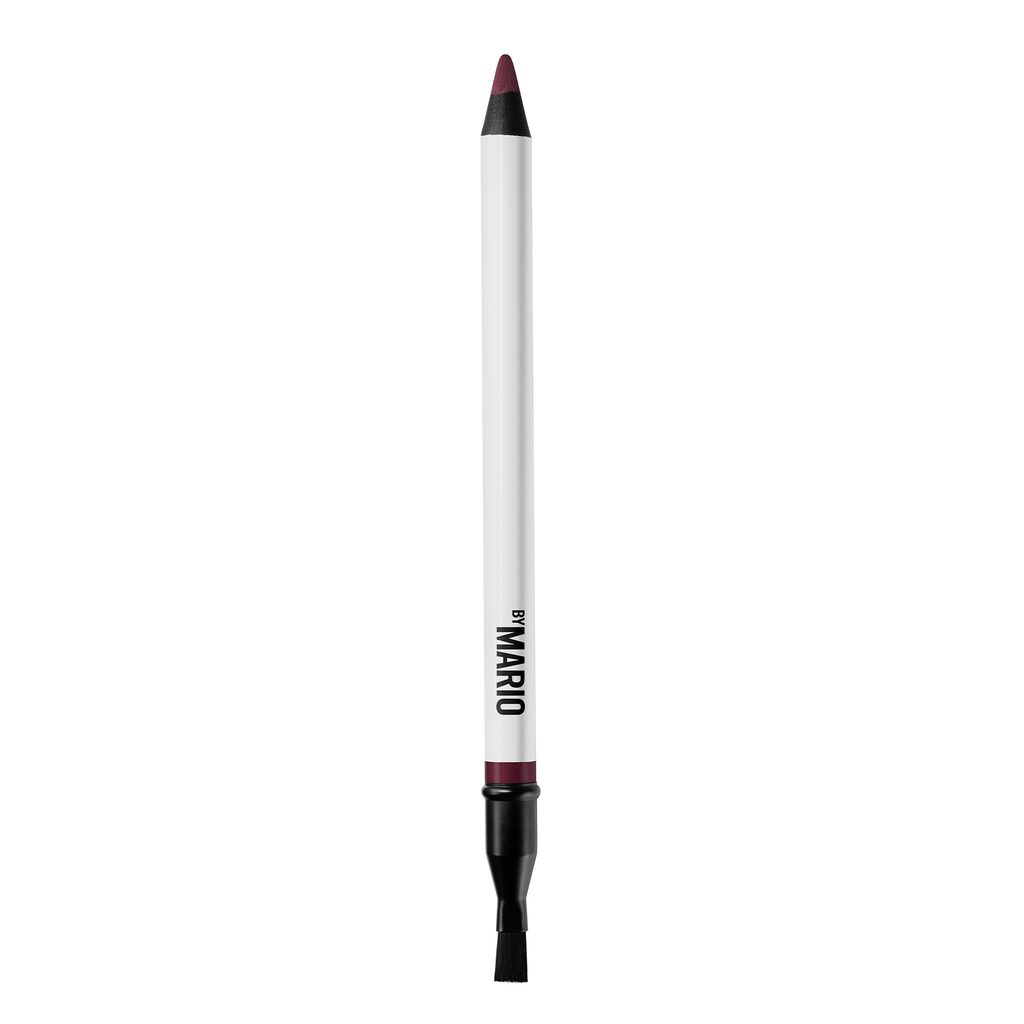
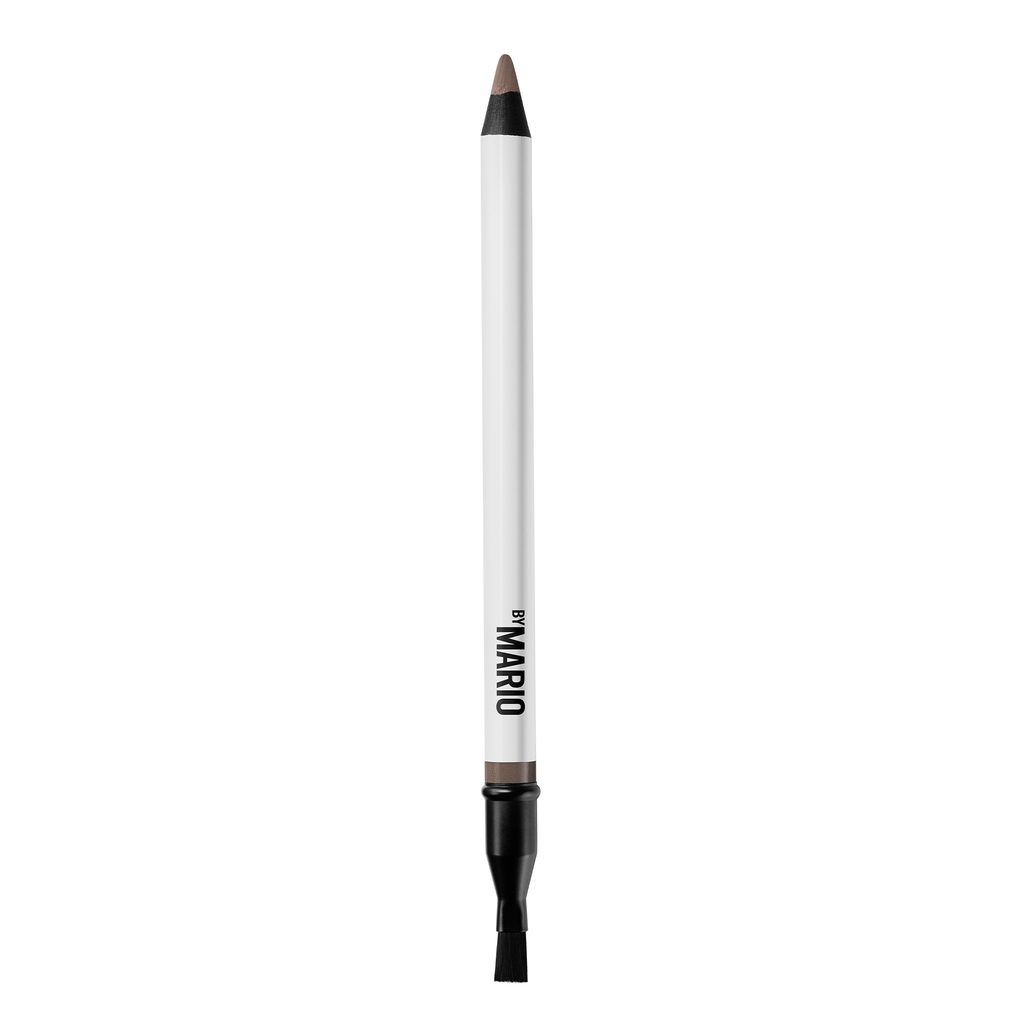
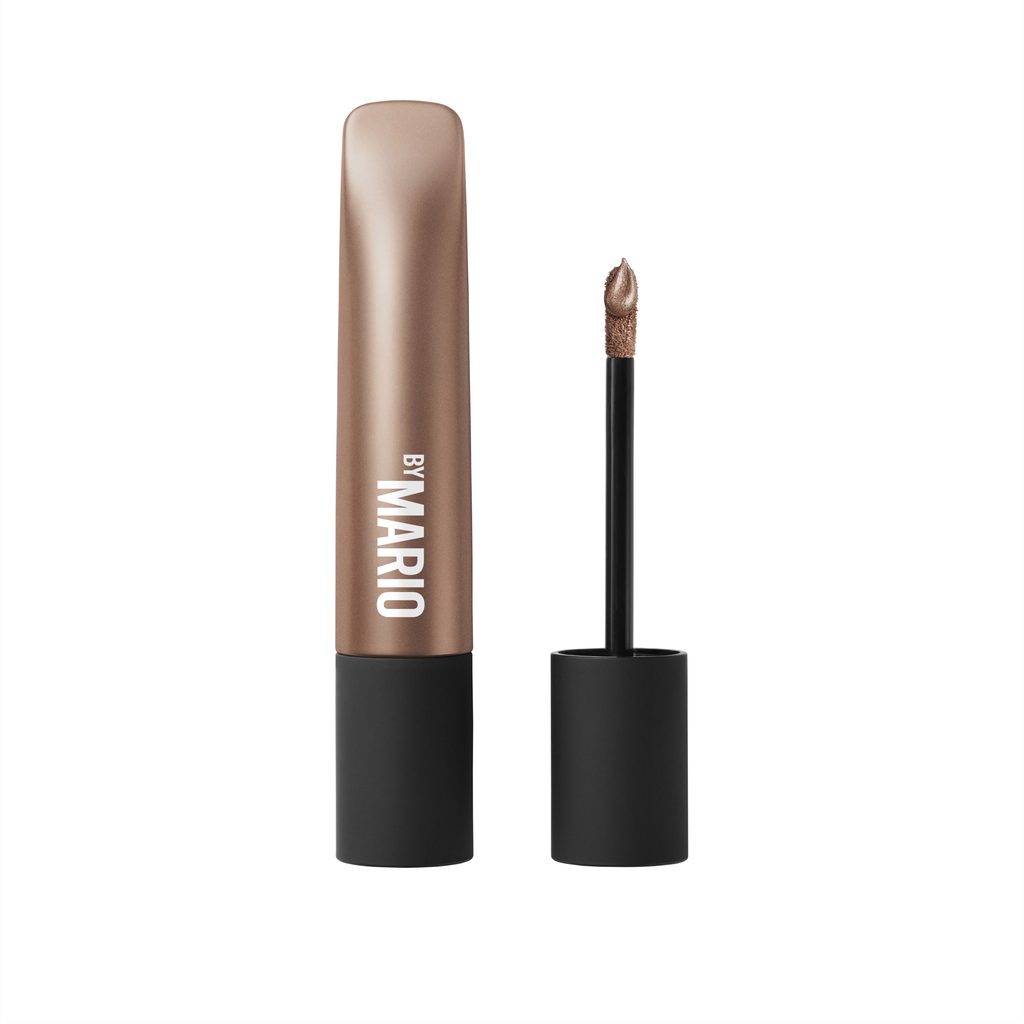
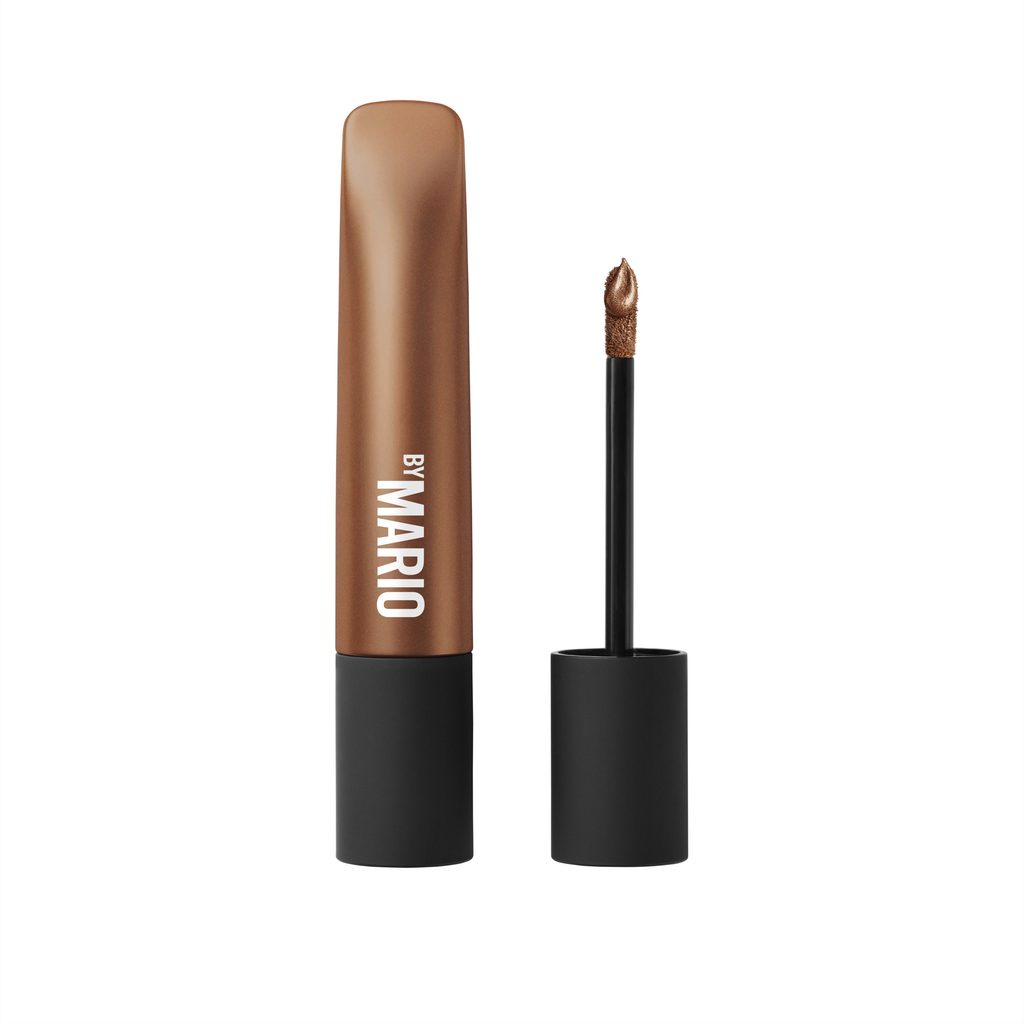
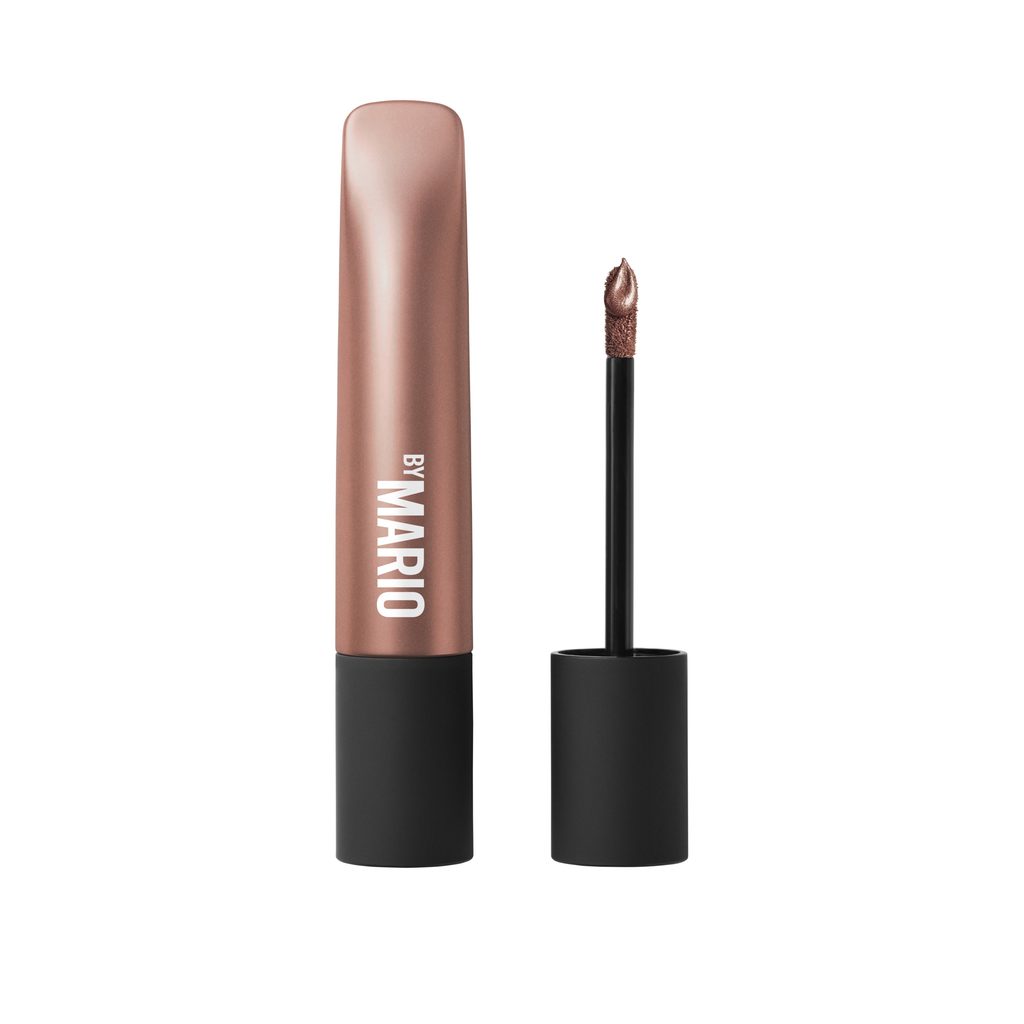
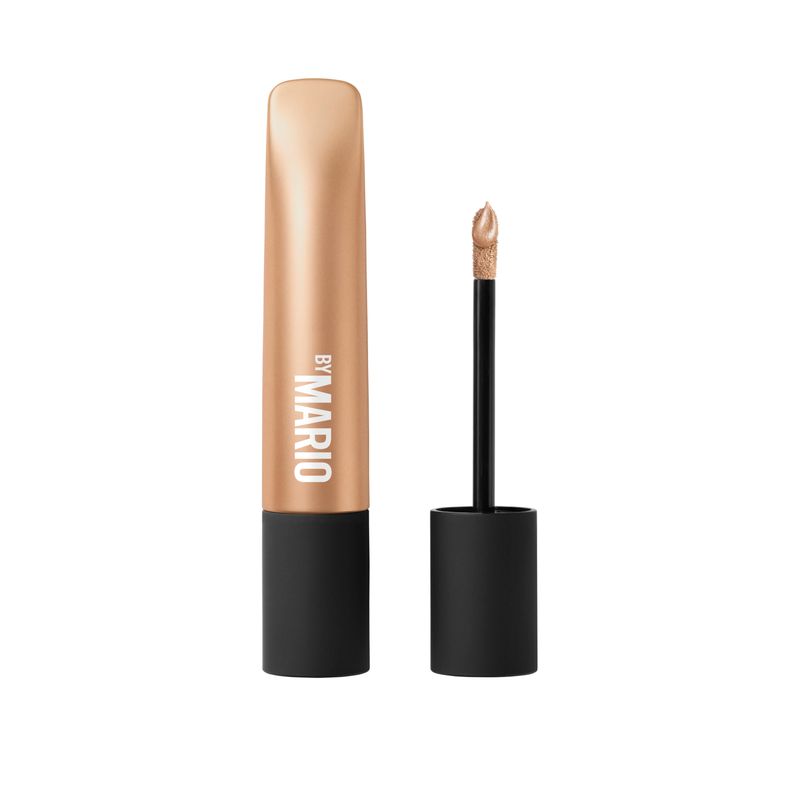
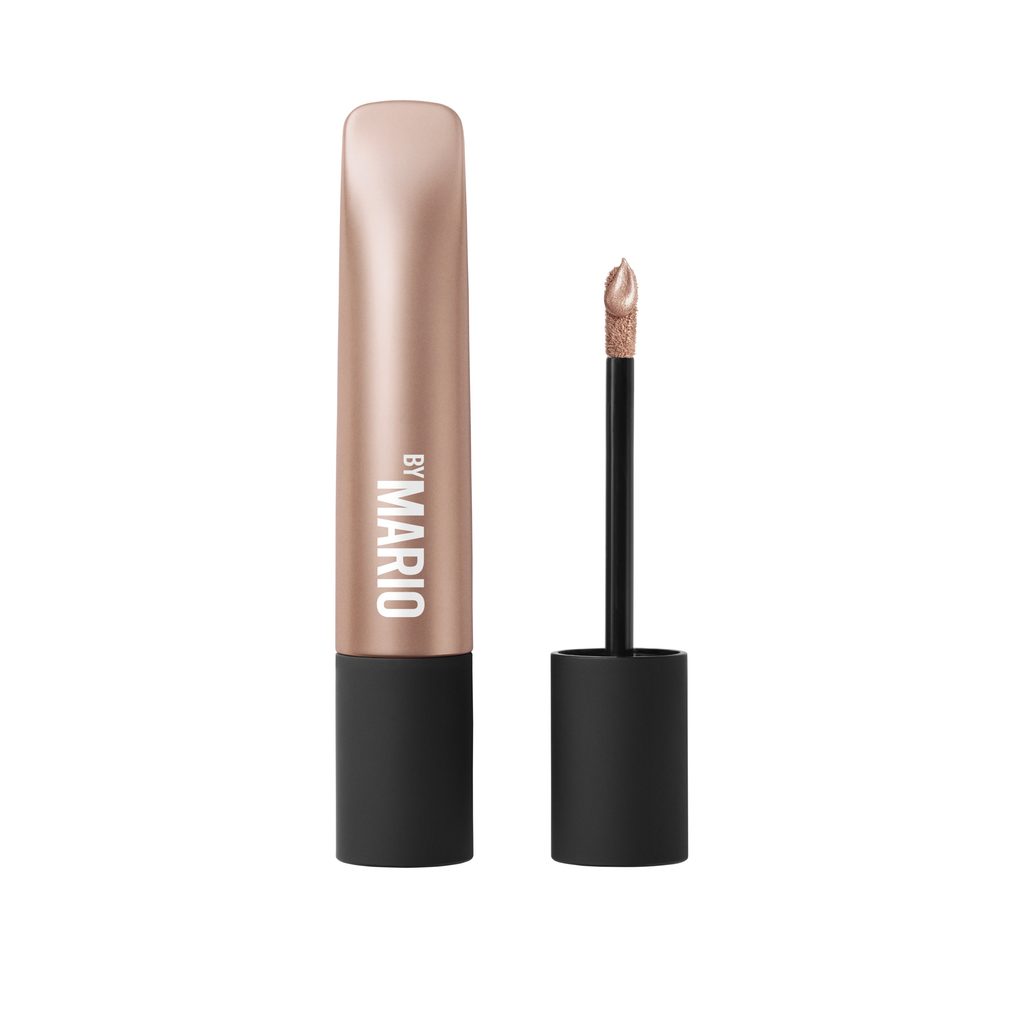
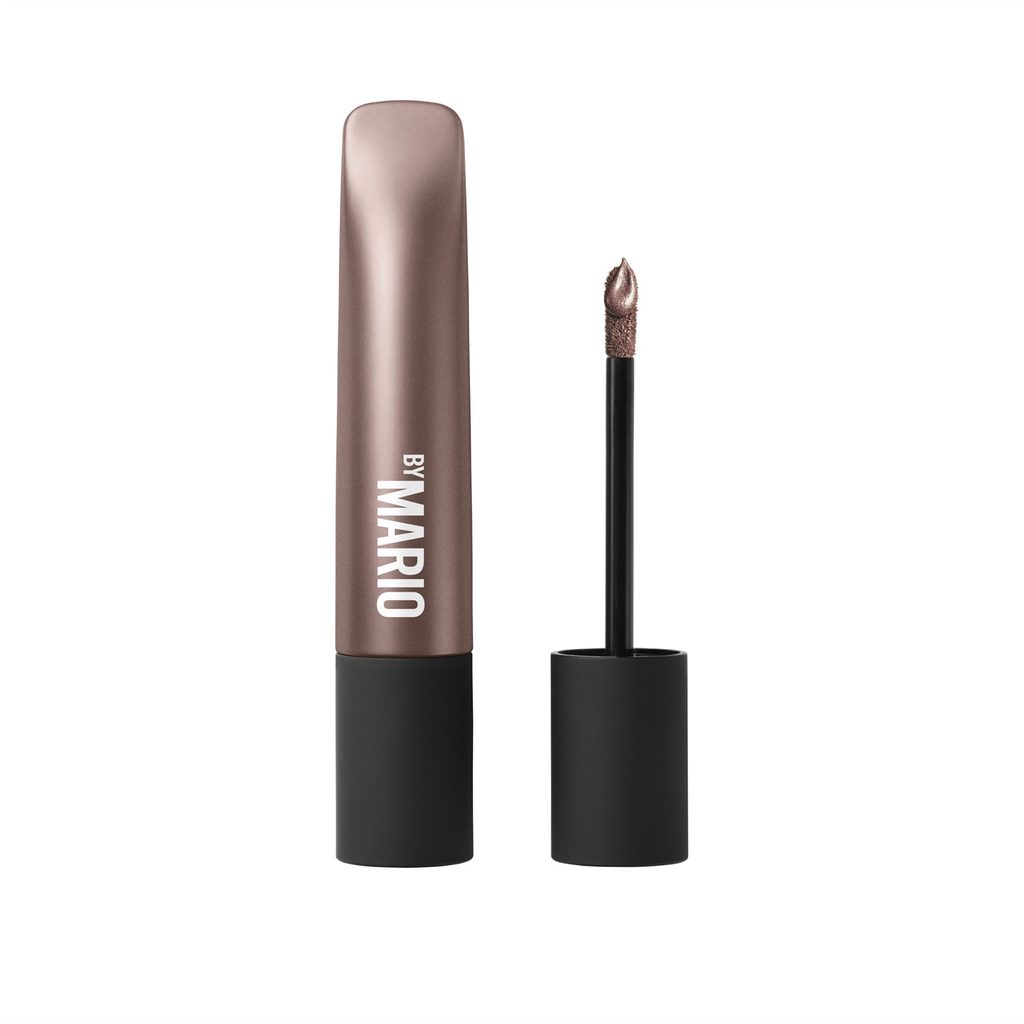
This approach echoes the expertise of Mario Dedivanovic, an internationally renowned make-up artist and founder of the brand Makeup By Mario, whose work has always rested on the art of enhancing natural features through colour, texture and technique rather than transformation. His brand offers a range of products dedicated to the eyes — cream eyeshadows, pencils and other targeted formulas — designed to let everyone adapt their palette to their own iris colour, in a logic where make-up becomes a tool of revelation rather than camouflage.
This shift from a uniform, trend-driven aesthetic to an individualised approach, based on a physical characteristic specific to each person rather than on a collective fashion effect, says something about the moment contemporary beauty is going through: after years of standardisation driven by social media, where the same shades and the same techniques circulated indiscriminately from one face to another, eyemaxxing proposes a return to a more personal logic, even if this personalisation is itself largely spread and popularised by the same platforms that made the trends it claims to move beyond so successful.
The Makeup By Mario products associated with this trend are available exclusively at Sephora, a distribution choice that confirms the brand’s anchoring in the selective circuit rather than in mass distribution. It remains to be seen whether eyemaxxing, like so many beauty trends born on social media before finding a product translation, will keep its promise of individualisation once popularised on a large scale, or whether it will end up, like its predecessors, standardising in turn into a handful of colour combinations judged universally flattering.
This exclusivity at Sephora is also part of a broader distribution strategy for the brand, which built its reputation on the professional endorsement of its founder before extending it into a mainstream range. The challenge, for Makeup By Mario as for any brand associated with a viral trend, will be to keep eyemaxxing alive beyond the initial peak of attention generated by social media.
Cette publication est également disponible en :


