
Every spring, Pineau d’Aunis reminds us that there are still vineyards where a region’s identity is measured less by its commercial success than by the enduring presence of a grape variety. In the Coteaux du Vendômois, this gray wine remains the most distinctive expression of that loyalty.
Between Vendôme and Montoire, the meandering Loir River has shaped a landscape since the 5th century where vineyards coexist with mixed farming. Across 125 hectares spread across 28 municipalities, the winemakers of the Coteaux du Vendômois carry on a tradition that may be modest by French wine-growing standards but is essential to the heritage of the Loire Valley. Here, Pineau d’Aunis is not merely a marketing gimmick. It forms the very backbone of the appellation.
Vin gris, a local specialty, captures the character of this grape variety particularly well. Its color—often closer to pale salmon or silvery gold than to contemporary rosé—suggests a more subtle than flamboyant expression. The aromas range from delicate red fruits and citrus to sweet spices and that peppery freshness that is the hallmark of Pineau d’Aunis.
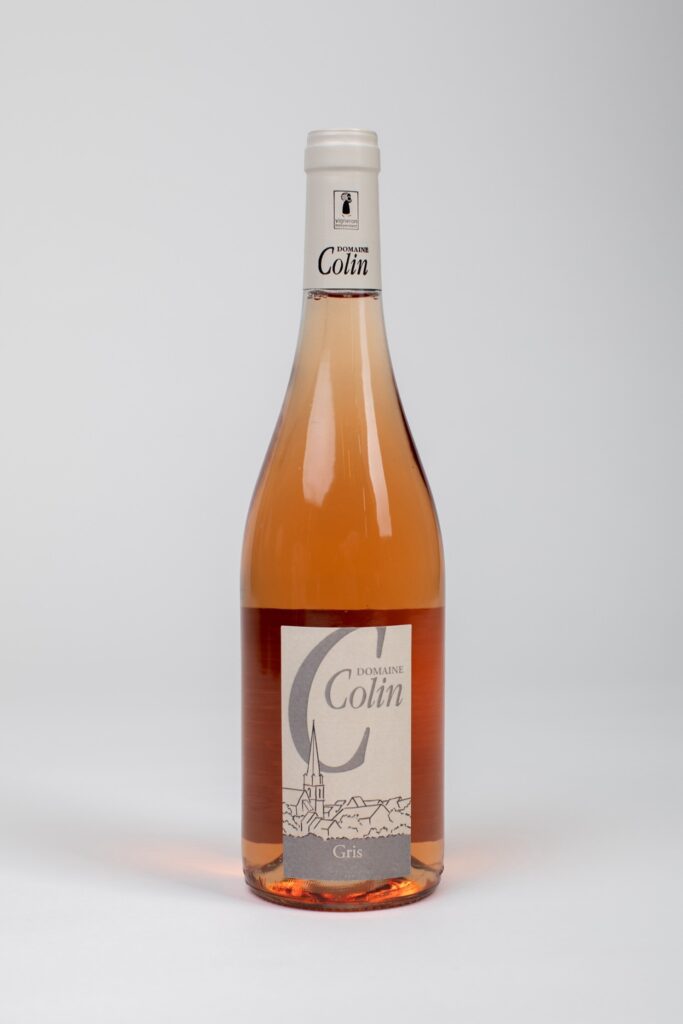
With its Gris 2025, Domaine Colin offers a particularly clear expression of this identity. The wine develops notes of red berries, complemented by a minty freshness and a light spicy undertone. The overall profile is more reminiscent of the mineral tension found in a Loire Valley wine than the fruity exuberance often sought after in summer rosés.
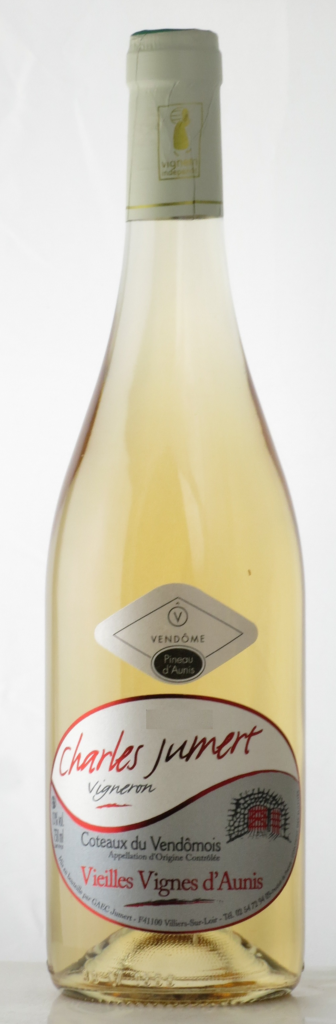
A few kilometers away, Charles and Florent Jumert carry on this same tradition with their “Vieilles Vignes d’Aunis” cuvée. The grapes come from vines ranging in age from sixty to one hundred twenty years, planted in clay-flint soils. The winemaking process emphasizes direct pressing without the addition of yeast to preserve the grape variety’s natural expression. This approach produces a wine in which notes of white pepper, white-fleshed fruits, and sweet spices complement a structure that is more assertive than it first appears.
Details
The term “gris” does not refer to a blend but to a production method. The black grapes used to make Pineau d’Aunis are pressed quickly to extract very little color from the skins. The result is a wine that falls halfway between white and rosé, with an aromatic profile that is often more delicate and spicier.
At a time when many regions are rediscovering their heirloom grape varieties, the Vendôme region offers an interesting example of cultural resilience. With nine producers within the appellation and limited annual production, the goal is not to conquer international markets. It is simpler—and undoubtedly more ambitious—than that: to preserve the unique character of a grape variety that history might otherwise have allowed to disappear.
Pineau d’Aunis belongs to that rare category of wines that still tell the story of a place rather than a trend.
Cette publication est également disponible en :

