
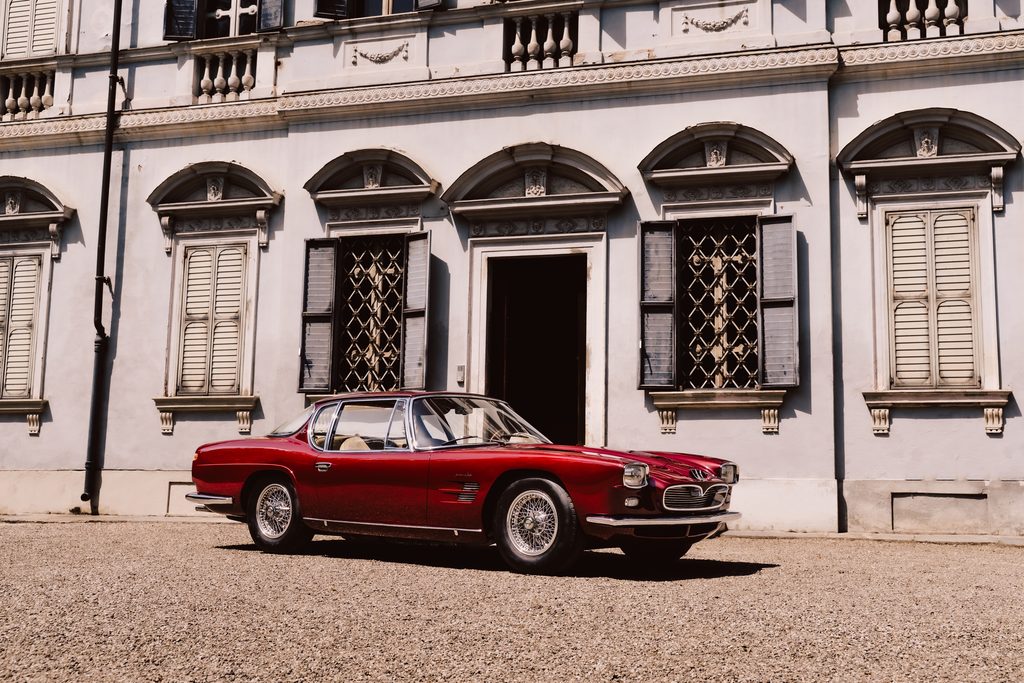
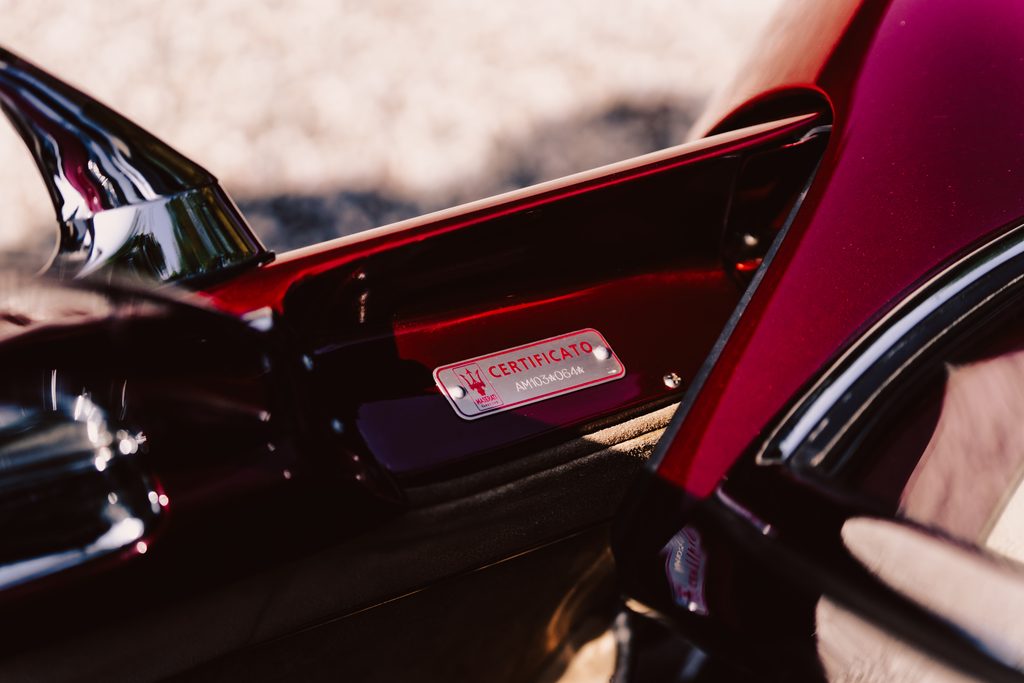
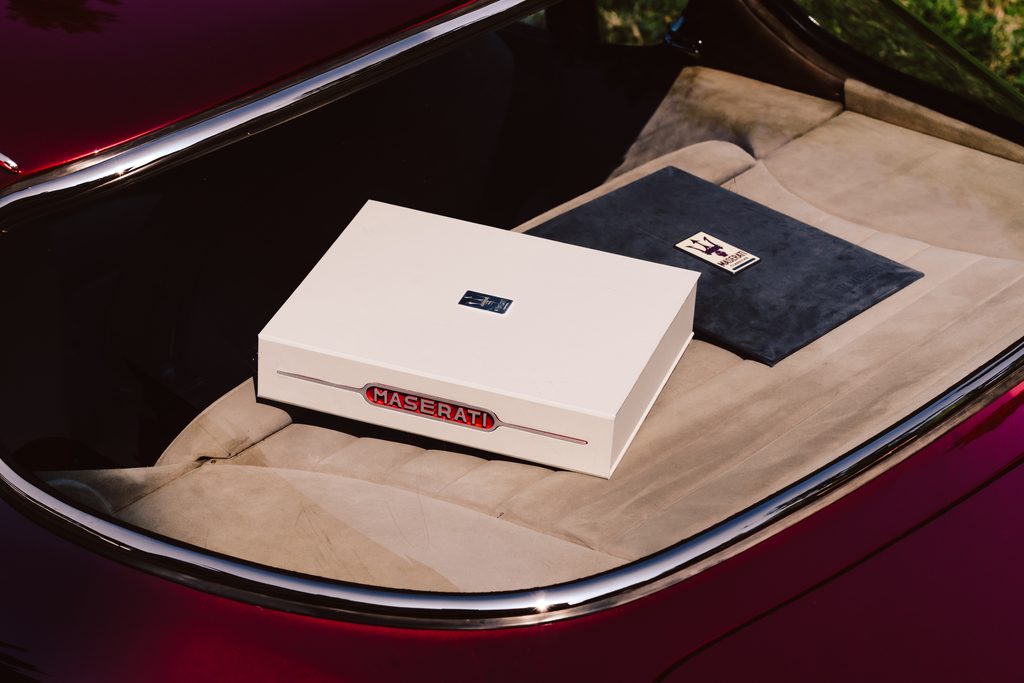
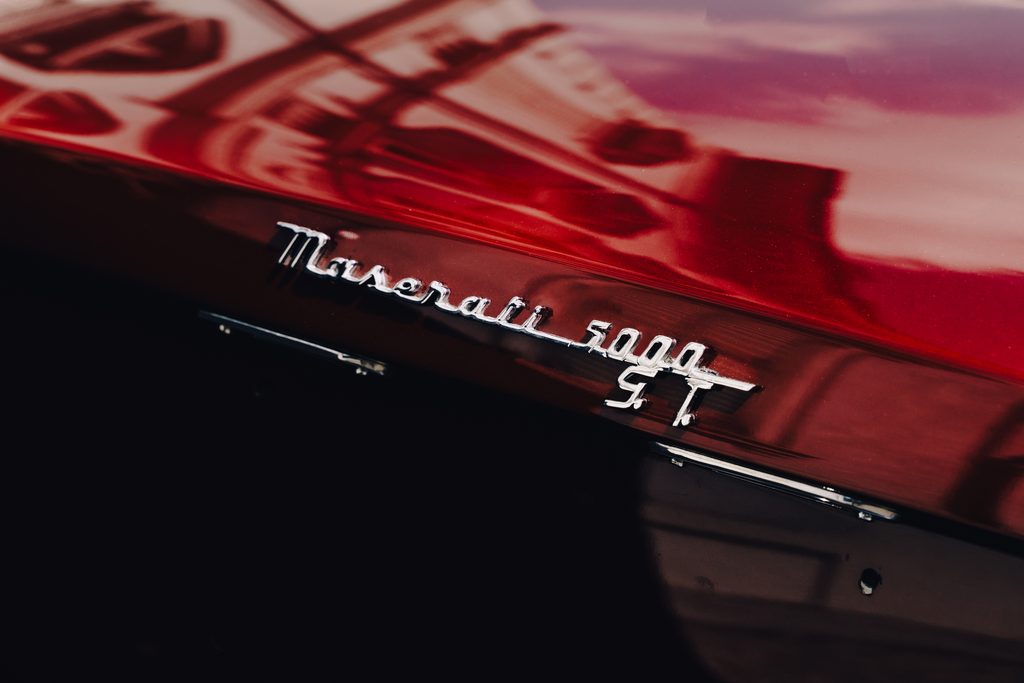
Maserati announced on 8 October 2026 the certification of chassis 103064, the first of the three 5000 GT bodied by Frua in 1962. The car was repainted by the factory, seized in Egypt and then restored over four years. A certificate of authenticity therefore cannot mean “as it left the factory”.*
The 5000 GT originated in a request from the Shah of Iran. After driving a 3500 GT, he reportedly asked Maserati for a more prestigious car, according to the house. Giulio Alfieri, then technical director, led the AM103 project: a 5.0-litre V8 derived from that of the racing 450S, announced at more than 350 hp in its first configuration. Only 34 examples were produced between 1959 and 1964. Each was dressed by a different coachbuilder: Touring, Allemano, Pininfarina, Monterosa, Ghia or Frua. Three left Pietro Frua’s workshop in 1962.
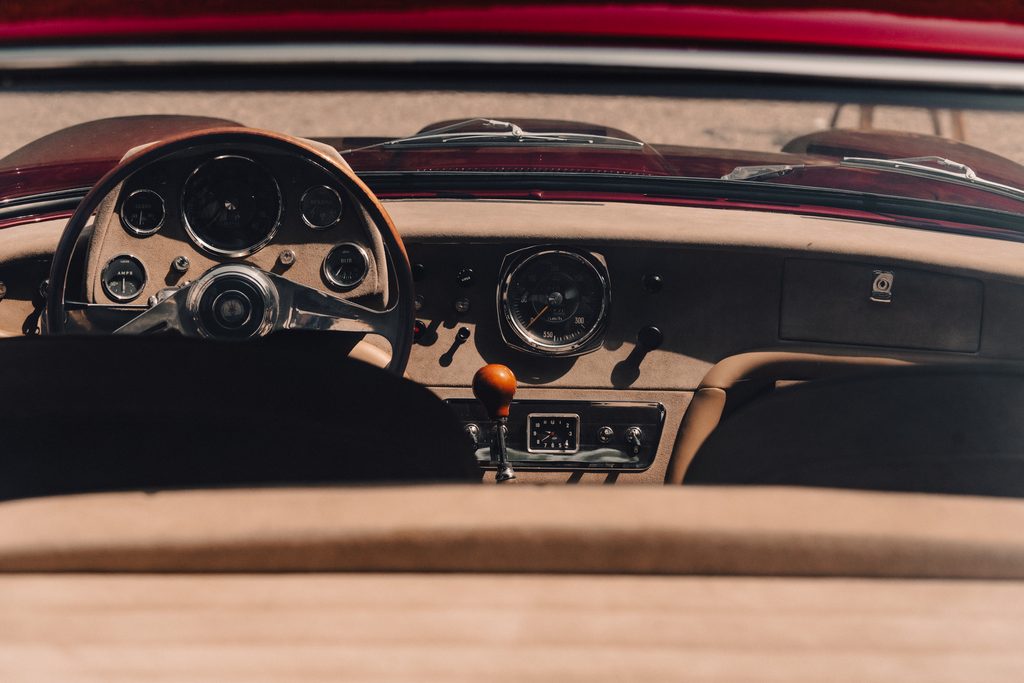
Chassis 103*064 is the first of these three. It initially wore the “Luci di Mezzanotte” livery and a “Camoscio” interior. Maserati used it for tests and demonstrations, then showed it at the Geneva Motor Show in 1963. According to the house, it then passed through the French importer, where Karim Aga Khan IV may have driven it, and is said to have ordered one for himself.
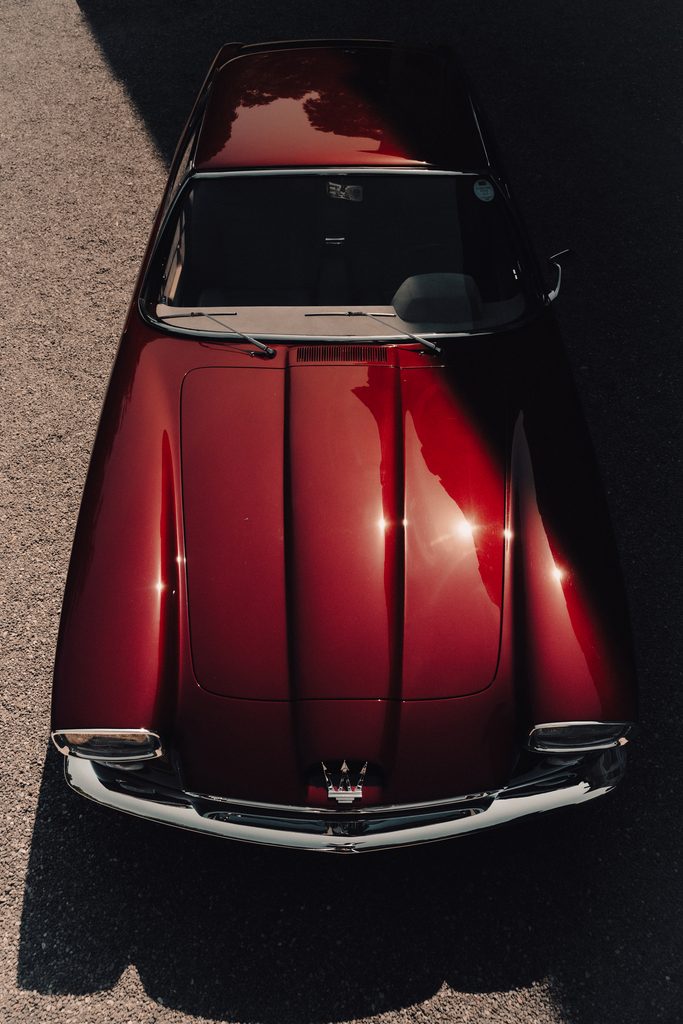
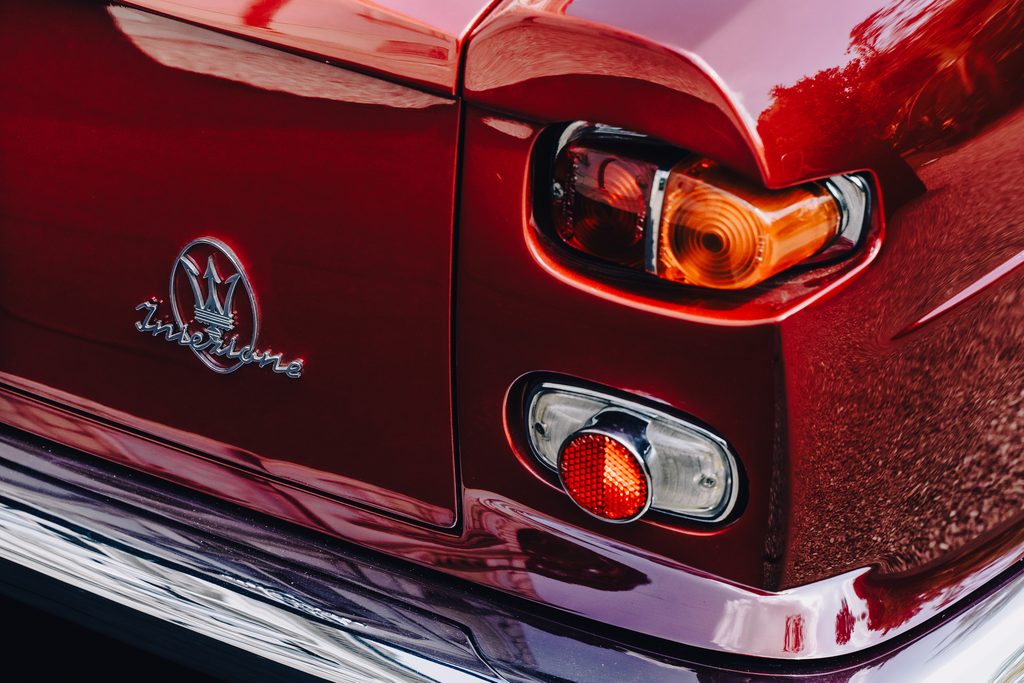
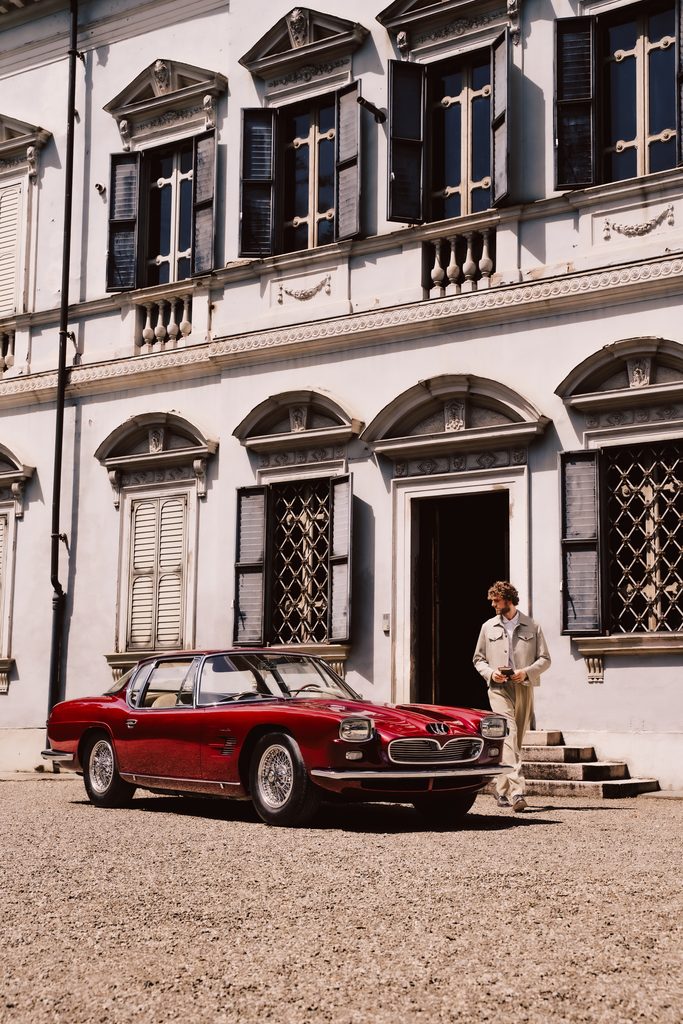
The rest of the story is more eventful. The car returned to Modena at the end of 1963 and was sold in Rome. In January 1966, its owner returned it to the factory. Maserati overhauled it and, at the request of the new buyer, repainted it in “Rosso Rubino Chiaro”. This buyer was the Saudi prince Magid Ben Saoud, who gave it to his father, King Saud bin Abdulaziz Al Saud. In 1967, after the Six-Day War, the Egyptian authorities seized it. It then remained for more than thirty years in a warehouse in Cairo. When it reappeared in 2000, the odometer read 12,700 km. A Texan collector repatriated it to Modena for four years of restoration. It was presented at the Concorso d’Eleganza Villa d’Este in 2004.
This chronology makes authenticity a delicate subject. According to Maserati, the Maserati Classiche committee of experts examines the vehicle’s technical characteristics, its historical documentation and the house’s archives. For this car, the second paint was the work of the factory itself. The red of 1966 therefore belongs to its history as much as the midnight blue of Geneva. The years in storage, then the restoration, left other traces. The certificate cannot attest that the car has never changed. It attests that each change is documented, and that the current state is explained by those documents.
That is the right definition for a car with this trajectory. It nevertheless presupposes that one knows what the car carries today: which colour, which original parts, which parts remade. This precision is missing from the information made public, and it is what would give the word “authentic” its meaning.
What the certification covers, according to Maserati: automobiles more than 20 years old, as well as the house’s special models and limited series. The Maserati Classiche programme has existed since 2021 in Modena.
Cette publication est également disponible en :


