
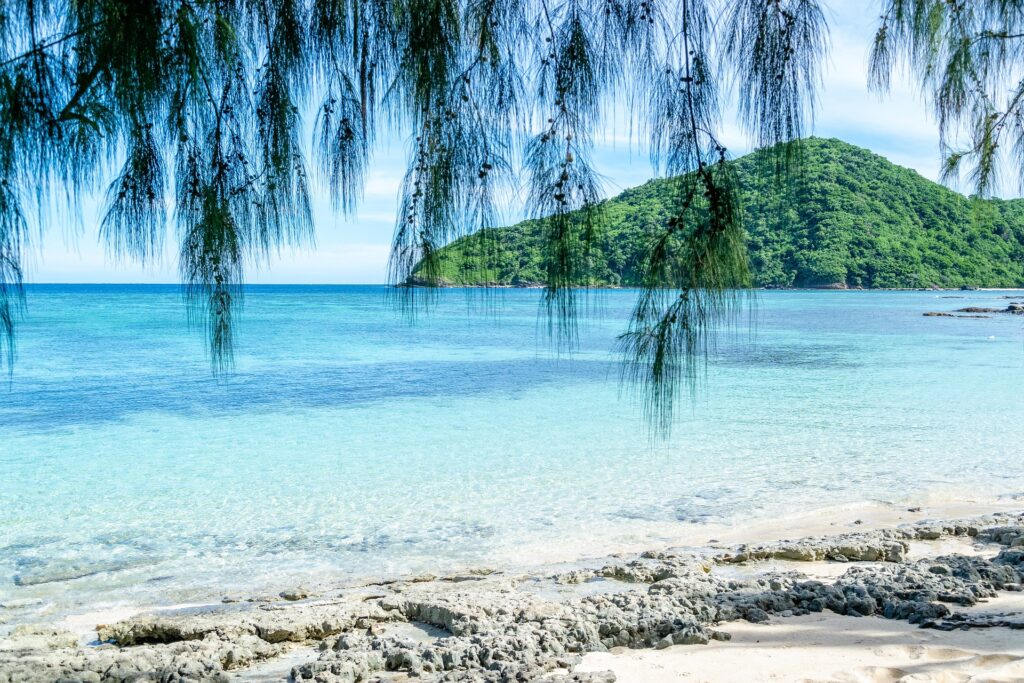
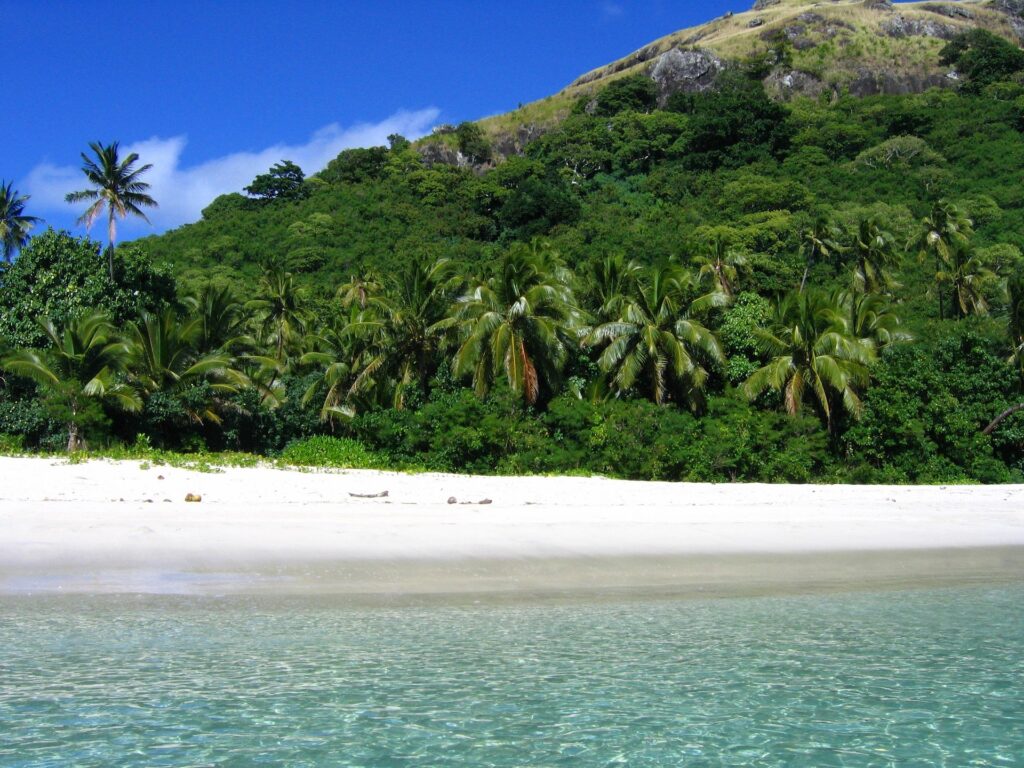
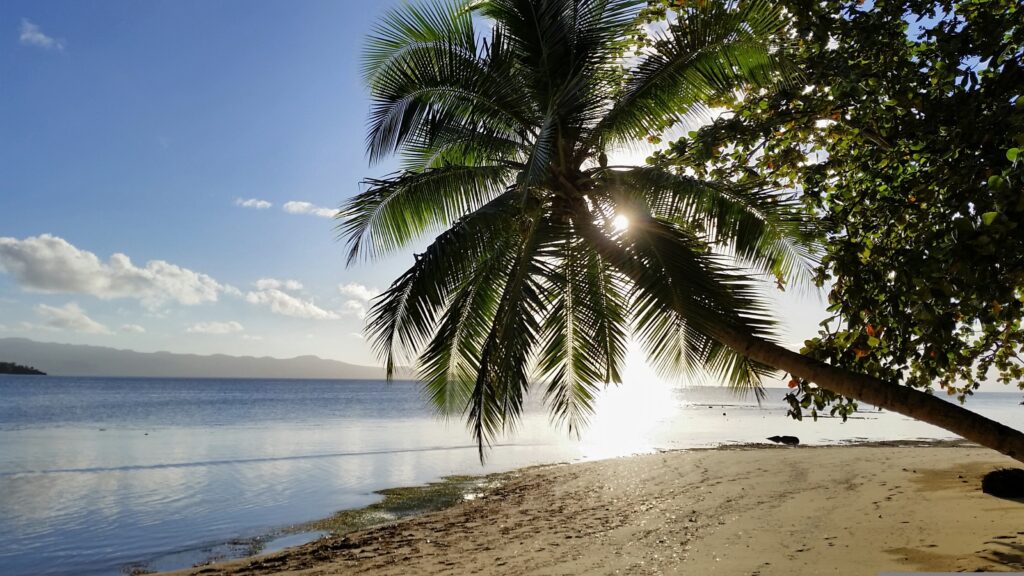
Across the South Pacific, few destinations have an identity as instantly recognizable as Fiji’s. Yet behind the postcard-perfect image associated with its 333 islands, the archipelago is currently undergoing a more subtle transformation: that of a territory gradually reshaping its tourism model.
The announcements for 2026 reflect less an accumulation of new developments than a coherent strategy. On the one hand, Fiji is attracting international players in the hospitality industry. On the other hand, the country is developing small-scale experiences that prioritize engagement with the local environment rather than merely observing it.
This dual trend is evident in the hotel projects currently in the works. The arrival of the first One&Only resort in the South Pacific, on the Yasawa Islands, as well as the future Ritz-Carlton Fiji, Namuka Bay, reflect a shift toward higher-end accommodations. At the same time, local operators such as Yavu Collective are developing more flexible formats, combining standalone villas, apartments, and mid-sized properties. The goal is not only to increase accommodation capacity but also to diversify the ways in which the area is used.
The same trend can be seen at sea.
Since April 2026, the catamaran MV Yasawa Princess II has been sailing between the Yasawa Islands with only 44 passengers on board. This low capacity profoundly changes the experience. Where larger ships dictate the pace, a smaller vessel allows access to more secluded anchorages and hard-to-reach stretches of coastline. The caves of Sawa-I-Lau, coastal villages, and coral reefs then become the true highlights of the journey.
The most revealing innovation, however, is found on land.
With its nine-day, 154-kilometer route, the tour operator iBike Fiji is launching the country’s first e-bike tour. The itinerary crosses Viti Levu and then Vanua Levu before reaching the island of Nukubati. Beyond the athletic challenge, this experience offers a different perspective on Fiji. Villages, farms, tropical forests, and back roads replace the quick transfers between resorts. The journey becomes a matter of pace.
The program was developed in partnership with Duavata Collective, an organization dedicated to sustainable tourism. Highlights include a visit to a cacao farm, a private waterfall, and an immersive experience in a Fijian village. The stated goal is to generate direct economic benefits in regions that are typically off the beaten path for mainstream tourism.
This trend is supported by improvements to aviation infrastructure. Fiji Airways is increasing its flight frequencies between Vancouver and Nadi, as well as between Hong Kong and Nadi, while expanding its partnership with British Airways. For Fiji, these new connections are not merely a matter of logistics. They are part of a form of tourism diplomacy in which accessibility becomes a tool for regional influence.
Finally, 2026 will also see the Flying Fijians take on the French national team in Lyon. Rugby remains one of the most powerful vehicles for Fijian identity abroad. Through this match, another facet of the archipelago is showcased: that of a culture in which sports have long contributed to the country’s international visibility.
Fiji thus appears to be entering a new phase in its tourism development—more connected, more diversified, but also more focused on small-scale experiences. In a Pacific region often reduced to its landscapes, the archipelago serves as a reminder that a destination is built as much by its infrastructure as by the way it chooses to tell the story of its territory.
Cette publication est également disponible en :

