
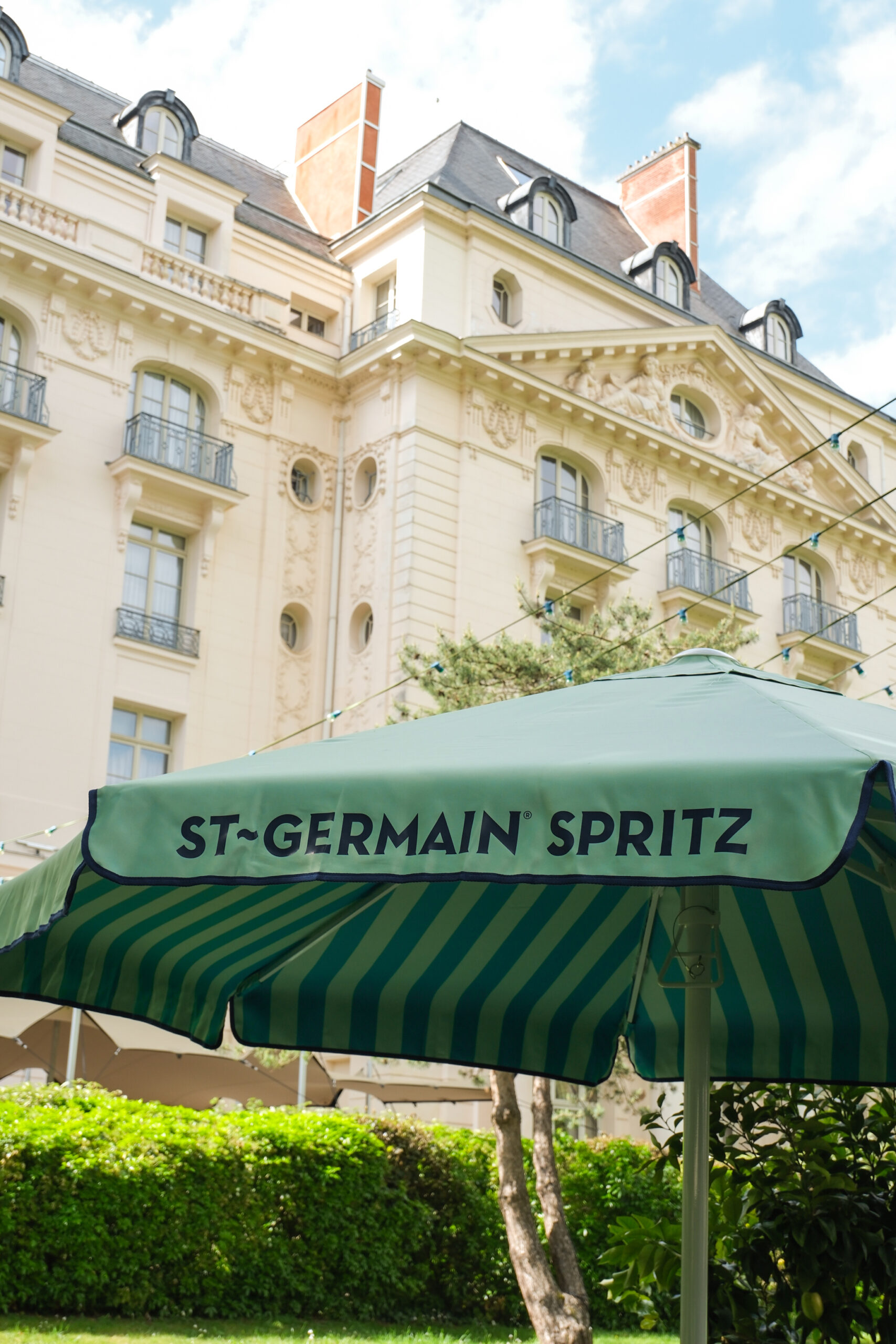
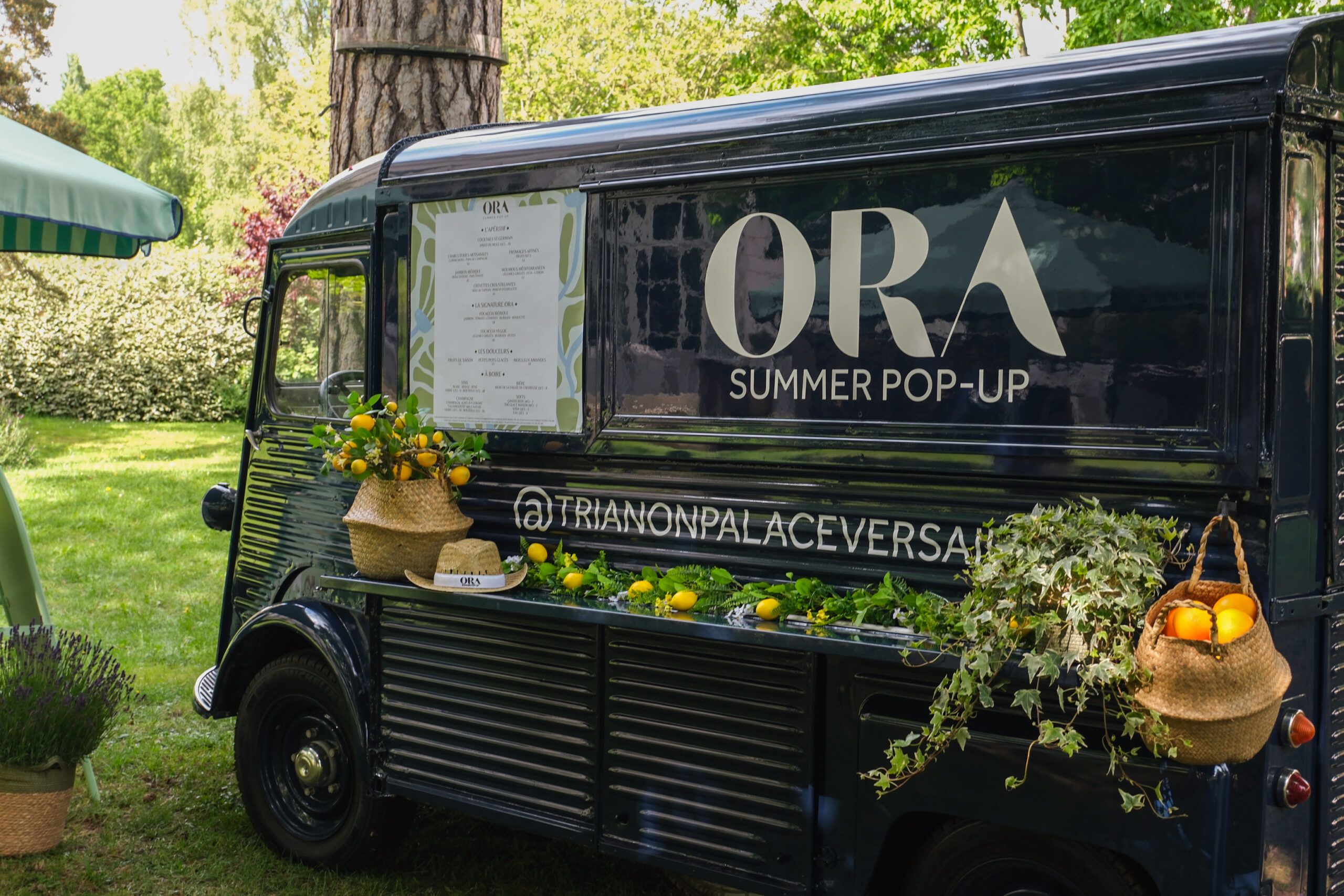
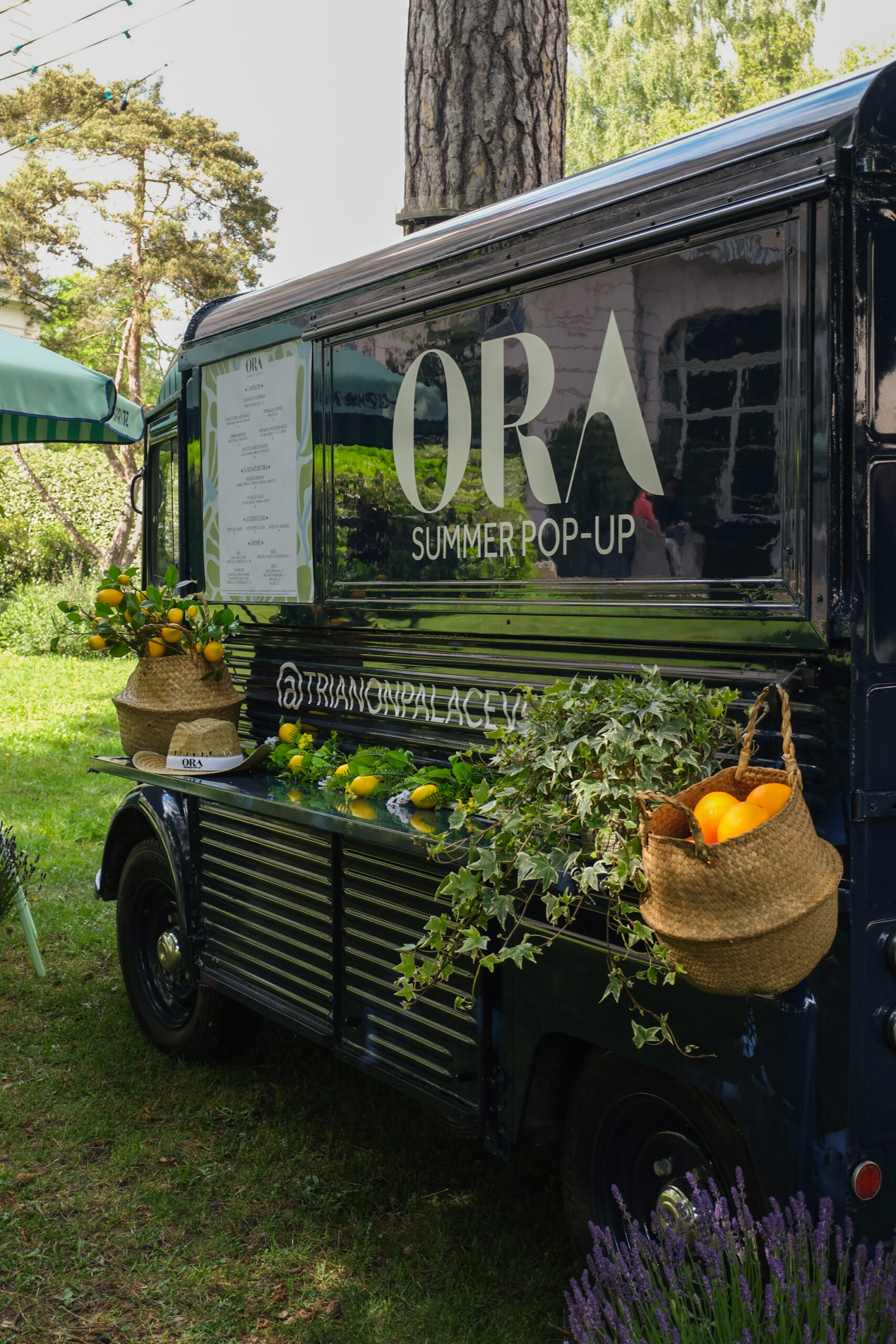
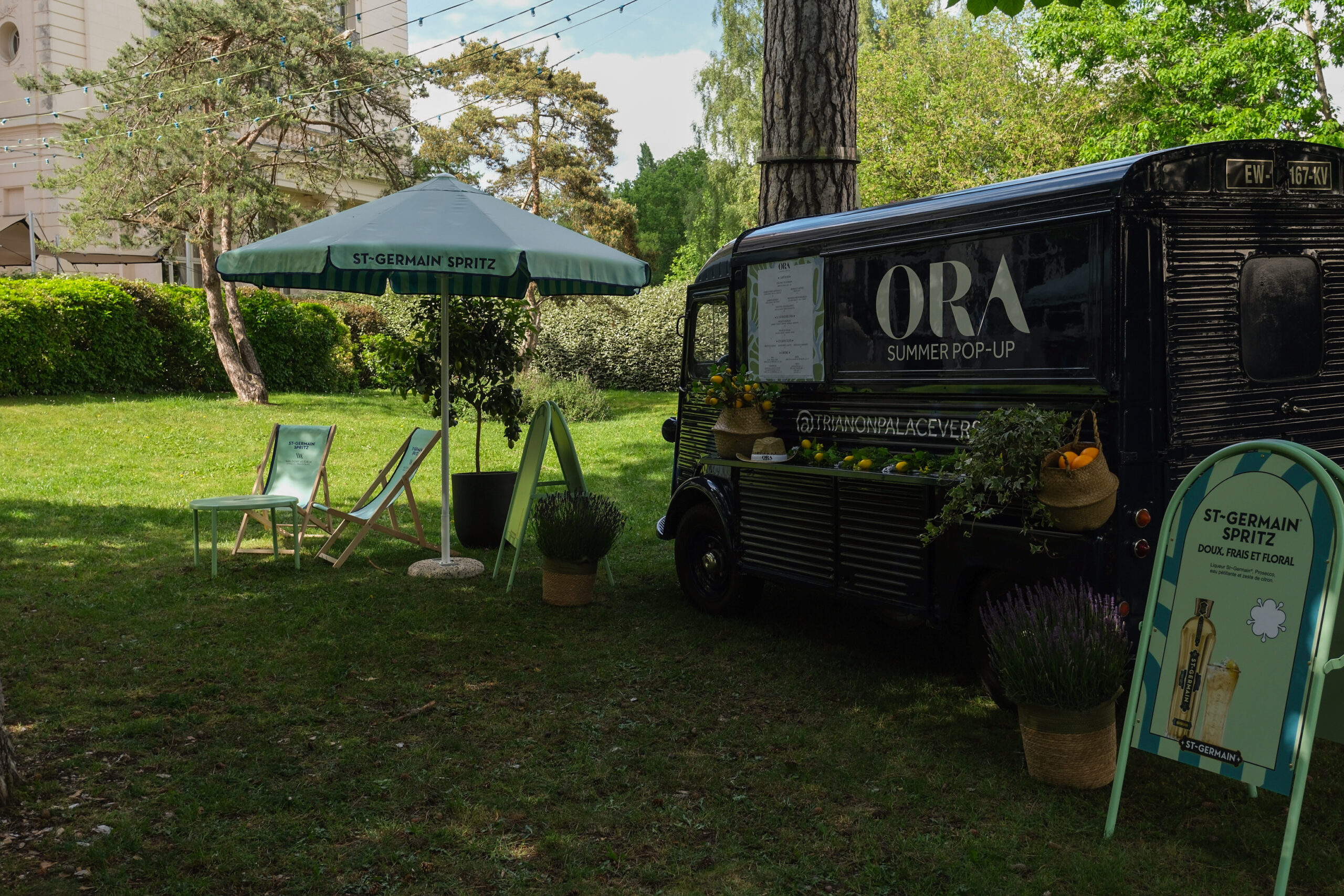
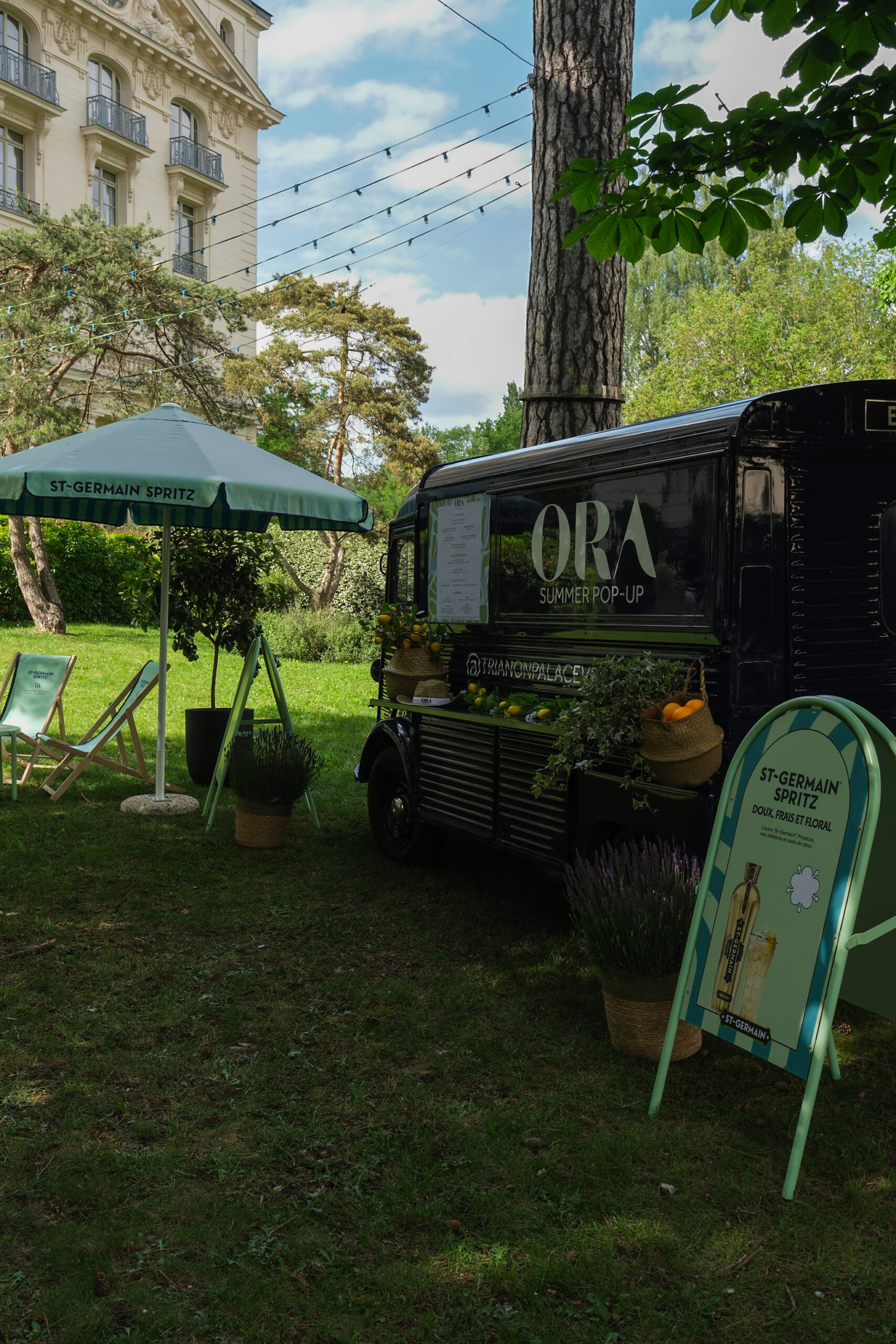
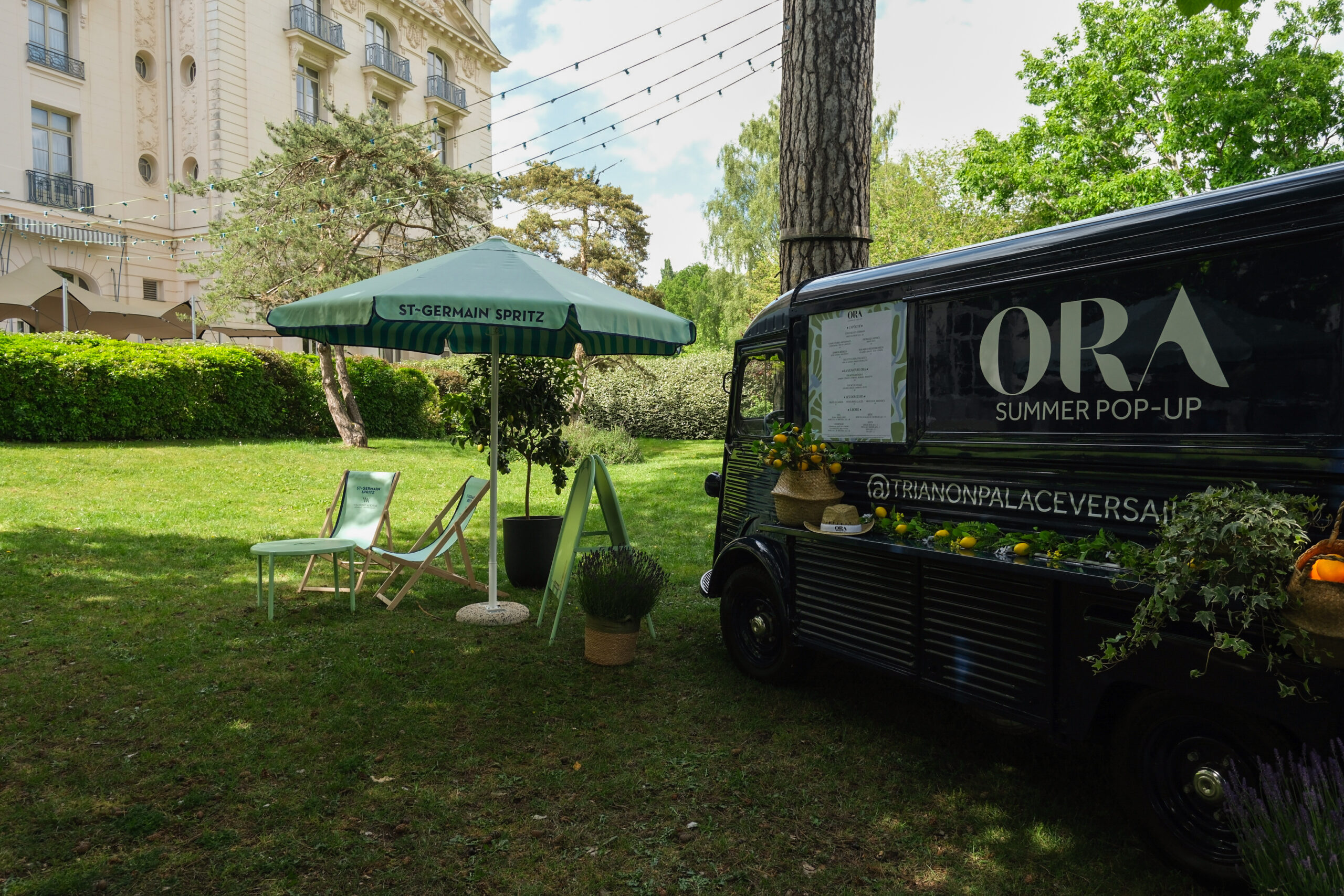
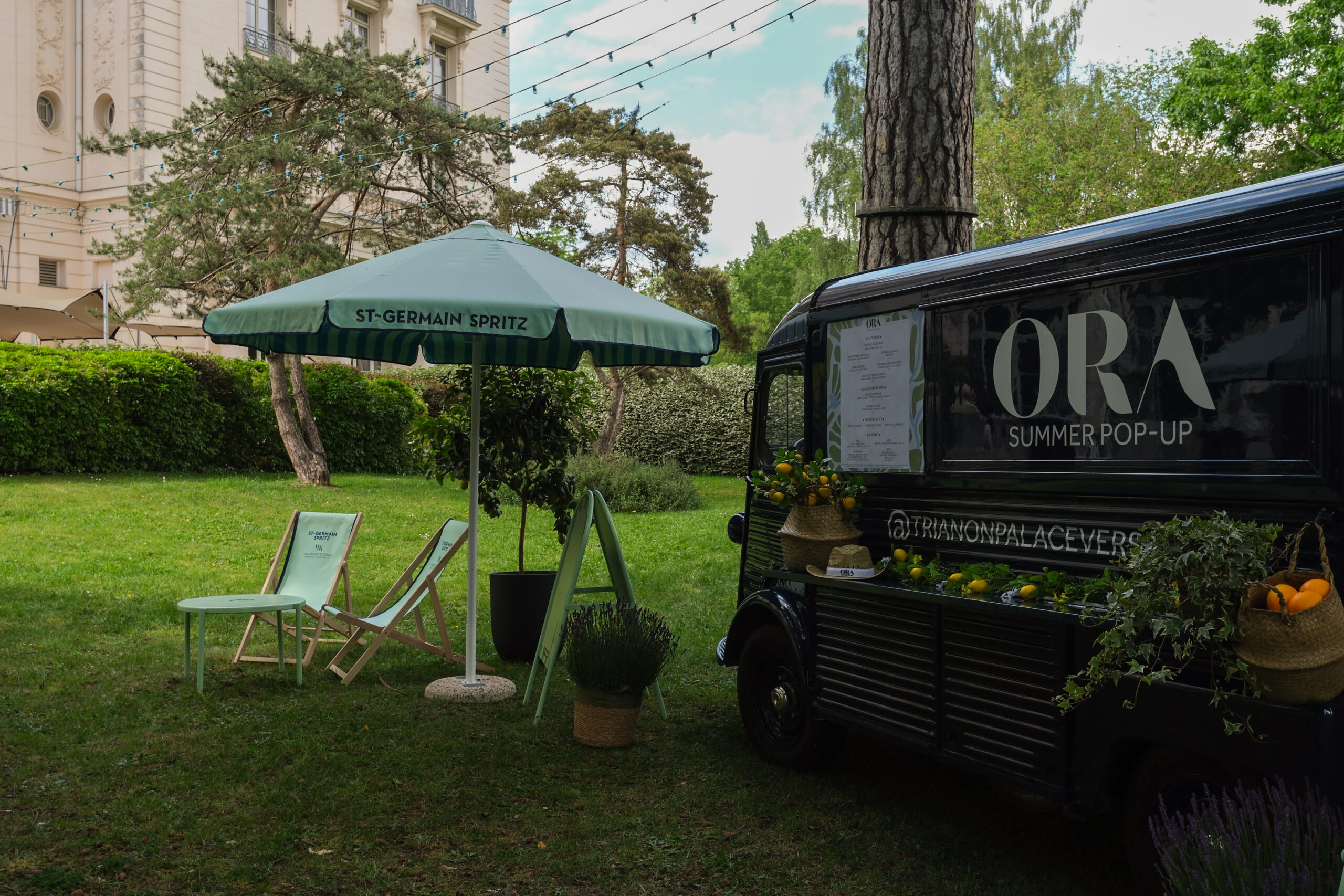
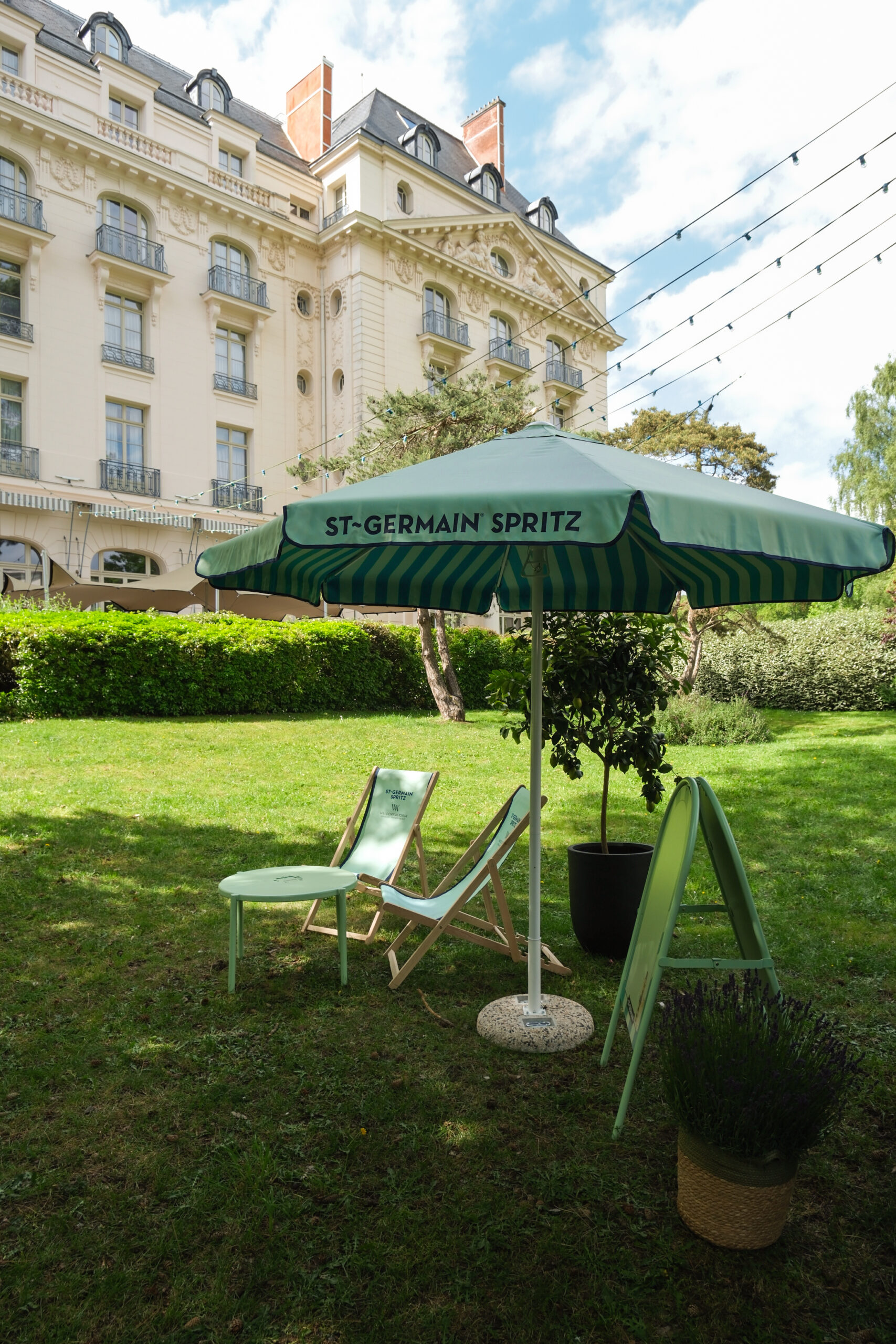
There’s something slightly subversive about the idea of setting up a Mediterranean trattoria in the gardens of the Waldorf Astoria Versailles – Trianon Palace. It’s as if the rigors of French classicism—in the tradition of Le Nôtre and Mansart—were willing, just for one summer, to let the sea breeze ruffle their feathers. ORA, the hotel’s new summer pop-up, is taking exactly that gamble.
The luxury hotel as a setting for life
The Waldorf Astoria Versailles – Trianon Palace doesn’t need to reinvent itself every summer to justify its prestige. Founded in 1910 and the site where the 1919 peace treaty was signed, it belongs to that category of establishments whose history is, in and of itself, a spectacle. And yet, the hotel has grasped something essential: heritage only comes alive when it is inhabited—and inhabited differently depending on the season.
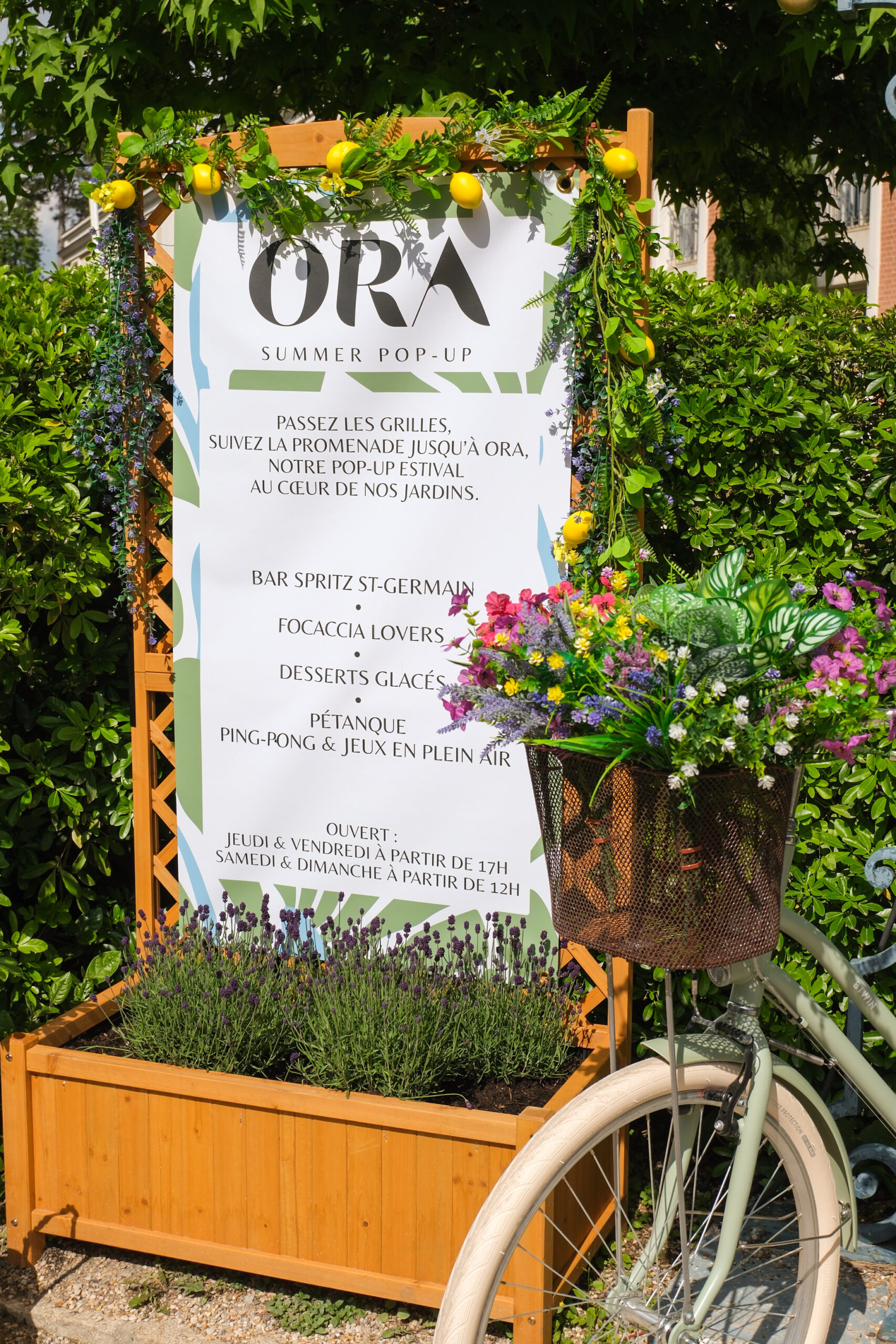
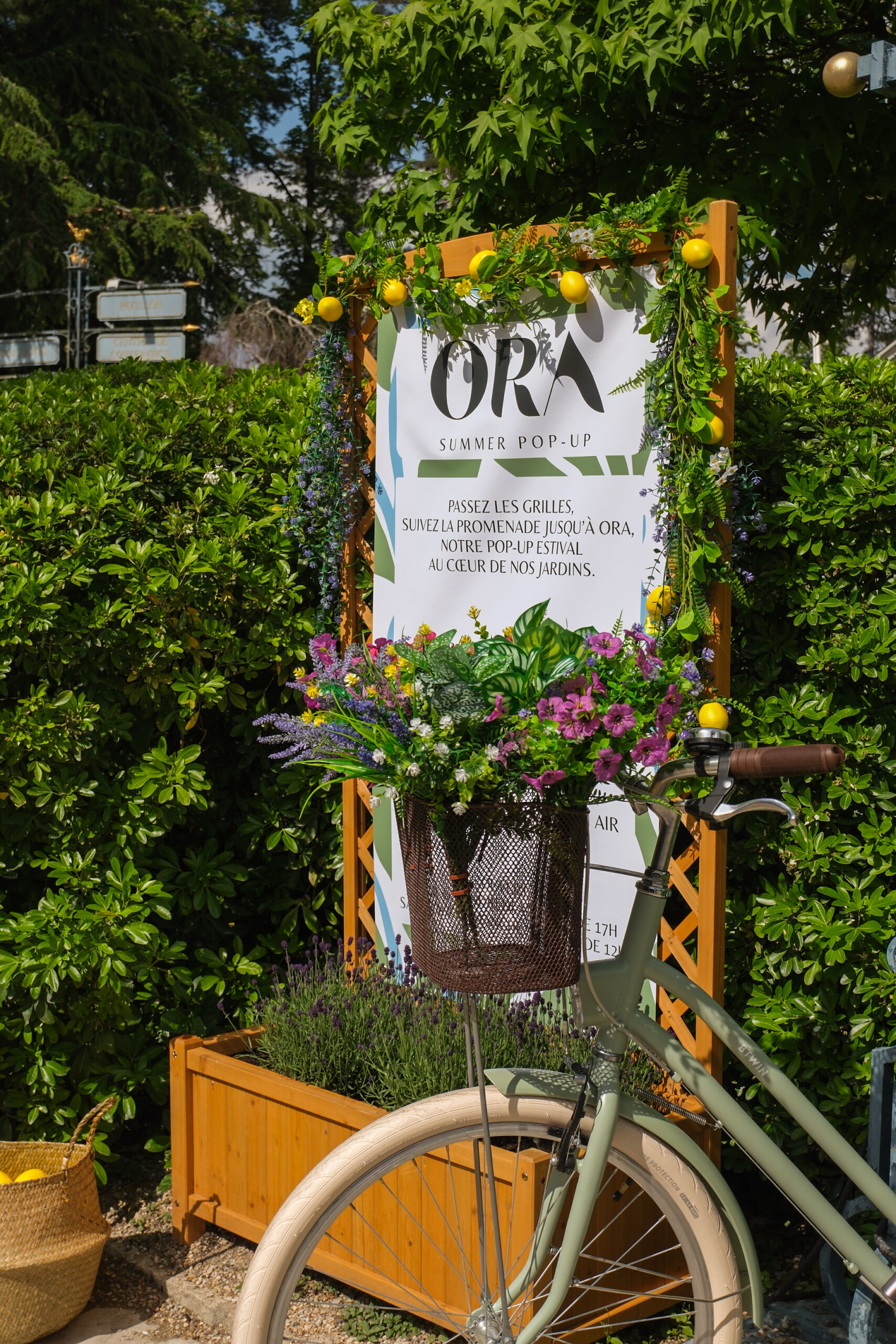
ORA is the embodiment of this understanding. It is not just another social event in a busy social calendar. It is a way of life—a way to spend the summer that combines the French art of hospitality with the carefree spirit of Mediterranean culture. Two traditions of the art of living that are often thought to be opposites but which, in the gardens of the Trianon, coexist in a surprising harmony.
“La dolce vita” as a program
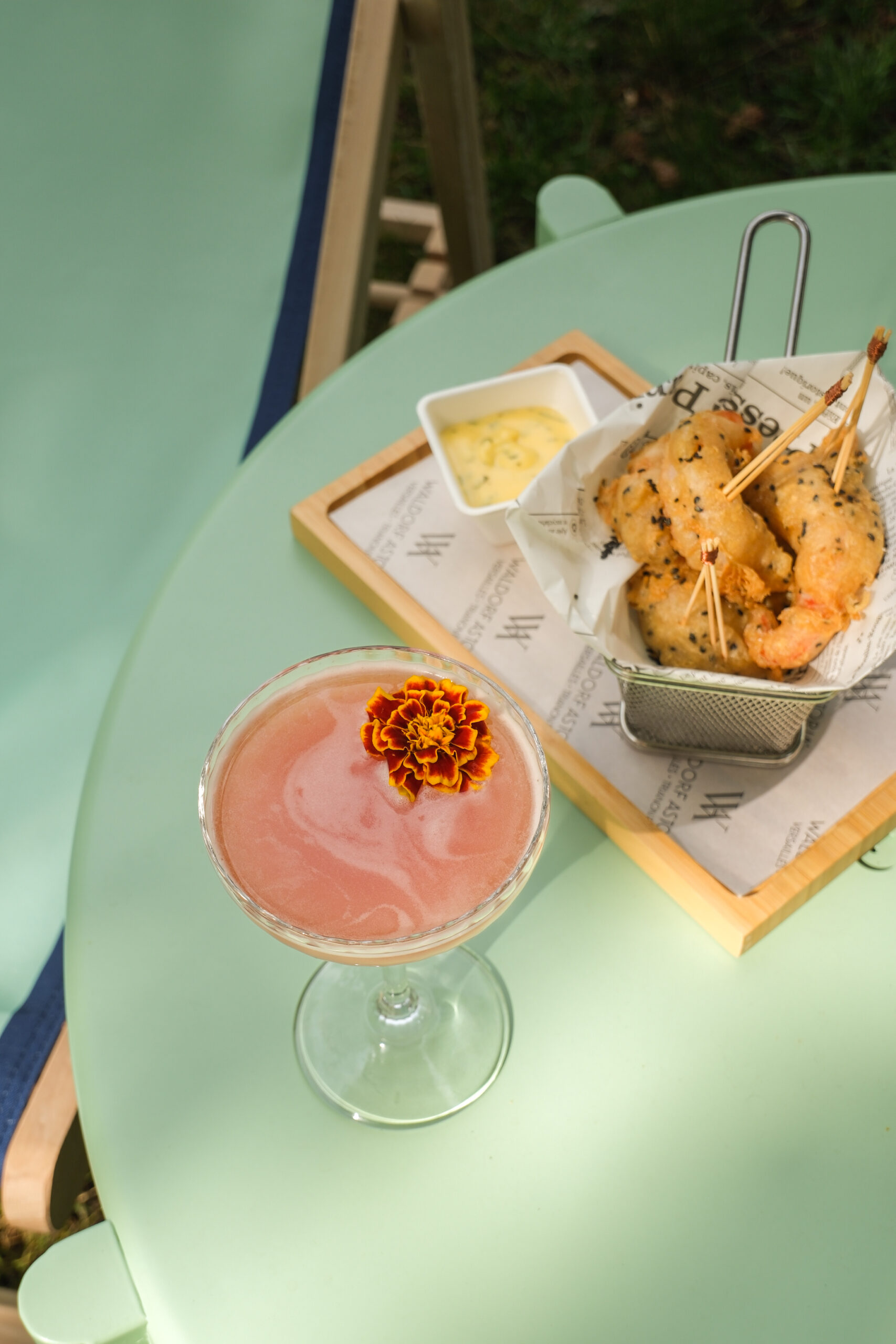
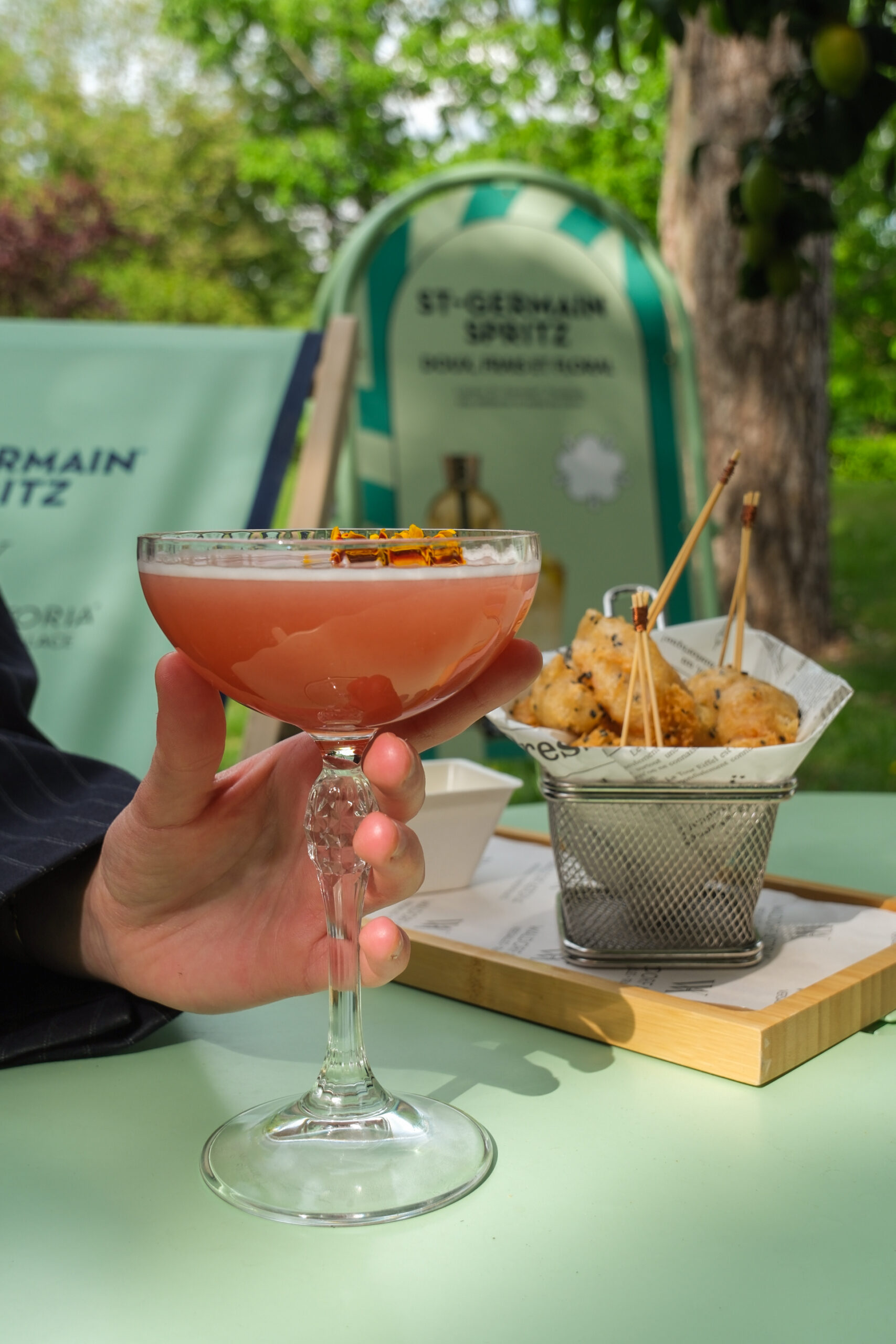
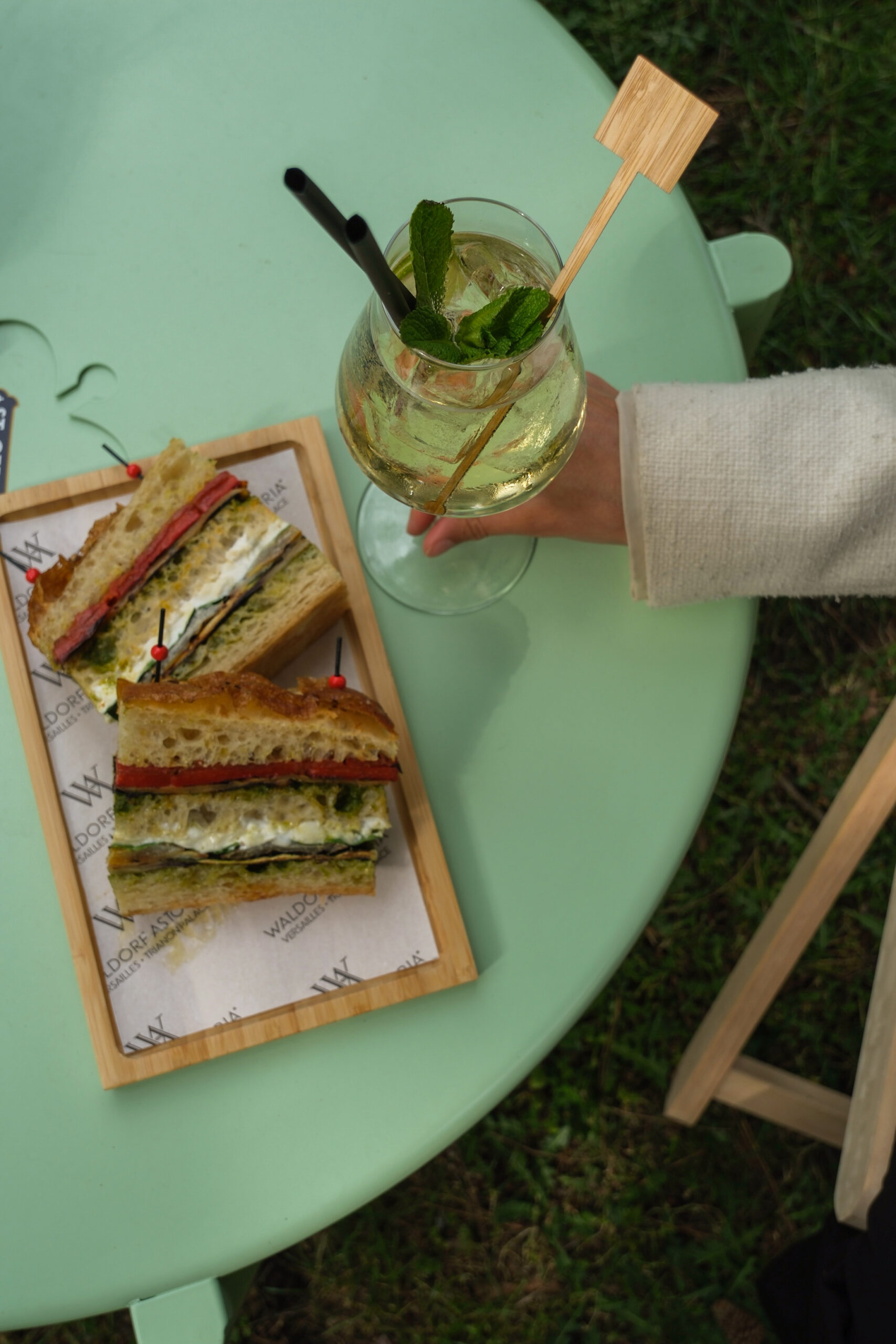
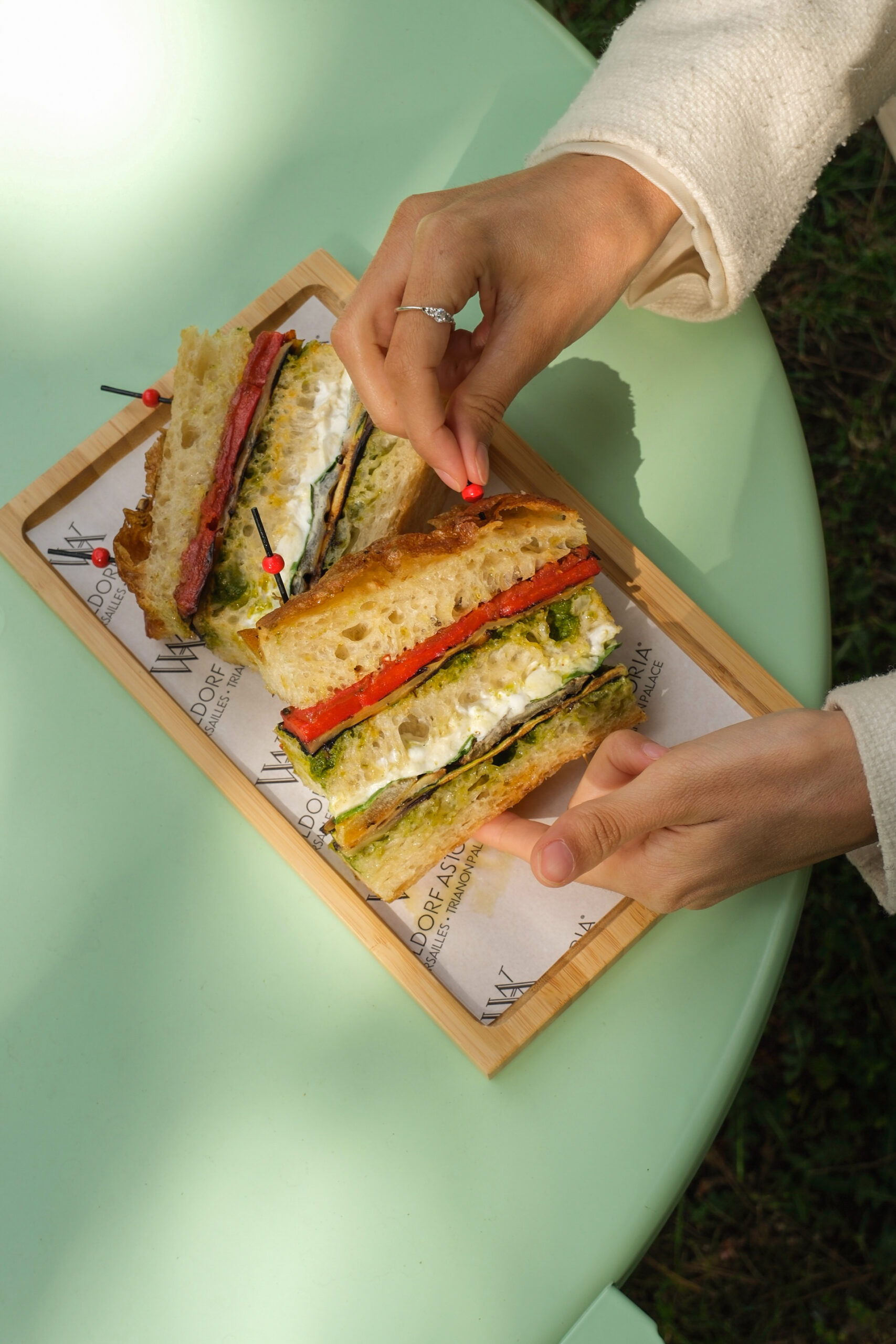
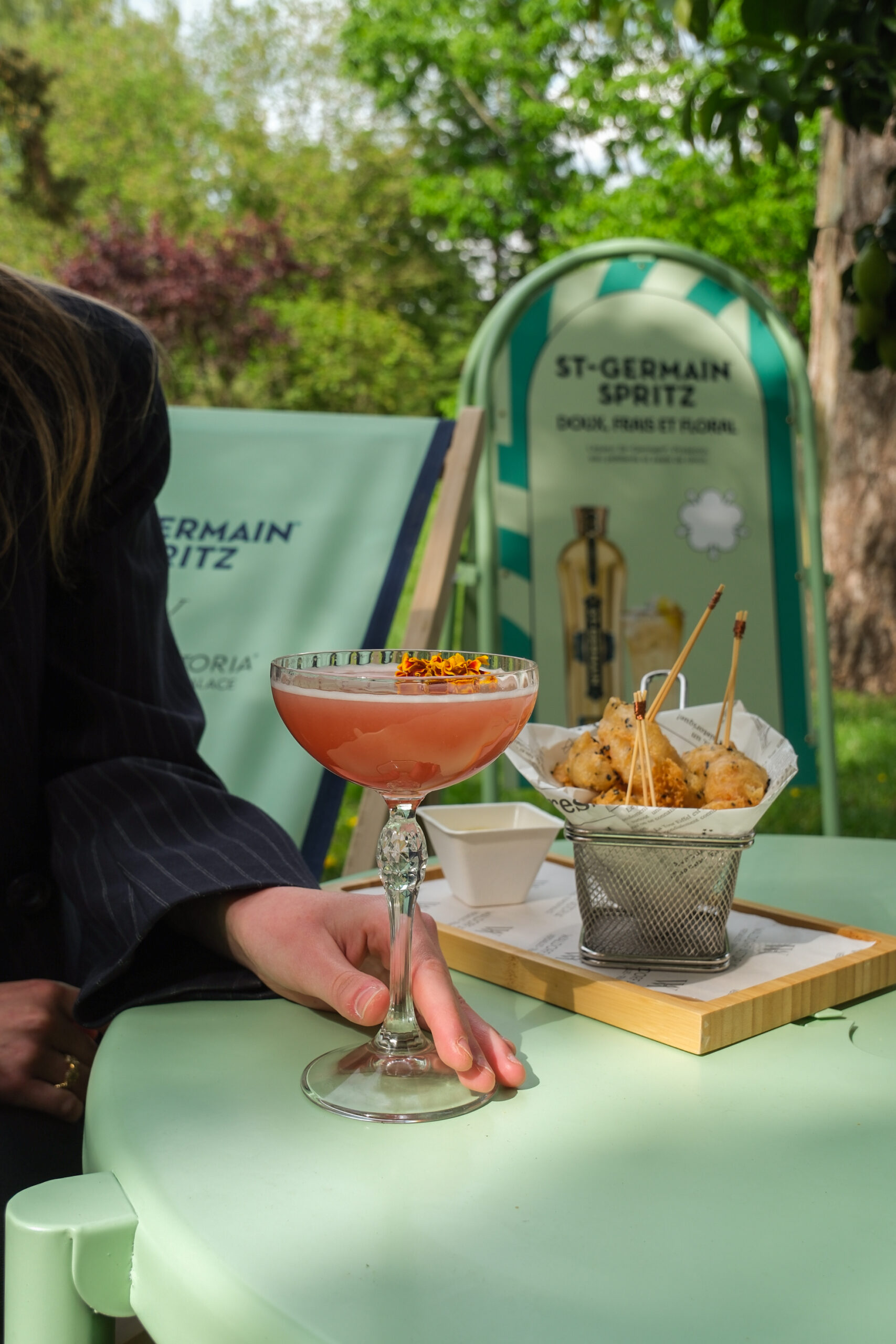
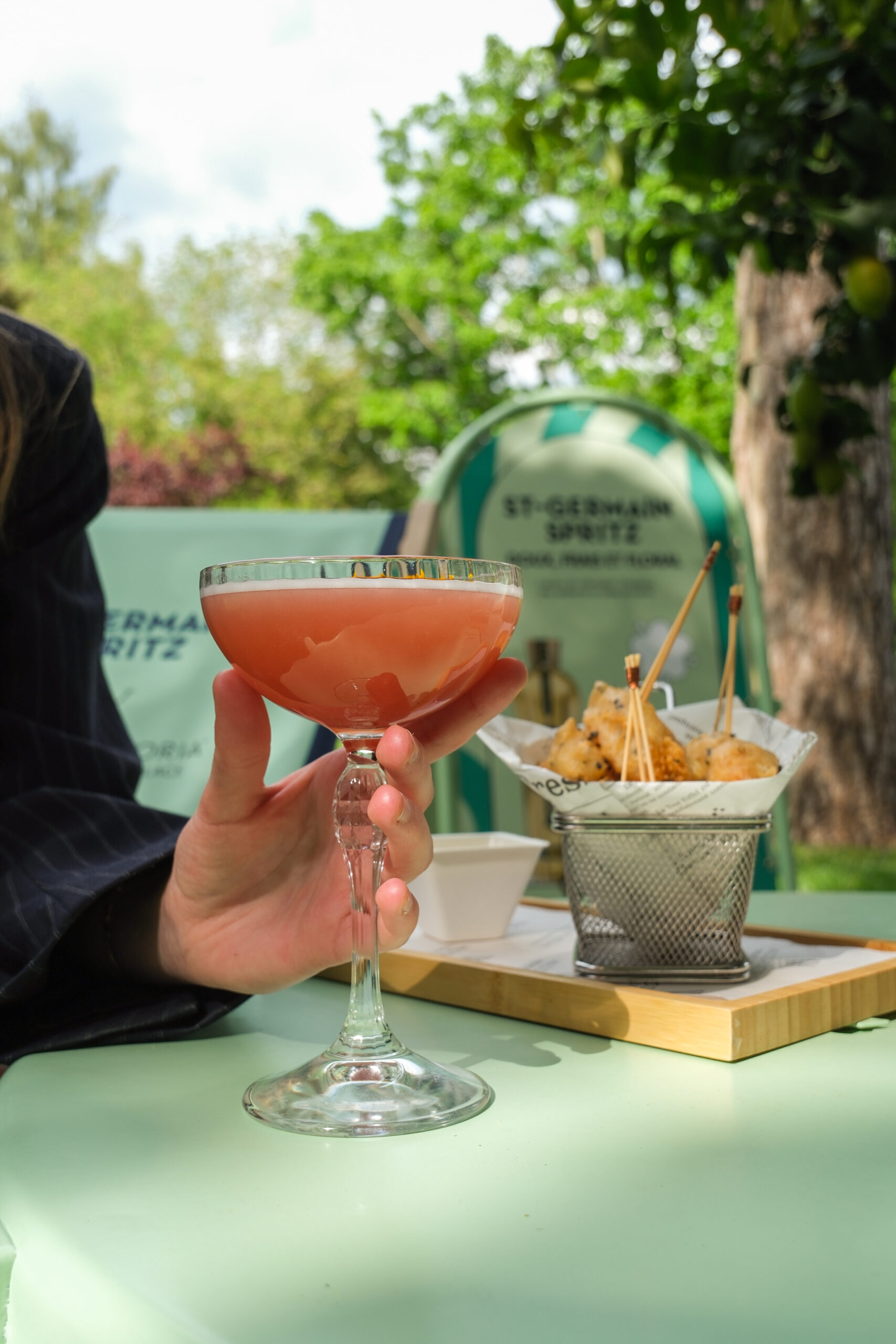
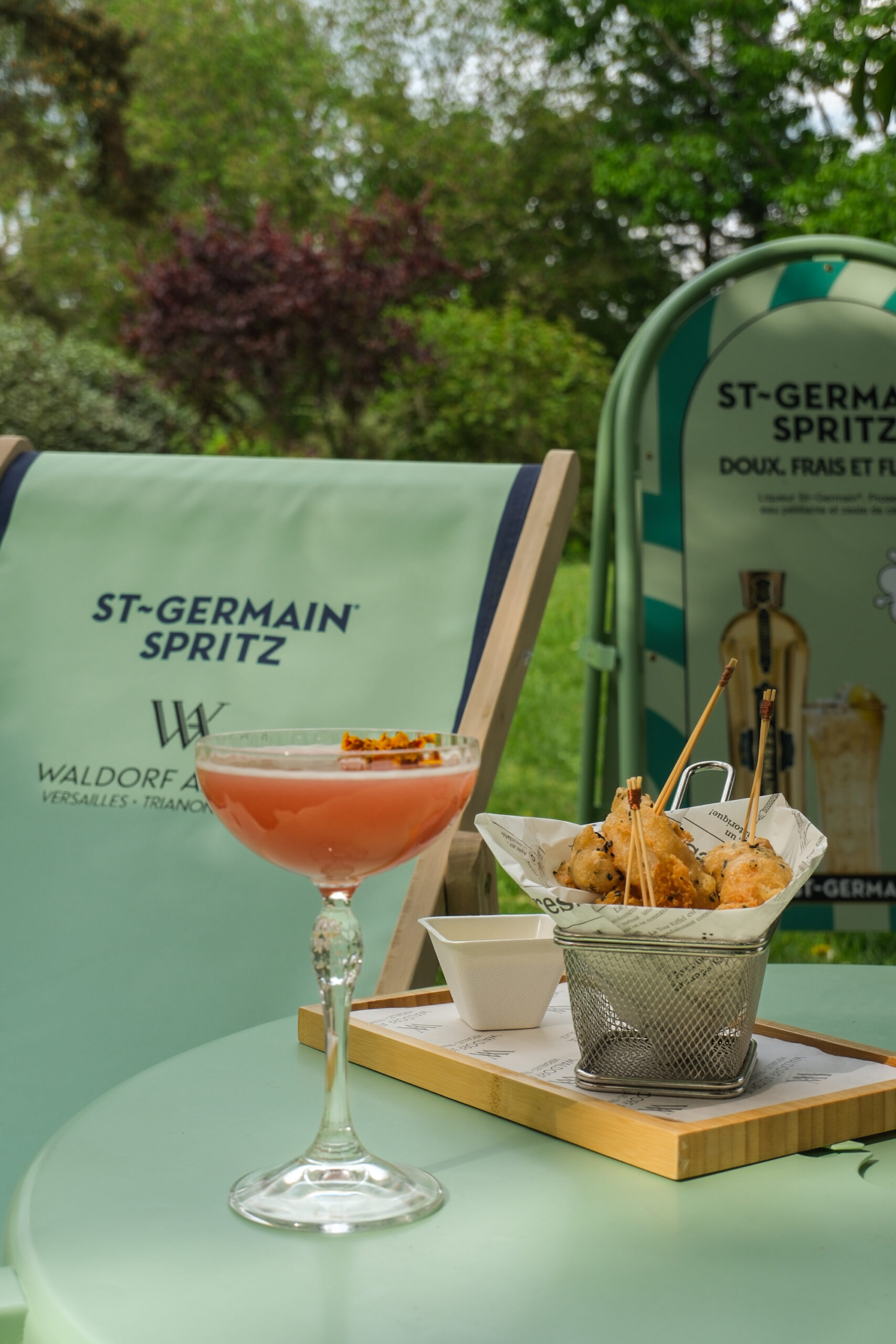
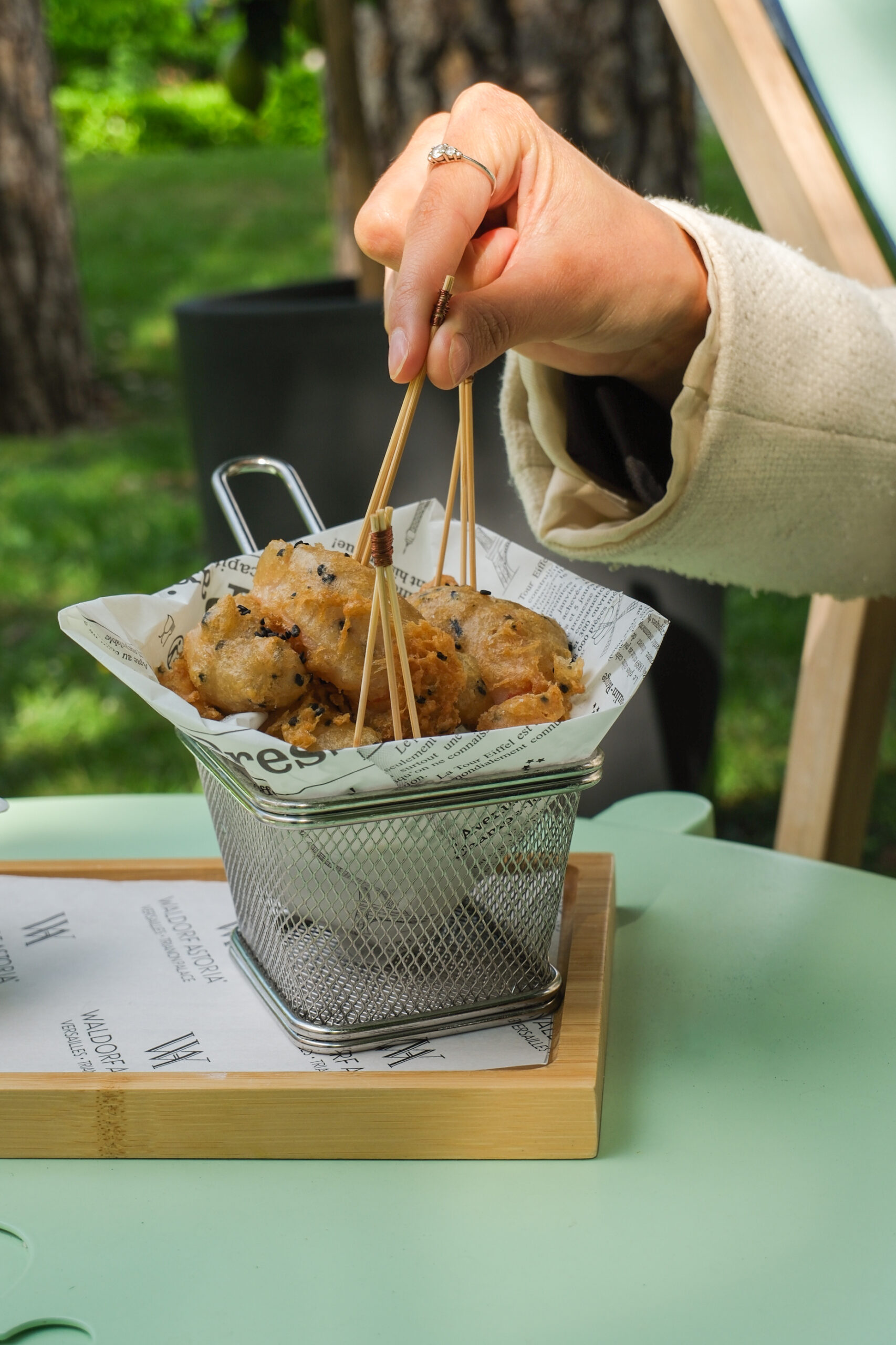
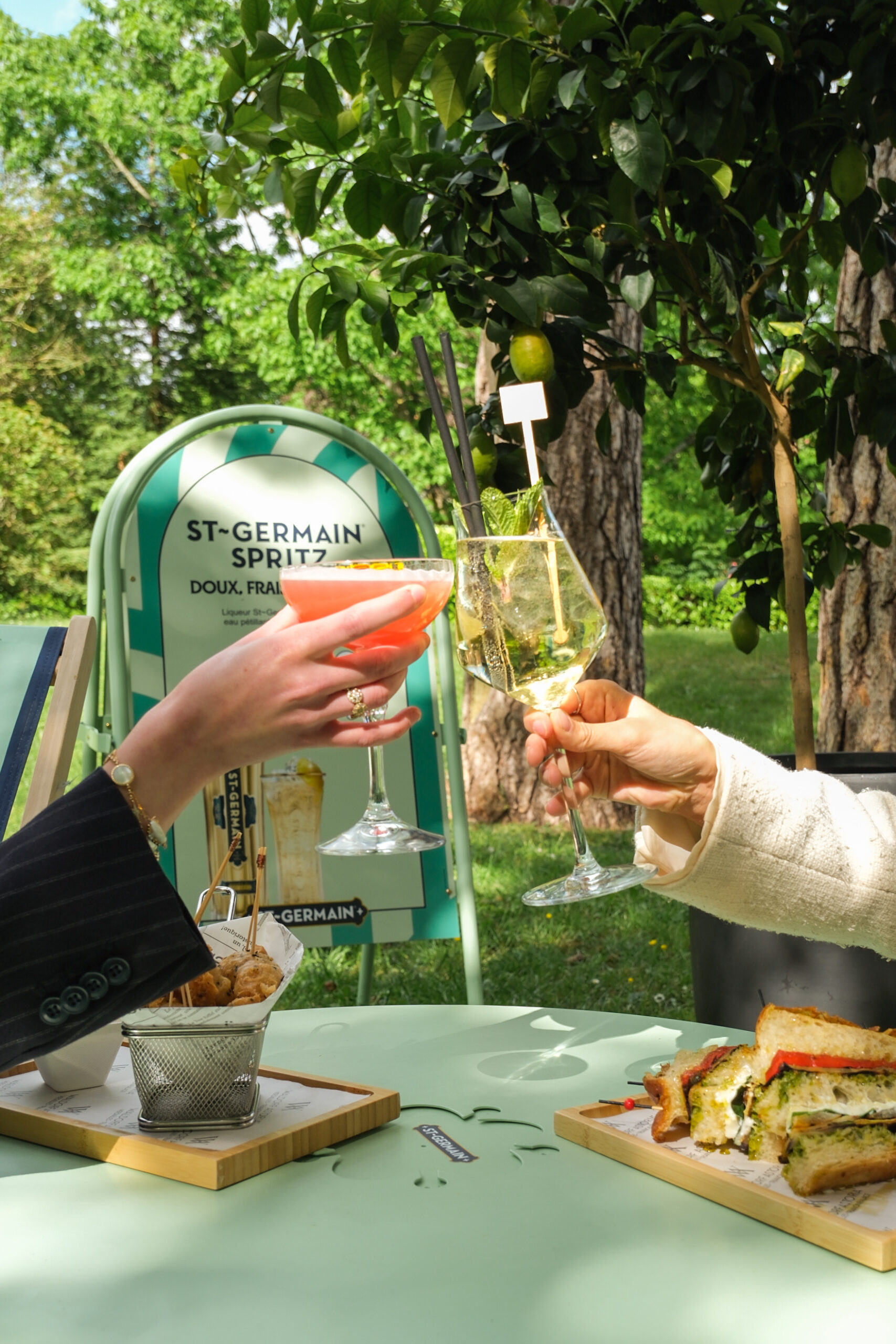
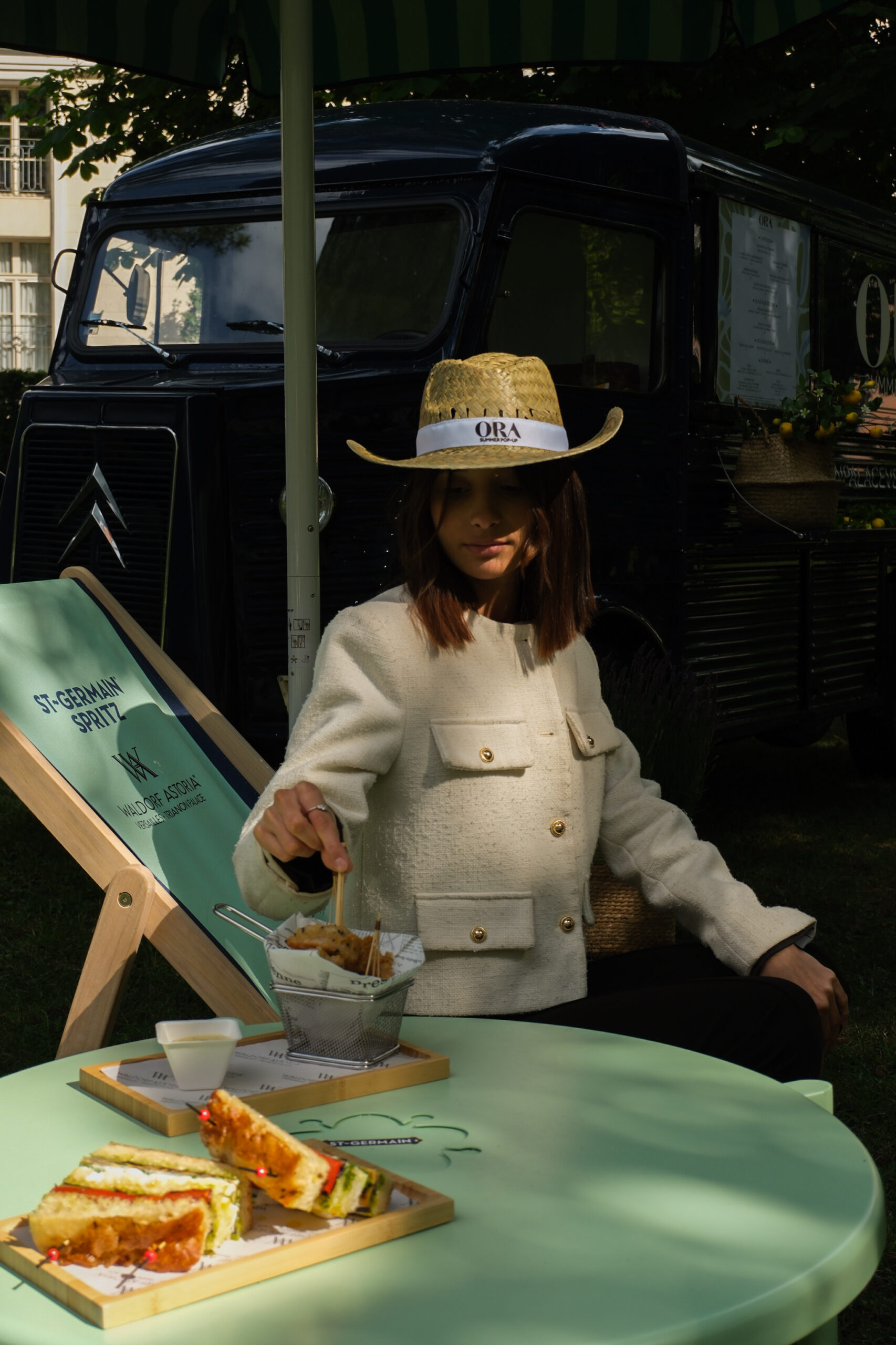
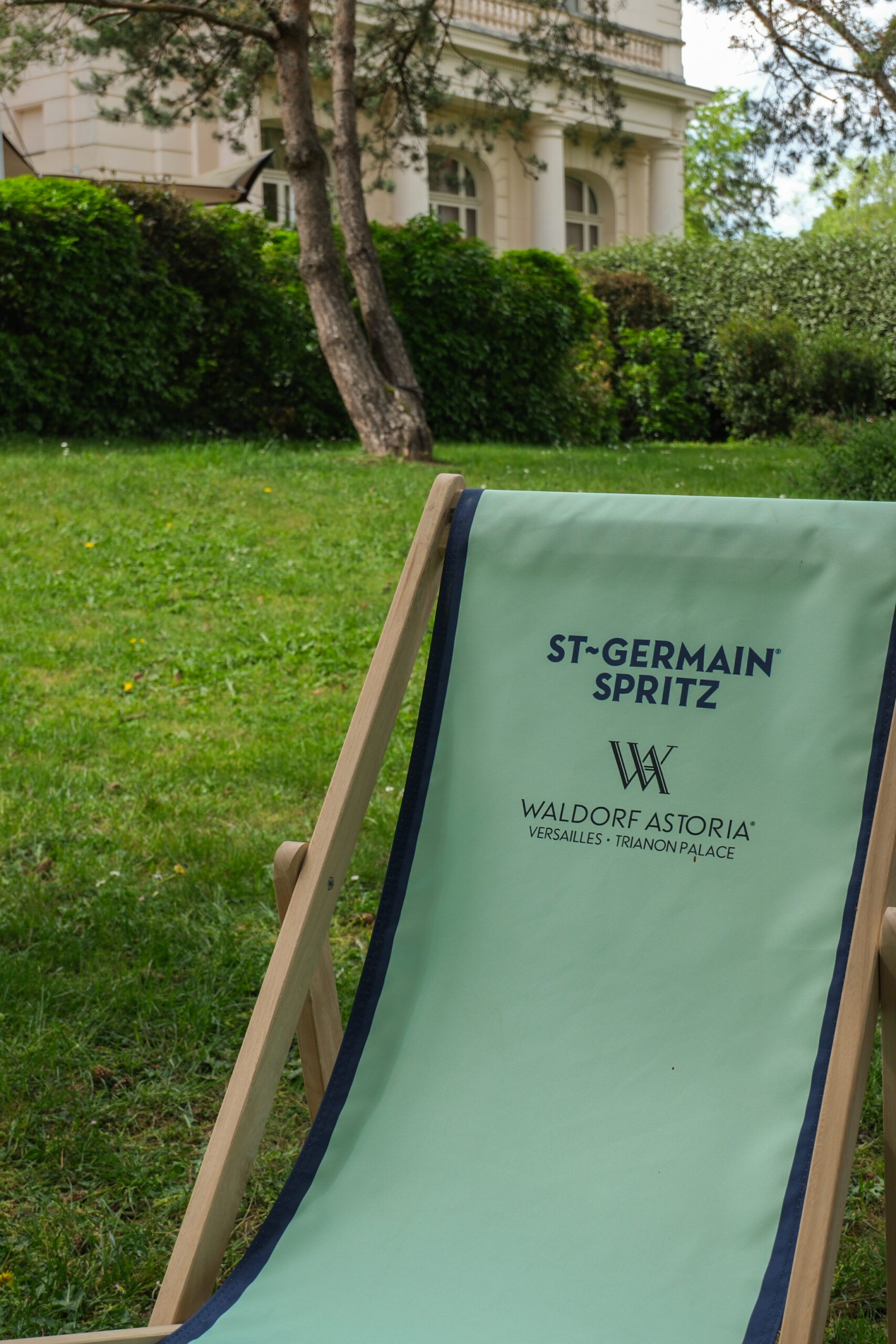
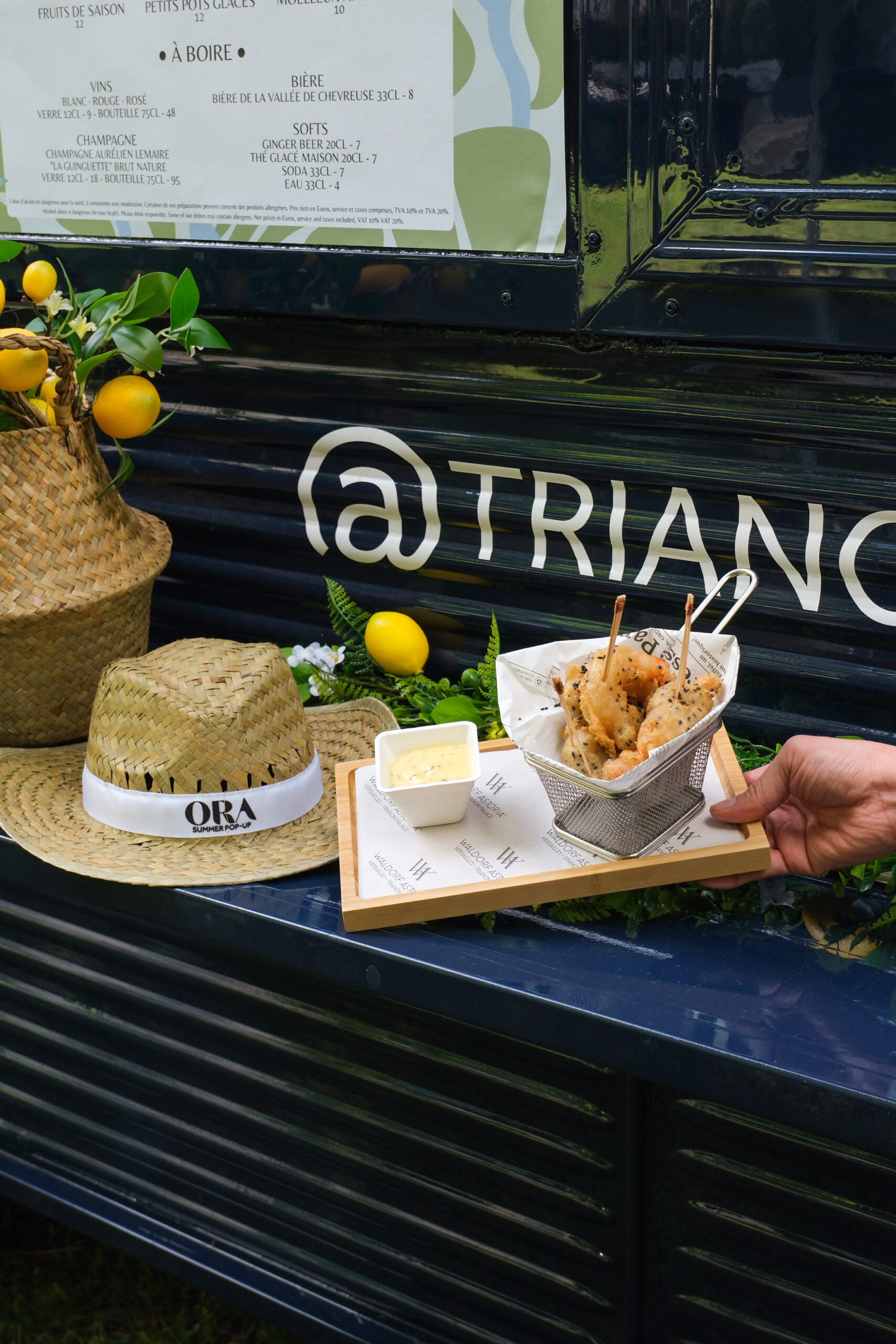
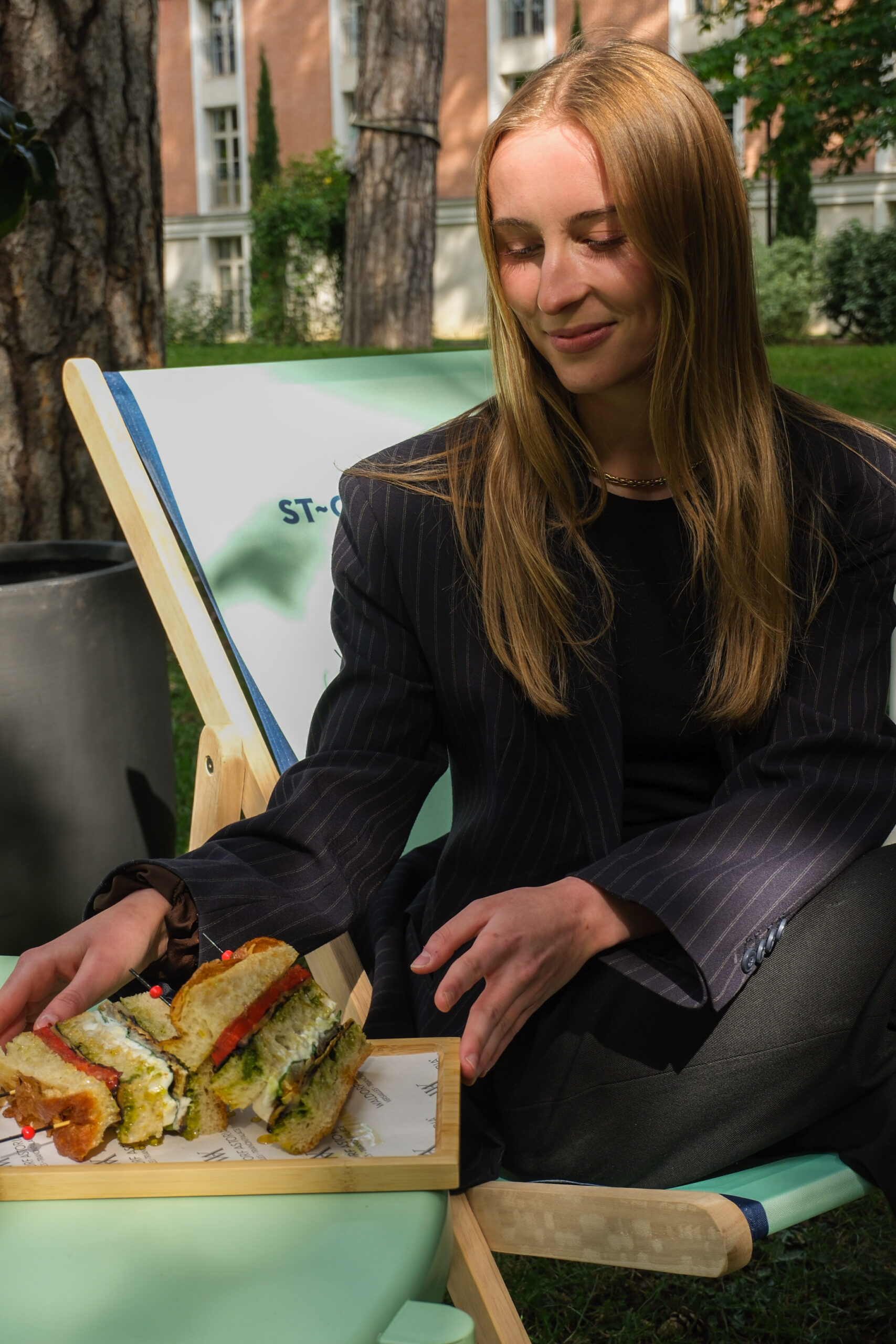
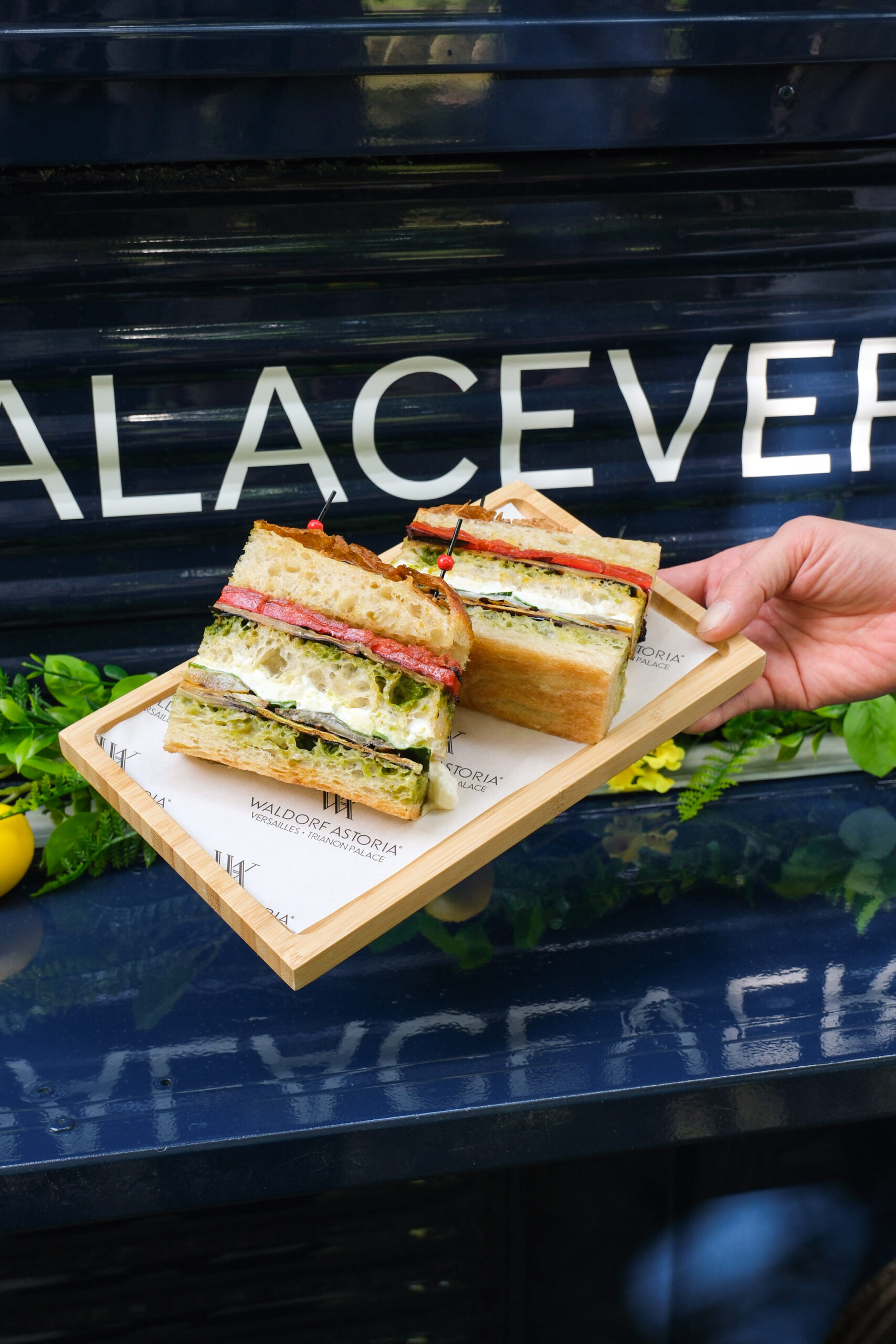
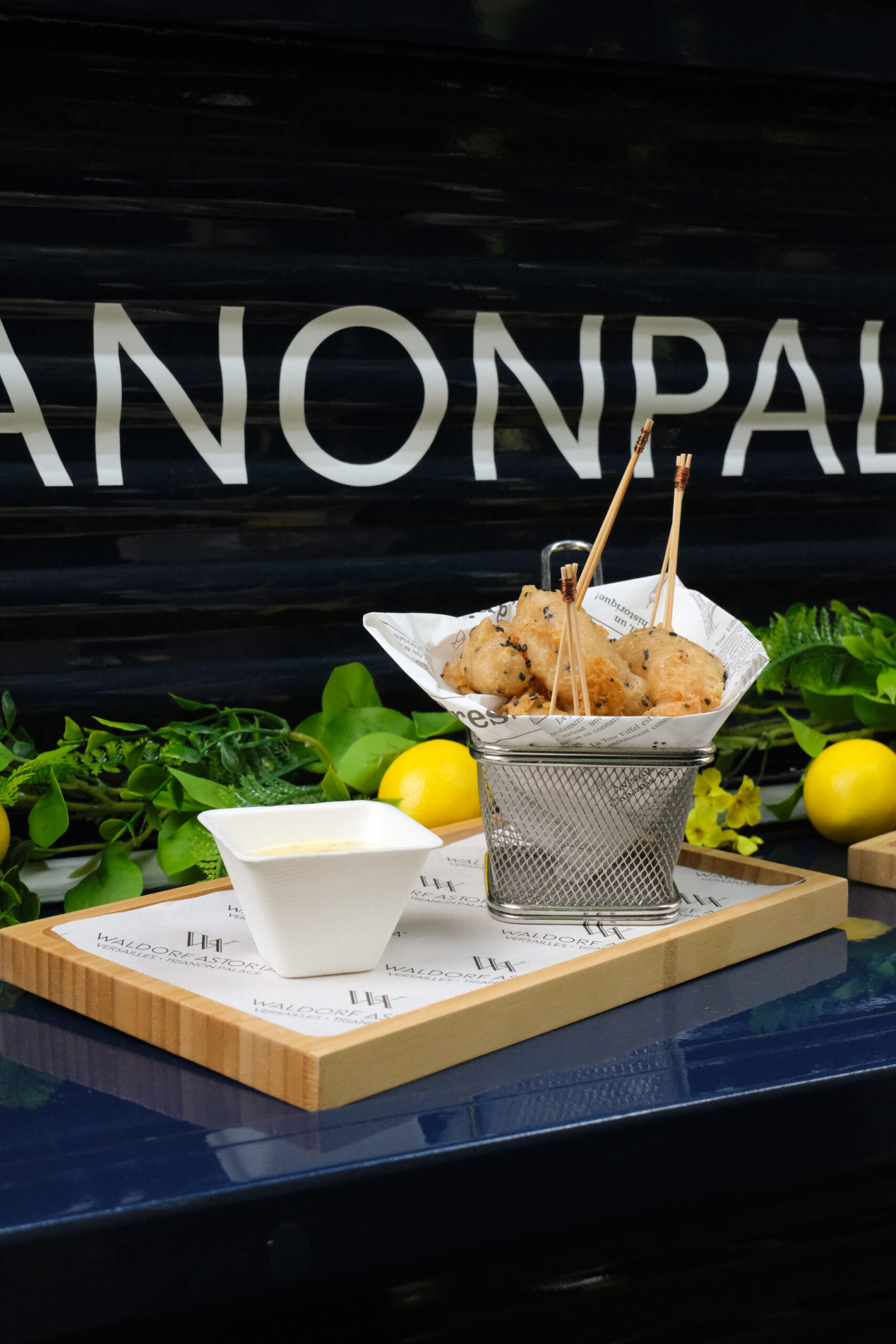
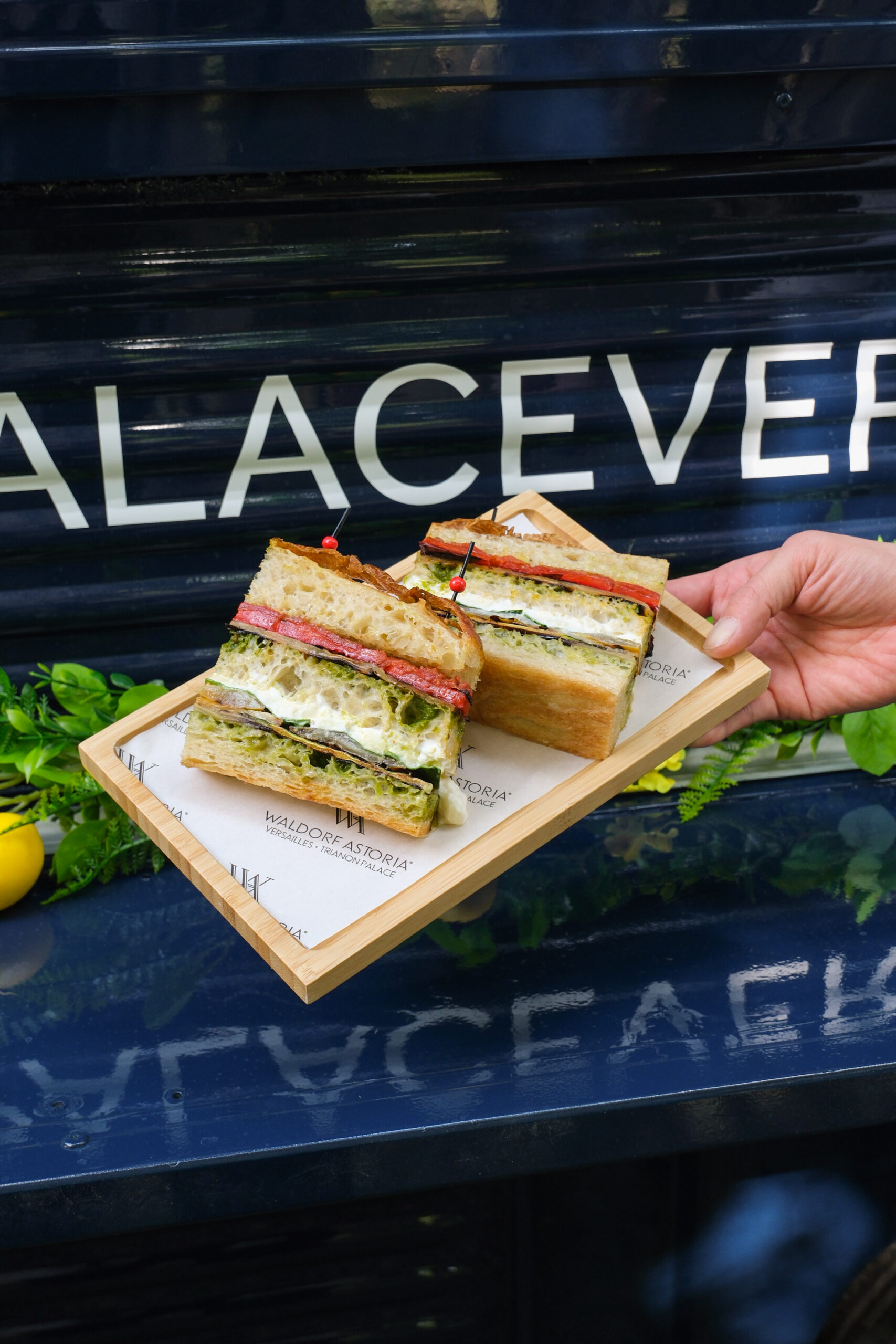
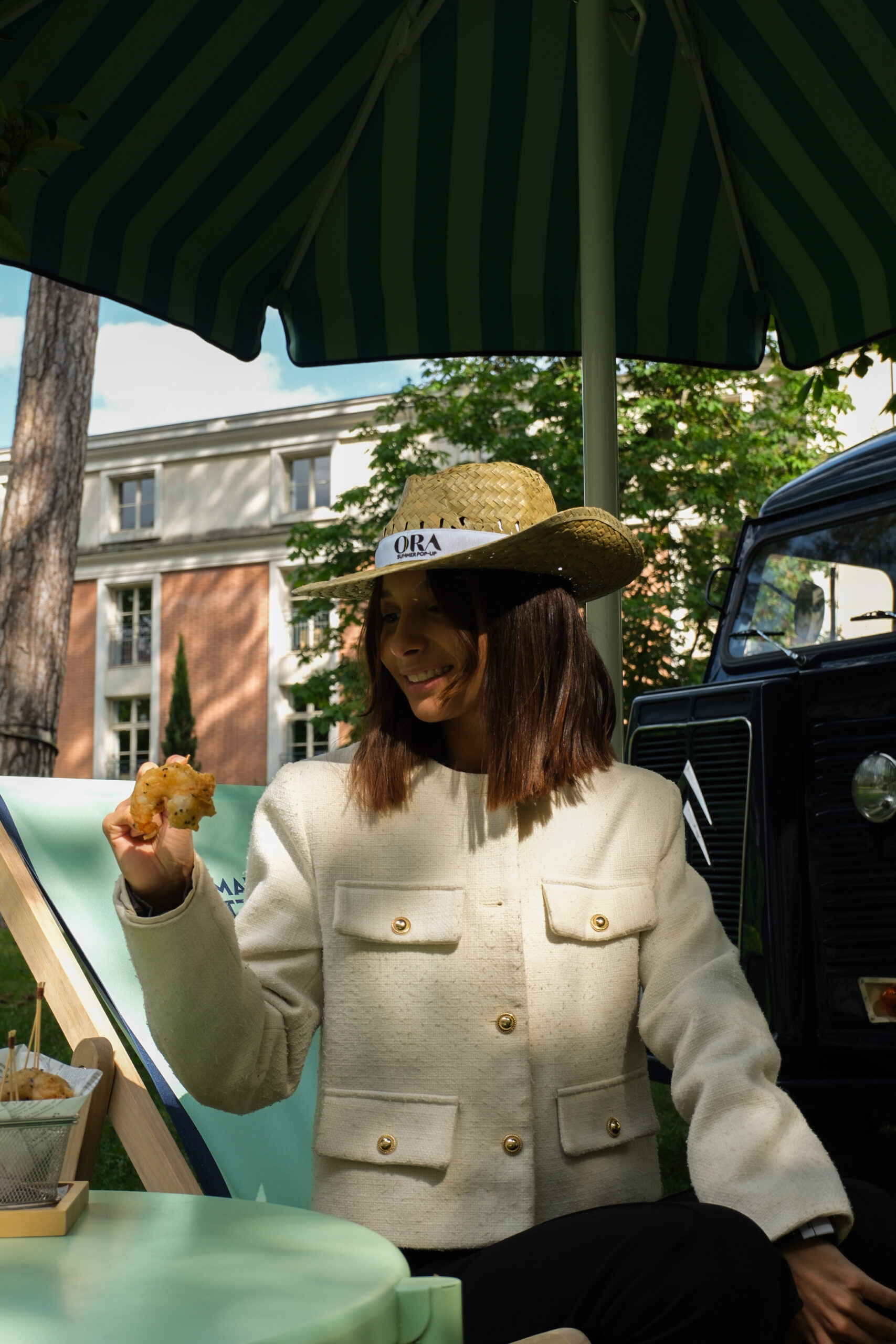
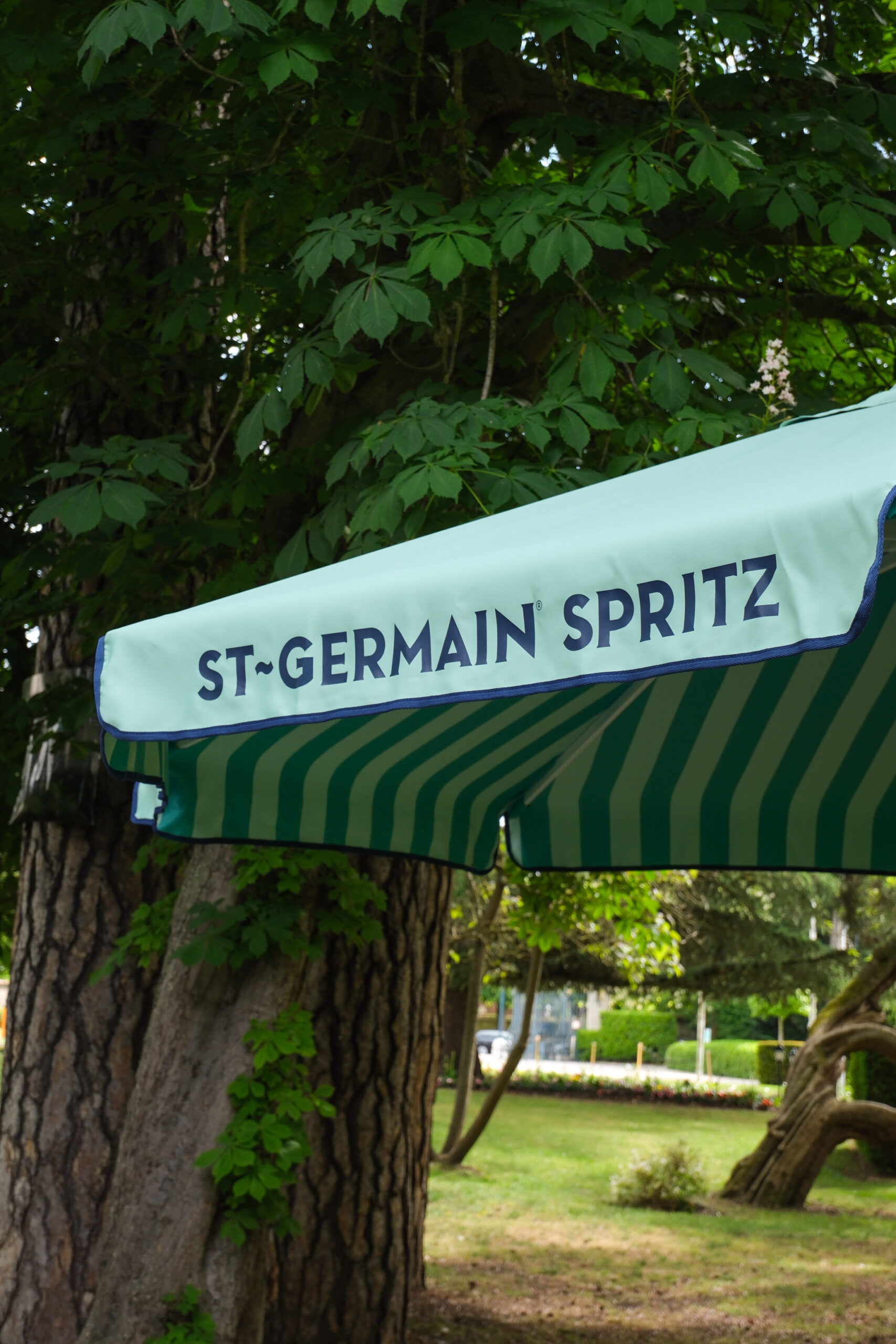
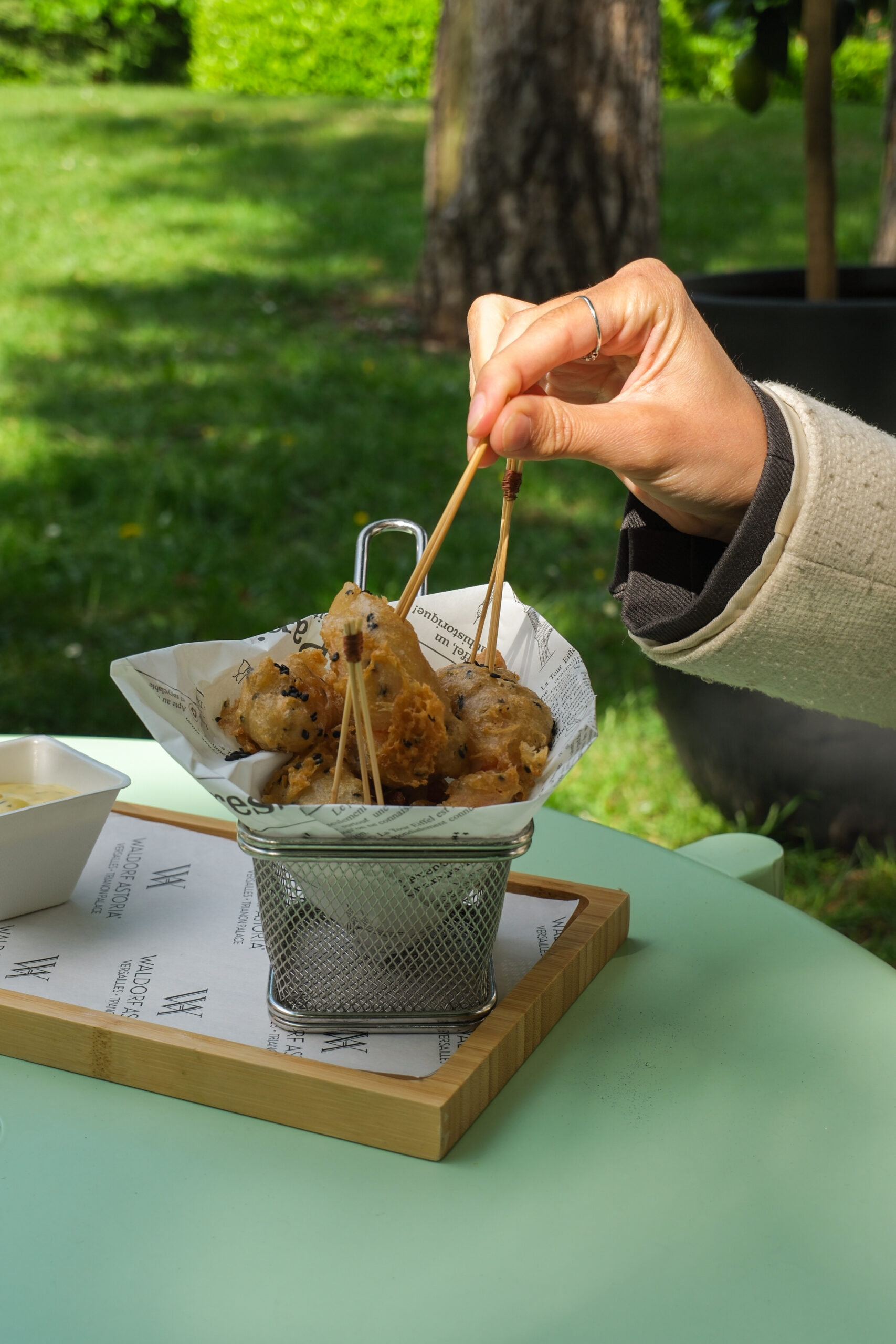
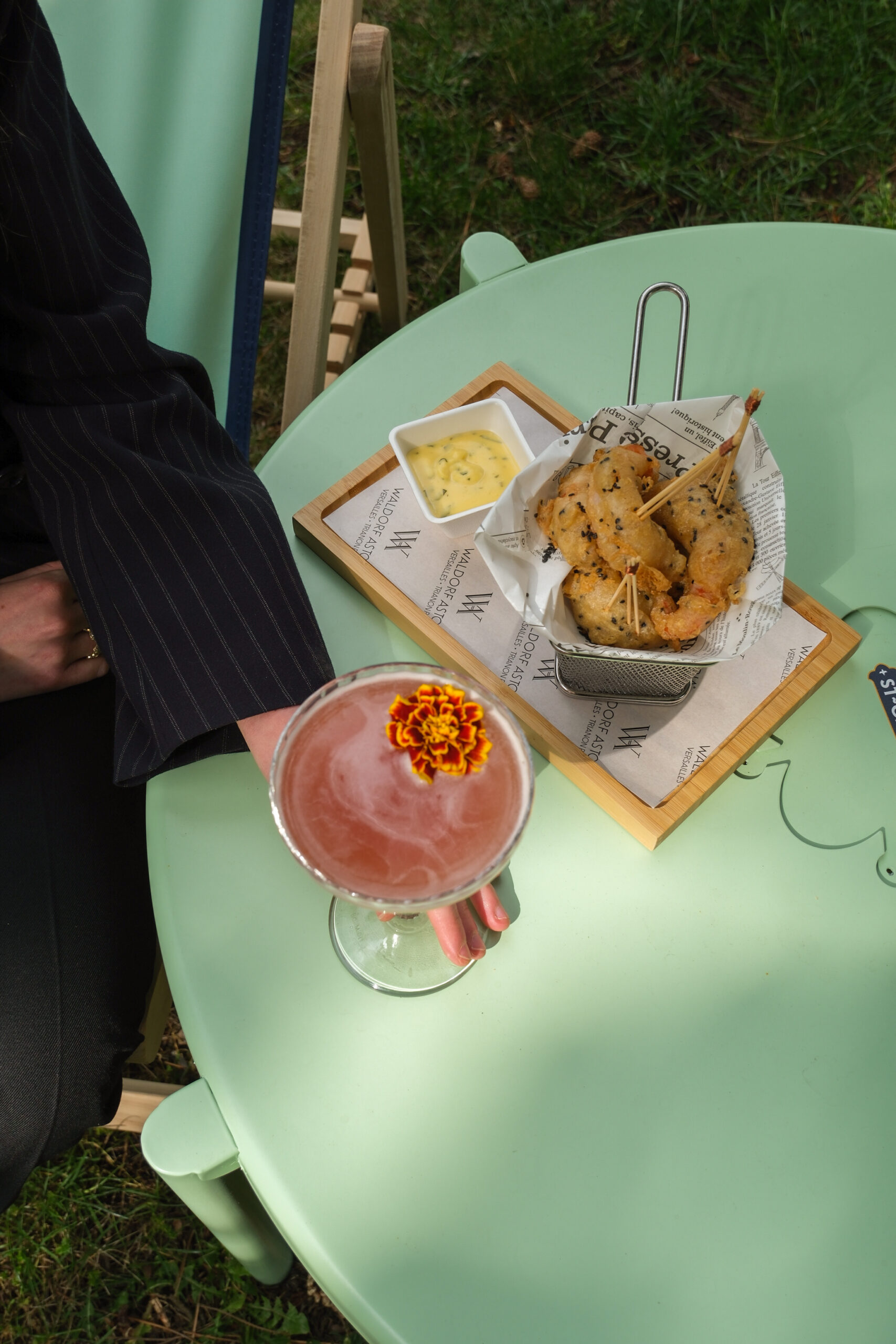
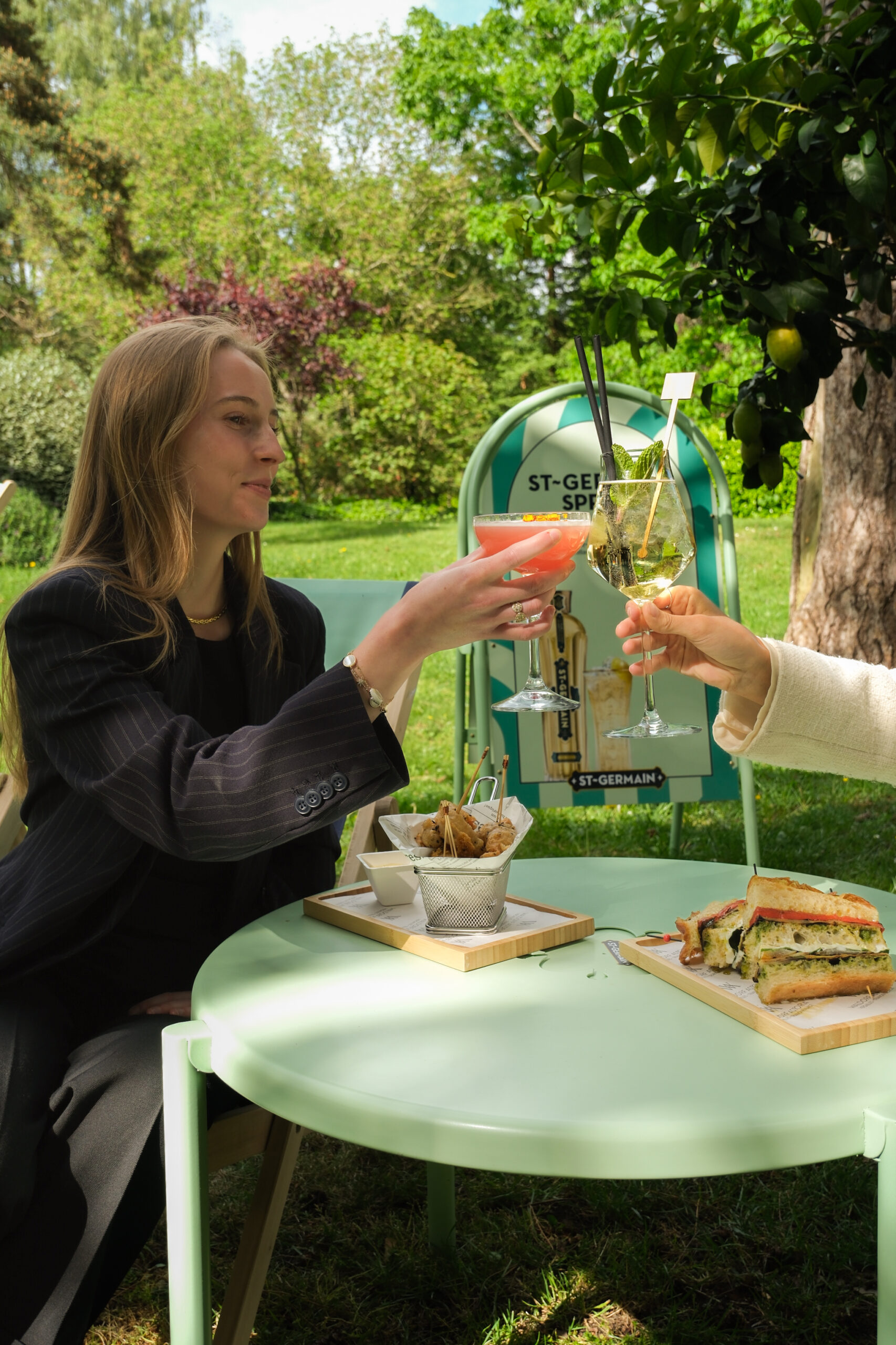
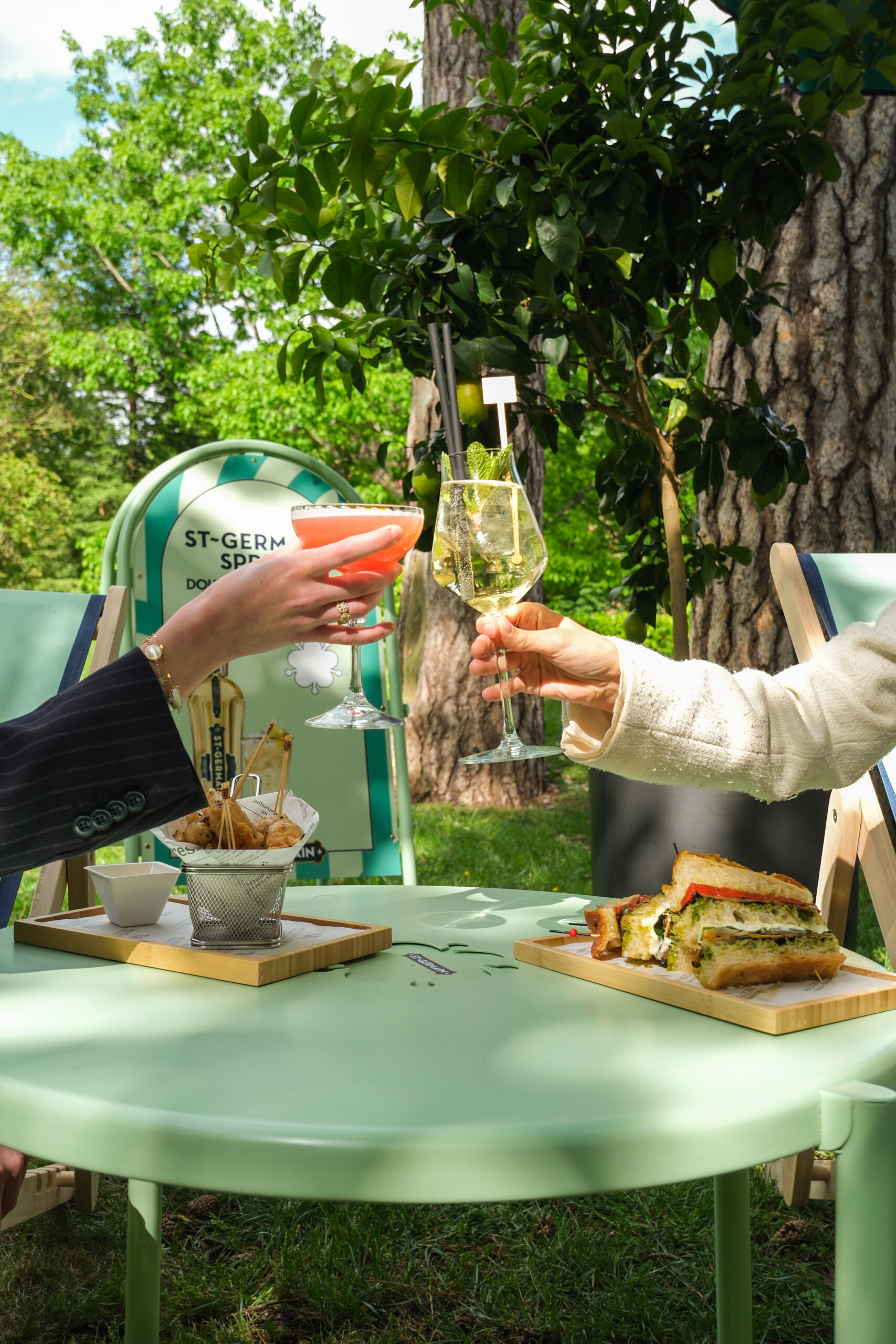
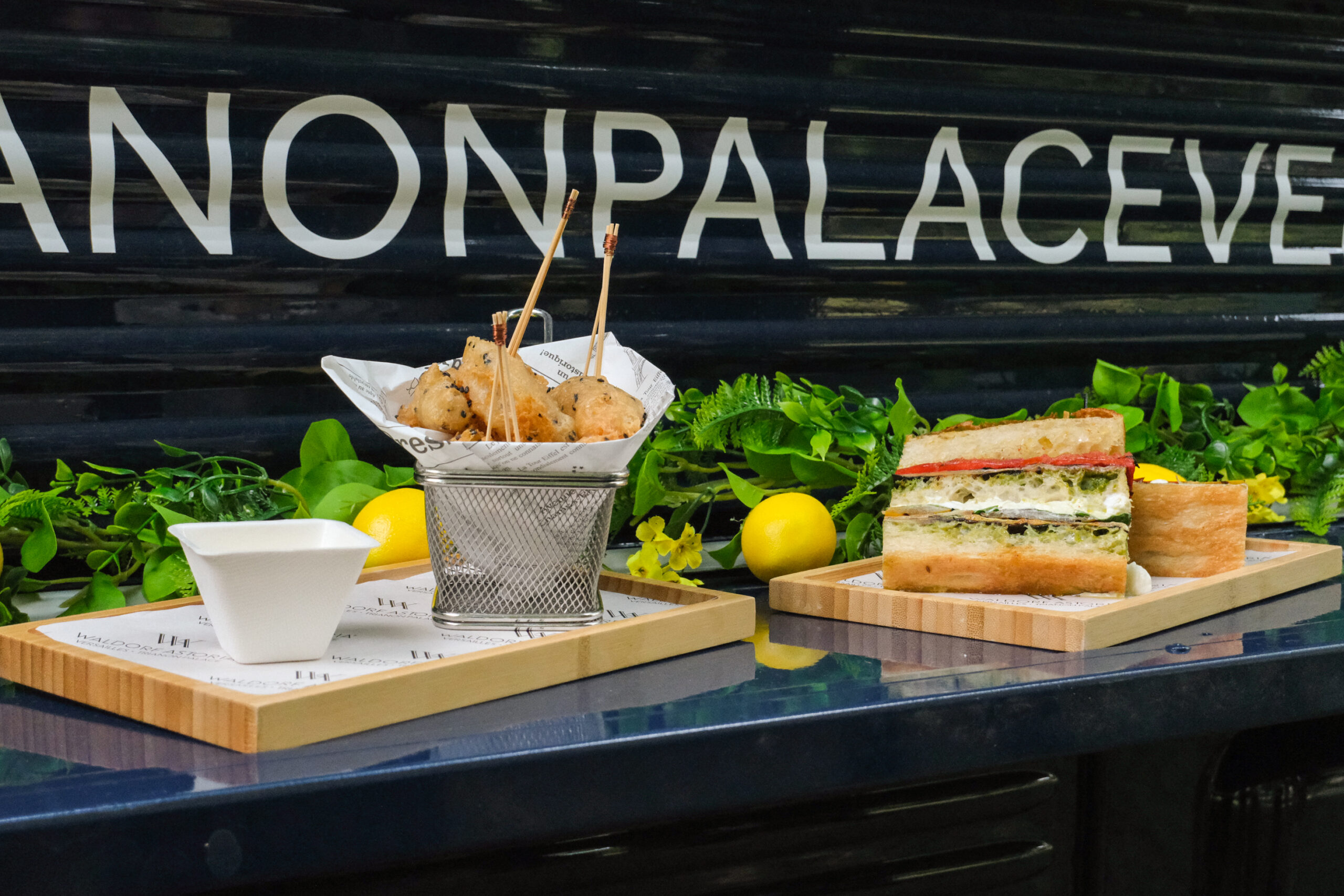
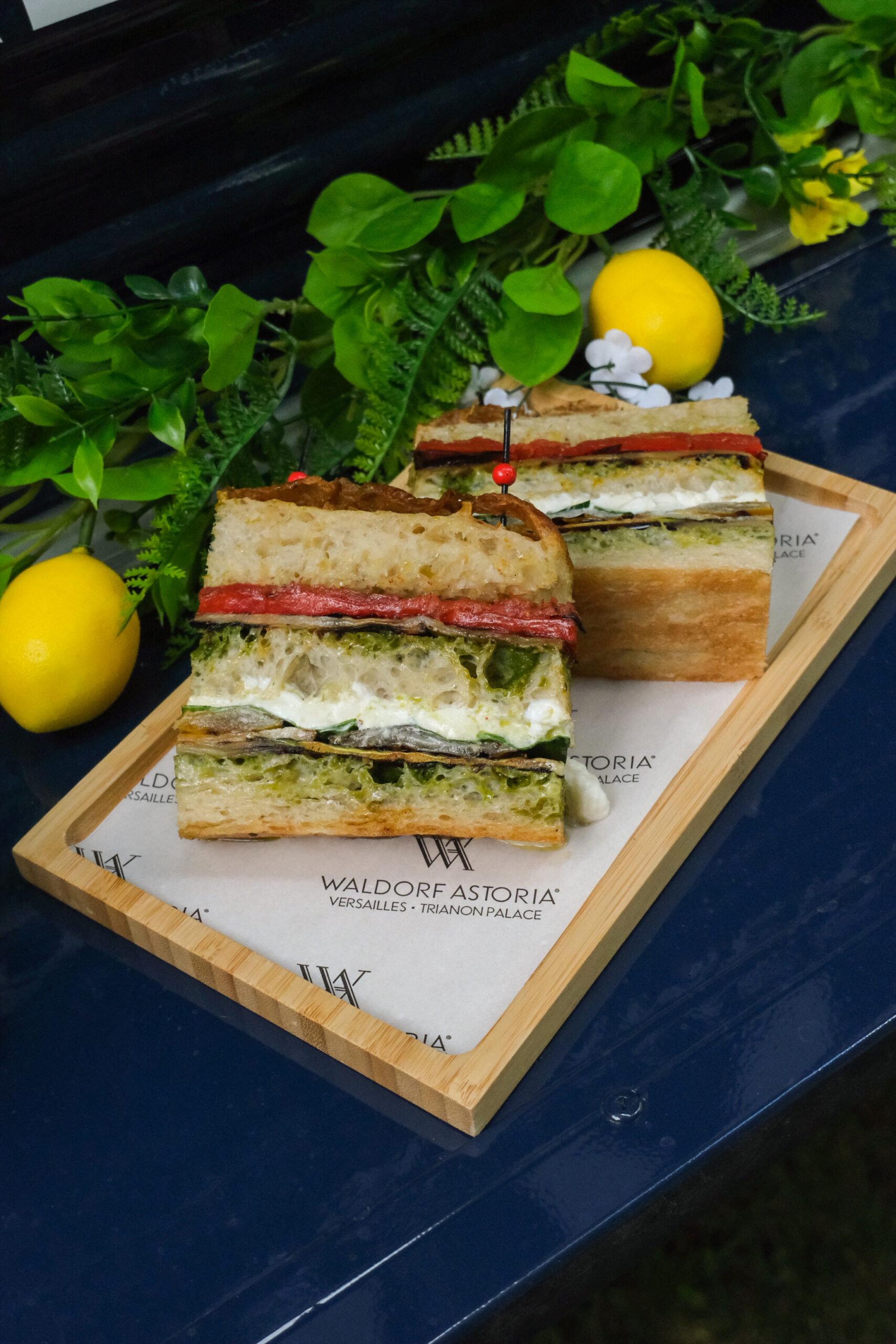
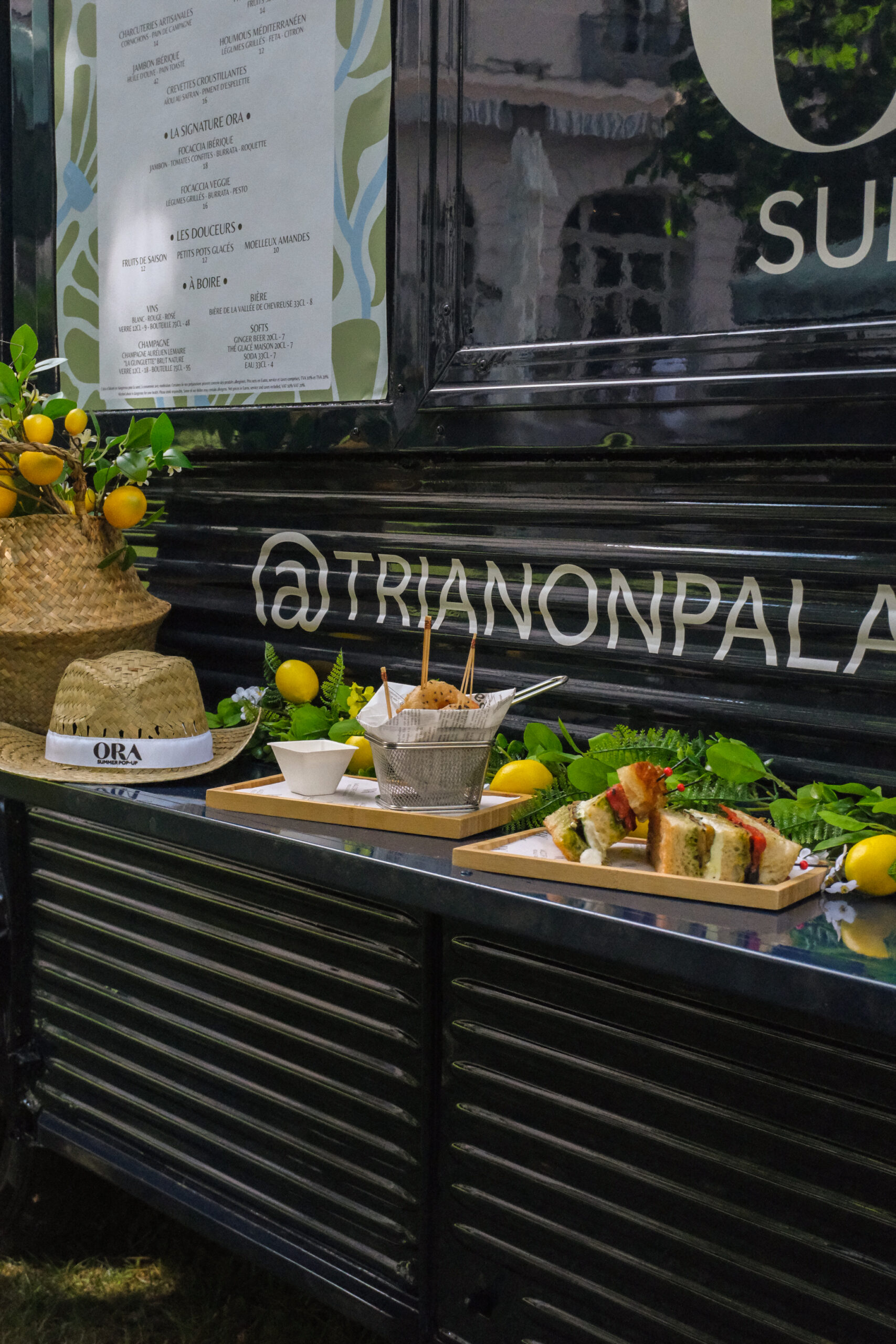
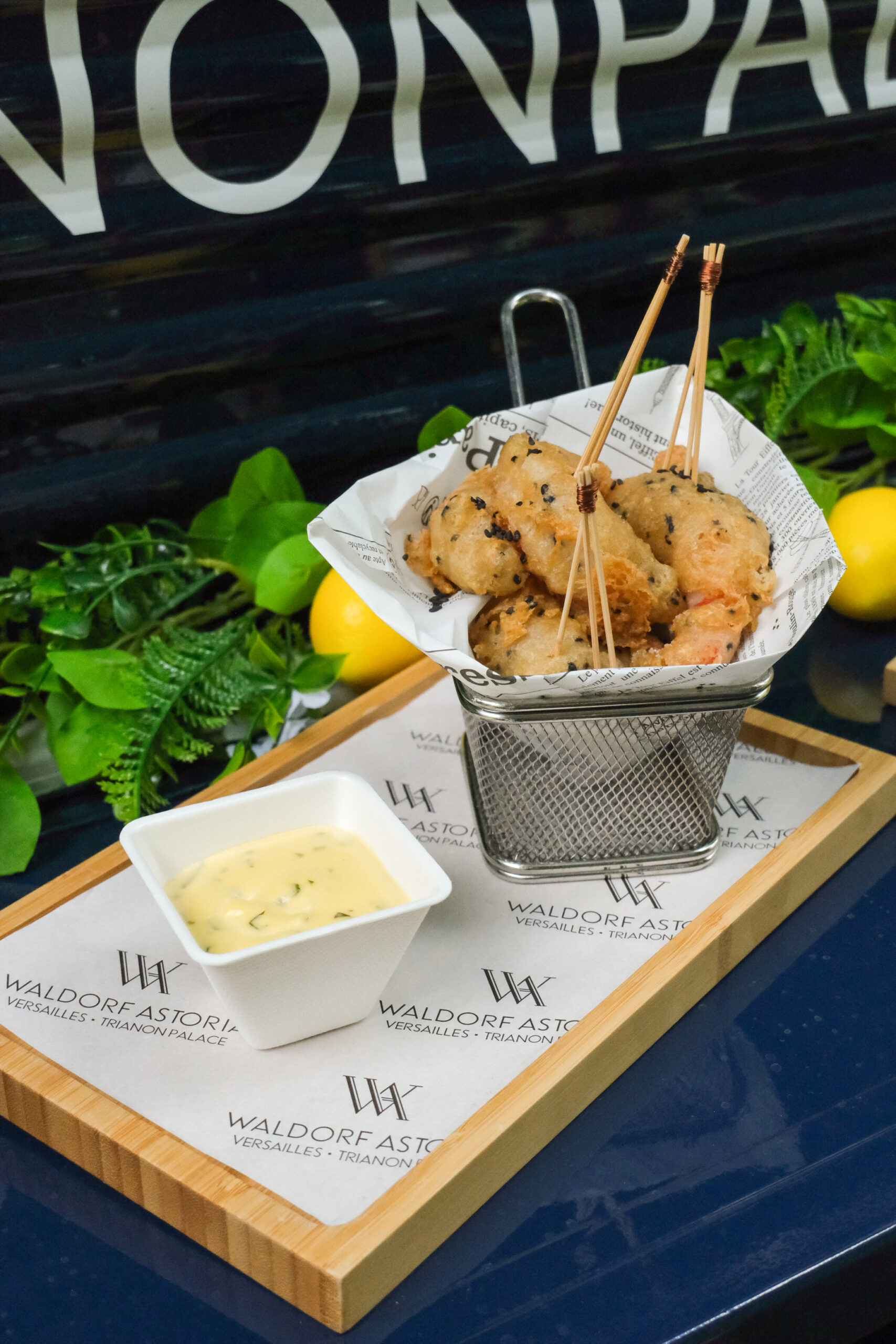
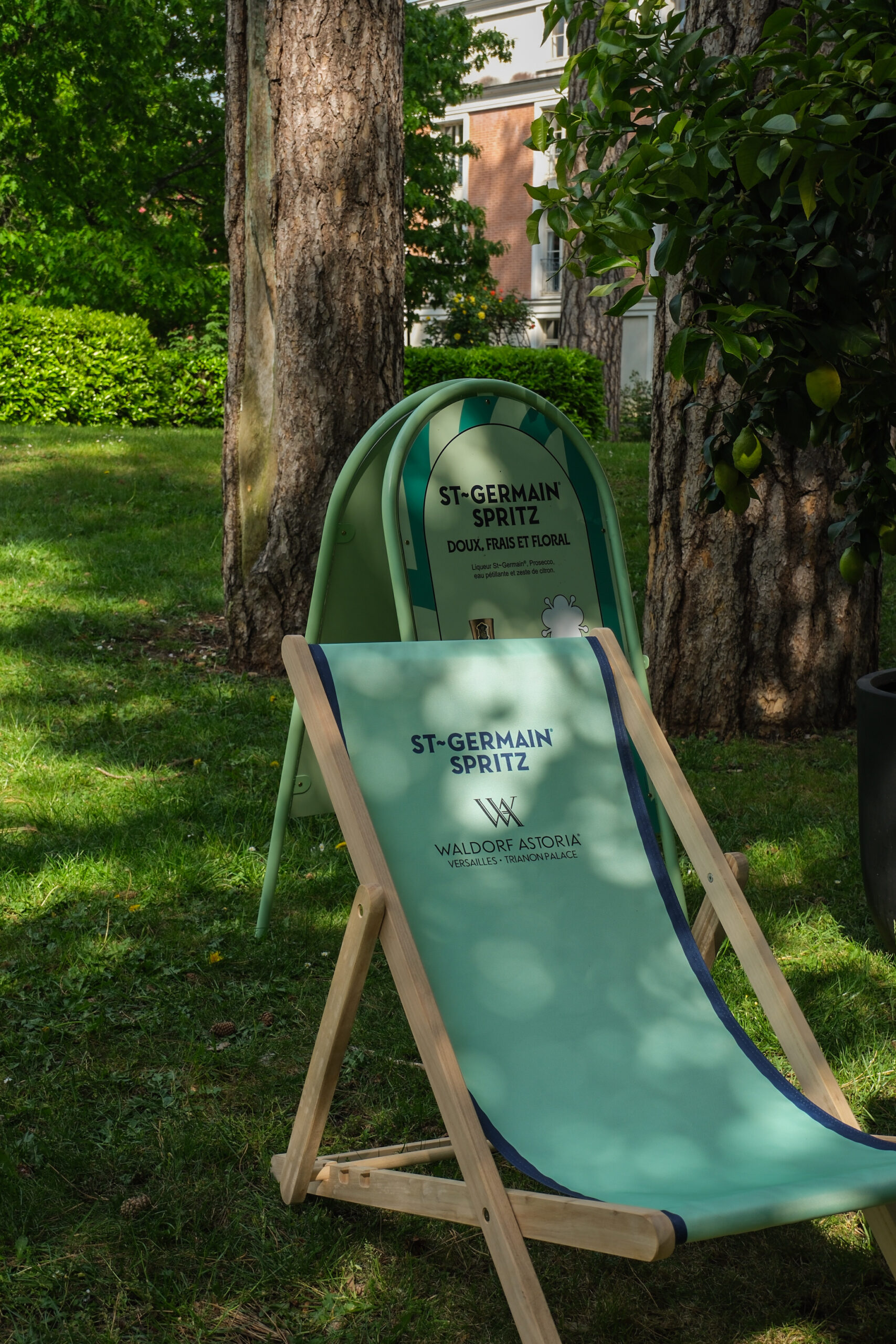
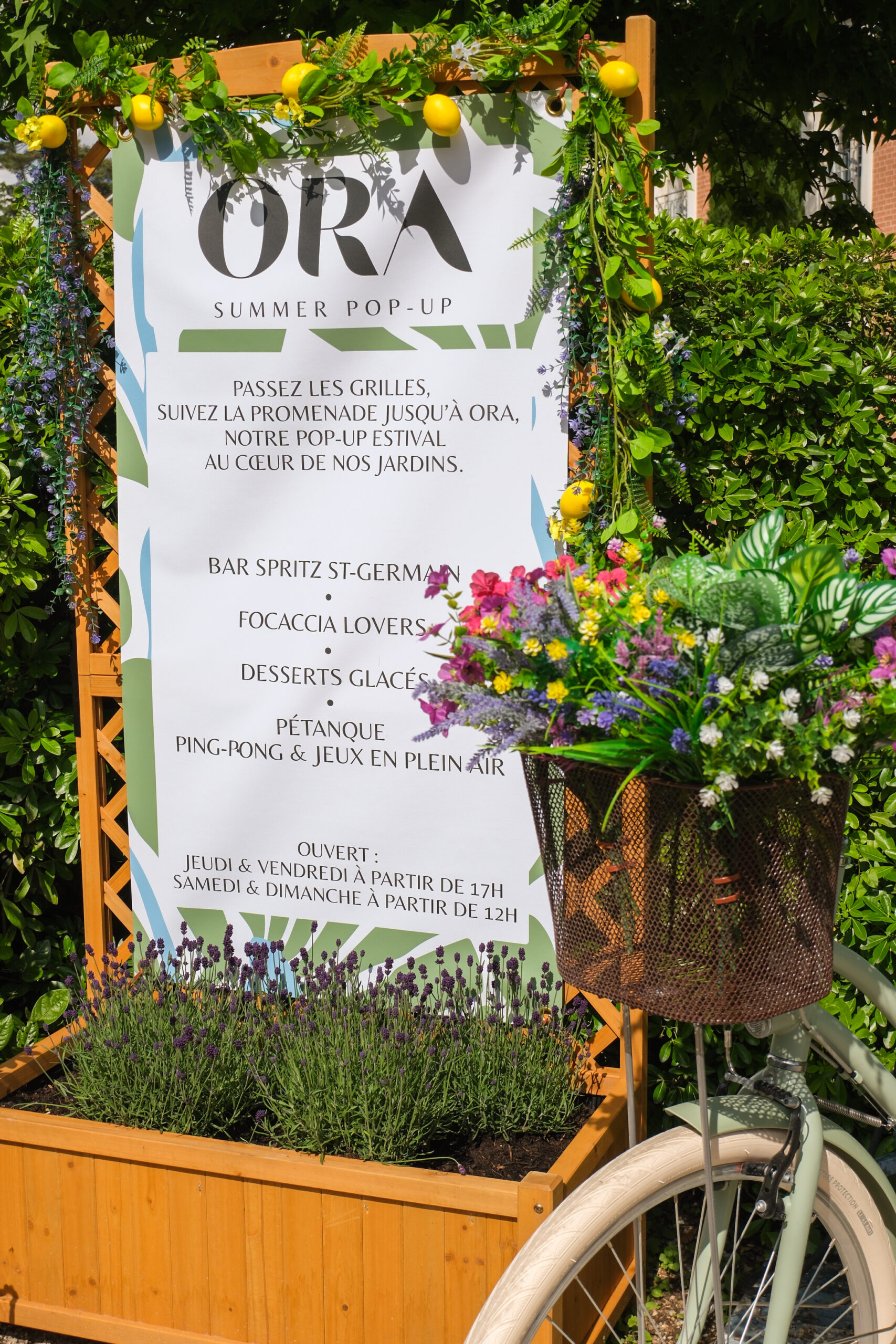
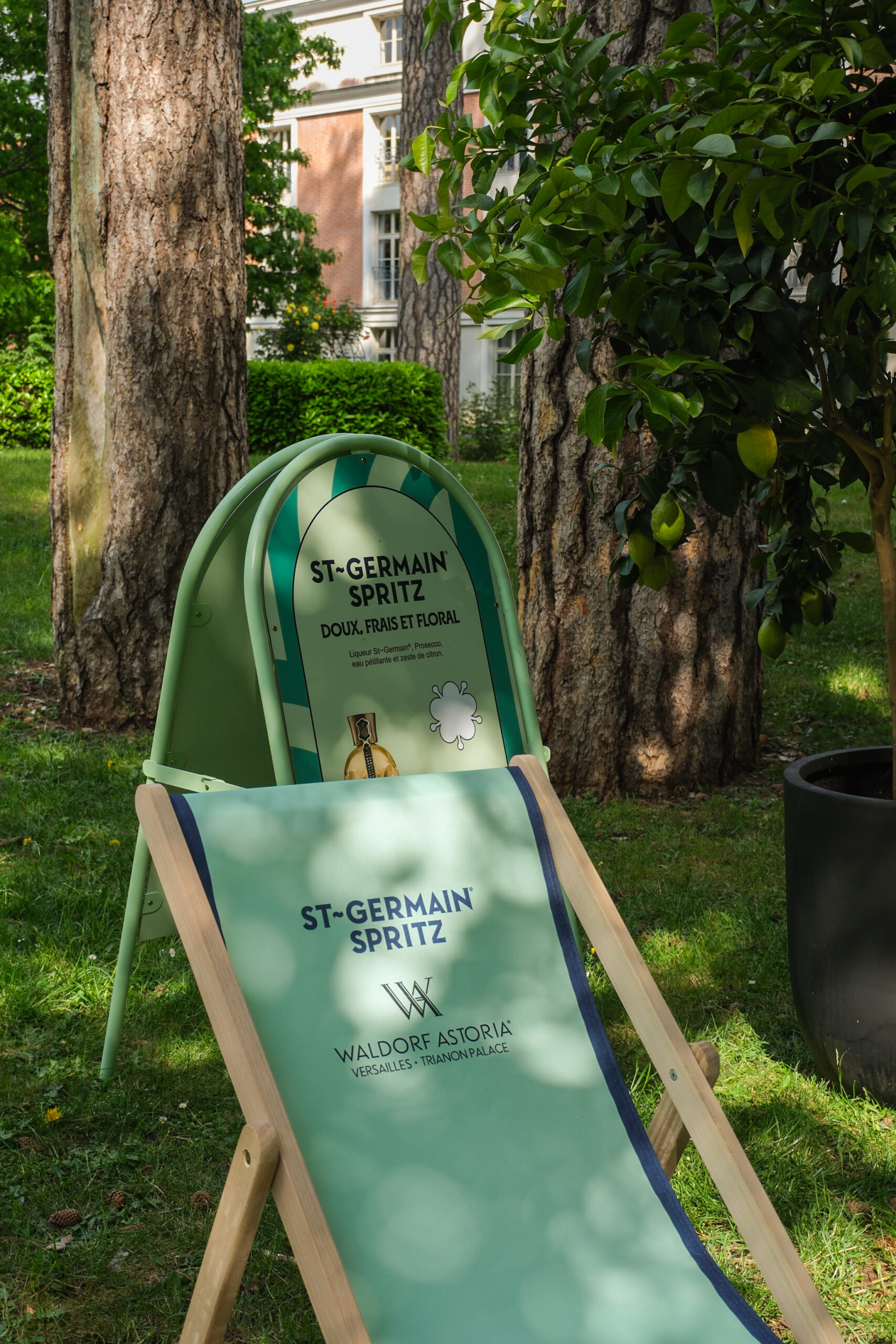
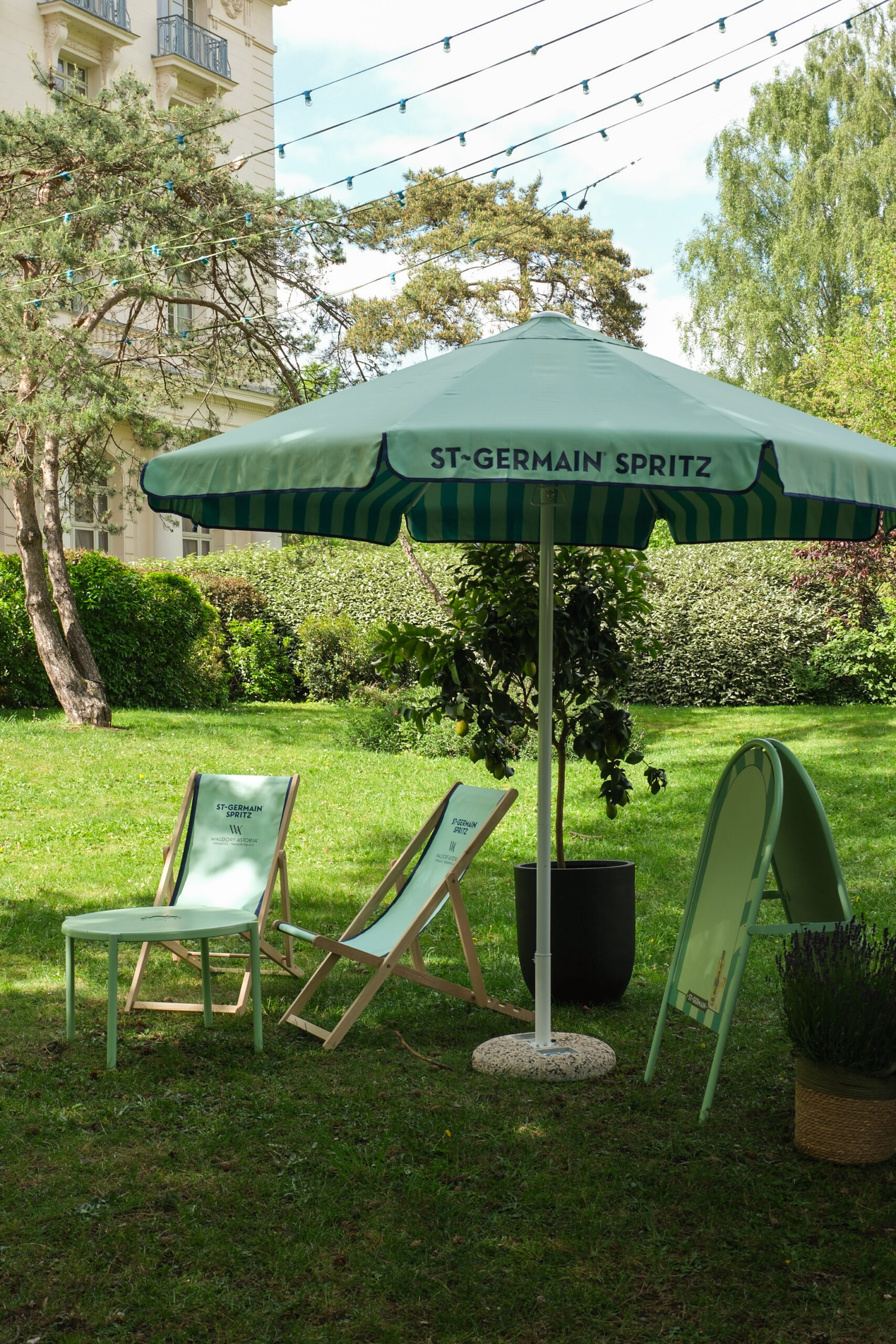
Nestled in the heart of the hotel’s gardens, ORA is built around a few simple yet essential elements. Live concerts set the tone for the evenings without weighing them down. Signature cocktails crafted with ST-GERMAIN, the elderflower liqueur that has become, in just a few years, one of the finest symbols of Parisian sophistication. And on the menu: focaccias and sharing platters created by the culinary teams at the Waldorf Astoria Versailles and pastry chef Eddie Benghanem.
This last name deserves a closer look. Eddie Benghanem, a Meilleur Ouvrier de France and pastry chef at the Trianon Palace, embodies this generation of French chefs who have elevated pastry-making to an art form in its own right—one that is as demanding and creative as cooking. His involvement with ORA is no mere detail: it signals that the summer pop-up is not a fleeting interlude in the hotel’s gastronomic identity, but rather its natural extension in a more informal setting.
The French Riviera in Versailles: A Fruitful Paradox
What makes ORA particularly interesting is the geographical and cultural tension it embodies. Versailles represents the North—its ever-changing skies, its stony light, its austere grandeur. The Mediterranean dolce vita represents the South—its saturated colors, its warmth, its casual way of inhabiting outdoor spaces. ORA does not resolve this tension; it cultivates it.
There is something about this combination that speaks volumes about the evolution of contemporary luxury. Travel is no longer just geographical—it’s also a journey through the imagination. Bringing the Mediterranean to Versailles means offering guests an experience found nowhere else, in a place they think they know but that suddenly reveals itself in a whole new light.
Summer as a way of life, the luxury hotel as the setting
There is still something to be said about the temporary nature of ORA. A summer pop-up, by definition, is fleeting. This fleetingness is not a flaw—it is precisely what gives it its value. We won’t return next winter to find the same focaccias under the same orange trees. We have to go now, tonight, while the June light still holds that special promise.
The Waldorf Astoria Versailles knows this well: the most desirable luxury is often the kind that can’t be put off. ORA plays on this idea with finesse, offering a moment that will never be exactly the same again—a quality that has become rare in an industry that sometimes tends to turn a unique experience into a reproducible product.
Cette publication est également disponible en :

