
At island spas, it’s all too easy to fall into the trap of confusing the setting with the experience. A lagoon, some light-colored wood, a scented oil—and the story seems to have already been written. At the Four Seasons Resort Mauritius at Anahita, however, the reinvention of the Oseyan Spa deserves to be viewed differently: not as a mere extension of the hotel, but as a sign of a shift in the focus of luxury hospitality. Less toward the guest room, more toward the treatment. Less toward spectacular performance, more toward regulating the body, silence, and rhythm.
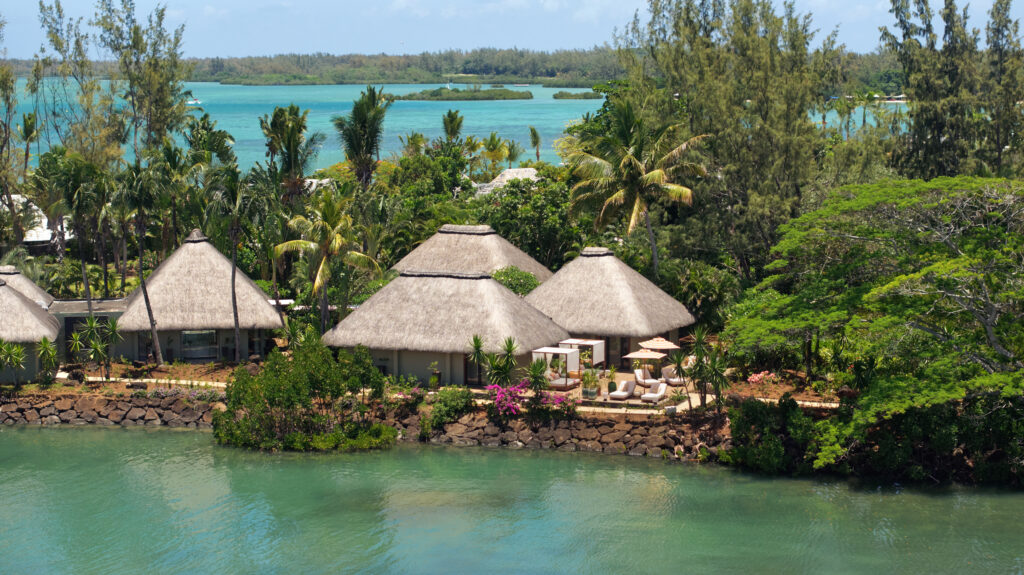
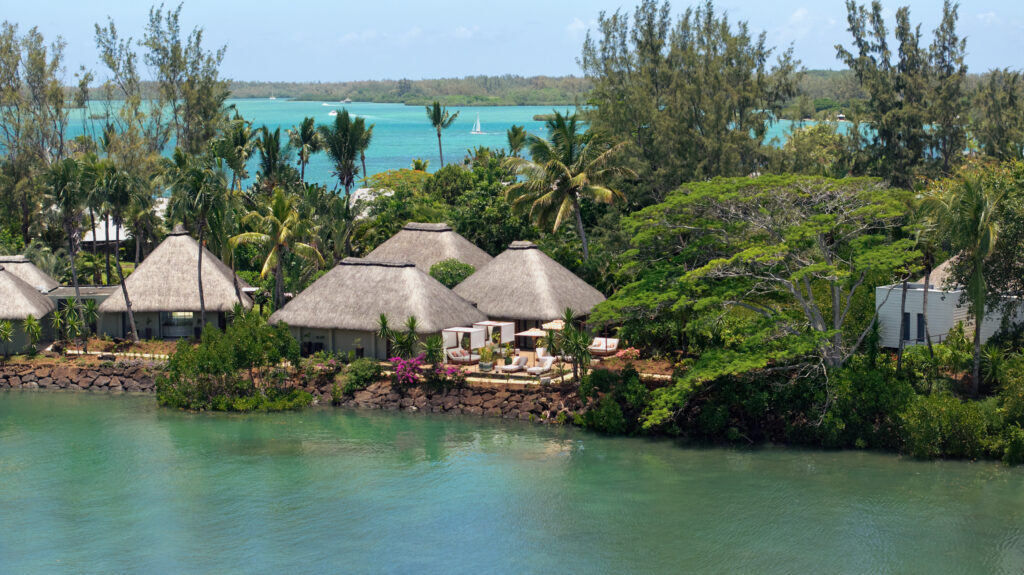
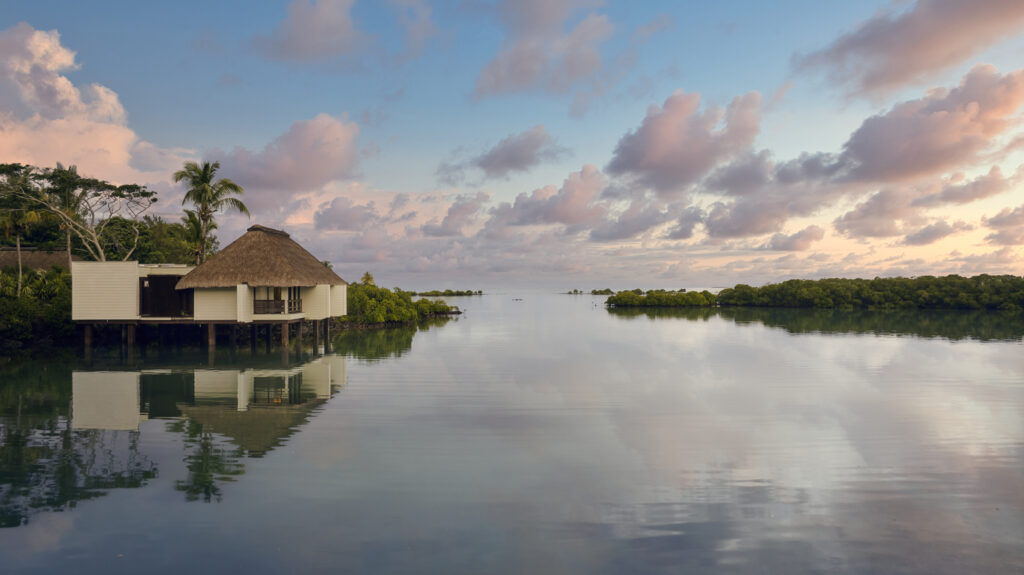
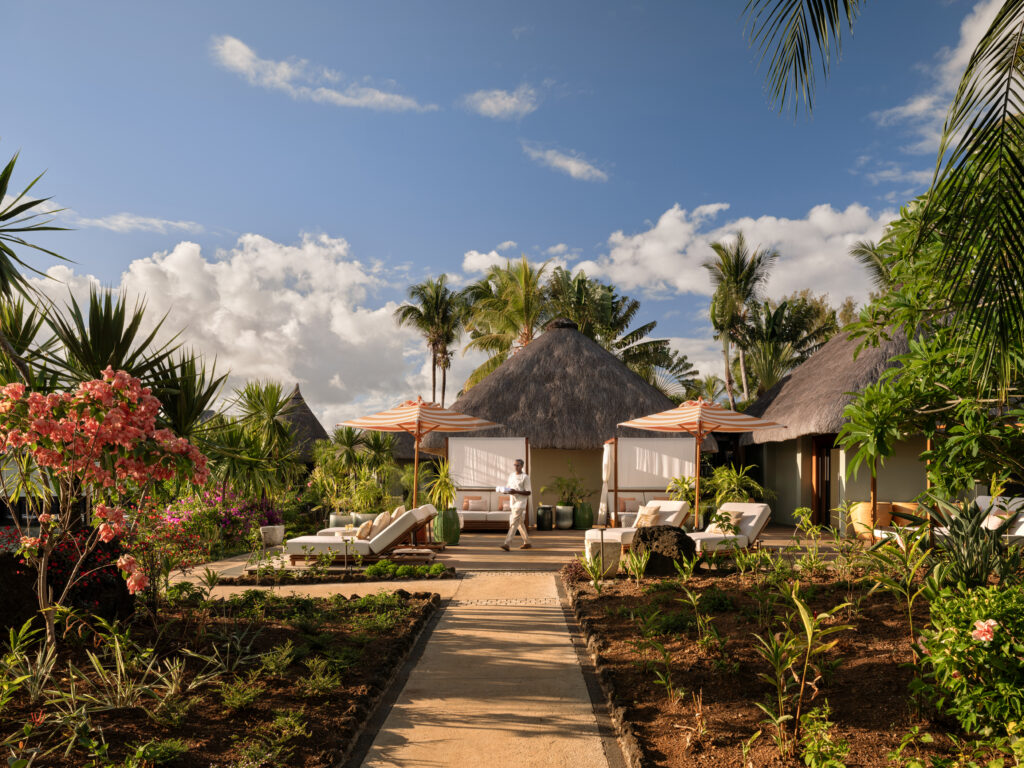
On the east coast of Mauritius, the resort has integrated its new wellness area into an already densely developed landscape: a property nestled among tropical gardens, a lagoon, and with access to Île aux Cerfs. Four Seasons officially presents its Mauritian property as a resort comprising villas and residences with private gardens and pools, complemented by a spa built on stilts, two golf courses, and a private beach on Île aux Cerfs. The Michelin Guide also describes the spa as one of the resort’s most remarkable features, built on stilts above the lagoon.
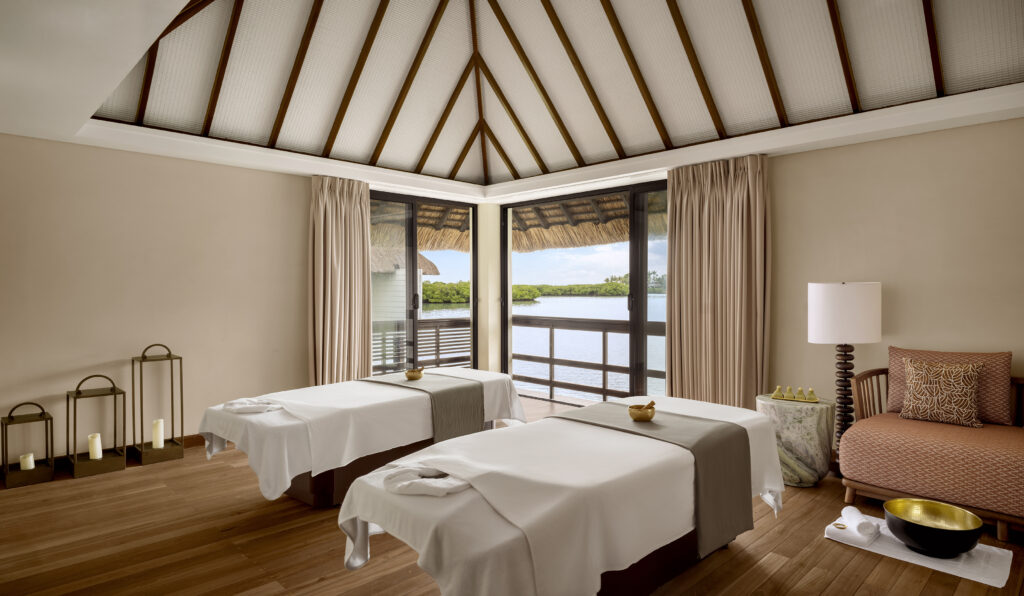
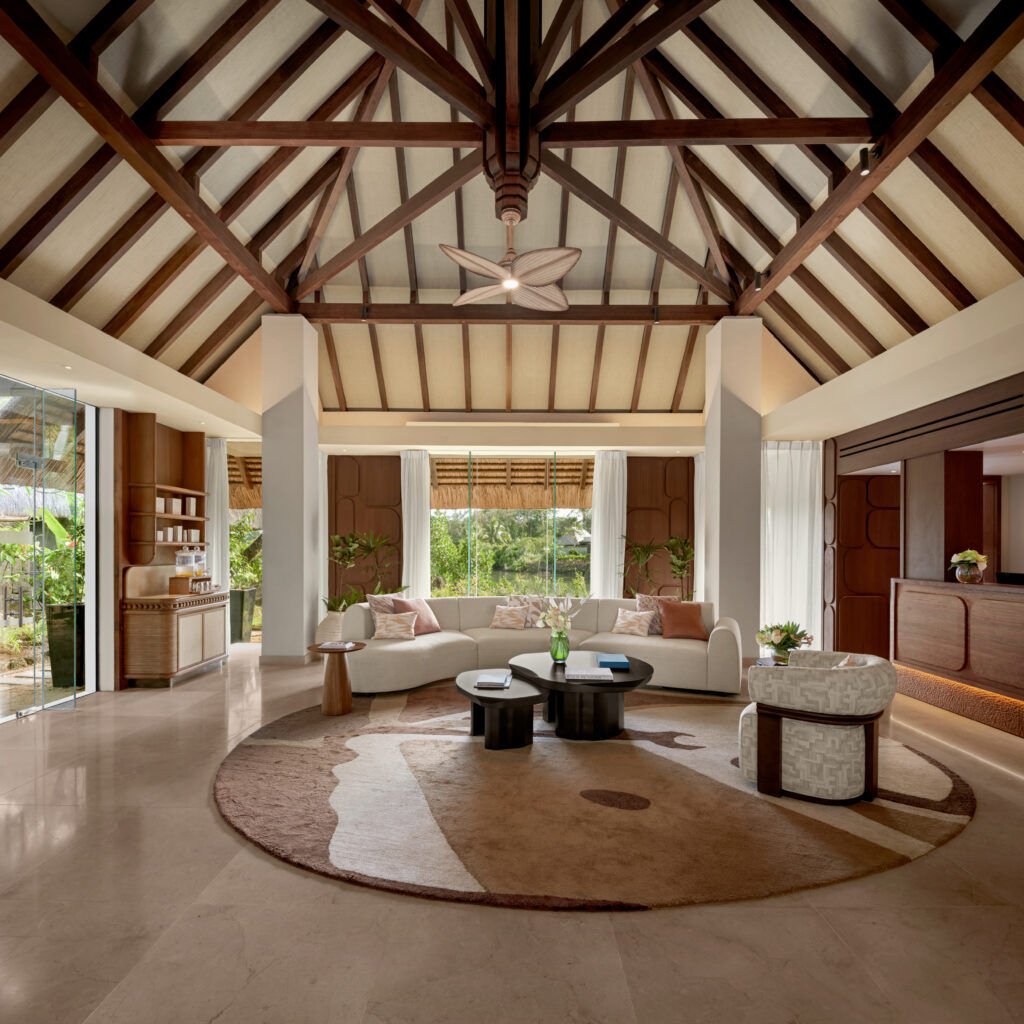
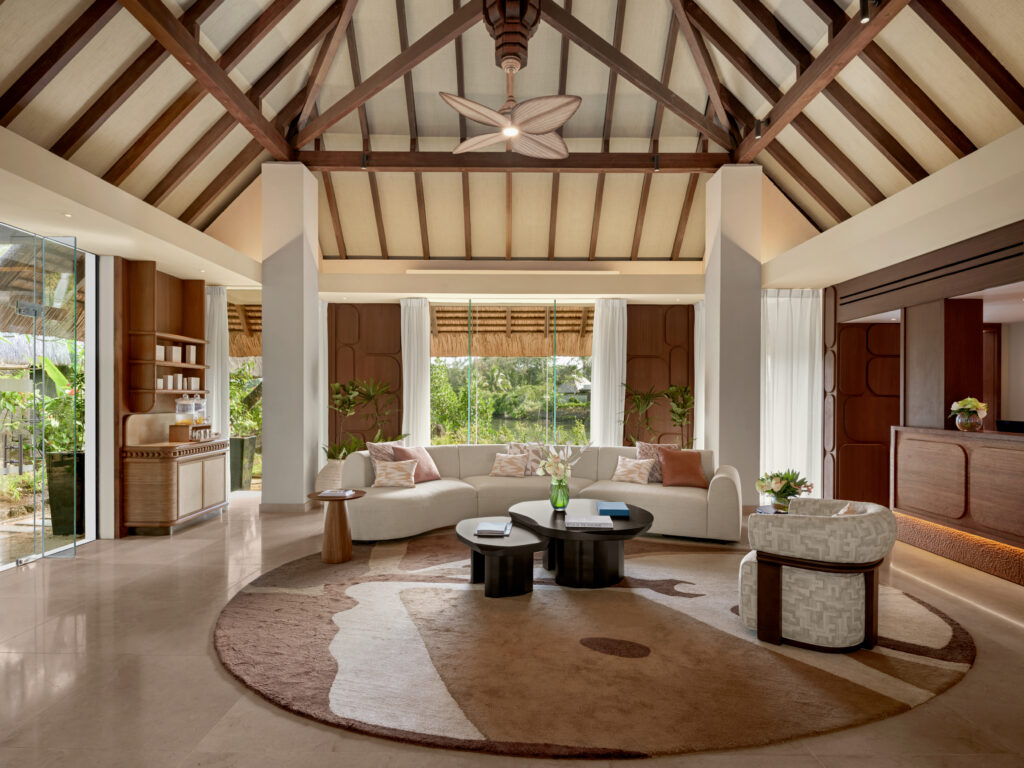
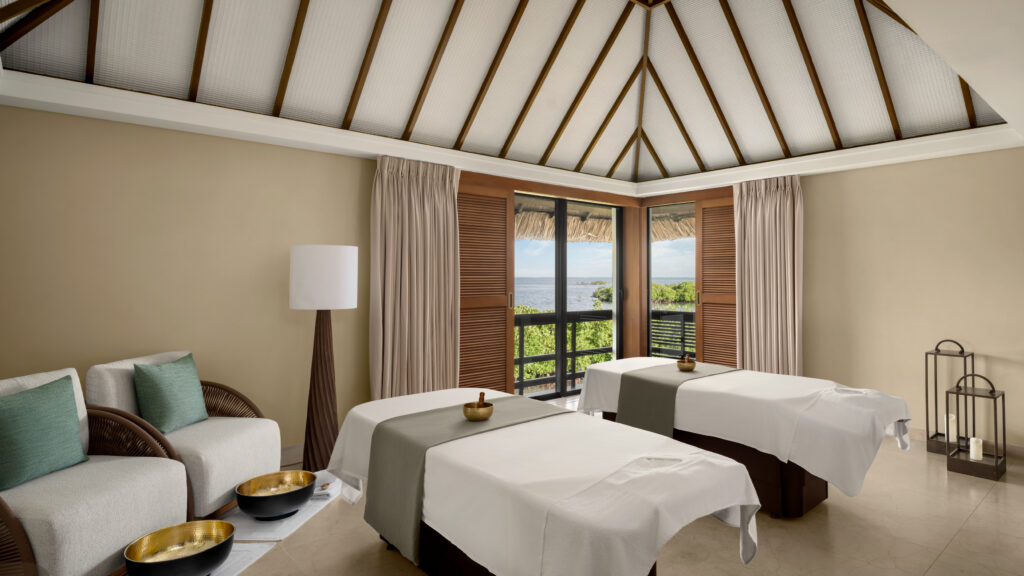
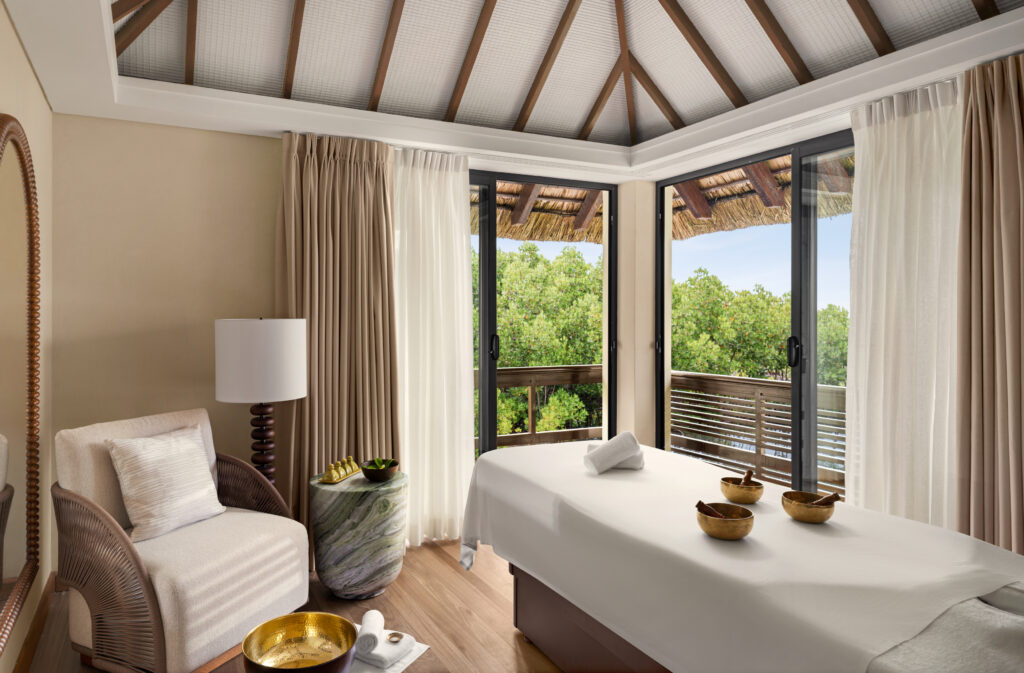
The reimagined Oseyan Spa embodies this concept of the in-between: between architecture and landscape, between technical protocol and deliberate letting go. The press release notes that the new individual and duo treatment rooms have been redesigned around natural light, mineral tones, and organic materials, with the aim of blurring the boundary between interior and exterior. This design language could easily slip into the expected imagery of tropical wellness. What catches the eye most, however, is the structure of the spa experience: a Thermal Suite combining a hammam, sauna, cold plunge pool, and experiential showers—a thermal framework based on the alternation between heat, water, and recovery.
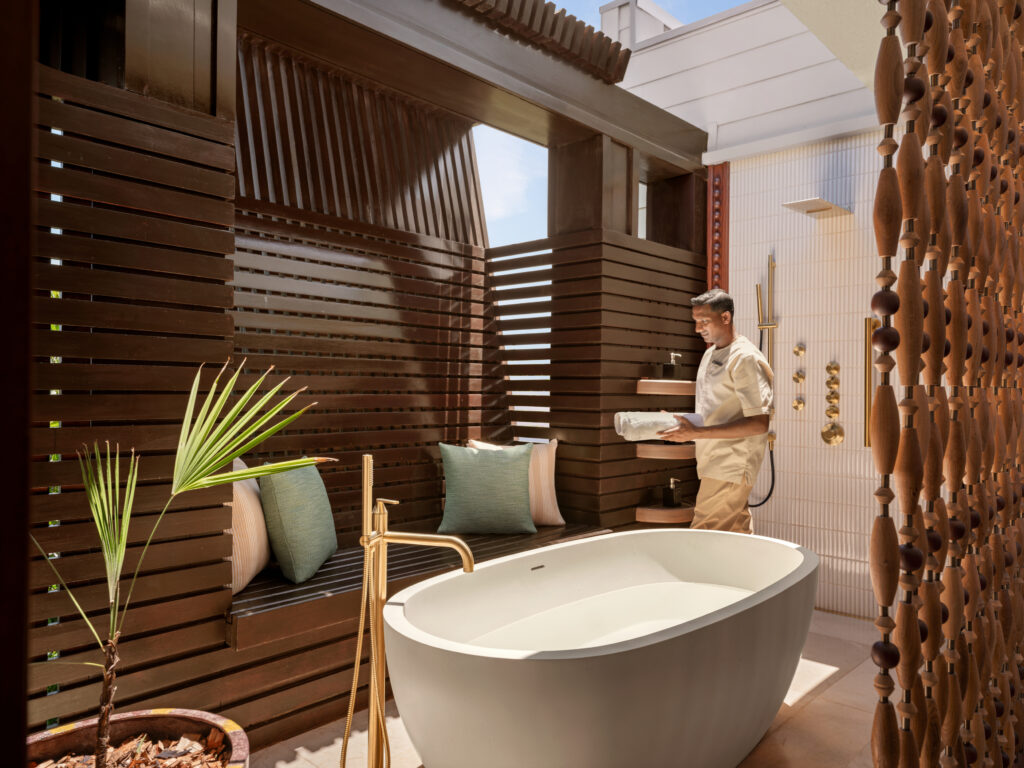
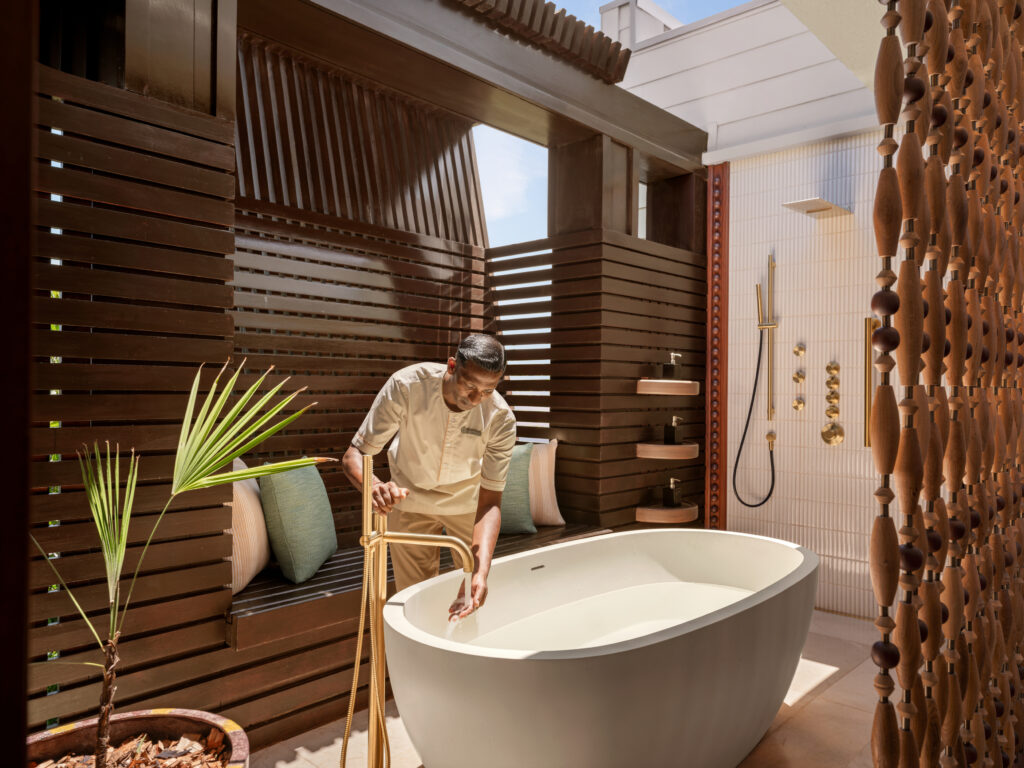
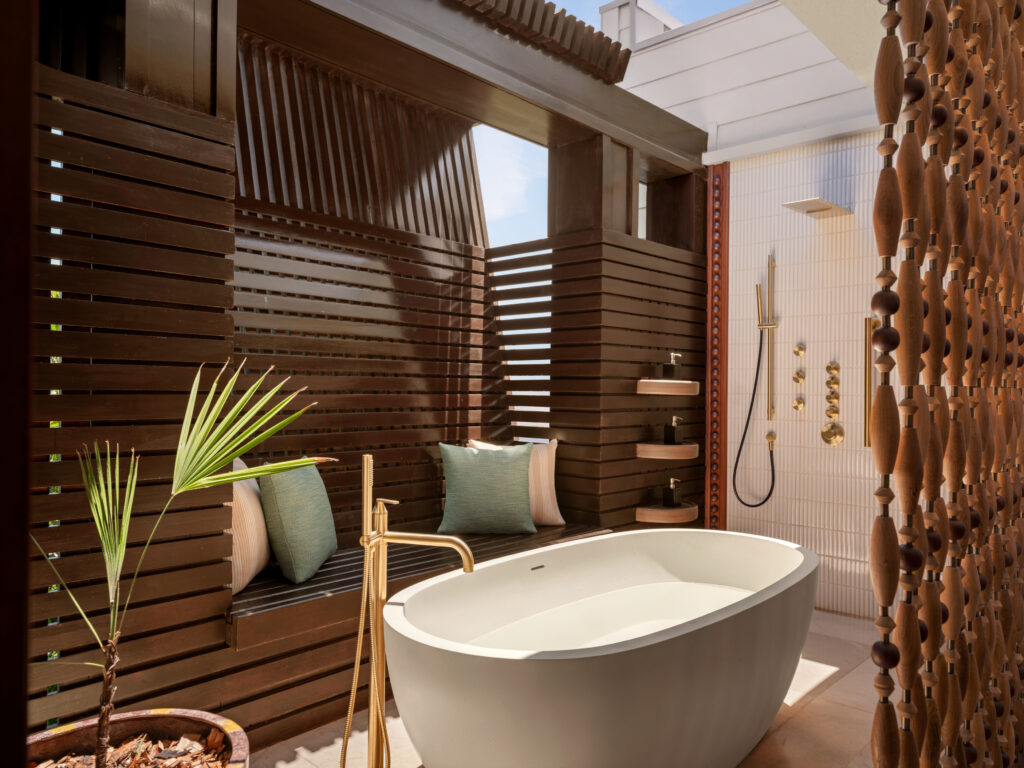
The most significant room remains the Royal Spa Suite. Not because it promises privacy—every hotel spa now promises that—but because it physically embodies this idea of suspension: a suite built on stilts above the lagoon, featuring a hand-carved stone bathtub, a private hammam, and a relaxation area that opens onto panoramic views. In a travel market where wellness sometimes becomes an accumulation of technologies, Four Seasons opts here for a more elemental setting: stone, steam, cold water, the horizon. Luxury lies not only in the amenities, but in the way the space slows the body down.
The skincare map offers another, more scientific perspective. Epicutis, an American dermatology company founded on skin biotechnology, advocates an approach centered on skin function and reducing inflammation. MyBlend, for its part, grounds its approach in personalization, using a diagnostic tool that combines a lifestyle questionnaire and photo analysis to offer recommendations tailored to the skin and lifestyle. Theranaka adds a third, more ritualistic layer, inspired by African botanical ingredients and a responsible approach to formulation.
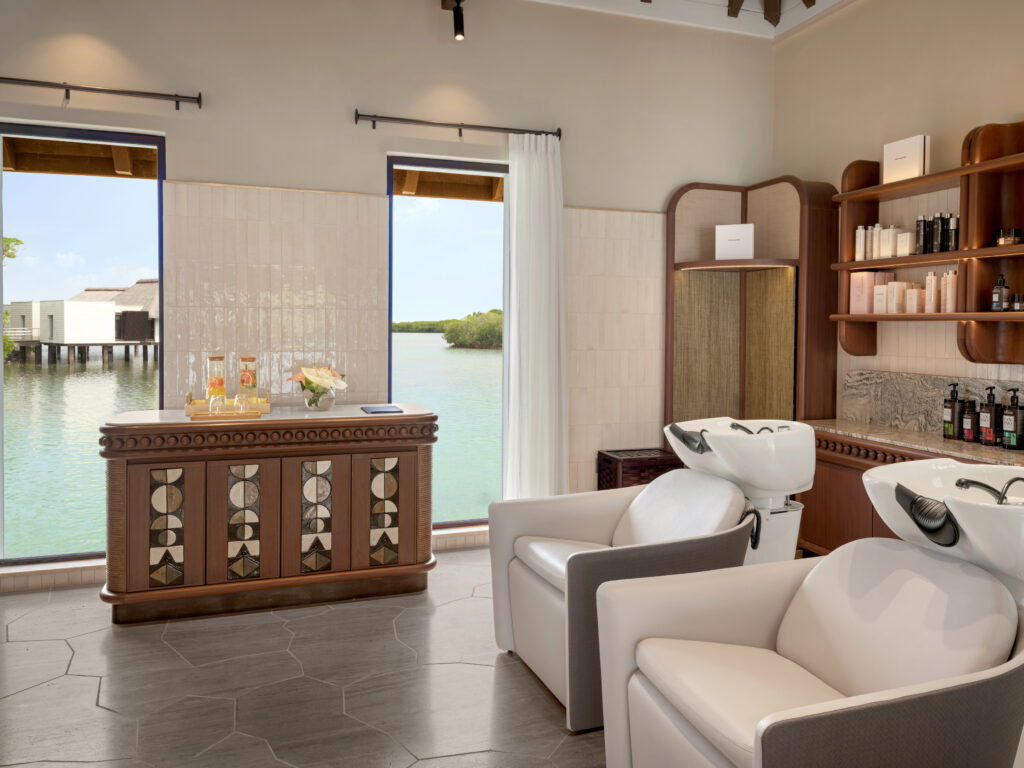
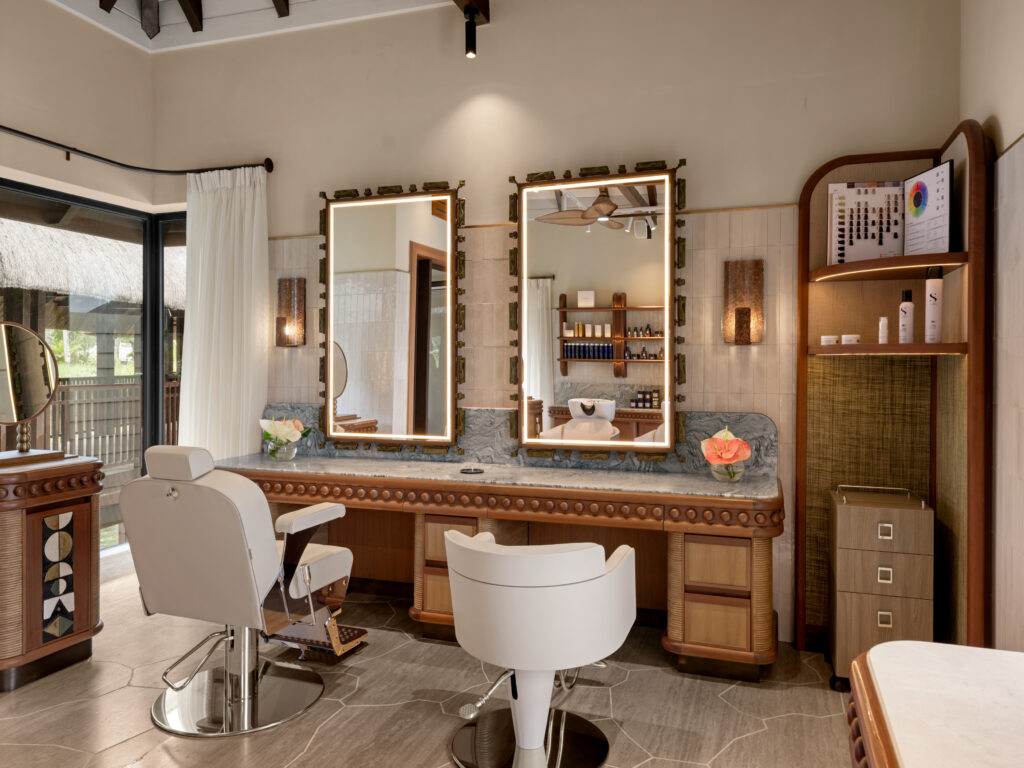
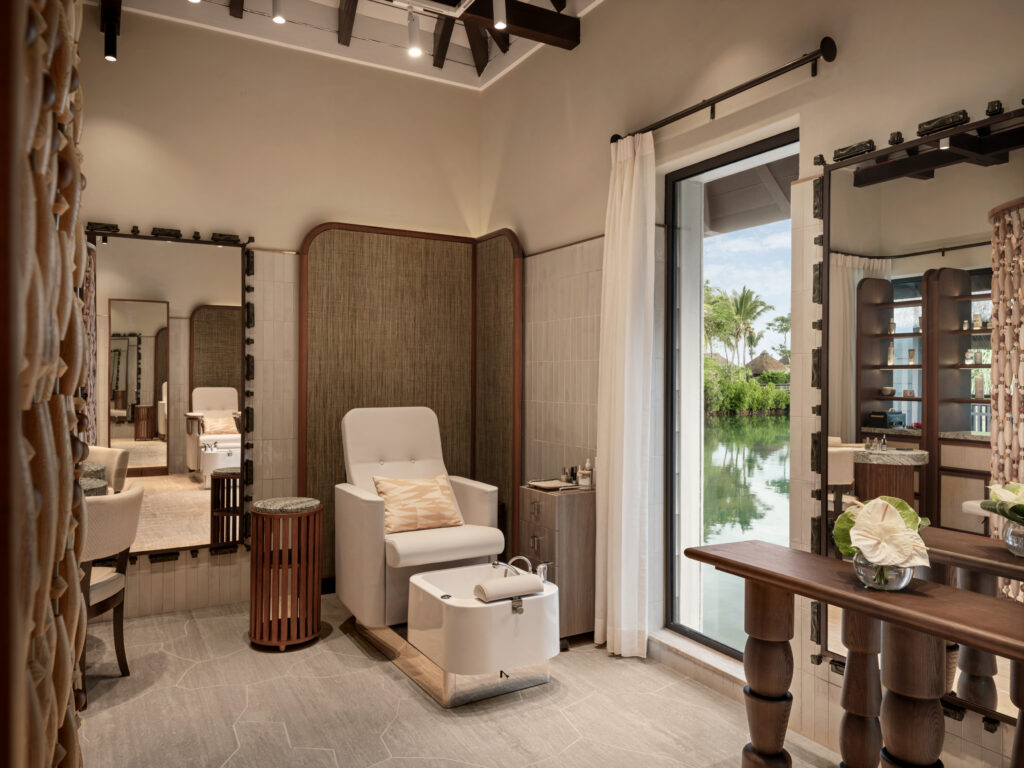
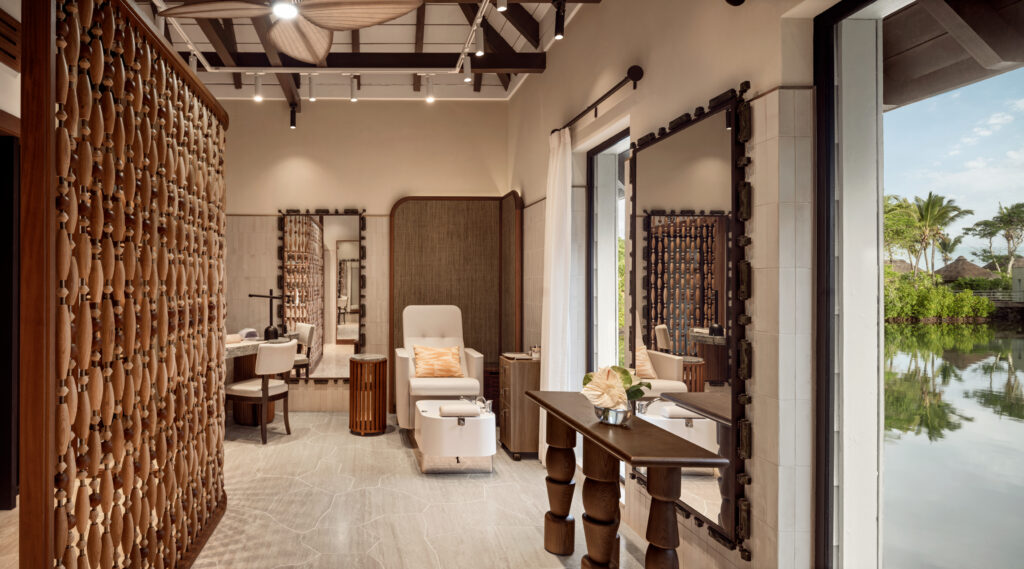
This triptych says something about the times. The luxury spa is no longer just a place for massages. It has become a space where dermatology, cultural rituals, personalized beauty, and mindfulness practices come together. The press release also mentions treatments for pregnant women and new mothers, vegan protocols for nails, body, and hair, as well as a new hair salon on stilts offering, among other things, Hair Botox treatments. This can be seen as a commercial expansion of the offerings. It also signals a deeper shift: hotel wellness now focuses on life stages, not just categories of treatments.
This quote from Joelle Jennepy, Senior Director of Spa and Lifestyle, provides the human backbone of this project: “At the heart of our philosophy lies the conviction that we are shaped by others. ” In a world where wellness is often presented as a strictly individual pursuit, this statement shifts the focus slightly. Wellness is not merely about self-improvement, but about connection: to a practitioner, to a place, to a sense of time, and sometimes to a form of vulnerability that luxury hotels know how to embrace when they stop overemphasizing perfection.
In fact, the program goes beyond the treatment rooms. The Fitness Center has been redesigned to include a Pilates studio, a TRX area, and supervised swimming lessons. Creative workshops—painting, wood engraving, and crochet—are paired with sound healing sessions and guided meditation in natural settings. This artisanal aspect is intriguing: it reintroduces the human touch into a world of wellness often dominated by protocol. Painting, woodcarving, and crocheting aren’t just about consuming a service. They’re about embracing a slower pace. For a resort, it’s also a way to create memories beyond just photographs.
Martin Dell, General Manager of the Four Seasons Resort Mauritius at Anahita, sums up the vision by describing it as “a sanctuary where every guest can truly reconnect with themselves, whether through movement, mindfulness, or silent contemplation facing the ocean .” While the phrasing remains somewhat conventional, it highlights a real issue: luxury travel is no longer content merely to provide a change of scenery. It must foster a sense of alignment—sometimes very tangible—between the stresses of modern life, self-care, one’s relationship with the landscape, and the desire for retreat.
In Mauritius—a destination long associated with its beaches, villas, and warm hospitality—this reinvention of the Oseyan Spa presents a different image: that of a less ostentatious, more natural island luxury, where steam, light, and the touch of the therapist’s hands become more compelling elements than an overly perfect setting. The lagoon is still there. But this time, it’s not just a backdrop. It becomes a measure of time.
Cette publication est également disponible en :

