
In Paris, monographic menus often turn into demonstrations. At Le Tout-Paris, on the seventh floor of Cheval Blanc Paris, the exercise takes a more interesting form: making lobster not an outward sign of celebration, but a material for variations, almost a vocabulary. The “Le Tout-Homard” menu, served both for lunch and dinner, unfolds this idea in several sequences, with a four-glass pairing suggested in the dossier provided.
The subject matter is important because it touches on a very contemporary issue in Parisian haute cuisine: how to treat an ingredient that is immediately obvious without falling into the sleeve effect. The European blue lobster, Homarus gammarus, is not a decorative pretext here. It is an identified species, fished on the Atlantic and Channel coasts, marketed in France under the name of blue lobster, with a marked presence in the Breton and Channel fisheries. Fishery sources also remind us that it lives on rocky bottoms, in a very concrete geography, far from the vague imaginary of the “exceptional product”.
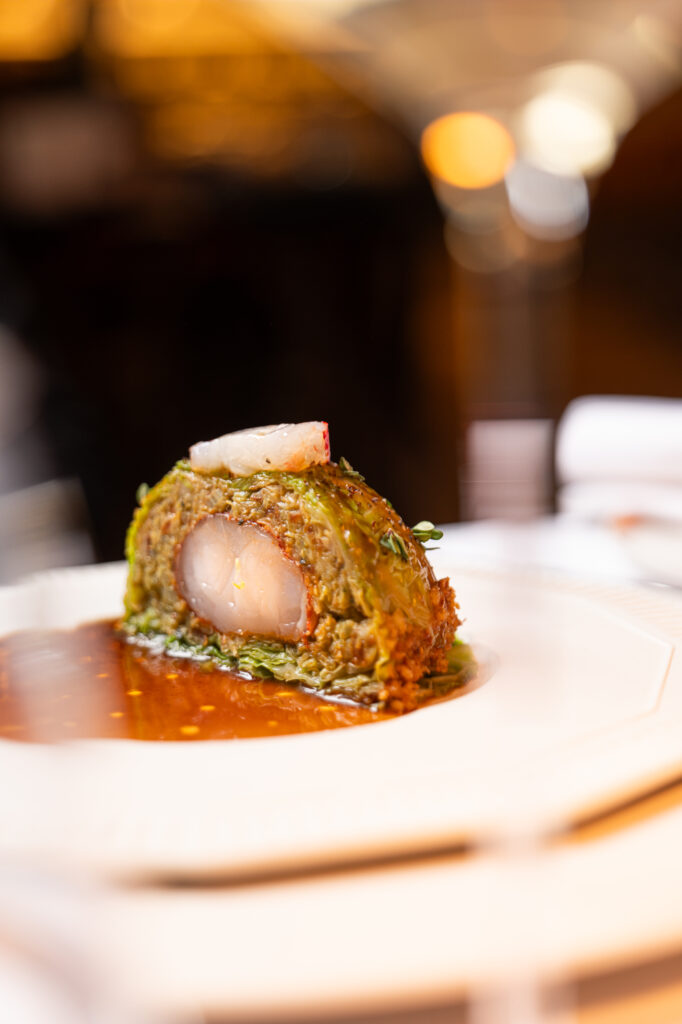
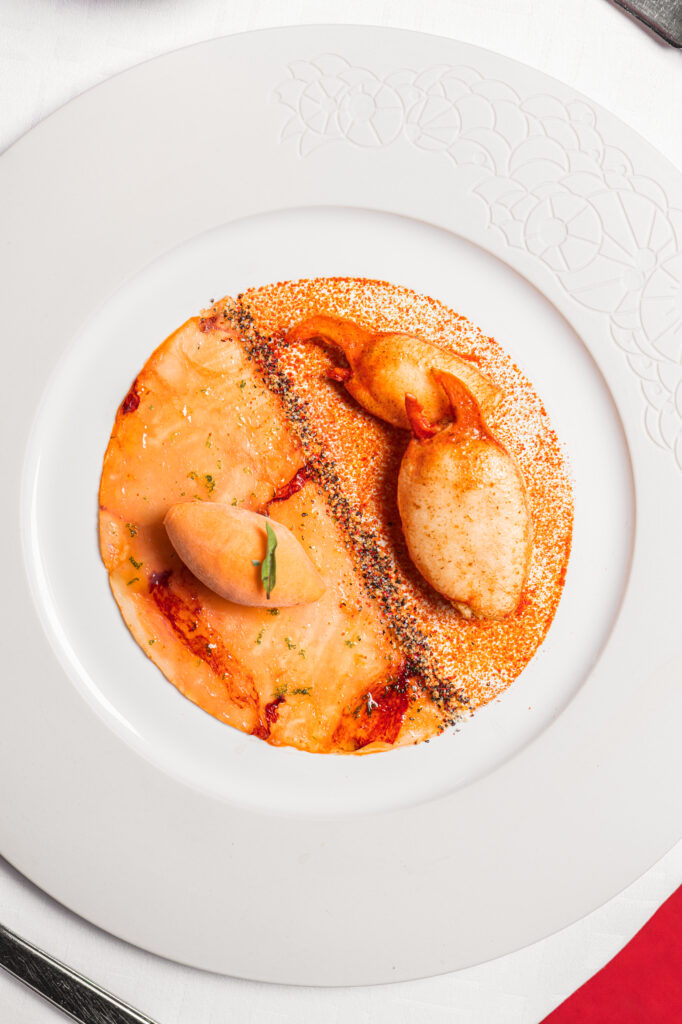
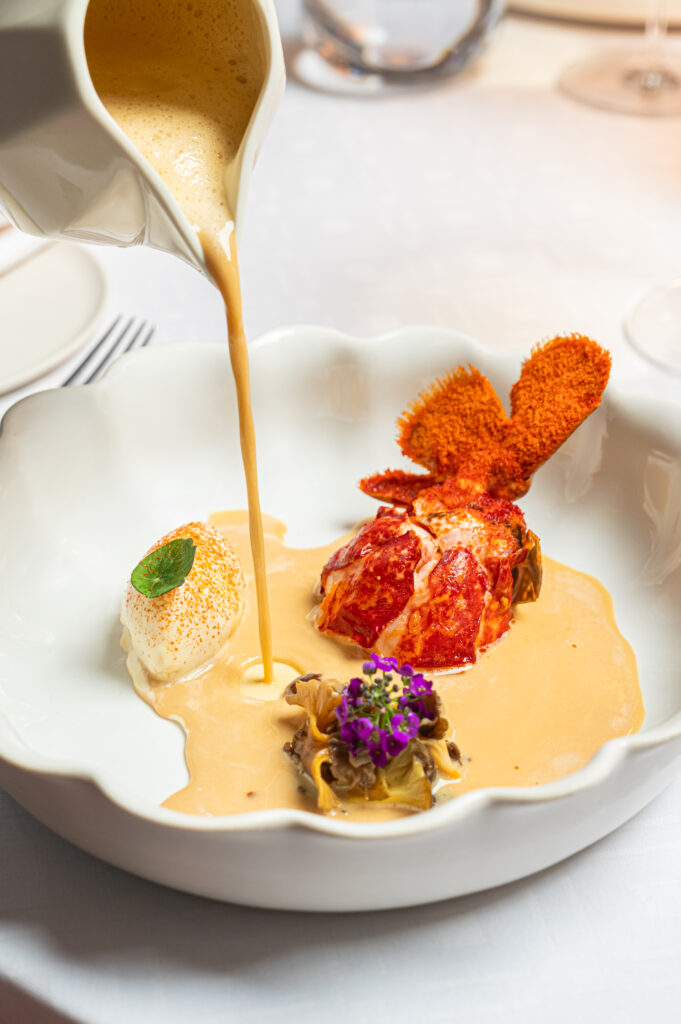
The merit of this menu lies in the fact that it takes this materiality as its starting point. Raw, seared, set in broth, worked from roasted shells, crustaceans change density, relief and intensity. The release evokes a coral tartlet, a lemongrass and basil nage, a crudo with shellfish velvet, then a medallion and a quenelle in a woody broth before a lobster-chou carried by a tangy shellfish jus. What interests us here is not the accumulation, but the culinary logic: the flesh, the claws, the coral, the carapace, in other words the entire animal as a field of gustatory study. Luxury, in this case, lies not in the name of the product but in the rigor of its deployment.
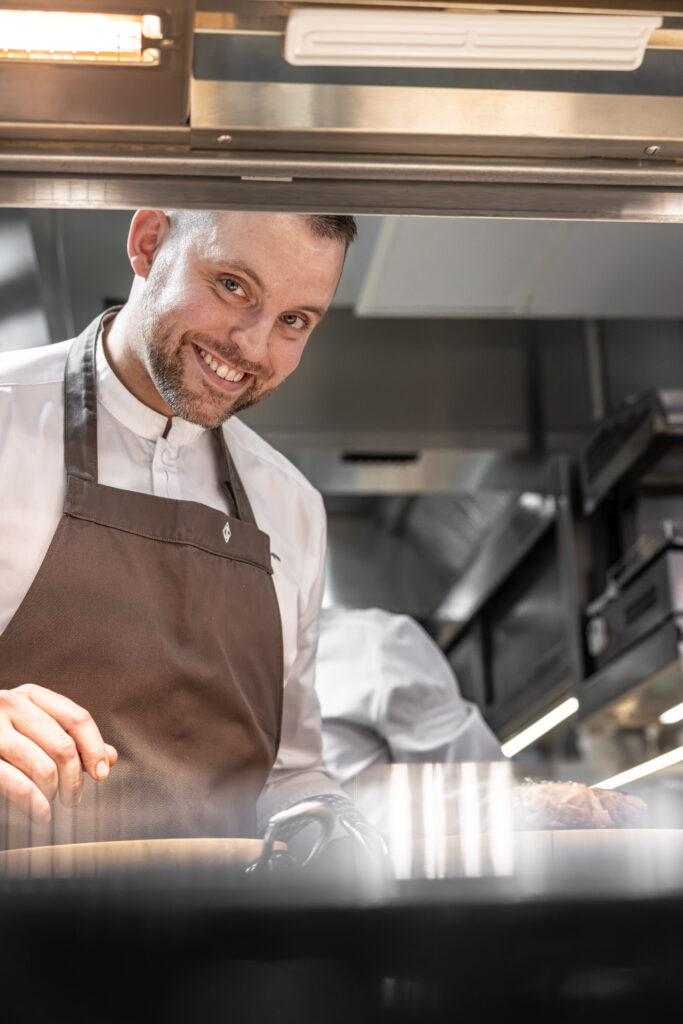
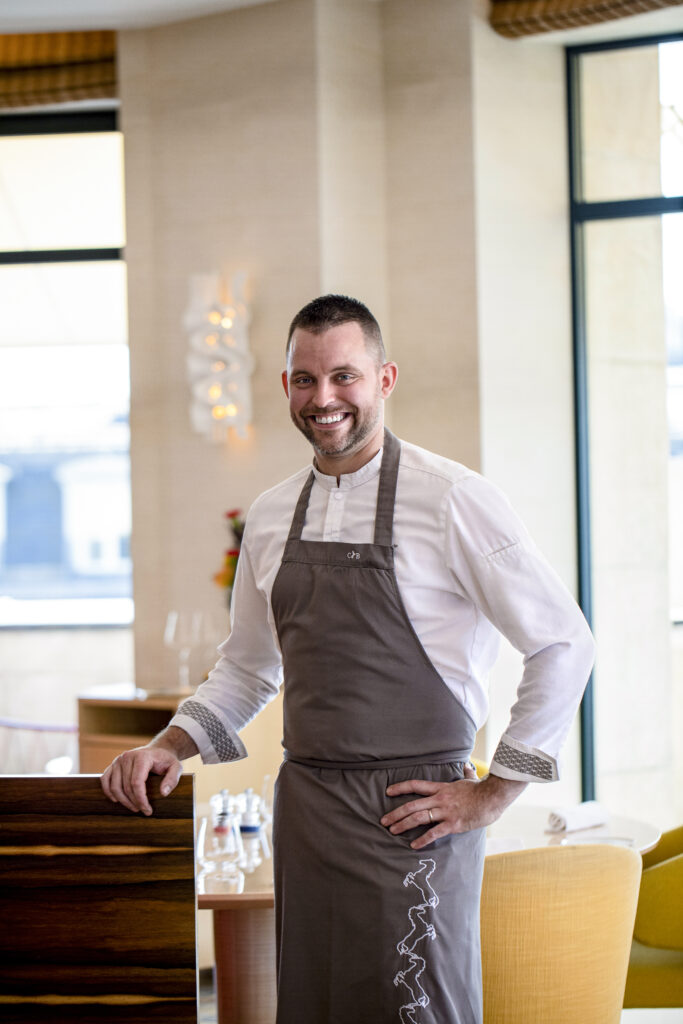
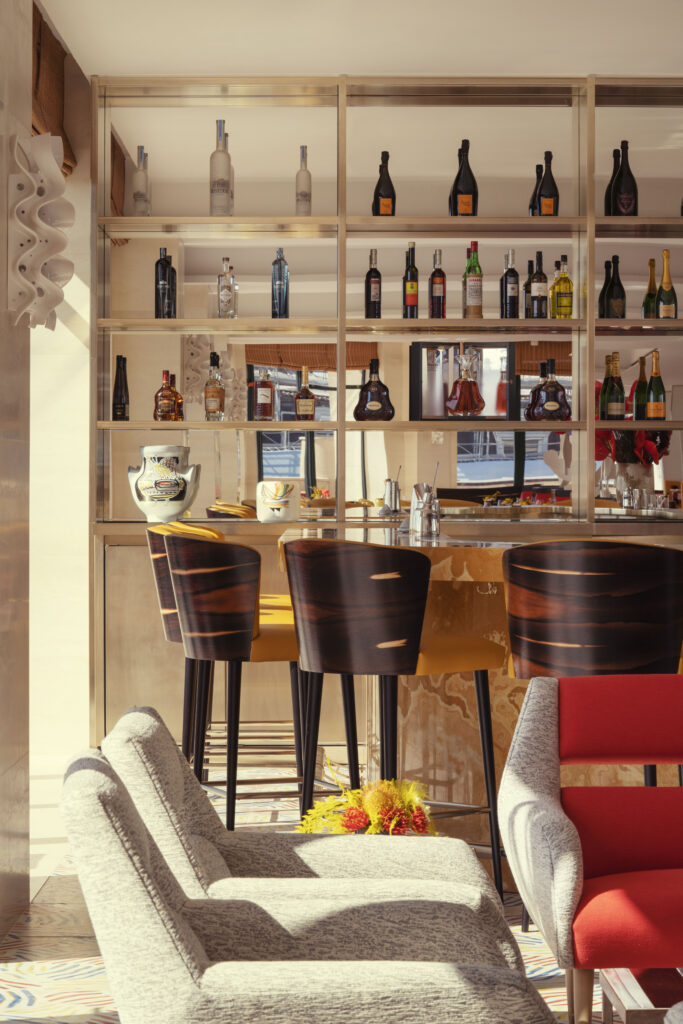
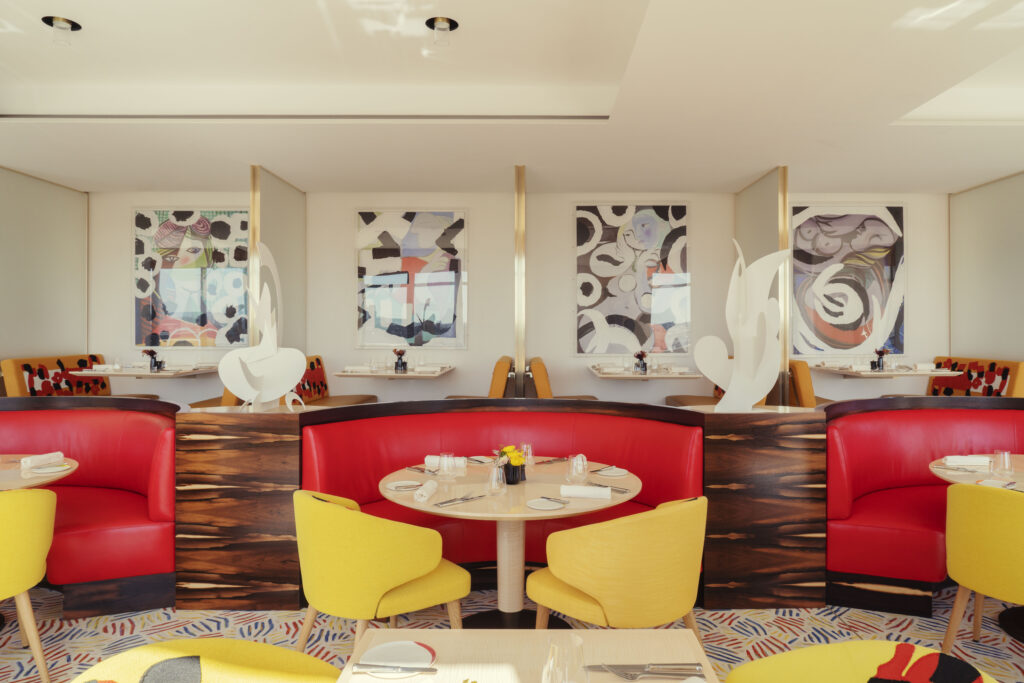
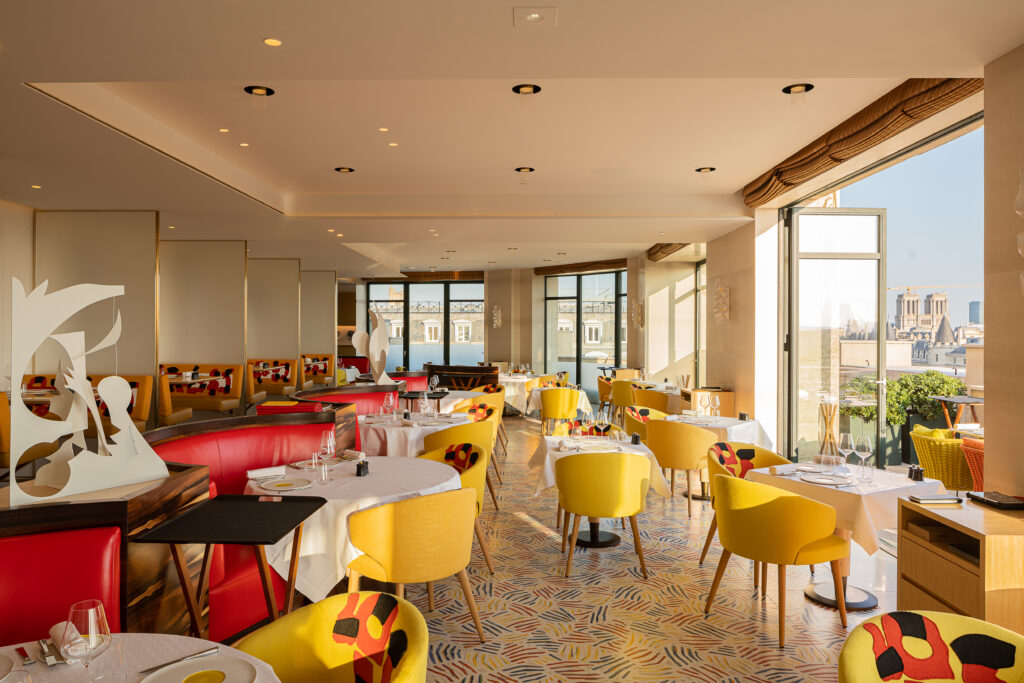
The setting is not insignificant. Le Tout-Paris occupies the seventh floor of Cheval Blanc Paris, at 8 quai du Louvre, with a kitchen led by William Béquin under the direction of Arnaud Donckele. The house presents the place as a brasserie with a new spirit, while the MICHELIN Guide emphasizes its elevated location, its decor by Peter Marino and the precision of execution on the plate. The restaurant has now been awarded a MICHELIN star. This fact changes the reading of the menu: we are not in the register of the spectacular seafood platter, but in that of a brasserie passed through the filter of a gastronomic discipline.
William Béquin works under a strong tutelary figure. Cheval Blanc recalls that Arnaud Donckele heads the restaurants of the Parisian house, including Plénitude, which was awarded three stars in 2022. In such an ecosystem, each table must avoid duplication. The role of Tout-Paris then seems quite clear: to maintain a livelier, more legible line, more brasserie in principle, but without renouncing high-precision culinary writing. A menu devoted entirely to lobster provides just such an intermediary positioning. It speaks to the Parisian who comes to lunch for a special occasion, as much as to the traveler looking for an immediately understandable culinary narrative.
This proposal also reflects a broader reading of current Parisian taste. The top restaurants are no longer just selling a signature; they’re building formats. A menu centered on a single ingredient is almost like a limited edition, but in a restaurant version. This responds to the need for clarity without over-simplification. Diners know what they’re looking for, but in the process discover a technical grammar: extraction of juices through the shell, the interplay between raw and cooked, the dialogue between iodine, fat, vegetable acidity and the depth of the broth. It’s a skilful way of making sophistication readable.
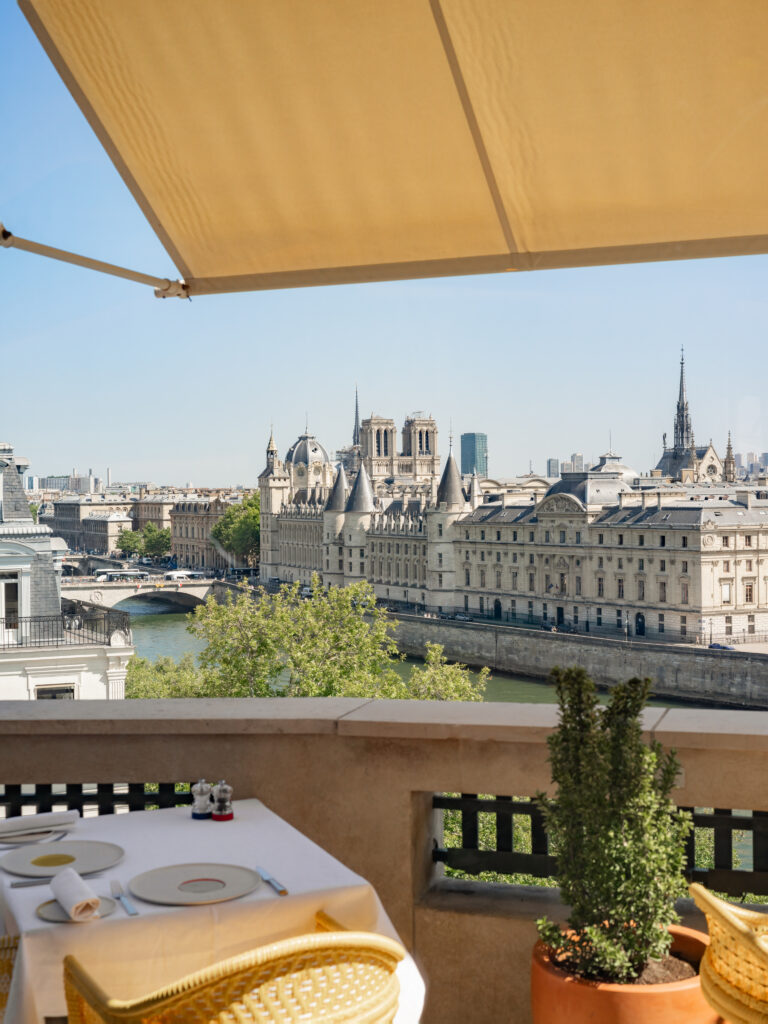
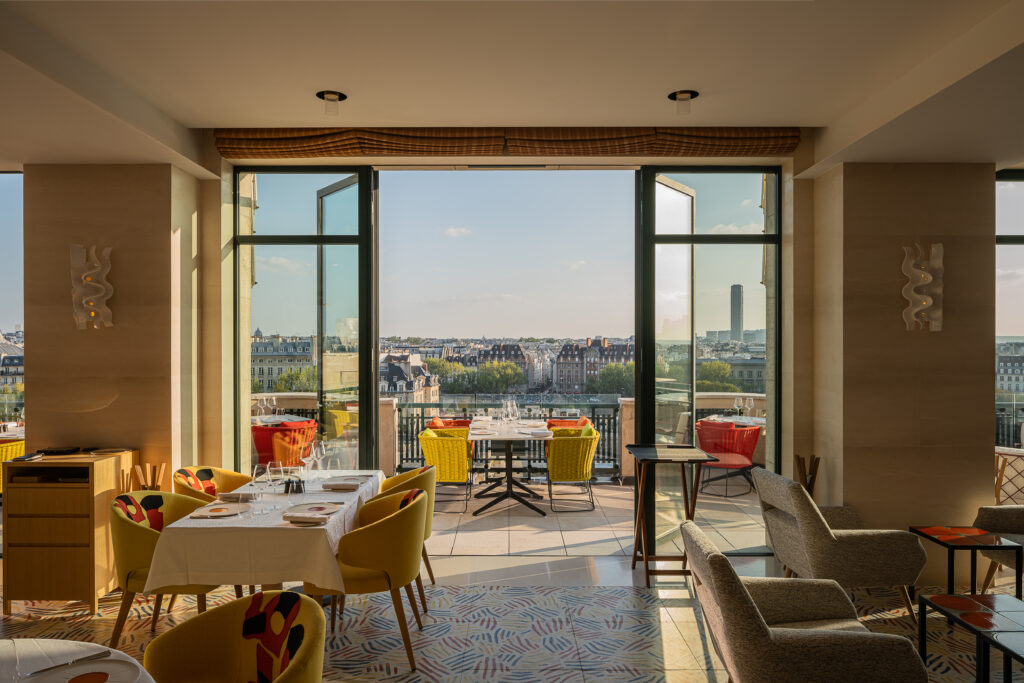
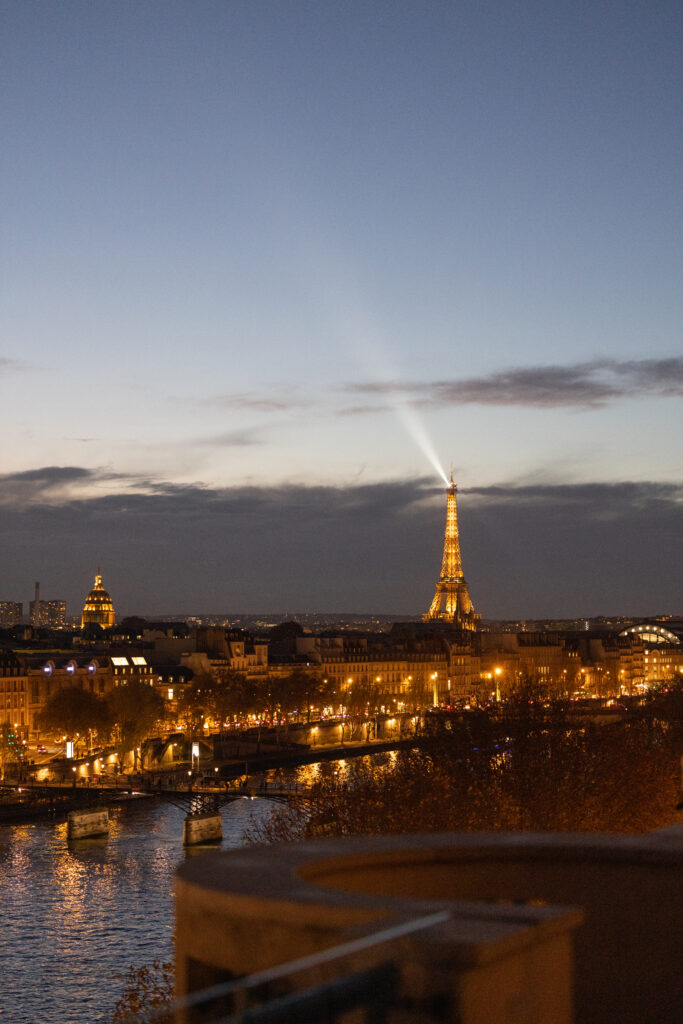
What remains is the place, and that counts. Le Tout-Paris was designed to look out over the city as much as to receive it. Cheval Blanc insists on its daily opening and its view over the rooftops of Paris; the MICHELIN Guide refers to the terrace and the restaurant’s place on a panoramic floor. In a capital saturated with addresses that are more to report than to experience, this height creates a useful scene: people come to eat, of course, but also to take up the old Parisian idea of the restaurant as a social observatory. There’s nothing innocent about the title of the place. It promises theater. As for the lobster menu, it avoids at least one pitfall: decorum does not take precedence over the plate.
In the end, what “Le Tout-Homard” tells us is a kind of maturity in palace hospitality. No longer hiding behind ceremonial, but proposing an angle. Not to do everything, but to choose a subject and exhaust it methodically. At its best, a great restaurant doesn’t add prestige to an already prestigious ingredient; it makes it more intelligible. Here, lobster ceases to be an emblem. It becomes an animal, a texture, a season, a cooking process, a juice. It’s more sober. Above all, it’s more accurate.
Cette publication est également disponible en :

