
Since 1963, Piaget has maintained a relationship with color that goes beyond the merely decorative. At Piaget, color is never a surface effect. It is an attitude, almost a statement. Lapis lazuli, turquoise, malachite, tiger’s eye, opal or jade: ornamental stones very early on enabled Piaget to take the watch into freer, more sensual territory, closer to the jewel than the instrument. In 2026, this history returns to the fore with a new intensity, as if the House were seeking less to revisit its past than to reactivate its modernity.
The adventure really began in the 1960s, when Gérald and Valentin Piaget accompanied the transformation of the family business into an international Maison. At that time, Piaget made a decisive choice: to work exclusively with precious metals and materials. The arrival of the extra-flat 9P movement, unveiled in 1957, opened up a whole new field of experimentation. Dials could be enlarged, refined and transformed into expressive surfaces. Stone no longer simply adorned the watch: it became its face.
In 1963, Piaget introduced a series of gold jewelry watches with ornamental stone dials. It was a bold move. At a time when watchmaking was moving towards steel and a form of democratization, Piaget chose opulence, gold, color and desire. The watch leaves the register of measurement to join that of presence. It is in tune with the cultural upheavals of the sixties, the exuberance of fashion, the influence of art and the tastes of a cosmopolitan clientele in search of distinction.
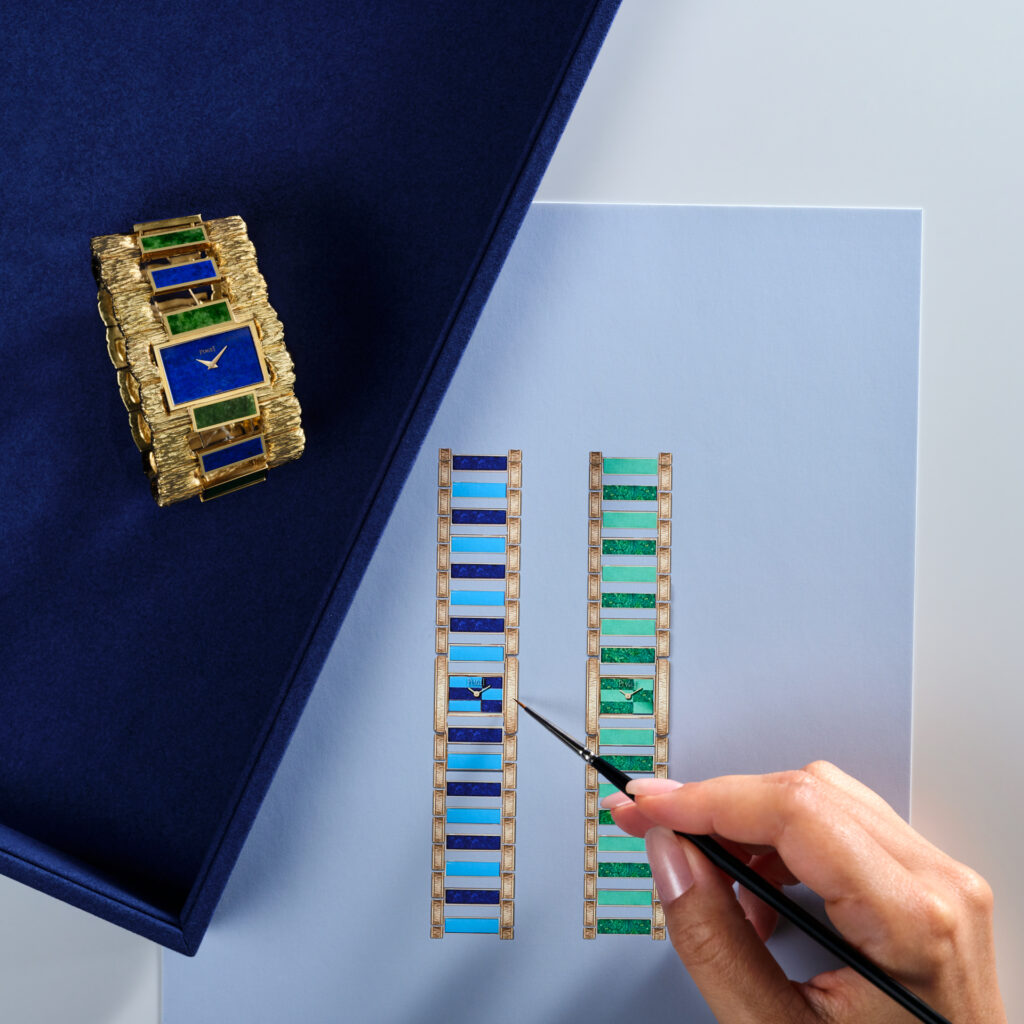
This vocabulary took on an iconic dimension in 1969 with the 21st Century Collection. Graphic compositions of lapis lazuli and jade, contrasts of mother-of-pearl and onyx, pop art-inspired bursts of color transformed the jewel watch into a cultural object. It became the sign of an era: one of less solemn, more hedonistic, freer luxury. For Piaget, color is not wise. It emerges, it asserts, it shakes things up.
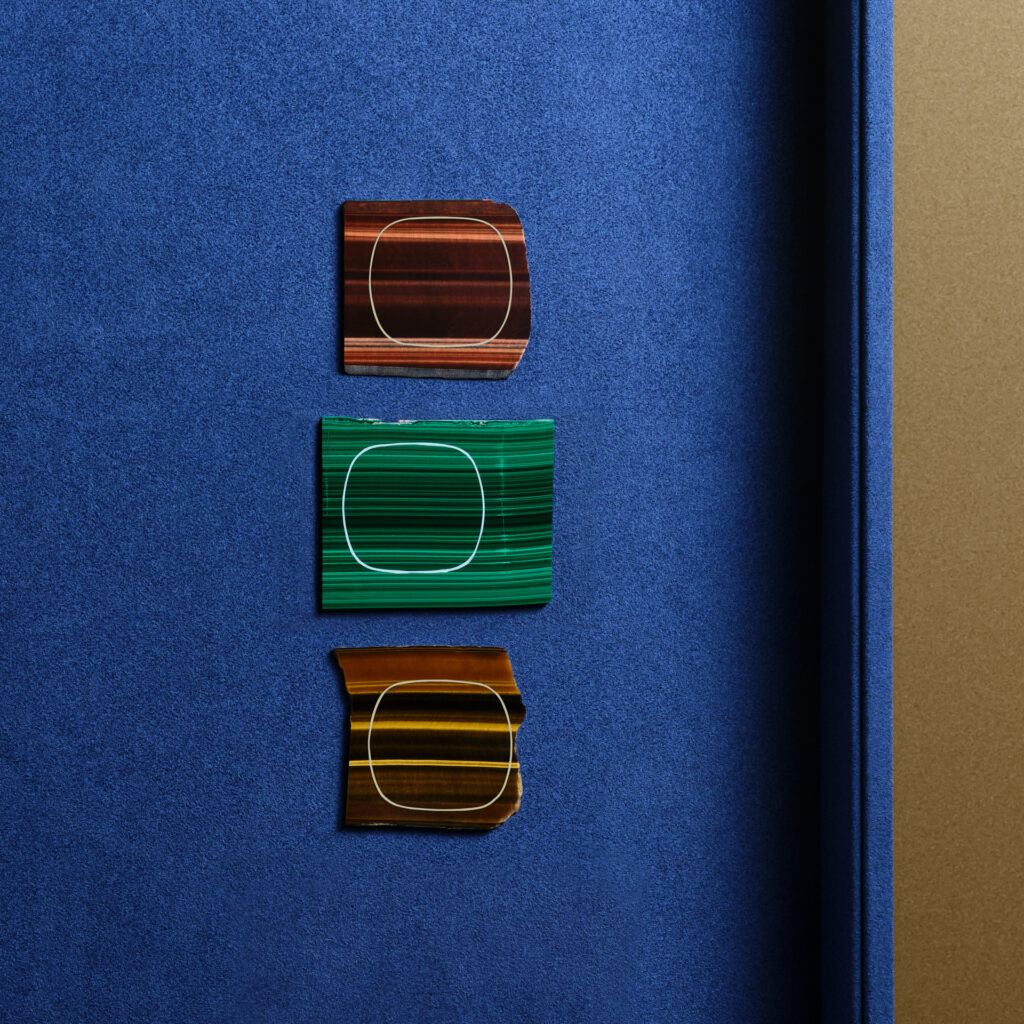
One of the most visionary gestures of this period was undoubtedly the Style Selector, introduced in the mid-1960s. Long before personalization became a contemporary obsession, Piaget allowed its customers to compose their own jewel watch: choice of gold bracelet, dial in precious metal or ornamental stone, hour-markers, numerals, setting. Tiger’s eye, lapis lazuli, malachite, opal, mother-of-pearl, coral, rhodonite or ruby root are all ways of expressing individuality.
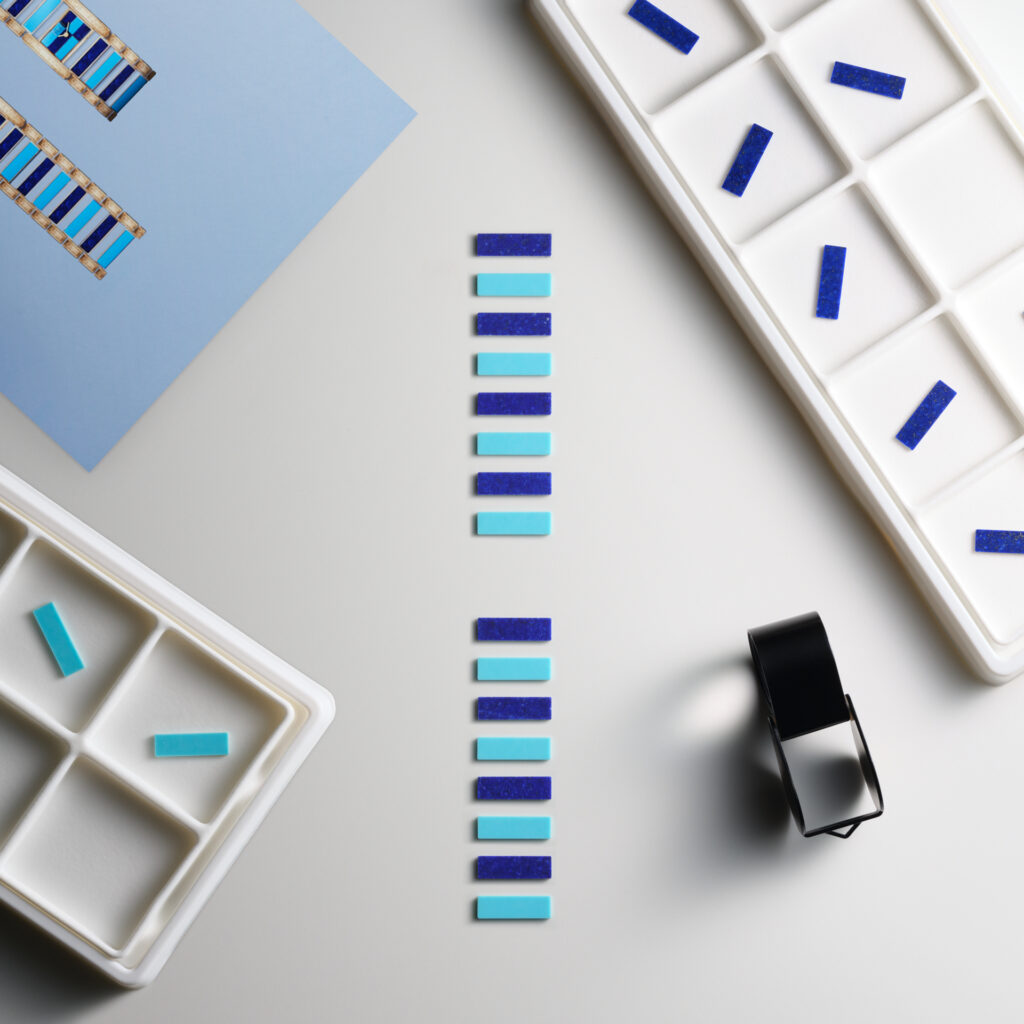
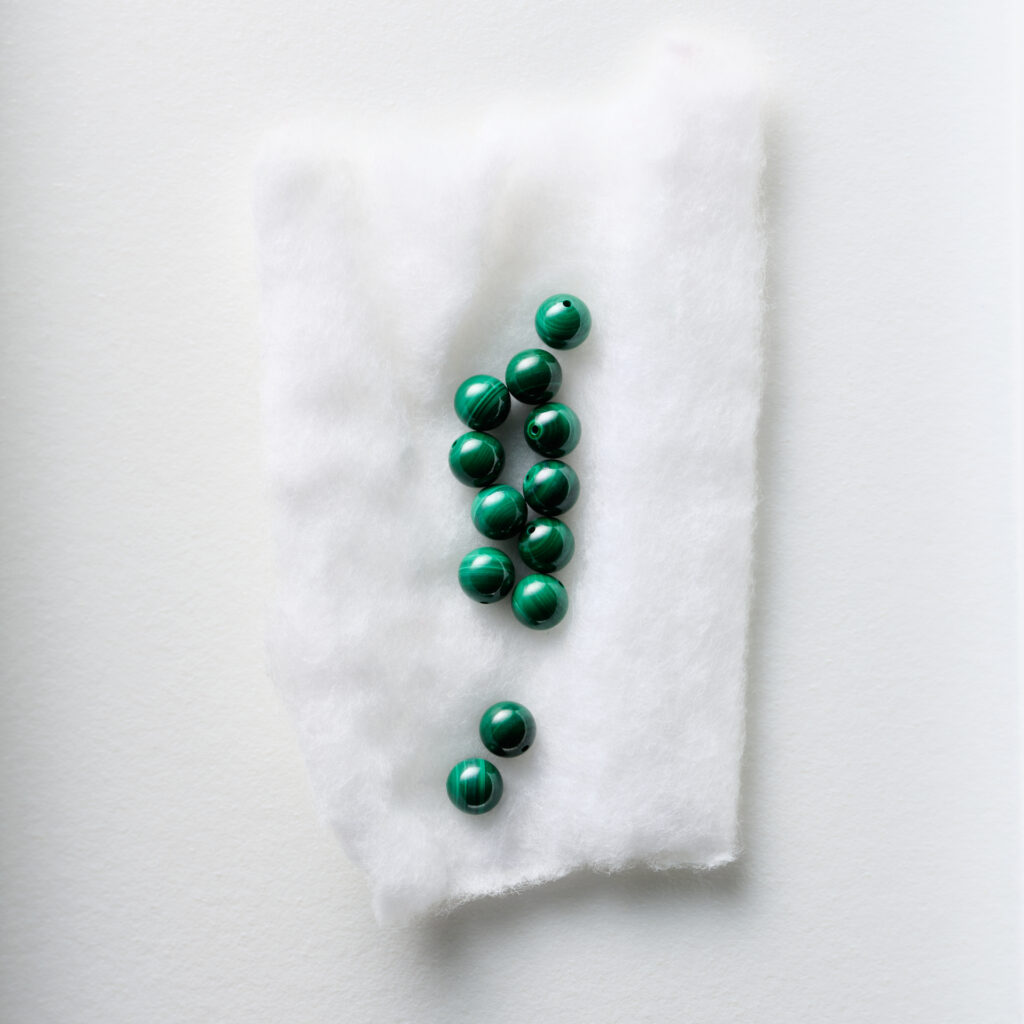
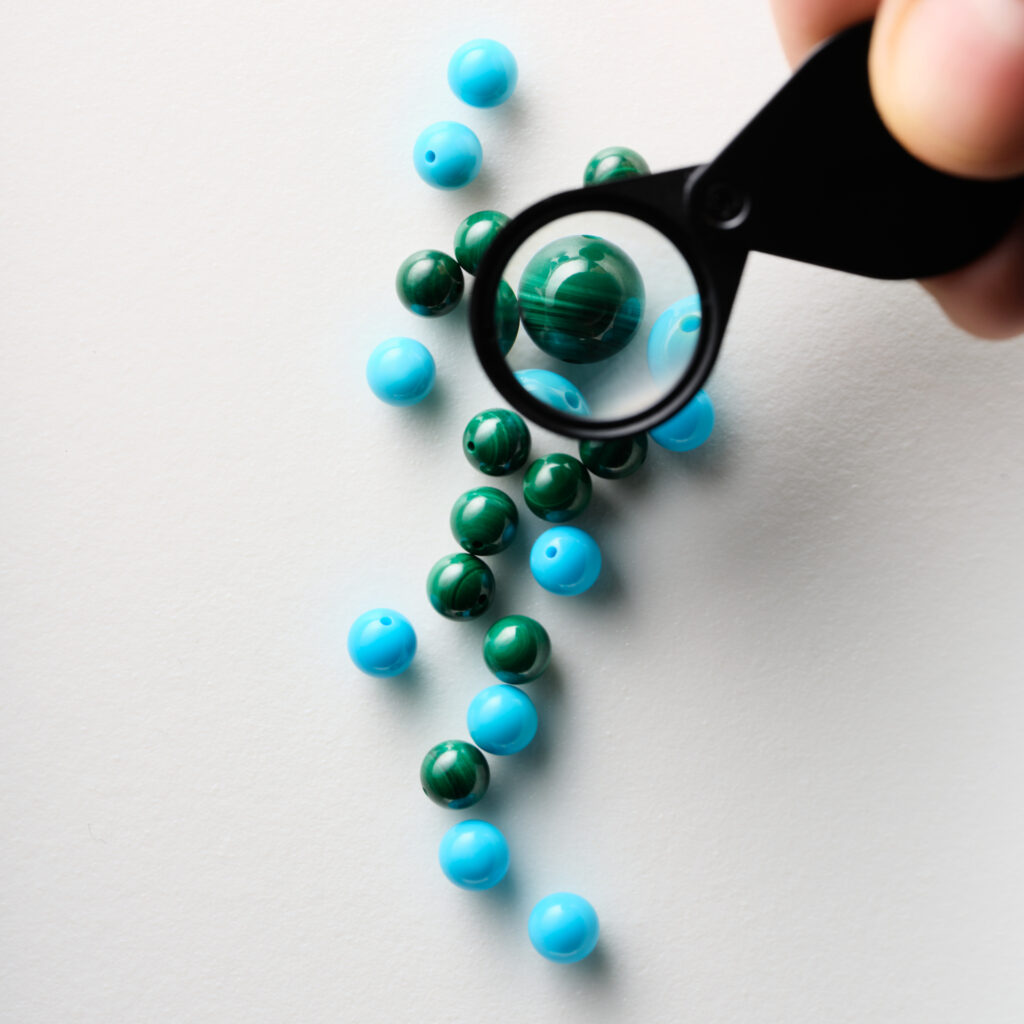
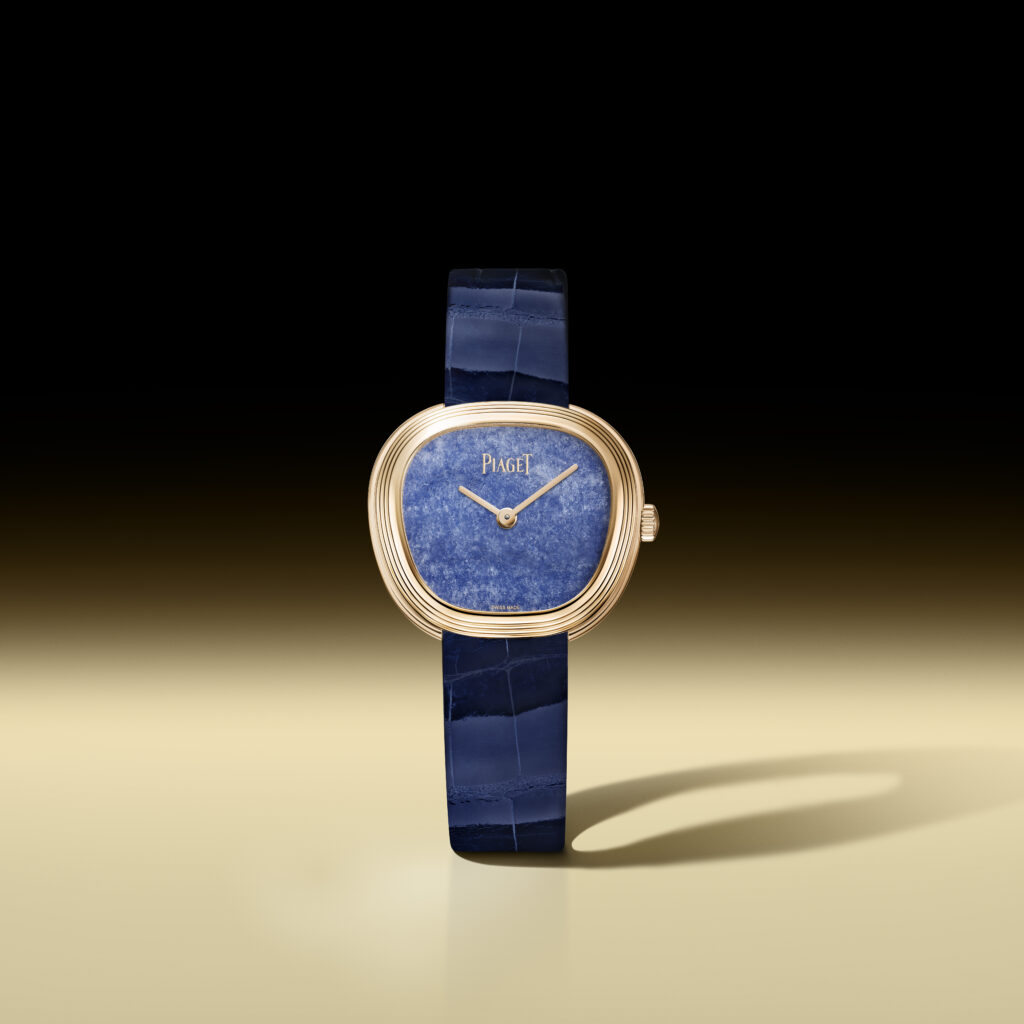
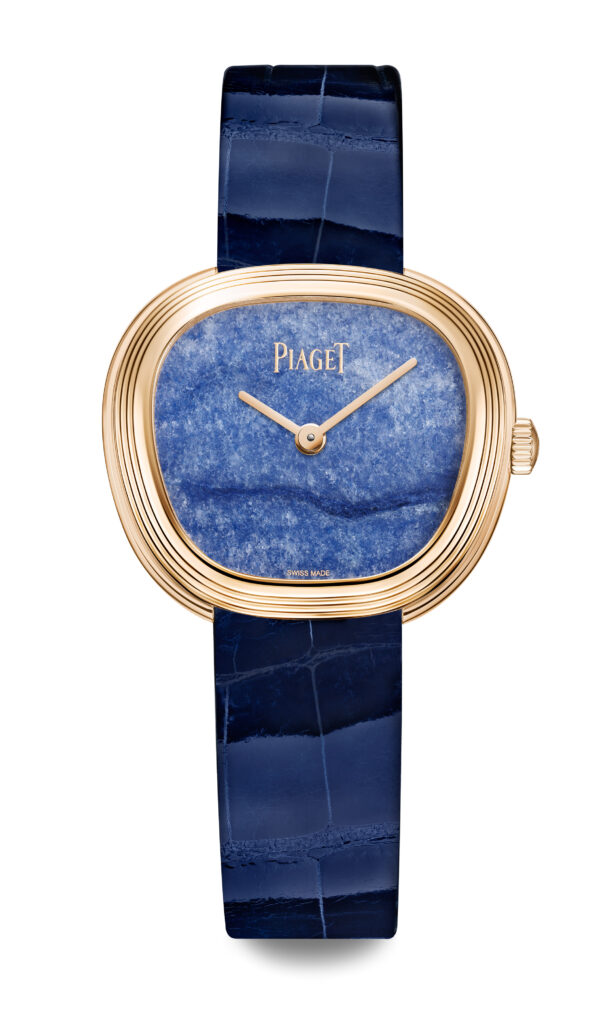
This freedom, however, would be meaningless without extreme craftsmanship. Working with ornamental stones for watchmaking is an almost paradoxical exercise in precision: the natural character of the material must be preserved, while at the same time constraining it to absolute finesse and regularity. Some stones have to be cut down to 0.4 millimetre thickness, then polished to reveal their veins, nuances and luminous accidents. Beauty comes precisely from this tension: taming the material without impoverishing it.
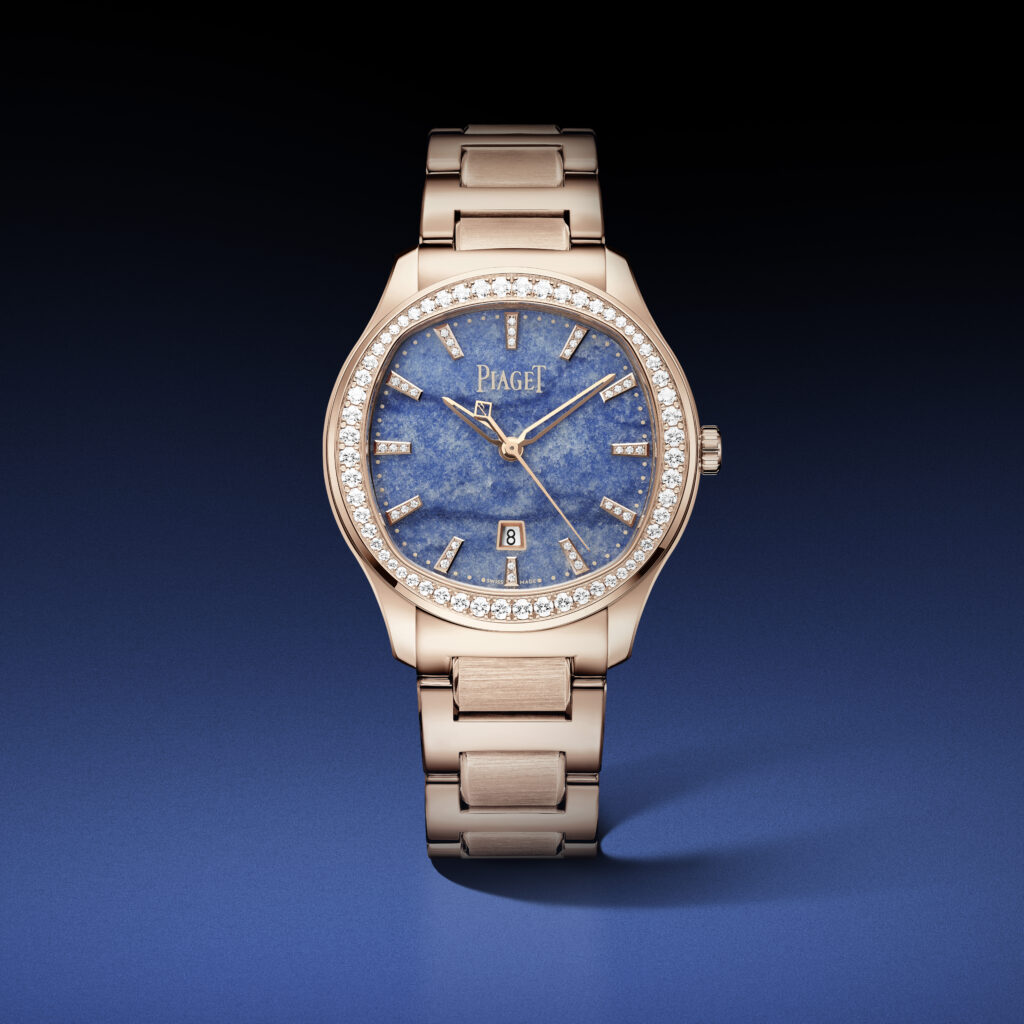
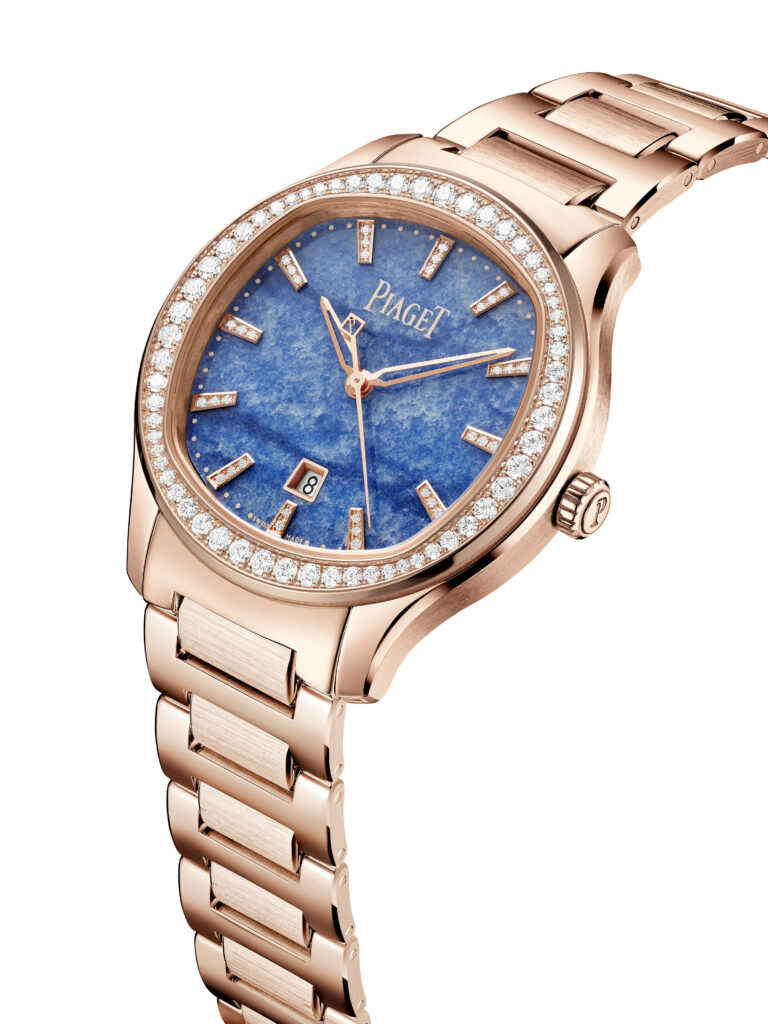
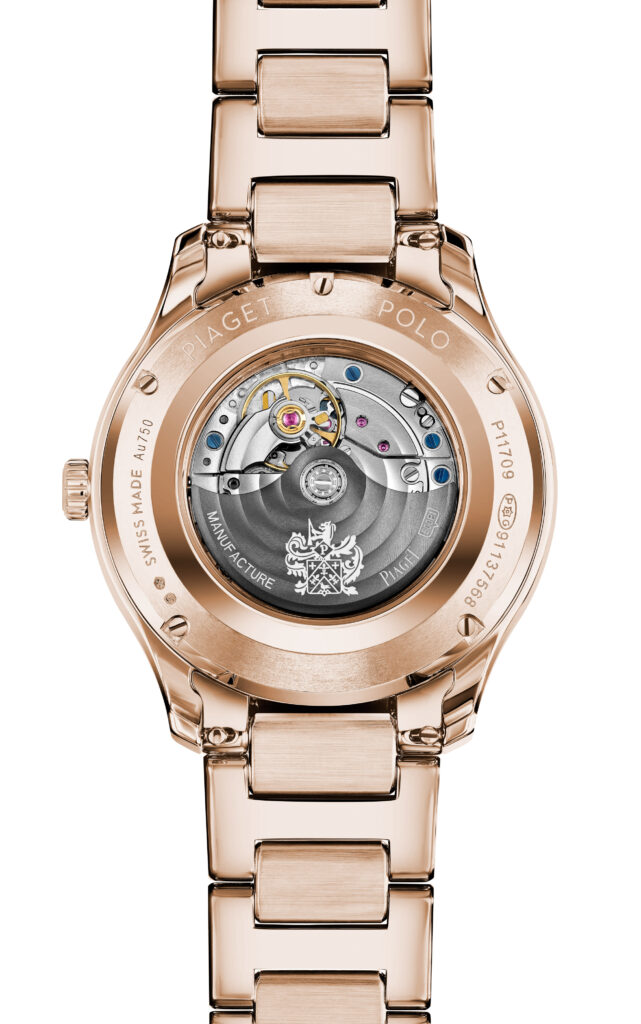
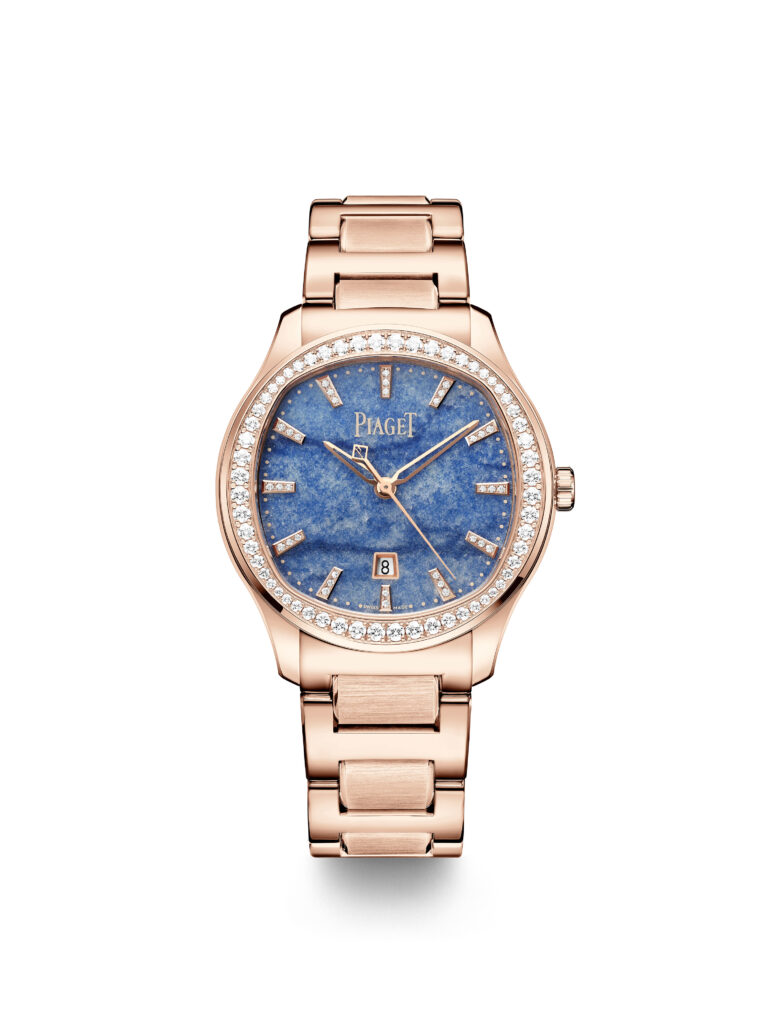
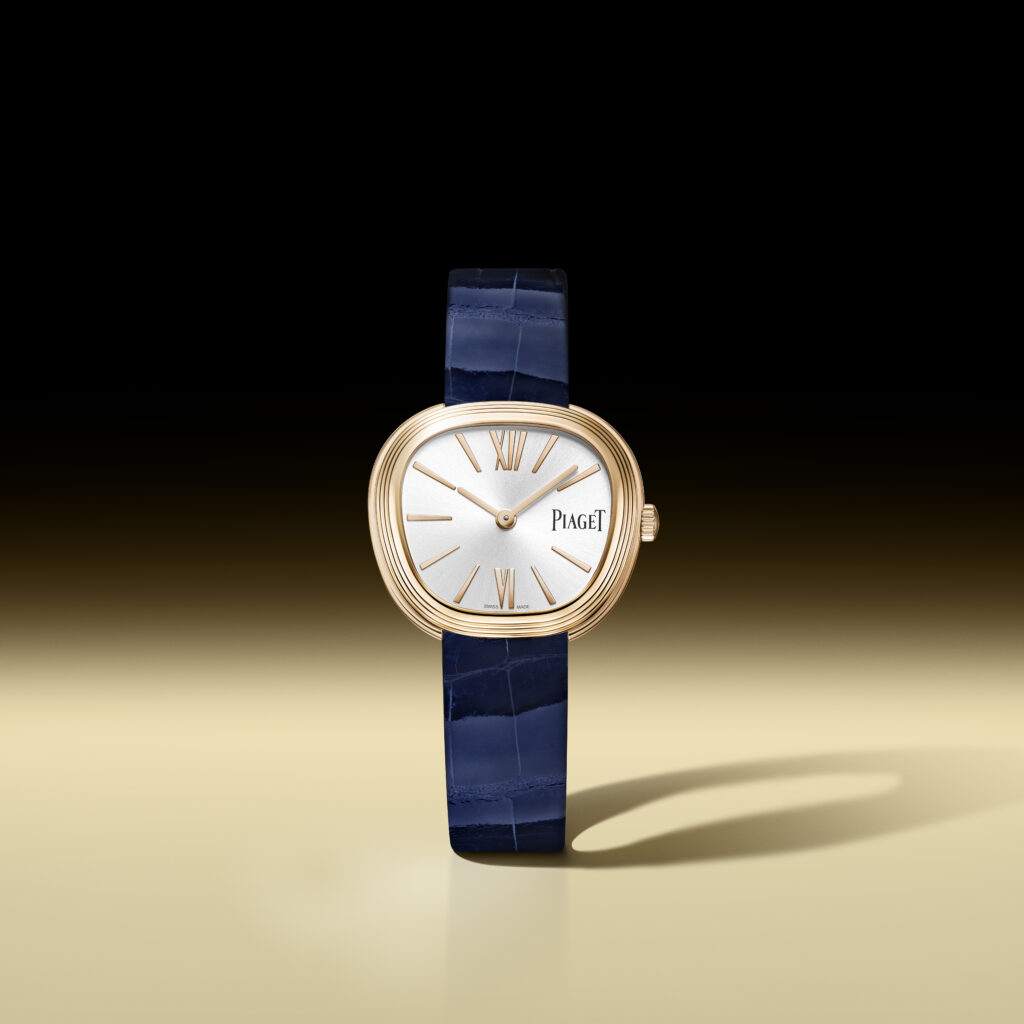
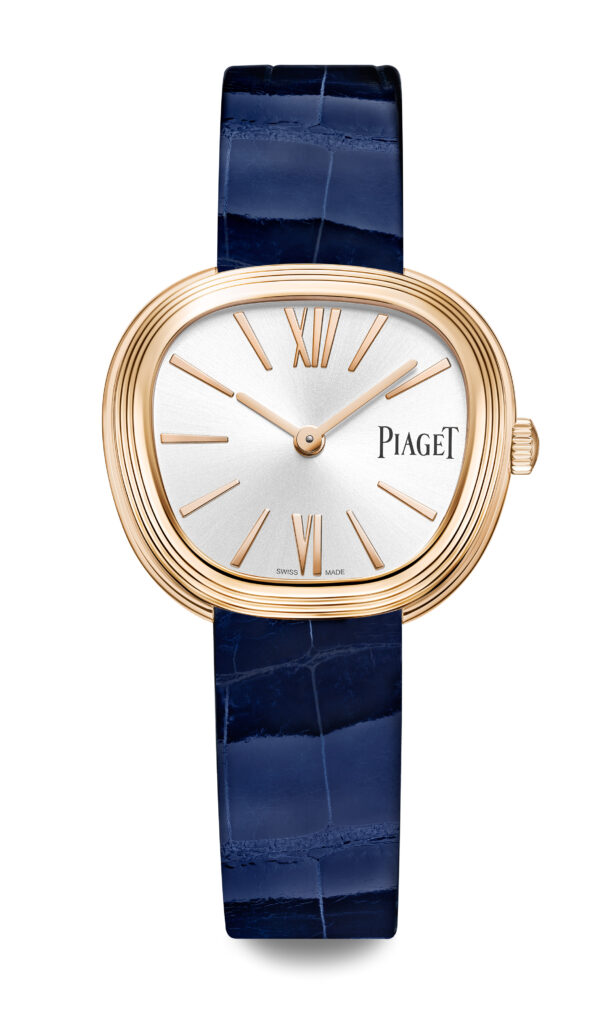
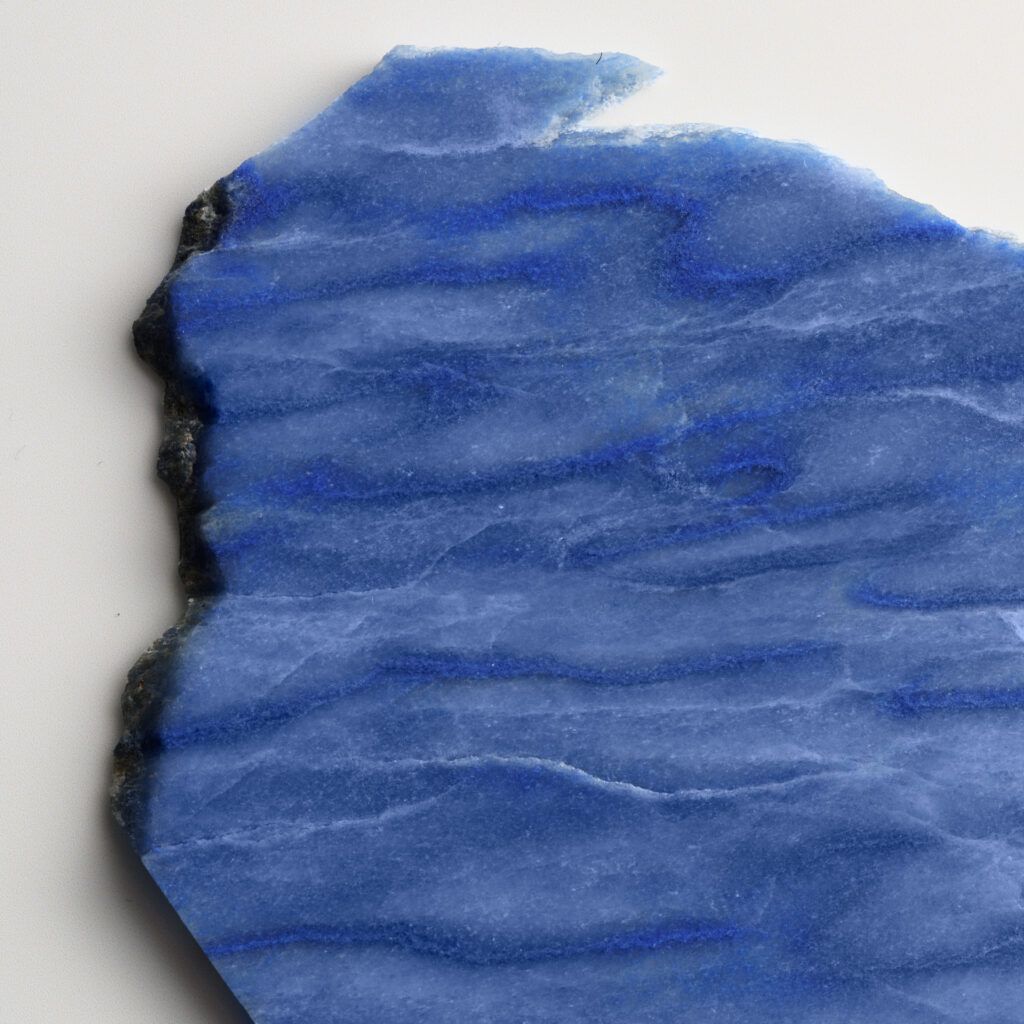
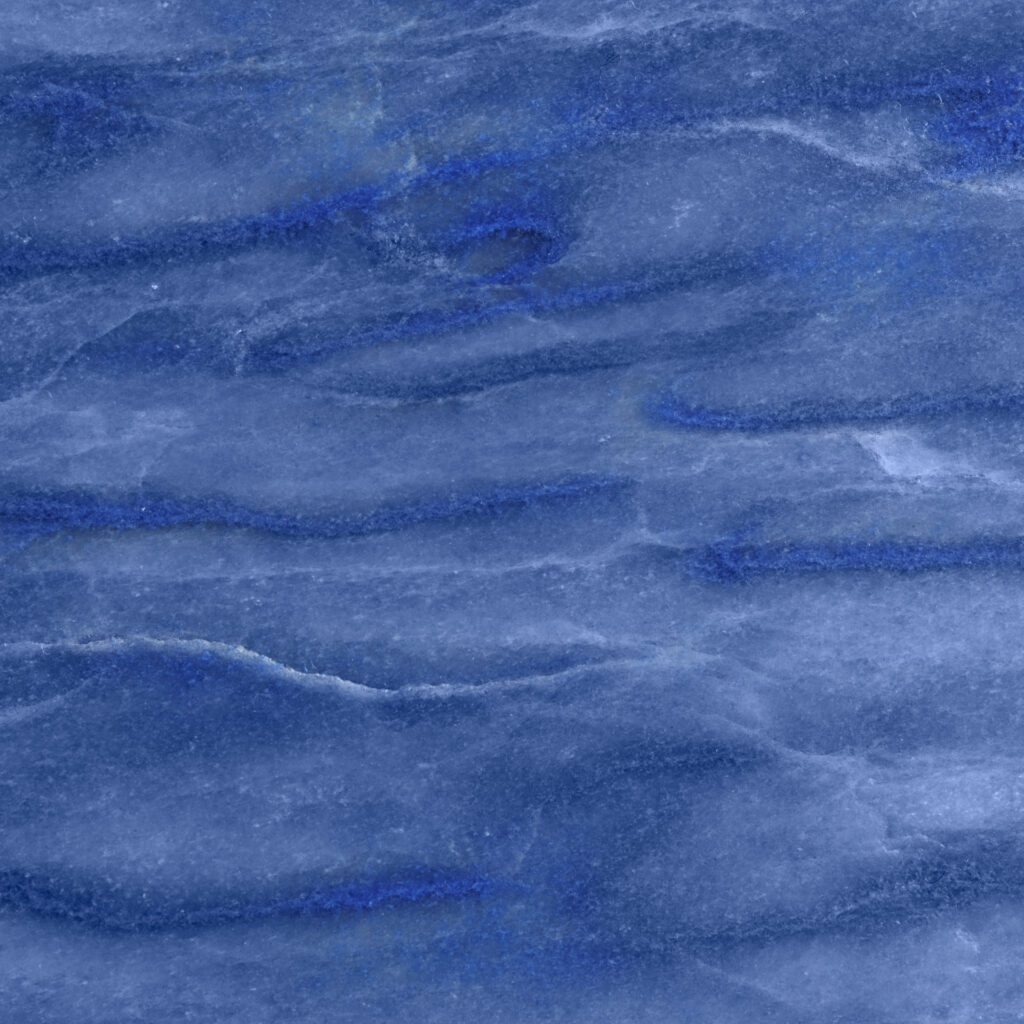
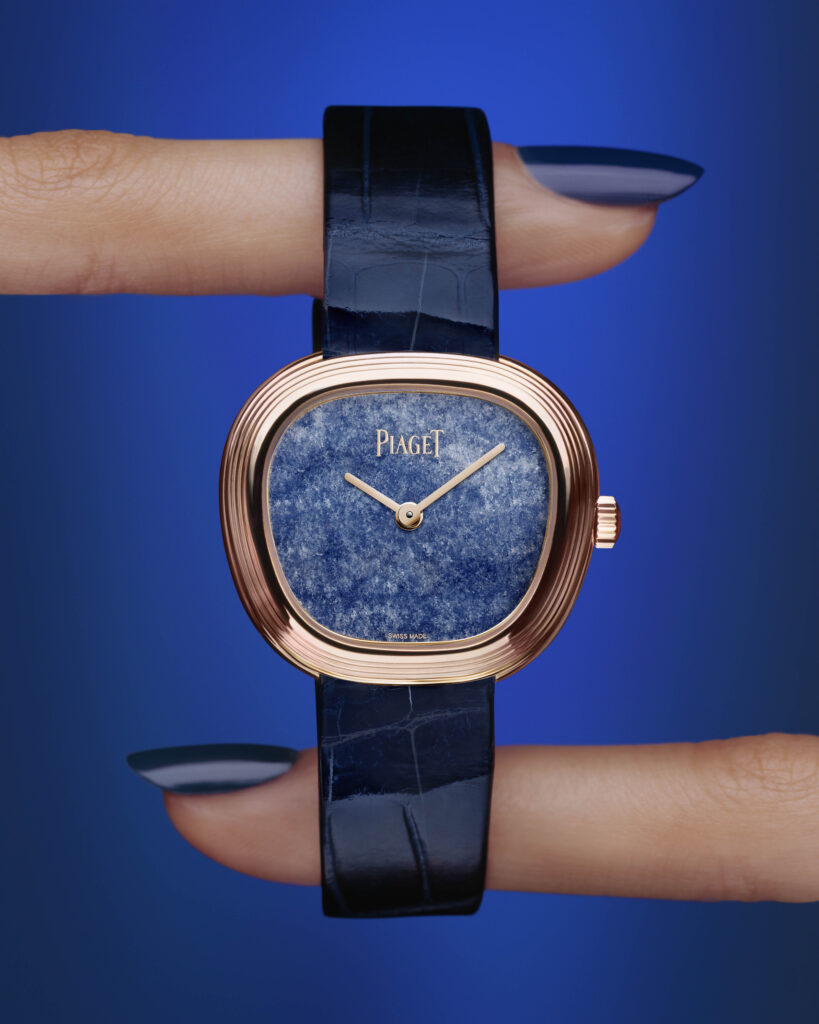
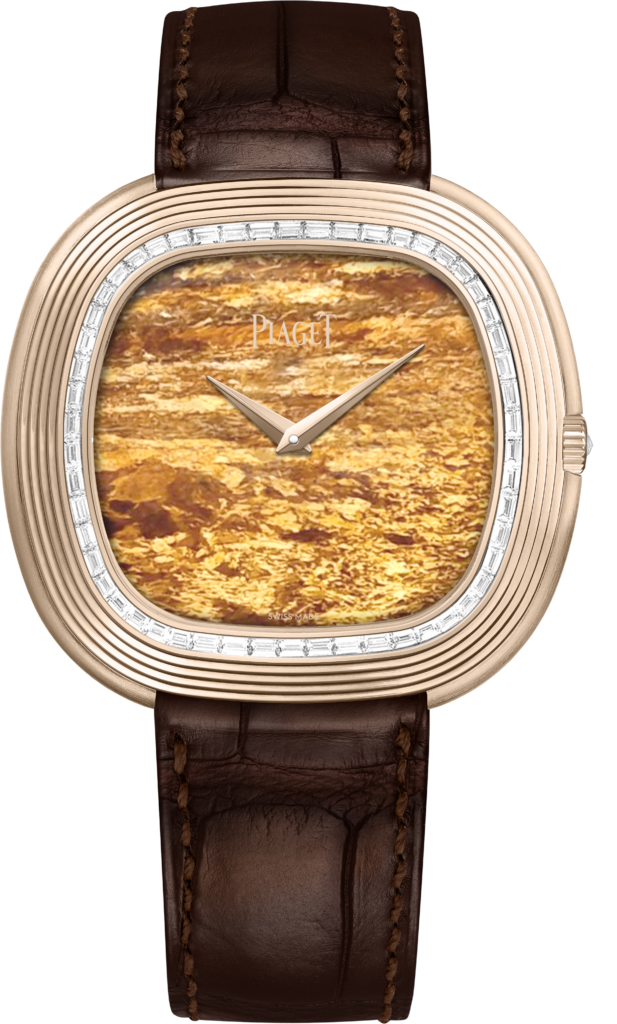
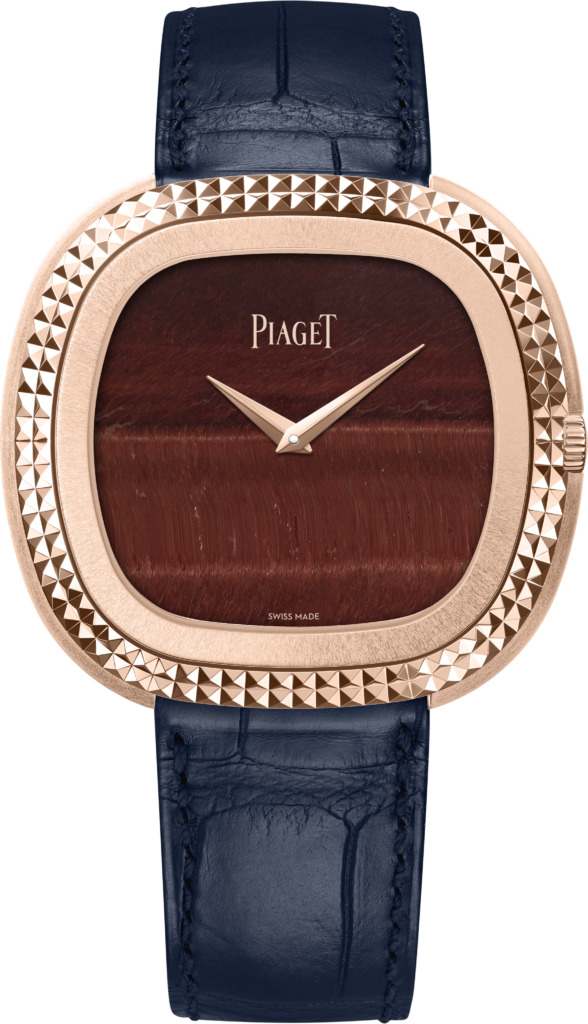
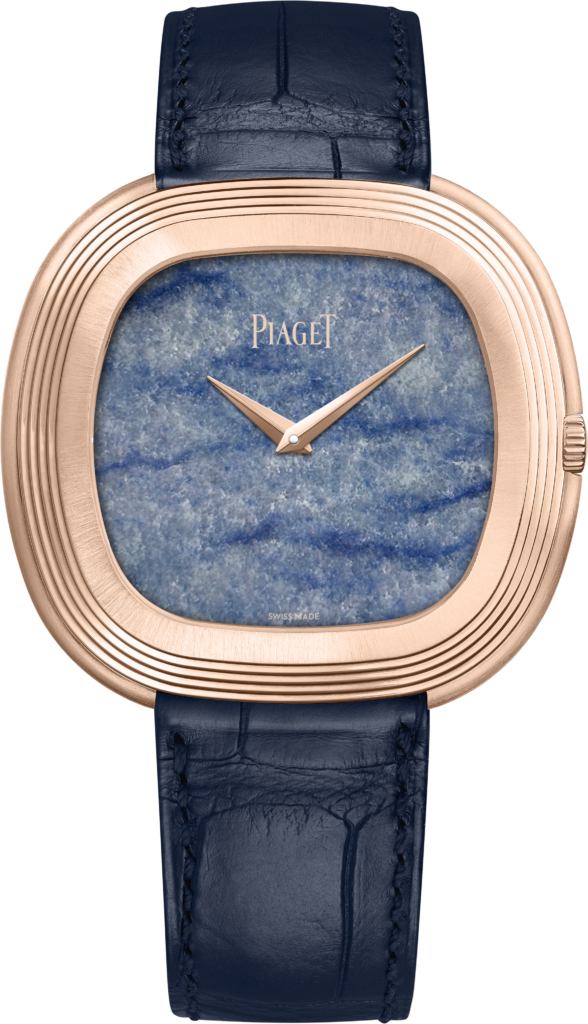
For 2026, Piaget is reviving this art of color through several chromatic and stylistic directions. Shades of blue, Piaget’s signature color, dress the Sixtie on a bracelet, the Piaget Polo 36 mm in rose gold and the Andy Warhol watch with a set of blue quartz dials. Another version of the Andy Warhol watch explores the warm depths of bull’s eye, a stone with red-brown reflections and an almost hypnotic shimmer, combined with a Clou de Paris case.
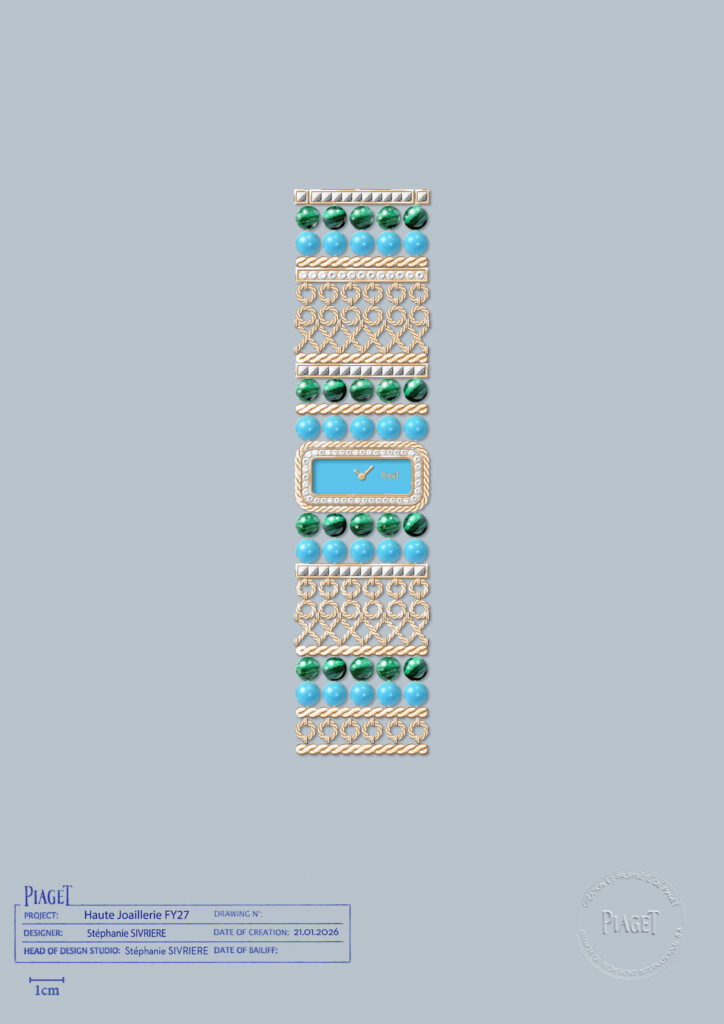
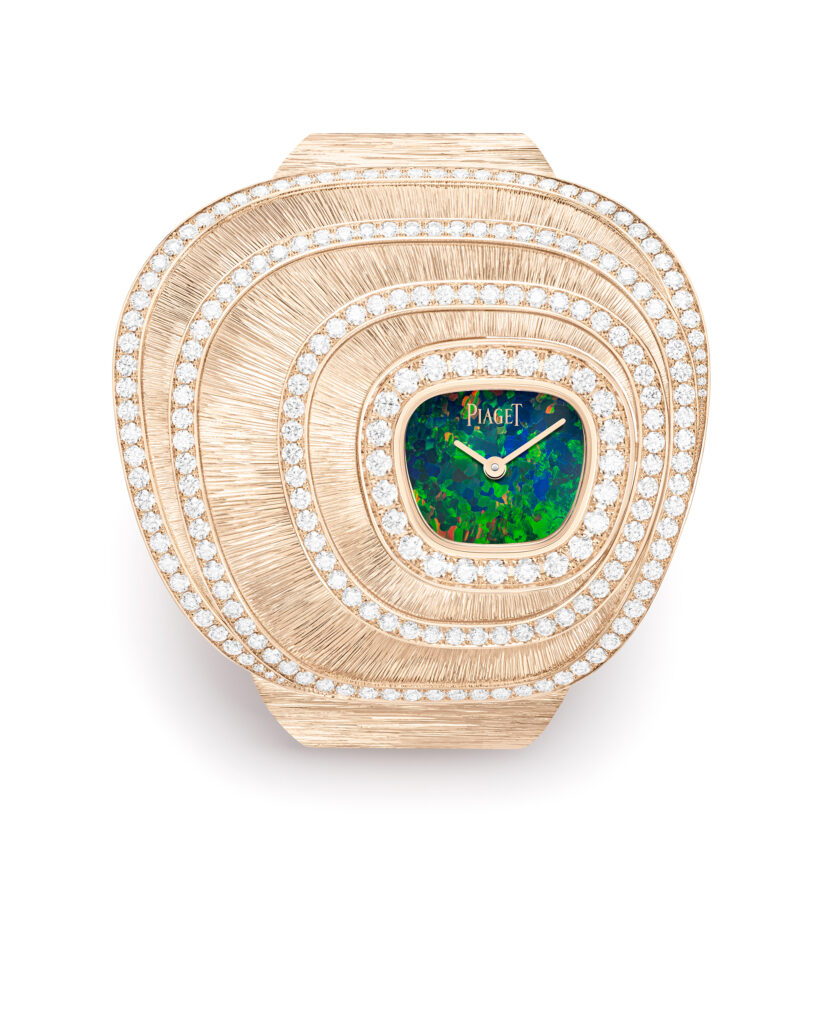
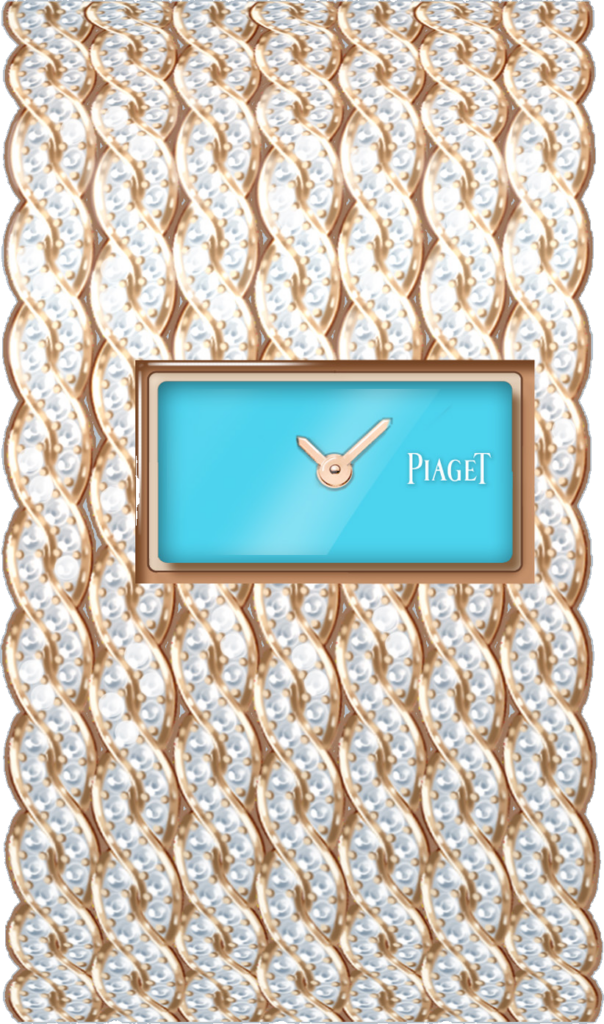
The Sixtie, too, becomes a field for jewelry expression. After the return of cuff watches and Swinging Sautoirs, Piaget is offering a Haute Joaillerie interpretation of this 1970s-inspired silhouette. Opal, a stone dear to Yves Piaget with multiple iridescences, hugs the model’s trapezoidal contours. The shape is supple, asymmetrical and almost tactile, while the hand-engraved Palace decoration recalls one of the House’s most precious signatures.
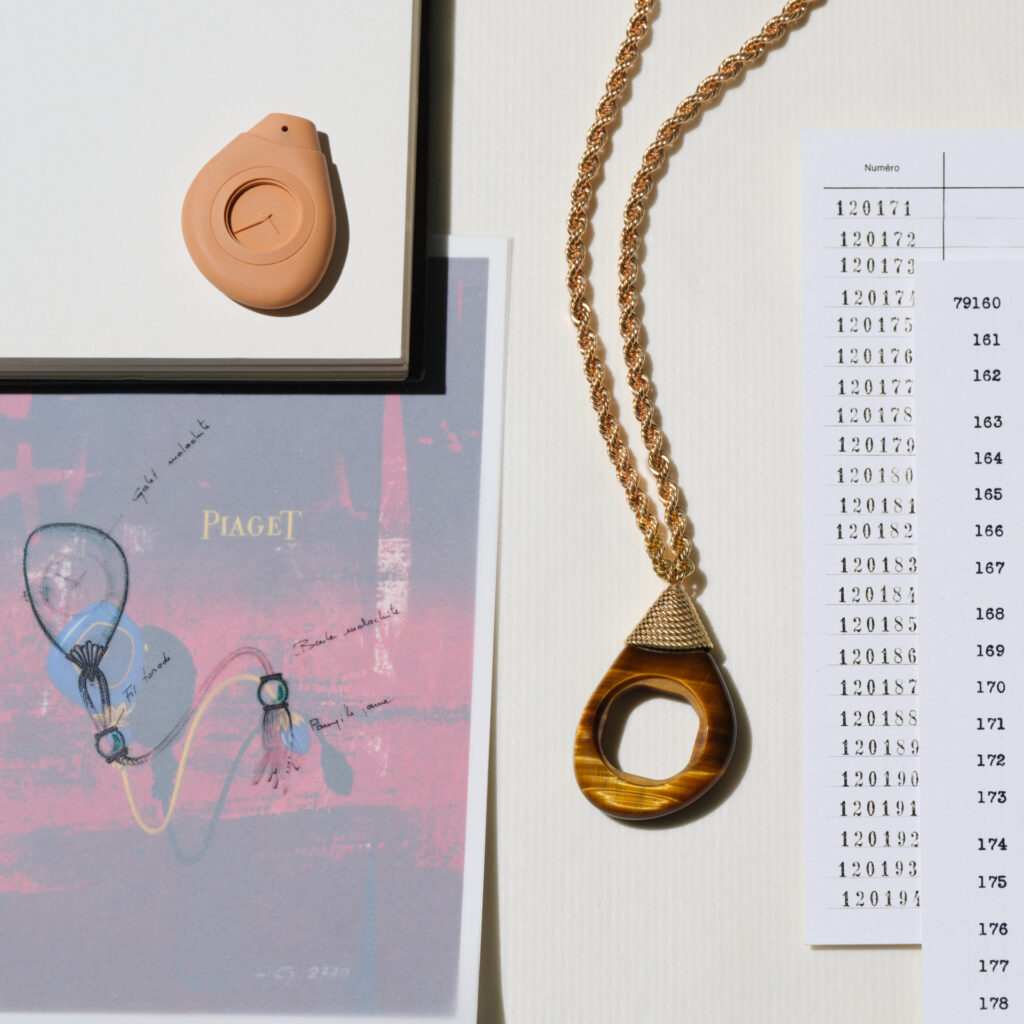
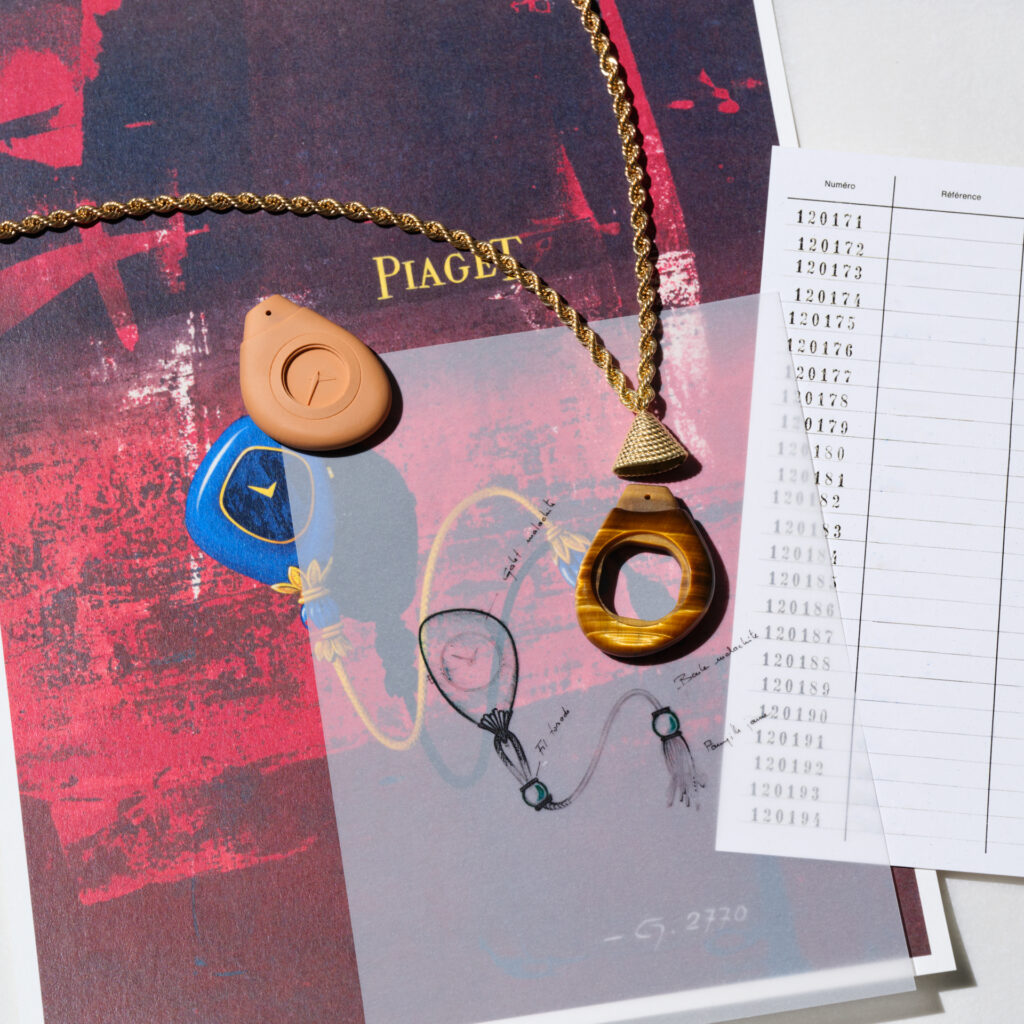
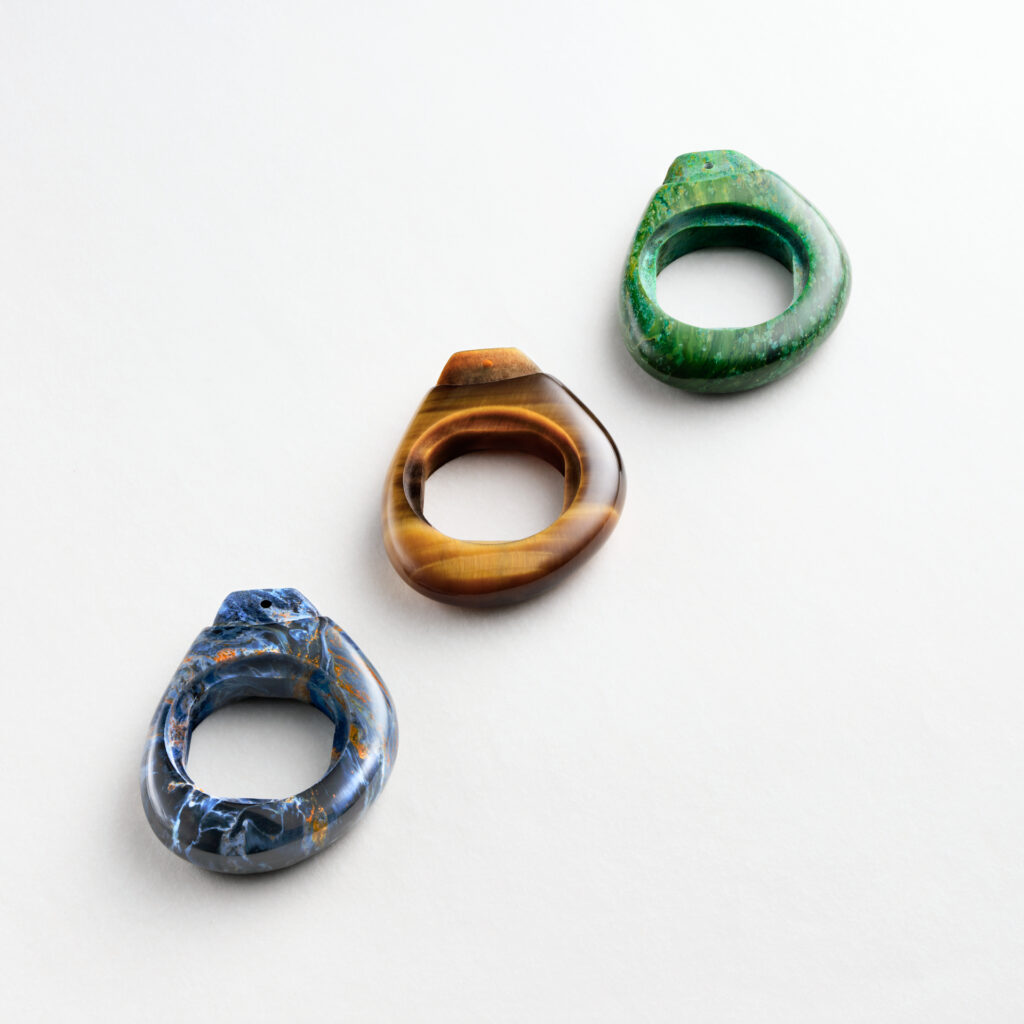
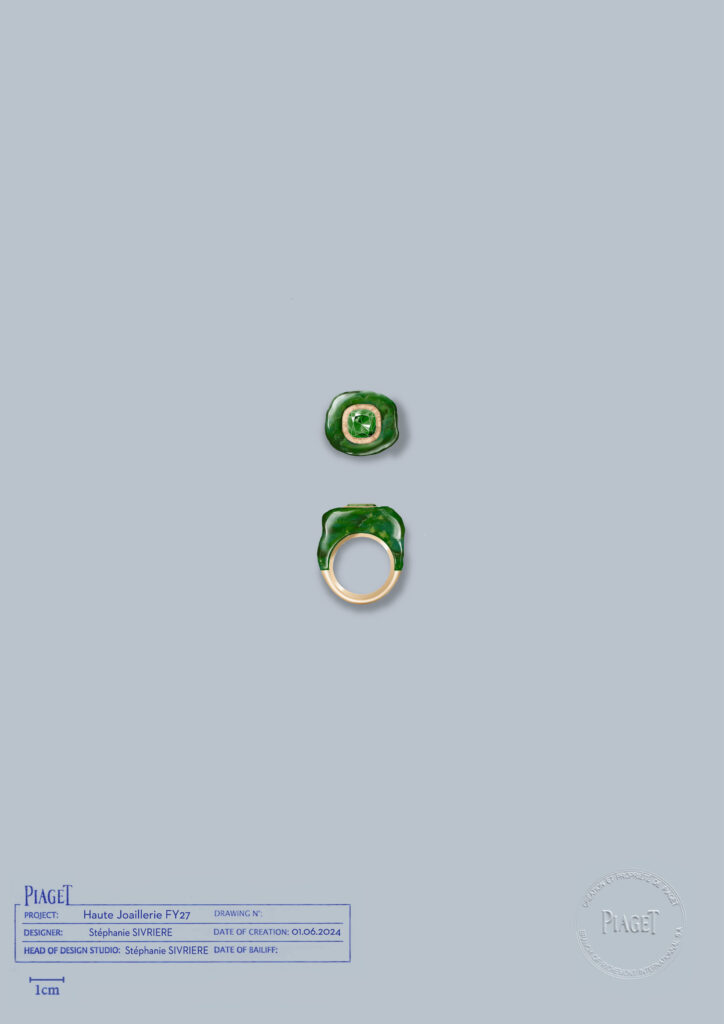
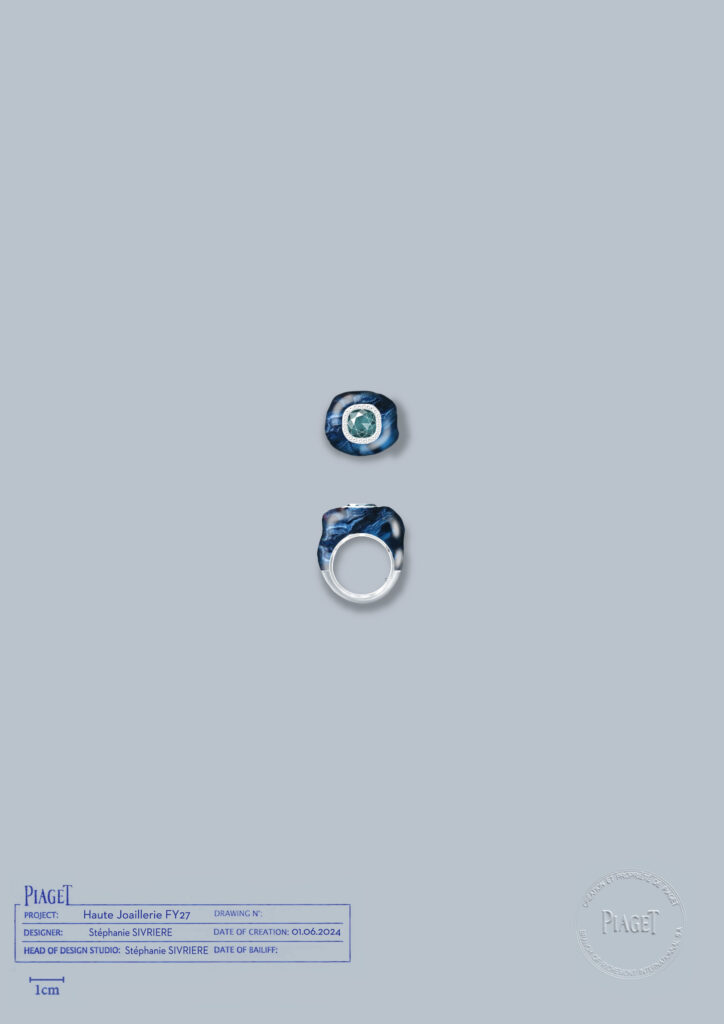
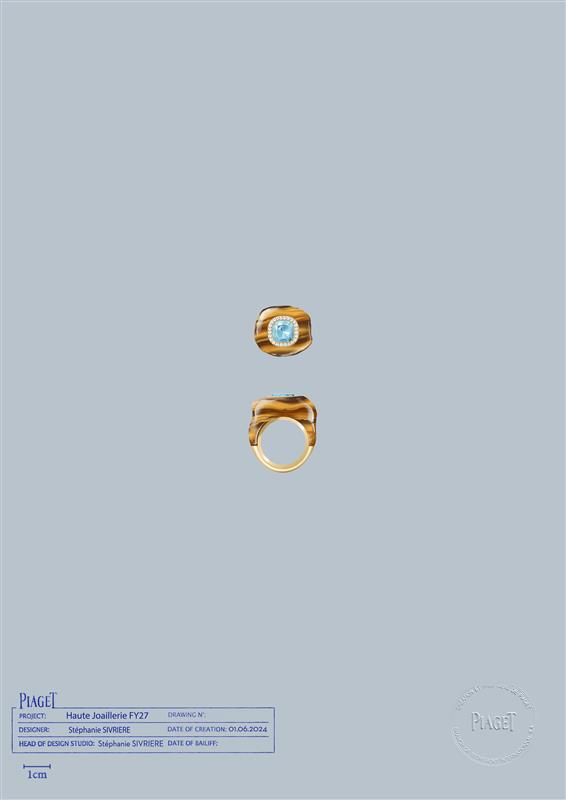
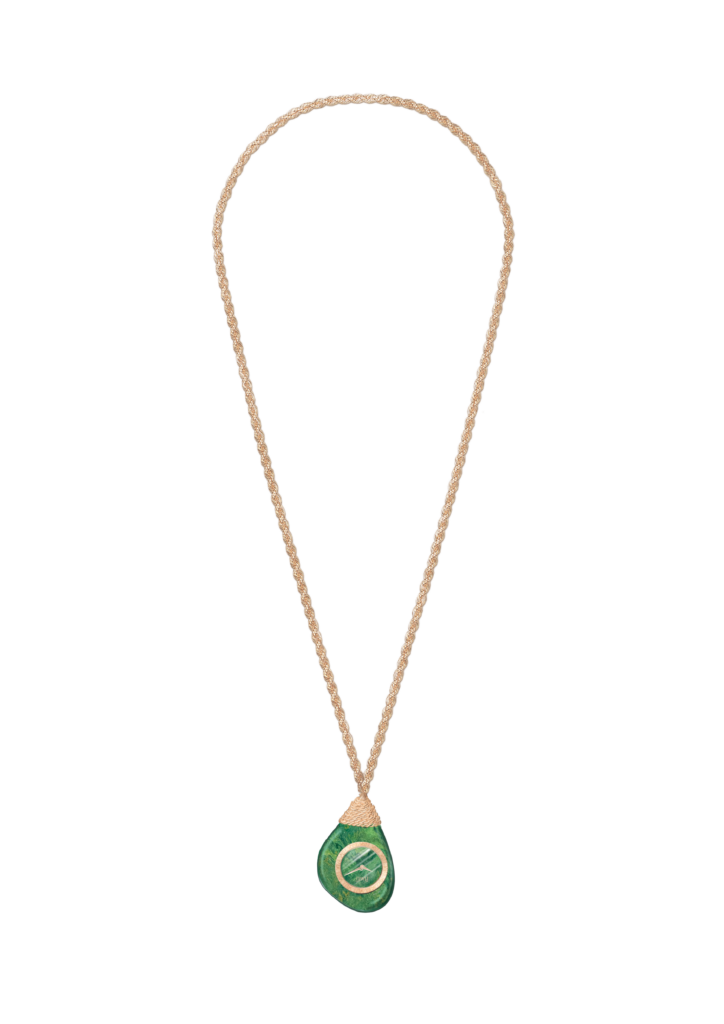
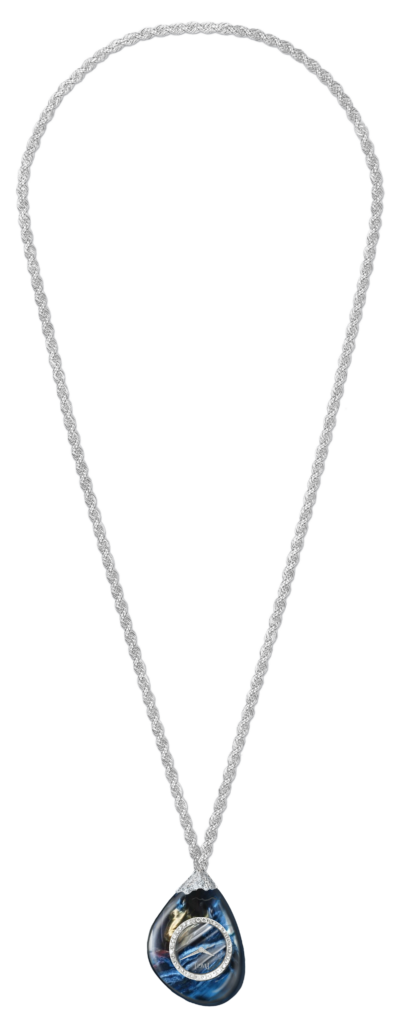
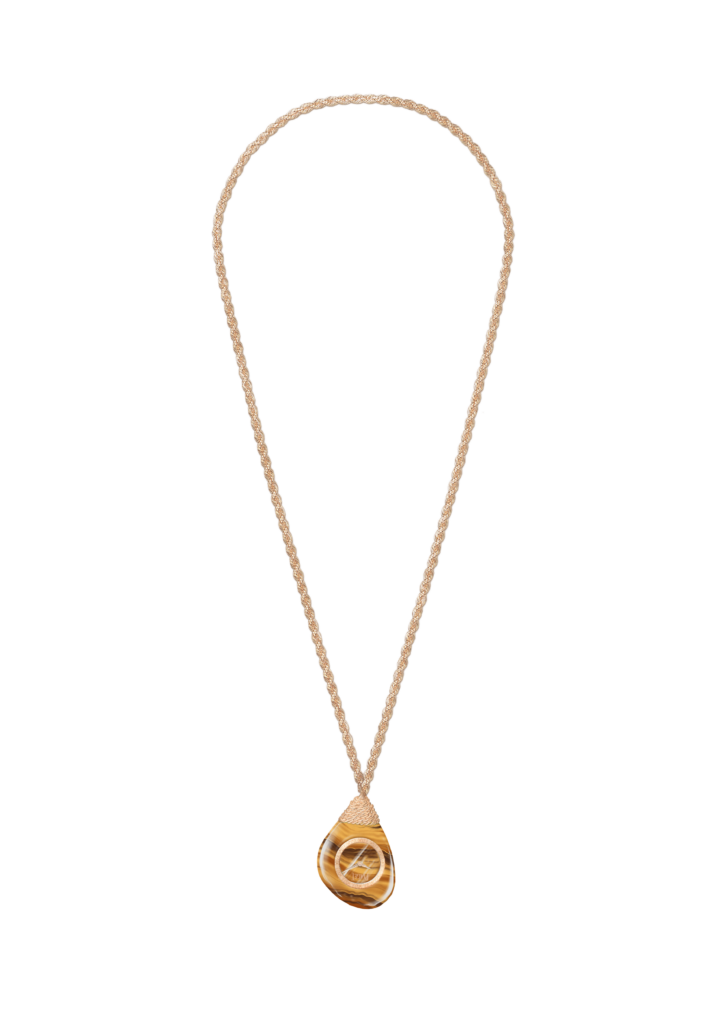
Even more astonishing is the reinterpretation of the 1972 Kimono pocket watch in the form of three Swinging Pebbles necklaces. These sculptural watches, suspended from hand-crafted twisted chains, take the form of precious pebbles. Golden tiger’s eye, intense green verdite, piétersite with shifting depths: each stone integrates both case and dial, abolishing the boundary between watch, jewel and talisman.
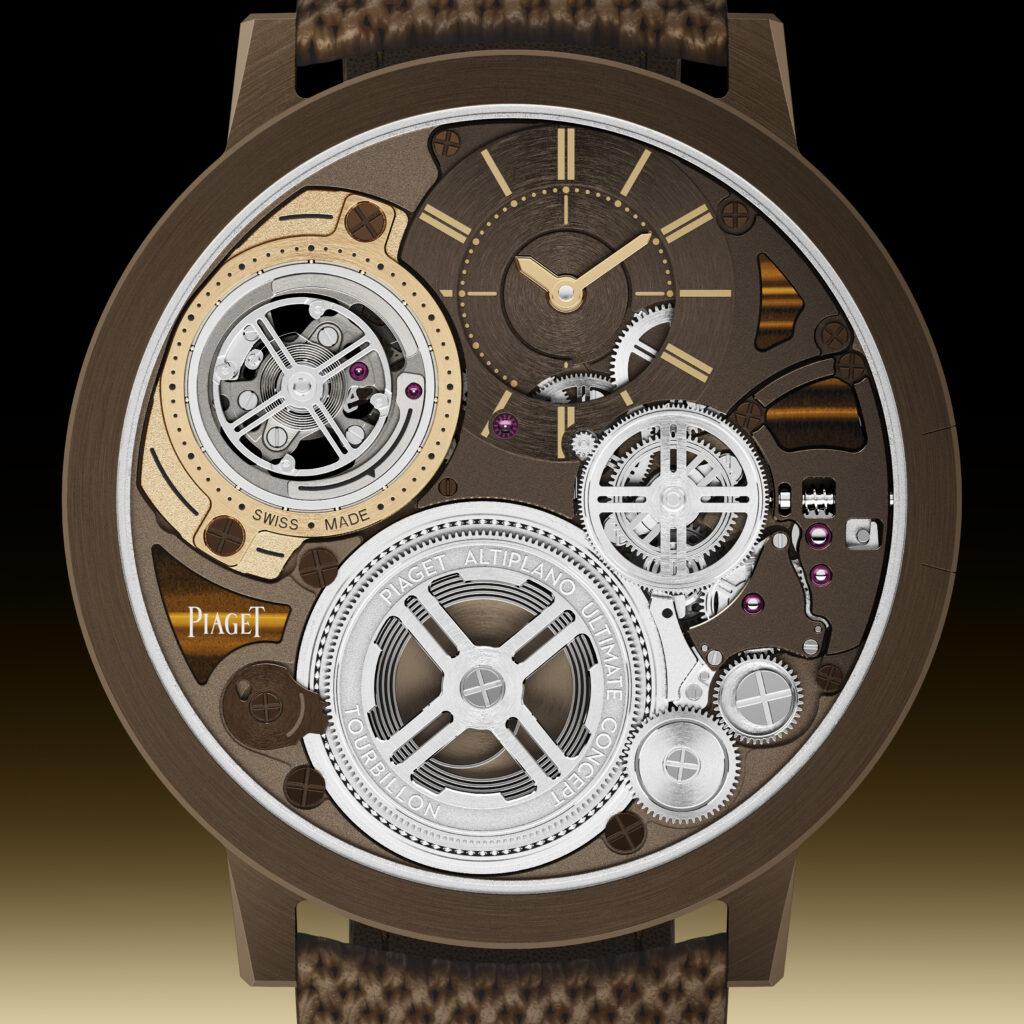
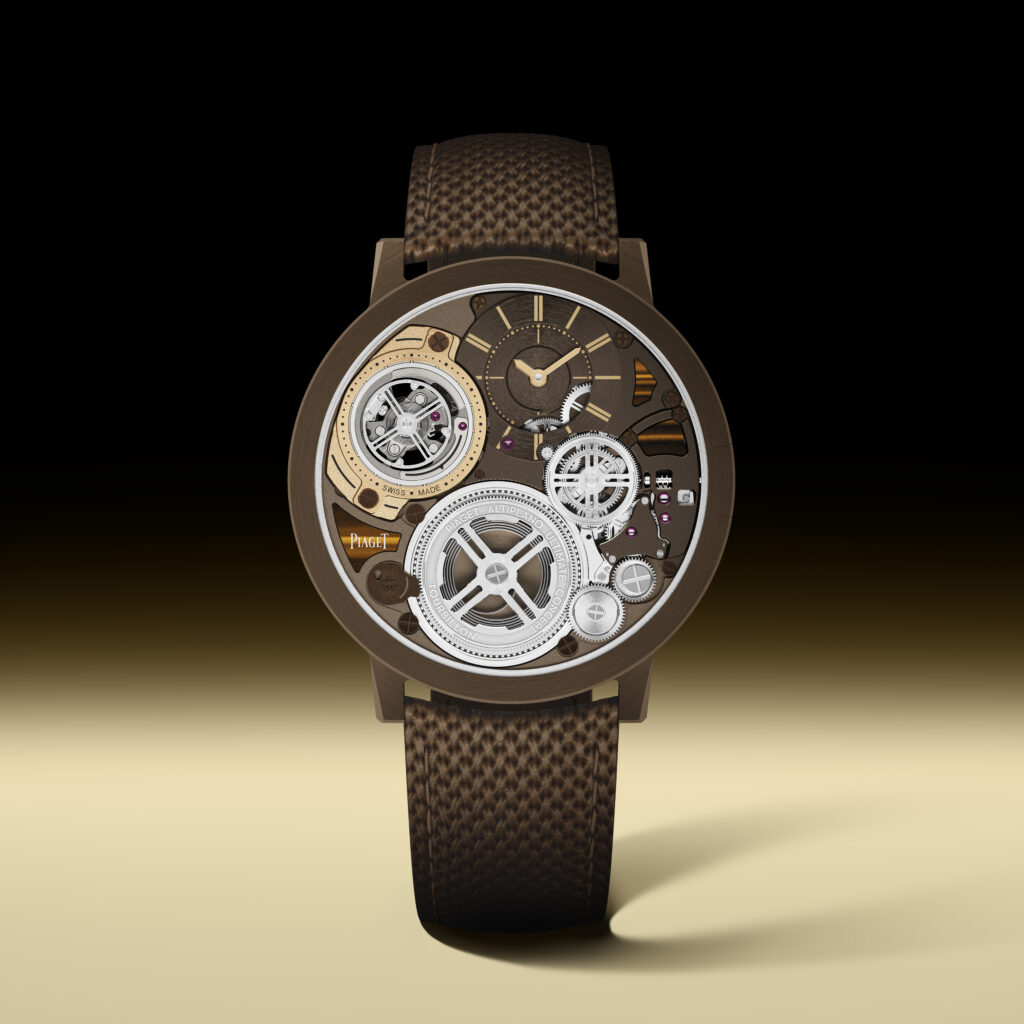
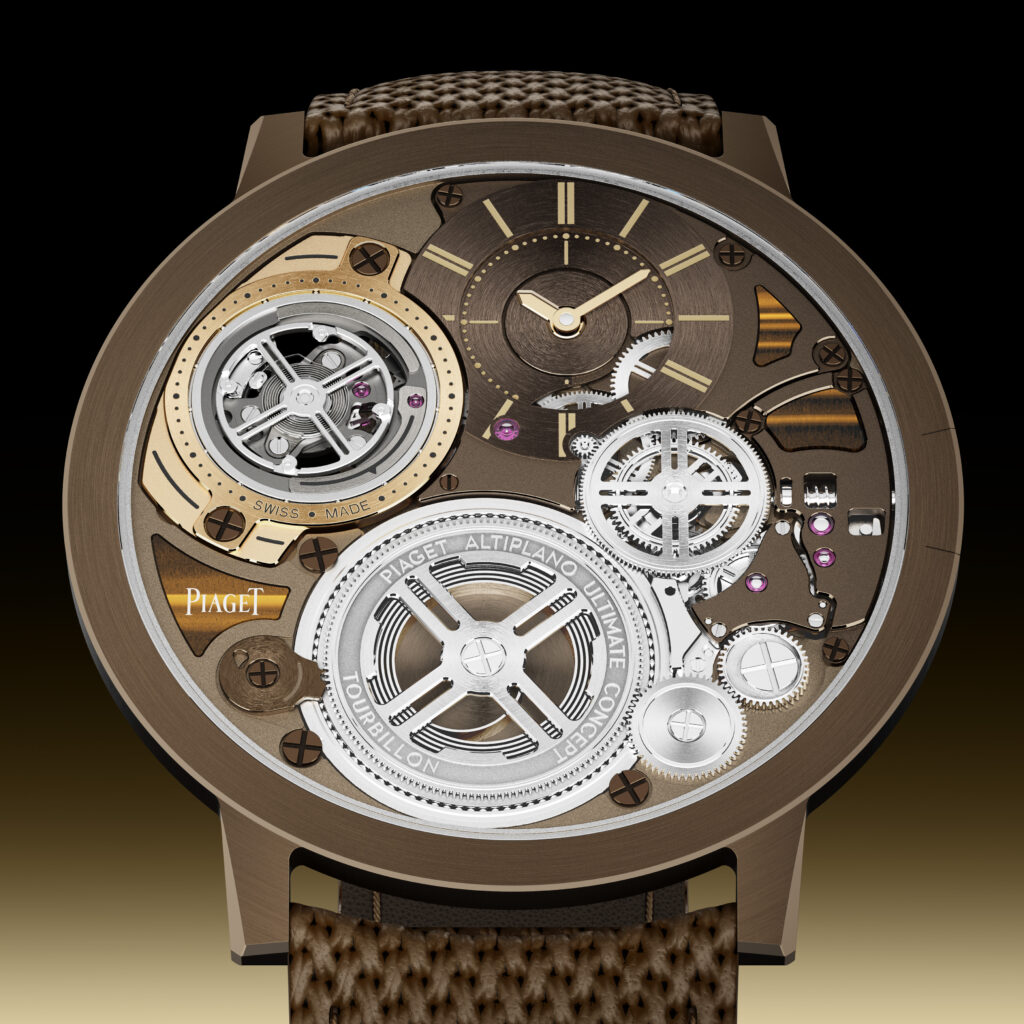
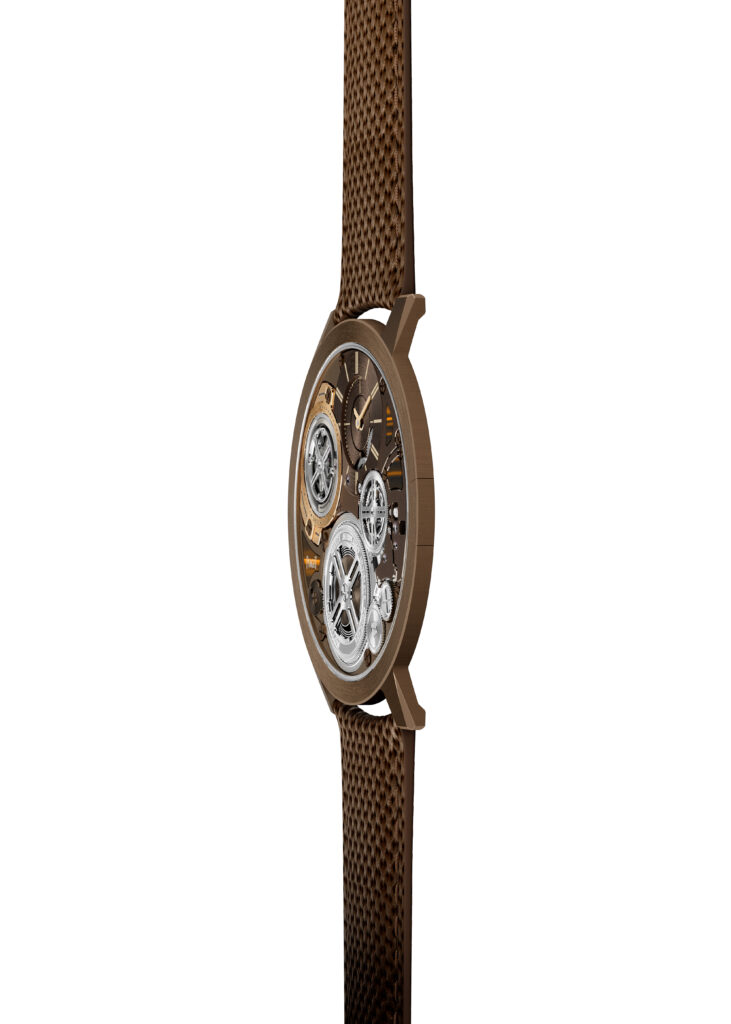
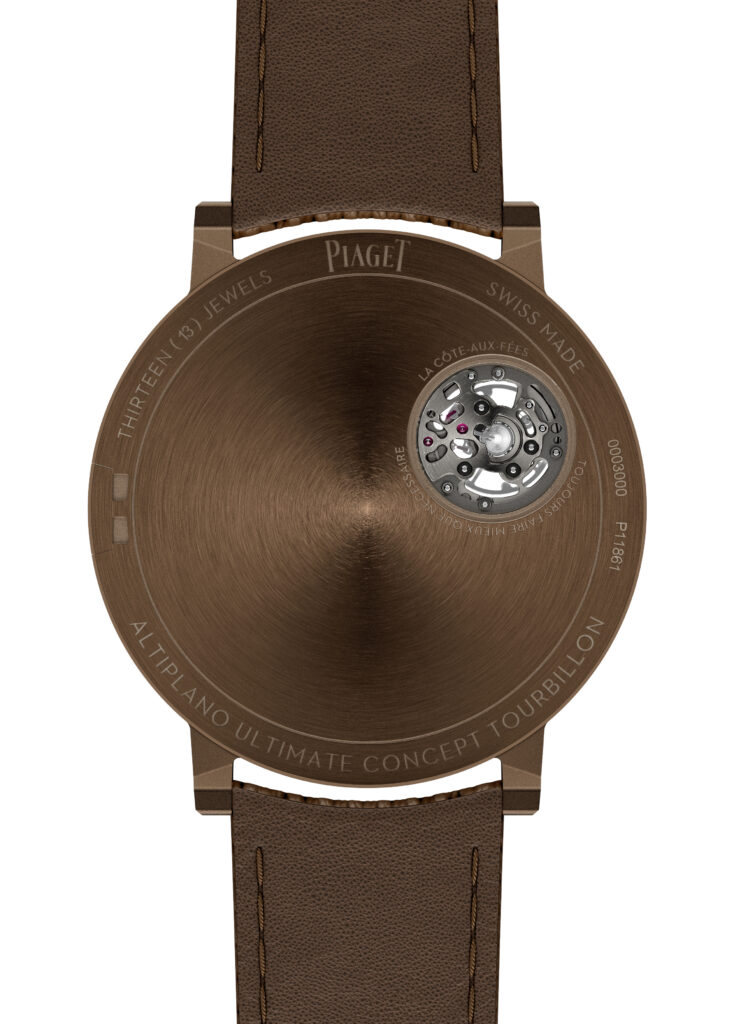
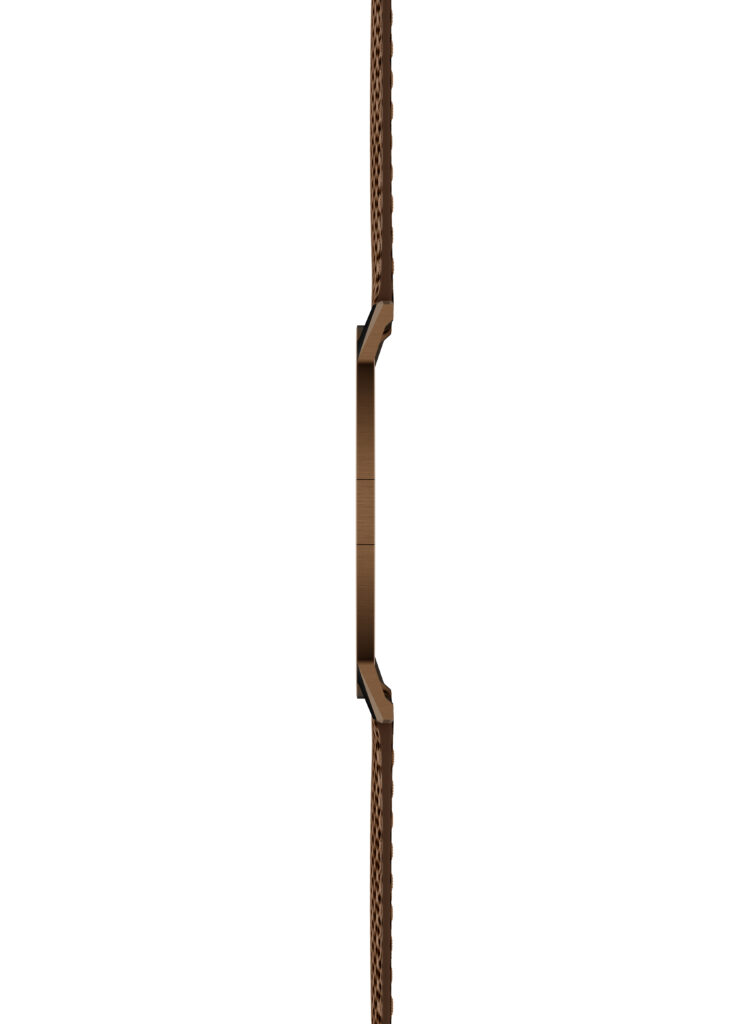
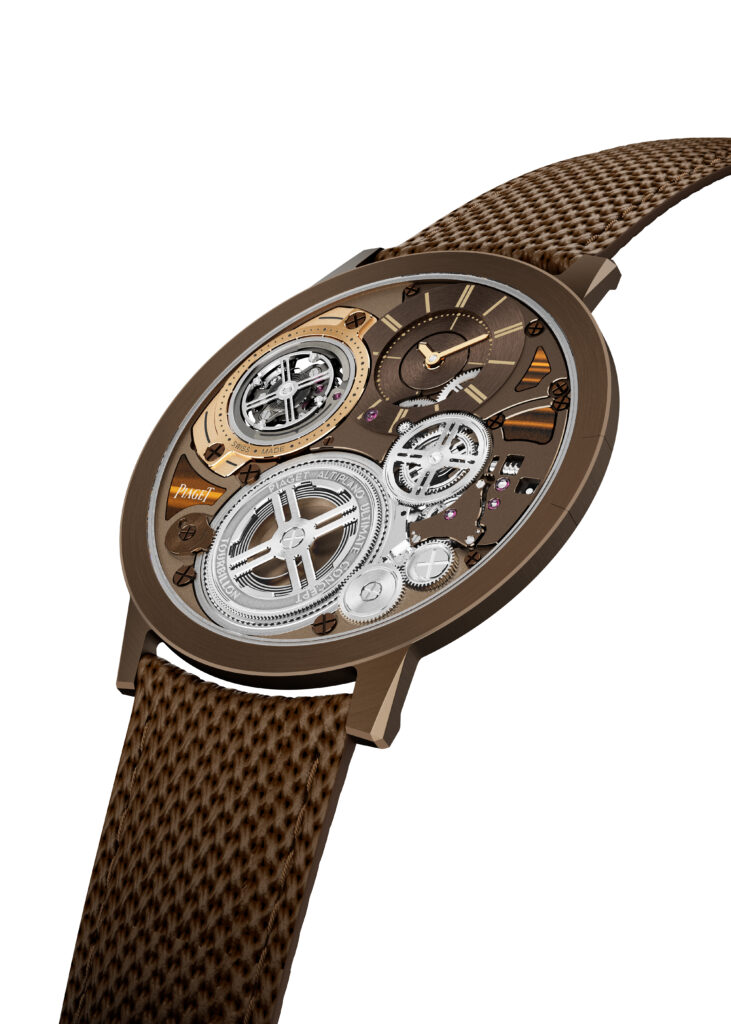
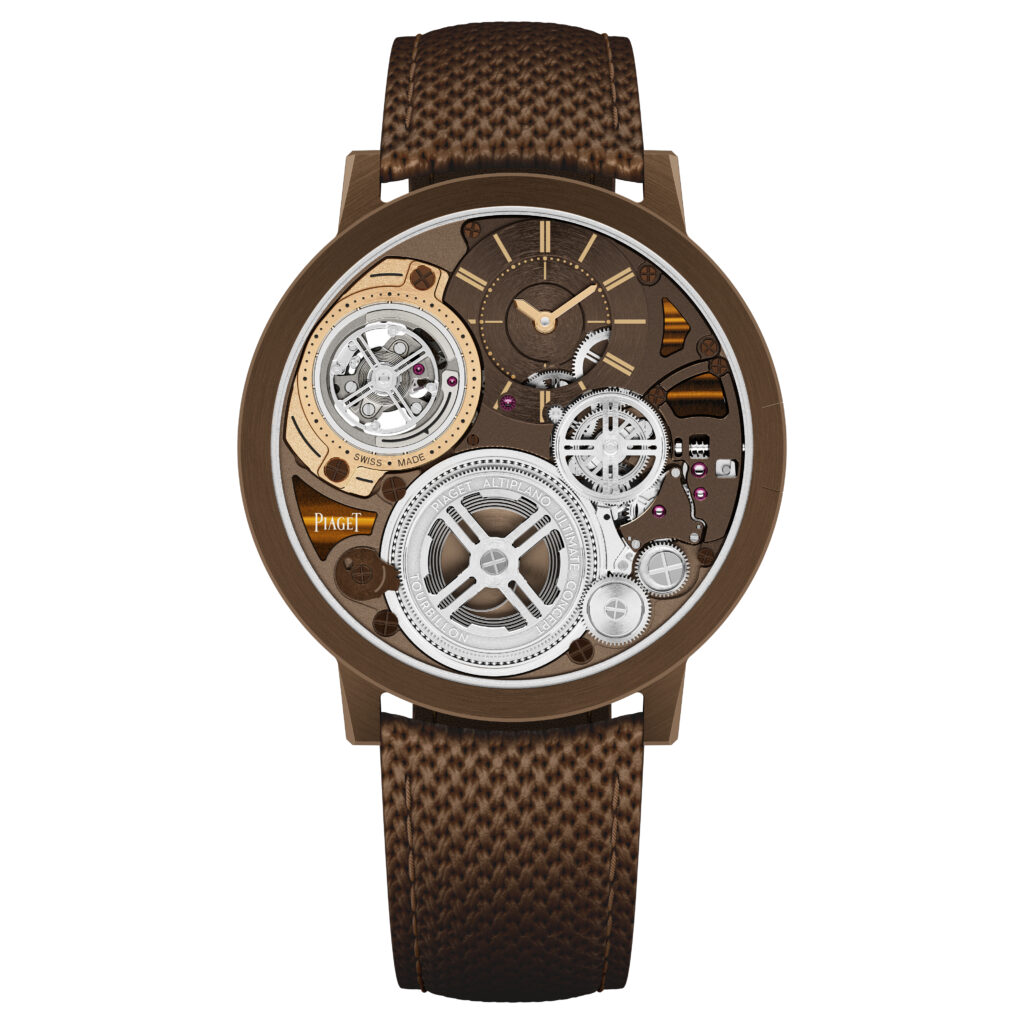
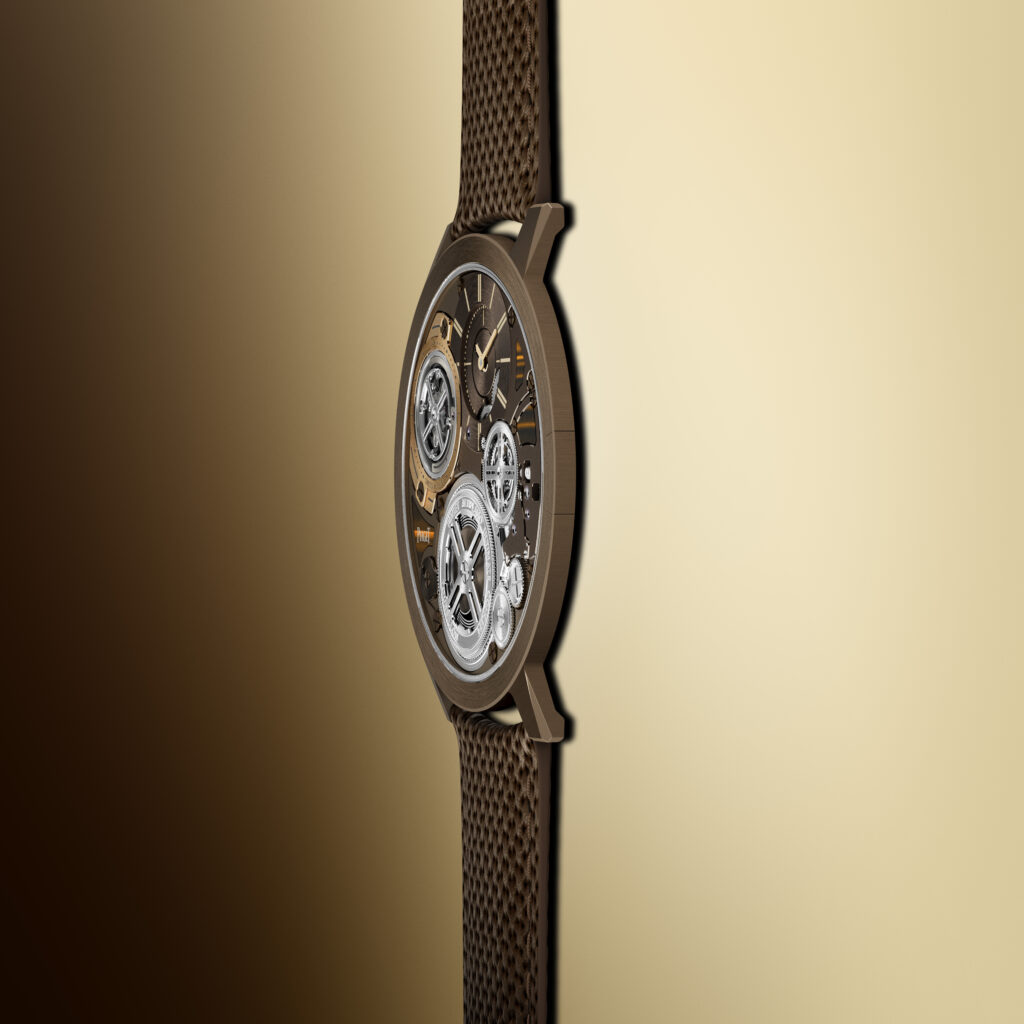
The exercise continues into haute horlogerie with the Altiplano Ultimate Concept Tourbillon, which now incorporates an ornamental stone into its record-breaking 2mm profile. The technical challenge is considerable. The stones are mounted on components linked to the movement, requiring extremely meticulous cleaning and assembly operations. Piaget refers in particular to the use of a 0.15 mm needle, the finest used by the Maison, to remove residues without altering the material.
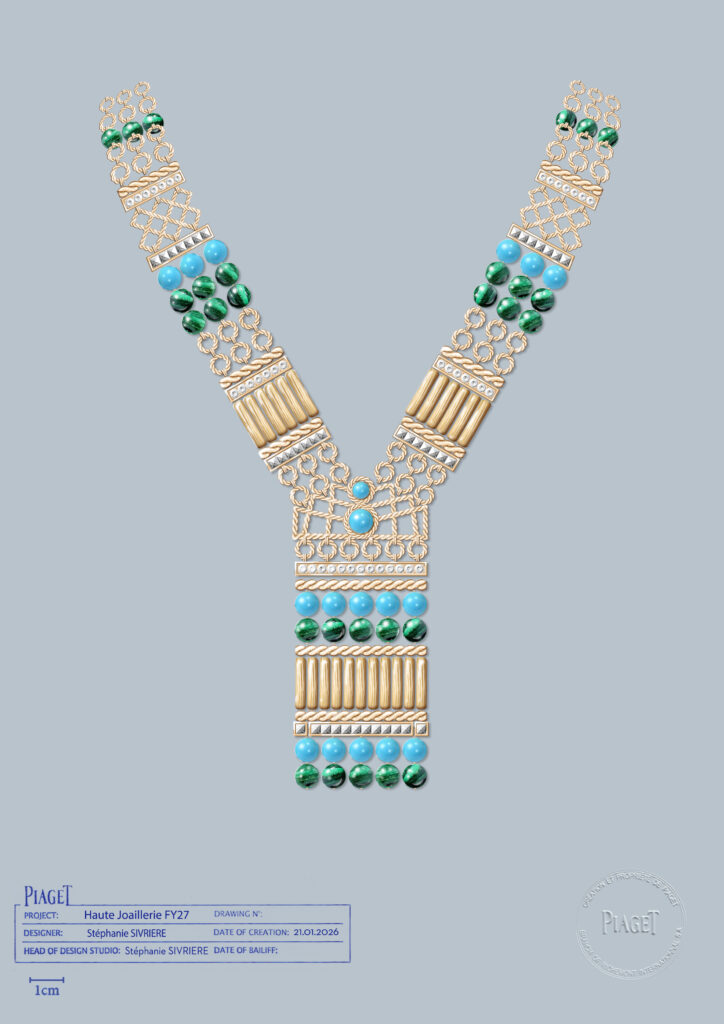
With this 2026 collection, Piaget is not just celebrating an aesthetic. It reaffirms a philosophy of luxury capable of combining virtuosity, sensuality and audacity. Ornamental stones are not treated as mere ornaments, but as miniature landscapes, fragments of nature, surfaces of personal projection. Each has its own veins, its own accidents, its own rhythm. Each one makes the piece singular.
At a time when watchmaking is all about technical discourse and quantifiable performance, Piaget reminds us that a watch can also be a chromatic emotion. A presence on the wrist. A way of wearing color as one wears an idea. From La Côte-aux-Fées to the Ateliers de l’Extraordinaire, Piaget is pursuing a clear line: to make precision an art, and audacity a signature.



Cette publication est également disponible en :

