
A few weeks ago, we set off to discover one of Europe’s most beautiful capitals: Lisbon.
With its century-old tramway network and evening shades of old rose, Lisbon is a monumental city, exuding a sense of measured serenity. But behind the traditional azulejo facades, with their small, shiny tiles, lies a city brimming with the energy of youth, the pride of an ancestral maritime past and the ideas and initiatives of a forward-looking generation. It’s a city to discover, and one that’s a pleasure to stroll around, with surprises around every corner. Lisbon is known as the city of seven hills, and not for nothing! It climbs! And it can quickly become exhausting.
That said, there is an original and idyllic way to discover the city: by sidecar.

Grab your camera, strap on a motorcycle helmet and set off for a four-hour ride through the streets of Lisbon. A unique experience!
While the view from the seven hills offers a 360° panorama of Lisbon, it’s when you stroll through its streets that you really get a sense of the city’s atmosphere.
The Four Seasons Hotel Ritz Lisbon has therefore come up with the idea of offering its guests the chance to discover Lisbon by sidecar. A unique opportunity to experience the city in a different way, to venture into its lively, winding streets and discover its history and must-see sites.
For this exceptional outing, team up with a professional local photographer, who will follow you from his vespa and give you a very privileged glimpse of everyday life in Lisbon, while discovering the most beautiful viewpoints of the city.Along the way, he’ll give you tips on how to best frame your shot, capture the light and take quality shots of Lisbon’s most emblematic landmarks.
The city of seven hills
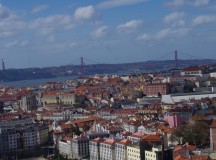
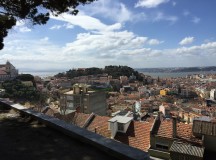
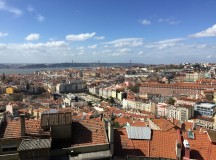
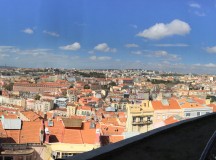
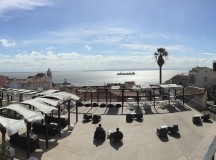
From the breathtaking vantage points atop its seven imposing hills, Lisbon offers visitors a breathtaking panorama. With a strong commitment to both restoration projects and modernization, the city’s diversity extends far beyond its cultural and historical heritage. Lisbon, which has succeeded in combining tradition and modernity, exudes an extraordinary personality made up of a host of complementary identities.

The strength of the past
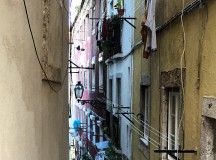
With orange trees growing between the cobblestones and plants vying for space on the circular, tiled roofs, the old Moorish quarter of Alfama is as lively as its alleyways are ancient. The architectural chaos of its small, clustered houses exudes an old-world charm. Literally crowned by St. George’s Castle, which dominates the whole district, Alfama is lost in a maze of winding alleys bustling with caged canaries. Fado queen Amália Rodriguez lived here, and the melancholy strains of this bewitching music float through the narrow streets. Every street corner is a photo opportunity: here, a palm tree reaching for the castle; there, a basket of fresh fish winched up the facade of a dilapidated house; there again, the infectious smiles of old locals on their doorsteps. Of course, exploring Alfama, its little cafés and stalls, can only be done at a leisurely pace – the only one in the district.



When history with a capital H meets strange heights
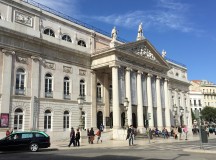
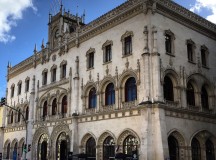
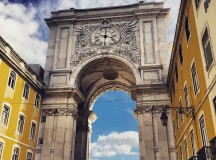
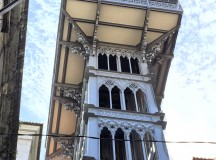
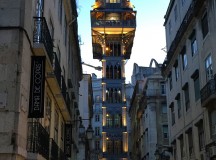
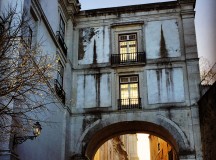
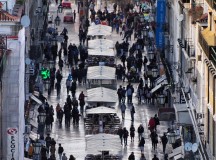
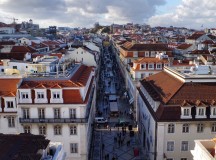
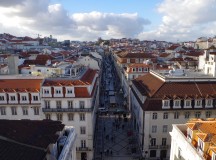
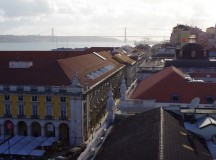
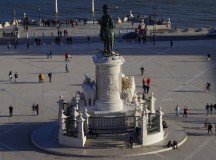
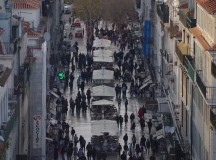
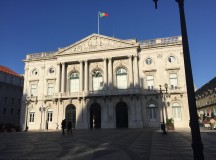
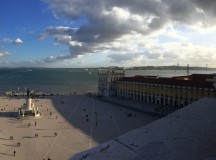
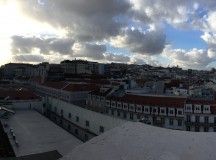
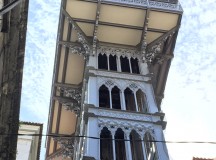
The informal character of the rundown Alfama district is counterbalanced by the geometric layout of the Baixa’s imposing parks and impressive monuments. The pure, bright rays bouncing off the immense Place du Commerce on the banks of the Tagus flood the surrounding ministries with dazzling light. A 19th-century archway leads to Lisbon’s main pedestrian and shopping area. It is from this sea-level hub that visitors from the city center disperse via the antiquated tramway system. Despite its 101 years, the Elevador de Santa Justa remains the quickest way for tired legs to reach the bustling Bairro Alto district, to which the equally strange and famous tramway line no. 28 also leads. At night, the quiet streets of Bairro Alto are transformed into an interweaving of traditional Fado cafés, crowded bars and lively nightclubs. You can also soak up Lisbon’s rich nocturnal atmosphere on the Quais de Santo Amaro and Quais d’Alcântara, where old warehouses converted into nightclubs rub shoulders with a marina of bars, cafés and clubs, lively day and night.







Fashion revival in traditional surroundings
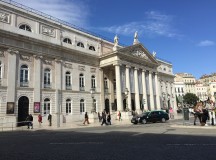
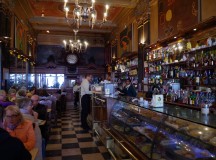
The chic Chiado district, ideal for shopping, is at the cutting edge of the European fashion revival. Here, glass-and-chrome boutiques in stylish buildings with tiled roofs rub shoulders with small wooden bookshops. Hermès and Vista Alegre compete with small shopkeepers for the attention of potential customers who spill out of the trendy cafés onto the cobbled slopes. Completely ravaged by fire in 1988, this district is now a must-see in the capital. The famous café A Brasileira pays homage to the great Portuguese poet Fernando Pessoa, and attracts intellectuals lost in thought as well as trendy city dwellers.


A grandiose estuary
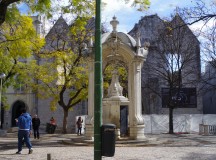
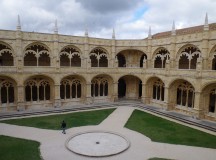
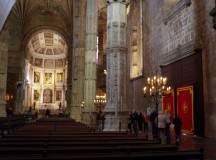
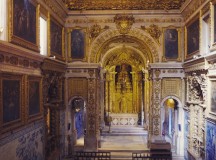
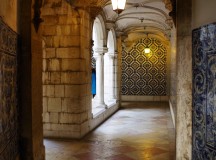
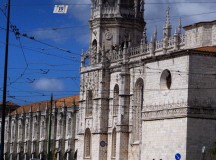
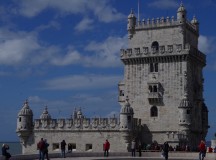
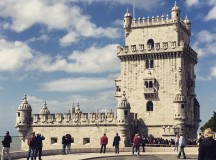
On the western edge of the capital lies the Belém district, a seaside tribute to the Golden Age of Portugal’s seafaring adventurers. The Belém Tower, a Manueline-style fortress, and the Monument to the Discoveries, facing the sea, overlook lush green spaces and sumptuous monuments. The impressive Hieronymites Monastery houses the splendid tomb of Vasco da Gama, as well as the National Archaeology Museum and the Navy Museum. Nearby, the Belém Cultural Center pays tribute to the diversity of modern Portuguese life, aided by its strategic position in a region where culture and history lovers are legion.
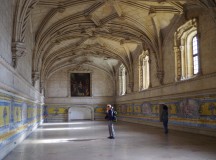
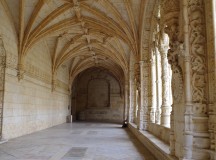
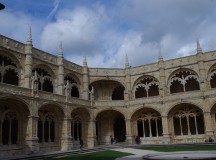




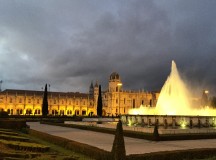
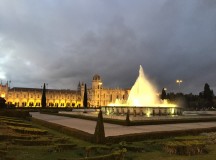




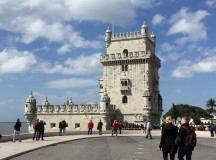


Thanks to the success of the 1998 World’s Fair, whose site is now home to the flourishing Parc des Nations, Lisbon has put itself firmly on the European map, demonstrating its talent for hosting international events and establishing itself as a serious contender for the organization of future events.
From city life to beach relaxation
The cool Atlantic breeze protects Lisbon from the sweltering summer heat that plagues other southern European destinations, but that’s not the only advantage of proximity to the sea: a trip to the beach takes no more than half an hour when you’re in the city center. From pleasant hilltop retreats to the seductive village of Cascais, water sports, the Estoril casino and more traditional seafood restaurants, city life is easily transformed into a seaside stroll.Year-round activities.
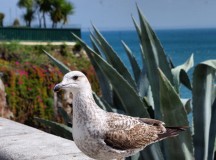
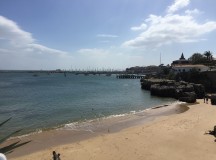
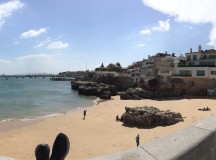
In addition to beaches, Lisbon’s surroundings offer a host of other activities, from golf courses to vast vineyards, from small fishing villages to the Serra da Arrábida nature park. For an unforgettable excursion, visit Sintra, a UNESCO World Heritage Site. Palaces straight out of a fairy tale, fabulous vegetation and the magical essence that emanates from this place transport all visitors to the realm of the sublime. The historic monuments, intriguing alleys and humidity-laden air create an almost indescribable sense of mystery.
Unshakeable pride
Consistent, warm and friendly, Lisbon perfectly reflects the temperament of its inhabitants. Although its destiny is linked to the Tagus and the ocean, the city does not rest on its glorious past, nor does it threaten to embrace pretentious modernity. And even if the city’s contrasts are as striking as the dark green window frames of pastel-colored houses, they always coexist in harmony. Having successfully blended tradition and modernity, Lisbon can now look to the future with confidence.
The itinerary takes in the Avenida da Liberdade, then the squares and narrow streets of Alfama and Castelo São Jorge, before stopping off in the Bairro Alto and Chiado districts. Then it’s on to the old port of Santos and Belém – where you’ll enjoy a “bica” (coffee) break with a tasting of Belém pastéis – before immortalizing the Manueline-style towers of the Hieronymites monastery.
One thing’s for sure: participants’ vacation photos will never be the same!
Following this sidecar ride, the Four Seasons Hotel Ritz Lisbon invites guests to share their photos of this unforgettable experience on social networks using the hashtag #ExperienceFS. PRICE: €525 for two people / Reservations: + 351 (21) 381-1400.
With the “Extend your Stay” offer, for any reservation of two consecutive nights at the Four Seasons Ritz Lisbon, the third night is free. Price: from €290 per night in a double room
Cette publication est également disponible en :

