
In Rome, the automobile isn’t just exhibited – it’s reinscribed in its context. With the first edition of Anantara Concorso Roma, the city becomes a device: a space where mechanics meets history, and where the object finds its cultural environment.
The principle of the concorso d’eleganza is not new. But here, it changes scale.
The city as scenography
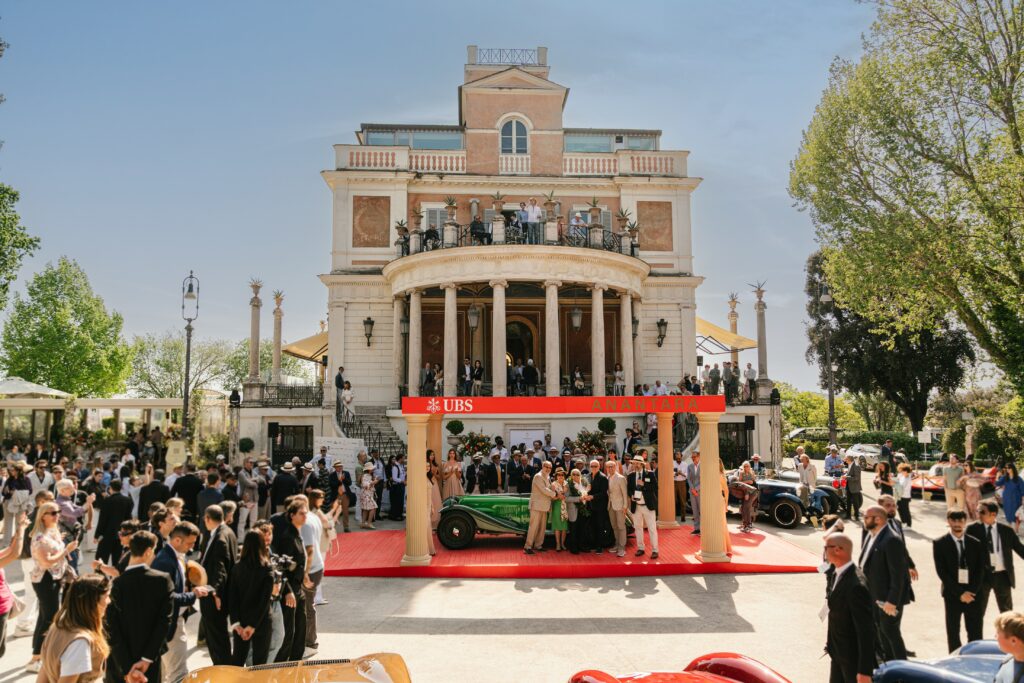
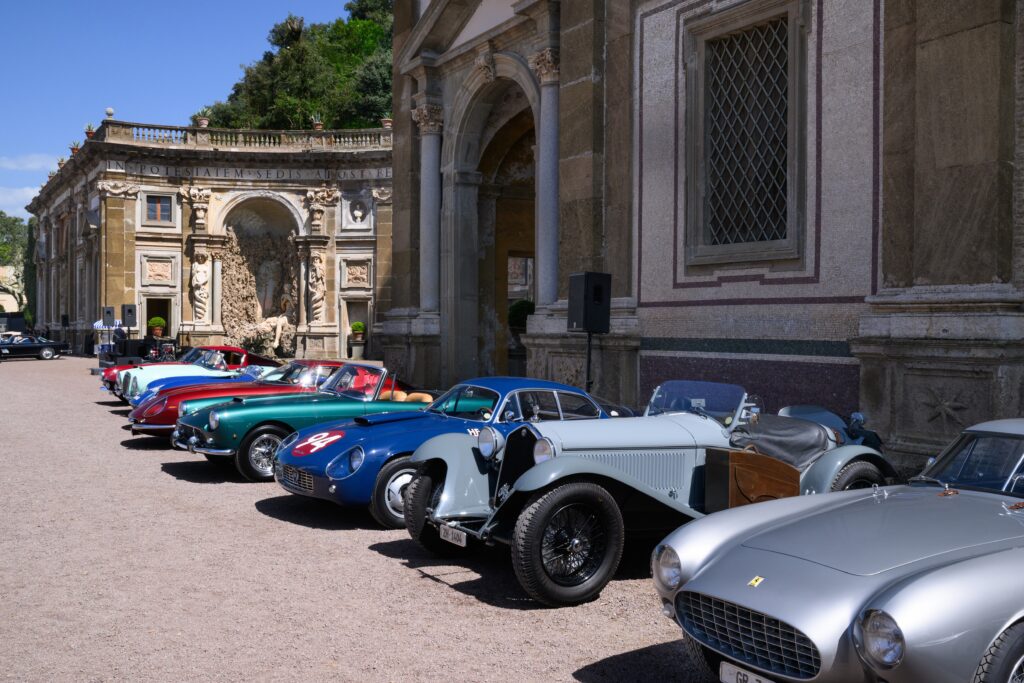
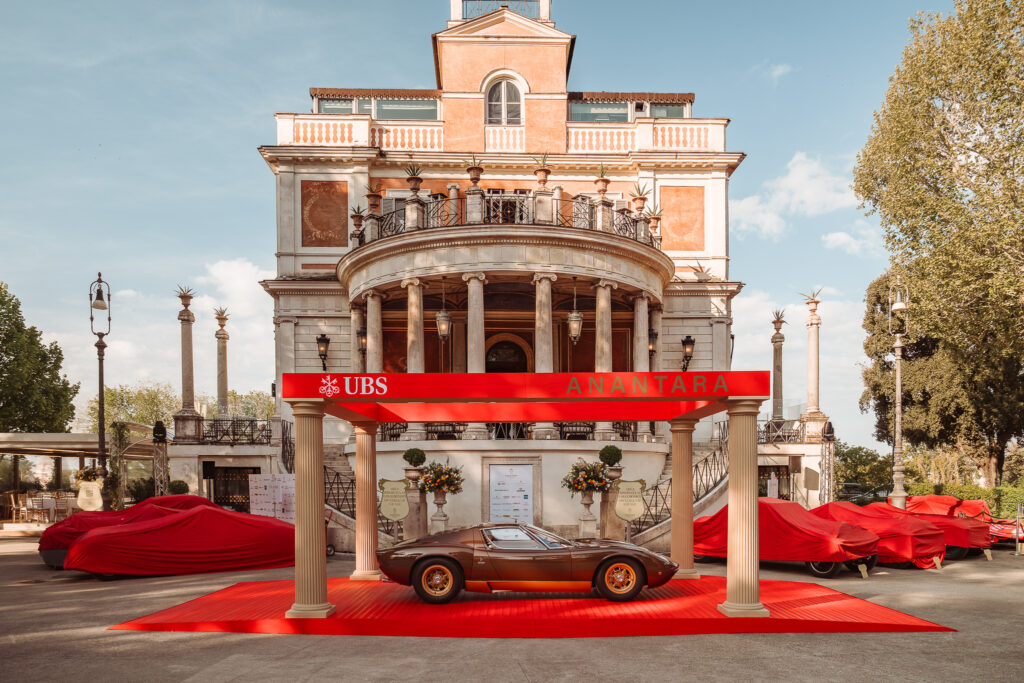
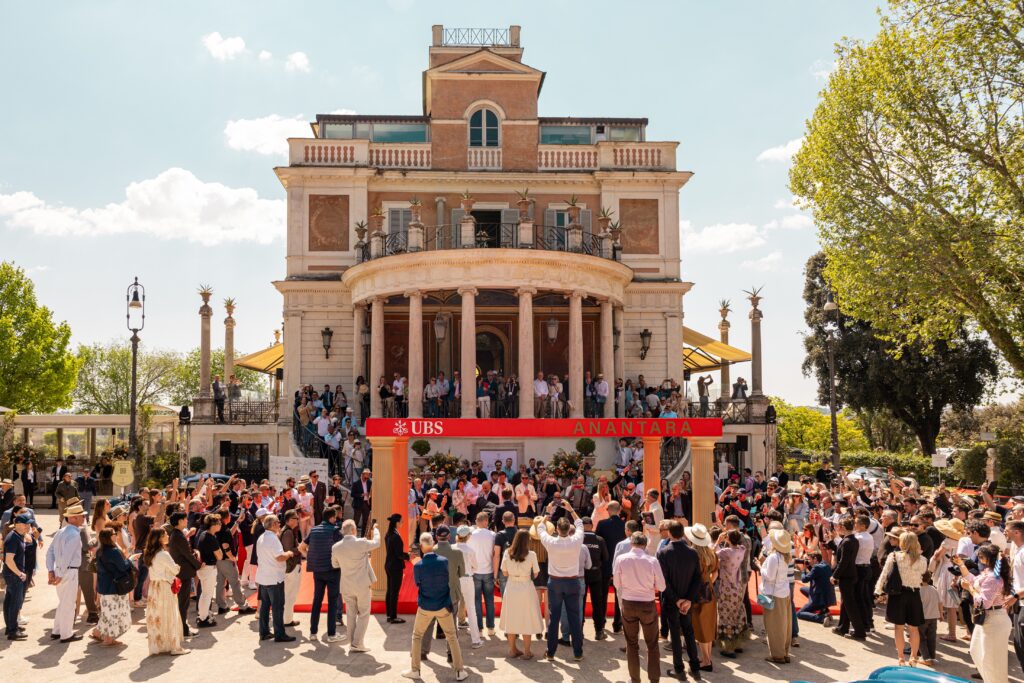
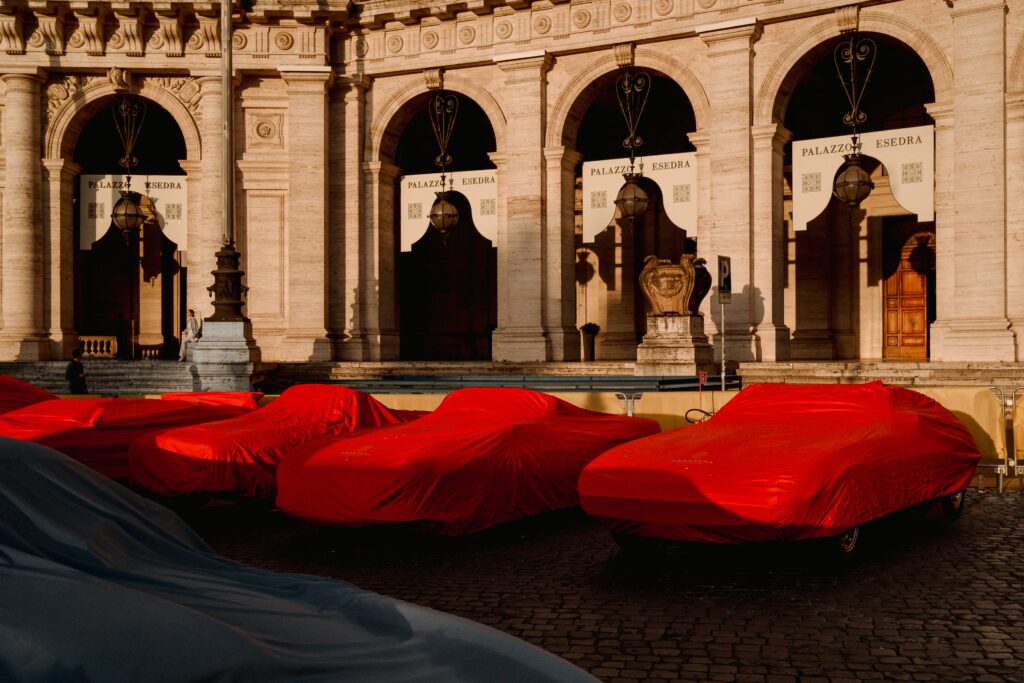
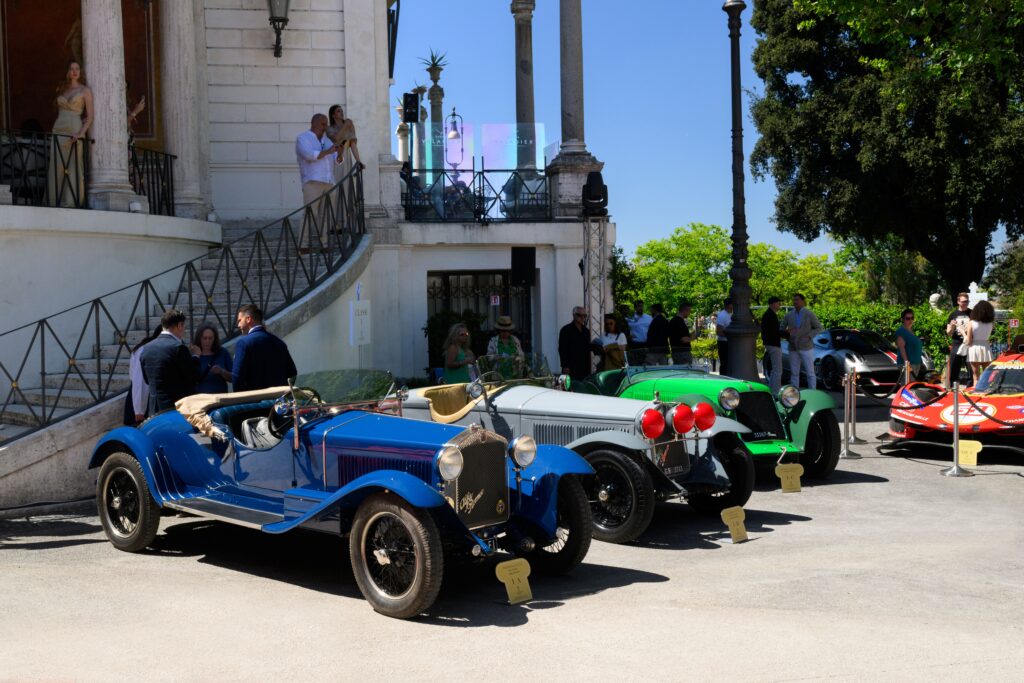
Rather than a closed park, the event unfolds across several venues: Anantara Palazzo Naiadi Rome Hotel for the hospitality, Villa Borghese for the exhibition, and Casina Valadier as the focal point. This dispersal is not logistical – it’s narrative.
Each move becomes a transition between eras.
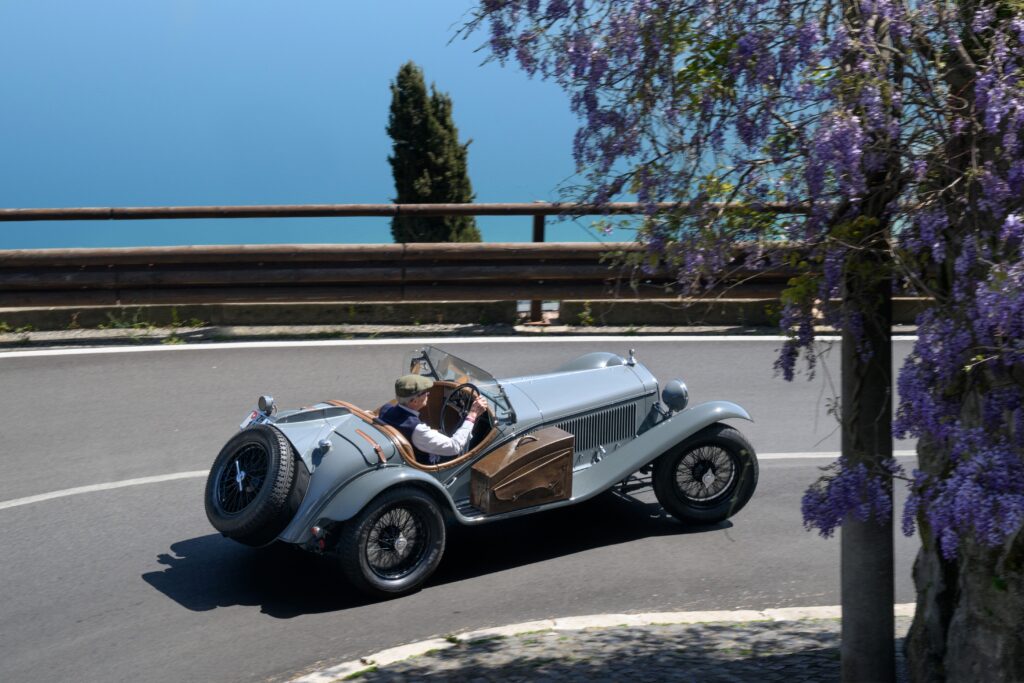
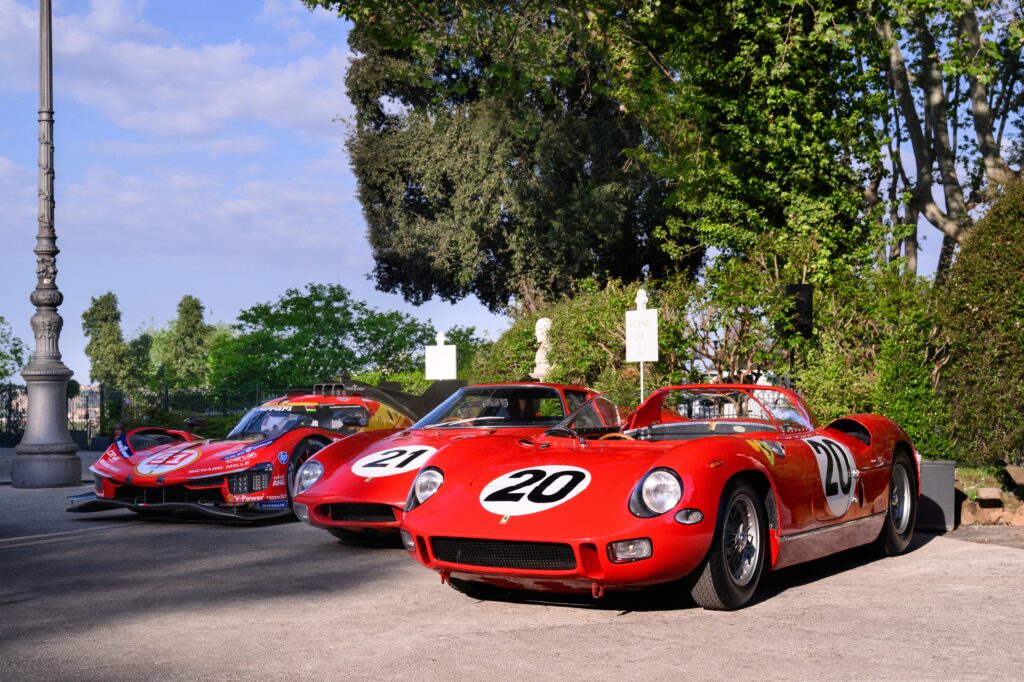
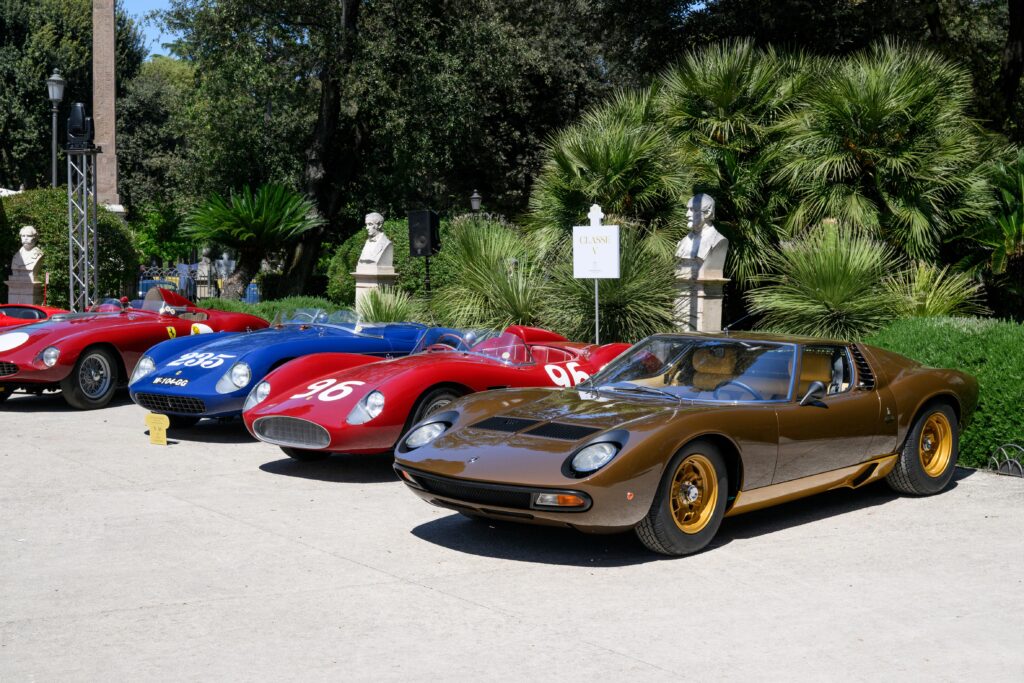
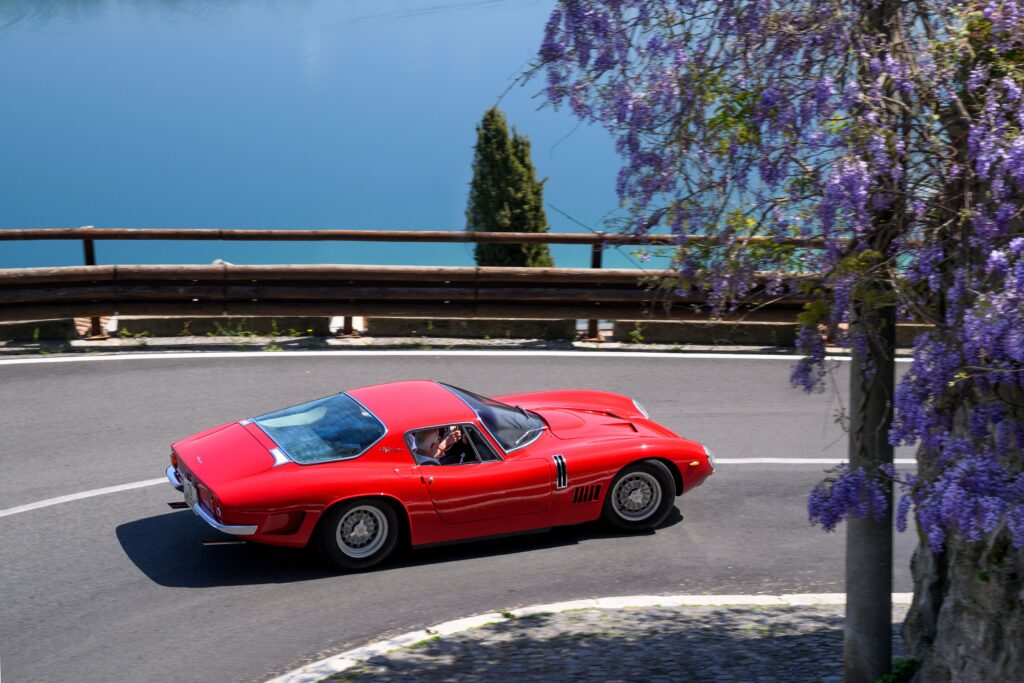
Over seventy Italian cars, from the 1920s to the present day, are divided into sixteen categories. This division does not simply follow a chronological order: it also relates typologies – bodies, uses, coachbuilders’ signatures.
The car ceases to be an isolated part. It becomes a fragment of industrial history.
The return as an event
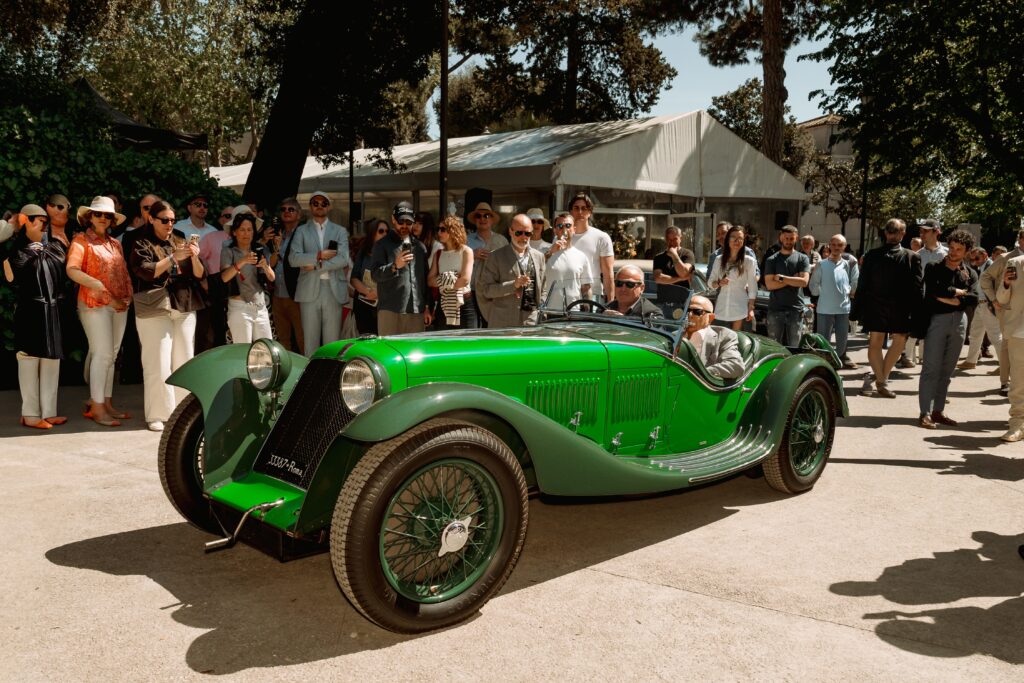
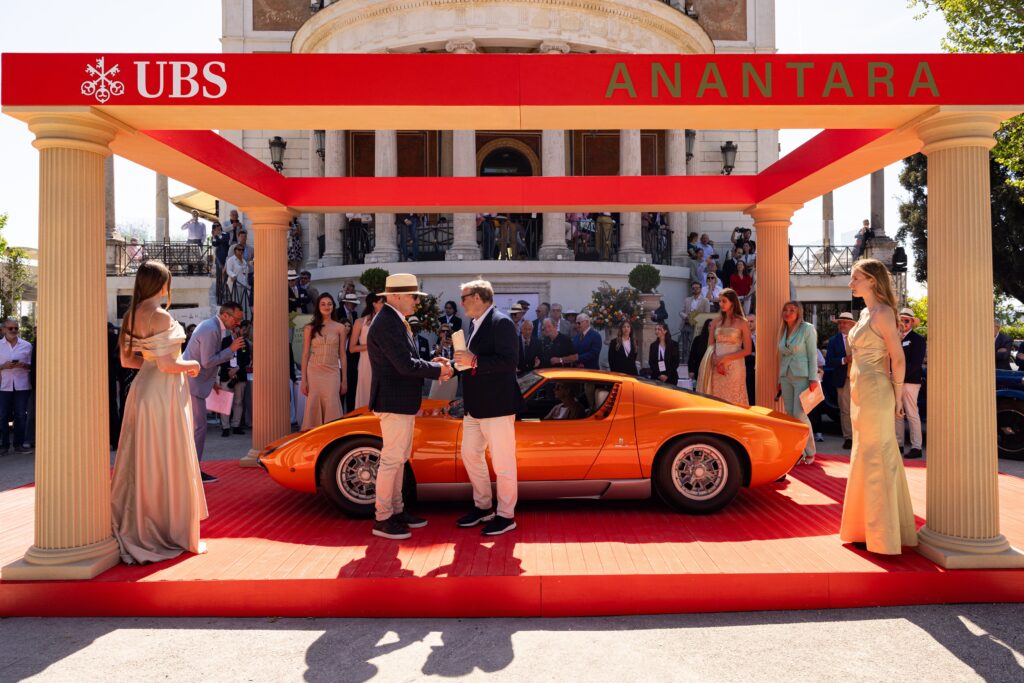
The designation of the 1932 Maserati V4 Sport Zagato as “Best of Show” goes beyond the logic of price. This model, powered by a sixteen-cylinder, four-liter engine, holds a speed record set in 1929. Above all, its presence in Rome marks a comeback – a first in almost ninety years.
This type of movement transforms the object into an event.
In the automotive field, scarcity is measured not only in terms of production, but also in terms of visibility. An invisible car remains theoretical. Exposed, it becomes active again.
Italian bodywork and identity
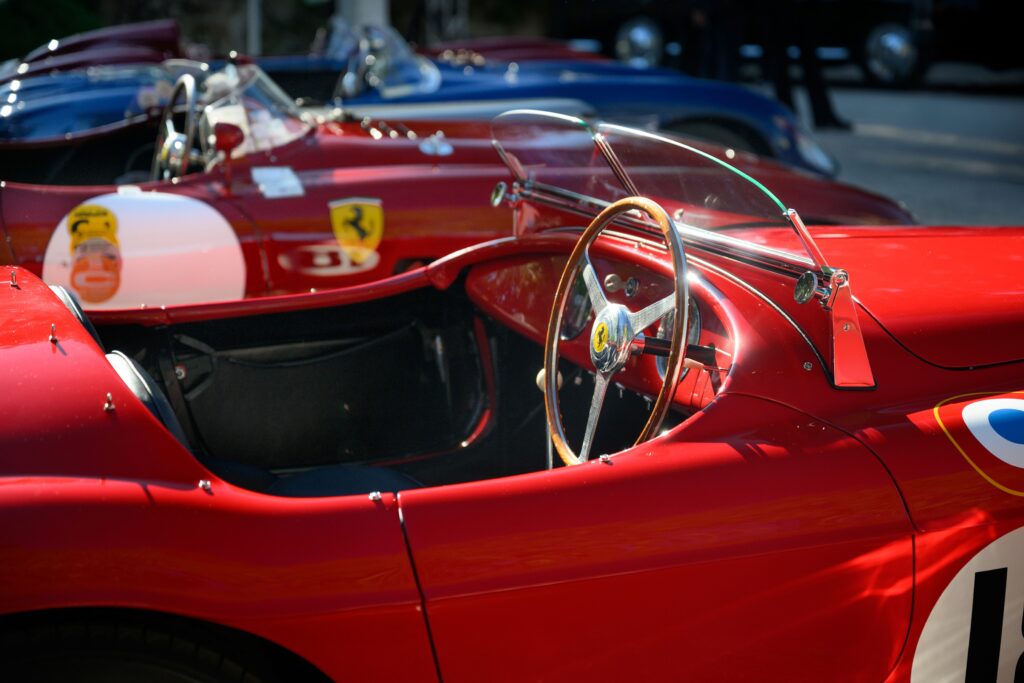
The brands present – Ferrari, Lamborghini, Maserati, Alfa Romeo – are not called upon for their fame, but for what they represent: a tradition in which mechanics dialogue with bodywork.
The term “coachbuilt cars” is central here. It refers to a time when the technical structure and the aesthetic envelope were dissociated. The chassis was produced by a manufacturer, the bodywork entrusted to a workshop – Zagato, Touring, Pininfarina.
This division of labor places the automobile within a craftsman’s logic.
The competition as a cultural format
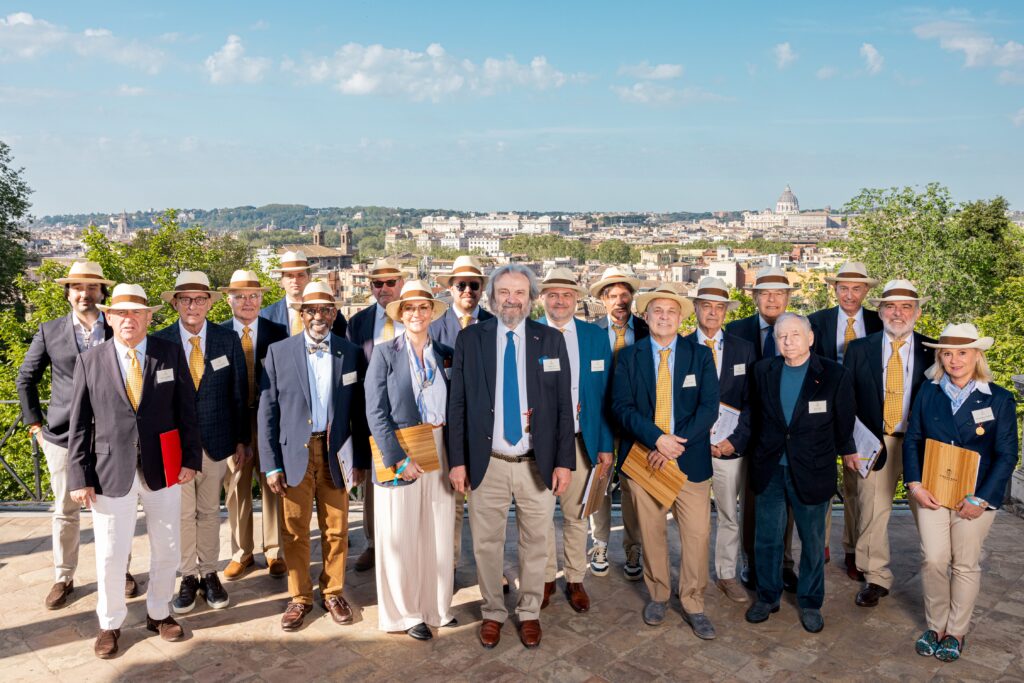
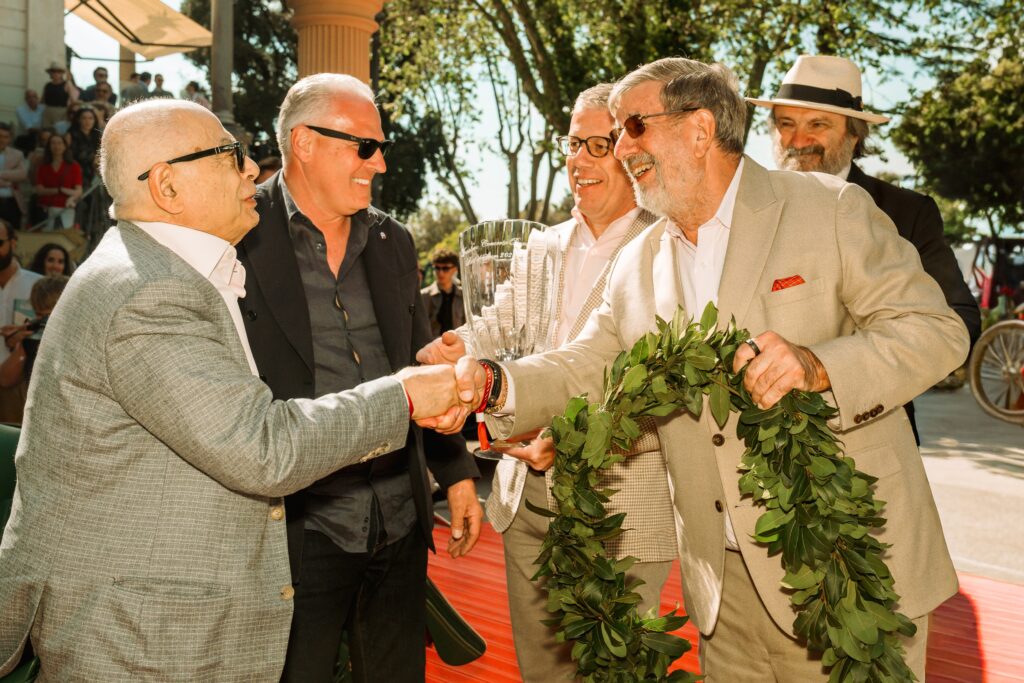
The first event of its kind in Rome for sixty years, the Anantara Concorso Roma is more than just a competition. It articulates several registers: aesthetic judgment, hospitality, gastronomy and tourism.
This mix is not incidental. It corresponds to an evolution in contemporary luxury, where the object is no longer enough. It must be integrated into an experience.
The role of Anantara Hotels & Resorts is structuring here. The hotel becomes a cultural platform, capable of orchestrating content – automotive, culinary, territorial – into a single narrative.
Soft power and territory
The event also acts as a projection tool for the city. By mobilizing local institutions and international partners, Rome reinforces a specific image: that of a capital capable of hosting events with high heritage value.
The automobile thus becomes a vector of soft power.
In this context, the “Dolce Vita delle Automobili” is not a formula. It’s a way of linking technical objects to a broader culture – that of Italian style, the art of living, and the circulation between past and present.
The Anantara Concorso Roma doesn’t reinvent the concours d’élégance. It’s moving it.
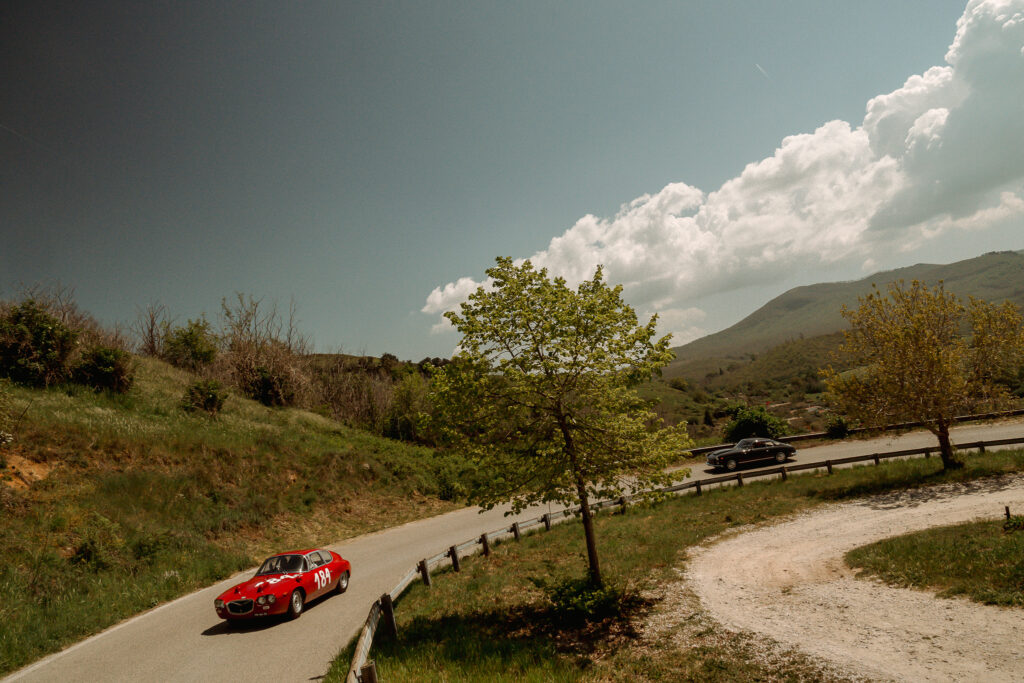
By taking the car out of the museum and placing it in the city, he transforms a static object into a narrative element. Mechanics become movement again – even when stationary.
Rome, after all, is not the setting.
It acts as a revealer.
Cette publication est également disponible en :

