
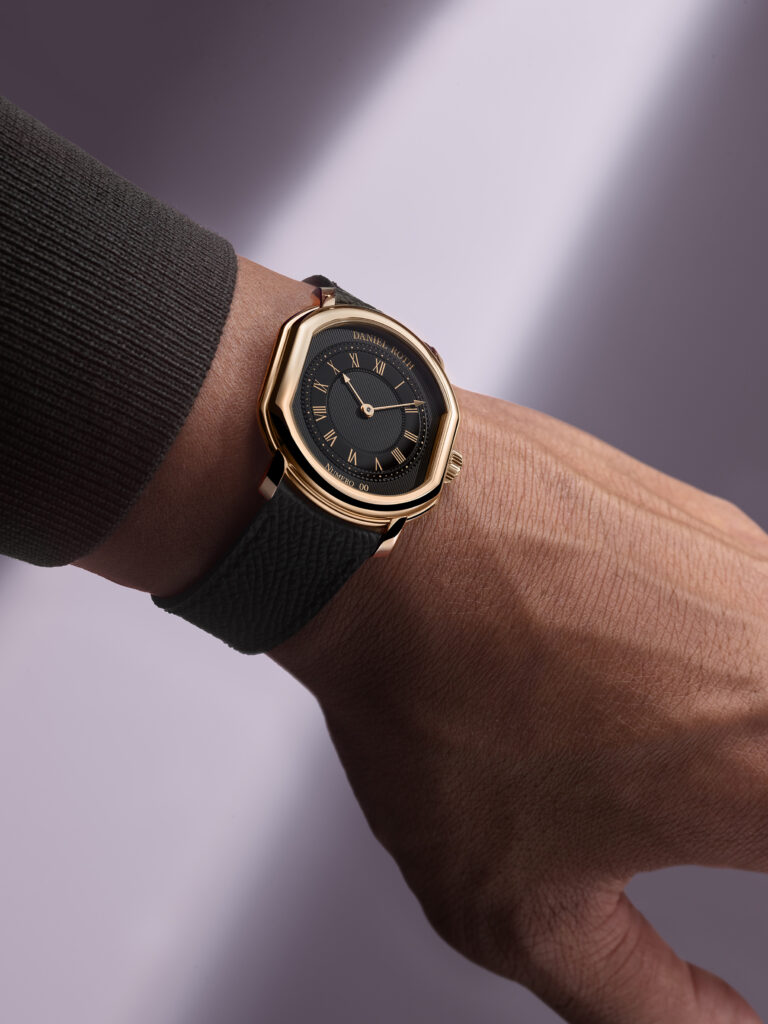
In independent watchmaking, there is a category of gestures that consist not of adding but of taking away. The gilt dial belongs to this rare family: nothing is printed on it, it is revealed. It is this almost-forgotten technique that Daniel Roth resurrects on its new Extra Plat Rose Gold Gilt, a watch that builds its entire presence on the idea that material, when properly worked, speaks more eloquently than decoration.
A Dial That Isn’t Printed, But Revealed
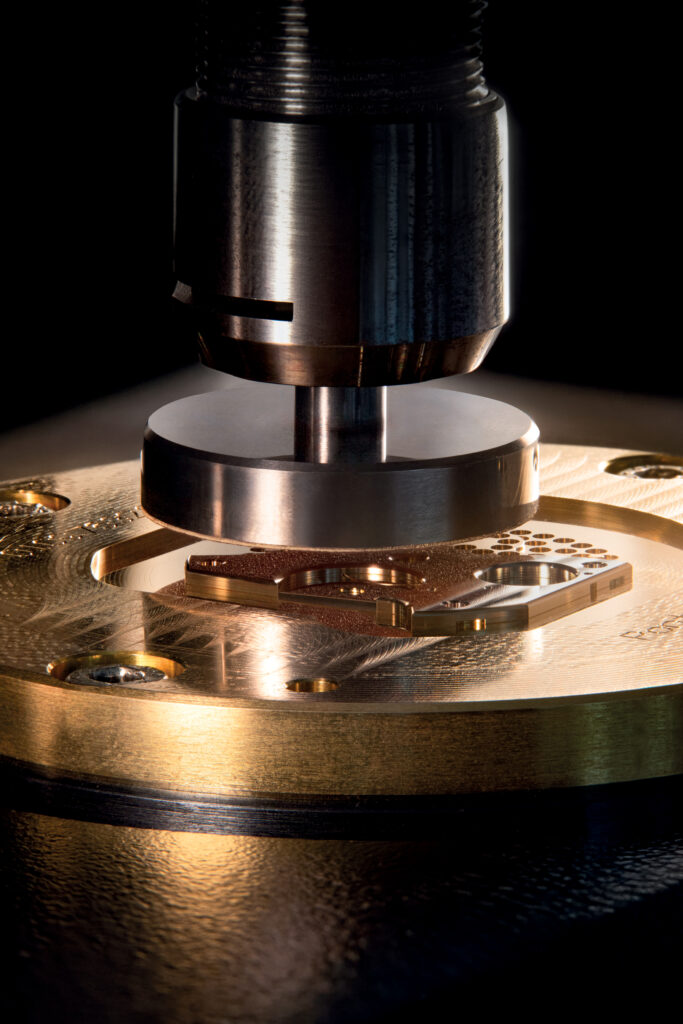
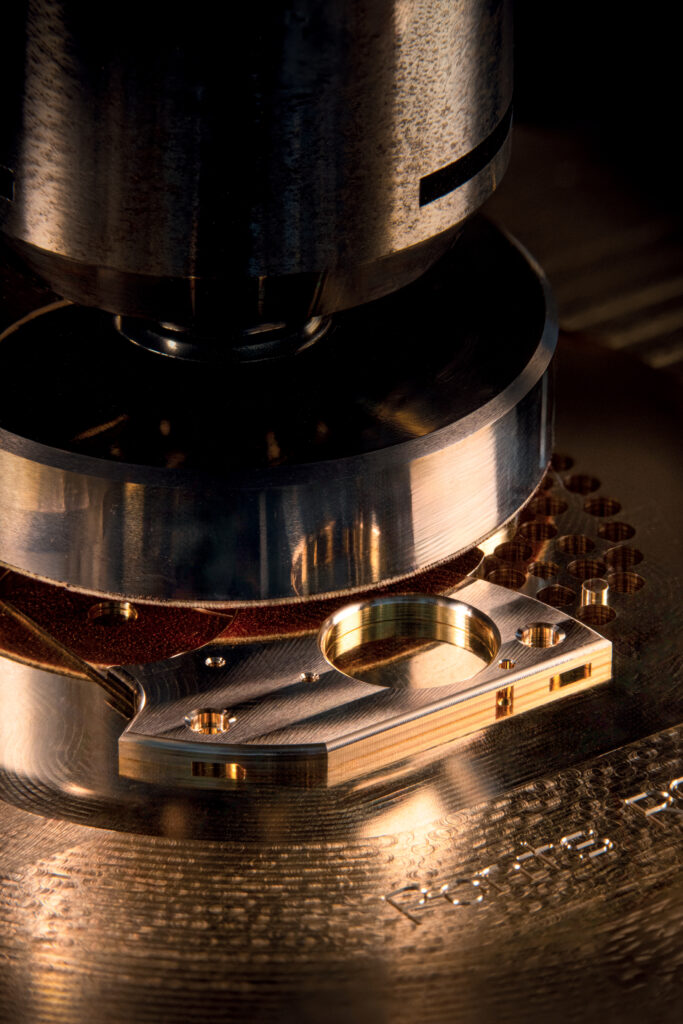
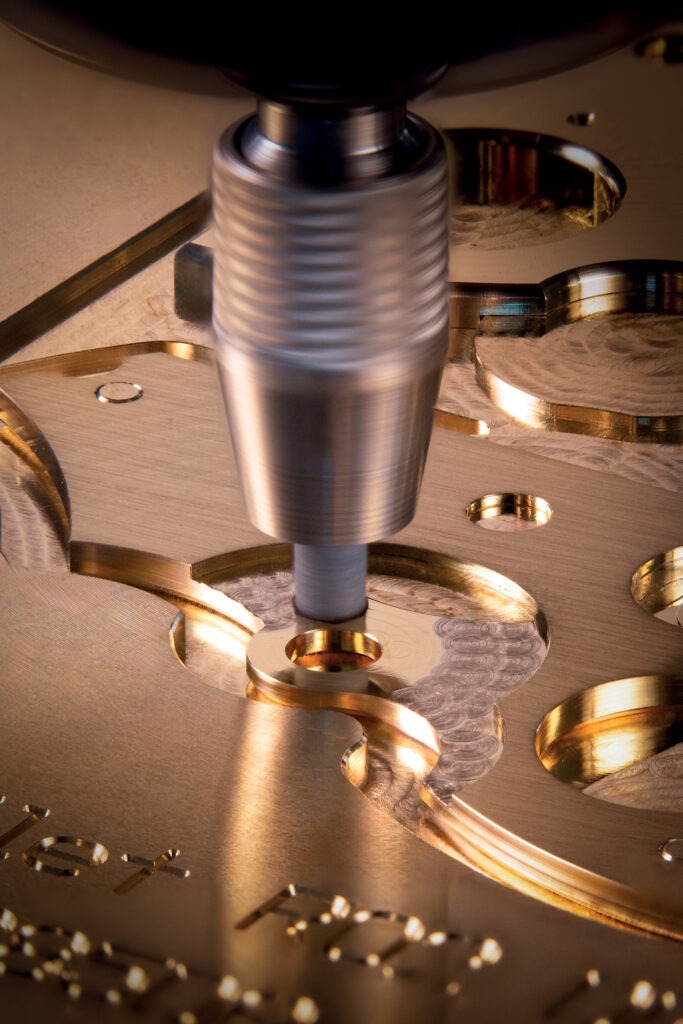
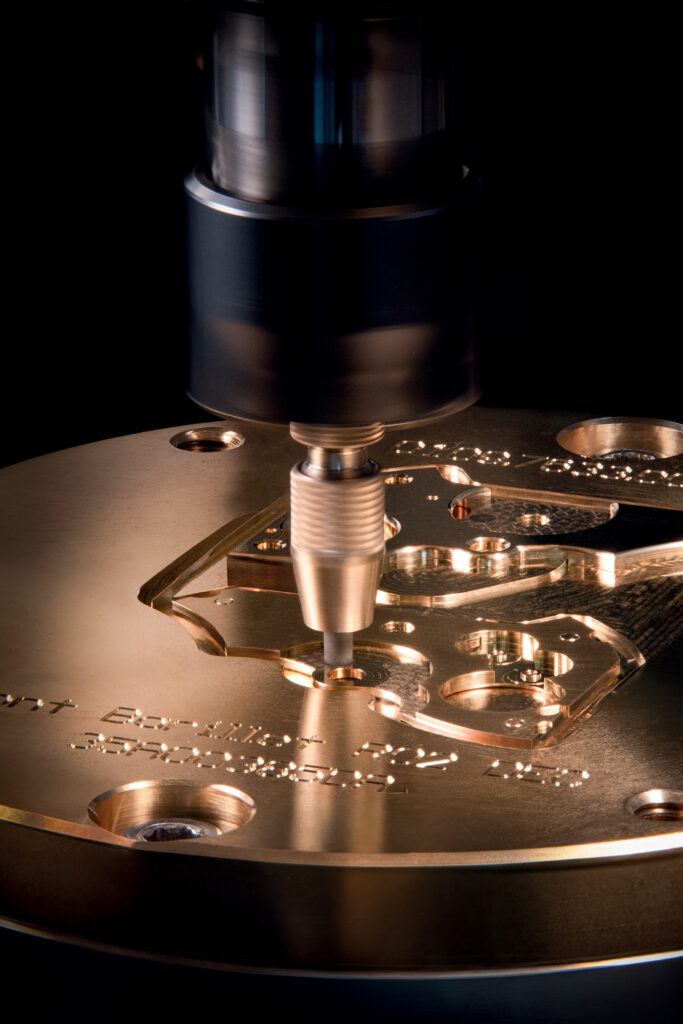
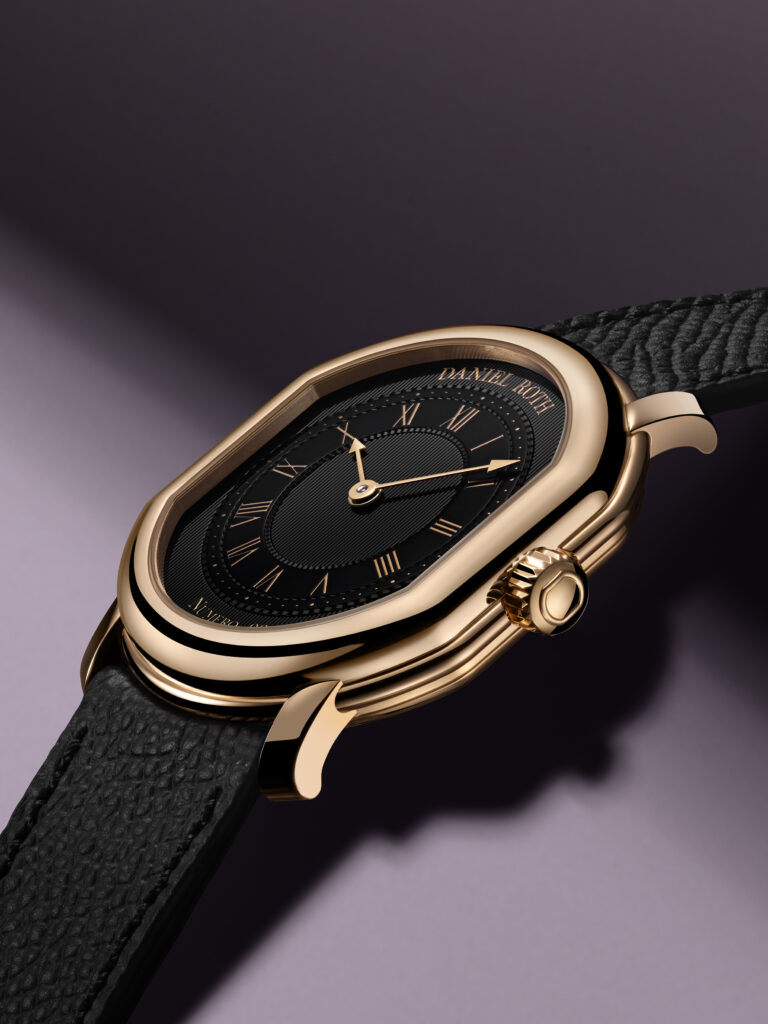
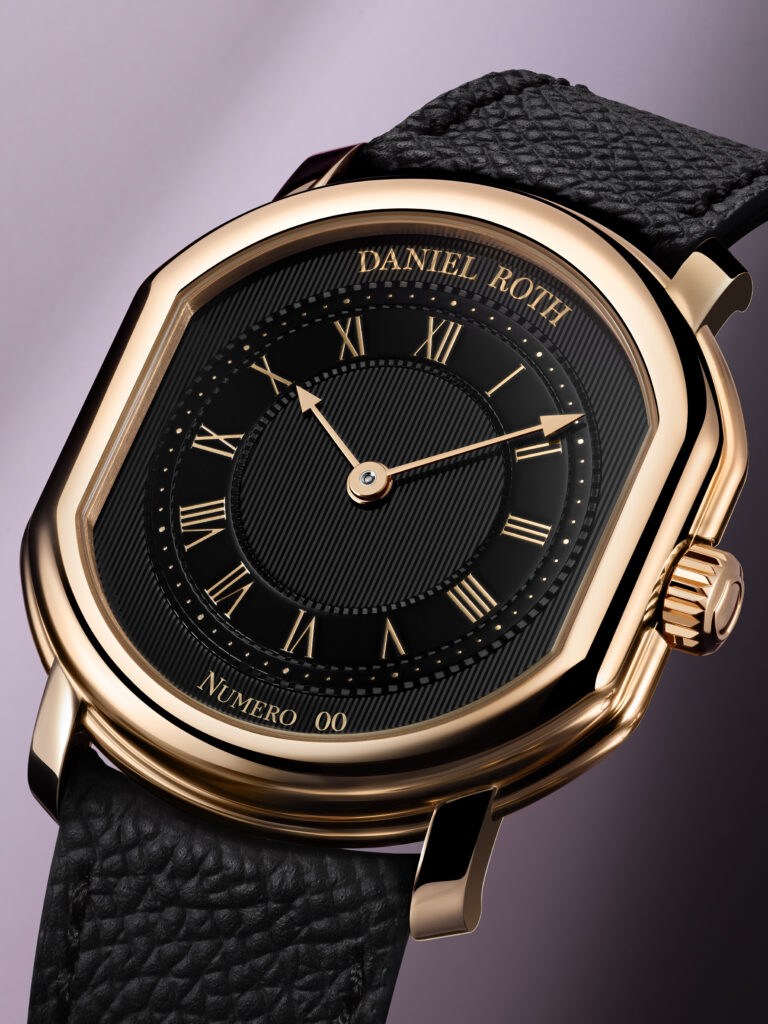
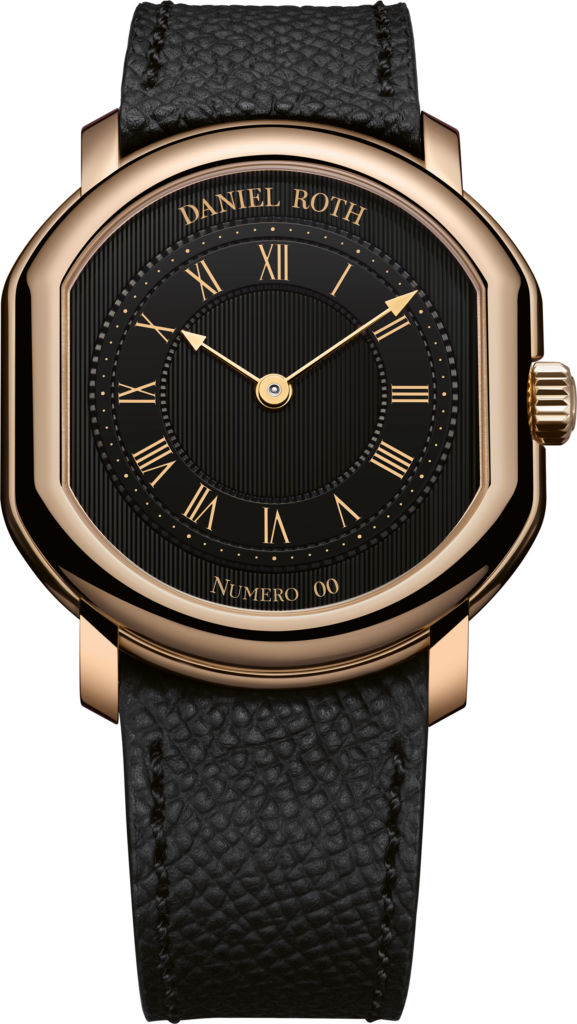
Most watch dials receive their inscriptions through pad printing: ink deposited on the surface. The gilt process reverses this logic. On the new Extra Plat, the Roman numerals, the house name and the dial’s individual number are not added but cut in negative into a solid-gold plate, before being masked with varnish and subjected to several electroplating baths that bring forth, immersion after immersion, a deep black whose intensity is judged by eye by the craftsman. The final unmasking then reveals the inscriptions as they were from the start: gold, simply made visible beneath the black surface. The effect, impossible to achieve through printing, lies in this superposition: the characters seem to emerge from the dial rather than having been placed on it, and shift in intensity depending on the viewing angle and light, as if they were breathing.
This work draws on an even older art, that of guilloché: hand engraving on the guilloché lathe, which structures the surface before the gilt process even begins and which, once the dial is finished, heightens the play of reflections between the gold and the black.
The Warmth of Rose Gold
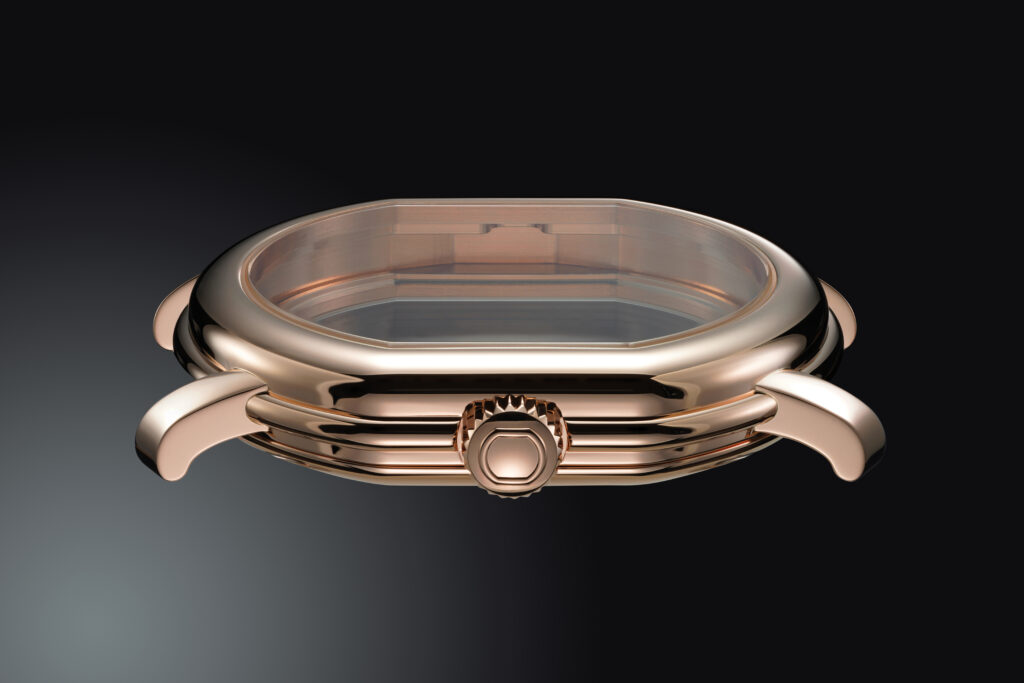
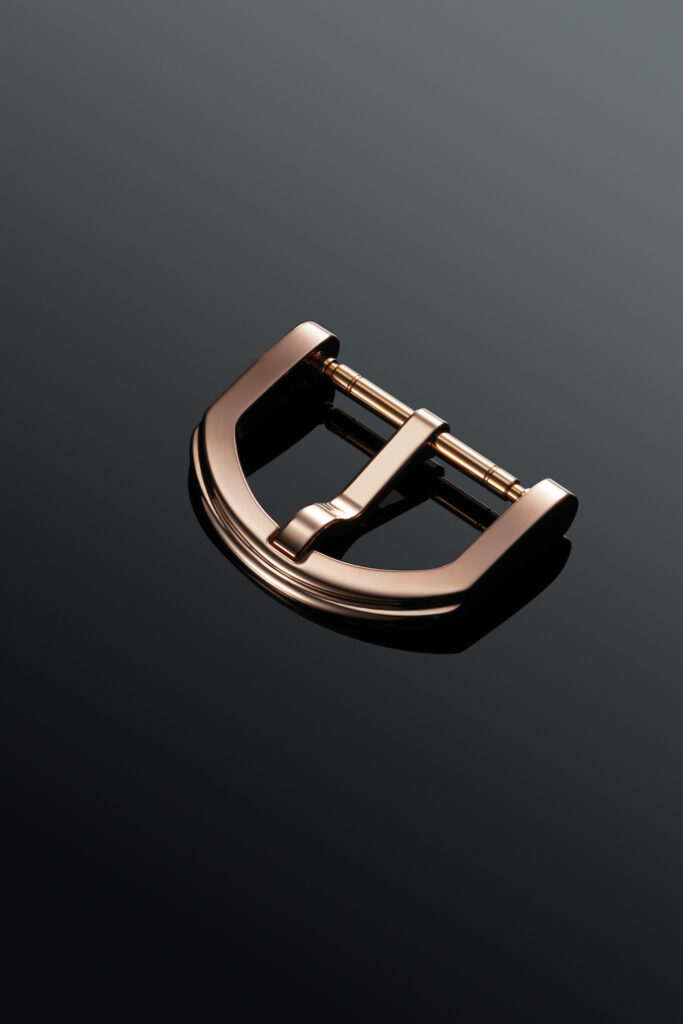
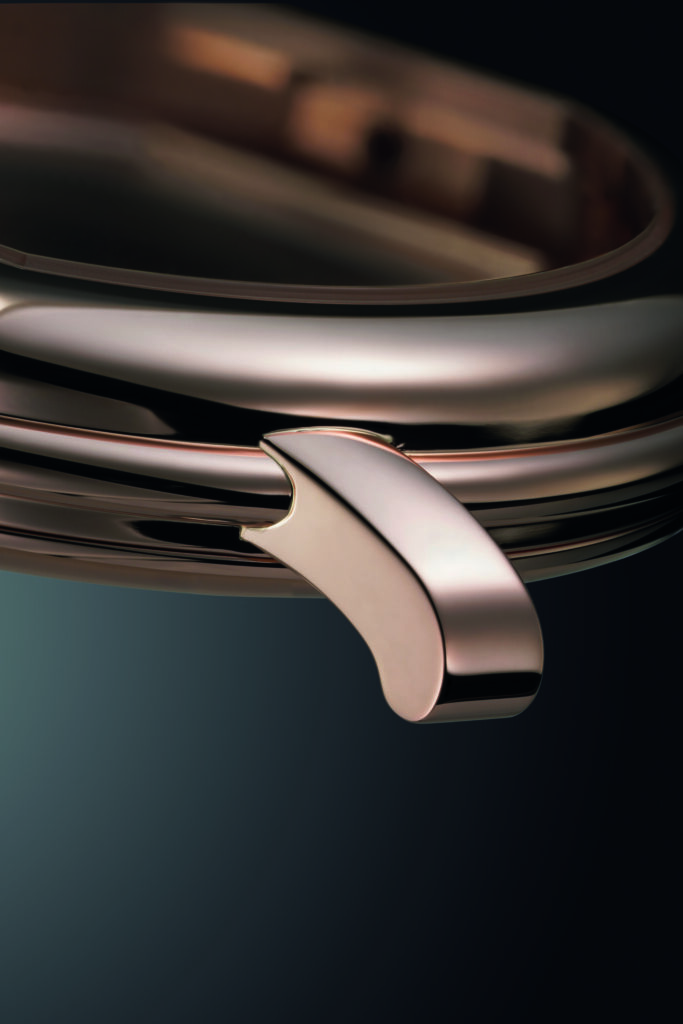
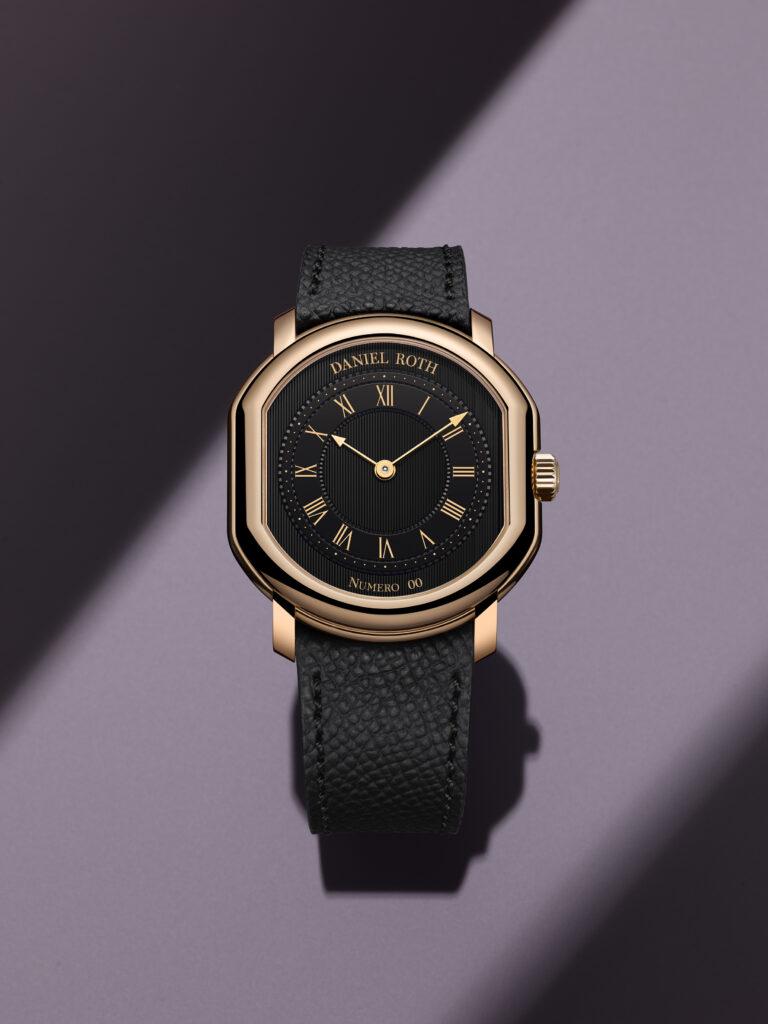
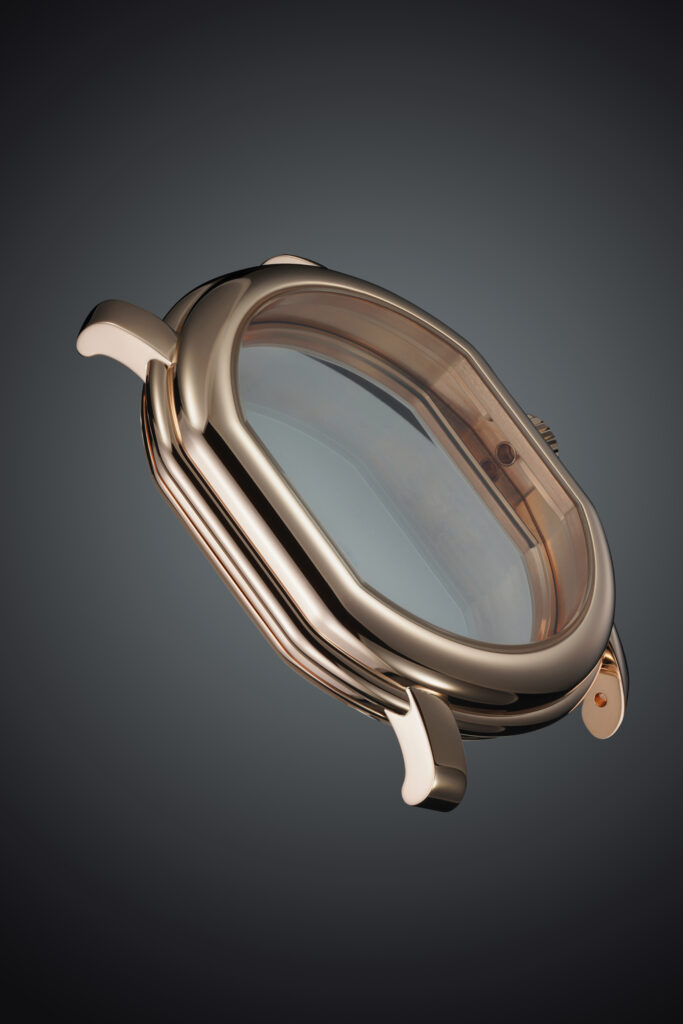
Daniel Roth dresses this new piece in a 5N rose gold case, an alloy whose warm hue softens the lines of the house’s famous double-ellipse case. Paired with a black leather strap, it places the watch in a discreet register, far from any display: the sophistication resides in the material and the gesture, not in ostentation.
The DR002 Caliber: An Architecture Designed for Thinness
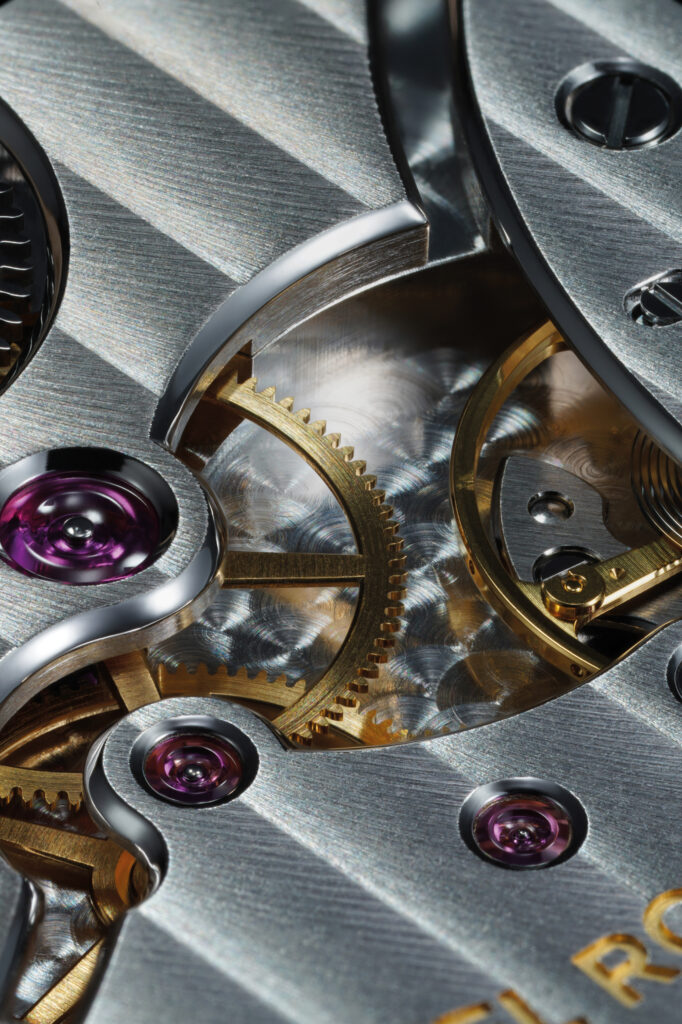
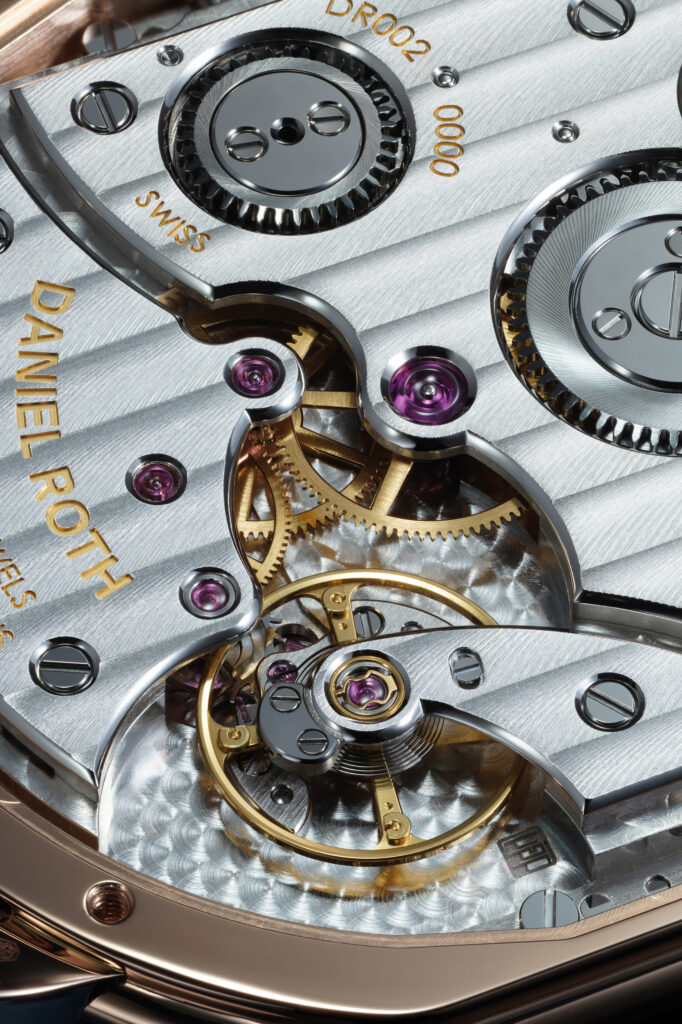
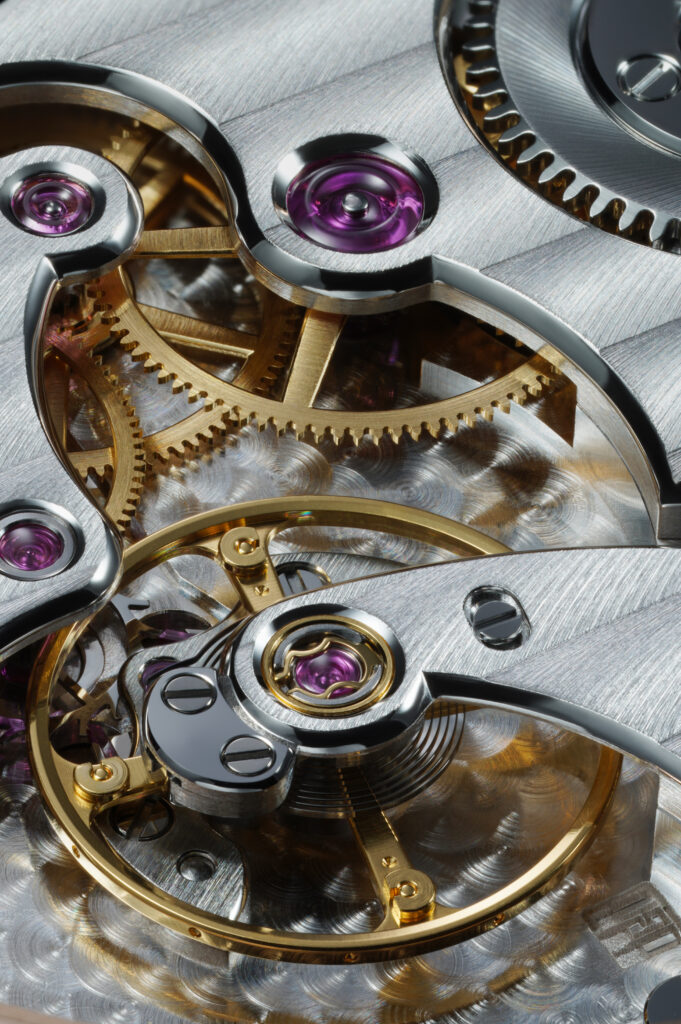
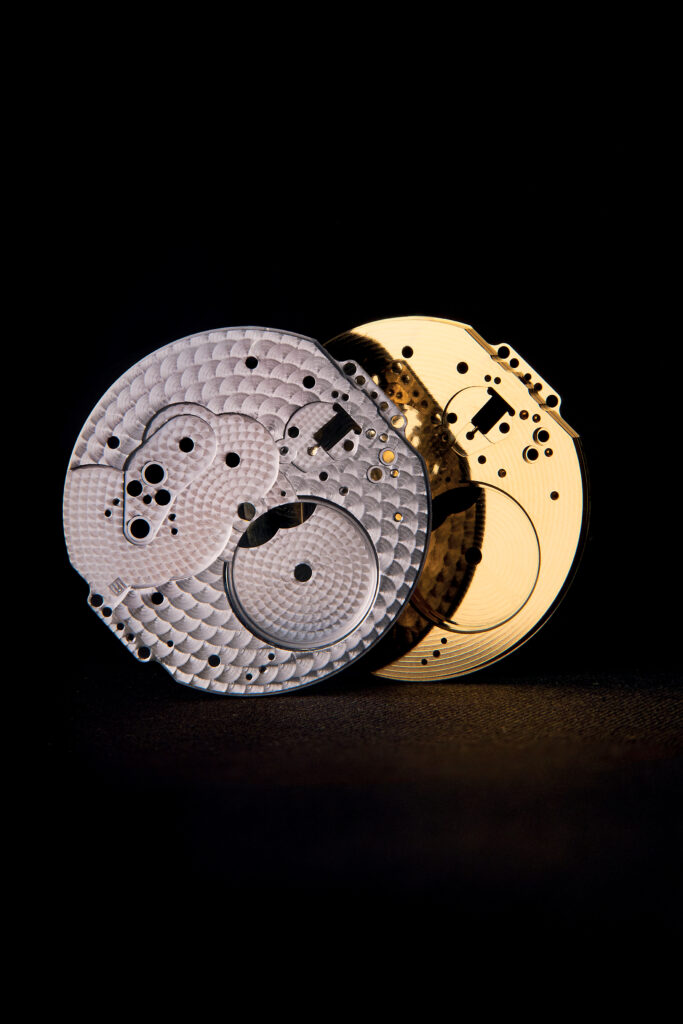
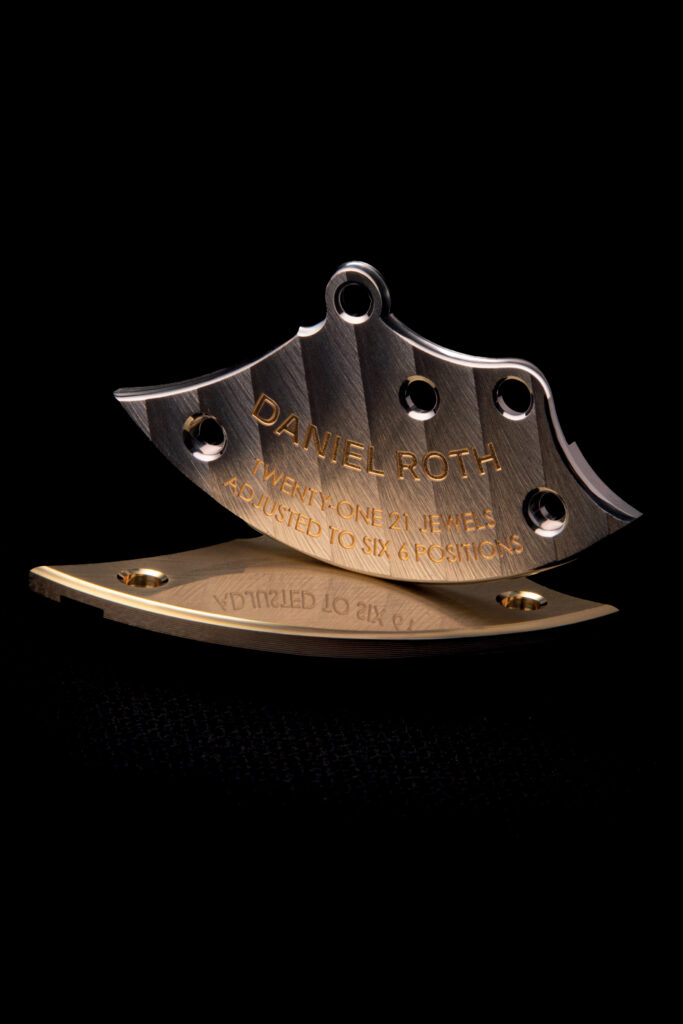
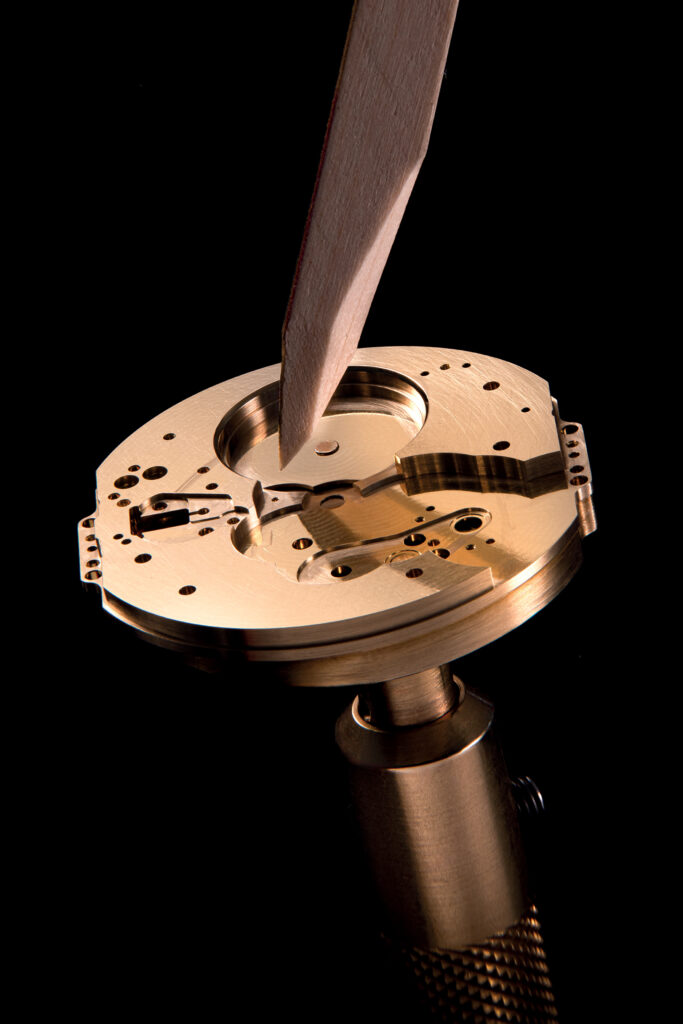
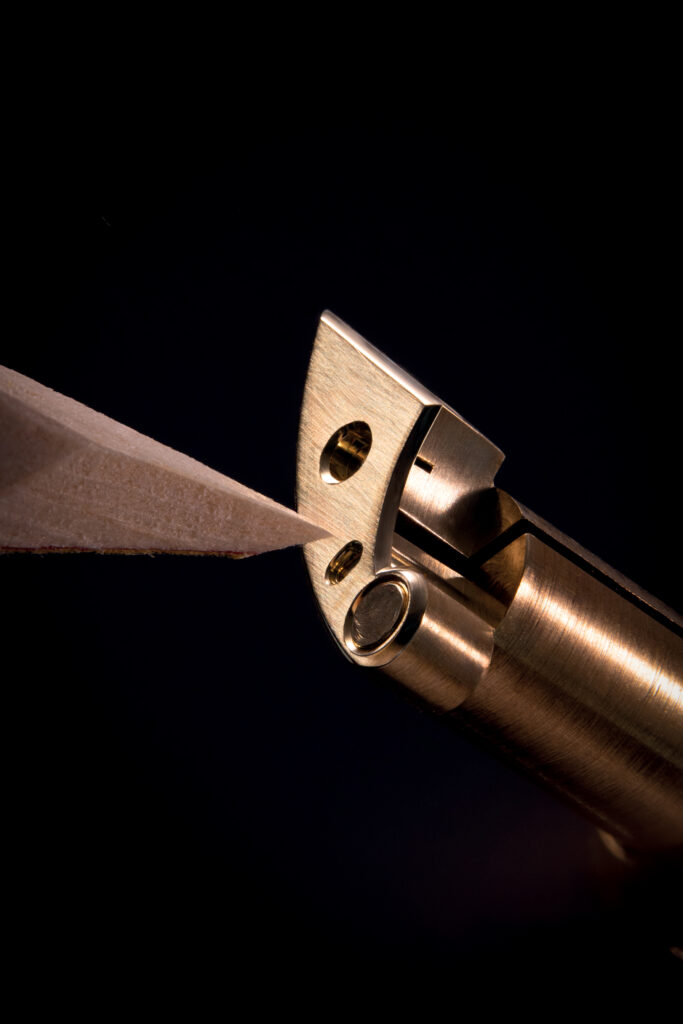
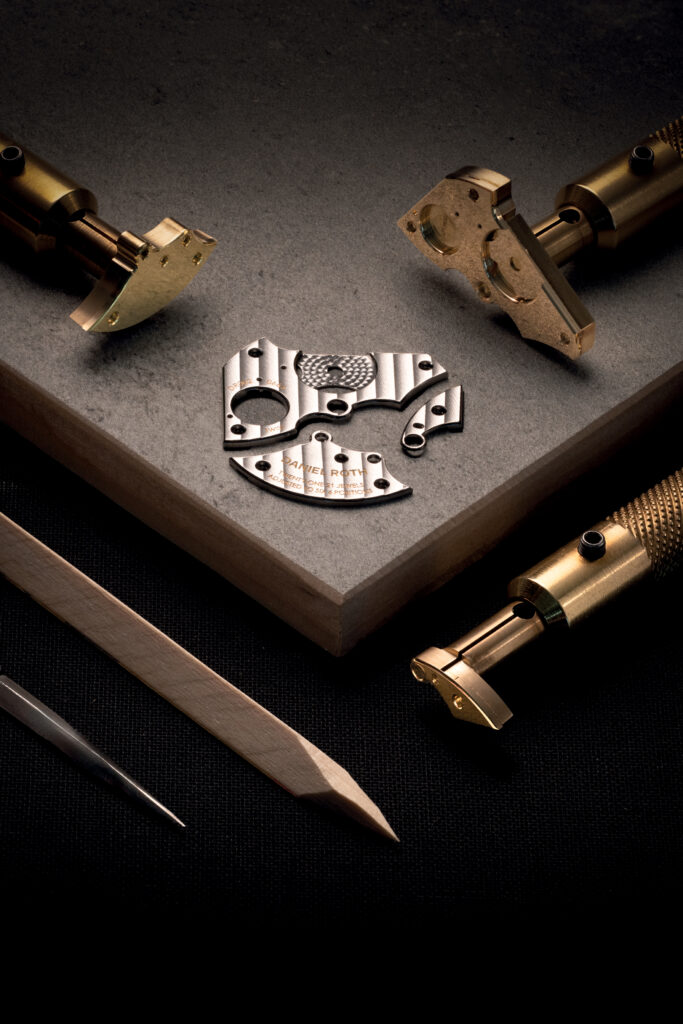
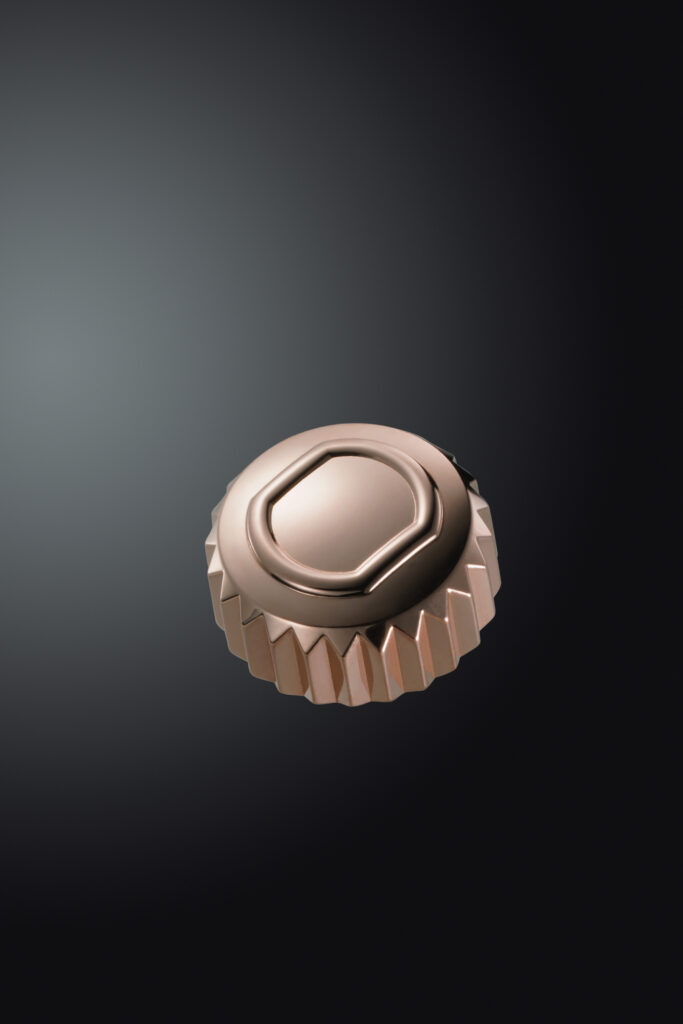
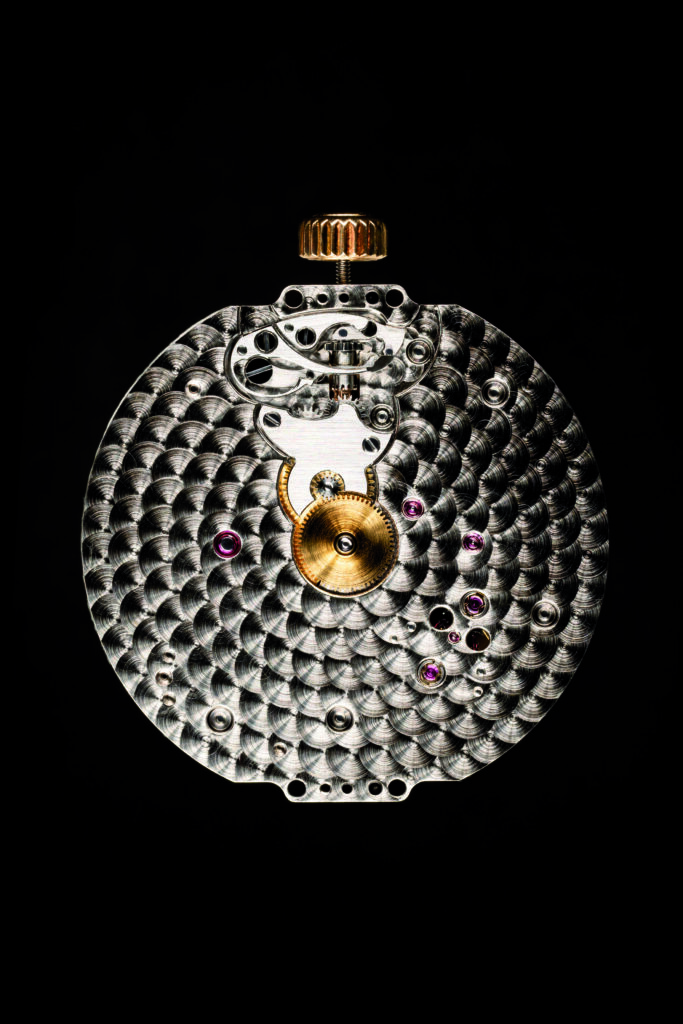
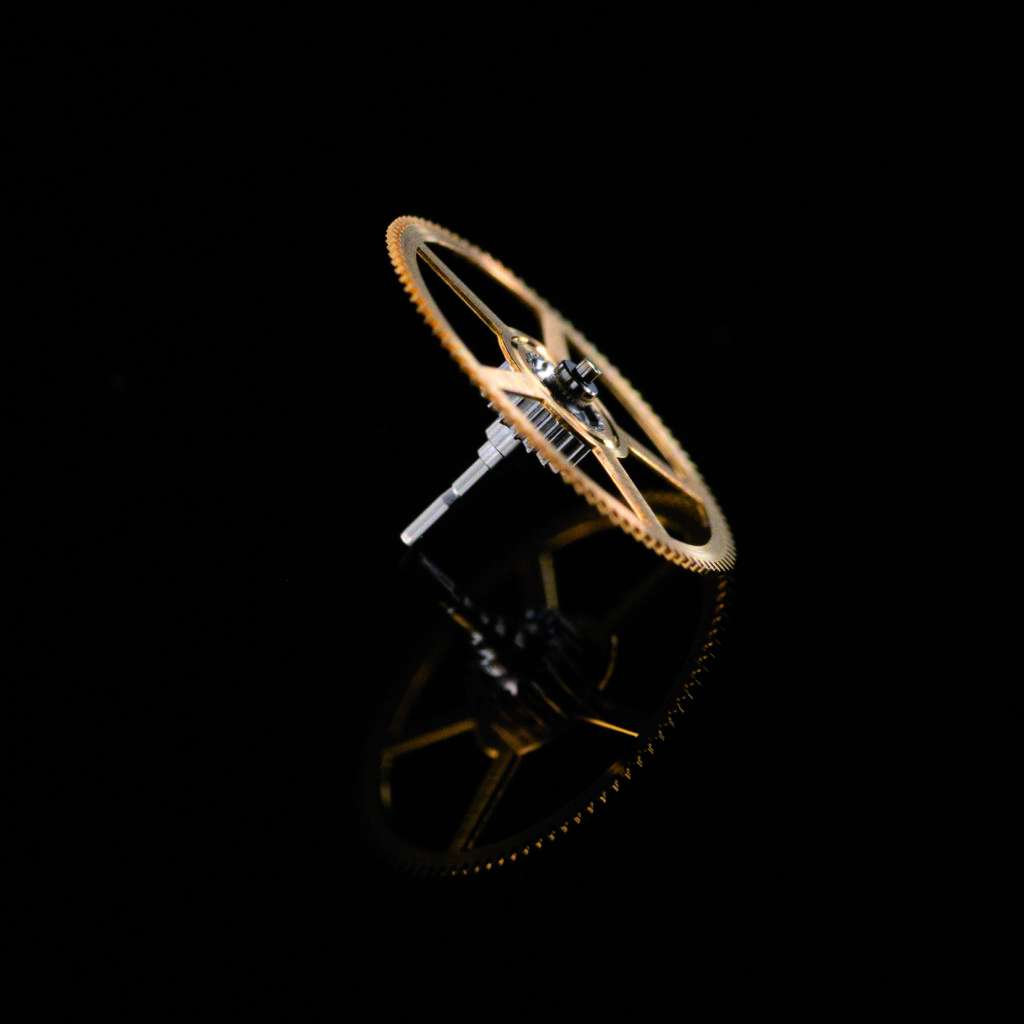
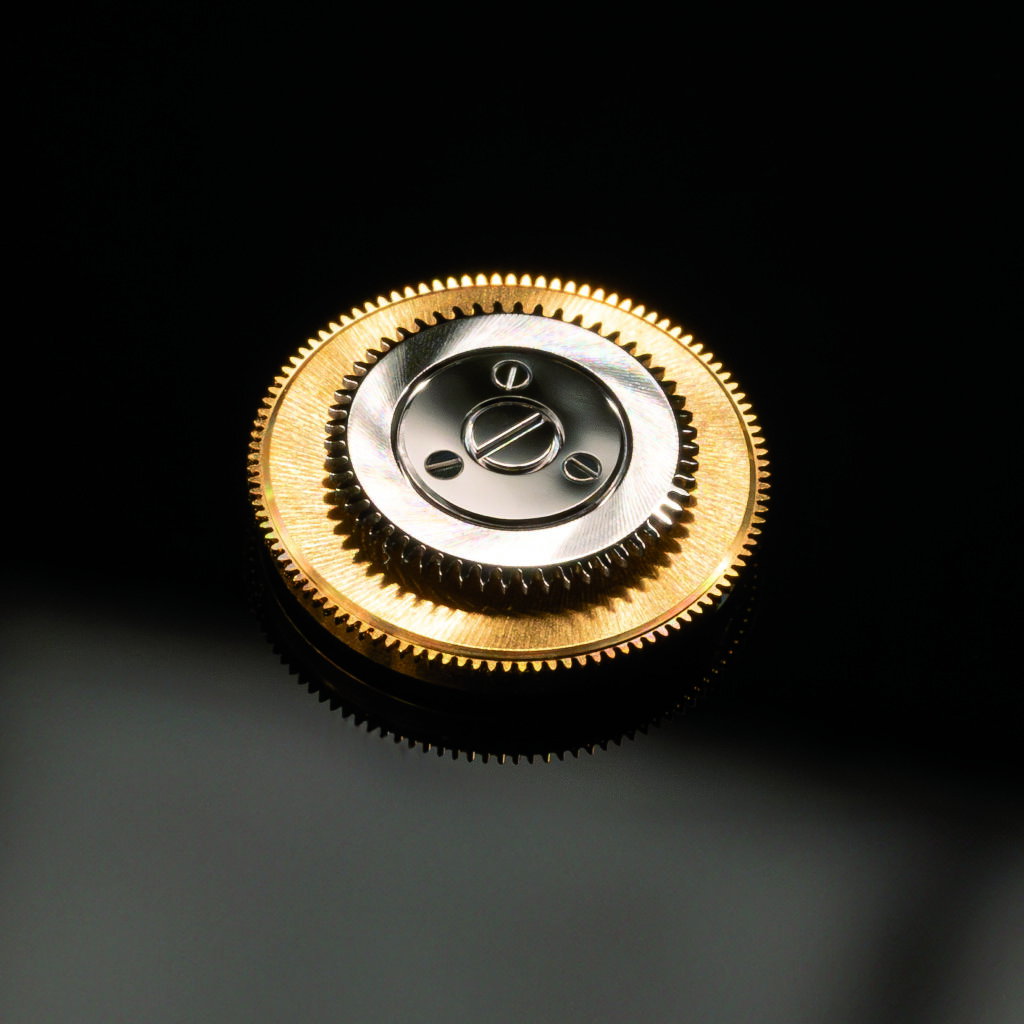
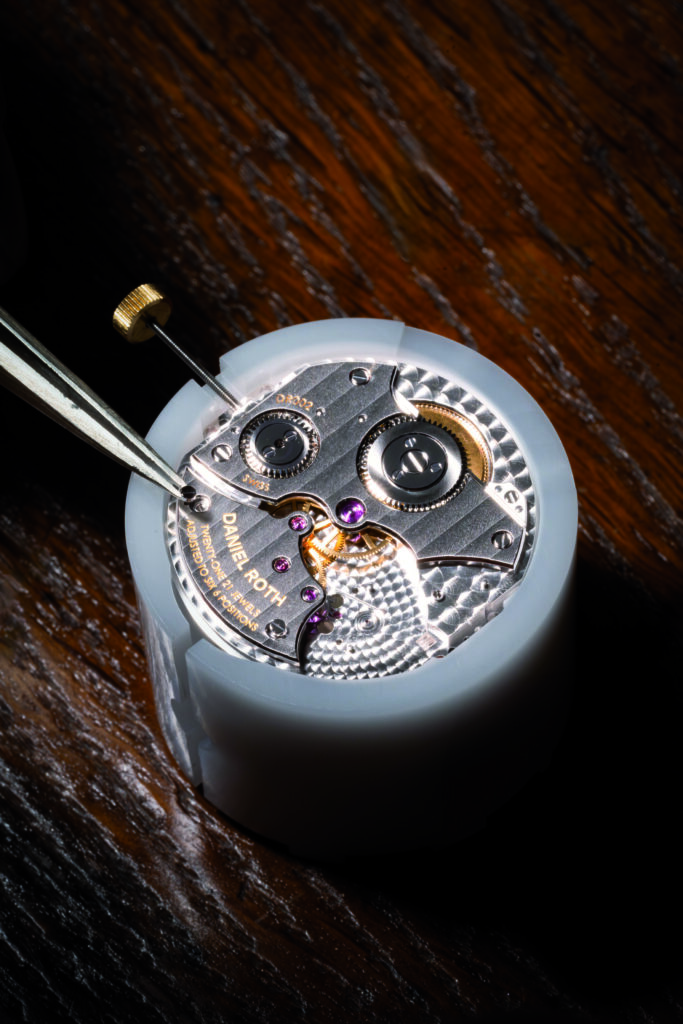
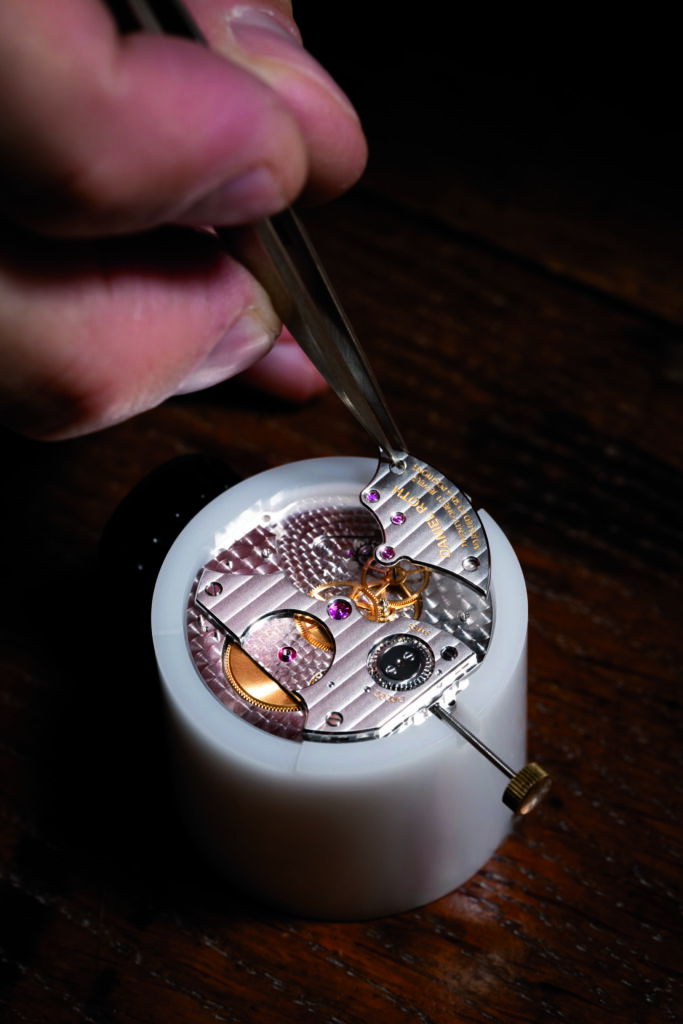
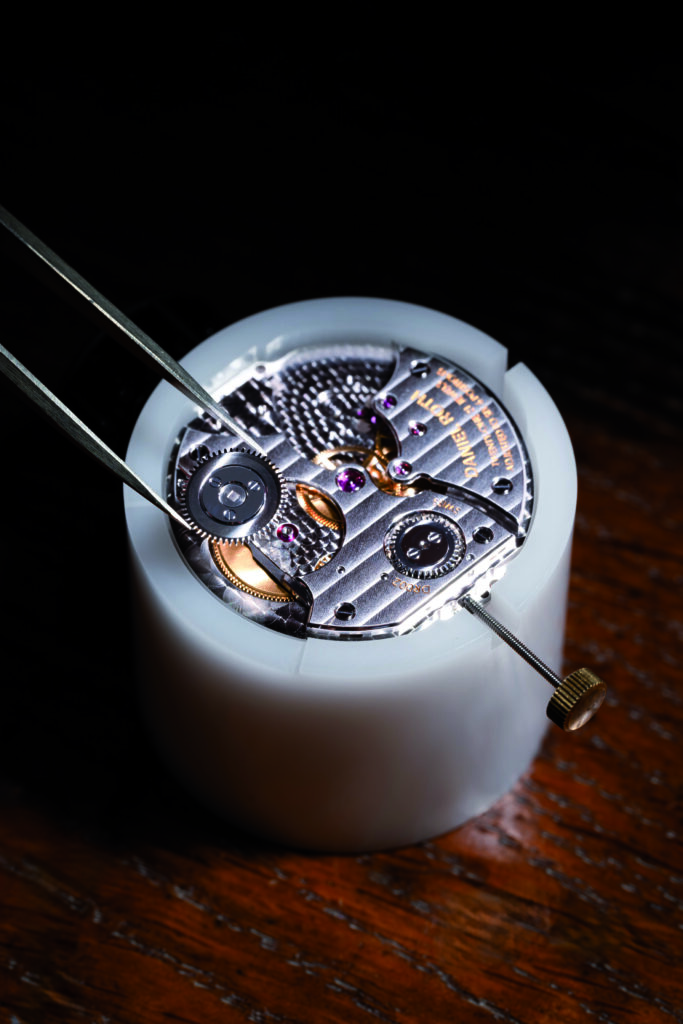
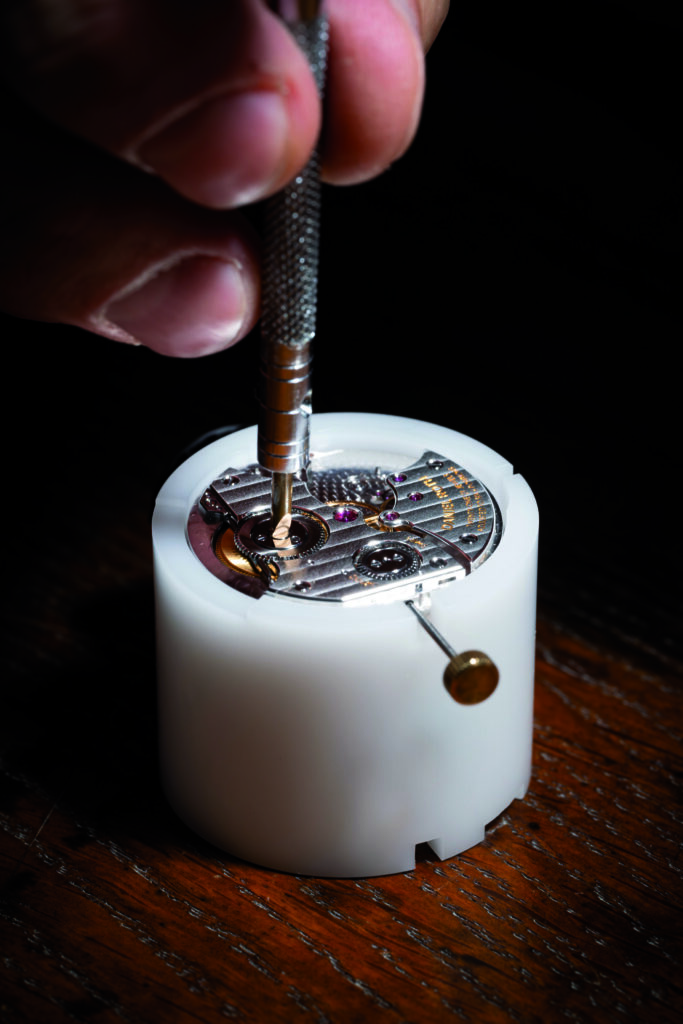
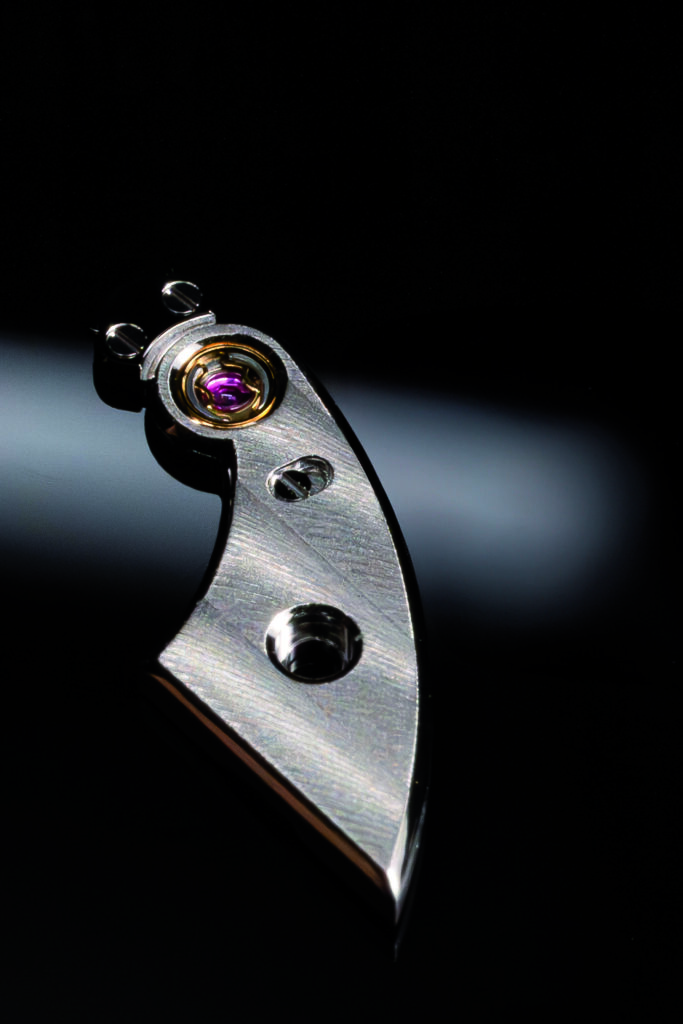
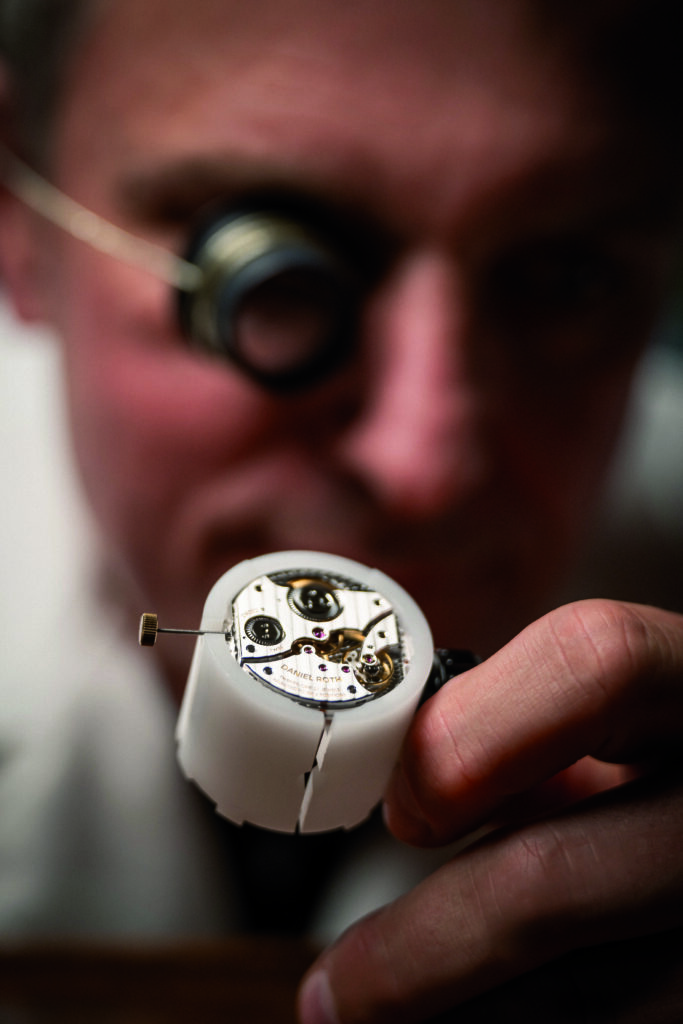
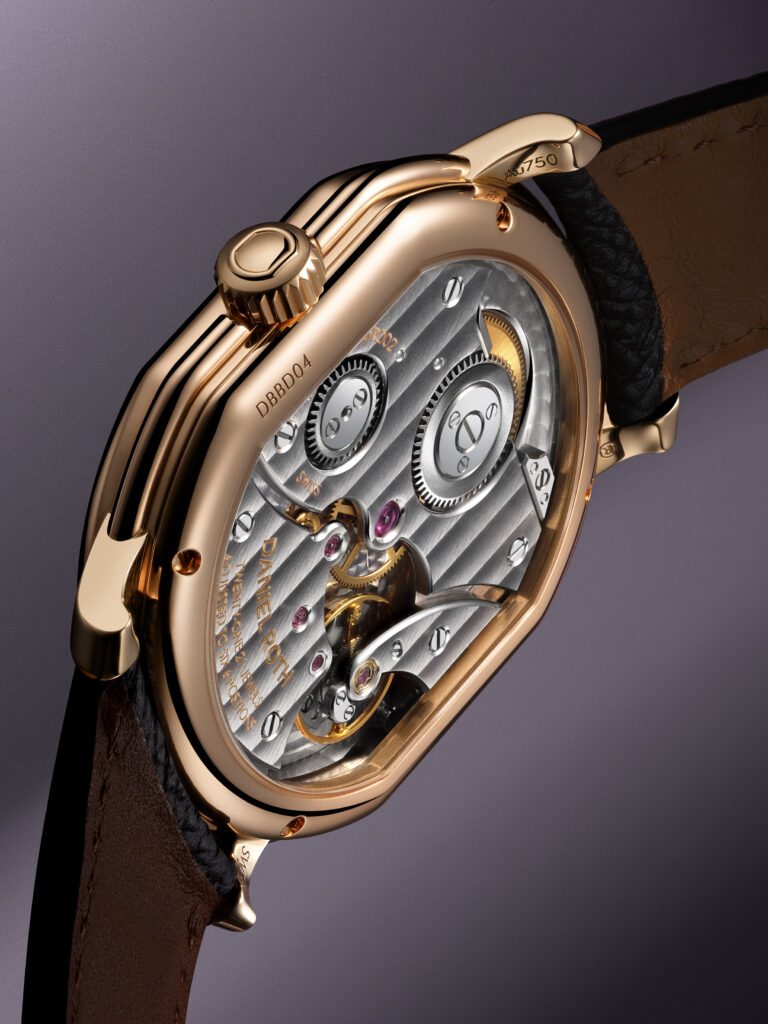
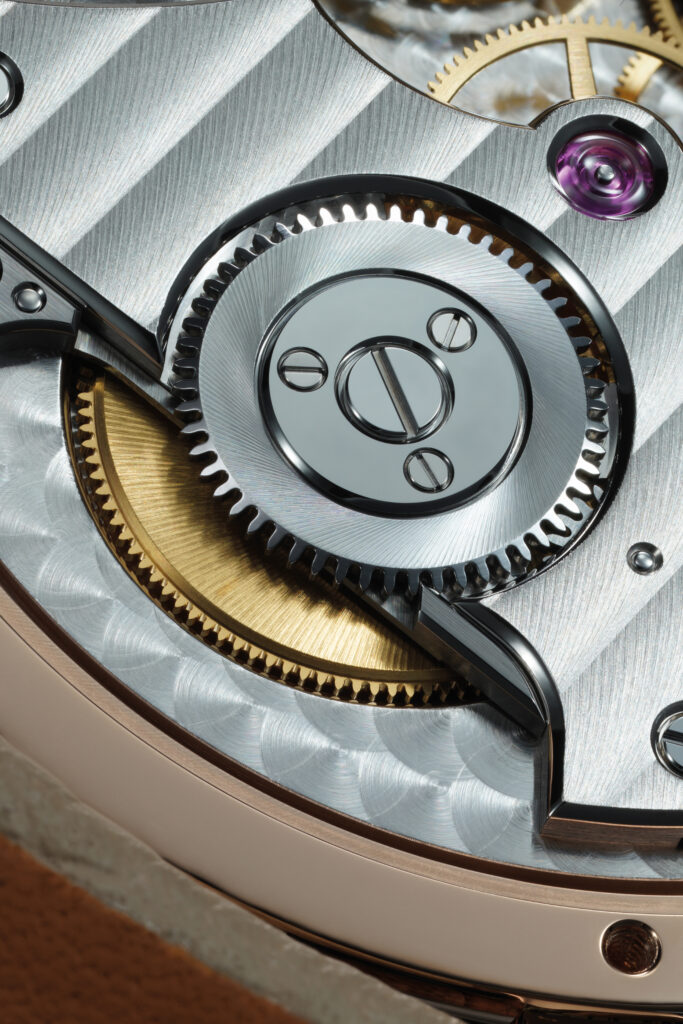
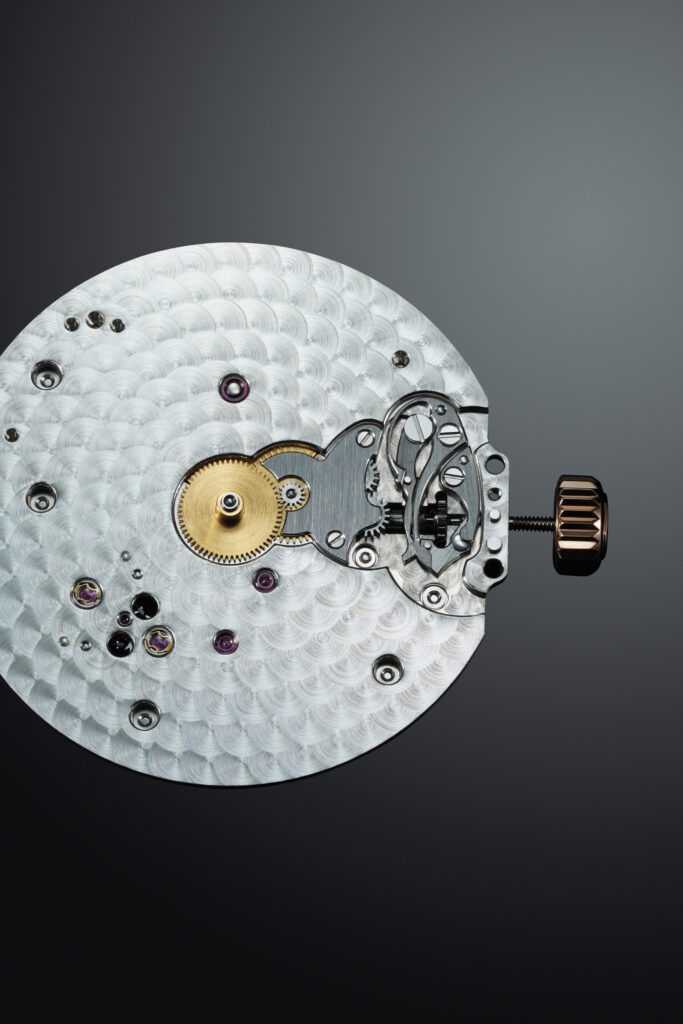
Beneath this dial works the in-house DR002 caliber, a hand-wound movement of 143 components, fully visible through the transparent case back. Designed to match the slimness of the double-ellipse case, it runs at 4 Hz with a 65-hour power reserve, with hand-executed finishing: anglage, beveled bridges, edges polished one by one. Daniel Roth adds a sensory detail, almost anecdotal but revealing of the attention paid to the smallest detail: the winding mechanism emits, with each turn of the crown, a deliberately perceptible click.
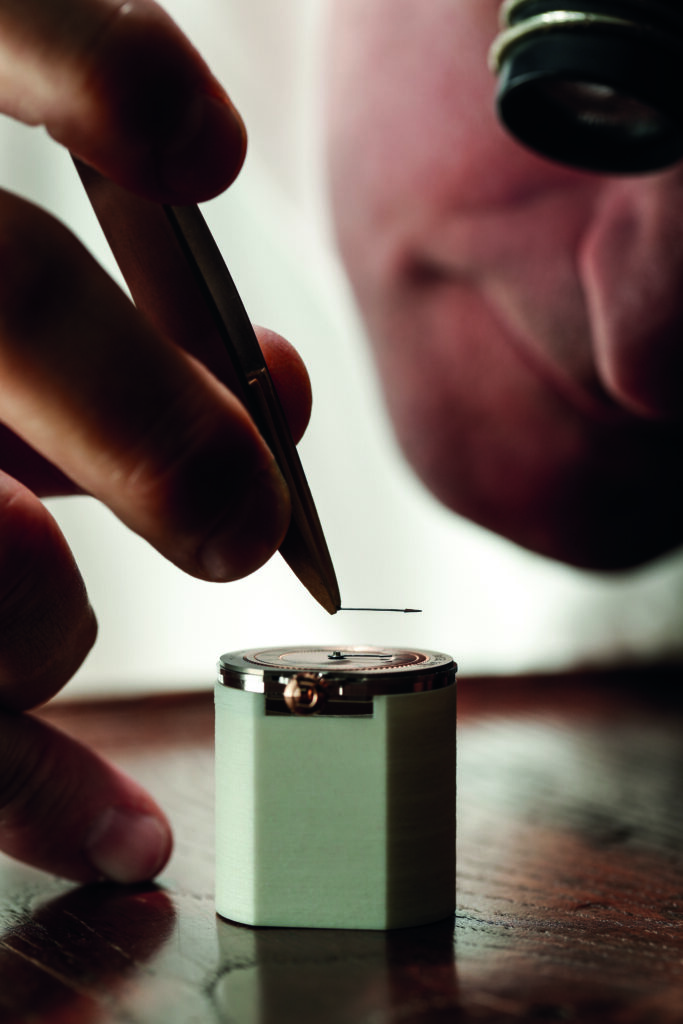

What this piece ultimately tells us goes beyond the mere technical question of the dial. It is a reminder that in fine watchmaking, modernity does not always mean inventing something new, but sometimes means rediscovering a gesture the industry had set aside, and pushing it to its most accomplished form. What remains to be seen is how long this kind of craftsmanship, resting entirely on a craftsman’s eye and hand, can continue to exist at the scale a watch house demands.
Cette publication est également disponible en :


