Just a few years ago, declining alcohol at the table often meant quietly stepping outside the ritual. The glass remained, but the experience was stripped of its essence: color, effervescence, tension, finish, and pairing with the dish. French Bloom has carved out a niche precisely in this space. Not to imitate champagne, nor to moralize about the celebration, but to offer a different way of enjoying a glass.
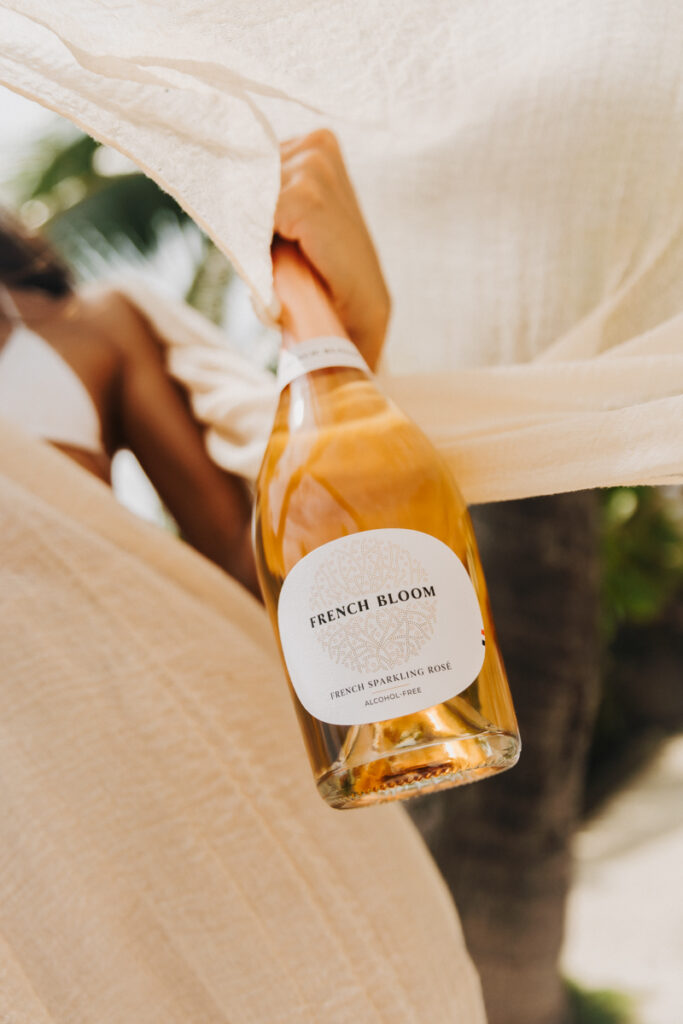
With Le Rosé, the House founded by Maggie Frerejean-Taittinger and Constance Jablonski continues its quest for an alcohol-free sparkling wine capable of retaining a distinct oenological profile. The origin of the project, as recounted by French Bloom, stems from a fairly simple observation: during social gatherings, the selection of non-alcoholic beverages often lacked ambition, precision, and substance. The House thus champions an approach centered on organic Chardonnay wines grown in Limoux, de-alcoholized to 0.0%, and then crafted with natural and organic ingredients.
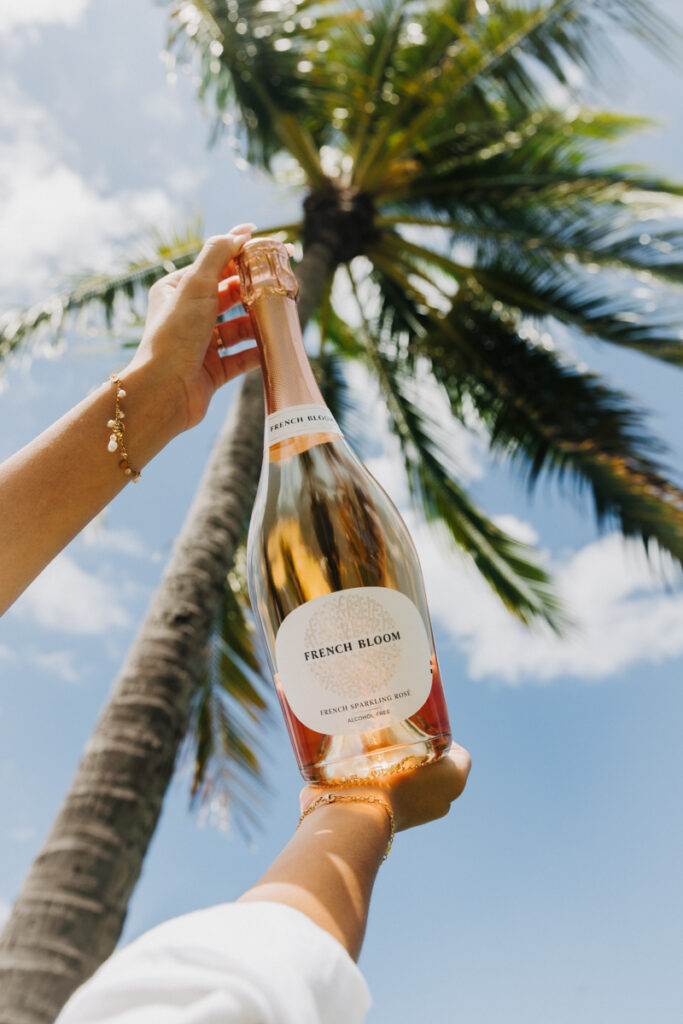
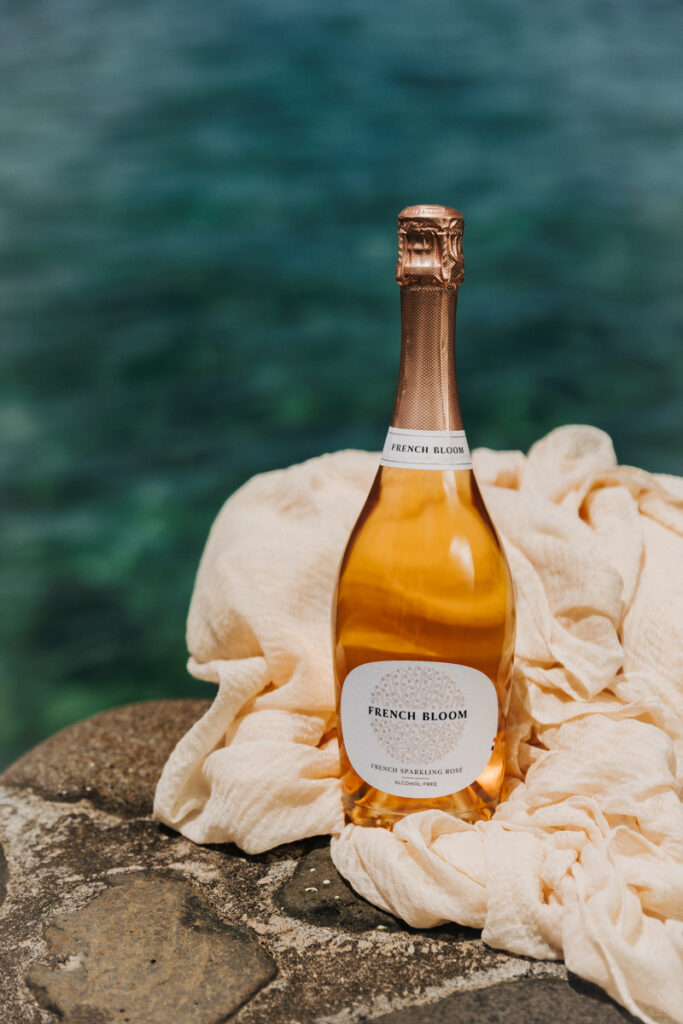
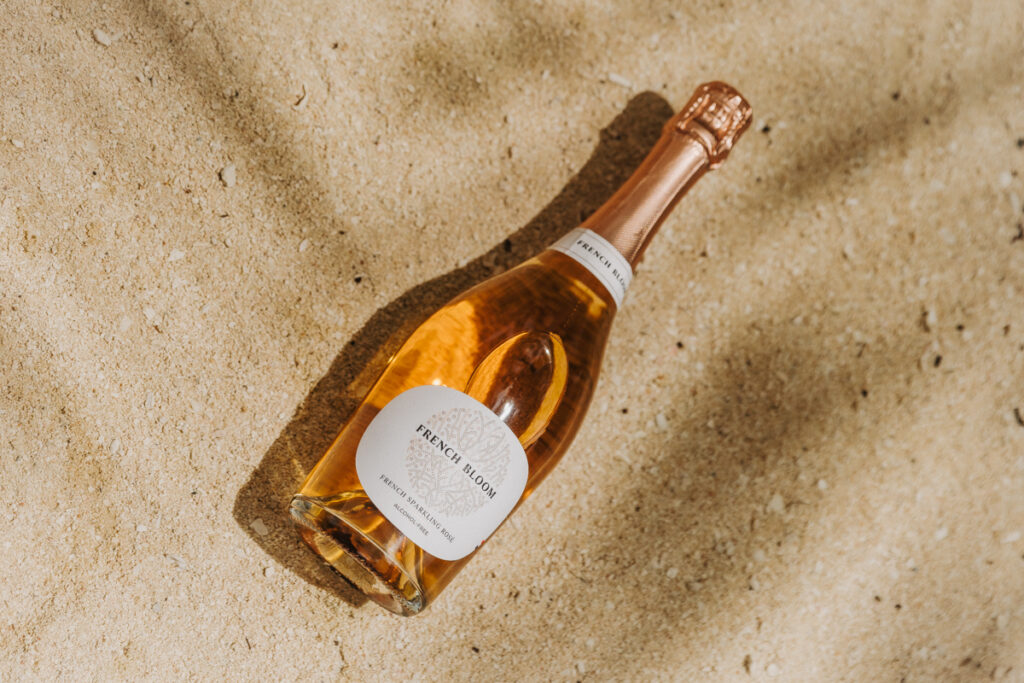
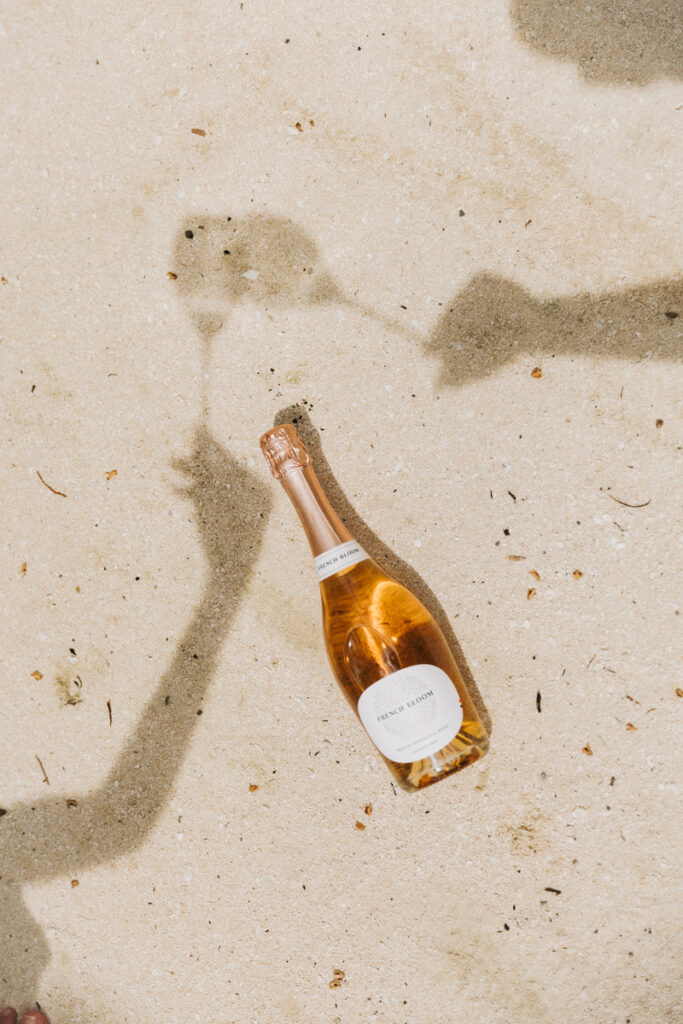
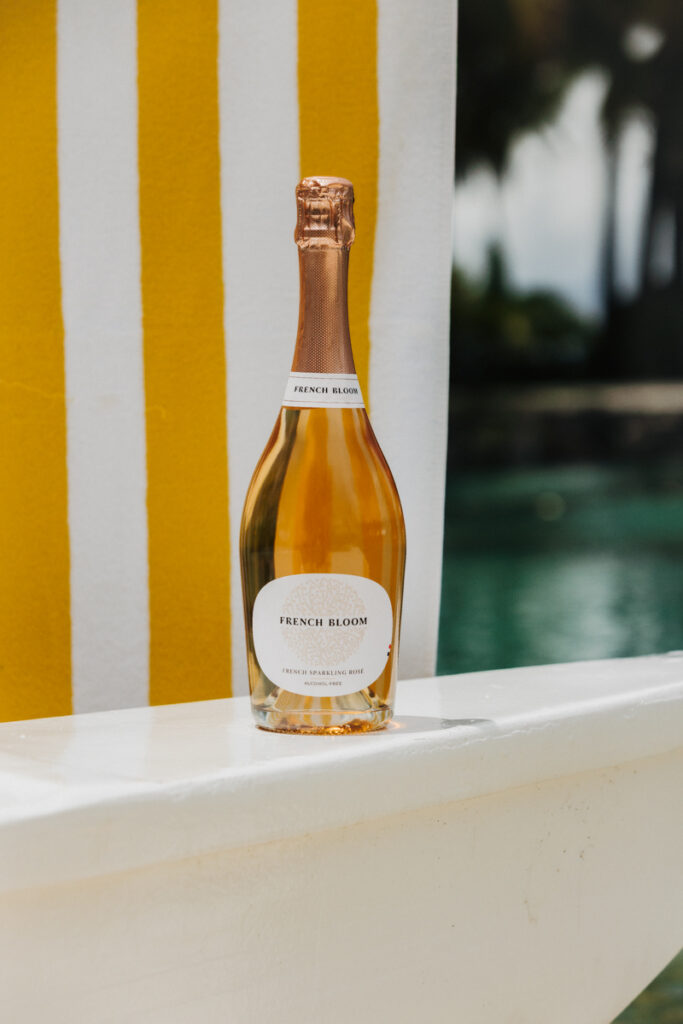
This rosé is made from a blend of organic Chardonnay and Pinot Noir grapes from Limoux. The former adds tension, while the latter contributes a fuller, fruitier structure. The tasting notes describe a salmon-pink color, supported by fine effervescence, a nose of rose petals and rhubarb, followed by a palate centered on tart cherry, dried white peach, and a mineral finish.
The interesting aspect isn’t just about the aroma—it’s technical. This cuvée is based on a classic winemaking process using clear juice, derived from grapes grown at high altitudes and harvested early to preserve their natural acidity. De-alcoholization takes place as the final step, under vacuum and at low temperature, using a three-phase process. In an alcohol-free sparkling wine, this sequence matters: alcohol isn’t just a degree of alcohol; it also provides texture, warmth, and length. The challenge, therefore, is to remove the alcohol without compromising the wine’s character. Here, acidity, minerality, and effervescence become the new structural elements.
This is probably where Le Rosé finds its place: in a style of light, refined, summery cuisine that doesn’t seek opulence. The tuna tartare with ponzu sauce, mentioned in the technical sheet, works through the contrast between the sea, acidity, and saltiness. Beets, fresh goat cheese, rhubarb, or low-sugar red berries extend this concept: clean, straightforward pairings where the wine complements rather than overpowers the food.
French Bloom also benefits from a favorable cultural context. The “no-low alcohol” market is no longer just about substitution, but about a shift in consumption patterns: less automatic drinking, more intentional choices. Pregnant women, flexi-drinkers, foodies, athletes, and consumers who pay close attention to ingredients: the audience is expanding and is no longer limited to those who abstain from alcohol. The rosé meets several of these expectations with vegan and halal certification, and a formulation that is gluten-free, sulfite-free, preservative-free, and contains no added sugar, according to information provided by the company.
International recognition is helping to establish this new category as a more serious category. French Bloom reports that Le Rosé has won awards at the World Sparkling Wine Awards, notably in the non-alcoholic sparkling wine category, and the official website of the World Sparkling Wine Awards lists Le Rosé among its 2023 winners, having previously received the “World’s Best Alcohol-Free” distinction in 2022. The company also claims a new award in 2025, as Le Rosé was named “World’s Best Non-Alcoholic Sparkling Wine.”
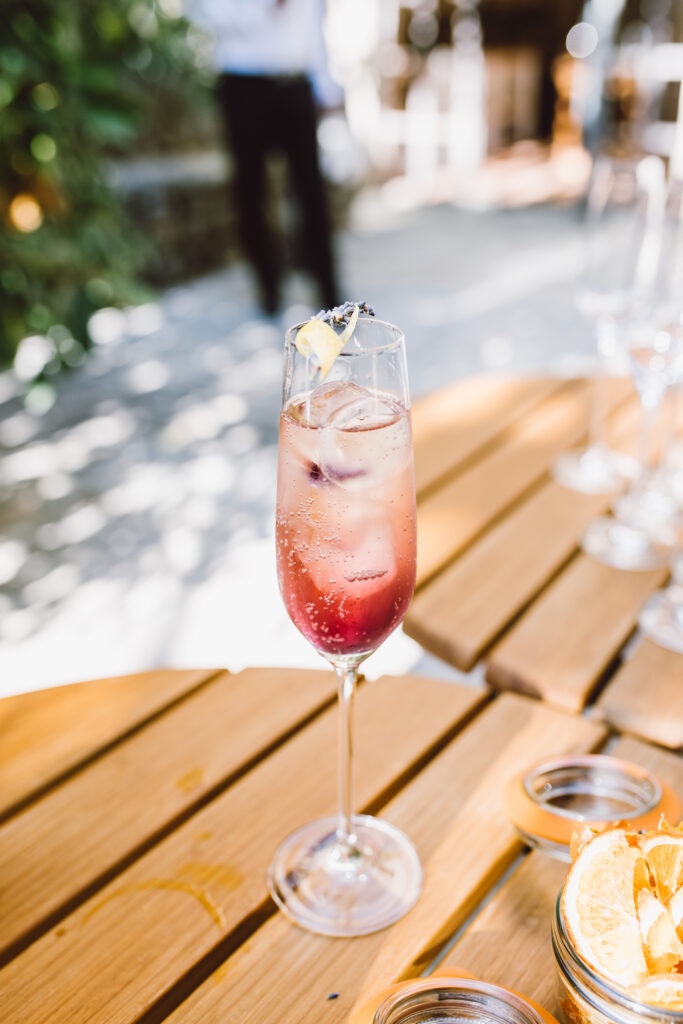
There remains a fine line to walk. Alcohol-free sparkling drinks must avoid two pitfalls: that of being merely sophisticated fruit juice and that of being too safe a copy. French Bloom takes a third path, one that’s more appealing for the contemporary dining table: that of an alcohol-free celebratory beverage, designed with the conventions of wine tasting in mind, yet free from the obligation to mimic wine. Rosé doesn’t need to replace rosé champagne. It shines best when it embraces its own purpose: to kick off a lunch, pair with plant-based cuisine, and extend a summer evening without weighing down the body or the conversation.
Suggested retail price: 34 euros (including tax) for the 75 cL bottle and 20 euros (including tax) for the 37.5 cL bottle. Available on frenchbloom.com, as well as at hotels, fine-dining restaurants, premium wine shops, and specialty online retailers.
Cette publication est également disponible en :

