
With the release of the men’s version of the CR Fashion Book on September 10, it’s time to take stock of fashion’s place in the men’s sections of the press.

Preview of the next CR Fashion Book.
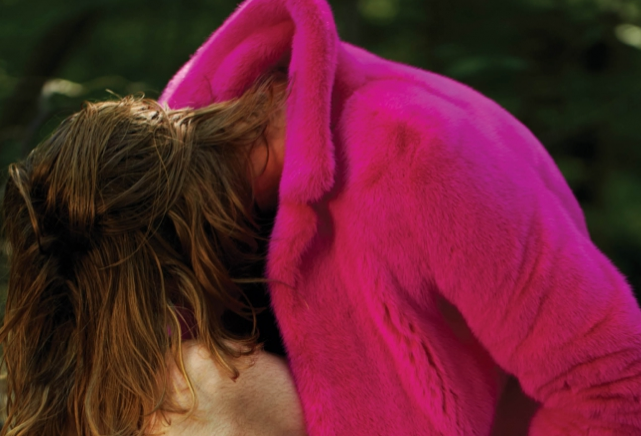
Categorized as “feminine”, a number of monthly and weekly magazines of all editorial ranges, devoted to fashion and aimed at all ages, have been at the forefront of the women’s press from the outset. At a glance, it’s clear: women have far more resources than men when it comes to accessorizing their outfits and choosing their beauty products.
Why? This press is often relegated to the “superficial”: shallow issues that don’t require any real reflection. It took the exercise of time for the treatment of clothing trends to gradually gain legitimacy. Admittedly, what’s at stake is not the same as war or geopolitical conflict, but who says fashion pretends to be?
It’s an art, which can become a symbol of who you are. It’s an extension of one’s personality, regulated by a whole host of codes depending on circumstances, times, customs and cultures.
For European men, the care of clothing has always been present. In the 20th century, figures like James Bond popularized the taste for well-tailored suits…even in the most challenging situations. The art of the suit, impeccable shirts and the poetry of watches.
Accessories, jewels and perfumes exist, but few magazines offer to enlighten our gentlemen. Style remains very monovoque. The range of possibilities is limited: either a sophisticated look, or an adventurous one, while the street is full of punks, mods, emos and gangstas who propose their own ways of reading and expressing trends. A press not really in tune with the times?
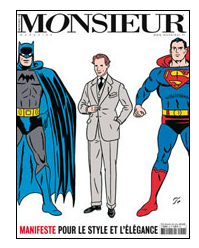
Between the 70s and the end of the 90s, the men’s press evolved little. It remained at a standstill. Whether related to sports, bodybuilding, hunting, economics or eroticism: that’s what our men are relegated to. A press divided into various categories. Each of us must come up with our own idea of what the men’s press is.
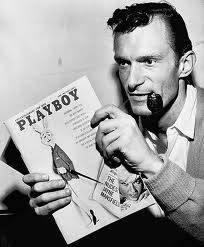
Hugh Hefner, creator of Playboy.
In the 70s, the charm press reigned supreme. However, magazines like Playboy and Lui had to evolve. Masculinity was changing, and no longer promoted a matchist virility. Content is no longer limited to photos of naked women. Societal and cultural articles are gradually being added.
A turning point in masculinity. The image of the man is evolving. Men are paying more attention to their appearance, and are looking for practical advice and a press that proposes a new art of living.
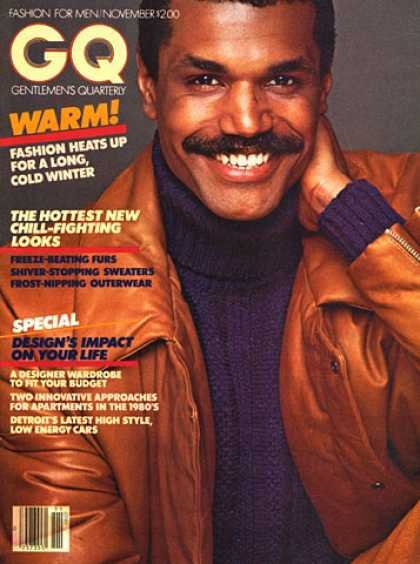
First African-American on the cover of GQ (1977)
At the end of the 90s, Vogue extended its men’s edition to new countries, including France. L’Optimum (formerly L’Officiel Homme) and Numéro Homme (2001) follow close behind. The major title remains GQ. Born in 1931, Condé Nast’s monthly magazine is not just about fashion. Culture also plays an important role: an entire lifestyle, the gentleman’s lifetyle. It wasn’t until 2003 that a French version appeared.
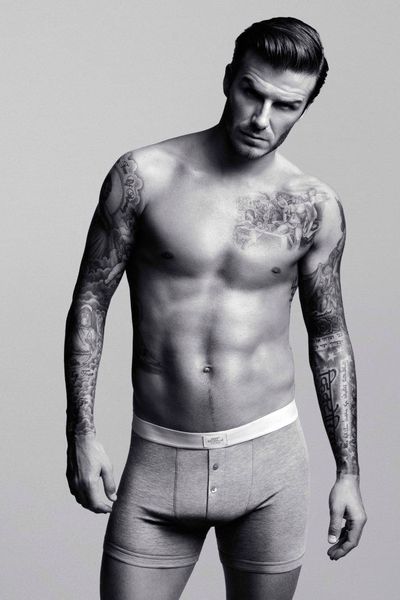
David Beckam, qualified as a representative of metrosexuality for some.
In the mid-2000s, a new term appeared: metrosexual. This term refers to “urban” men who fully embrace their feminine side. The media coverage of this phenomenon is linked to a number of factors, including the changing status of women, and the emergence of new forms of masculinity in music and film – where strength and violence are devalued.
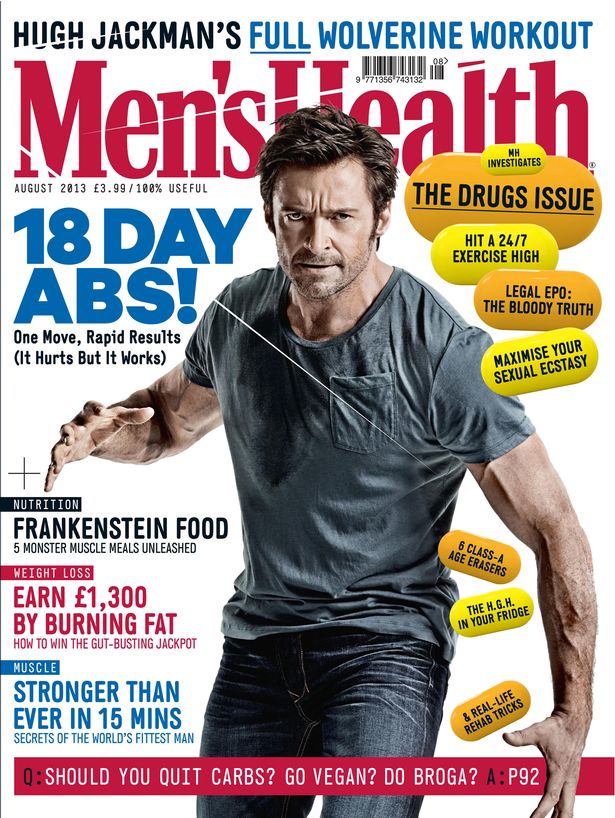
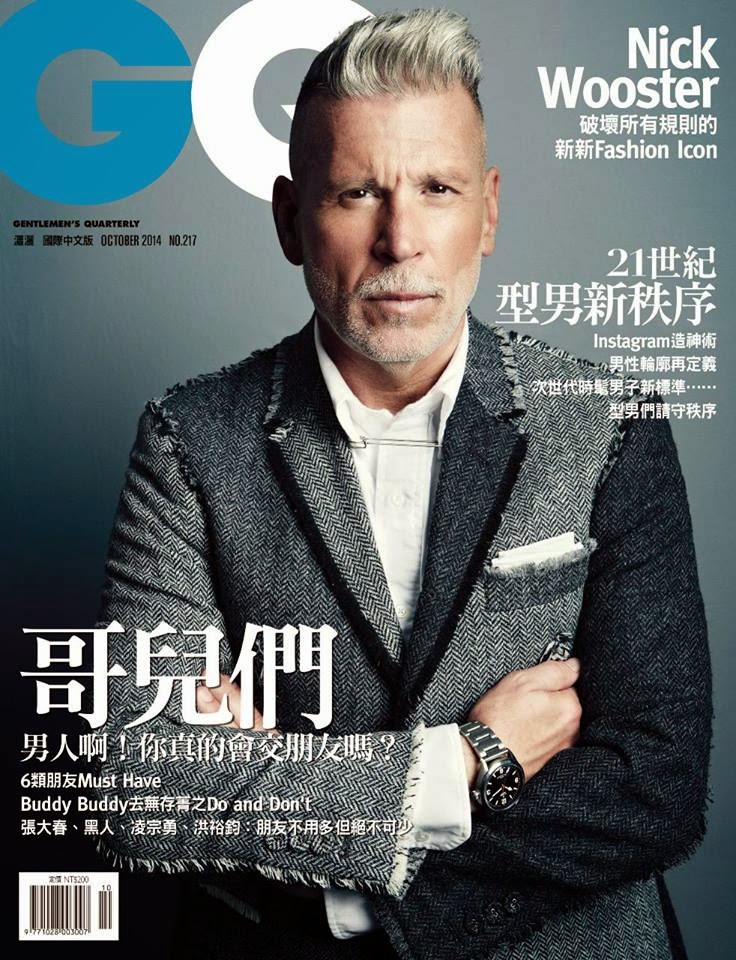
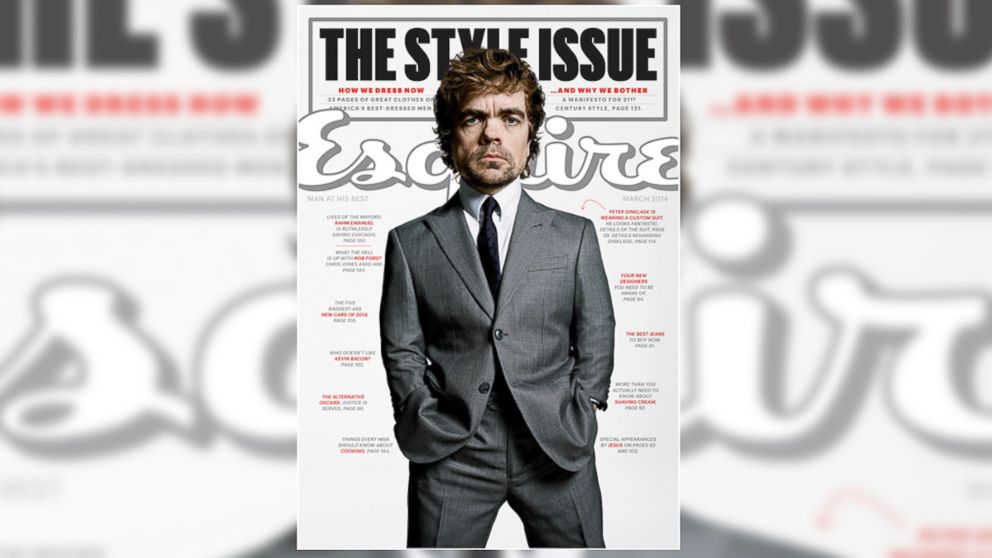
This signals the success of the high-end men’s press for a while. Indeed, the return to a more raw masculinity was also present. Little by little, the press realized that it could no longer offer reading aimed solely at “Dandies” or “Sunday Brutes”. It had to consider the plurality of masculinity. Theories on masculine identity abound. One thing is certain: there are no ages or races, and it can no longer be reduced to a single role-model. The range includes Beckham, Chabal, Matt Damon, Neil Patrick Harris, X-Zibit and Peter Dinklage!
Cette publication est également disponible en :

