
From 12 to 15 November 2026, the world’s largest fair devoted to the photographic medium reopens beneath the restored glass roof, with a programme conceived as a tribute to origins.
Two hundred years ago, light learned to be fixed. Paris Photo 2026 makes this its central theme — not out of nostalgia, but because the anniversary compels a question that the digital image asks anew every day: what remains of a photograph?
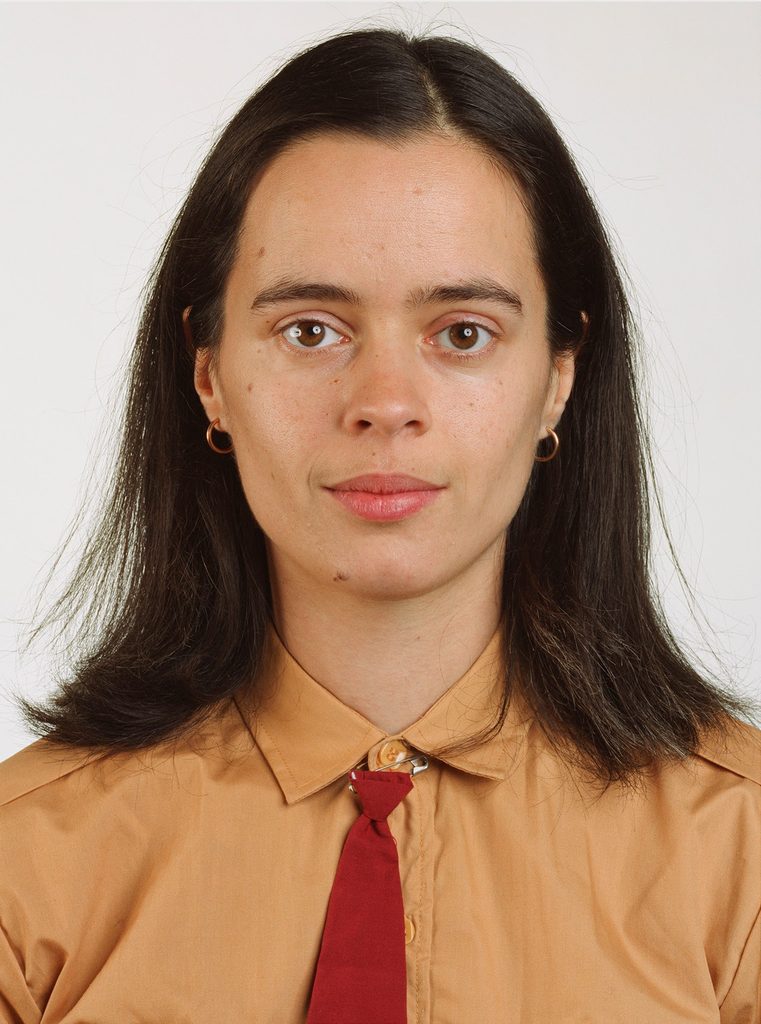
Thomas Ruff/Artists Rights Society (ARS), New York/VG Bild-Kunst, Germany
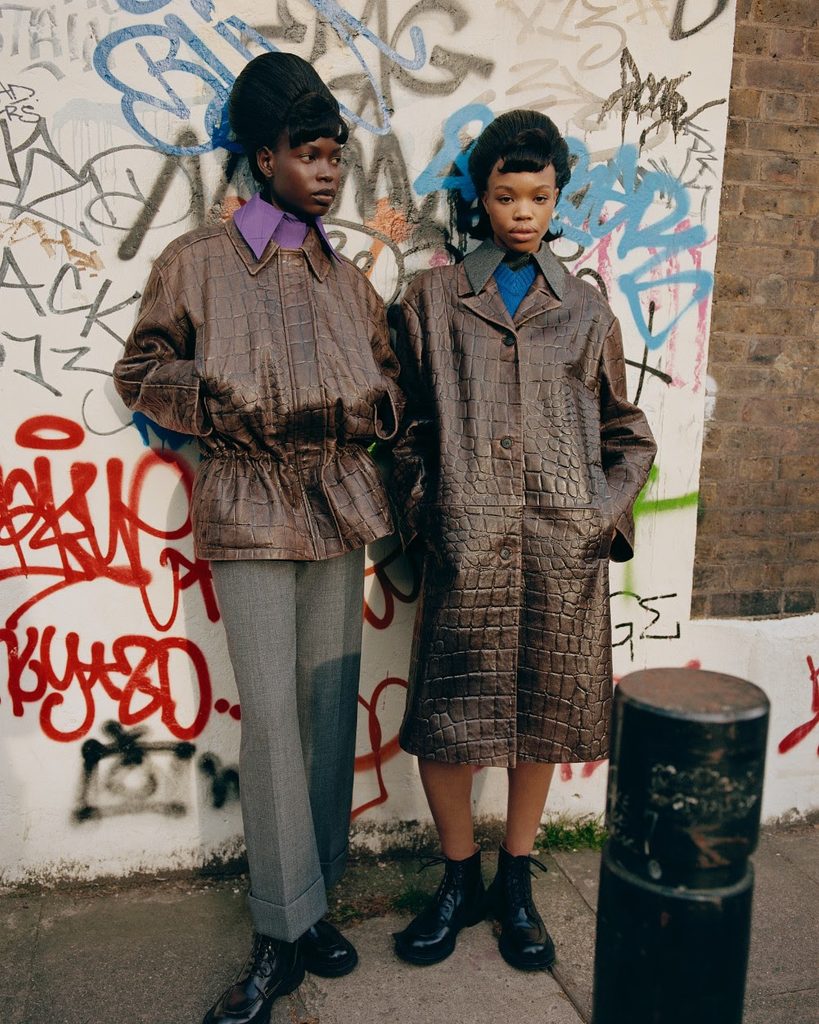
Courtesy the artist, David Zwirner, Konrad Fischer, Mai 36, Lia Rumma and Sprueth Magers
Two hundred years: the anniversary as a pretext for depth
The bicentenary of Photography is no mere decorative pretext for Paris Photo. It structures the entire 29th edition, which brings together 242 exhibitors — 195 galleries and 47 publishers — from 38 countries. The event opens by invitation on 11 November, before welcoming the public from 12 to 15 November beneath the glass roof of the Grand Palais, at last restored to its full majesty.
The centrepiece of this historic programme is the Thomas Ruff retrospective, presented by five major galleries including David Zwirner and Sprüth Magers. Ruff, whose entire body of work questions the nature of the photographic image — its reproducibility, its layers of mediation, its relationship to truth — emerges as the ideal interlocutor for an anniversary that refuses conventional celebration.
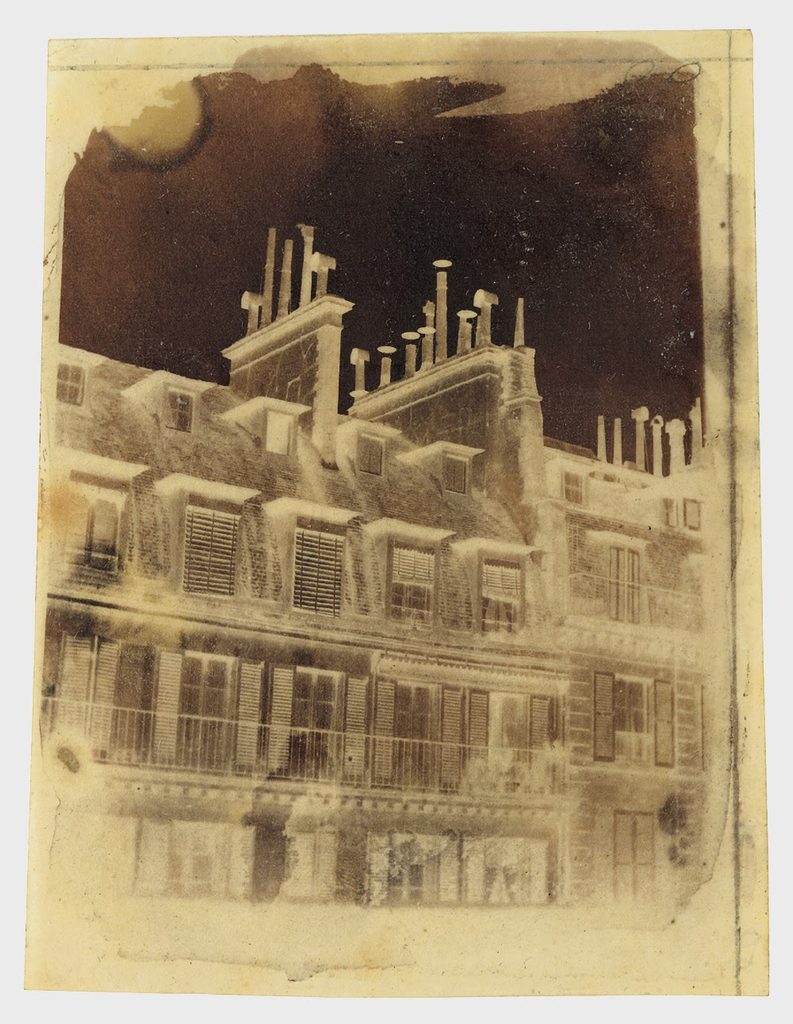
Further along the timeline, the New York dealer Hans P. Kraus Jr. presents pieces of absolute rarity: daguerreotypes and calotypes by Daguerre himself, William Henry Fox Talbot, Anna Atkins and Hippolyte Fizeau. These objects — for that is what they are before being works — remind us that photography was first an alchemy, an attempt to capture light before taming it.
Disappearance as an editorial line
The Voices sector, directed by Francesco Zanot and Shanay Jhaveri Colah, has chosen « Disappearance » as its theme. The title resonates with particular acuity at a time when AI-generated imagery tends to render obsolete the notion of a real imprint of the world. Among the artists presented: Ulay, whose work is inseparable from performance and from the trace left on bodies, and the Congolese photographer Léonard Pongo, whose documentary series question what fades from collective memory.
The Digital sector, coordinated by Marco de Mutiis, completes this dialogue between heritage and future. Without promising an easy reconciliation between silver grain and algorithmic pixel, it poses the question with candour: does the image of 2026 still inherit anything?
Emergence as a promise
Paris Photo has always defended its function as a developer. The Emergence sector — twenty projects this year — confirms this commitment. Among others, one will find Brandon Gercara and Randa Mirza, presented by Galerie Tanit of Beirut. This Beirut presence says something about the state of the photographic world: the most necessary works often come from the geographical margins that cultural capitals are reluctant to look at.
The Prix Pictet joins this edition as a new partner. Founded in Geneva in 1805 and awarded since 2008, the prize has distinguished photographers as different as Nadav Kander, Valérie Belin and Richard Mosse. Its arrival at Paris Photo draws a convergence between the international philanthropic sphere and the global photographic scene — a natural convergence for a discipline that has always needed prescribers in order to exist.
BMW, twenty-four years of loyalty
BMW’s presence as a partner for twenty-four years deserves mention — not as a commercial endorsement, but as a symptom. Few companies associate themselves so durably with a cultural event without changing its nature. That is perhaps the definition of successful patronage: being there long enough that one forgets one is there.
Paris Photo 2026 does not celebrate photography. It subjects it to the test of its two hundred years, with the elegance of one who knows that anniversaries exist only for those who have something to say.
Cette publication est également disponible en :


