
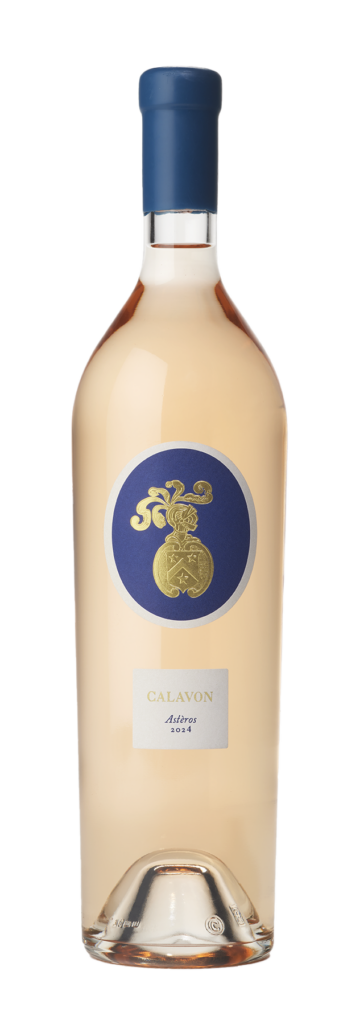
In Lambesc, the Audibert family has been dedicated to the same vineyard for five generations. The vintages presented for the 2026 season reflect less a marketing strategy than a reflection on the various ways Provençal wine is enjoyed: as a dining companion, as an aperitif, and as a means of conveying the essence of a landscape.
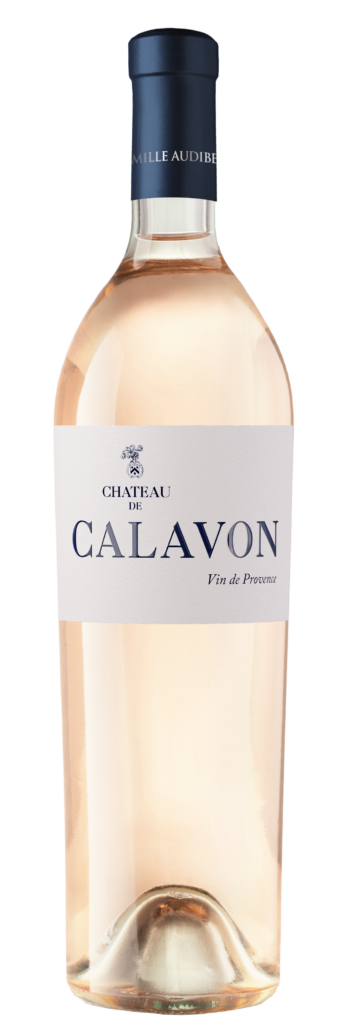
The first lesson concerns the wine itself. The Château Rosé 2025 is more than just a refreshing rosé. Its blend combines Grenache Noir, Syrah, Mourvèdre, Counoise, and Rolle. The winemaking process involves collecting the first free-run juice, light maceration, slow fermentation in stainless steel, followed by partial aging in barrels with a brief period on the lees. This technical approach explains its profile better than any tasting note could.
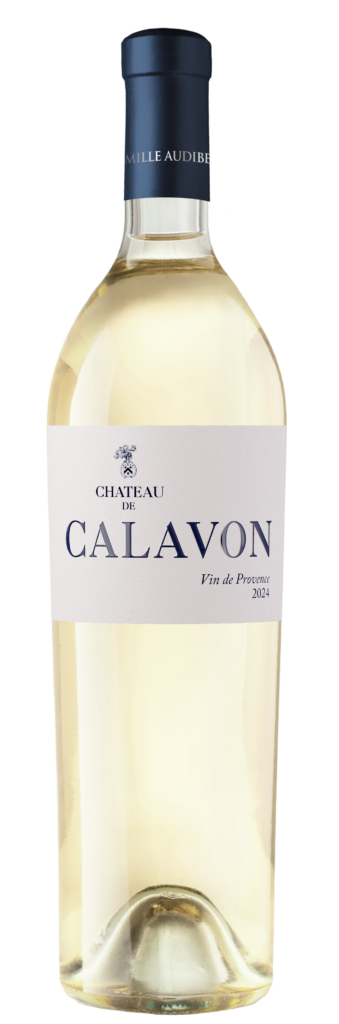
The Château Blanc 2024 follows a similar approach. The blend of Rolle, Sauvignon Blanc, Clairette, Bourboulenc, and Sémillon emphasizes a balance between tension and body. Aging on the lees serves here to enhance texture rather than as a stylistic device.
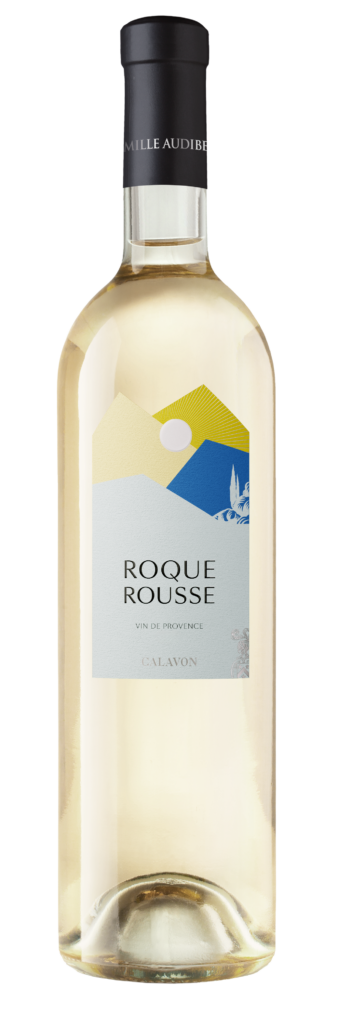
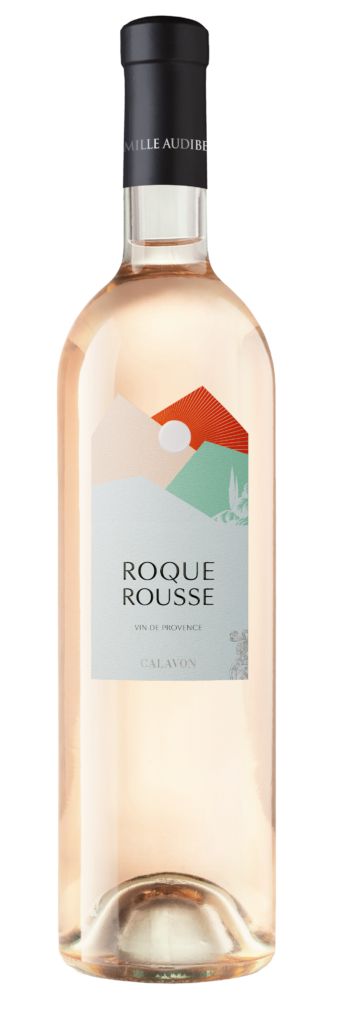
In contrast to these table wines, Roquerousse takes a different approach. The 2025 White and Rosé are vinified exclusively in stainless steel tanks following a long cold maceration designed to preserve the fruit and freshness. The white is primarily made from Rolle (85%), while the rosé features a blend of Grenache Noir and Syrah.
The four vintages share the same geological foundation: clay-limestone and stony soils cultivated using organic farming methods on southeast-facing terraces. This factor is likely more decisive for their identity than the tasting notes traditionally highlighted.
What is at stake here goes beyond the mere release of new vintages. As Provence seeks to assert its place among France’s great wine-growing regions, certain estates are reviving a concept long overshadowed by the commercial success of rosé: that of wine as an expression of terroir. Château de Calavon appears to be following this path, balancing Mediterranean freshness with gastronomic ambition.
Cette publication est également disponible en :

