
From October 16 to 22, online retail giant Amazon orchestrated Tokyo Fashion Week for the third time running. At the same time, the group inaugurated a bar in Ginza: an opportunity to give a taste for the range of alcohol offered online. The place is described as convivial: “people can meet there”-HiroshiMaeda (Amazon Japan).
Alert: Amazon invades Japan. An infiltration via luxury products. Gone are the days of the virtual, the Amazon brand is real: there’s no question of being relegated to the spam category as the Japanese scene becomes a hotbed of covetousness.
What attracts? A history of fashion, a style that balances exuberance and sobriety, and a hopeful young scene
Tokyo Fashion Week: is fashion still marked by the European stamp, or a full-fledged player on the global style scene?
1991-2017 : Emancipation milestones
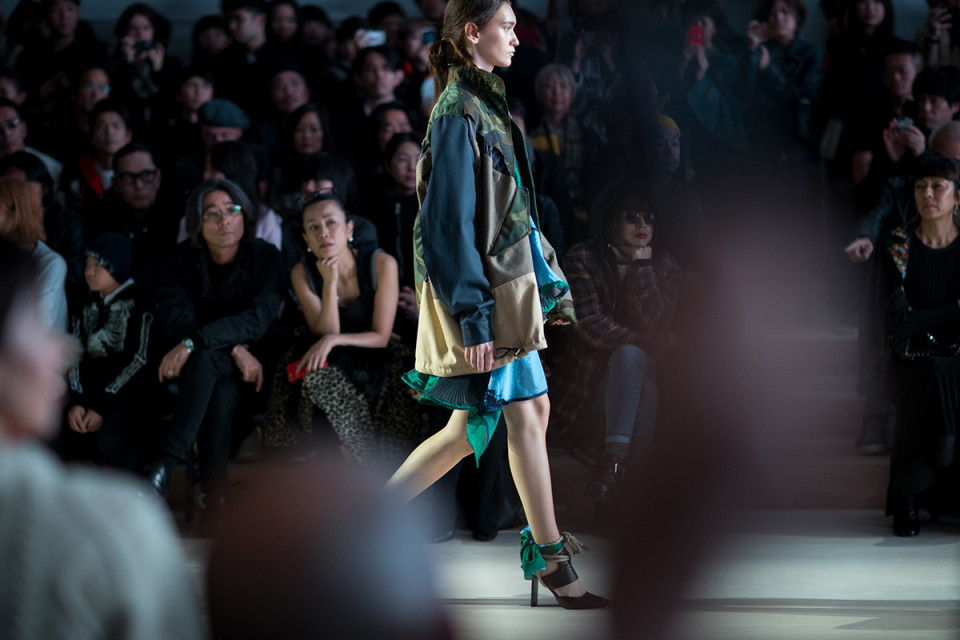
SacaiX Undercover
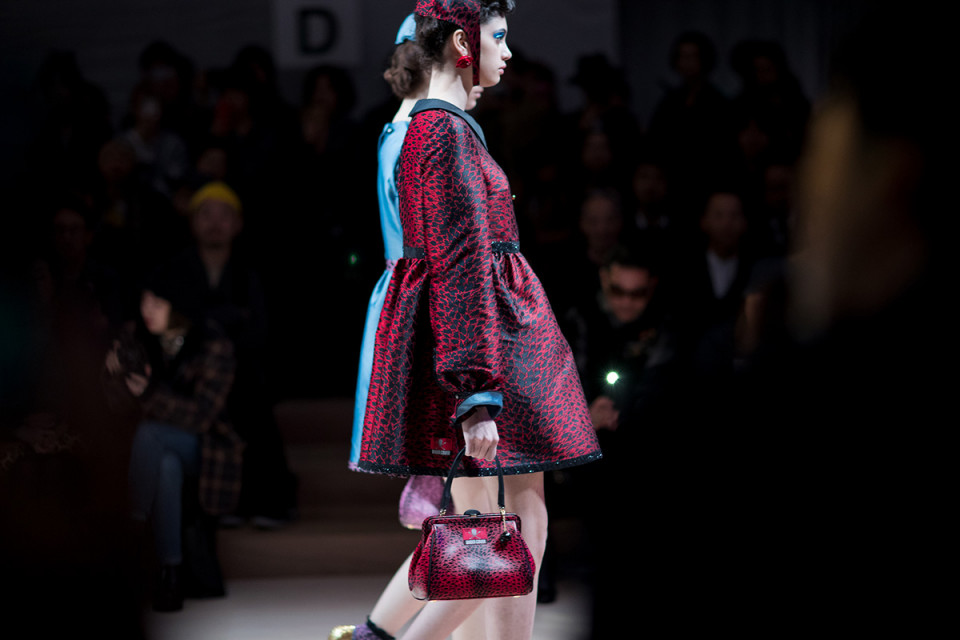
SacaiX Undercover
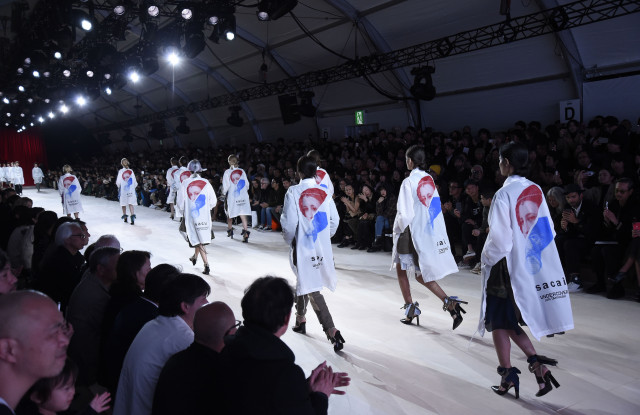
SacaiX Undercover
6.1 The Men: the name of the joint show between Yohji Yamamoto and Comme des Garçons. In retrospect: an event. At the time, Japan was in the midst of a transition to modernity, and its designers symbolized the existence of a unique style that had a significant influence on women’s silhouettes in France in the 1990s. Twenty-six years later, Sacaï has a showcase at colette and Undercover is a popular fashion show. Parisian fashion allowed these brands to grow, but it was important for Undercover and Sacai to mark a turning point by returning to Tokyo. Jun Takashi ( Undercover) and Abe Chitose ( Sacaï) presented a sophisticated show: dresses in nylon, silk and chiffon, slices and down jackets with velvet collars. Classics revisited to offer a modern alternative to femininity. Amazon, aware of the event, is putting t-shirts on sale. They’re simple: the date and the brand name. They sell out the same day. If Jun Takashi wanted to provoke a shock with this fashion show, the gamble seems to have paid off.
European influences: mirrors turned upside down
The brands most frequently mentioned in the press: The Soloist, G.V.G.V and Mikio Sakabe. Labels that have passed through the legitimizing structures of the fashion industry. Miki Sakabe is a finalist for the 2016 LVMH prize, while G.V.G.V has signed collaborations with Uniqlo and Opening Ceremony. Takahiro Miyashita’s ( The Soloist) style is marked by an obsession with Anglo-Saxon culture: Bowie, The Beatles, Oasis. This translates into monochrome, urban silhouettes. A style that in turn inspired European designers. A never-ending loop.
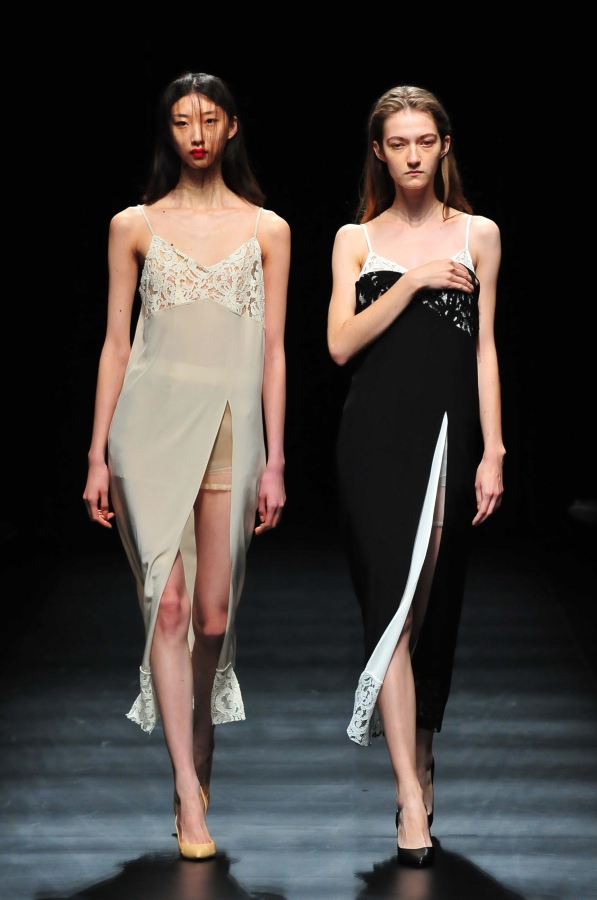
Dressedundressed’s nineties babydolls, Woolmark 2013 finalists
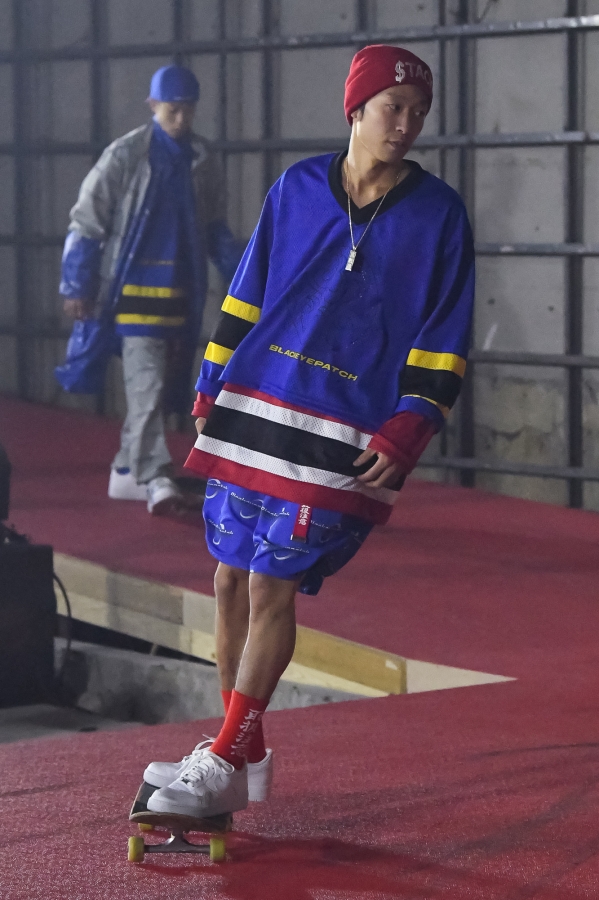
Skateboard style without Venice Beach for Black Eyed Patch
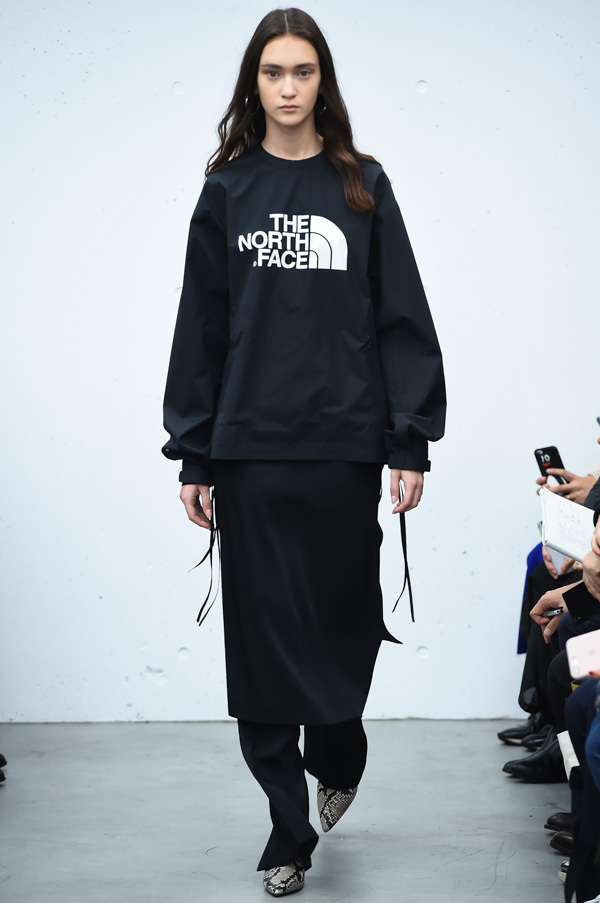
The Hyke and the North Face sportswear collab
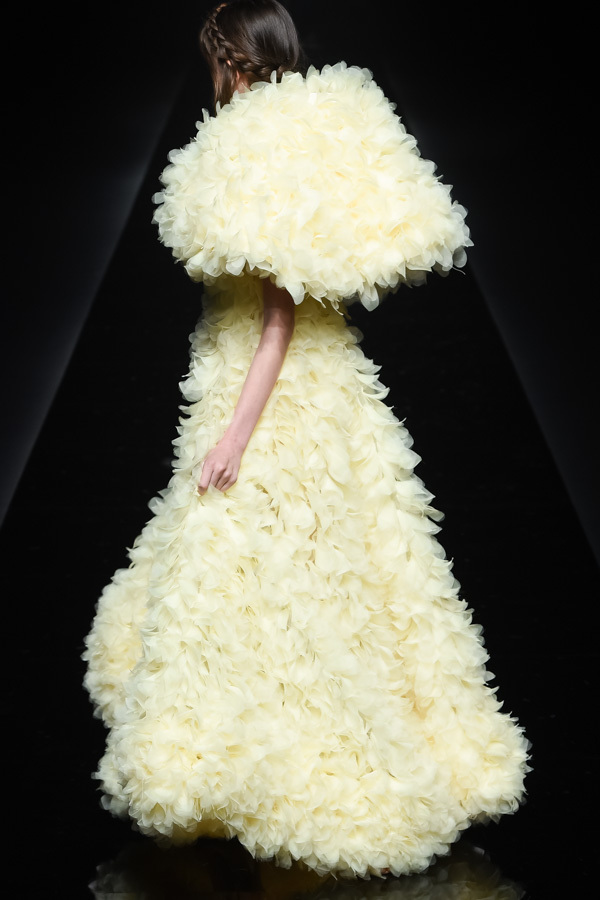
Eiichiro Nakai’s dresses for Elza Winkler: the designer spent 3 years working with Sarah Burton at Alexander McQueen.
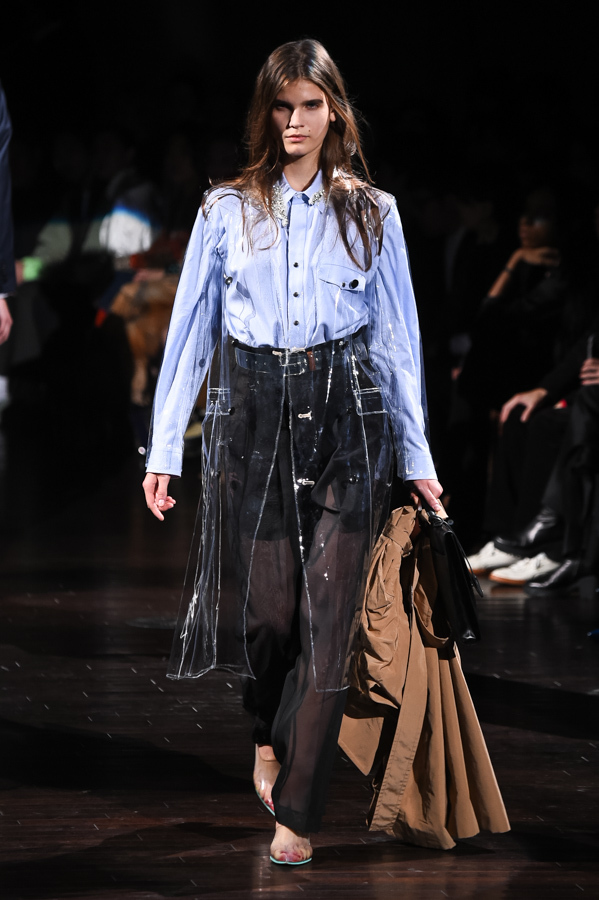
At Toga as at Chanel, plastic becomes the material of summer 2018
While the models in Jun Takahashi’s show were all identical twins, the similarities between European and Asian fashion week trends are more complex. It’s played out in materials: plastic, nylon. In pieces: the odd, the trench. But also in attitude: impertinence. Designer Thibaut creates a buzz with a pair of thong jeans: an irreverence worthy of a McQueen. A VETEMENTS style
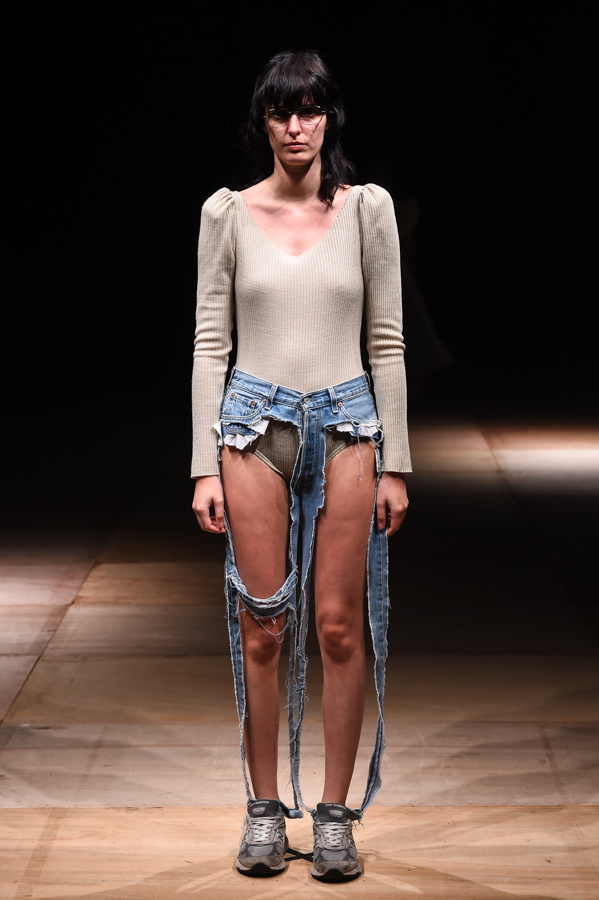
thibaut
Emancipation
No interventions from Thibault in the European media. The young designer doesn’t wish to answer. Free from media codes? While shows on the European scene still guarantee success, in Tokyo new rules are slowly being set up.
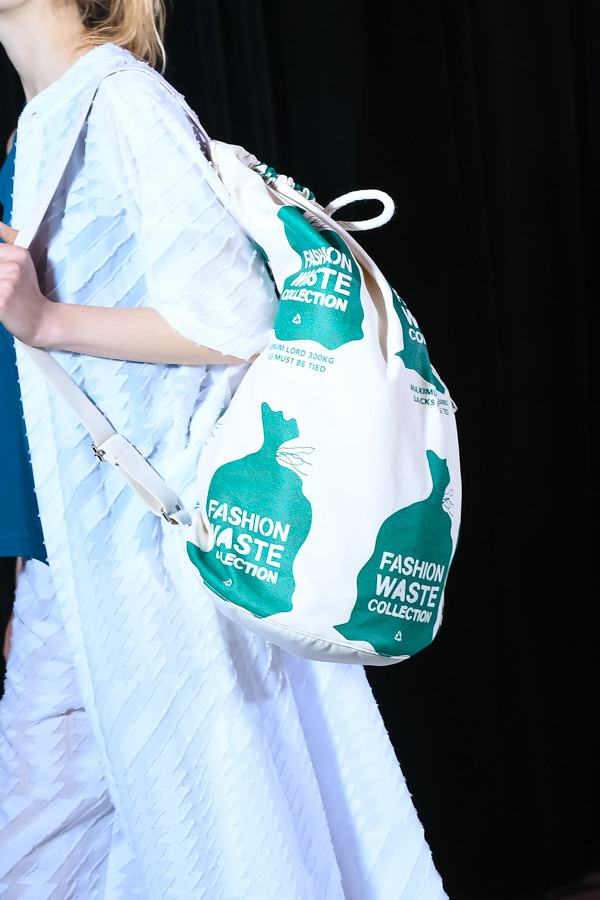
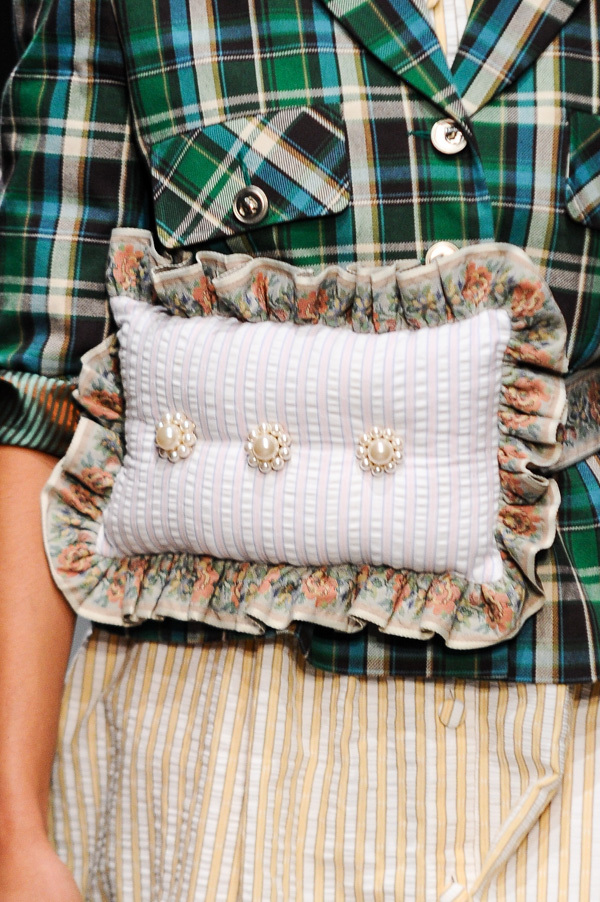
Among the brands on the young Tokyo scene, Moto Guo offers a soft masculinity. Belts like cushions for a soft landing. At Mint, volumes are amplified: oversized bags with eco-friendly lettering. Finally, Haori de Titi plays with our stereotypes of a Japan confined to silk and kimono.
Haori by Titi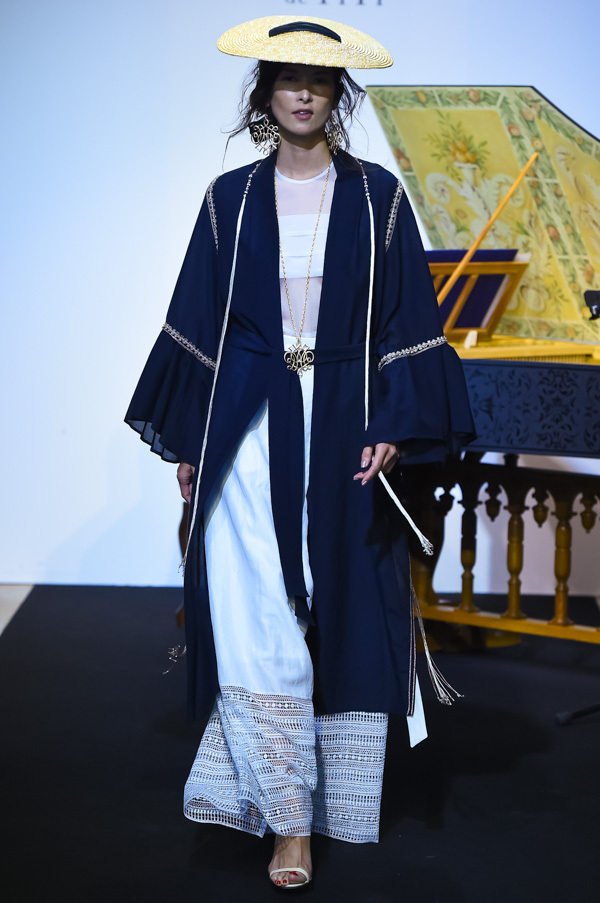
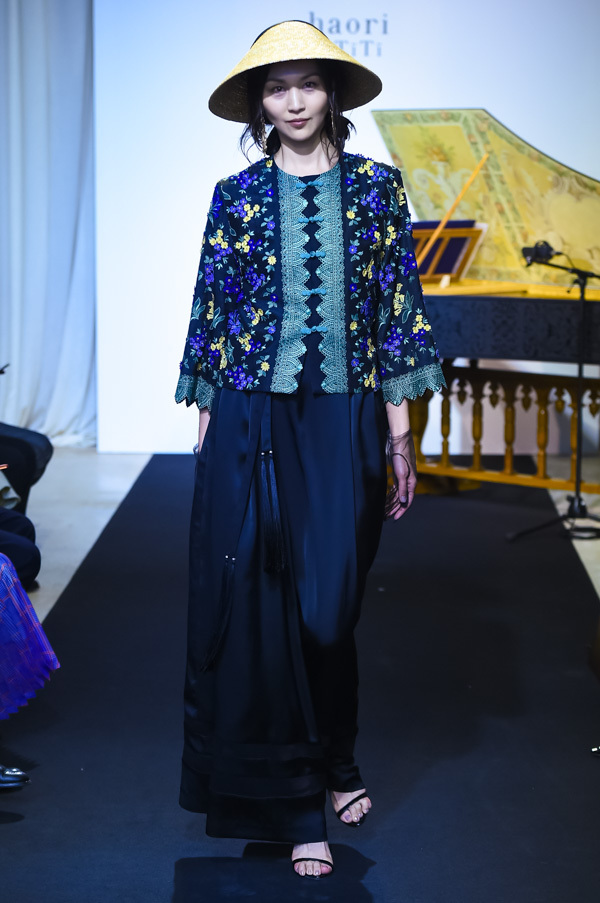
MINT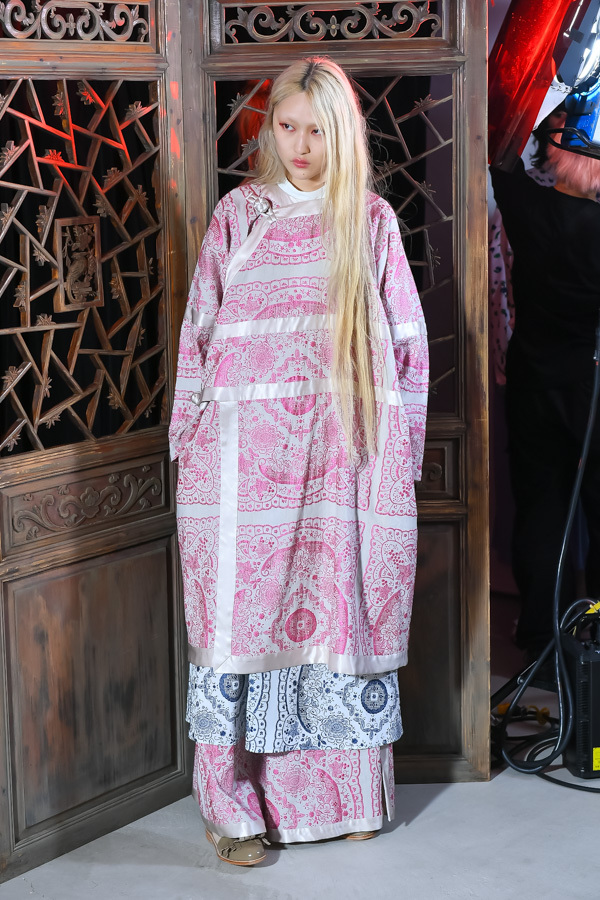
Moto Guo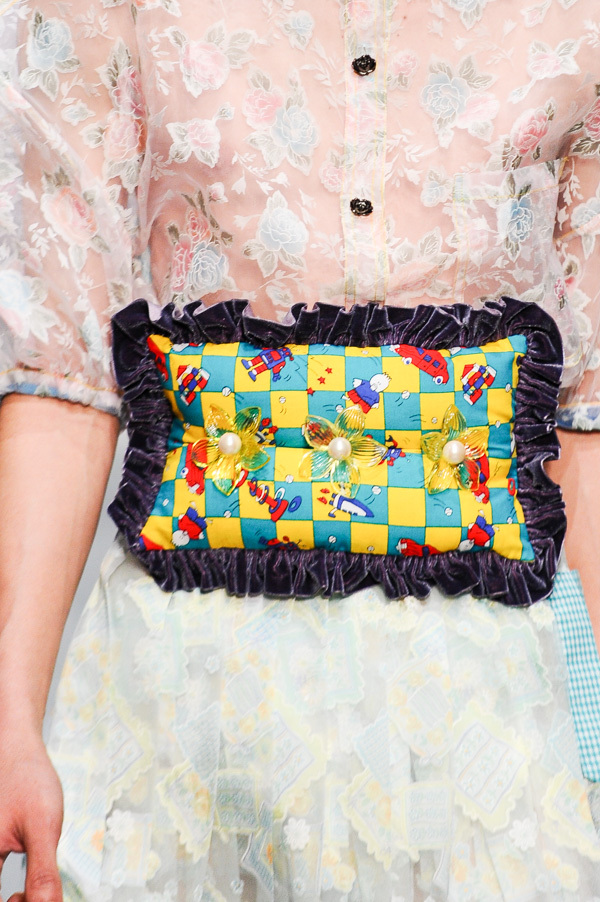
If Japan is an island, it’s its ability to be connected that defines the country. Its Fashion Week is growing: all the ingredients are there. Classic collections, unusual designers, clothes for the street, clothes for the red carpet. Gaining autonomy?
Discreet delinquency
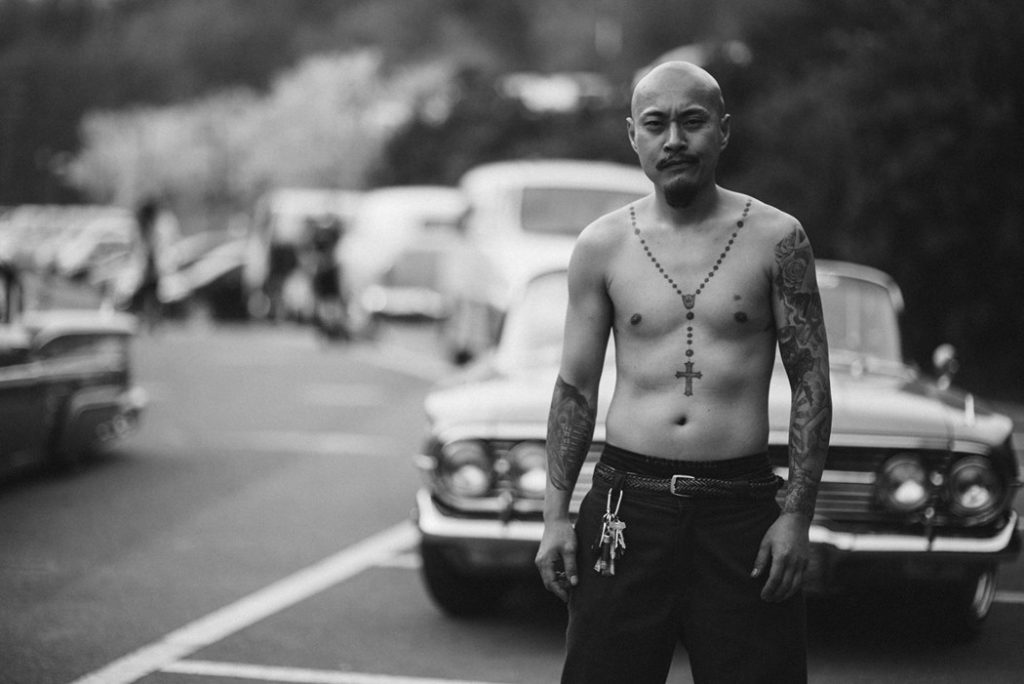
Louis Ellison / Chicano Underground gangs
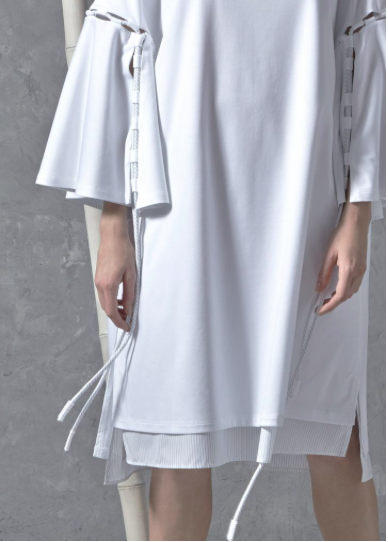
Kenta Mastsushige, Immaculate minimalism
In Paris, the Maison de la Culture du Japon invites visitors to discover Japan’s traditions and rituals, but also gives visibility to young designers such as Kenta Matsushige . Rei KawabukoStudio Ghibli, Terrace House reality TV and underground Chicano culture: that’s Japan too…
Cette publication est également disponible en :

