
Can luggage be something other than a container? With the Artist Case, RIMOWA and Faber-Castell offer a very constructed answer: making the travel object a workspace, designed for drawing as much as for travelling.
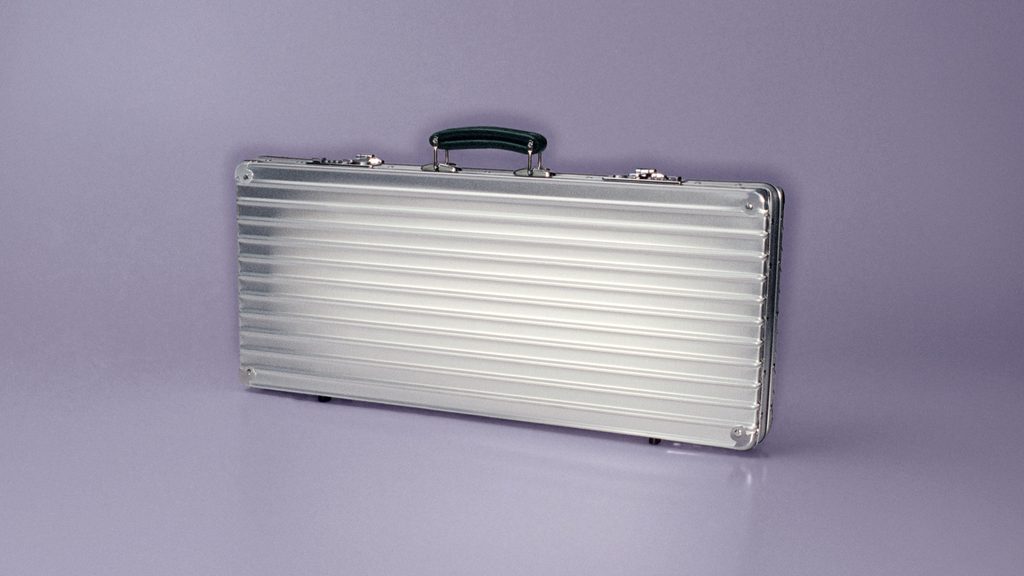
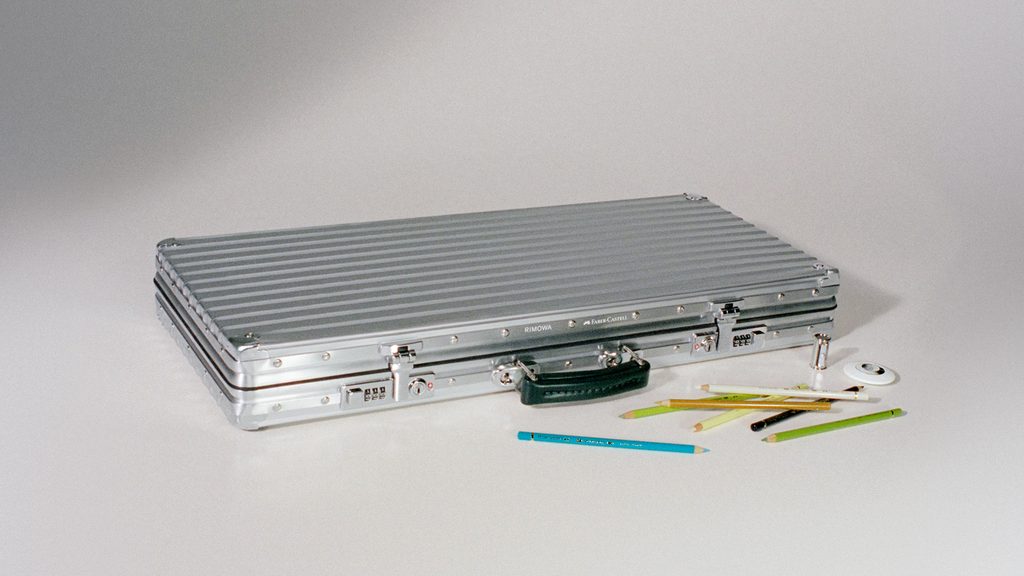
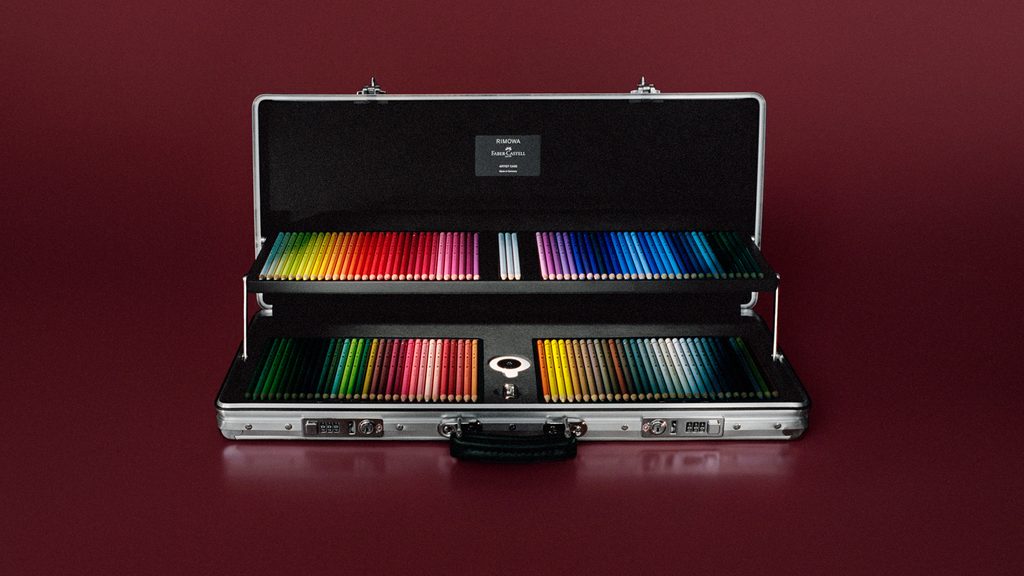
The piece, announced in a limited edition, combines RIMOWA’s silver anodised aluminium with a set of Faber-Castell instruments. Made in the luggage house’s historic Cologne factory, it takes up the ribbed design of its Classic models, a leather handle and a format organised around two trays. The aim is therefore not to disguise a suitcase as an art object: it consists in giving a studio function to a construction already known for its industrial precision.
From storage to practice
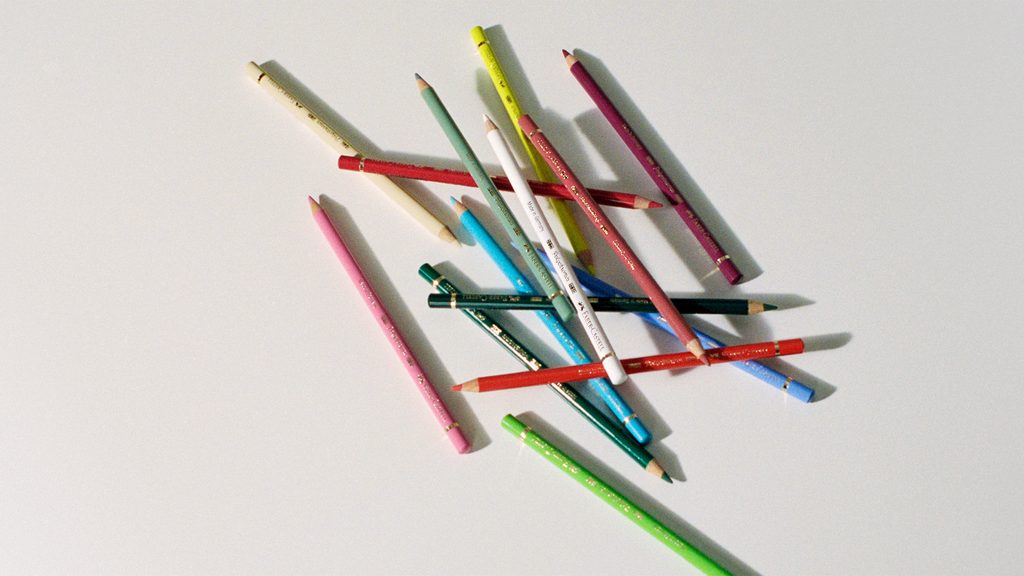
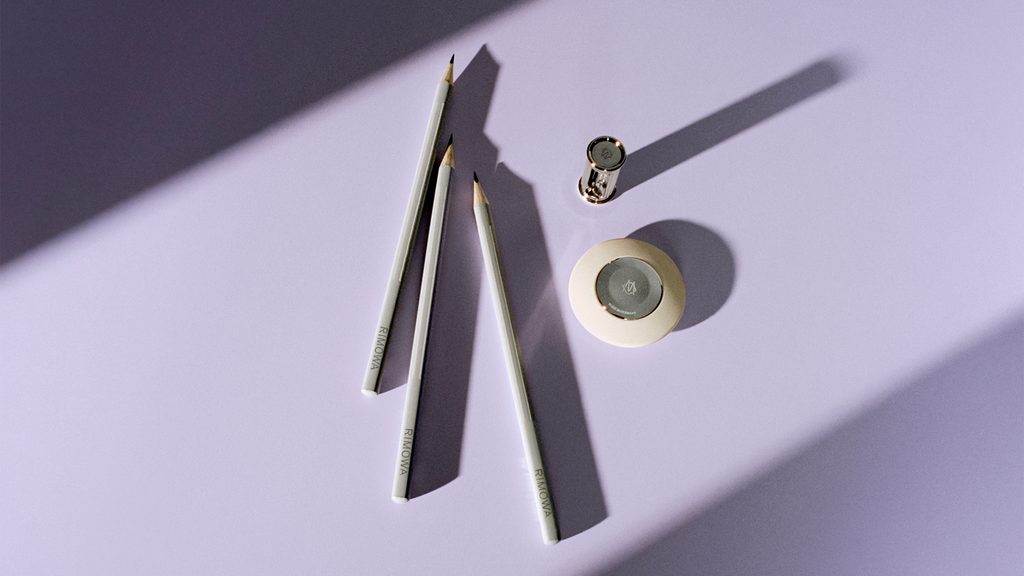
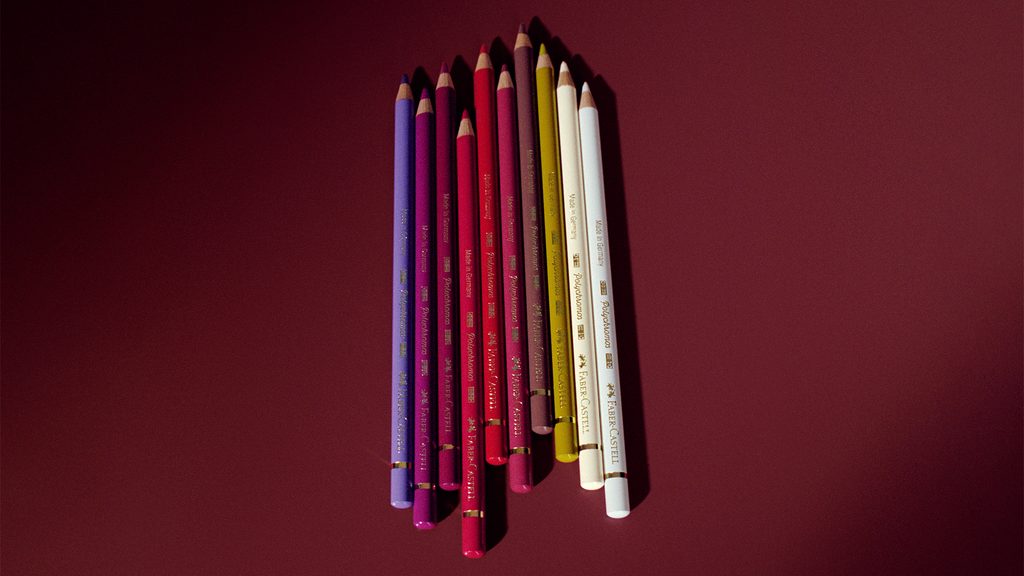
Inside, the two houses bring together co-signed 2B graphite pencils, 120 Polychromos coloured pencils, a platinum-plated sharpener and an eraser. The set targets the very concrete phases of graphic work: sketching, composing, adding colour, then carrying what allows one to start again elsewhere. This logic joins RIMOWA’s relationship to use and durability, already at the heart of its return to Cologne around manufacturing.
The choice of Faber-Castell nonetheless shifts the gaze. Founded in 1761 and still family-owned, the German house brings here a know-how whose value is measured not only by the performance of a tool, but by its capacity to accompany the gesture. Luxsure had already observed this kinship between writing instrument and object culture on the occasion of the Karl Lagerfeld x Faber-Castell collaboration.
A collaboration that holds through material
The RIMOWA x Faber-Castell case is offered at 2,400 euros and is due to be available from 17 September in a selection of RIMOWA and Faber-Castell boutiques as well as online, according to the two houses. This price places it in the territory of the collector’s piece. But what gives it its coherence is more precise: the aluminium is here meant to patinate, while the pencils are made to wear down. The object thus accepts the traces of its use instead of erasing them.
This meeting of two German industrial makers does not invent a new use of drawing. It rather puts back into circulation a simple idea: tools that last have a singular way of making work more present. In a market where collaboration can quickly become a motif, the Artist Case finds its interest in this continuity between material, organisation and practice.
Cette publication est également disponible en :


