
From 20 to 25 October, more than twenty international galleries will take over a private mansion in the Faubourg Saint-Germain rather than an exhibition hall. A staging that is anything but incidental for a collectible design market in search of a domestic narrative.
For its fourth Parisian edition, Design Miami returns to L’Hôtel de Maisons, an 18th-century private mansion tucked away on the Rue de l’Université in the 7th arrondissement. The fair will run from 20 to 25 October, alongside Art Basel Paris, with an invitation-only preview day on the 20th. “Paris has truly made Design Miami its own,” says Jen Roberts, the brand’s CEO, pointing to a loyalty to the residential setting rather than the white cube typical of international fairs. Repeated for a fourth consecutive year, the choice is no logistical accident: it allows furniture, lighting and sculpture to be seen in a domestic, almost lived-in context, the opposite of the clinical neutrality of exhibition halls, where collectible design is usually lined up as if in a catalogue.
The French historical layer takes pride of place this year. Galerie Mitterrand presents an exceptional pair of Singes Attentifs by Claude and François-Xavier Lalanne alongside a 2007 Pomme de Londres, while Laffanour | Galerie Downtown shows pieces by Le Corbusier, Pierre Jeanneret, Isamu Noguchi and Charlotte Perriand — including an extremely rare small-model Grand Confort armchair dating from around 1928. Galerie Maxime Flatry, for its part, devotes its presentation to 1930s French modernism through a group of works by Robert Mallet-Stevens set in dialogue with Pierre Chareau, Eileen Gray and Pierre Legrain — a reminder that this movement remains a field for rediscovery rather than a closed chapter of design history.
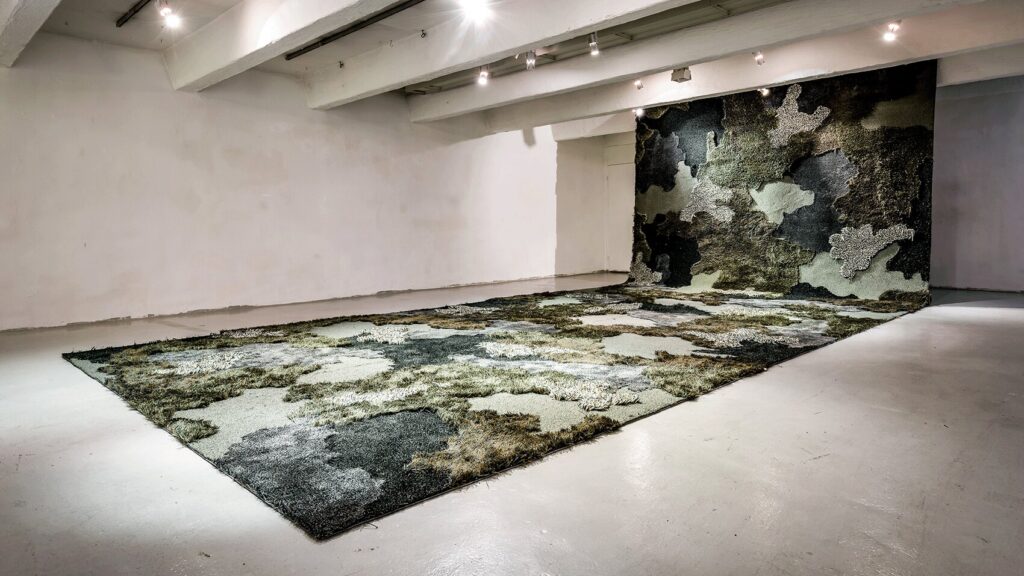
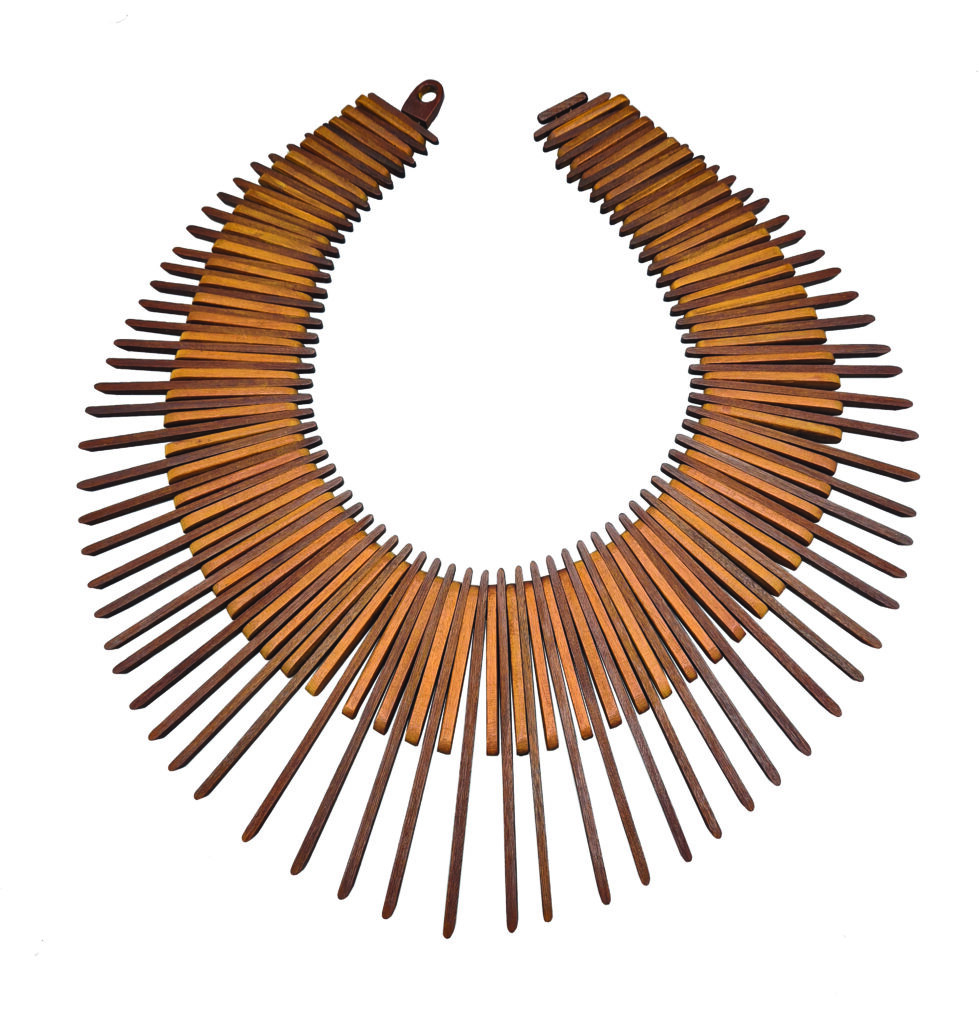
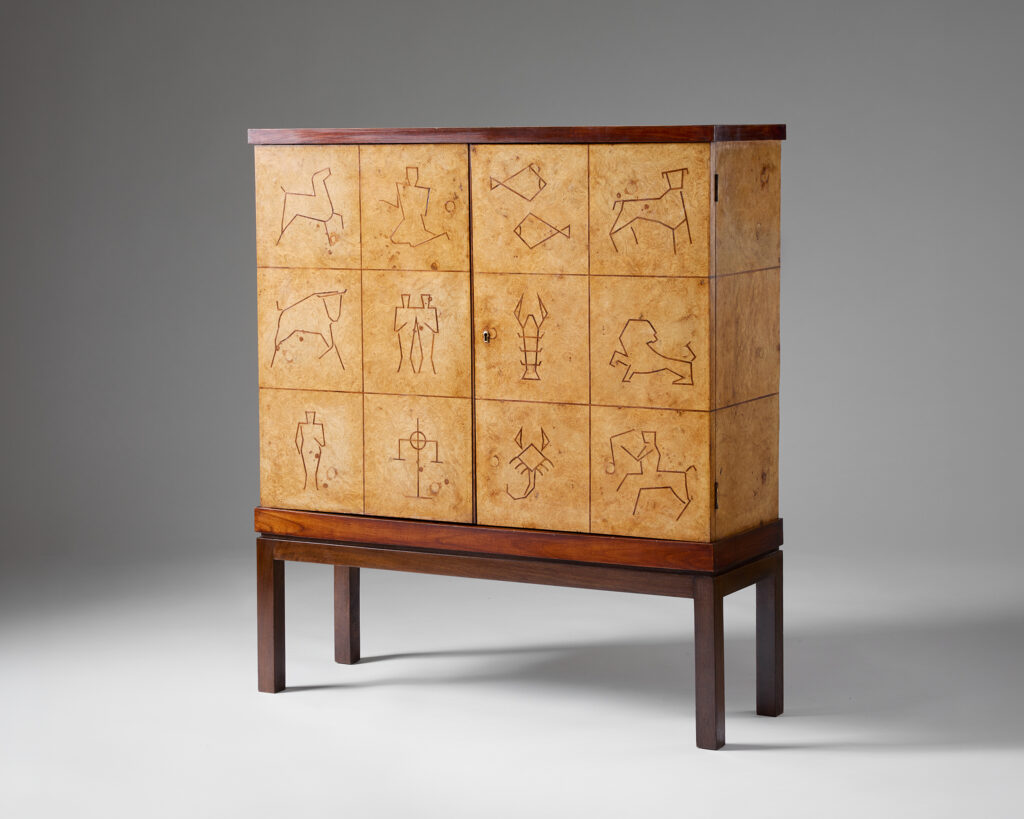
Scandinavian design forms a second throughline of this edition, carried in particular by the Swedish gallery Modernity, which is showing in Paris for the first time a remarkably rare wingback armchair by Frits Henningsen, alongside a Flora cabinet by Josef Frank. Hostler Burrows presents September, a monumental hand-tufted rug specially commissioned from designer Louise Hederström and developed with the Swedish manufacturer Kasthall, whose pattern draws on the textile archives of Gunilla Lagerhem Ullberg. The section devoted to artist jewellery deserves particular attention: the gallery MiniMasterpiece unveils wooden necklaces by the Argentine artist Luis Quesada, never before shown in France, as well as the very first piece of jewellery made by the German artist Franz Erhard Walther; for its Paris debut, the London gallery Elisabetta Cipriani is presenting, among other pieces, the last necklace created by Sophia Vari before her death, combining ebony, coral and gold in a sculptural form designed to embrace the body.
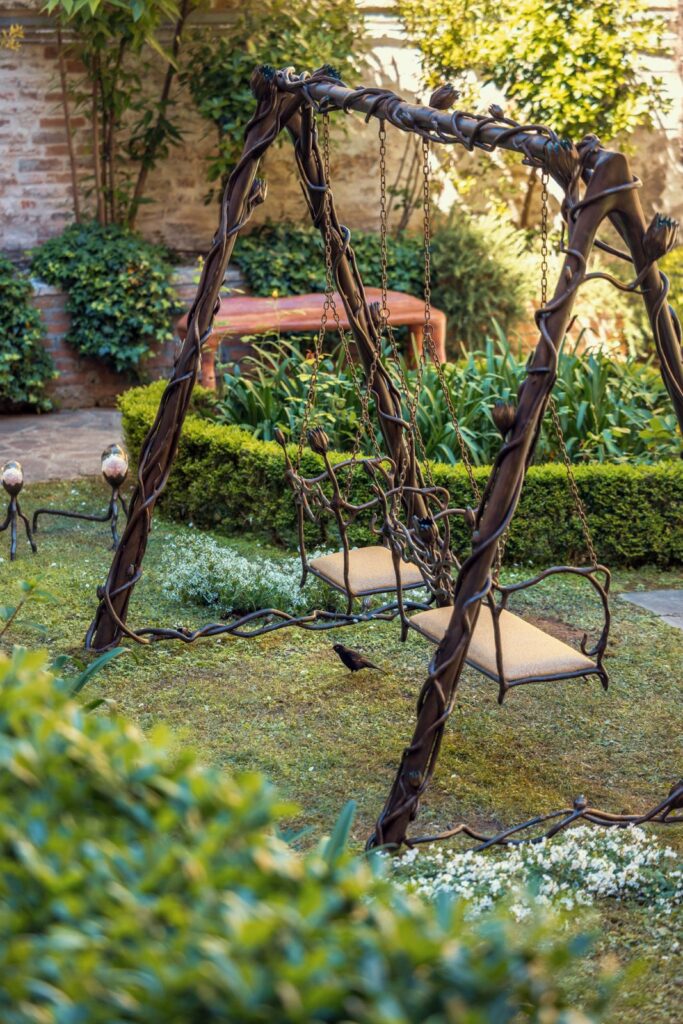
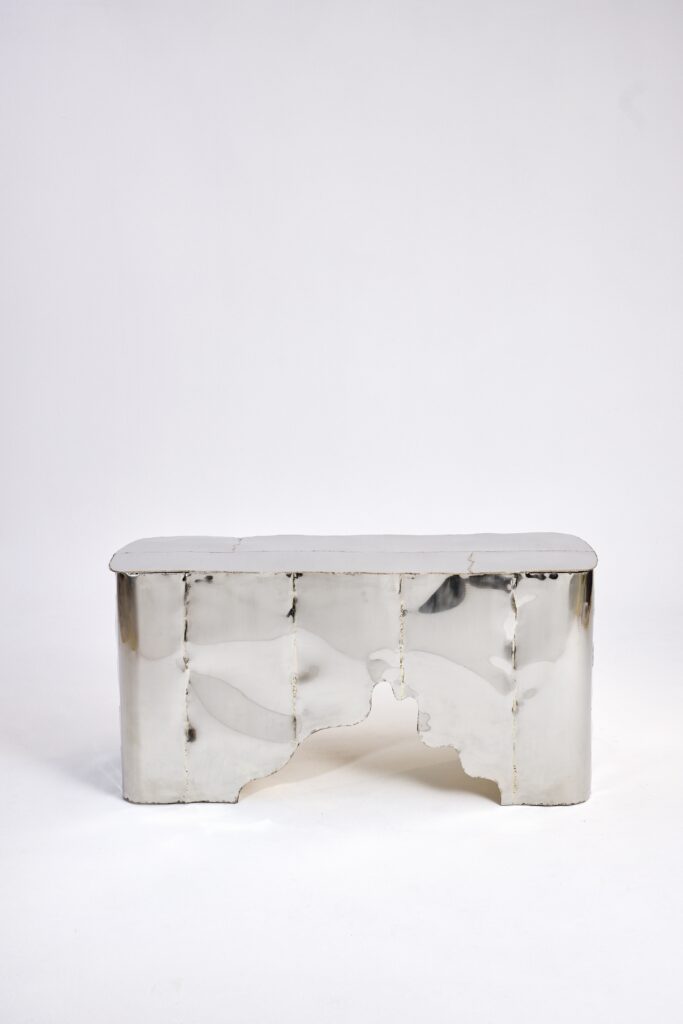
Outside the main rooms, the Design at Large programme takes over the mansion’s courtyard, interior and gardens with monumental-scale pieces: Jean Prouvé’s Maison Démontable 6×6, dated 1944 and presented by Galerie Patrick Seguin, sits alongside a sculptural bench by Pierre Renart and Irene Cattaneo’s bronze swings, which borrow their title from Fontane’s novel Effi Briest. This year again, Apple and Design Miami are renewing their Designers of Tomorrow initiative, themed around “Design for Presence” — a way of naming what the fair as a whole seems to have been pursuing for four editions now: no longer impressing through sheer density of offering, but persuading through the quality of time spent inside a lived-in room. At a time when many art and design fairs are cultivating ever more spatial one-upmanship, Design Miami Paris’s opposite wager — betting on intimacy rather than the monumental — deserves to be watched over time.
The organisers note, finally, that the list of exhibitors, deliberately kept to around thirty galleries across the main sections and Design at Large, will remain available in full before the opening, alongside the detailed schedule of the five public days.

Cette publication est également disponible en :


