
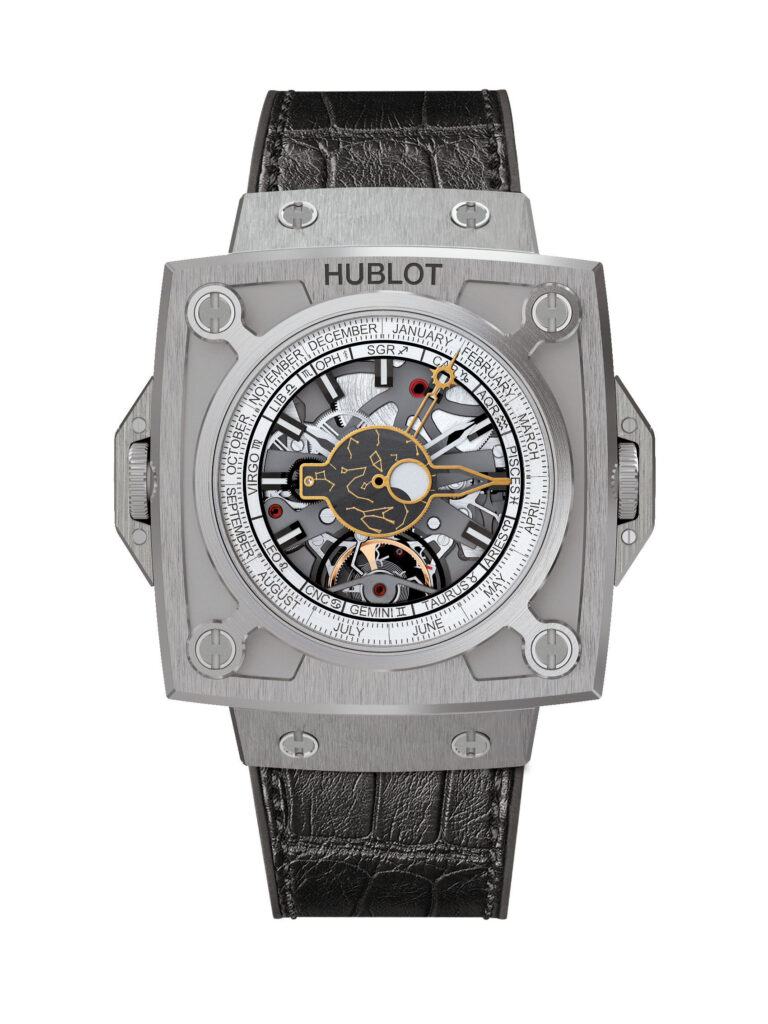
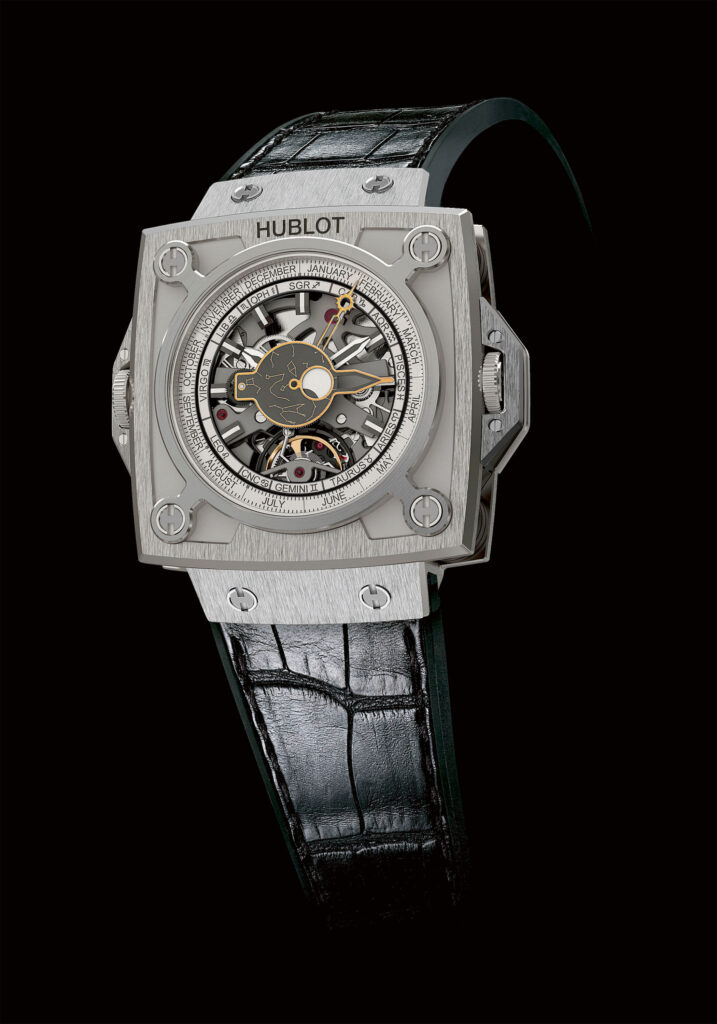
In 1901, divers recovered a corroded metal fragment from the depths of the Aegean Sea. It would take a century of research to understand what they had found: the oldest known calculating machine in human history, dating from the 2nd century BCE. An astronomical computer. A mechanical model of the cosmos. The Antikythera Mechanism. Hublot, which has made formal provocation and history its dual guiding principles, has for years made this its most serious obsession.
What the Greeks knew that we had forgotten
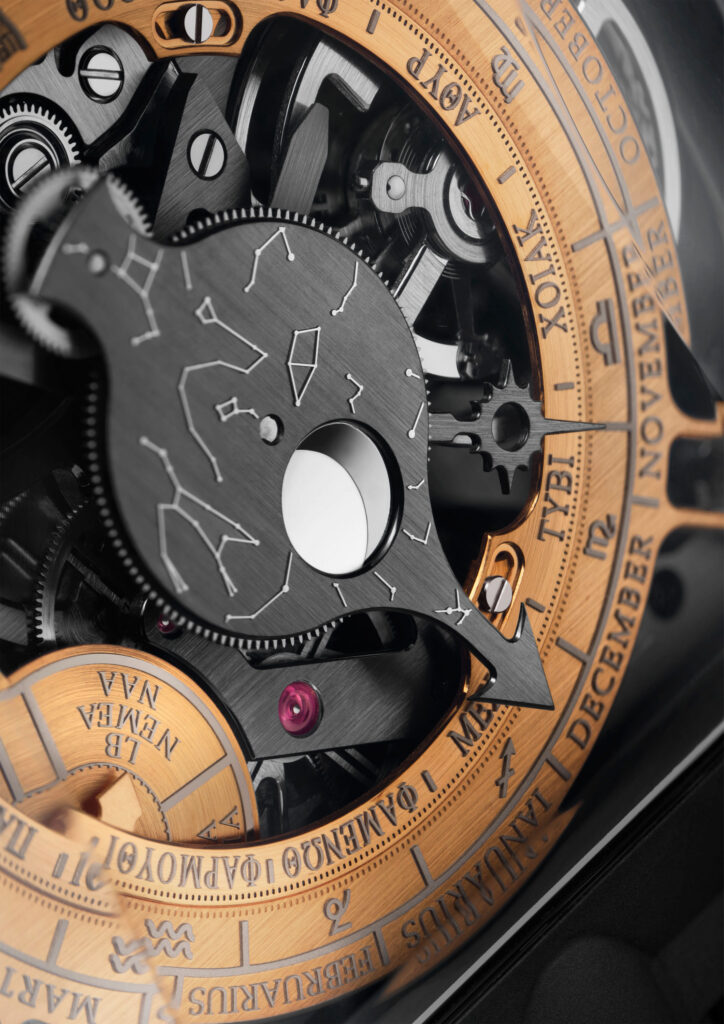
The Antikythera mechanism calculated eclipses, lunar cycles, the positions of known planets, and the calendar of the Olympic Games. Its 37 gears—some of which are less than a millimeter in size—achieve a level of precision that contemporary engineers still struggle to fully replicate. This is not merely an archaeological curiosity: it is proof that the mechanical thinking of the ancients had reached a level of sophistication that the Middle Ages took more than a thousand years to rediscover.
What Hublot’s obsession with this mechanism reveals is something that few watchmakers would dare to state so clearly: high-precision mechanics is not a modern invention. It is a rediscovery. And the engineers who design complex in-house movements today are, in a sense, continuing a project that began on a Greek island more than two millennia ago.
Ancient history as a breeding ground for innovation
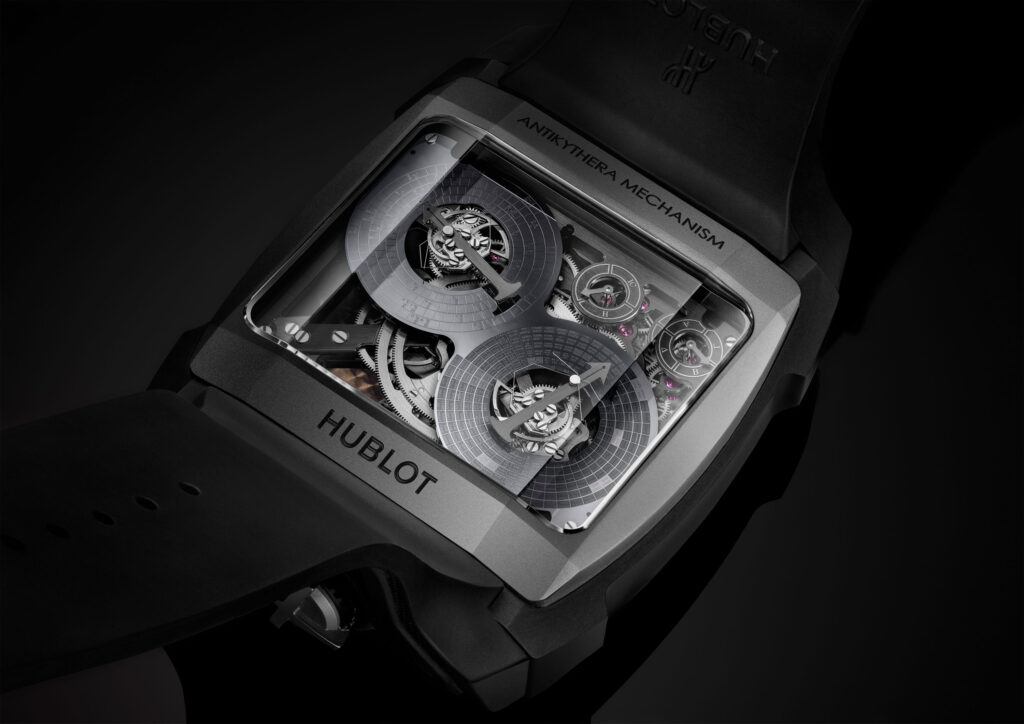
Hublot’s approach to the Antikythera mechanism goes beyond a cultural reference. The Geneva-based watchmaker has partnered with researchers and archaeologists to attempt to reproduce—in miniature, on the wrist—some of the mechanisms found in the original fragment. This is not archaeology reconstructed for marketing purposes: it is applied research engineering applied to an object whose secrets we have not yet fully uncovered. Fragments of the original mechanism remain unexplained to this day.
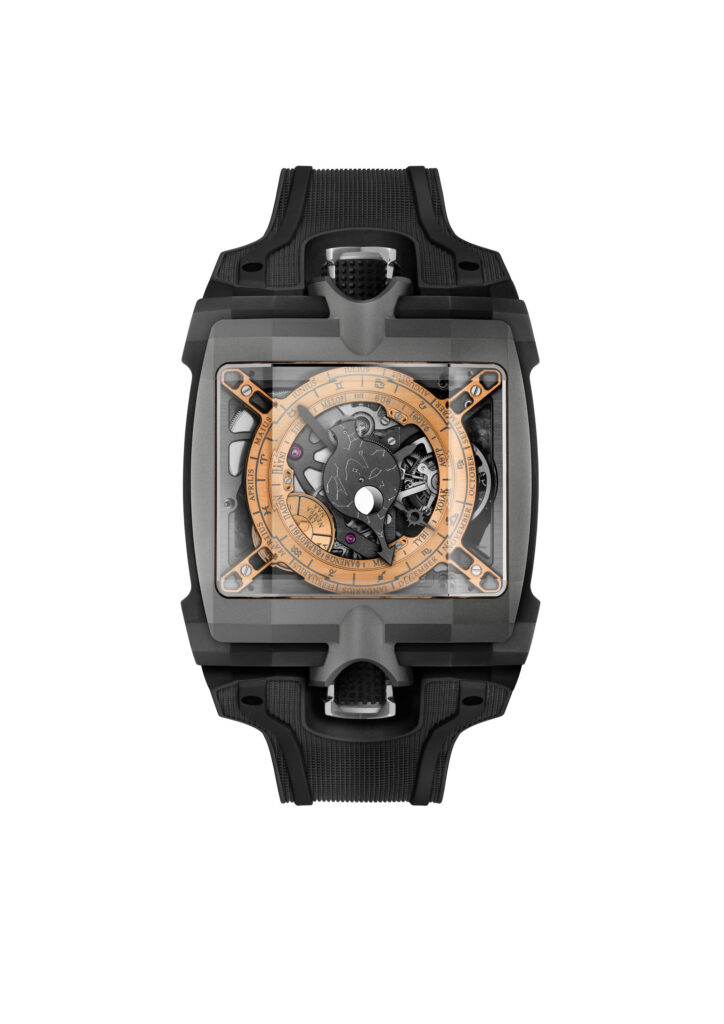
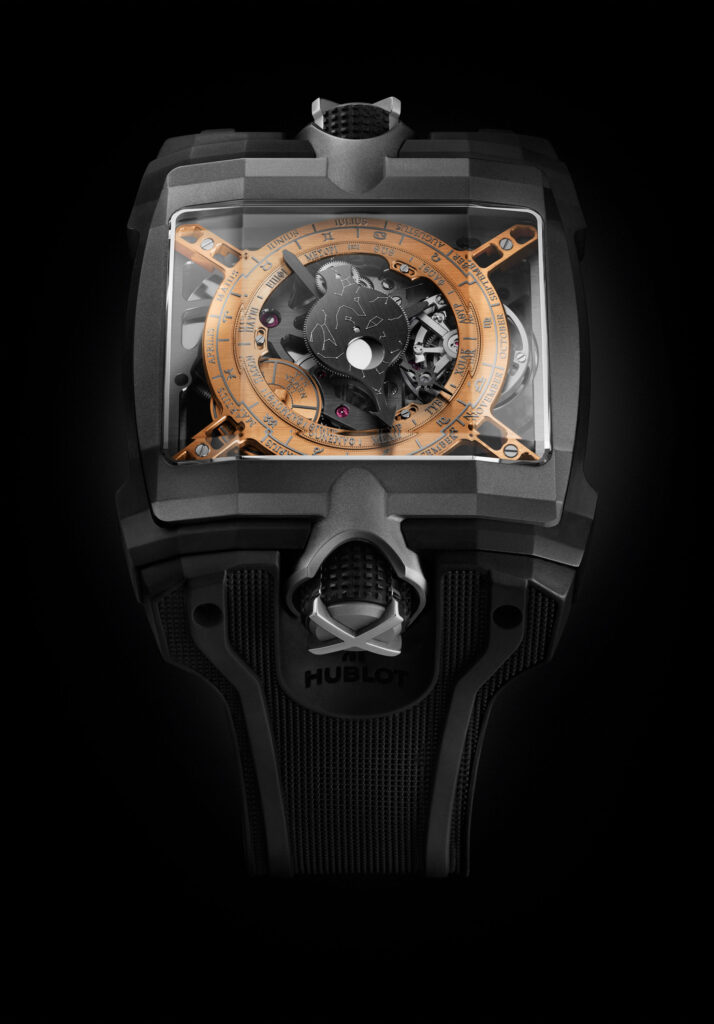
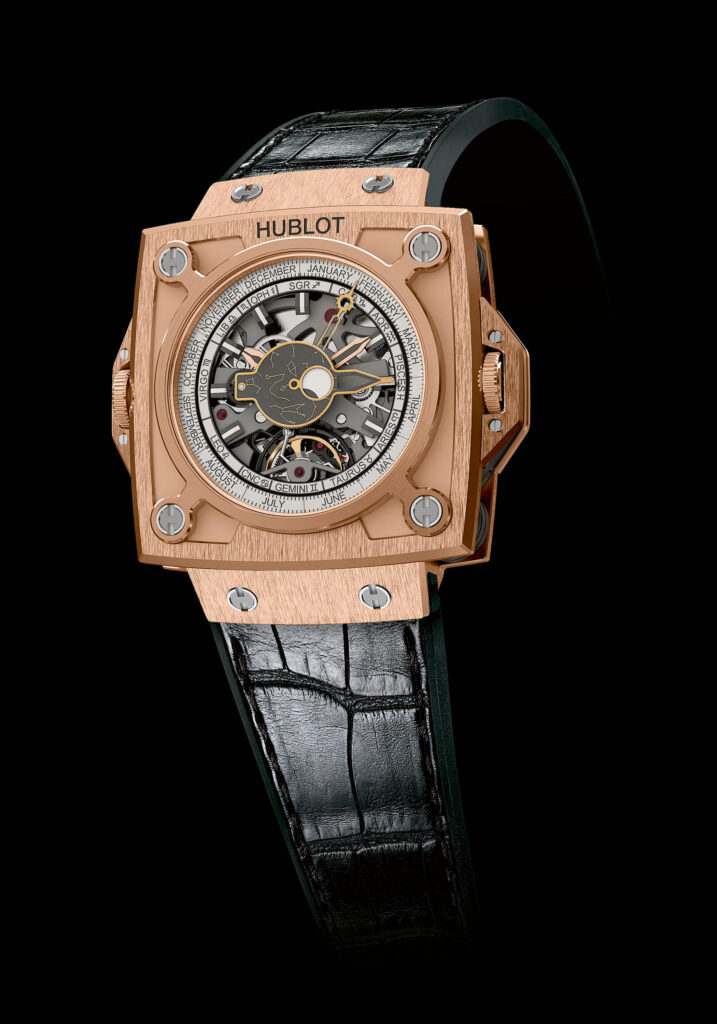
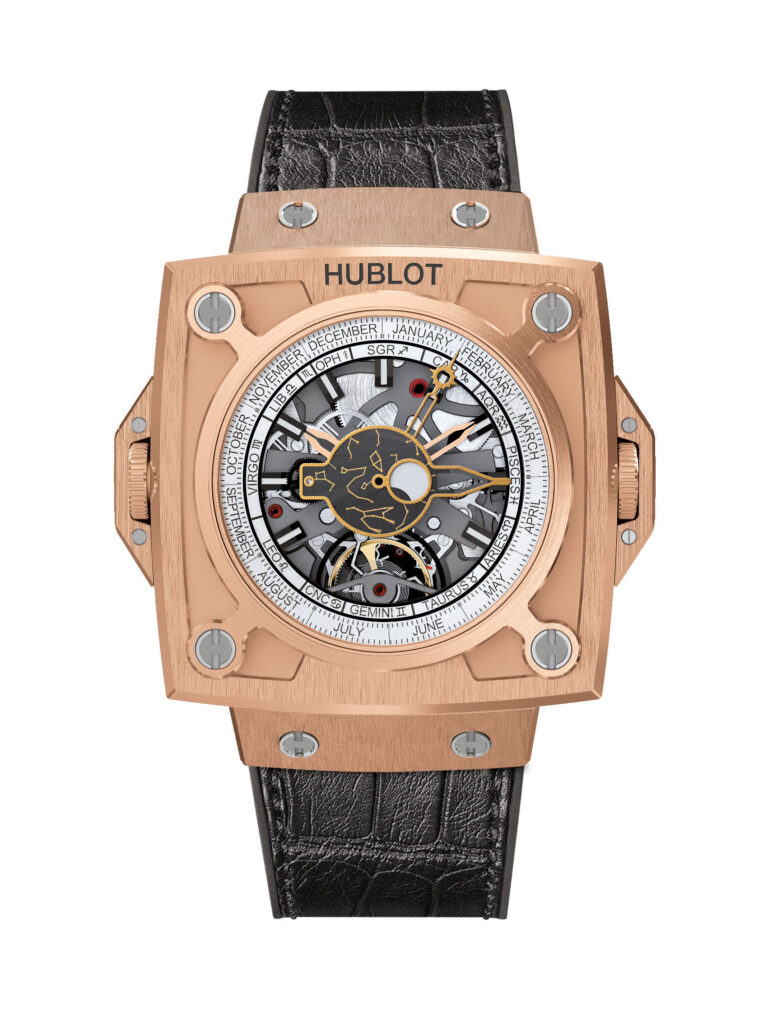
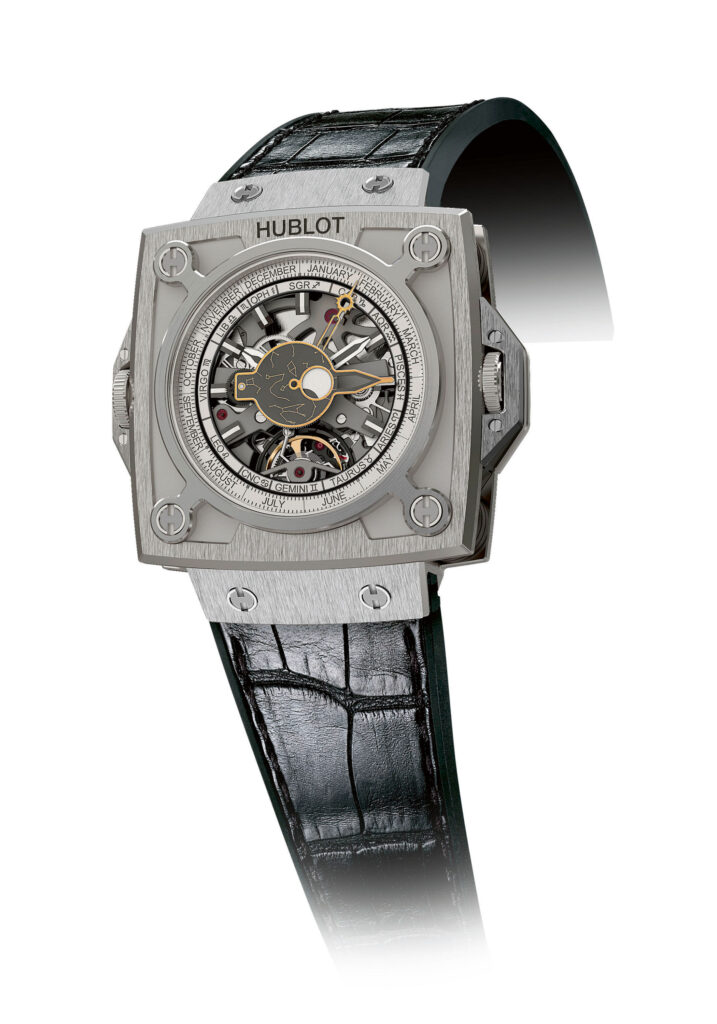
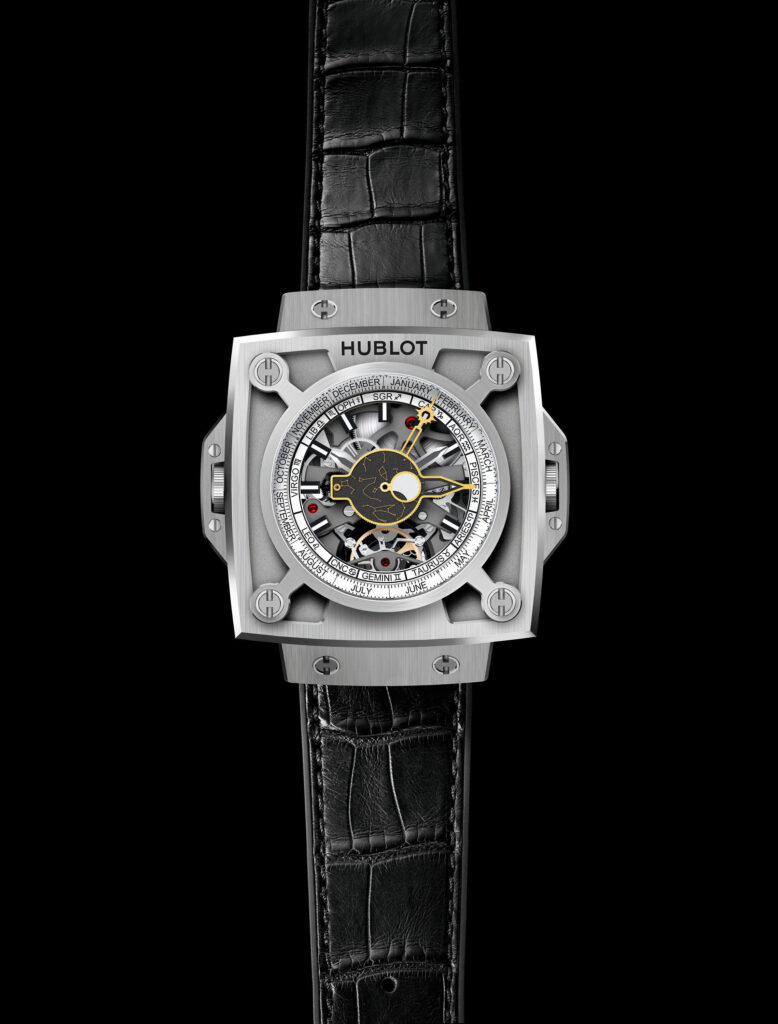
Hublot’s new proposal centered on the Antikythera theme, unveiled in June 2026, is a continuation of this approach. Blending ancient history, watchmaking innovation, and modern exploration—the official statement’s phrasing aptly captures what sets this project apart from a mere commemoration: a desire to use the past as a laboratory, not as an excuse.
What you wear on your wrist when you wear the Anticythera
It’s tempting to reduce these watches to mere collector’s items—expensive, rare, reserved for a select few. But that would be missing the point. What Hublot offers with the Anticythera is an invitation to reconsider our relationship with time itself. Not the time of the smartwatch that displays notifications. Rather, the long, cyclical, astronomical time—the kind the Greeks measured to know when to plant, when to sail, and when to pray.
Mechanical watchmaking has always been a form of philosophy worn on the wrist. With the Antikythera, Hublot poses the question differently: What does measuring time tell us about our place in the cosmos? The answer, engraved in corroded bronze at the bottom of the Aegean Sea, has been waiting for two thousand years. It remains as relevant today as ever.





Cette publication est également disponible en :

