
Pared-back bottles, carefully named collections, precise aromatic descriptions: some CBD brands now adopt a visual language familiar to enthusiasts of niche perfumery and high-end cosmetics. This change is not limited to packaging. It transforms the way products are presented, differentiated and built on trust. But behind this sophistication, one question remains: do the codes of luxury reflect a genuine standard of quality, or simply a new strategy of seduction?
When CBD shops adopt the codes of luxury
The world of CBD is evolving beyond its products. Inspired by perfumery and high-end cosmetics, some brands now pay close attention to their visual identity and shopping experience. From packaging to the presentation of collections, these new codes are redefining the perception of premium CBD.
Packaging as the first sign of distinction
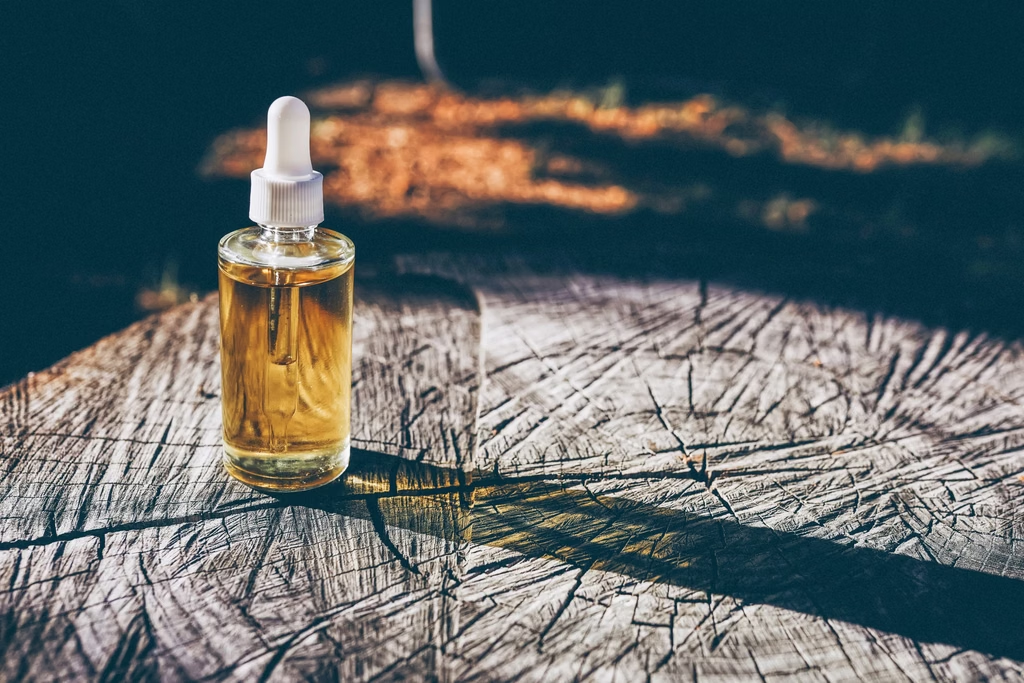
In perfumery, a bottle often tells a story before its fragrance has even been discovered. Some CBD brands follow a comparable logic: minimalist typography, restrained palettes, carefully crafted photography and evocative collection names.
This aesthetic answers a specific challenge: making an offer that is sometimes technical more legible and desirable. Flowers, oils and resins are no longer presented only according to their characteristics, but also through a brand universe. An approach that can make discovery easier, without necessarily saying anything about the intrinsic quality of the product.
From the specialist shop to the brand experience
This transformation is particularly noticeable online. A search such as “CBD shop france” can lead to brands such as High Society, whose catalogue draws in particular on notions of selection, collections and aromatic profiles. Commercial presentation thus goes beyond a simple succession of references to build a recognisable identity.
The parallel with concept stores lies above all in this desire to guide the eye and organise discovery. It has its limits, however: elegant navigation or a collection called “reserve” does not, on its own, constitute an objective criterion of quality.
Aromas, provenance and selection: the art of telling the product’s story
Woody notes, floral accents, fruity nuances: the descriptions of certain CBD flowers recall those of perfumery or wine. This comparison is not purely aesthetic. Terpenes, aromatic compounds naturally present in hemp, contribute to the olfactory profile of the different varieties.
Precise vocabulary can help tell references apart. But sensory description must not be confused with a promise of effect. An aromatic profile does not allow one to deduce a product’s therapeutic properties.
This attention to formulation is, moreover, not foreign to Luxsure, which has already presented the combinations of CBD, CBG and terpenes developed by Evielab. An example of the place that ingredients and their presentation have taken in brands’ messaging.
Behind the premium aesthetic, what concrete guarantees?
The real point of distinction perhaps lies less in the packaging than in the information available to the consumer. A stated origin, a clearly indicated concentration or an identifiable laboratory analysis provide more verifiable elements than an “exclusive” positioning.
A few habits make it possible to tell the difference:
| Premium code | What to check |
|---|---|
| Exclusive collection | The precise criteria used to select products |
| Highlighted origin | The provenance and traceability information |
| Laboratory quality | The availability of analyses and whether they match the batches sold |
| Responsible packaging | The nature of the materials and the evidence behind environmental claims |
On this last point, the DGCCRF reminds businesses of the requirements for clarity and substantiation of environmental claims. A refined presentation therefore does not exempt brands from documenting their commitments when they put them forward.
Will trust be the true luxury of CBD?
By borrowing the codes of premium beauty, CBD shops can make their universes more coherent, their ranges more understandable and the shopping experience more polished. But visual prestige cannot replace transparency.
The most interesting distinction is ultimately the one that withstands scrutiny of the facts: an explained selection, accessible information and promises proportionate to what can be demonstrated. In a market where presentations are growing more sophisticated, the ability to verify what one buys could become a more convincing sign of quality than any packaging.
Also on Luxsure: Rue Chapon, analogue prints made by the one who took the pictures · Classic car: what car insurance guarantees should you consider? · Roberto Baggio in the C.P. Company archives, a film rather than a campaign · Jaguar Type 01: an electric grand tourer yet to be measured
Cette publication est également disponible en :


