
In Indianapolis, precision isn’t just a matter of folklore. It determines a racing line, a pass—and sometimes an entire career. For over a century, the Indy 500 has transformed the measurement of time into a strategic tool. With this new edition of the Formula 1 Solargraph x Indy 500, TAG Heuer is not simply seeking to produce yet another automotive variation. It is reviving a long-standing dialogue between Swiss watchmaking and American automotive culture, at a time when Formula 1 and IndyCar are becoming as much objects of global entertainment as they are arenas of industrial soft power.
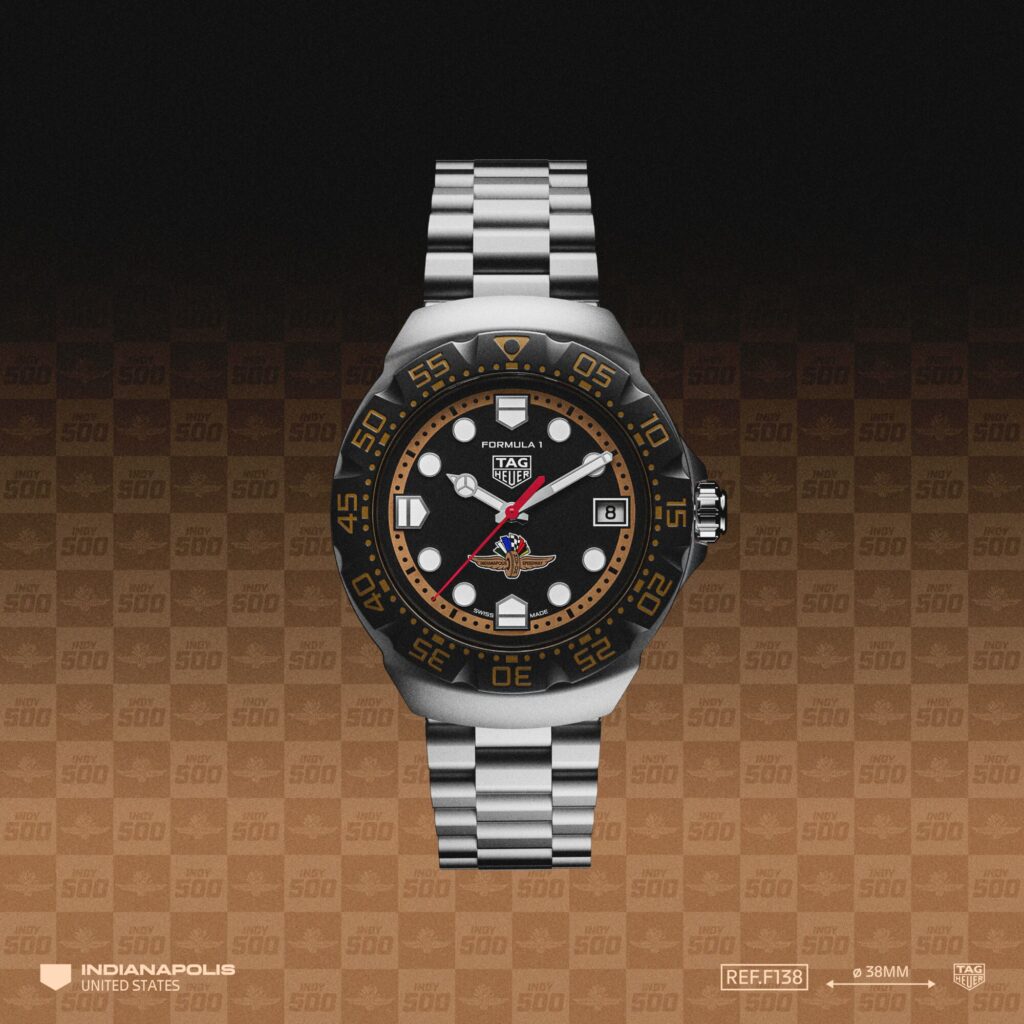
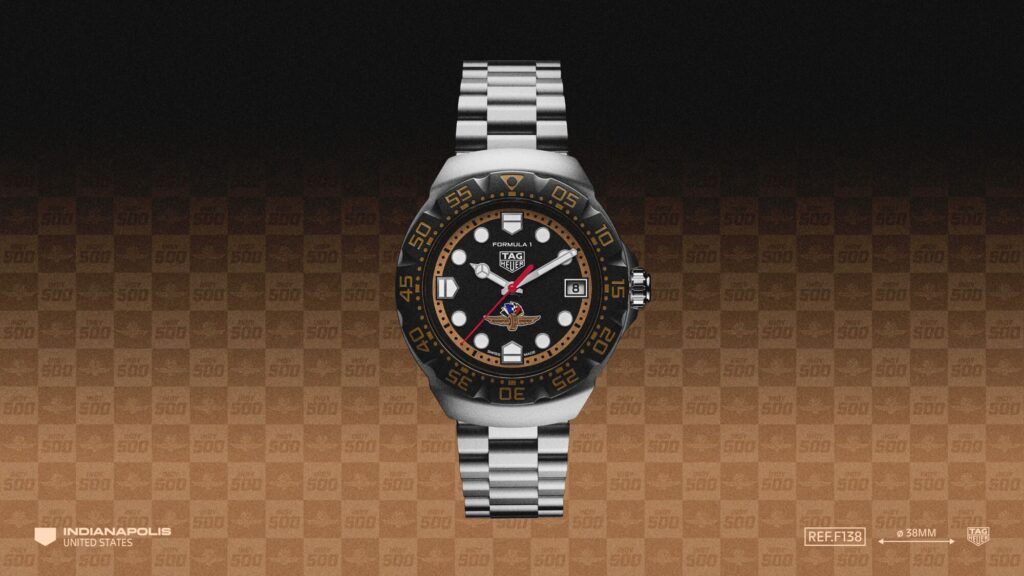
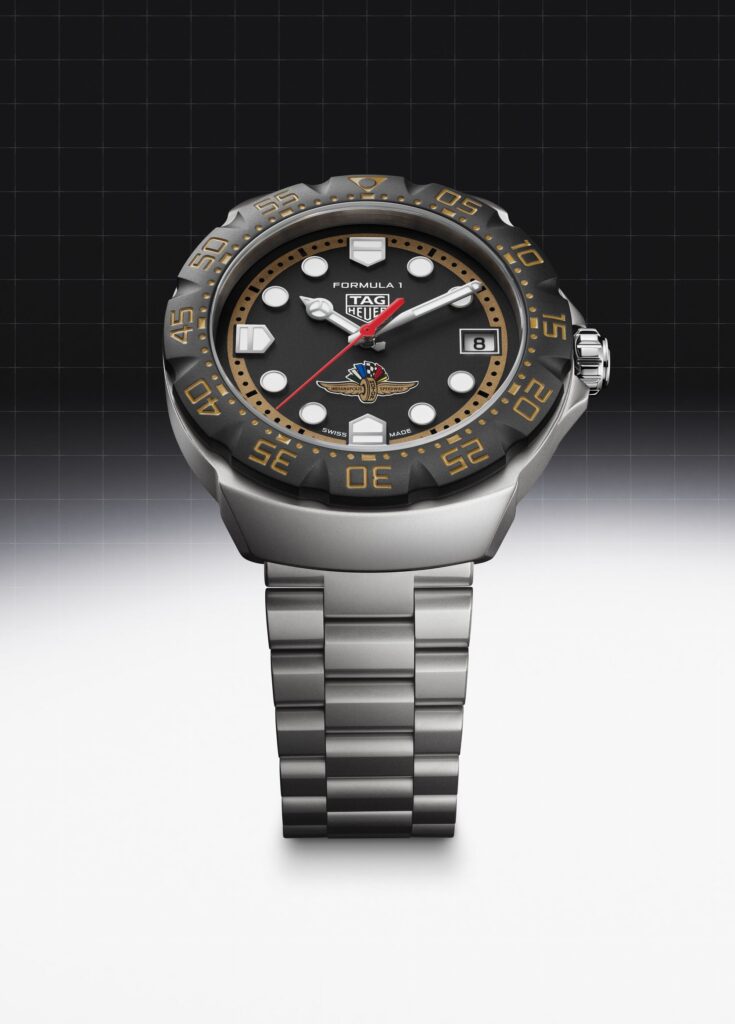
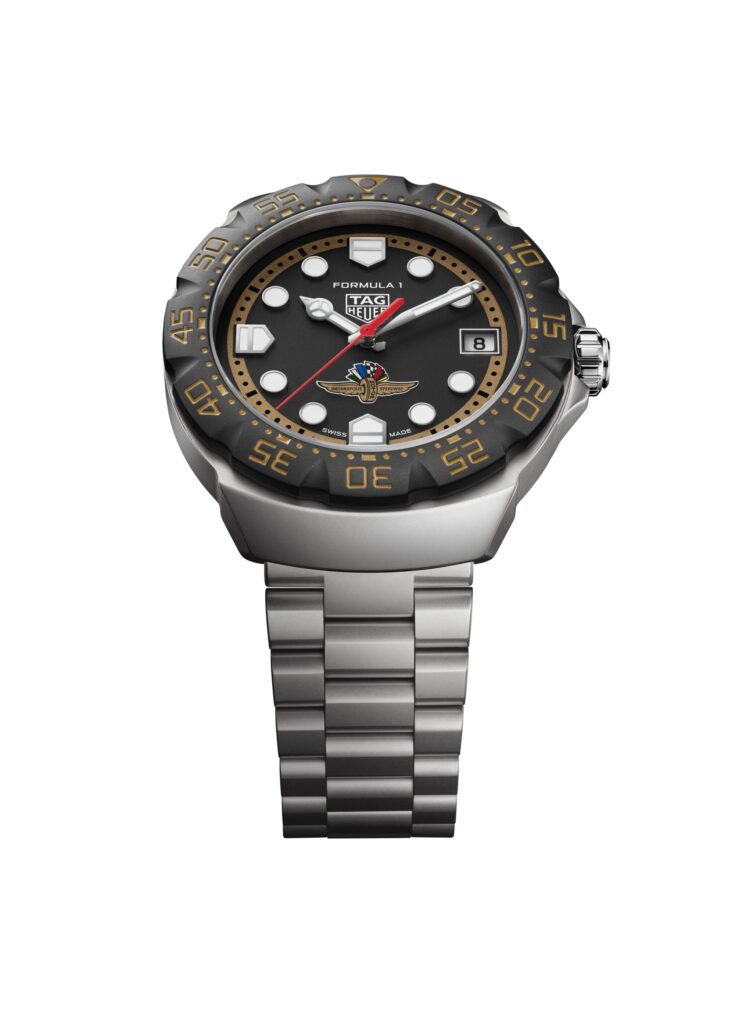
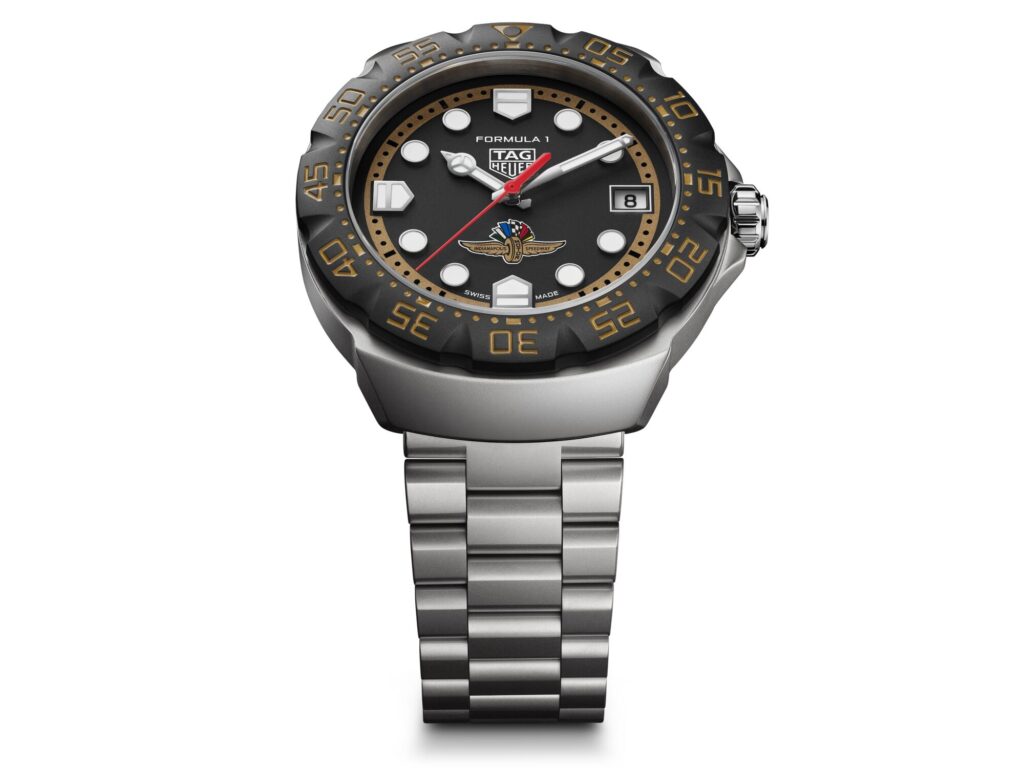
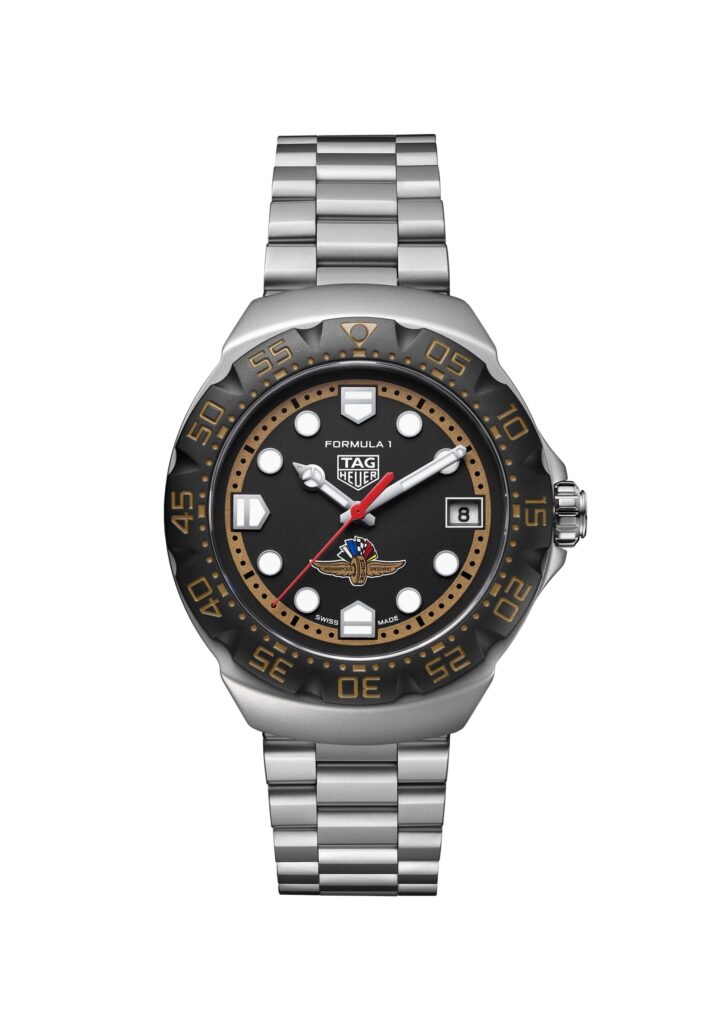
The watch adopts the 38-mm case size recently introduced in the Formula 1 collection—a more compact dimension that distances the watch from the flashy, sporty styles of the 2000s. This choice is by no means insignificant. While contemporary automotive watchmaking often prioritizes visual excess, TAG Heuer returns here to a focus on practicality: immediate readability, modest weight, and ergonomic continuity with the 1986 Formula 1 models. The sandblasted steel case absorbs light rather than reflecting it. The bidirectional bezel in black TH-Polylight—a lightweight composite material developed for the collection—features a matte, almost technical texture reminiscent of certain industrial design pieces.
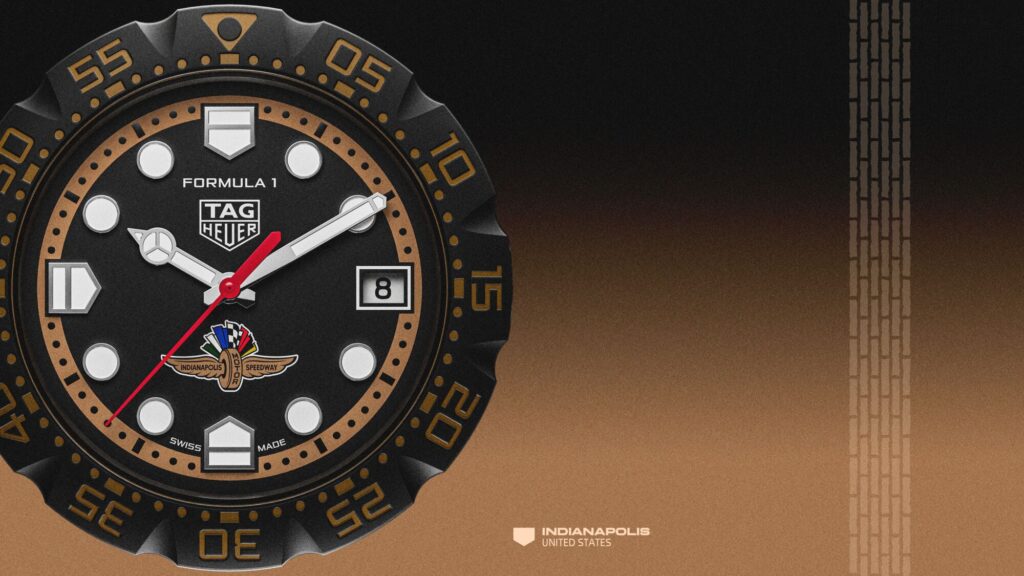
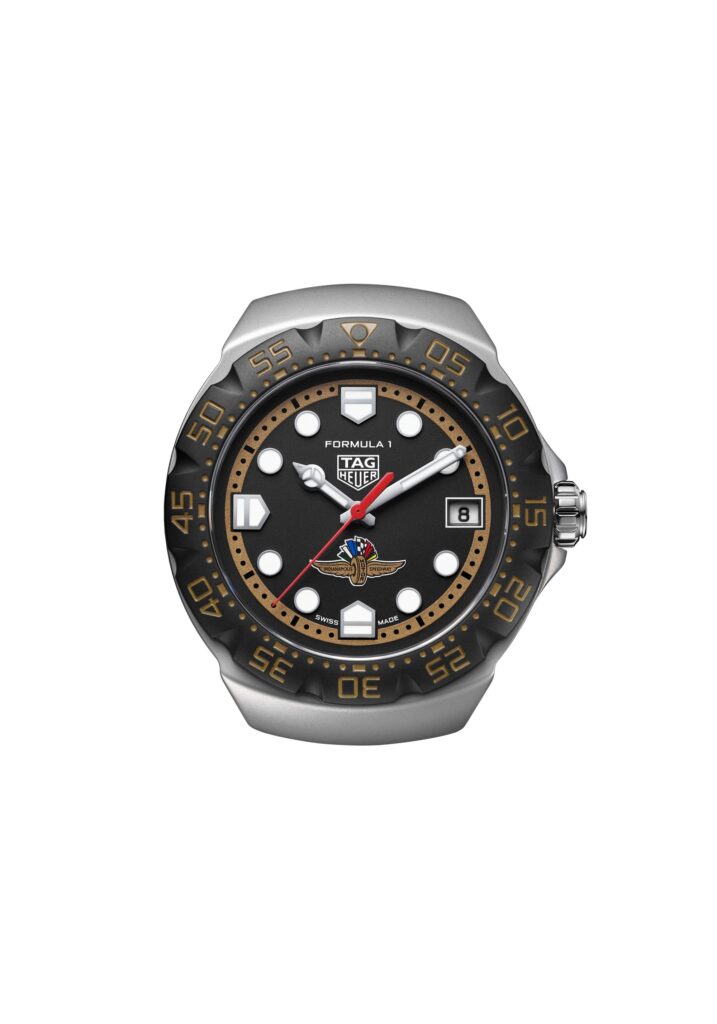
The dial also plays on this idea of visual functionality. With its black grained surface, orange-brown minute track, and rhodium-plated applied hour markers filled with Super-LumiNova, the overall look evokes the world of cockpit instruments rather than that of spectacular luxury. Even the red of the central hand seems borrowed from racing signage rather than decorative design. Both the dial and the screw-down caseback feature the Indy 500 logo alongside the “Yard of Bricks” motif—that strip of bricks still visible at the finish line of the Indianapolis Motor Speedway, a remnant of a circuit that was once entirely paved. A heritage detail more interesting than mere co-branding.
The real focus, however, lies elsewhere: in the Solargraph TH50-00 movement. For several years now, the watch industry has been searching for a credible alternative to the fruitless dichotomy between traditional mechanical watches and disposable quartz watches. The Solargraph offers a pragmatic solution. One minute of exposure to sunlight provides enough power for a full day of operation; a full charge from less than forty hours of light exposure allows for up to ten months of operation in the dark. Even after coming to a complete stop, ten seconds of light are enough to restart the movement. The battery is rated for a lifespan of approximately fifteen years.
This technology says something about our times: a return to the watch as a tool, but stripped of survivalist fetishism. The Formula 1 Solargraph x Indy 500 doesn’t play on pure mechanical nostalgia; rather, it embraces a contemporary fusion of motorsports culture, energy self-sufficiency, and accessible design. At 2,200 euros, it occupies a space that has become strategic for Swiss watchmakers: that of timepieces capable of appealing to a younger audience without completely sacrificing the historical narrative.
This limited edition of 1,110 pieces should also be seen as a way for TAG Heuer to strengthen its foothold in the U.S. Since the massive resurgence of motorsports in popular culture—driven as much by streaming platforms as by the sports event industry—the Indy 500 has once again become an exportable cultural symbol. By linking its Formula 1 collection to this race, TAG Heuer isn’t just talking about timing. The brand is talking about a technological spectacle, psychological endurance, and a certain conception of speed as part of American cultural identity.
The watch itself remains surprisingly understated. And that may be its greatest strength.






Cette publication est également disponible en :

