
In 2026, the Hôtel de Crillon will host Fabrice Midal. The philosopher and author of the mindfulness guide *Foutez-vous la paix* will lead a workshop in November in one of the palace’s Historic Salons. It’s a phrase worth pausing to consider: three centuries of gilded splendor and diplomatic protocol, all in the service of a session on letting go.
This isn’t just an anecdote. It’s a strategic decision that says something about how the luxury hotel industry is treating its heritage today.
What Walter-André Destailleur Couldn’t Have Foreseen
The building was commissioned by Louis XV and designed by Ange-Jacques Gabriel—the architect of the square itself. In 1909, Walter-André Destailleur oversaw the renovation that transformed the building into “L’Hôtel des voyageurs”: It was at this time that the stone mansion ceased to be an aristocratic residence and became a place of hospitality. The family of the Count of Crillon relinquished ownership. The luxury hotel took its place.
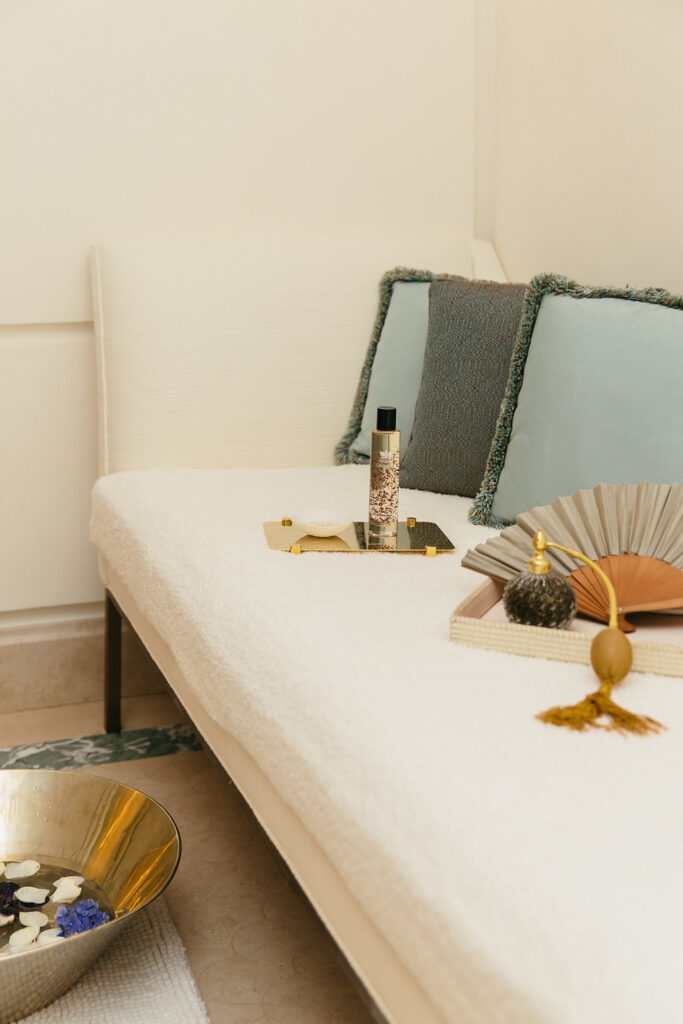
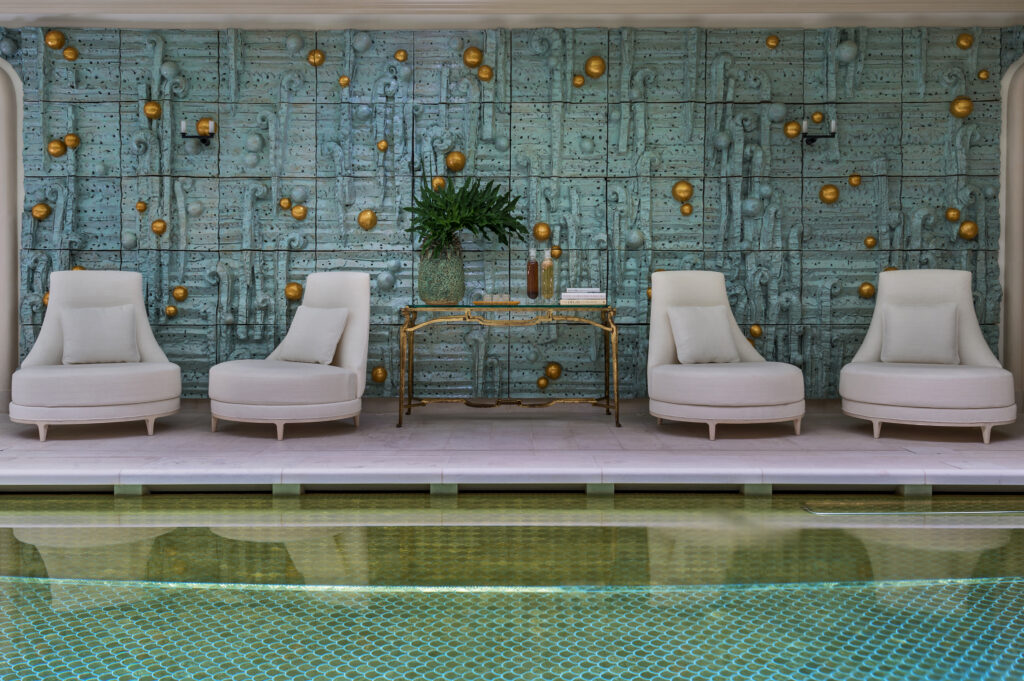
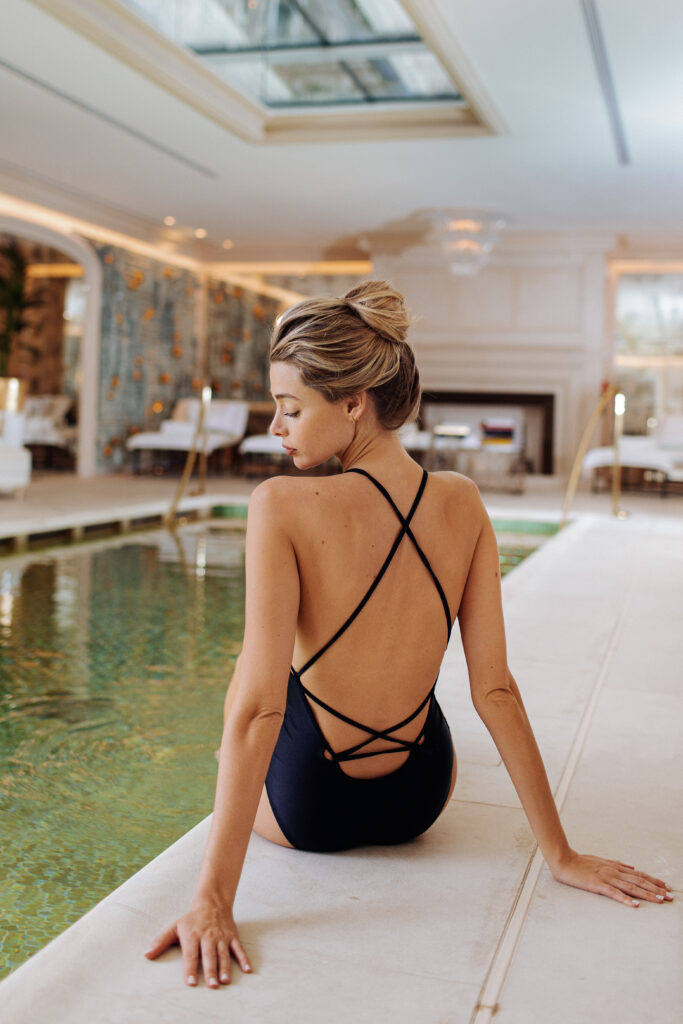
After four years of renovation, the Crillon reopened in 2017, featuring 124 rooms and suites, six dining venues, three preserved historic salons, a swimming pool, and the “Sense, A Rosewood Spa” located in the basement. It is this spa and these salons that the management is now highlighting as part of a monthly wellness program running from February through November.
It’s not about wellness. It’s about space.
What the Crillon’s 2026 program highlights is not so much the craze for wellness—a well-trodden topic—as the choice to blend contemporary practices with an 18th-century setting. Hélène Aubier leads sound baths from March through November. Tibetan singing bowls and crystal bells resonate in the very rooms where state receptions were once held. Céline Roy leads urban Pilates retreats from March through October. Spinal alignment in a Historic Salon: the concept is literally architectural.
In April, a tea ceremony held in collaboration with Evidens de Beauté introduced a Japanese perspective—holistic beauty as a mindful practice, breaking away from the results-driven mindset that shapes the beauty industry. In May, Polia Memmi took over the space for a maternity workshop.
What is taking shape is not a traditional spa program. It is an attempt to transform the luxury hotel into a space for cultural transmission as much as for lodging.
The Rosewood Model and the Issue of Local Roots
Since its acquisition, the Crillon has been operated under the Rosewood Hotels brand—a group founded in Dallas in 1979 and now controlled by the Hong Kong-based conglomerate Wharf Holdings. The tension between international ownership and Parisian heritage is a constant feature of the capital’s grand luxury hotels. What the 2026 program chooses is a response rooted in local connection: the contributors are French or based in Paris; the approaches employed are diverse but never generic; and Fabrice Midal—an author whose major work has sold over a million copies in France—is by no means a niche figure. This is a choice in favor of local cultural relevance, running counter to the usual globalism of the category.
The Crillon’s swimming pool, the Historic Salons, the underground spa: these spaces are far from neutral. Bringing Midal, Aubier’s crystal bowls, or David Lucas into them for a haircare workshop on June 9 means recognizing that heritage isn’t just a backdrop—it’s an acoustic experience. That Gabriel’s moldings and mindfulness sessions can occupy the same space without one canceling out the other.
The experience still needs to be evaluated from the inside. Whether or not the content of the rooms will live up to the program’s promises remains to be seen.
Cette publication est également disponible en :

