
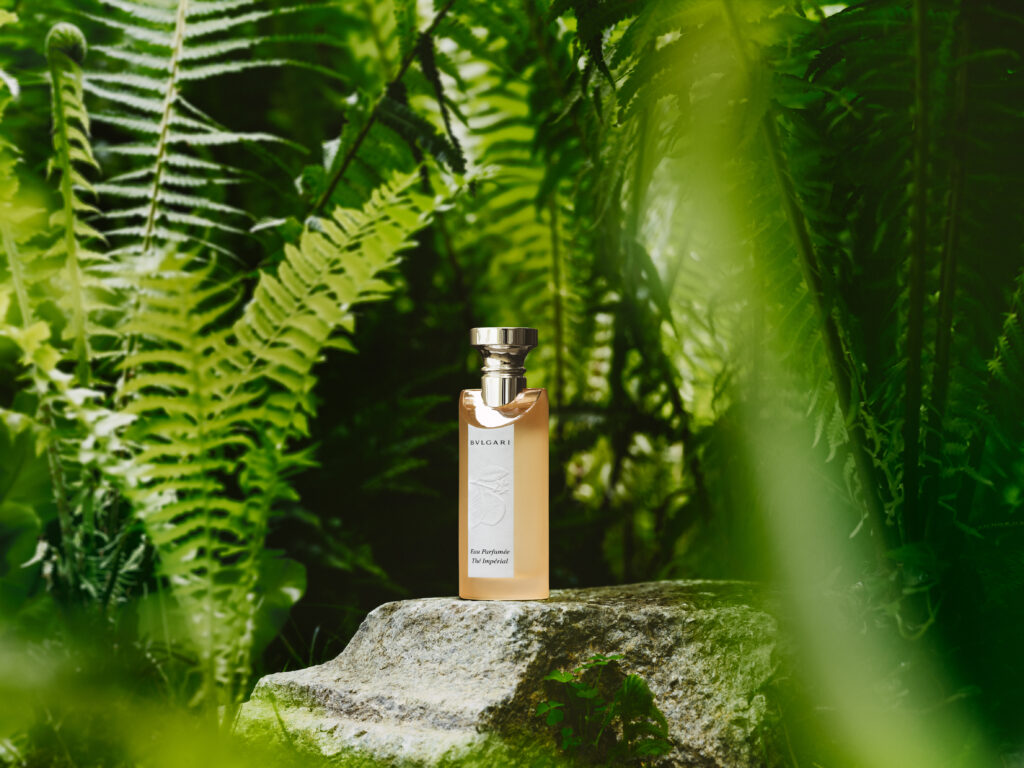
Eau Parfumée Thé Impérial, the fragrance created in 2017 for Bvlgari Hotels & Resorts, will leave the hospitality sector in 2026 to join the consumer collection. This shift in distribution channels is of little consequence. What deserves attention is the extraction technique at its core.
Supercritical Fluid, or the Obsession with Fidelity
The natural black tea at the heart of this formulation was isolated using supercritical fluid extraction—known as SFE, for Supercritical Fluid Extraction. The process involves raising CO₂ beyond its critical point (31.1 °C, 73.8 bars), a state in which it behaves simultaneously as both a liquid and a gas. This solvent passes through the plant material at a low temperature, without any heat that could alter the most fragile aromatic molecules, and then volatilizes completely without leaving any residue.
The method is not new: it has been used since the 1980s in the pharmaceutical and food industries to decaffeinate coffee or extract hop oils. Its use in fine perfumery remains less common, precisely because it requires precise control of pressure and temperature parameters that steam distillation or enfleurage processes do not require. It does, however, allow for the capture of what is known as a material’s “complete natural profile”—its most volatile nuances, which are often lost during conventional distillation.
Thirty Years on the Same Topic
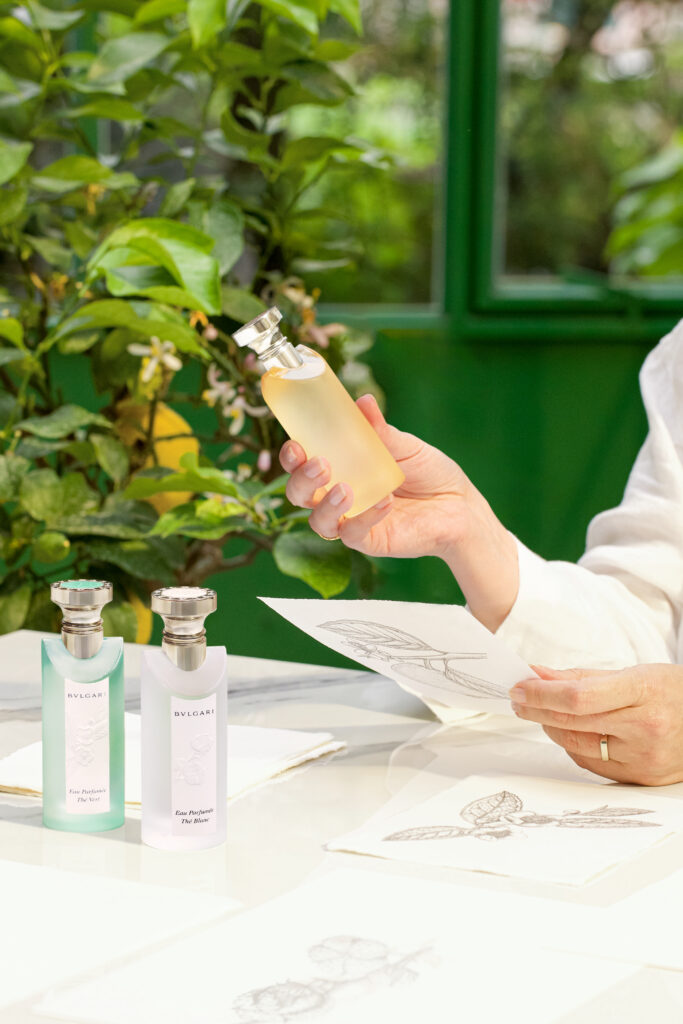
Jacques Cavallier began working on tea for Bvlgari in 1992 with *Eau Parfumée au Thé Vert* —the first documented attempt to capture the scent of green tea in a commercial fragrance. In 2003, Eau Parfumée au Thé Blanc expanded on that same research under his direction. Thé Impérial marks the third chapter in this three-decade exploration, featuring a different raw material—black tea—and an extraction technique he had not used in the two previous formulations.
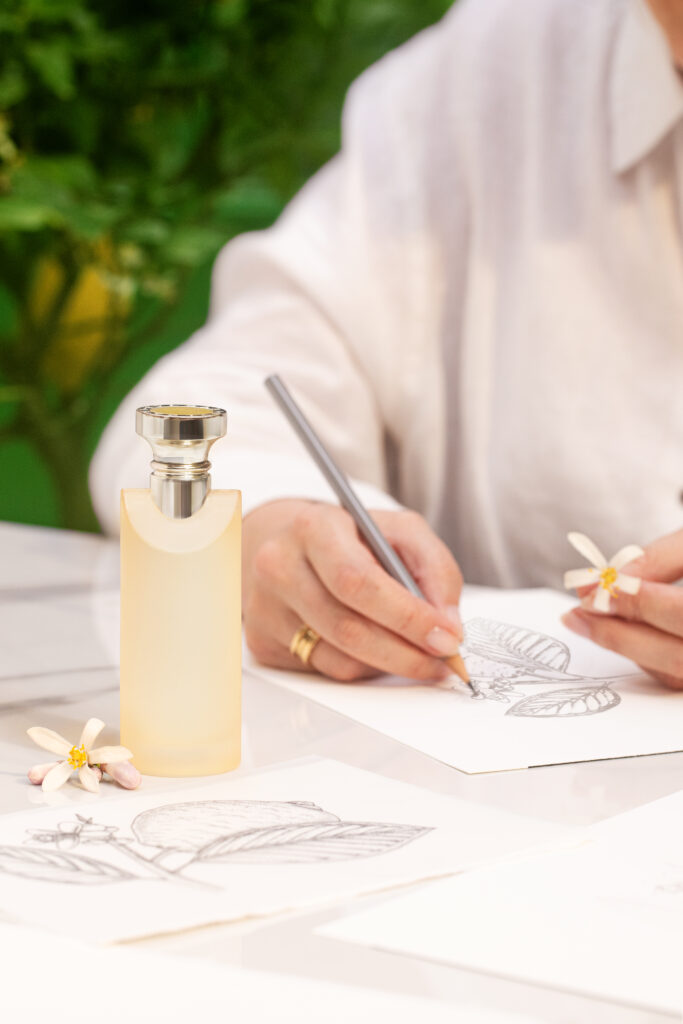
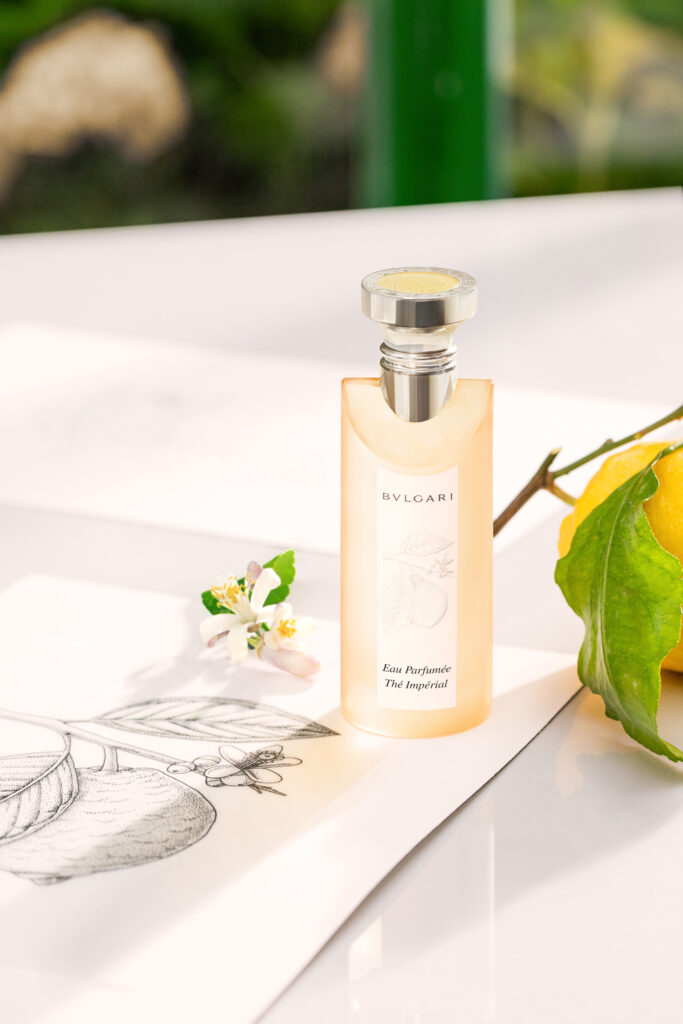
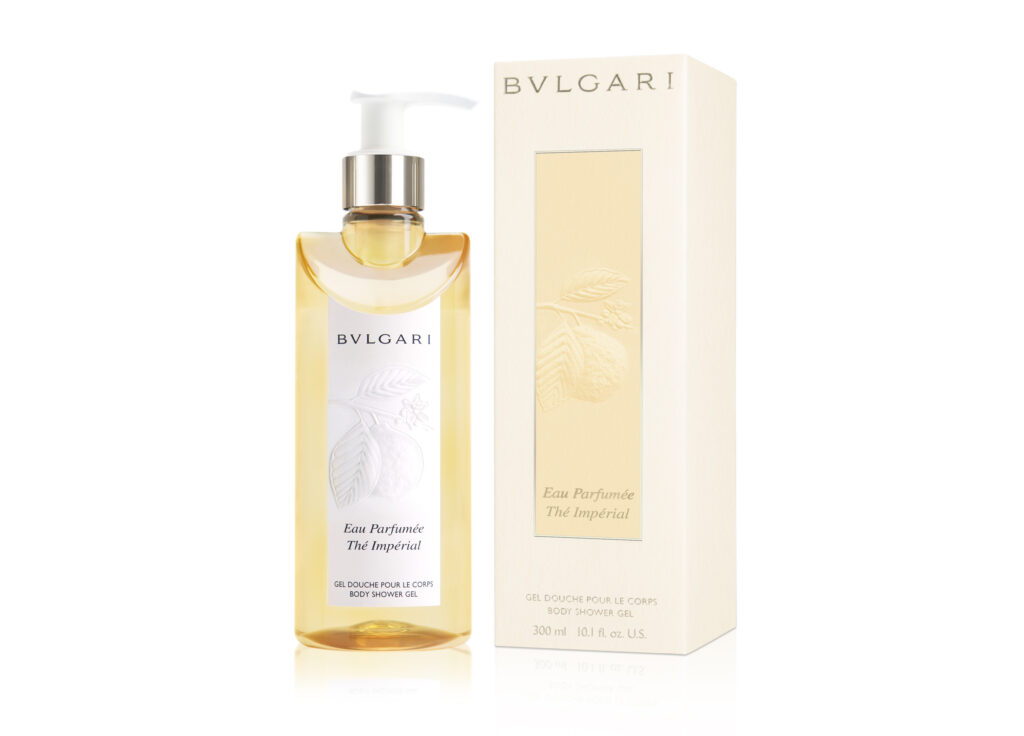
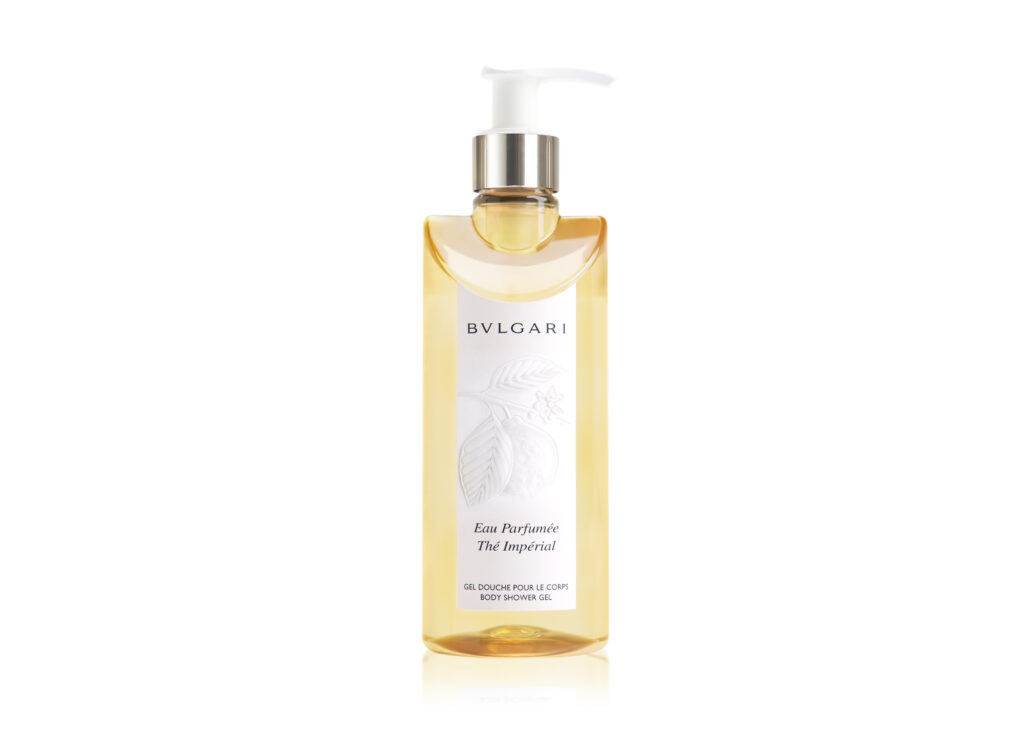
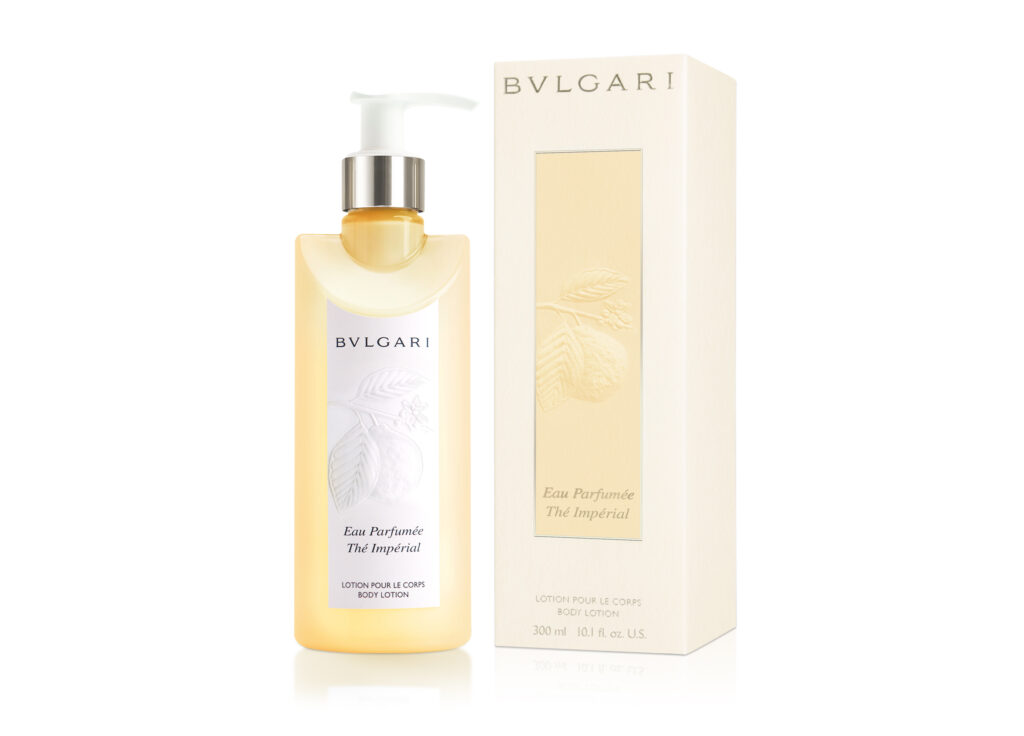
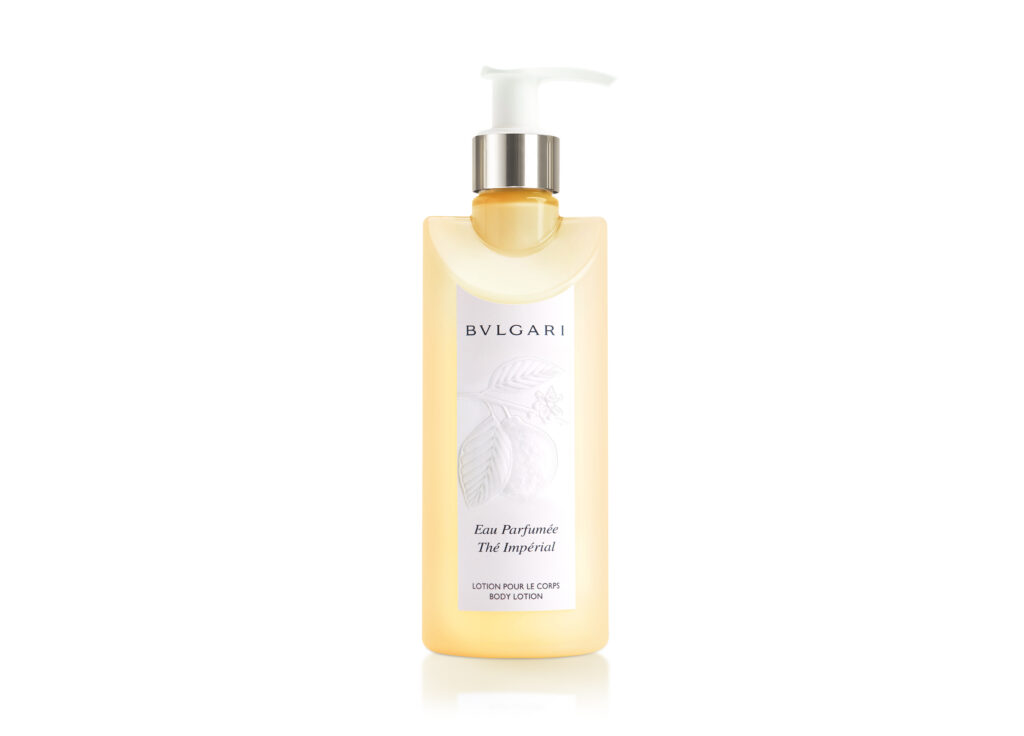
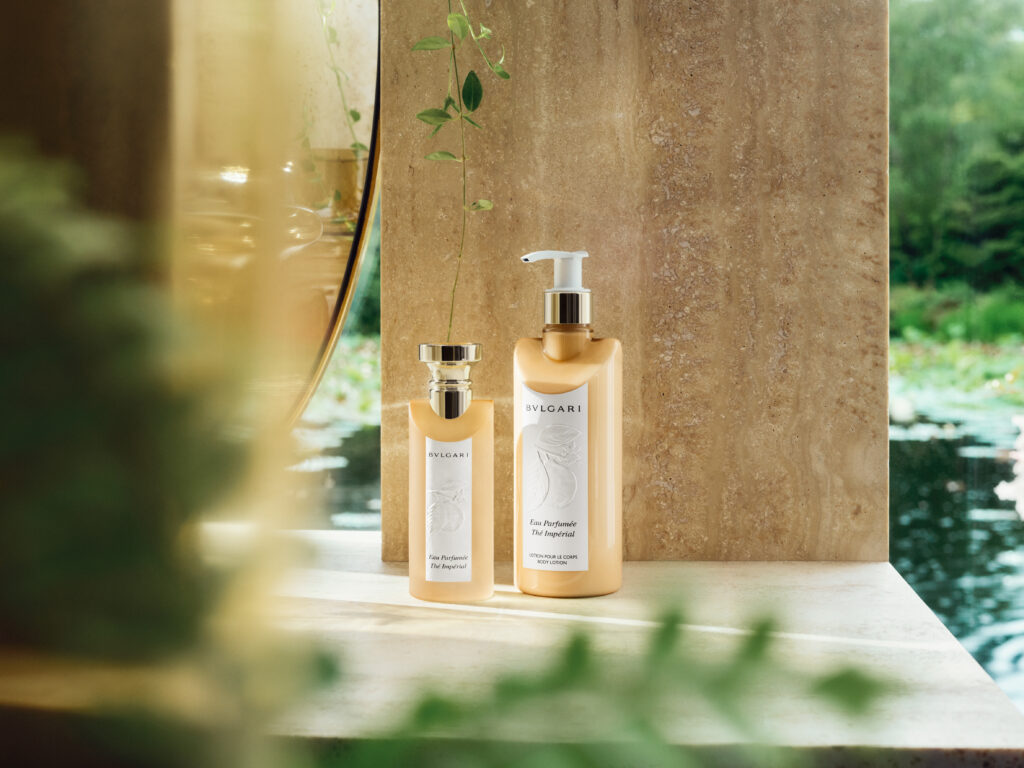
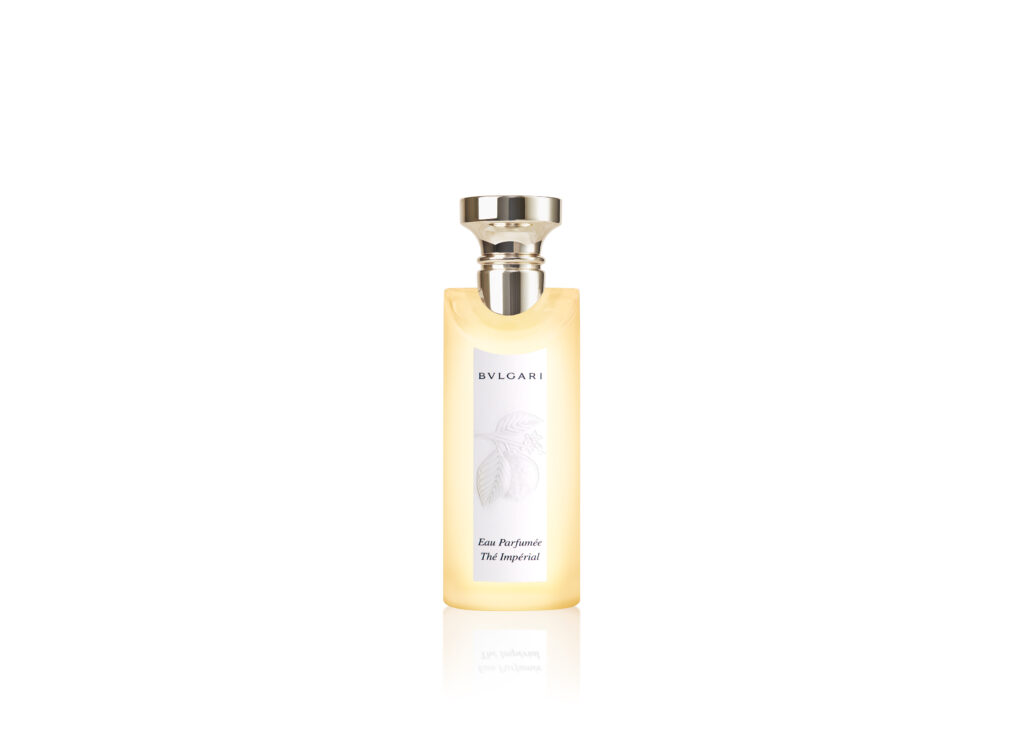
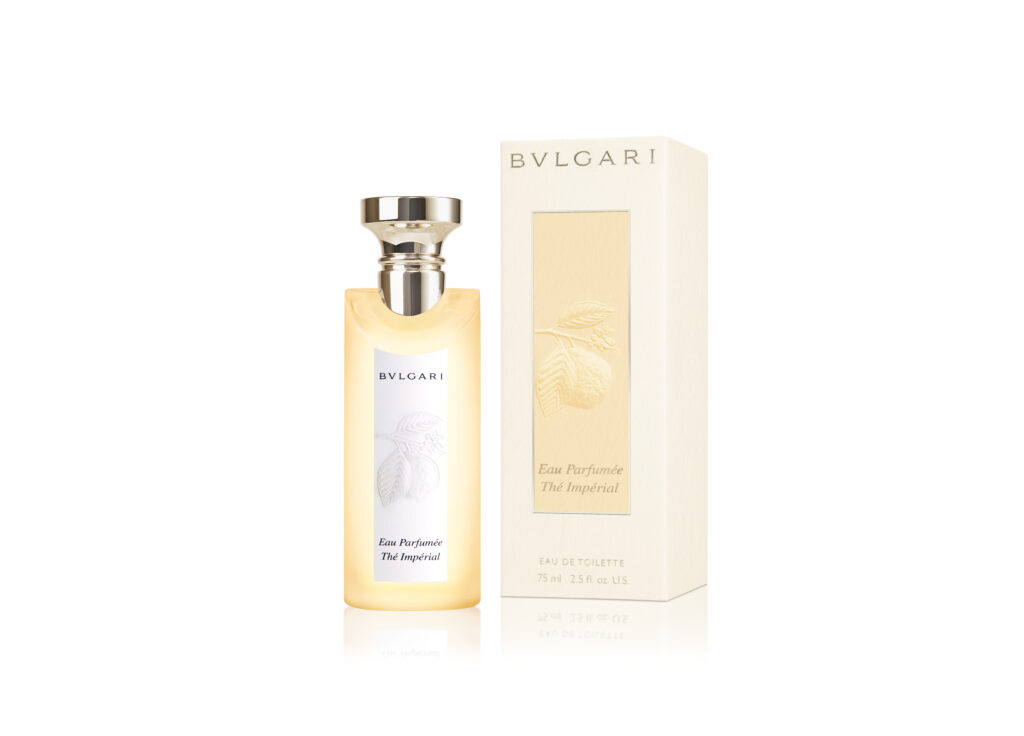
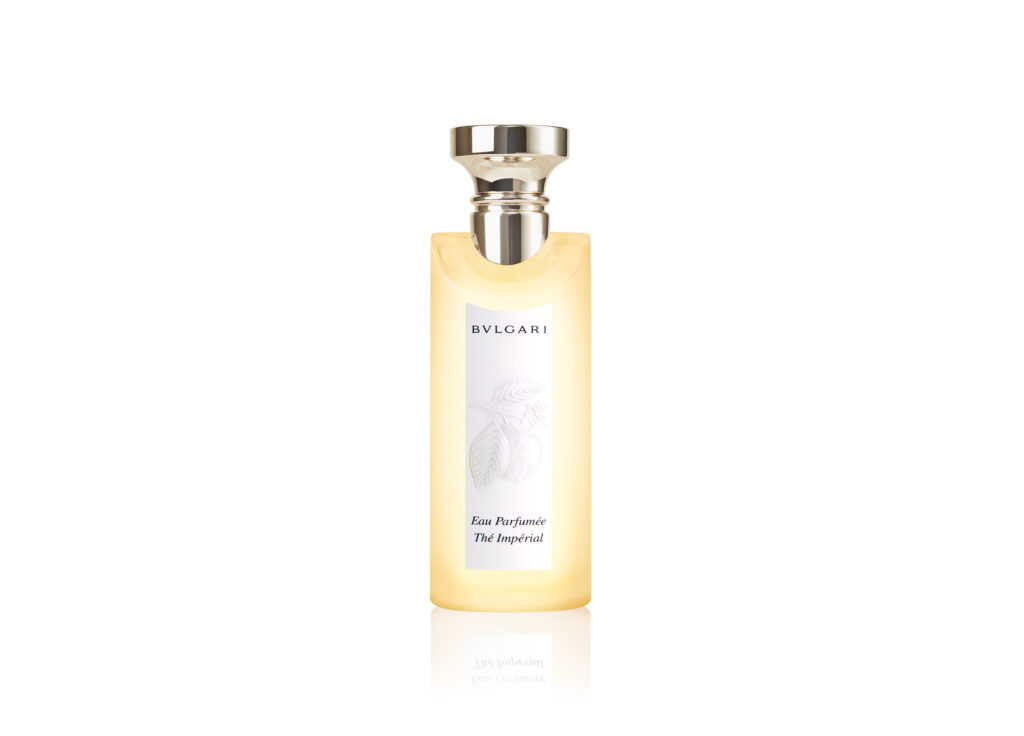
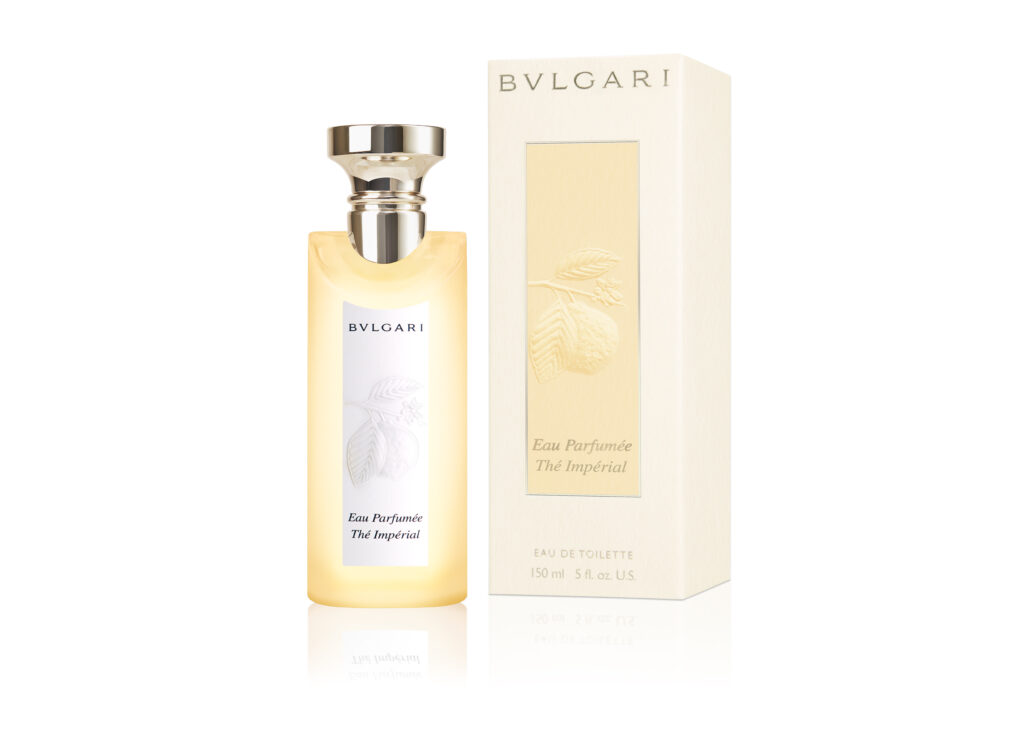
The aromatic profile of this black tea extract features three Italian citrus fruits: lemon, mandarin, and bergamot. The latter—which brings green, floral, and orange notes to Thé Impérial —is also the subject of the hand-drawn botanical illustration featured on the label made of natural hemp fiber. The bottle, meanwhile, echoes the silhouette of the Eau Parfumée line, whose shape is inspired by Roman columns, with a crackled gold inlay that references the Chinese celadon tradition—a ceramic glaze whose crackled finish has been its hallmark since the Song Dynasty (960–1279).
The fragrance contains 92% naturally derived ingredients, calculated in accordance with ISO 16128—a standard that includes water in its calculation, which means this figure should be interpreted with precision rather than enthusiasm.
The question posed by Thé Impérial —can a substance as volatile and complex as black tea be chemically stabilized without compromising its essence?—remains unanswered in this report. As is often the case, the answer will become clear through use.
Cette publication est également disponible en :

