
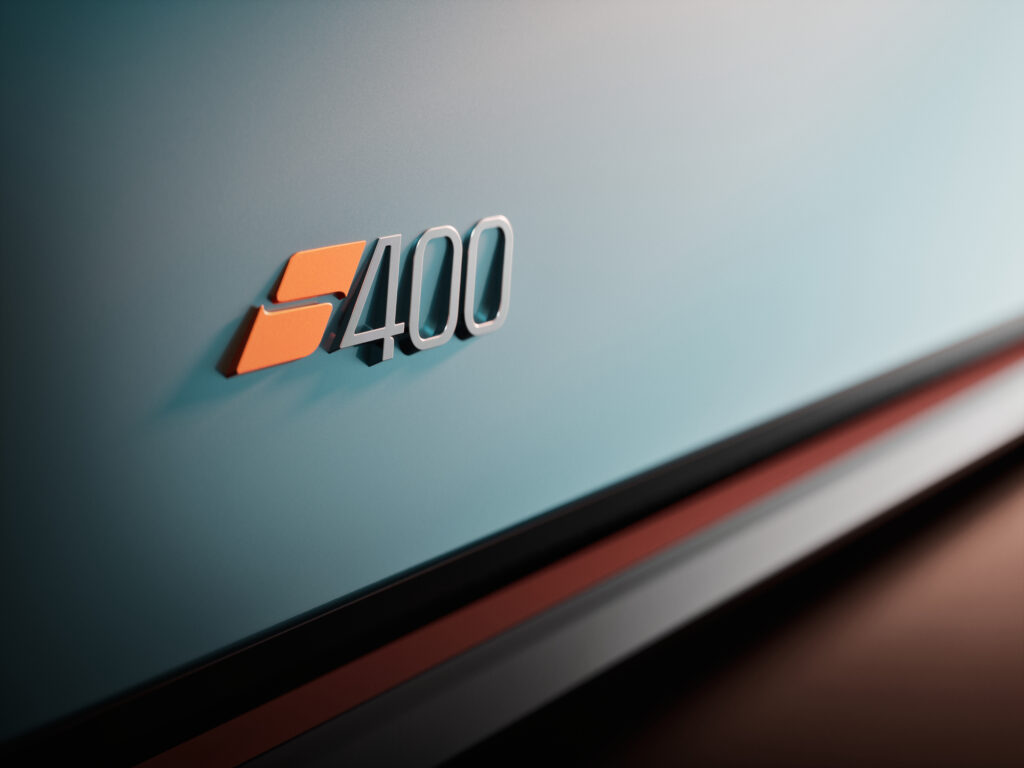
At Morgan, performance was never an end in itself. It was a consequence – of contained weight, of mechanical simplicity, of a direct relationship between rider and machine. With the Supersport 400, this hierarchy is partially reversed: power becomes a structuring parameter, but without erasing the historical architecture.
The heart of the piece is well known. A BMW B58 three-liter in-line six-cylinder, turbocharged, delivering 407 hp and 500 Nm. This choice is not anecdotal: Morgan outsources the mechanical complexity here to better concentrate its resources on what it masters – structure and feel.
The engine is based on a more recent platform: the CXV bonded aluminum chassis. This architecture, recently introduced, keeps weight down to 1,170 kg – a figure which, in this power category, remains atypical. The power-to-weight ratio reaches 348 hp per ton, with a 0 to 100 km/h time of 3.6 seconds, as shown in the technical table on page 7.
But there’s more to the Supersport 400 than these figures. The work lies elsewhere: in the tuning. The adjustable Nitron shock absorbers, with 24 positions of adjustment, reflect a desire to give the rider back some of the mechanical decision-making power. Suspension geometry has been revised to make handling easier to understand, especially on a series of fast bends.
This legibility is central. Morgan speaks of an “analog connection” – an expression often overused, but here supported by reality: steering, throttle and chassis transmit information without excessive filtering. Electronics exist (CAN and LIN networks for instrumentation), but they don’t take precedence over perception.
The active exhaust contributes to this tension. Designed specifically for this model, its purpose is not to produce volume, but to accompany the six-cylinder’s revs. A function of interface rather than spectacle.
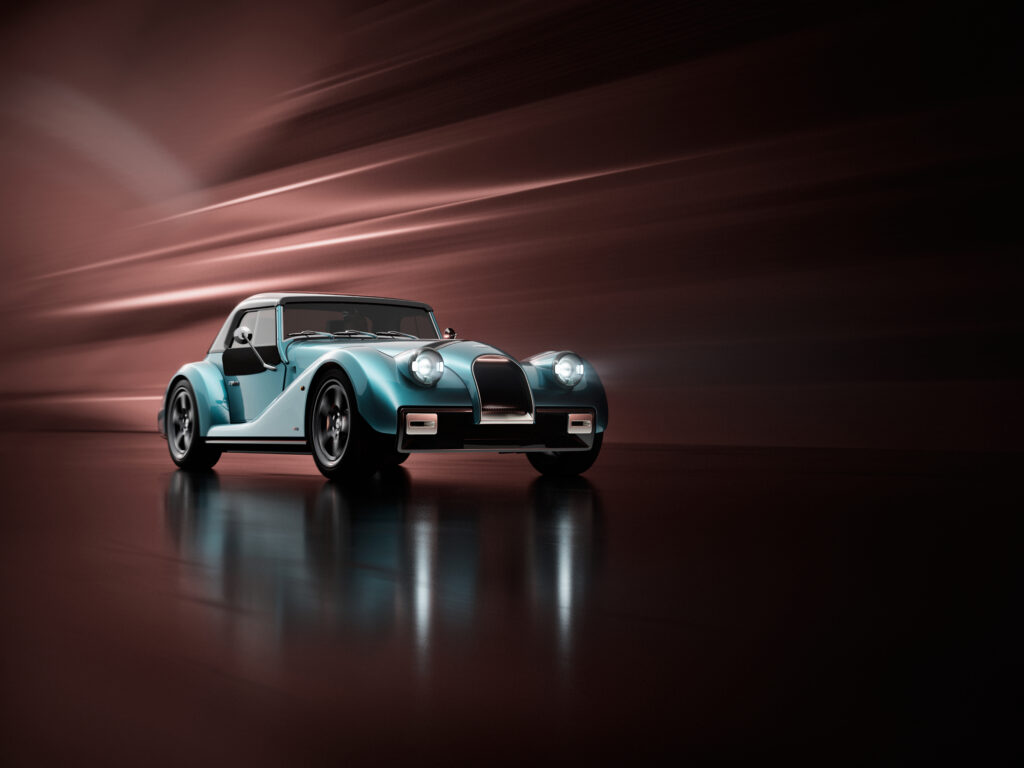
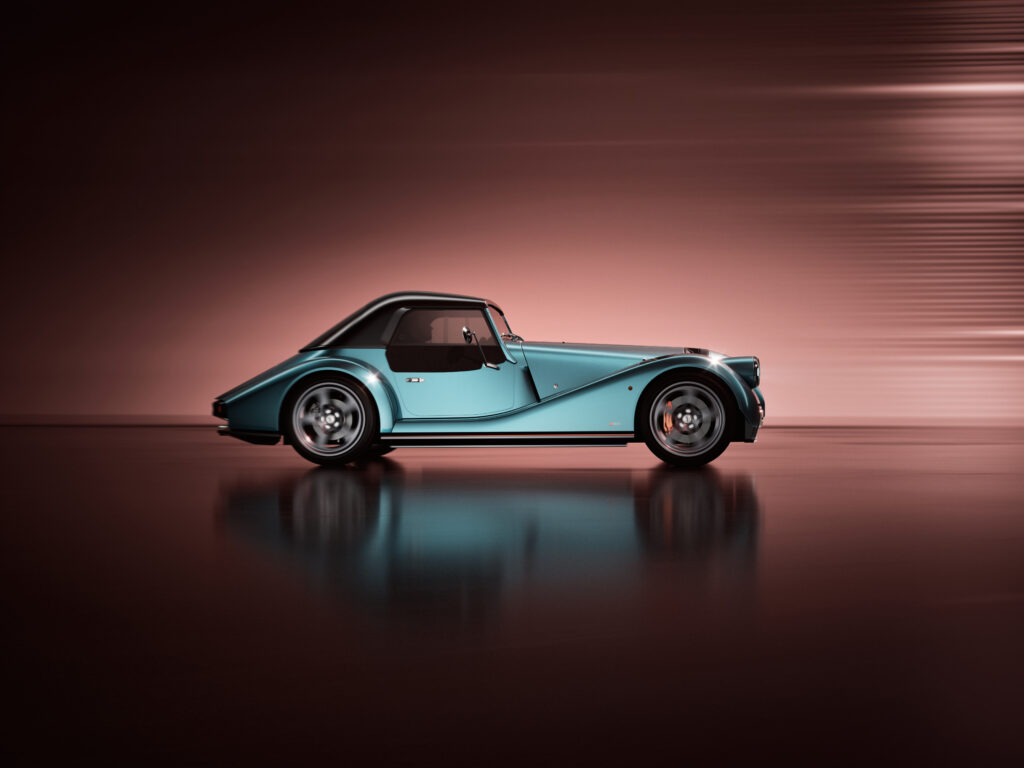
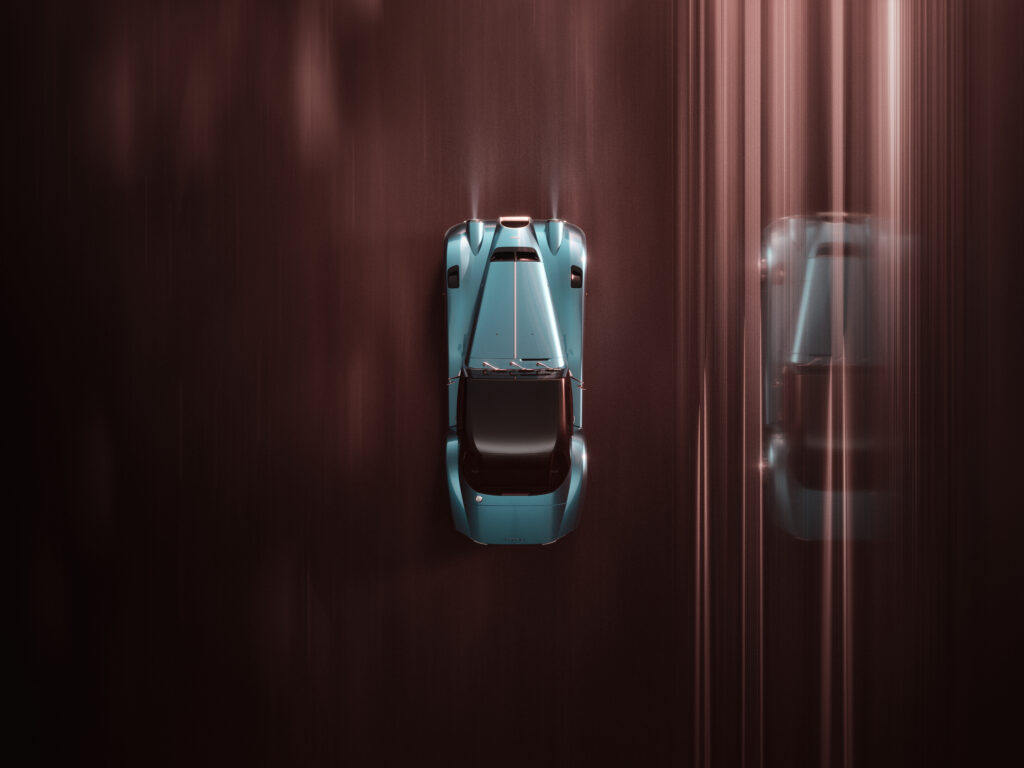
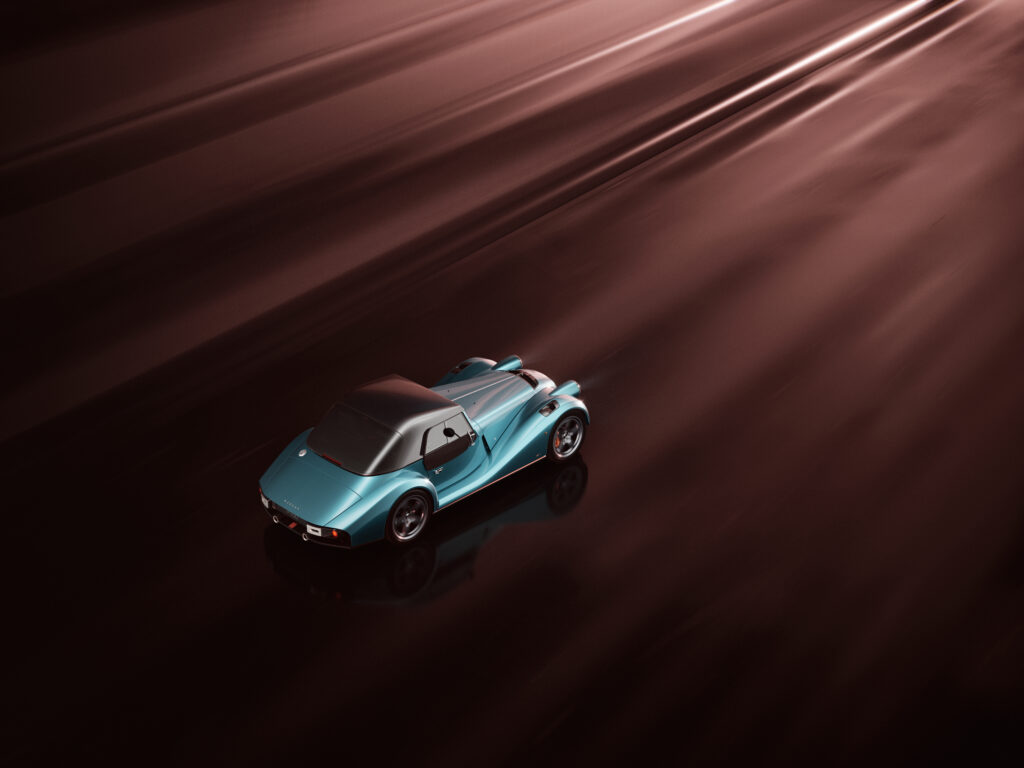
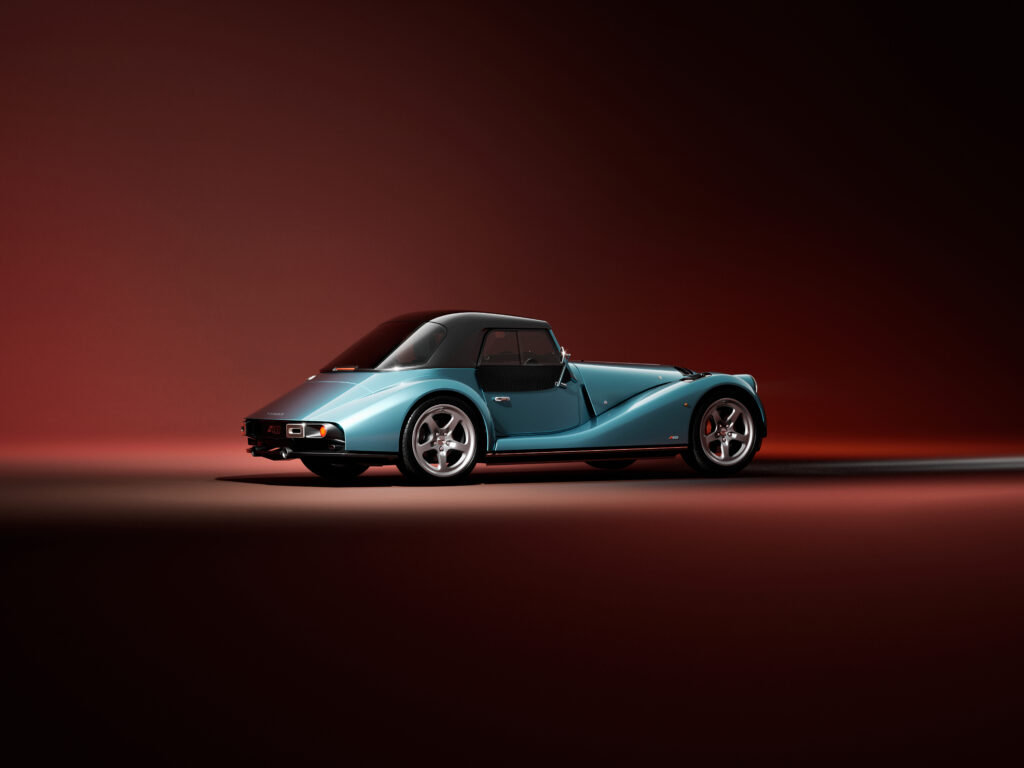
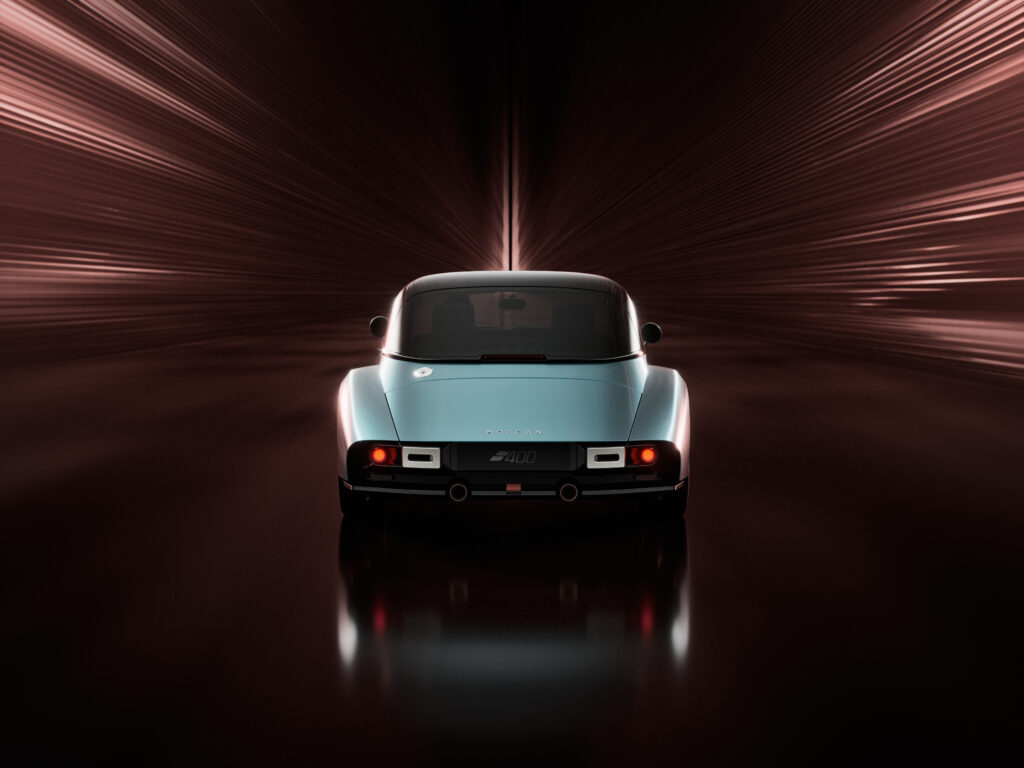
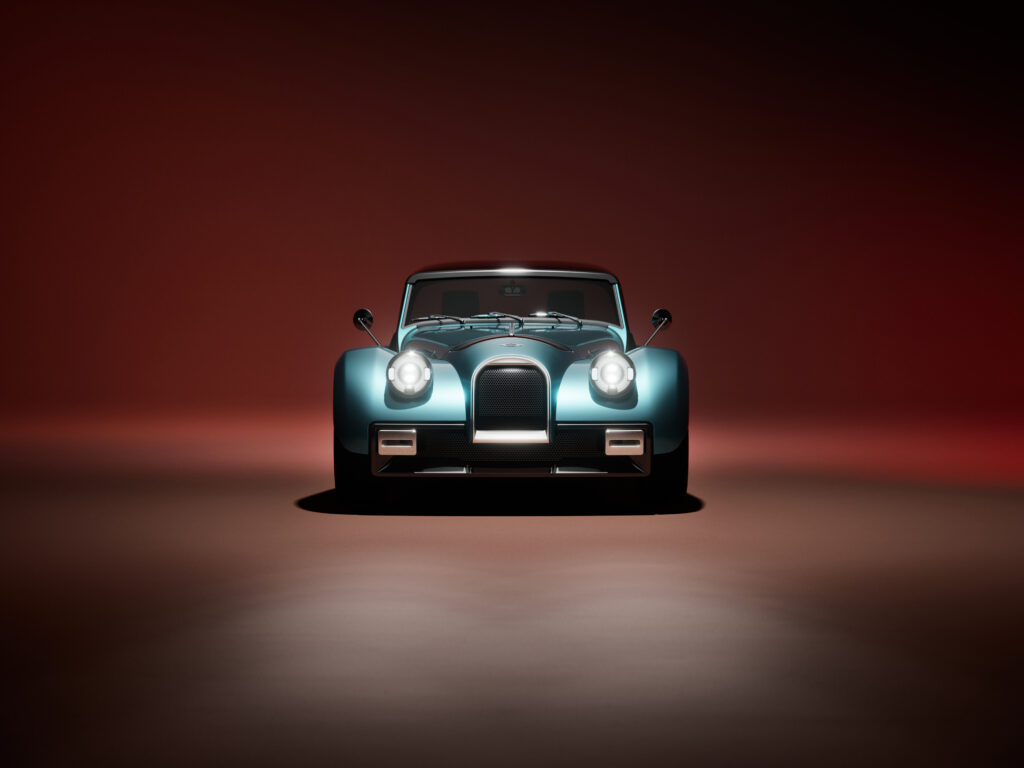
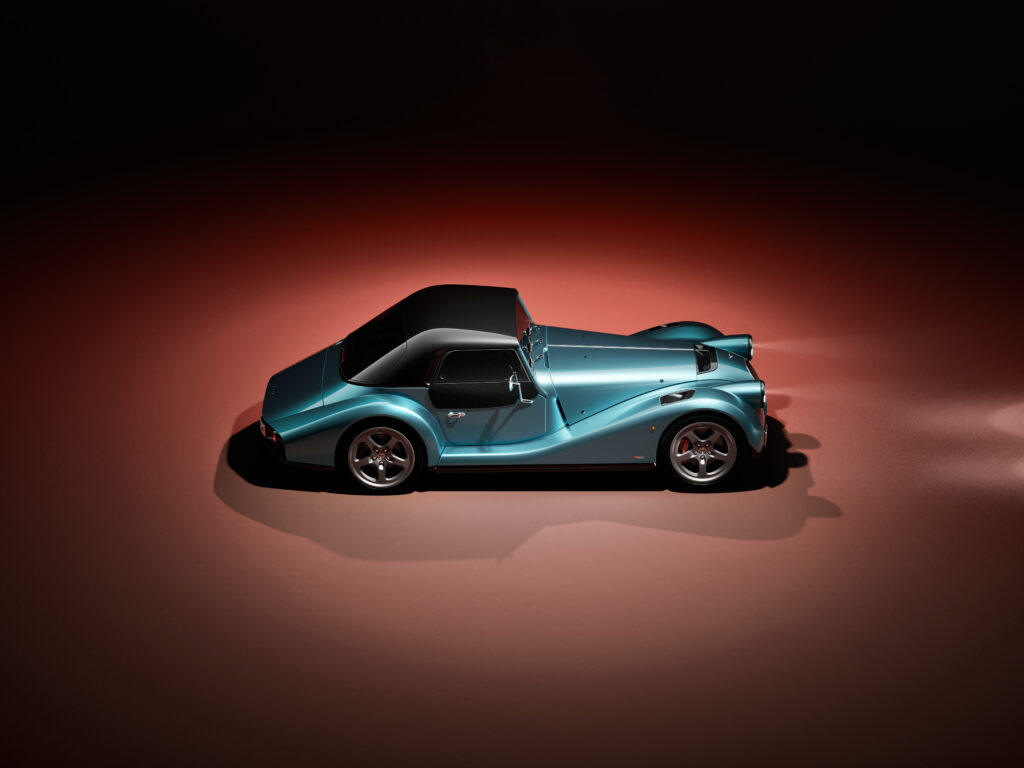
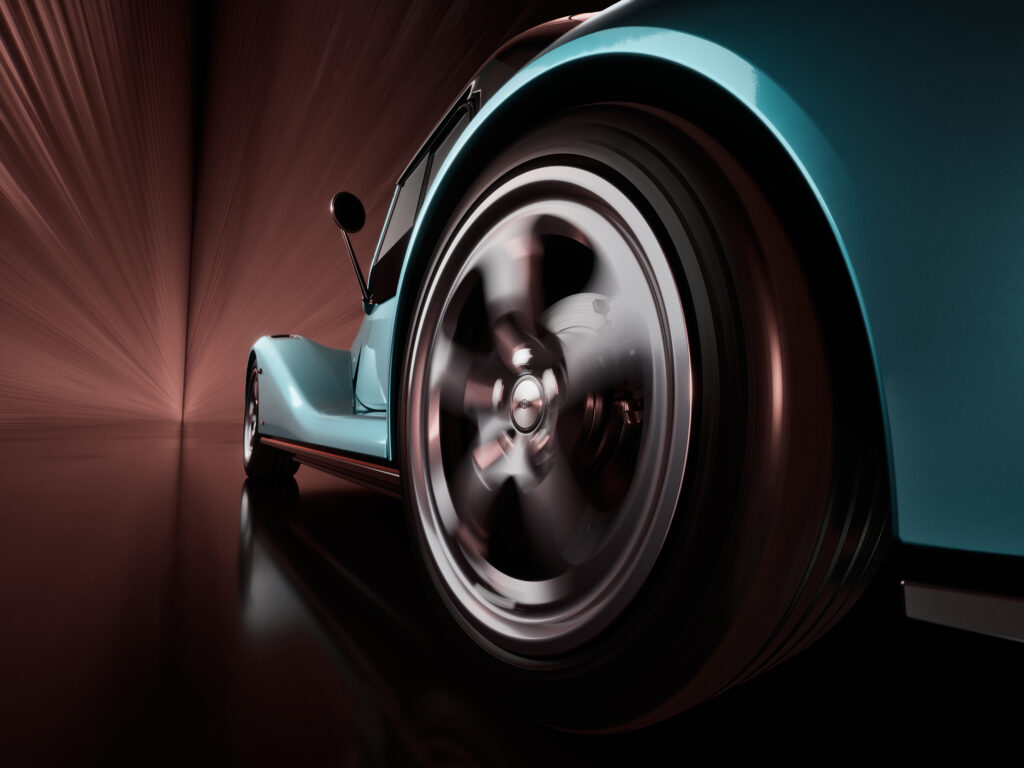
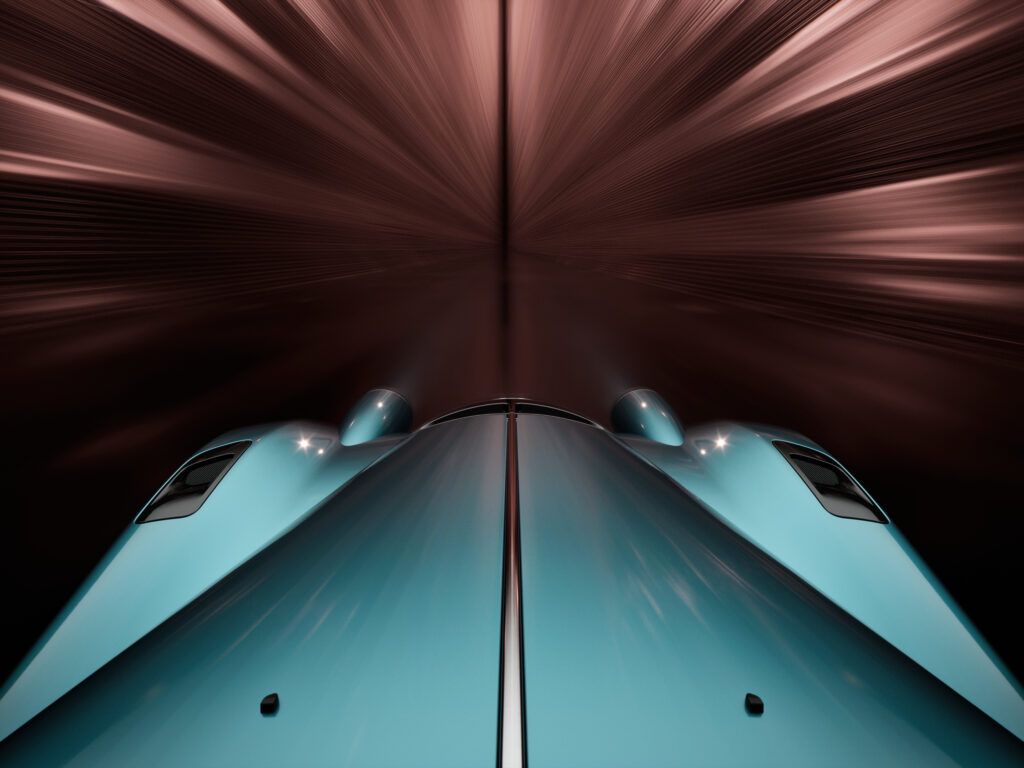
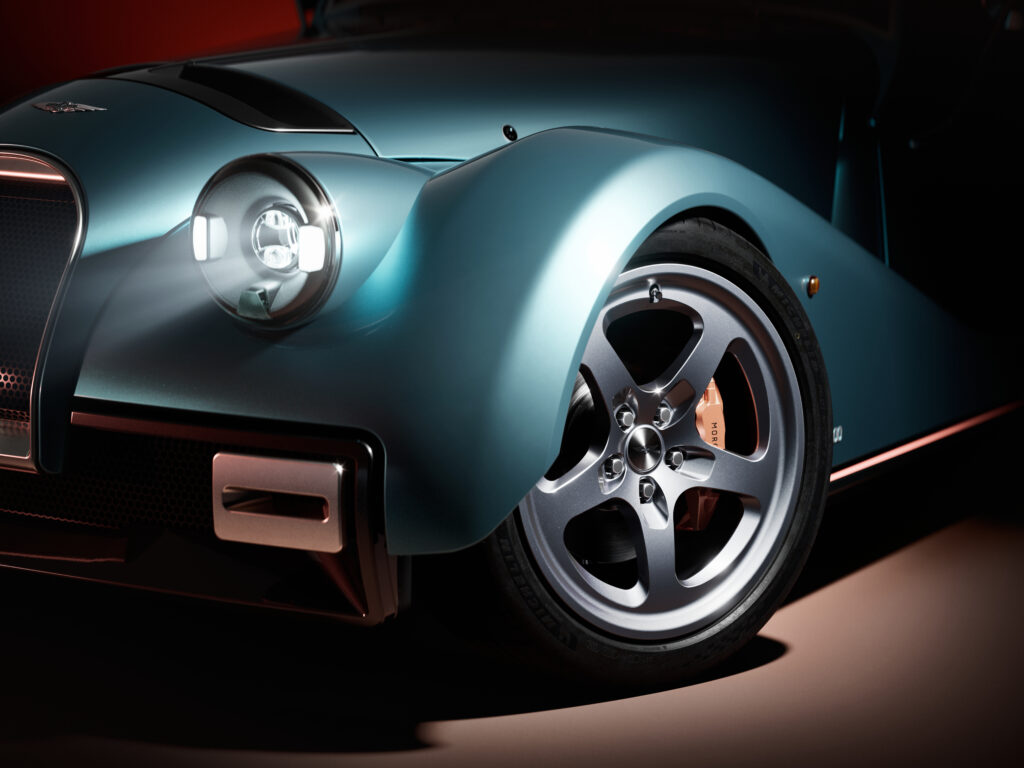
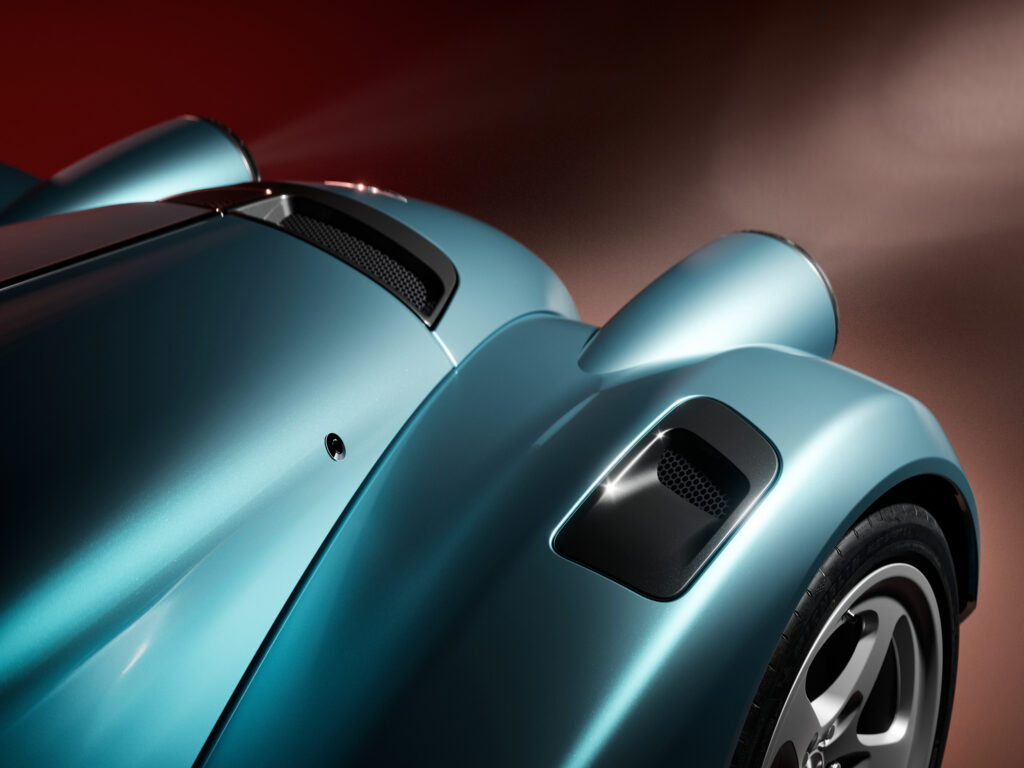
The design follows this functional logic. Front fender vents improve cooling, 19″ forged wheels reduce unsprung mass, and contrasting finishes make technical elements visible without decorative overload.
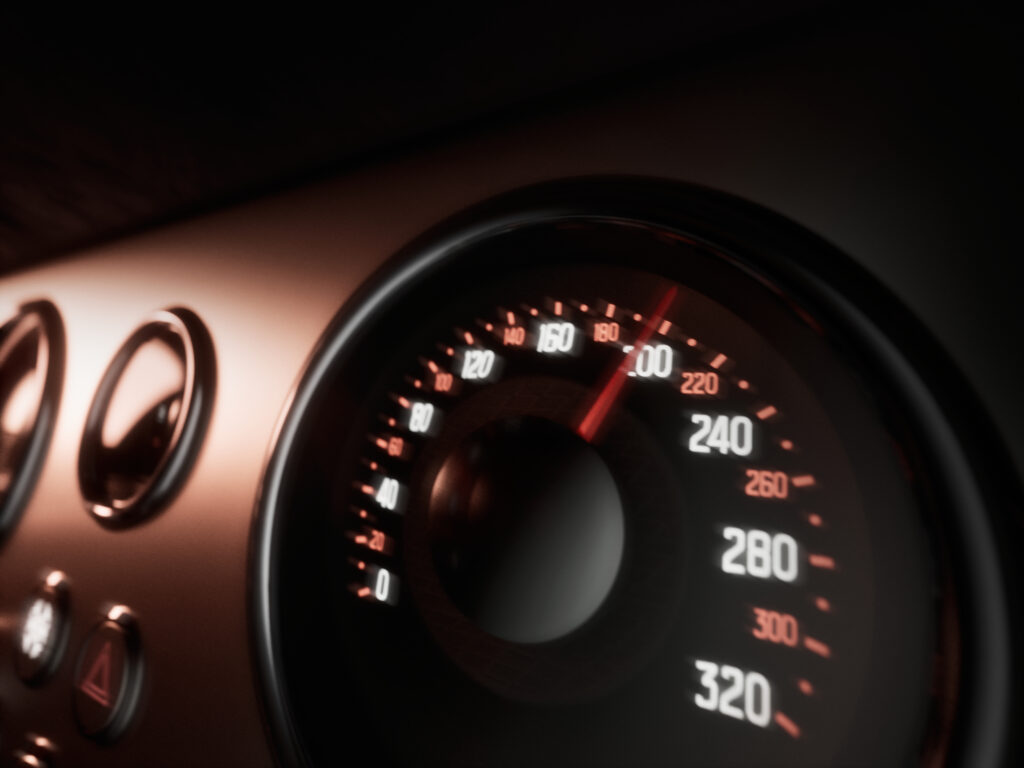
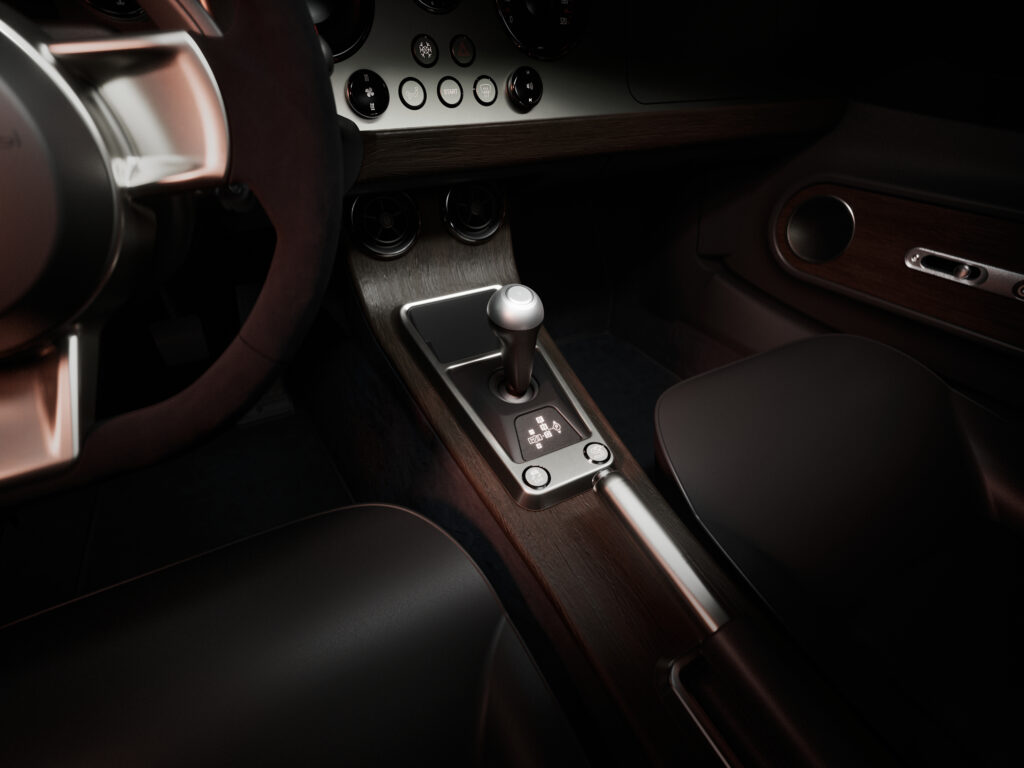
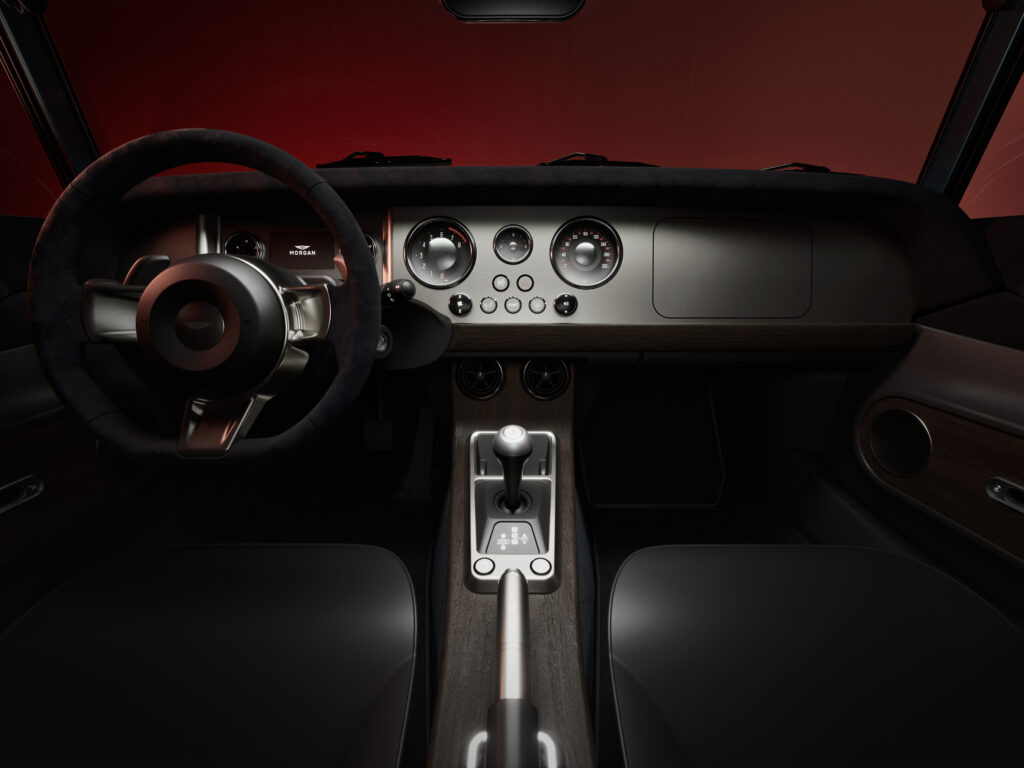
Inside, the craftsmanship remains traditional. Leather, Alcantara and marquetry are all hand-finished in the Malvern workshop. But the evolution is in the details: analog dials produced by Caerbont but connected via contemporary electronic systems, or a machined aluminum gear selector. A discreet but assertive hybridization.
Detail
Platform: CXV bonded aluminum
Engine: in-line six-cylinder, 3.0 L turbo
Power: 407 hp
Weight: 1,170 kg
Suspension: Nitron adjustable shock absorbers (24 positions)
The Supersport 400 marks a shift. Morgan is no longer content to preserve a tradition; it’s putting it to the test. More power, more tuning, more engineering – without abandoning wood, leather or gesture.


Cette publication est également disponible en :

